


 Agatefor stress relief
 Amazonitefor stress relief
 Aquamarinefor serenity
 Aventurinefor luck
 Bloodstonefor energy
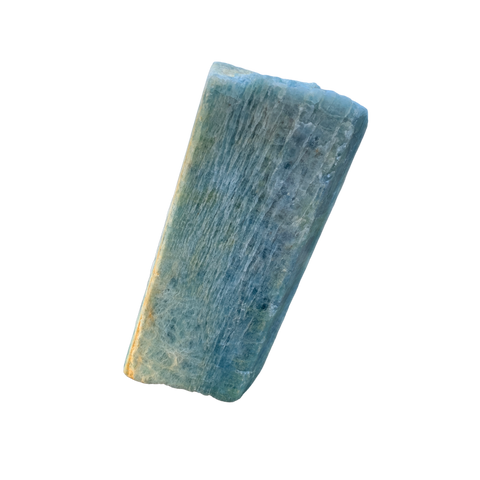
 Blue Kyanitefor confidence
 Blue Lace Agatefor stress relief
 Chrysocollafor emotional healing
 Fluoritefor focus
 Garnetfor energy
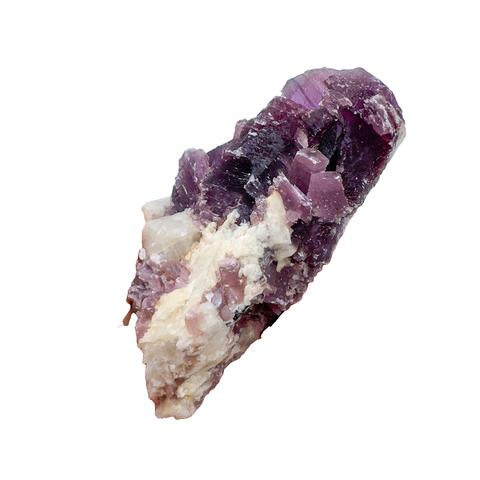
 Lepidolitefor stress relief
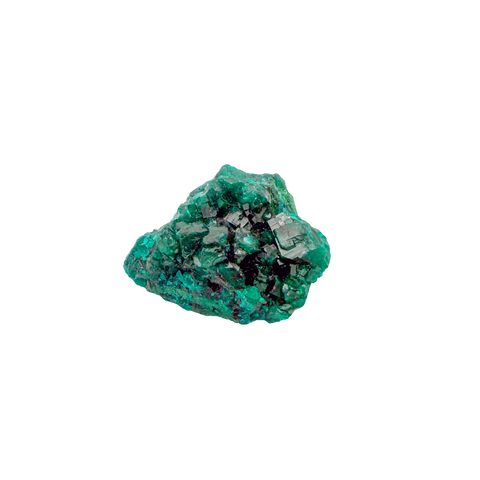
 Malachitefor emotional healing
 Moonstonefor grounding
 Obsidianfor protection
 Ocean Jasperfor emotional healing
 Red Jasperfor grounding
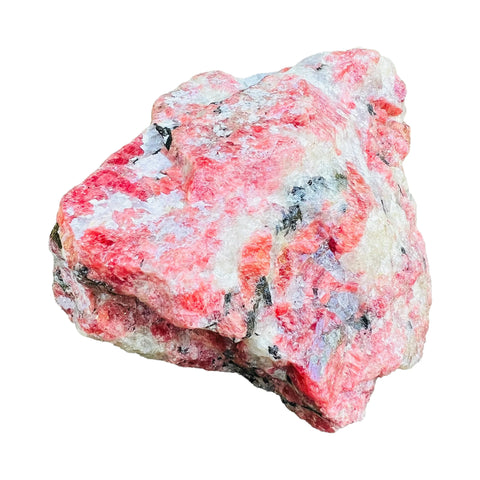
 Rhodonitefor emotional healing
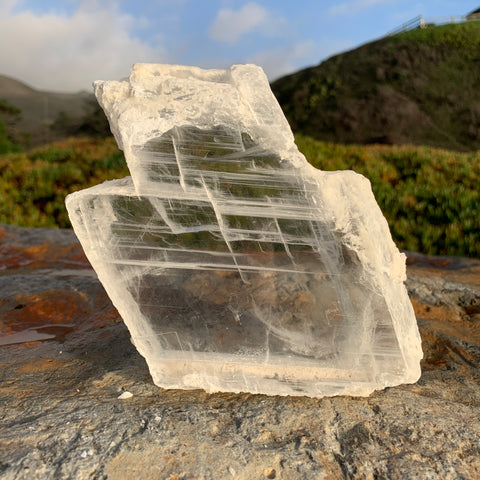
 Selenitefor cleansing
 Sodalitefor focus
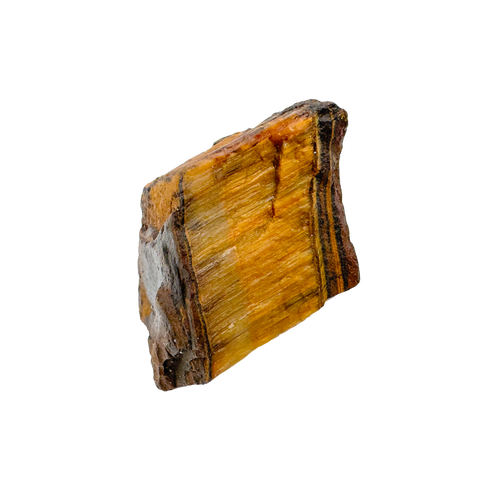
 Tiger Eyefor confidence
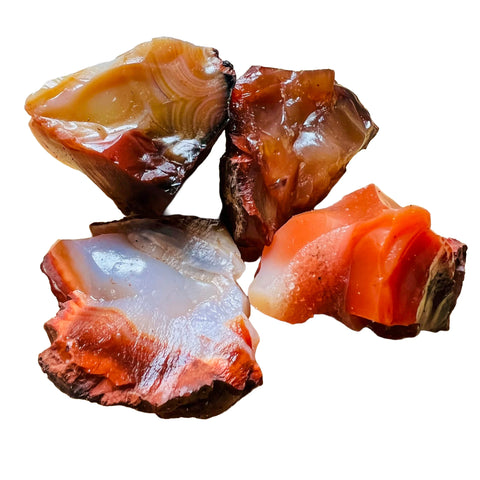
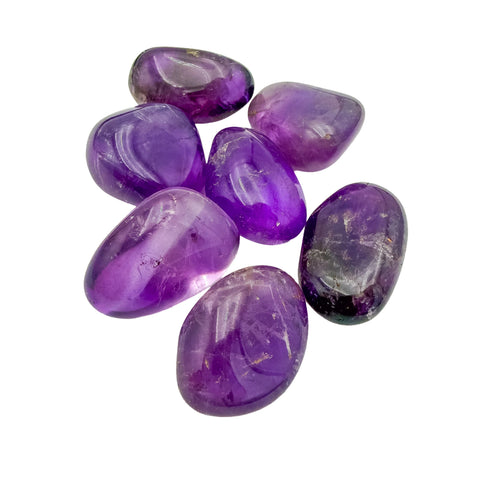


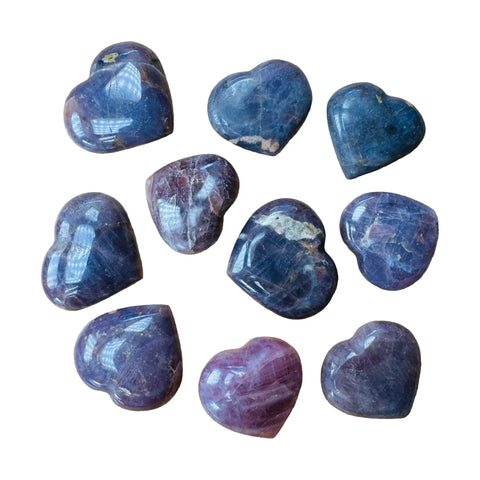
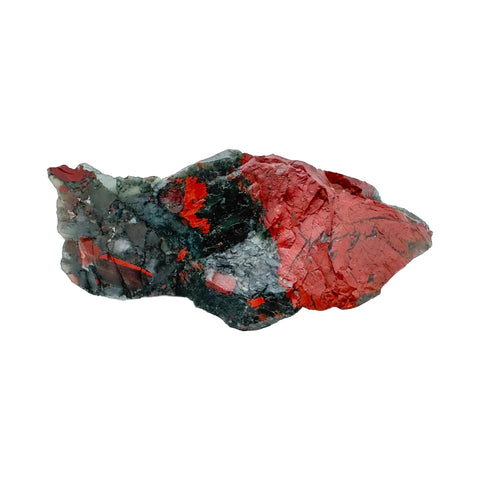
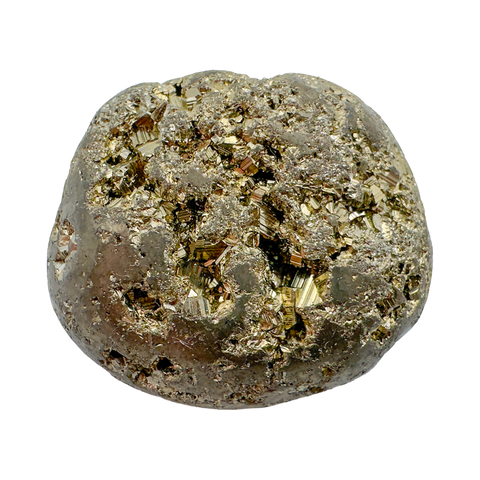
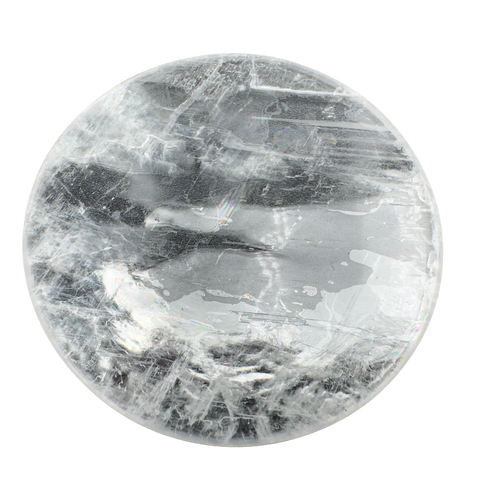


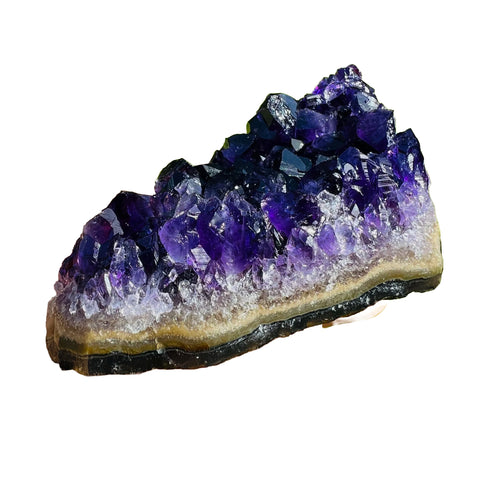




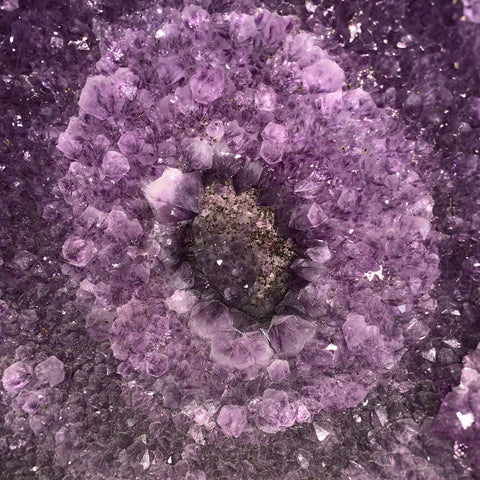
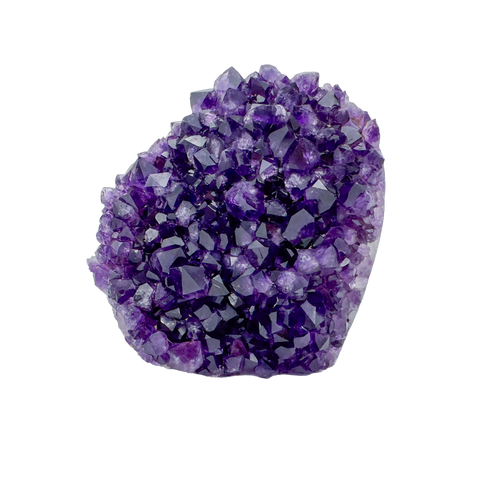
 Amethyst
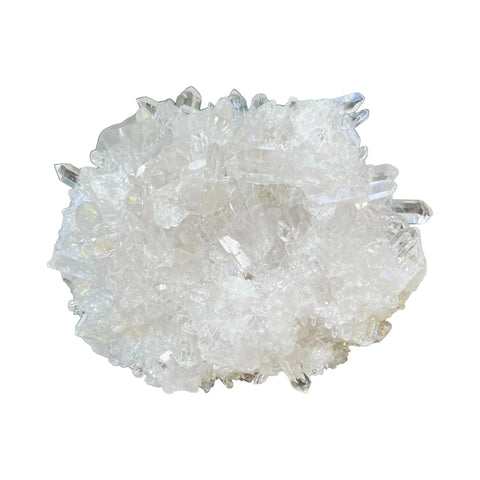
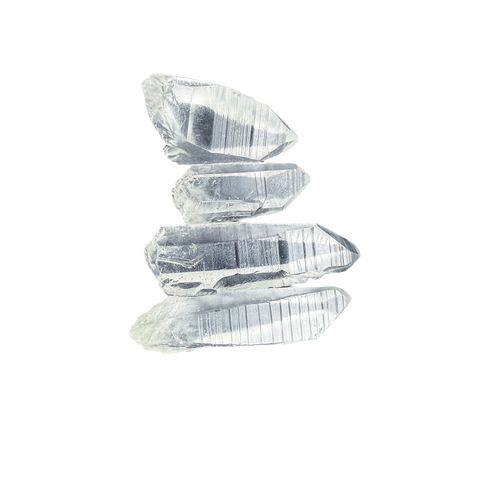
 Clear Quartz
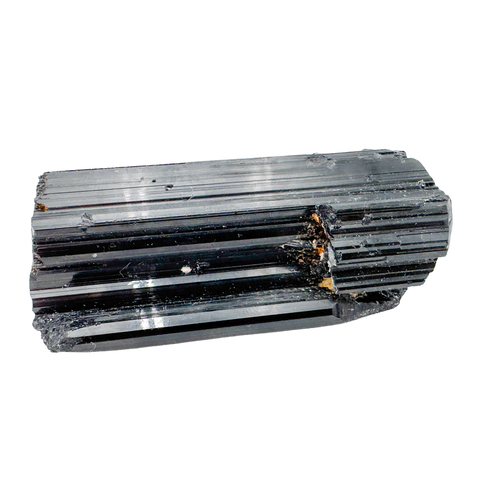
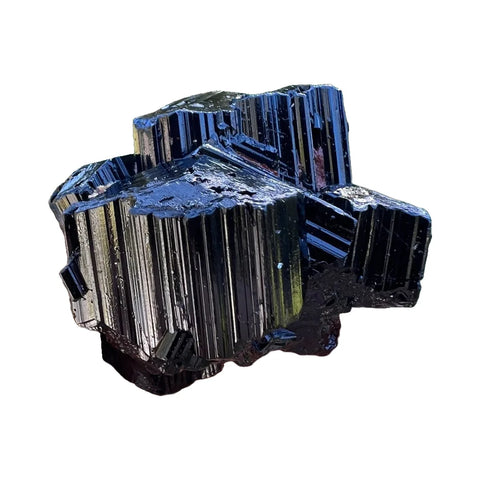
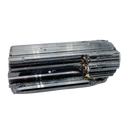 Black Tourmaline
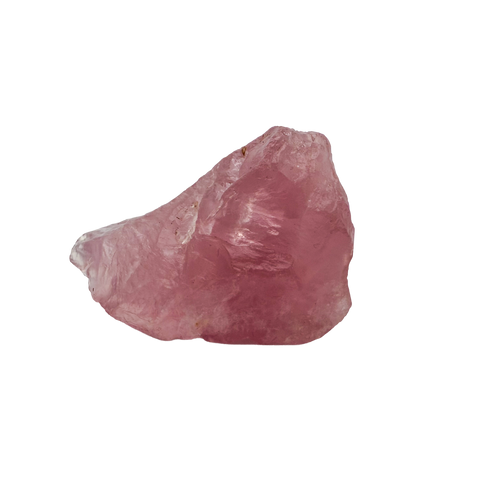
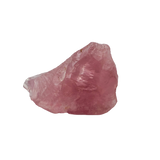 Rose Quartz
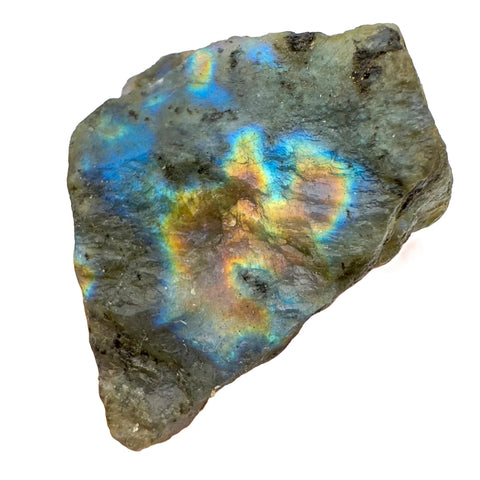
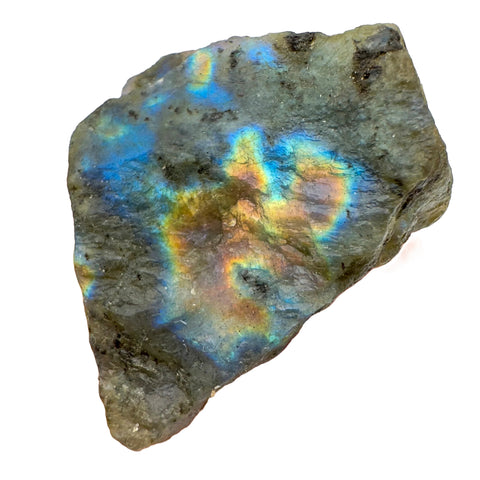
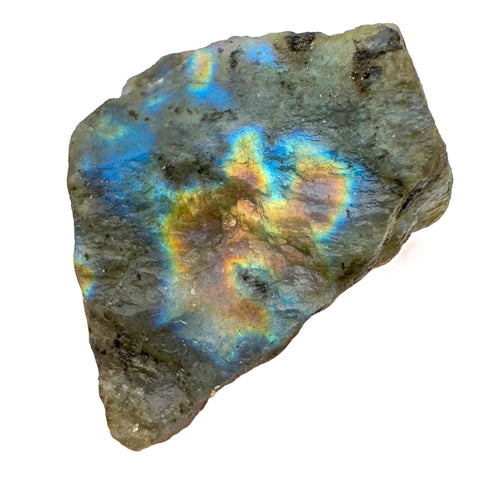
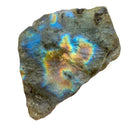 Labradorite
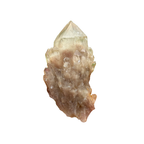 Natural Citrine
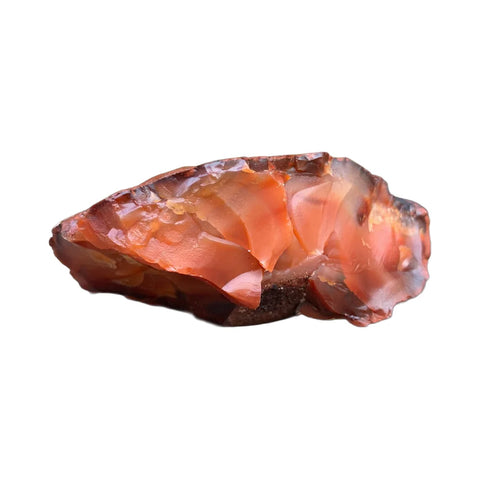
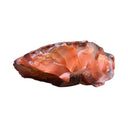 Carnelian
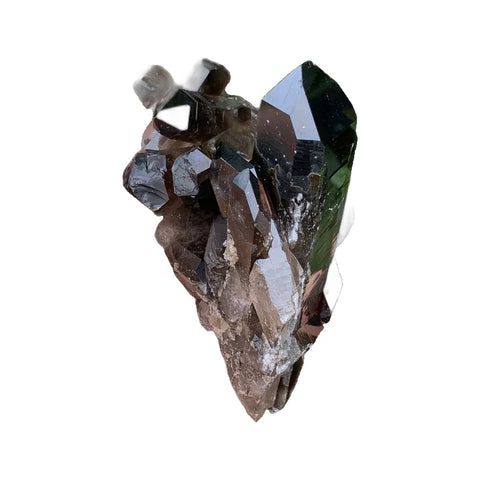
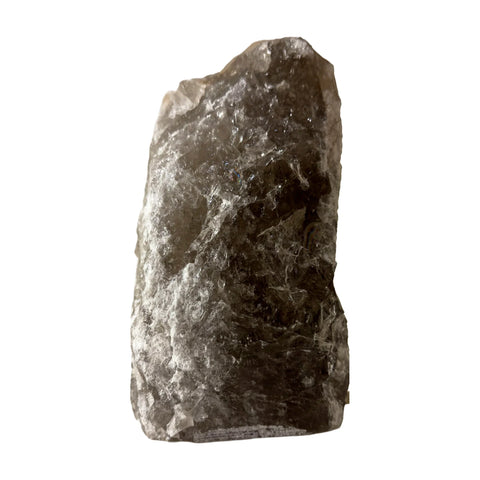
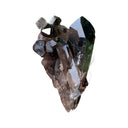 Smoky Quartz
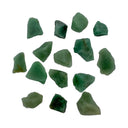 Aventurine
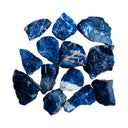 Sodalite
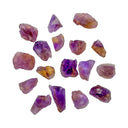 Ametrine
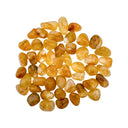 Golden Healer
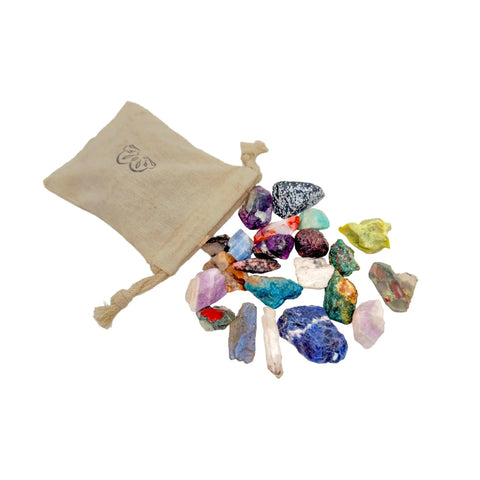
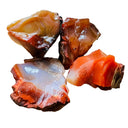 Raw Stones
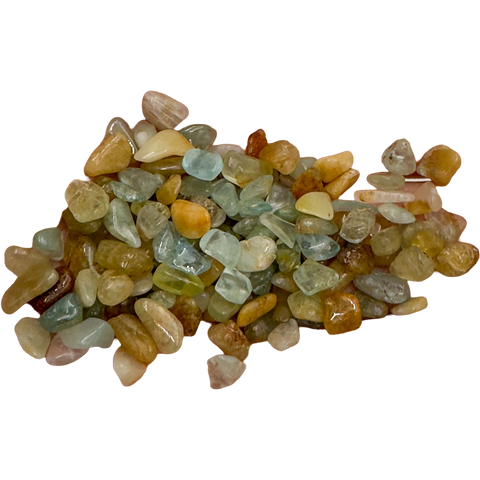
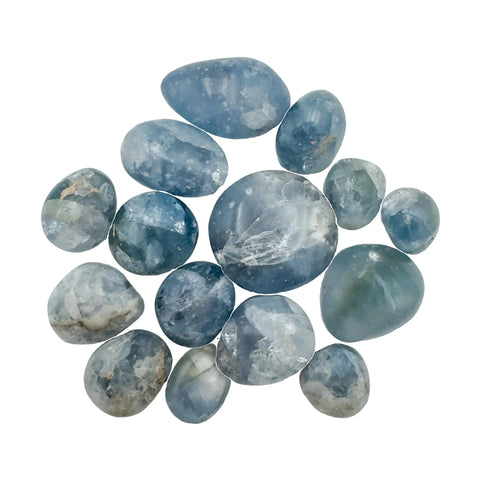
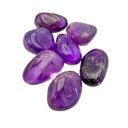 Tumbled Stones
 Palm Stones
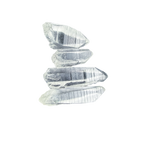 Crystal Points
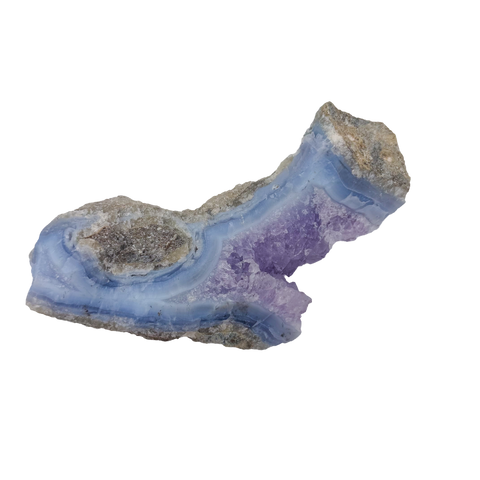
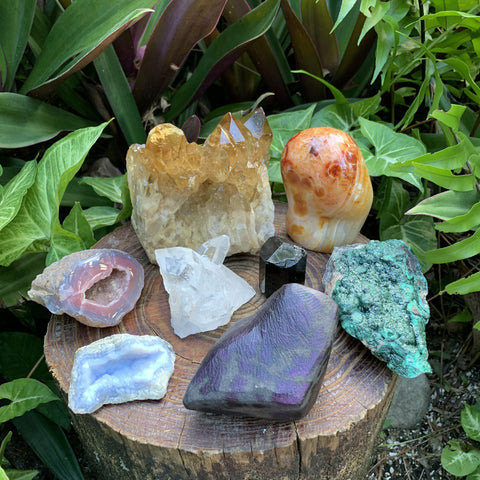
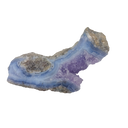 Clusters & Geodes
 Polished & Decor
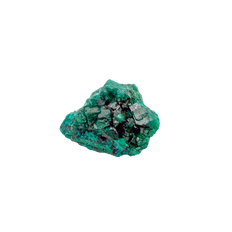 Mineral Specimens
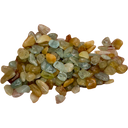 Crystal Chips
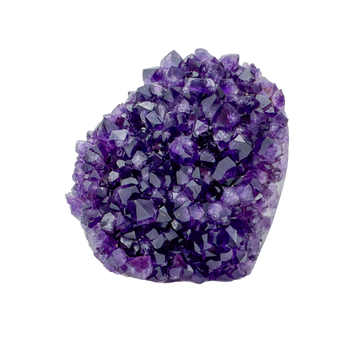
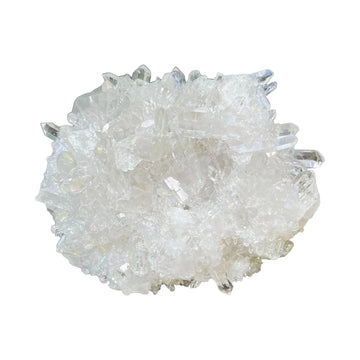
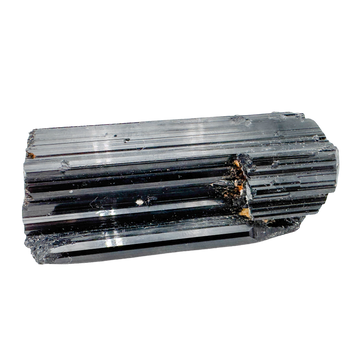
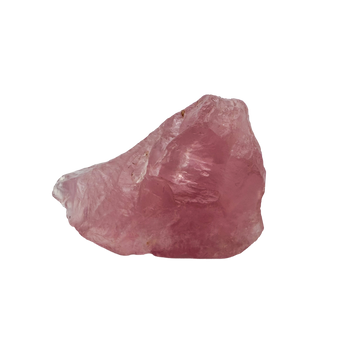
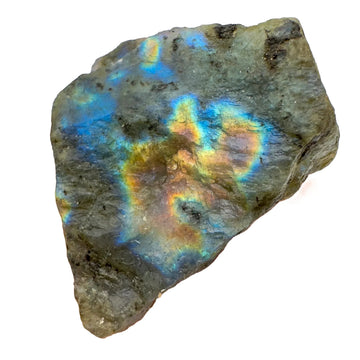
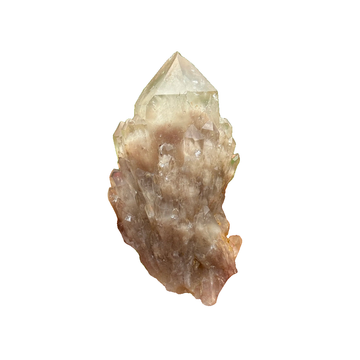
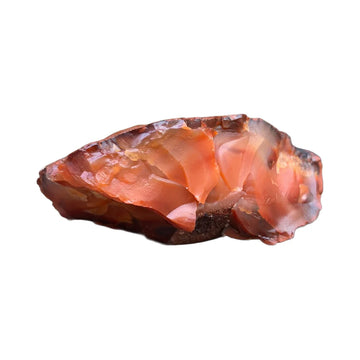
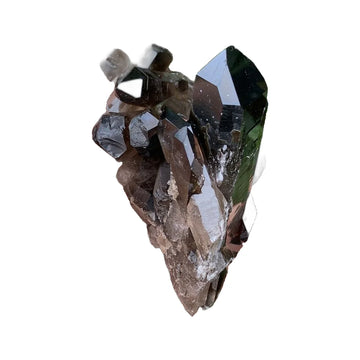
 Raw Stones
179 to choose from
Raw Stones
179 to choose from
 Tumbled Stones
162 to choose from
Tumbled Stones
162 to choose from
 Palm Stones
25 to choose from
Palm Stones
25 to choose from
 Crystal Points
23 to choose from
Crystal Points
23 to choose from
 Clusters & Geodes
98 to choose from
Clusters & Geodes
98 to choose from
 Polished & Decor
147 to choose from
Polished & Decor
147 to choose from
 Mineral Specimens
248 to choose from
Mineral Specimens
248 to choose from
 Crystal Chips
21 to choose from
Crystal Chips
21 to choose from


 AngolaAquamarine
›
AngolaAquamarine
›
 BotswanaCarnelian, Tree Agate
›
BotswanaCarnelian, Tree Agate
›
 DR CongoMalachite, Natural Citrine
›
DR CongoMalachite, Natural Citrine
›
 EswatiniBloodstone
›
EswatiniBloodstone
›
 MadagascarLabradorite, Clear Quartz
›
MadagascarLabradorite, Clear Quartz
›
 MalawiBlue Lace Agate, Garnet
›
MalawiBlue Lace Agate, Garnet
›
 MozambiqueAmazonite
›
MozambiqueAmazonite
›
 NamibiaSodalite, Blue Lace Agate
›
NamibiaSodalite, Blue Lace Agate
›
 Republic of the CongoDioptase
›
Republic of the CongoDioptase
›
 South AfricaTiger Eye, Unakite
›
South AfricaTiger Eye, Unakite
›
 ZambiaChevron Amethyst
›
ZambiaChevron Amethyst
›
 ZimbabweEmerald, Rhodonite
›
ZimbabweEmerald, Rhodonite
›
 ArgentinaBlack Obsidian, Rhodochrosite
›
ArgentinaBlack Obsidian, Rhodochrosite
›
 BoliviaAmetrine
›
BoliviaAmetrine
›
 BrazilAmethyst, Clear Quartz
›
BrazilAmethyst, Clear Quartz
›
 PeruSerpentine, Jade
›
PeruSerpentine, Jade
›
 UruguayAmethyst
›
UruguayAmethyst
›
 Dominican RepublicLarimar
›
Dominican RepublicLarimar
›
 MexicoRainbow Obsidian, Crazy Lace Agate
›
MexicoRainbow Obsidian, Crazy Lace Agate
›
 United StatesSelenite, Peridot
›
United StatesSelenite, Peridot
›
 ChinaFluorite
›
ChinaFluorite
›
 RussiaShungite
›
RussiaShungite
›
 AustraliaMookaite
›
AustraliaMookaite
›
 Where our crystals come from
See where we source →
Where our crystals come from
See where we source →


 Aries
Mar 21 to Apr 19
Carnelian
›
Aries
Mar 21 to Apr 19
Carnelian
›
 Taurus
Apr 20 to May 20
Rose Quartz
›
Taurus
Apr 20 to May 20
Rose Quartz
›
 Gemini
May 21 to Jun 20
Agate
›
Gemini
May 21 to Jun 20
Agate
›
 Cancer
Jun 21 to Jul 22
Moonstone
›
Cancer
Jun 21 to Jul 22
Moonstone
›
 Leo
Jul 23 to Aug 22
Citrine
›
Leo
Jul 23 to Aug 22
Citrine
›
 Virgo
Aug 23 to Sep 22
Amazonite
›
Virgo
Aug 23 to Sep 22
Amazonite
›
 Libra
Sep 23 to Oct 22
Blue Lace Agate
›
Libra
Sep 23 to Oct 22
Blue Lace Agate
›
 Scorpio
Oct 23 to Nov 21
Obsidian
›
Scorpio
Oct 23 to Nov 21
Obsidian
›
 Sagittarius
Nov 22 to Dec 21
Sodalite
›
Sagittarius
Nov 22 to Dec 21
Sodalite
›
 Capricorn
Dec 22 to Jan 19
Black Tourmaline
›
Capricorn
Dec 22 to Jan 19
Black Tourmaline
›
 Aquarius
Jan 20 to Feb 18
Amethyst
›
Aquarius
Jan 20 to Feb 18
Amethyst
›
 Pisces
Feb 19 to Mar 20
Aquamarine
›
Gifting?
A birthday stone is the safe bet.
Read the zodiac guide →
Pisces
Feb 19 to Mar 20
Aquamarine
›
Gifting?
A birthday stone is the safe bet.
Read the zodiac guide →

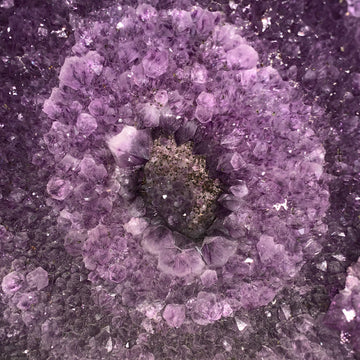
Cactus Spirit Quartz
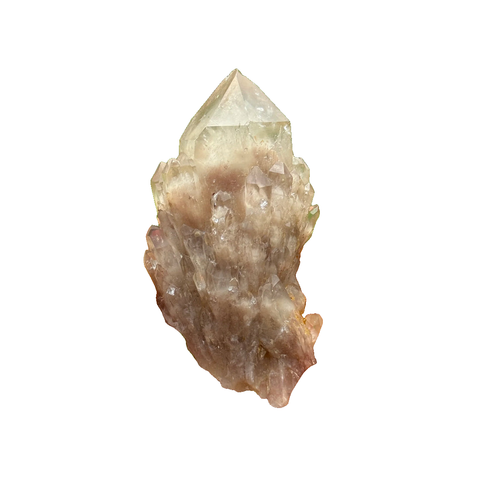
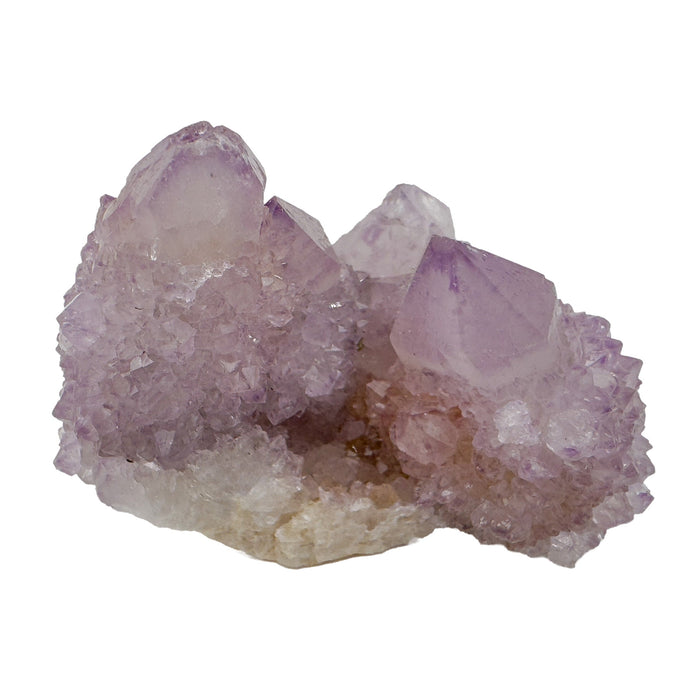
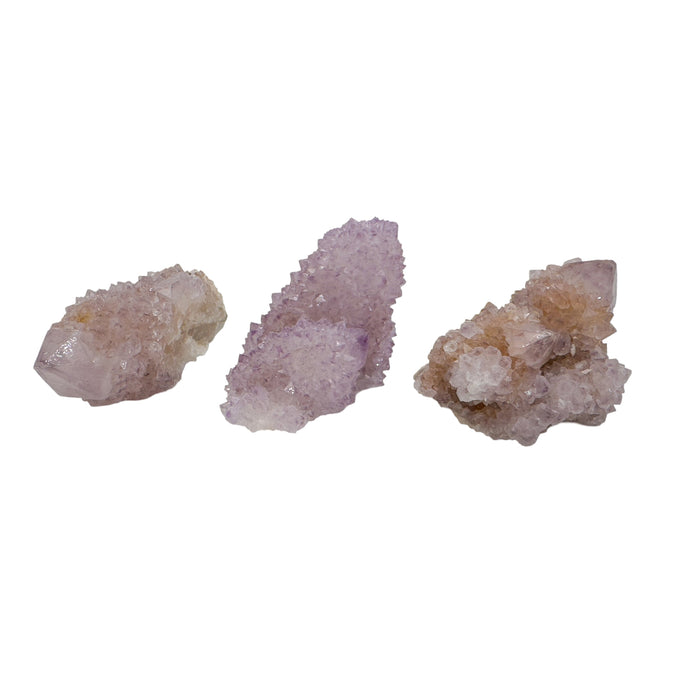
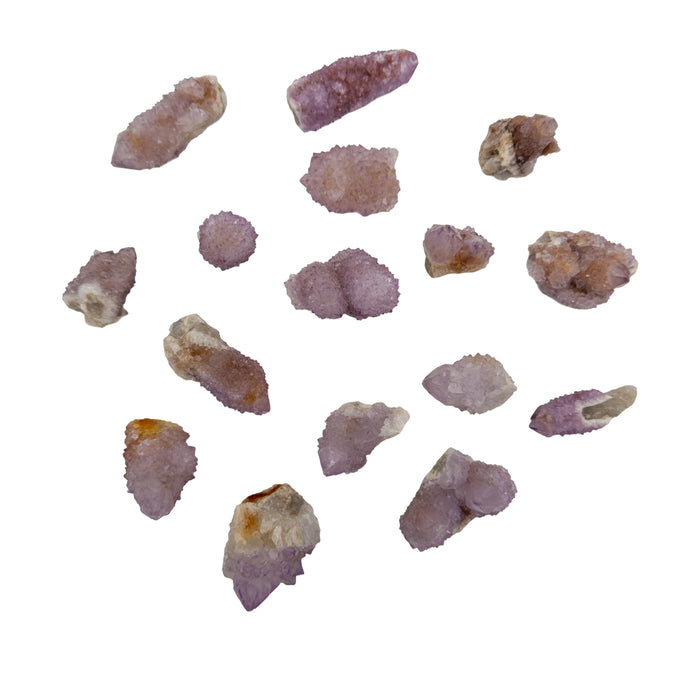
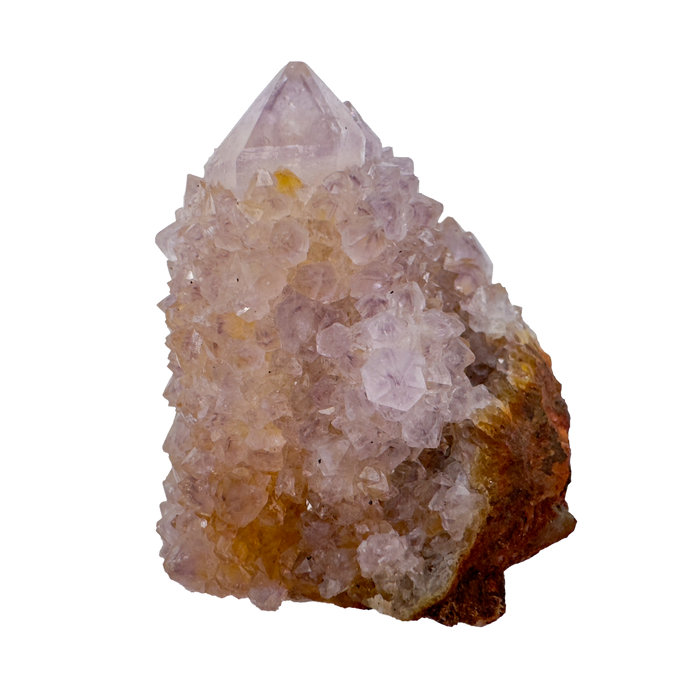
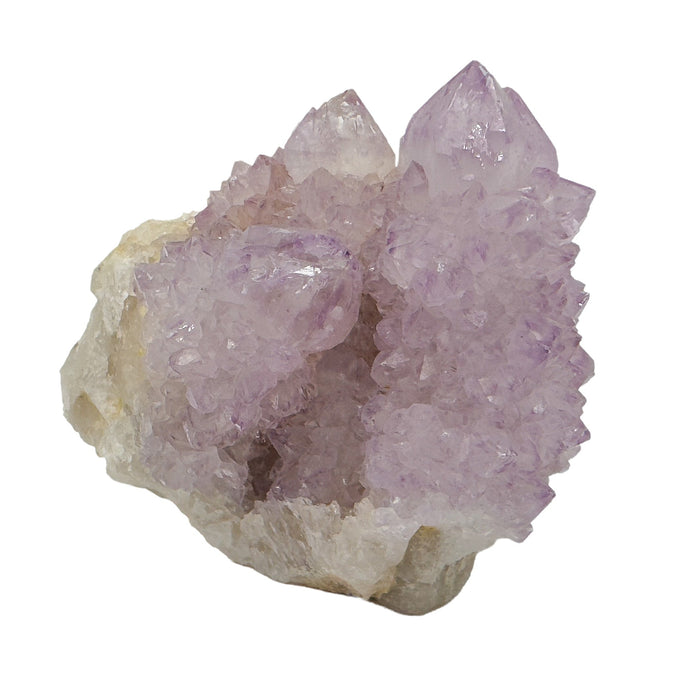
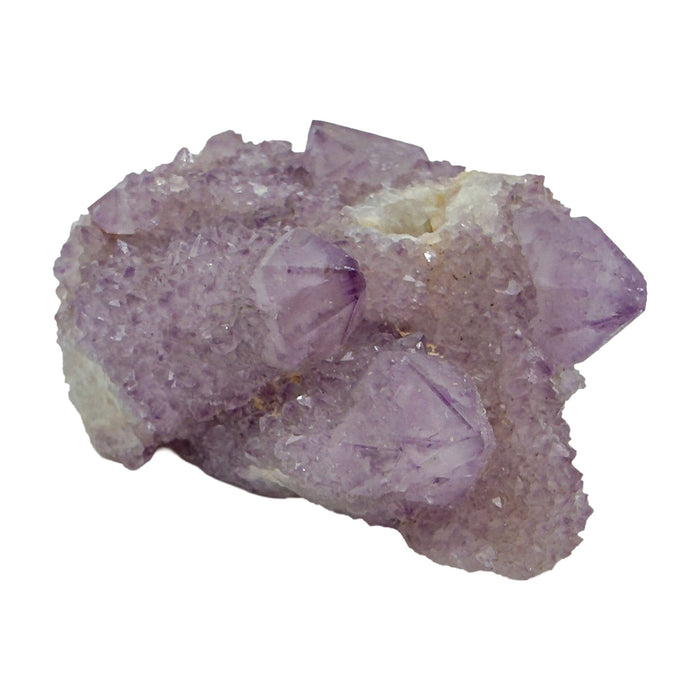
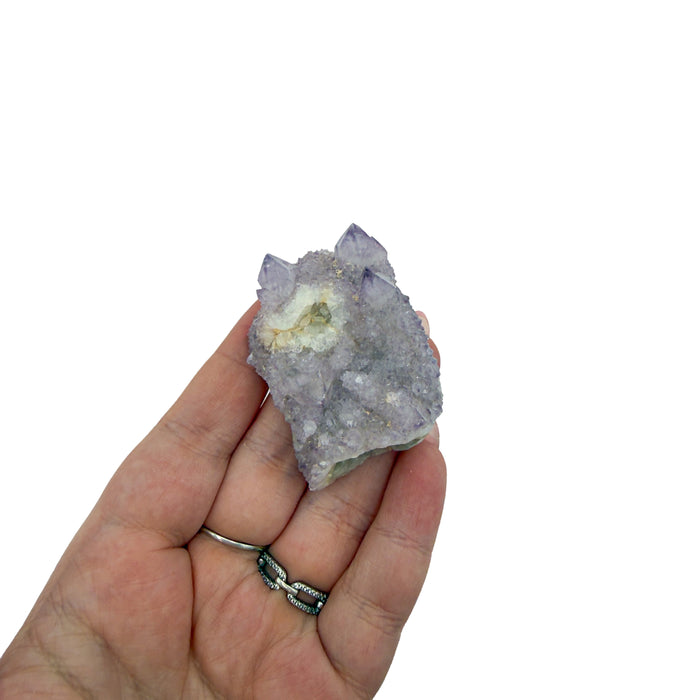
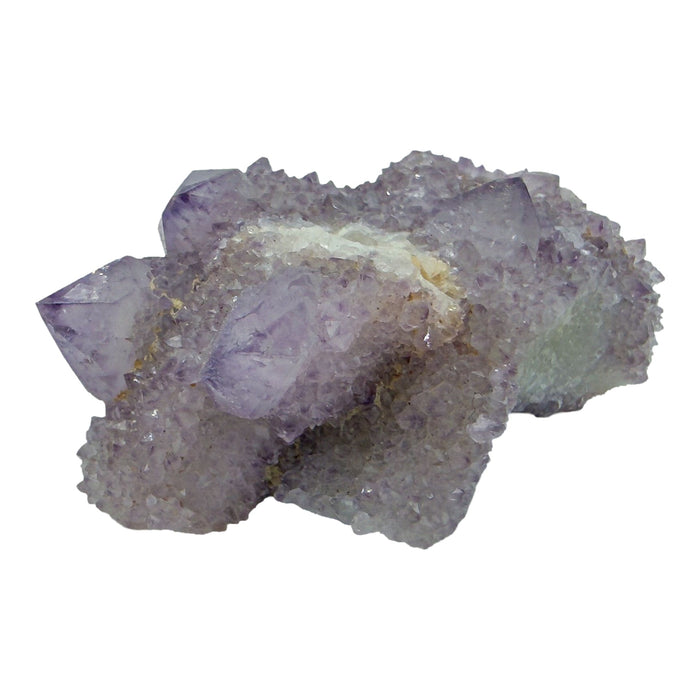
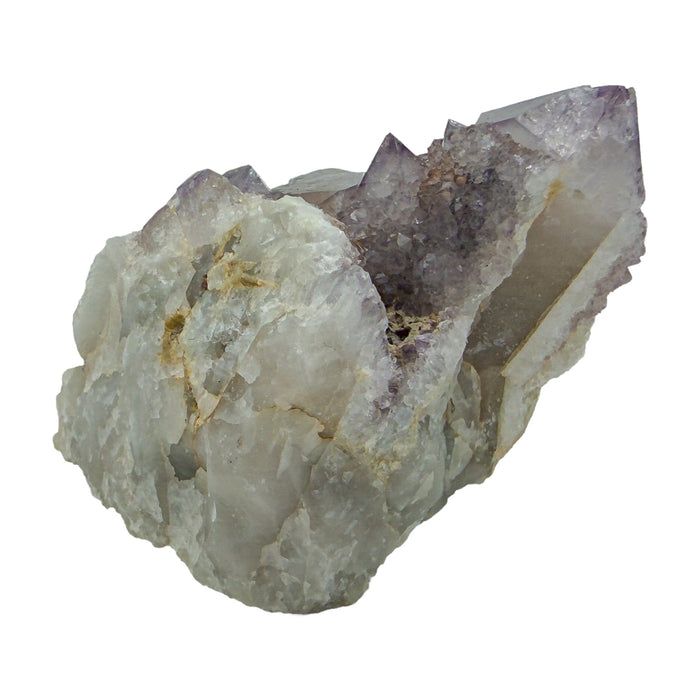
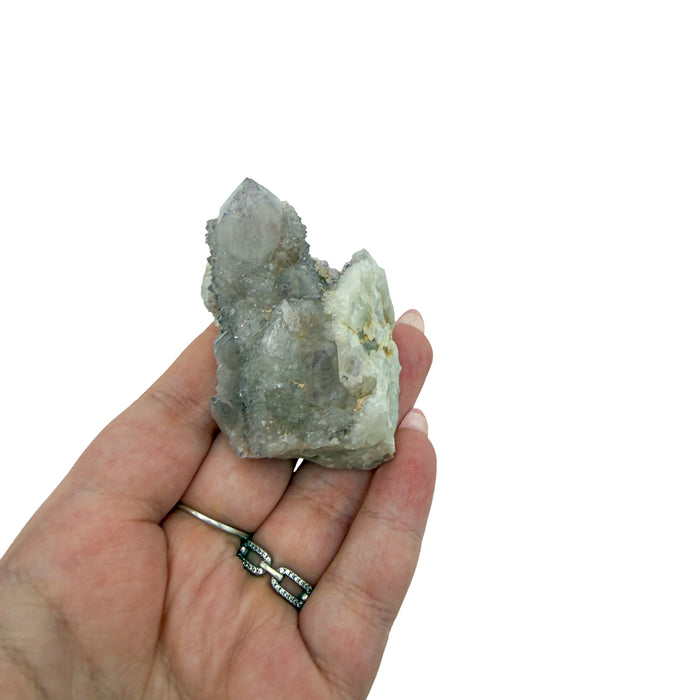
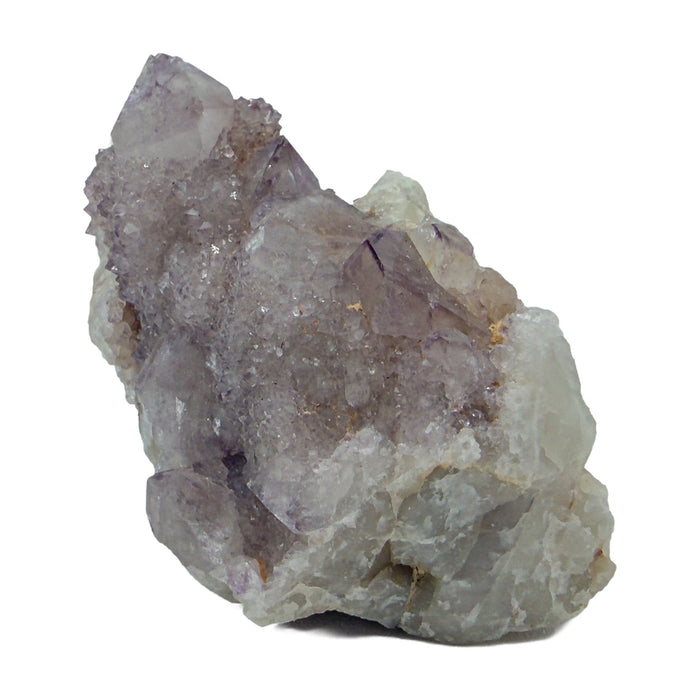
Cactus Spirit Quartz is a rare form of quartz where a primary crystal is fully coated in tiny secondary terminations, creating a distinctive spiky or prickly surface. The formation happens over time when a second generation of quartz crystals grows on an already-formed primary point. Found almost exclusively in the Boekenhoutshoek area of South Africa's Mpumalanga province, it is natural and never treated. Many people work with it for cleansing, meditation, and the kind of collective energy that comes from many points working in harmony.
Shop cactus spirit quartzThe closest match we carry: Cactus Spirit Quartz.
Cactus Quartz Amethyst is not something we carry. Cactus Spirit Quartz is the closest match in our collection, and every product page names its origin and grade.
- from 1,000+ reviews
- Ships within 72 hoursMonday to Friday, tracked
- 90 days to return itif you do not love it
- Free US shipping over $99$8.99 flat rate under
The geology.
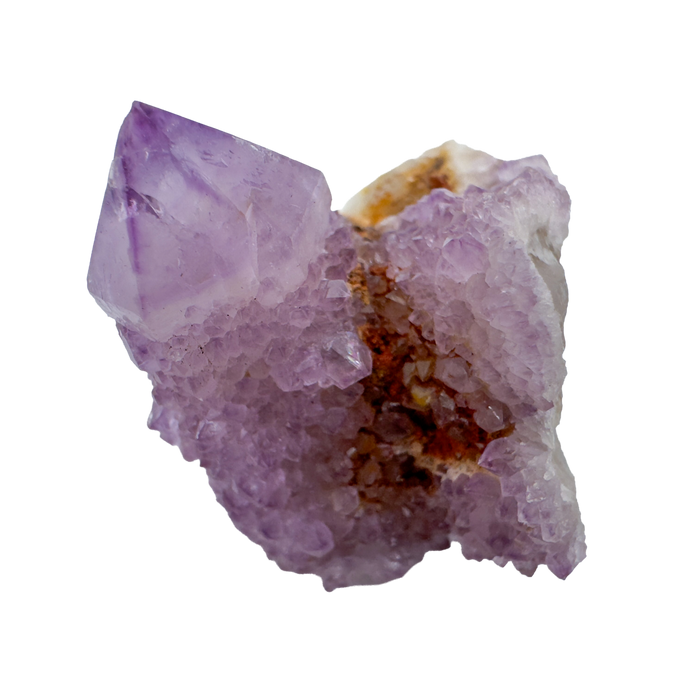
Cactus Spirit Quartz is quartz (silicon dioxide, SiO₂) formed in two distinct hydrothermal stages. First, a primary quartz crystal develops, which may be clear, amethyst (purple), citrine (yellow), or smoky quartz (brown) depending on trace elements present during growth. In a later thermal event, a second generation of tiny quartz terminations crystallizes directly on the surface of the primary crystal, covering it completely and creating the characteristic spiky or prickly texture. The result is a single crystal surrounded by hundreds of smaller druzy terminations all pointing outward, sometimes called a "cactus" shape or "spirit quartz" because of the multiple points radiating from a central core.
Hardness is 7 on the Mohs scale, making cactus spirit quartz durable and resistant to scratching. The trigonal crystal system gives the primary crystal its hexagonal geometry, visible in the central point. Specific gravity runs 2.65, typical for quartz varieties. The formation is wholly natural, never composite or glued together. Color depends on the primary crystal: clear, amethyst, citrine, or smoky varieties are most common. The druzy secondary terminations are always clear quartz regardless of the primary crystal color. This two-stage formation is what makes the piece distinctive and, in many cases, visually striking.
The origins.
Cactus Spirit Quartz is found almost exclusively in the Boekenhoutshoek area of Mpumalanga Province, South Africa. This region is the primary and effectively only commercially significant source of the formation in the modern market. The mining operations there are formal, licensed operations with above-market labor compensation and documented supply chains. The material is extracted from underground deposits where both the primary and secondary quartz formations have completed their hydrothermal cycle. No cutting or enhancement is needed to reveal the distinctive druzy coating; it is a complete natural formation.
Rare specimens have been reported in Zambia and occasionally in Madagascar, but these are exceptional and do not represent commercial supply. South Africa is the reliable, documented source, and the operations there are the ones we work with directly. If sourcing ever shifts, we will say so. The material we carry comes with batch documentation confirming origin and mining operation details.
Traditional associations.
Cactus Spirit Quartz is a modern market name, emerging in the 1990s as the formation was discovered and commercialized internationally. The name references the spiked appearance and the idea of multiple quartz points unified around a central crystal. Before the 1990s, this specific form was not widely known or traded in the international crystal market, though it was known locally in South Africa. All of its associations are modern and rooted in the current crystal community rather than in deep historical or cultural tradition.
In modern practice, the clustering of many crystals around a central point is described metaphorically as collective energy, community healing, or group harmony. Many people work with it for meditation, cleansing, amplifying intention, and the kind of energetic presence associated with "many voices in one direction." It is often chosen for family work, group settings, or solo practice where many aspects of self need alignment and harmony. The Crown chakra and all-chakra associations connect it to clarity, unity, and higher perspective. It is frequently paired with other quartz varieties because of the shared energetic family and amplification tradition in quartz work.
Spotting the real thing.
Genuine cactus spirit quartz has a primary crystal at the center (visible as a point or face) completely surrounded by smaller druzy terminations radiating outward in all directions. The terminations are sharp, individual pyramidal points, not rounded or melted-looking. The transition from the primary crystal to the druzy coating is seamless and natural, with no visible glue lines, cracks, or gaps where secondary pieces have been attached. Hold the piece under light and observe: real druzy terminations sparkle individually and show the natural geometry of quartz crystal points.
Composites or glued-on druzy pieces show uniform coverage that looks too perfect, visible seams or glue residue along edges, and termination points that are rounded or appear to have been sanded. Real cactus spirit quartz is lightweight for its size because quartz has low density, and the spiky terminations feel sharp and distinct. The primary crystal can be identified by looking for the central point or larger face, and you can feel the graduated size difference between the primary and secondary crystals. If all terminations are exactly the same size or appear to cover the piece in an impossibly uniform way, it is almost certainly a composite.
Care & handling.
Cactus spirit quartz is durable at Mohs 7, but the druzy terminations are fragile and can chip or bend if knocked against hard surfaces or dropped. Store the piece separately from other stones to avoid damaging the druzy points. Handle with care, and avoid carrying it loose in bags or pockets with keys or harder minerals. The spiky nature of the formation makes it particularly vulnerable to impact on the termination points.
Cleaning is straightforward. Mild soap, soft brush, and running water are all safe. Avoid ultrasonic cleaners, which can loosen or vibrate druzy terminations off the primary crystal. Air-dry after rinsing. For energetic cleansing, water, smoke, sound, moonlight, or breath all work well. Many people appreciate the idea of cleansing with water because quartz resonates with that element. The durability of the quartz itself means the piece will not degrade with reasonable care, though the visual appeal depends on keeping the druzy points intact and unbent.
Pairs well with.
Proof, not promises.
We measure our own sourcing across five dimensions. Supply chain, environmental footprint, artisan support, market integrity, and pricing. The number is honest, not perfect. Where we can do better, we say so.
A deeper look.
Extended geology, sourcing, authentication, formation history, composition varieties, and pricing for when the quick guide is not enough.
Extended geology and formation
Cactus Spirit Quartz forms through a two-stage hydrothermal process separated by time. In the first stage, a primary quartz crystal develops under elevated temperature and pressure in fractures or cavities within host rock. Depending on the chemical composition of the hydrothermal fluid and the presence of trace elements like iron (for amethyst color) or aluminum (for citrine color), the primary crystal may be clear, purple, yellow, or brown. The primary crystal grows to a substantial size and develops a complete termination point or face, defining the center of the future formation.
In a later thermal event, different hydrothermal conditions produce a second generation of much smaller quartz crystals that nucleate directly on the surface of the primary crystal. These secondary crystals do not form elsewhere in the host rock in significant quantities; they appear specifically on the surface of the primary crystal, coating it completely. The result is a distinctive formation where a single large crystal is surrounded by hundreds of tiny druzy terminations, all pointing radially outward. The primary crystal remains at the geometric center, and the secondary druzy points radiating from it create the "cactus" or "porcupine" appearance.
The formation is entirely single-crystal, not composite. It is a single quartz structure with two generations of crystal growth, not glued pieces. This is why genuine cactus spirit quartz is robust and durable. Hardness is 7 on the Mohs scale for the entire piece. Specific gravity is 2.65, the standard for quartz. The trigonal crystal system governs both the primary and secondary crystals, though the tiny size of the druzy terminations makes their individual hexagonal geometry visible only under magnification.
Primary crystal color varieties
Clear Spirit Quartz has a colorless or transparent primary crystal with clear druzy coating. This is the least common variety and valued for optical clarity and light transmission. Amethyst Spirit Quartz (purple) is the most common and visually striking. The purple comes from irradiation damage to iron impurities in the crystal lattice, a natural process that happens in the earth. The primary crystal is amethyst, and the druzy coating is clear quartz. Citrine Spirit Quartz (yellow) is rarer. The yellow comes from trace iron and aluminum, or from heat alteration of amethyst during the formation process. Smoky Spirit Quartz (brown) is less commonly traded but exists. The brown comes from natural irradiation damage similar to amethyst but produces a brown center tone rather than purple.
Boekenhoutshoek sourcing and mining
The Boekenhoutshoek area of Mpumalanga Province, South Africa contains the primary commercial deposit of cactus spirit quartz. The quartz formations occur in veins and pockets within metamorphic and igneous host rock. Mining is conducted by licensed operations with formal environmental and labor oversight. The operations we work with extract the material via underground shaft mining, which minimizes surface disruption compared to open-pit extraction. Material is hand-sorted at the mine site to identify complete formations and remove host rock.
South Africa's mining regulations require environmental management plans, labor standard compliance, and community engagement. These regulations are enforced with varying consistency, and we acknowledge that regulatory oversight in mining is imperfect. Yet the operations we partner with exceed baseline requirements and maintain above-market wage standards for workers. If our sourcing ever shifts to a different region or operation, we will disclose the change and the reasoning.
Market history and modern recognition
Cactus Spirit Quartz was first widely recognized and commercialized in the 1990s as international crystal trading expanded. The formation was known to local collectors and miners in South Africa for longer, but it was not part of the global crystal market until the 1990s. The market name "Spirit Quartz" emerged from the visual metaphor of many crystals unified around a central point, suggesting collective or group energy. "Cactus Quartz" and "Porcupine Quartz" are alternative names reflecting the spiky appearance. None of these names carry ancient or historical significance; they are entirely modern market conventions.
Since the 1990s, cactus spirit quartz has become a recognized and sought-after formation among collectors and in crystal practice. Demand has grown steadily but remains modest compared to common quartz varieties like clear quartz or amethyst. Supply is limited by the specificity of the formation and the geographic concentration in South Africa. This has kept pricing relatively stable and has prevented the formation from being subjected to aggressive marketing or mass-market treatment and enhancement.
Authentication and market imitations
Composite cactus spirit quartz is the primary concern in the market. These pieces are constructed by gluing small quartz crystals or druzy quartz fragments onto a base crystal or stone. The glue is often visible under magnification or where the pieces meet. The secondary crystals on a composite may appear too uniform in size or coverage, or may show seams and glue residue along the edges. Real cactus spirit quartz has irregular, organic coverage with visible size gradation from primary to secondary crystals.
Genuine cactus spirit quartz is naturally formed in a single crystallization event and cannot be manufactured by gluing. The secondary druzy crystals cannot be artificially grown on the primary crystal in a way that looks natural without significant investment in the hydrothermal process itself, which would negate any cost advantage of creating a fake. This makes composites the only practical imitation, and composites are relatively easy to detect with careful examination.
Some irradiated smoky spirit quartz and heat-treated amethyst spirit quartz exist in the market without disclosure. These treatments enhance or darken the color of an otherwise lighter or lower-grade primary crystal. We disclose any treatment on material we carry. Our cactus spirit quartz is natural and untreated; what you see is the color that formed naturally during the crystal's growth.
Pricing and market value
Small pieces (under 2 inches) typically retail from $25 to $45 depending on clarity, completeness of druzy coating, and color saturation. Medium pieces (2 to 4 inches) range from $60 to $150. Larger pieces (4 to 8 inches) typically $150 to $400. Exceptional pieces with outstanding clarity, complete druzy coverage, and intact termination points can exceed $400. Color varieties command different prices: amethyst spirit quartz is typically lowest-priced due to abundance; clear and citrine are mid-range; smoky is usually the highest due to rarity.
Value drivers include the condition of the druzy coating (any chipped or bent terminations lower value), color saturation and evenness, size, and the visual distinctness of the primary crystal. The fragility of the druzy terminations means that pieces with perfect or near-perfect coating are rarer and more valuable than those with even minor damage. Warning signs of overpriced material include unusually large pieces at very low prices (usually composites or treated pieces), pieces sold without origin or treatment disclosure, and material without a described primary crystal color or size.
Good sourcing is a practice, not a claim.
Nothing we sell is dyed, stabilized, reconstituted, or color-enhanced without full disclosure. We name our origins where we can. We say so when we cannot. We walk away from material that does not meet our standard, even when it costs us sales.
Bring cactus spirit quartz home.
Natural cactus spirit quartz from Mpumalanga, South Africa. Amethyst, clear, citrine, and smoky varieties in stock. Each piece hand-selected for intact druzy coating, color saturation, and completeness of formation. No heat, no irradiation, no synthetic enhancement. The formation you see is the one that grew beneath the earth over thousands of years.
Shop the collectionGrounded Connections
New stones go to the list first.
No forwarding, no selling. Unsubscribe in one click. Privacy