


 Agatefor stress relief
 Amazonitefor stress relief
 Aquamarinefor serenity
 Aventurinefor luck
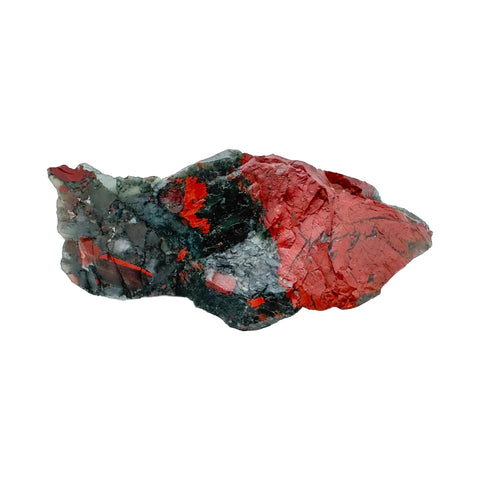
 Bloodstonefor energy
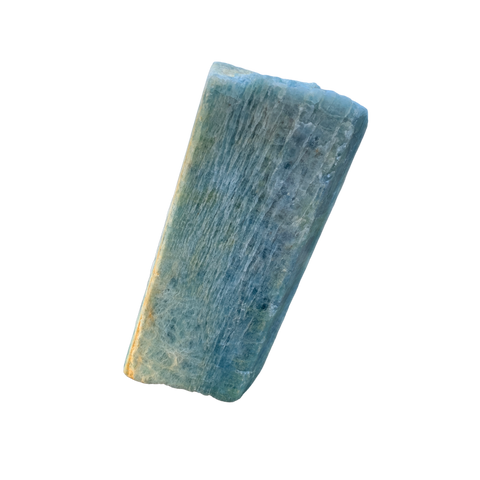
 Blue Kyanitefor confidence
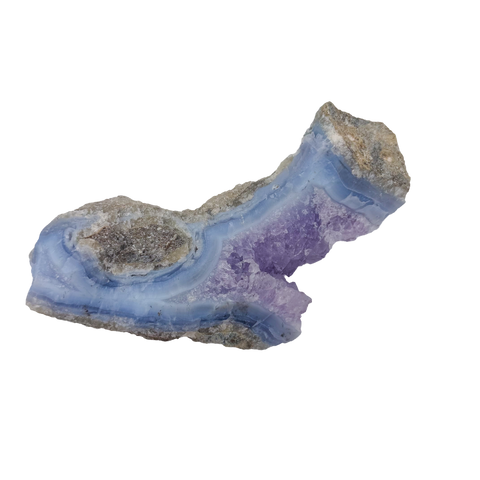
 Blue Lace Agatefor stress relief
 Chrysocollafor emotional healing
 Fluoritefor focus
 Garnetfor energy
 Lepidolitefor stress relief
 Malachitefor emotional healing
 Moonstonefor grounding
 Obsidianfor protection
 Ocean Jasperfor emotional healing
 Red Jasperfor grounding
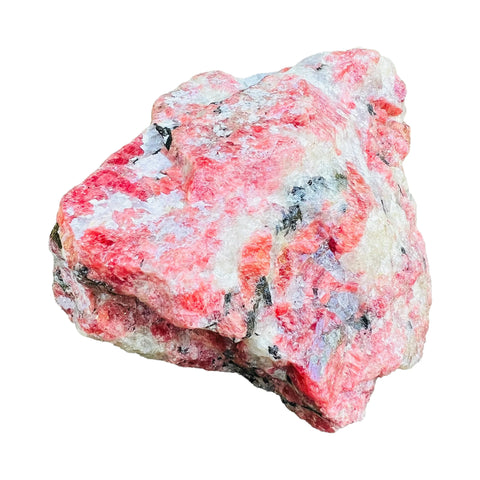
 Rhodonitefor emotional healing
 Selenitefor cleansing
 Sodalitefor focus
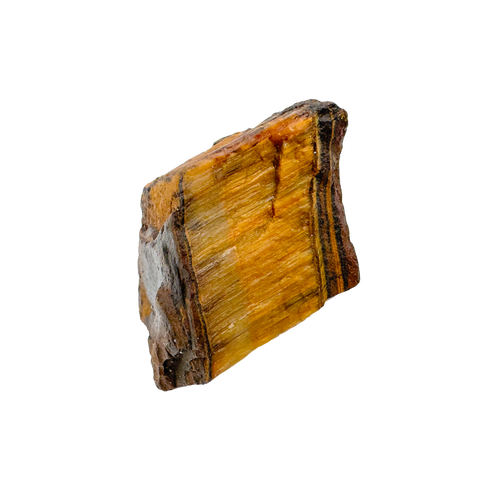
 Tiger Eyefor confidence
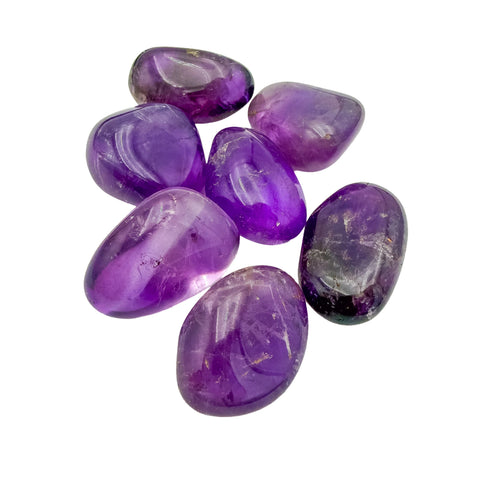


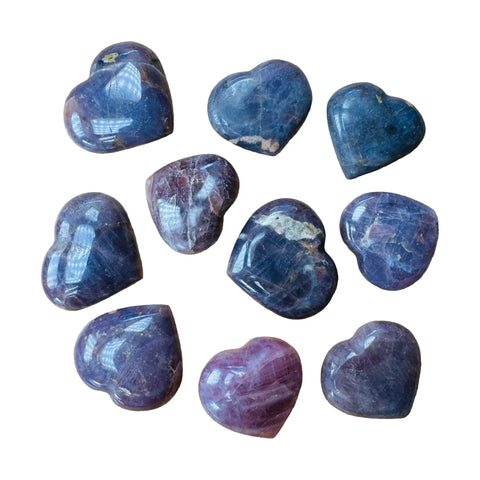


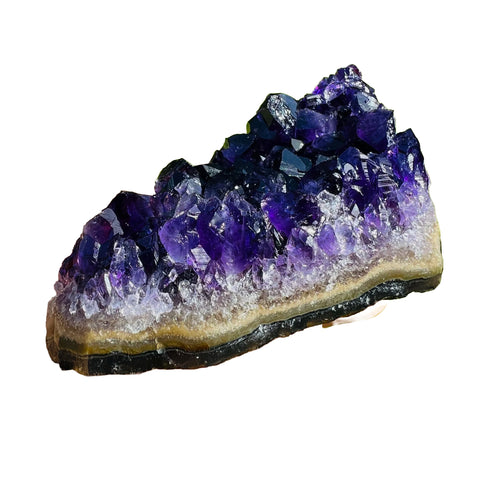






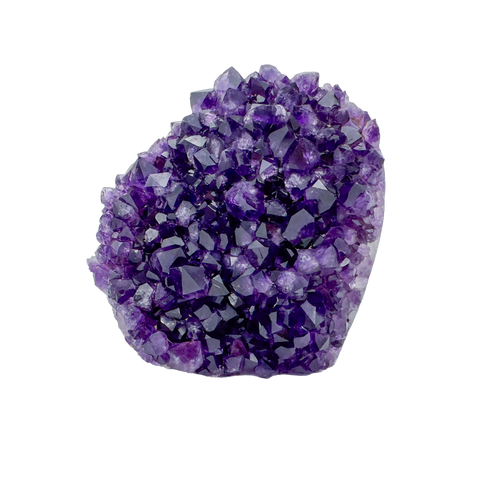
 Amethyst
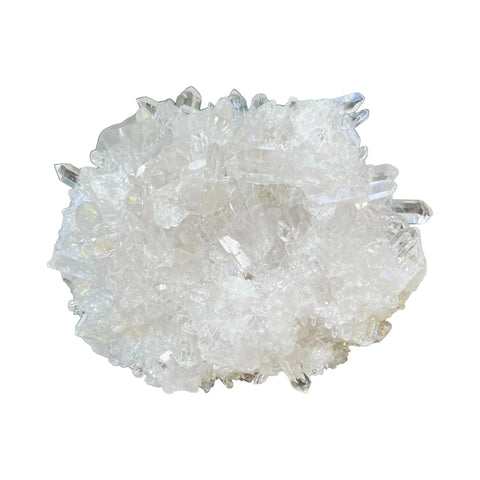
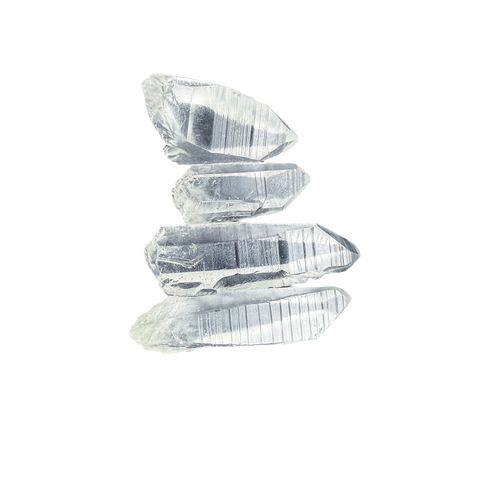
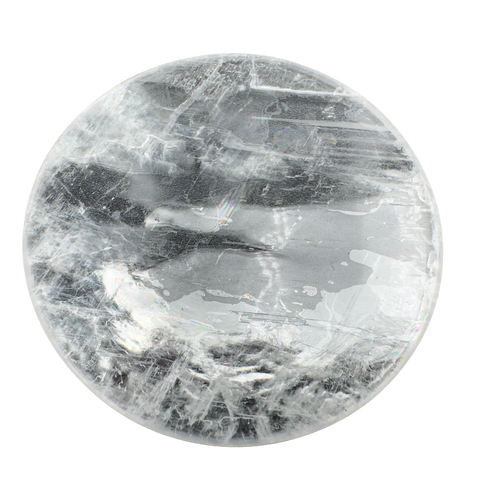
 Clear Quartz
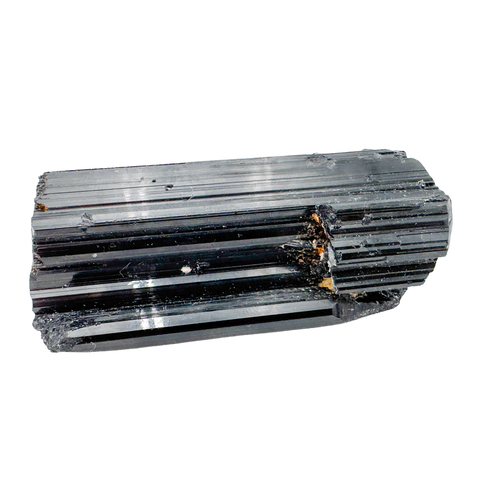
 Black Tourmaline
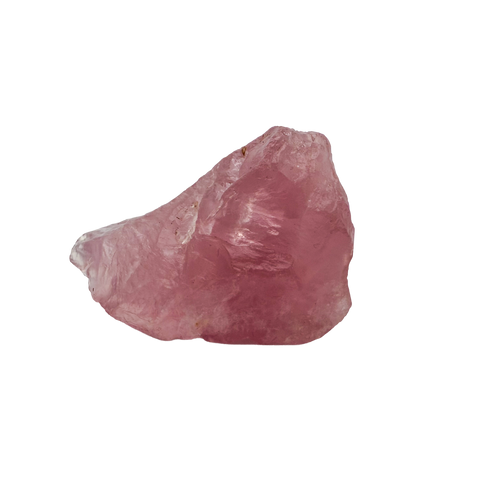
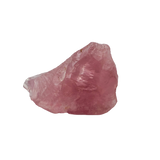 Rose Quartz
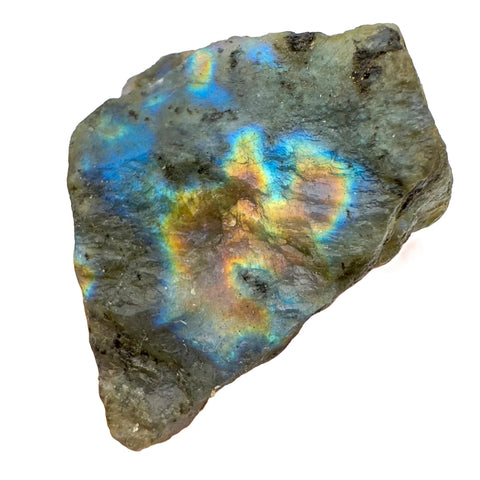
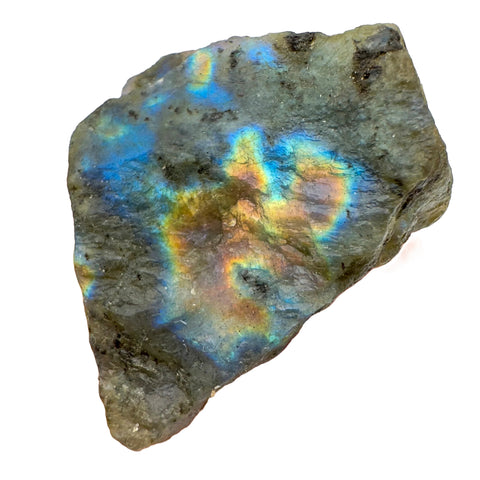
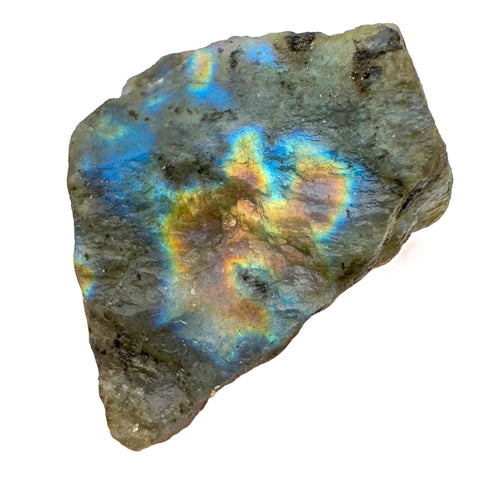
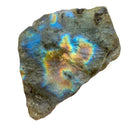 Labradorite
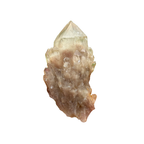 Natural Citrine
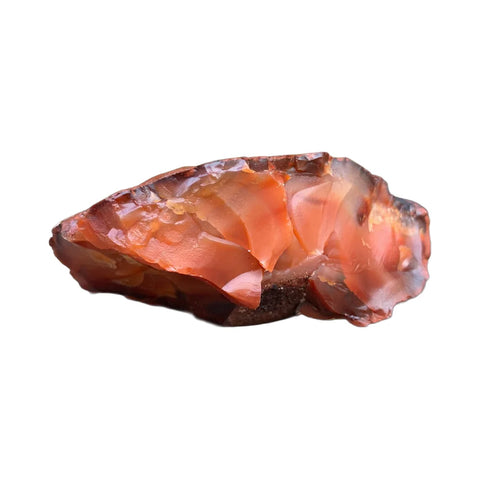
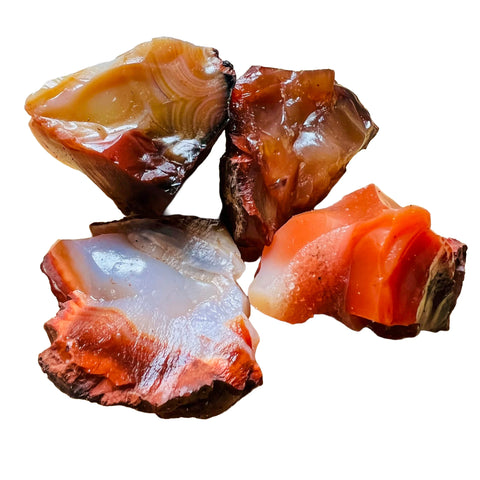
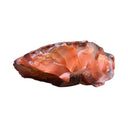 Carnelian
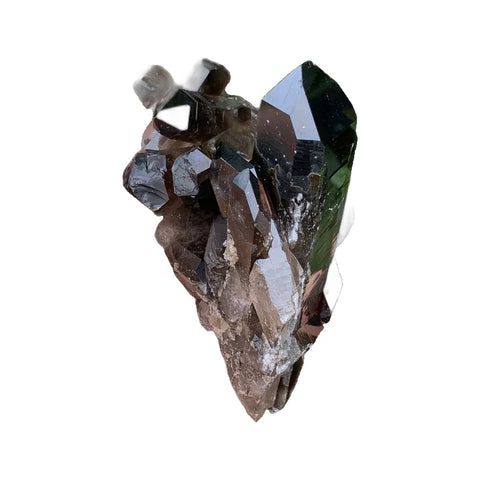
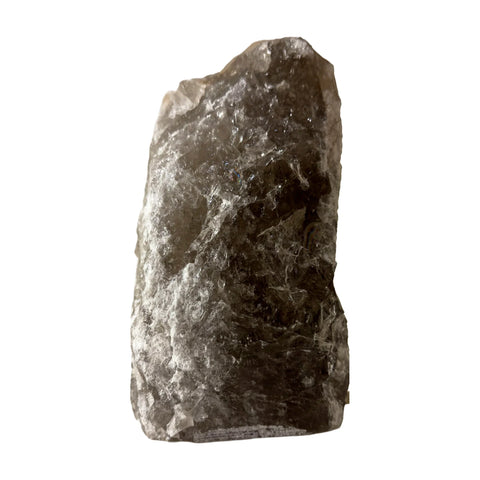
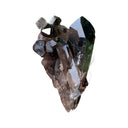 Smoky Quartz
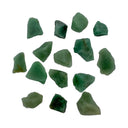 Aventurine
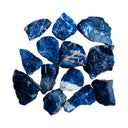 Sodalite
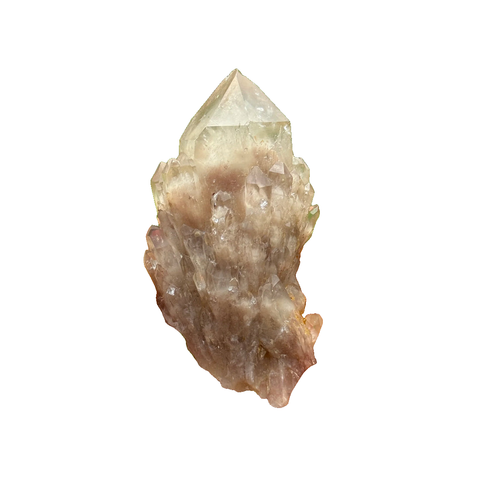
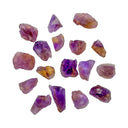 Ametrine
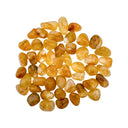 Golden Healer
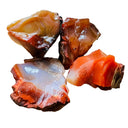 Raw Stones
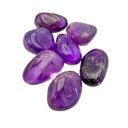 Tumbled Stones
 Palm Stones
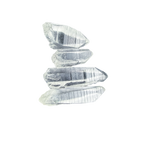 Crystal Points
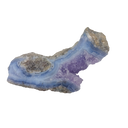 Clusters & Geodes
 Polished & Decor
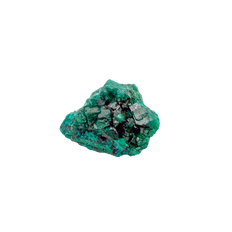 Mineral Specimens
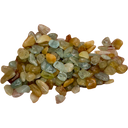 Crystal Chips
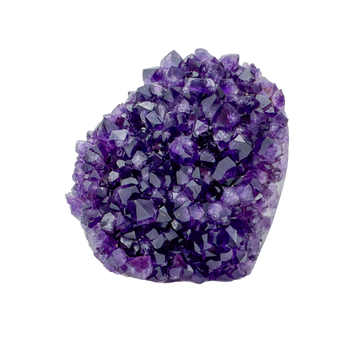
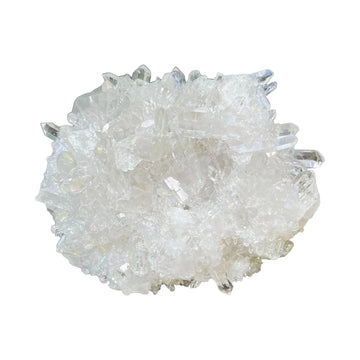
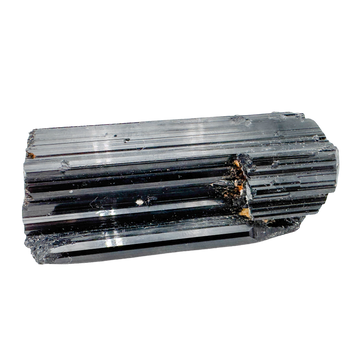
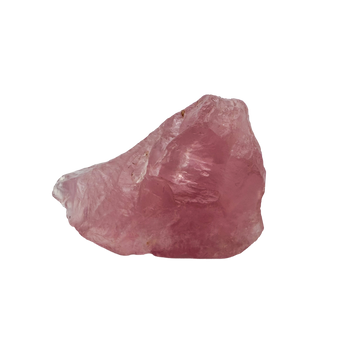
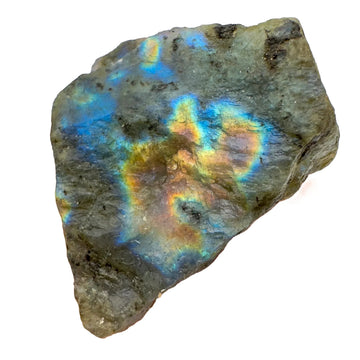
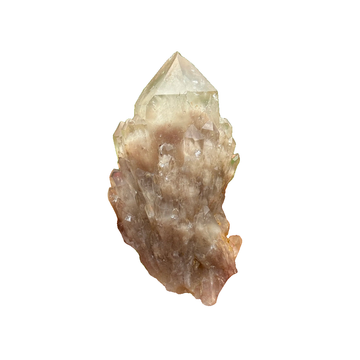
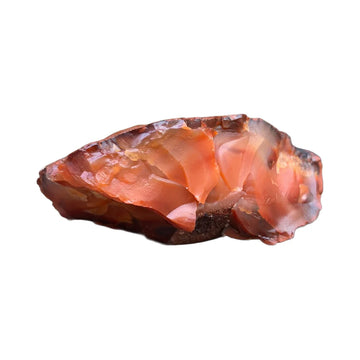
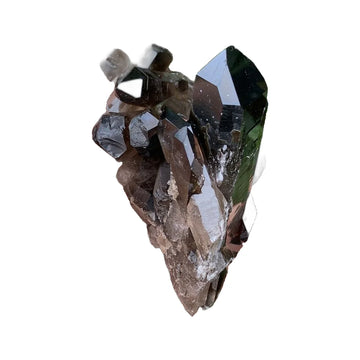
 Raw Stones
179 to choose from
Raw Stones
179 to choose from
 Tumbled Stones
162 to choose from
Tumbled Stones
162 to choose from
 Palm Stones
25 to choose from
Palm Stones
25 to choose from
 Crystal Points
23 to choose from
Crystal Points
23 to choose from
 Clusters & Geodes
96 to choose from
Clusters & Geodes
96 to choose from
 Polished & Decor
146 to choose from
Polished & Decor
146 to choose from
 Mineral Specimens
245 to choose from
Mineral Specimens
245 to choose from
 Crystal Chips
21 to choose from
Crystal Chips
21 to choose from


 AngolaAquamarine
›
AngolaAquamarine
›
 BotswanaCarnelian, Tree Agate
›
BotswanaCarnelian, Tree Agate
›
 DR CongoMalachite, Natural Citrine
›
DR CongoMalachite, Natural Citrine
›
 EswatiniBloodstone
›
EswatiniBloodstone
›
 MadagascarLabradorite, Clear Quartz
›
MadagascarLabradorite, Clear Quartz
›
 MalawiBlue Lace Agate, Garnet
›
MalawiBlue Lace Agate, Garnet
›
 MozambiqueAmazonite
›
MozambiqueAmazonite
›
 NamibiaSodalite, Blue Lace Agate
›
NamibiaSodalite, Blue Lace Agate
›
 Republic of the CongoDioptase
›
Republic of the CongoDioptase
›
 South AfricaTiger Eye, Unakite
›
South AfricaTiger Eye, Unakite
›
 ZambiaChevron Amethyst
›
ZambiaChevron Amethyst
›
 ZimbabweEmerald, Rhodonite
›
ZimbabweEmerald, Rhodonite
›
 ArgentinaBlack Obsidian, Rhodochrosite
›
ArgentinaBlack Obsidian, Rhodochrosite
›
 BoliviaAmetrine
›
BoliviaAmetrine
›
 BrazilAmethyst, Clear Quartz
›
BrazilAmethyst, Clear Quartz
›
 PeruSerpentine, Jade
›
PeruSerpentine, Jade
›
 UruguayAmethyst
›
UruguayAmethyst
›
 Dominican RepublicLarimar
›
Dominican RepublicLarimar
›
 MexicoRainbow Obsidian, Crazy Lace Agate
›
MexicoRainbow Obsidian, Crazy Lace Agate
›
 United StatesSelenite, Peridot
›
United StatesSelenite, Peridot
›
 ChinaFluorite
›
ChinaFluorite
›
 RussiaShungite
›
RussiaShungite
›
 AustraliaMookaite
›
AustraliaMookaite
›
 Where our crystals come from
See where we source →
Where our crystals come from
See where we source →


 Aquarius
Jan 20 to Feb 18
Amethyst
›
Aquarius
Jan 20 to Feb 18
Amethyst
›
 Pisces
Feb 19 to Mar 20
Aquamarine
›
Pisces
Feb 19 to Mar 20
Aquamarine
›
 Aries
Mar 21 to Apr 19
Carnelian
›
Aries
Mar 21 to Apr 19
Carnelian
›
 Taurus
Apr 20 to May 20
Rose Quartz
›
Taurus
Apr 20 to May 20
Rose Quartz
›
 Gemini
May 21 to Jun 20
Agate
›
Gemini
May 21 to Jun 20
Agate
›
 Cancer
Jun 21 to Jul 22
Moonstone
›
Cancer
Jun 21 to Jul 22
Moonstone
›
 Leo
Jul 23 to Aug 22
Citrine
›
Leo
Jul 23 to Aug 22
Citrine
›
 Virgo
Aug 23 to Sep 22
Amazonite
›
Virgo
Aug 23 to Sep 22
Amazonite
›
 Libra
Sep 23 to Oct 22
Blue Lace Agate
›
Libra
Sep 23 to Oct 22
Blue Lace Agate
›
 Scorpio
Oct 23 to Nov 21
Obsidian
›
Scorpio
Oct 23 to Nov 21
Obsidian
›
 Sagittarius
Nov 22 to Dec 21
Sodalite
›
Sagittarius
Nov 22 to Dec 21
Sodalite
›
 Capricorn
Dec 22 to Jan 19
Black Tourmaline
›
Gifting?
A birthday stone is the safe bet.
Read the zodiac guide →
Capricorn
Dec 22 to Jan 19
Black Tourmaline
›
Gifting?
A birthday stone is the safe bet.
Read the zodiac guide →


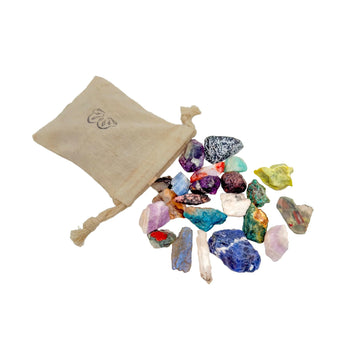
Apophyllite
Apophyllite is a small group of glassy silicate minerals best known for clear, white, or green pyramid-shaped crystals that grow with zeolites in volcanic basalt. The classic specimens come from India. People have long reached for it around clarity, calm, and a light, spacious kind of focus.
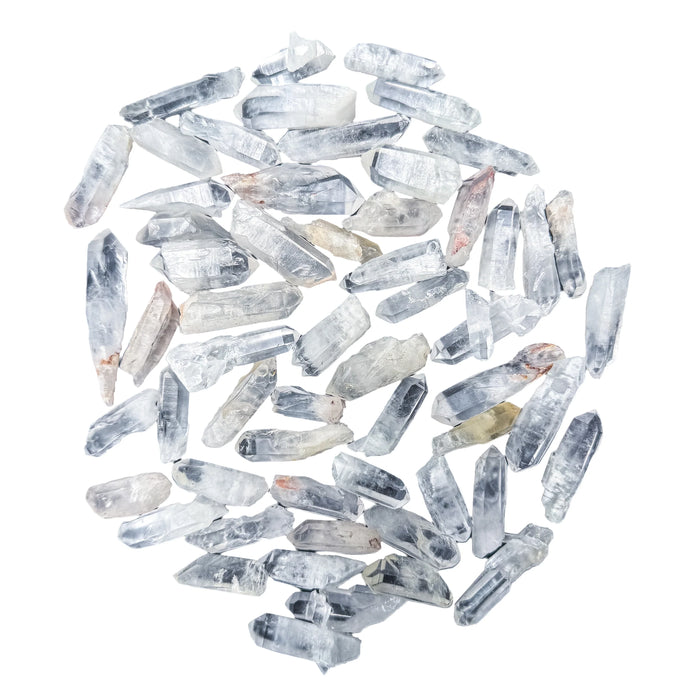
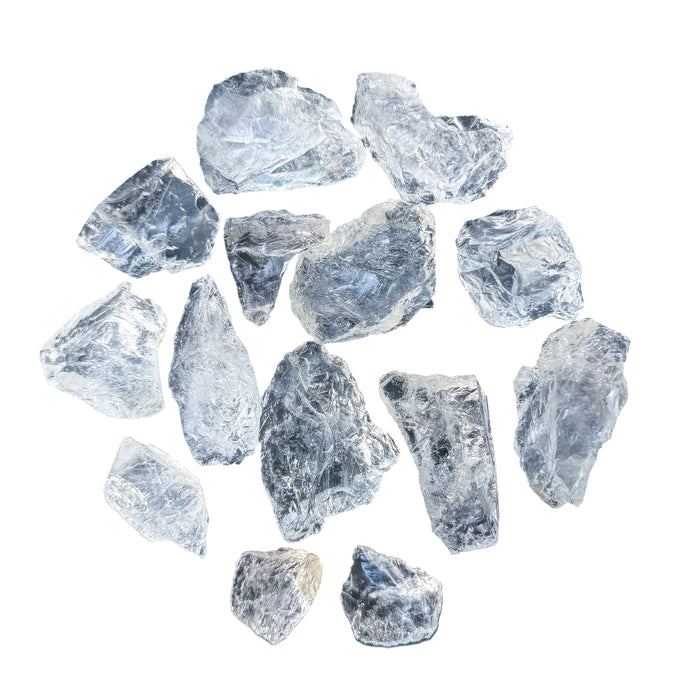
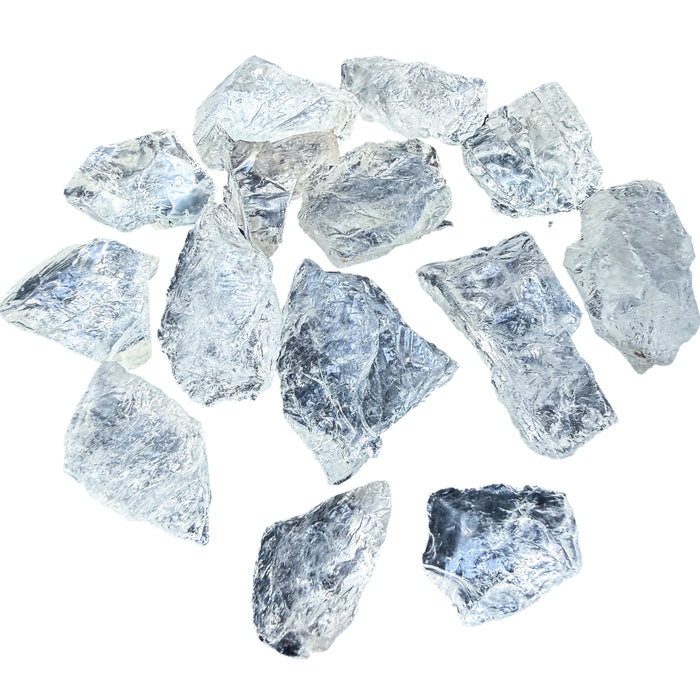
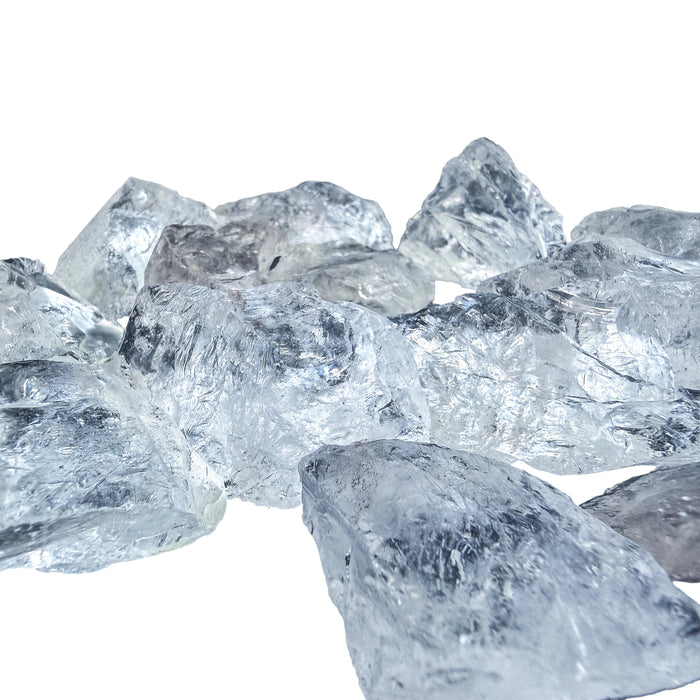
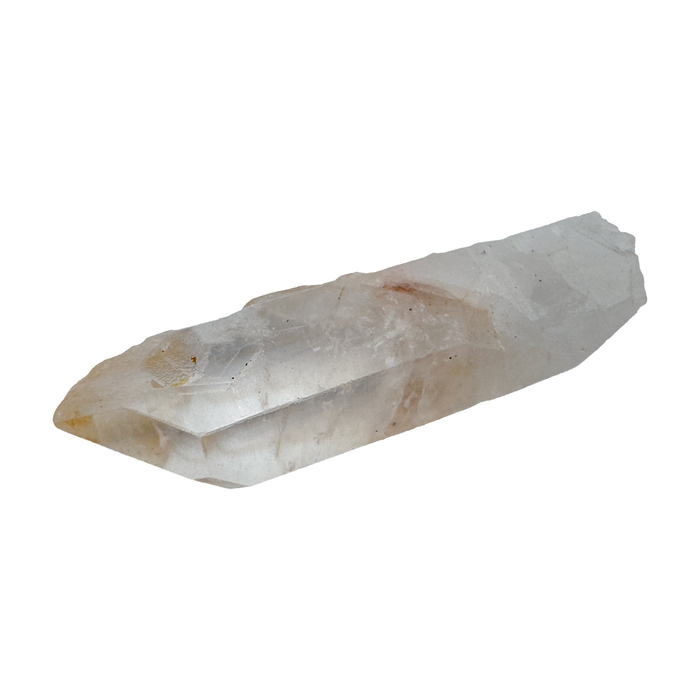
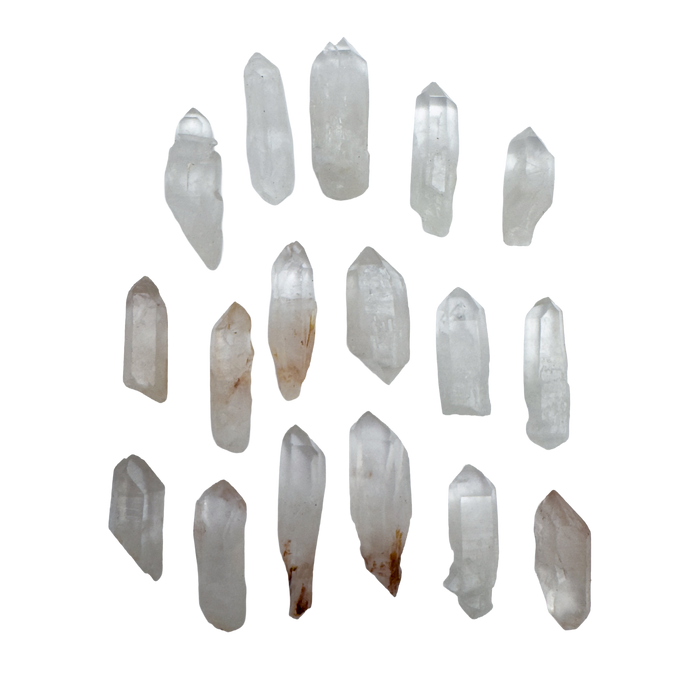
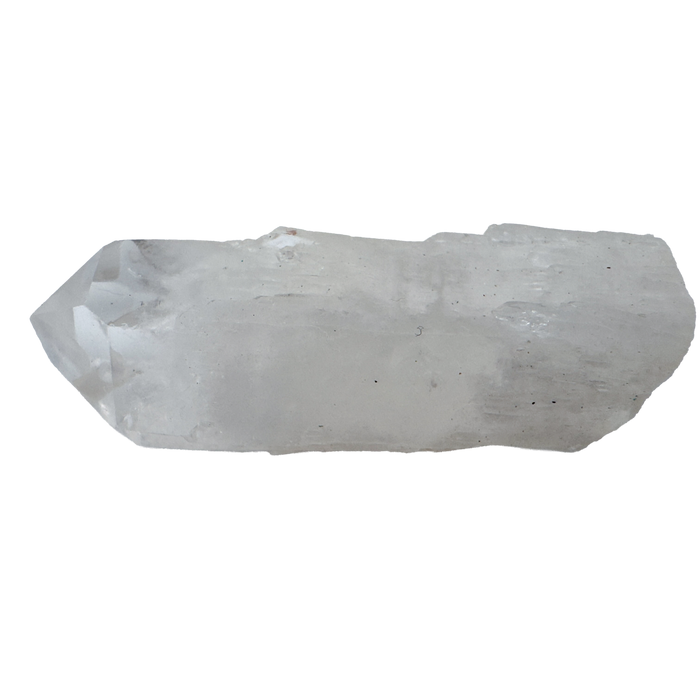
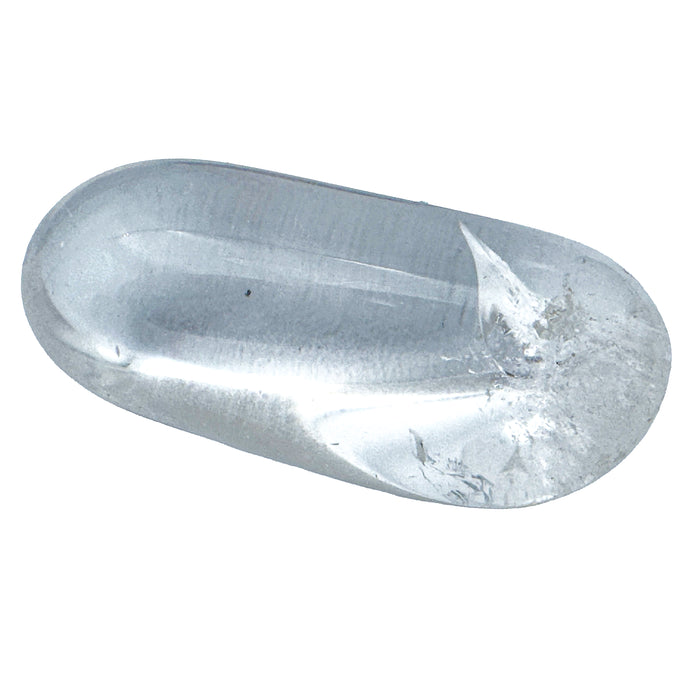
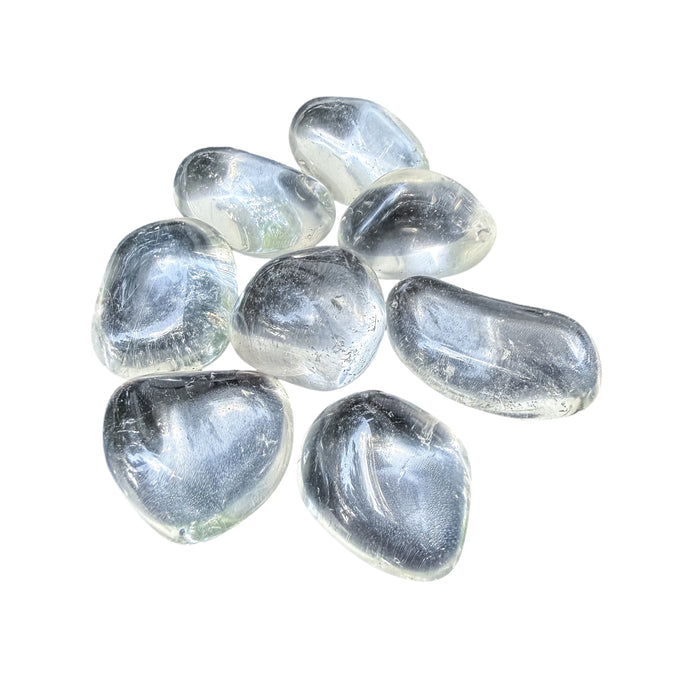
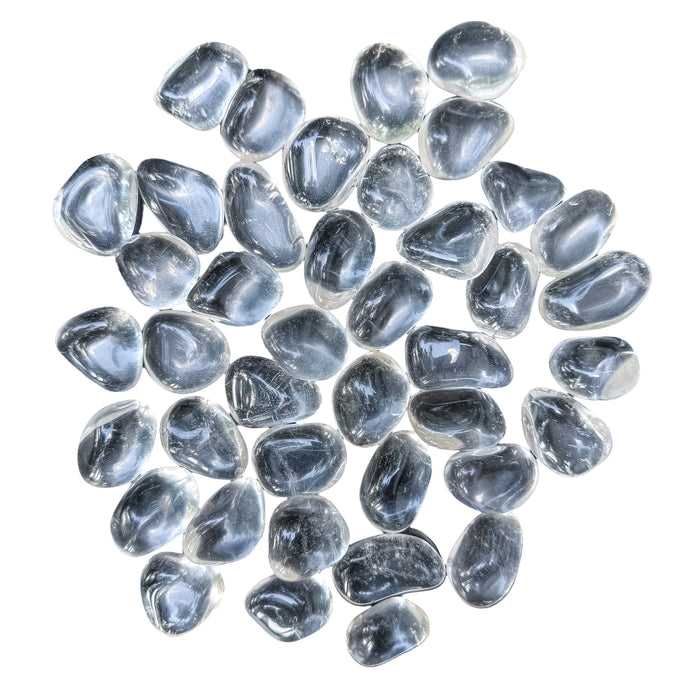
Love Apophyllite? Meet Clear Quartz.
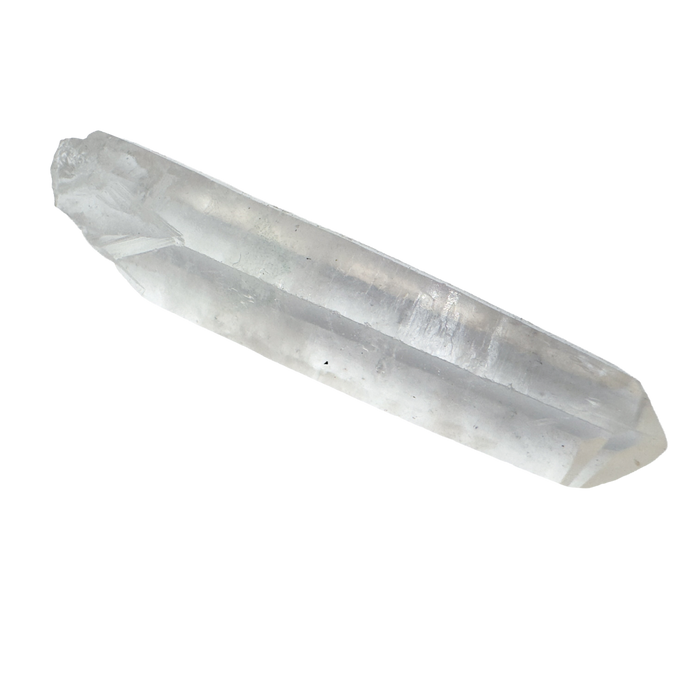
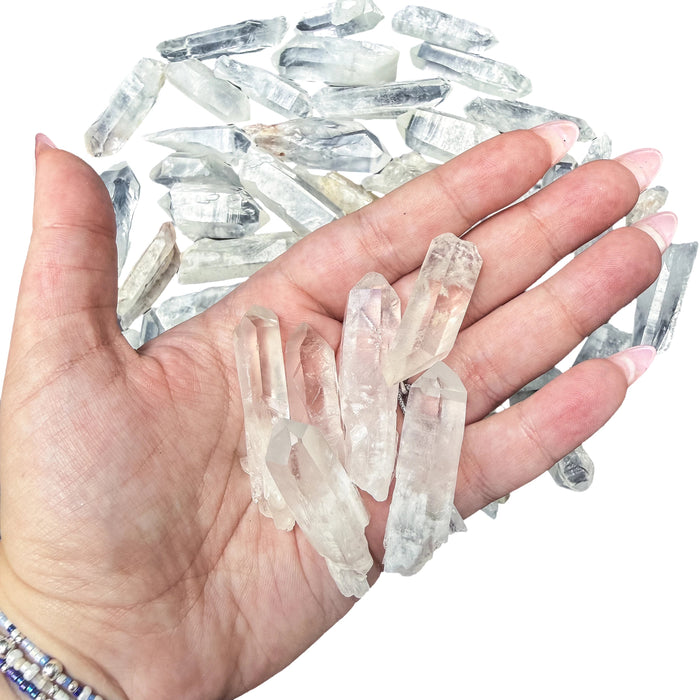
Apophyllite is not something we carry. Clear Quartz is the closest match in our collection, and every product page names its origin and grade.
- from 1,000+ reviews
- Ships within 72 hoursMonday to Friday, tracked
- 90 days to return itif you do not love it
- Free US shipping over $99$8.99 flat rate under
The geology.
Apophyllite is not a single mineral but a small group of closely related phyllosilicates, mainly fluorapophyllite and hydroxyapophyllite, built on a potassium-calcium silicate framework with water locked into the structure. The name comes from the Greek for to flake off, describing how the crystals exfoliate and flake when heated, as that water is driven out.
It crystallizes in the tetragonal system, usually as clear, white, or green crystals with a glassy to pearly luster, often as pyramids or blocky prisms. Hardness is a modest 4.5 to 5 on the Mohs scale. Apophyllite most famously grows in the gas cavities of basalt alongside zeolites like stilbite and heulandite, which is why fine clusters often sit on a matrix of other minerals.
The origins.
India is the world's great source of apophyllite, above all the Deccan Traps basalt around Pune, historically Poona, in Maharashtra, where quarrying exposes cavities lined with glassy apophyllite and colorful zeolites. Indian material sets the standard for clear and green crystals perched on stilbite matrix.
Beyond India, apophyllite occurs in Brazil, Germany's Harz Mountains, Iceland, Canada, and the United States, among others, usually in basalt or in association with zeolites. For specimens, named Indian localities such as Poona and Jalgaon signal the classic look most buyers picture.
Traditional associations.
Apophyllite is a modern favorite among people drawn to clear, high-clarity crystals. Its glassy transparency and pyramid forms have made it a popular meditation and space-clearing stone, valued for a light, airy quality rather than a heavy or grounding one.
Many people work with apophyllite around clarity, calm, and spiritual connection. It is most often associated with the Crown and Third Eye chakras, the element of Air, and the signs Gemini and Libra, while green apophyllite is sometimes linked more to the Heart. A common practice is to keep a cluster in a room used for meditation or rest.
Spotting the real thing.
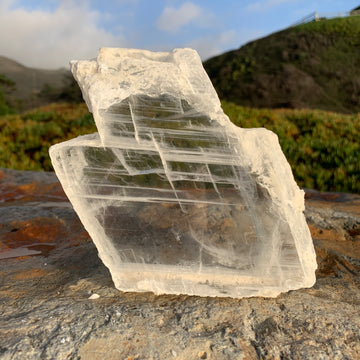
Real apophyllite is easy to recognize once you know it: glassy, often transparent crystals in tetragonal pyramids or blocks, frequently perched on a matrix of zeolites or basalt. The pyramid faces have a bright vitreous shine while the base can look pearly, and the crystals cleave cleanly in one direction.
Because it is inexpensive and abundant, apophyllite is rarely faked outright, but names get blurred. Green apophyllite should be a soft natural green from trace elements, not a vivid dye. Clear apophyllite is sometimes confused with quartz, but it is softer, more brittle, and forms different crystal shapes. Ask for the species and the locality.
Care & handling.
Apophyllite is a specimen stone first. At 4.5 to 5 on the Mohs scale, with easy cleavage, it chips and scratches readily, so it is best kept as a display cluster rather than worn as jewelry. Handle points gently and support clusters from underneath.
Keep apophyllite dry. Avoid soaking, salt, and ultrasonic cleaners, since water and vibration can work into cleavage planes and the structure already holds water. Dust it with a soft brush. To reset it energetically, many people use sound or moonlight rather than water, and keep it out of high-traffic spots where it can be knocked.
Pairs well with.
A deeper look.
Extended geology, sourcing, authentication, history, and varieties, for when the quick guide isn't quite enough.
Extended geology
Apophyllite is a group name covering a few closely related species, chiefly fluorapophyllite and hydroxyapophyllite, distinguished by whether fluorine or hydroxyl dominates one site in the structure. All are sheet silicates of potassium and calcium with water molecules held in the lattice, which is what gives the group its defining behavior of flaking apart when heated.
Crystals form in the tetragonal system, commonly as pseudo-cubic prisms capped by steep pyramids, and show perfect cleavage parallel to the base. Specific gravity is around 2.3 to 2.4 and hardness 4.5 to 5, both on the low side. The luster is vitreous on prism faces and distinctly pearly on the cleavage surface, a useful identifying feature.
Extended sourcing
The Deccan Traps of western India are the premier source, where vast flood-basalt flows around Pune and Jalgaon are riddled with gas cavities that host apophyllite alongside stilbite, heulandite, and other zeolites. Quarrying for construction stone regularly opens fresh pockets, which keeps fine Indian specimens on the market.
Other notable localities include Brazil, the Harz Mountains of Germany, Iceland, the Faroe Islands, Canada, and parts of the United States. Most occurrences share the same basic recipe of apophyllite growing in volcanic cavities, so specimen quality and associated minerals, more than country alone, drive desirability.
Authentication and warning signs
Look for glassy tetragonal crystals with a pearly base cleavage, often on a matrix of zeolites, and a hardness low enough that a steel blade will mark it. Green apophyllite should show a soft, natural, slightly uneven green from trace elements, not the flat saturated tone of a dye. Clear apophyllite differs from quartz in its softer feel, easy cleavage, and blockier, pyramid-capped habit.
Outright fakery is uncommon because apophyllite is affordable, but mislabeling within the zeolite world is not. A seller who names the species and the Indian locality, and who distinguishes apophyllite from the stilbite or heulandite it grows on, is a good sign.
History and folklore
Apophyllite was named in the early nineteenth century by the French mineralogist Rene Just Hauy, from the Greek words meaning to flake off, after its habit of exfoliating under heat. For most of its history it was a mineralogist's and collector's stone rather than a folk talisman.
Its metaphysical reputation is recent, growing with the flood of fine Indian specimens into the global crystal market. Because that reputation formed in modern times, apophyllite carries contemporary associations of clarity and spiritual connection rather than old traditional lore.
Varieties and trade names
Clear or white apophyllite: the most common, glassy transparent to milky pyramids and prisms, often on stilbite.
Green apophyllite: colored by trace elements, ranging from pale mint to deeper green, especially prized from India.
Fisheye stone: an older name referring to the pearly reflection seen down the cleavage face of some crystals.
Pink and other tinted apophyllite: uncommon, collected for rarity.
What it costs in the market
Apophyllite is one of the more affordable fine specimen minerals. Small clear points and clusters are inexpensive, while larger plates, well-formed green crystals, and dramatic combinations with stilbite or other zeolites climb into higher prices. Value is driven by crystal size and clarity, color, condition of the fragile tips, and the quality of the overall specimen.
An education-first guide.
We don't currently carry apophyllite, so there's nothing to sell you here. This guide exists because the more you understand a stone, the better every decision you make about it becomes, wherever you buy it. Explore the rest of our crystal guides for stones we do source, each with full origin and treatment notes.
Explore the Crystal GuideGrounded Connections
New stones go to the list first.
No forwarding, no selling. Unsubscribe in one click. Privacy