


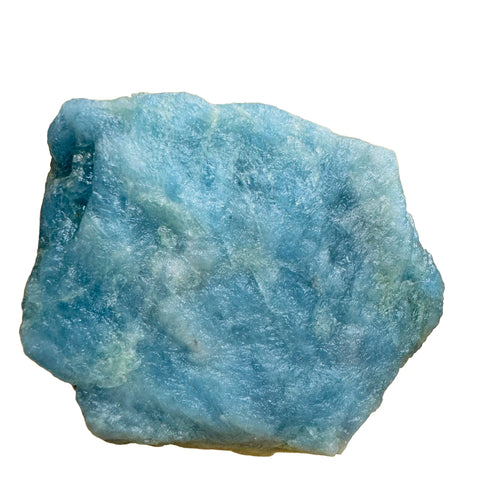
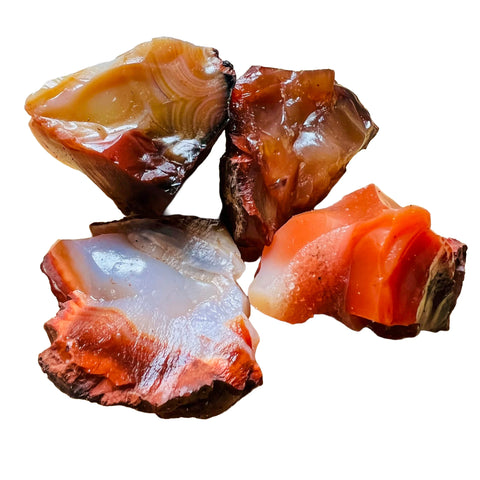


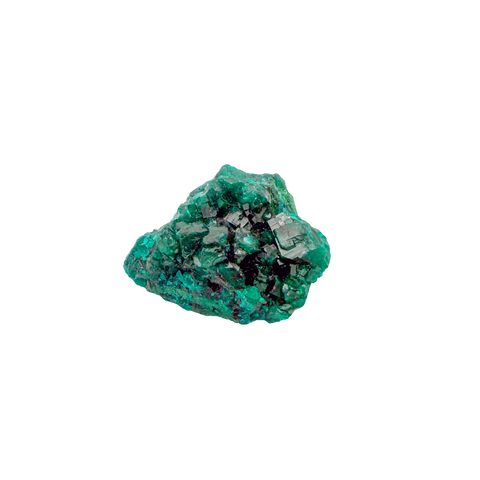
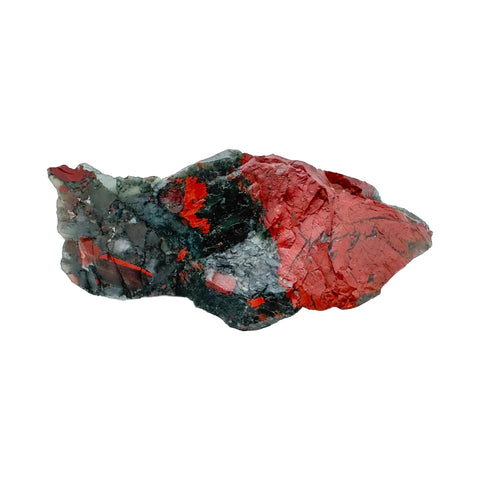
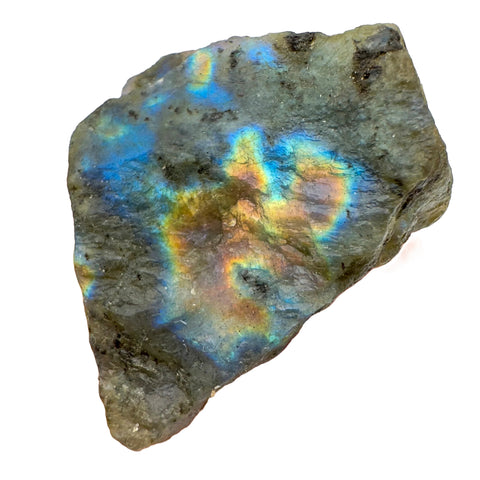
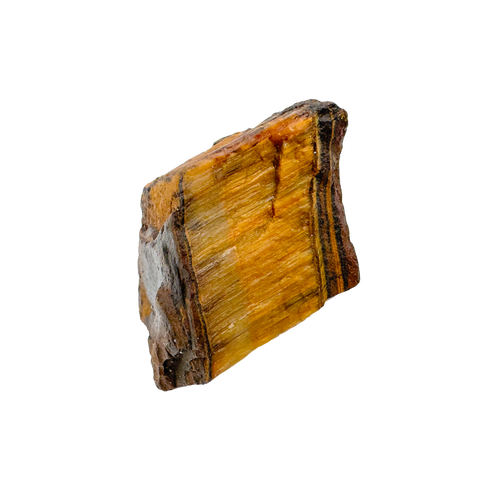
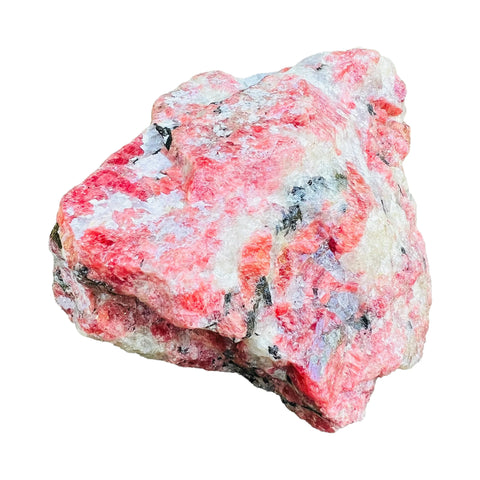
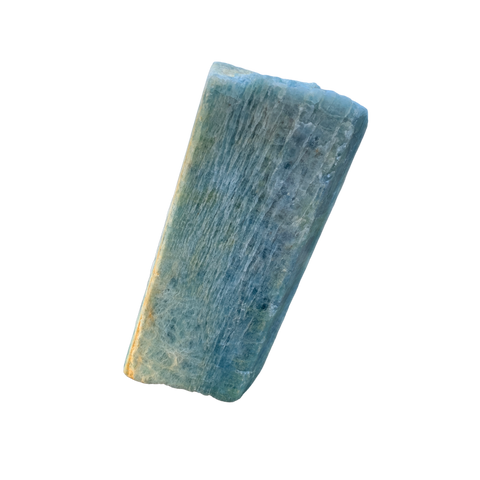
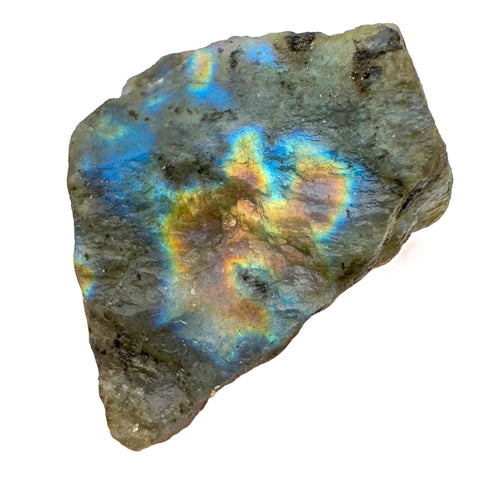


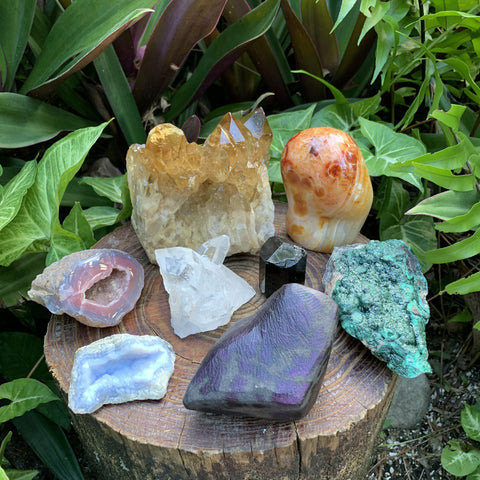
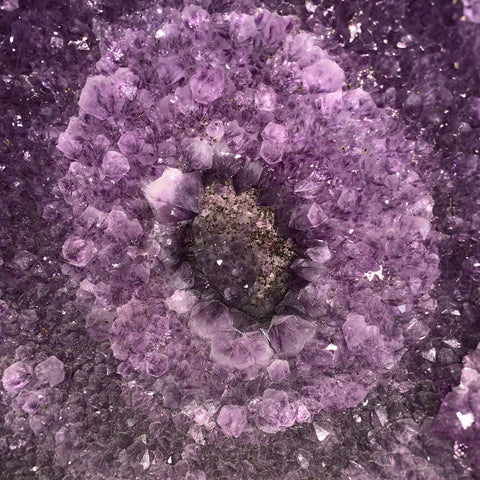
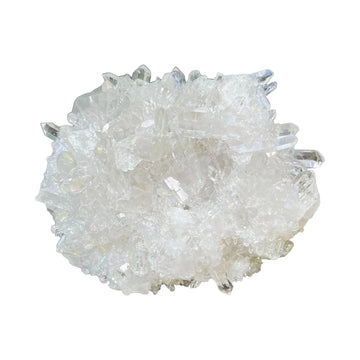
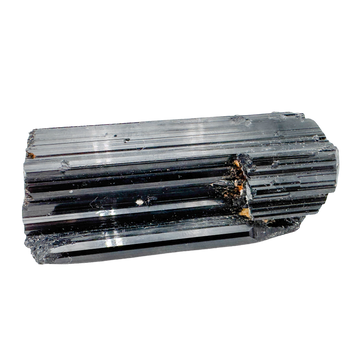
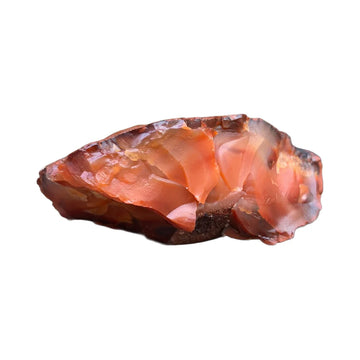
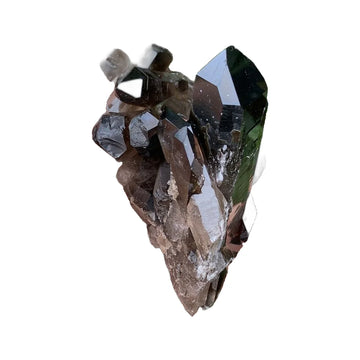
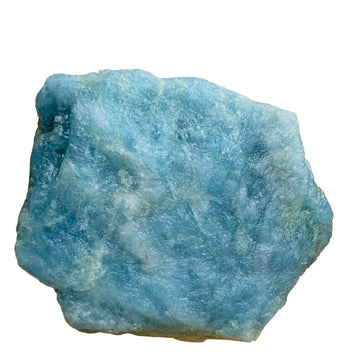
 Raw Stones
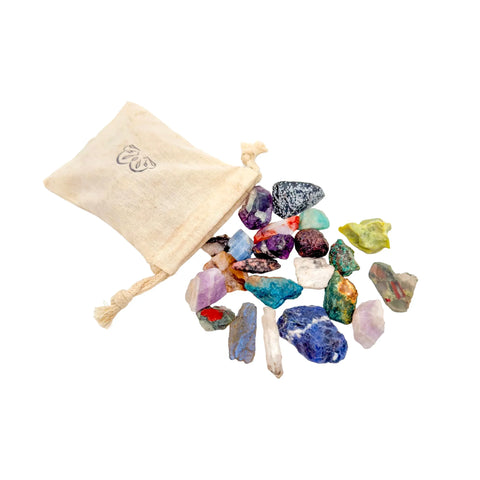
179 pieces
Raw Stones
179 pieces
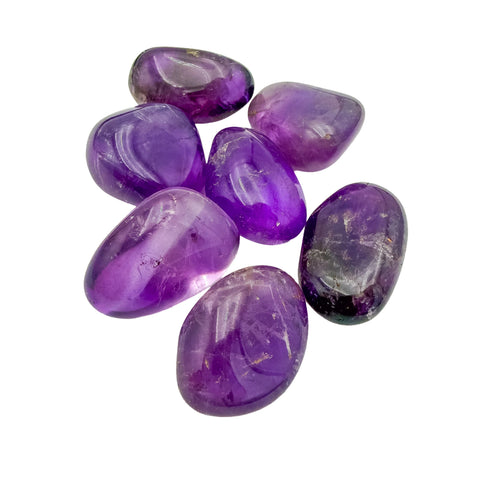
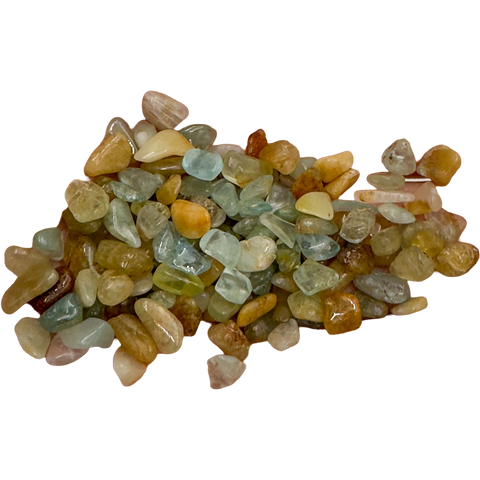
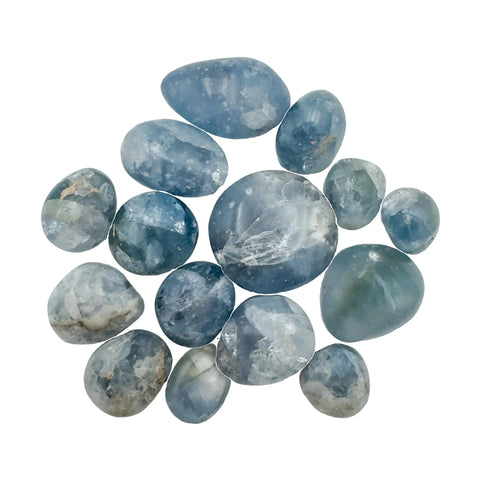
 Tumbled Stones
162 pieces
Tumbled Stones
162 pieces
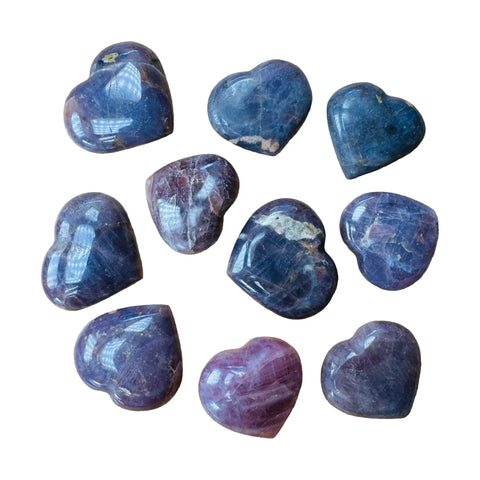
 Palm Stones
25 pieces
Palm Stones
25 pieces
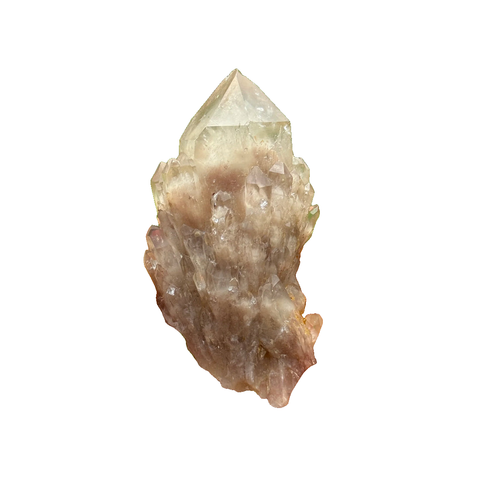
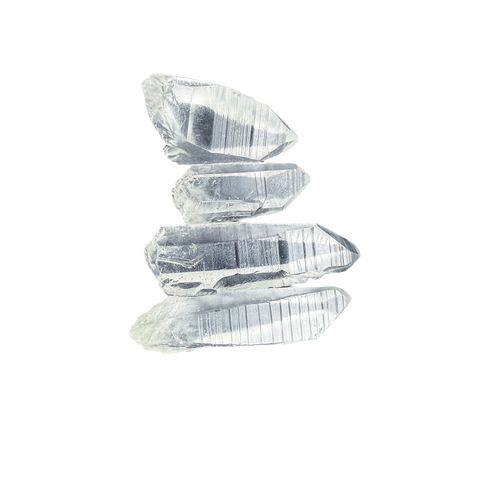
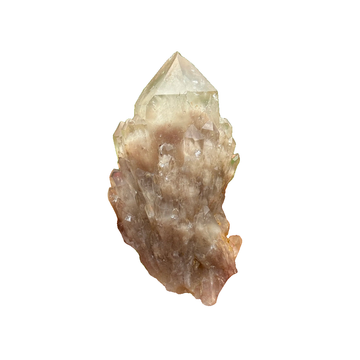
 Crystal Points
23 pieces
Crystal Points
23 pieces
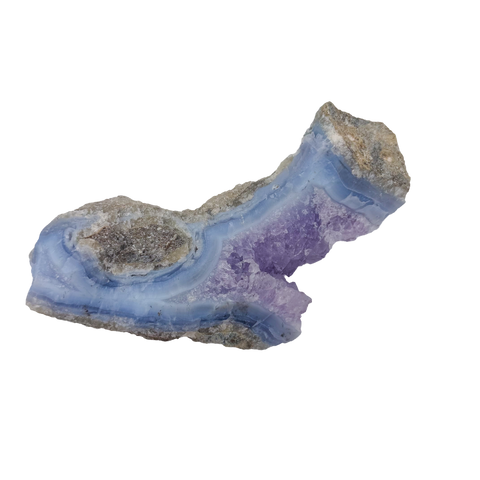
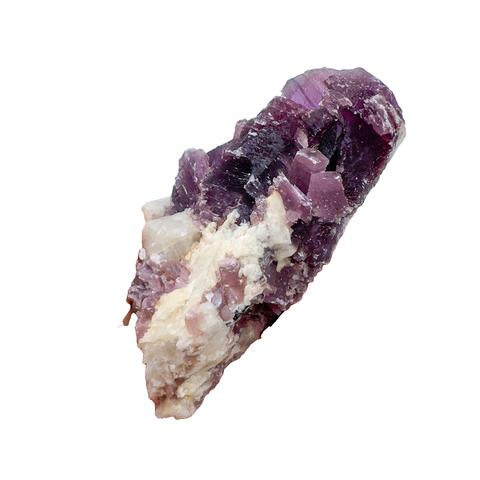
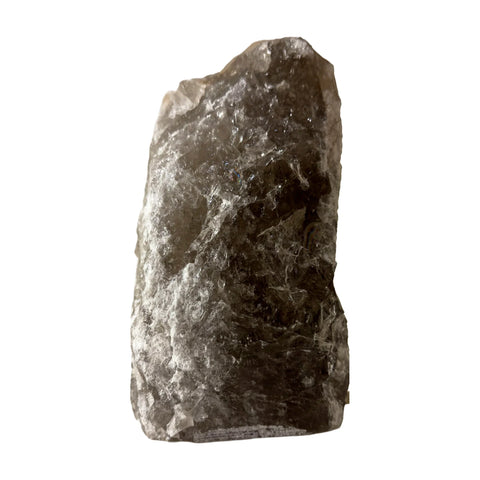
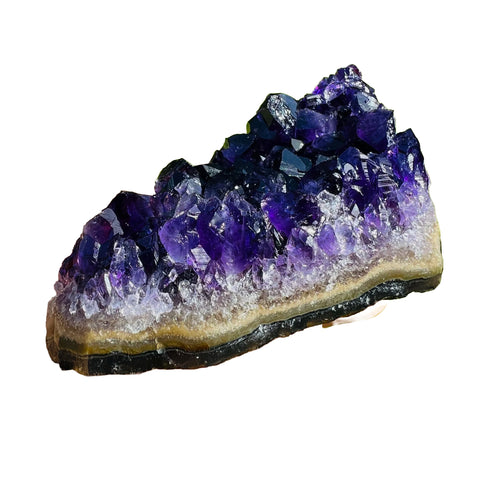
 Clusters & Geodes
105 pieces
Clusters & Geodes
105 pieces
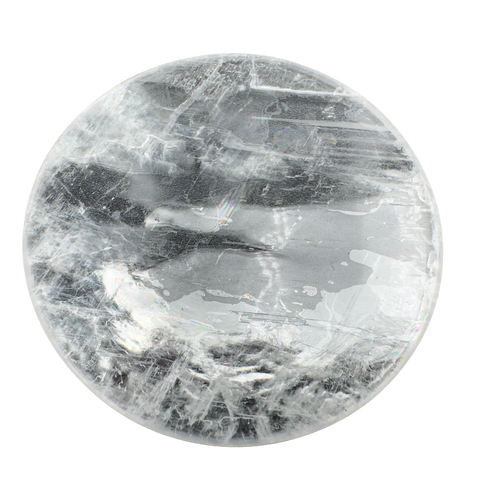
 Polished & Decor
151 pieces
Polished & Decor
151 pieces
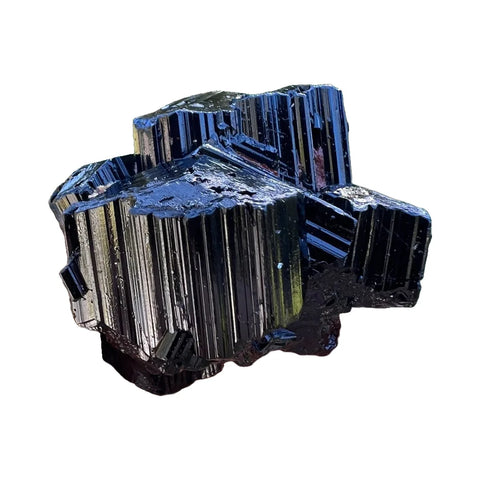
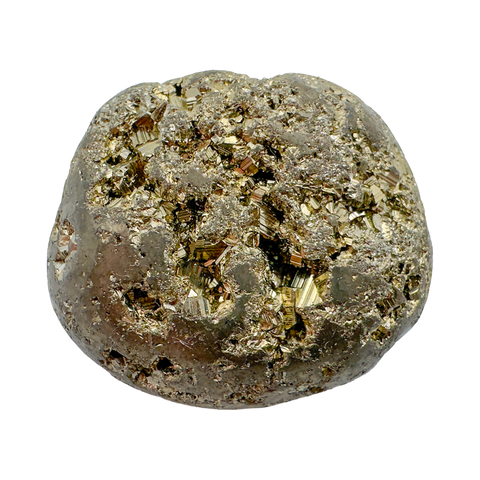
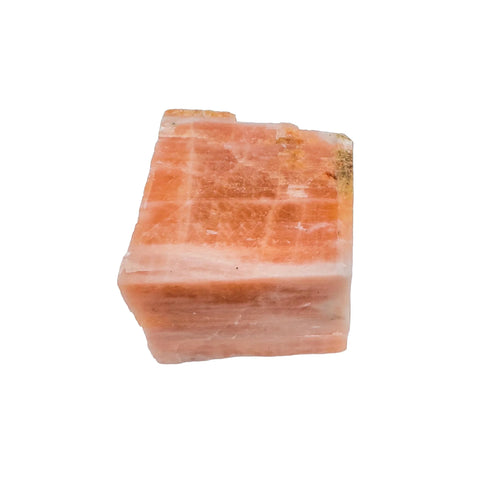
 Mineral Specimens
262 collector pieces
Mineral Specimens
262 collector pieces
 Crystal Chips
21 pieces
Browse everything
Every collection, one page.
View All Collections →
Crystal Chips
21 pieces
Browse everything
Every collection, one page.
View All Collections →


 Aries
Mar 21 – Apr 19
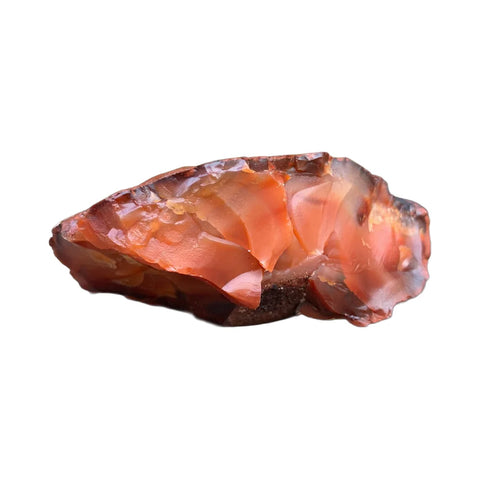
Carnelian
›
Aries
Mar 21 – Apr 19
Carnelian
›
 Taurus
Apr 20 – May 20
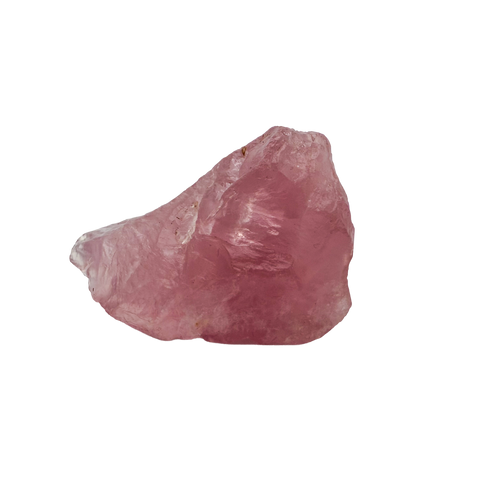
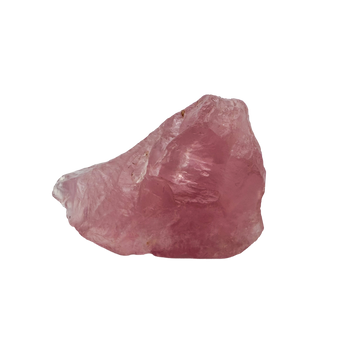
Rose Quartz
›
Taurus
Apr 20 – May 20
Rose Quartz
›
 Gemini
May 21 – Jun 20
Agate
›
Gemini
May 21 – Jun 20
Agate
›
 Cancer
Jun 21 – Jul 22
Moonstone
›
Cancer
Jun 21 – Jul 22
Moonstone
›
 Leo
Jul 23 – Aug 22
Citrine
›
Leo
Jul 23 – Aug 22
Citrine
›
 Virgo
Aug 23 – Sep 22
Amazonite
›
Virgo
Aug 23 – Sep 22
Amazonite
›
 Libra
Sep 23 – Oct 22
Blue Lace Agate
›
Libra
Sep 23 – Oct 22
Blue Lace Agate
›
 Scorpio
Oct 23 – Nov 21
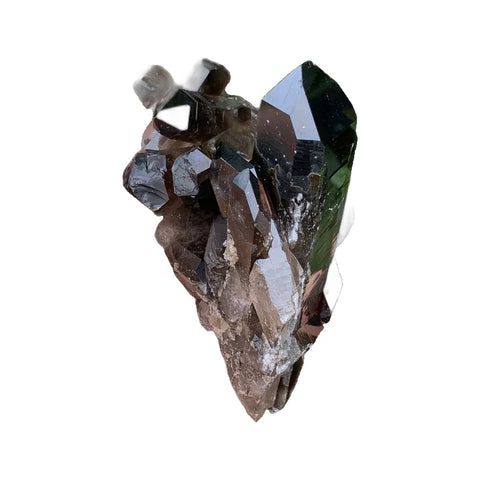
Obsidian
›
Scorpio
Oct 23 – Nov 21
Obsidian
›
 Sagittarius
Nov 22 – Dec 21
Sodalite
›
Sagittarius
Nov 22 – Dec 21
Sodalite
›
 Capricorn
Dec 22 – Jan 19
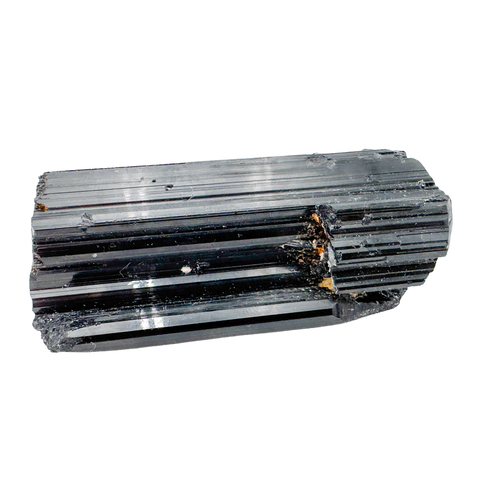
Black Tourmaline
›
Capricorn
Dec 22 – Jan 19
Black Tourmaline
›
 Aquarius
Jan 20 – Feb 18
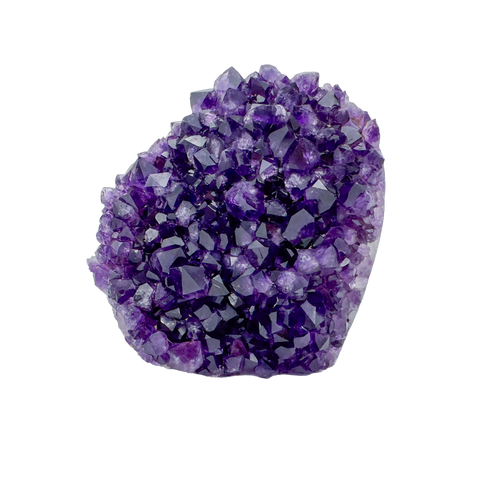
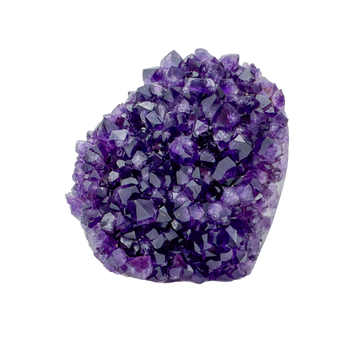
Amethyst
›
Aquarius
Jan 20 – Feb 18
Amethyst
›
 Pisces
Feb 19 – Mar 20
Aquamarine
›
Gifting?
A birthday stone is the safe bet.
Read the zodiac guide →
Pisces
Feb 19 – Mar 20
Aquamarine
›
Gifting?
A birthday stone is the safe bet.
Read the zodiac guide →
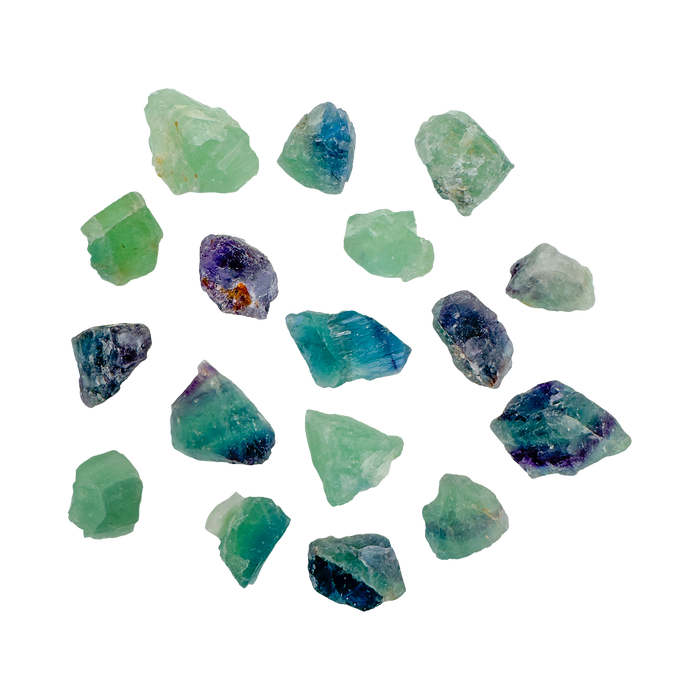
Fluorite
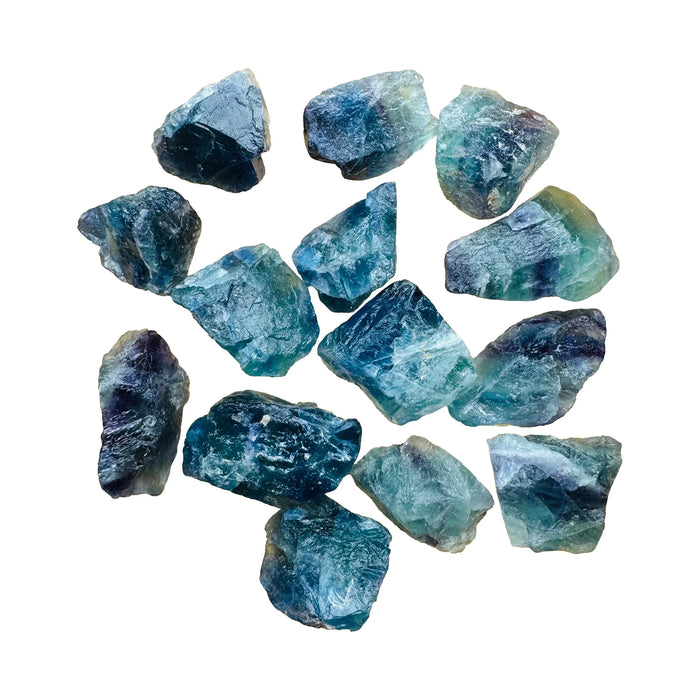
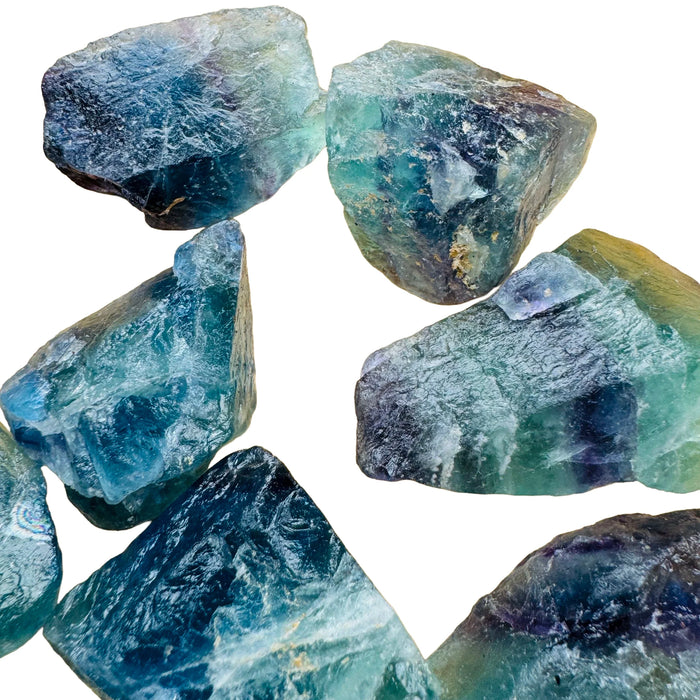
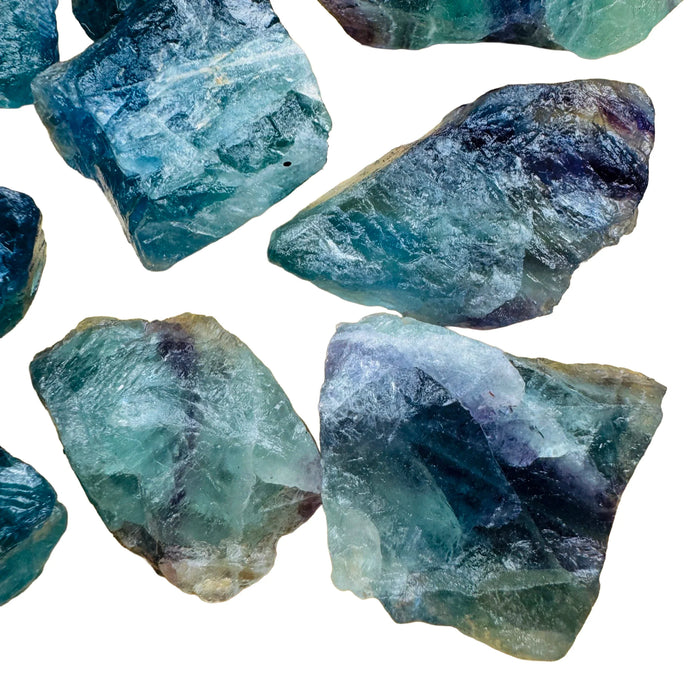
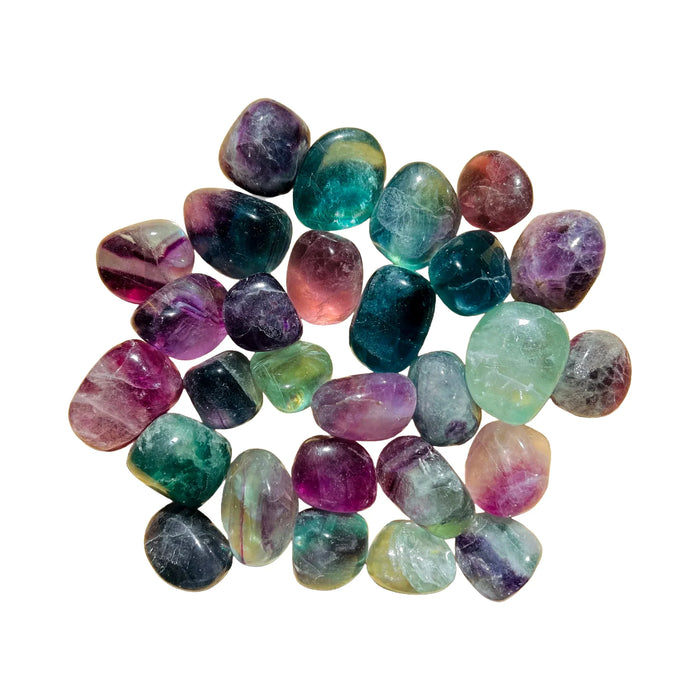
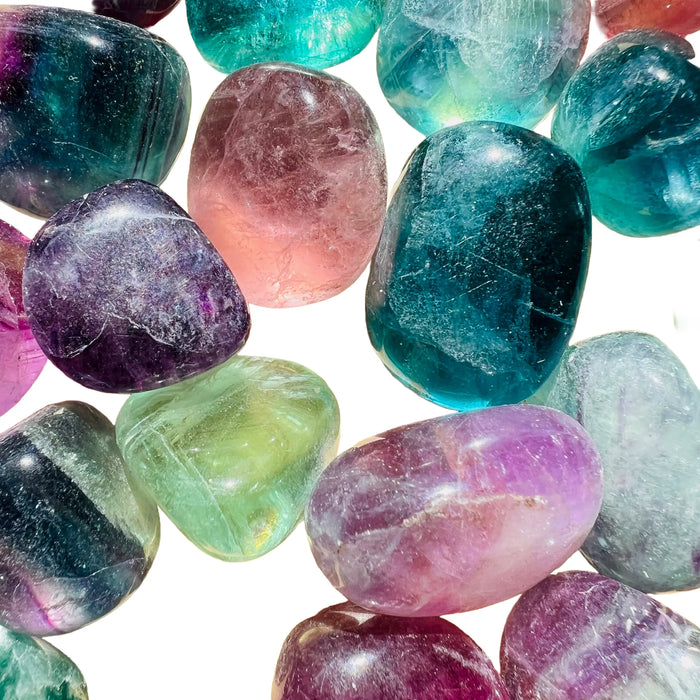
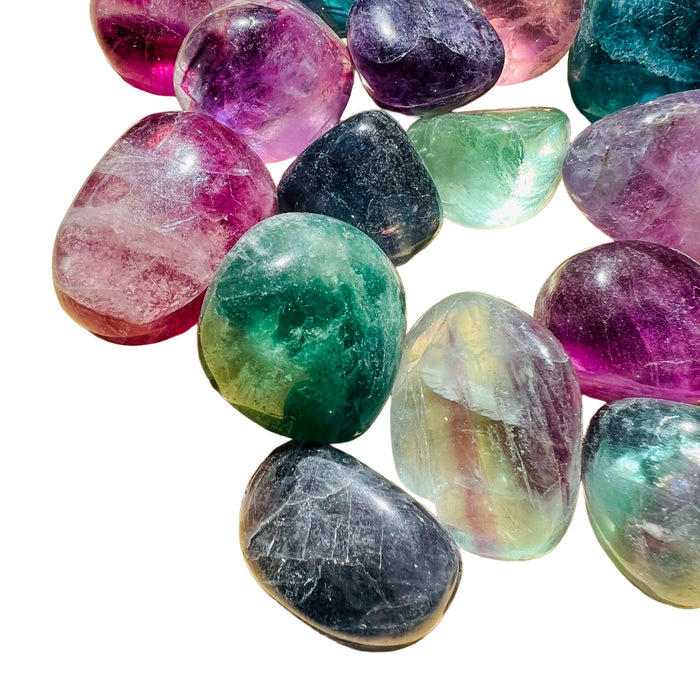
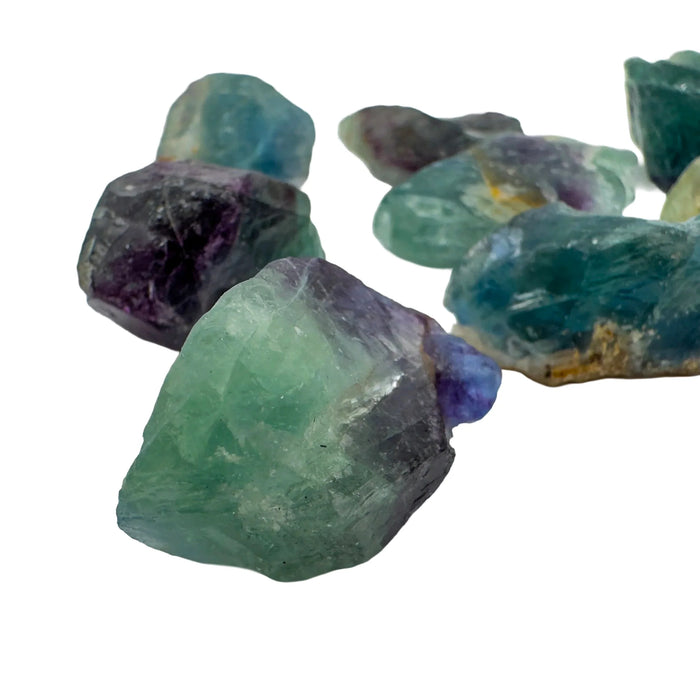
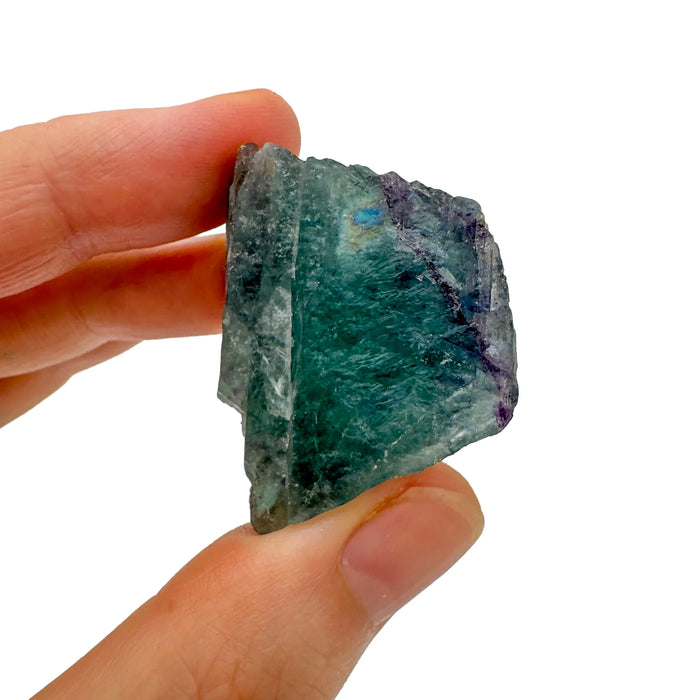
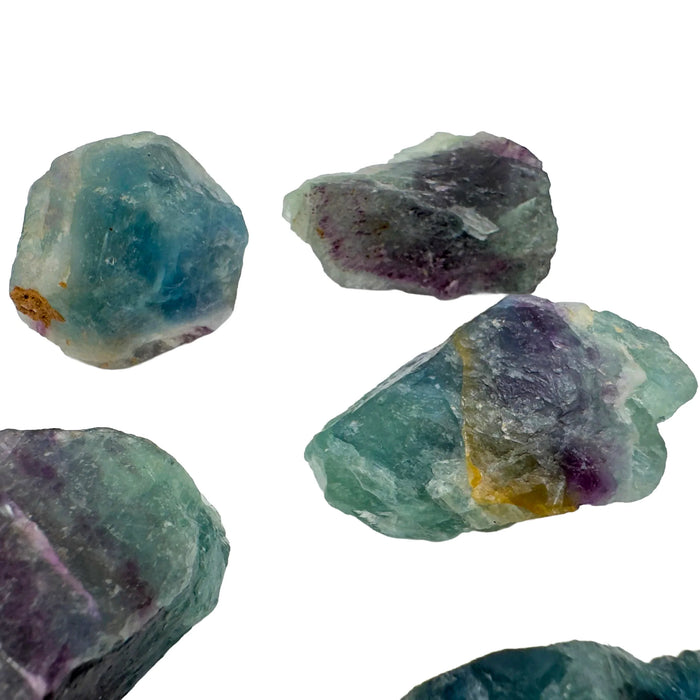
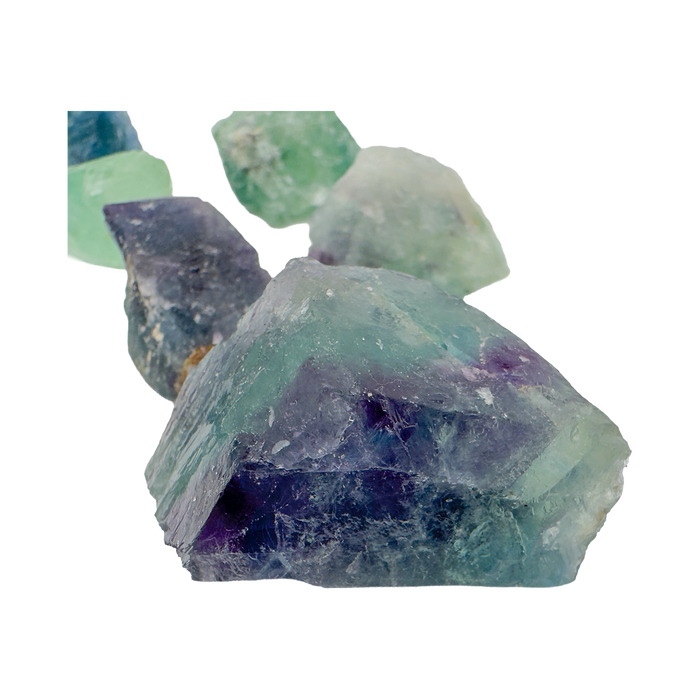
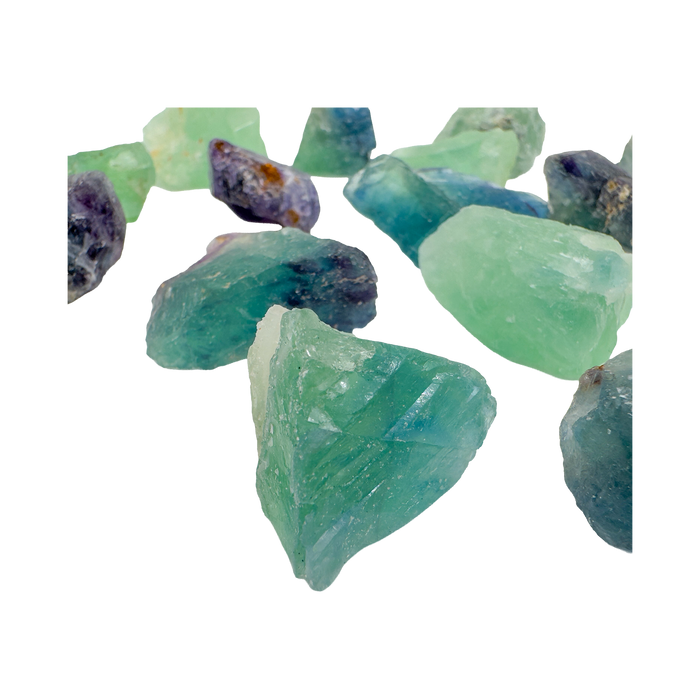
Fluorite is calcium fluoride (CaF2), a remarkably varied mineral that occurs in purple, green, blue, yellow, rose, pink, white, and multi-color banded forms. Single pieces often show multiple colors in concentric or angular bands, earning names like "rainbow fluorite" or "banded fluorite." It's relatively soft at Mohs 4, and its crystal structure produces distinctive octahedral and cubic forms when crystallized. Commercial supply comes primarily from China, Mexico, and the United States, with smaller sources in Spain, Namibia, and England. Most fluorite is sold natural, dye and coating are uncommon because the natural color range is so striking.
Shop fluoriteThe geology.
Fluorite is a calcium fluoride mineral, chemical formula CaF2, a halide that crystallizes in the cubic system. Under ideal conditions, fluorite forms perfect octahedral or cubic crystals, which is part of its allure. The varieties we see in commerce, from deep purple and green to blue, yellow, rose, and pink, all come from the same mineral family; the color shifts come from trace metals and radiation exposure in the host rock. Fluorite sits at 4 on the Mohs hardness scale, which makes it softer than quartz but harder than calcite. Its specific gravity ranges from 3.0 to 3.3, noticeably denser than most common stones.
What makes fluorite visually distinct is the banding and color play. Many pieces show concentric zones of color, sharp transitions from purple to green to clear, or subtle gradations within a single color. This happens because the mineral formed in layers over time, with changing chemical conditions creating color variation with each growth phase. The bands can be parallel to the crystal faces or appear angular and geometric, depending on the growth conditions and how the stone fractured after formation. Fluorite fluoresces under ultraviolet light, a property that actually gives the mineral its name, from the Latin "fluere," to flow. The fluorescence is strongest in purple and blue varieties.
The origins.
China is the primary global producer of commercial fluorite, accounting for the majority of refined material available to international markets. Chinese fluorite comes from large-scale mining operations, particularly in Jiangxi, Hunan, and other provinces where hydrothermal deposits are extensive. The quality varies by mine and processing; some Chinese sources produce beautiful specimens and polished pieces, while lower-grade material gets used for industrial fluorine production and chemical manufacturing. The range in color and finish available from China is wide, from raw octahedral crystals to polished points to tumbled stones.
Mexico produces high-quality, distinctively colored fluorite, often with vivid purples and greens and exceptional banding. Sonora and Chihuahua are major sourcing regions. Mexican fluorite is prized for specimen-grade pieces and collector-quality raw crystals. The mining is often smaller scale than Chinese operations, and the material tends to be more carefully selected for aesthetic and metaphysical use.
The United States has historical and ongoing fluorite production, particularly from Illinois (Hardin County historically, and Pope County), Tennessee, and other locations. American material is less dominant in the global market but remains significant for specialty and high-end specimens. Namibia, Spain, and England produce fluorite as well, though in smaller commercial quantities than China or Mexico.
Traditional associations.
Fluorite's traditional associations shift with its color. The chakra correspondences vary, which reflects the mineral's role as a bridge stone across different intentions. Purple fluorite is most commonly linked to the third eye and crown chakras, with associations to mental clarity and meditation. Green fluorite connects to the heart chakra and intention around emotional balance. Blue fluorite pairs with throat-chakra work for gentle communication. The umbrella intention across all varieties centers on clarity, focus, mental organization, and decision-making.
In contemporary crystal practice, fluorite is often chosen for work around mental clutter, scattered thinking, and the need to organize thoughts before they scatter further. Many people work with it during study, problem-solving, or periods of decision fatigue. The banded and multi-color varieties are particularly popular among people who want to engage multiple chakras or intentions at once. Fluorite is also traditionally associated with the element Air and Water together, reflecting clarity and flow. The stone is often paired with amethyst, clear quartz, and other minerals that support mental work or protective practice.
Spotting the real thing.
Genuine fluorite shows natural color variation, with bands and transitions between hues rather than uniform, flat color. The softness is immediate; a fingernail or copper coin will scratch the surface easily. Fluorite scratches white, leaving a light powder or streak. The crystal faces on natural specimens are often geometric and visible, whether octahedral (eight-sided pyramid) or cubic (square). Real fluorite fluoresces bright blue or purple under ultraviolet light, particularly in specimens with color; this is one of the most reliable tests if you have access to a UV light.
Irradiated fluorite is sold in the market and is still real fluorite, only treated to deepen the color. It's a cosmetic choice, not fraudulent, but it's worth knowing. If a piece looks artificially vivid or uniform compared to what you've seen elsewhere, it may be irradiated. The hardness test is straightforward: genuine fluorite rates 4 on Mohs, scratches glass, and is scratched by quartz. If a stone won't scratch with a copper coin or fingernail, it's not fluorite.
Care & handling.
Fluorite is soft at Mohs 4 and brittle, particularly along the planes where it tends to fracture naturally. Protect edges and corners from drops and pressure. Avoid water exposure for extended periods, as fluorite can be water-sensitive and may soften or dissolve in some circumstances. Brief rinsing under cool running water is acceptable, but soaking is not. Don't use ultrasonic or steam cleaners. Dry care is best: if dust accumulates, use a soft brush or cloth. Store fluorite separately from harder stones that could scratch it, and avoid carrying loose pieces in pockets with keys or other objects.
For energetic cleansing, use smoke, sound, moonlight, or breath rather than water or salt. Sunlight exposure won't harm fluorite, but like many stones, it benefits from storage in soft indirect light when not in use. The brittleness of the mineral is part of its nature, not a defect. Handle it with the same care you'd give a piece of delicate pottery.
Pairs well with.
Proof, not promises.
We measure our own sourcing across five dimensions. Supply chain, environmental footprint, artisan support, market integrity, and pricing. The number is honest, not perfect. Where we can do better, we say so.
A deeper look.
Extended geology, sourcing, authenticity, banding mechanics, varieties, and market notes for when the quick guide isn't enough.
Extended geology
Fluorite (CaF2) is a halide mineral that crystallizes in the cubic system, forming perfect octahedral and cubic crystals under ideal conditions. The presence of trace metals (manganese for purple, europium for purple, yttrium for purple, chromium for green, iron for yellow and green) creates the color range. Radiation exposure in the host rock also plays a role in deepening colors, particularly in purple and green varieties. The metal concentrations vary by deposit and even within single stones, creating the natural color variation and banding visible in well-formed specimens.
Fluorite's Mohs hardness of 4 sits between calcite (3) and apatite (5). Its specific gravity ranges from 3.0 to 3.3, noticeably denser than quartz. The mineral shows perfect octahedral cleavage, meaning it fractures along natural planes, which is why raw specimens often show geometric breaks and why fluorite needs careful handling.
Color banding and formation
The distinctive banding in fluorite comes from changes in water chemistry and metal concentration during crystal growth. Each layer represents a growth pulse, with different conditions creating shifts in color. Some bands are sharp and defined; others are gradual transitions. The geometry of the bands depends on the crystal habit and growth conditions. Octahedral specimens show banding aligned with the eight faces; cubic specimens show different patterns. Multi-color pieces with purple, green, and clear zones in sharp transitions are particularly prized by collectors and are often cut or polished to showcase the pattern.
Sourcing in China, Mexico, and the USA
China dominates global fluorite production, with large mining operations in Jiangxi and Hunan producing volume for both gem use and industrial applications. Quality varies widely. Some Chinese sources produce beautiful specimens; others prioritize quantity and purity for chemical manufacturing. The color range available from China is extensive, and sourcing directly from established channels provides reliability.
Mexico, particularly Sonora and Chihuahua, produces smaller volumes of exceptionally beautiful fluorite, often with vivid purples and greens and distinctive banding. Mexican mining tends to be smaller scale and more oriented toward specimen quality, which is reflected in the material and the pricing.
The United States has historic and ongoing production. Illinois (particularly Hardin County, now depleted, and Pope County) and Tennessee produced famous specimens. American material remains significant for high-end collectors and specimens, though in smaller quantities than China or Mexico.
Authentication and testing
Genuine fluorite is soft and scratches easily under fingernail or copper coin, leaving a white powder. The color varies across a piece, with bands or transitions reflecting natural mineral variation during formation. Uniform, artificially vivid color should prompt questions. Fluorite fluoresces blue or purple under ultraviolet light, especially in colored specimens. This is one of the most definitive tests if you have access to a UV lamp.
Irradiated fluorite is real fluorite, only treated to deepen the color. It's still a valid stone, but it's worth knowing. The treatment is cosmetic, not deceptive, as long as it's disclosed. If a stone rates harder than 4 on Mohs, shows no color variation, and doesn't scratch with a copper coin, it's not fluorite.
Pricing and market notes
Raw fluorite clusters range from $12 to $60 depending on size, color, and clarity. Polished points $8 to $35. Carvings and display pieces $20 to $150 plus. Premium Mexican specimens with distinctive banding or vivid color command higher prices. Tumbled fluorite starts around $3 to $8 per piece.
Warning signs: fluorite sold without origin disclosure, material claimed to be "rare" when fluorite is abundantly mined, and pieces that show uniform color despite claims of being natural and untreated.
Good sourcing is a practice, not a claim.
Nothing we sell is dyed, irradiated, or stabilized without full disclosure. We name our origins where we can. We say so when we cannot. We walk away from material that doesn't meet our standard, even when it costs us sales.
Bring fluorite home.
Raw and polished fluorite from China, Mexico, and the USA. Purple, green, blue, yellow, and multi-color banded varieties. Natural, untreated material, hand-selected for color, banding, and finish. Sourced by origin with transparency.
Shop the fluorite collectionFluorite, in stock now.
Our most-loved Fluorite pieces, ready to ship.
- from 1,000+ reviews
- Ships within 72 hoursMonday to Friday, tracked
- 90 days to return itif you do not love it
- Free US shipping over $99$8.99 flat rate under
The Slow Note
New stones go to the list first.
No forwarding, no selling. Unsubscribe in one click. Privacy