









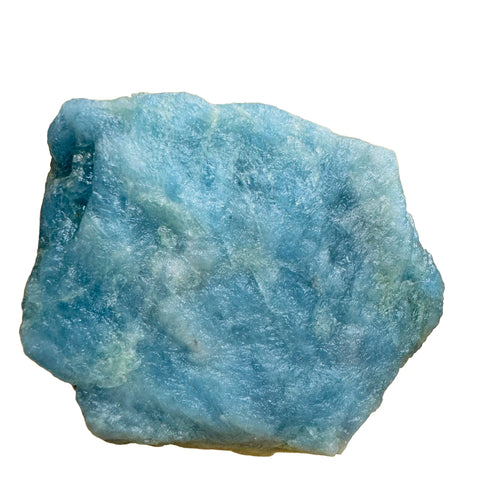


























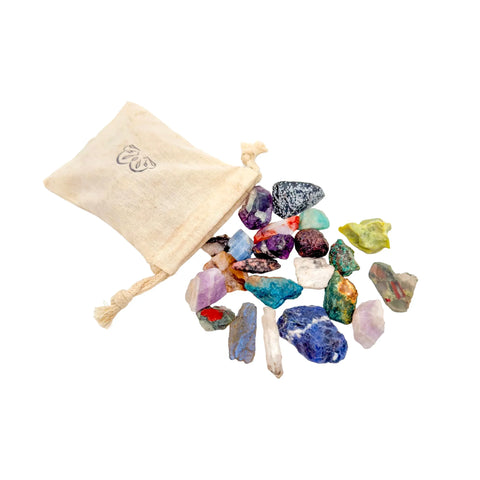

















 Raw Stones
179 pieces
Raw Stones
179 pieces
 Tumbled Stones
162 pieces
Tumbled Stones
162 pieces
 Palm Stones
25 pieces
Palm Stones
25 pieces
 Crystal Points
23 pieces
Crystal Points
23 pieces
 Clusters & Geodes
105 pieces
Clusters & Geodes
105 pieces
 Polished & Decor
151 pieces
Polished & Decor
151 pieces
 Mineral Specimens
262 collector pieces
Mineral Specimens
262 collector pieces
 Crystal Chips
21 pieces
Browse everything
Every collection, one page.
View All Collections →
Crystal Chips
21 pieces
Browse everything
Every collection, one page.
View All Collections →


 Aries
Mar 21 – Apr 19
Carnelian
›
Aries
Mar 21 – Apr 19
Carnelian
›
 Taurus
Apr 20 – May 20
Rose Quartz
›
Taurus
Apr 20 – May 20
Rose Quartz
›
 Gemini
May 21 – Jun 20
Agate
›
Gemini
May 21 – Jun 20
Agate
›
 Cancer
Jun 21 – Jul 22
Moonstone
›
Cancer
Jun 21 – Jul 22
Moonstone
›
 Leo
Jul 23 – Aug 22
Citrine
›
Leo
Jul 23 – Aug 22
Citrine
›
 Virgo
Aug 23 – Sep 22
Amazonite
›
Virgo
Aug 23 – Sep 22
Amazonite
›
 Libra
Sep 23 – Oct 22
Blue Lace Agate
›
Libra
Sep 23 – Oct 22
Blue Lace Agate
›
 Scorpio
Oct 23 – Nov 21
Obsidian
›
Scorpio
Oct 23 – Nov 21
Obsidian
›
 Sagittarius
Nov 22 – Dec 21
Sodalite
›
Sagittarius
Nov 22 – Dec 21
Sodalite
›
 Capricorn
Dec 22 – Jan 19
Black Tourmaline
›
Capricorn
Dec 22 – Jan 19
Black Tourmaline
›
 Aquarius
Jan 20 – Feb 18
Amethyst
›
Aquarius
Jan 20 – Feb 18
Amethyst
›
 Pisces
Feb 19 – Mar 20
Aquamarine
›
Gifting?
A birthday stone is the safe bet.
Read the zodiac guide →
Pisces
Feb 19 – Mar 20
Aquamarine
›
Gifting?
A birthday stone is the safe bet.
Read the zodiac guide →











Fuchsite
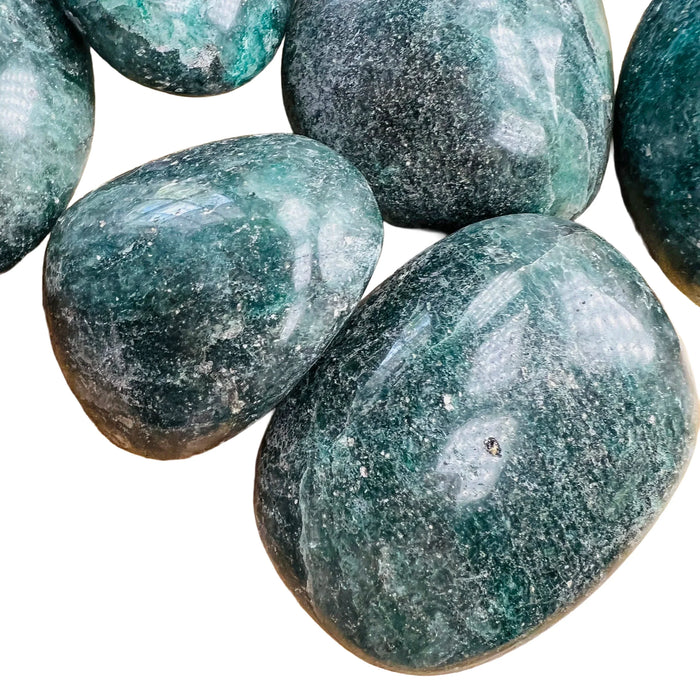
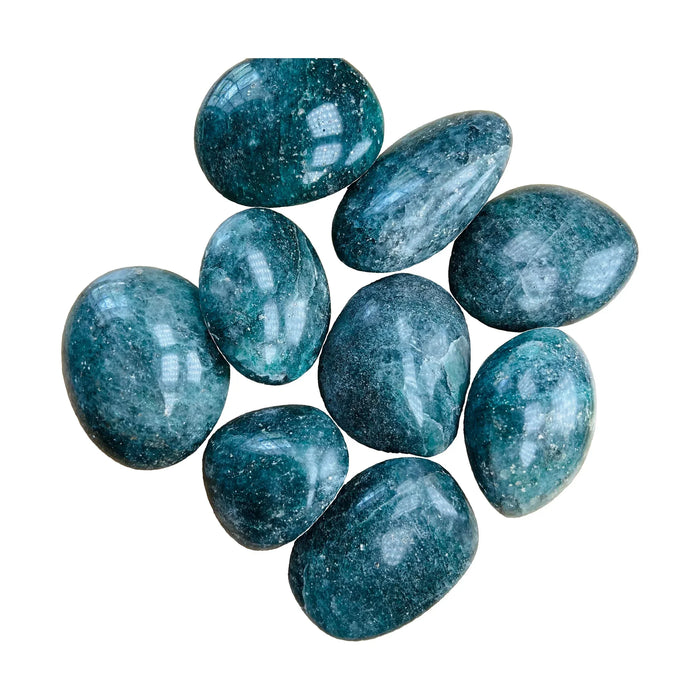
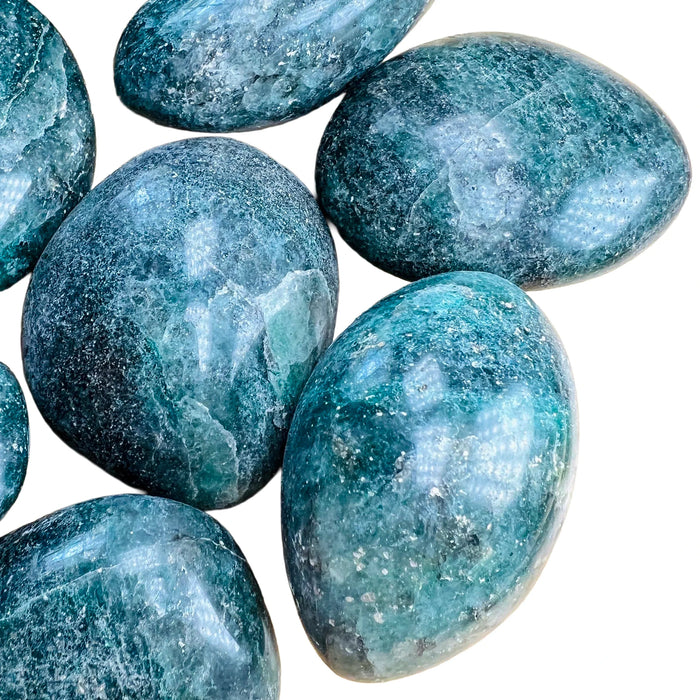
Fuchsite is a chromium-rich variety of muscovite mica, known for its green color that ranges from mint to deep emerald, with a characteristic shimmer created by the reflective mica platelets. Most commercial fuchsite comes from Madagascar, where our supply originates in the Amoron'i Mania region. The stone is soft, typically sold as massive material or intergrown with ruby, kyanite, or quartz. Fuchsite is rarely treated in the market. The color and shimmer are entirely natural.
Shop fuchsiteThe geology.
Fuchsite is a chromium-rich variety of muscovite mica, a silicate mineral with the general formula KAl2(AlSi3O10)(OH)2. The chromium replaces some of the aluminum in the crystal structure, producing the distinctive green color that ranges from pale mint to deep emerald depending on chromium concentration. The stone forms as massive material rather than as distinct crystals, and its greatest visual feature is the shimmer created by countless reflective mica platelets that catch light.
Fuchsite sits at 2 to 3 on the Mohs hardness scale, making it quite soft. The specific gravity is around 2.77 to 2.88. It has a monoclinic crystal system, though crystal faces are rarely visible in the massive material we carry. The stone shows a pearly to vitreous luster and breaks along cleavage planes into thin flakes, which is typical of all mica minerals. This flaky character is not a defect. It's the defining structural feature that creates the shimmer.
The origins.
Fuchsite occurs in pegmatites and metamorphic rock formations in several parts of the world. Madagascar is the primary source for commercial fuchsite, particularly the Amoron'i Mania region, where our supply originates. The material is hand-mined from pegmatite deposits and sorted for color and finish before being shaped into palm stones, carvings, and specimen pieces. The Malagasy fuchsite tends toward consistent, rich green tones with strong shimmer.
Brazil, India, Russia, and the United States also produce fuchsite, though it's less commonly seen in the North American market. Each region's material has slightly different chromium content and can vary in hue from pale green to deeper forest tones. Some deposits produce fuchsite intergrown with ruby (called ruby in fuchsite), kyanite, or quartz, which creates distinct varieties that are often worked as specimen pieces or high-polish carvings rather than tumbled stones.
We focus on Madagascar as our primary source because the supply is consistent, the sourcing chain is transparent, and the stone itself offers reliable color and quality. More origins exist worldwide, and each has its own character worth exploring.
Traditional associations.
Fuchsite is associated with the heart chakra and with intentions around growth, renewal, self-worth, and healing from emotional wounds. Its green color connects it to nature and regeneration. The shimmer of the stone is often cited as a metaphor for growth that catches light, for visibility and emergence. Many people work with fuchsite for practices around heart-opening, for emotional clarity, and for grounding growth and expansion in the body.
The stone is traditionally linked to Aquarius and carries the energy of Earth element. It pairs well with other heart-centered stones like green aventurine, rose quartz, and amazonite. Some practitioners use fuchsite during meditations focused on self-compassion or during practices meant to strengthen boundaries and personal renewal. The softness of the stone is sometimes interpreted as an invitation to gentleness with oneself and others.
Spotting the real thing.
Genuine fuchsite is soft and flaky, with a pearly shimmer that comes from the mica structure catching light. The color is consistent green, ranging from pale mint to rich emerald. When you hold a piece, you can see and feel the thin flakes and layers. The stone often has visible striations or banding from variations in chromium content. Most importantly, fuchsite is not hard. It scratches easily with a fingernail or soft tool.
Imitations or confused stones feel harder and do not show the characteristic flaking or shimmer. Green aventurine, for instance, is much harder at 7 on the Mohs scale. Dyed quartz might mimic the color but won't show the mica luster. Genuine fuchsite should feel light, flaky, and distinctly soft. If a stone is harder than you'd expect or shows no visible layers, it's likely not fuchsite. The softness and the shimmer are the defining tells.
Care & handling.
Fuchsite is soft and flaky, so it requires gentle handling. Avoid water soaking or prolonged contact with moisture, as water can weaken the fine mica layers over time. Brief rinsing under cool running water is acceptable, but keep it brief. Dry care is best. If dust collects, use a soft dry brush or cloth. Never use ultrasonic or steam cleaners.
Store fuchsite separately from harder stones to avoid scratching. Handle it with care to avoid pressure on the edges or surfaces, as the material can flake or crumble if dropped or crushed. For energetic cleansing, use smoke, sound, moonlight, or breath rather than water or salt. The softness and flaky character of fuchsite are core to its beauty and how it presents. Treat that quality as a feature, not a liability, and you'll keep your pieces vibrant and whole.
Pairs well with.
Proof, not promises.
We measure our own sourcing across five dimensions. Supply chain, environmental footprint, artisan support, market integrity, and pricing. The number is honest, not perfect. Where we can do better, we say so.
A deeper look.
Extended geology, sourcing, chromium content, intergrown varieties, and practical care for when the quick guide isn't quite enough.
Extended geology
Fuchsite is a chromium-rich variety of muscovite mica, crystallizing in the monoclinic system. The chromium (Cr) replaces some of the aluminum in the crystal structure, and the concentration varies by deposit and even within single stones. Higher chromium content produces deeper green; lower concentrations produce paler mint tones. The stone forms as massive material in pegmatites and hydrothermal deposits rather than as distinct crystals.
The characteristic shimmer comes from the mica structure itself. Mica minerals form in thin, parallel layers called cleavage planes. Light bounces off these layers, creating the distinctive pearly luster. This is why mica flakes are so thin and why the stone is so soft. Hardness of 2 to 3 on the Mohs scale is typical for all mica minerals. Specific gravity runs 2.77 to 2.88.
Chromium content and color
Chromium concentration directly determines the color of fuchsite. Pale mint green indicates lower chromium content. Deeper emerald tones indicate higher chromium saturation. This is why pieces from the same deposit can show color variation. It's also why fuchsite from different regions can look noticeably different. The variation is entirely natural and a tell of authenticity.
The color does not fade in sunlight the way some crystals do. Fuchsite is stable under normal light conditions. The green is a structural feature of the mineral, not a surface coating.
Ruby in fuchsite and intergrown varieties
Some deposits produce fuchsite intergrown with corundum (ruby), which creates a distinct material called ruby in fuchsite or fuchsite with ruby. These pieces show small red corundum crystals or inclusions embedded in the green mica matrix. They're prized by collectors and are usually worked as specimen pieces or high-polish carvings rather than tumbled stones.
Fuchsite also forms with kyanite and with clear quartz in some deposits, creating other intergrown varieties. These are less commonly seen in commercial material but do occur naturally. Each variety is a distinct form and should be labeled accordingly.
Sourcing and Madagascar
Amoron'i Mania is a region in eastern Madagascar known for pegmatite deposits that produce several gem and mineral materials including fuchsite, tourmaline, and quartz. The fuchsite from this region is hand-mined from exposed pegmatite beds and sorted on-site by color and quality. The material we carry is sourced directly from mining teams and suppliers we've worked with over years, with documentation of origin and sourcing method per batch.
Other regions produce fuchsite, but Madagascar is the largest commercial source for the North American market. Brazil and India also produce material, as do Russia and parts of the United States, but the supply chains are less consistent and sourcing transparency is harder to verify.
Care and handling specifics
The flaky nature of fuchsite means it can crumble or flake if dropped or subjected to pressure. Store it in a soft pouch, away from harder stones. Avoid wrapping it tightly or placing weight on top of it. A gentle touch is all that's needed for handling and cleansing.
Water exposure should be brief. Extended soaking can weaken the mica layers. Avoid salt water, salt baths, and salt scrubs entirely. The best cleansing methods are smoke, sound, moonlight, or breath. These respect the stone's nature and keep it whole.
Pricing and market notes
Fuchsite palm stones and tumbled pieces typically range from $6 to $18 depending on size, finish, and grade. Hand-polished pieces and small carvings start around $15 to $25. Larger display pieces or high-polish statement pieces can run $30 to $60 or more depending on artistry and finish work.
Ruby in fuchsite commands higher prices due to rarity and collector demand. Pieces with visible ruby inclusions typically start around $20 to $40 for small specimens and scale upward for larger display pieces.
Fuchsite priced significantly below these ranges may indicate lower quality, smaller size, or minimal polish work. Conversely, pieces priced well above these ranges usually reflect significant artisan carving, high-polish finishing, or the presence of rare intergrown materials like ruby.
Good sourcing is a practice, not a claim.
Nothing we sell is dyed, stabilized, reconstituted, or color-enhanced without full disclosure. We name our origins where we can. We say so when we cannot. We walk away from material that does not meet our standard, even when it costs us sales.
Bring fuchsite home.
Natural, untreated fuchsite from Amoron'i Mania, Madagascar. Hand-selected for color and finish. Palm stones, tumbled pieces, and carved specimens. Each piece comes with origin documentation confirming Madagascar sourcing.
Shop the fuchsite collectionFuchsite, in stock now.
Our most-loved Fuchsite pieces, ready to ship.
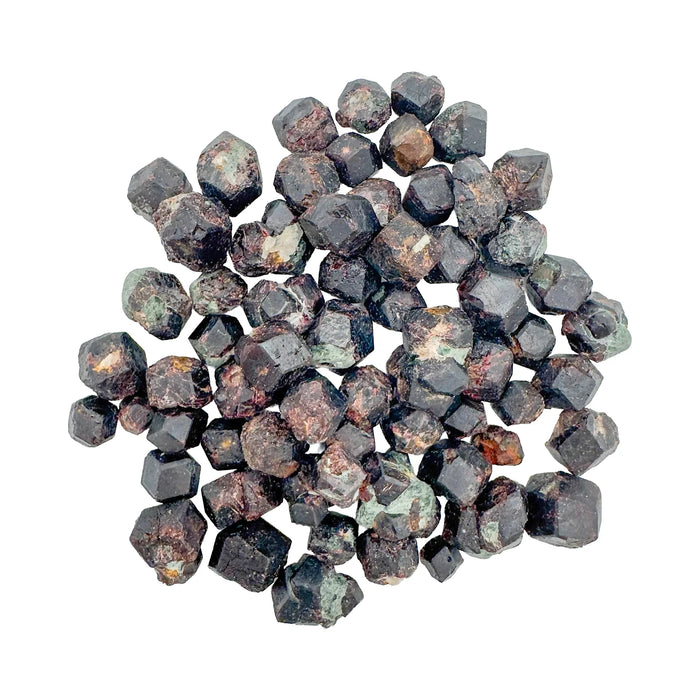
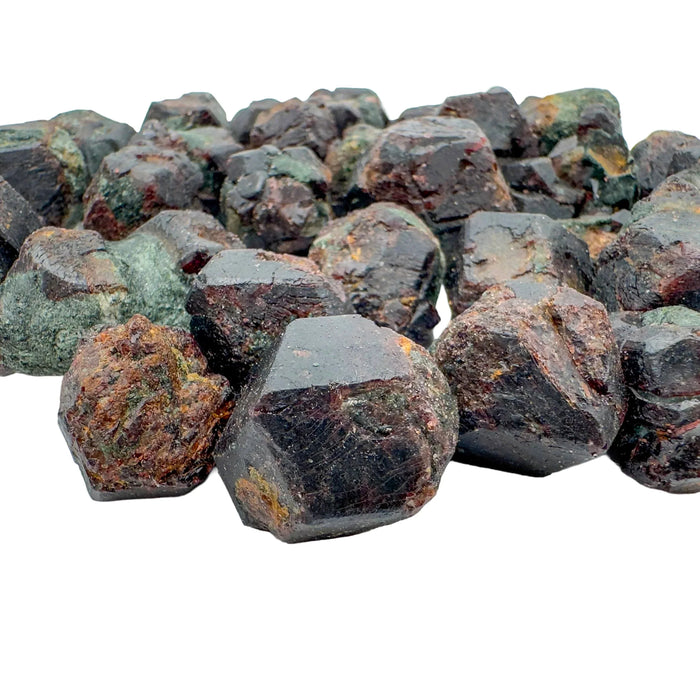
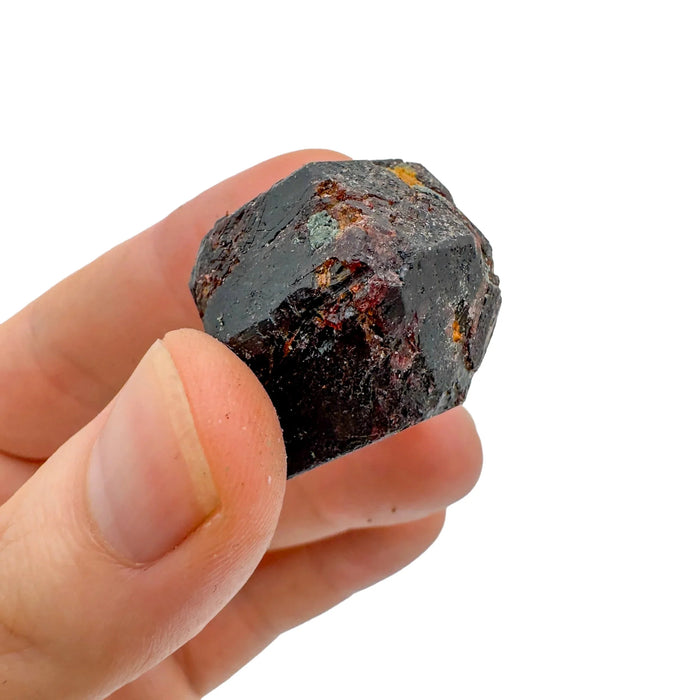
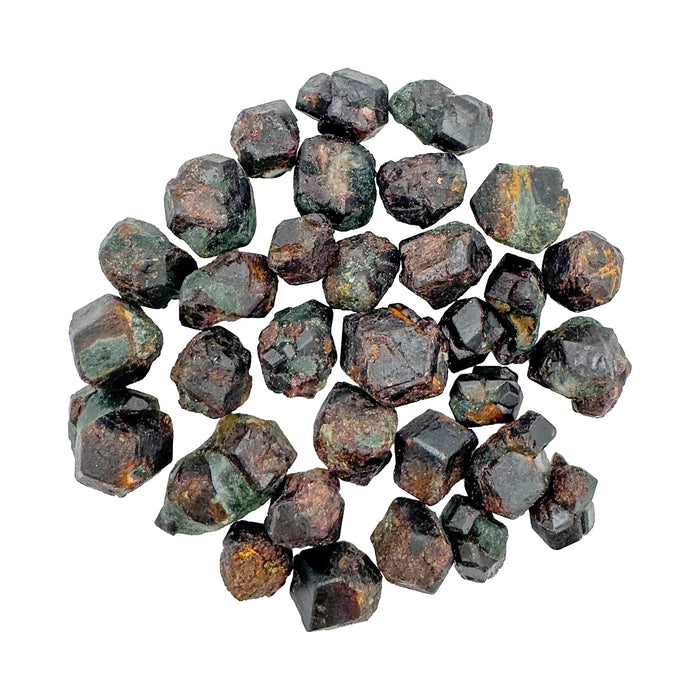
- from 1,000+ reviews
- Ships within 72 hoursMonday to Friday, tracked
- 90 days to return itif you do not love it
- Free US shipping over $99$8.99 flat rate under
The Slow Note
New stones go to the list first.
No forwarding, no selling. Unsubscribe in one click. Privacy