









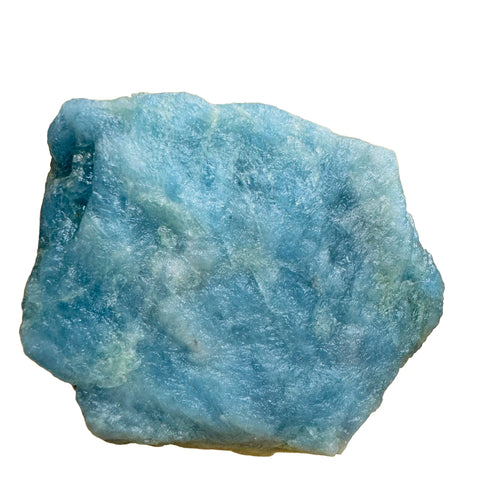











































 Raw Stones
180 pieces
Raw Stones
180 pieces
 Tumbled Stones
162 pieces
Tumbled Stones
162 pieces
 Palm Stones
26 pieces
Palm Stones
26 pieces
 Crystal Points
23 pieces
Crystal Points
23 pieces
 Clusters & Geodes
108 pieces
Clusters & Geodes
108 pieces
 Polished & Decor
152 pieces
Polished & Decor
152 pieces
 Mineral Specimens
258 collector pieces
Mineral Specimens
258 collector pieces
 Crystal Chips
21 pieces
Browse everything
Every collection, one page.
View All Collections →
Crystal Chips
21 pieces
Browse everything
Every collection, one page.
View All Collections →


 Aries
Mar 21 – Apr 19
Carnelian
›
Aries
Mar 21 – Apr 19
Carnelian
›
 Taurus
Apr 20 – May 20
Rose Quartz
›
Taurus
Apr 20 – May 20
Rose Quartz
›
 Gemini
May 21 – Jun 20
Agate
›
Gemini
May 21 – Jun 20
Agate
›
 Cancer
Jun 21 – Jul 22
Moonstone
›
Cancer
Jun 21 – Jul 22
Moonstone
›
 Leo
Jul 23 – Aug 22
Citrine
›
Leo
Jul 23 – Aug 22
Citrine
›
 Virgo
Aug 23 – Sep 22
Amazonite
›
Virgo
Aug 23 – Sep 22
Amazonite
›
 Libra
Sep 23 – Oct 22
Blue Lace Agate
›
Libra
Sep 23 – Oct 22
Blue Lace Agate
›
 Scorpio
Oct 23 – Nov 21
Obsidian
›
Scorpio
Oct 23 – Nov 21
Obsidian
›
 Sagittarius
Nov 22 – Dec 21
Sodalite
›
Sagittarius
Nov 22 – Dec 21
Sodalite
›
 Capricorn
Dec 22 – Jan 19
Black Tourmaline
›
Capricorn
Dec 22 – Jan 19
Black Tourmaline
›
 Aquarius
Jan 20 – Feb 18
Amethyst
›
Aquarius
Jan 20 – Feb 18
Amethyst
›
 Pisces
Feb 19 – Mar 20
Aquamarine
›
Gifting?
A birthday stone is the safe bet.
Read the zodiac guide →
Pisces
Feb 19 – Mar 20
Aquamarine
›
Gifting?
A birthday stone is the safe bet.
Read the zodiac guide →

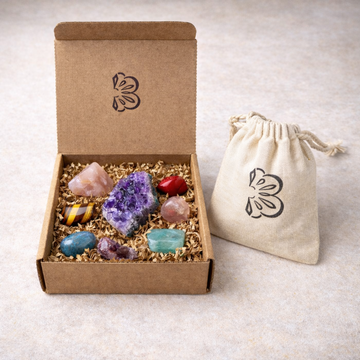
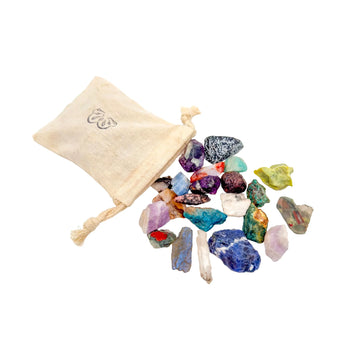










Flower Agate
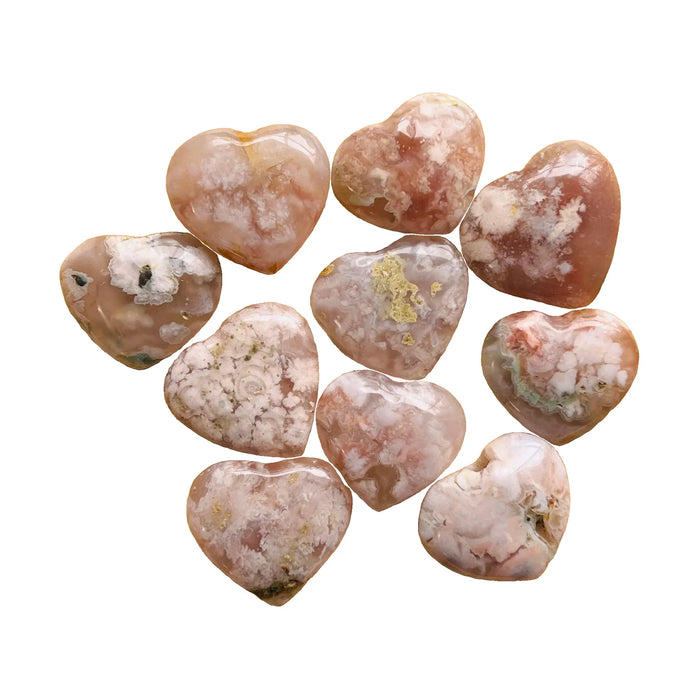
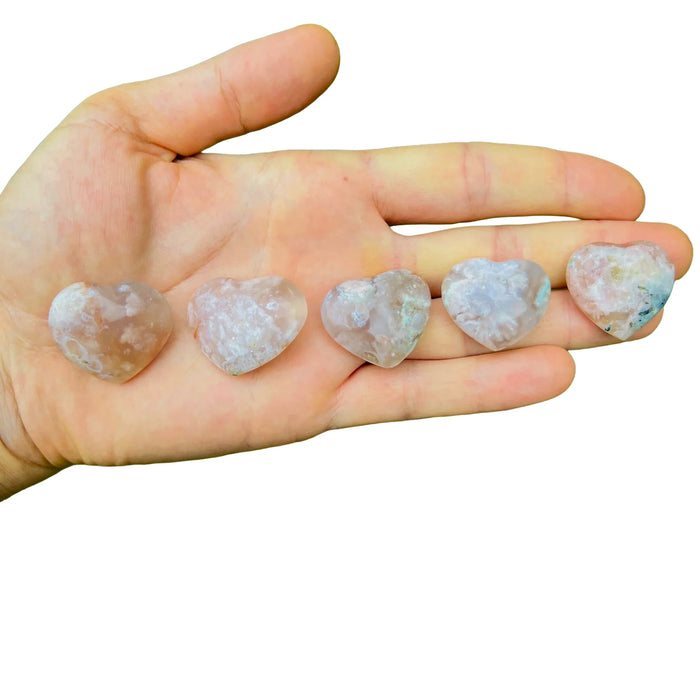
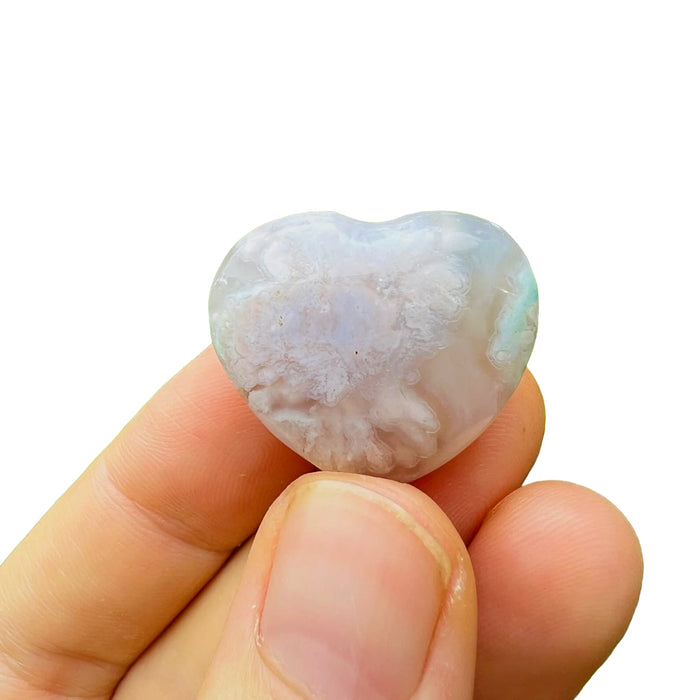
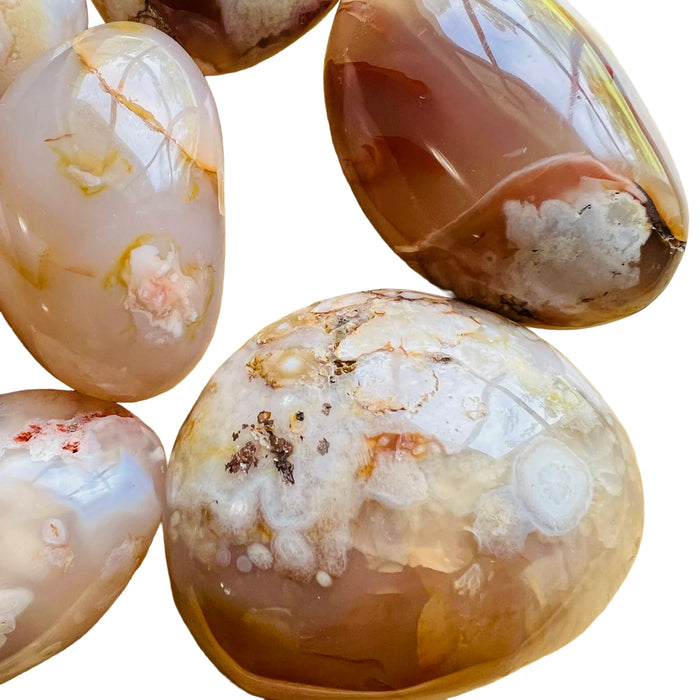
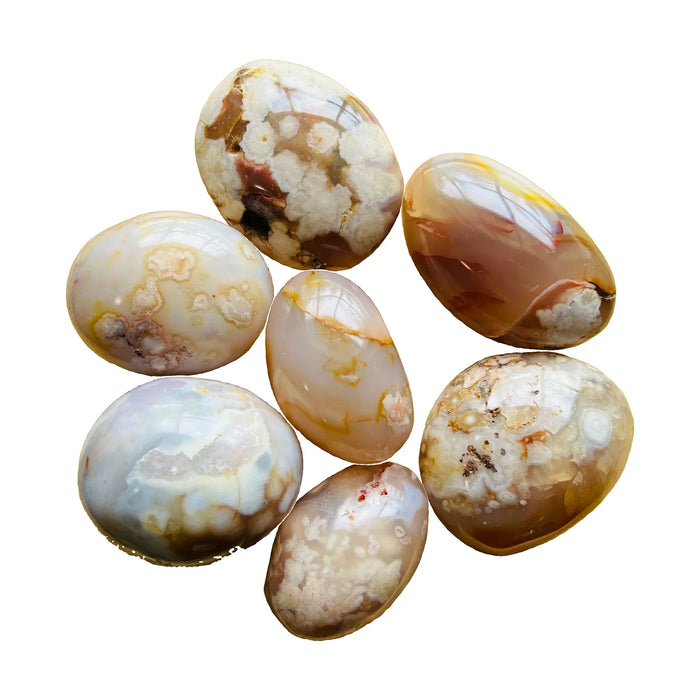
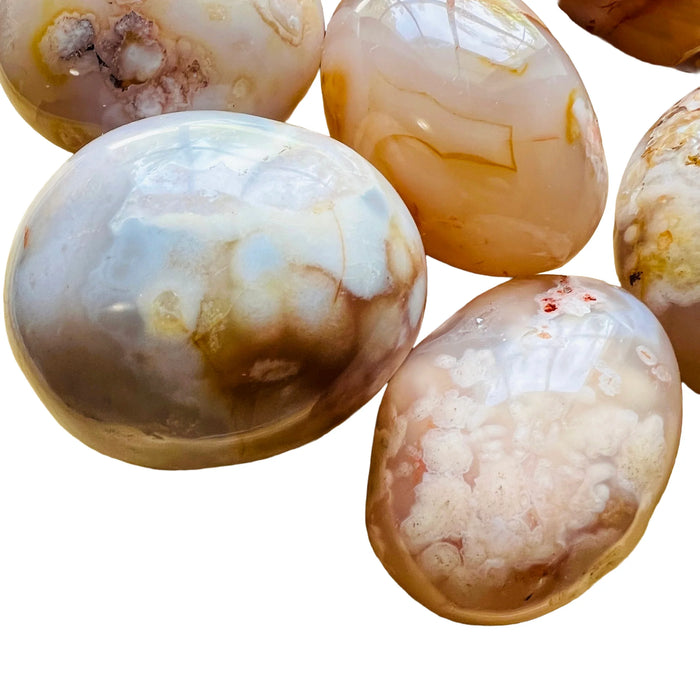
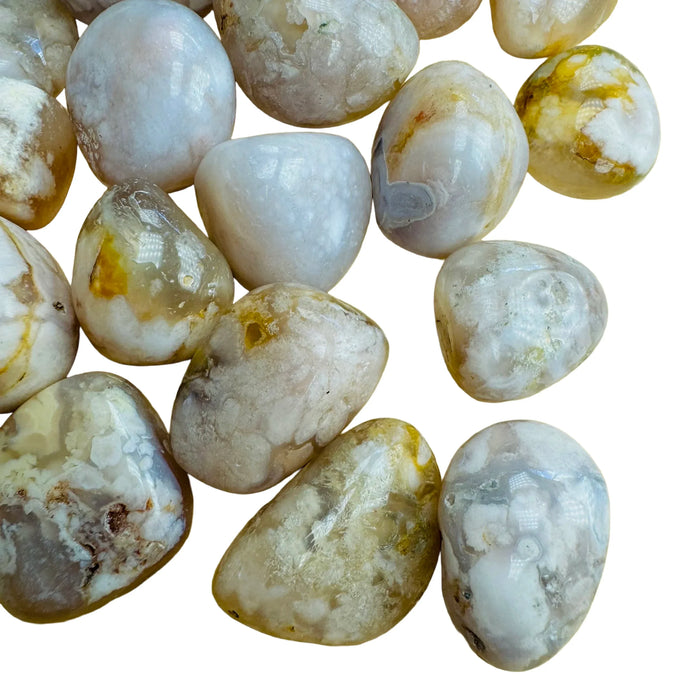
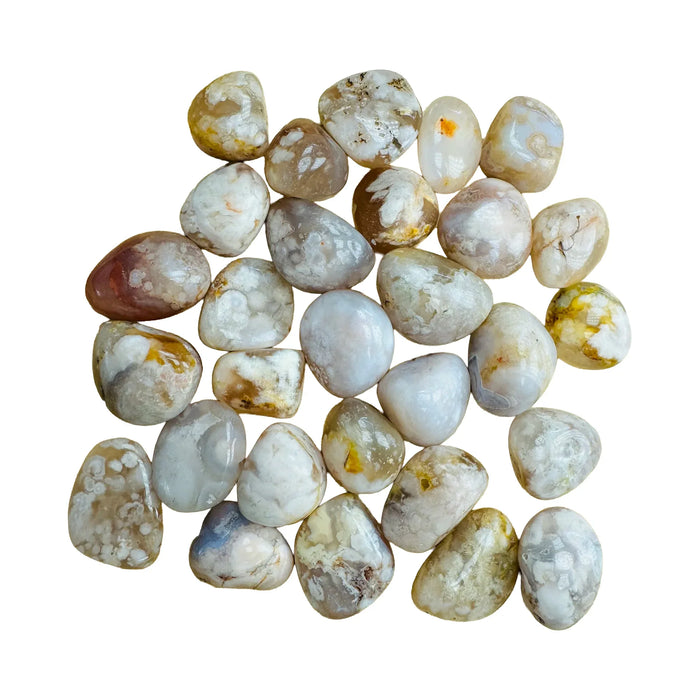
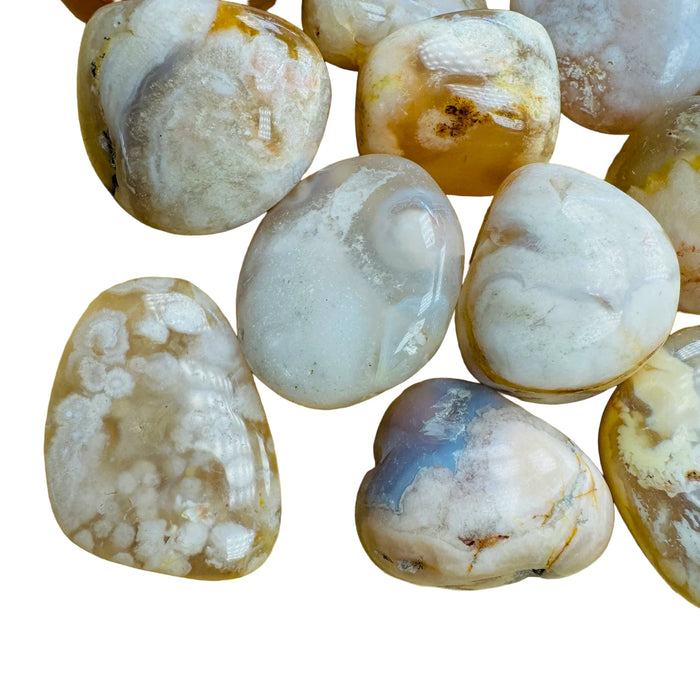
Flower agate is a soft pink-to-cream chalcedony marked by small flower-like mineral inclusions that create a distinctive botanical look. The "flowers" are chalcedony formations that grew in starburst or petal-like patterns within the host matrix during the stone's formation. All commercial flower agate comes from Madagascar, specifically from deposits in the Analamanga region. It ranks at Mohs 6.5 to 7, making it one of the harder agates, and most material is sold natural because the pattern is what gives it value.
Shop flower agateThe geology.
Flower agate is a microcrystalline variety of quartz, specifically a chalcedony, with the chemical formula SiO2. The base stone ranges from pale pink to soft cream, and throughout the matrix sit distinctive flower-like or petal-shaped chalcedony inclusions that grew in situ as the stone formed. These patterns are not additions or treatments, they're part of how the mineral crystallized. The color comes from trace iron and manganese oxides that interact with the quartz structure during formation.
The stone has a trigonal crystal system at the microscopic level, though commercial flower agate is always worked from massive material rather than as distinct crystals. It sits at Mohs 6.5 to 7, making it durable for most uses but still requiring respect. A specific gravity of 2.6 to 2.7 puts it in the quartz range. Polished pieces show a smooth, waxy luster, and the stone fractures unevenly. The floral inclusions are the defining feature, and they're visible to the naked eye in all commercial material.
The origins.
Flower agate is genuinely single-origin. All commercial flower agate in the global market comes from Madagascar, specifically from deposits in the Analamanga region (a district in the north-central part of the island). The stone doesn't occur commercially anywhere else, which is unusual and worth knowing. The deposits exist in areas with complex geological history, where pegmatite veins and late-stage mineral formation created the right conditions for chalcedony with these distinctive flower patterns to develop.
The rough material is sourced through small-scale mining operations and hand-selected before it's tumbled or polished. The pink-to-cream base color is consistent across Analamanga material, though the intensity and the size and density of the flower patterns vary from stone to stone. This natural variation is part of what makes the collection interesting, not a quality issue. Because the pattern is the whole point of the stone, pieces are worked carefully to showcase the floral formations rather than obscure them.
While other pink agates and chalcedonies are found in other parts of the world, the specific floral-inclusion characteristic of flower agate points to Madagascar every time. If you're buying flower agate with a different origin claimed, the claim is worth questioning.
Traditional associations.
Flower agate is a modern introduction to mainstream crystal practice, becoming more widely available and recognized in the last 10 to 15 years. It doesn't have deep historical roots in traditional or ancient metaphysical systems. Its current associations were developed by contemporary crystal workers who recognized something in the stone's appearance, color, and chalcedony composition that aligned with intentions around growth, renewal, and the softer, more receptive qualities of the Heart and Sacral chakras.
In modern practice, flower agate is most commonly associated with growth, potential, new beginnings, and the unfolding of what's already inside you waiting to bloom. Many people work with it for self-compassion, gentle self-nurturing, and feminine energy (not exclusively, but often in that framework). The Heart and Sacral chakra associations reflect both the pink color and the sense of opening, softening, and becoming. It's often chosen alongside other gentle or growth-oriented stones like green aventurine, rose quartz, or pink tourmaline when someone is working with themes of personal expansion.
Spotting the real thing.
Genuine flower agate has a waxy, smooth feel when polished and shows visible flower-like or starburst patterns in the pink or cream base matrix. The flowers are not uniform, they're scattered throughout the stone in varying sizes and densities, which is the hallmark of natural formation. The base color is soft and muted, ranging from pale pink to light cream, never vivid or artificially saturated. If you hold a piece up to light, you can often see the translucence typical of chalcedony.
Dyed imitations or mass-market pieces often show more uniform color, larger or more densely packed flower patterns than natural material, or flowers that appear painted rather than grown into the stone. Genuine flower agate won't be hard to scratch with effort, sits at 6.5 to 7 on the Mohs scale, and will show wear on polished surfaces after months of daily carry. If a piece feels glass-hard, shows unnaturally vivid color, or has perfectly symmetrical flower formations, it's worth questioning authenticity. The softness of the pink and the organic scattered nature of the flowers are what distinguish real flower agate.
Care & handling.
Flower agate is a quartz mineral and more durable than softer stones like calcite, but the pale pink color can fade gradually with prolonged direct sunlight, which is a natural property of the trace minerals that give it color. If you want to preserve the pink intensity, store the stone in soft indirect light when not wearing or carrying it. Brief periods of sun are fine. Avoid prolonged daily direct sunlight over months.
Cleaning is simple. Cool running water and a soft cloth work well. Avoid harsh chemical cleaners, salt water, and prolonged soaking. The stone won't dissolve like calcite, but gentleness respects its finish. For energetic cleansing, smoke, sound, moonlight, or breath all work. Don't use ultrasonic or steam cleaners. Store separately from much harder stones that could scratch it. The waxy, soft finish is part of the appeal, and gentle handling keeps it beautiful.
Pairs well with.
Proof, not promises.
We measure our own sourcing across five dimensions. Supply chain, environmental footprint, artisan support, market integrity, and pricing. The number is honest, not perfect. Where we can do better, we say so.
A deeper look.
Extended geology, Madagascar sourcing, authentication, color fading, and care for when the quick guide isn't quite enough.
Extended geology and formation
Flower agate is a microcrystalline quartz, specifically a chalcedony, with the chemical formula SiO2. The characteristic flower-like inclusions form during crystallization as chalcedony grew in patterns dictated by the local mineral environment, water chemistry, and cooling rate. These formations are not added later, they're integral to how the stone developed. The base color, pink to cream, comes from trace iron and manganese oxides that substitute into or sit alongside the silicon atoms in the crystal lattice.
The stone crystallizes in the trigonal system, though the microcrystalline nature means individual crystals are too small to resolve without magnification. The result is massive material that can be worked into tumbled stones, polished pieces, or carvings. Hardness of 6.5 to 7 on the Mohs scale puts flower agate in the durable range, harder than calcite or most feldspars, though softer than corundum or diamond. Specific gravity runs 2.6 to 2.7, consistent with quartz. The stone shows a waxy to vitreous luster when polished and fractures unevenly.
Single-origin significance
Flower agate occurs only in the Analamanga region of Madagascar in commercial quantities. This is unusual in the mineral trade, where most stones are found in multiple locations worldwide. The single-origin nature of flower agate means any genuine flower agate you encounter came from the same geological zone, sourced from the same regional mining operations, and carries similar geological history. It also means the supply is genuinely concentrated, not dispersed across multiple countries, which simplifies sourcing transparency and reduces supply-chain complexity.
Other pink agates and pink chalcedonies do exist in Peru, Brazil, Mexico, and elsewhere, but they do not show the distinctive flower-like inclusions that define flower agate. If a seller claims flower agate from any origin other than Madagascar, the claim is worth scrutinizing directly with them.
Color fading and preservation
The pink color in flower agate can fade gradually with prolonged direct sunlight exposure. This is a natural property of the trace iron and manganese that give the stone its color. The fading is slow, occurring over months or years of daily direct sun, and is entirely reversible in the sense that the stone remains chemically intact and functionally unchanged. If you want to preserve the pink intensity as it is now, store your piece in soft indirect light when not wearing it. Brief daylight exposure is fine. Prolonged daily direct sun over extended periods will cause noticeable dulling.
Many people appreciate this fading as part of the stone's journey and character. Others prefer to maintain the color as vivid as possible. Both approaches are valid. The key is knowing it happens naturally and choosing your storage accordingly.
Sourcing in Analamanga, Madagascar
The Analamanga region sits in north-central Madagascar and hosts mineral deposits that produce not only flower agate but also tourmaline, quartz, and other gem minerals. Flower agate sourcing from this region involves hand-mining and on-site sorting, with selective polishing to emphasize the flower patterns. The material is worked with care because the floral inclusions are the entire point of the stone.
Mining in Madagascar, like mining in many emerging economies, operates within a broader context of environmental and labor practices we acknowledge honestly. We work with suppliers who prioritize careful extraction and fair compensation, but we don't pretend that mining anywhere is consequence-free. What we commit to is direct relationships, above-market wages, and documented conditions.
Authentication and spotting imitations
Genuine flower agate feels smooth and waxy to the touch when polished. The flower-like patterns are scattered throughout the stone in varying sizes and densities, which is the hallmark of natural in-situ formation. The base color is muted and soft, never vivid or artificially saturated. Holding the stone to light reveals the translucence typical of chalcedony.
Dyed imitations or low-quality pieces often show artificially vivid color, more uniform or densely packed flower patterns, or flowers that appear painted rather than formed. Mass-market alternatives sometimes use dyed agate substitutes that mimic the flower pattern but lack the translucence and soft color of genuine flower agate. Genuine flower agate, at 6.5 to 7 on the Mohs scale, shows wear on polished surfaces with regular carry and won't match the glass-hard feel of harder imitations.
Pricing and market context
Grade A tumbled flower agate runs $6 to $12 per piece at retail depending on size and pattern density. Hand-polished pieces typically $10 to $18. Larger carvings or display pieces scale upward from $18 depending on weight and finish. Exceptionally large polished pieces can reach $25 to $50.
Flower agate priced well below these ranges ($2 to $4 per tumble) should prompt questions about origin and treatment. Genuine flower agate from single-source Madagascar at those prices usually reflects smaller size or lower pattern density rather than legitimate bargains. Conversely, flower agate at significantly higher price points often reflects artistry or advanced carving work rather than the mineral itself.
Good sourcing is a practice, not a claim.
Nothing we sell is dyed, stabilized, reconstituted, or color-enhanced without full disclosure. We name our origins where we can. We say so when we cannot. We walk away from material that does not meet our standard, even when it costs us sales.
Bring flower agate home.
Pink and cream chalcedony with natural flower-like mineral inclusions from Analamanga, Madagascar. Hand-selected for pattern and finish, untreated, and documented per batch. Tumbled and hand-polished forms available.
Shop the flower agate collectionFlower Agate, in stock now.
Our most-loved Flower Agate pieces, ready to ship.
- from 1,000+ reviews
- Ships within 72 hoursMonday to Friday, tracked
- 90 days to return itif you do not love it
- Free US shipping over $99$8.99 flat rate under
The Slow Note
New stones go to the list first.
No forwarding, no selling. Unsubscribe in one click. Privacy