


 Agatefor stress relief
 Amazonitefor stress relief
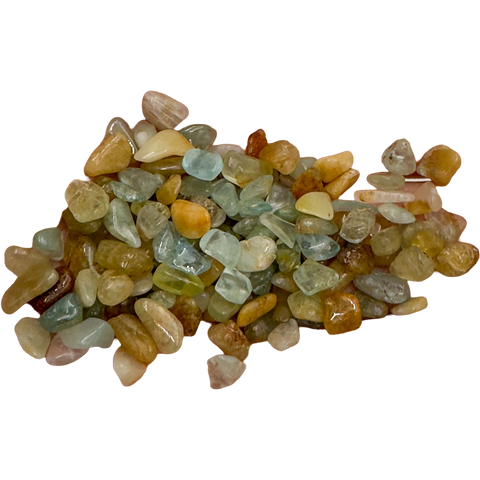
 Aquamarinefor serenity
 Aventurinefor luck
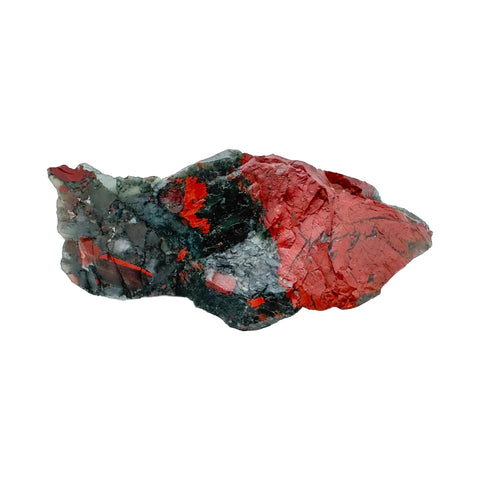
 Bloodstonefor energy
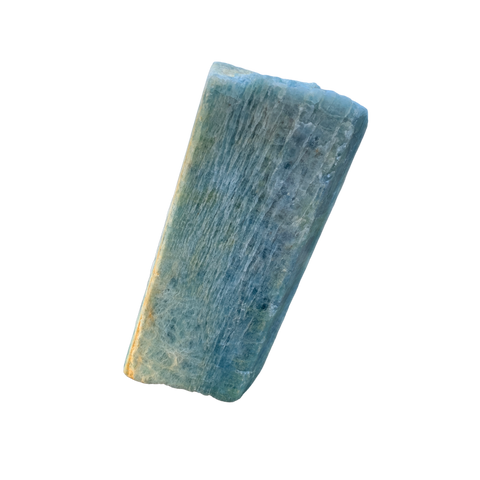
 Blue Kyanitefor confidence
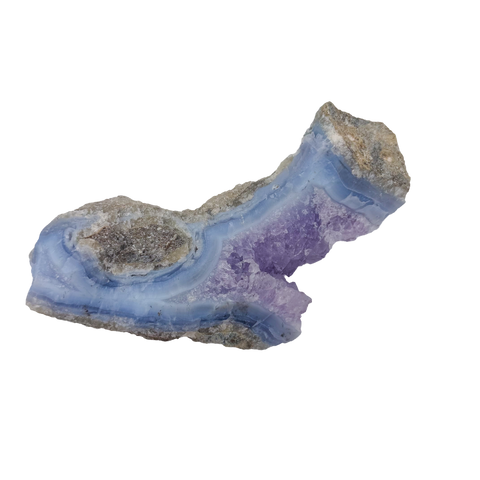
 Blue Lace Agatefor stress relief
 Chrysocollafor emotional healing
 Fluoritefor focus
 Garnetfor energy
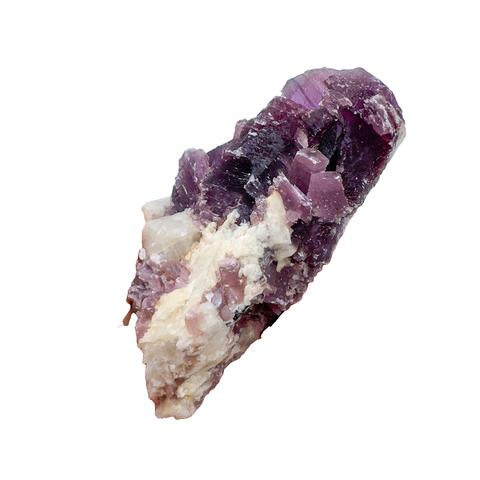
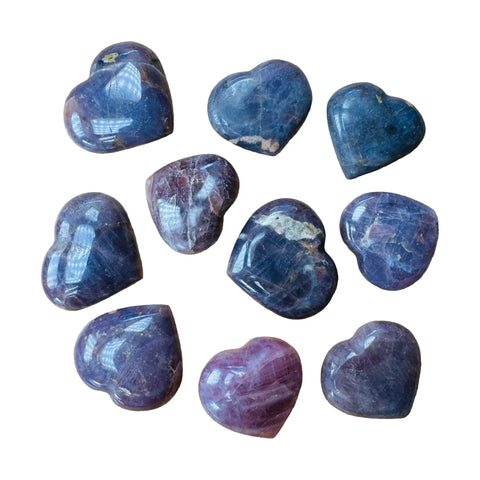
 Lepidolitefor stress relief
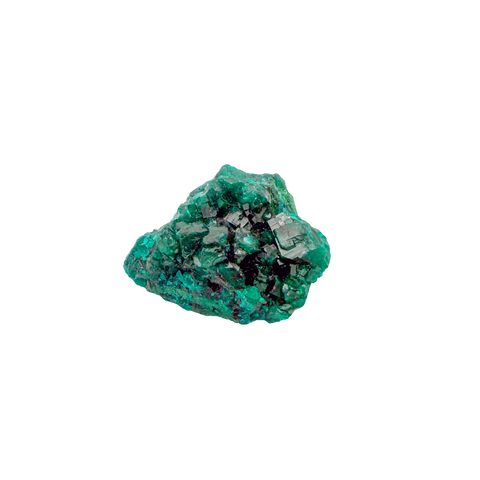
 Malachitefor emotional healing
 Moonstonefor grounding
 Obsidianfor protection
 Ocean Jasperfor emotional healing
 Red Jasperfor grounding
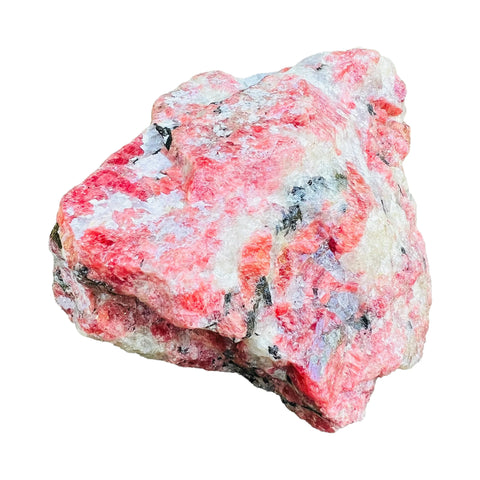
 Rhodonitefor emotional healing
 Selenitefor cleansing
 Sodalitefor focus
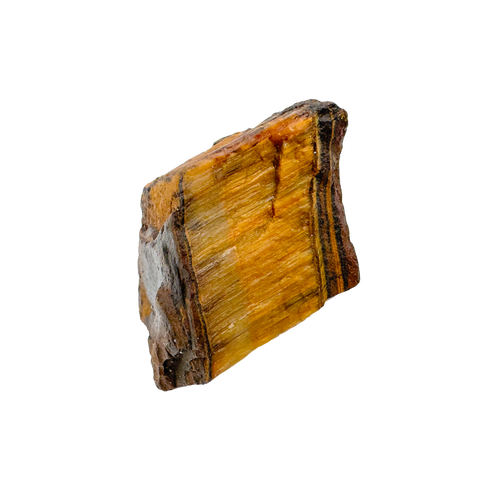
 Tiger Eyefor confidence
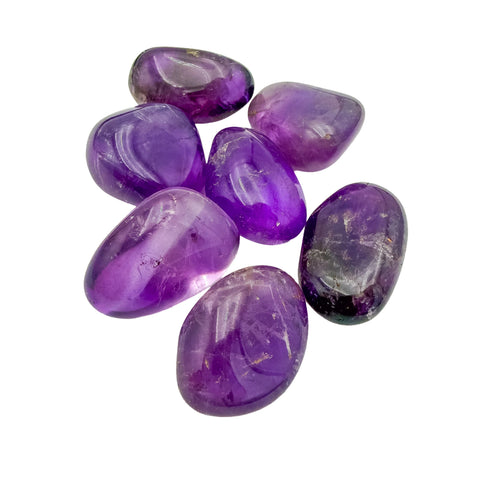




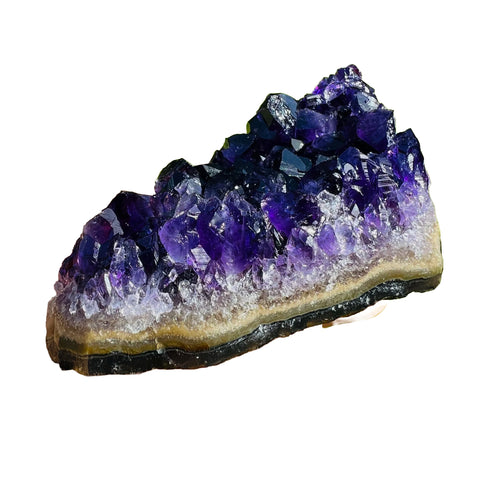





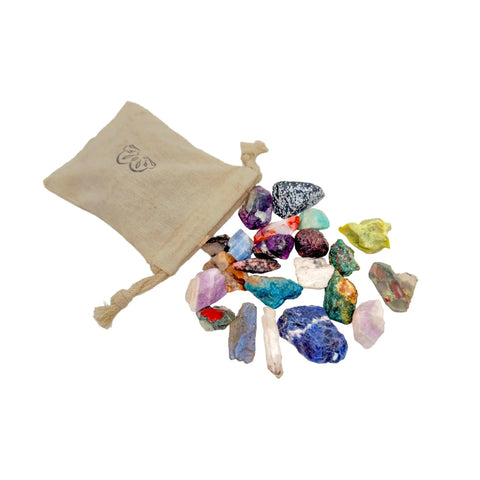
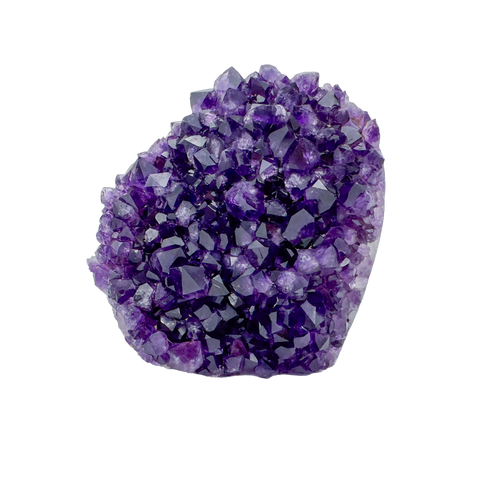
 Amethyst
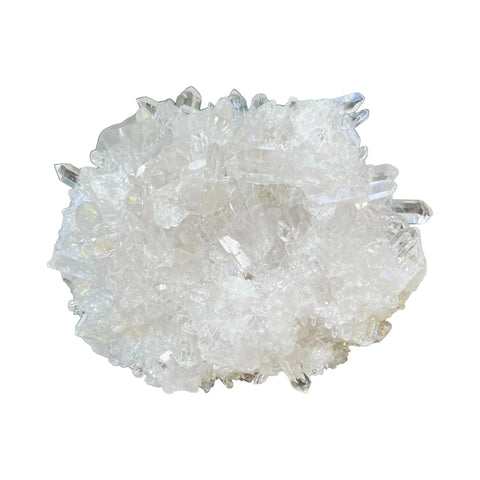
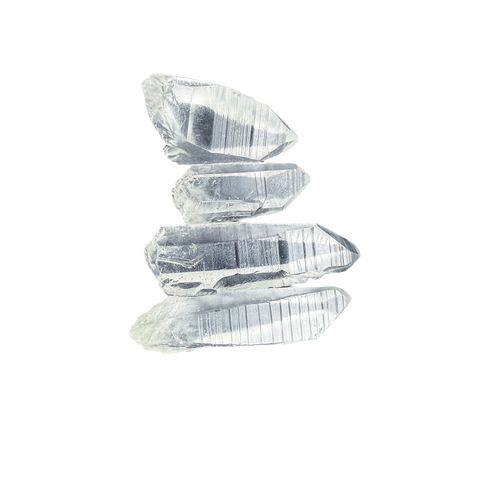
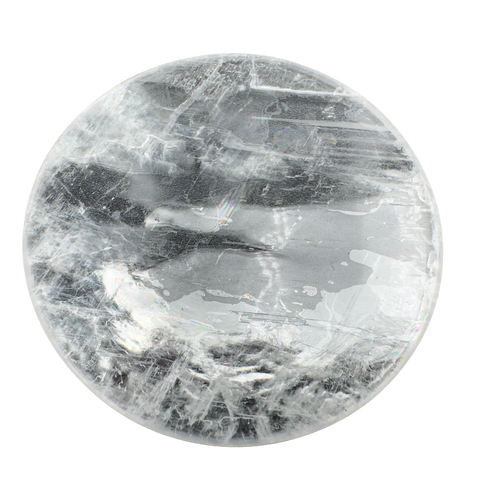
 Clear Quartz
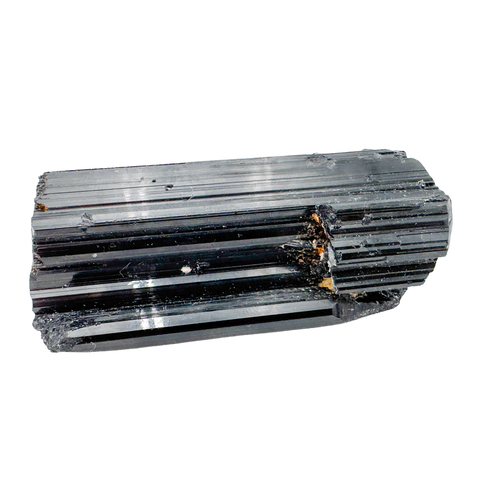
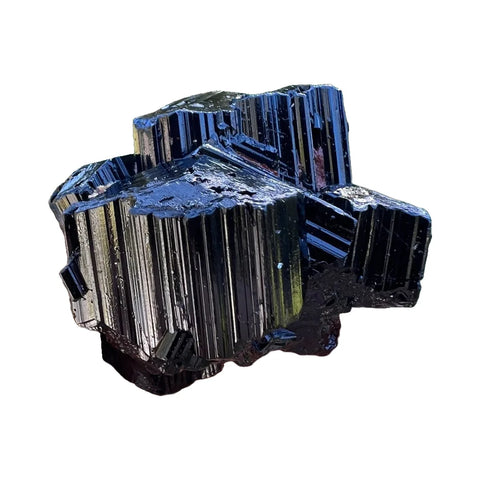
 Black Tourmaline
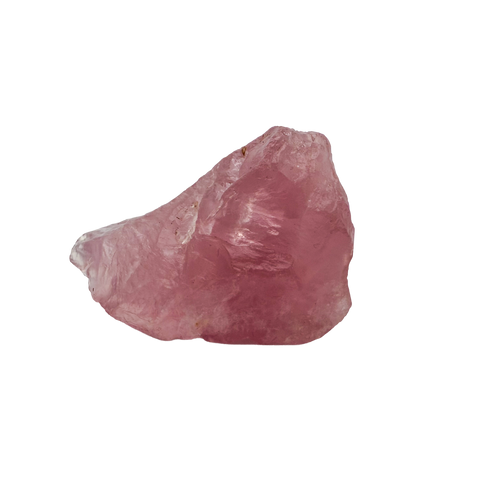
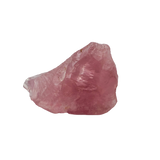 Rose Quartz
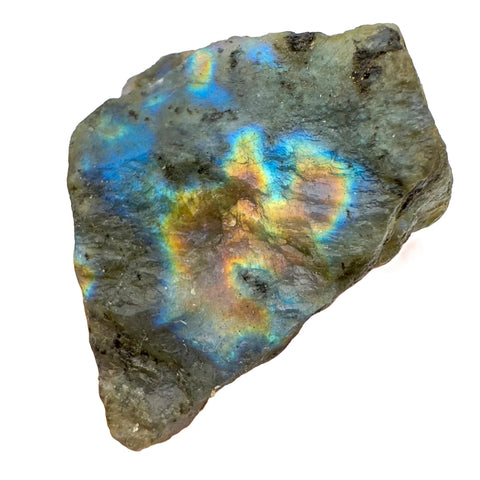
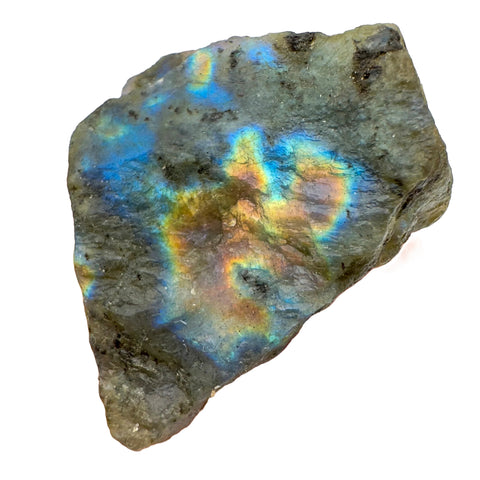
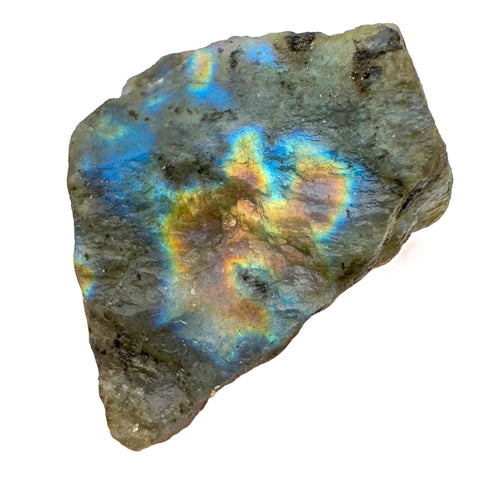
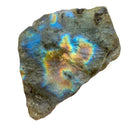 Labradorite
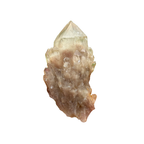 Natural Citrine
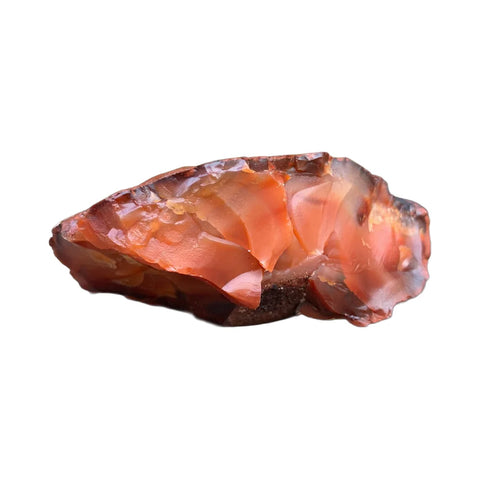
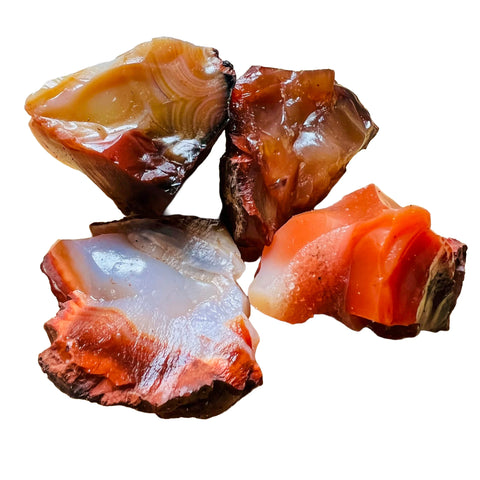
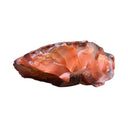 Carnelian
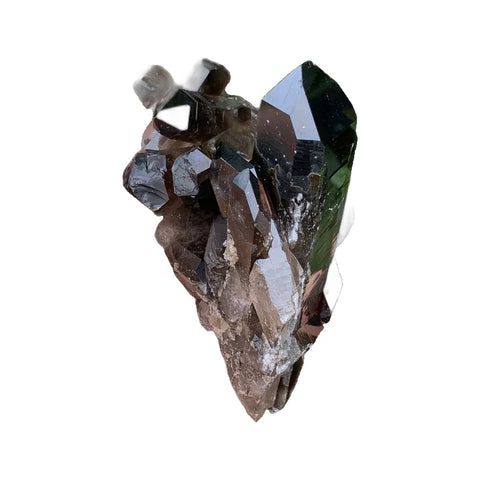
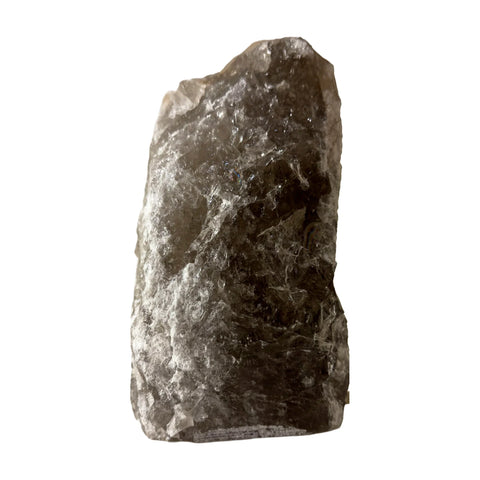
 Smoky Quartz
 Aventurine
 Sodalite
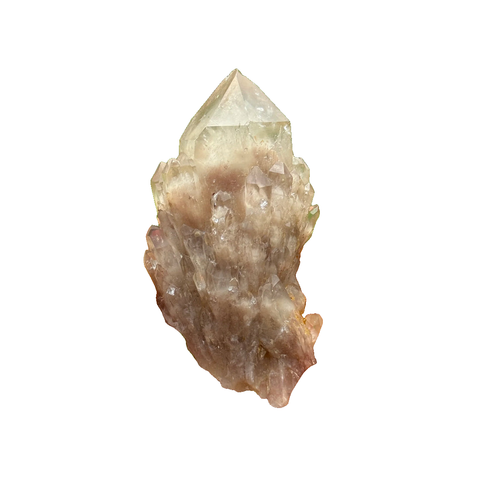
 Ametrine
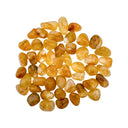 Golden Healer
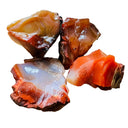 Raw Stones
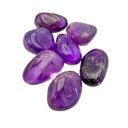 Tumbled Stones
 Palm Stones
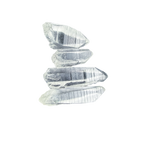 Crystal Points
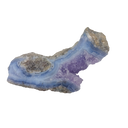 Clusters & Geodes
 Polished & Decor
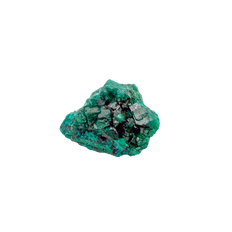 Mineral Specimens
 Crystal Chips
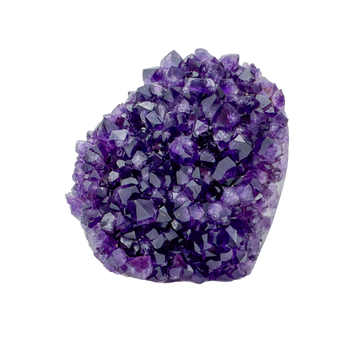
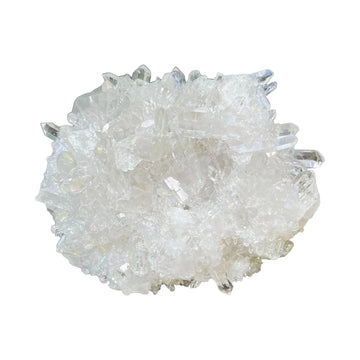
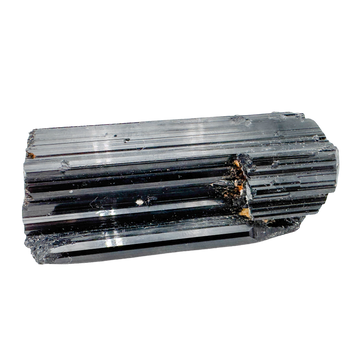
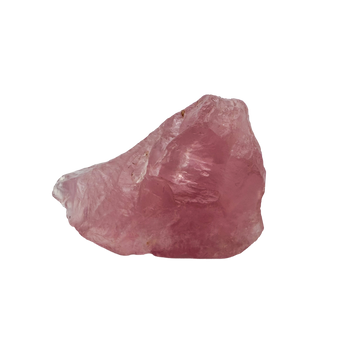
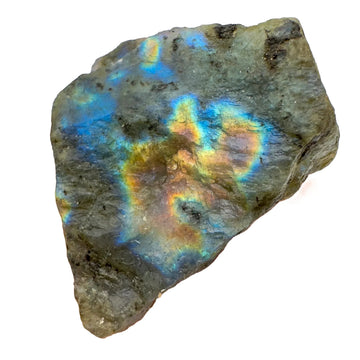
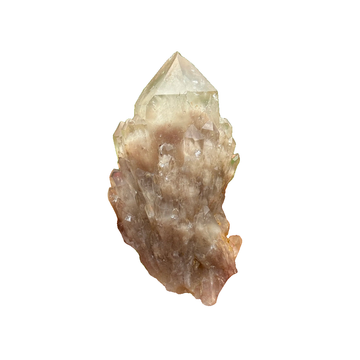
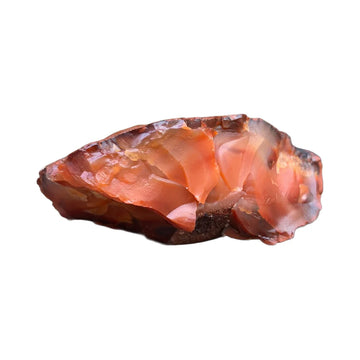
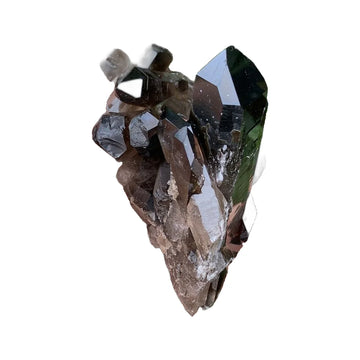
 Raw Stones
179 to choose from
Raw Stones
179 to choose from
 Tumbled Stones
162 to choose from
Tumbled Stones
162 to choose from
 Palm Stones
25 to choose from
Palm Stones
25 to choose from
 Crystal Points
23 to choose from
Crystal Points
23 to choose from
 Clusters & Geodes
103 to choose from
Clusters & Geodes
103 to choose from
 Polished & Decor
148 to choose from
Polished & Decor
148 to choose from
 Mineral Specimens
254 to choose from
Mineral Specimens
254 to choose from
 Crystal Chips
21 to choose from
Crystal Chips
21 to choose from


 AngolaAquamarine
›
AngolaAquamarine
›
 BotswanaCarnelian, Tree Agate
›
BotswanaCarnelian, Tree Agate
›
 DR CongoMalachite, Natural Citrine
›
DR CongoMalachite, Natural Citrine
›
 EswatiniBloodstone
›
EswatiniBloodstone
›
 MadagascarLabradorite, Clear Quartz
›
MadagascarLabradorite, Clear Quartz
›
 MalawiBlue Lace Agate, Garnet
›
MalawiBlue Lace Agate, Garnet
›
 MozambiqueAmazonite
›
MozambiqueAmazonite
›
 NamibiaSodalite, Blue Lace Agate
›
NamibiaSodalite, Blue Lace Agate
›
 Republic of the CongoDioptase
›
Republic of the CongoDioptase
›
 South AfricaTiger Eye, Unakite
›
South AfricaTiger Eye, Unakite
›
 ZambiaChevron Amethyst
›
ZambiaChevron Amethyst
›
 ZimbabweEmerald, Rhodonite
›
ZimbabweEmerald, Rhodonite
›
 ArgentinaBlack Obsidian, Rhodochrosite
›
ArgentinaBlack Obsidian, Rhodochrosite
›
 BoliviaAmetrine
›
BoliviaAmetrine
›
 BrazilAmethyst, Clear Quartz
›
BrazilAmethyst, Clear Quartz
›
 PeruSerpentine, Jade
›
PeruSerpentine, Jade
›
 UruguayAmethyst
›
UruguayAmethyst
›
 Dominican RepublicLarimar
›
Dominican RepublicLarimar
›
 MexicoRainbow Obsidian, Crazy Lace Agate
›
MexicoRainbow Obsidian, Crazy Lace Agate
›
 United StatesSelenite, Peridot
›
United StatesSelenite, Peridot
›
 ChinaFluorite
›
ChinaFluorite
›
 RussiaShungite
›
RussiaShungite
›
 AustraliaMookaite
›
AustraliaMookaite
›
 Where our crystals come from
See where we source →
Where our crystals come from
See where we source →


 Aries
Mar 21 to Apr 19
Carnelian
›
Aries
Mar 21 to Apr 19
Carnelian
›
 Taurus
Apr 20 to May 20
Rose Quartz
›
Taurus
Apr 20 to May 20
Rose Quartz
›
 Gemini
May 21 to Jun 20
Agate
›
Gemini
May 21 to Jun 20
Agate
›
 Cancer
Jun 21 to Jul 22
Moonstone
›
Cancer
Jun 21 to Jul 22
Moonstone
›
 Leo
Jul 23 to Aug 22
Citrine
›
Leo
Jul 23 to Aug 22
Citrine
›
 Virgo
Aug 23 to Sep 22
Amazonite
›
Virgo
Aug 23 to Sep 22
Amazonite
›
 Libra
Sep 23 to Oct 22
Blue Lace Agate
›
Libra
Sep 23 to Oct 22
Blue Lace Agate
›
 Scorpio
Oct 23 to Nov 21
Obsidian
›
Scorpio
Oct 23 to Nov 21
Obsidian
›
 Sagittarius
Nov 22 to Dec 21
Sodalite
›
Sagittarius
Nov 22 to Dec 21
Sodalite
›
 Capricorn
Dec 22 to Jan 19
Black Tourmaline
›
Capricorn
Dec 22 to Jan 19
Black Tourmaline
›
 Aquarius
Jan 20 to Feb 18
Amethyst
›
Aquarius
Jan 20 to Feb 18
Amethyst
›
 Pisces
Feb 19 to Mar 20
Aquamarine
›
Gifting?
A birthday stone is the safe bet.
Read the zodiac guide →
Pisces
Feb 19 to Mar 20
Aquamarine
›
Gifting?
A birthday stone is the safe bet.
Read the zodiac guide →


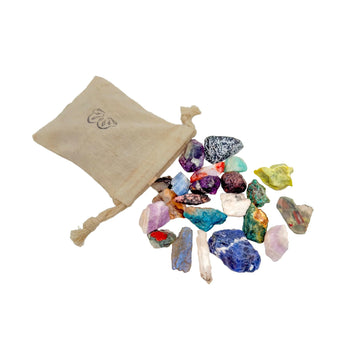
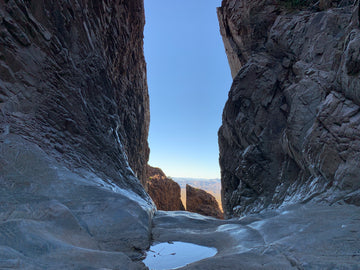

Moss Agate
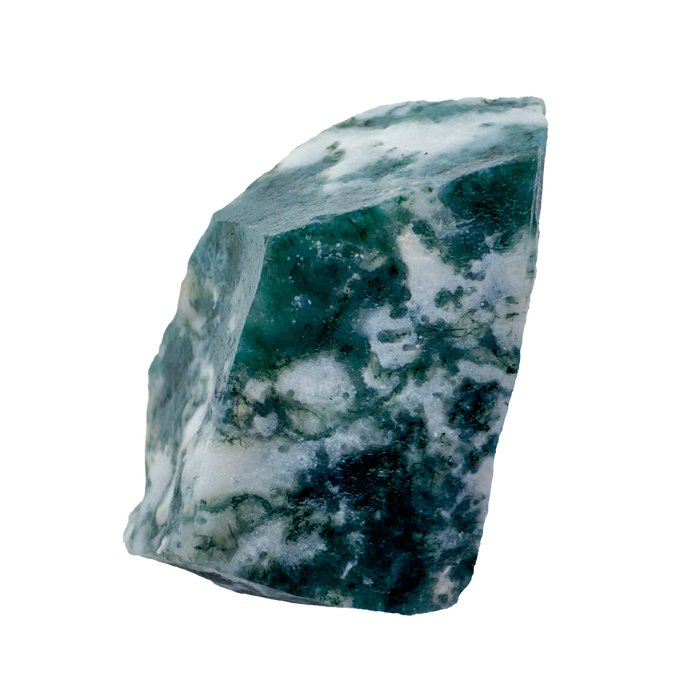
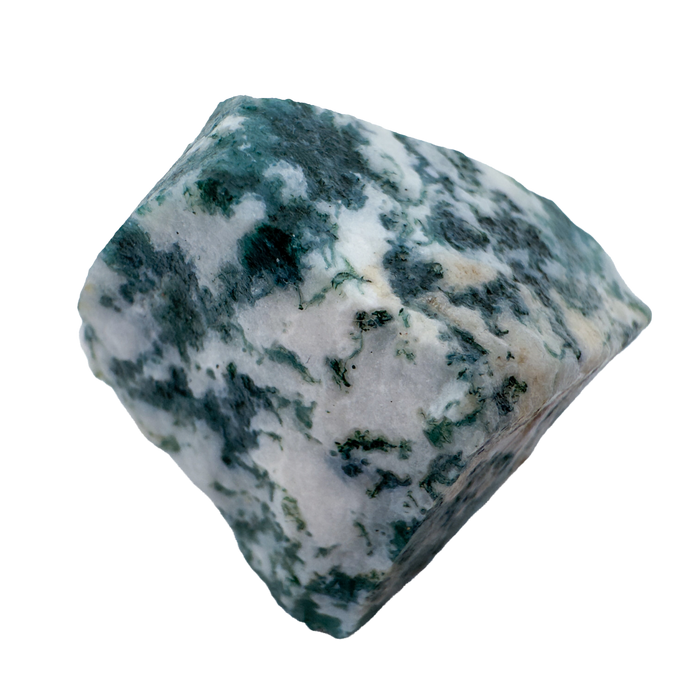
Moss agate isn't really an agate at all. It's a translucent chalcedony threaded with green or brown mineral dendrites that look like moss, ferns, or distant trees caught inside the stone. People have long reached for it around growth, new beginnings, and a steadier kind of patience.
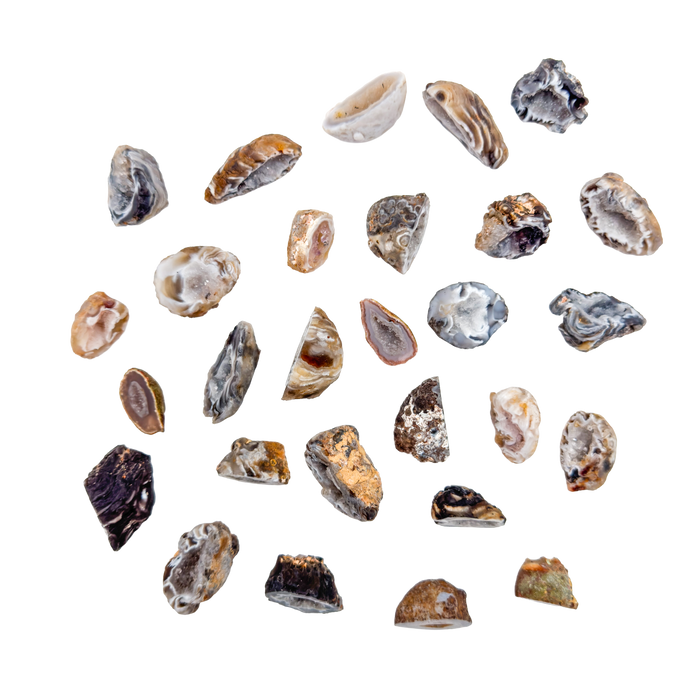
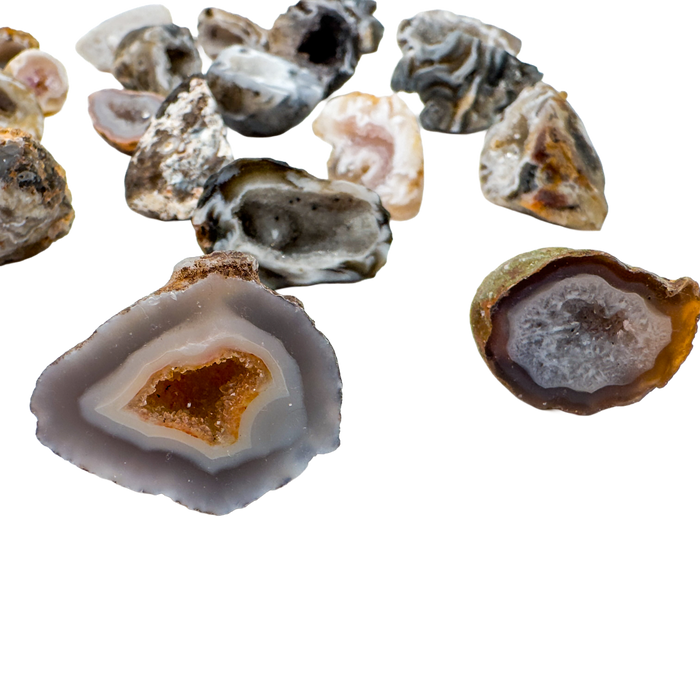
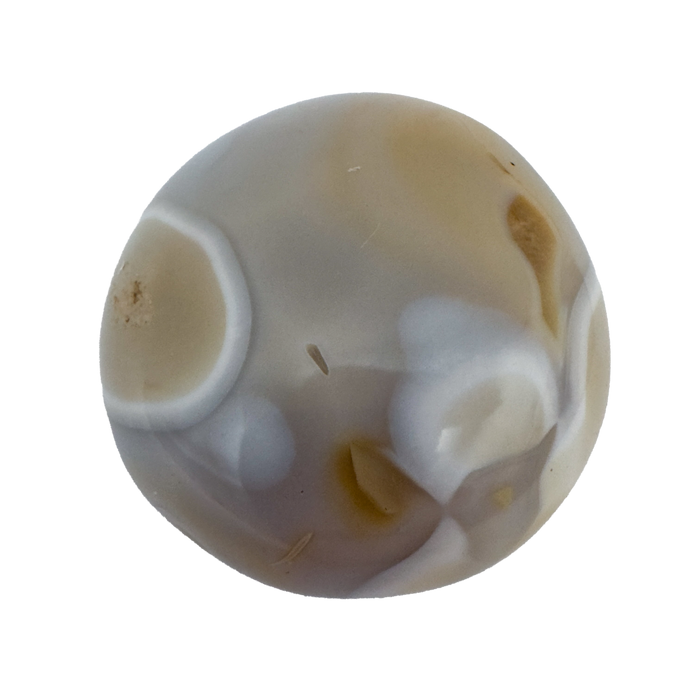
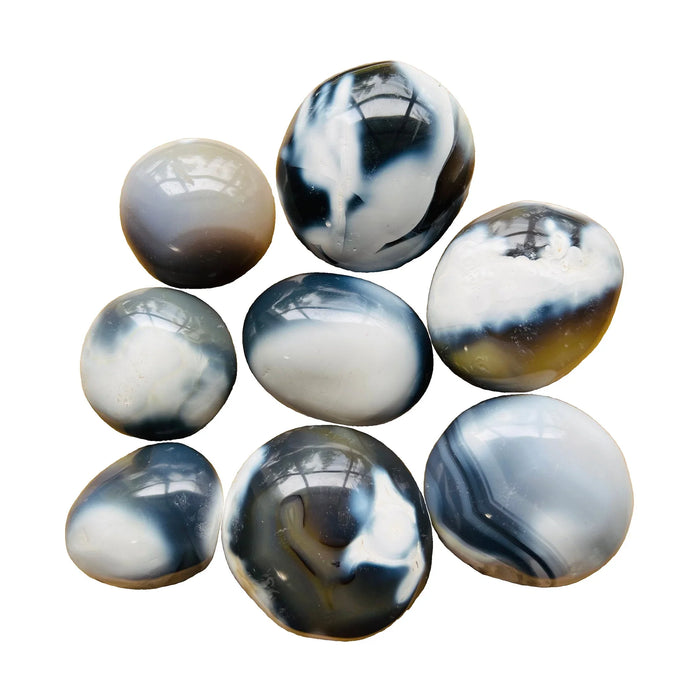
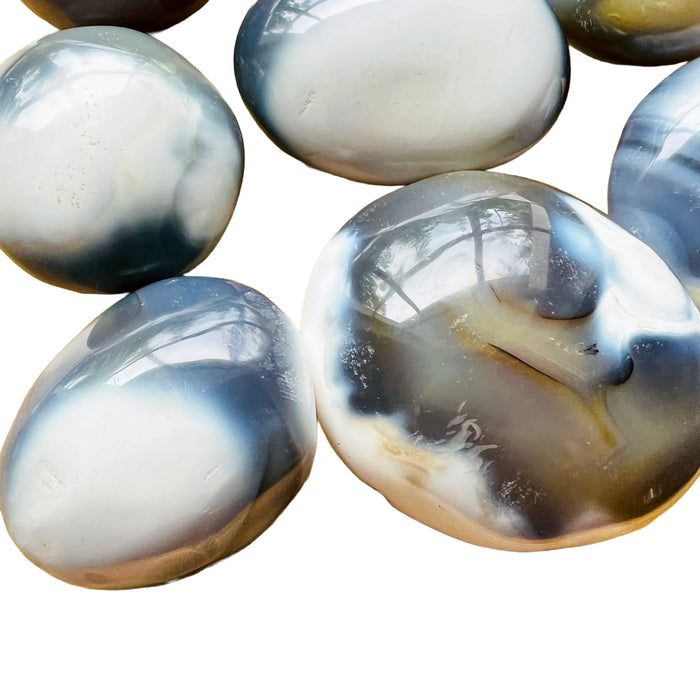
The closest match we carry: Agate.
Moss Agate is not something we carry. Agate is the closest match in our collection, and every product page names its origin and grade.

- from 1,000+ reviews
- Ships within 72 hoursMonday to Friday, tracked
- 90 days to return itif you do not love it
- Free US shipping over $99$8.99 flat rate under
The geology.
Moss agate is a translucent variety of chalcedony, the cryptocrystalline form of quartz, with the chemical formula SiO2. The moss is not a plant and never was alive. It is dendritic inclusions of other minerals, usually green chlorite, hornblende, or celadonite, or brown to black manganese and iron oxides, that crystallized inside the silica in branching, fern-like shapes.
Despite the name, moss agate is not a true agate, because it lacks the concentric color banding that defines agate. Its pattern is dendritic rather than banded. Hardness sits at 6.5 to 7 on the Mohs scale, the same as the rest of the quartz family, with a conchoidal fracture and a waxy to vitreous luster. The clarity of the chalcedony is what lets the dendrites read like a scene suspended in glass.
The origins.
India is the dominant commercial source, especially for the classic green moss agate cut into cabochons and beads. The United States is the other great source, with Montana moss agate, found in the gravels of the Yellowstone River, prized for its clear body and dramatic black dendrites. Brazil, Uruguay, Australia, Indonesia, and parts of central Europe round out global supply.
Each source has a signature. Indian material tends toward soft, even green moss in a milky base. Montana moss agate is usually colorless to smoky with bold black or red dendrites that look like ink in water. Knowing the origin tells you a lot about the look, and a seller who can name it is usually one who knows what they are handling.
Traditional associations.
Moss agate has carried an agricultural reputation for centuries. Farmers and gardeners in several cultures kept it close for healthy crops and a good season, and it picked up the nickname the gardener's stone. That same thread, growth that takes time, shows up in how people work with it today.
Many people reach for moss agate around new beginnings, abundance, persistence, and a grounded connection to the natural world. It is most often associated with the Heart chakra, the element of Earth, and the zodiac sign Virgo. A common practice is to keep a piece in the garden, on a desk during a slow project, or in a pocket through a season of change.
Spotting the real thing.
Real moss agate shows irregular, organic dendrites suspended at different depths inside translucent chalcedony. Tilt the stone and the moss should read as three-dimensional, with branches that taper and fork the way mineral growth does, never the flat, even tone of a print or a dye.
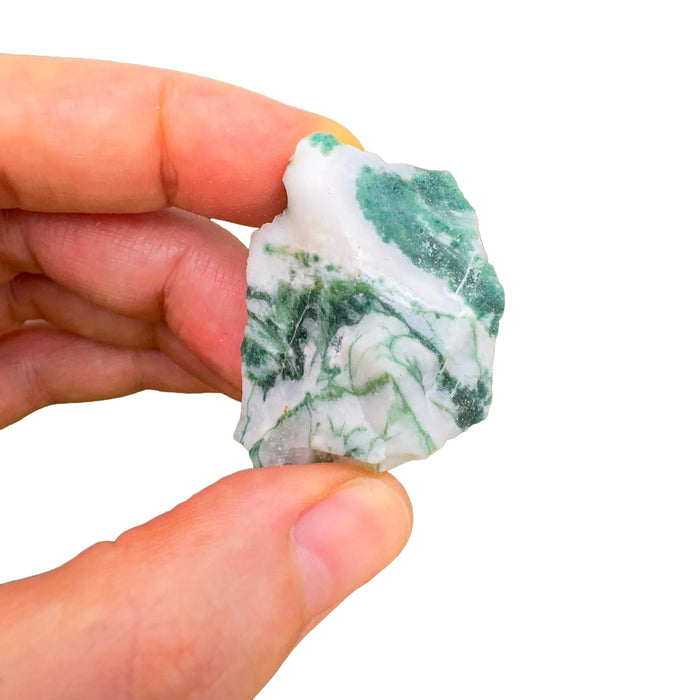
The most common mix-up is tree agate, which is opaque white rather than translucent, with green dendrites on a chalky body. It is a real and related stone, just a different one. Watch also for solid green-dyed agate sold as moss agate, where the color pools uniformly with no suspended dendrites, and for glass imitations that trap round bubbles instead of mineral branches. Ask for the species and the country of origin.
Care & handling.
Moss agate is durable and easy. At 6.5 to 7 on the Mohs scale it handles daily wear in rings, bracelets, and pendants, and it is water safe for a brief rinse with warm water and a soft cloth. It is stable in sunlight and will not fade, so it is a good choice for a windowsill or garden piece.
Skip long saltwater soaks and harsh chemical cleaners, which are unnecessary for a stone this stable. Store it apart from harder stones like topaz and sapphire to keep the polish clean. To reset it energetically, many people use moonlight, sound, or a night on a selenite plate.
Pairs well with.
A deeper look.
Extended geology, sourcing, authentication, history, and varieties, for when the quick guide isn't quite enough.
Extended geology
Moss agate forms when silica-rich groundwater fills cavities and fractures in volcanic or sedimentary host rock and crystallizes as chalcedony. Before or during that process, solutions carrying iron, manganese, or other metals seep in and precipitate as dendrites, branching mineral growths that follow tiny pressure gradients through the gel-like silica. The result looks botanical but is purely inorganic, a fossilized chemistry rather than a fossilized plant.
Green dendrites are typically chlorite group minerals, hornblende, or celadonite. Black and brown dendrites are usually manganese oxides such as pyrolusite, or iron oxides. Specific gravity runs about 2.58 to 2.64, hardness 6.5 to 7, fracture conchoidal to uneven, luster waxy to vitreous.
Extended sourcing
India, particularly the Deccan Traps basalt region, is the largest commercial supplier of green moss agate for tumbling, cabochons, and beads. Montana moss agate from the Yellowstone and Missouri river gravels in the United States is the premium variety, valued for water-clear bodies with sharp black or red dendrites, and is cut individually rather than mass tumbled.
Brazil and Uruguay supply large volumes of agate including moss and dendritic material, often as a byproduct of the amethyst and agate trade. Australia, Indonesia, China, and central European localities also contribute. As with most chalcedony, named origin and individual cutting raise both quality and price.
Authentication and warning signs
Look for translucency and three-dimensional dendrites suspended in the body of the stone. Real moss agate almost always shows some clarity that lets light through the silica around the moss. Tree agate, by contrast, is opaque and chalky. Solid, even green with no suspended structure suggests dyed agate. Perfectly round internal bubbles suggest glass.
The honest tell is consistency of the inclusions with natural mineral growth, irregular, tapering, and varied in density. Reputable sellers will name moss agate as a dendritic chalcedony and distinguish it clearly from tree agate and from dyed material.
History and folklore
Moss agate has been valued since antiquity, with agate itself named by the Greek philosopher Theophrastus after the Achates river in Sicily. In medieval Europe and beyond, moss agate carried a strong agricultural association, hung on plows or kept by farmers and gardeners for a healthy harvest, which is where the nickname the gardener's stone comes from. Some traditions also linked it to confidence and steadiness, calling it a stone for new starts.
Varieties and trade names
Green moss agate: the classic, translucent with green chlorite or hornblende dendrites.
Montana moss agate: clear to smoky chalcedony with black or red dendrites, often river-tumbled, a premium cutting material.
Tree agate, sometimes sold alongside moss agate: opaque white chalcedony with green dendrites, a related but distinct stone.
Dendritic agate: a broader term for clear chalcedony with dendrites of any color, frequently overlapping with moss agate in the trade.
What it costs in the market
Tumbled moss agate: roughly 1 to 6 dollars per piece. Cabochons and beads: 5 to 40 dollars depending on size and quality of the moss. Fine Montana moss agate cabochons and slabs with dramatic scenic dendrites: 30 to several hundred dollars. Value is driven by clarity of the body, contrast and detail of the dendrites, and named origin.
An education-first guide.
We don't currently carry moss agate, so there's nothing to sell you here. This guide exists because the more you understand a stone, the better every decision you make about it becomes, wherever you buy it. Explore the rest of our crystal guides for stones we do source, each with full origin and treatment notes.
Explore the Crystal GuideSpecimen photograph: Hannes Grobe, CC BY-SA 4.0, via Wikimedia Commons (adapted to a white background).
Grounded Connections
New stones go to the list first.
No forwarding, no selling. Unsubscribe in one click. Privacy