


 Agatefor stress relief
 Amazonitefor stress relief
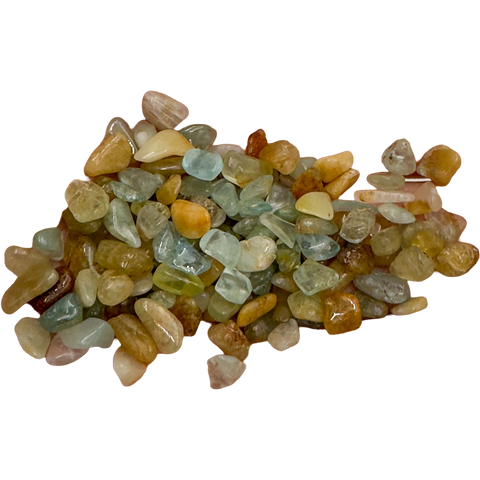
 Aquamarinefor serenity
 Aventurinefor luck
 Bloodstonefor energy
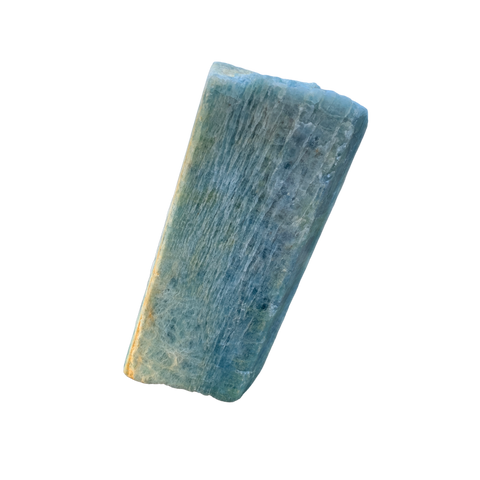
 Blue Kyanitefor confidence
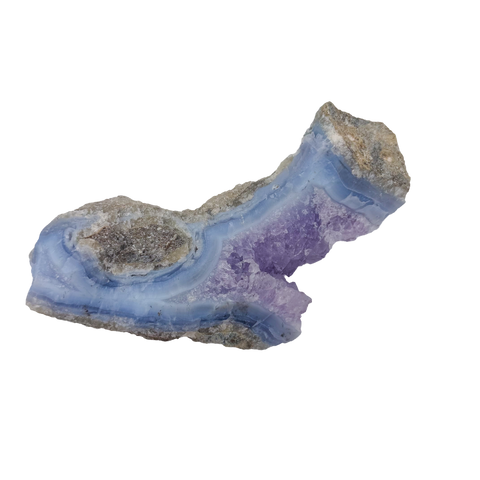
 Blue Lace Agatefor stress relief
 Chrysocollafor emotional healing
 Fluoritefor focus
 Garnetfor energy
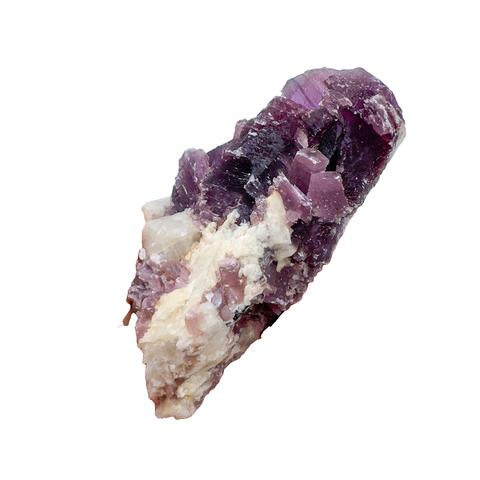
 Lepidolitefor stress relief
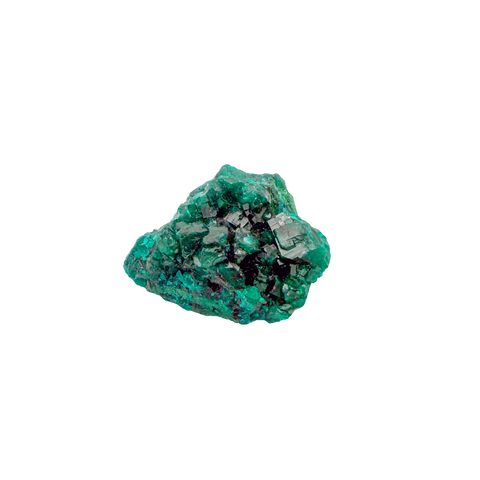
 Malachitefor emotional healing
 Moonstonefor grounding
 Obsidianfor protection
 Ocean Jasperfor emotional healing
 Red Jasperfor grounding
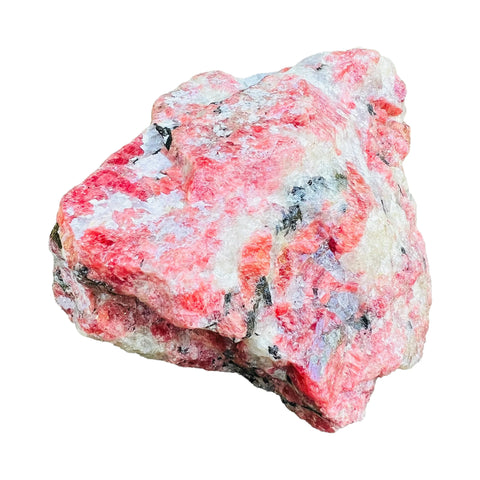
 Rhodonitefor emotional healing
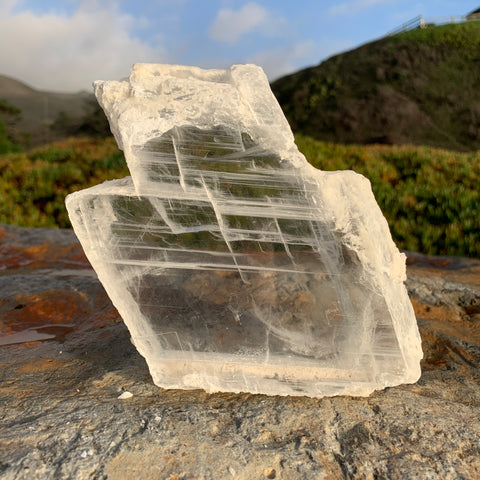
 Selenitefor cleansing
 Sodalitefor focus
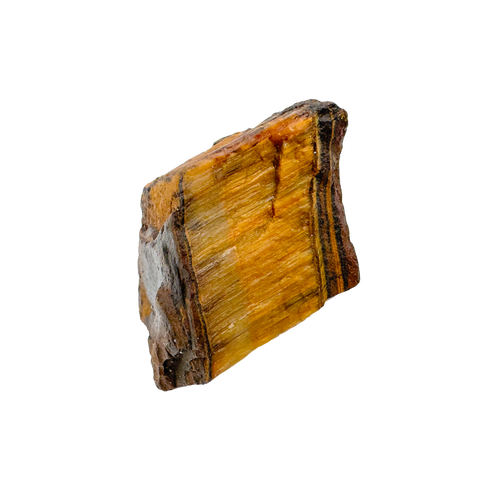
 Tiger Eyefor confidence
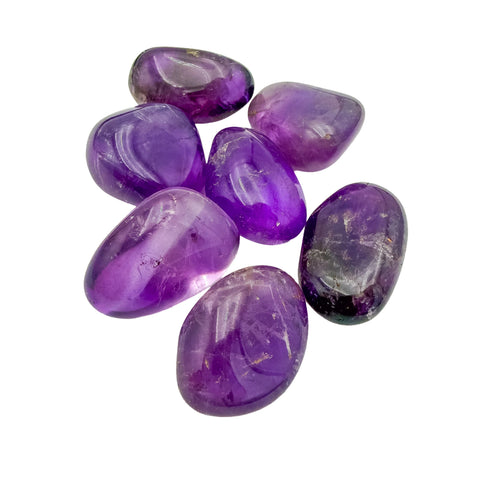


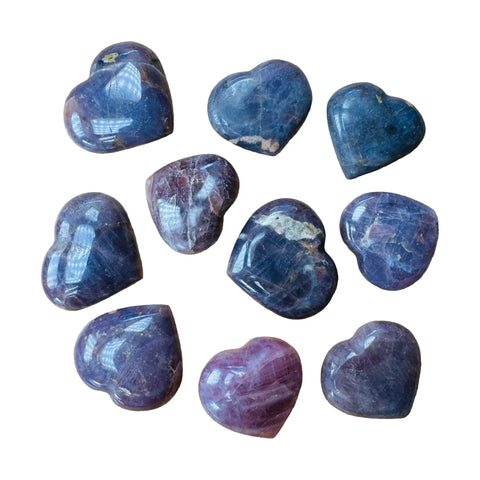
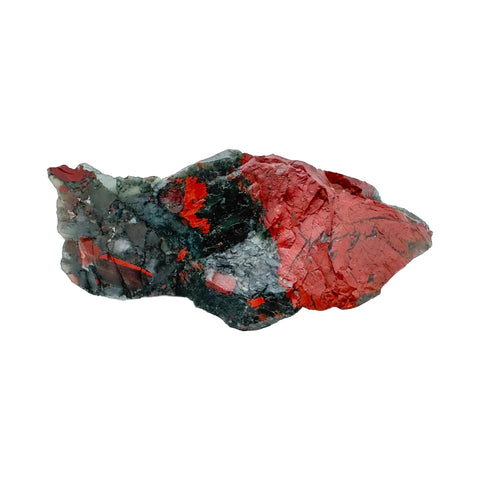
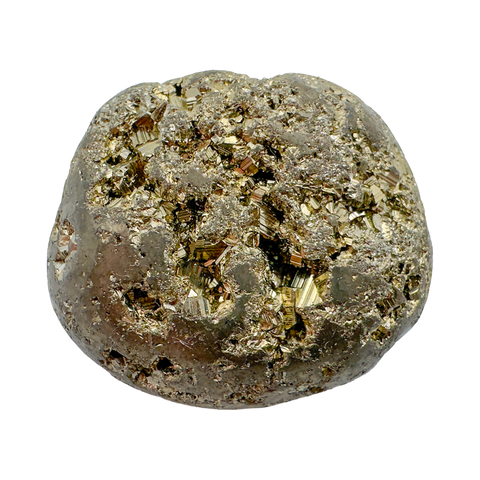
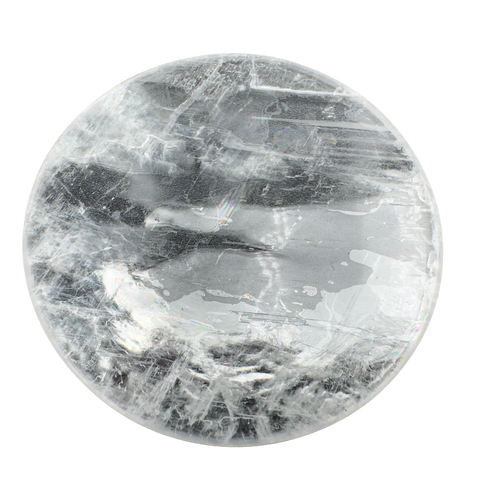


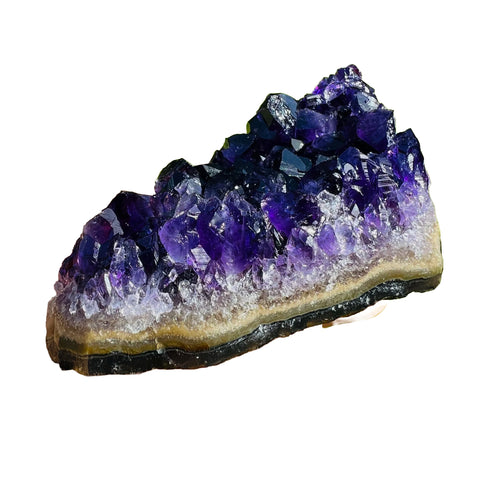




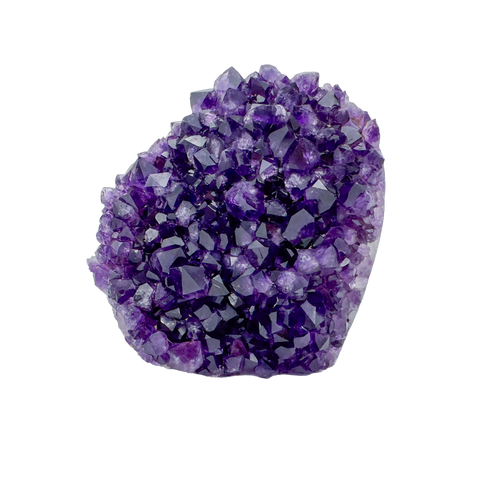
 Amethyst
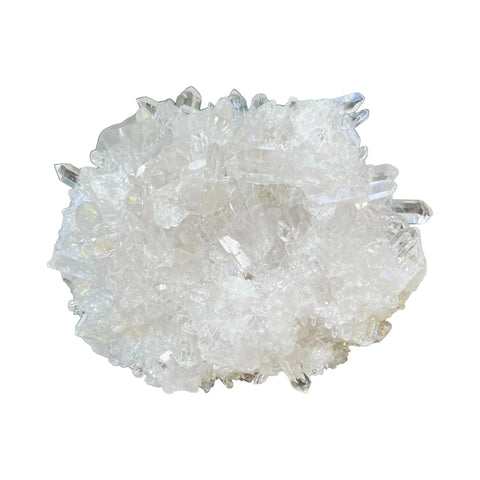
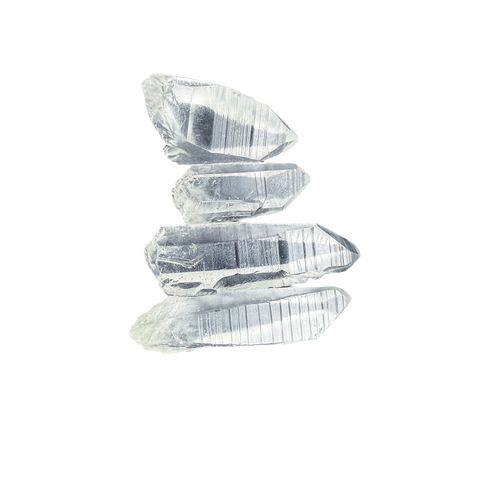
 Clear Quartz
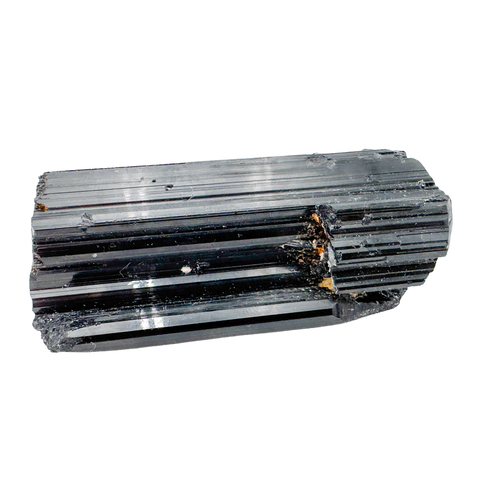
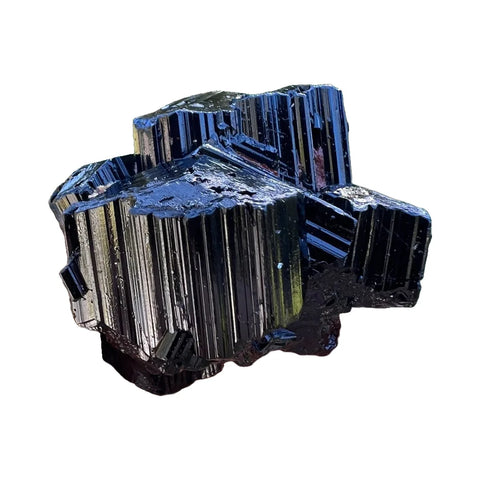
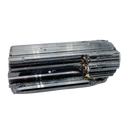 Black Tourmaline
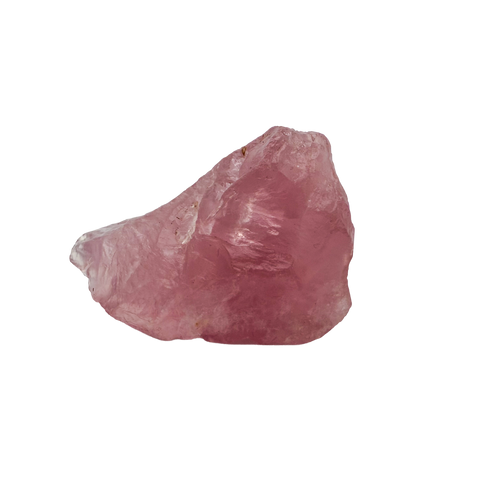
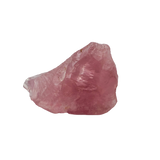 Rose Quartz
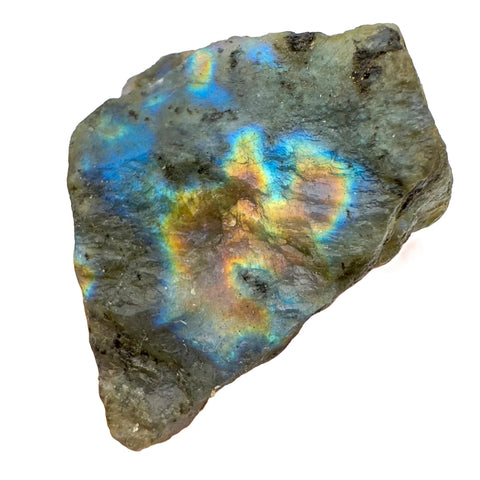
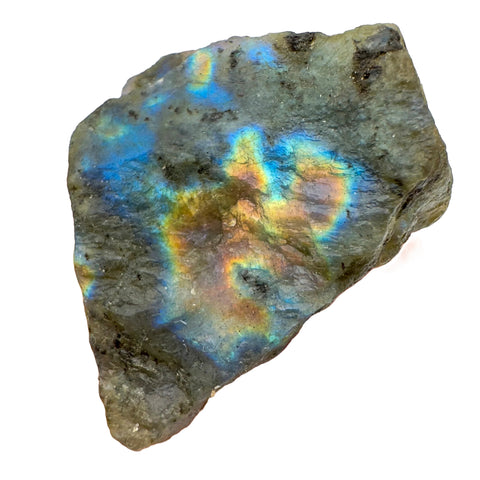
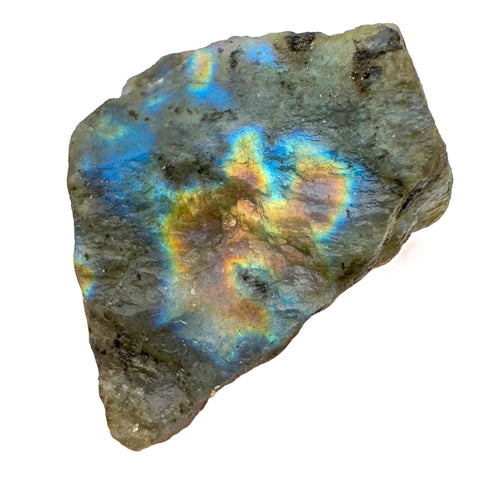
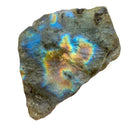 Labradorite
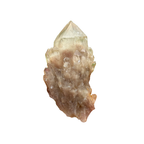 Natural Citrine
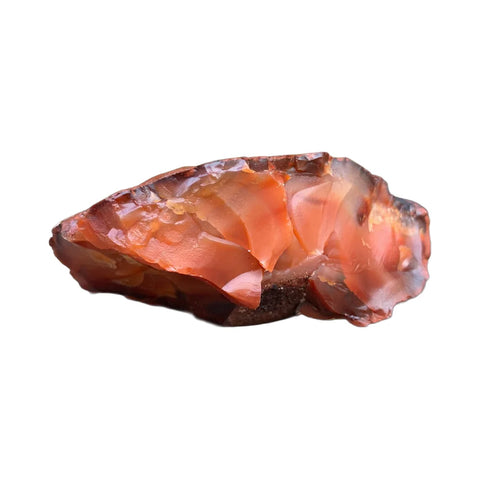
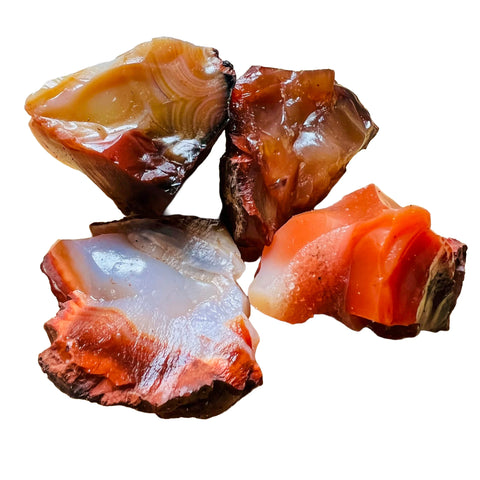
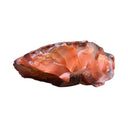 Carnelian
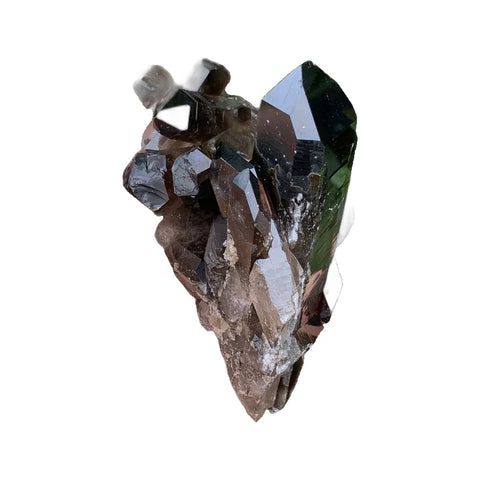
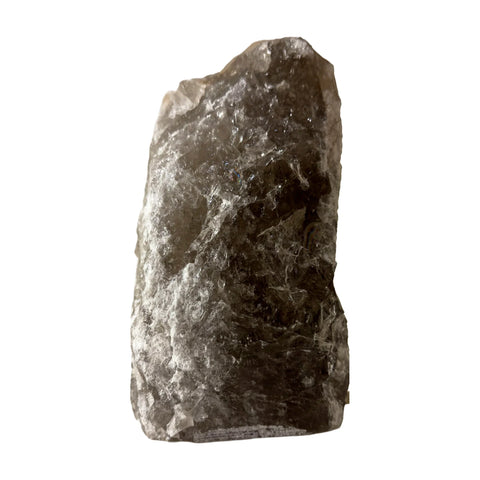
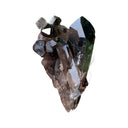 Smoky Quartz
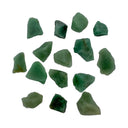 Aventurine
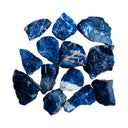 Sodalite
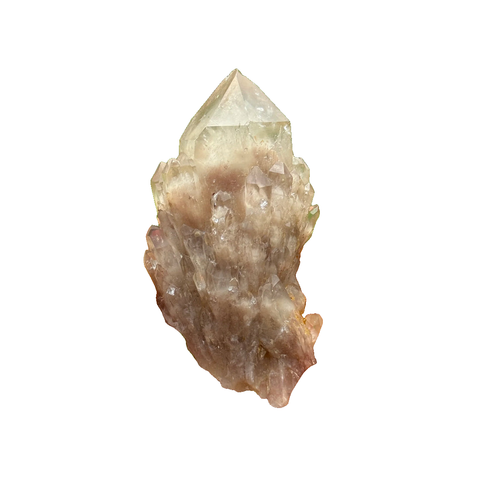
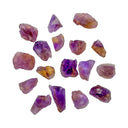 Ametrine
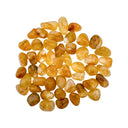 Golden Healer
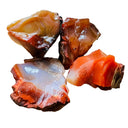 Raw Stones
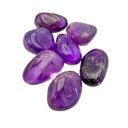 Tumbled Stones
 Palm Stones
 Crystal Points
 Clusters & Geodes
 Polished & Decor
 Mineral Specimens
 Crystal Chips
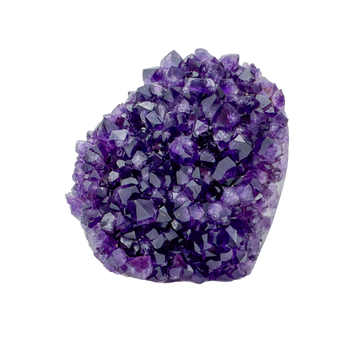
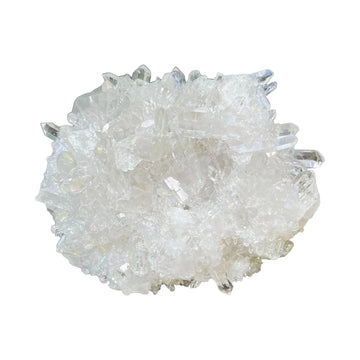
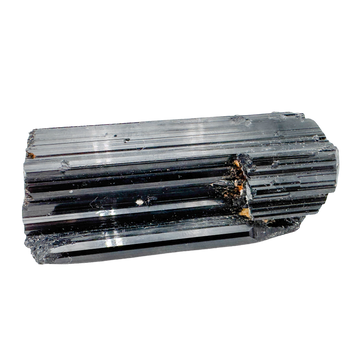
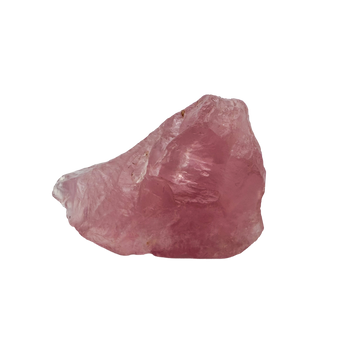
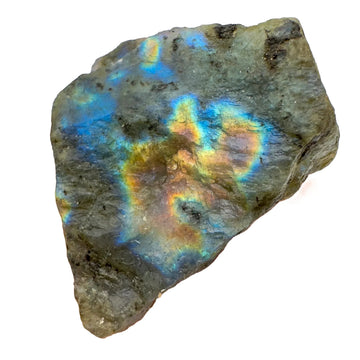
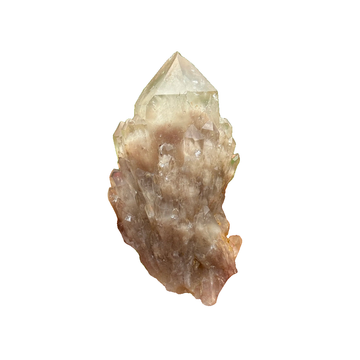
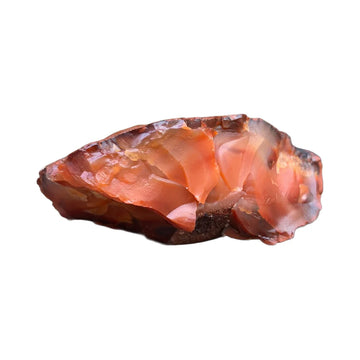
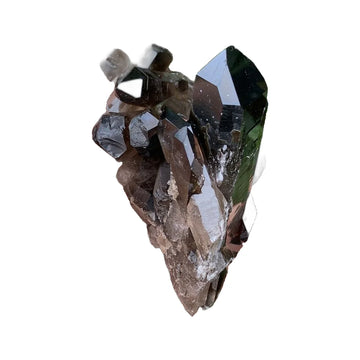
 Raw Stones
179 to choose from
Raw Stones
179 to choose from
 Tumbled Stones
162 to choose from
Tumbled Stones
162 to choose from
 Palm Stones
25 to choose from
Palm Stones
25 to choose from
 Crystal Points
23 to choose from
Crystal Points
23 to choose from
 Clusters & Geodes
101 to choose from
Clusters & Geodes
101 to choose from
 Polished & Decor
148 to choose from
Polished & Decor
148 to choose from
 Mineral Specimens
254 to choose from
Mineral Specimens
254 to choose from
 Crystal Chips
21 to choose from
Crystal Chips
21 to choose from


 AngolaAquamarine
›
AngolaAquamarine
›
 BotswanaCarnelian, Tree Agate
›
BotswanaCarnelian, Tree Agate
›
 DR CongoMalachite, Natural Citrine
›
DR CongoMalachite, Natural Citrine
›
 EswatiniBloodstone
›
EswatiniBloodstone
›
 MadagascarLabradorite, Clear Quartz
›
MadagascarLabradorite, Clear Quartz
›
 MalawiBlue Lace Agate, Garnet
›
MalawiBlue Lace Agate, Garnet
›
 MozambiqueAmazonite
›
MozambiqueAmazonite
›
 NamibiaSodalite, Blue Lace Agate
›
NamibiaSodalite, Blue Lace Agate
›
 Republic of the CongoDioptase
›
Republic of the CongoDioptase
›
 South AfricaTiger Eye, Unakite
›
South AfricaTiger Eye, Unakite
›
 ZambiaChevron Amethyst
›
ZambiaChevron Amethyst
›
 ZimbabweEmerald, Rhodonite
›
ZimbabweEmerald, Rhodonite
›
 ArgentinaBlack Obsidian, Rhodochrosite
›
ArgentinaBlack Obsidian, Rhodochrosite
›
 BoliviaAmetrine
›
BoliviaAmetrine
›
 BrazilAmethyst, Clear Quartz
›
BrazilAmethyst, Clear Quartz
›
 PeruSerpentine, Jade
›
PeruSerpentine, Jade
›
 UruguayAmethyst
›
UruguayAmethyst
›
 Dominican RepublicLarimar
›
Dominican RepublicLarimar
›
 MexicoRainbow Obsidian, Crazy Lace Agate
›
MexicoRainbow Obsidian, Crazy Lace Agate
›
 United StatesSelenite, Peridot
›
United StatesSelenite, Peridot
›
 ChinaFluorite
›
ChinaFluorite
›
 RussiaShungite
›
RussiaShungite
›
 AustraliaMookaite
›
AustraliaMookaite
›
 Where our crystals come from
See where we source →
Where our crystals come from
See where we source →


 Aries
Mar 21 to Apr 19
Carnelian
›
Aries
Mar 21 to Apr 19
Carnelian
›
 Taurus
Apr 20 to May 20
Rose Quartz
›
Taurus
Apr 20 to May 20
Rose Quartz
›
 Gemini
May 21 to Jun 20
Agate
›
Gemini
May 21 to Jun 20
Agate
›
 Cancer
Jun 21 to Jul 22
Moonstone
›
Cancer
Jun 21 to Jul 22
Moonstone
›
 Leo
Jul 23 to Aug 22
Citrine
›
Leo
Jul 23 to Aug 22
Citrine
›
 Virgo
Aug 23 to Sep 22
Amazonite
›
Virgo
Aug 23 to Sep 22
Amazonite
›
 Libra
Sep 23 to Oct 22
Blue Lace Agate
›
Libra
Sep 23 to Oct 22
Blue Lace Agate
›
 Scorpio
Oct 23 to Nov 21
Obsidian
›
Scorpio
Oct 23 to Nov 21
Obsidian
›
 Sagittarius
Nov 22 to Dec 21
Sodalite
›
Sagittarius
Nov 22 to Dec 21
Sodalite
›
 Capricorn
Dec 22 to Jan 19
Black Tourmaline
›
Capricorn
Dec 22 to Jan 19
Black Tourmaline
›
 Aquarius
Jan 20 to Feb 18
Amethyst
›
Aquarius
Jan 20 to Feb 18
Amethyst
›
 Pisces
Feb 19 to Mar 20
Aquamarine
›
Gifting?
A birthday stone is the safe bet.
Read the zodiac guide →
Pisces
Feb 19 to Mar 20
Aquamarine
›
Gifting?
A birthday stone is the safe bet.
Read the zodiac guide →

Fire Quartz
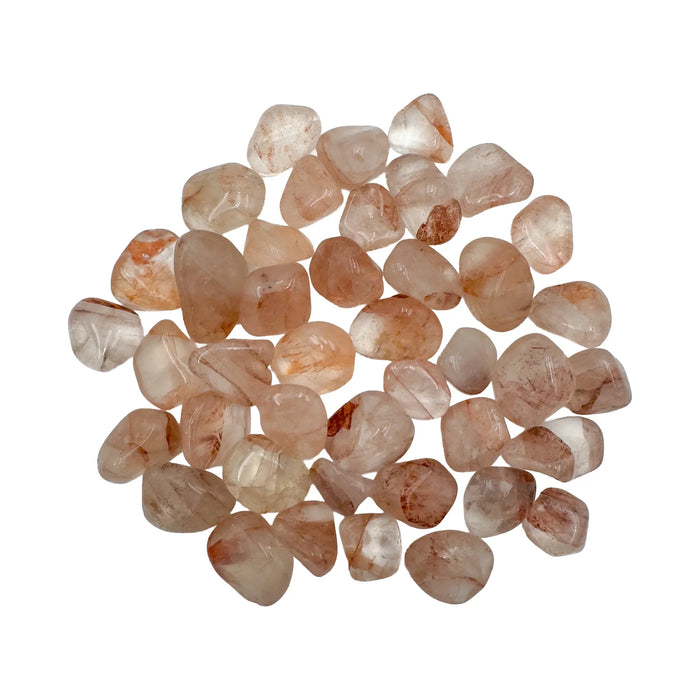
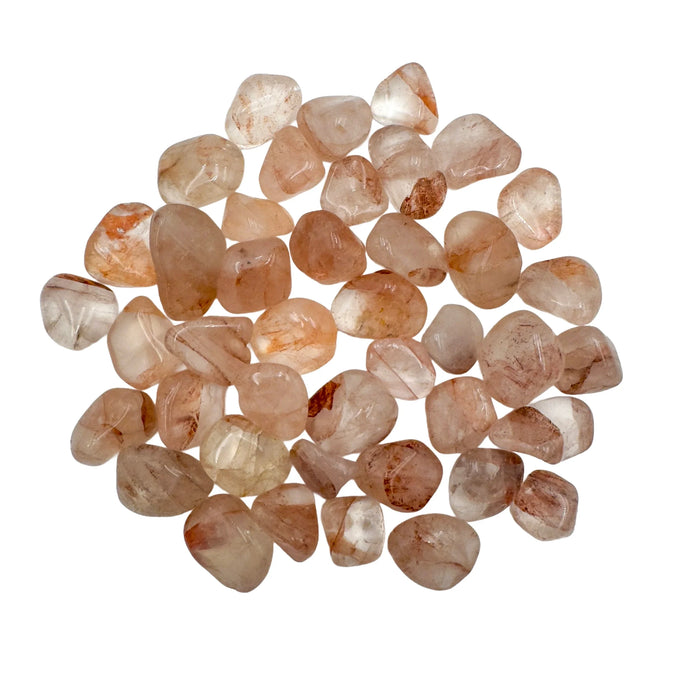
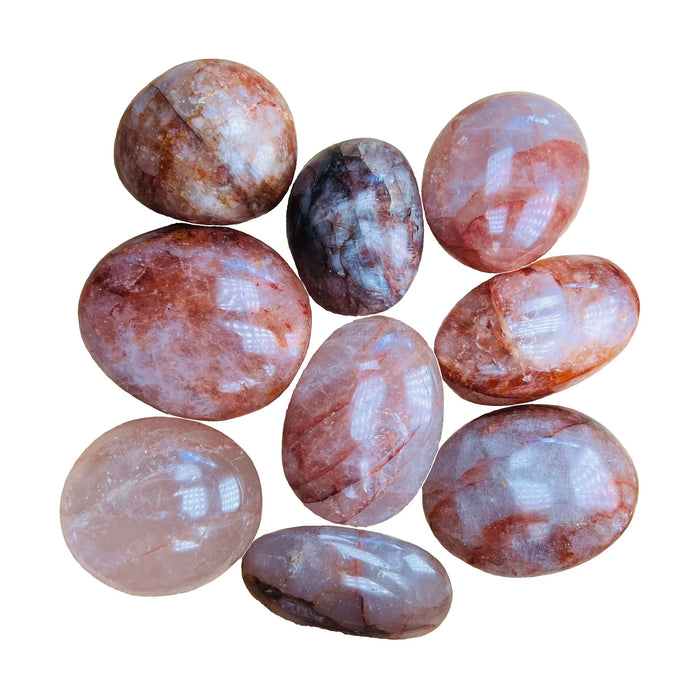
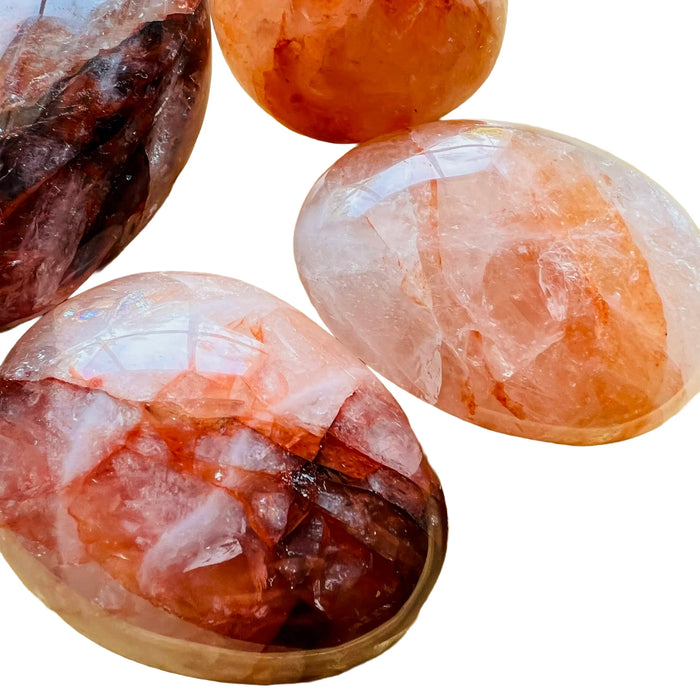
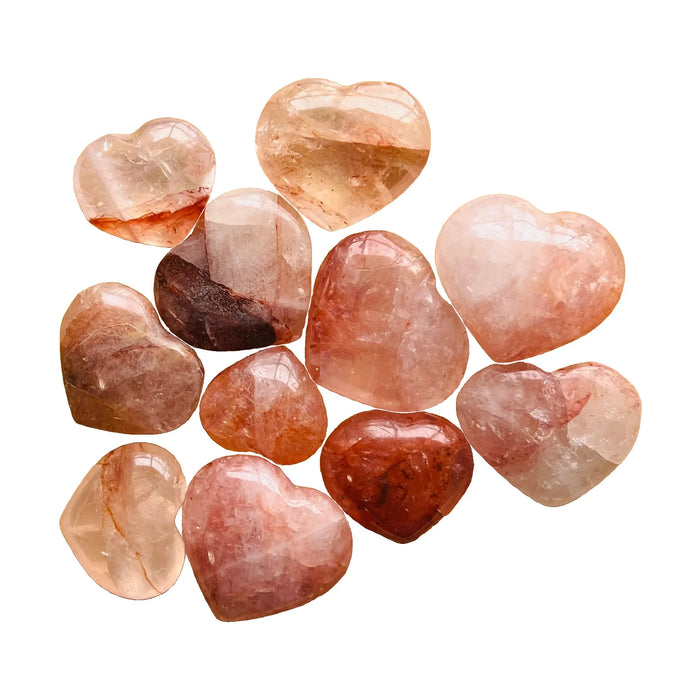
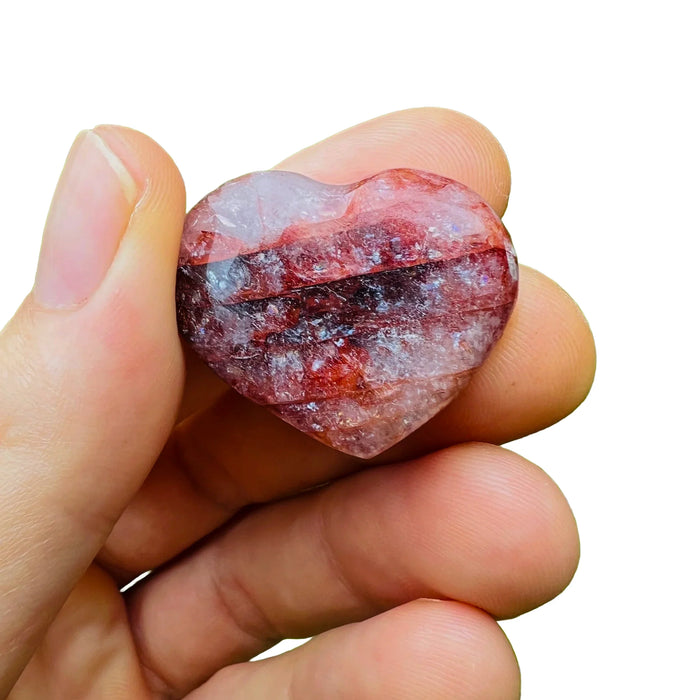
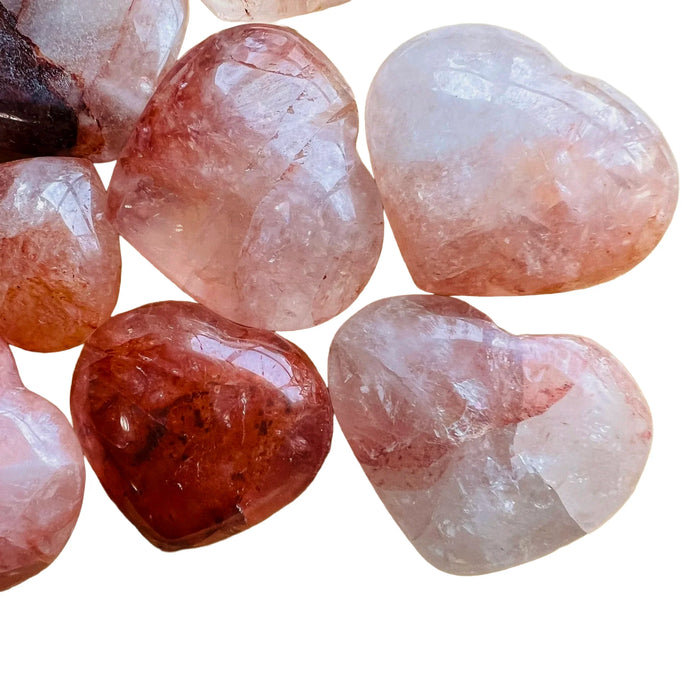
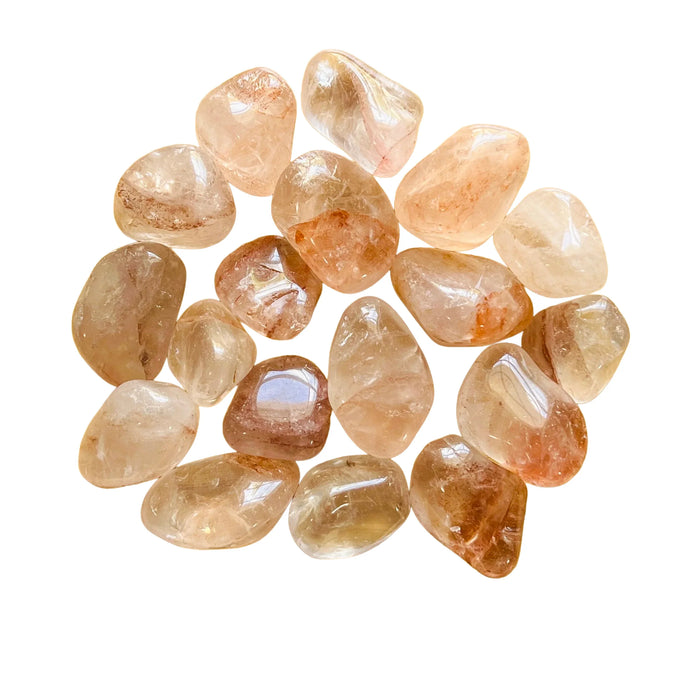
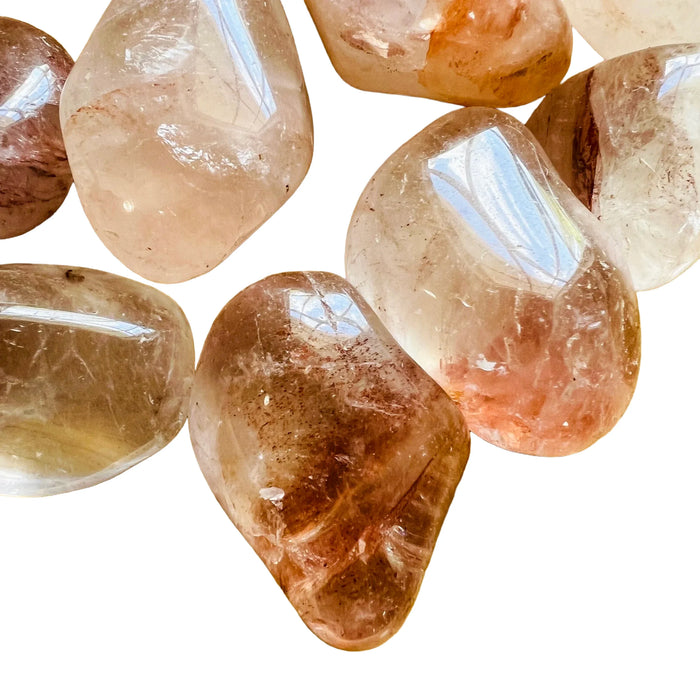
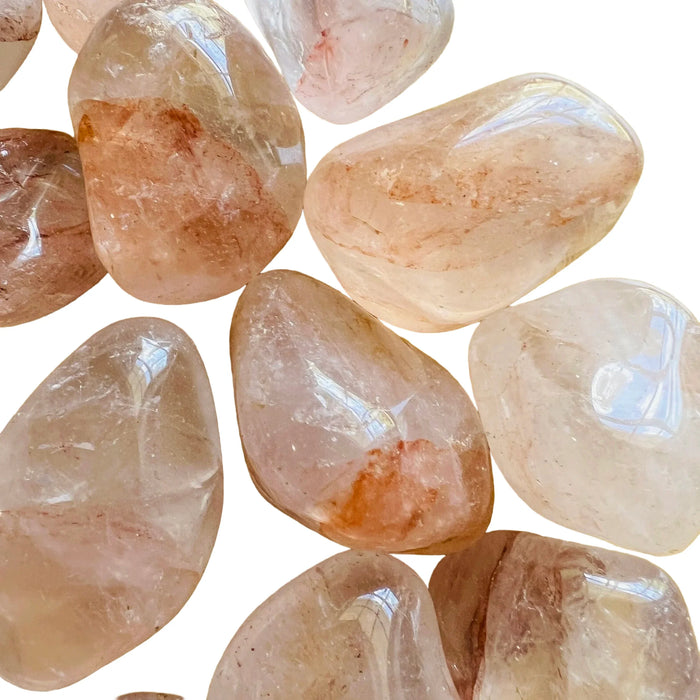
Fire quartz is clear or smoky quartz that hosts red-to-orange hematite inclusions, creating streaks, phantoms, or cloudy patches with a metallic sheen when the light hits them right. The iron oxide in the stone gives it both its distinctive color and a grounding quality in traditional practice. Most commercial supply comes from Madagascar and Brazil. What you receive is natural and untreated, carrying the mineral record of its origin.
Shop fire quartzFire Quartz, in stock now.
Our most-loved Fire Quartz pieces, ready to ship.
- from 1,000+ reviews
- Ships within 72 hoursMonday to Friday, tracked
- 90 days to return itif you do not love it
- Free US shipping over $99$8.99 flat rate under
The geology.
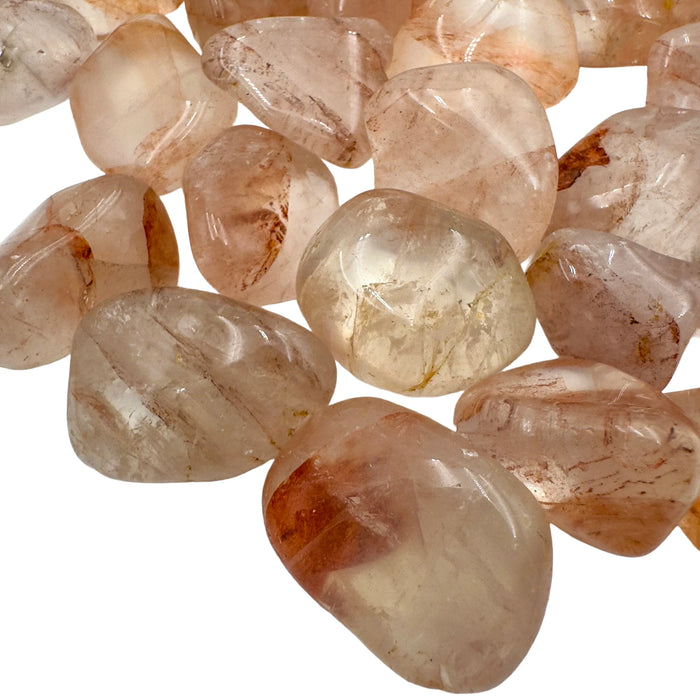
Fire quartz is clear or smoky quartz that contains red-to-orange hematite inclusions. Hematite is iron oxide (Fe2O3), which forms during quartz's growth when iron from the surrounding rock becomes trapped within the crystal lattice. These inclusions appear as streaks, phantoms (which are crystal-shaped patterns of included material), or cloud-like patches throughout the stone. When light catches the inclusions at the right angle, they show a metallic sheen that brings the stone to life.
Fire quartz sits at 7 on the Mohs hardness scale, which is the standard hardness for quartz itself. The hematite inclusions don't soften the stone, though they can create planes of weakness if the mineral layers are oriented in a certain way. Specific gravity runs around 2.7, consistent with quartz, though individual pieces vary slightly based on the density of hematite content. The stone crystallizes in the trigonal system, and forms as massive material rather than as distinct crystals available for cutting.
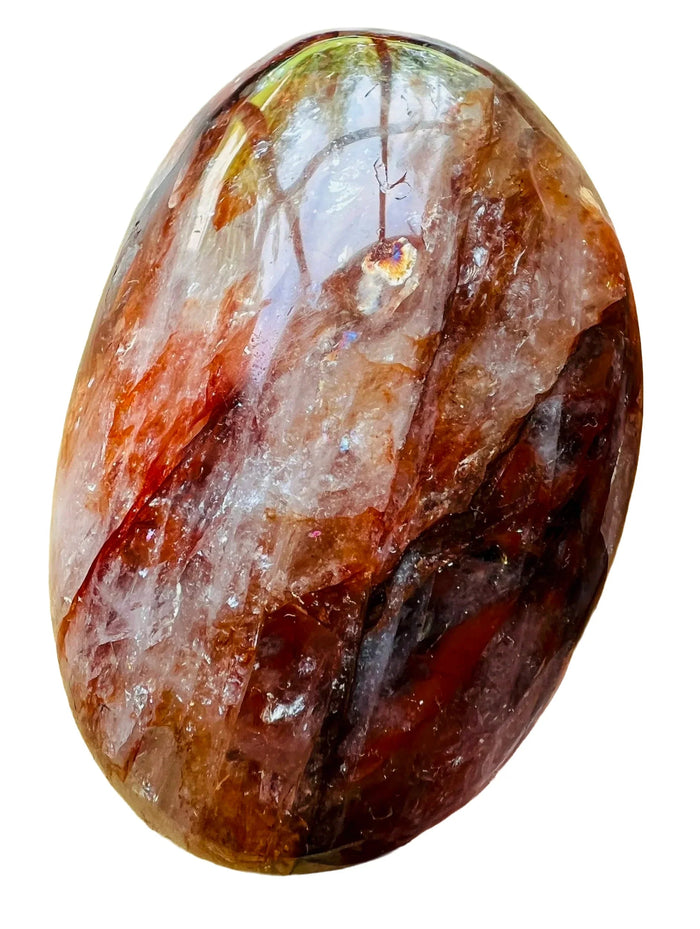
The color range in fire quartz depends on hematite concentration. Light inclusions create warm amber or peachy tones within clear quartz. Dense hematite clouds produce deep rust-red or brick-red colors. Smoky quartz hosting hematite gives a darker, more mysterious appearance with warm orange undertones. This natural variation is part of the stone's character.
The origins.
Fire quartz comes primarily from Madagascar and Brazil, with occasional material from other sources. Madagascar produces quartz with light-to-medium hematite inclusions, often in the form of delicate streaks or soft clouds within otherwise clear host stone. The material tends toward warm amber tones and is sourced from mining operations in mineral-rich regions. The quartz is hand-selected before tumbling and polishing to preserve both the clarity of the host stone and the visibility of the hematite.
Brazil also produces fire quartz, with deposits that often yield smoky quartz hosts containing heavier hematite inclusions. Brazilian fire quartz can be deeper in color and more dramatic in appearance than the Malagasy varieties. The material undergoes similar hand-selection and polishing processes. Both origins are entirely natural, with no color enhancement or dye applied to the hematite inclusions.
Fire quartz occurs in other parts of the world. What matters is that the material you receive is natural and untreated, the origin is confirmed per batch, and the sourcing supports responsible mining practices. Most commercial supply comes from Madagascar and Brazil, where we work with vetted suppliers who prioritize hand-mining and minimal processing.
Traditional associations.
Fire quartz combines the properties traditionally associated with clear quartz (amplification, clarity, structure) with the grounding qualities of hematite (stability, presence, earthing). In contemporary crystal practice, it's often chosen by people seeking both mental clarity and emotional grounding, or physical vitality paired with calm focus.
The stone is commonly associated with the Root and Sacral chakras, the elements Fire and Earth together, and intentions around grounding, courage, strength, vitality, and drive. Many people work with fire quartz during meditation when they want to feel both energized and stable, or carry it when facing challenges that require both boldness and level-headedness. The traditional associations emphasize its role in anchoring energy while maintaining the quartz family's clarity and amplification properties.
Spotting the real thing.
Genuine fire quartz shows clear or smoky quartz as the host stone, with red-to-orange hematite inclusions that appear as streaks, clouds, or phantoms. The hematite carries a metallic sheen, particularly visible when light hits the stone at an angle. The inclusions look natural and organic in their distribution, not uniform or artificially placed. The overall stone feels smooth and hard to the touch, consistent with quartz's 7 Mohs hardness, and can be scratched only by harder minerals like topaz or diamond.
Dyed imitations typically show unnaturally vivid or uniform color, lack the metallic quality of genuine hematite, and feel either too soft (if the base is dyed agate or calcite) or show signs of surface coating. The inclusions in genuine fire quartz vary in density and appearance across a single piece, which is natural. If a stone's hematite appears perfectly uniform or too vibrant, or if it scratches easily under normal pressure, it may not be genuine fire quartz. The hard, glassy feel of quartz is distinctive and difficult to fake convincingly.
Care & handling.
Fire quartz is durable. At 7 on the Mohs scale, it resists scratching in daily wear and is safe to carry in a pocket or bag without special precautions. The stone can handle water, sunlight, and normal handling without damage or degradation. Brief soaking or rinsing is fine. For cleaning, use mild soap and cool water, or dry cloth if dust accumulates. Salt water and harsh chemicals should be avoided, though not because they'll damage the quartz itself, but for general mineral care practices.
The hematite inclusions are stable and won't fade or change appearance over time. Store the stone with care to avoid chips on edges if dropped, though the hardness makes chipping less likely than with softer minerals. For energetic cleansing, any method works, smoke, sunlight, moonlight, sound, or intention. There are no special restrictions on fire quartz. It's a straightforward, hardy stone to live with.
Pairs well with.
Proof, not promises.
We measure our own sourcing across five dimensions. Supply chain, environmental footprint, artisan support, market integrity, and pricing. The number is honest, not perfect. Where we can do better, we say so.
A deeper look.
Extended geology, sourcing, authentication, hematite stability, and pricing for when the quick guide isn't quite enough.
Extended geology
Fire quartz is a variety of quartz that contains hematite inclusions. Quartz is silicon dioxide (SiO2) crystallizing in the trigonal system. Hematite is iron oxide (Fe2O3). During the formation of quartz, iron from the surrounding rock can become incorporated into or trapped alongside the quartz crystal structure, creating the distinctive red-to-orange inclusions that characterize fire quartz.
The hematite inclusions range from delicate streaks to dense clouds depending on the concentration of iron available during quartz formation. Light inclusions typically produce warm amber or peachy tones within clear quartz. Heavier inclusions create deep rust-red or brick-red appearances, particularly when combined with smoky quartz hosts. The metallic sheen visible in fire quartz comes from the crystalline structure of the hematite and its interaction with light.
Quartz itself is highly durable at 7 on the Mohs hardness scale. The hematite inclusions do not soften the overall stone, though they may create planes of weakness depending on orientation. Specific gravity of fire quartz runs approximately 2.7 to 2.75. The stone forms as massive material rather than as distinct crystals available for faceting, which is why commercial fire quartz is worked into tumbled stones, carvings, and palm forms.
Hematite inclusions and stability
A common question is whether the hematite in fire quartz is stable or whether it can fade, rust, or change appearance over time. The answer is that genuine natural fire quartz maintains its appearance indefinitely. The hematite is locked within or bonded to the quartz crystal during formation and does not oxidize further or degrade under normal handling.
The metallic sheen of the hematite remains stable and does not tarnish. The color does not fade in sunlight. The inclusions will not separate from the host quartz. This stability is one of the defining characteristics that separates genuine natural fire quartz from dyed imitations, which can show color fading or uneven patina over time.
Sourcing in Madagascar and Brazil
Madagascar's fire quartz deposits are found in mineral-rich regions with pegmatite formations and hydrothermal zones. The material tends toward light-to-medium hematite inclusions within clear quartz hosts, producing warm amber tones. Production is typically small-scale, with hand-mining and on-site sorting before rough shipment to cutting and polishing centers. The operation varies by producer and season, but the scale is generally artisanal rather than industrial.
Brazil's fire quartz comes from deposits that frequently yield smoky quartz hosts containing denser hematite inclusions. The material is often more dramatically colored than Madagascar fire quartz, with deeper reds and browns. Brazilian fire quartz is less commonly seen in the North American market than Malagasy material, which can make it feel rarer or more special to collectors. Both origins are entirely natural and equally genuine.
Fire quartz occurs in other deposits worldwide, including Mexico and Peru, but Madagascar and Brazil represent the most reliable supply for the North American market and offer the most consistent sourcing relationships. When choosing fire quartz, origin transparency and natural status matter more than geographic preference.
Authentication and testing
Genuine fire quartz is hard and cannot be scratched by a fingernail or copper coin. The quartz host shows the glassy luster typical of quartz, while the hematite inclusions show a metallic sheen. The distribution of inclusions is organic and varies across the stone, with no two pieces showing identical patterns. The stone feels cool and smooth in the hand.
Dyed imitations typically show unnaturally vivid or perfectly uniform color, lack the metallic quality of genuine hematite, and may feel softer or show signs of surface coating. Some fakes use dyed agate or other stones as the base, which will scratch more easily than genuine quartz. If a stone scratches under gentle pressure from a copper coin, it is likely not genuine fire quartz.
A practical check is to look at the hematite inclusions under magnification. Genuine fire quartz shows crystalline hematite with natural variation in density and appearance. Dyed material shows more uniform color and may display surface coating or uneven saturation. The hard, glassy feel of quartz is distinctive and difficult to replicate convincingly in imitation material.
Pricing and market notes
Grade A tumbled fire quartz runs $4 to $10 per piece at retail, depending on size and hematite density. Hand-polished pieces typically cost $8 to $16. Palm stones and larger specimens scale upward from $15 to $40 depending on weight and finish. Exceptionally large display pieces or high-polish carvings can reach $50 to $100 or more.
Extremely cheap fire quartz (under $2 per tumble) should prompt questions about source and authenticity. Genuine natural fire quartz at those price points usually reflects smaller sizes or lower polish quality rather than true bargains. Conversely, fire quartz priced significantly above market rates often reflects artistry in carving or finishing rather than the mineral itself.
Warning signs include fire quartz sold without origin disclosure, material claimed to be rare when it's commercially available, and pieces showing no natural variation in hematite density despite claims of natural status. Legitimate sellers can tell you where their fire quartz came from and confirm natural status by batch.
Good sourcing is a practice, not a claim.
Nothing we sell is dyed, stabilized, reconstituted, or color-enhanced without full disclosure. We name our origins where we can. We say so when we cannot. We walk away from material that does not meet our standard, even when it costs us sales.
Bring fire quartz home.
Raw and hand-polished fire quartz from Madagascar and Brazil. Natural hematite inclusions, untreated and unenhanced. Hand-selected for color depth, inclusion visibility, and finish. Each piece comes with origin documentation confirming source.
Shop the fire quartz collectionGrounded Connections
New stones go to the list first.
No forwarding, no selling. Unsubscribe in one click. Privacy