


 Agatefor stress relief
 Amazonitefor stress relief
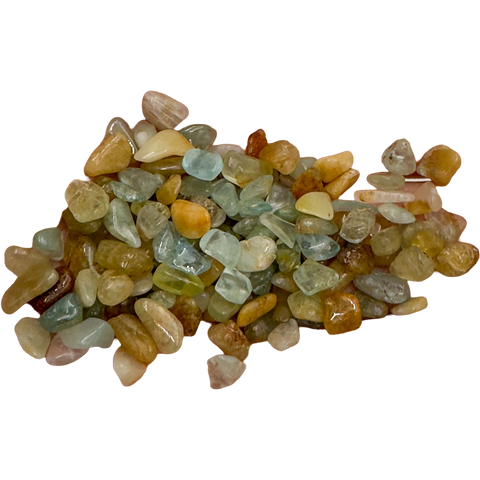
 Aquamarinefor serenity
 Aventurinefor luck
 Bloodstonefor energy
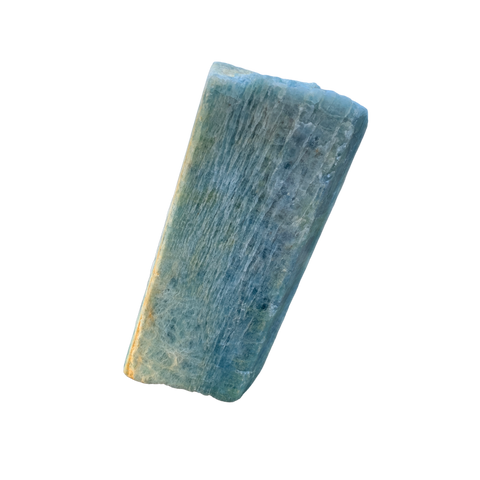
 Blue Kyanitefor confidence
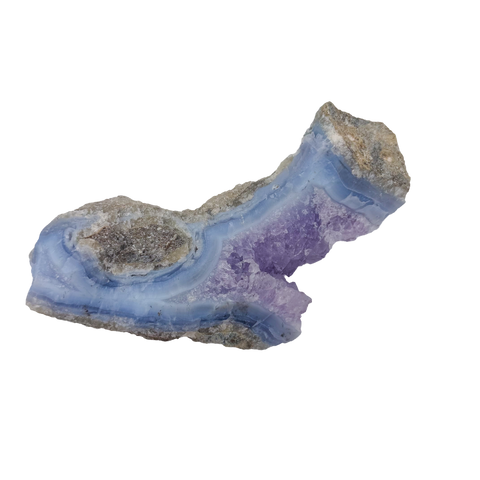
 Blue Lace Agatefor stress relief
 Chrysocollafor emotional healing
 Fluoritefor focus
 Garnetfor energy
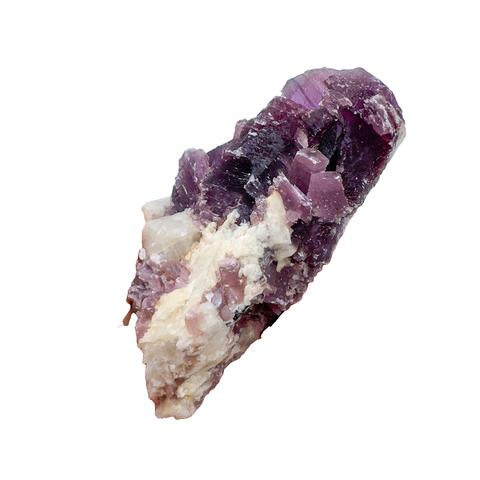
 Lepidolitefor stress relief
 Malachitefor emotional healing
 Moonstonefor grounding
 Obsidianfor protection
 Ocean Jasperfor emotional healing
 Red Jasperfor grounding
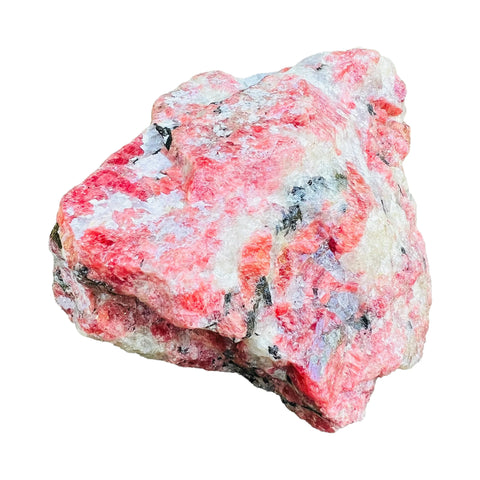
 Rhodonitefor emotional healing
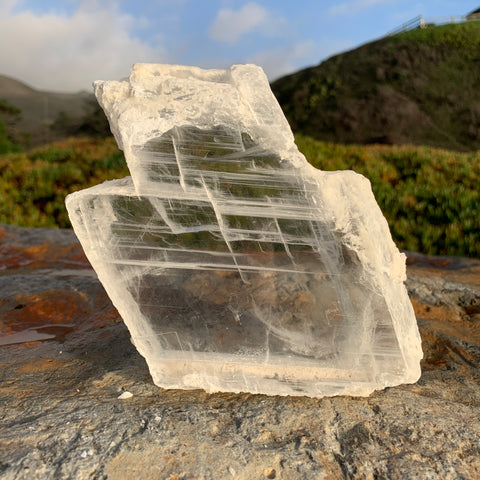
 Selenitefor cleansing
 Sodalitefor focus
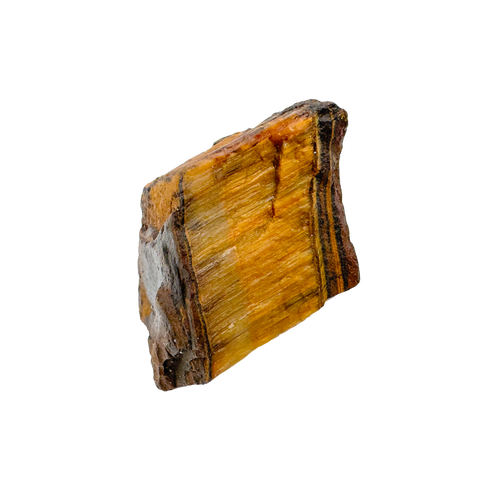
 Tiger Eyefor confidence
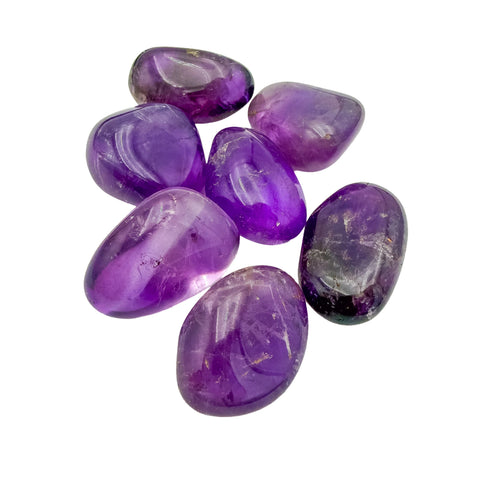


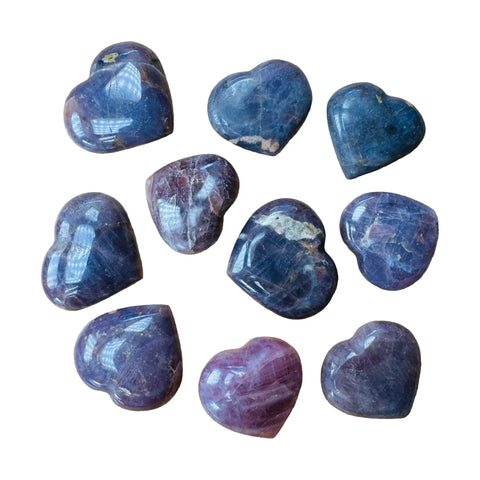
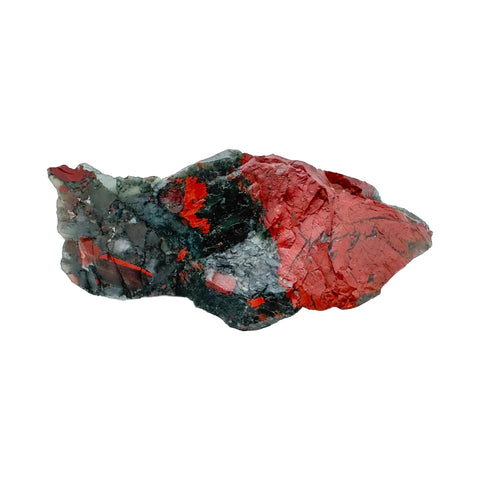
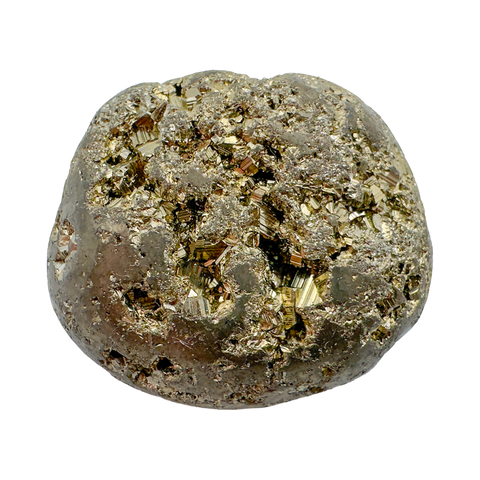
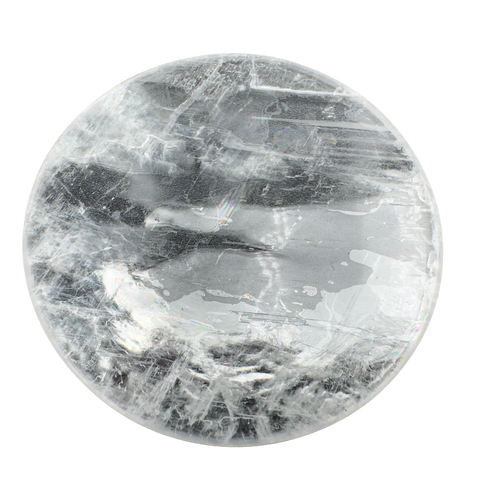


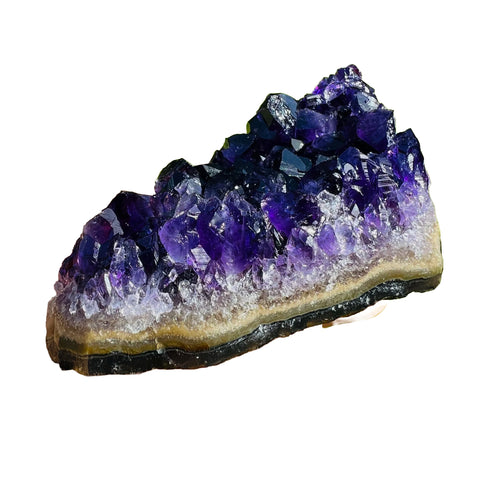





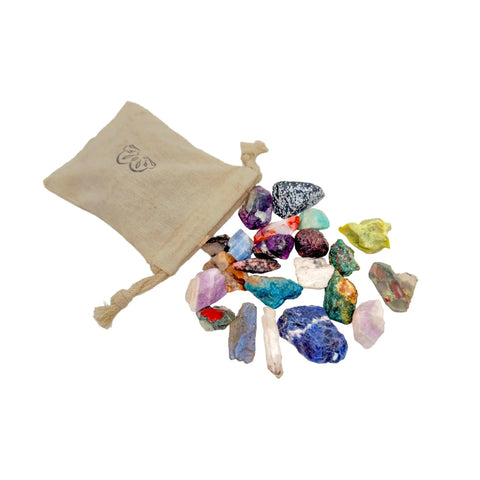
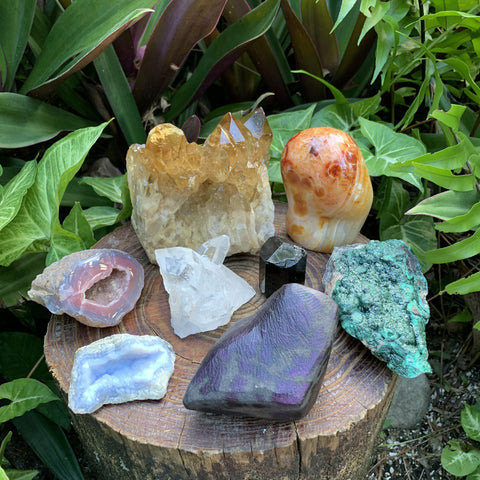
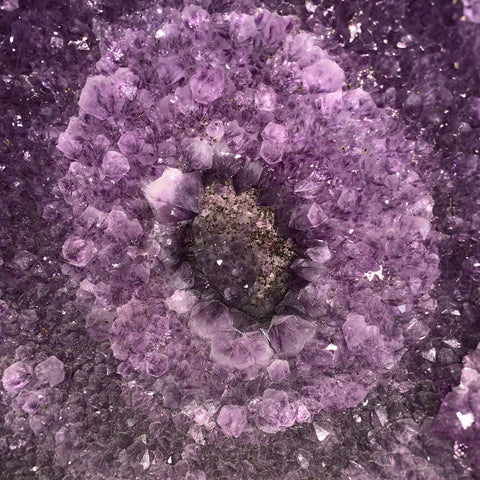
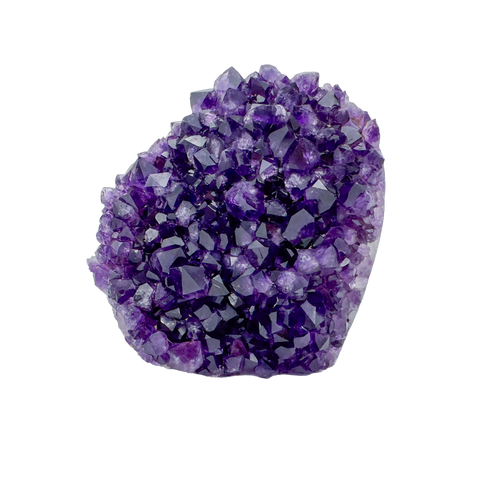
 Amethyst
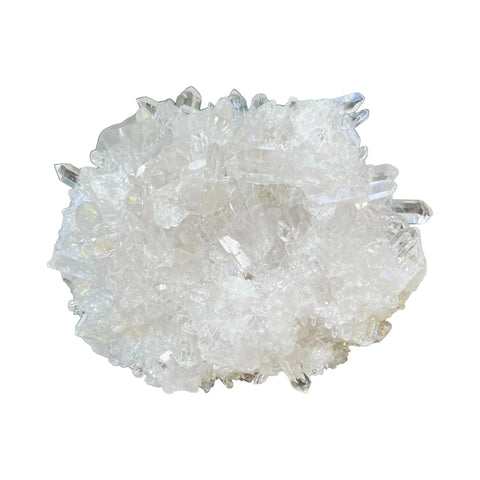
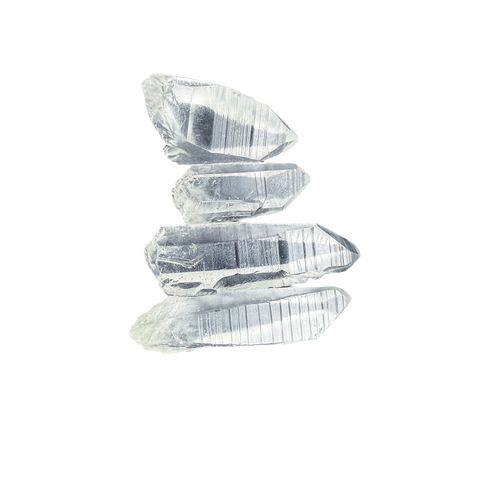
 Clear Quartz
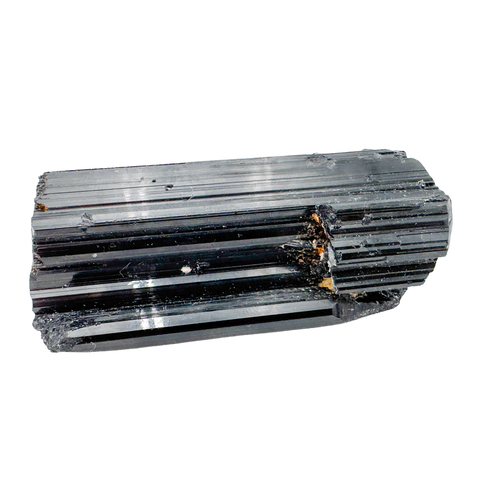
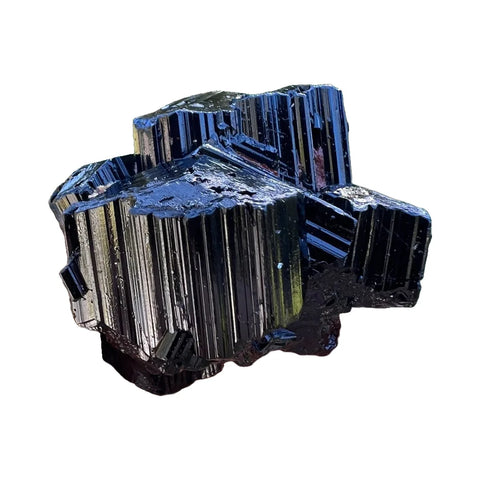
 Black Tourmaline
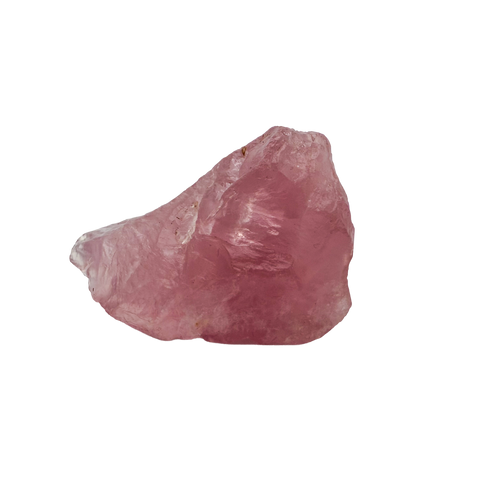
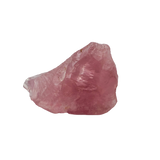 Rose Quartz
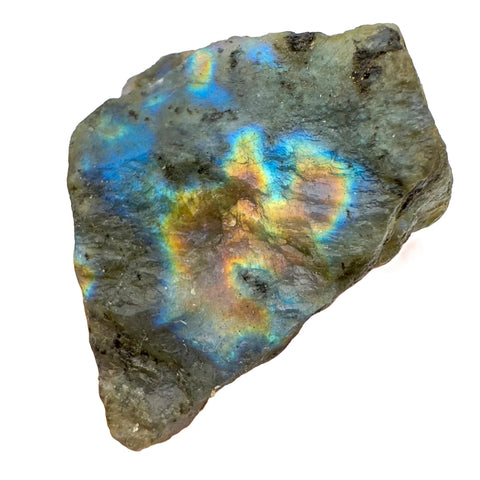
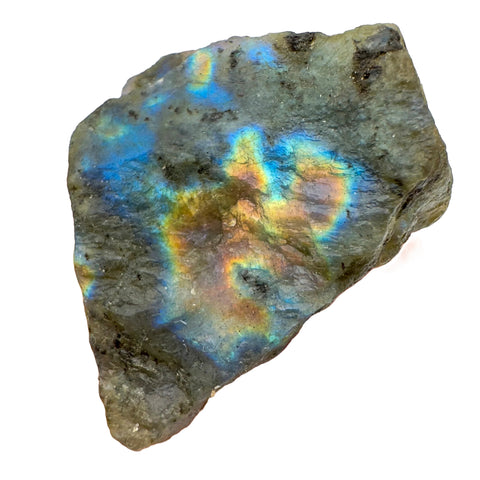
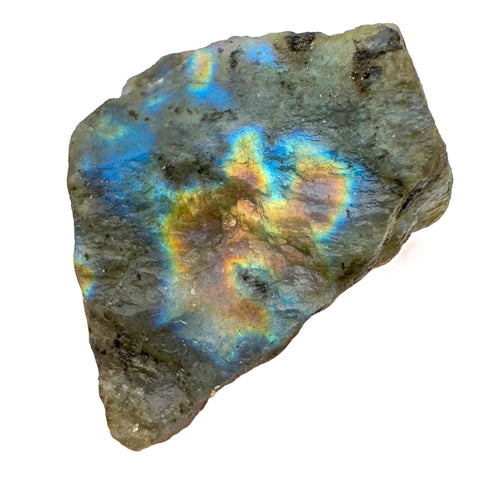
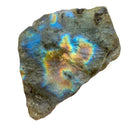 Labradorite
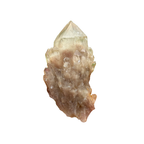 Natural Citrine
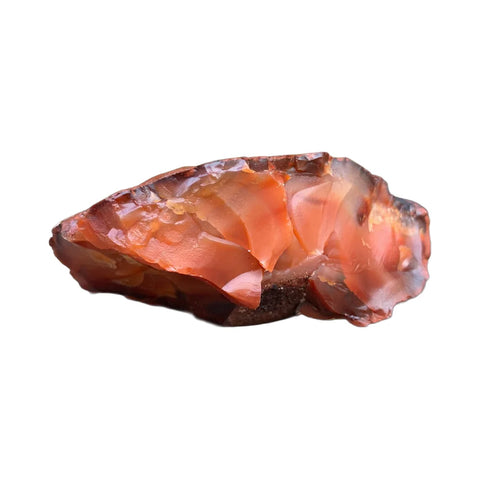
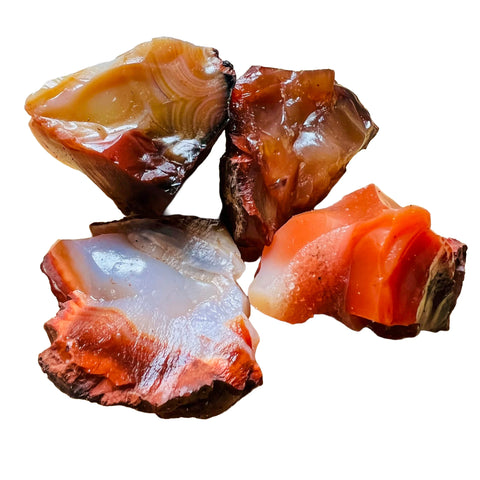
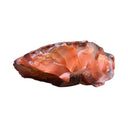 Carnelian
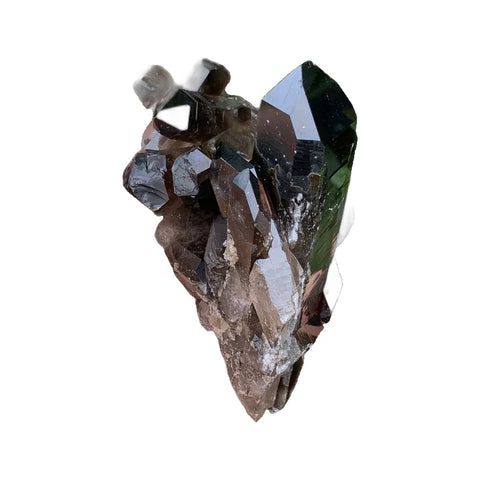
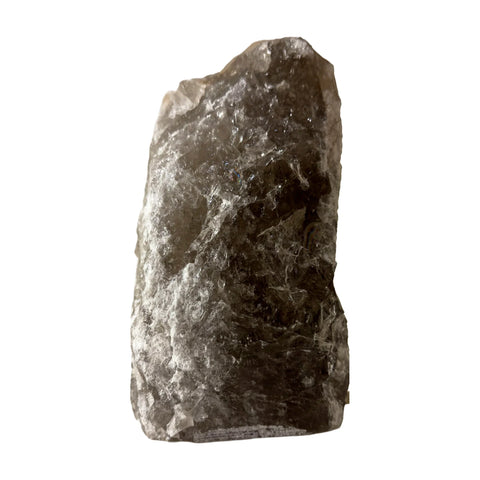
 Smoky Quartz
 Aventurine
 Sodalite
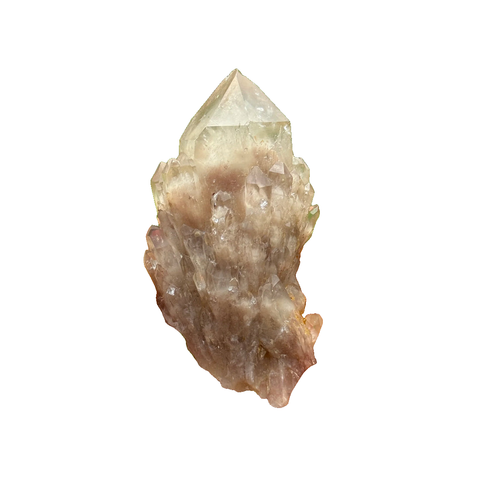
 Ametrine
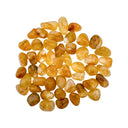 Golden Healer
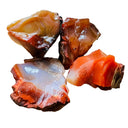 Raw Stones
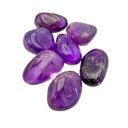 Tumbled Stones
 Palm Stones
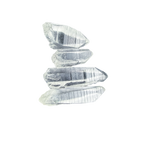 Crystal Points
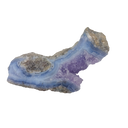 Clusters & Geodes
 Polished & Decor
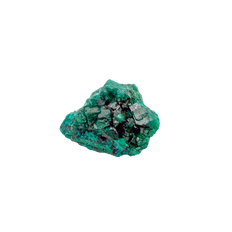 Mineral Specimens
 Crystal Chips
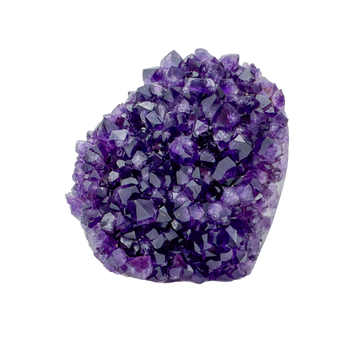
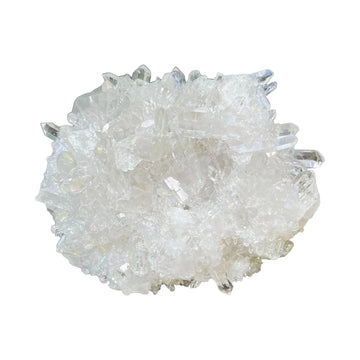
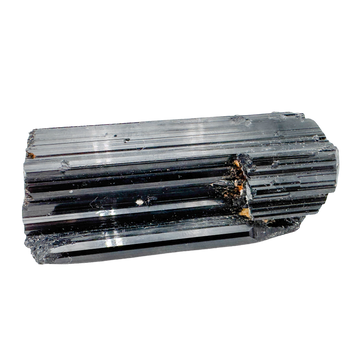
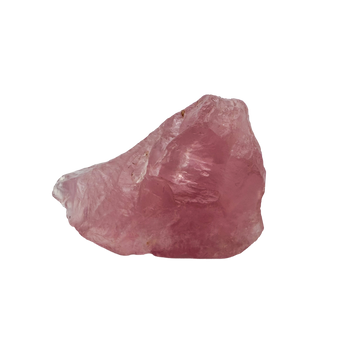
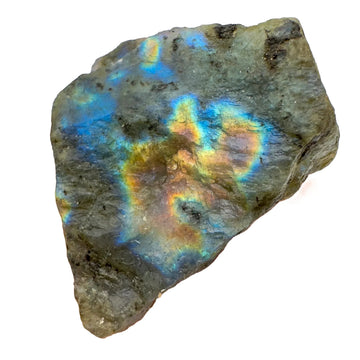
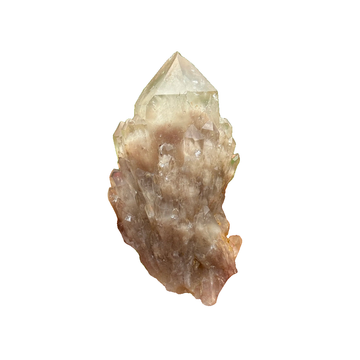
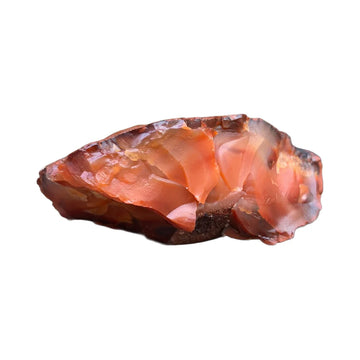
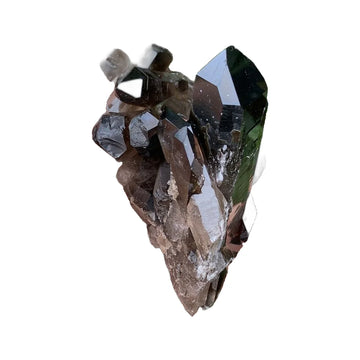
 Raw Stones
179 to choose from
Raw Stones
179 to choose from
 Tumbled Stones
162 to choose from
Tumbled Stones
162 to choose from
 Palm Stones
25 to choose from
Palm Stones
25 to choose from
 Crystal Points
23 to choose from
Crystal Points
23 to choose from
 Clusters & Geodes
101 to choose from
Clusters & Geodes
101 to choose from
 Polished & Decor
148 to choose from
Polished & Decor
148 to choose from
 Mineral Specimens
254 to choose from
Mineral Specimens
254 to choose from
 Crystal Chips
21 to choose from
Crystal Chips
21 to choose from


 AngolaAquamarine
›
AngolaAquamarine
›
 BotswanaCarnelian, Tree Agate
›
BotswanaCarnelian, Tree Agate
›
 DR CongoMalachite, Natural Citrine
›
DR CongoMalachite, Natural Citrine
›
 EswatiniBloodstone
›
EswatiniBloodstone
›
 MadagascarLabradorite, Clear Quartz
›
MadagascarLabradorite, Clear Quartz
›
 MalawiBlue Lace Agate, Garnet
›
MalawiBlue Lace Agate, Garnet
›
 MozambiqueAmazonite
›
MozambiqueAmazonite
›
 NamibiaSodalite, Blue Lace Agate
›
NamibiaSodalite, Blue Lace Agate
›
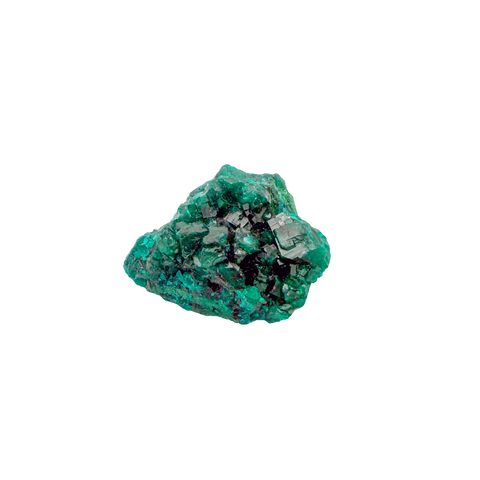
 Republic of the CongoDioptase
›
Republic of the CongoDioptase
›
 South AfricaTiger Eye, Unakite
›
South AfricaTiger Eye, Unakite
›
 ZambiaChevron Amethyst
›
ZambiaChevron Amethyst
›
 ZimbabweEmerald, Rhodonite
›
ZimbabweEmerald, Rhodonite
›
 ArgentinaBlack Obsidian, Rhodochrosite
›
ArgentinaBlack Obsidian, Rhodochrosite
›
 BoliviaAmetrine
›
BoliviaAmetrine
›
 BrazilAmethyst, Clear Quartz
›
BrazilAmethyst, Clear Quartz
›
 PeruSerpentine, Jade
›
PeruSerpentine, Jade
›
 UruguayAmethyst
›
UruguayAmethyst
›
 Dominican RepublicLarimar
›
Dominican RepublicLarimar
›
 MexicoRainbow Obsidian, Crazy Lace Agate
›
MexicoRainbow Obsidian, Crazy Lace Agate
›
 United StatesSelenite, Peridot
›
United StatesSelenite, Peridot
›
 ChinaFluorite
›
ChinaFluorite
›
 RussiaShungite
›
RussiaShungite
›
 AustraliaMookaite
›
AustraliaMookaite
›
 Where our crystals come from
See where we source →
Where our crystals come from
See where we source →


 Aries
Mar 21 to Apr 19
Carnelian
›
Aries
Mar 21 to Apr 19
Carnelian
›
 Taurus
Apr 20 to May 20
Rose Quartz
›
Taurus
Apr 20 to May 20
Rose Quartz
›
 Gemini
May 21 to Jun 20
Agate
›
Gemini
May 21 to Jun 20
Agate
›
 Cancer
Jun 21 to Jul 22
Moonstone
›
Cancer
Jun 21 to Jul 22
Moonstone
›
 Leo
Jul 23 to Aug 22
Citrine
›
Leo
Jul 23 to Aug 22
Citrine
›
 Virgo
Aug 23 to Sep 22
Amazonite
›
Virgo
Aug 23 to Sep 22
Amazonite
›
 Libra
Sep 23 to Oct 22
Blue Lace Agate
›
Libra
Sep 23 to Oct 22
Blue Lace Agate
›
 Scorpio
Oct 23 to Nov 21
Obsidian
›
Scorpio
Oct 23 to Nov 21
Obsidian
›
 Sagittarius
Nov 22 to Dec 21
Sodalite
›
Sagittarius
Nov 22 to Dec 21
Sodalite
›
 Capricorn
Dec 22 to Jan 19
Black Tourmaline
›
Capricorn
Dec 22 to Jan 19
Black Tourmaline
›
 Aquarius
Jan 20 to Feb 18
Amethyst
›
Aquarius
Jan 20 to Feb 18
Amethyst
›
 Pisces
Feb 19 to Mar 20
Aquamarine
›
Gifting?
A birthday stone is the safe bet.
Read the zodiac guide →
Pisces
Feb 19 to Mar 20
Aquamarine
›
Gifting?
A birthday stone is the safe bet.
Read the zodiac guide →


Septarian
Septarian isn't a mineral. It's a concretion, a nodule of sediment that formed around an organic core and was later cracked open and infilled with calcite, aragonite, and sometimes limestone. The patterned yellow-brown cells you see in a polished piece are those infilled cracks. Traditionally associated with patience, grounding, and the slow integration of complicated things into simpler wholes.
Shop septarianSeptarian, in stock now.
From Mahajanga, Madagascar, ready to ship.


- from 1,000+ reviews
- Ships within 72 hoursMonday to Friday, tracked
- 90 days to return itif you do not love it
- Free US shipping over $99$8.99 flat rate under
The geology.
Septarian is a concretion, which is geology-speak for a compact nodule that formed inside a sedimentary layer around an organic core (often decaying plant or animal material). Over time, the center dried and contracted, producing radial cracks. Groundwater carrying dissolved minerals infiltrated those cracks and deposited calcite, aragonite, and sometimes limestone or chalcedony in them. The yellow-brown cells you see in a polished Septarian are those infilled cracks, visible in cross-section.
Because it's composed of multiple minerals, hardness varies by region of the stone. Calcite sits at 3, aragonite around 3.5 to 4, the surrounding limestone and clay matrix 2 to 4. Working hardness is soft, roughly 3 to 4 on the Mohs scale. Cleavage is perfect in the calcite regions (visible in three directions). The stone takes a polish but is easily scratched and should be handled as a softer material.
The origins.
Septarian nodules form in shale and marine sedimentary formations wherever the conditions are right, which means deposits exist on most continents. Madagascar is the dominant contemporary commercial source, producing concretions from the Mahajanga basin with distinctive yellow calcite and white aragonite veining. The United States, particularly the Green River Formation of Utah and Wyoming, yields collector-grade North American pieces. Morocco, the United Kingdom (Yorkshire and Dorset coasts), and New Zealand also produce Septarian.
Each source has a recognizable look. Malagasy material is usually the warmest yellow-brown with dramatic contrast between matrix and infilled calcite. American Utah Septarian often shows more gray-brown tones. Moroccan pieces sometimes include fossil fragments in the matrix. Septarian is typically sold as sliced, polished sections (to show the internal pattern) or as whole nodules.
Traditional associations.
Septarian's working tradition is relatively modern because the stone wasn't identified as a distinct commercial category until the twentieth century. The geological process was described in the 1800s and the name derives from Latin septum (partition or divider), referring to the internal wall-like structures. Contemporary metaphysical associations draw on the patient, long-time-scale formation process and on the visible integration of multiple minerals into a single whole.
Many people work with Septarian for patience, grounding, group communication, and the integration of disparate parts of a life or self into something coherent. It's most commonly associated with the Root and Solar Plexus chakras, the elements of Earth and Water, and the zodiac sign Taurus. The classic working is long-term, treating it as a steady companion stone rather than a quick-shift one.
Spotting the real thing.
Real Septarian shows irregular yellow-to-tan calcite-filled cells separated by darker brown or gray matrix. The pattern is three-dimensional: if you look at a broken edge, you can see the cells extend into the stone, not just across the surface. Under magnification, the calcite areas often show visible crystalline structure (rhombic cleavage planes), and the matrix has a finer-grained sedimentary texture.
Fake Septarian is rare because the natural pattern is so distinctive and hard to mimic. Occasional resin-cast imitations exist but feel noticeably lighter and show no crystalline structure in the yellow areas. Painted or dyed stones with surface patterns reveal themselves on any edge. Reputable sellers name the country of origin and disclose any stabilization.
Care & handling.
Water safe for a brief rinse only. Skip long soaks entirely because the calcite and aragonite components can be dissolved or weakened by extended water contact, and acidic water can etch the surface. Avoid ultrasonic cleaners and any household cleaners.
Cleanse energetically with moonlight, sound, or smoke. Avoid salt, citrus, and any acidic cleansing method, which will react with the carbonate minerals. At 3 to 4 on the Mohs scale, Septarian is soft; store in a small pouch on its own and handle carefully. Stable under sunlight but direct heat isn't recommended for long display.
Pairs well with.
Proof, not promises.
We measure our own sourcing across five dimensions. Supply chain, environmental footprint, artisan support, market integrity, and pricing. The number is honest, not perfect. Where we can do better, we say so.
A deeper look.
Extended geology, sourcing, authentication, history, varieties, and pricing, for when the quick guide isn't quite enough.
Extended geology
Septarian is a concretion that forms in shale and marine mudstone formations. The process begins when an organic core (often a decaying plant or animal) provides a nucleus around which sediment compacts and cements. Over geological time, the center dries and contracts, producing radial cracks (the 'septa' that give the stone its name). Groundwater carrying dissolved carbonate minerals infiltrates the cracks and precipitates calcite and aragonite, sometimes with silica or other minerals filling narrower veins.
The surrounding limestone or mudstone matrix is typically a mixture of calcium carbonate, clay minerals, and iron oxides that give it the yellow-brown to gray color. Hardness varies: calcite 3, aragonite 3.5 to 4, the matrix 2 to 4 depending on cementation. Specific gravity 2.6 to 2.8. Formation typically takes millions of years.
Extended sourcing
Madagascar's Mahajanga basin is the dominant contemporary commercial source, with nodules quarried from sedimentary exposures along the western coast. The material is typically warm yellow-brown with high contrast between matrix and calcite cells.
The Green River Formation of Utah and Wyoming in the United States produces collector-grade Septarian, often with Utahraptor fossil associations in some layers. Morocco's sedimentary basins yield material that sometimes includes fossil fragments. Dorset and Yorkshire coasts in the UK produce historical specimens. New Zealand's North Island has smaller deposits.
Authentication and warning signs
Real Septarian's pattern is three-dimensional: look at any broken or unpolished edge and the cells should extend into the stone. Under magnification, the yellow calcite-filled areas show crystalline structure (rhombic cleavage planes). The matrix has a finer-grained, sedimentary texture.
Fakes are rare because the pattern is hard to duplicate. Resin casts feel lighter and show no crystalline structure. Painted stones fail on any edge where the paint ends. Weight is a good first test: real Septarian feels heavy and solid for its size.
Historical and cultural context
The geological understanding of Septarian was developed in the nineteenth century. The name derives from Latin septum meaning 'partition,' describing the internal wall-like structures. Folk traditions in various regions associated the stones with dragons or turtles (the cellular pattern was sometimes read as dragon-skin or tortoise-shell), but these are regional rather than global traditions.
Contemporary metaphysical work treats Septarian as a stone of patient integration and long-time-scale transformation, drawing on the geological process itself. The specific chakra and elemental associations are modern (twentieth-century) rather than traditional, built on the visual character of the stone.
Varieties and trade names
Madagascar Septarian: the standard yellow-brown commercial material.
Utah Septarian: American material, often greyer and prized by collectors.
Moroccan Septarian: sometimes includes fossil fragments.
Dragon Stone: occasional trade name for Septarian, based on the cellular pattern.
Turtle Stone: another trade name based on the shell-like pattern.
Pricing reality
Small polished Septarian slices: 5 to 20 dollars. Medium carved shapes and palm stones: 15 to 60 dollars. Larger polished nodules and half-nodules: 40 to 200 dollars. Large specimen-grade pieces (geode-like): 100 to 500 dollars. Exceptional Utah Septarian with fossil associations: collector pricing.
Value drivers: contrast between matrix and calcite cells, pattern intricacy, size, clean polish, and documented origin. Warning signs: suspiciously uniform pattern (may be cast resin), no origin offered, or pieces priced significantly higher than the quality of the pattern suggests.
Good sourcing is a practice, not a claim.
Nothing we sell is resin-stabilized, dyed, or cast imitation sold as natural Septarian. We name our origins where we can. We say so when we cannot. We walk away from material that doesn't meet our standard, even when it costs us sales.
Bring septarian home.
Every piece we carry is photographed individually and listed with its own origin and treatment notes. What you see is what ships.
Shop the septarian collectionGrounded Connections
New stones go to the list first.
No forwarding, no selling. Unsubscribe in one click. Privacy