


 Agatefor stress relief
 Amazonitefor stress relief
 Aquamarinefor serenity
 Aventurinefor luck
 Bloodstonefor energy
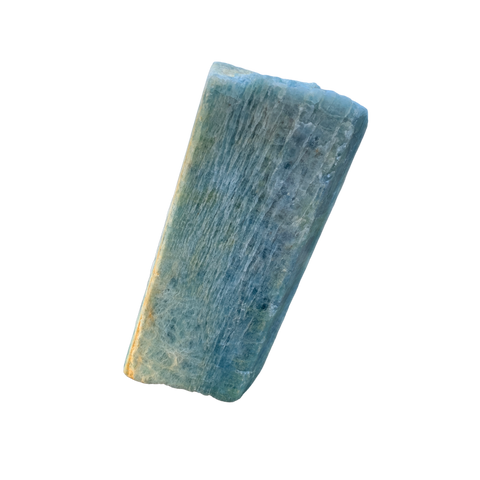
 Blue Kyanitefor confidence
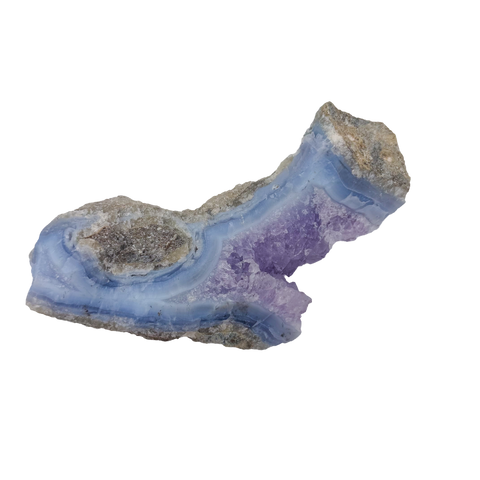
 Blue Lace Agatefor stress relief
 Chrysocollafor emotional healing
 Fluoritefor focus
 Garnetfor energy
 Lepidolitefor stress relief
 Malachitefor emotional healing
 Moonstonefor grounding
 Obsidianfor protection
 Ocean Jasperfor emotional healing
 Red Jasperfor grounding
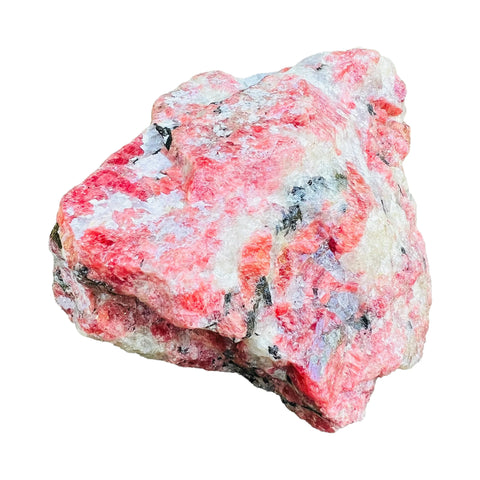
 Rhodonitefor emotional healing
 Selenitefor cleansing
 Sodalitefor focus
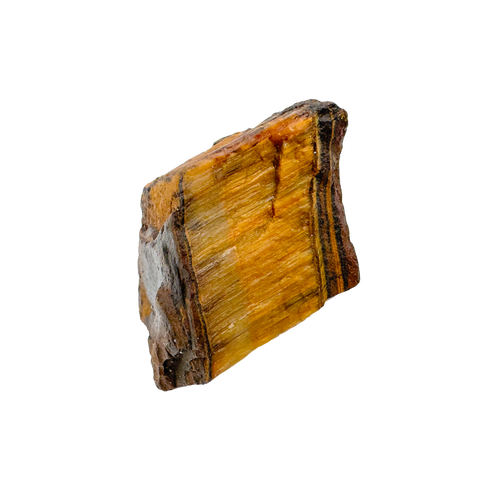
 Tiger Eyefor confidence
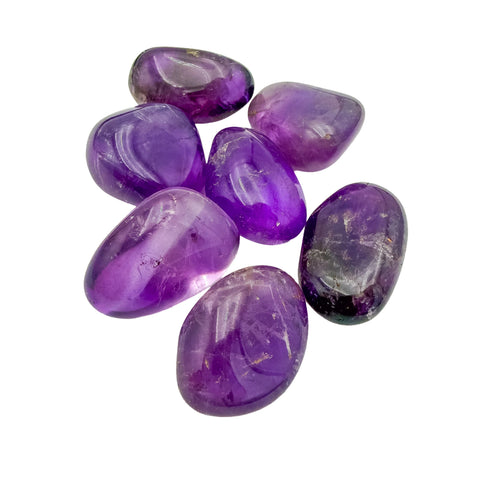


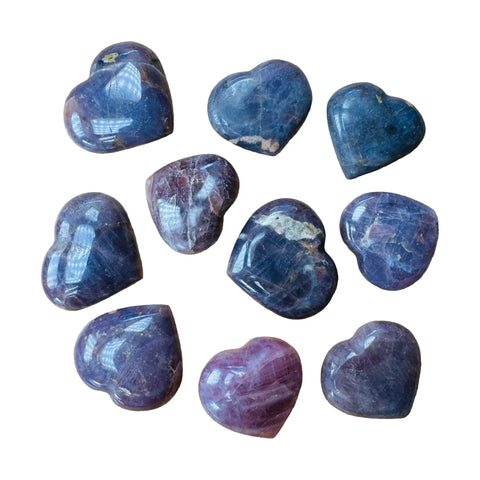
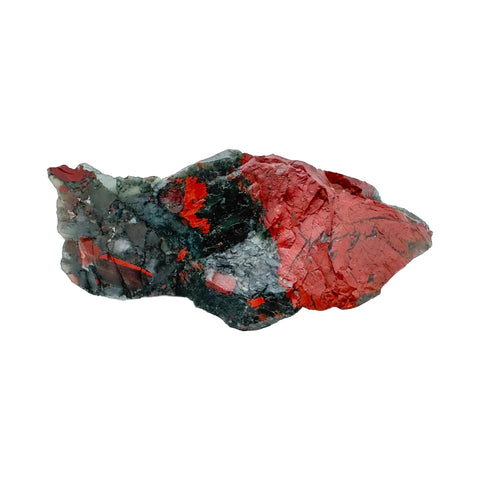
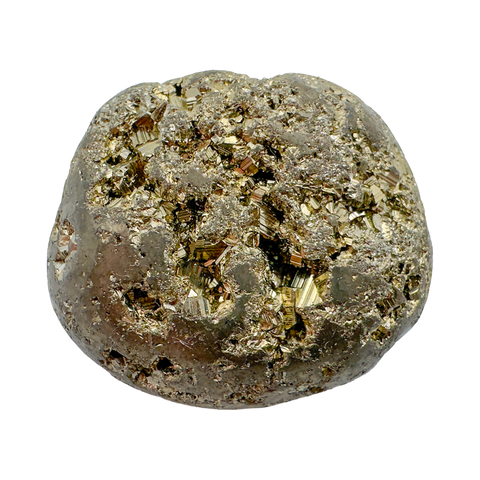
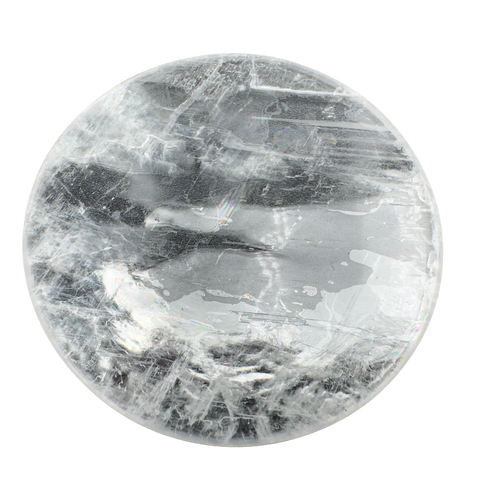


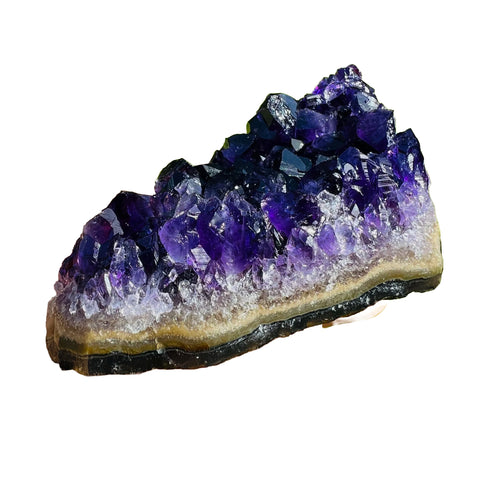





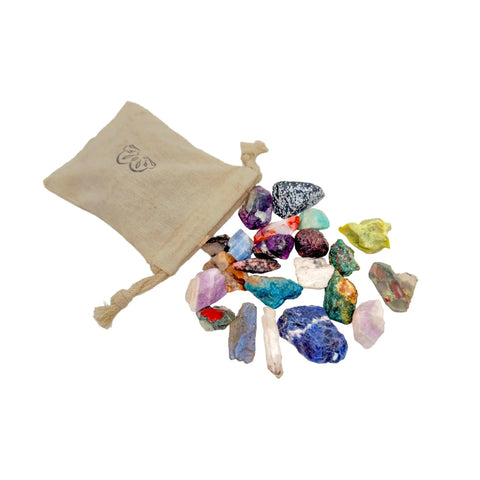
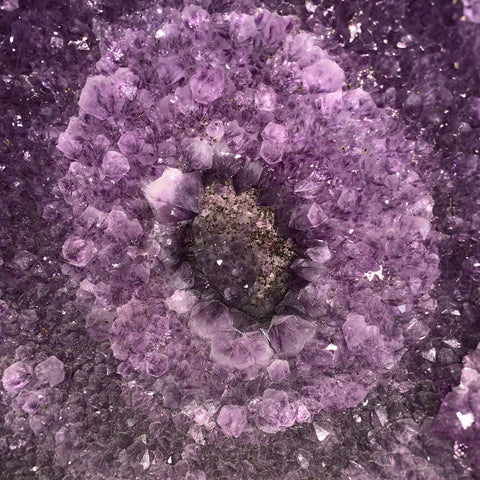
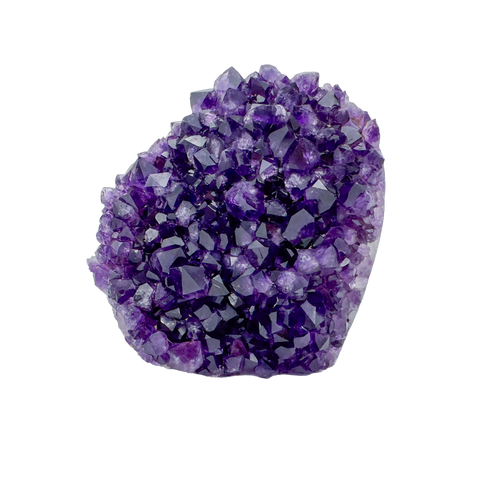
 Amethyst
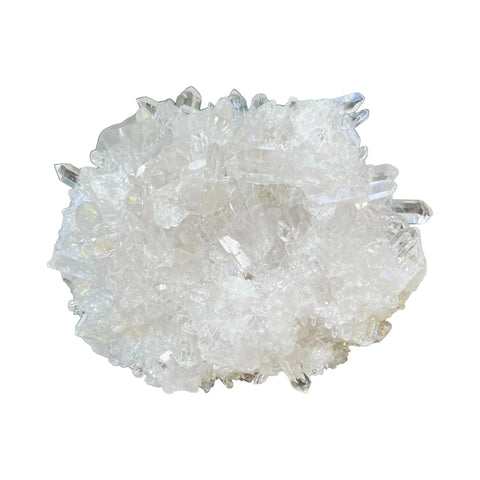
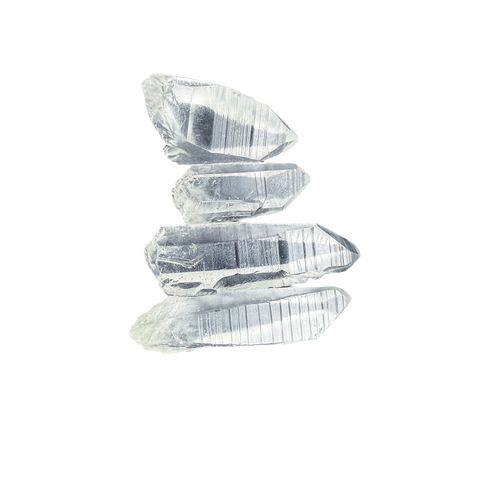
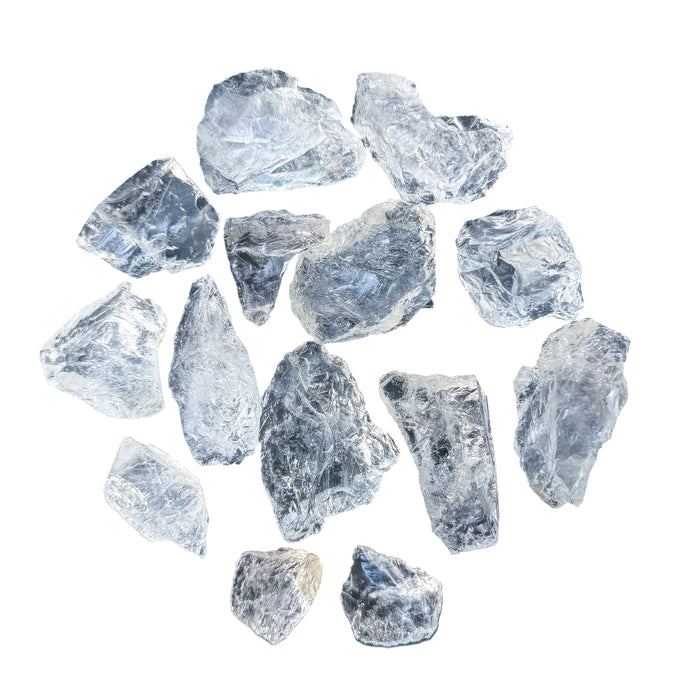
 Clear Quartz
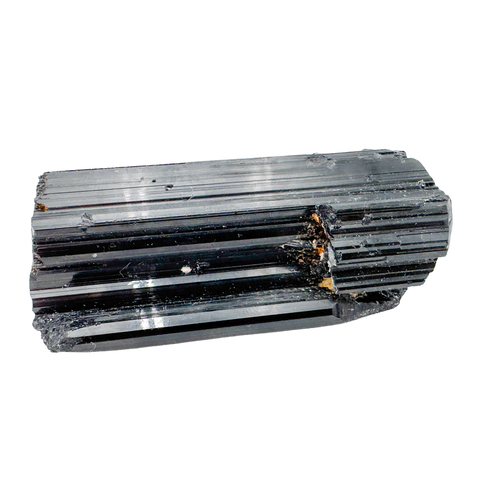
 Black Tourmaline
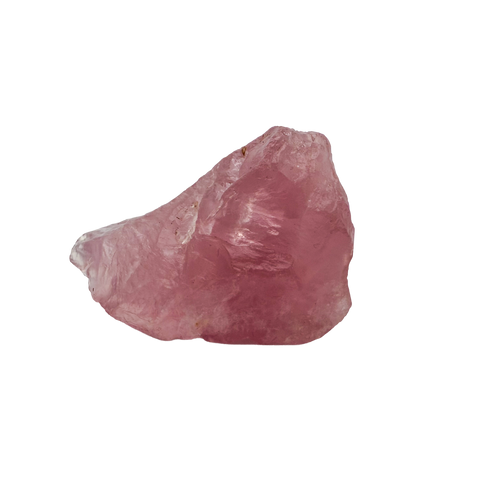
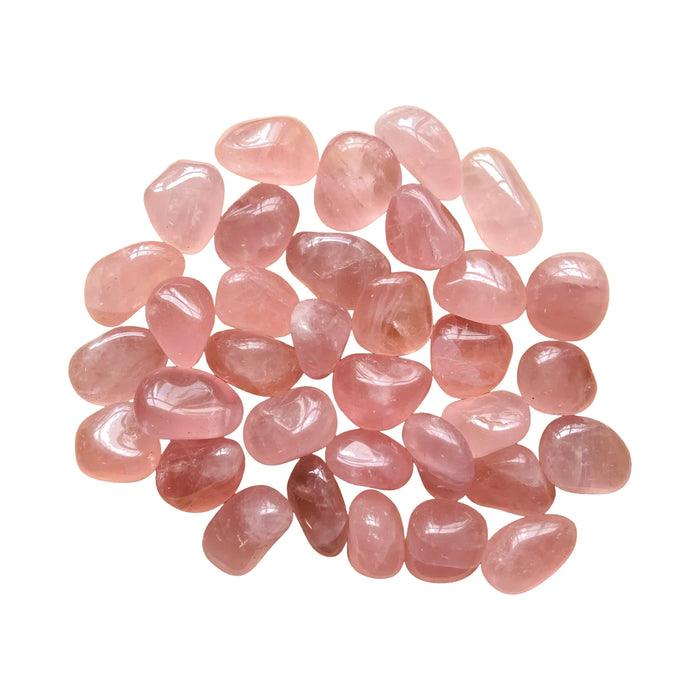
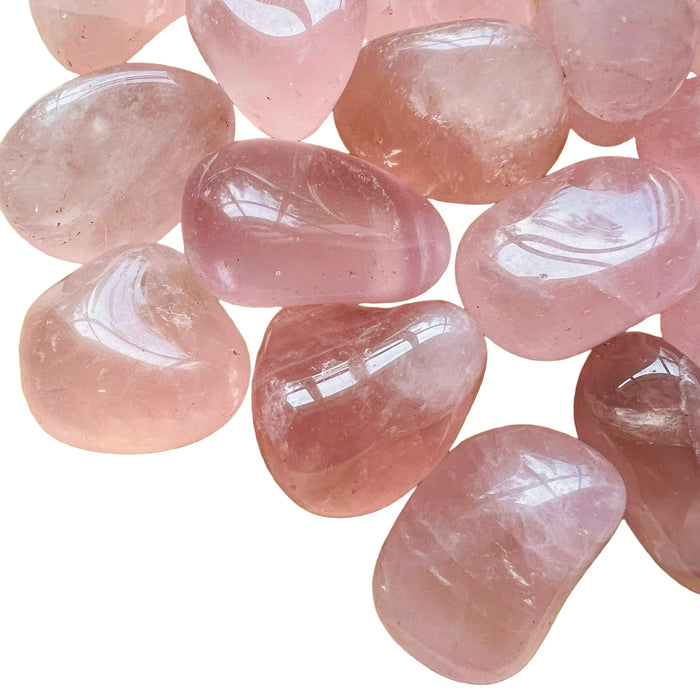
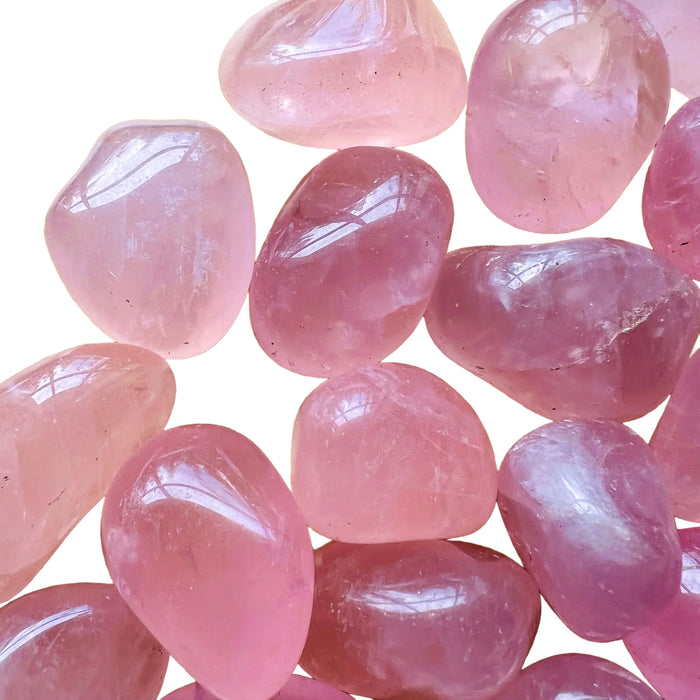
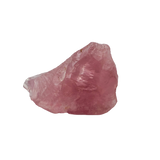 Rose Quartz
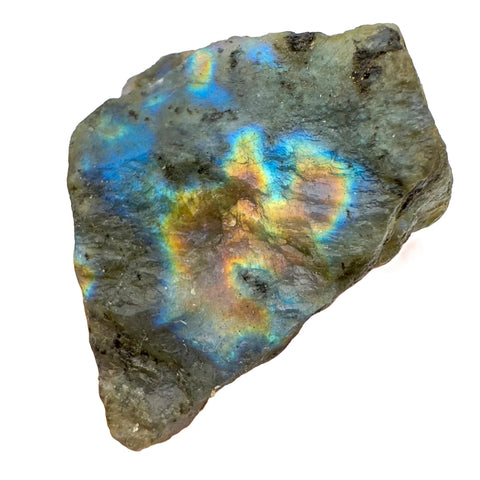
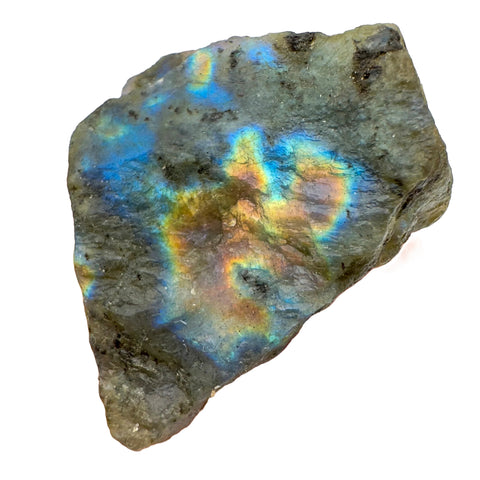
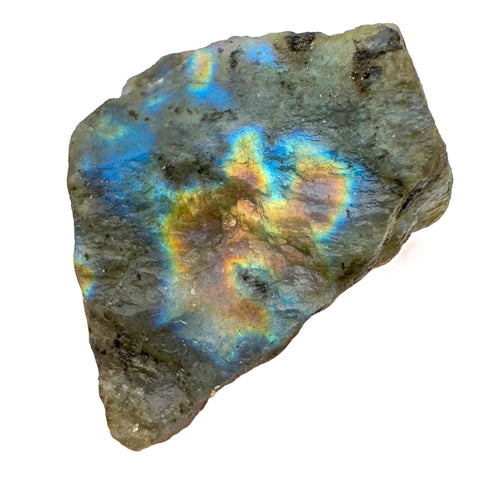
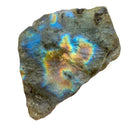 Labradorite
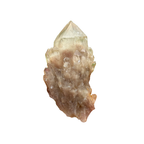 Natural Citrine
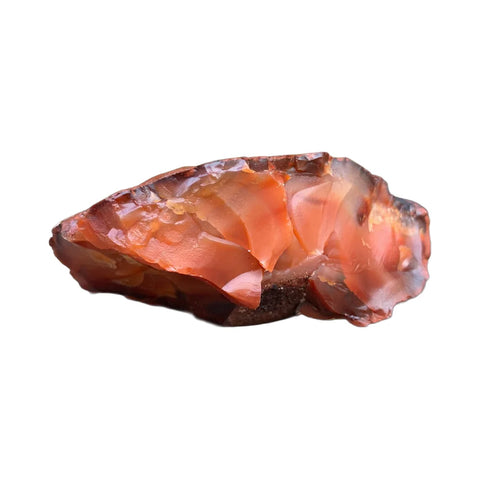
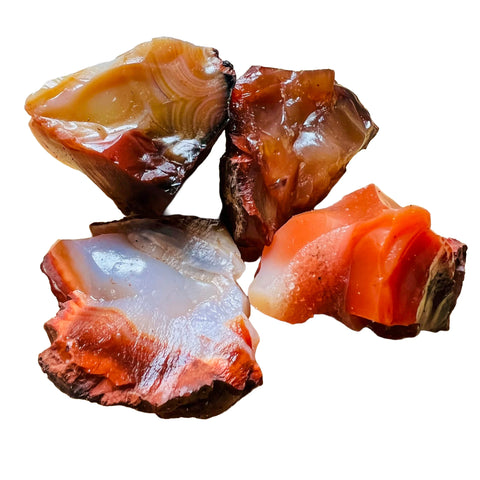
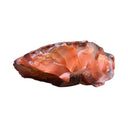 Carnelian
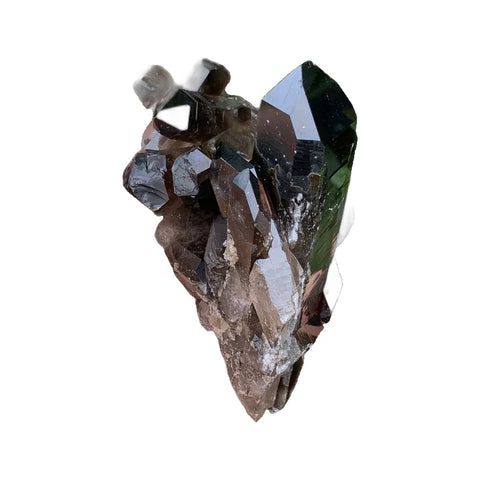
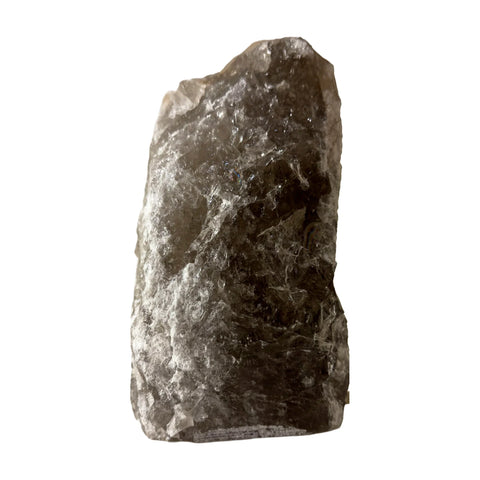
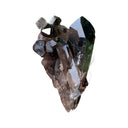 Smoky Quartz
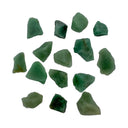 Aventurine
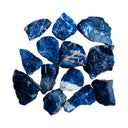 Sodalite
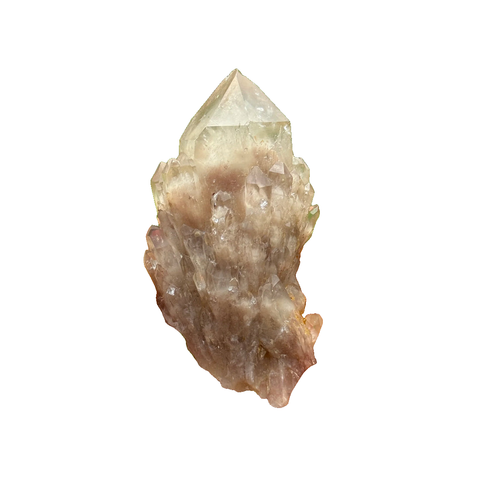
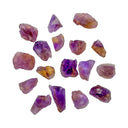 Ametrine
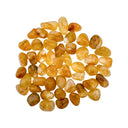 Golden Healer
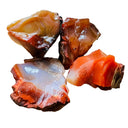 Raw Stones
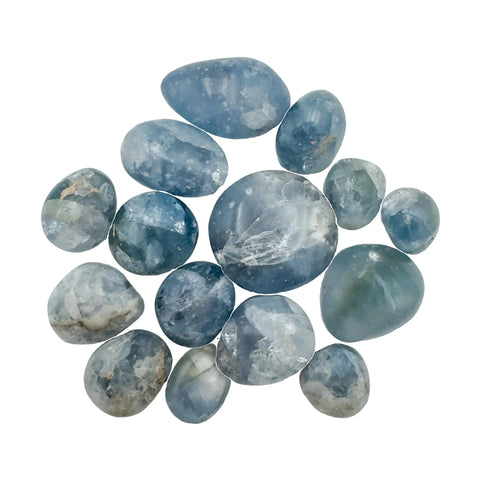
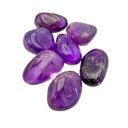 Tumbled Stones
 Palm Stones
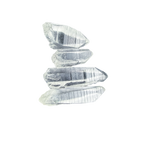 Crystal Points
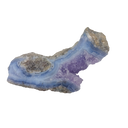 Clusters & Geodes
 Polished & Decor
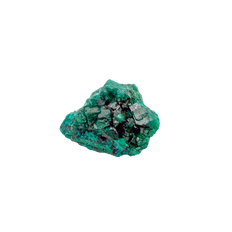 Mineral Specimens
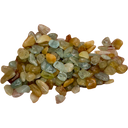 Crystal Chips
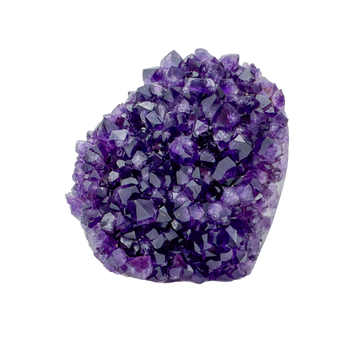
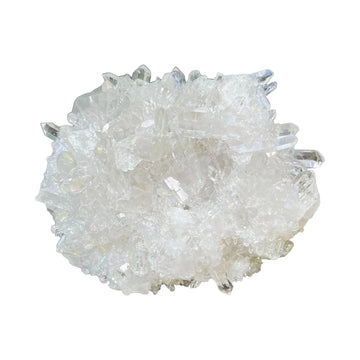
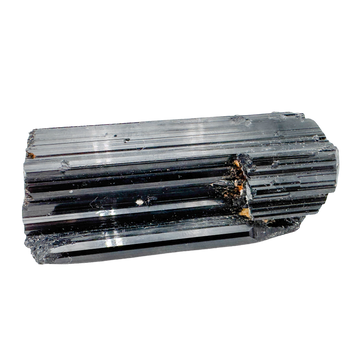
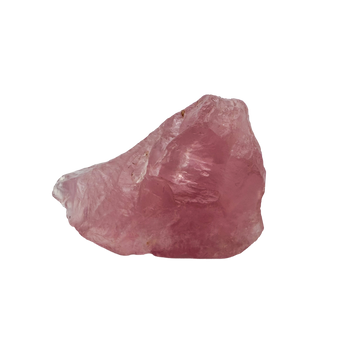
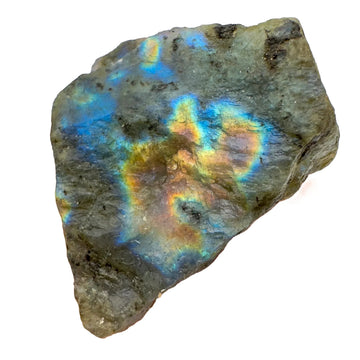
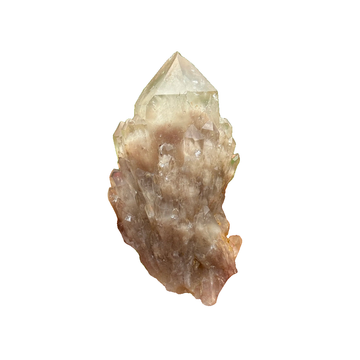
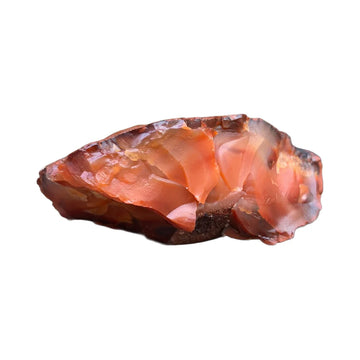
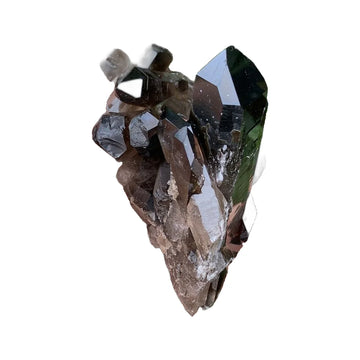
 Raw Stones
179 to choose from
Raw Stones
179 to choose from
 Tumbled Stones
162 to choose from
Tumbled Stones
162 to choose from
 Palm Stones
25 to choose from
Palm Stones
25 to choose from
 Crystal Points
23 to choose from
Crystal Points
23 to choose from
 Clusters & Geodes
98 to choose from
Clusters & Geodes
98 to choose from
 Polished & Decor
147 to choose from
Polished & Decor
147 to choose from
 Mineral Specimens
248 to choose from
Mineral Specimens
248 to choose from
 Crystal Chips
21 to choose from
Crystal Chips
21 to choose from


 AngolaAquamarine
›
AngolaAquamarine
›
 BotswanaCarnelian, Tree Agate
›
BotswanaCarnelian, Tree Agate
›
 DR CongoMalachite, Natural Citrine
›
DR CongoMalachite, Natural Citrine
›
 EswatiniBloodstone
›
EswatiniBloodstone
›
 MadagascarLabradorite, Clear Quartz
›
MadagascarLabradorite, Clear Quartz
›
 MalawiBlue Lace Agate, Garnet
›
MalawiBlue Lace Agate, Garnet
›
 MozambiqueAmazonite
›
MozambiqueAmazonite
›
 NamibiaSodalite, Blue Lace Agate
›
NamibiaSodalite, Blue Lace Agate
›
 Republic of the CongoDioptase
›
Republic of the CongoDioptase
›
 South AfricaTiger Eye, Unakite
›
South AfricaTiger Eye, Unakite
›
 ZambiaChevron Amethyst
›
ZambiaChevron Amethyst
›
 ZimbabweEmerald, Rhodonite
›
ZimbabweEmerald, Rhodonite
›
 ArgentinaBlack Obsidian, Rhodochrosite
›
ArgentinaBlack Obsidian, Rhodochrosite
›
 BoliviaAmetrine
›
BoliviaAmetrine
›
 BrazilAmethyst, Clear Quartz
›
BrazilAmethyst, Clear Quartz
›
 PeruSerpentine, Jade
›
PeruSerpentine, Jade
›
 UruguayAmethyst
›
UruguayAmethyst
›
 Dominican RepublicLarimar
›
Dominican RepublicLarimar
›
 MexicoRainbow Obsidian, Crazy Lace Agate
›
MexicoRainbow Obsidian, Crazy Lace Agate
›
 United StatesSelenite, Peridot
›
United StatesSelenite, Peridot
›
 ChinaFluorite
›
ChinaFluorite
›
 RussiaShungite
›
RussiaShungite
›
 AustraliaMookaite
›
AustraliaMookaite
›
 Where our crystals come from
See where we source →
Where our crystals come from
See where we source →


 Aries
Mar 21 to Apr 19
Carnelian
›
Aries
Mar 21 to Apr 19
Carnelian
›
 Taurus
Apr 20 to May 20
Rose Quartz
›
Taurus
Apr 20 to May 20
Rose Quartz
›
 Gemini
May 21 to Jun 20
Agate
›
Gemini
May 21 to Jun 20
Agate
›
 Cancer
Jun 21 to Jul 22
Moonstone
›
Cancer
Jun 21 to Jul 22
Moonstone
›
 Leo
Jul 23 to Aug 22
Citrine
›
Leo
Jul 23 to Aug 22
Citrine
›
 Virgo
Aug 23 to Sep 22
Amazonite
›
Virgo
Aug 23 to Sep 22
Amazonite
›
 Libra
Sep 23 to Oct 22
Blue Lace Agate
›
Libra
Sep 23 to Oct 22
Blue Lace Agate
›
 Scorpio
Oct 23 to Nov 21
Obsidian
›
Scorpio
Oct 23 to Nov 21
Obsidian
›
 Sagittarius
Nov 22 to Dec 21
Sodalite
›
Sagittarius
Nov 22 to Dec 21
Sodalite
›
 Capricorn
Dec 22 to Jan 19
Black Tourmaline
›
Capricorn
Dec 22 to Jan 19
Black Tourmaline
›
 Aquarius
Jan 20 to Feb 18
Amethyst
›
Aquarius
Jan 20 to Feb 18
Amethyst
›
 Pisces
Feb 19 to Mar 20
Aquamarine
›
Gifting?
A birthday stone is the safe bet.
Read the zodiac guide →
Pisces
Feb 19 to Mar 20
Aquamarine
›
Gifting?
A birthday stone is the safe bet.
Read the zodiac guide →


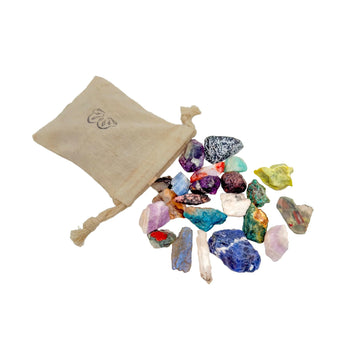
Quartz
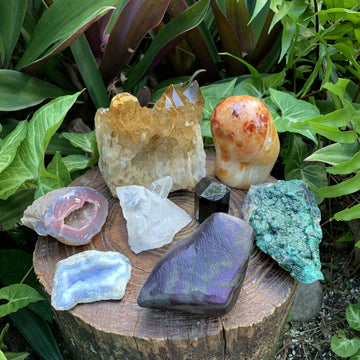
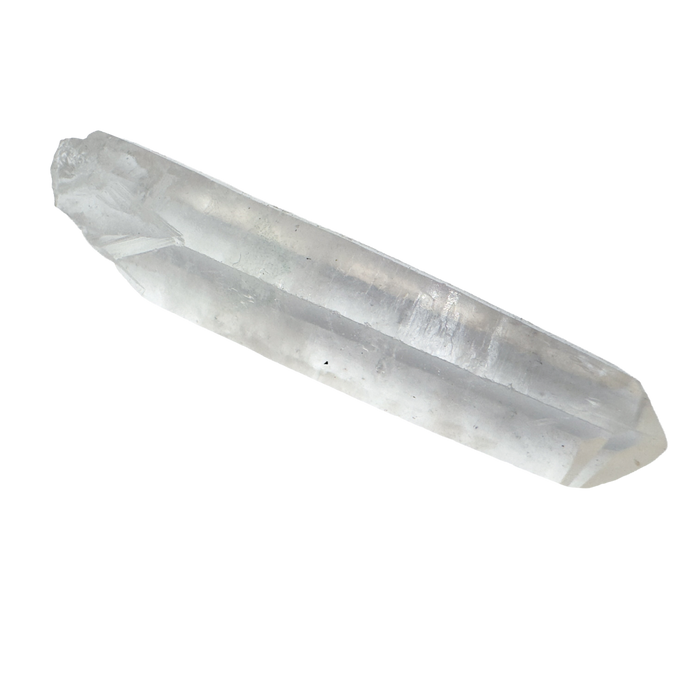
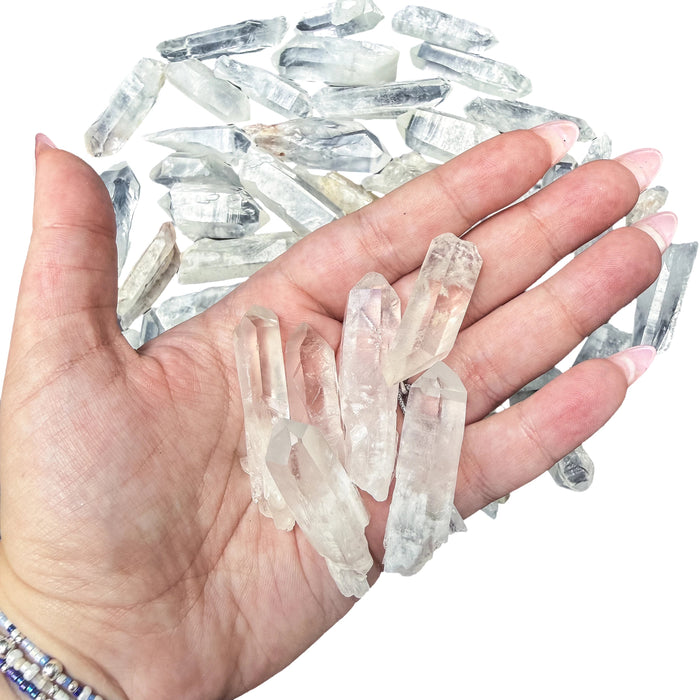
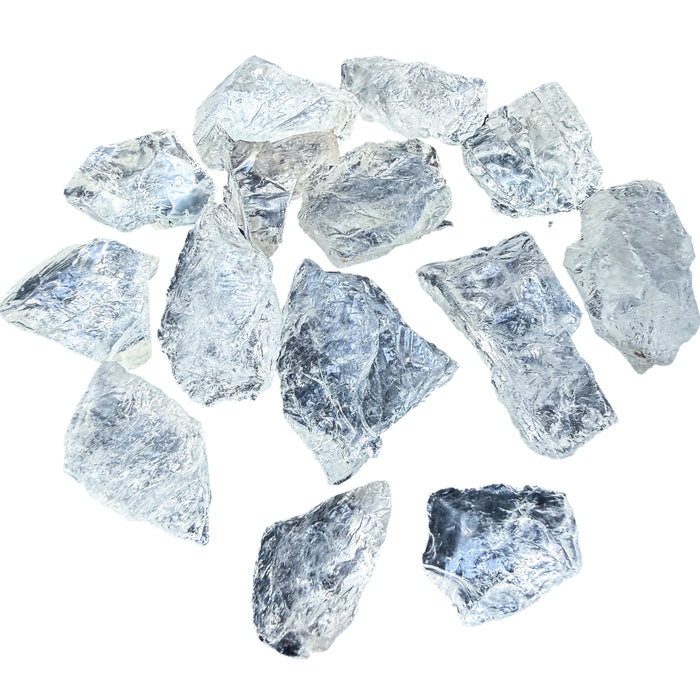
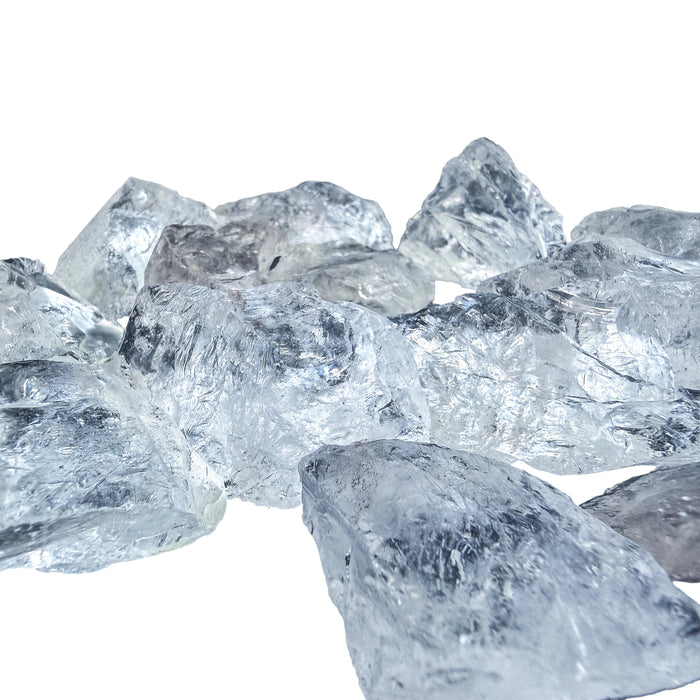
Quartz is the broadest family in the crystal world: a single mineral, silicon dioxide (SiO₂), that appears in more colors and forms than almost any other material on Earth. Clear Quartz, Amethyst, Citrine, Rose Quartz, Smoky Quartz, Carnelian, Agate, and many more are all varieties of this one family. Traditionally associated with amplification, clarity, and the foundational work that supports every other kind of stone practice.
Shop quartzQuartz, in stock now.
Our most-loved Quartz pieces, ready to ship.
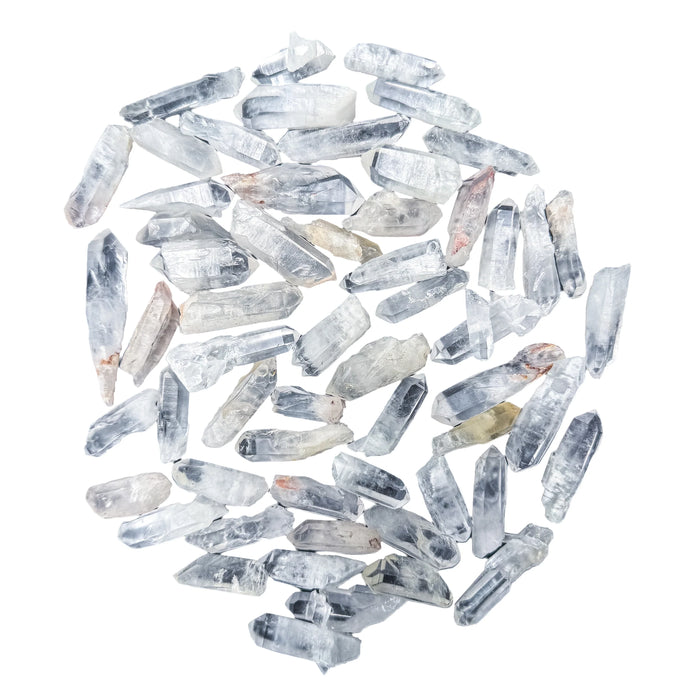
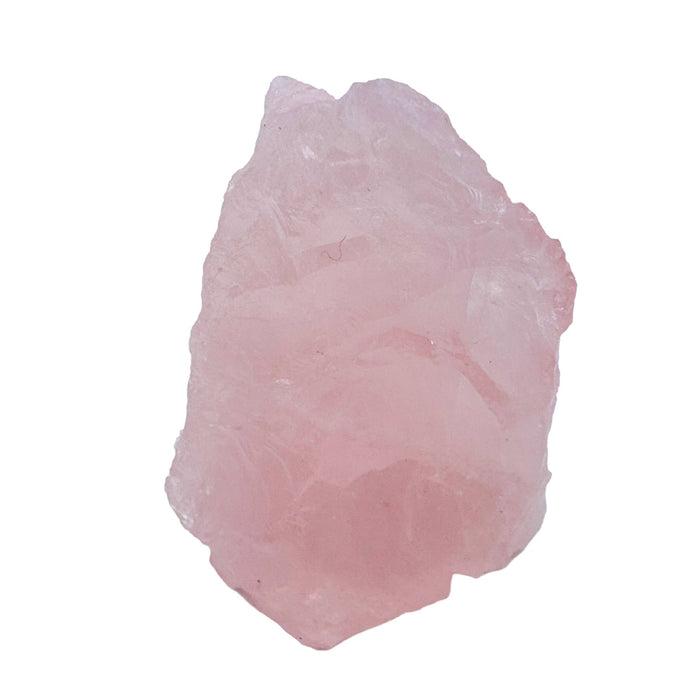
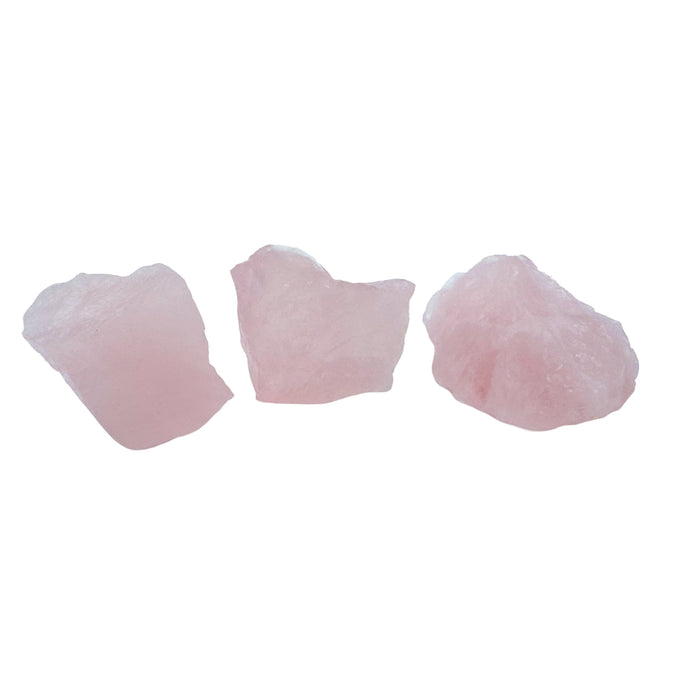
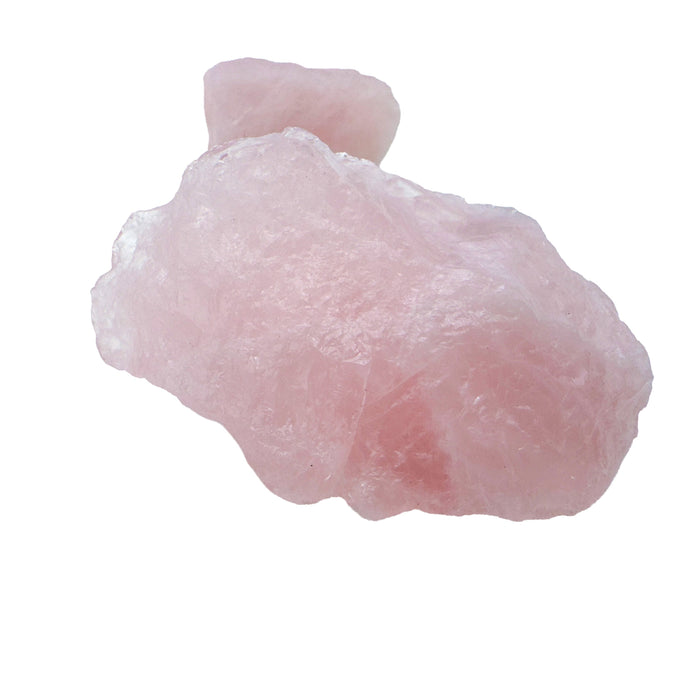
- from 1,000+ reviews
- Ships within 72 hoursMonday to Friday, tracked
- 90 days to return itif you do not love it
- Free US shipping over $99$8.99 flat rate under
The geology.
Quartz is silicon dioxide (SiO₂), the second most abundant mineral in the Earth's crust after feldspar. It crystallizes in the trigonal system and takes hundreds of forms depending on formation conditions, trace elements, and inclusions. Crystalline quartz varieties (macrocrystalline, with visible crystal structure) include Clear Quartz, Smoky Quartz, Amethyst, Citrine, Rose Quartz, and many more. Microcrystalline varieties (with grains too small to see) include chalcedony, agate, jasper, and onyx.
Hardness is consistent across the family at 7 on the Mohs scale, which is why Quartz is used as the industry standard for hardness comparison. No cleavage, conchoidal fracture, vitreous luster. The different varieties emerge from differences in trace elements, inclusions, and formation conditions, not from different chemistry. Understanding this family structure is the single most useful piece of geological context for any crystal practice.
The origins.
Quartz is mined on every inhabited continent. Brazil's Minas Gerais is the single largest commercial producer globally, supplying enormous volumes of Clear Quartz, Smoky Quartz, Amethyst, Citrine, Rose Quartz, and Agate. Madagascar is a major producer of crystalline varieties, particularly Rose Quartz and Amethyst. The United States, Russia, China, India, Mexico, Uruguay, Namibia, and many other regions all contribute significant Quartz production.
Each variety has its own origin map worth knowing. Amethyst is historically Uruguayan and Brazilian, with significant modern production from Zambia. Citrine is rare in natural form; most commercial 'Citrine' is heat-treated Amethyst or Smoky Quartz from Brazil. Rose Quartz is dominantly Brazilian with Madagascan and South African supply. Agate localities include India, Brazil, Botswana, and Mexico. When you're looking at a specific variety, its origin story matters more than the general Quartz family story.
Traditional associations.
Quartz has the longest documented working tradition of any mineral family. Paleolithic tool use dates to over two million years ago. Ancient Egyptian, Mesopotamian, Greek, Roman, Chinese, Japanese, Indian, Mesoamerican, and Andean traditions all worked Quartz varieties in jewelry, ritual objects, tools, and decorative arts. Ancient writers including Theophrastus and Pliny described multiple Quartz varieties by name.
Many people work with Quartz for amplification, clarity, and the foundational work that supports other stone practices. Clear Quartz specifically is often called the 'master stone' because of its traditional association with amplifying and programming other energies. Variety matters: Amethyst for spiritual work, Rose Quartz for heart work, Smoky Quartz for grounding, Citrine for abundance, and so on. The family-level association is amplification and clarity.
Spotting the real thing.
The hardness test is the most reliable identifier at the family level. Real Quartz will scratch glass easily and will not be scratched by a steel blade. Under magnification, crystalline Quartz varieties show characteristic hexagonal crystal faces and six-sided pyramidal terminations on single crystals. Microcrystalline varieties show the vitreous to waxy luster typical of chalcedony.
Fakes at the family level include glass imitations (warmer to touch, won't scratch glass, often show bubbles), plastic imitations (lighter weight, characteristic plastic feel), and lab-grown synthetic Quartz (chemically real Quartz but grown in an autoclave rather than naturally). Synthetic Quartz is acceptable in some markets when disclosed but should be priced and labeled accordingly. Specific variety authentication has its own guides; check individual variety pages for more.
Care & handling.
Most Quartz varieties are water-safe for normal cleaning with warm water and a soft cloth. Ultrasonic cleaning is generally acceptable for crystalline Quartz without major inclusions or fractures. Saltwater is fine for most varieties. Rose Quartz can fade slightly with prolonged UV exposure. Amethyst and Citrine can fade with prolonged heat or intense UV. Treated varieties may have treatment-specific care needs.
Cleanse energetically with moonlight, sound, smoke, salt water, or by placing on selenite overnight. At 7 on the Mohs scale, Quartz handles daily wear well in all jewelry settings. Store with similar-hardness stones or on its own. Variety-specific care guides are worth checking for more detail, especially for softer microcrystalline varieties and treated pieces.
Pairs well with.
Proof, not promises.
We measure our own sourcing across five dimensions. Supply chain, environmental footprint, artisan support, market integrity, and pricing. The number is honest, not perfect. Where we can do better, we say so.
A deeper look.
Extended geology, sourcing, authentication, history, varieties, and pricing, for when the quick guide isn't quite enough.
Extended geology
Quartz is silicon dioxide (SiO₂), the second most abundant mineral in the Earth's continental crust. It crystallizes in the trigonal system with a hexagonal habit. The basic unit of the structure is the SiO₄ tetrahedron, with oxygen atoms shared between adjacent tetrahedra to form a three-dimensional framework. Different Quartz varieties arise from trace element substitution, structural variations, and inclusion of other minerals.
The two broad categories are macrocrystalline (with visible crystal structure: Clear, Smoky, Rose, Amethyst, Citrine, etc.) and microcrystalline (with grains too small to resolve: chalcedony, agate, jasper, onyx, carnelian, etc.). Mohs hardness 7 across all varieties. Specific gravity 2.65. Luster vitreous to waxy. No cleavage. Conchoidal fracture. Density and hardness make Quartz the industry standard for hardness comparison.
Extended sourcing
Brazil is the single largest commercial producer globally, with Minas Gerais state being the epicenter. Brazilian production includes most major varieties: Clear Quartz, Smoky Quartz, Amethyst, Citrine (both natural and heat-treated), Rose Quartz, and Agate. Madagascar is a major producer of Rose Quartz, Amethyst, and specialty crystalline varieties.
Uruguay and Zambia are significant Amethyst sources. India produces huge volumes of Agate and Chalcedony varieties. Russia's Ural Mountains are historic sources of Rock Crystal, Citrine, and Amethyst. The United States (Arkansas, North Carolina, Colorado), China, Mexico, Namibia, and many other countries contribute to global supply. Each variety has its own origin map worth knowing for specific sourcing questions.
Authentication and warning signs
Real Quartz will scratch glass easily (hardness 7) and will not be scratched by a steel blade. Under magnification, crystalline varieties show characteristic hexagonal faces and pyramid terminations. Microcrystalline varieties show the vitreous-to-waxy luster of chalcedony. Specific gravity is 2.65, noticeably denser than glass imitations.
Glass imitations feel warmer to the touch and often show air bubbles under magnification. Plastic imitations feel light. Lab-grown synthetic Quartz is chemically indistinguishable from natural without advanced analysis; it's acceptable in commercial markets when disclosed. Each Quartz variety has specific authentication considerations; see individual variety pages for detail.
Historical and cultural context
Quartz is one of the oldest consciously used materials in human history. Chert and flint, microcrystalline Quartz varieties, were used for Paleolithic stone tools over two million years ago. Egyptian, Mesopotamian, Greek, Roman, Chinese, Japanese, Indian, Mesoamerican, and Andean cultures worked Quartz varieties in nearly every application: tools, weapons, jewelry, scrying mirrors, ritual objects, and decorative arts.
Ancient writers including Theophrastus (fourth century BCE) and Pliny the Elder (first century CE) described multiple Quartz varieties by name. The continuous cross-cultural use of Quartz varieties gives this family the deepest and broadest traditional working tradition of any mineral group. Contemporary metaphysical practice treats Clear Quartz as the foundational amplifying stone, with each variety carrying its own specific associations.
Varieties and trade names
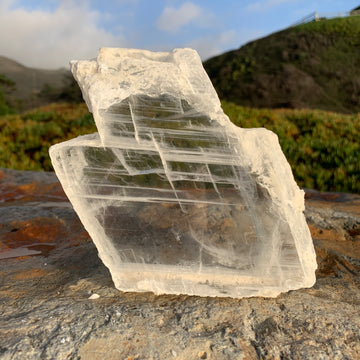
Clear Quartz (Rock Crystal): the transparent colorless variety, foundational.
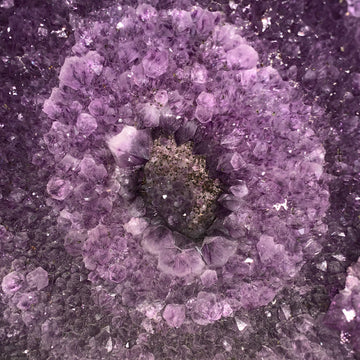
Amethyst: purple Quartz colored by iron and natural irradiation.
Citrine: yellow to golden Quartz, rare in natural form; most commercial citrine is heat-treated Amethyst.
Rose Quartz: pink Quartz, colored by dumortierite inclusions.
Smoky Quartz: brown-to-gray Quartz, colored by natural irradiation of aluminum impurities.
Snow Quartz (Milky Quartz): white Quartz with fluid inclusions.
Aventurine: green Quartz with fuchsite inclusions.
Tiger's Eye: pseudomorph of quartz after crocidolite.
Chalcedony, Agate, Jasper, Carnelian, Onyx: microcrystalline varieties.
And many more varieties with their own individual guides.
Pricing reality
Quartz spans the price range from the most affordable crystal-shop stones to genuine collector gem-quality material. Tumbled Clear Quartz, Rose Quartz, and Snow Quartz: 1 to 5 dollars per piece. Tumbled varieties in general: 1 to 15 dollars. Small polished specimens: 10 to 60 dollars. Larger freeforms, geodes, and spheres: 30 to 500 dollars. Specimen-grade crystals: 100 to tens of thousands of dollars for fine pieces.
Value drivers vary by variety and include color saturation, clarity, crystal formation, size, origin, treatment status, and inclusions (some inclusions add value, others detract). Warning signs at the family level include synthetic material sold as natural, undisclosed treatment, and suspiciously low prices for varieties (like gem Citrine or high-grade Amethyst) that normally command higher pricing.
Good sourcing is a practice, not a claim.
Nothing we sell is undisclosed-treated Quartz, synthetic lab-grown material sold as natural, or inclusions mislabeled as rarer varieties. We name our origins where we can. We say so when we cannot. We walk away from material that doesn't meet our standard, even when it costs us sales.
Bring quartz home.
Every piece we carry is photographed individually and listed with its variety, origin, and treatment notes. What you see is what ships. For specific varieties, see their individual guides.
Shop the quartz collectionGrounded Connections
New stones go to the list first.
No forwarding, no selling. Unsubscribe in one click. Privacy