


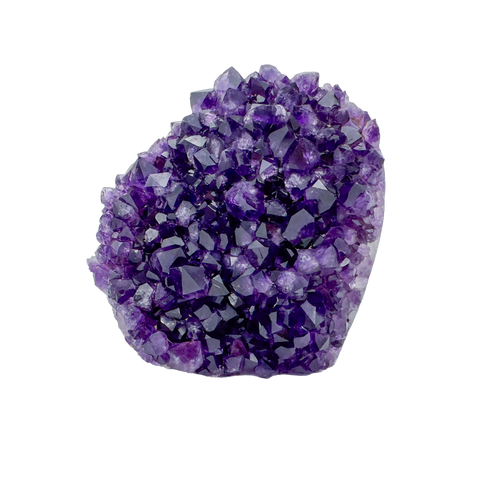
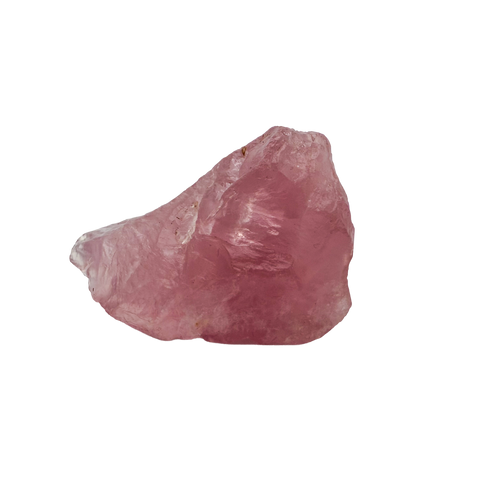
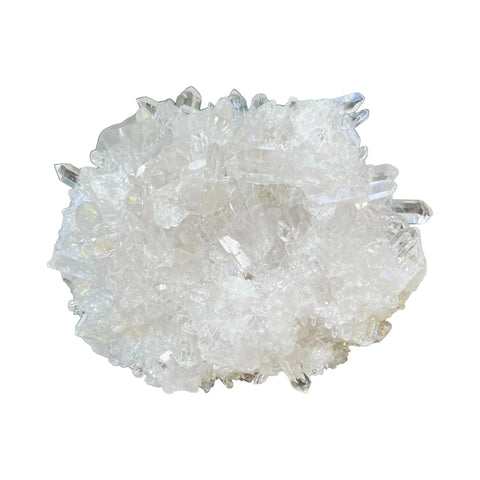
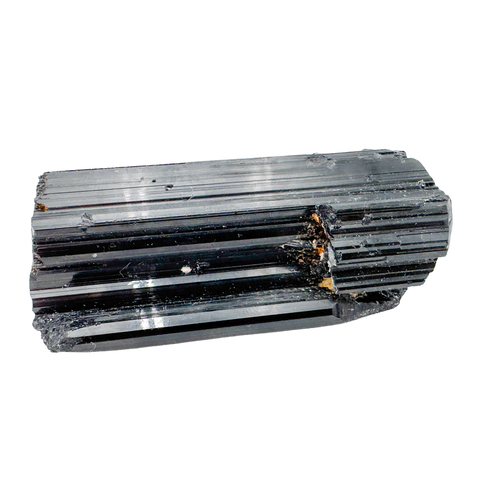
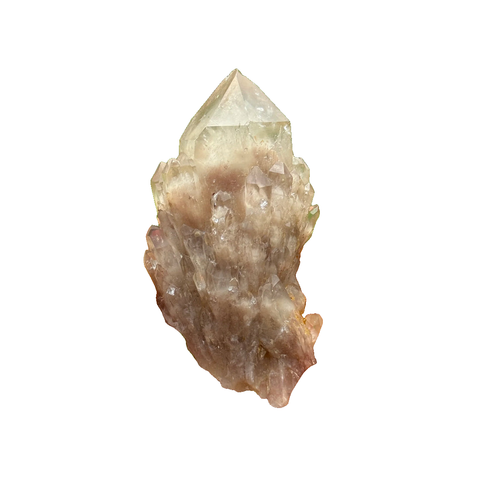
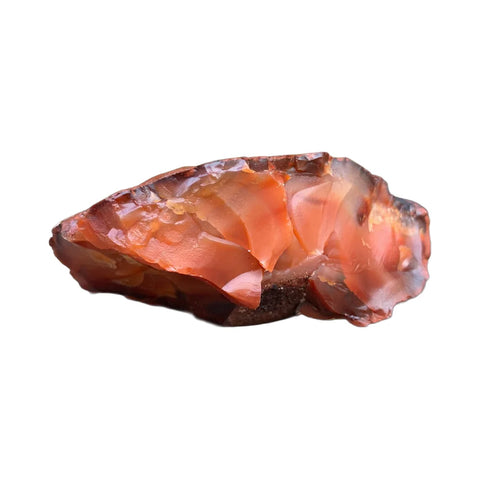
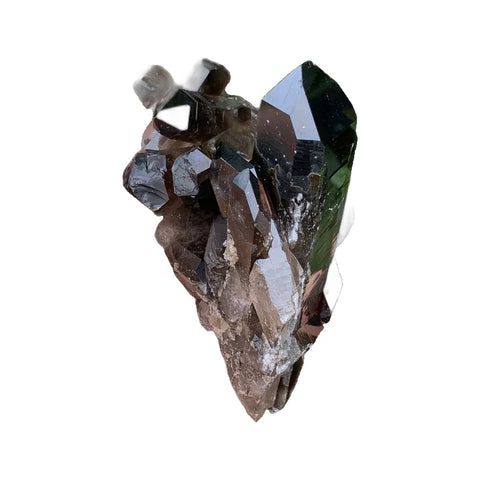
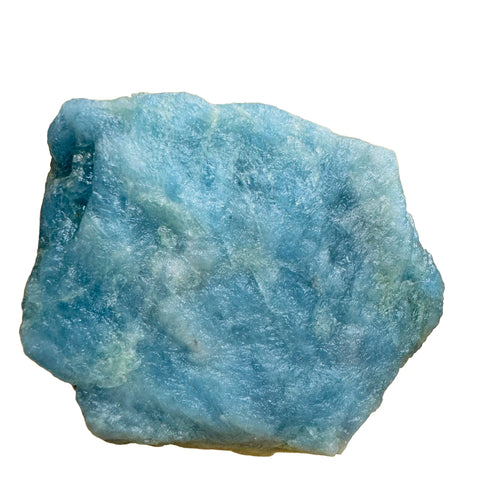
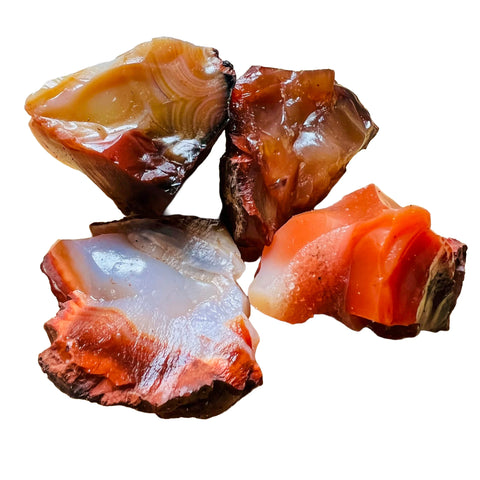


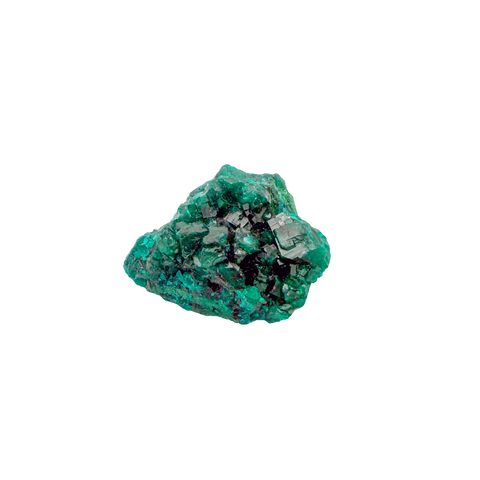
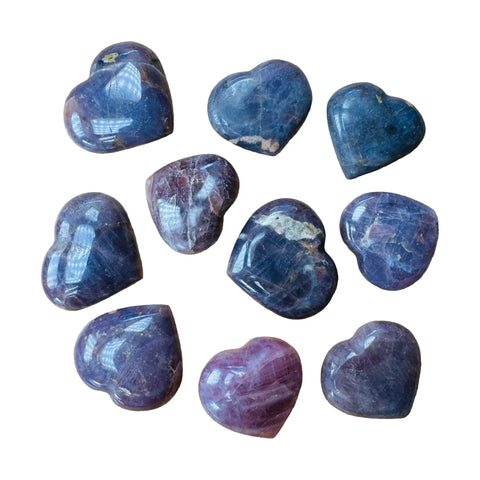
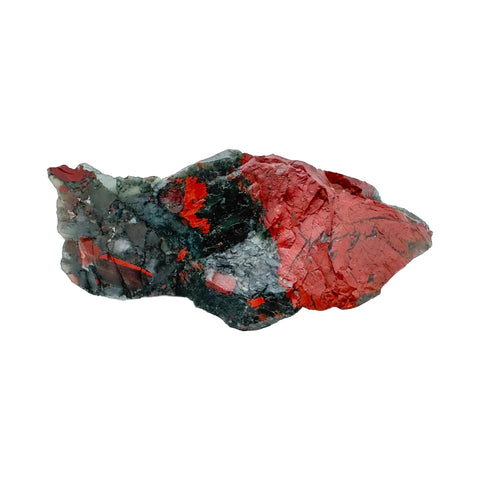
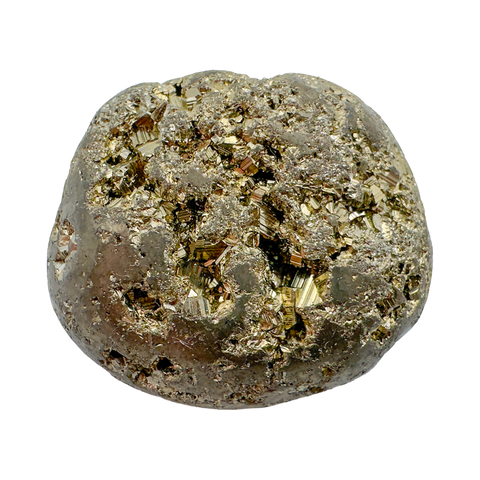
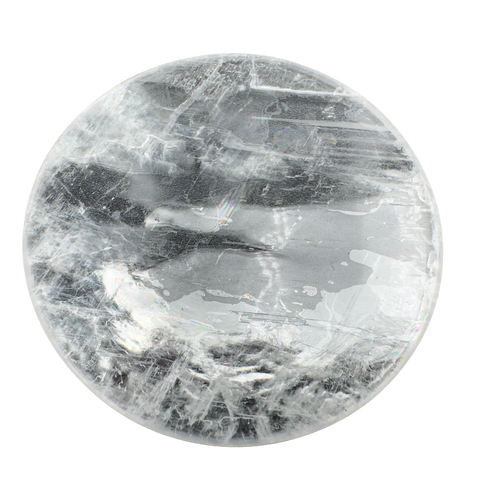
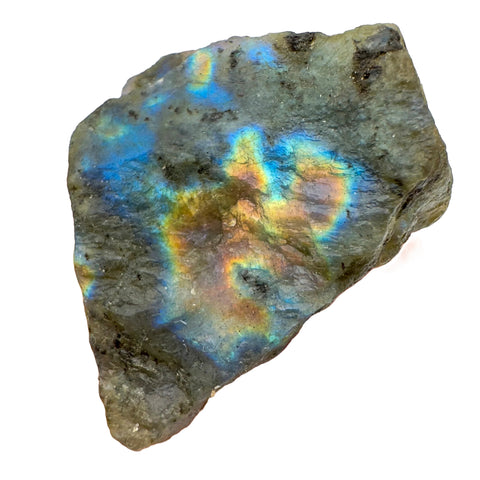
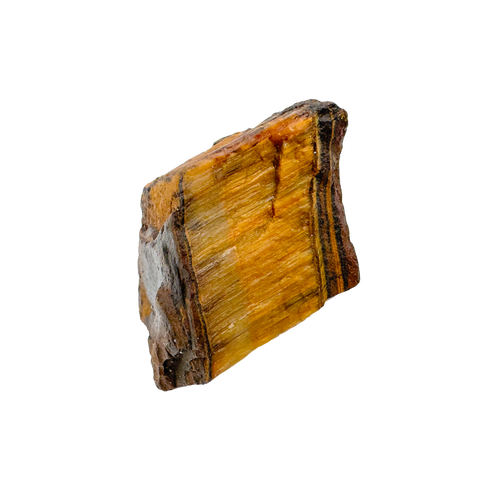
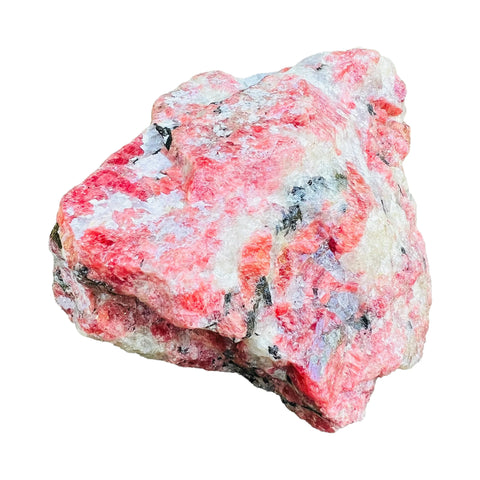
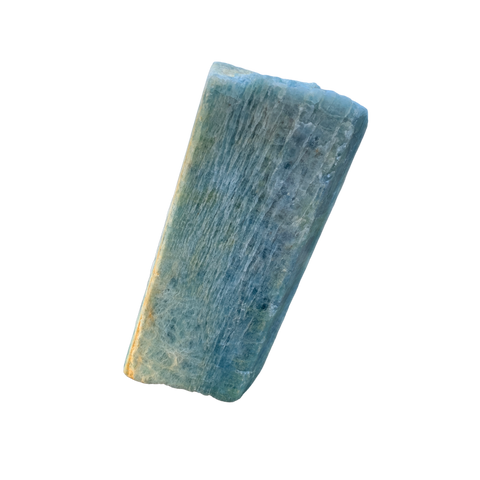
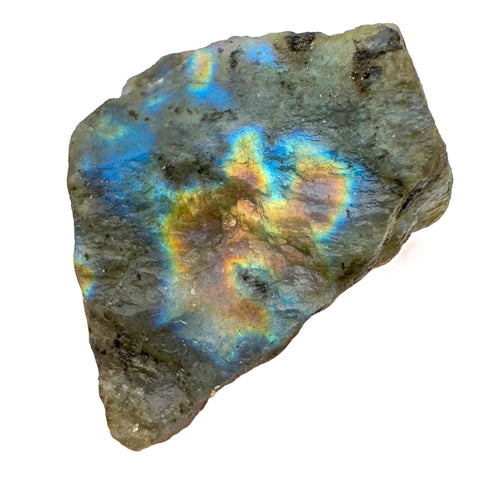
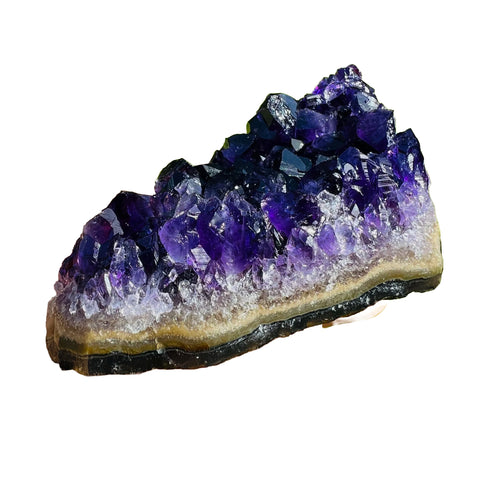



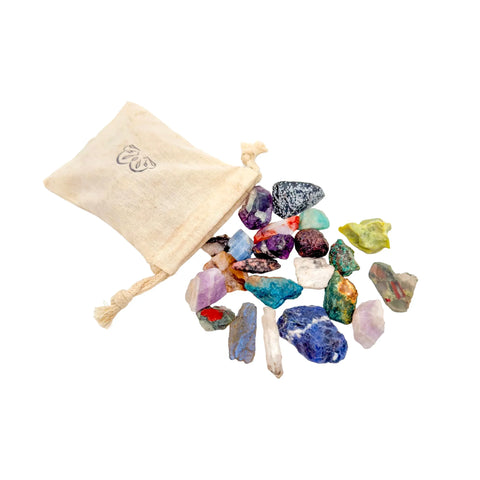
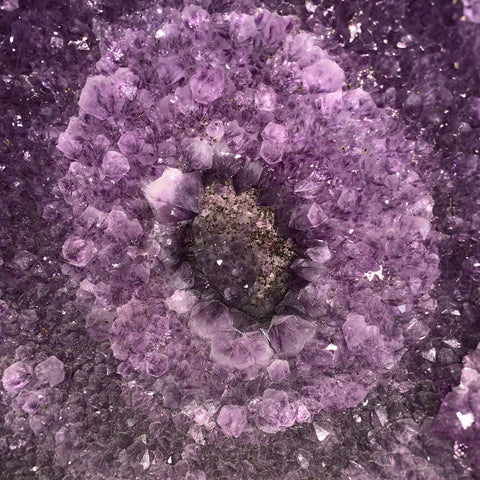
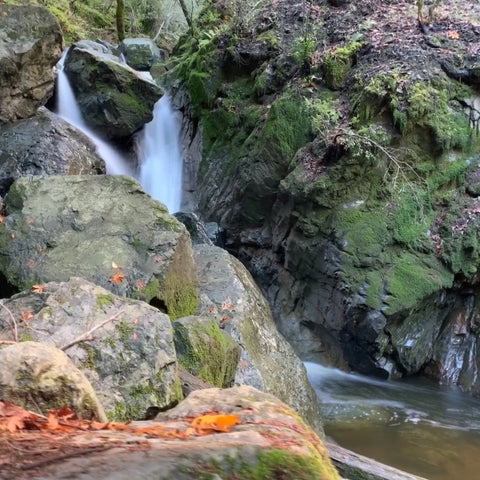
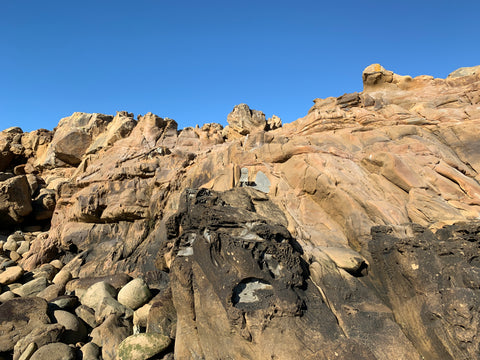
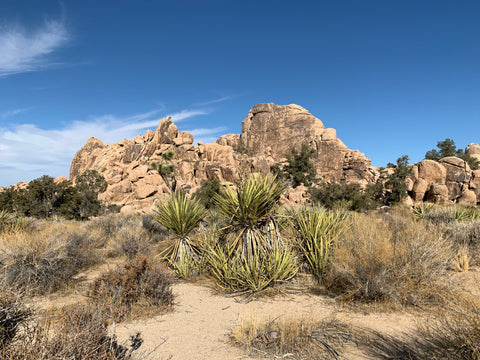
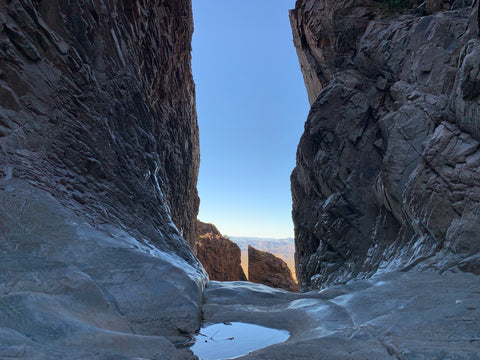
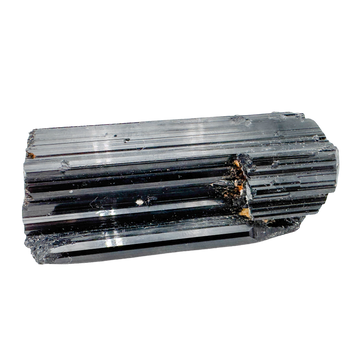
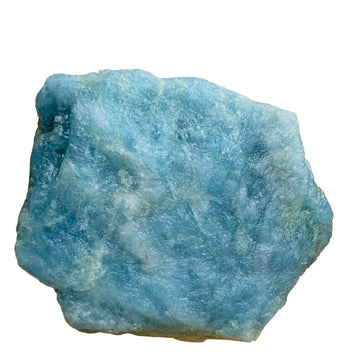
 Raw Stones
179 pieces
Raw Stones
179 pieces
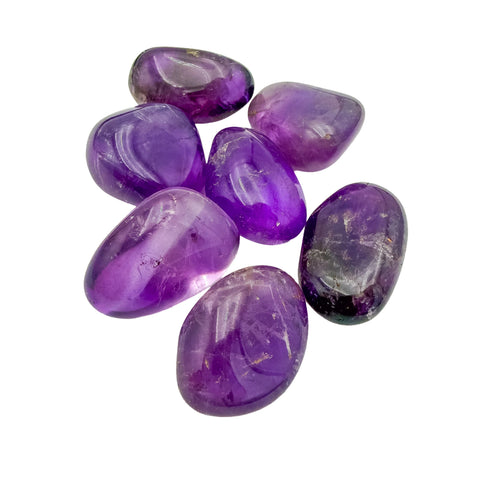
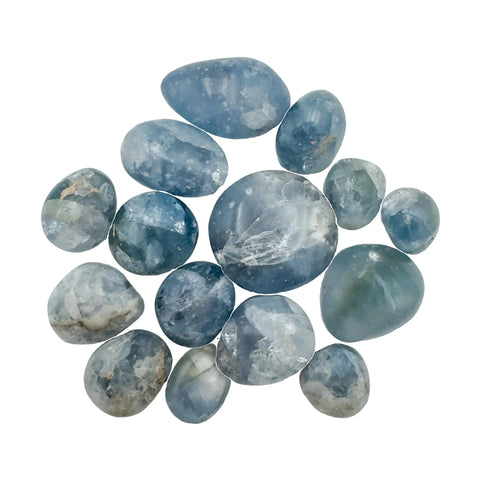
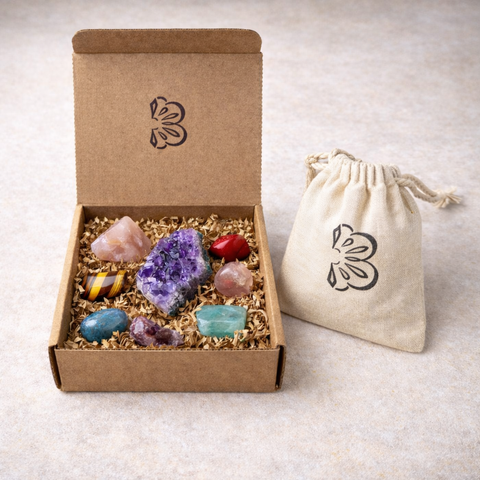
 Tumbled Stones
162 pieces
Tumbled Stones
162 pieces
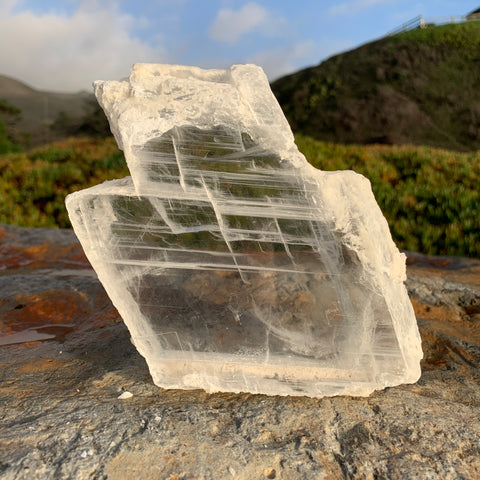
 Palm Stones
25 pieces
Palm Stones
25 pieces
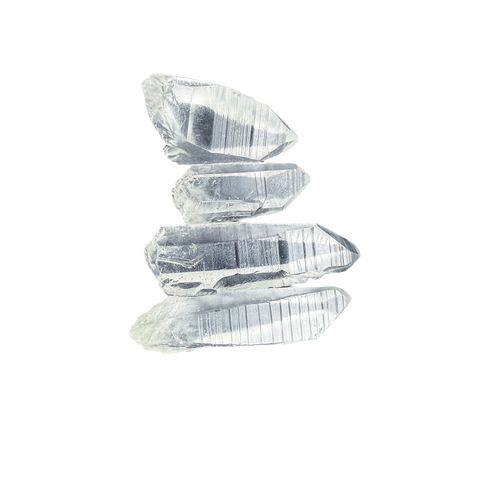
 Crystal Points
23 pieces
Crystal Points
23 pieces
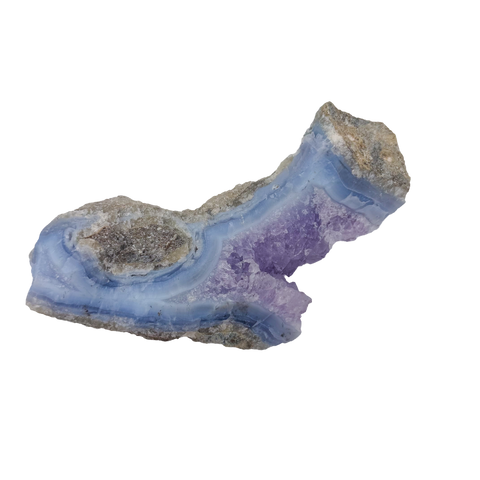
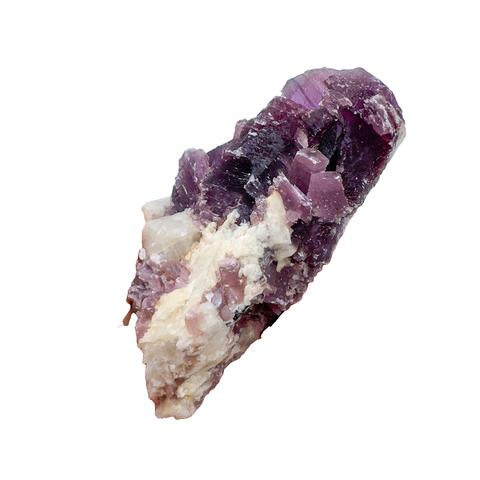
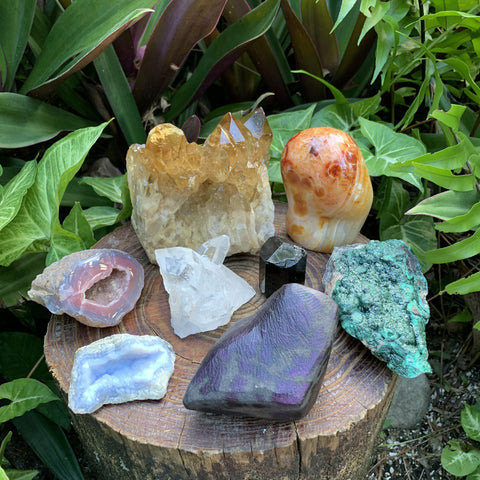
 Clusters & Geodes
104 pieces
Clusters & Geodes
104 pieces
 Polished & Decor
148 pieces
Polished & Decor
148 pieces
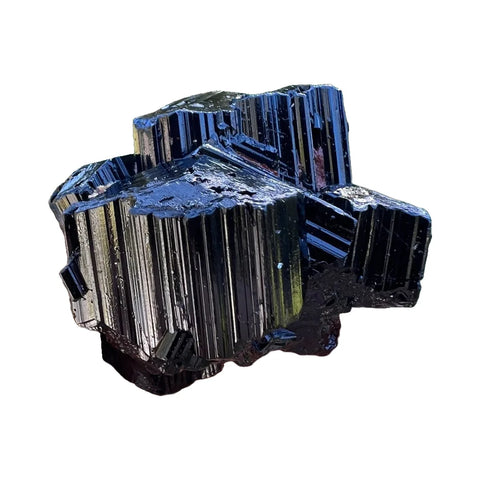
 Mineral Specimens
259 collector pieces
Mineral Specimens
259 collector pieces
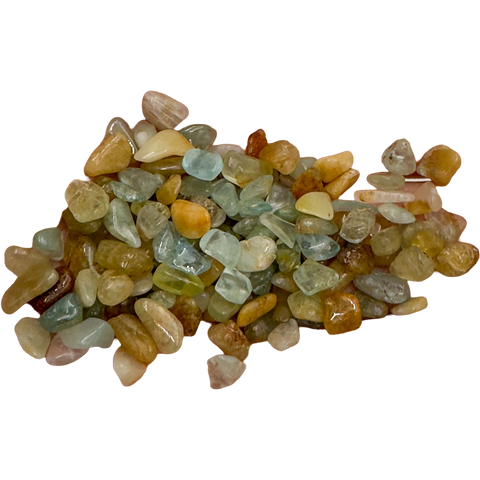
 Crystal Chips
21 pieces
Browse everything
Every collection, one page.
View All Collections →
Crystal Chips
21 pieces
Browse everything
Every collection, one page.
View All Collections →


 Aries
Mar 21 – Apr 19
Carnelian
›
Aries
Mar 21 – Apr 19
Carnelian
›
 Taurus
Apr 20 – May 20
Rose Quartz
›
Taurus
Apr 20 – May 20
Rose Quartz
›
 Gemini
May 21 – Jun 20
Agate
›
Gemini
May 21 – Jun 20
Agate
›
 Cancer
Jun 21 – Jul 22
Moonstone
›
Cancer
Jun 21 – Jul 22
Moonstone
›
 Leo
Jul 23 – Aug 22
Citrine
›
Leo
Jul 23 – Aug 22
Citrine
›
 Virgo
Aug 23 – Sep 22
Amazonite
›
Virgo
Aug 23 – Sep 22
Amazonite
›
 Libra
Sep 23 – Oct 22
Blue Lace Agate
›
Libra
Sep 23 – Oct 22
Blue Lace Agate
›
 Scorpio
Oct 23 – Nov 21
Obsidian
›
Scorpio
Oct 23 – Nov 21
Obsidian
›
 Sagittarius
Nov 22 – Dec 21
Sodalite
›
Sagittarius
Nov 22 – Dec 21
Sodalite
›
 Capricorn
Dec 22 – Jan 19
Black Tourmaline
›
Capricorn
Dec 22 – Jan 19
Black Tourmaline
›
 Aquarius
Jan 20 – Feb 18
Amethyst
›
Aquarius
Jan 20 – Feb 18
Amethyst
›
 Pisces
Feb 19 – Mar 20
Aquamarine
›
Gifting?
A birthday stone is the safe bet.
Read the zodiac guide →
Pisces
Feb 19 – Mar 20
Aquamarine
›
Gifting?
A birthday stone is the safe bet.
Read the zodiac guide →


Sugilite
Sugilite is a rare purple mineral, a cyclosilicate colored by manganese, and one of the few opaque stones that reaches a truly saturated violet. It was a scientific curiosity for decades until a vivid gem-grade deposit surfaced in South Africa. People have long reached for it around intuition, spiritual focus, and a sense of inner steadiness.
The geology.
Sugilite is a cyclosilicate mineral with the complex formula KNa2(Fe,Mn,Al)2Li3Si12O30, part of the osumilite group. Its purple to magenta color comes mainly from manganese in the structure. The more manganese, the deeper the violet, which is why the finest material reads almost electric while iron-rich pieces drift toward brown.
It crystallizes in the hexagonal system but usually forms as massive, fine-grained aggregates rather than clean single crystals, which is why most sugilite you see is opaque and cut into cabochons or beads. Hardness sits at 5.5 to 6.5 on the Mohs scale, softer than quartz, with a waxy to slightly resinous luster. A rare semi-translucent grade, called gel sugilite, is the most prized of all.
The origins.
One deposit dominates the story. Sugilite was first described in 1944 from Iwagi Islet in Japan, where the petrologist Ken-ichi Sugi found small, opaque, yellowish-brown material that gave the mineral its name. It was not confirmed as a distinct new species until 1976. The vivid purple sugilite that made the stone famous came later, discovered in quantity in 1979 at the Wessels Mine in the Kalahari Manganese Field of South Africa's Northern Cape.
South Africa remains the primary commercial source by far, with the Wessels and N'Chwaning mines supplying almost all gem-grade purple material. Minor occurrences are known in Japan, Canada, India, Italy, and Australia, but none rival the South African deposits for color or quantity. Because supply hinges on so few mines, fine sugilite has stayed genuinely scarce.
Traditional associations.
As a saturated purple stone, sugilite sits with the other violets in the metaphysical tradition, alongside amethyst and charoite. It is a relatively modern arrival, since gem sugilite only reached the market in the 1980s, so its associations are newer than those of ancient stones, but they took hold quickly.
Many people work with sugilite around intuition, spiritual focus, and a sense of emotional steadiness through change. It is most often associated with the Third Eye and Crown chakras, the sign Virgo, and the element of Water. A common practice is to keep a piece close during meditation or quiet reflection.
Spotting the real thing.
Genuine sugilite has a distinctive waxy, opaque body in shades from grape to magenta, often mottled with veins of black manganese oxide or patches of pink and gray. The color should look mineral and uneven, not flat and dyed. Because real sugilite is expensive, a suspiciously cheap, evenly colored purple stone is the first thing to question.
Common substitutes include dyed magnesite or howlite, which are chalky and much softer, and purple-dyed chalcedony, which is translucent and glassy rather than waxy. Ask for the species name and the country of origin, which should be South Africa for almost all fine material. A reputable seller will separate true sugilite from lookalikes without hesitation.
Care & handling.
At 5.5 to 6.5 on the Mohs scale, sugilite is reasonably durable but softer than quartz, so it suits pendants and earrings better than everyday rings that take knocks. A brief rinse with warm water and a soft cloth is fine. Avoid harsh chemicals and ultrasonic cleaners.
Store sugilite away from harder stones so they do not scratch its surface. Prolonged, intense sunlight is best avoided for any richly colored stone, so display it out of direct glare to keep the violet looking its best. To reset it energetically, many people use moonlight, sound, or a night on a selenite plate.
Pairs well with.
A deeper look.
Extended geology, sourcing, authentication, history, and varieties, for when the quick guide isn't quite enough.
Extended geology
Sugilite is a member of the osumilite group of cyclosilicates, built on rings of silica tetrahedra with potassium, sodium, lithium, iron, manganese, and aluminum filling the structure. Its violet color is a manganese phenomenon, and the exact shade tracks how much manganese is present and its oxidation state. Iron-rich material tends browner, manganese-rich material tends toward true purple.
It forms in manganese-rich metamorphic settings. At the Wessels Mine, sugilite occurs in a stratabound manganese deposit that was later altered by hydrothermal fluids, producing the massive purple aggregates the mine is known for. Specific gravity runs around 2.7 to 2.8, hardness 5.5 to 6.5, luster waxy to vitreous, fracture uneven to conchoidal.
Extended sourcing
The Wessels Mine and the neighboring N'Chwaning mines in the Kalahari Manganese Field of the Northern Cape are the heart of the sugilite trade. These are primarily manganese mines, and gem sugilite is recovered alongside manganese extraction, which is part of why fine material is so tied to a single district. When a rich pocket is worked out, that grade can become hard to find for years.
The original Japanese material from Iwagi Islet remains a mineralogical reference rather than a commercial source. Scattered occurrences elsewhere are collector curiosities. For buyers, this means named South African origin is the norm for quality sugilite, and material without a clear source deserves a closer look.
Authentication and warning signs
Real sugilite is opaque, waxy, and priced accordingly. The strongest warning sign is a low price on a large, evenly saturated purple stone, which points to dyed magnesite, howlite, or chalcedony rather than sugilite. Dyed magnesite and howlite are noticeably softer and often show color pooled in surface cracks. Purple chalcedony is translucent and glassy where sugilite is waxy and dense.
The most valued grade, gel sugilite, is semi-translucent with a deep even violet and commands high prices, so translucency paired with a bargain price is a contradiction worth questioning. Buy from sellers who name the species and the South African origin, and who can speak to grade.
History and folklore
Sugilite is one of the youngest stones in the popular metaphysical canon. Although the mineral was named in the 1940s for Ken-ichi Sugi, it had no place in crystal traditions until vivid purple material emerged from South Africa in the late 1970s and 1980s. Metaphysical writers of that era adopted it quickly, linking its rich violet to intuition and spiritual work, associations it still carries.
Because its reputation formed so recently, sugilite carries none of the ancient folklore attached to stones like agate or jade. Its story is essentially a modern one, tied to a single remarkable deposit.
Varieties and trade names
Gel sugilite: the premium grade, semi-translucent with a deep even violet, the most sought after and most expensive.
Massive purple sugilite: the common opaque grade, often veined with black manganese, cut into cabochons and beads.
Royal Azel and Lavulite (also spelled luvulite): older trade names once used for sugilite, less common today.
Any translucent purple sold cheaply is worth treating as suspect, since true gel sugilite is rare and priced as such.
What it costs in the market
Sugilite is one of the pricier collector purples. Common opaque cabochons and beads vary widely with size and color, from modest sums for gray-purple material to considerably more for clean, saturated violet. Fine semi-translucent gel sugilite is a high-end collector material and can reach hundreds of dollars per piece or more. Value is driven by depth and evenness of color, translucency, and freedom from black or gray patches.
An education-first guide.
We don't currently carry sugilite, so there's nothing to sell you here. This guide exists because the more you understand a stone, the better every decision you make about it becomes, wherever you buy it. Explore the rest of our crystal guides for stones we do source, each with full origin and treatment notes.
Explore the Crystal GuideLove Sugilite? Meet Amethyst.
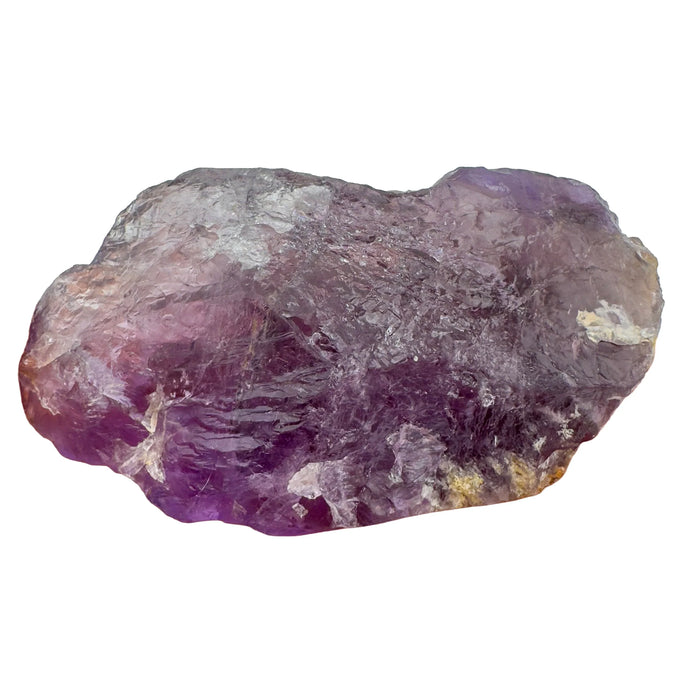
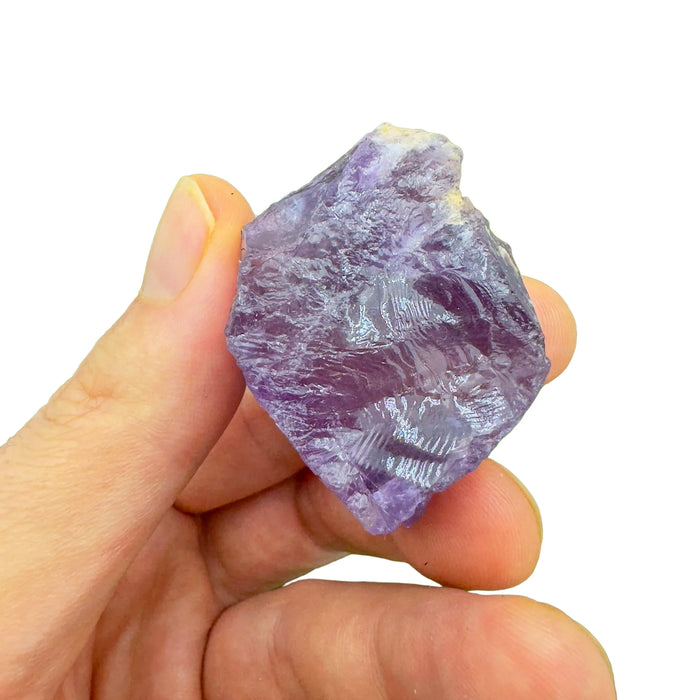
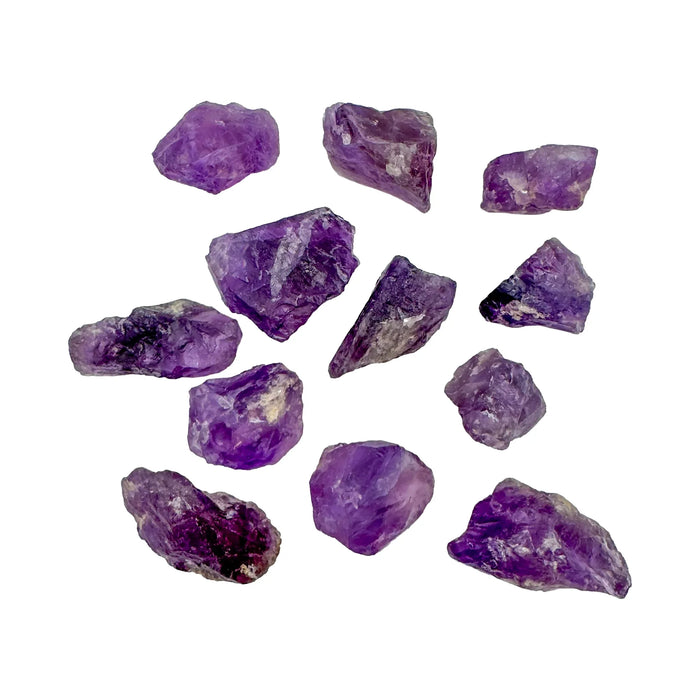
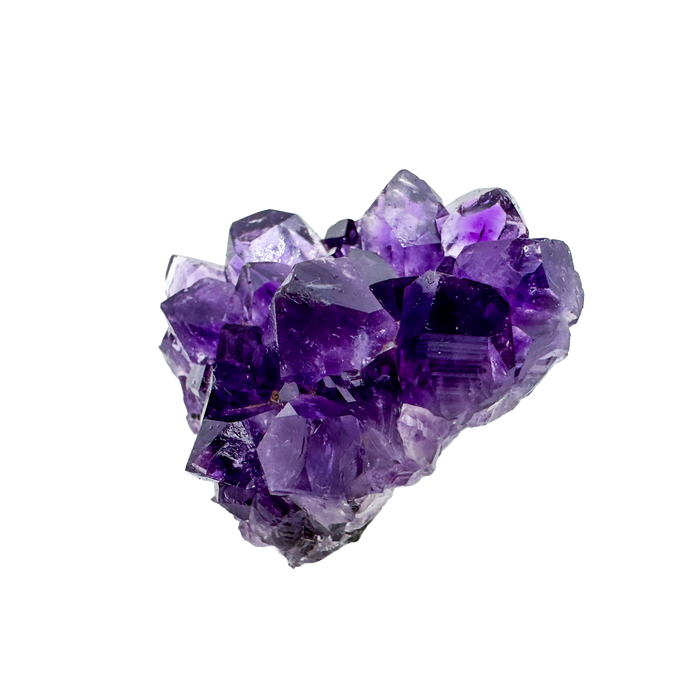
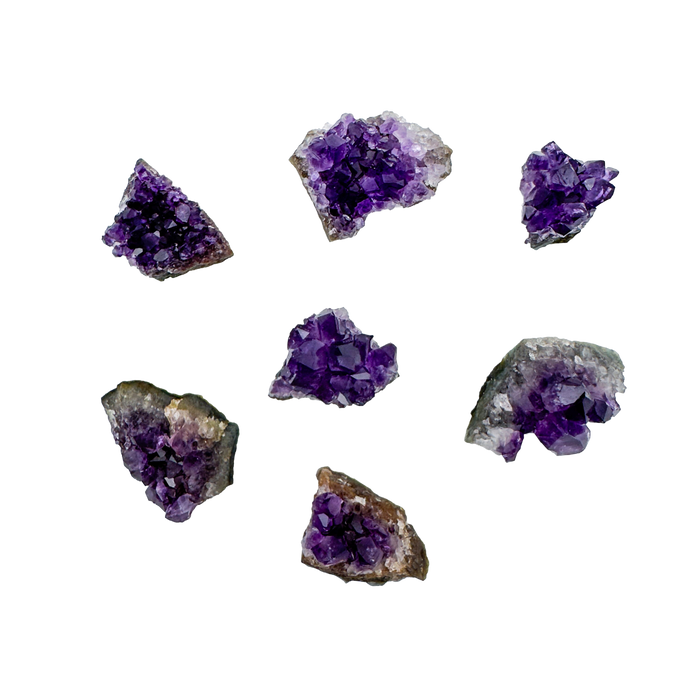
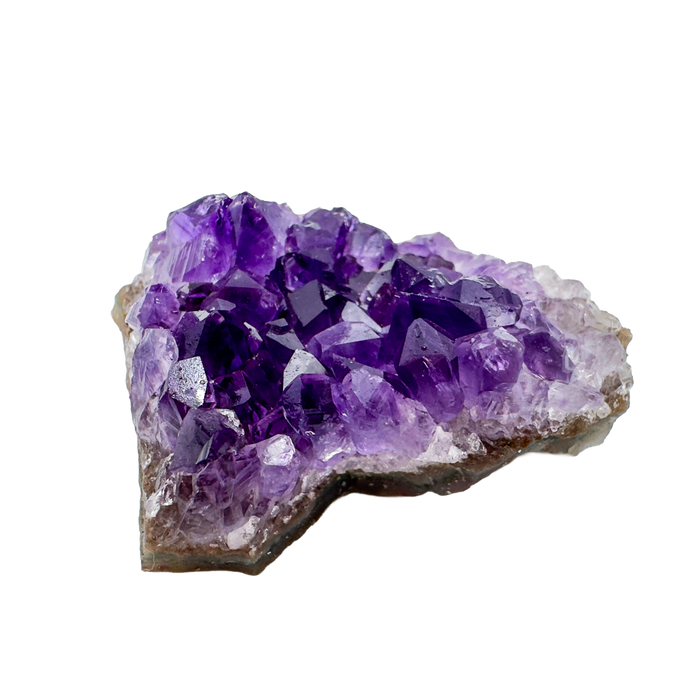
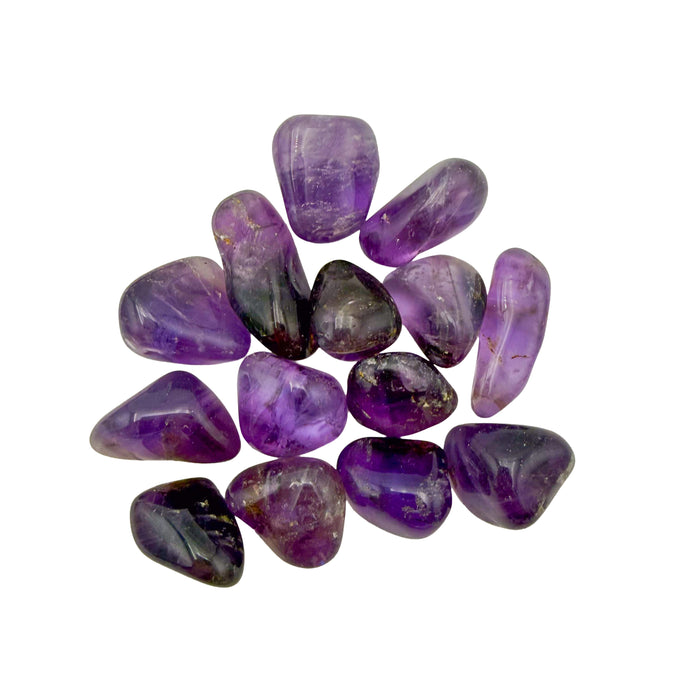
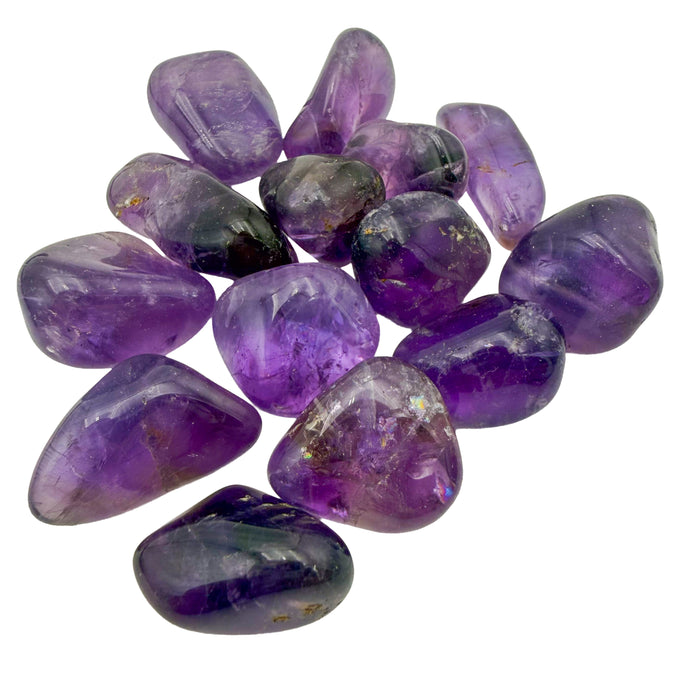
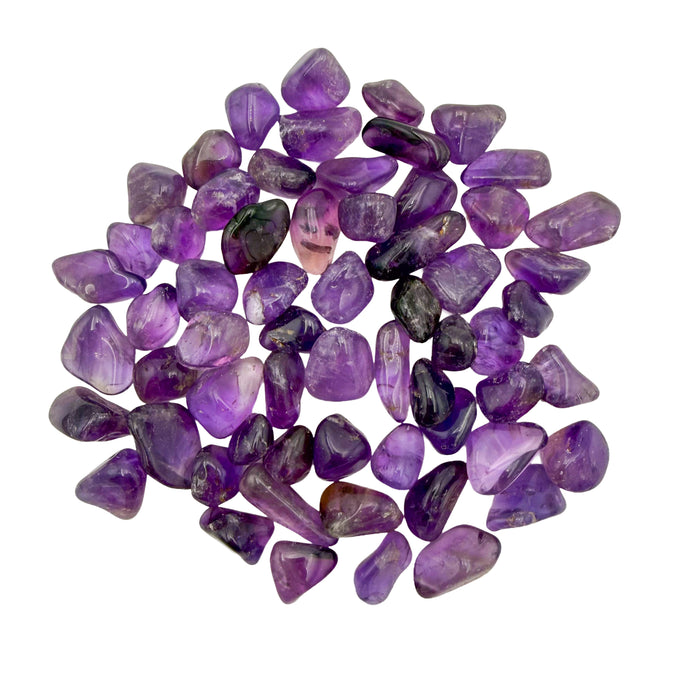
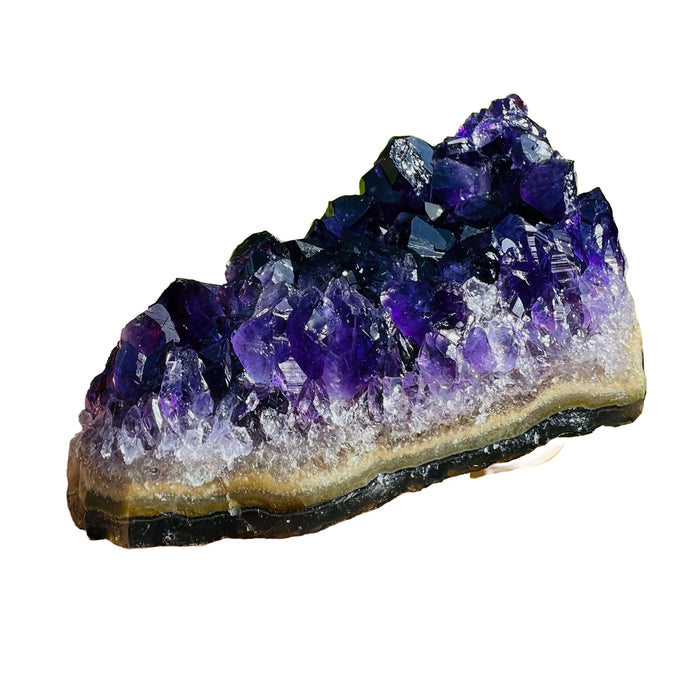
Sugilite is not something we carry. Amethyst is the closest match in color, and every piece passes our sourcing standards: origin named, treatments disclosed.


- from 1,000+ reviews
- Ships within 72 hoursMonday to Friday, tracked
- 90 days to return itif you do not love it
- Free US shipping over $99$8.99 flat rate under
The Slow Note
New stones go to the list first.
No forwarding, no selling. Unsubscribe in one click. Privacy