


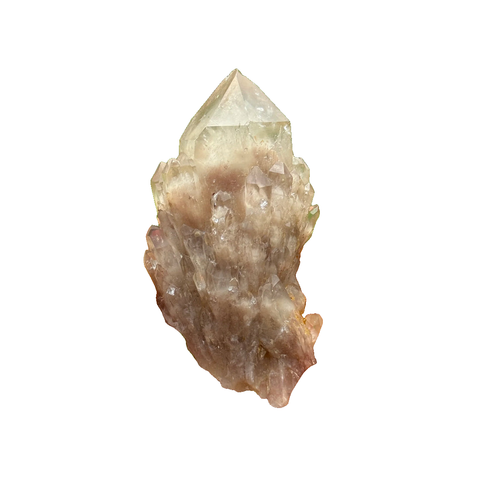
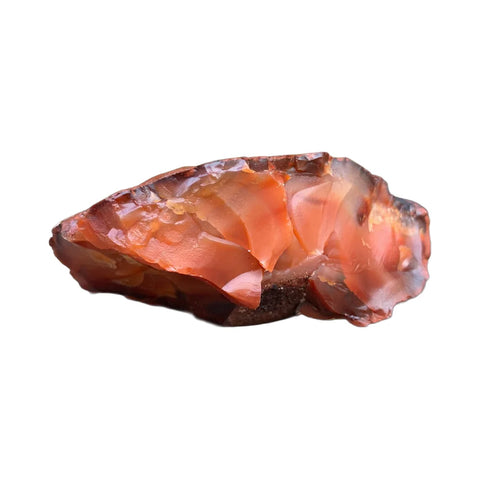
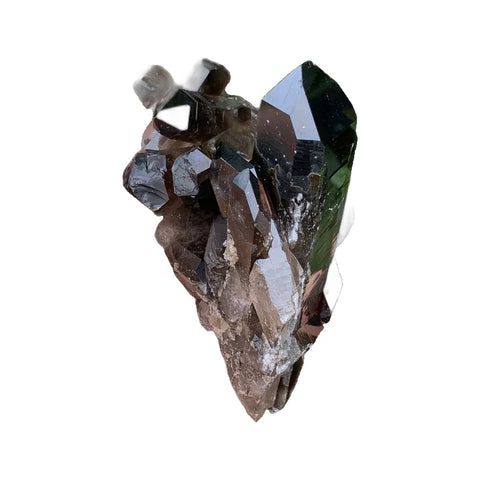
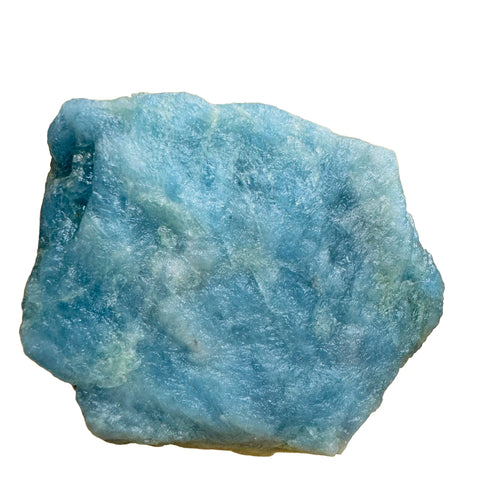
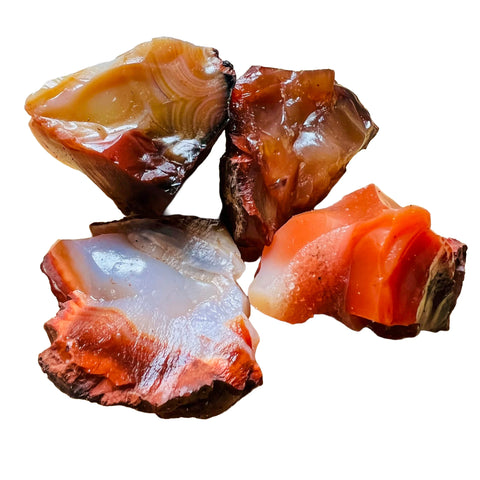


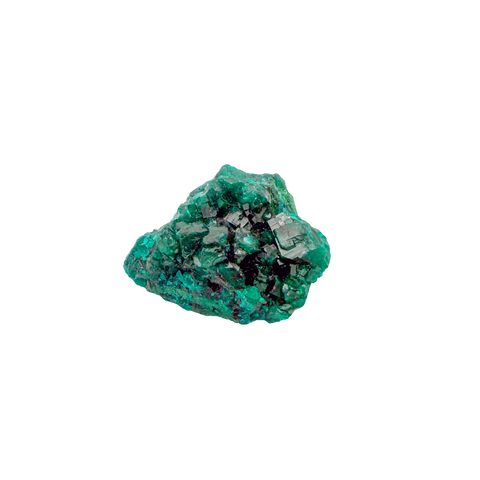
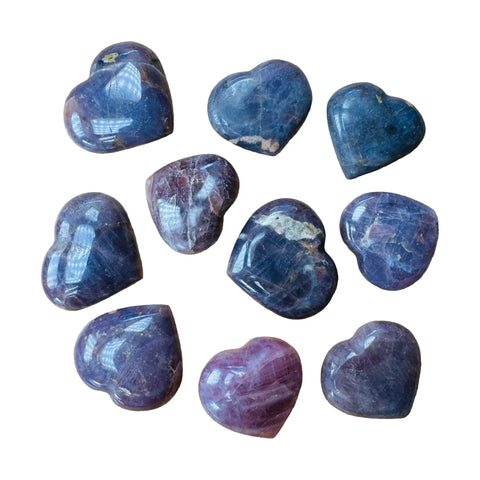
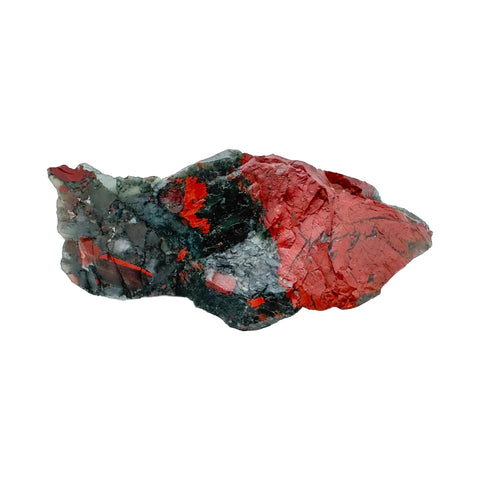
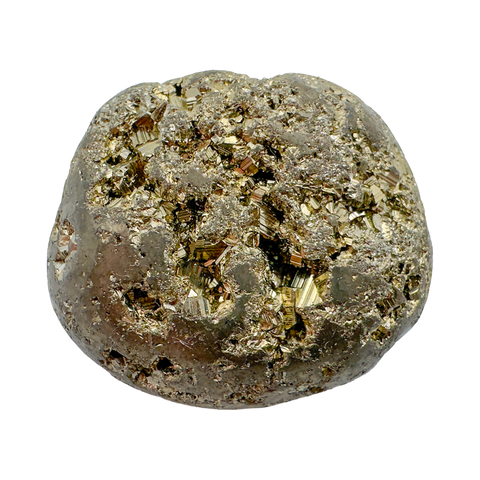
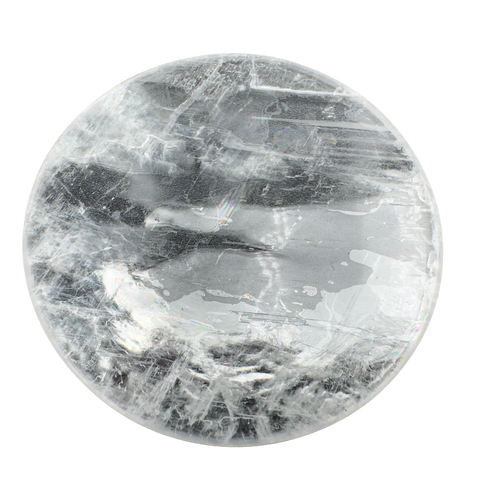
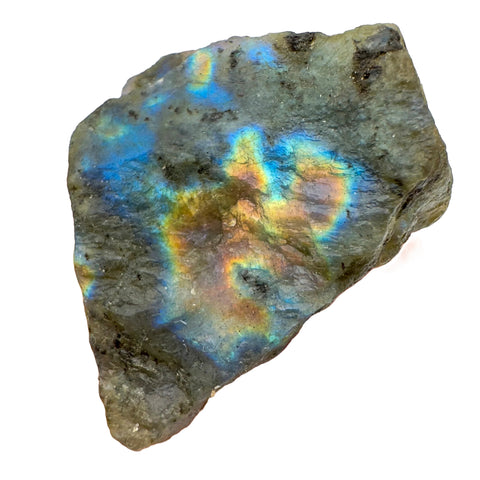
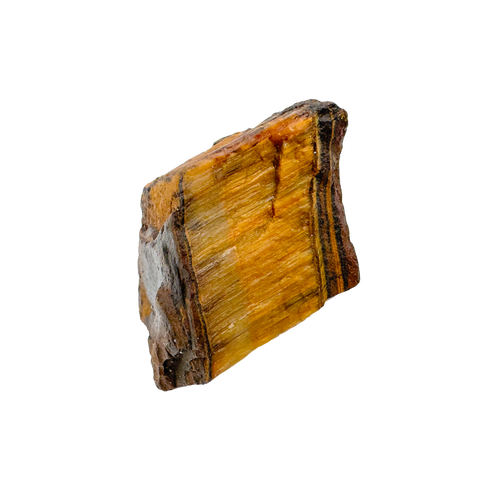
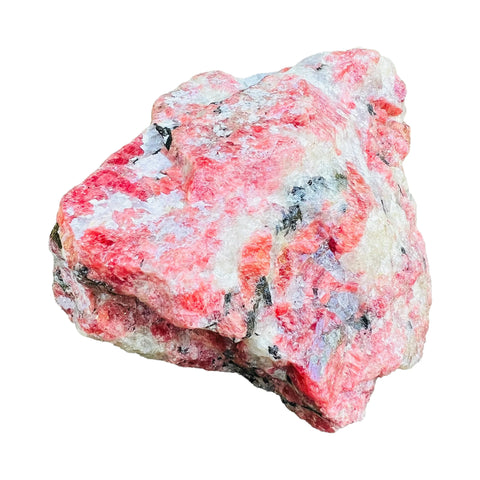
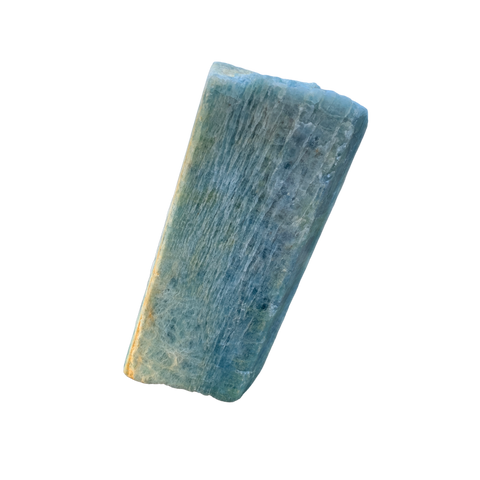
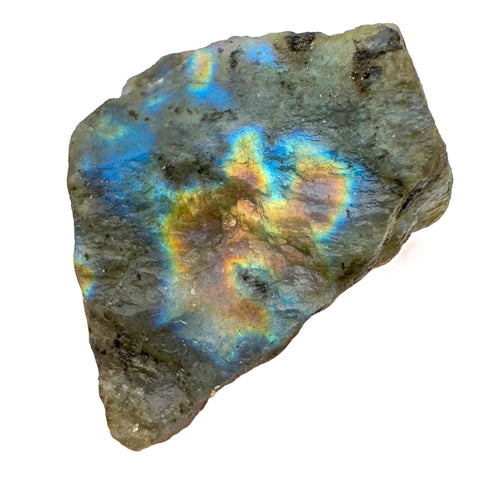



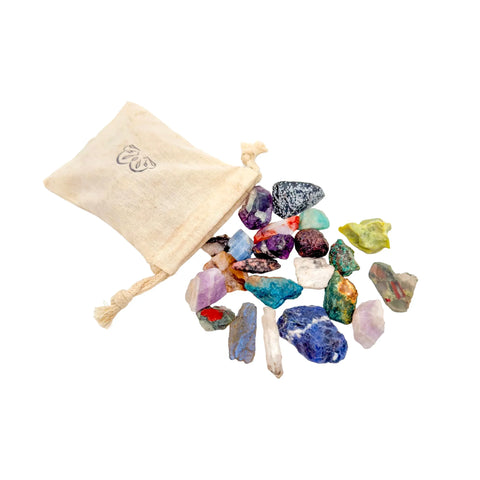
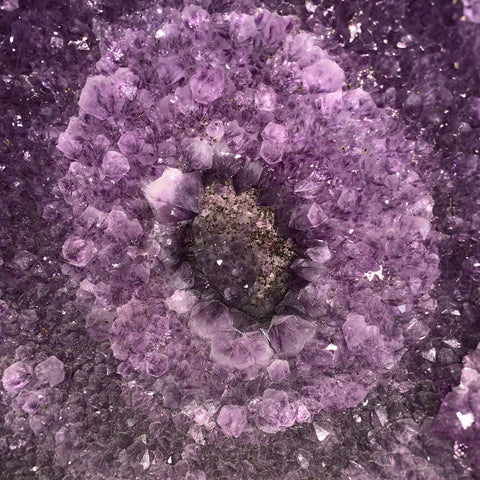
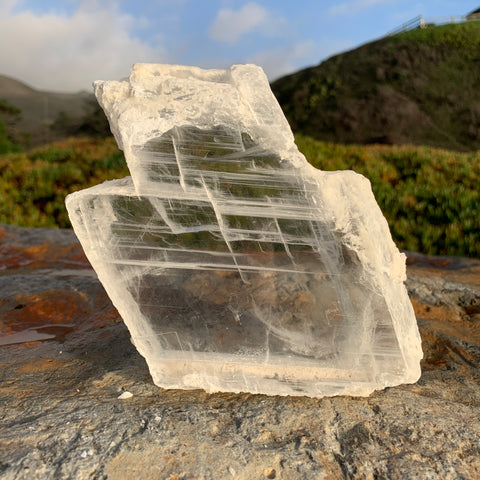
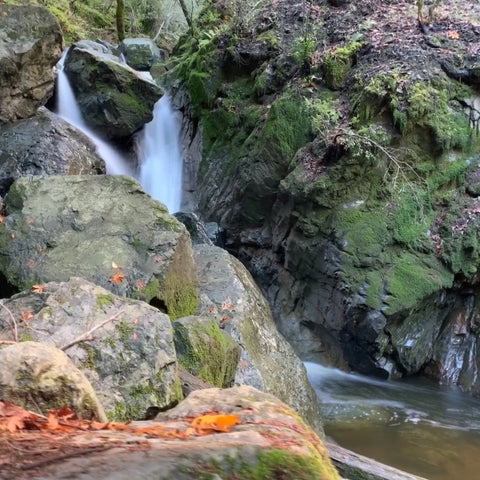
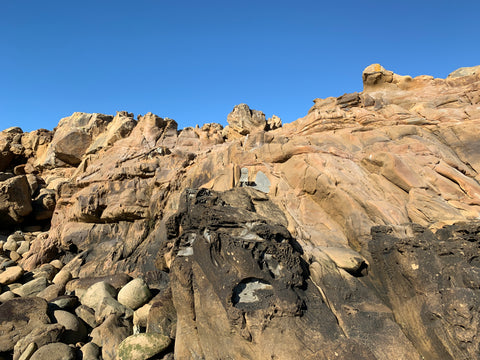
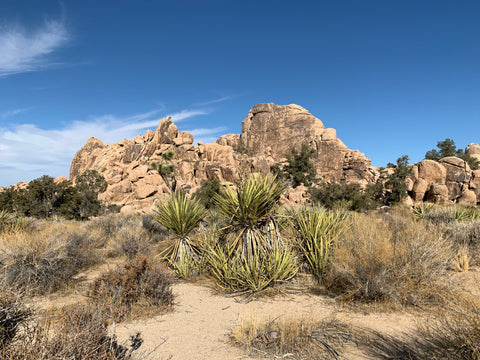
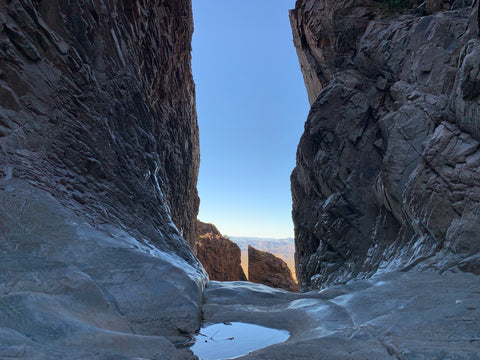
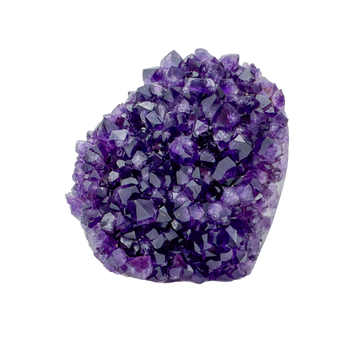
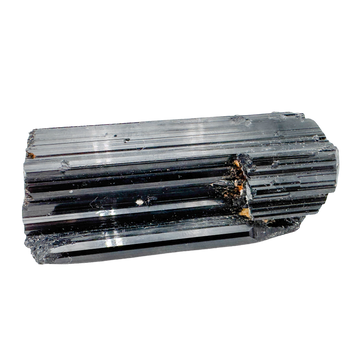
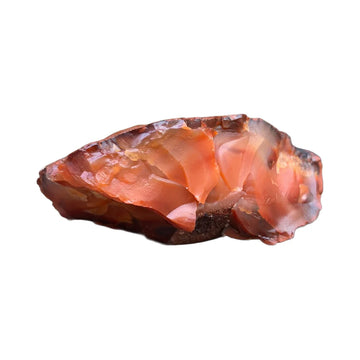
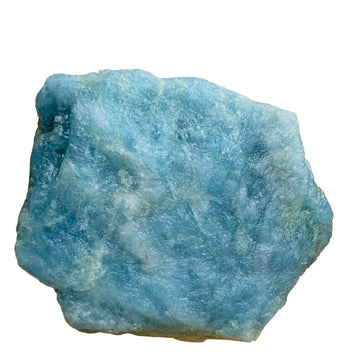
 Raw Stones
179 pieces
Raw Stones
179 pieces
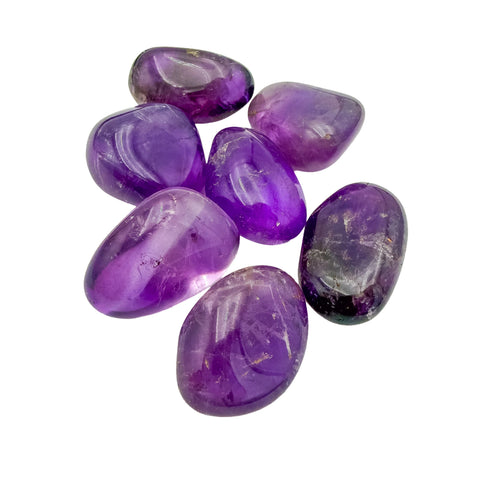
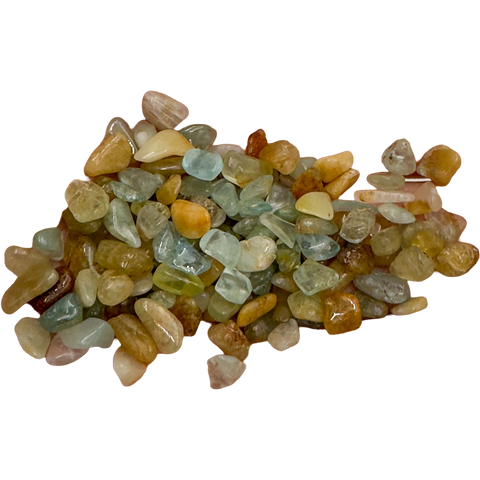
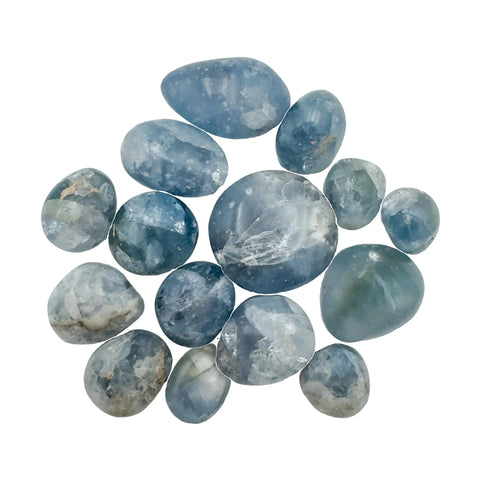
 Tumbled Stones
162 pieces
Tumbled Stones
162 pieces
 Palm Stones
25 pieces
Palm Stones
25 pieces
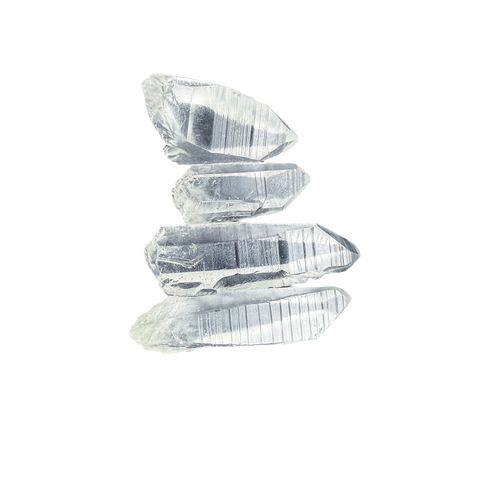
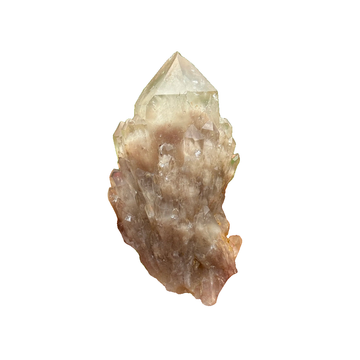
 Crystal Points
23 pieces
Crystal Points
23 pieces
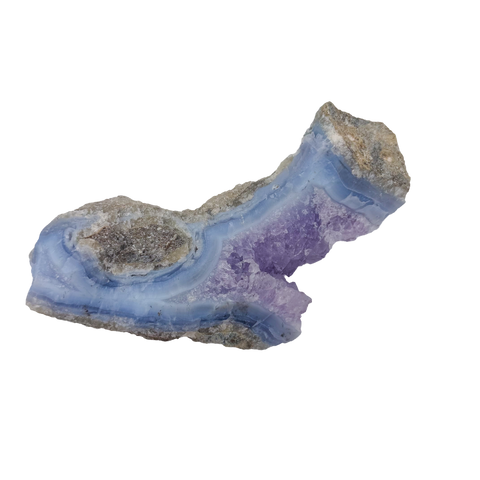
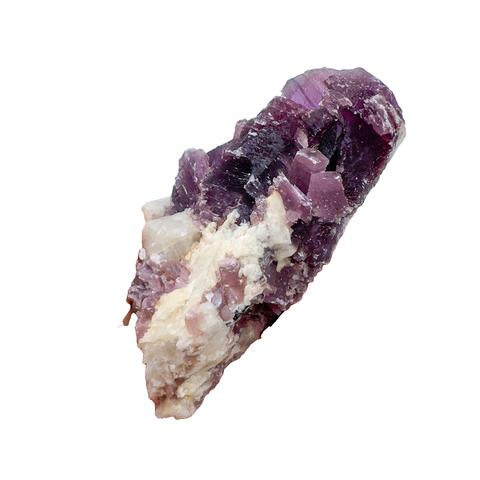
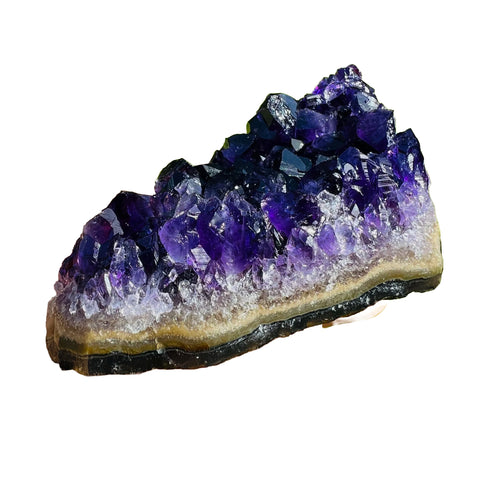
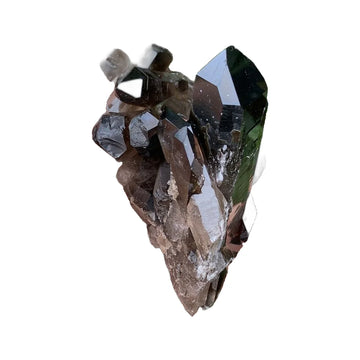
 Clusters & Geodes
104 pieces
Clusters & Geodes
104 pieces
 Polished & Decor
148 pieces
Polished & Decor
148 pieces
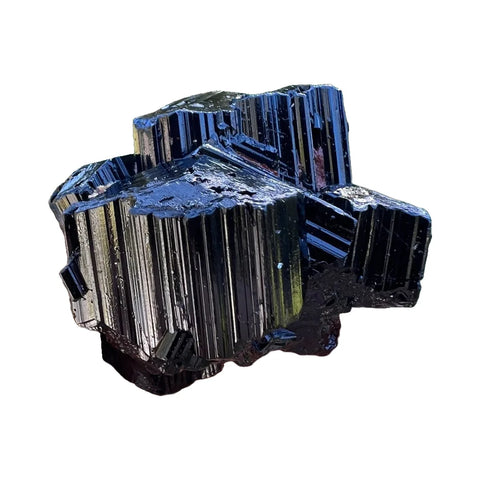
 Mineral Specimens
259 collector pieces
Mineral Specimens
259 collector pieces
 Crystal Chips
21 pieces
Browse everything
Every collection, one page.
View All Collections →
Crystal Chips
21 pieces
Browse everything
Every collection, one page.
View All Collections →


 Aries
Mar 21 – Apr 19
Carnelian
›
Aries
Mar 21 – Apr 19
Carnelian
›
 Taurus
Apr 20 – May 20
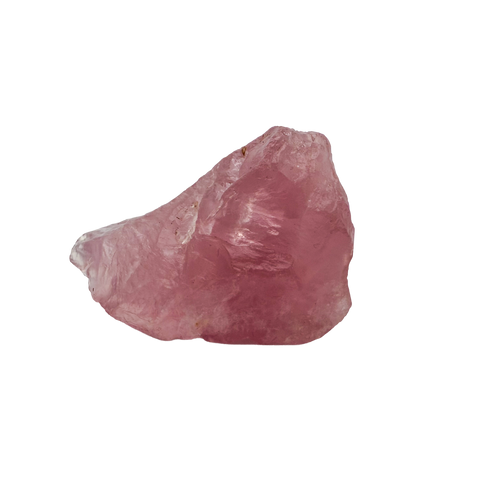
Rose Quartz
›
Taurus
Apr 20 – May 20
Rose Quartz
›
 Gemini
May 21 – Jun 20
Agate
›
Gemini
May 21 – Jun 20
Agate
›
 Cancer
Jun 21 – Jul 22
Moonstone
›
Cancer
Jun 21 – Jul 22
Moonstone
›
 Leo
Jul 23 – Aug 22
Citrine
›
Leo
Jul 23 – Aug 22
Citrine
›
 Virgo
Aug 23 – Sep 22
Amazonite
›
Virgo
Aug 23 – Sep 22
Amazonite
›
 Libra
Sep 23 – Oct 22
Blue Lace Agate
›
Libra
Sep 23 – Oct 22
Blue Lace Agate
›
 Scorpio
Oct 23 – Nov 21
Obsidian
›
Scorpio
Oct 23 – Nov 21
Obsidian
›
 Sagittarius
Nov 22 – Dec 21
Sodalite
›
Sagittarius
Nov 22 – Dec 21
Sodalite
›
 Capricorn
Dec 22 – Jan 19
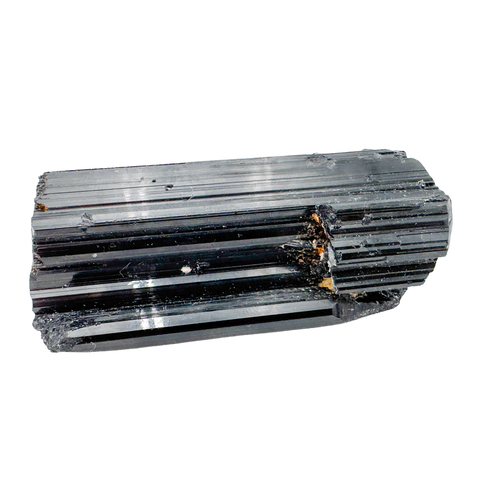
Black Tourmaline
›
Capricorn
Dec 22 – Jan 19
Black Tourmaline
›
 Aquarius
Jan 20 – Feb 18
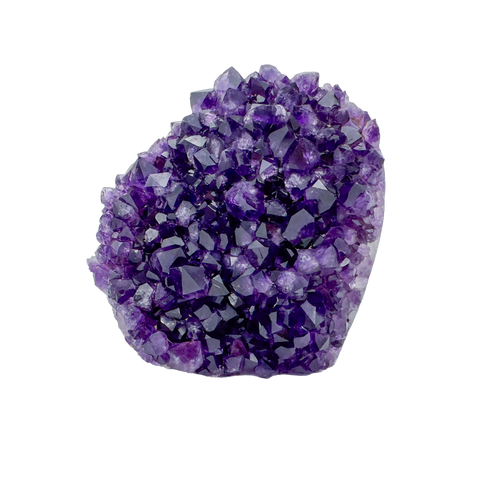
Amethyst
›
Aquarius
Jan 20 – Feb 18
Amethyst
›
 Pisces
Feb 19 – Mar 20
Aquamarine
›
Gifting?
A birthday stone is the safe bet.
Read the zodiac guide →
Pisces
Feb 19 – Mar 20
Aquamarine
›
Gifting?
A birthday stone is the safe bet.
Read the zodiac guide →

Charoite
Charoite is a swirling violet silicate that comes from a single deposit in Siberia and nowhere else in the world. Its feathery, almost marbled purple pattern, laced with white quartz, black aegirine, and flecks of orange, is unlike any other stone. That one-of-a-kind look and its single source make it both collectible and frequently imitated.
The geology.
Charoite is a rare silicate mineral, a hydrated potassium calcium silicate with the simplified formula K(Ca,Na)2Si4O10(OH,F) with water, often carrying traces of iron, manganese, barium, and strontium. It forms where a potassium-rich igneous rock called syenite intruded and chemically altered ancient limestone, an unusual recipe that helps explain why it is found in only one place. Its fibrous, interlocking crystals give it a soft, swirling, almost flowing texture.
The color ranges from lilac to deep violet, frequently swirled with white quartz or feldspar, black needles of aegirine, and orange patches of tinaksite. Hardness is 5 to 6 on the Mohs scale, monoclinic in structure, with a pearly to silky luster on polished surfaces. It was only formally described as a new mineral in 1978, which makes it a recent arrival compared with most well-known stones.
The origins.
Charoite has one source on Earth: the Murun Massif, near where the Chara River meets the Tokko in the Sakha Republic of Siberia, Russia. The stone takes its name from that river. The entire world supply comes from this small area of roughly ten square kilometers, which makes charoite genuinely single-origin in a way very few stones are.
Because it comes from one finite deposit, supply is limited and quality varies, with the most prized material showing deep color and strong swirling contrast. That rarity is also why imitation and color enhancement appear in the market. Any seller claiming charoite from another country is mistaken or misinformed, since if it is real charoite, it is Siberian.
Traditional associations.
Charoite is often called a stone of transformation and spiritual insight, valued for its vivid color and its association with the higher chakras. Many people work with it for intuition, releasing fear, and moving through periods of change, treating it as a stone that links the heart and the mind.
It is usually linked to the Crown, Third Eye, and Heart chakras, the element of Wind, and the signs Scorpio, Sagittarius, and Virgo. A common practice is to keep a polished piece nearby during meditation or rest, drawing on its calm, otherworldly color.
Spotting the real thing.
Real charoite shows a distinctive swirling, fibrous, almost feathery pattern in lilac to deep violet, with a faint moving sheen as light crosses the fibers. Natural pieces include white, black, and orange minerals and vary in tone across the stone, never a flat, even purple.
The main honesty issues are dye and imitation. Suspiciously uniform, intense purple can mean dyed material, and some fakes are dyed marble, glass, or other stone entirely. A useful check is the swirling, chatoyant texture, which is hard to fake, along with origin, since genuine charoite is always Siberian and a different stated source is a clear warning. A hardness around 5 to 6 also rules out very soft dyed substitutes.
Care & handling.
Charoite needs a gentle, mostly dry routine. At 5 to 6 on the Mohs scale it is softer than quartz and can scratch, so it is better suited to pendants, earrings, and display pieces than to rings. Clean it with a soft, barely damp cloth and dry it promptly rather than soaking it.
Avoid long water baths, salt, harsh chemicals, ultrasonic cleaners, and prolonged direct sun, which can dull the surface or, on dyed pieces, lift color. Store it apart from harder stones. As a fibrous mineral it is best not to grind or sand it, and simply to wipe away dust. To reset it energetically, many people use sound, moonlight, or time near selenite.
Pairs well with.
A deeper look.
Extended geology, sourcing, authentication, history, and varieties, for when the quick guide isn't quite enough.
Extended geology
Charoite is a complex hydrated potassium calcium silicate that forms in a very specific setting, where a potassium-rich syenite intruded and altered limestone in the Murun Massif of Siberia. Its tightly interlocking fibrous crystals produce the characteristic swirling, feathery texture and a soft chatoyant sheen. Companion minerals give it its color story: white quartz and feldspar, black aegirine needles, and orange tinaksite.
Hardness is 5 to 6, monoclinic, with a pearly to silky luster. The mineral was only described and named in 1978, after material from the Chara River area was studied, which is recent for such a distinctive stone.
A genuinely single-source stone
Charoite is one of the very few gem materials found in only one place on Earth. The entire supply comes from a deposit of roughly ten square kilometers in the Sakha Republic of Siberia, Russia. Because the source is finite and remote, supply is limited and the best grades, deep purple with strong swirling contrast, are genuinely scarce. Any claim of charoite from outside Russia should be treated as a mistake or a substitute.
Authentication and warning signs
Look for natural, uneven swirling with a moving silky sheen and a mix of purple, white, black, and orange. Flat, uniform, intense purple suggests dye, and very soft material that scratches easily suggests a dyed substitute. Glass and dyed marble are the usual fakes. Genuine charoite is hardness 5 to 6 and always Siberian, so a stated origin elsewhere is a clear warning.
History and folklore
Although known to locals earlier, charoite entered the wider market only after its formal description in 1978. In modern crystal practice it quickly gained a reputation as a stone of transformation and insight, helped by its rarity and its striking color.
What it costs in the market
Charoite is a mid-range to premium stone because of its single source. Tumbles and small cabochons are moderate, while large pieces and fine grades with deep color and dramatic swirl cost considerably more. Color depth, contrast, and the strength of the sheen drive value, and dyed material should cost less and be sold as such.
An education-first guide.
We don't currently carry charoite, so there's nothing to sell you here. This guide exists because the more you understand a stone, the better every decision you make about it becomes, wherever you buy it. Explore the rest of our crystal guides for stones we do source, each with full origin and treatment notes.
Explore the Crystal GuideLove Charoite? Meet Amethyst.
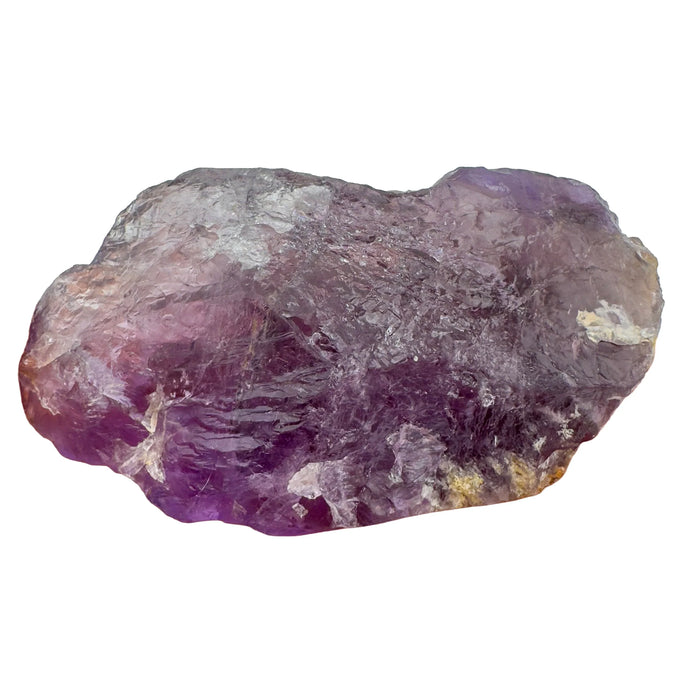
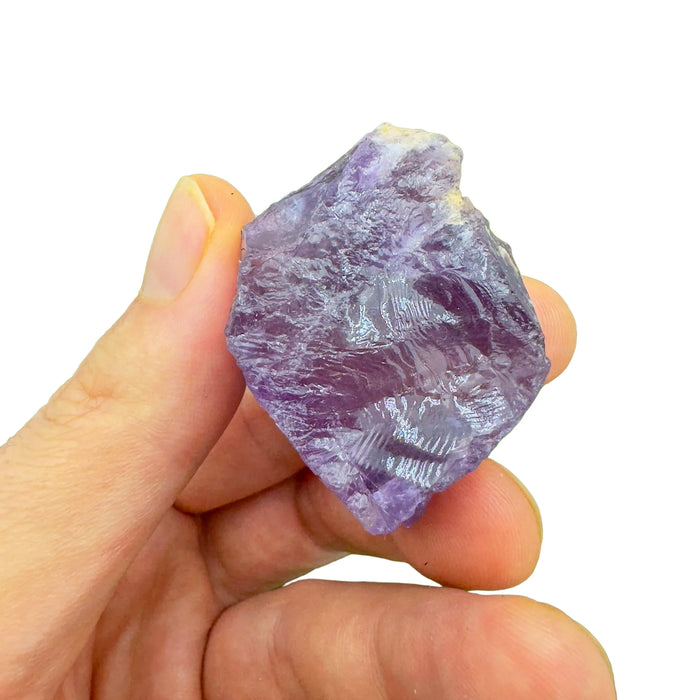
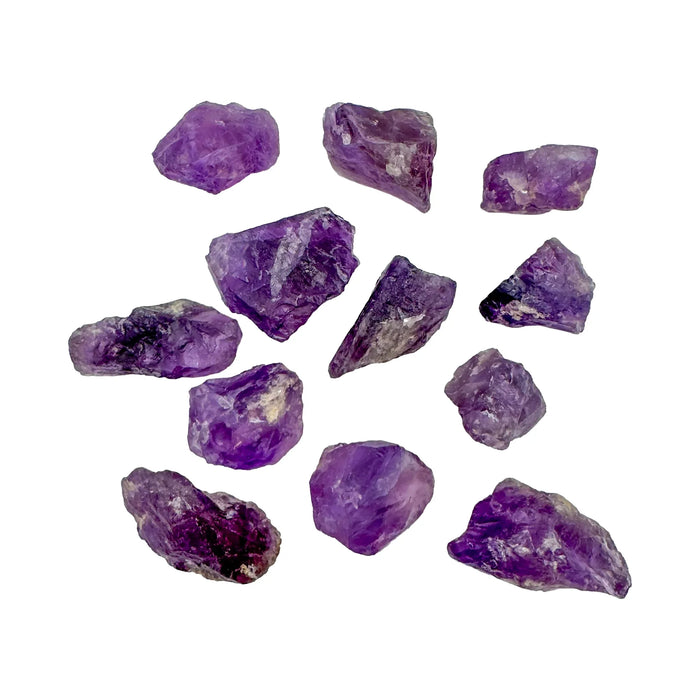
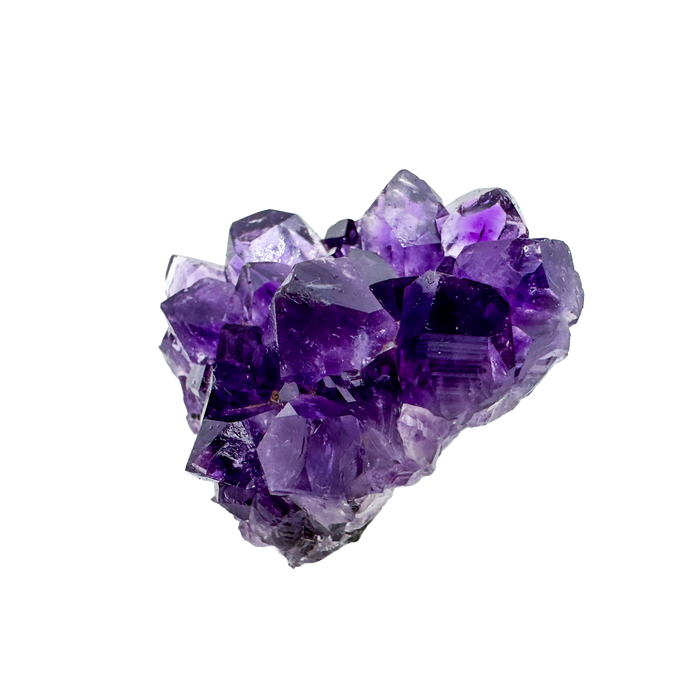
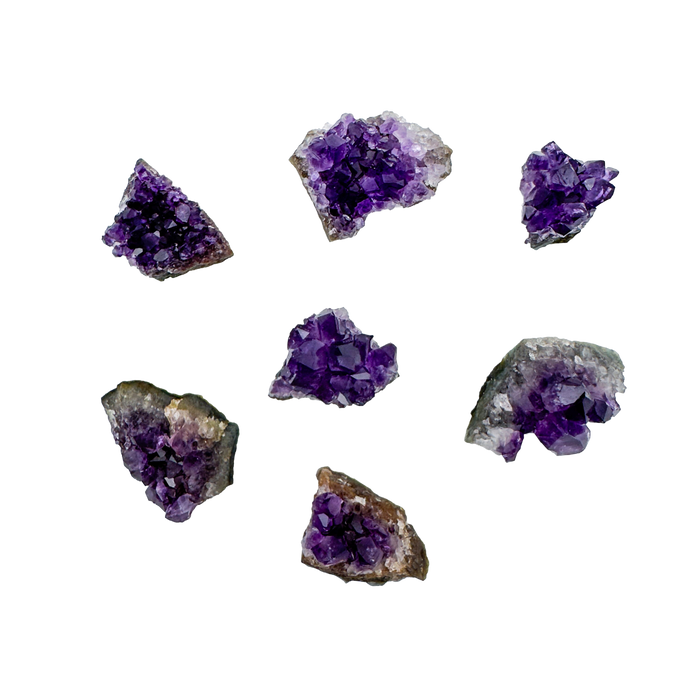
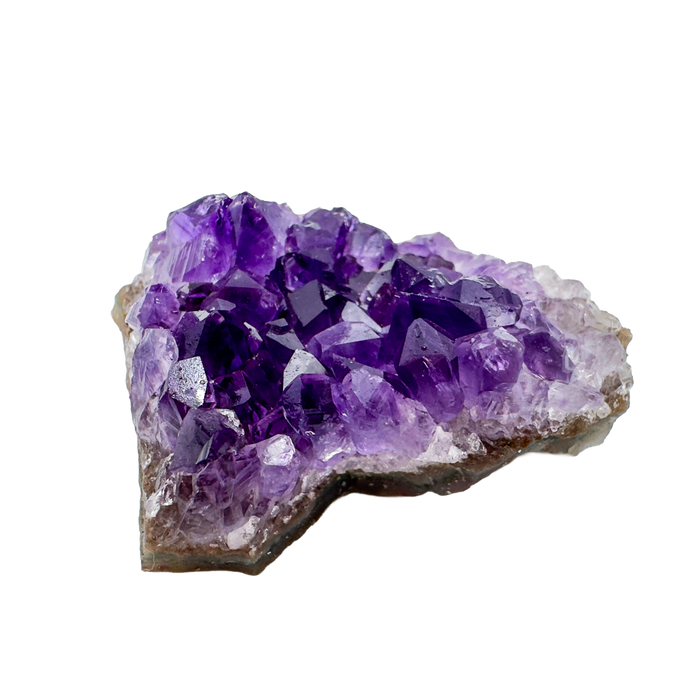
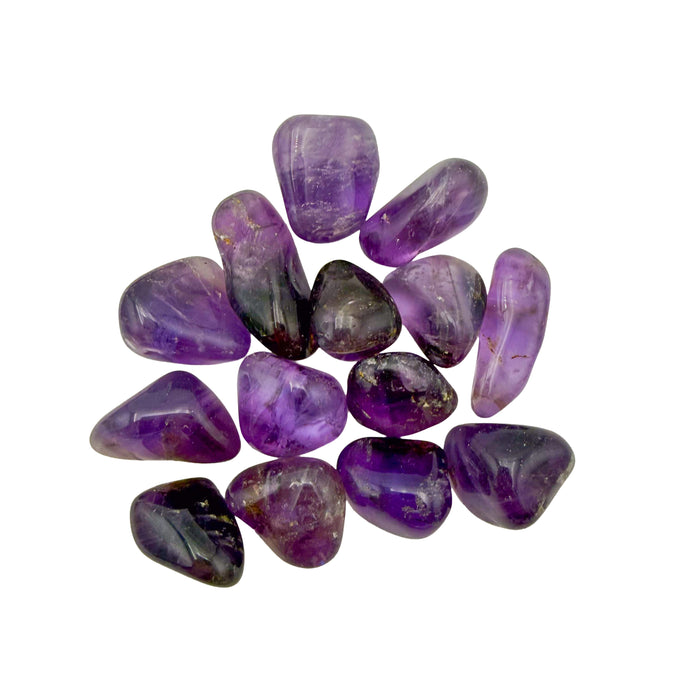
Charoite is not something we carry. Amethyst is the closest match in color, and every piece passes our sourcing standards: origin named, treatments disclosed.
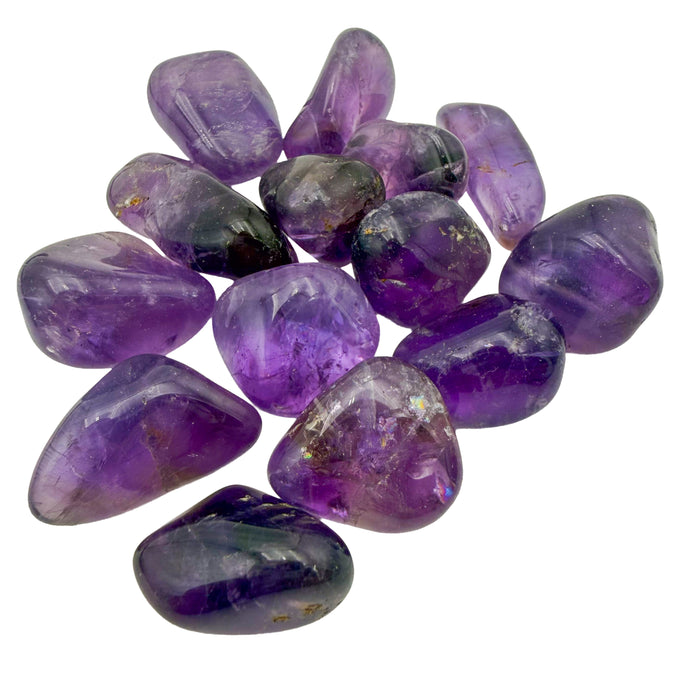
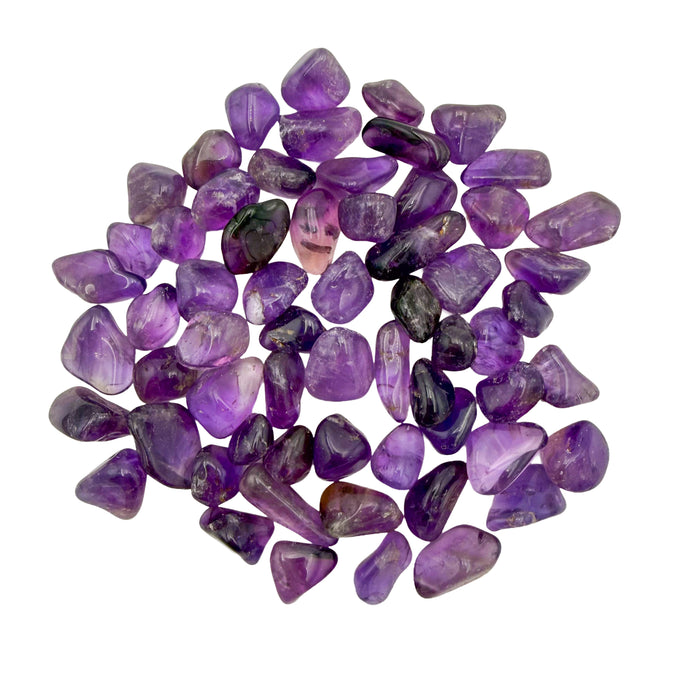
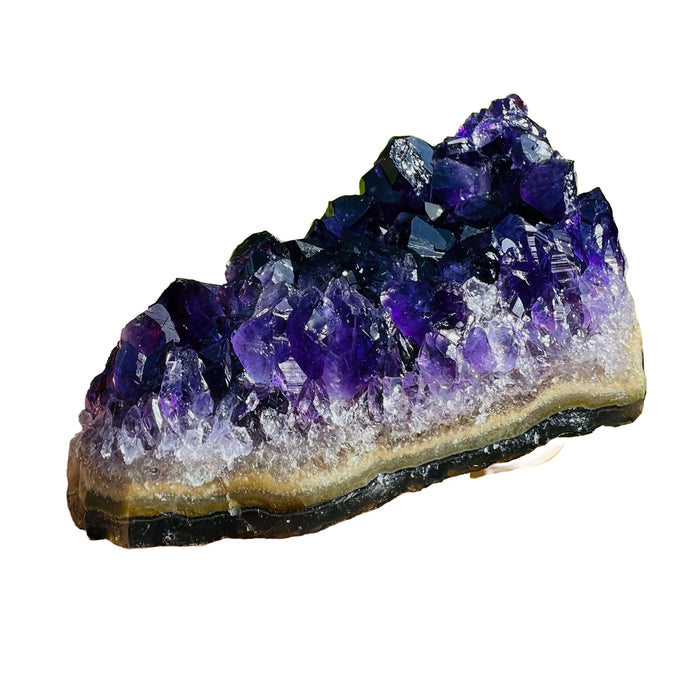


- from 1,000+ reviews
- Ships within 72 hoursMonday to Friday, tracked
- 90 days to return itif you do not love it
- Free US shipping over $99$8.99 flat rate under
The Slow Note
New stones go to the list first.
No forwarding, no selling. Unsubscribe in one click. Privacy