


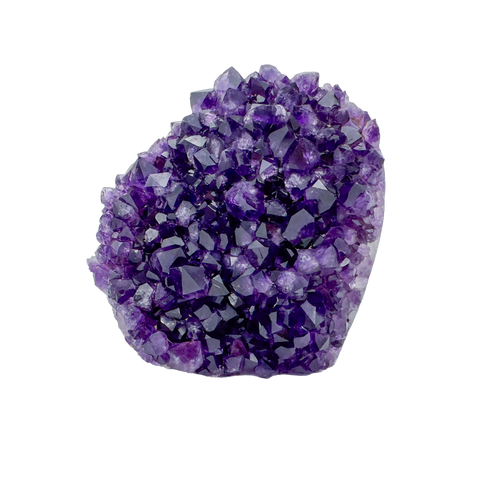
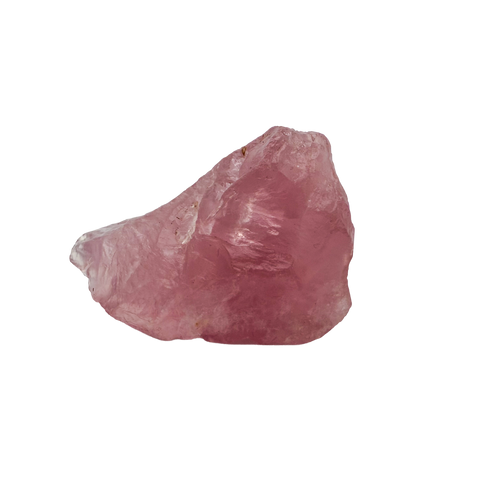
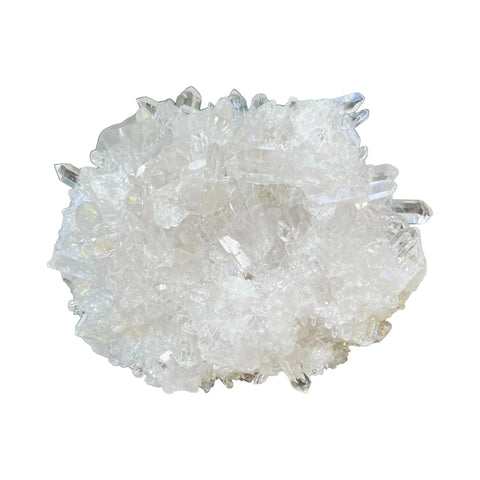
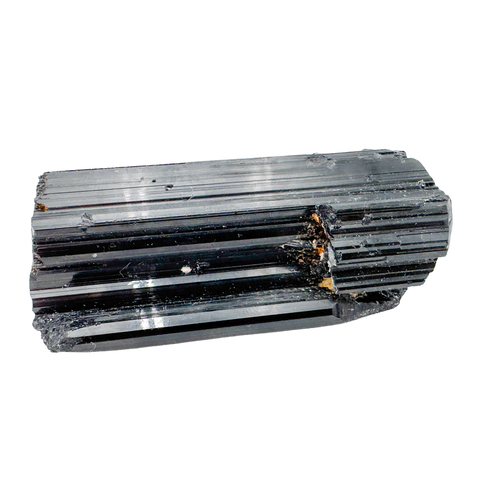
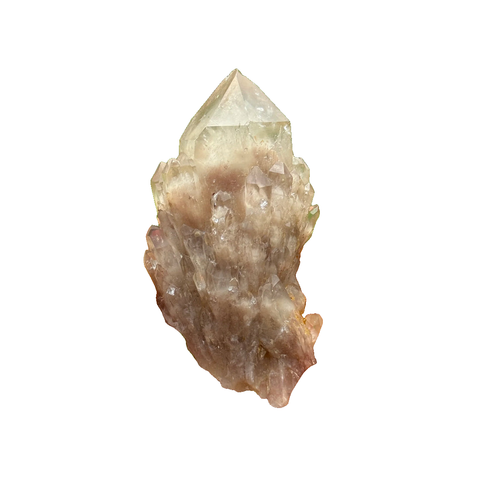
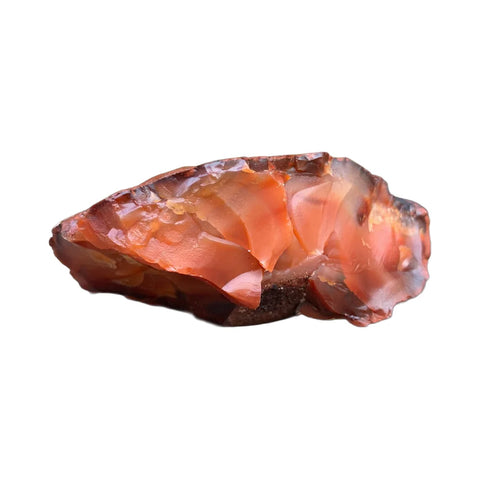
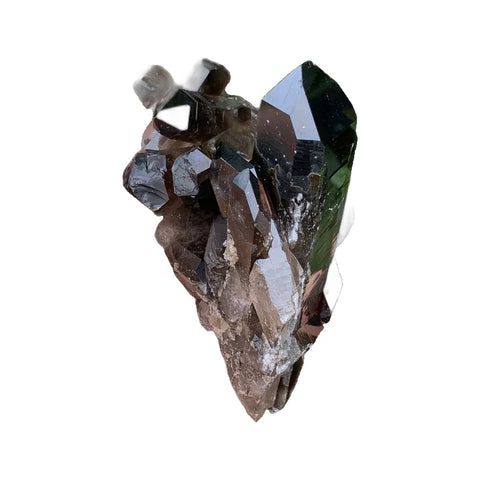
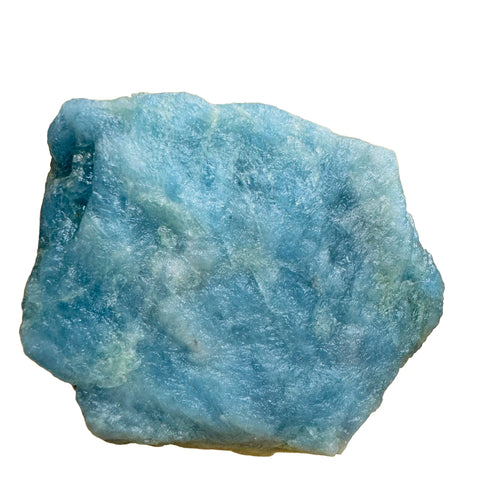
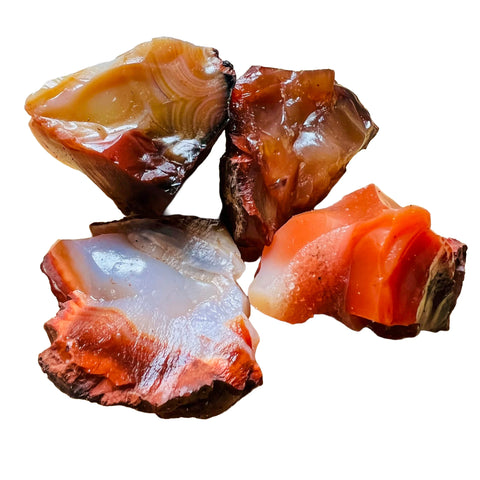


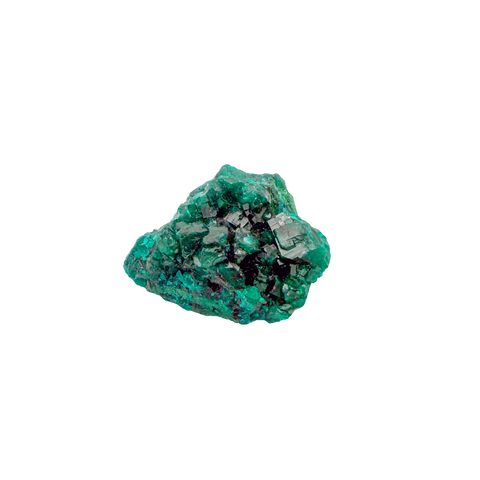
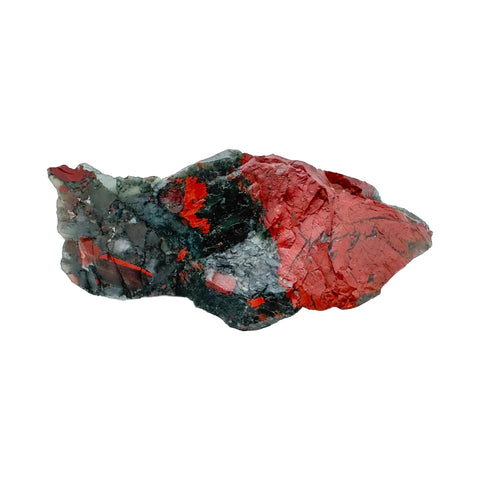
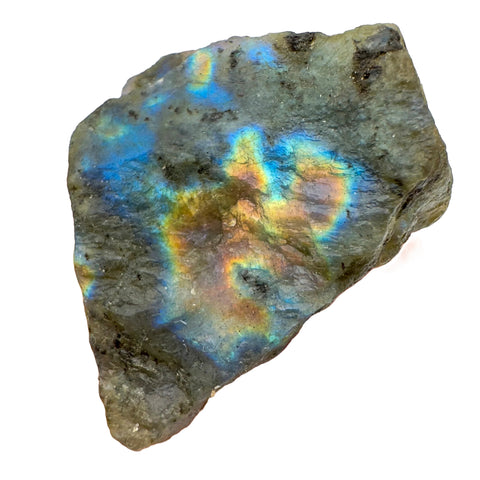
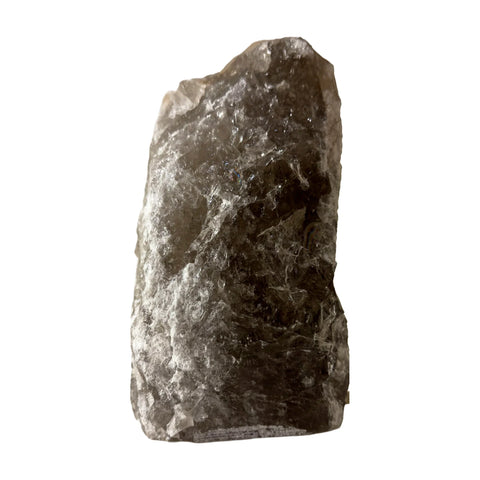
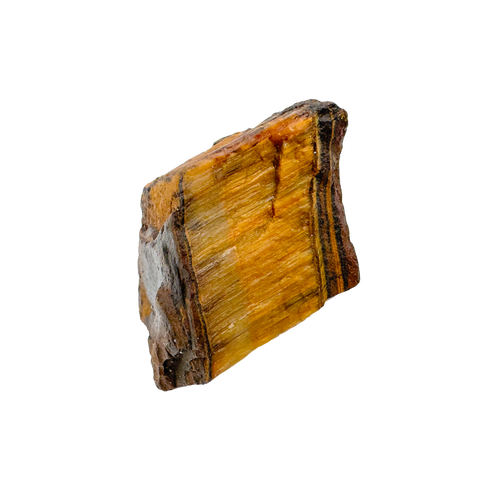
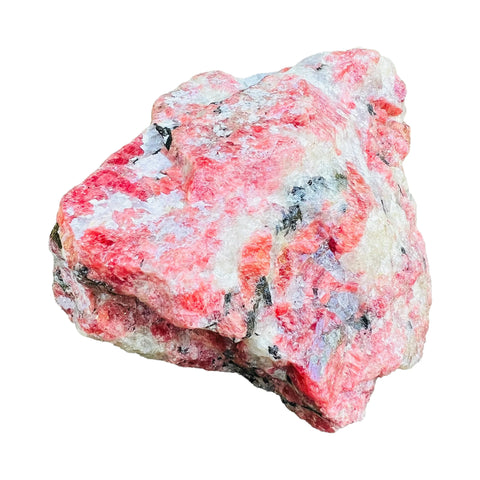
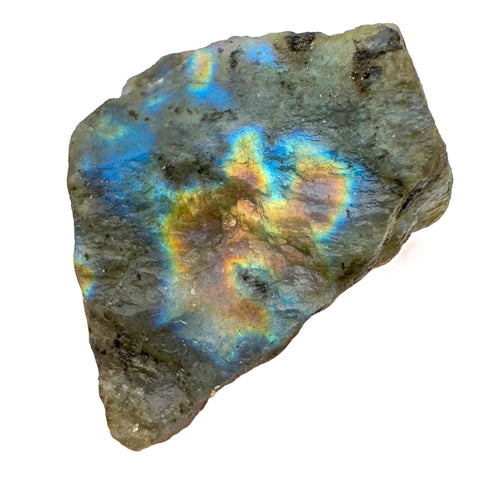
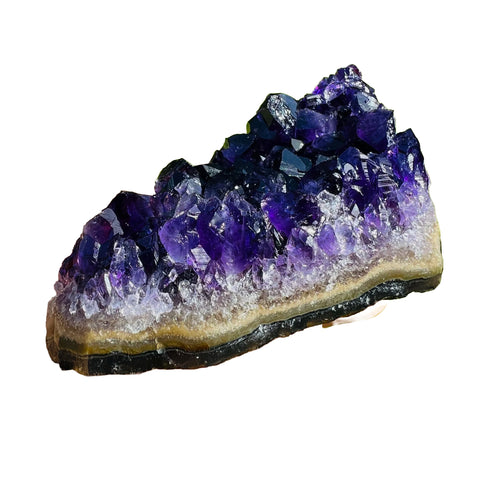







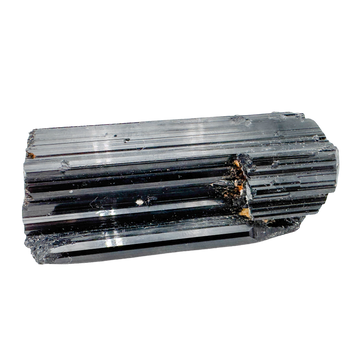
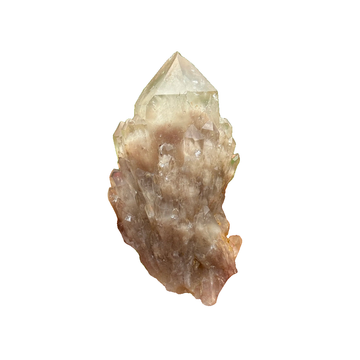
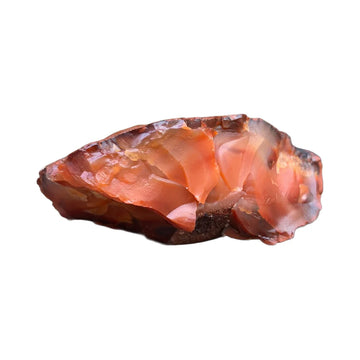
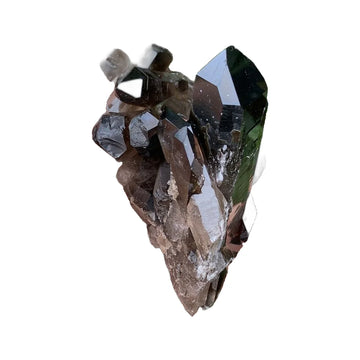
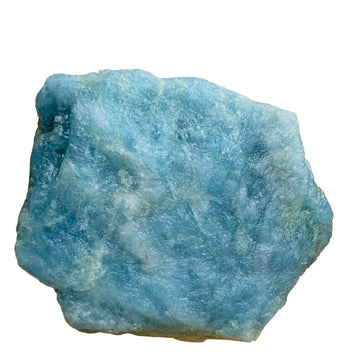
 Raw Stones
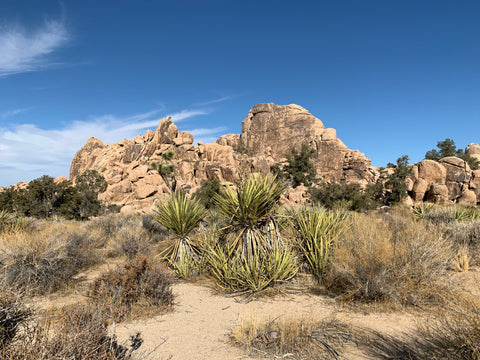
179 pieces
Raw Stones
179 pieces
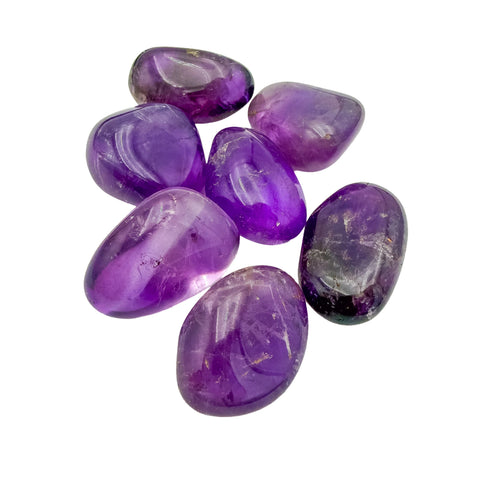
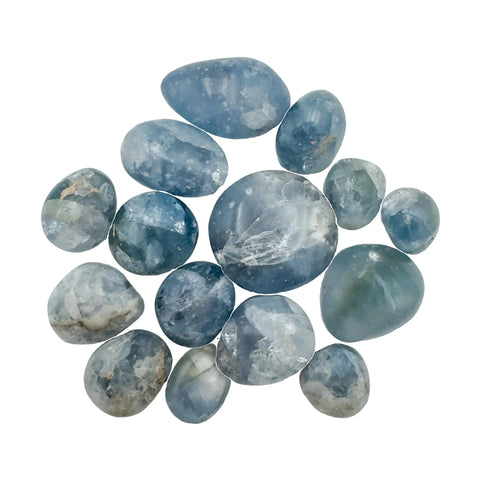
 Tumbled Stones
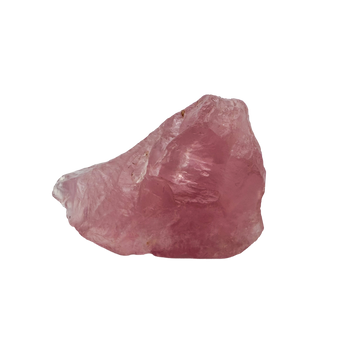
162 pieces
Tumbled Stones
162 pieces
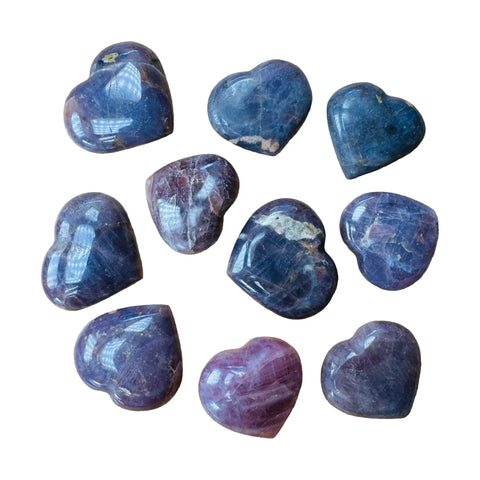
 Palm Stones
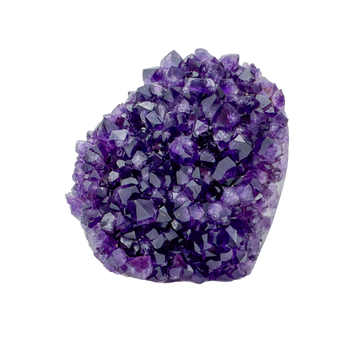
25 pieces
Palm Stones
25 pieces
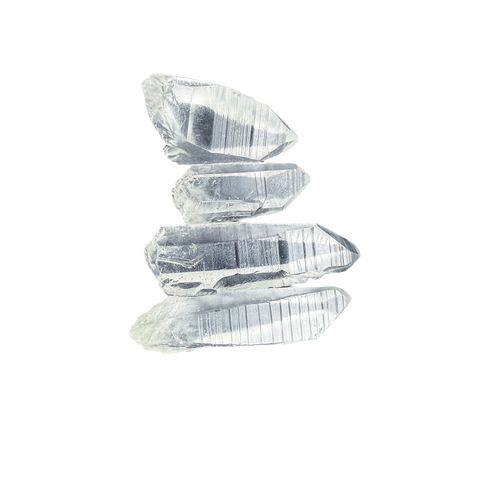
 Crystal Points
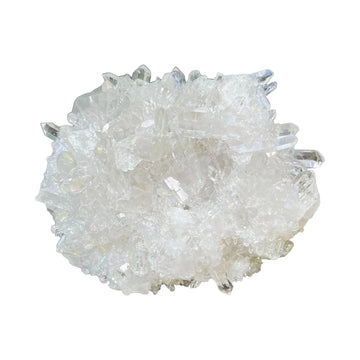
23 pieces
Crystal Points
23 pieces
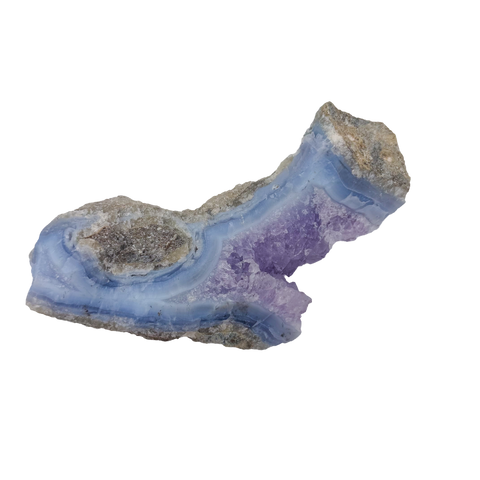
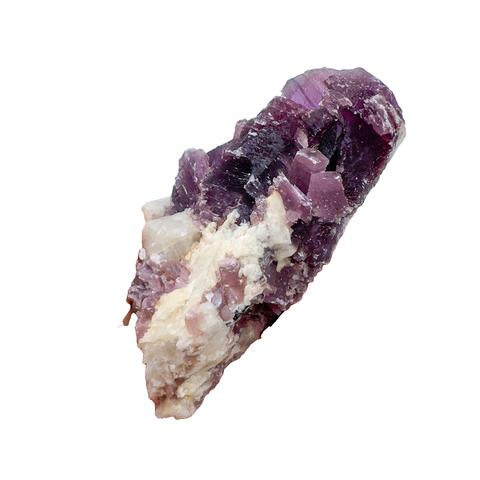
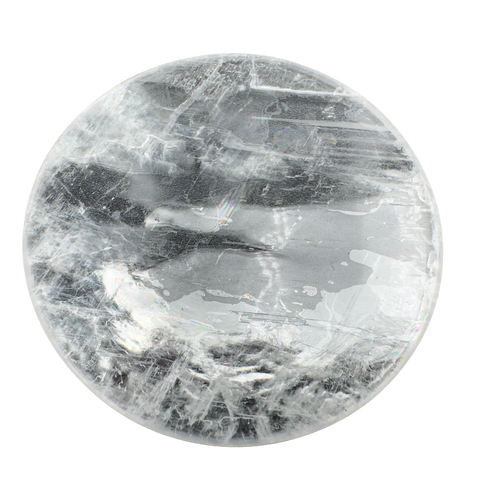
 Clusters & Geodes
104 pieces
Clusters & Geodes
104 pieces
 Polished & Decor
148 pieces
Polished & Decor
148 pieces
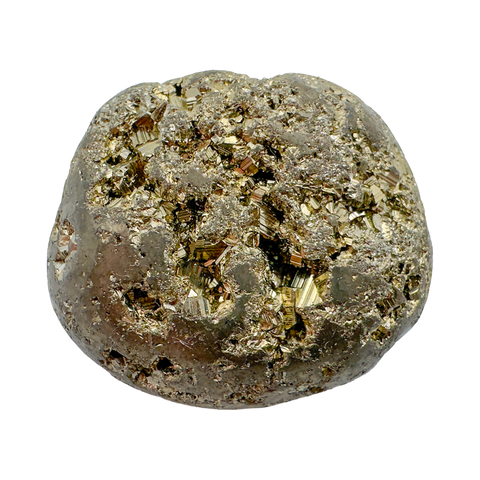
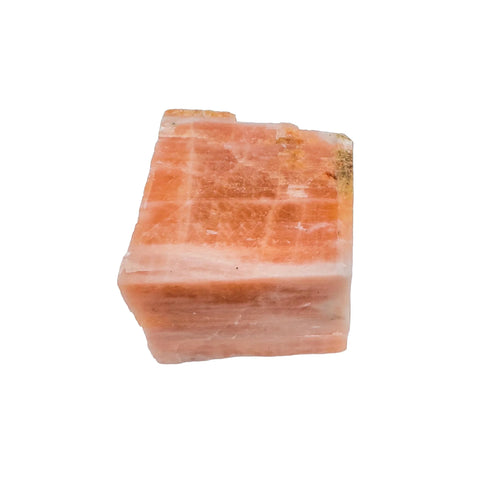
 Mineral Specimens
259 collector pieces
Mineral Specimens
259 collector pieces
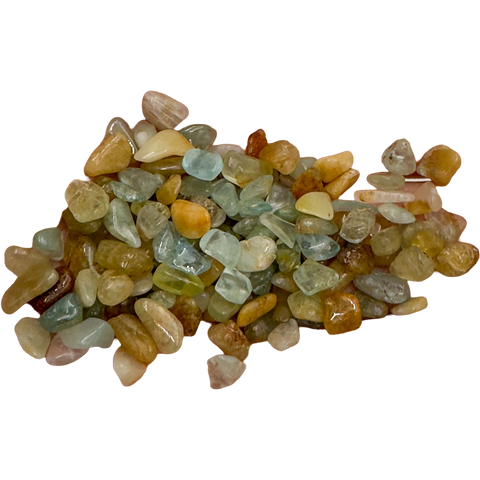
 Crystal Chips
21 pieces
Browse everything
Every collection, one page.
View All Collections →
Crystal Chips
21 pieces
Browse everything
Every collection, one page.
View All Collections →


 Aries
Mar 21 – Apr 19
Carnelian
›
Aries
Mar 21 – Apr 19
Carnelian
›
 Taurus
Apr 20 – May 20
Rose Quartz
›
Taurus
Apr 20 – May 20
Rose Quartz
›
 Gemini
May 21 – Jun 20
Agate
›
Gemini
May 21 – Jun 20
Agate
›
 Cancer
Jun 21 – Jul 22
Moonstone
›
Cancer
Jun 21 – Jul 22
Moonstone
›
 Leo
Jul 23 – Aug 22
Citrine
›
Leo
Jul 23 – Aug 22
Citrine
›
 Virgo
Aug 23 – Sep 22
Amazonite
›
Virgo
Aug 23 – Sep 22
Amazonite
›
 Libra
Sep 23 – Oct 22
Blue Lace Agate
›
Libra
Sep 23 – Oct 22
Blue Lace Agate
›
 Scorpio
Oct 23 – Nov 21
Obsidian
›
Scorpio
Oct 23 – Nov 21
Obsidian
›
 Sagittarius
Nov 22 – Dec 21
Sodalite
›
Sagittarius
Nov 22 – Dec 21
Sodalite
›
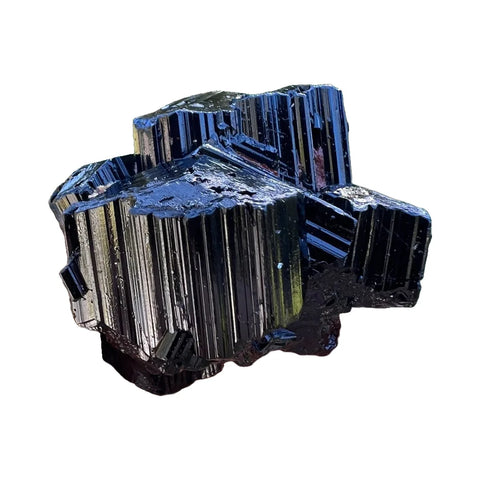
 Capricorn
Dec 22 – Jan 19
Black Tourmaline
›
Capricorn
Dec 22 – Jan 19
Black Tourmaline
›
 Aquarius
Jan 20 – Feb 18
Amethyst
›
Aquarius
Jan 20 – Feb 18
Amethyst
›
 Pisces
Feb 19 – Mar 20
Aquamarine
›
Gifting?
A birthday stone is the safe bet.
Read the zodiac guide →
Pisces
Feb 19 – Mar 20
Aquamarine
›
Gifting?
A birthday stone is the safe bet.
Read the zodiac guide →







Strawberry Quartz
Natural strawberry quartz is clear to milky quartz scattered with tiny red to pink inclusions of iron minerals, so it looks like the speckled skin of a strawberry. It is genuinely rare, and that scarcity matters, because a large share of the strawberry quartz on the market is actually man-made glass. People who work with the real stone associate it with the heart, gentleness, and quiet joy.
The geology.
Natural strawberry quartz is ordinary quartz (silicon dioxide, SiO2) colored by inclusions rather than by the quartz itself. The red and pink flecks are tiny platelets and needles of iron minerals such as hematite, lepidocrocite, or red mica, scattered through a clear to milky body. The idea is the same as fire quartz or other included quartz, just in a softer pink-red palette.
Because it relies on natural inclusions, real strawberry quartz is uneven and unpredictable. The specks vary in density, sit at different depths, and never form a perfectly even color. Hardness is 7 on the Mohs scale, the same as all quartz, with a trigonal structure and a glassy luster. Fine material with good color is scarce, which is exactly why imitations are so common.
The origins.
The first honest point about strawberry quartz is that much of what is sold under the name is not quartz at all. The most common imitation is manufactured glass with red particles such as hematite stirred in, the same process used for goldstone and most cherry quartz. It is a legitimate product to sell when it is described as man-made, but it is often passed off as a natural stone.
Genuine natural strawberry quartz is mined in only a few places, including Kazakhstan, Russia, Mexico, and Brazil, with Mexican material among the better known. Because the natural stone is rare and the glass is cheap and abundant, price and source are your best early clues. If a seller cannot say where a piece was mined and only quotes a low price for flawless, even color, treat the name with care.
Traditional associations.
Strawberry quartz is often treated as a warmer, more playful relative of rose quartz. Many people work with it for matters of the heart, self-love, gratitude, and a lighter kind of affection, where rose quartz feels gentle and strawberry quartz feels bright.
It is usually linked to the Heart chakra, the element of Water, and the sign Libra. A common practice is to carry a tumbled piece or wear it as a pendant through a season when you want to feel more openhearted. None of this depends on whether a piece is rare, only on it being the genuine stone you think it is.
Spotting the real thing.
The clearest tell is bubbles. Natural quartz almost never holds perfectly round air bubbles, so if you see tiny spheres trapped inside, you are very likely looking at glass. Natural strawberry quartz shows irregular red specks, flakes, and needles at different depths, never a smooth even wash of color.
Real material also tends to be uneven, slightly cloudy, and imperfect, while glass imitations are often flawless, brightly and evenly colored, and sometimes swirled. Glass can feel a little warmer to the touch and may show faint mold seams. Ask directly whether a piece is natural quartz or man-made glass, and be cautious of flawless color at a bargain price.
Care & handling.
If your piece is genuine quartz, it is easy to live with. At 7 on the Mohs scale it handles daily wear and is safe for a brief rinse in warm water with a soft cloth. It is generally stable in light, though some included quartz can pale under very long, intense sun, so a shaded spot is a safe default.
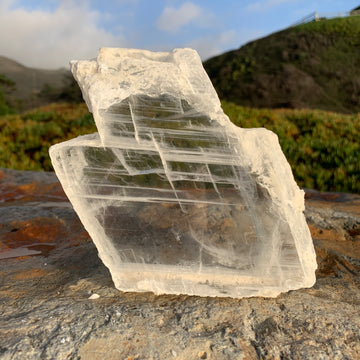
Glass imitations are also durable and water safe, simply not natural. Whichever you have, avoid harsh chemicals and store harder stones separately to protect the polish. To reset the genuine stone energetically, many people use moonlight, sound, or a night on a selenite plate.
Pairs well with.
A deeper look.
Extended geology, sourcing, authentication, history, and varieties, for when the quick guide isn't quite enough.
What it actually is
Strawberry quartz is a name for quartz whose clear to milky body is filled with small red to pink inclusions, giving a speckled, berry-like look. The coloring minerals are usually iron oxides and hydroxides such as hematite and lepidocrocite, and sometimes red mica. The quartz itself is not pink, the color comes entirely from what is trapped inside.
This is the same family of effects seen in fire quartz, which carries denser hematite, and in lepidocrocite-included quartz. Hardness is 7, trigonal, with a glassy luster, and the best natural pieces show fine red needles suspended at different depths.
The honesty problem
Demand for strawberry quartz far outstrips the supply of fine natural material, so a great deal of what carries the name is manufactured glass with red flecks added during melting. This is the same idea as goldstone and most cherry quartz. Selling it is legal as long as the seller says it is man-made, but the disclosure is frequently missing. Some natural quartz is also dyed to deepen its color.
Extended sourcing
Natural strawberry quartz is reported from Kazakhstan, Russia, Mexico, and Brazil, with Mexican material widely traded as a benchmark. Because the genuine deposits are limited, natural stone carries a real price, while glass versions are inexpensive and produced in bulk.
Authentication and warning signs
Look for irregular, three-dimensional red inclusions in a body that is slightly cloudy. Round bubbles, perfectly even color, swirled patterns, or a flawless look at a low price all point toward glass. A loupe helps, since natural specks read as flakes and needles while glass holds spheres. The most useful step is to ask whether a piece is natural quartz or man-made glass.
What it costs in the market
Glass strawberry quartz is inexpensive, often a few dollars for a tumble or bead strand. Genuine natural material costs noticeably more and rises with the quality of its inclusions. A wide gap between a bargain price and a natural claim is itself a useful clue.
An education-first guide.
We don't currently carry strawberry quartz, so there's nothing to sell you here. This guide exists because the more you understand a stone, the better every decision you make about it becomes, wherever you buy it. Explore the rest of our crystal guides for stones we do source, each with full origin and treatment notes.
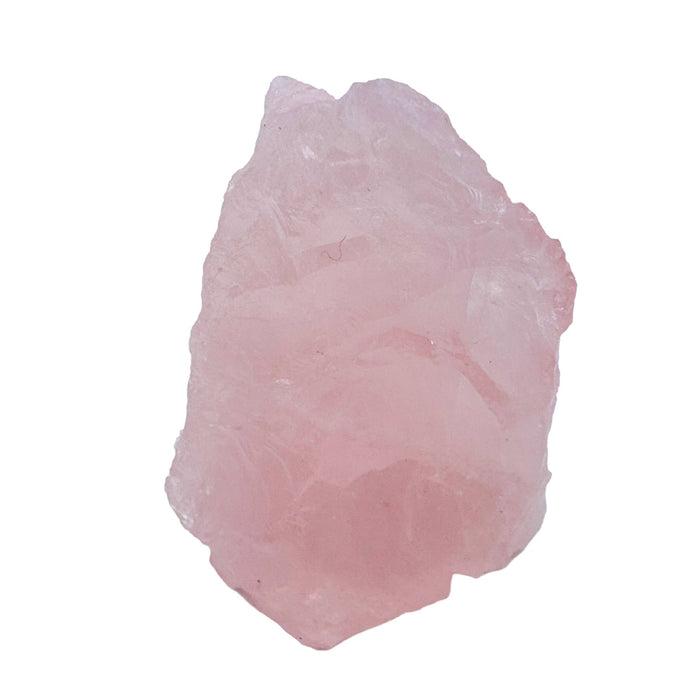
Explore the Crystal GuideThe closest match we carry: Rose Quartz.
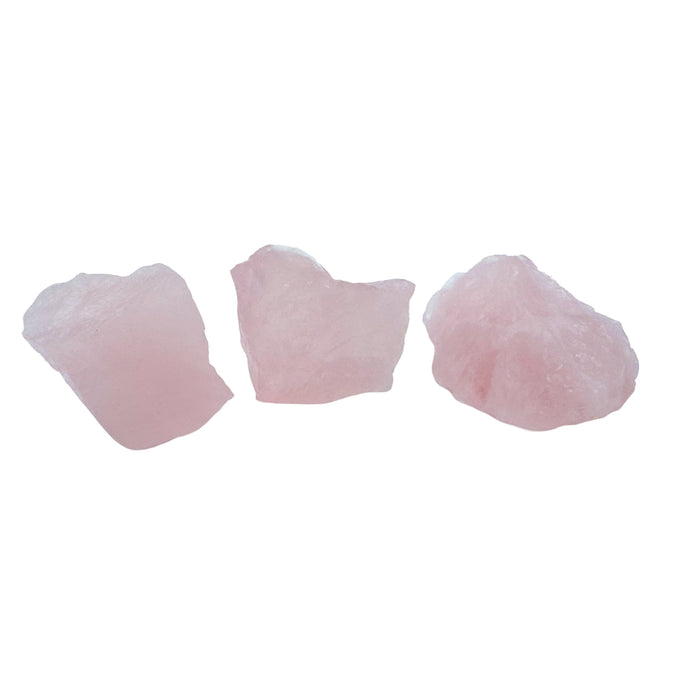
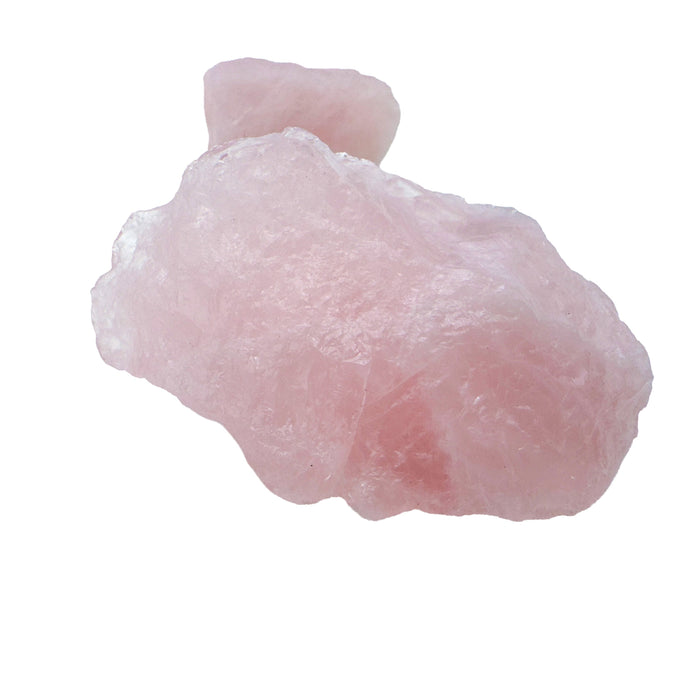
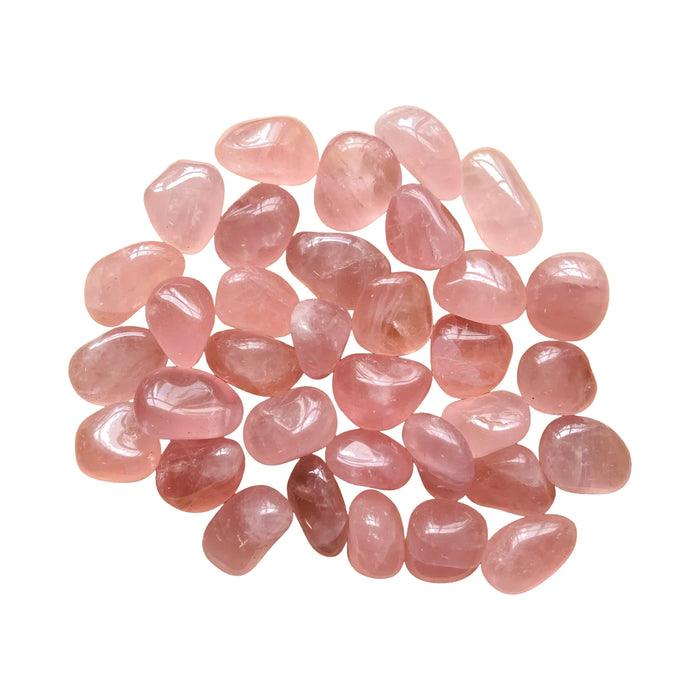
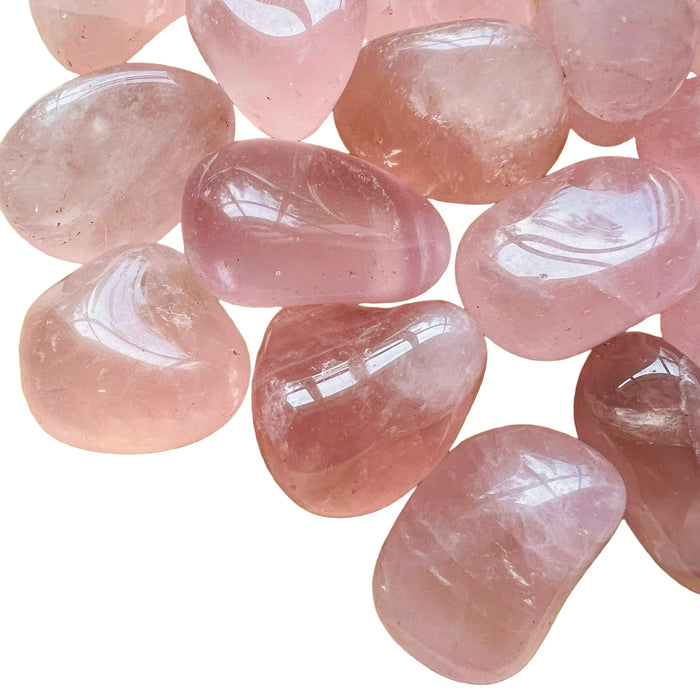
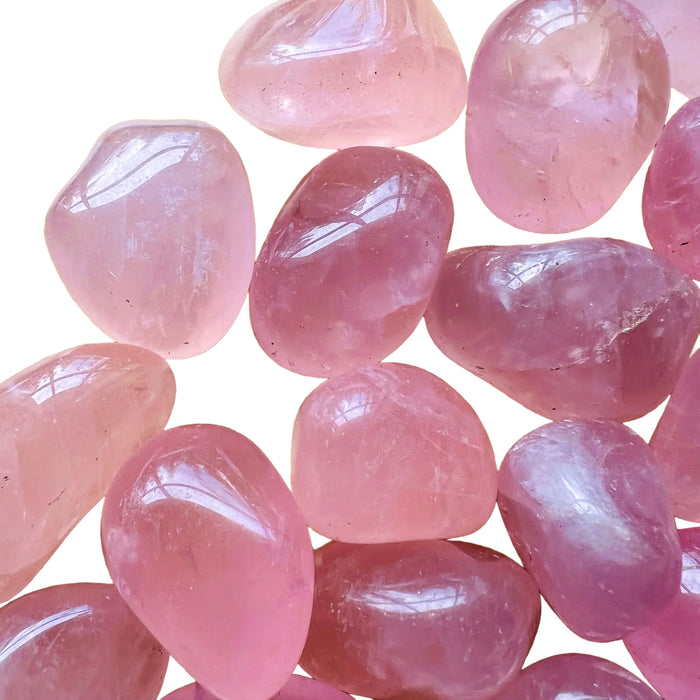
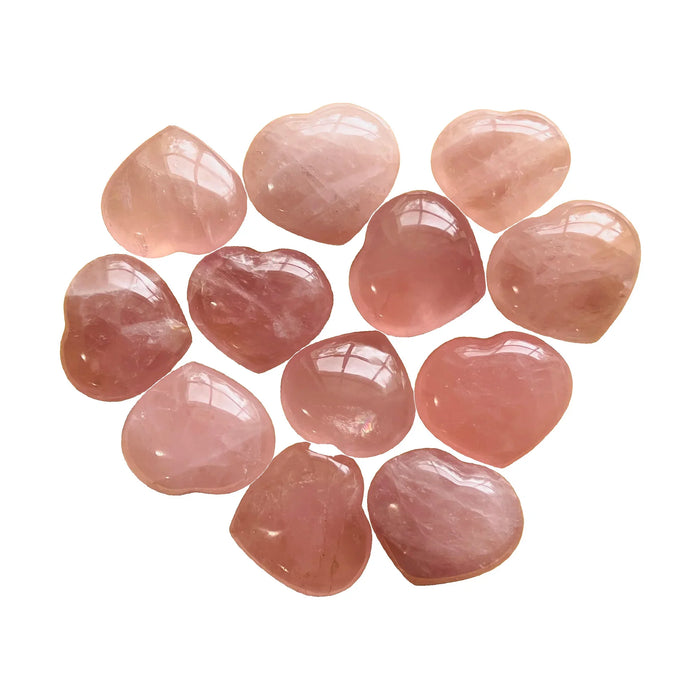
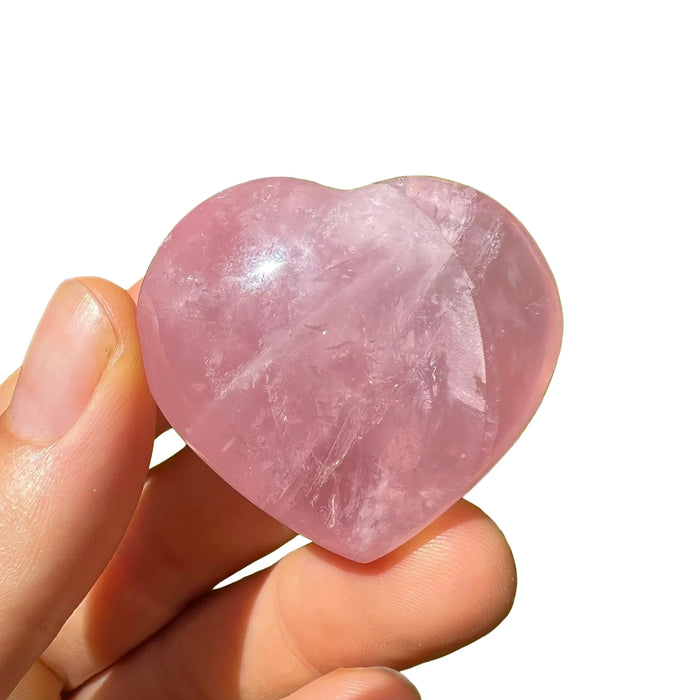
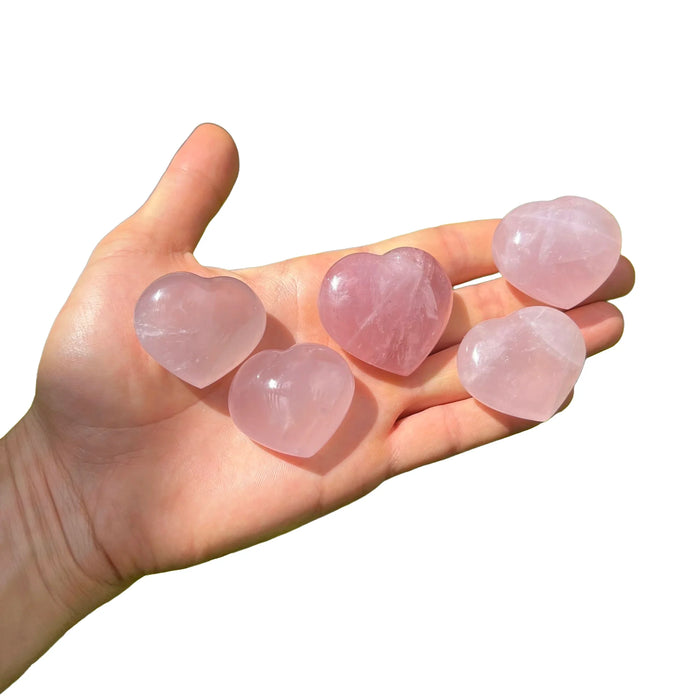
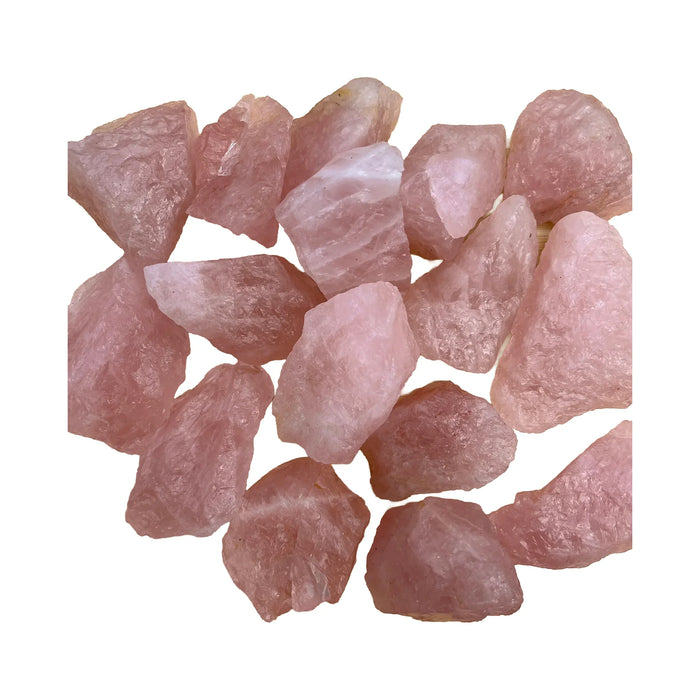
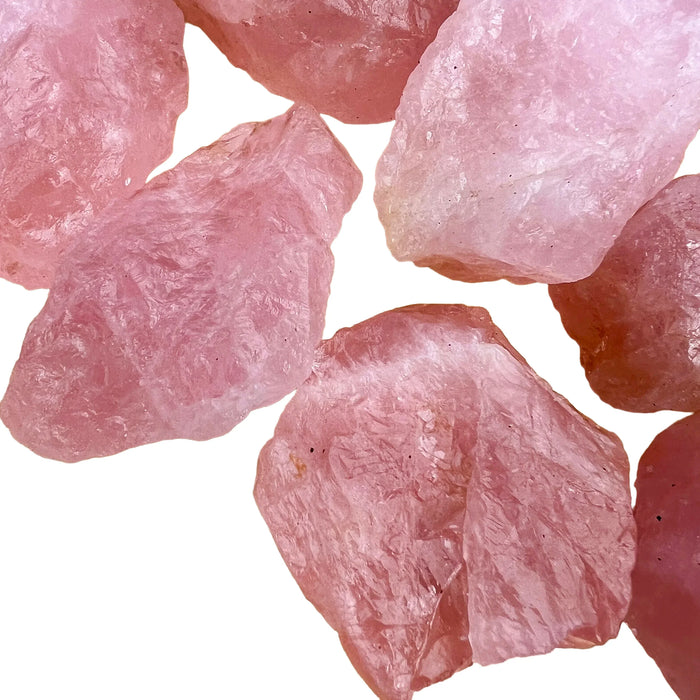
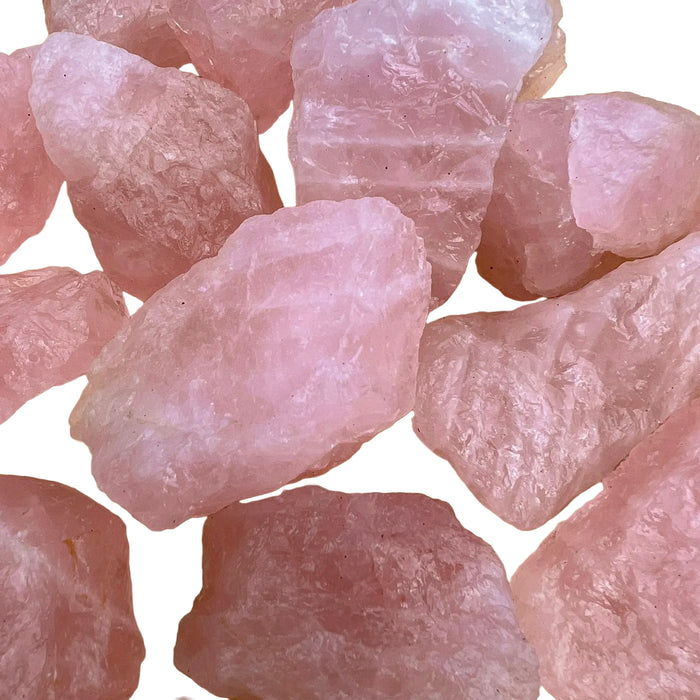
Strawberry Quartz is not something we carry. Rose Quartz is the closest match in our collection, and every piece passes our sourcing standards: origin named, treatments disclosed.
- from 1,000+ reviews
- Ships within 72 hoursMonday to Friday, tracked
- 90 days to return itif you do not love it
- Free US shipping over $99$8.99 flat rate under
The Slow Note
New stones go to the list first.
No forwarding, no selling. Unsubscribe in one click. Privacy