


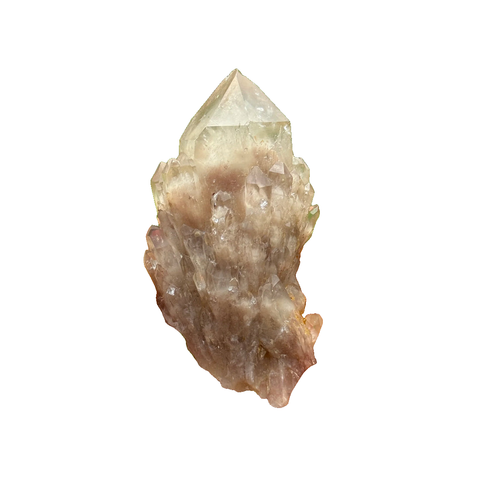
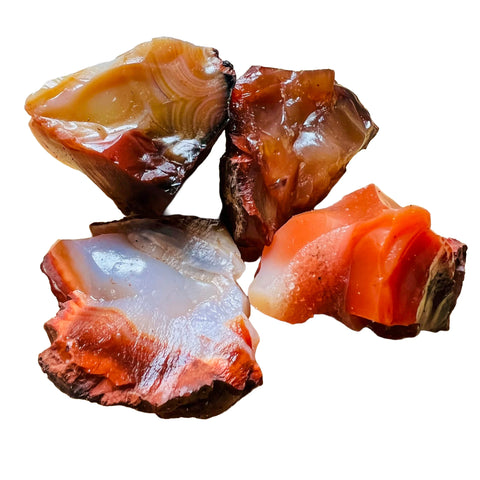


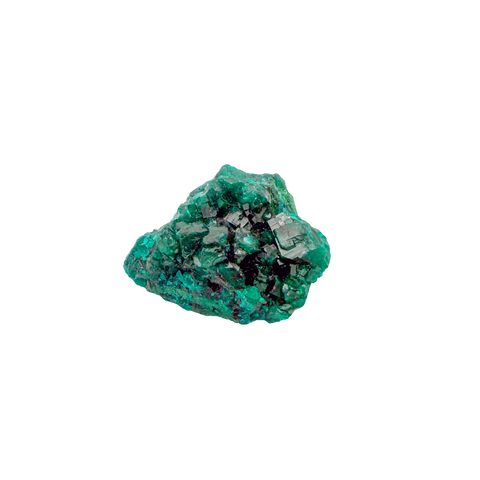
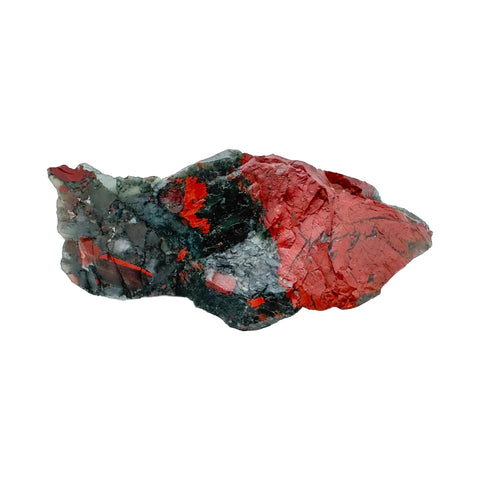
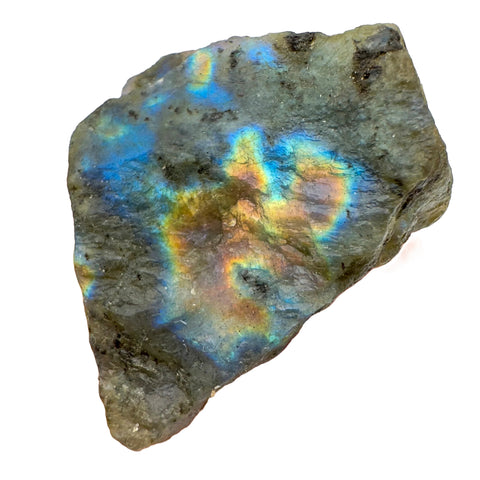
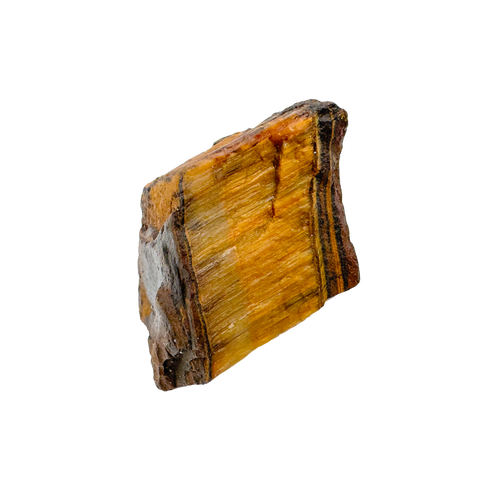
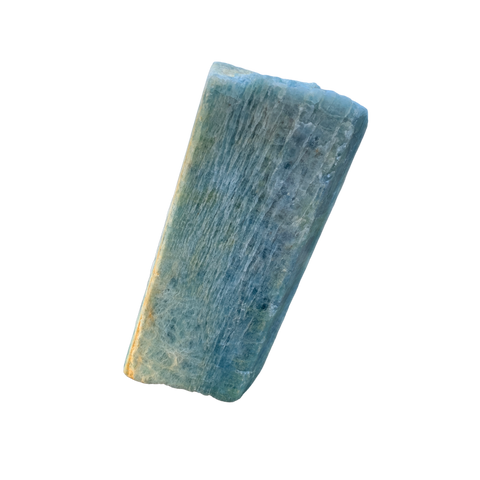
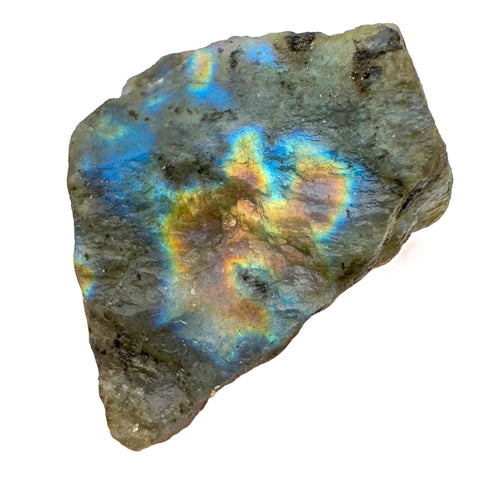



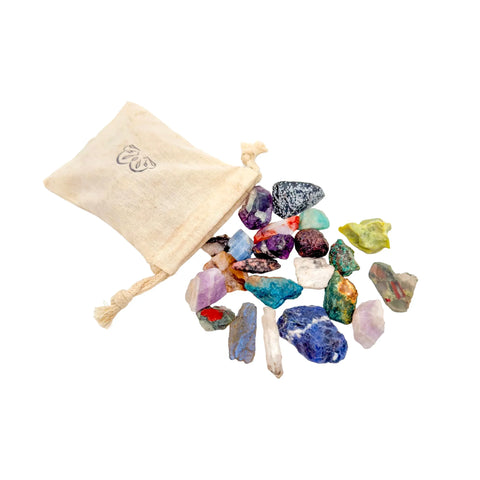
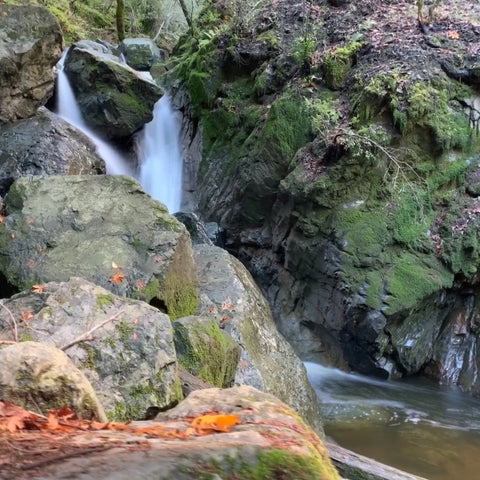
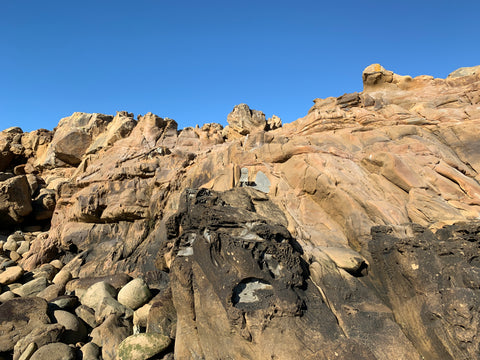
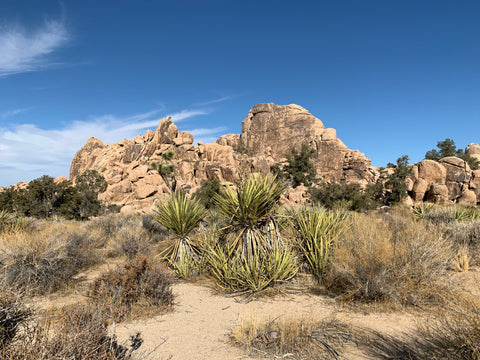
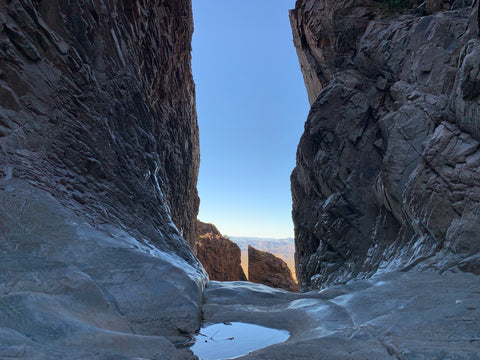
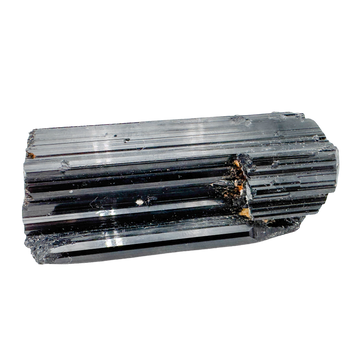
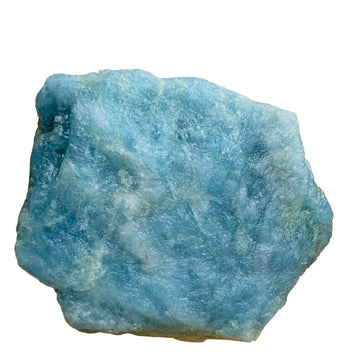
 Raw Stones
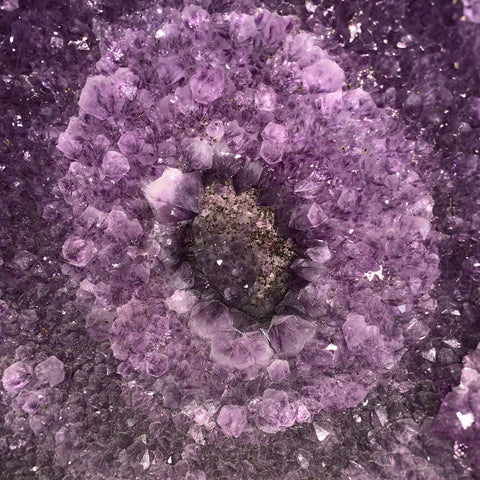
180 pieces
Raw Stones
180 pieces
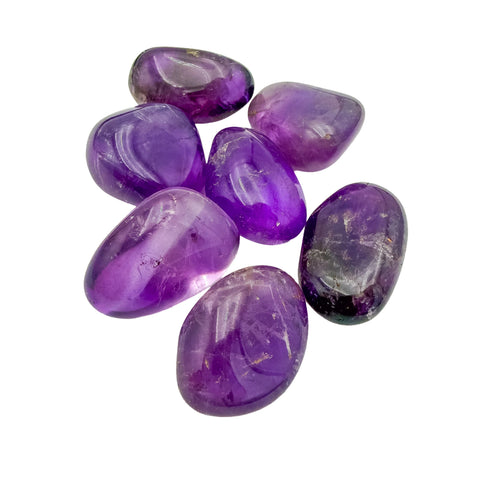
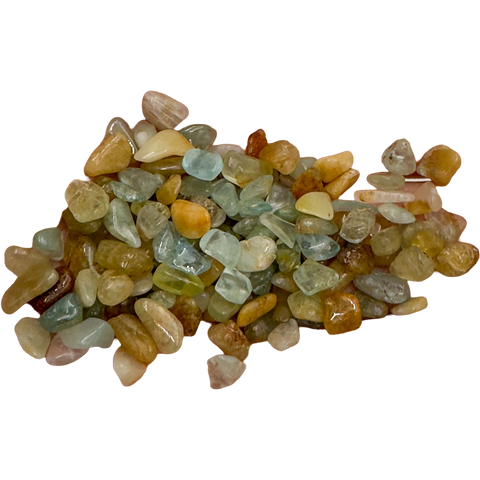
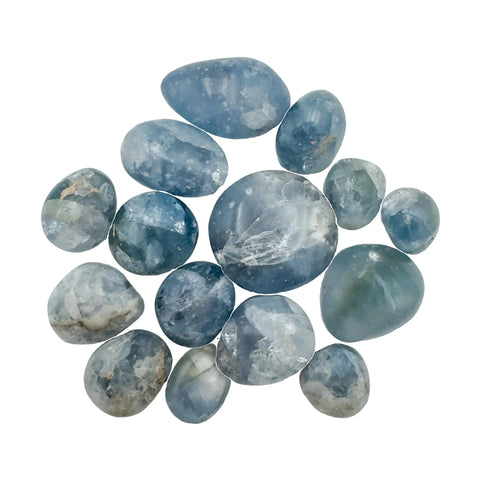
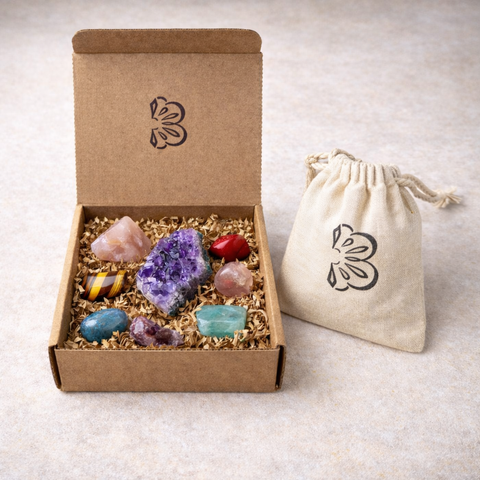
 Tumbled Stones
162 pieces
Tumbled Stones
162 pieces
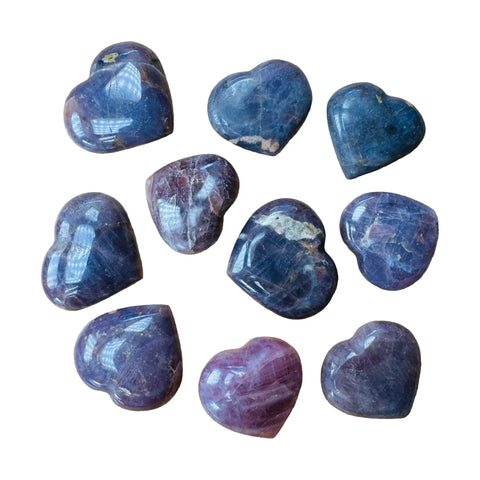
 Palm Stones
26 pieces
Palm Stones
26 pieces
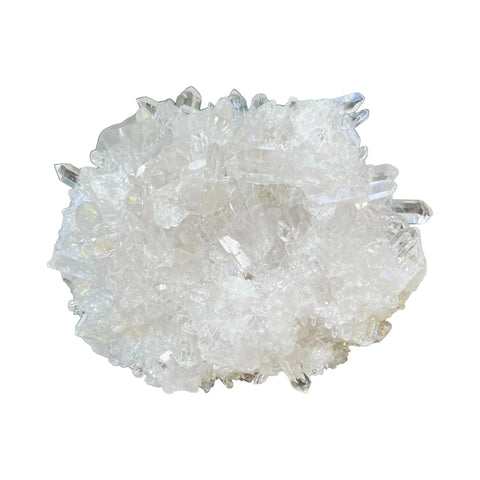
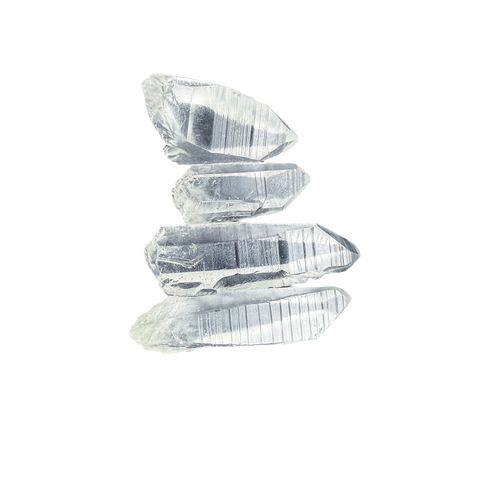
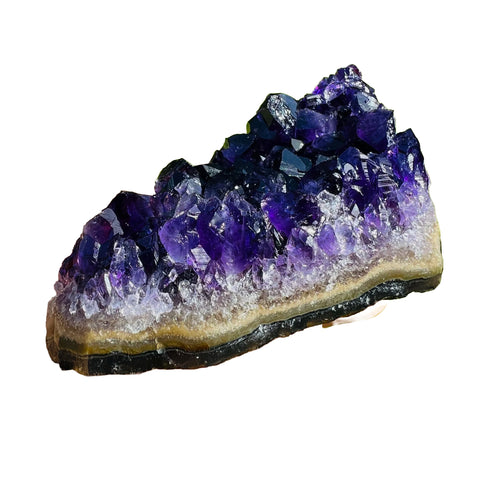
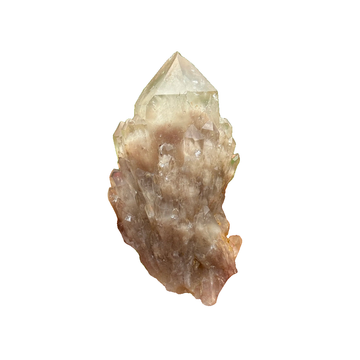
 Crystal Points
23 pieces
Crystal Points
23 pieces
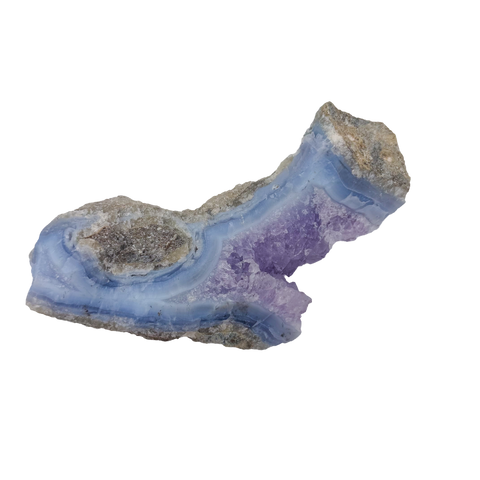
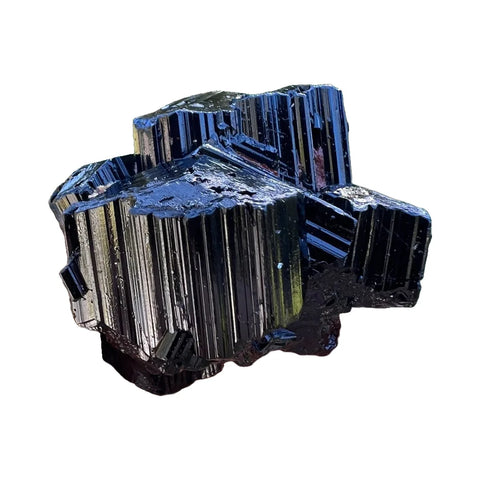
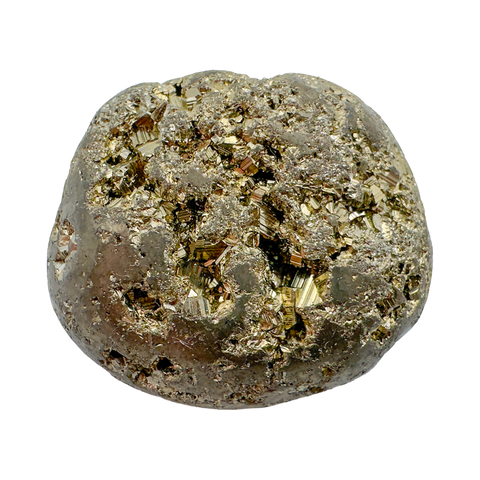
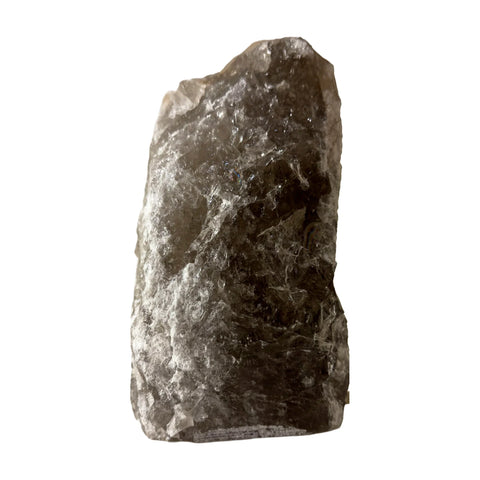
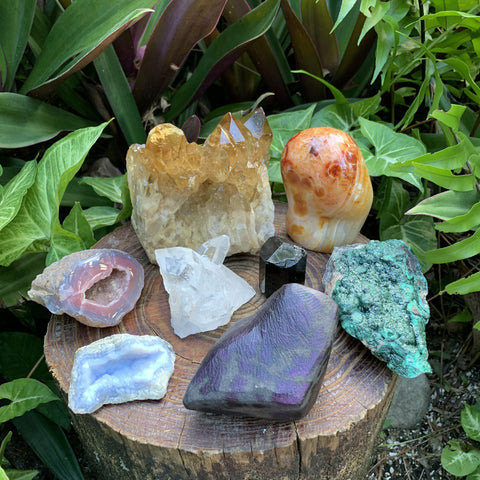
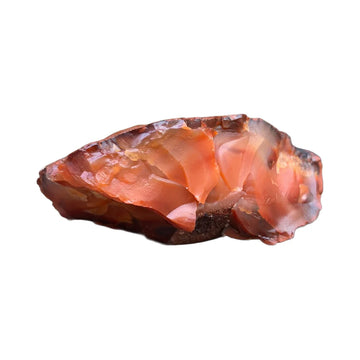
 Clusters & Geodes
112 pieces
Clusters & Geodes
112 pieces
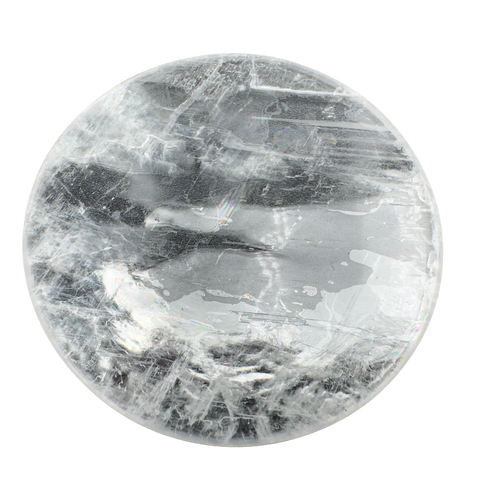
 Polished & Decor
155 pieces
Polished & Decor
155 pieces
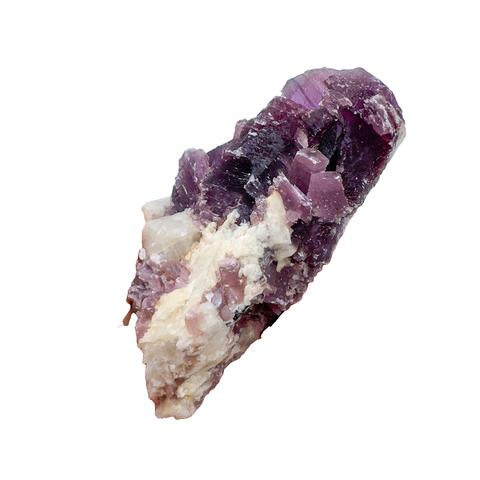
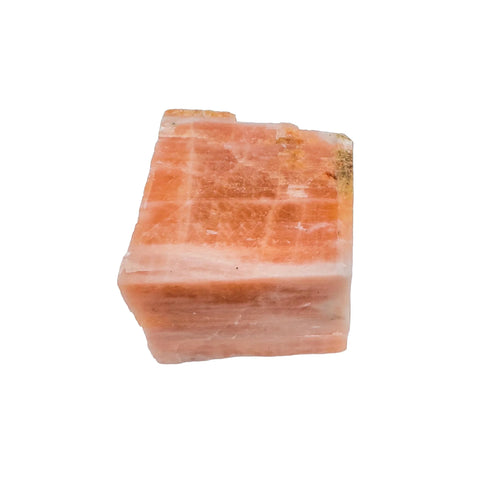
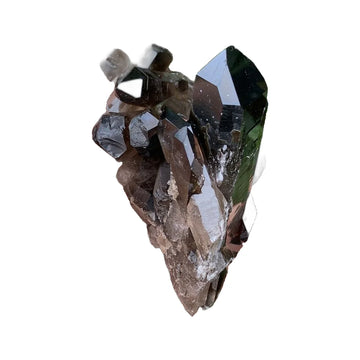
 Mineral Specimens
269 collector pieces
Mineral Specimens
269 collector pieces
 Crystal Chips
21 pieces
Browse everything
Every collection, one page.
View All Collections →
Crystal Chips
21 pieces
Browse everything
Every collection, one page.
View All Collections →


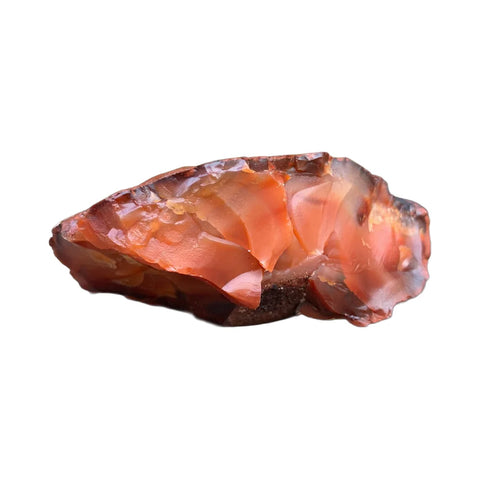
 Aries
Mar 21 – Apr 19
Carnelian
›
Aries
Mar 21 – Apr 19
Carnelian
›
 Taurus
Apr 20 – May 20
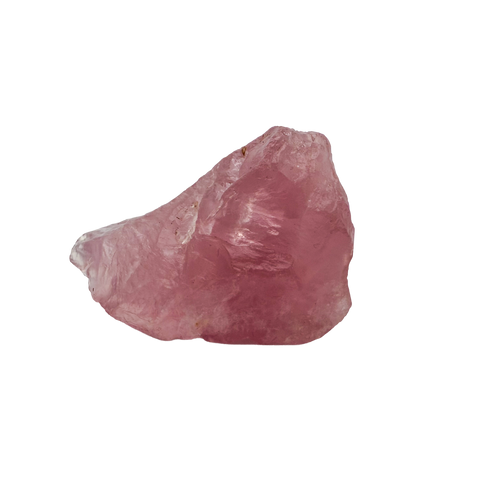
Rose Quartz
›
Taurus
Apr 20 – May 20
Rose Quartz
›
 Gemini
May 21 – Jun 20
Agate
›
Gemini
May 21 – Jun 20
Agate
›
 Cancer
Jun 21 – Jul 22
Moonstone
›
Cancer
Jun 21 – Jul 22
Moonstone
›
 Leo
Jul 23 – Aug 22
Citrine
›
Leo
Jul 23 – Aug 22
Citrine
›
 Virgo
Aug 23 – Sep 22
Amazonite
›
Virgo
Aug 23 – Sep 22
Amazonite
›
 Libra
Sep 23 – Oct 22
Blue Lace Agate
›
Libra
Sep 23 – Oct 22
Blue Lace Agate
›
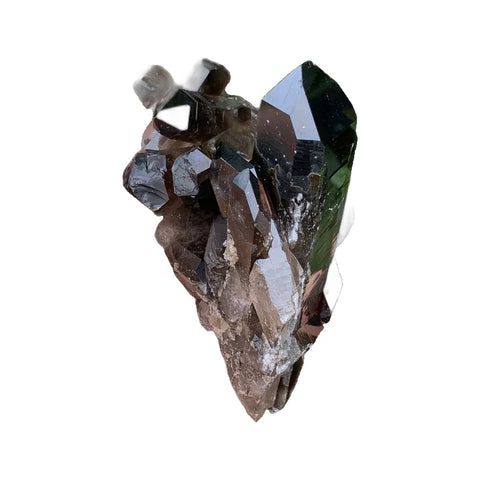
 Scorpio
Oct 23 – Nov 21
Obsidian
›
Scorpio
Oct 23 – Nov 21
Obsidian
›
 Sagittarius
Nov 22 – Dec 21
Sodalite
›
Sagittarius
Nov 22 – Dec 21
Sodalite
›
 Capricorn
Dec 22 – Jan 19
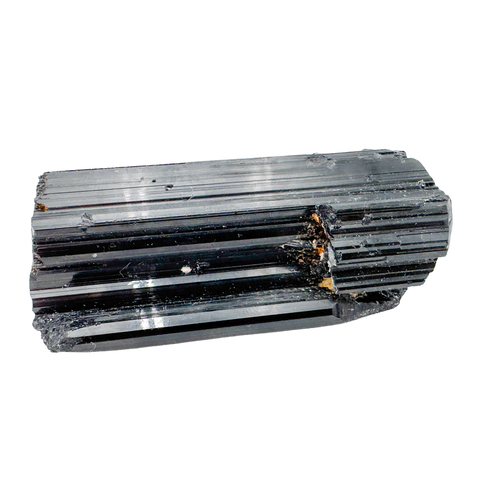
Black Tourmaline
›
Capricorn
Dec 22 – Jan 19
Black Tourmaline
›
 Aquarius
Jan 20 – Feb 18
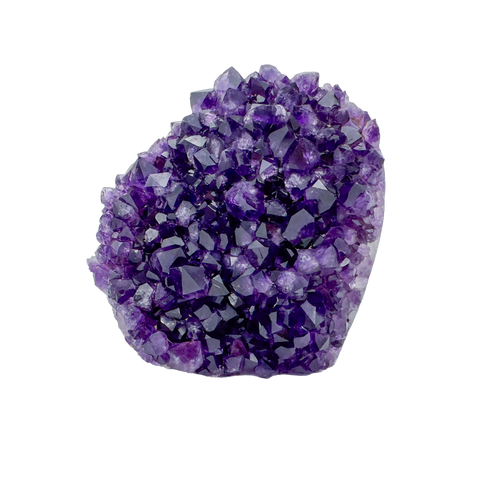
Amethyst
›
Aquarius
Jan 20 – Feb 18
Amethyst
›
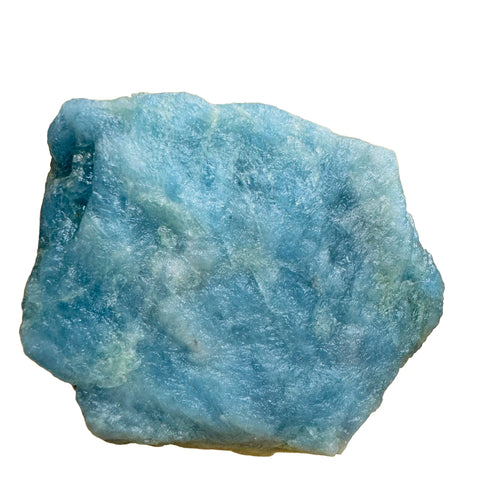
 Pisces
Feb 19 – Mar 20
Aquamarine
›
Gifting?
A birthday stone is the safe bet.
Read the zodiac guide →
Pisces
Feb 19 – Mar 20
Aquamarine
›
Gifting?
A birthday stone is the safe bet.
Read the zodiac guide →

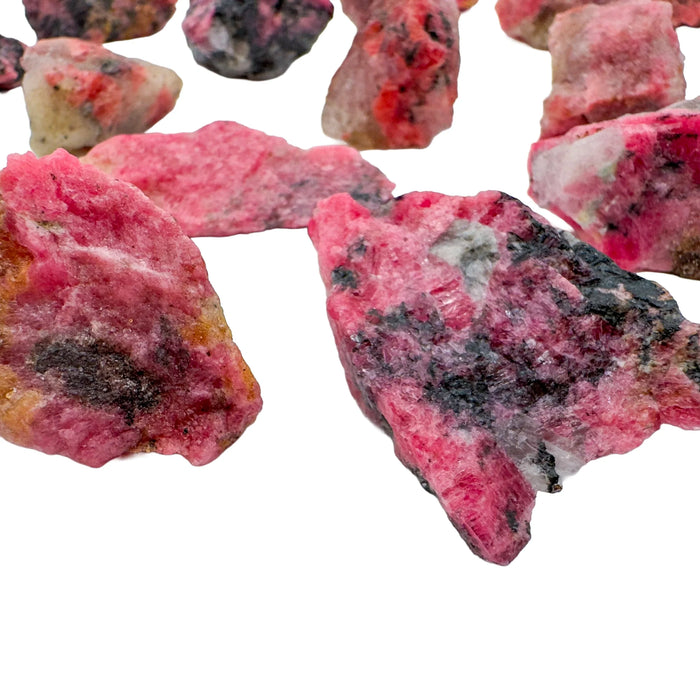
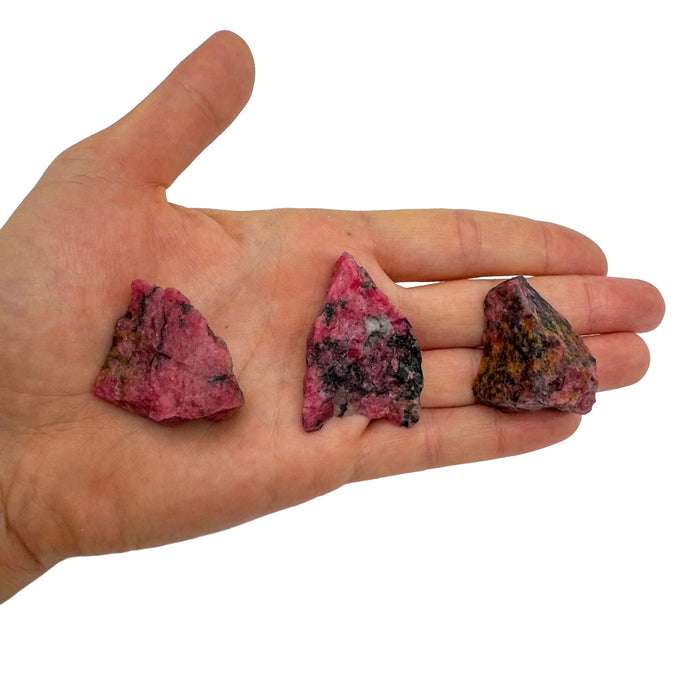
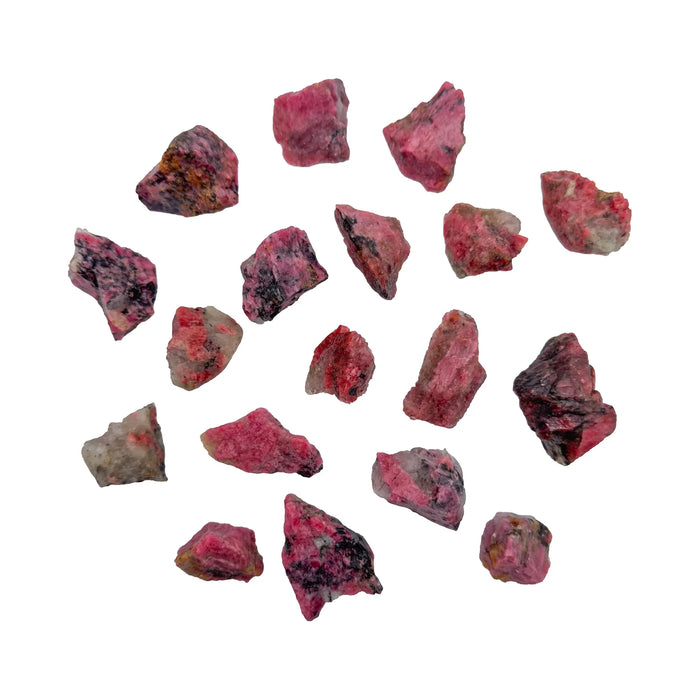
Rhodonite
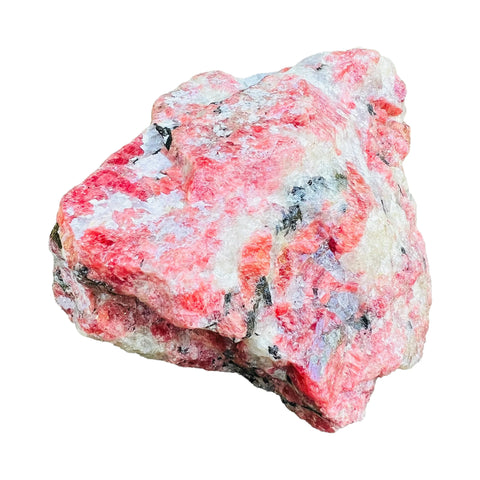
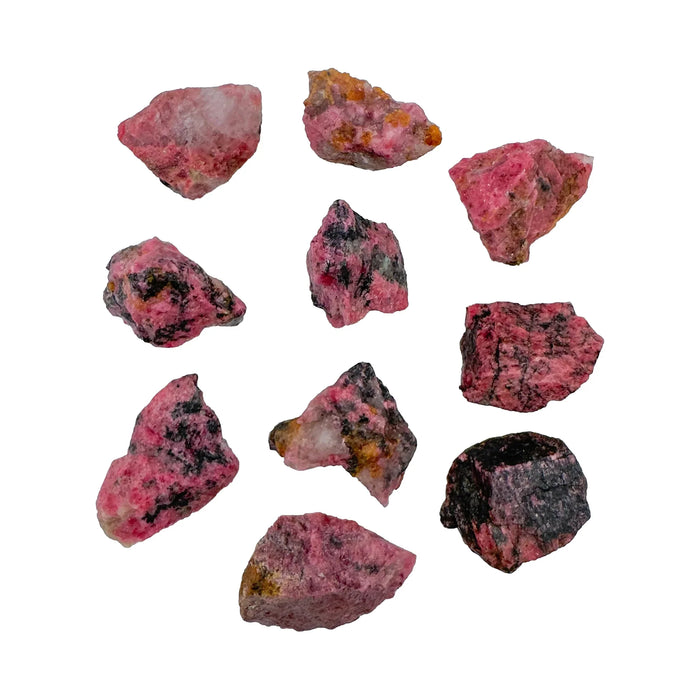
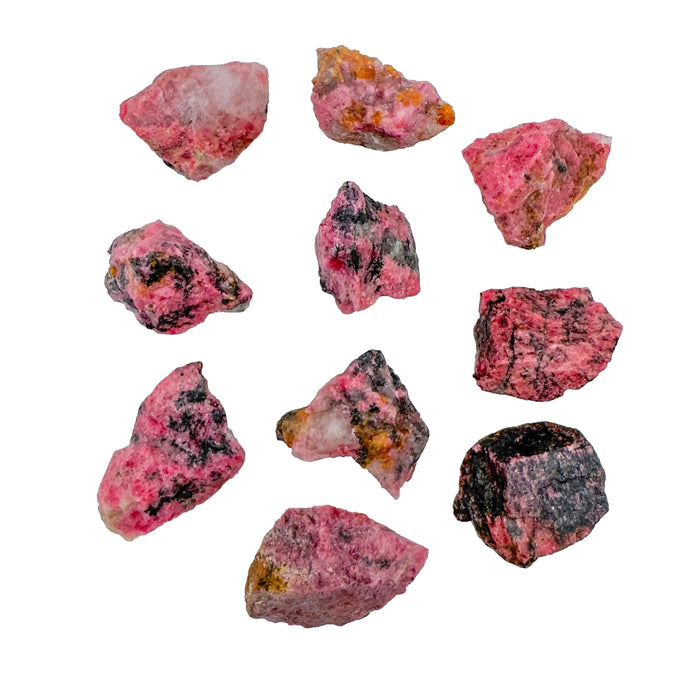
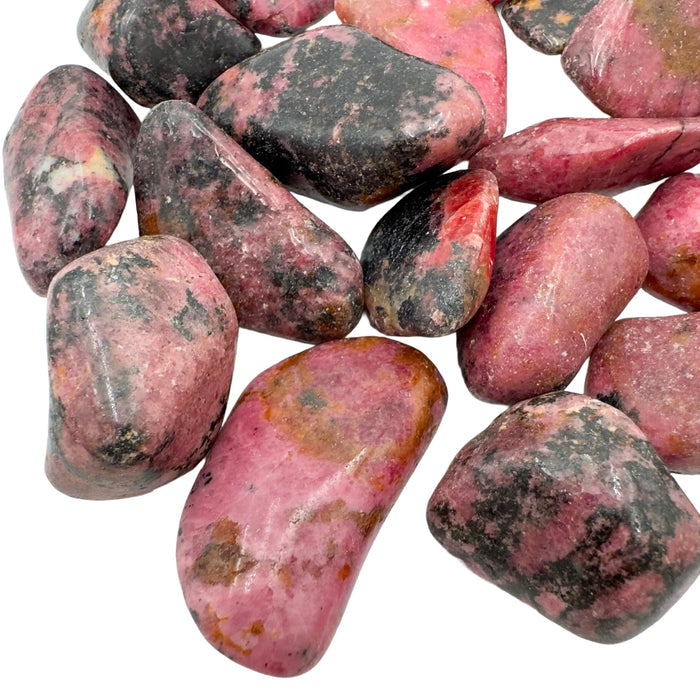
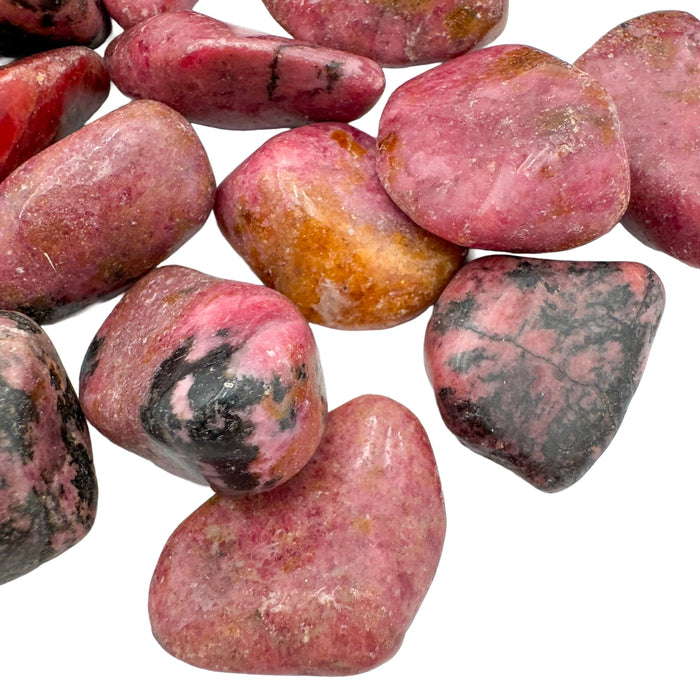
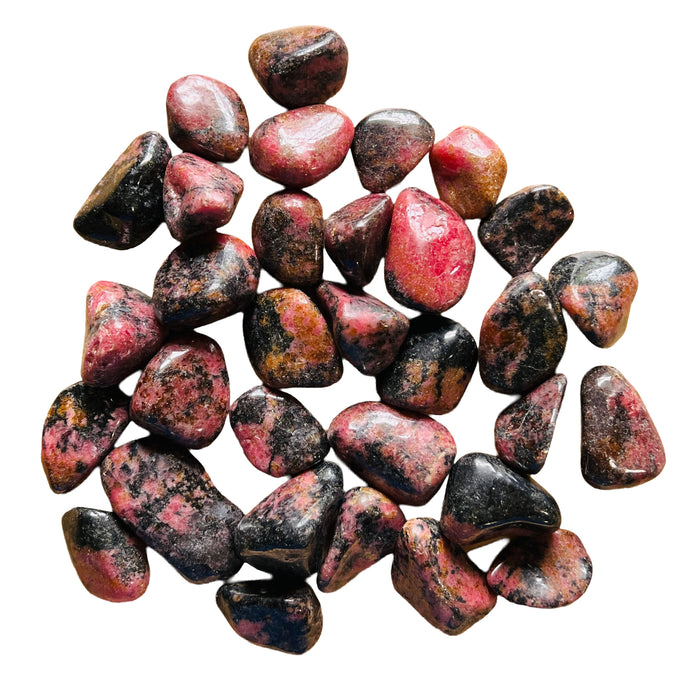
Rhodonite is a manganese silicate mineral with a rosy-pink body shot through with black veins of manganese oxide. Traditionally associated with the slow, patient work of emotional healing, compassion for self and others, and the steady return to love after loss. The Russian tradition calls it orletz, the eagle stone, which carries some of the same quiet strength.
Shop rhodoniteThe geology.
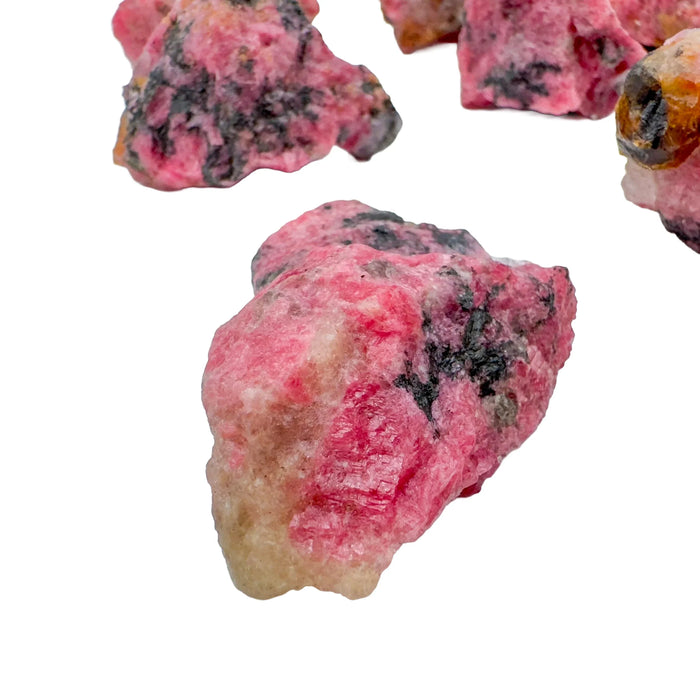
Rhodonite is a manganese-bearing silicate mineral in the pyroxenoid group, with chemical formula (Mn,Fe,Mg,Ca)SiO₃. The rosy pink color comes from the manganese content, and the black veins running through most commercial Rhodonite are manganese oxide (usually pyrolusite or other oxidation products of the primary manganese). Those dark veins are part of the appeal, not a flaw.
Hardness runs 5.5 to 6.5 on the Mohs scale, similar to feldspars and softer than quartz. Cleavage is perfect in two directions, which means polished pieces show the edges of those planes on any break. Luster is vitreous to pearly. Most commercial Rhodonite is massive rather than crystalline; well-formed Rhodonite crystals exist but are rare and command collector prices.
The origins.
Rhodonite is mined across several commercial regions. Zimbabwe produces much of the current small-shop supply, with a warm pink body and strong black veining. Russia's Ural Mountains, particularly the Malyi Sedelnikovo deposit, is the historical heavyweight and the source of the Russian crown jewel material and the name orletz. Peru (San Martin region), Brazil, Sweden, Australia, and the United States (Massachusetts, Colorado, and California) also contribute.
Each source has a recognizable signature. Zimbabwean Rhodonite leans into warm pink with bold contrast. Russian material is historically the deepest saturation and appears in collector-grade objects. Peruvian pieces often have a cooler pink tone. The black veining varies piece to piece, which is part of why no two Rhodonite stones look quite alike.
Traditional associations.
Rhodonite has a documented Russian tradition going back to the eighteenth century, when large blocks from the Ural Mountains were used in the crown jewels, ornamental objects at the Peterhof Palace, and mosaics in the Hermitage. The Russian name orletz (little eagle) comes from the observation that eagles carried small Rhodonite pebbles to their nests, though whether that behavior was real or symbolic is unclear. Greek tradition associated manganese-pink stones with the rose and with compassion.
Many people work with Rhodonite for emotional healing, compassion for self and others, and the patient tending of the heart through grief or conflict. It's most commonly associated with the Heart and Root chakras, the elements of Earth and Fire, and the zodiac signs Taurus and Leo. The classic working is slow and steady rather than dramatic, often paired with a meditation or journaling practice.
Spotting the real thing.
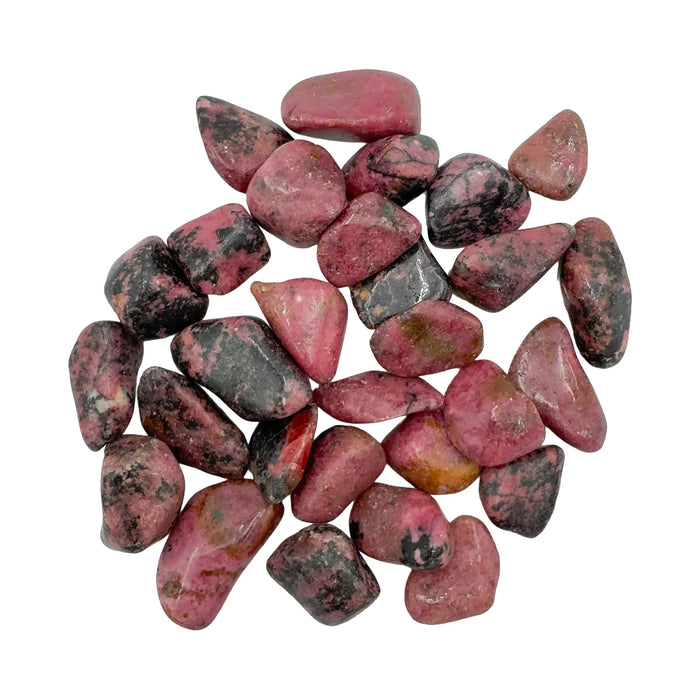
Real Rhodonite shows a natural pink body with irregular black veins of manganese oxide. The pink should vary in saturation across a single piece, and the black veining has a fine, sometimes dendritic quality under a loupe. The polish reads vitreous to slightly pearly. Under strong light, the stone is generally opaque with translucent edges on thinner pieces.
Dyed howlite and dyed calcite are the rare imitations at the bottom of the market. Dyed pieces show flat, uniform pink with no natural veining, and dye often pools in surface fractures. The hardness test separates most imitations: real Rhodonite will scratch glass; dyed howlite will not. Rhodonite is sometimes mistakenly labeled Rhodochrosite (or vice versa); the two are distinct, and reputable sellers name the species.
Care & handling.
Water safe for a brief rinse with warm water and a soft cloth. Skip long soaks, saltwater, and ultrasonic cleaners. The cleavage planes can be exploited by vibration in an ultrasonic. Rhodonite is stable under sunlight, though prolonged direct UV over years can slowly fade the deepest pinks.
Cleanse energetically with moonlight, sound, smoke, or by placing on selenite overnight. At 5.5 to 6.5 on the Mohs scale, Rhodonite handles careful daily wear in jewelry but isn't ideal for rings subjected to physical work. Store separately from harder stones like quartz and topaz to preserve the polish.
Pairs well with.
Proof, not promises.
We measure our own sourcing across five dimensions. Supply chain, environmental footprint, artisan support, market integrity, and pricing. The number is honest, not perfect. Where we can do better, we say so.
A deeper look.
Extended geology, sourcing, authentication, history, varieties, and pricing, for when the quick guide isn't quite enough.
Extended geology
Rhodonite is a manganese-bearing silicate in the pyroxenoid group, with general formula (Mn,Fe,Mg,Ca)SiO₃. It crystallizes in the triclinic system, though most commercial material is massive rather than showing distinct crystals. The characteristic rosy pink color derives from Mn²⁺ in the silicate structure. Black veining through the stone is oxidized manganese (pyrolusite, manganite, or other Mn⁴⁺ minerals) that formed when the primary Rhodonite was exposed to oxidizing conditions after formation.
Specific gravity runs 3.5 to 3.7. Mohs hardness 5.5 to 6.5. Perfect cleavage in two directions at nearly 90 degrees. Fracture uneven to conchoidal. Luster vitreous to slightly pearly. The cleavage planes are why polished Rhodonite sometimes shows reflective sheens on cut surfaces.
Extended sourcing
Russia's Ural Mountains, particularly the Malyi Sedelnikovo deposit near Ekaterinburg, is the historical heavyweight and produced the material used in Russian imperial regalia and ornamental objects. The Ural deposits remain important but produce less commercial volume today. Zimbabwe is the dominant contemporary supplier of small-shop Rhodonite.
Peru's San Martin region produces commercial material with a slightly cooler pink. Brazil (Minas Gerais), Sweden (Langban), Australia (New South Wales), and the United States (Massachusetts type locality, Colorado, California) contribute additional commercial and collector-grade material. Each locality has a recognizable color and veining signature.
Authentication and warning signs
The natural pink-and-black pattern is distinctive. Real Rhodonite shows pink color that varies subtly across a piece, with irregular black veining that looks organic rather than drawn. Under magnification, the manganese oxide veins often show a fine dendritic or blocky texture. Real Rhodonite will scratch glass (hardness 5.5 to 6.5).
Dyed howlite and dyed calcite imitations show uniform saturated pink without natural black veining, or with painted-looking veining that's too regular. Rhodonite is sometimes confused with Rhodochrosite (a different mineral, carbonate rather than silicate, softer at 3.5 to 4, usually with white banding rather than black veining). Reputable sellers name the species.
Historical and cultural context
Russian Rhodonite from the Urals has the most documented history. The material was discovered by Bazhukov, a local peasant miner, in 1790 and quickly claimed by the imperial stonecutting works. The Peterhof Palace contains several Rhodonite columns and ornamental pieces; the Hermitage has Rhodonite mosaics. A massive 47-ton Rhodonite sarcophagus made for Alexandra Feodorovna in the 1840s is one of the largest single blocks of the material ever worked.
The name Rhodonite comes from Greek rhodos (rose), given by the German mineralogist Christoph Jasche in 1819. The Russian name orletz (eagle stone) comes from folk observation of eagles carrying small Rhodonite pebbles to their nests. In contemporary practice, the stone is associated with the heart chakra and the patient work of emotional healing and compassion.
Varieties and trade names
Standard Rhodonite: pink with black manganese oxide veining, the common commercial form.
Gem Rhodonite: transparent to translucent pink Rhodonite without black veining, rare and valuable.
Russian Rhodonite (Orletz): historical designation for Ural-sourced material, often with significant collector provenance.
Fowlerite: a zinc-bearing variety historically found at Franklin, New Jersey.
Pricing reality
Tumbled Rhodonite: 1 to 6 dollars per piece. Small carved shapes and palm stones: 8 to 35 dollars. Larger polished freeforms and spheres: 30 to 150 dollars. Fine Russian Rhodonite with historical provenance: 100 to 1,000 dollars. Gem Rhodonite (transparent, vein-free): collector pricing, 200 to several thousand dollars.
Value drivers: depth and saturation of pink, balance and pattern of black veining, absence of chips or damage, clean polish, and documented origin. Warning signs: suspiciously uniform pink at very low prices, no origin offered, or 'Rhodonite' that's actually Rhodochrosite (or vice versa) sold under the wrong name.
Good sourcing is a practice, not a claim.
Nothing we sell is dyed howlite, dyed calcite, or Rhodochrosite mislabeled as Rhodonite. We name our origins where we can. We say so when we cannot. We walk away from material that doesn't meet our standard, even when it costs us sales.
Bring rhodonite home.
Every piece we carry is photographed individually and listed with its own origin and treatment notes. What you see is what ships.
Shop the rhodonite collectionRhodonite, in stock now.
Our most-loved Rhodonite pieces, ready to ship.
- 4.9 out of 5from 1,000+ reviews
- Ships within 72 hoursMonday to Friday, tracked
- 90 days to return itif you do not love it
- Free US shipping over $99$8.99 flat rate under