


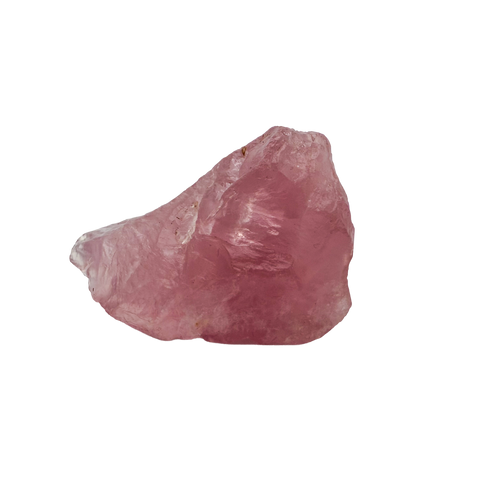
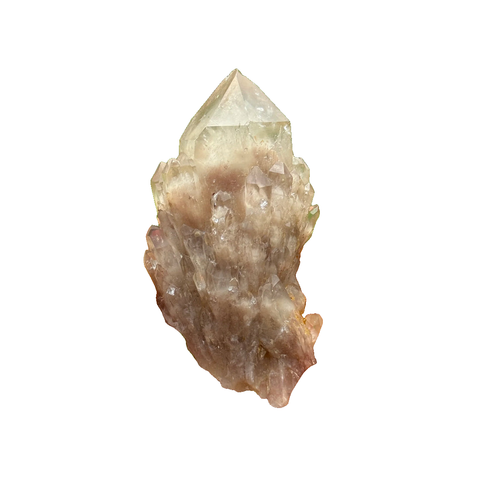
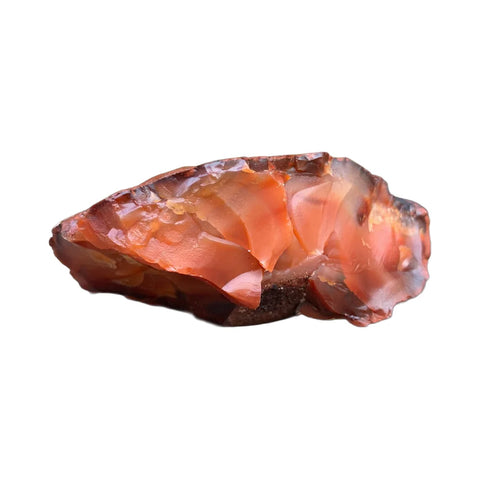
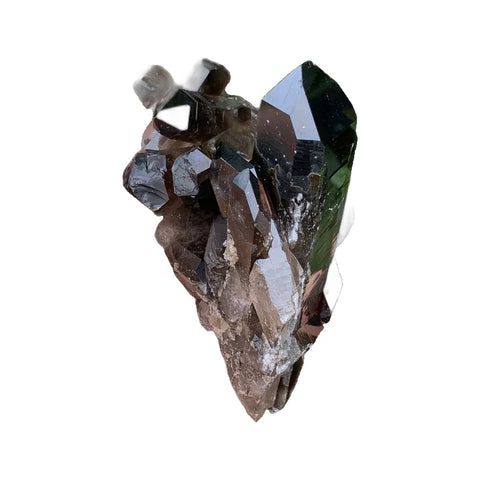
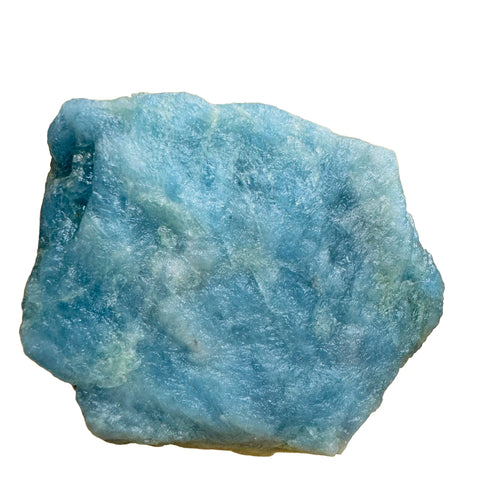
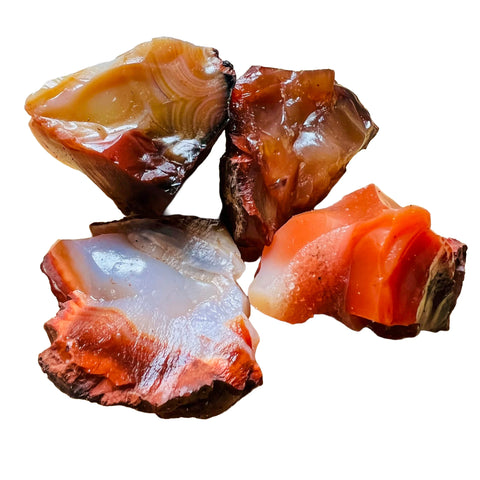


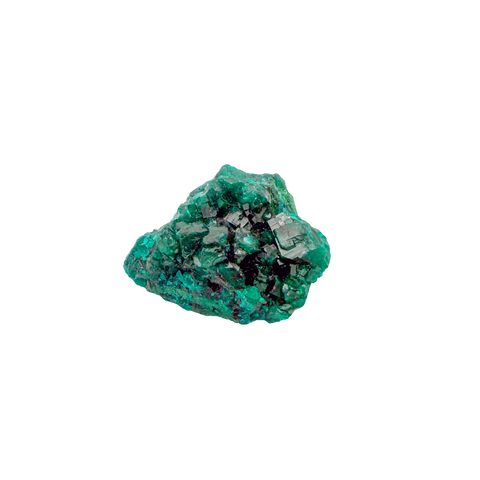
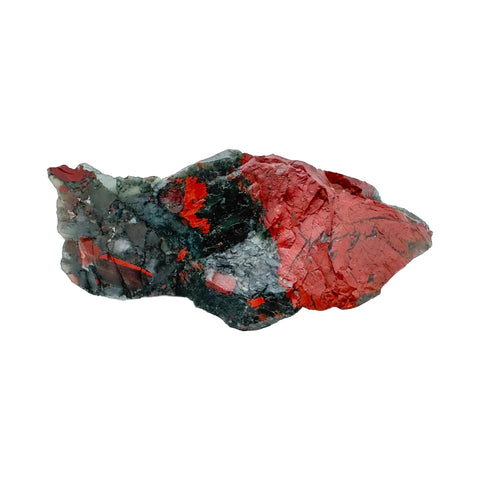
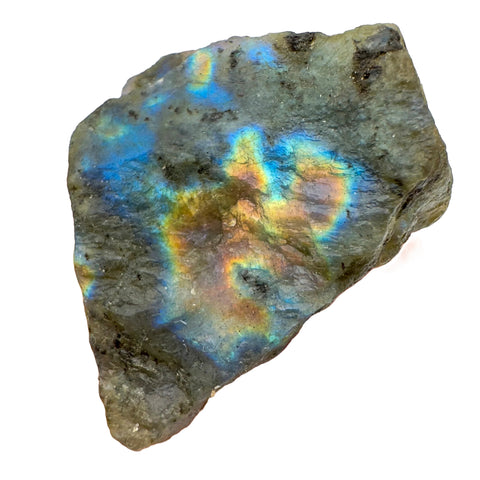
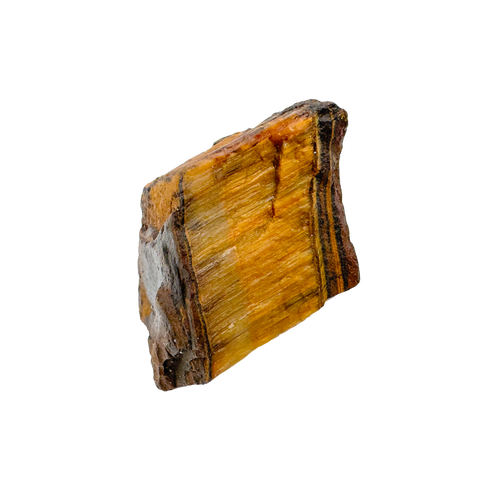
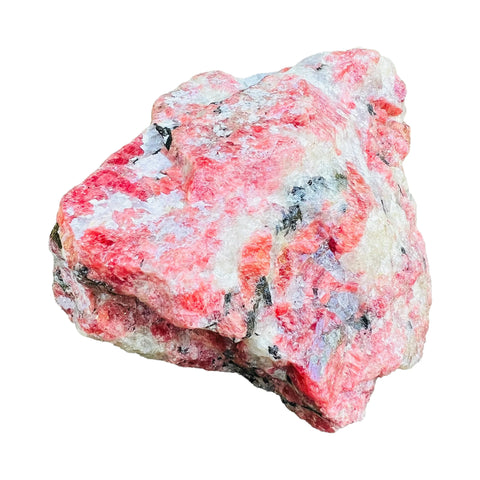
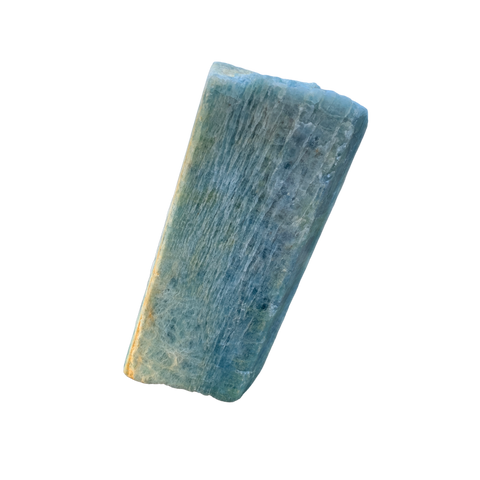
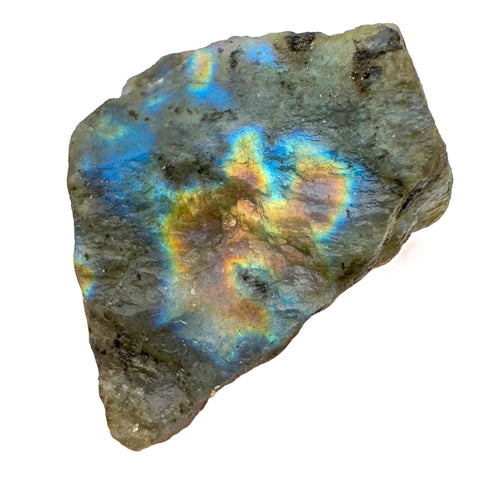
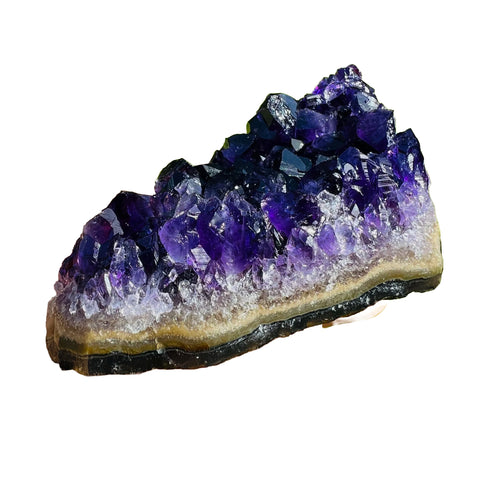



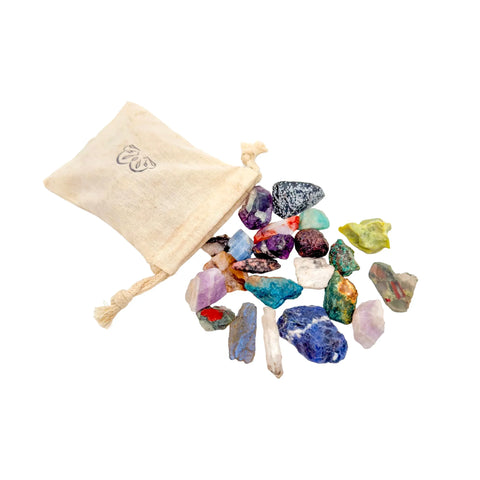
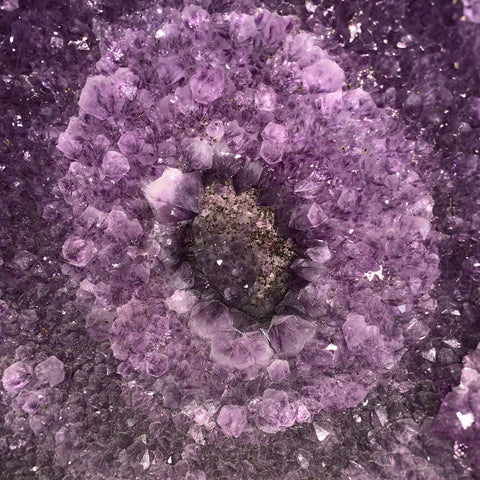
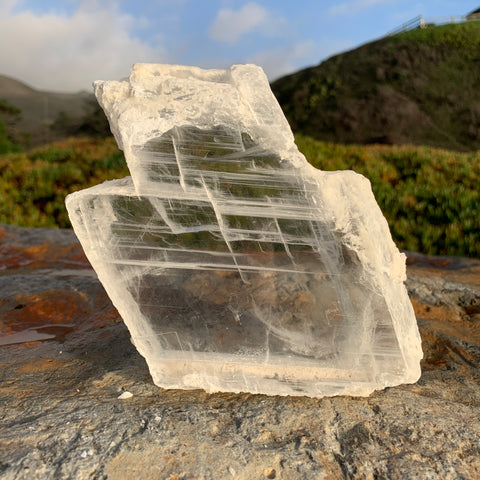
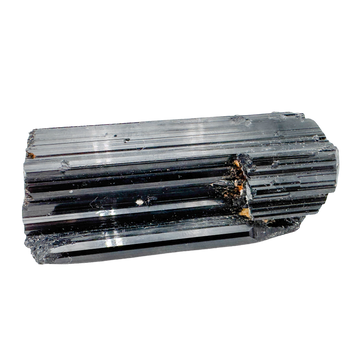
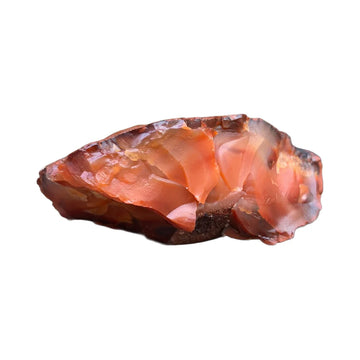
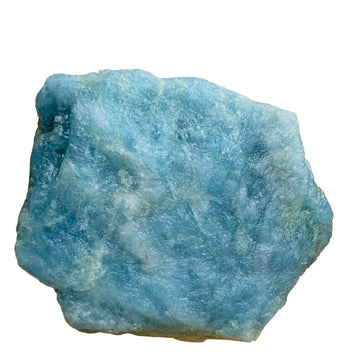
 Raw Stones
180 pieces
Raw Stones
180 pieces
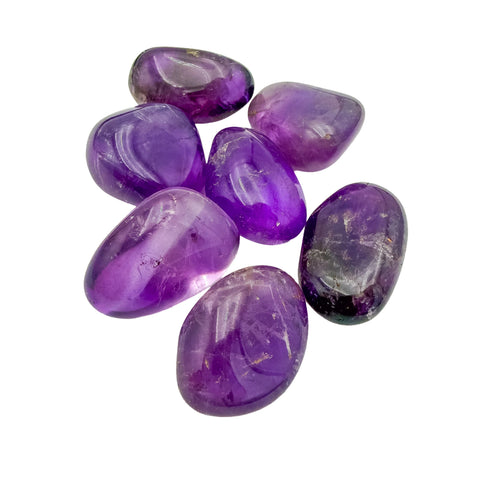
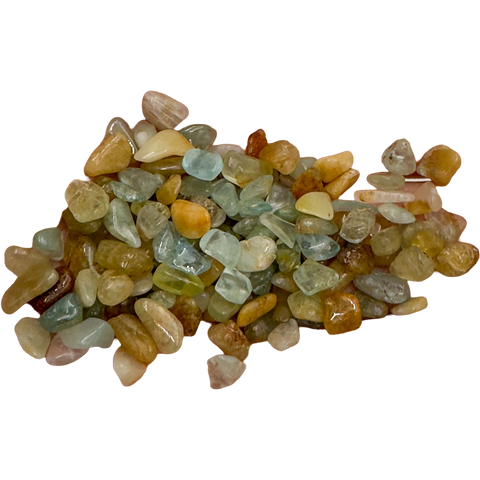
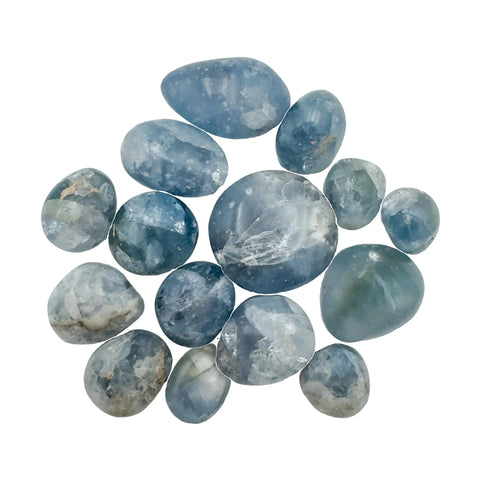
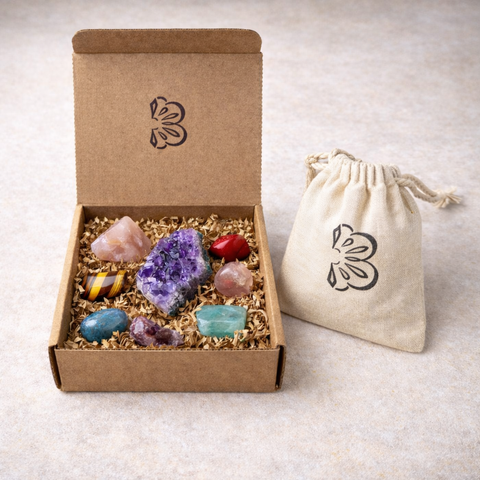
 Tumbled Stones
162 pieces
Tumbled Stones
162 pieces
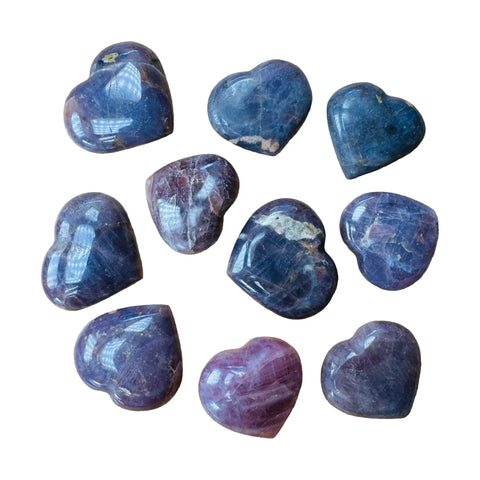
 Palm Stones
26 pieces
Palm Stones
26 pieces
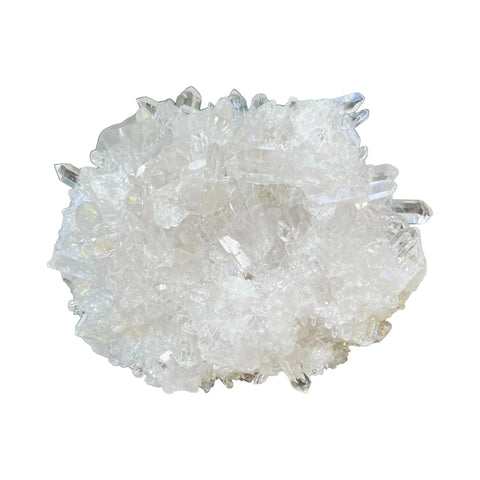
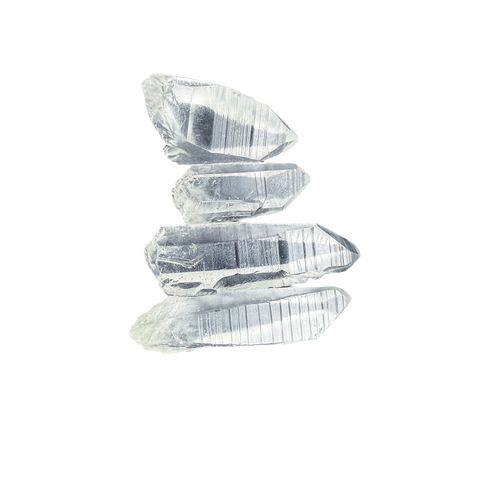
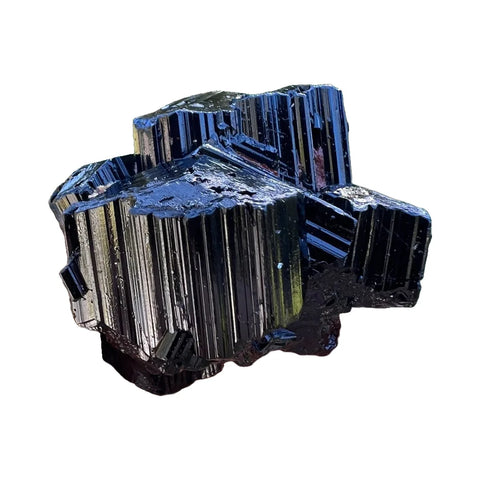
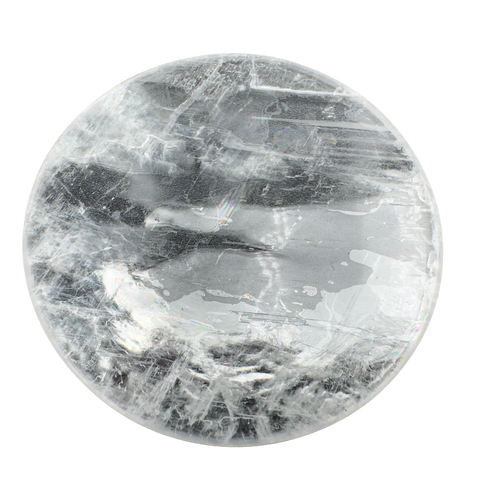
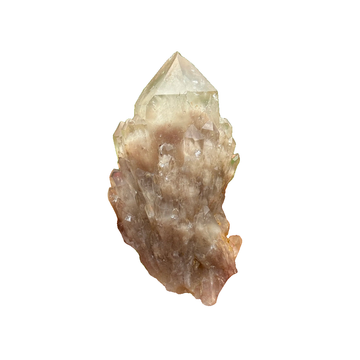
 Crystal Points
23 pieces
Crystal Points
23 pieces
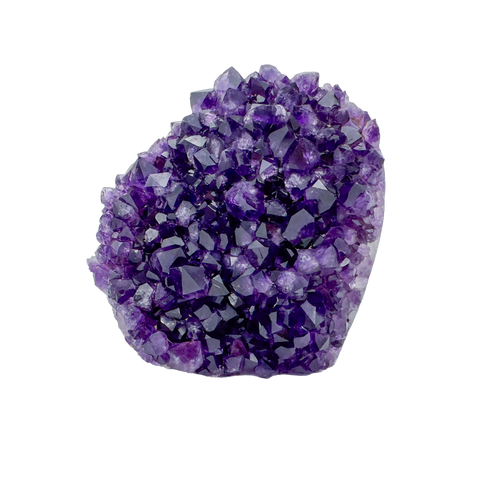
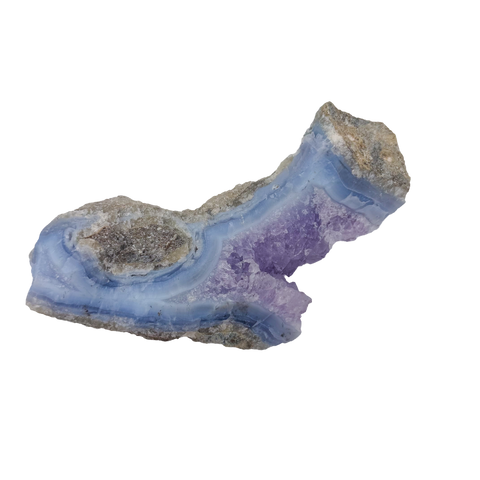
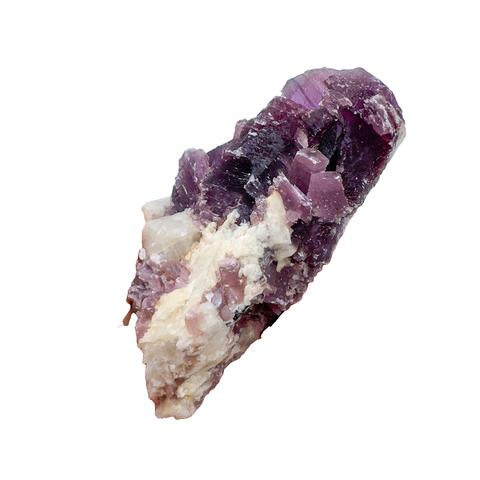
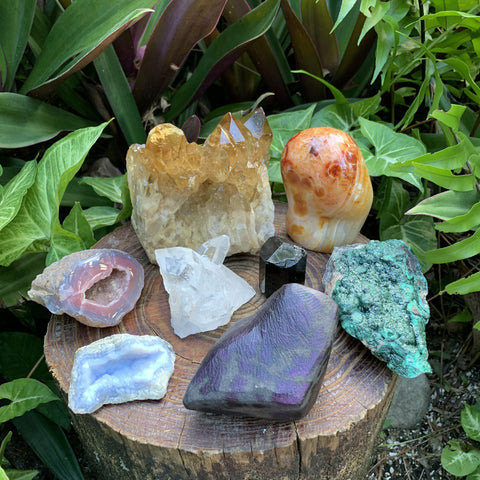
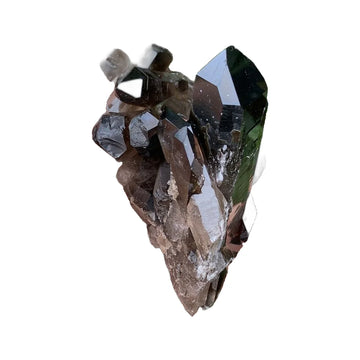
 Clusters & Geodes
112 pieces
Clusters & Geodes
112 pieces
 Polished & Decor
155 pieces
Polished & Decor
155 pieces
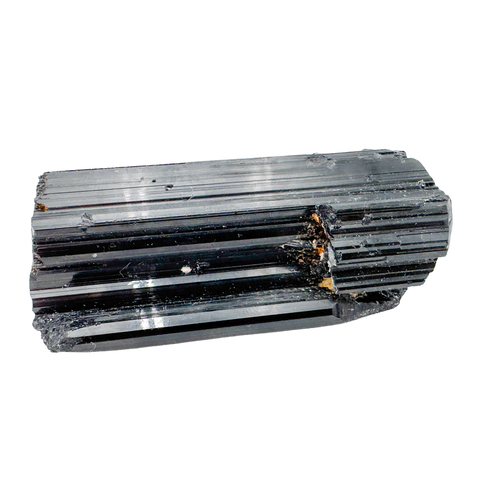
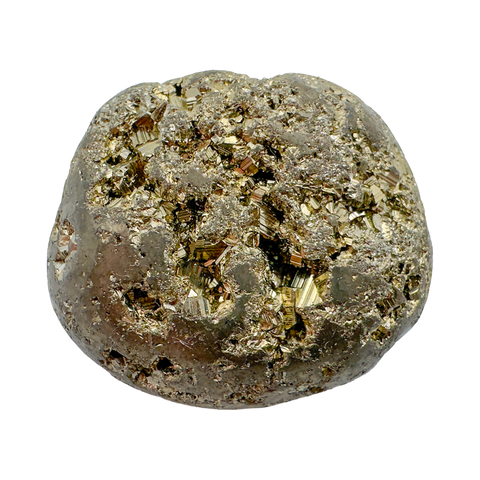
 Mineral Specimens
269 collector pieces
Mineral Specimens
269 collector pieces
 Crystal Chips
21 pieces
Browse everything
Every collection, one page.
View All Collections →
Crystal Chips
21 pieces
Browse everything
Every collection, one page.
View All Collections →


 Aries
Mar 21 – Apr 19
Carnelian
›
Aries
Mar 21 – Apr 19
Carnelian
›
 Taurus
Apr 20 – May 20
Rose Quartz
›
Taurus
Apr 20 – May 20
Rose Quartz
›
 Gemini
May 21 – Jun 20
Agate
›
Gemini
May 21 – Jun 20
Agate
›
 Cancer
Jun 21 – Jul 22
Moonstone
›
Cancer
Jun 21 – Jul 22
Moonstone
›
 Leo
Jul 23 – Aug 22
Citrine
›
Leo
Jul 23 – Aug 22
Citrine
›
 Virgo
Aug 23 – Sep 22
Amazonite
›
Virgo
Aug 23 – Sep 22
Amazonite
›
 Libra
Sep 23 – Oct 22
Blue Lace Agate
›
Libra
Sep 23 – Oct 22
Blue Lace Agate
›
 Scorpio
Oct 23 – Nov 21
Obsidian
›
Scorpio
Oct 23 – Nov 21
Obsidian
›
 Sagittarius
Nov 22 – Dec 21
Sodalite
›
Sagittarius
Nov 22 – Dec 21
Sodalite
›
 Capricorn
Dec 22 – Jan 19
Black Tourmaline
›
Capricorn
Dec 22 – Jan 19
Black Tourmaline
›
 Aquarius
Jan 20 – Feb 18
Amethyst
›
Aquarius
Jan 20 – Feb 18
Amethyst
›
 Pisces
Feb 19 – Mar 20
Aquamarine
›
Gifting?
A birthday stone is the safe bet.
Read the zodiac guide →
Pisces
Feb 19 – Mar 20
Aquamarine
›
Gifting?
A birthday stone is the safe bet.
Read the zodiac guide →

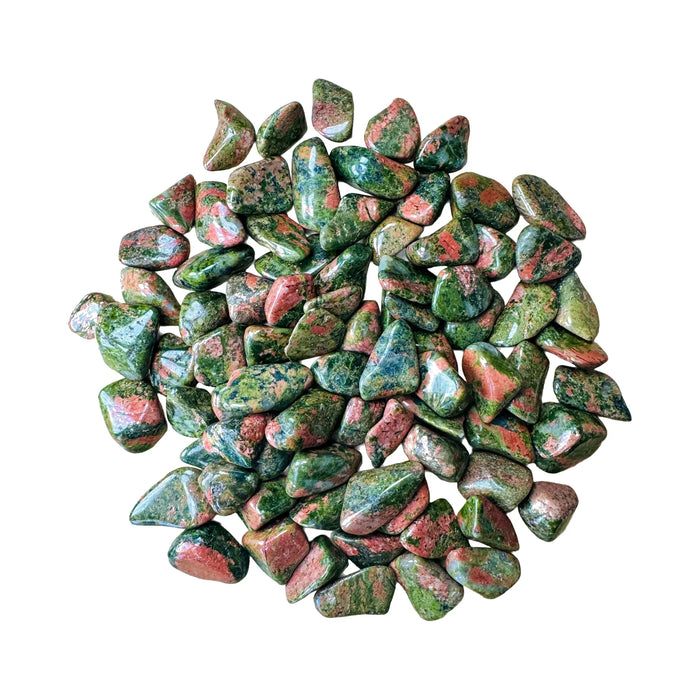
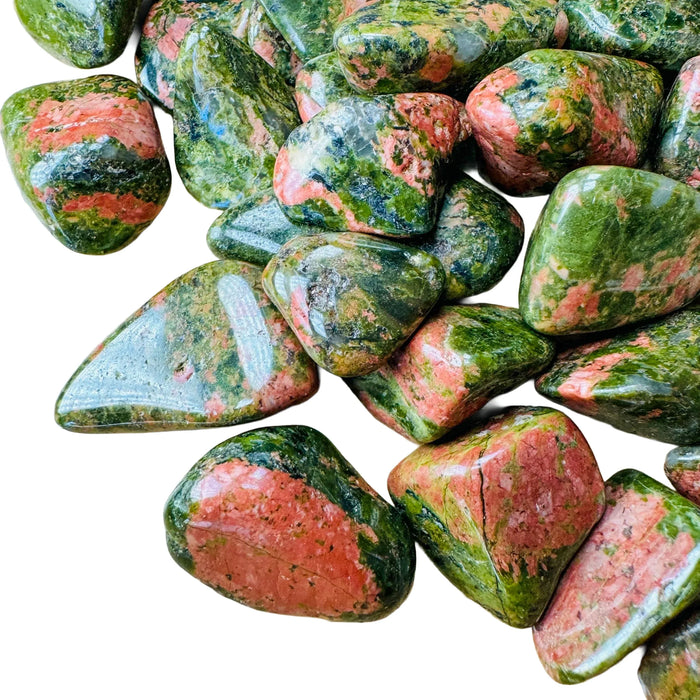
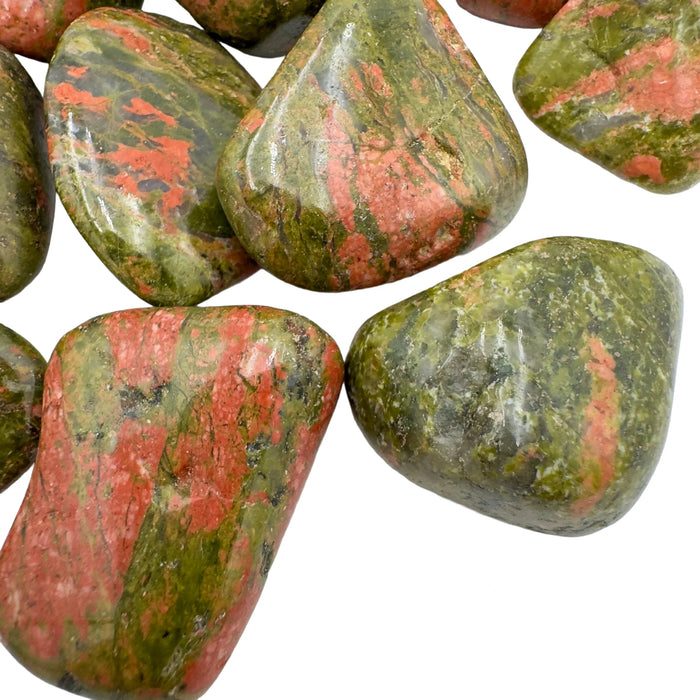
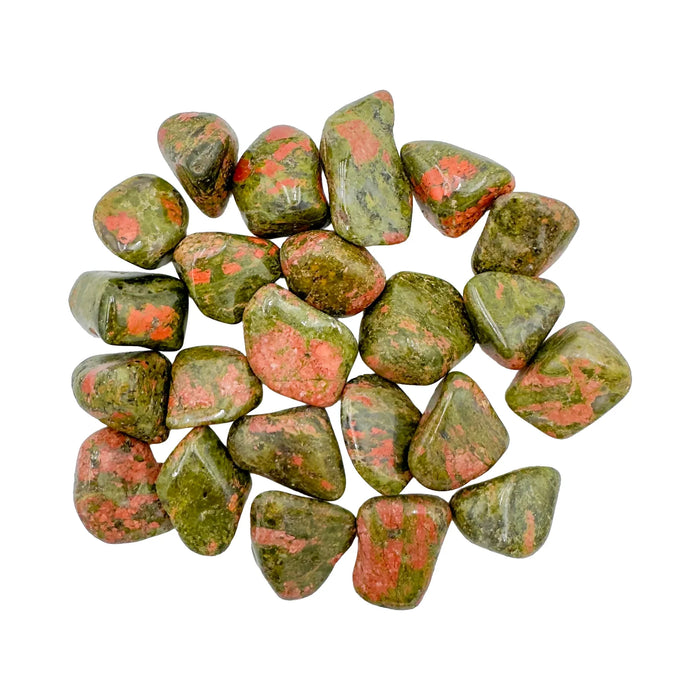
Unakite
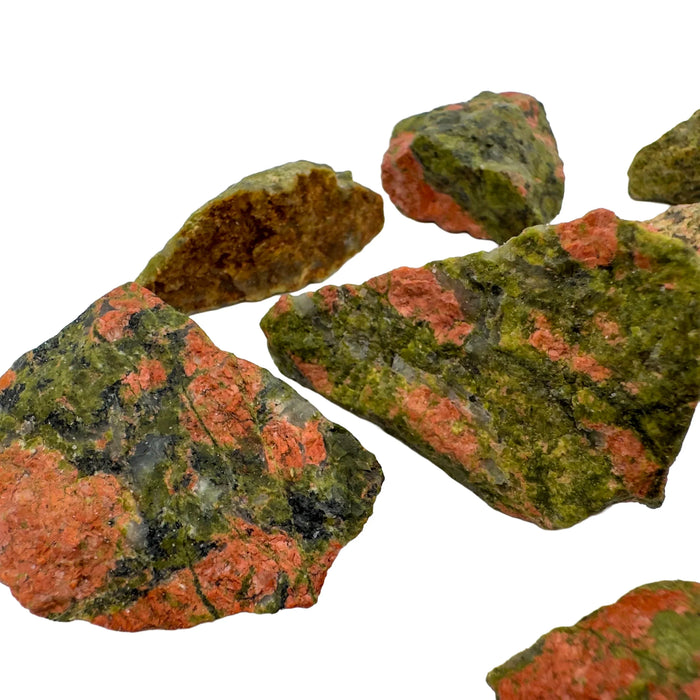
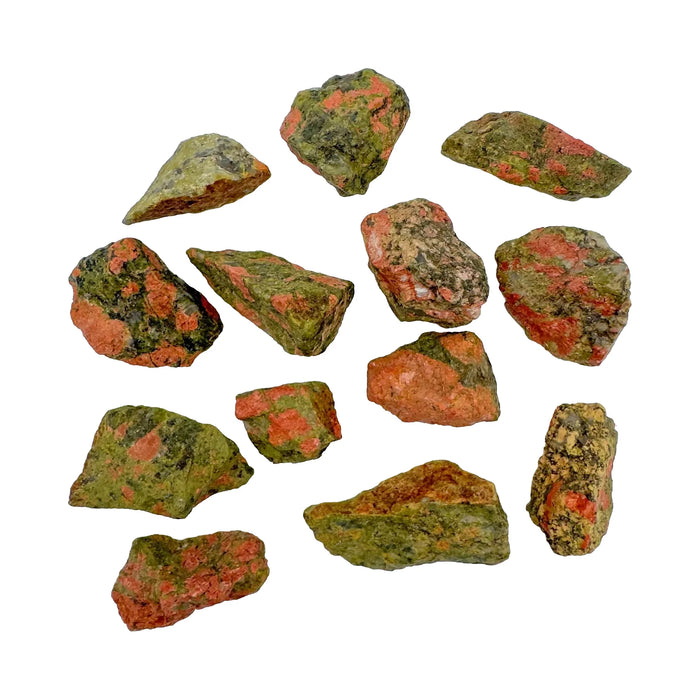
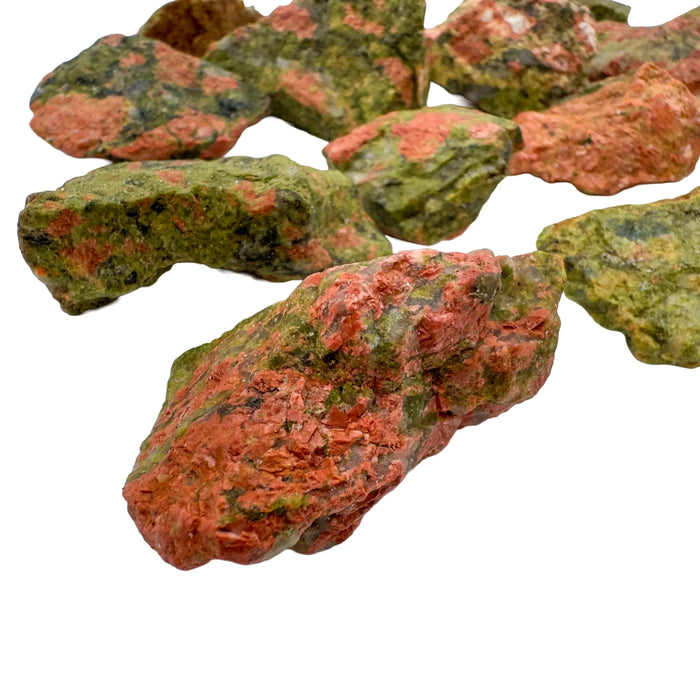
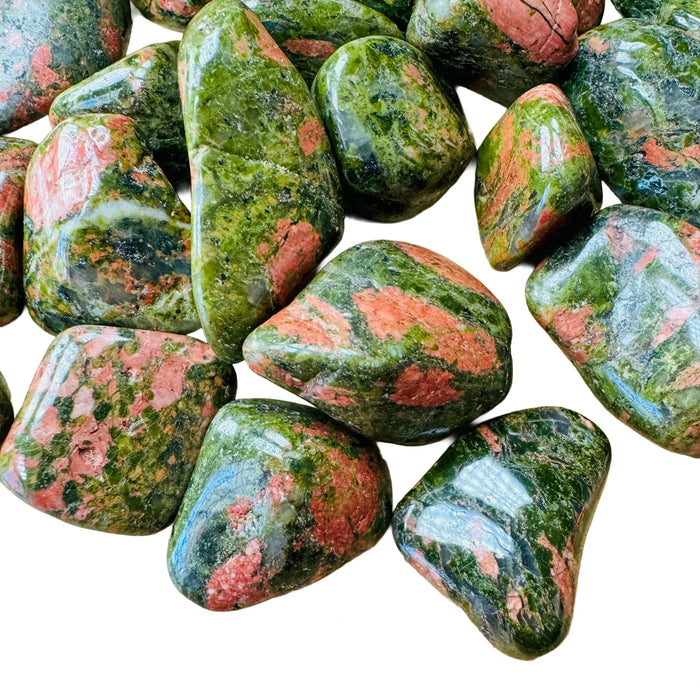
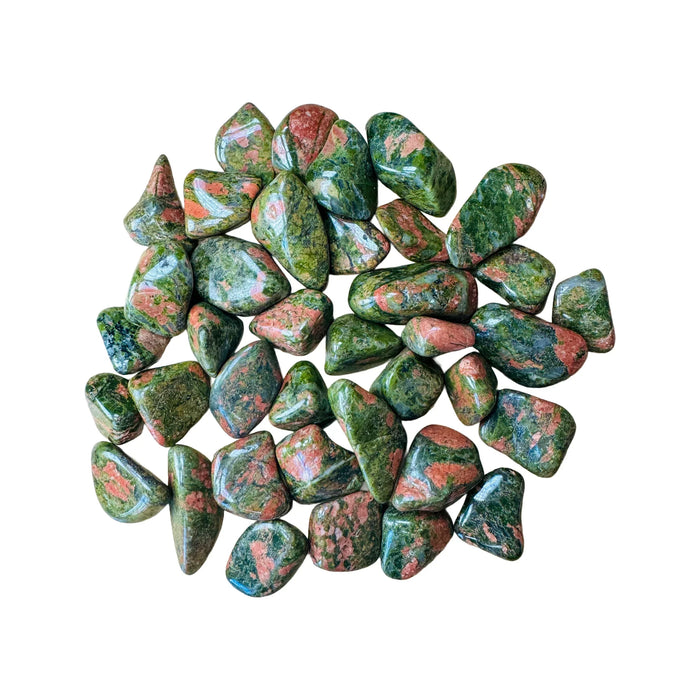
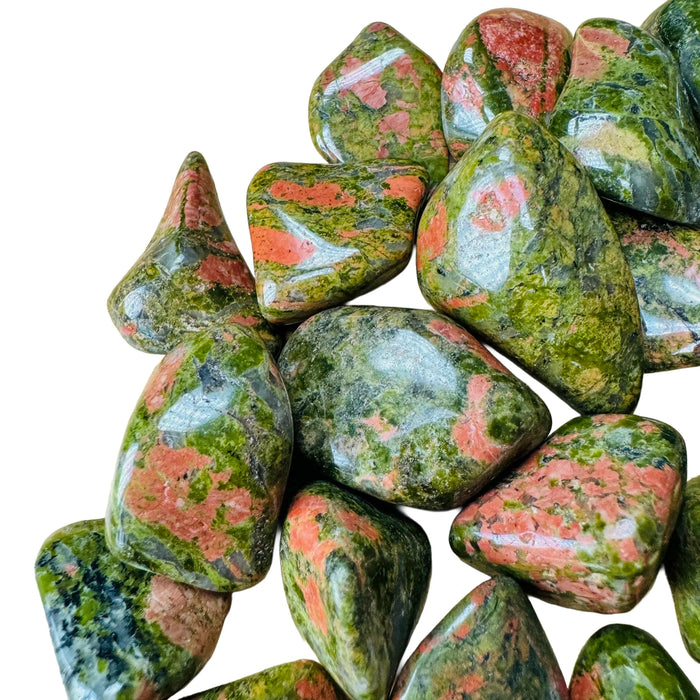
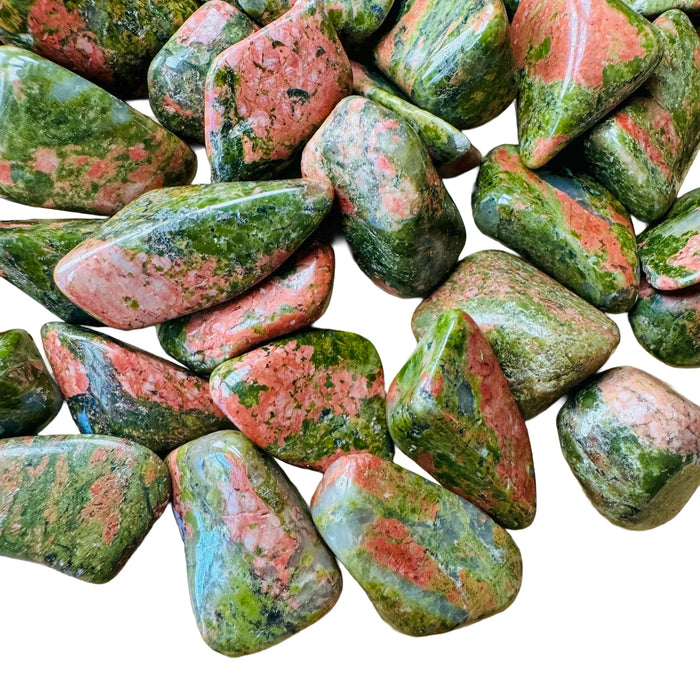
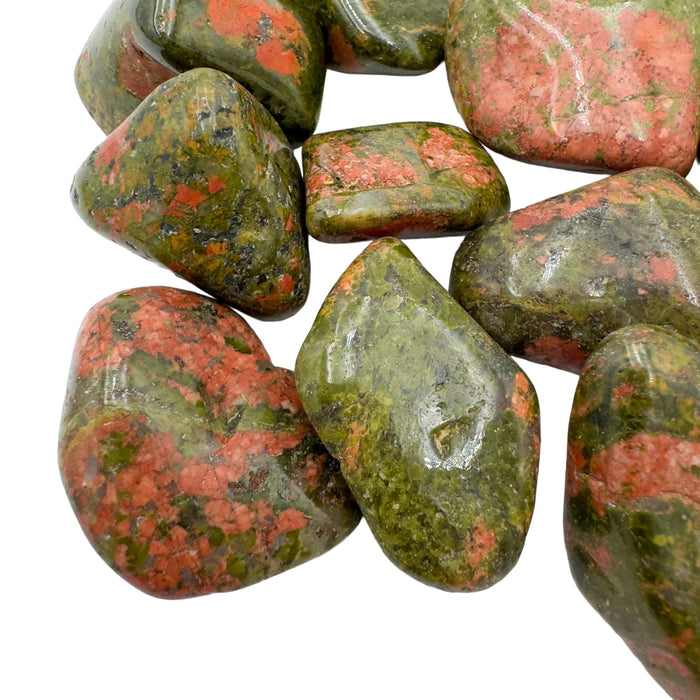
Unakite is a pink-and-green altered granite, a rock rather than a single mineral, made of pink orthoclase feldspar, green epidote, and clear quartz grown together. Traditionally associated with emotional healing and the slow work of returning to yourself, it's one of the honest, practical stones in the collection.
Shop unakiteThe geology.
Unakite isn't a single mineral. It's an altered granite, meaning it's a rock made of three minerals grown together: pink orthoclase feldspar, green epidote, and clear to smoky quartz. The pink and green marbling you see in a polished piece is those three components, each with its own crystal structure, mechanically interlocked in the original host rock.
Because it's a composite, hardness depends on which part you test. Orthoclase sits at 6, quartz at 7, epidote between 6 and 7. Average working hardness is 6 to 7 on the Mohs scale. There's no single crystal system since each mineral has its own. That structural mix also explains why Unakite takes a soft matte polish particularly well.
The origins.
Unakite takes its name from the Unaka Range in North Carolina and Tennessee, where it was first described in the 1870s. The type locality still produces collector material. Today the commercial market is spread across several producers. South Africa's Northern Cape and Zimbabwe supply much of the tumbled material that reaches small shops. The United States, Brazil, Sierra Leone, and China also contribute to the global market.
Each producer has a subtle color signature. South African material tends toward brighter pink with saturated green. Zimbabwean often shows a slightly deeper, warmer tone. American specimens from the type locality carry historical interest but command higher prices. The honest test for any Unakite is still the pattern itself: pink and green in distinct patches, not a blended wash.
Traditional associations.
Unakite's tradition is younger than most stones in the collection. It was described in 1874 and entered the metaphysical market in the twentieth century rather than carrying centuries of folklore. The working associations were built on its visible pairing of pink and green, the two colors most linked in Western tradition to the heart.
Many people work with Unakite for emotional healing, self-love, and the patient side of returning to balance after a hard stretch. It's most commonly associated with the Heart and Root chakras, the elements of Earth and Water, and the zodiac sign Scorpio. The stone is often carried for steadiness during a healing process rather than a breakthrough moment.
Spotting the real thing.
Real Unakite shows a mottled pink-and-green pattern with irregular shapes rather than uniform bands. The pink and green don't blend; they sit side by side with distinct boundaries. Under a loupe you'll see the three components: pink feldspar, green epidote (sometimes blocky, sometimes fibrous), and clear-to-smoky quartz filling gaps.
Fakes are uncommon at this price point, which is good news. Occasional dyed granites or dyed stoneware marketed as Unakite show uniform color saturation or pooling along fractures. The reliable authentication test is simply looking at whether the pink and green are distinct patches with clear boundaries. Uniform blending is the warning sign.
Care & handling.
Water safe for a brief rinse with warm water and a soft cloth. Skip long soaks, saltwater, and ultrasonic cleaners, partly because of the softer feldspar component. Unakite is stable under sunlight and doesn't fade.
Cleanse energetically with moonlight, sound, smoke, or by placing on selenite overnight. Average hardness of 6 to 7 makes it reasonable for daily wear as long as it isn't knocked against harder stones like sapphire or topaz. Store in a small pouch with similar-hardness stones or on its own.
Pairs well with.
Proof, not promises.
We measure our own sourcing across five dimensions. Supply chain, environmental footprint, artisan support, market integrity, and pricing. The number is honest, not perfect. Where we can do better, we say so.
A deeper look.
Extended geology, sourcing, authentication, history, varieties, and pricing, for when the quick guide isn't quite enough.
Extended geology
Unakite is an altered granite, sometimes more precisely called epidotized granite. The host rock is a standard pink granite; hydrothermal fluids in the Earth's crust replaced portions of it with epidote over geological time. The result is a mottled rock with pink orthoclase feldspar (KAlSi₃O₈), green epidote (Ca₂Al₂(Fe³⁺,Al)(SiO₄)(Si₂O₇)O(OH)), and quartz (SiO₂) visibly interlocked.
Average specific gravity runs 2.6 to 2.9. Luster is vitreous to waxy. No single crystal system applies since the rock is a composite. Fracture is uneven to granular. The material polishes to a soft, low-sheen finish that reads warm rather than reflective.
Extended sourcing
The Unaka Range along the North Carolina-Tennessee border is the type locality and still produces collector material. Commercial-scale supply today comes mainly from southern Africa. South Africa and Zimbabwe are consistent producers of tumbling-grade material. Sierra Leone and China also contribute to the global market.
Brazil produces some Unakite, usually of a slightly different color balance than the African material. Each source has a signature: Zimbabwean material tends toward brighter pink with saturated green; South African often shows deeper, more muted tones.
Authentication and warning signs
The visual test is pattern. Real Unakite shows an irregular, patchy mottling of pink and green with clear boundaries. If the two colors blend smoothly into a uniform wash, the piece has likely been dyed. Under a loupe you should be able to identify three distinct components: pink feldspar grains, green epidote, and clear or smoky quartz.
Glass and resin imitations are rare but exist at the very bottom of the price market. They tend to feel warmer to the touch and show bubbles or cast lines under magnification. The hardness test (quartz will scratch glass; glass will not scratch quartz) separates real from imitation quickly.
Historical and cultural context
Unakite was first described as a distinct rock type in 1874 by Frank W. Clarke, named for the Unaka Range where the original samples were collected. Its entry into jewelry and metaphysical markets is a twentieth-century development, built on its visible pink-and-green coloring rather than on a documented historical tradition.
In contemporary working practice, Unakite is grouped with heart-centered stones due to the green-pink color pairing. Some practitioners associate it with the solar plexus via the pink, though the heart and root associations are more widespread.
Varieties and trade names
Standard Unakite: the classic pink-and-green altered granite.
Epidosite: an older geological term sometimes used interchangeably with Unakite in academic contexts.
Epidotized Granite: the technical name preferred in petrology.
Pricing reality
Tumbled Unakite: 1 to 5 dollars per piece. Small carved shapes and palm stones: 8 to 25 dollars. Larger freeforms, spheres, and statement pieces: 25 to 100 dollars depending on size and color balance.
Value drivers: balance of pink and green, visible crystal structure, clean polish, documented origin. Warning signs: perfectly uniform color, suspiciously saturated pink, pieces with no origin on offer.
Good sourcing is a practice, not a claim.
Nothing we sell is dyed, stabilized, or color-enhanced without full disclosure. We name our origins where we can. We say so when we cannot. We walk away from material that doesn't meet our standard, even when it costs us sales.
Bring unakite home.
Every piece we carry is photographed individually and listed with its own origin and treatment notes. What you see is what ships.
Shop the unakite collectionUnakite, in stock now.
Our most-loved Unakite pieces, ready to ship.
- 4.9 out of 5from 1,000+ reviews
- Ships within 72 hoursMonday to Friday, tracked
- 90 days to return itif you do not love it
- Free US shipping over $99$8.99 flat rate under