


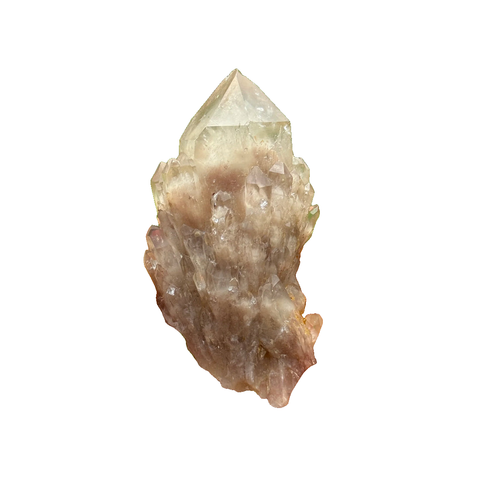
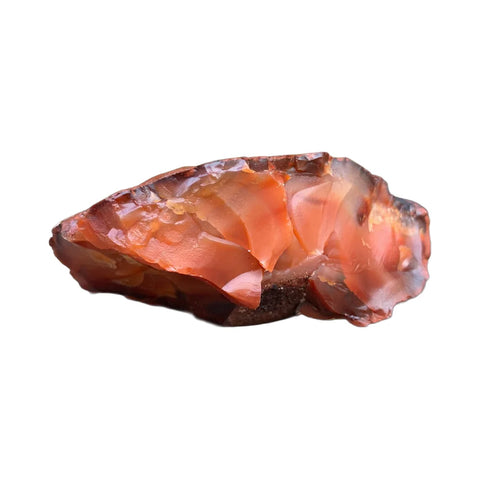
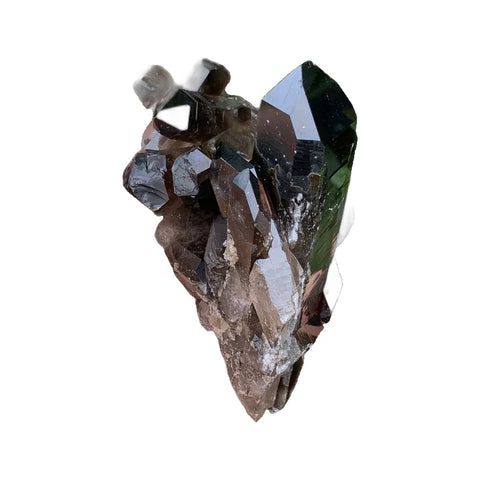
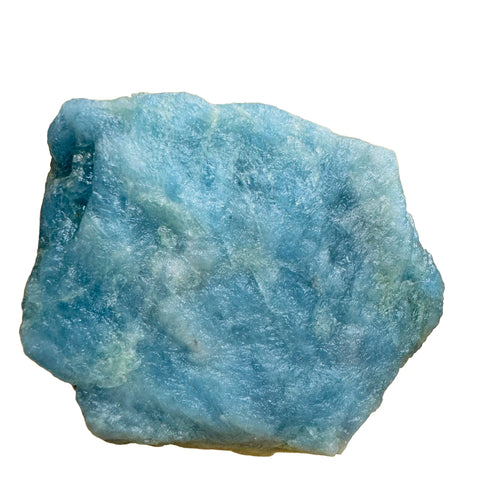
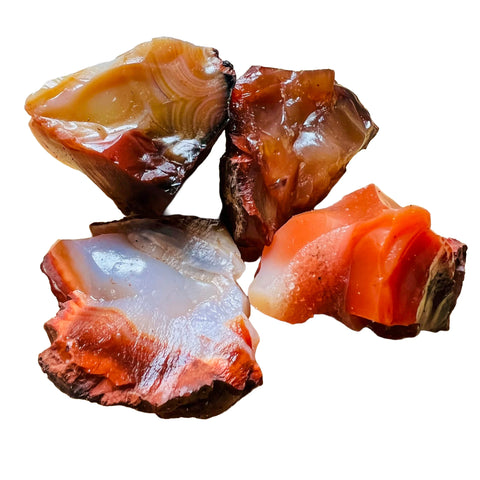


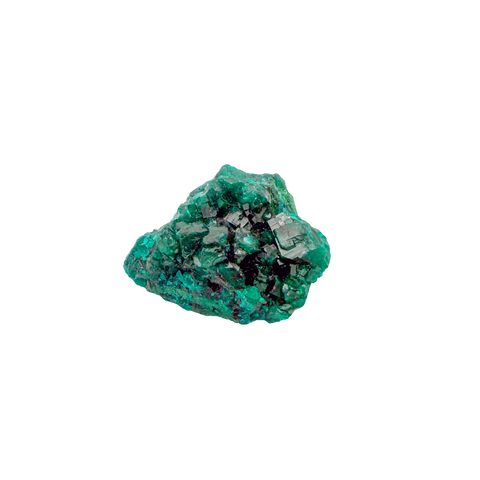
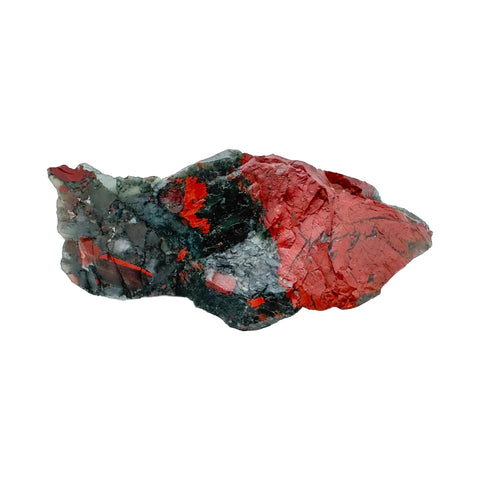
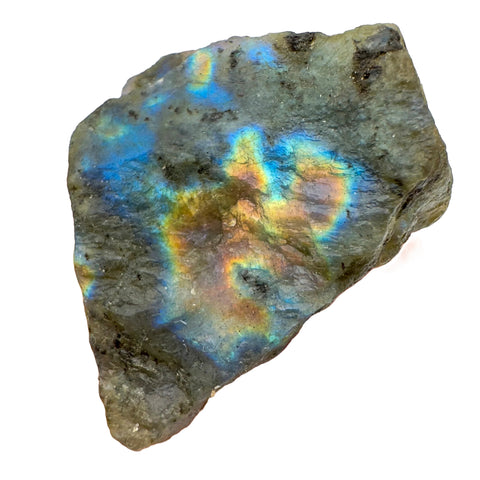
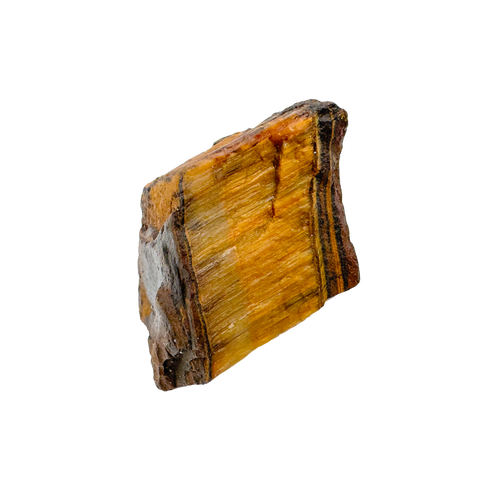
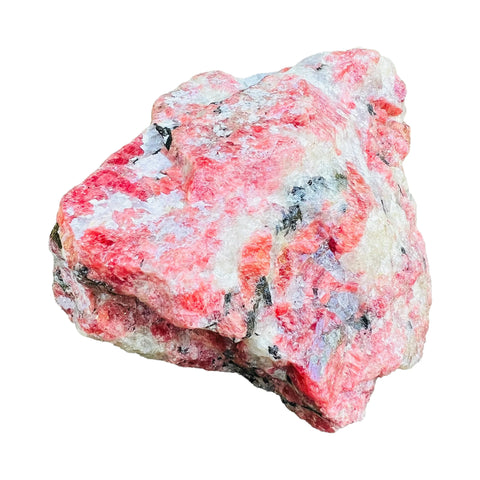
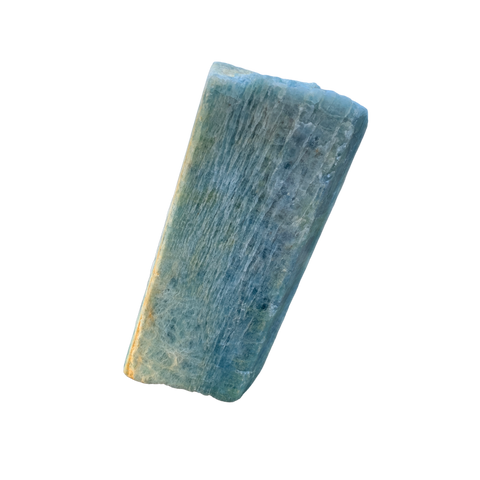
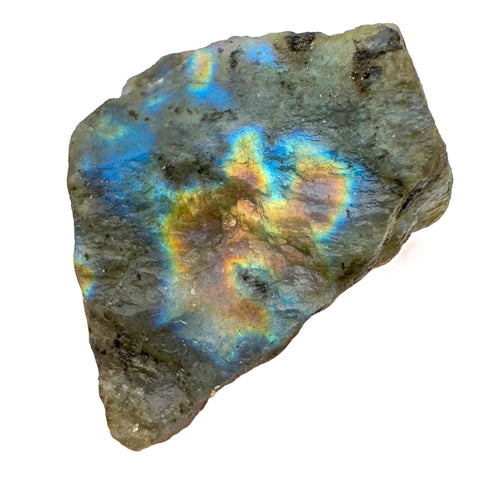
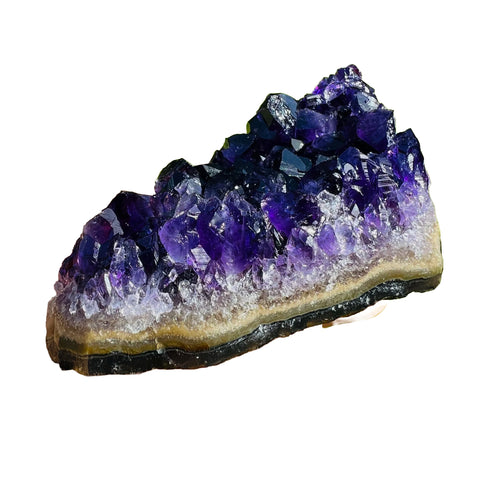



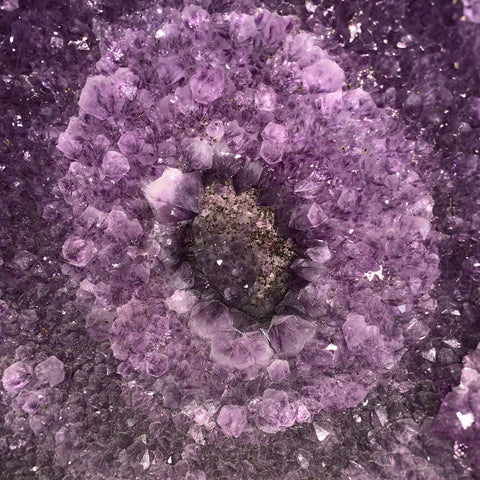
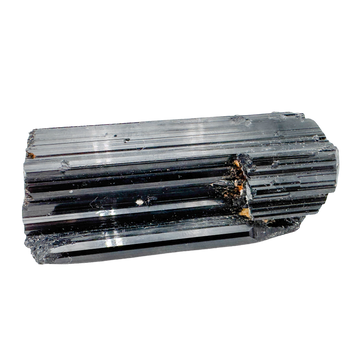
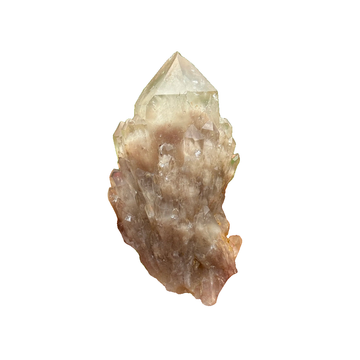
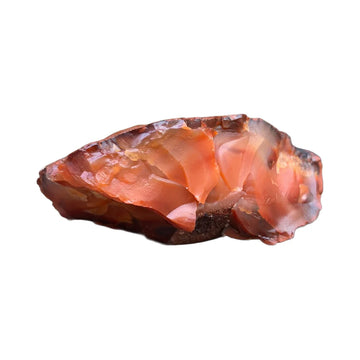
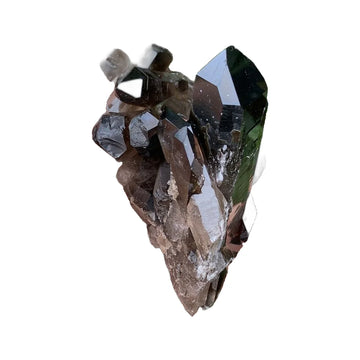
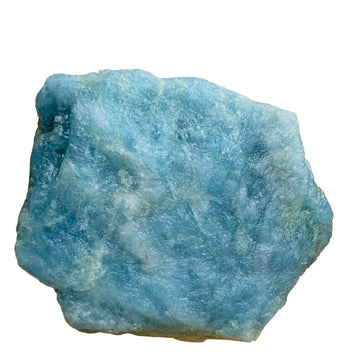
 Raw Stones
180 pieces
Raw Stones
180 pieces
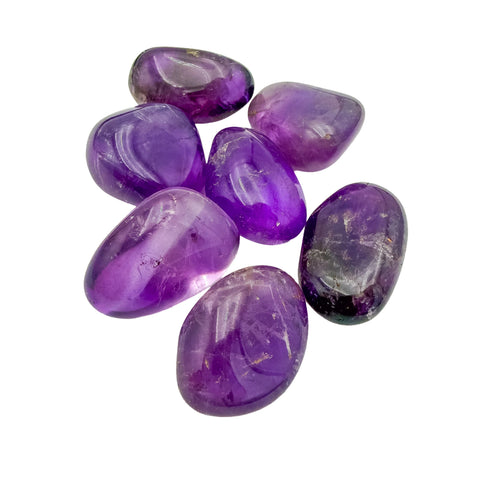
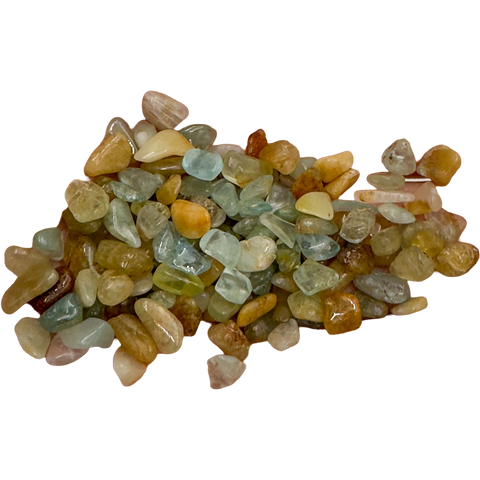
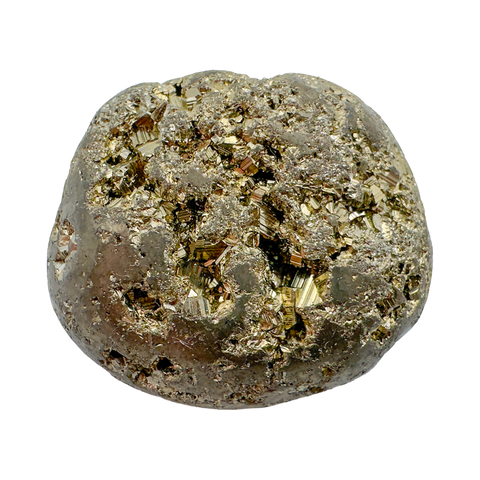
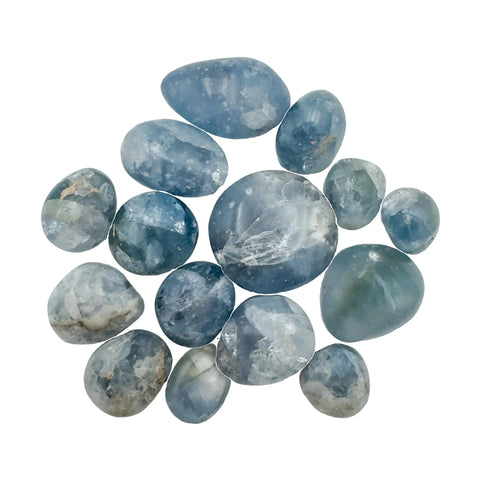
 Tumbled Stones
162 pieces
Tumbled Stones
162 pieces
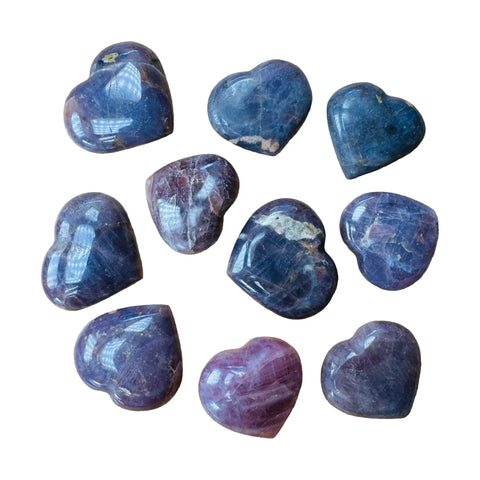
 Palm Stones
26 pieces
Palm Stones
26 pieces
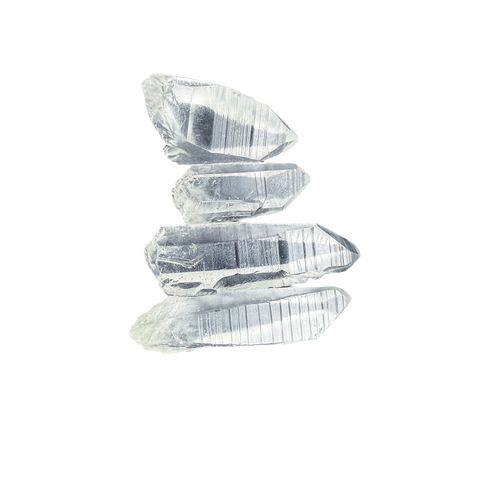
 Crystal Points
23 pieces
Crystal Points
23 pieces
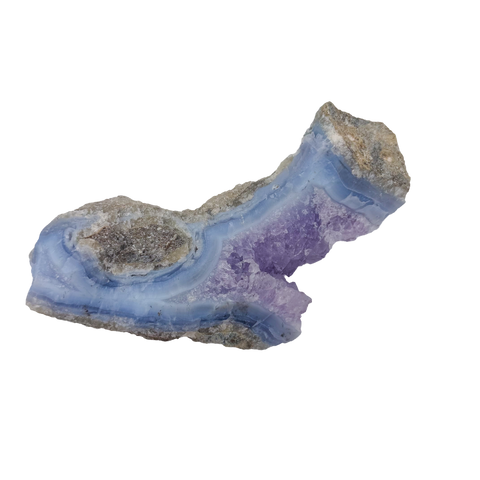
 Clusters & Geodes
112 pieces
Clusters & Geodes
112 pieces
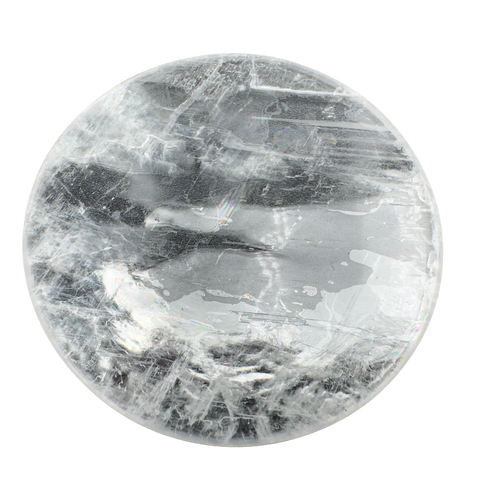
 Polished & Decor
155 pieces
Polished & Decor
155 pieces
 Mineral Specimens
269 collector pieces
Mineral Specimens
269 collector pieces
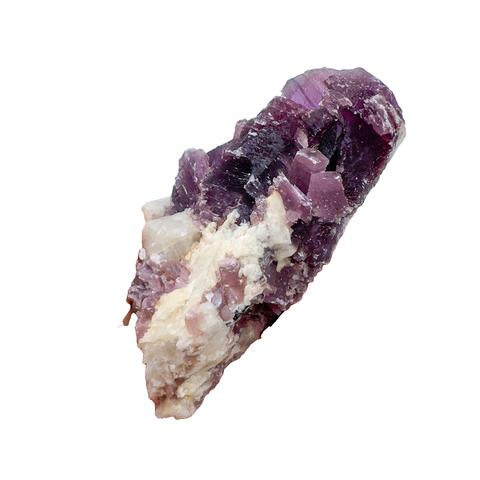
 Crystal Chips
21 pieces
Browse everything
Every collection, one page.
View All Collections →
Crystal Chips
21 pieces
Browse everything
Every collection, one page.
View All Collections →


 Aries
Mar 21 – Apr 19
Carnelian
›
Aries
Mar 21 – Apr 19
Carnelian
›
 Taurus
Apr 20 – May 20
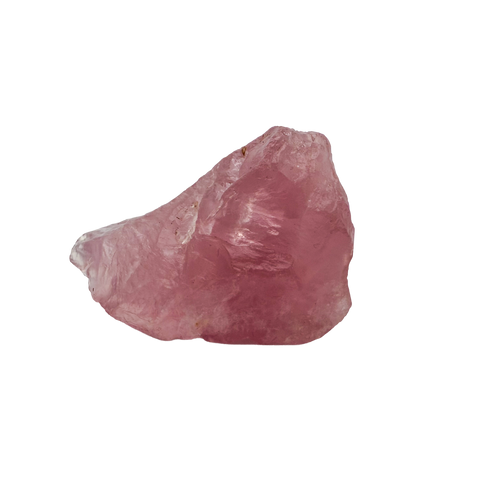
Rose Quartz
›
Taurus
Apr 20 – May 20
Rose Quartz
›
 Gemini
May 21 – Jun 20
Agate
›
Gemini
May 21 – Jun 20
Agate
›
 Cancer
Jun 21 – Jul 22
Moonstone
›
Cancer
Jun 21 – Jul 22
Moonstone
›
 Leo
Jul 23 – Aug 22
Citrine
›
Leo
Jul 23 – Aug 22
Citrine
›
 Virgo
Aug 23 – Sep 22
Amazonite
›
Virgo
Aug 23 – Sep 22
Amazonite
›
 Libra
Sep 23 – Oct 22
Blue Lace Agate
›
Libra
Sep 23 – Oct 22
Blue Lace Agate
›
 Scorpio
Oct 23 – Nov 21
Obsidian
›
Scorpio
Oct 23 – Nov 21
Obsidian
›
 Sagittarius
Nov 22 – Dec 21
Sodalite
›
Sagittarius
Nov 22 – Dec 21
Sodalite
›
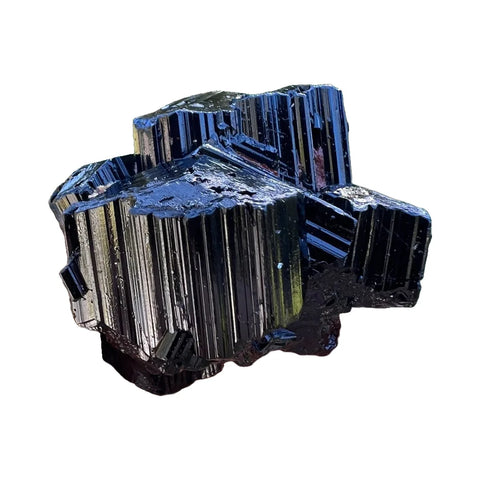
 Capricorn
Dec 22 – Jan 19
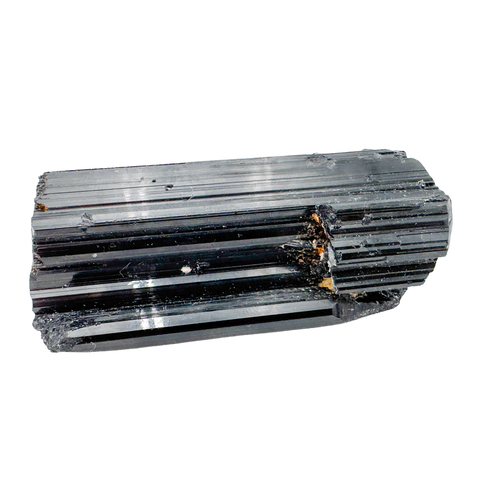
Black Tourmaline
›
Capricorn
Dec 22 – Jan 19
Black Tourmaline
›
 Aquarius
Jan 20 – Feb 18
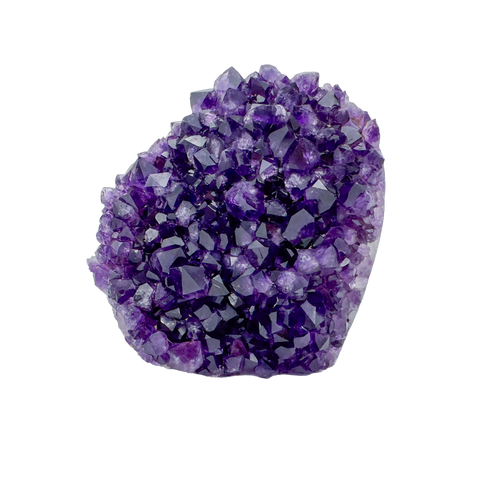
Amethyst
›
Aquarius
Jan 20 – Feb 18
Amethyst
›
 Pisces
Feb 19 – Mar 20
Aquamarine
›
Gifting?
A birthday stone is the safe bet.
Read the zodiac guide →
Pisces
Feb 19 – Mar 20
Aquamarine
›
Gifting?
A birthday stone is the safe bet.
Read the zodiac guide →

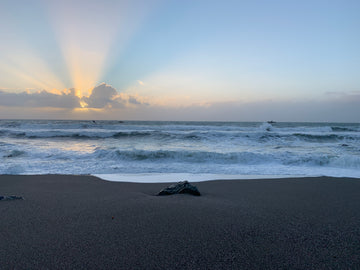
Andalusite
Andalusite is an aluminum silicate best known for two things: a strong color shift that flashes green, brown, and red from different angles, and a cross-marked variety called chiastolite. It shares its exact chemistry with kyanite and sillimanite, yet forms under its own particular conditions of heat and pressure.
The geology.
Andalusite has the formula Al2SiO5, aluminum silicate. That same formula produces three different minerals depending on the temperature and pressure at which they crystallize: andalusite, kyanite, and sillimanite. This trio is a classic set of polymorphs, and geologists use which one is present to read the conditions a rock experienced.
Andalusite is the low-pressure, moderate-temperature member, forming in rocks heated by nearby igneous intrusions or by regional metamorphism at shallow depth. It crystallizes in the orthorhombic system, often as squarish prisms. Its hardness runs about 6.5 to 7.5 on the Mohs scale.
Gem andalusite is strongly pleochroic, which means it shows different colors along different crystal directions. A single faceted stone can flash yellow-green, golden brown, and reddish tones as it moves, an effect that jewelers prize and that has earned it the nickname the poor man's alexandrite, though the two are unrelated minerals.
The origins.
Andalusite is named for Andalusia in Spain, cited as its type locality in 1798, though later work suggests the original specimens actually came from farther north near Guadalajara. Today gem and specimen material comes from Brazil, Sri Lanka, Spain, Russia, and elsewhere, while chiastolite is well known from China and from California in the United States.
Beyond jewelry, andalusite has a large industrial life. It is mined as a refractory raw material, because it survives extreme heat, and used to make furnace linings, kiln furniture, and ceramics. Much of the world's mined andalusite goes to industry rather than the gem trade.
Traditional associations.
Chiastolite, the cross-bearing andalusite, has been treated as a protective talisman for centuries and was carried as a stone of faith and safe travel in parts of Europe. Its natural cross gave it the old name cross stone. Many people still work with it for grounding and a feeling of protection.
Plain andalusite is associated in crystal practice with balance, clear seeing, and steady problem-solving, echoing its habit of showing several colors in one stone. These associations are cultural traditions rather than proven effects.
Spotting the real thing.
Gem andalusite is best recognized by its pleochroism. Tilt a clean stone and it should reveal shifting greens, browns, and reddish tones from different angles. That multi-color behavior, combined with a hardness near 7, helps separate it from look-alikes and from ordinary brown gems.
For chiastolite, the diagnostic feature is the cross itself, formed by dark carbon-rich inclusions arranged along the crystal's growth planes. In a genuine specimen the cross runs through the stone and appears on a cut cross-section, not just as a mark on one face. Be cautious of any piece where the pattern looks painted, inlaid, or too perfectly geometric.
Because andalusite is also produced industrially, gem-grade transparent material is less common than the massive or included forms. Clean, transparent, strongly pleochroic stones command the most attention and are worth examining under good light.
Care & handling.
With a hardness of 6.5 to 7.5, andalusite is fairly tough and suitable for jewelry, though it can have cleavage, so avoid sharp knocks. Clean it with warm soapy water and a soft brush, and rinse well.
Chiastolite is often sold as tumbled or polished pieces and needs no special handling beyond gentle cleaning. Both forms are stable in light. Avoid harsh chemicals, which can dull a polished surface over time.
Pairs well with.
A deeper look.
Extended geology, sourcing, authentication, history, and varieties, for when the quick guide isn't quite enough.
The Al2SiO5 trio
Andalusite, kyanite, and sillimanite all share the formula Al2SiO5, yet they are three distinct minerals. The difference is the pressure and temperature at which each forms. Andalusite crystallizes at low pressure and moderate temperature, kyanite at high pressure, and sillimanite at high temperature. Because of this, geologists treat the presence of one of these minerals as a natural gauge of the conditions a metamorphic rock passed through. Finding andalusite points to relatively shallow, hot conditions such as those beside a cooling body of magma.
Chiastolite and its cross
Chiastolite is the variety of andalusite that carries a dark cross. As the crystal grew, it swept up carbon-rich material from the surrounding sediment and concentrated it along the edges and diagonals of the crystal. Sliced across, the result is a cross or a diamond of dark graphite set in paler andalusite. The pattern is entirely natural, and it gave the stone its old name, cross stone, and a long history as a protective charm.
A name from Spain, mostly
Andalusite was named in 1798 after Andalusia in southern Spain, which was given as its type locality. Later research indicated that the specimens studied at the time probably came from El Cardoso de la Sierra near Guadalajara, several hundred kilometers to the north. The name stuck regardless. It is a reminder that historical type localities are not always as tidy as the names suggest.
Poor man's alexandrite
Gem andalusite is sometimes called the poor man's alexandrite because of its play of color, but the comparison is loose. Alexandrite changes color under different light sources, a property called the alexandrite effect. Andalusite instead shows several colors at once from different viewing directions, which is pleochroism. The two effects look superficially similar in a lively stone but arise from completely different causes, and the minerals are unrelated.
Industry and the gem trade
Most andalusite that is mined never reaches a jeweler. Its resistance to heat makes it a valuable refractory mineral, used in furnace and kiln linings and ceramics. South Africa and France have been significant industrial producers. Gem-quality transparent andalusite, with strong clean pleochroism, is a smaller and more collectible slice of the market, valued for the way a single stone can glow in more than one color.
An education-first guide.
We don't currently carry andalusite, so there's nothing to sell you here. This guide exists because the more you understand a stone, the better every decision you make about it becomes, wherever you buy it. Explore the rest of our crystal guides for stones we do source, each with full origin and treatment notes.
Explore the Crystal GuideLove Andalusite? Meet Aventurine.
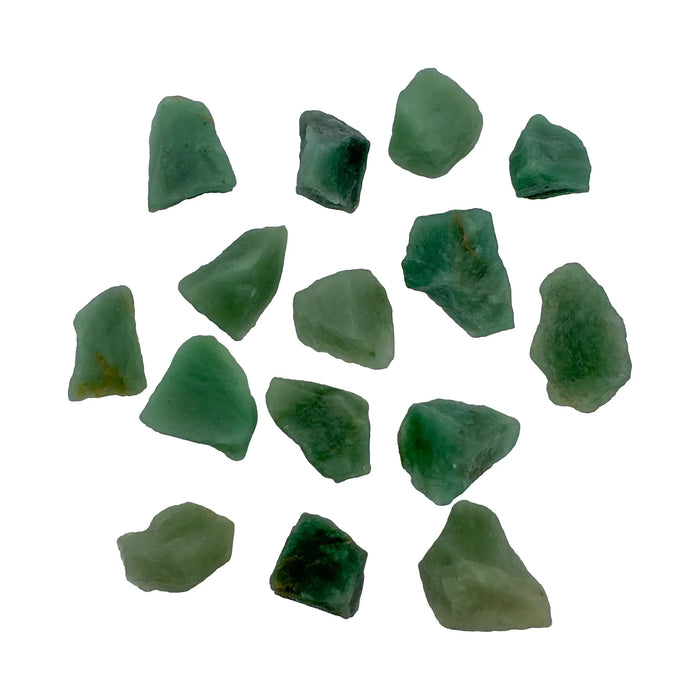
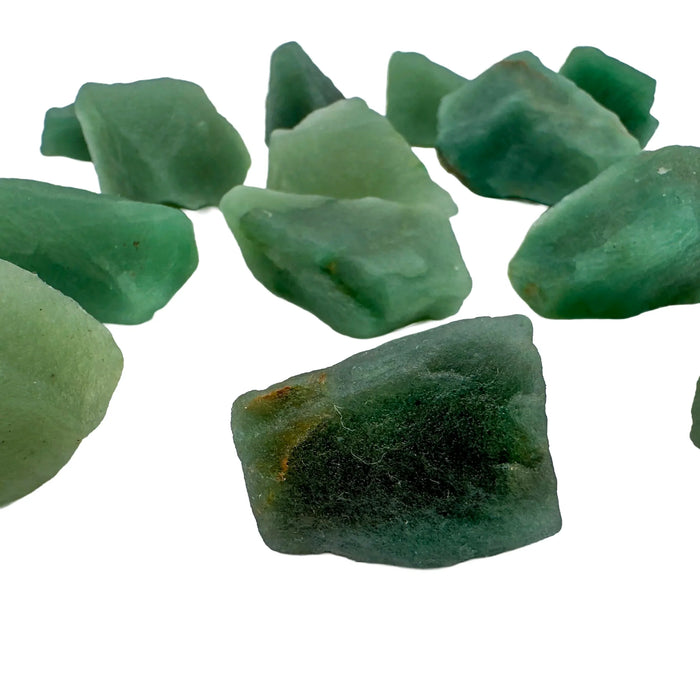
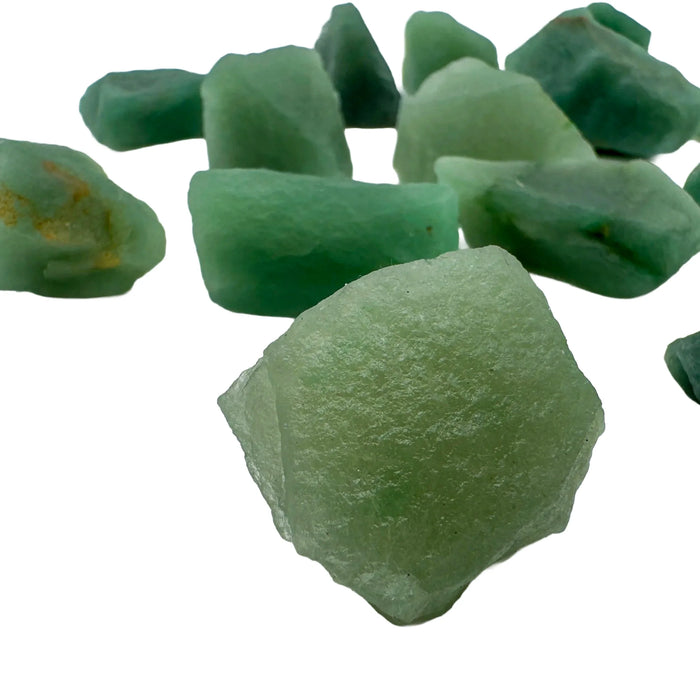
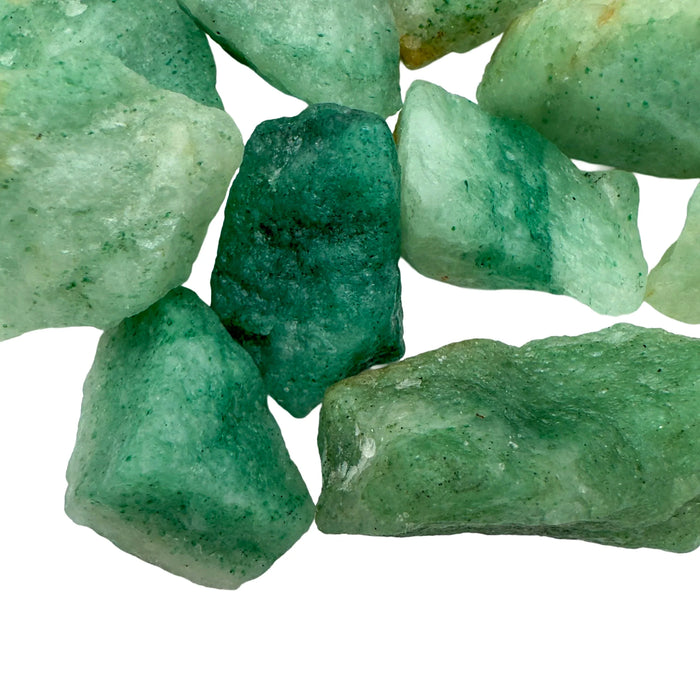
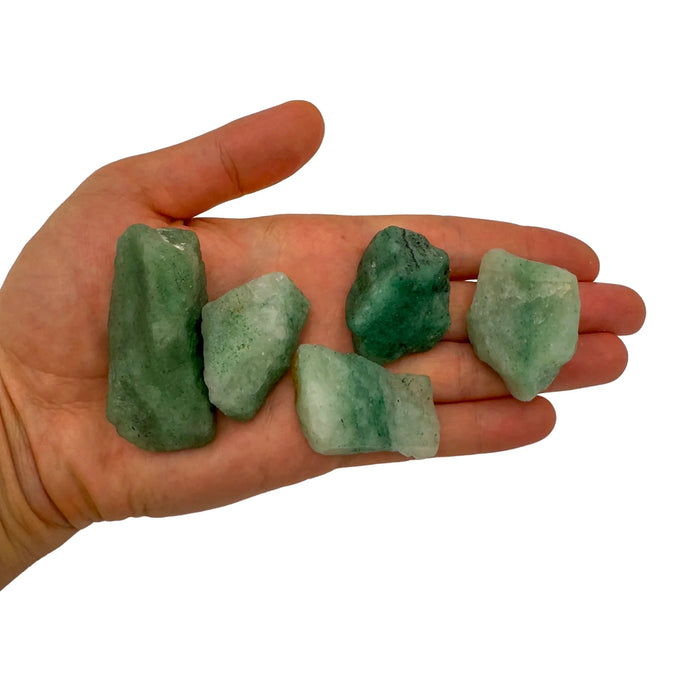
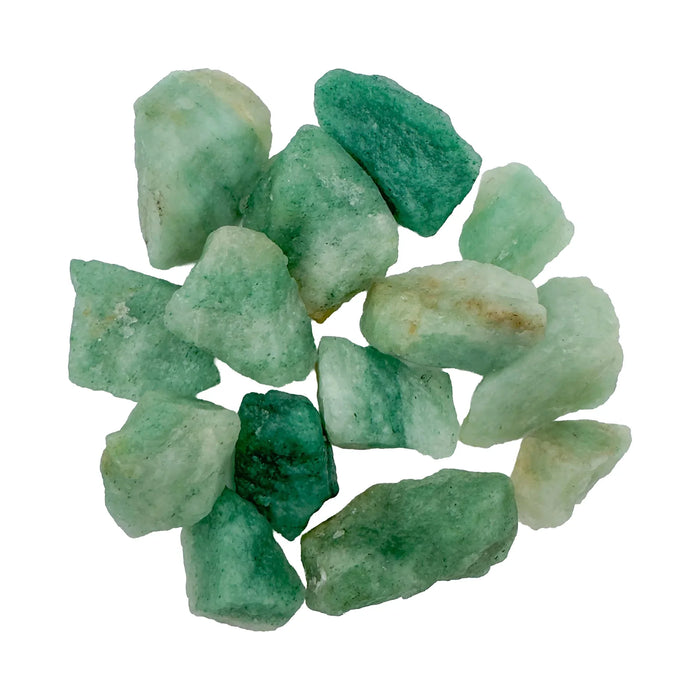
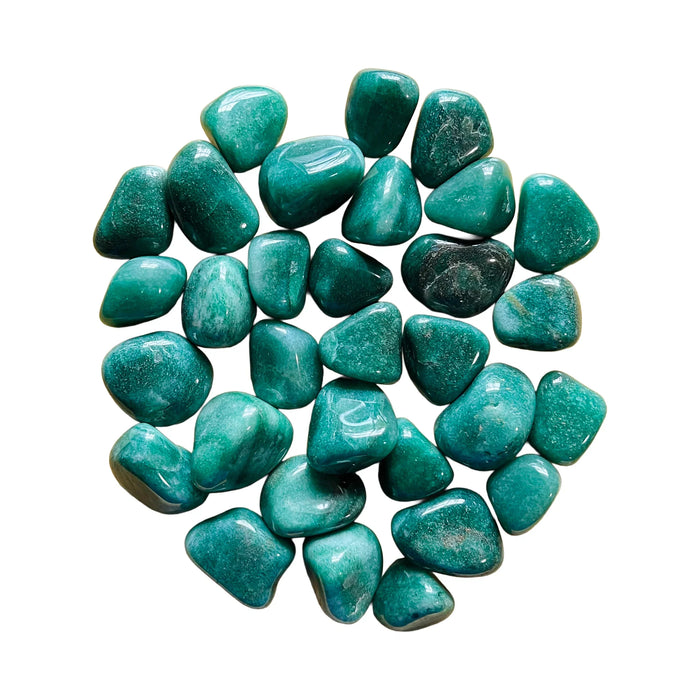
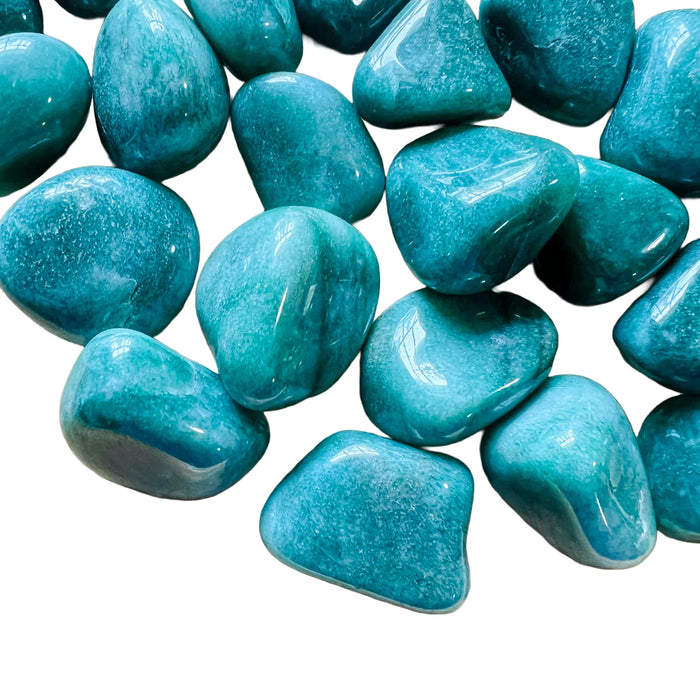
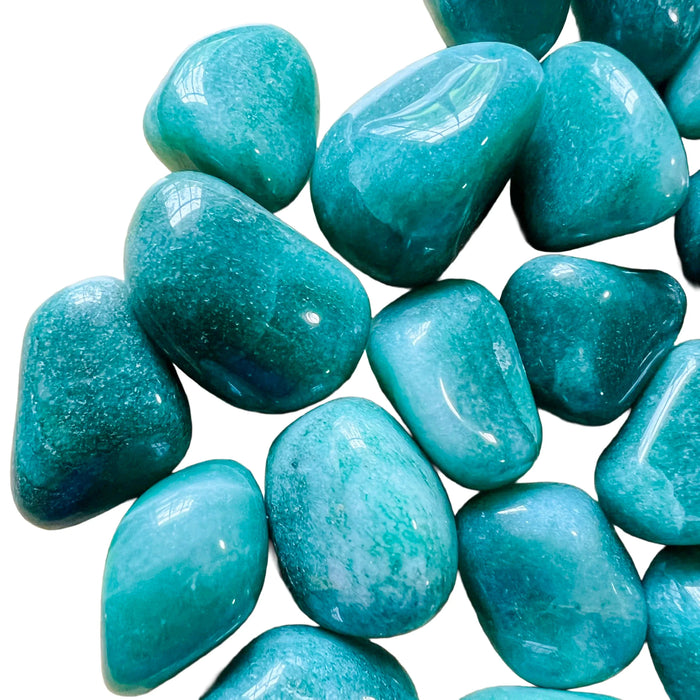
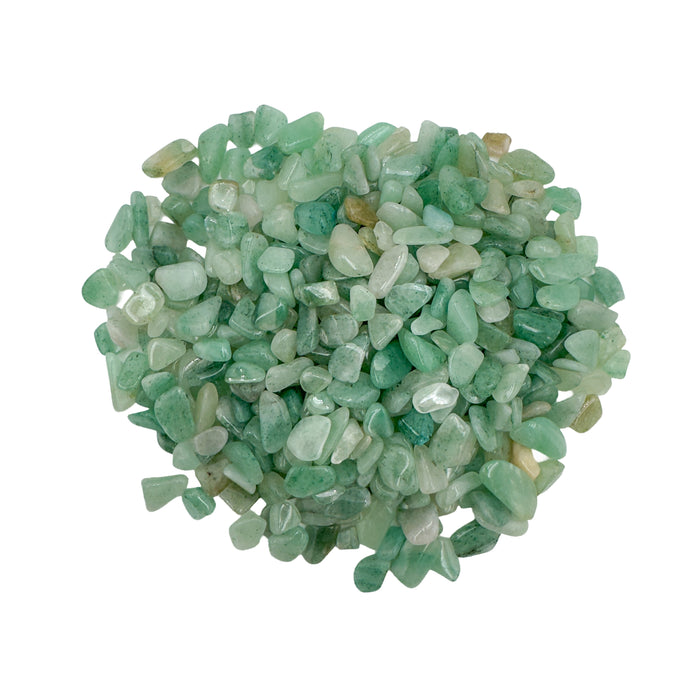
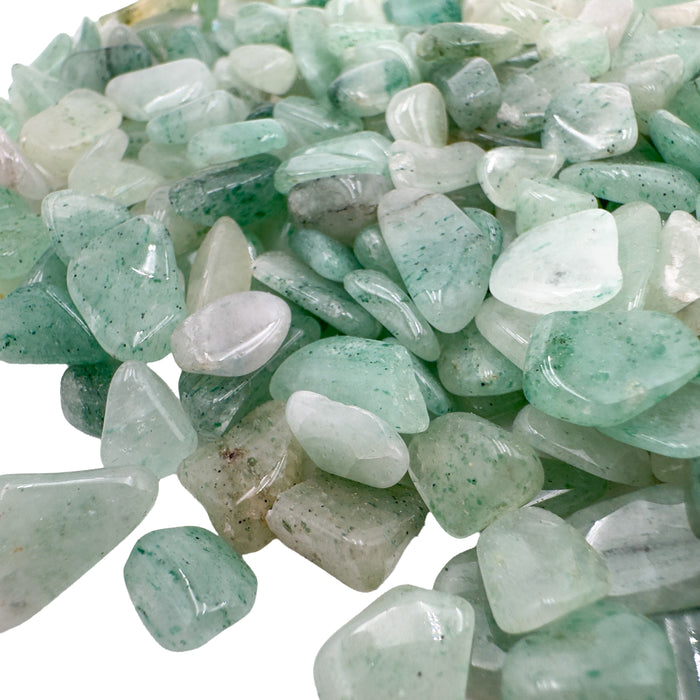
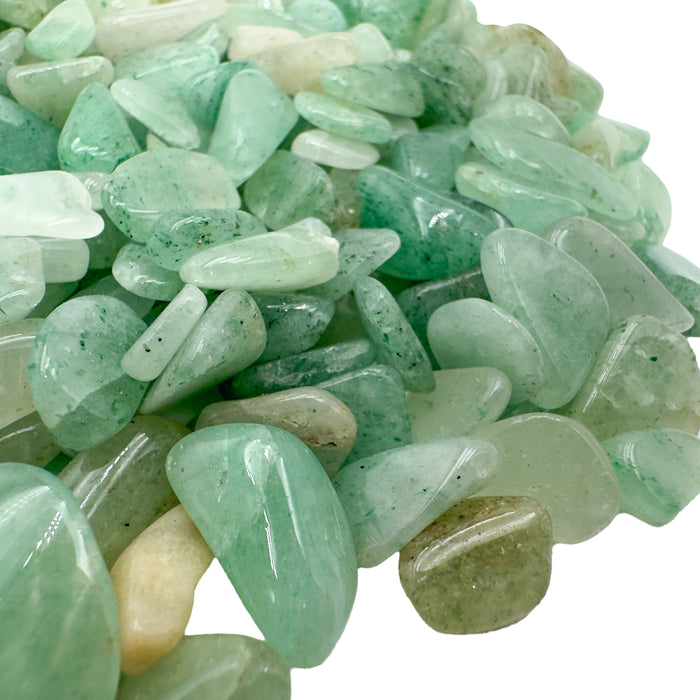
Andalusite is not something we carry. Aventurine is the closest match in color, and every piece passes our sourcing standards: origin named, treatments disclosed.
- 4.9 out of 5from 1,000+ reviews
- Ships within 72 hoursMonday to Friday, tracked
- 90 days to return itif you do not love it
- Free US shipping over $99$8.99 flat rate under