


 Agatefor stress relief
 Amazonitefor stress relief
 Aquamarinefor serenity
 Aventurinefor luck
 Bloodstonefor energy
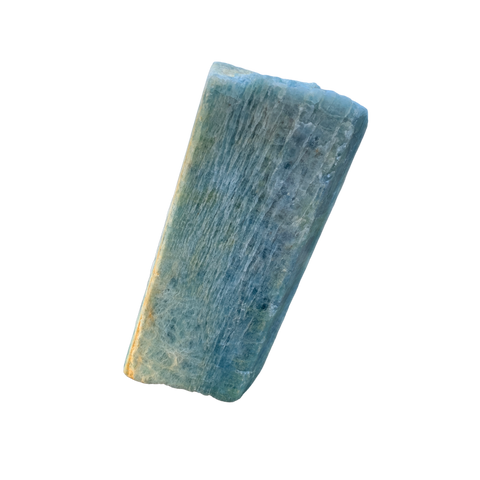
 Blue Kyanitefor confidence
 Blue Lace Agatefor stress relief
 Chrysocollafor emotional healing
 Fluoritefor focus
 Garnetfor energy
 Lepidolitefor stress relief
 Malachitefor emotional healing
 Moonstonefor grounding
 Obsidianfor protection
 Ocean Jasperfor emotional healing
 Red Jasperfor grounding
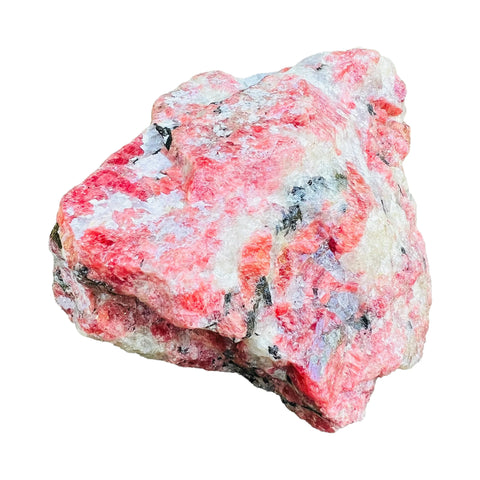
 Rhodonitefor emotional healing
 Selenitefor cleansing
 Sodalitefor focus
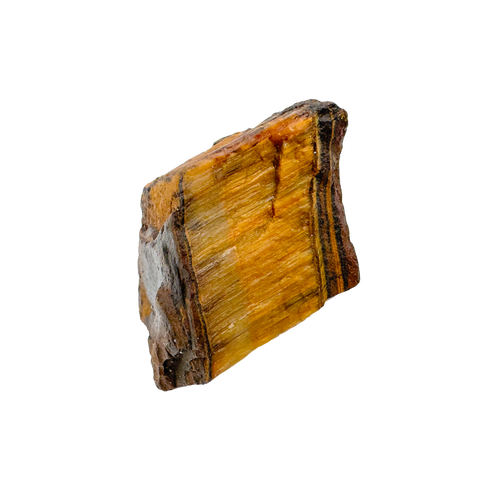
 Tiger Eyefor confidence
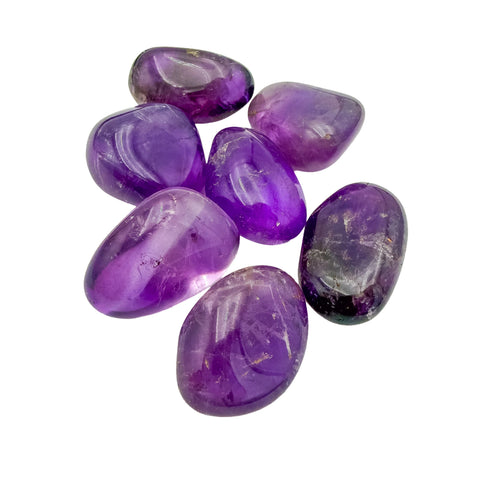


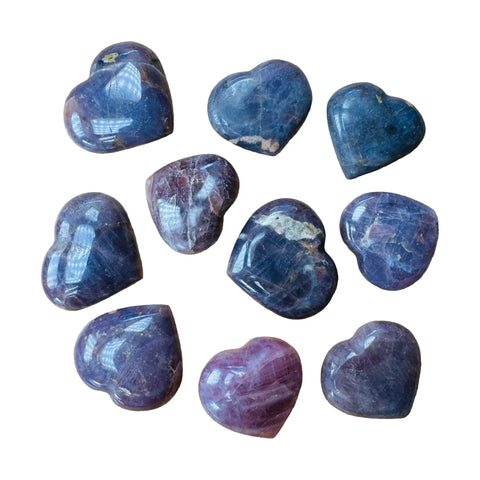
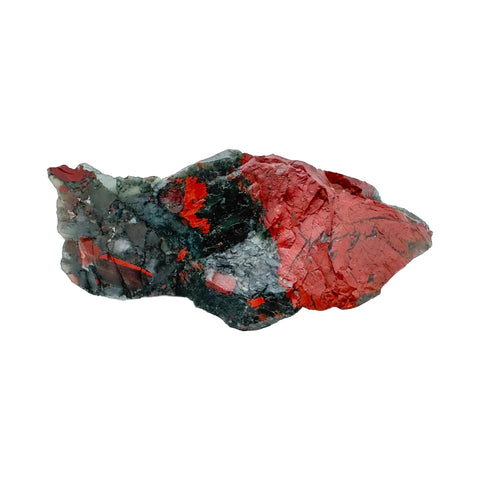
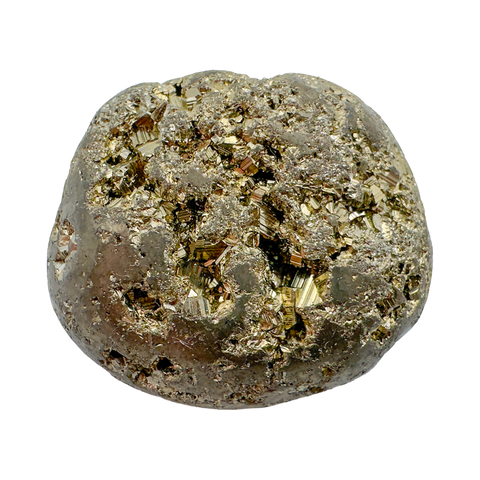
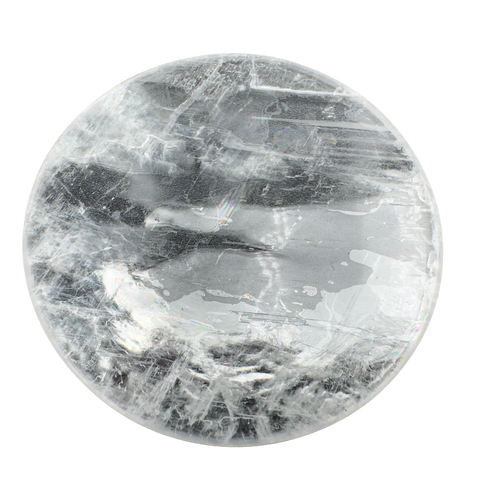


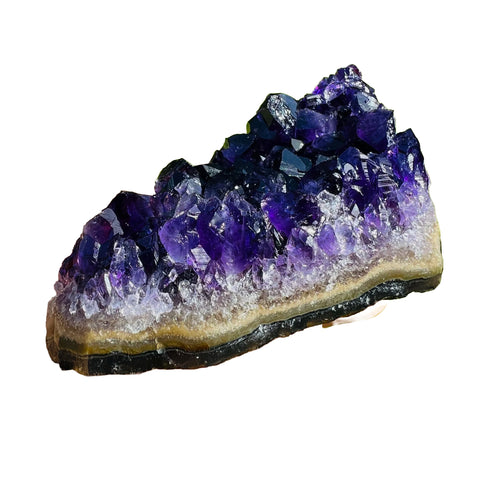






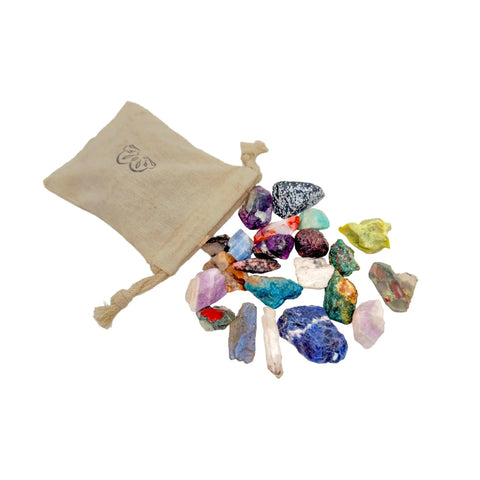
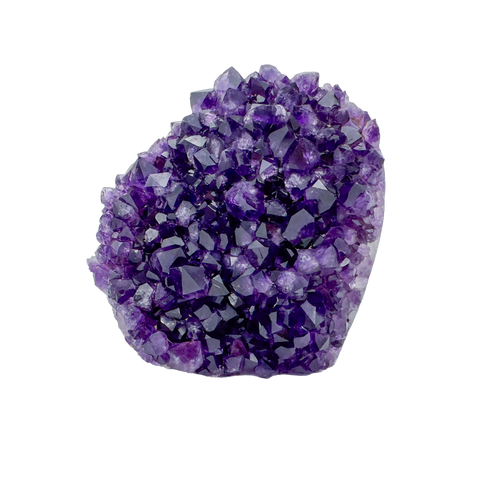
 Amethyst
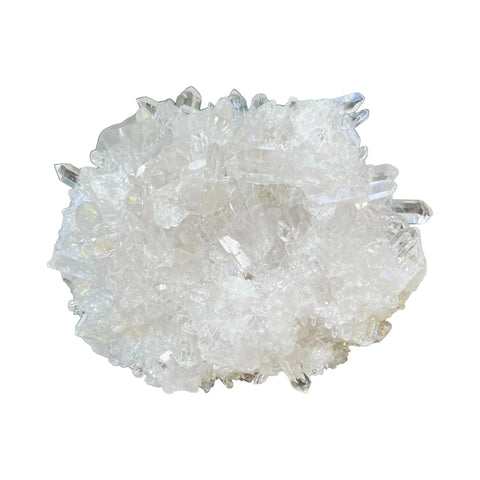
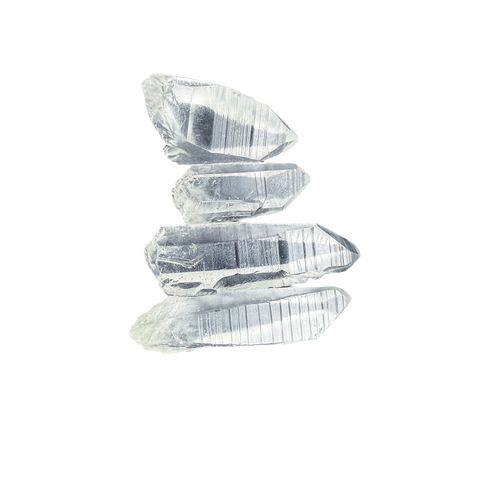
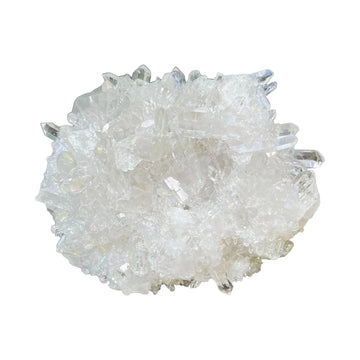
 Clear Quartz
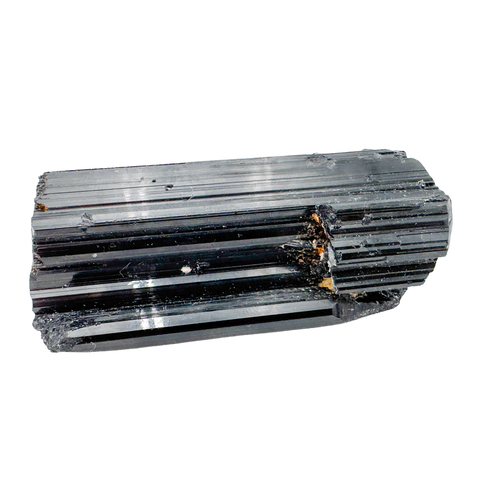
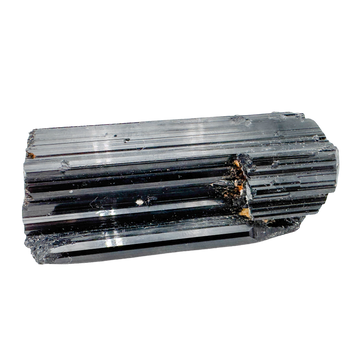
 Black Tourmaline
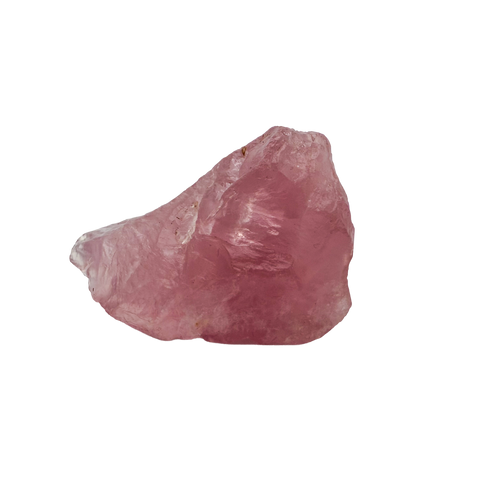
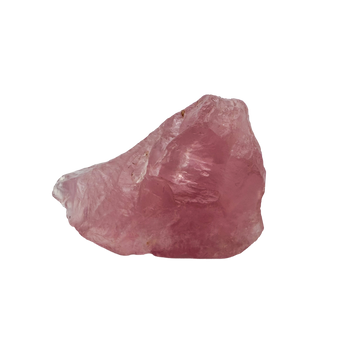
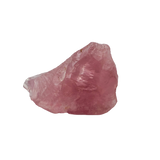 Rose Quartz
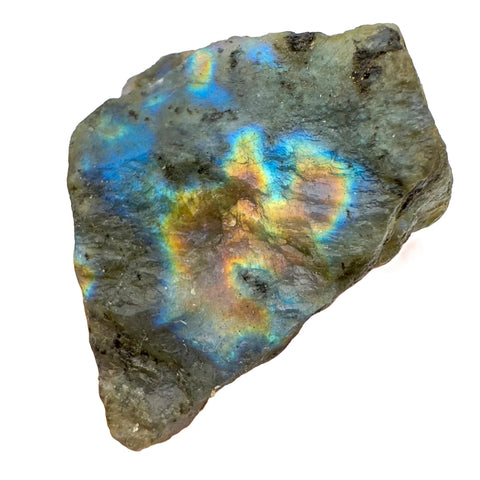
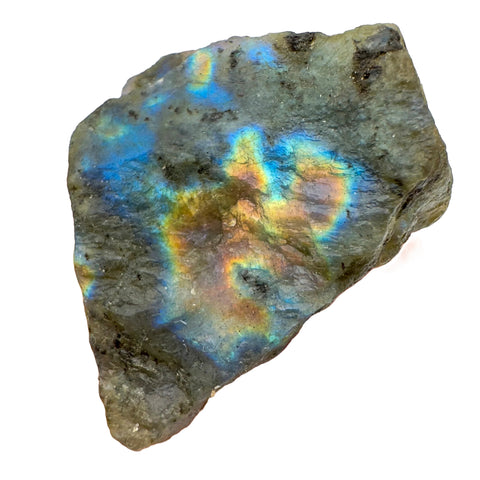
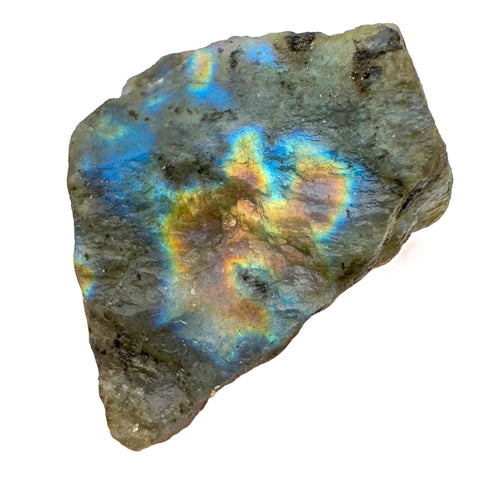
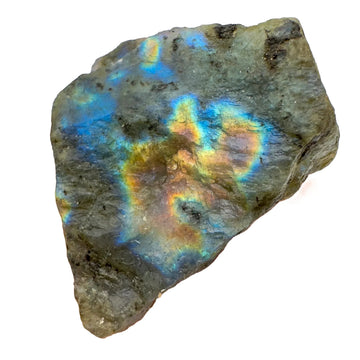
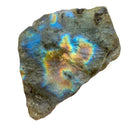 Labradorite
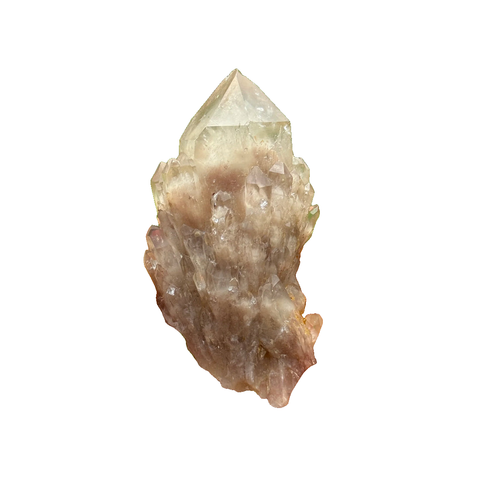
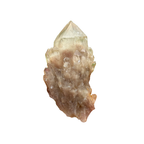 Natural Citrine
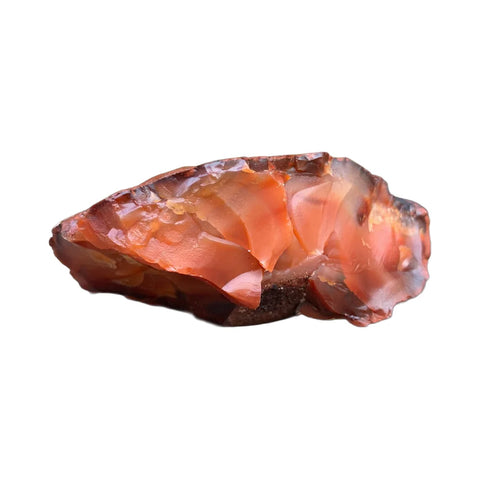
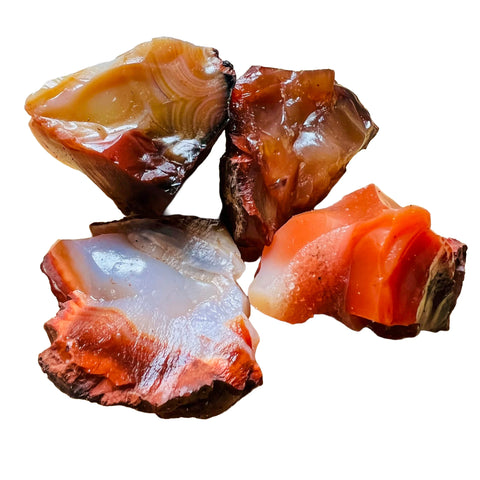
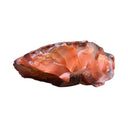 Carnelian
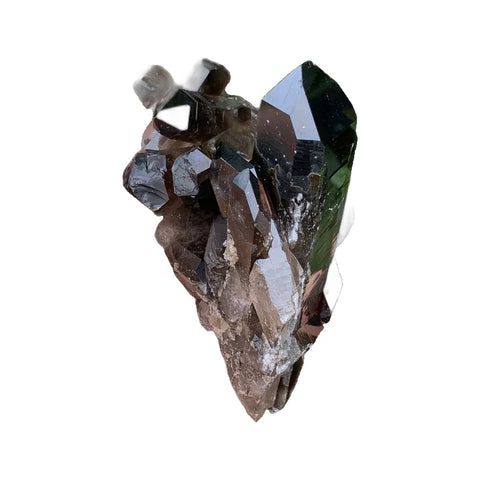
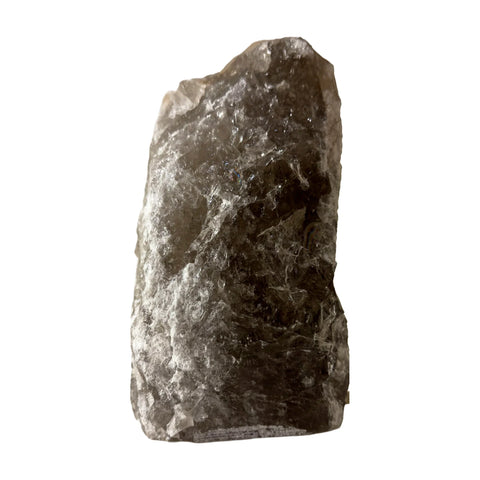
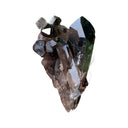 Smoky Quartz
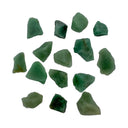 Aventurine
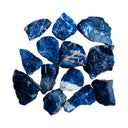 Sodalite
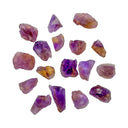 Ametrine
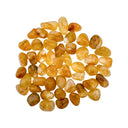 Golden Healer
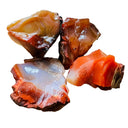 Raw Stones
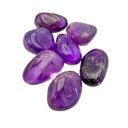 Tumbled Stones
 Palm Stones
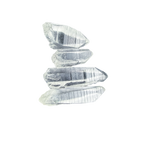 Crystal Points
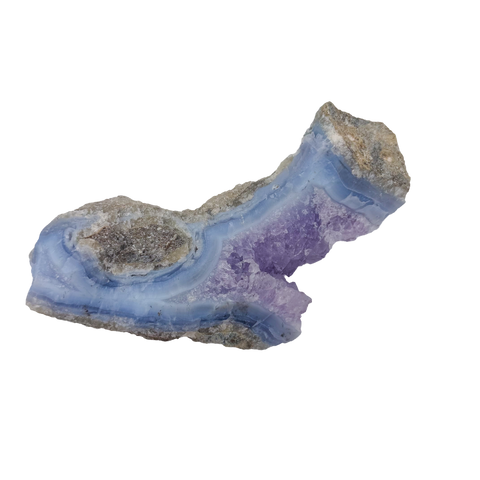
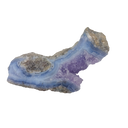 Clusters & Geodes
 Polished & Decor
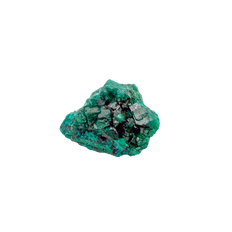 Mineral Specimens
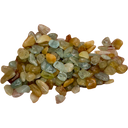 Crystal Chips
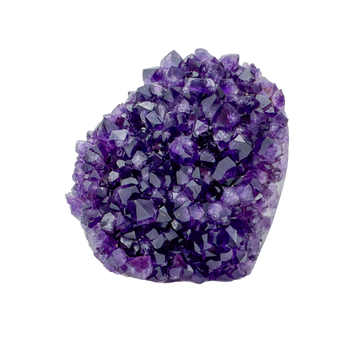
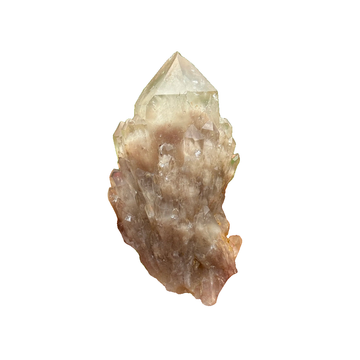
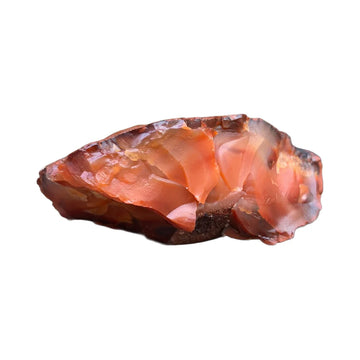
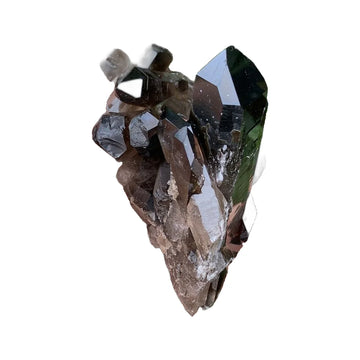
 Raw Stones
179 to choose from
Raw Stones
179 to choose from
 Tumbled Stones
162 to choose from
Tumbled Stones
162 to choose from
 Palm Stones
25 to choose from
Palm Stones
25 to choose from
 Crystal Points
23 to choose from
Crystal Points
23 to choose from
 Clusters & Geodes
97 to choose from
Clusters & Geodes
97 to choose from
 Polished & Decor
146 to choose from
Polished & Decor
146 to choose from
 Mineral Specimens
247 to choose from
Mineral Specimens
247 to choose from
 Crystal Chips
21 to choose from
Crystal Chips
21 to choose from


 AngolaAquamarine
›
AngolaAquamarine
›
 BotswanaCarnelian, Tree Agate
›
BotswanaCarnelian, Tree Agate
›
 DR CongoMalachite, Natural Citrine
›
DR CongoMalachite, Natural Citrine
›
 EswatiniBloodstone
›
EswatiniBloodstone
›
 MadagascarLabradorite, Clear Quartz
›
MadagascarLabradorite, Clear Quartz
›
 MalawiBlue Lace Agate, Garnet
›
MalawiBlue Lace Agate, Garnet
›
 MozambiqueAmazonite
›
MozambiqueAmazonite
›
 NamibiaSodalite, Blue Lace Agate
›
NamibiaSodalite, Blue Lace Agate
›
 Republic of the CongoDioptase
›
Republic of the CongoDioptase
›
 South AfricaTiger Eye, Unakite
›
South AfricaTiger Eye, Unakite
›
 ZambiaChevron Amethyst
›
ZambiaChevron Amethyst
›
 ZimbabweEmerald, Rhodonite
›
ZimbabweEmerald, Rhodonite
›
 ArgentinaBlack Obsidian, Rhodochrosite
›
ArgentinaBlack Obsidian, Rhodochrosite
›
 BoliviaAmetrine
›
BoliviaAmetrine
›
 BrazilAmethyst, Clear Quartz
›
BrazilAmethyst, Clear Quartz
›
 PeruSerpentine, Jade
›
PeruSerpentine, Jade
›
 UruguayAmethyst
›
UruguayAmethyst
›
 Dominican RepublicLarimar
›
Dominican RepublicLarimar
›
 MexicoRainbow Obsidian, Crazy Lace Agate
›
MexicoRainbow Obsidian, Crazy Lace Agate
›
 United StatesSelenite, Peridot
›
United StatesSelenite, Peridot
›
 ChinaFluorite
›
ChinaFluorite
›
 RussiaShungite
›
RussiaShungite
›
 AustraliaMookaite
›
AustraliaMookaite
›
 Where our crystals come from
See where we source →
Where our crystals come from
See where we source →


 Aquarius
Jan 20 to Feb 18
Amethyst
›
Aquarius
Jan 20 to Feb 18
Amethyst
›
 Pisces
Feb 19 to Mar 20
Aquamarine
›
Pisces
Feb 19 to Mar 20
Aquamarine
›
 Aries
Mar 21 to Apr 19
Carnelian
›
Aries
Mar 21 to Apr 19
Carnelian
›
 Taurus
Apr 20 to May 20
Rose Quartz
›
Taurus
Apr 20 to May 20
Rose Quartz
›
 Gemini
May 21 to Jun 20
Agate
›
Gemini
May 21 to Jun 20
Agate
›
 Cancer
Jun 21 to Jul 22
Moonstone
›
Cancer
Jun 21 to Jul 22
Moonstone
›
 Leo
Jul 23 to Aug 22
Citrine
›
Leo
Jul 23 to Aug 22
Citrine
›
 Virgo
Aug 23 to Sep 22
Amazonite
›
Virgo
Aug 23 to Sep 22
Amazonite
›
 Libra
Sep 23 to Oct 22
Blue Lace Agate
›
Libra
Sep 23 to Oct 22
Blue Lace Agate
›
 Scorpio
Oct 23 to Nov 21
Obsidian
›
Scorpio
Oct 23 to Nov 21
Obsidian
›
 Sagittarius
Nov 22 to Dec 21
Sodalite
›
Sagittarius
Nov 22 to Dec 21
Sodalite
›
 Capricorn
Dec 22 to Jan 19
Black Tourmaline
›
Gifting?
A birthday stone is the safe bet.
Read the zodiac guide →
Capricorn
Dec 22 to Jan 19
Black Tourmaline
›
Gifting?
A birthday stone is the safe bet.
Read the zodiac guide →



Black Kyanite
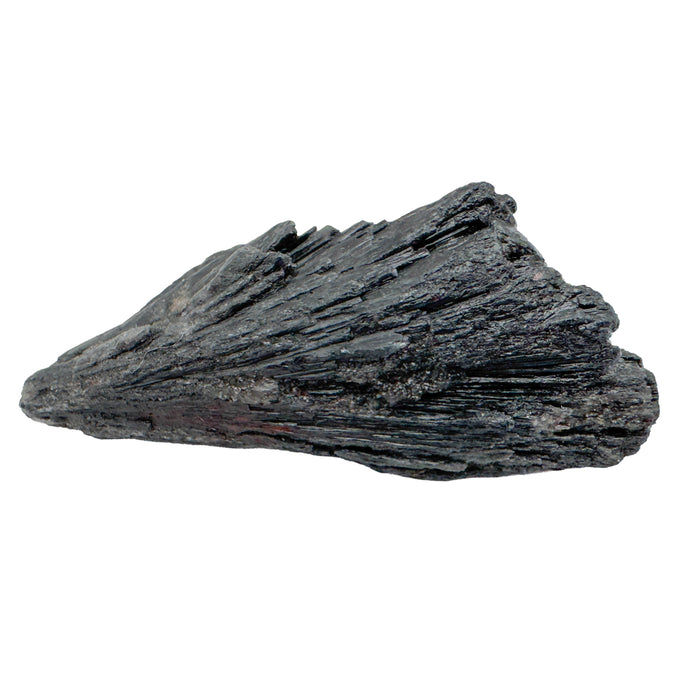
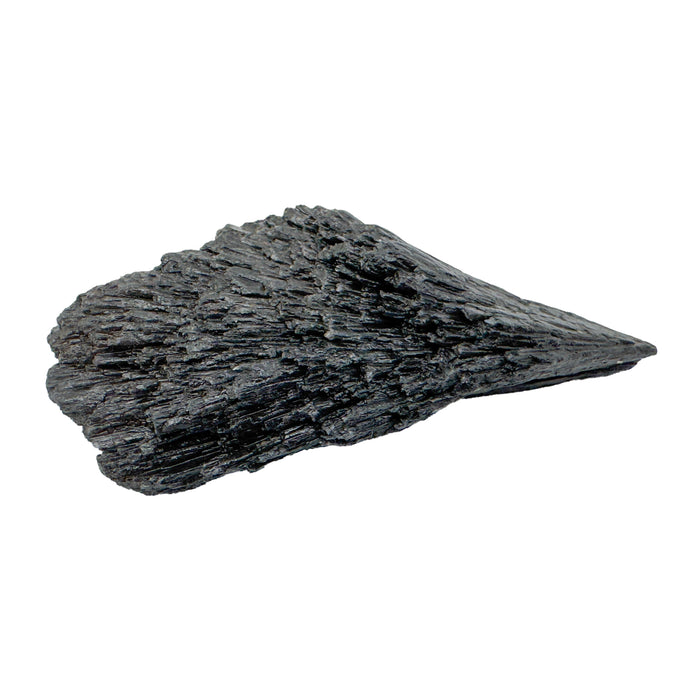
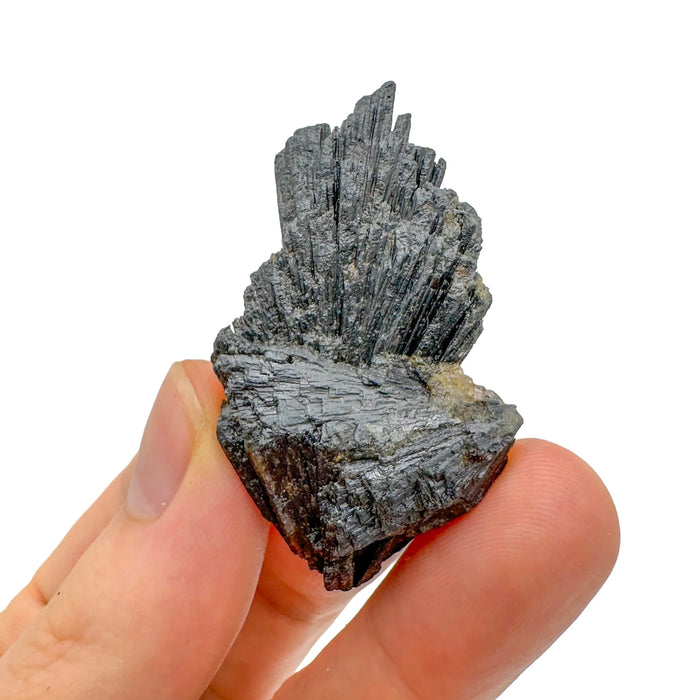
Black kyanite forms as flat blades with natural fanned terminations, usually found raw and unpolished. Unlike its better-known blue cousin, black kyanite appears rarely in collections and brings its own distinct character. We source ours from Minas Gerais, Brazil, hand-extracted and sold in raw form to preserve the geometry and texture that make this stone visually striking. Many people work with black kyanite for energetic alignment and cutting through stagnant patterns.
Shop black kyaniteBlack Kyanite, in stock now.
From Minas Gerais, Brazil, ready to ship.
- from 1,000+ reviews
- Ships within 72 hoursMonday to Friday, tracked
- 90 days to return itif you do not love it
- Free US shipping over $99$8.99 flat rate under
The geology.
Black kyanite is an aluminum silicate mineral with the formula Al2SiO5. It forms in metamorphic rocks under high pressure and heat, typically found in schists and gneisses. What makes kyanite unusual is its anisotropic hardness: it measures 4 to 4.5 on the Mohs scale when scratched parallel to the blade direction, but 6 to 7 perpendicular to it. This dramatic difference in hardness depending on the direction of stress is a diagnostic feature of the mineral and explains why kyanite rarely receives faceted cutting in lapidary work.
Black kyanite crystallizes in the triclinic system and characteristically forms as flat, elongated blades or prismatic crystals, often with natural striations running parallel to the blade length. The black color comes from iron content in the crystal structure. Raw specimens preserve the natural terminations and fanned blade clusters that form during crystallization, making them geometrically distinctive compared to most other raw minerals. Luster ranges from vitreous to pearly, and transparency is usually opaque to translucent.
The origins.
Black kyanite is less commonly collected than blue kyanite, and sourcing it with transparency requires direct relationships in specific regions. We work exclusively with Minas Gerais, Brazil, where black kyanite occurs in metamorphic schist formations. The material we carry is hand-extracted from small-scale mining operations, minimally processed, and sorted for quality and size at the source. The specimens arrive raw, with their natural fanned blade terminations intact, showing the characteristic striations and geometry that form during crystallization.
Kyanite of all colors forms in metamorphic zones worldwide: the Himalayas, Madagascar, Kenya, Switzerland, and the United States all produce material. We commit to Brazil as our single source for black kyanite because we know the intermediaries involved, understand the sourcing chain, and can confirm that all material is natural and untreated. If our sourcing relationship changes, we will communicate it transparently.
Traditional associations.
Black kyanite carries less developed lore than blue kyanite in historical records, yet it appears in modern crystal practice as a stone associated with cutting through stagnation and realigning scattered energy. In contemporary use, black kyanite is traditionally associated with all chakras, particularly as a clearing and alignment tool rather than a stone tied to one energy center. Some practitioners view the blade structure itself as metaphorically significant, representing the ability to clear obstacles with precision.
People often work with black kyanite for clarity of purpose, cutting ties to patterns that no longer serve, and energetic alignment. Some choose it for grounding combined with mental clarity, or as a complement to blue kyanite for more integrated chakra work. The fanned blade structure draws the eye and invites contemplation, which may contribute to its use in meditative practice. Unlike many crystals, black kyanite is traditionally understood as self-clearing, thought not to hold or accumulate stagnant energy even during long periods of use without additional cleansing rituals.
Spotting the real thing.
Genuine black kyanite exhibits the characteristic blade structure with natural striations running parallel to the length of the blade. The terminations are often naturally fanned or irregular, reflecting the mineral's crystalline growth pattern. The surface texture is matte, never polished or glossy unless intentionally tumbled. The mineral shows a pearly to vitreous luster, and while the color is black, it may show subtle variations in tone depending on iron content and light absorption in the specimen.
Common imitations are rare because black kyanite is not widely traded in mass-market crystal venues. However, unscrupulous sellers may pass treated or lower-grade material off as premium specimens. Examine the blade for cleanliness of form, lack of surface damage, and consistency with the natural growth patterns you would expect from a metamorphic mineral. Be cautious of specimens that appear artificially polished or enhanced, as raw black kyanite is valued precisely for its untreated appearance.
Care & handling.
Black kyanite requires more careful handling than many minerals due to its directional hardness. The blade itself is relatively hard, but the edges are delicate and can chip or break if dropped or stressed perpendicular to the blade direction. Store it in a soft cloth or padded box, away from harder minerals that might scratch it. Avoid sudden temperature changes or direct pressure on the edges.
For physical cleaning, use a soft brush and lukewarm water. Do not use ultrasonic or steam cleaners, as the vibration and heat can damage the structure. Kyanite is traditionally understood to be self-clearing, meaning many practitioners believe it does not require external cleansing rituals. If you choose to energetically cleanse it, moonlight and smoke are gentler options than sunlight or water immersion. Handle the blade itself with respect, avoiding unnecessary handling that exposes the edges to potential damage.
Pairs well with.
Proof, not promises.
We measure our own sourcing across five dimensions. Supply chain, environmental footprint, artisan support, market integrity, and pricing. The number is honest, not perfect. Where we can do better, we say so.
A deeper look.
Extended geology, metamorphic formation, anisotropic hardness and its implications, sourcing rarity, mineral stability, global distribution, and why black kyanite remains uncommon in the broader crystal market.
Kyanite mineralogy and formation
Kyanite forms under specific pressure and temperature conditions in metamorphic rocks, typically in schists, gneisses, and other high-grade metamorphic rocks exposed to regional metamorphism. Unlike minerals that form at specific depths, kyanite is a polymorph of Al2SiO5, existing in three distinct forms depending on pressure and temperature. Kyanite itself forms at intermediate pressures and temperatures; at lower pressures andalusite forms, and at very high pressures sillimanite takes over. This makes kyanite useful in metamorphic petrology for determining the conditions under which a rock was formed.
Black kyanite gets its color from iron incorporated into the crystal lattice during formation. The amount and state of the iron (oxidation state and crystal field environment) determine whether the stone appears black, gray, or other dark colors. The blade structure is diagnostic of kyanite's triclinic crystal system and forms during growth in metamorphic environments where directional pressure and heat influence crystal orientation.
Anisotropic hardness
Kyanite's directional hardness is one of the most pronounced examples of anisotropy in gemstones. Perpendicular to the blade (along the c-axis), hardness is 6 to 7. Parallel to the blade (along the a-axis), hardness drops to 4 to 4.5. This dramatic difference affects both the mineral's use in lapidary work (faceting is avoided) and how it behaves under stress in practical use. The blade edges are weaker than the blade face, which is why raw specimens require careful handling to prevent chipping along the terminations.
This property has historical significance in mineralogy; dealers in the 19th and early 20th centuries used kyanite specimens specifically as hardness testing tools, knowing that a standard testing tool could scratch kyanite in one direction but not another.
Global distribution and sourcing challenges
Kyanite deposits occur in metamorphic zones worldwide. Brazil produces blue kyanite more commonly than black, though both colors occur in Minas Gerais. Other major sources include the Himalayas (India, Nepal, Bhutan), Madagascar, Kenya, Switzerland, Austria, Pakistan, and the United States (especially Montana and Colorado). Black kyanite is less commonly extracted and less frequently collected than blue, partly because it lacks the aesthetic appeal of blue specimens in transparent or semi-transparent form.
The rarity of black kyanite in the broader crystal market reflects collection and economic preferences more than geological scarcity. Blue kyanite sells more readily and attracts more collector interest. Black kyanite is often left behind in mining operations, viewed as a byproduct. This makes sourcing natural, untreated black kyanite for retail markets challenging compared to sourcing blue kyanite.
Mineral stability and long-term care
Kyanite is stable in normal conditions but can be vulnerable to thermal shock (sudden temperature changes can cause cracking). The directional hardness creates specific vulnerability: the edges of a blade-form specimen are mechanically weaker and more prone to damage under pressure. Storage and handling practices matter significantly for long-term preservation of black kyanite specimens, more so than for isotropic minerals.
Kyanite does not dissolve in acids (including hydrochloric and sulfuric acid at room temperature), and it is not affected by light exposure. However, the blade terminations are susceptible to mechanical damage, and the pearly luster can be diminished by surface abrasion.
The self-clearing concept
In crystal practice, kyanite is traditionally understood to be self-clearing and does not absorb or hold stagnant energy the way some crystals are believed to do. This reputation in metaphysical circles may contribute to its appeal in energetic practices, as it theoretically requires no additional cleansing. The scientific basis for this claim is not available, but the reputation appears consistently in crystal literature and practical traditions.
Sourcing in an uncommon mineral
The challenge of sourcing black kyanite transparently is partly that few established supply chains exist. Most kyanite in the broader mineral supply is blue. Black material requires direct relationships with sources in specific metamorphic regions and willingness to work with smaller quantities and less predictable availability. We commit to Brazil as our single source because we have established transparent relationships there, but we acknowledge that single-source sourcing creates supply risk if conditions change.
Good sourcing is a practice, not a claim.
Nothing we sell is dyed, stabilized, reconstituted, or color-enhanced without full disclosure. We name our origins where we can. We say so when we cannot. We walk away from material that does not meet our standard, even when it costs us sales.
Bring black kyanite home.
Raw blade clusters from Minas Gerais, Brazil, each piece hand-extracted and sorted for quality and form. Natural, untreated, and preserved in their raw state to show the fanned blade structure and striations that characterize this uncommon mineral. Black kyanite's direct geometric form and self-clearing reputation make it a distinctive addition to any collection.
Shop the black kyanite collectionGrounded Connections
New Black Kyanite pieces go to the list first.
No forwarding, no selling. Unsubscribe in one click. Privacy