






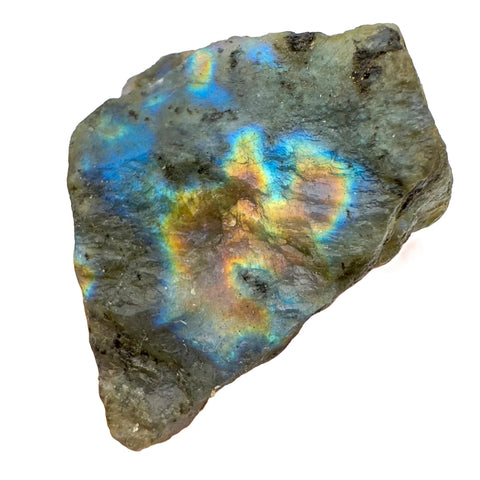



 Agatefor stress relief
 Amazonitefor stress relief
 Aquamarinefor serenity
 Aventurinefor luck
 Bloodstonefor energy
 Blue Kyanitefor confidence
 Blue Lace Agatefor stress relief
 Chrysocollafor emotional healing
 Fluoritefor focus
 Garnetfor energy
 Lepidolitefor stress relief
 Malachitefor emotional healing
 Moonstonefor grounding
 Obsidianfor protection
 Ocean Jasperfor emotional healing
 Red Jasperfor grounding
 Rhodonitefor emotional healing
 Selenitefor cleansing
 Sodalitefor focus
 Tiger Eyefor confidence









































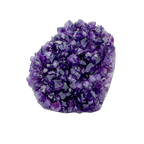 Amethyst
 Clear Quartz
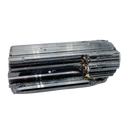 Black Tourmaline
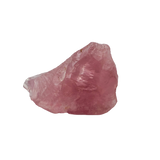 Rose Quartz
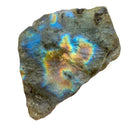 Labradorite
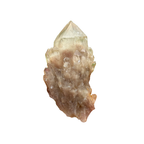 Natural Citrine
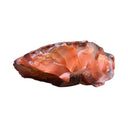 Carnelian
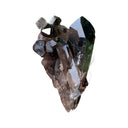 Smoky Quartz
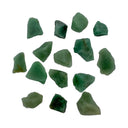 Aventurine
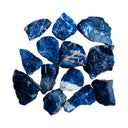 Sodalite
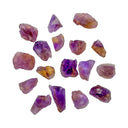 Ametrine
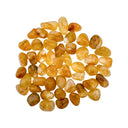 Golden Healer
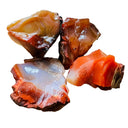 Raw Stones
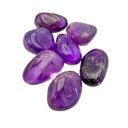 Tumbled Stones
 Palm Stones
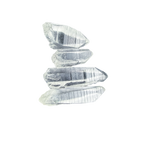 Crystal Points
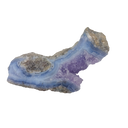 Clusters & Geodes
 Polished & Decor
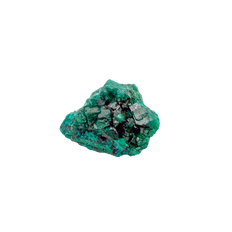 Mineral Specimens
 Crystal Chips




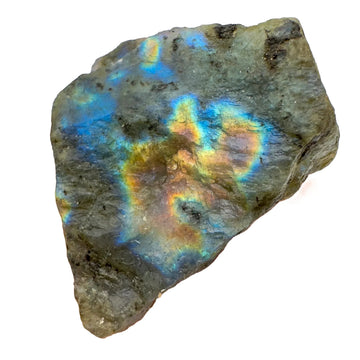



 Raw Stones
179 to choose from
Raw Stones
179 to choose from
 Tumbled Stones
162 to choose from
Tumbled Stones
162 to choose from
 Palm Stones
25 to choose from
Palm Stones
25 to choose from
 Crystal Points
23 to choose from
Crystal Points
23 to choose from
 Clusters & Geodes
97 to choose from
Clusters & Geodes
97 to choose from
 Polished & Decor
146 to choose from
Polished & Decor
146 to choose from
 Mineral Specimens
247 to choose from
Mineral Specimens
247 to choose from
 Crystal Chips
21 to choose from
Crystal Chips
21 to choose from


 AngolaAquamarine
›
AngolaAquamarine
›
 BotswanaCarnelian, Tree Agate
›
BotswanaCarnelian, Tree Agate
›
 DR CongoMalachite, Natural Citrine
›
DR CongoMalachite, Natural Citrine
›
 EswatiniBloodstone
›
EswatiniBloodstone
›
 MadagascarLabradorite, Clear Quartz
›
MadagascarLabradorite, Clear Quartz
›
 MalawiBlue Lace Agate, Garnet
›
MalawiBlue Lace Agate, Garnet
›
 MozambiqueAmazonite
›
MozambiqueAmazonite
›
 NamibiaSodalite, Blue Lace Agate
›
NamibiaSodalite, Blue Lace Agate
›
 Republic of the CongoDioptase
›
Republic of the CongoDioptase
›
 South AfricaTiger Eye, Unakite
›
South AfricaTiger Eye, Unakite
›
 ZambiaChevron Amethyst
›
ZambiaChevron Amethyst
›
 ZimbabweEmerald, Rhodonite
›
ZimbabweEmerald, Rhodonite
›
 ArgentinaBlack Obsidian, Rhodochrosite
›
ArgentinaBlack Obsidian, Rhodochrosite
›
 BoliviaAmetrine
›
BoliviaAmetrine
›
 BrazilAmethyst, Clear Quartz
›
BrazilAmethyst, Clear Quartz
›
 PeruSerpentine, Jade
›
PeruSerpentine, Jade
›
 UruguayAmethyst
›
UruguayAmethyst
›
 Dominican RepublicLarimar
›
Dominican RepublicLarimar
›
 MexicoRainbow Obsidian, Crazy Lace Agate
›
MexicoRainbow Obsidian, Crazy Lace Agate
›
 United StatesSelenite, Peridot
›
United StatesSelenite, Peridot
›
 ChinaFluorite
›
ChinaFluorite
›
 RussiaShungite
›
RussiaShungite
›
 AustraliaMookaite
›
AustraliaMookaite
›
 Where our crystals come from
See where we source →
Where our crystals come from
See where we source →


 Aquarius
Jan 20 to Feb 18
Amethyst
›
Aquarius
Jan 20 to Feb 18
Amethyst
›
 Pisces
Feb 19 to Mar 20
Aquamarine
›
Pisces
Feb 19 to Mar 20
Aquamarine
›
 Aries
Mar 21 to Apr 19
Carnelian
›
Aries
Mar 21 to Apr 19
Carnelian
›
 Taurus
Apr 20 to May 20
Rose Quartz
›
Taurus
Apr 20 to May 20
Rose Quartz
›
 Gemini
May 21 to Jun 20
Agate
›
Gemini
May 21 to Jun 20
Agate
›
 Cancer
Jun 21 to Jul 22
Moonstone
›
Cancer
Jun 21 to Jul 22
Moonstone
›
 Leo
Jul 23 to Aug 22
Citrine
›
Leo
Jul 23 to Aug 22
Citrine
›
 Virgo
Aug 23 to Sep 22
Amazonite
›
Virgo
Aug 23 to Sep 22
Amazonite
›
 Libra
Sep 23 to Oct 22
Blue Lace Agate
›
Libra
Sep 23 to Oct 22
Blue Lace Agate
›
 Scorpio
Oct 23 to Nov 21
Obsidian
›
Scorpio
Oct 23 to Nov 21
Obsidian
›
 Sagittarius
Nov 22 to Dec 21
Sodalite
›
Sagittarius
Nov 22 to Dec 21
Sodalite
›
 Capricorn
Dec 22 to Jan 19
Black Tourmaline
›
Gifting?
A birthday stone is the safe bet.
Read the zodiac guide →
Capricorn
Dec 22 to Jan 19
Black Tourmaline
›
Gifting?
A birthday stone is the safe bet.
Read the zodiac guide →


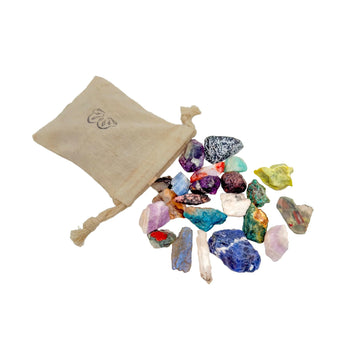










Banded Amethyst
Banded amethyst is a variety of purple quartz that forms in layers, each band marking a distinct growth phase. We source from Ambatondrazaka, Madagascar, where artisanal operators hand-select and polish pieces from alluvial deposits. The result is natural, untreated material with soft, muted purple tones and distinct striations. Many people work with banded amethyst for clarity of thought, steady calm, and the quieting of anxious mind-loops.
Shop banded amethystThe geology.
Banded amethyst is a variety of crystalline quartz distinguished by its layered purple and white striations. It forms when silica-rich water deposits layers of quartz, with the purple color coming from iron and aluminum trace elements combined with natural radiation exposure over geological time. Each band represents a separate precipitation event, and the width and color intensity of bands reflect the chemical composition and temperature of the water during formation. Unlike solid amethyst, banded amethyst's striations create a visual rhythm that many people find both grounding and meditative.
Hardness is 7 on the Mohs scale, making banded amethyst durable for daily wear and resistant to scratching. The crystal system is trigonal (the same family as all quartz). Specific gravity ranges from 2.65 to 2.66. The stone is typically translucent to opaque, with the purple color distributed in distinct bands separated by white or pale lavender quartz. The banding pattern is unique to each piece and never perfectly uniform, a natural signature of slow crystallization over millions of years.
The origins.
Banded amethyst is sourced from Madagascar, specifically from alluvial deposits in the Ambatondrazaka region. The material is hand-selected from secondary deposits where weathering has exposed quartz pieces over time. Local artisanal operators polish the rough stones to reveal the banded interior, selecting for color consistency and clarity of banding before pieces reach our shelves. This is labor-intensive work done at human scale, not industrial extraction. Each stone is chosen individually based on its appearance and quality.
While banded amethyst and chevron amethyst are sometimes used interchangeably in the broader market, we use the term banded amethyst specifically for our Madagascar material. Other regions produce similar material: Uruguay, Zambia, and India all have amethyst deposits, though our commitment is to the Madagascar source. If our relationship with this source changes or if we bring in material from other origins, we will disclose that transparently. The purple tones of Madagascar banded amethyst tend toward soft lavender rather than the deep royal purple of some other regions, a characteristic that comes from the specific geochemistry of Ambatondrazaka deposits.
Traditional associations.
Amethyst has held place in human culture for millennia. Greek lapidaries attributed protective qualities to the stone, and its name comes from the Greek "amethystos," meaning "not intoxicated" (amethyst was traditionally worn or carried for clarity and protection against clouded thinking). Medieval texts consistently list amethyst among stones of calm and spiritual clarity. The stone appears across many spiritual traditions as a meditation aid and a protective mineral. Banded amethyst specifically, with its visual rhythm of alternating colors, carries additional symbolism around balance and the integration of different aspects of self.
In modern crystal practice, banded amethyst is most often associated with the Crown and Third Eye chakras, the element Air, and zodiac signs Aquarius, Pisces, and Virgo. Many people work with it for clarity of thought, calm nervous energy, quieting mental loops, and the kind of still awareness that comes with meditation practice. Some choose it when feeling overwhelmed by too many thoughts or options, seeking the sense of order and flow that the banding pattern suggests. The color purple itself carries associations with intuition and spiritual connection across many cultural traditions.
Spotting the real thing.
Genuine banded amethyst shows distinct, consistent banding with variations in band width and color intensity that reflect natural growth patterns. The purple bands should appear muted rather than vivid, with the color feeling soft and integrated into the stone rather than sitting on the surface. When you hold natural amethyst to light, the color does not transfer or shift dramatically depending on the angle in a way that suggests coating or dye. The luster is glassy to waxy, never plastic-looking or artificial in appearance.
Common imitations include dyed chalcedony (which may transfer color to your hands when wet), heat-treated amethyst (legitimate if disclosed, but undisclosed), painted or coated glass, and plastic-impregnated material. Real amethyst is hard enough that it resists scratching under normal handling and will not scratch easily under fingernail pressure. If the color is extremely uniform, perfectly saturated across the entire stone, or if the banding appears painted rather than grown, treatment or imitation is likely. Another test is to examine the piece under magnification for natural growth lines and subtle color variation that characterize genuine banded amethyst, compared to the uniform appearance of synthetic or heavily treated material.
Care & handling.
Banded amethyst is durable and well-suited for daily wear. It is safe for water exposure and can be rinsed gently under running water or cleaned with mild soap and water. Sunlight exposure may slightly fade the purple color over extended periods (decades of direct sunlight), so storing it away from south-facing windows is wise for long-term color preservation. It tolerates cool and warm environments equally well, though sudden temperature changes should be avoided (do not move directly from ice to heat or vice versa).
Banded amethyst is hard enough that it will not scratch easily, and you can store it with other stones without worry that it will damage them. Avoid dropping it on hard surfaces, as any crystal can crack if struck hard. For energetic cleansing, amethyst responds well to moonlight, water, sound, or smoke. No special precautions are needed beyond common sense care. The durability of banded amethyst makes it an excellent choice for daily carry, meditation practice, or long-term collection building.
Pairs well with.
Proof, not promises.
We measure our own sourcing across five dimensions. Supply chain, environmental footprint, artisan support, market integrity, and pricing. The number is honest, not perfect. Where we can do better, we say so.
A deeper look.
Extended geology of amethyst formation and color, regional deposit characteristics, treatment detection, historical context, global varieties, and the challenge of sourcing natural material in a market dominated by treated goods.
Banded amethyst geology and formation
Banded amethyst forms through the same process as solid amethyst: silica-rich water deposits layers of quartz inside geodes and cavities in host rocks, with the purple color developing through natural irradiation of iron and aluminum trace elements over geological time. The distinction is structural. Banded amethyst shows this layering explicitly, with distinct bands of varying color intensity. Each band can take thousands to millions of years to accumulate. The result is a stone with visible growth history written into its structure, where each band marks a particular moment in geological time.
The formation process is driven by temperature changes in the silica-rich waters, variations in trace element concentration, and shifts in pH and mineral saturation. When conditions change, the color or clarity of the next layer differs, creating the visible banding. This is why no two pieces of banded amethyst are identical. The width of bands, the saturation of purple, the ratio of purple to clear, all reflect conditions specific to that stone's formation.
Madagascar deposits
Madagascar is known globally for amethyst sourcing, with deposits concentrated in several regions. Ambatondrazaka, where we source, is in the central highlands and yields material through alluvial mining. The geology of the region includes granitic rocks and metamorphic deposits that host quartz veins and geodes. Alluvial deposits form as weathering exposes these geodes over time, making hand extraction possible without large-scale industrial mining. The material tends toward soft purple tones compared to some other regional sources, a characteristic of the specific trace element composition of Ambatondrazaka geology.
The advantage of Madagascar sourcing is the accessibility of artisanal-scale extraction and the established supply chains with local operators. The limitation is single-source dependence. Madagascar amethyst is abundant, which is why we can commit to this origin, but it also means that any disruption to supply from the region would require us to either pause sales or shift sources entirely. We are transparent about this constraint.
Treatment and detection
Heat treatment is standard practice in the broader amethyst market. Low-temperature heating can bring out subtle purple tones not visible in raw material. Moderate heat (up to around 200 degrees Celsius) can shift citrine (yellow quartz) to amethyst-like colors. High-temperature heating can permanently alter color, shifting purple toward yellow or clear. Irradiation is sometimes used to intensify purple color in pale amethyst. All such treatments should be disclosed at point of sale but often are not.
Detection of heat treatment requires laboratory analysis in most cases, though extreme color shifts (from pale to vivid purple) are suspicious. Detection of irradiation is even more difficult. The best protection is a supplier relationship where you know the treatment history of your material and can trust disclosure. This is why we commit to single-source purchasing from known operators.
Amethyst in history and culture
Amethyst appears in the archaeological record as far back as the Neolithic period. Ancient Egyptians valued amethyst as a protective stone, and it appears in Egyptian jewelry and talismans dating back thousands of years. The Greeks attributed amethyst with the power to protect against intoxication and clouded thinking. The stone appears in medieval lapidaries as a stone of sobriety, spiritual awareness, and protection. This long history of cultural association is real, though modern crystal practice often overextends claims made in historical texts.
Global sources and varieties
Amethyst is found on every continent. Uruguay produces some of the world's most prized amethyst geodes. Brazil has massive deposits and produces both raw geodes and processed material. Zambia produces fine quality amethyst. India mines amethyst in significant quantities. The United States has amethyst deposits throughout the western states. Each region's geology produces distinct characteristics. Brazilian amethyst tends toward deeper purples. Uruguayan amethyst often shows more delicate color. Madagascar material, as noted, tends toward softer lavender tones.
Sourcing clarity in treated markets
The challenge of amethyst sourcing is that treated material now dominates global supply. Finding natural, undyed, untreated amethyst requires specific supplier relationships and willingness to turn down material that doesn't meet standards. We commit to natural material because the stone's true character and the honest story of its formation are more compelling than any treatment could make them. The banding visible in banded amethyst is geological truth. We want to sell that truth, not a manufactured version of it.
Good sourcing is a practice, not a claim.
Nothing we sell is dyed, stabilized, reconstituted, or color-enhanced without full disclosure. We name our origins where we can. We say so when we cannot. We walk away from material that does not meet our standard, even when it costs us sales.
Bring banded amethyst home.
Polished palm stones and pieces from Ambatondrazaka, Madagascar. Natural, untreated, hand-selected for clarity of banding and soft purple tones. Each piece is unique, with the distinct striations and color variations that characterize genuine banded amethyst. Choose it for its geological beauty and for the calm that many people associate with this stone.
Shop the banded amethyst collectionGrounded Connections
New stones go to the list first.
No forwarding, no selling. Unsubscribe in one click. Privacy