









 Agatefor stress relief
 Amazonitefor stress relief
 Aquamarinefor serenity
 Aventurinefor luck
 Bloodstonefor energy
 Blue Kyanitefor confidence
 Blue Lace Agatefor stress relief
 Chrysocollafor emotional healing
 Fluoritefor focus
 Garnetfor energy
 Lepidolitefor stress relief
 Malachitefor emotional healing
 Moonstonefor grounding
 Obsidianfor protection
 Ocean Jasperfor emotional healing
 Red Jasperfor grounding
 Rhodonitefor emotional healing
 Selenitefor cleansing
 Sodalitefor focus
 Tiger Eyefor confidence








































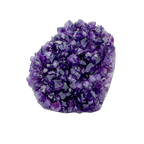 Amethyst
 Clear Quartz
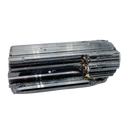 Black Tourmaline
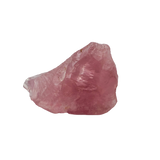 Rose Quartz
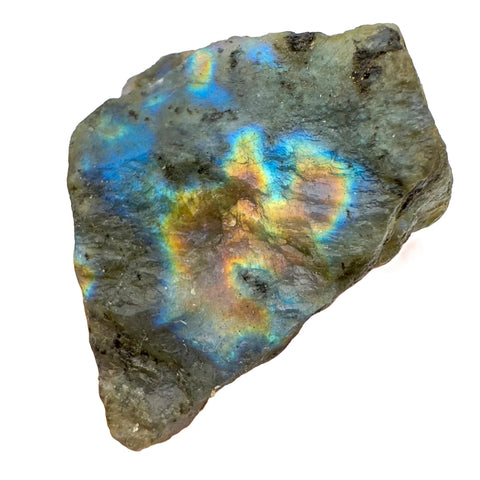
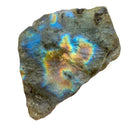 Labradorite
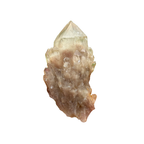 Natural Citrine
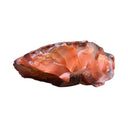 Carnelian
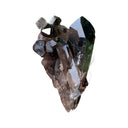 Smoky Quartz
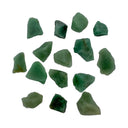 Aventurine
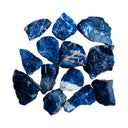 Sodalite
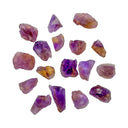 Ametrine
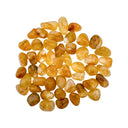 Golden Healer
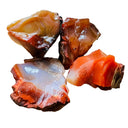 Raw Stones
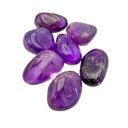 Tumbled Stones
 Palm Stones
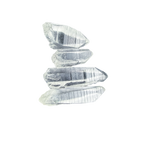 Crystal Points
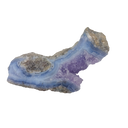 Clusters & Geodes
 Polished & Decor
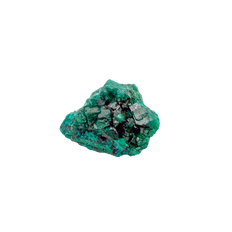 Mineral Specimens
 Crystal Chips




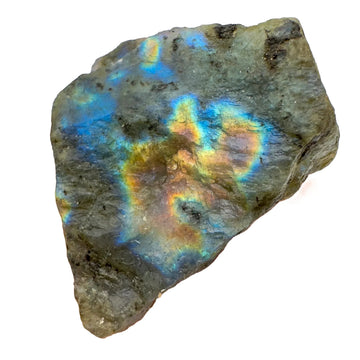



 Raw Stones
179 to choose from
Raw Stones
179 to choose from
 Tumbled Stones
162 to choose from
Tumbled Stones
162 to choose from
 Palm Stones
25 to choose from
Palm Stones
25 to choose from
 Crystal Points
23 to choose from
Crystal Points
23 to choose from
 Clusters & Geodes
98 to choose from
Clusters & Geodes
98 to choose from
 Polished & Decor
147 to choose from
Polished & Decor
147 to choose from
 Mineral Specimens
248 to choose from
Mineral Specimens
248 to choose from
 Crystal Chips
21 to choose from
Crystal Chips
21 to choose from


 AngolaAquamarine
›
AngolaAquamarine
›
 BotswanaCarnelian, Tree Agate
›
BotswanaCarnelian, Tree Agate
›
 DR CongoMalachite, Natural Citrine
›
DR CongoMalachite, Natural Citrine
›
 EswatiniBloodstone
›
EswatiniBloodstone
›
 MadagascarLabradorite, Clear Quartz
›
MadagascarLabradorite, Clear Quartz
›
 MalawiBlue Lace Agate, Garnet
›
MalawiBlue Lace Agate, Garnet
›
 MozambiqueAmazonite
›
MozambiqueAmazonite
›
 NamibiaSodalite, Blue Lace Agate
›
NamibiaSodalite, Blue Lace Agate
›
 Republic of the CongoDioptase
›
Republic of the CongoDioptase
›
 South AfricaTiger Eye, Unakite
›
South AfricaTiger Eye, Unakite
›
 ZambiaChevron Amethyst
›
ZambiaChevron Amethyst
›
 ZimbabweEmerald, Rhodonite
›
ZimbabweEmerald, Rhodonite
›
 ArgentinaBlack Obsidian, Rhodochrosite
›
ArgentinaBlack Obsidian, Rhodochrosite
›
 BoliviaAmetrine
›
BoliviaAmetrine
›
 BrazilAmethyst, Clear Quartz
›
BrazilAmethyst, Clear Quartz
›
 PeruSerpentine, Jade
›
PeruSerpentine, Jade
›
 UruguayAmethyst
›
UruguayAmethyst
›
 Dominican RepublicLarimar
›
Dominican RepublicLarimar
›
 MexicoRainbow Obsidian, Crazy Lace Agate
›
MexicoRainbow Obsidian, Crazy Lace Agate
›
 United StatesSelenite, Peridot
›
United StatesSelenite, Peridot
›
 ChinaFluorite
›
ChinaFluorite
›
 RussiaShungite
›
RussiaShungite
›
 AustraliaMookaite
›
AustraliaMookaite
›
 Where our crystals come from
See where we source →
Where our crystals come from
See where we source →


 Aries
Mar 21 to Apr 19
Carnelian
›
Aries
Mar 21 to Apr 19
Carnelian
›
 Taurus
Apr 20 to May 20
Rose Quartz
›
Taurus
Apr 20 to May 20
Rose Quartz
›
 Gemini
May 21 to Jun 20
Agate
›
Gemini
May 21 to Jun 20
Agate
›
 Cancer
Jun 21 to Jul 22
Moonstone
›
Cancer
Jun 21 to Jul 22
Moonstone
›
 Leo
Jul 23 to Aug 22
Citrine
›
Leo
Jul 23 to Aug 22
Citrine
›
 Virgo
Aug 23 to Sep 22
Amazonite
›
Virgo
Aug 23 to Sep 22
Amazonite
›
 Libra
Sep 23 to Oct 22
Blue Lace Agate
›
Libra
Sep 23 to Oct 22
Blue Lace Agate
›
 Scorpio
Oct 23 to Nov 21
Obsidian
›
Scorpio
Oct 23 to Nov 21
Obsidian
›
 Sagittarius
Nov 22 to Dec 21
Sodalite
›
Sagittarius
Nov 22 to Dec 21
Sodalite
›
 Capricorn
Dec 22 to Jan 19
Black Tourmaline
›
Capricorn
Dec 22 to Jan 19
Black Tourmaline
›
 Aquarius
Jan 20 to Feb 18
Amethyst
›
Aquarius
Jan 20 to Feb 18
Amethyst
›
 Pisces
Feb 19 to Mar 20
Aquamarine
›
Gifting?
A birthday stone is the safe bet.
Read the zodiac guide →
Pisces
Feb 19 to Mar 20
Aquamarine
›
Gifting?
A birthday stone is the safe bet.
Read the zodiac guide →


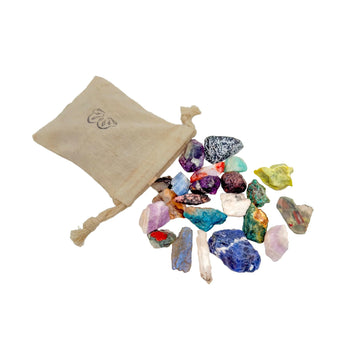










Amber
Amber is not a stone at all. It is fossilized tree resin, an organic gem that hardened over millions of years and sometimes sealed insects and plant fragments inside it. It is warm, light, and beautiful, and because of that it is heavily imitated by younger copal, pressed amber, and plastic. Knowing the difference is most of what matters here.
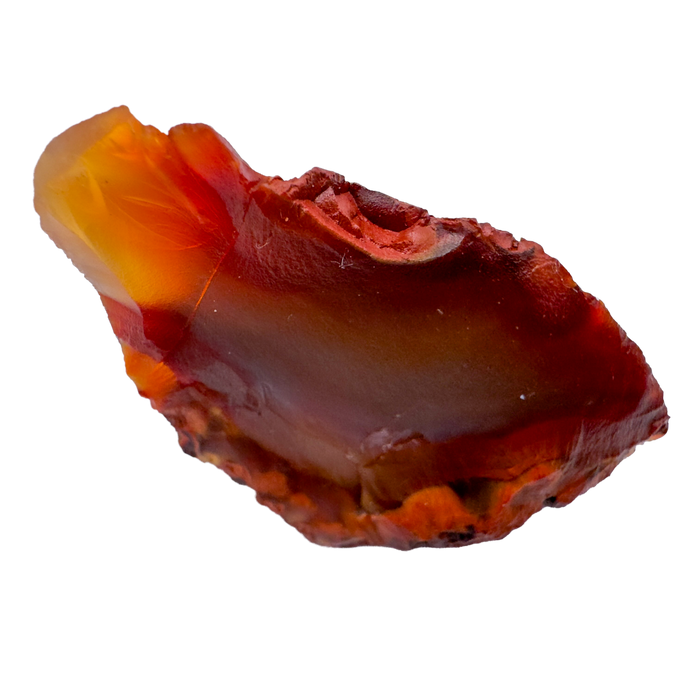
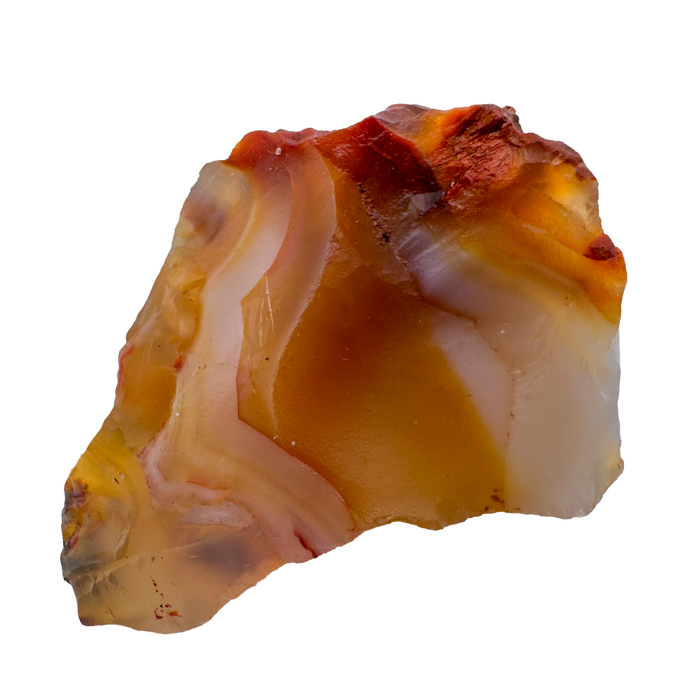
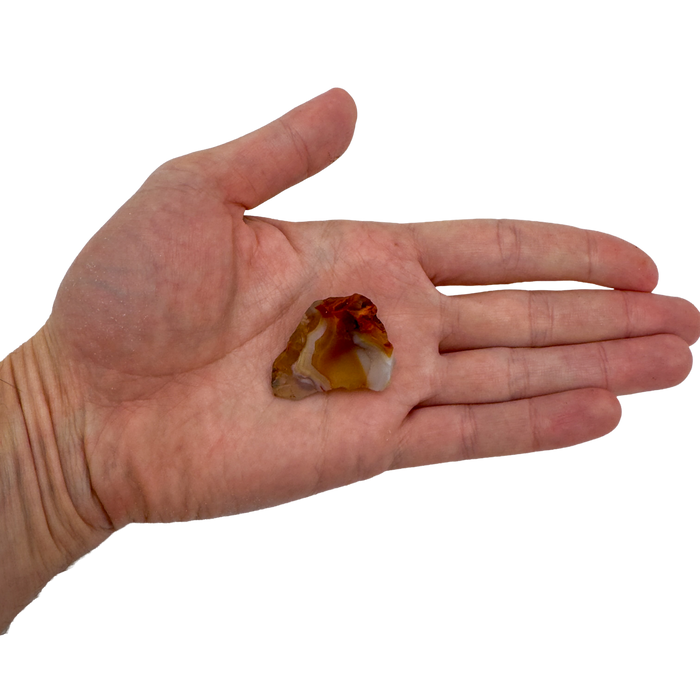
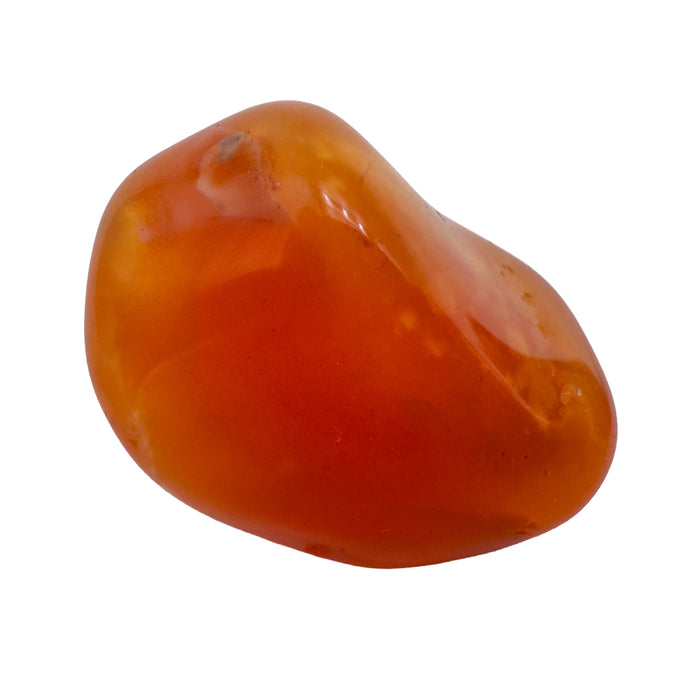
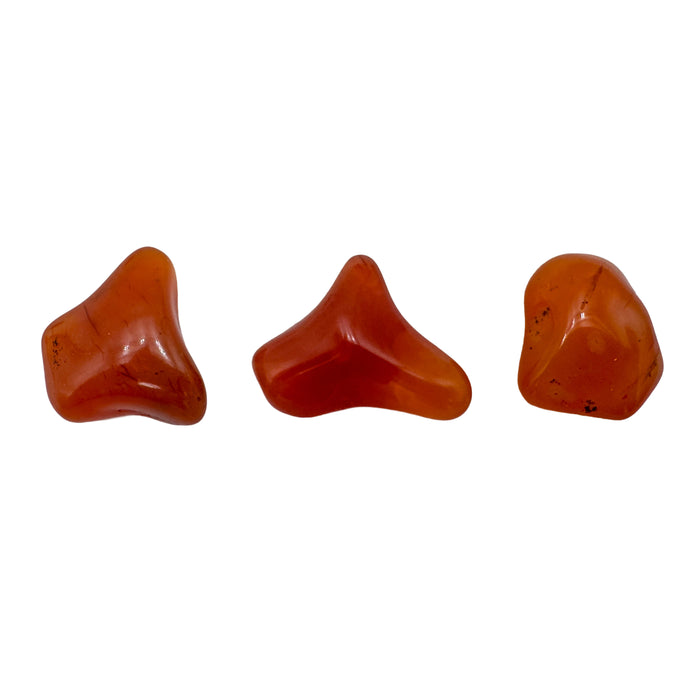
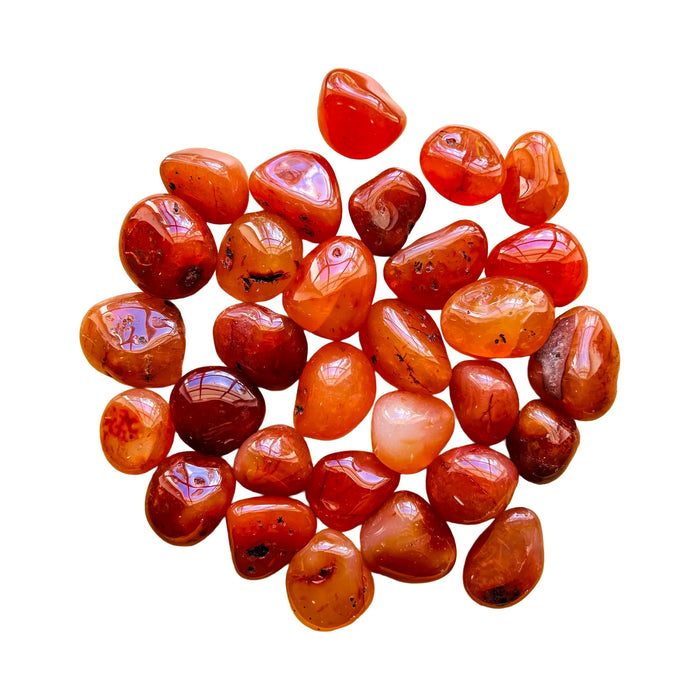
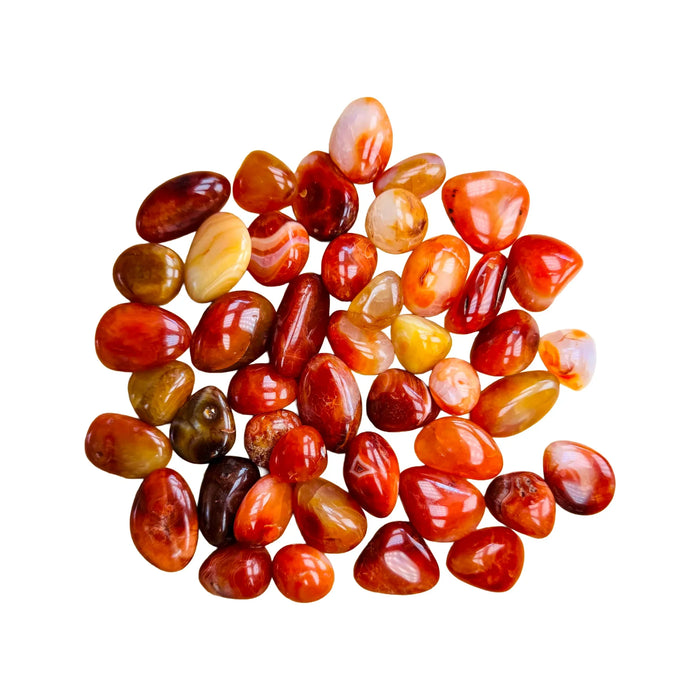
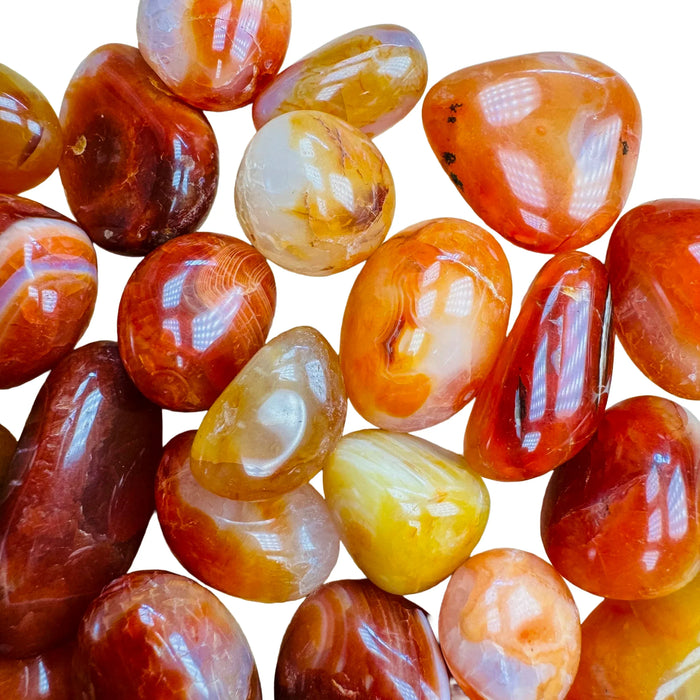
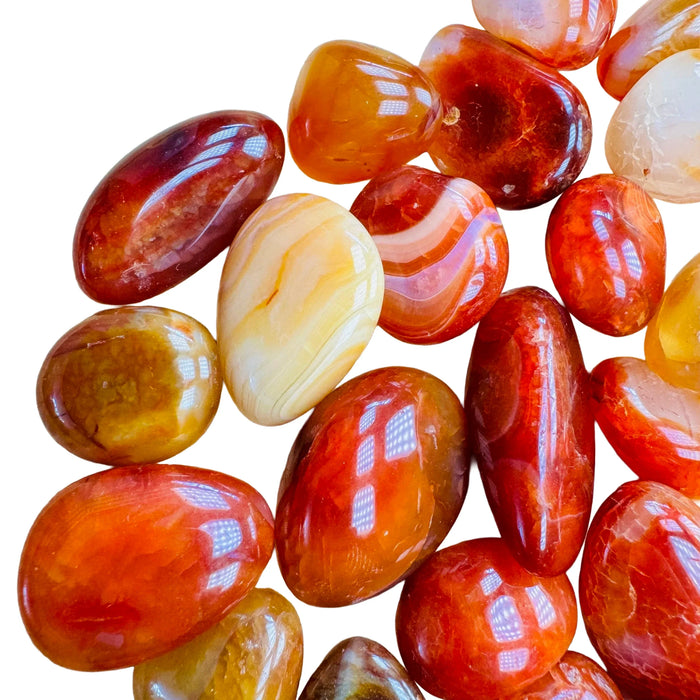
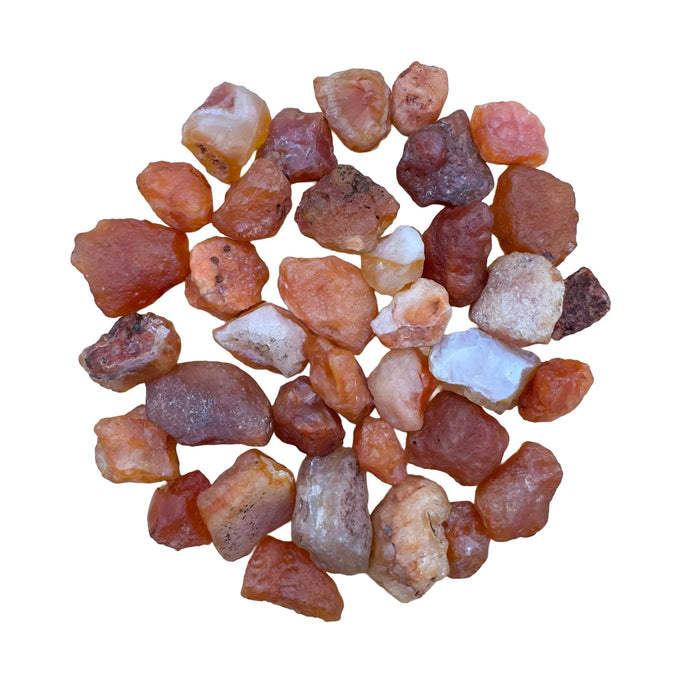
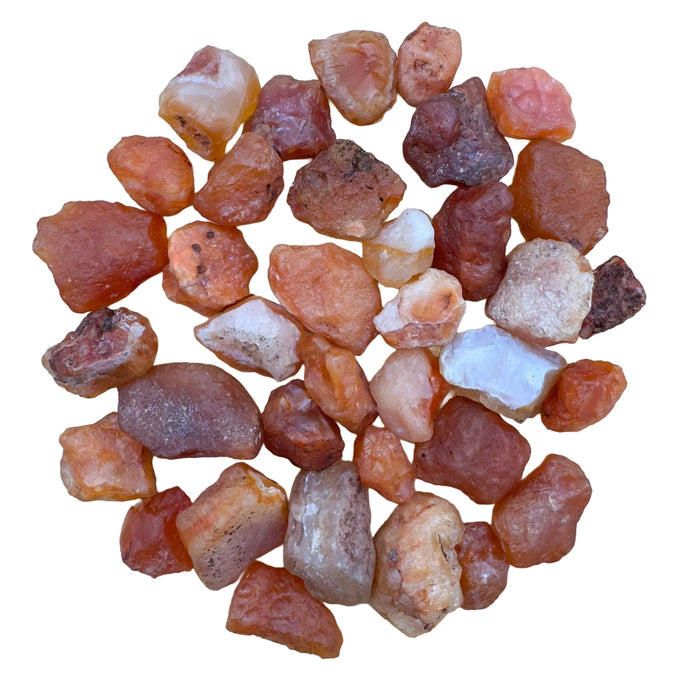
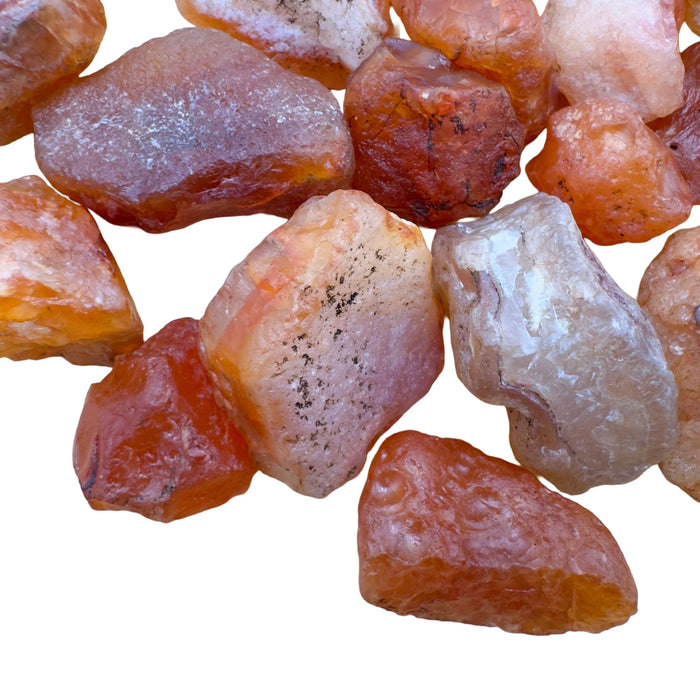
Love Amber? Meet Carnelian.
Amber is not something we carry. Carnelian is the closest match in color, and every product page names its origin and grade.
- from 1,000+ reviews
- Ships within 72 hoursMonday to Friday, tracked
- 90 days to return itif you do not love it
- Free US shipping over $99$8.99 flat rate under
The geology.
Amber is fossilized tree resin, which makes it an organic gem rather than a mineral. Ancient trees, mostly conifers, exuded sticky resin that was buried and, over millions of years, lost its volatile components and polymerized into a stable amorphous solid. Because it has no crystal structure, it breaks with a smooth conchoidal fracture and has no fixed hardness beyond a very soft 2 to 2.5 on the Mohs scale.
The most prized amber, Baltic amber, is called succinite and is roughly forty-four million years old, dating to the Eocene. Amber is light enough to float in salt water, warm to the touch rather than cold like glass, and famous for inclusions: gnats, ants, feathers, leaves, and bubbles caught in the resin and preserved in extraordinary detail, which is why it doubles as a window into deep time.
The origins.
Before the map, the honest part: a great deal of what is sold as amber is younger copal or outright plastic, so origin and authenticity travel together. The Baltic region around the Baltic Sea, including Kaliningrad in Russia, Poland, and Lithuania, is the dominant source of true succinite and the reference standard for the material.
The Dominican Republic produces a younger amber known for exceptional clarity, rich insect inclusions, and the rare fluorescent blue amber. Mexico, particularly Chiapas, is another notable source, and Myanmar produces burmite, among the oldest amber on earth. A seller who can name the source and the type is giving you real information, not decoration.
Traditional associations.
Amber is one of the oldest ornamental materials humans have used, carried across Europe for thousands of years along trade routes known as the Amber Road and worked into beads and amulets since the Stone Age. Its warm glow gave it a long association with sunlight, warmth, and life.
Many people work with amber for warmth, vitality, comfort, and a feeling of protection, and associate it with the Solar Plexus and Sacral, the element of Fire, and the sign Leo. A common practice is simply to wear it as warm, lightweight jewelry that sits close to the skin.
Spotting the real thing.
A few gentle tests separate real amber from its copies. Amber is light and floats in a strong salt solution, around one part salt to two parts water, while most plastics and glass sink. It warms quickly in the hand, builds a static charge when rubbed on wool so it can lift a scrap of paper, and gives a faint pine-resin scent when gently warmed. Glass feels cold and will not scratch with a pin.
Copal, a much younger resin, looks similar but turns tacky and dissolves at the surface under a drop of acetone, and smells sweeter when warmed. Pressed amber shows elongated flow lines and clustered bubbles from being fused. Inclusions in genuine amber are irregular natural debris, so a large, perfectly posed insect can be a sign of something embedded in plastic or copal. Ask the seller to state amber, pressed amber, copal, or imitation.
Care & handling.
Amber is very soft and delicate, so treat it as you would a fine organic material rather than a hardstone. Keep it away from perfume, hairspray, alcohol, and household chemicals, all of which can dull or craze the surface, and put jewelry on after applying scent. Clean it only with a soft, barely damp cloth, never solvents or ultrasonic cleaners.
Heat and prolonged sunlight can dry, darken, and crack amber over time, so store it cool and out of direct light. Because it scratches easily, keep it padded and separate from harder jewelry, and avoid knocks, since it is brittle as well as soft.
Pairs well with.
A deeper look.
Extended geology, sourcing, authentication, history, and varieties, for when the quick guide isn't quite enough.
Extended geology
Chemically, amber is a complex mixture of polymerized terpenoid resins along with trapped volatile components that slowly escape as the material matures. Fresh resin first becomes copal, a partly hardened intermediate, and only after millions of years of polymerization and loss of volatiles does it become true amber. Baltic succinite is distinguished in part by a notable succinic acid content.
Density is low, roughly 1.05 to 1.10, which is what lets amber float in brine. It is amorphous, with a vitreous to resinous luster, and some ambers, especially Dominican blue amber, fluoresce strongly under ultraviolet light. The inclusions amber is famous for, from insects to microscopic organisms, make certain pieces as valuable to science as to jewelry.
Extended sourcing
Baltic amber, Eocene in age and the world's largest commercial source, comes from deposits around the Baltic Sea, with major production tied to the Kaliningrad region and to Poland and Lithuania. Dominican amber is younger, prized for clarity, abundant insect inclusions, and the rare blue variety. Mexican amber from Chiapas is another clear, inclusion-rich source.
Burmese amber, or burmite, from Myanmar is among the oldest amber known, dating to the Cretaceous, and has yielded remarkable fossils. It also carries real ethical sourcing concerns connected to conflict in its mining regions, which is worth weighing for anyone who cares where a material comes from. As with any organic gem, named origin and disclosed type are part of buying responsibly.
Authentication and warning signs
The practical test battery is salt-water flotation, static charge, scent when warmed, and behavior under a drop of acetone, with ultraviolet light as a useful extra since real amber often fluoresces. Real amber floats, warms, builds static, and smells of pine resin, while copal goes tacky with acetone and plastics smell chemical when heated.
The categories to keep separate are natural amber, pressed amber (genuine fragments fused, sometimes disclosed as ambroid), copal (young resin, not amber), and imitations in plastic or glass. A trustworthy seller names which one a piece is, discloses heat treatment, and does not present copal or pressed material as natural amber.
History and folklore
Amber has been treasured since the Stone Age and moved across Europe along the Amber Road trade routes for millennia. The Greeks called it elektron, and the static charge it builds when rubbed eventually gave us the word electricity. Pliny the Elder wrote about its origins, and the famous Amber Room in Russia became one of the most celebrated decorative works ever made from it.
Across many cultures amber was worn as adornment and as a folk talisman tied to warmth and protection. That long ornamental history, more than any single legend, is what built its reputation, and it remains one of the few gems whose appeal is as much about preserved life inside it as about color.
Varieties and trade names
By origin, the main ambers are Baltic succinite, Dominican (including the rare fluorescent blue), Mexican, and Burmese burmite. By color and look, the trade recognizes cognac and honey golds, butterscotch and white bony amber, green amber, and red or cherry amber, the last of which is frequently the result of heat treatment rather than natural color.
Two non-amber categories often share the shelf. Pressed amber is real amber reconstituted from fragments under heat and pressure. Copal is a genuinely different, much younger resin. Both are legitimate materials when labeled honestly, and both are problems when sold as natural amber without disclosure.
What it costs in the market
Value in amber rests first on authenticity, since natural amber, pressed amber, copal, and plastic occupy entirely different tiers. Above that, clarity, color, size, and especially the quality and scientific interest of any inclusions drive price, with well-preserved insects in clear Dominican or Burmese amber and rare blue amber commanding the most.
Heat treatment to clarify or to produce cherry color and sun spangles is common and lowers value relative to fine natural material when disclosed. The honest variables that set price are therefore authenticity and type, clarity and color, inclusions, origin, and treatment status, in that rough order.
An education-first guide.
We don't currently carry amber, so there's nothing to sell you here. This guide exists because the more you understand a stone, the better every decision you make about it becomes, wherever you buy it. Explore the rest of our crystal guides for stones we do source, each with full origin and treatment notes.
Explore the Crystal GuideGrounded Connections
New stones go to the list first.
No forwarding, no selling. Unsubscribe in one click. Privacy