


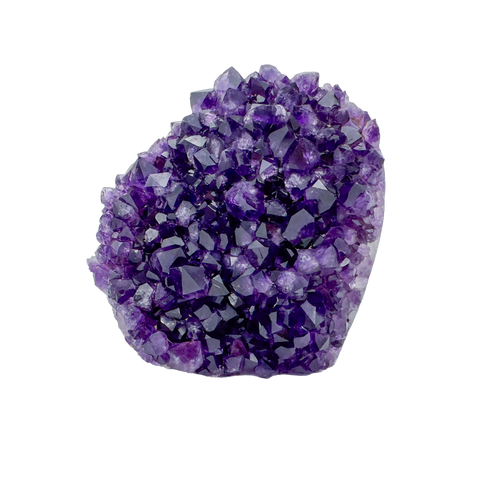
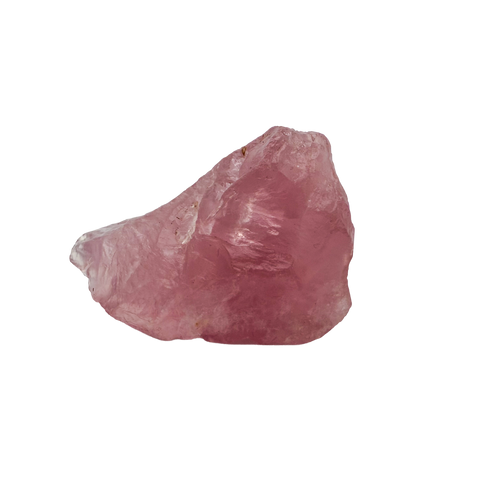
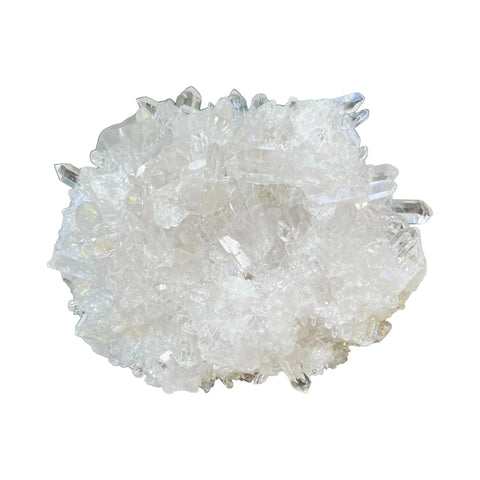
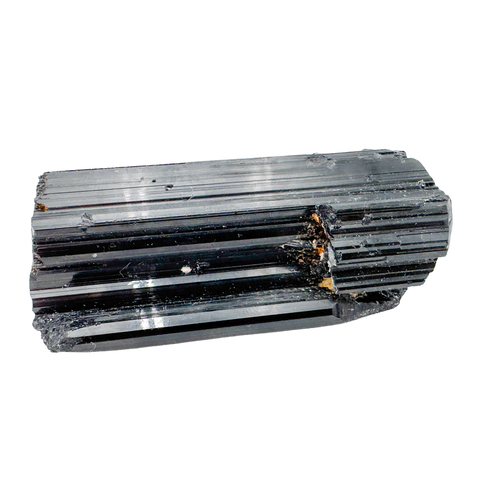
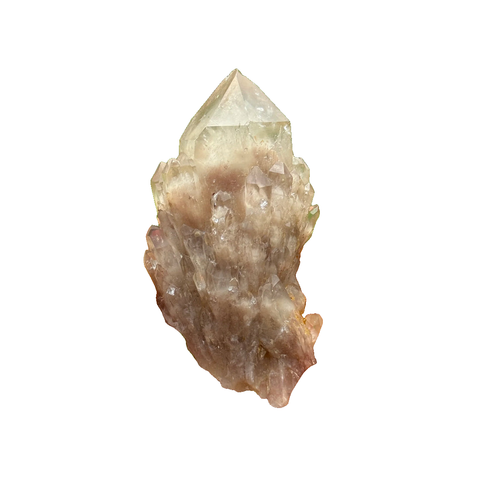
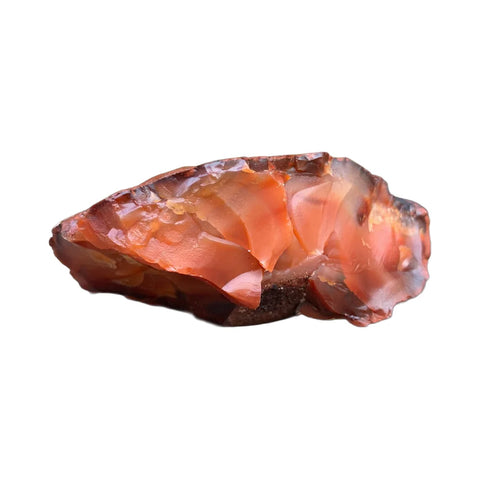
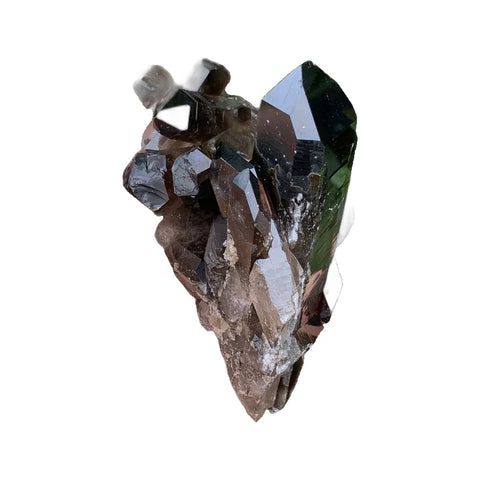
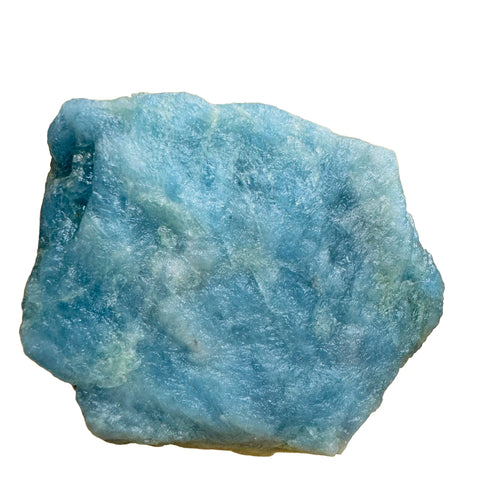
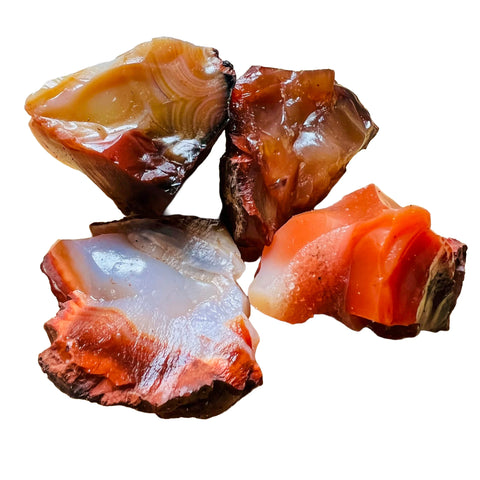


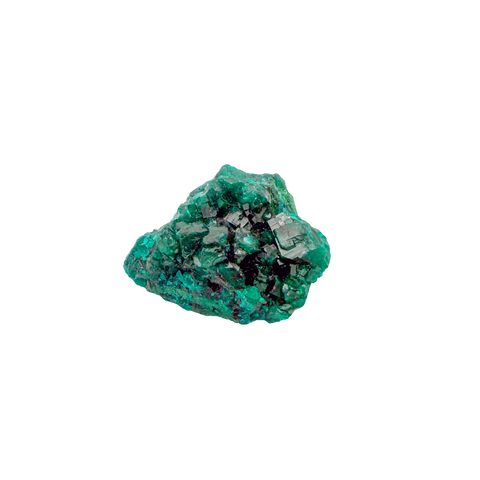
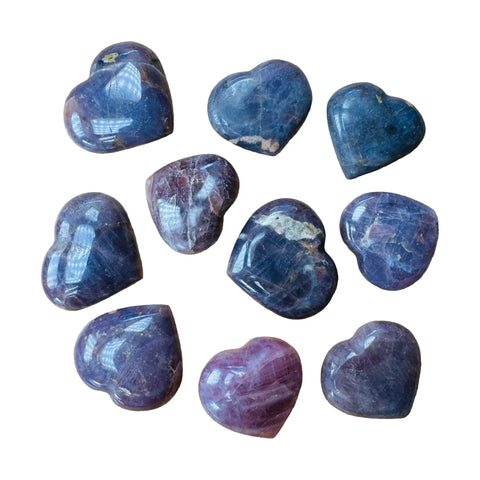
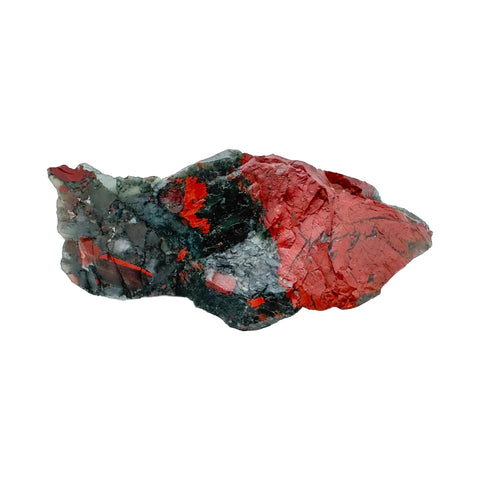
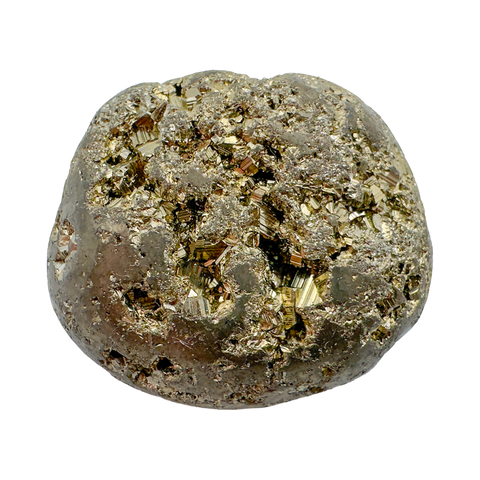
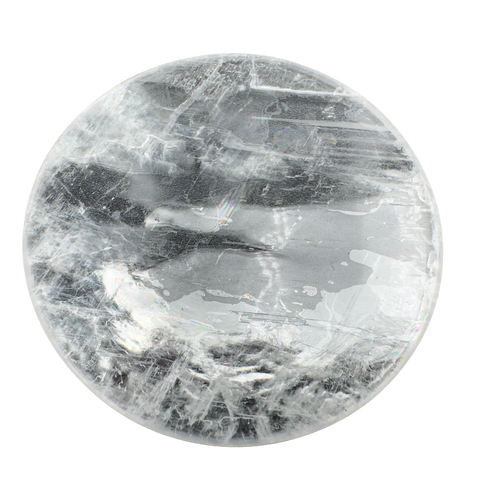
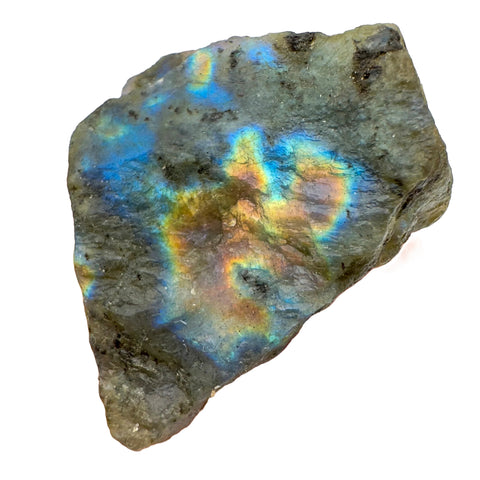
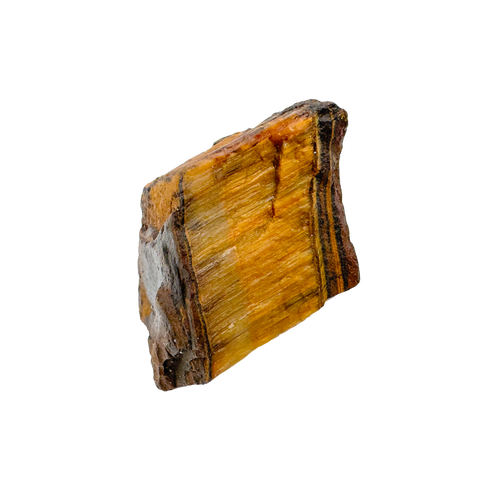
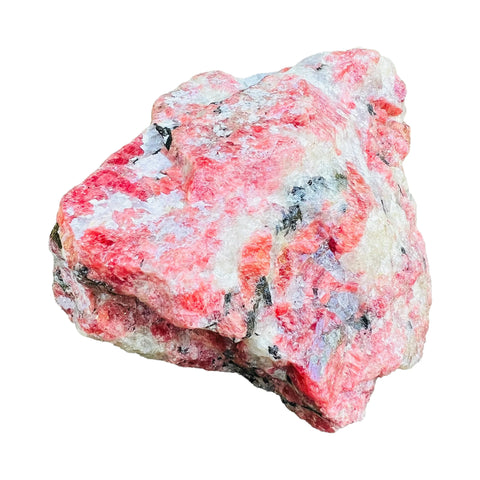
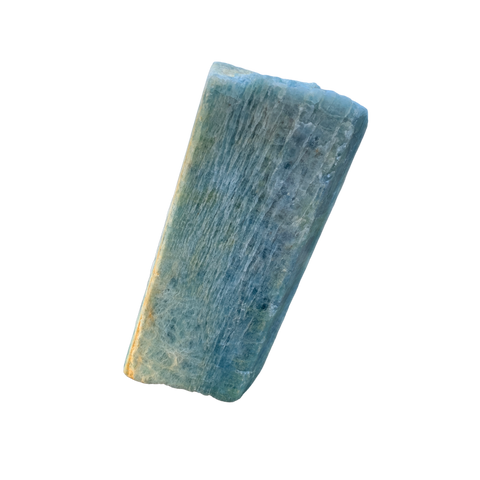
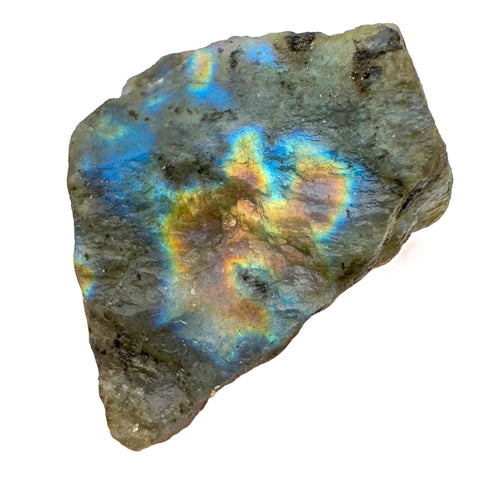



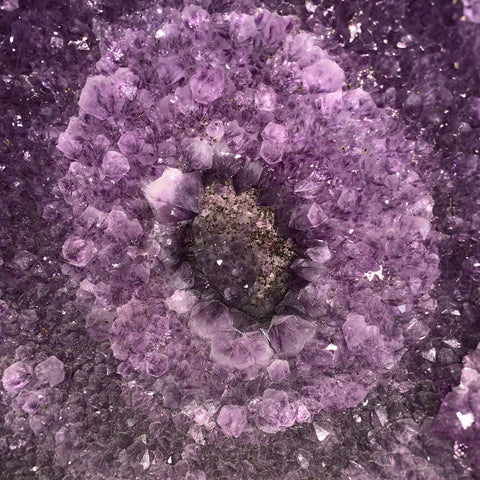
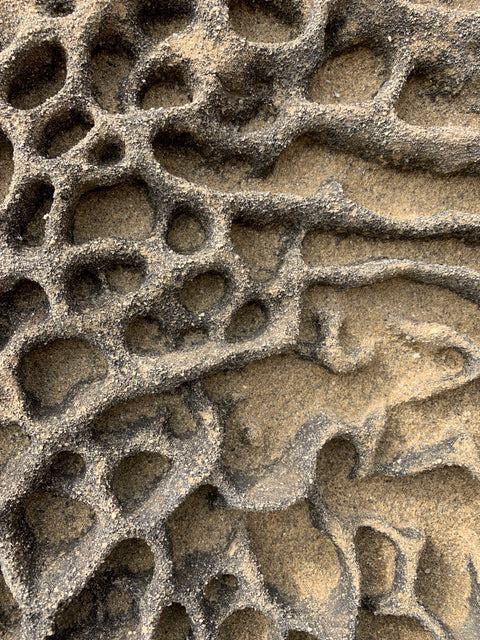
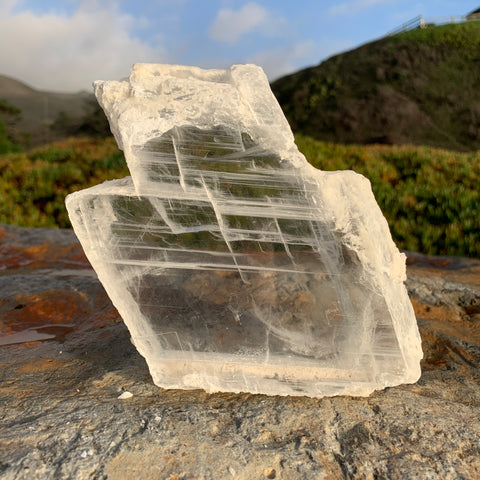
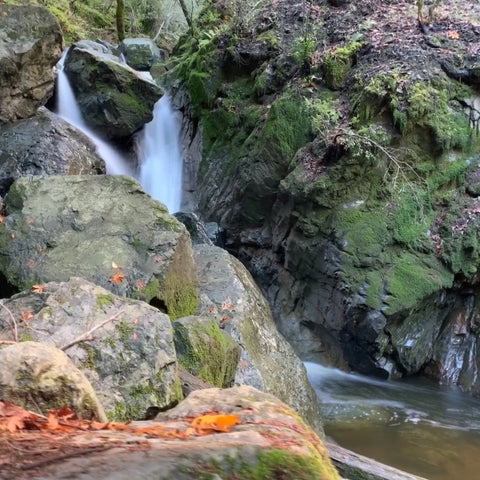
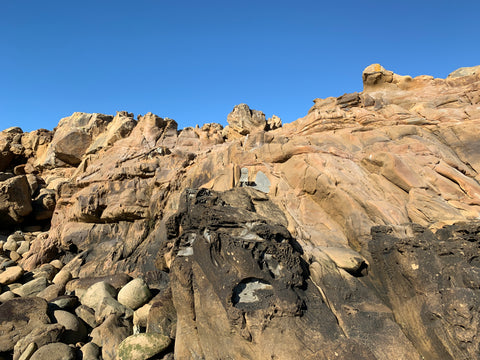
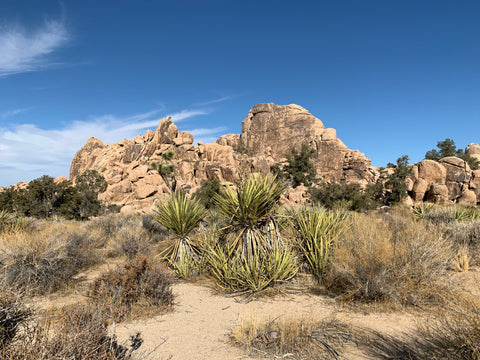
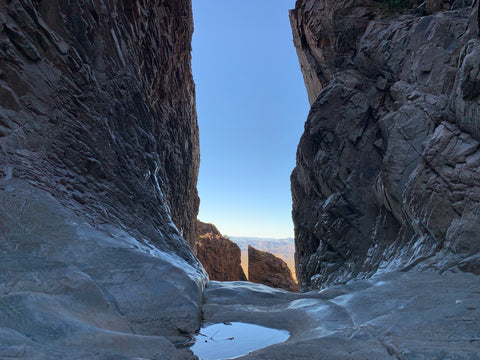
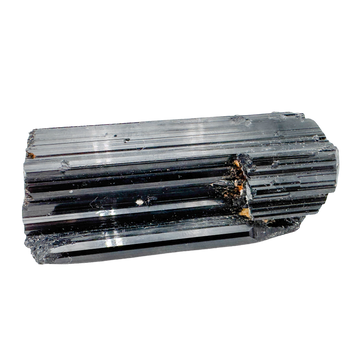
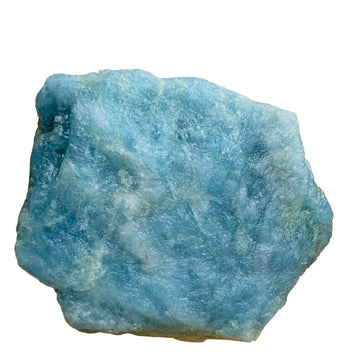
 Raw Stones
179 pieces
Raw Stones
179 pieces
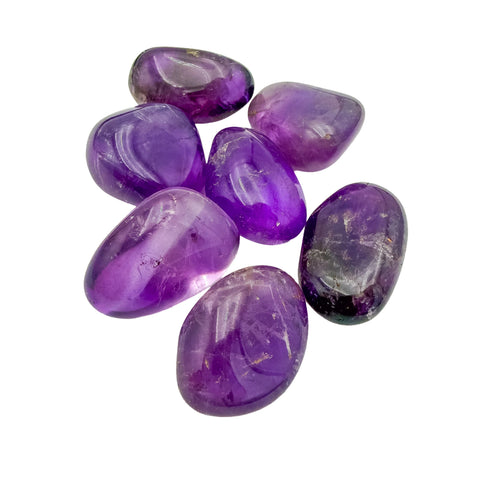
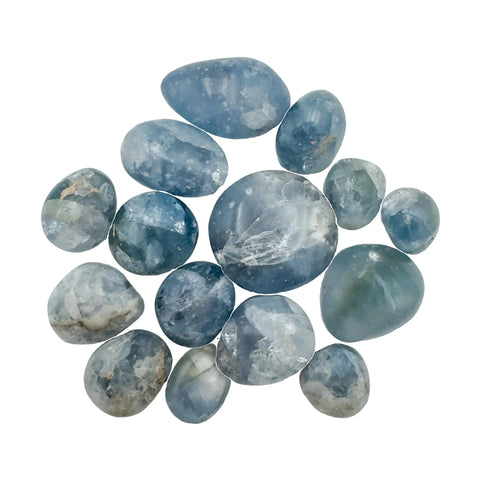
 Tumbled Stones
162 pieces
Tumbled Stones
162 pieces
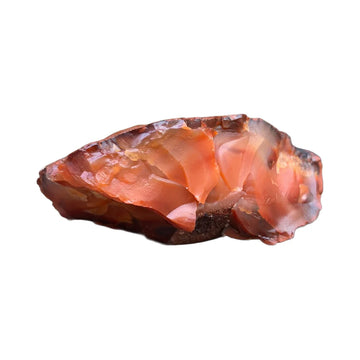
 Palm Stones
25 pieces
Palm Stones
25 pieces
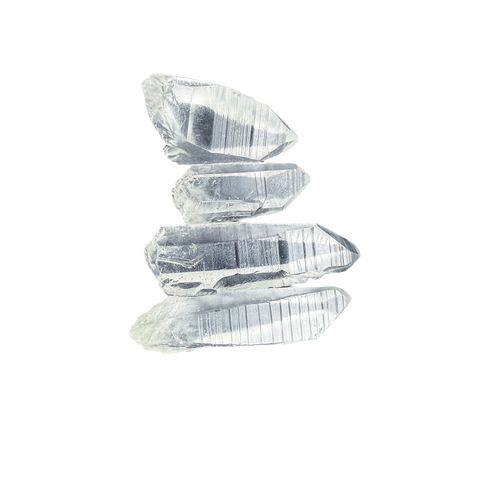
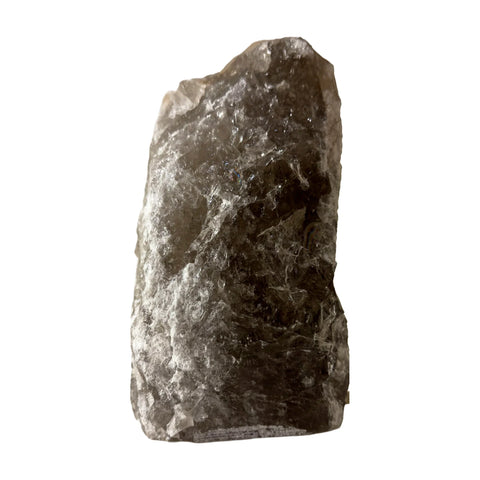
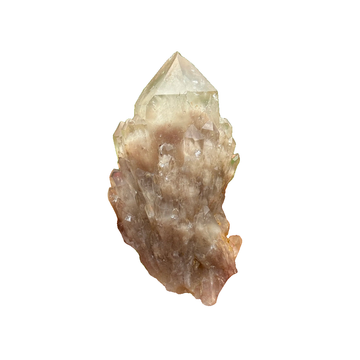
 Crystal Points
23 pieces
Crystal Points
23 pieces
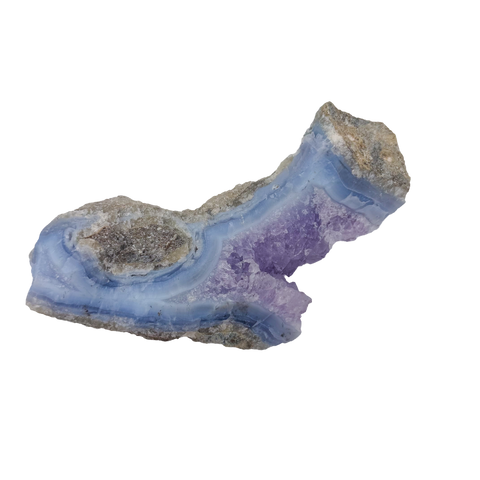
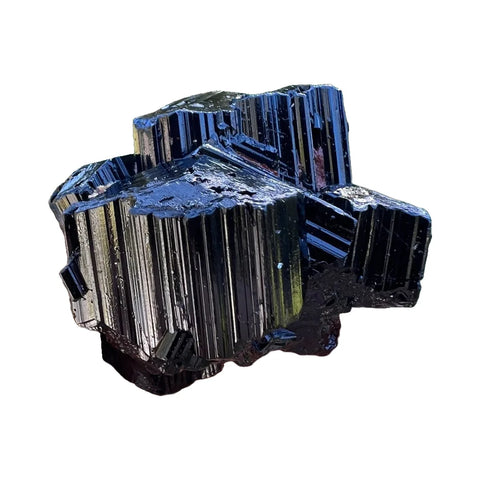
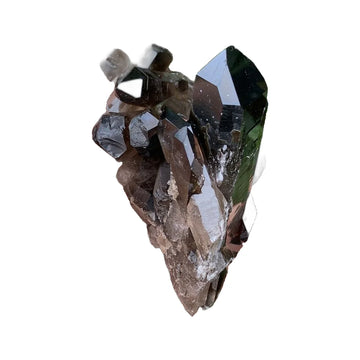
 Clusters & Geodes
104 pieces
Clusters & Geodes
104 pieces
 Polished & Decor
148 pieces
Polished & Decor
148 pieces
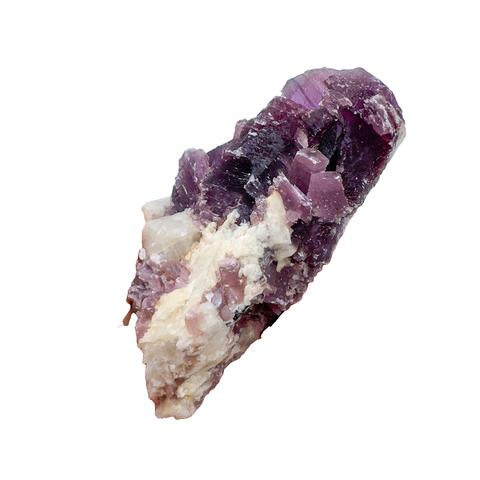
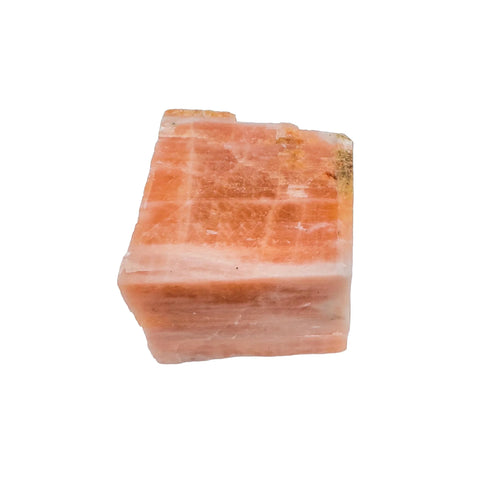
 Mineral Specimens
259 collector pieces
Mineral Specimens
259 collector pieces
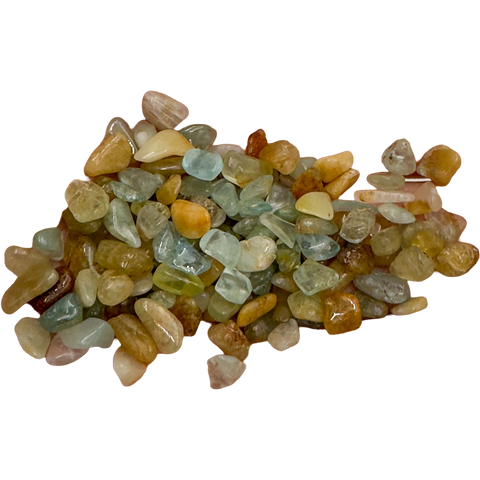
 Crystal Chips
21 pieces
Browse everything
Every collection, one page.
View All Collections →
Crystal Chips
21 pieces
Browse everything
Every collection, one page.
View All Collections →


 Aries
Mar 21 – Apr 19
Carnelian
›
Aries
Mar 21 – Apr 19
Carnelian
›
 Taurus
Apr 20 – May 20
Rose Quartz
›
Taurus
Apr 20 – May 20
Rose Quartz
›
 Gemini
May 21 – Jun 20
Agate
›
Gemini
May 21 – Jun 20
Agate
›
 Cancer
Jun 21 – Jul 22
Moonstone
›
Cancer
Jun 21 – Jul 22
Moonstone
›
 Leo
Jul 23 – Aug 22
Citrine
›
Leo
Jul 23 – Aug 22
Citrine
›
 Virgo
Aug 23 – Sep 22
Amazonite
›
Virgo
Aug 23 – Sep 22
Amazonite
›
 Libra
Sep 23 – Oct 22
Blue Lace Agate
›
Libra
Sep 23 – Oct 22
Blue Lace Agate
›
 Scorpio
Oct 23 – Nov 21
Obsidian
›
Scorpio
Oct 23 – Nov 21
Obsidian
›
 Sagittarius
Nov 22 – Dec 21
Sodalite
›
Sagittarius
Nov 22 – Dec 21
Sodalite
›
 Capricorn
Dec 22 – Jan 19
Black Tourmaline
›
Capricorn
Dec 22 – Jan 19
Black Tourmaline
›
 Aquarius
Jan 20 – Feb 18
Amethyst
›
Aquarius
Jan 20 – Feb 18
Amethyst
›
 Pisces
Feb 19 – Mar 20
Aquamarine
›
Gifting?
A birthday stone is the safe bet.
Read the zodiac guide →
Pisces
Feb 19 – Mar 20
Aquamarine
›
Gifting?
A birthday stone is the safe bet.
Read the zodiac guide →


Mahogany Obsidian
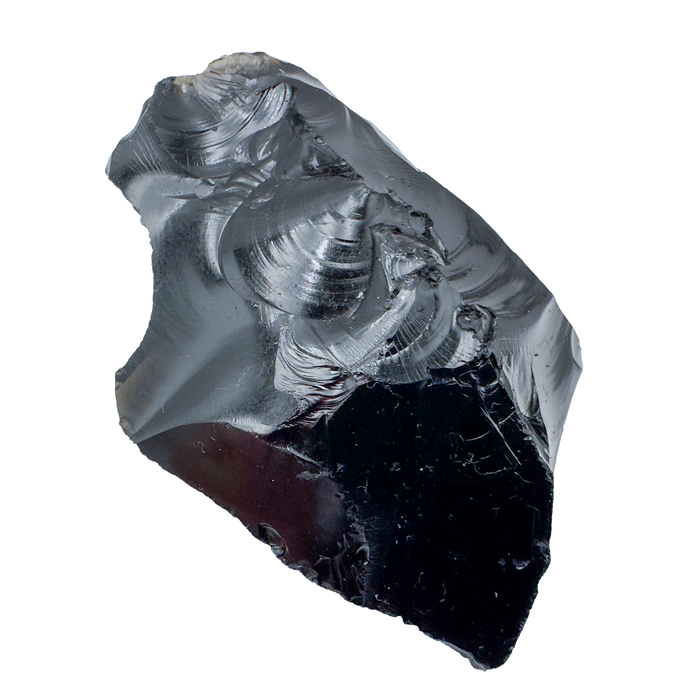
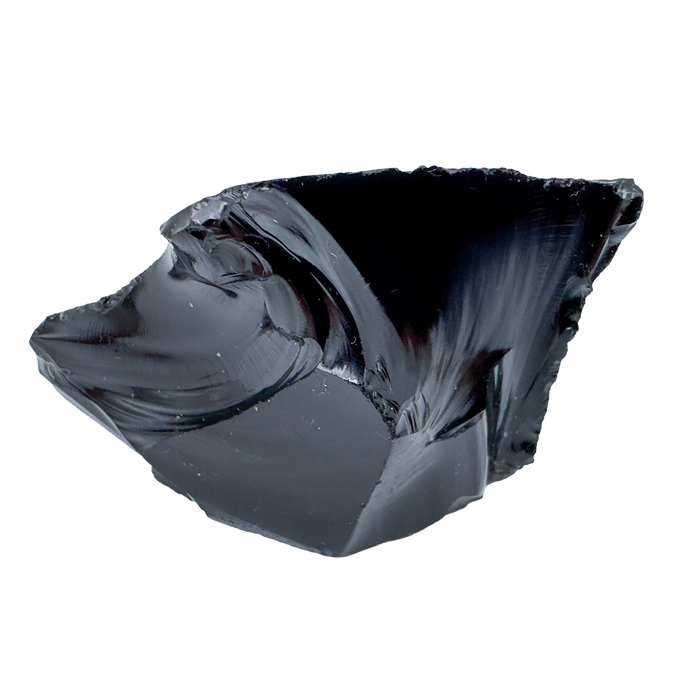
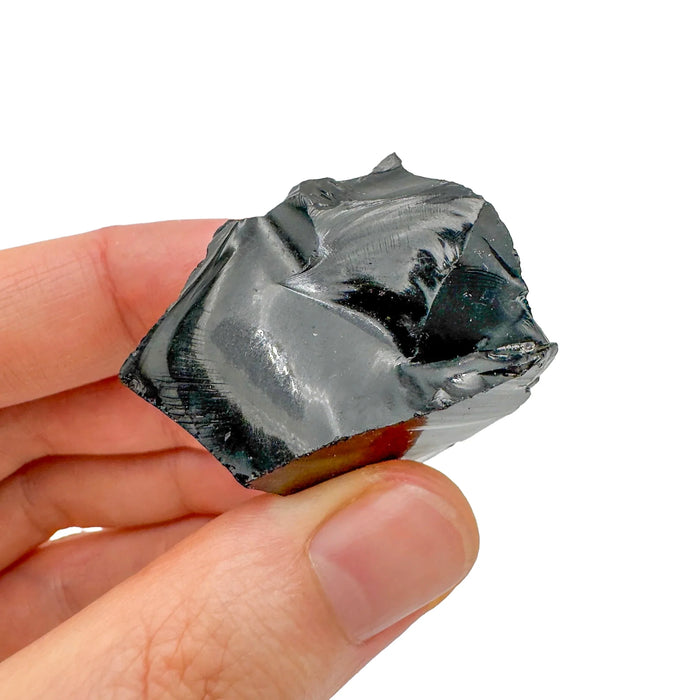
Mahogany obsidian is natural volcanic glass, black obsidian streaked with warm mahogany brown from iron oxide. It is not a crystal in the strict sense, because it cools too fast to form one. People have long kept it close for grounding, steadiness, and a sense of protection.
The geology.
Mahogany obsidian is a variety of obsidian, the natural glass that forms when silica-rich (rhyolitic) lava cools so quickly that its atoms never arrange into a crystal lattice. Because it never crystallizes, obsidian is amorphous. It has no crystal system, no cleavage, and a smooth conchoidal fracture that breaks in curved, shell-like surfaces. Hardness sits around 5 to 5.5 on the Mohs scale, a little softer than quartz.
The mahogany color comes from iron. Tiny inclusions of iron oxide, mostly hematite and magnetite, were suspended in the molten glass and never fully dissolved. As the lava flowed and froze, those iron-rich zones stretched into the brown and reddish swirls that give the stone its name, set against a black base. The pattern is a record of the last moments of a lava flow, held in glass.
The origins.
Obsidian forms wherever young volcanic activity has produced the right lava, so mahogany obsidian is not tied to a single country. Mexico is a major commercial source, along with the western United States, where states such as Oregon, California, and Arizona have long yielded obsidian. Japan, Afghanistan, and Brazil are among the other recognized localities.
All obsidian slowly converts from glass to fine crystals over geologic time, a process called devitrification, so natural obsidian is always geologically young, generally less than about twenty million years old. Named flows are less common in the trade than they are for banded stones, so most mahogany obsidian is sold simply by type. A seller who describes the material as natural volcanic glass is giving you the honest description.
Traditional associations.
Obsidian has been used by people for tens of thousands of years, first as a practical material for blades and tools because it fractures to an extremely sharp edge, and later as a mirror and ritual object. Mahogany obsidian carries that long association with cutting through and seeing clearly, softened by the warmth of its earthy color.
Many people work with mahogany obsidian for grounding, steadiness, and a sense of protection, and for the confidence to release patterns that hold them back. It is most often associated with the Root and Sacral chakras, the element of Earth, and the sign Scorpio. A common practice is to keep a piece in a pocket or on a desk through a demanding stretch.
Spotting the real thing.
Real mahogany obsidian is a natural glass, so it shows the traits of glass formed in nature. Look for a smooth conchoidal fracture, a glassy luster, and brown swirls that flow and vary rather than repeat. Held to light, thin edges are often slightly translucent with a warm tone.
The main thing to know is the difference between natural obsidian and manufactured glass. Factory glass and slag can be molded to look similar but often show perfectly round trapped bubbles, an unnaturally even color, or a pattern that repeats too regularly. Natural mahogany obsidian breaks with sharp edges, so handle rough pieces with care. Ask whether a piece is natural volcanic glass and where it was collected.
Care & handling.
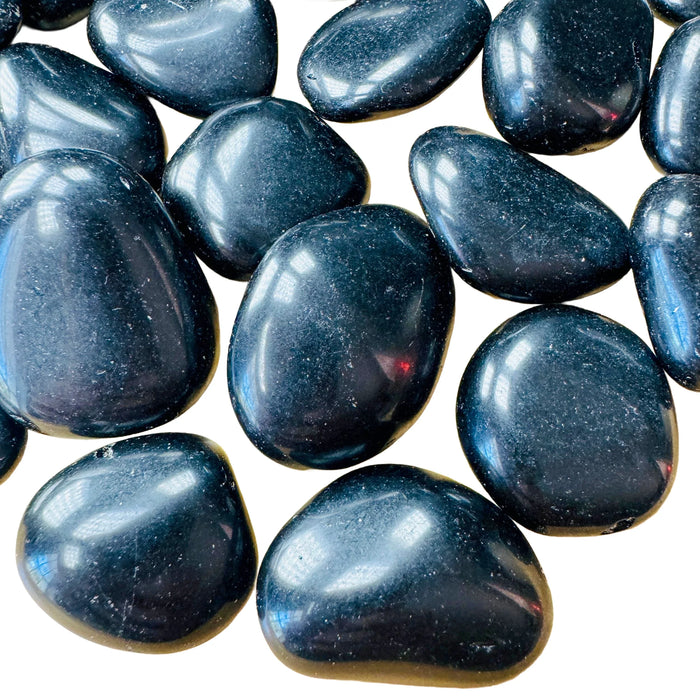
Mahogany obsidian is easy to live with but not indestructible. At 5 to 5.5 on the Mohs scale it is softer than quartz and can scratch or chip, and its glassy edges are brittle, so it suits pendants, spheres, and pocket stones better than rings that take knocks. A quick rinse in warm water with a soft cloth is all it needs.
Keep it apart from harder stones in storage so it does not get scratched, and avoid sudden temperature changes, which can stress glass. It is stable in light and will not fade. To reset it energetically, many people use smoke, sound, or a night on a selenite plate rather than long water or salt soaks.
Pairs well with.
A deeper look.
Extended geology, sourcing, authentication, history, and varieties, for when the quick guide isn't quite enough.
Extended geology
Obsidian is a mineraloid rather than a mineral, because it lacks the ordered internal structure that defines a true mineral. Chemically it is close to rhyolite and granite, dominated by silica (roughly seventy percent or more SiO2) with smaller amounts of aluminum, iron, magnesium, and other elements. Its rapid cooling, often at the chilled margin of a lava flow or dome, is what prevents crystallization. Specific gravity runs about 2.35 to 2.6, and the fracture is famously conchoidal.
The mahogany banding is a flow texture. Iron oxides, chiefly hematite and magnetite, along with iron-rich glass, form the brown and red zones, while iron-poor glass stays black. Snowflake obsidian, by contrast, owes its pattern to small radial growths of the mineral cristobalite, a different mechanism from the iron coloring seen here.
Extended sourcing
Because obsidian requires young, silica-rich volcanism, productive sources cluster along recent volcanic belts. Mexico is a long-standing commercial supplier, and the western United States has classic localities in Oregon, California, Arizona, and neighboring states. Japan, Afghanistan, and Brazil are also cited, and obsidian occurs at many other volcanic sites worldwide.
In the trade, mahogany obsidian is usually sold by type rather than by named flow, and it is an affordable, widely available material. Value comes mainly from the beauty of the mahogany pattern and the quality of the cut or polish rather than from rarity.
Authentication and warning signs
The most useful check is natural glass versus manufactured glass. Natural mahogany obsidian shows flow banding, a conchoidal fracture, and slight translucency at the edges, with brown swirls that vary in width and direction. Manufactured glass often traps round bubbles, holds a uniform color, or repeats a pattern too evenly.
Be aware that bright, candy-colored glass is sometimes sold under obsidian-sounding names. Genuine obsidian colors are natural blacks, browns, and grays, sometimes with a sheen. A piece that is vivid blue, green, or red throughout is very likely engineered glass rather than obsidian.
History and folklore
Obsidian is one of the oldest worked materials in human history. Ancient cultures across the Americas, the Mediterranean, and the Pacific shaped it into blades, arrowheads, and polished mirrors, and it held ceremonial as well as practical importance. The Aztecs valued obsidian highly and linked it with a mirror-bearing deity.
Mahogany obsidian inherits this long story. Its blend of protective black and grounding earth-brown has made it a favorite in modern practice for steadiness and for letting go of what no longer serves.
Varieties and trade names
Black obsidian is the pure, deep black glass. Mahogany obsidian is black with brown to reddish iron-oxide banding. Snowflake obsidian is black with gray cristobalite clusters. Rainbow and sheen obsidian show iridescent bands from nanoscale inclusions. Apache tears are small, rounded, translucent obsidian nodules. All are natural volcanic glass, differing in inclusion and color.
What it costs in the market
Mahogany obsidian is an affordable stone. Tumbled pieces typically run a few dollars each, while spheres, palm stones, and small carvings range from roughly ten to fifty dollars or more depending on size and workmanship. Larger carvings and finely polished pieces cost more. Because the material is abundant, value tracks craftsmanship and pattern rather than scarcity.
An education-first guide.
We don't currently carry mahogany obsidian, so there's nothing to sell you here. This guide exists because the more you understand a stone, the better every decision you make about it becomes, wherever you buy it. Explore the rest of our crystal guides for stones we do source, each with full origin and treatment notes.
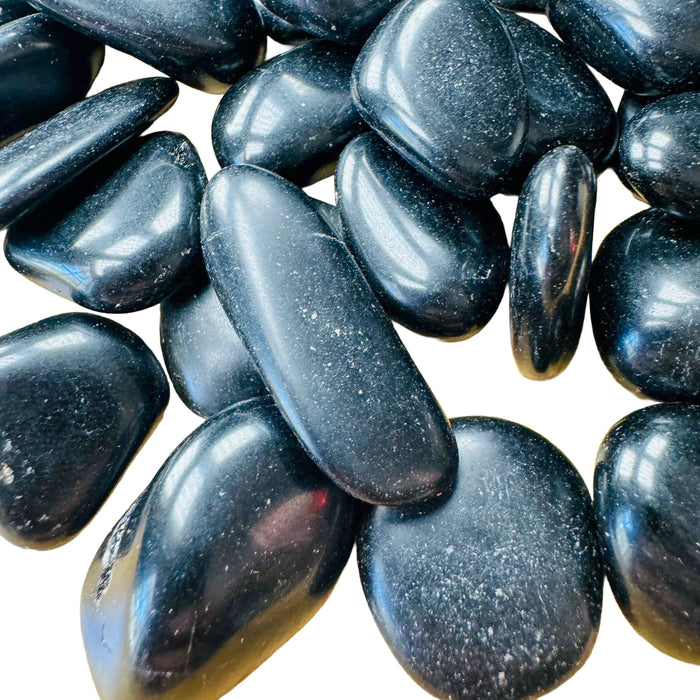
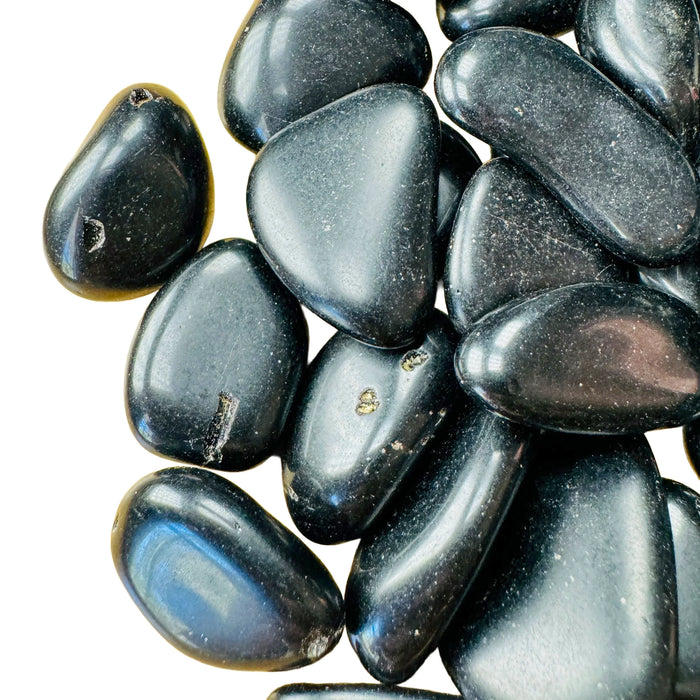
Explore the Crystal GuideThe closest match we carry: Obsidian.
Mahogany Obsidian is not something we carry. Obsidian is the closest match in our collection, and every piece passes our sourcing standards: origin named, treatments disclosed.


- from 1,000+ reviews
- Ships within 72 hoursMonday to Friday, tracked
- 90 days to return itif you do not love it
- Free US shipping over $99$8.99 flat rate under
The Slow Note
New stones go to the list first.
No forwarding, no selling. Unsubscribe in one click. Privacy