


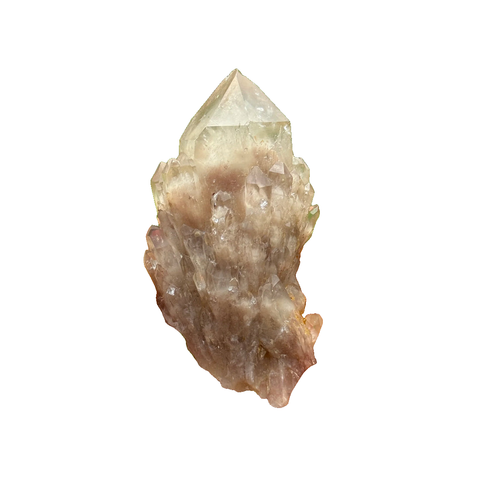
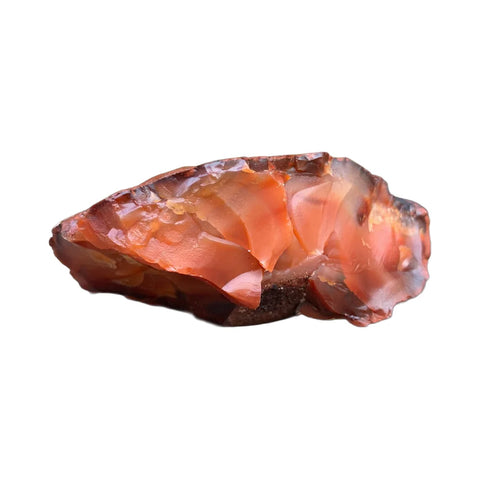
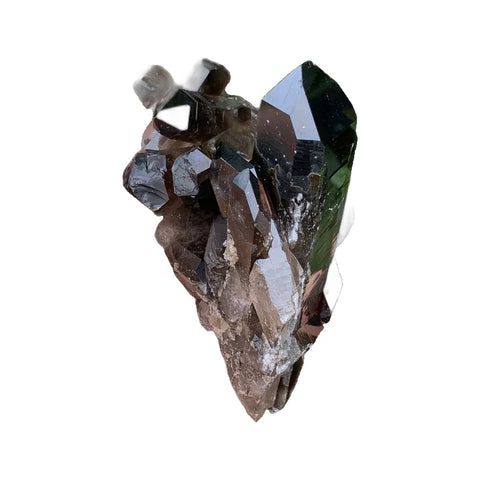
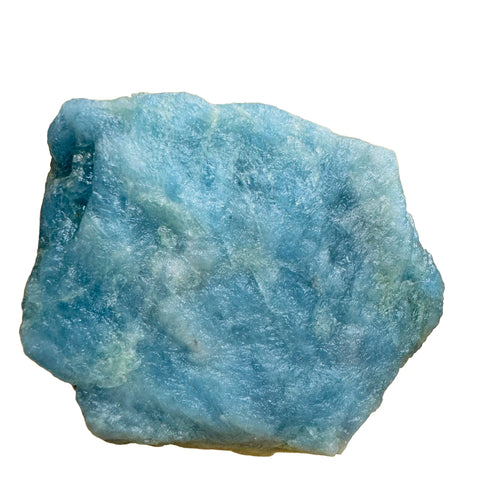
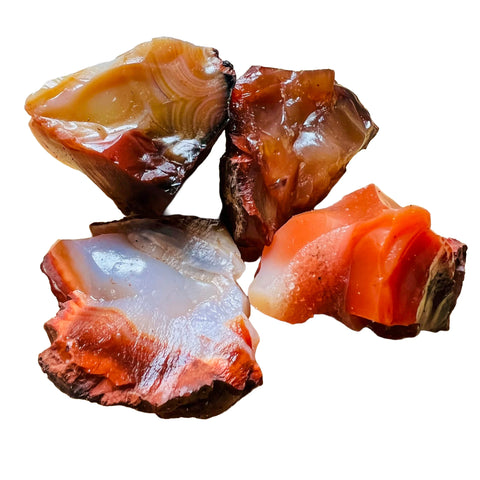


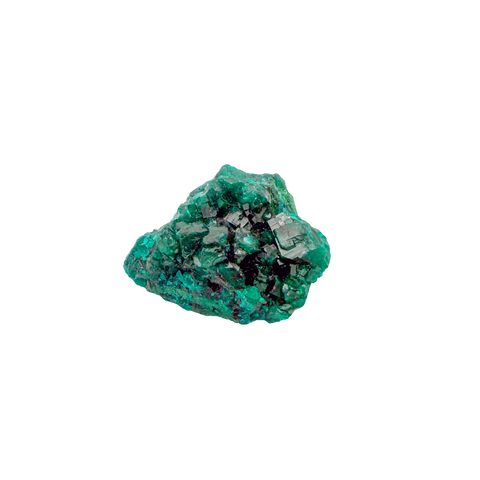
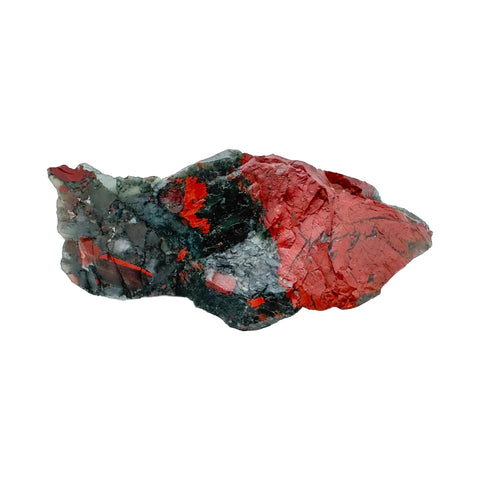
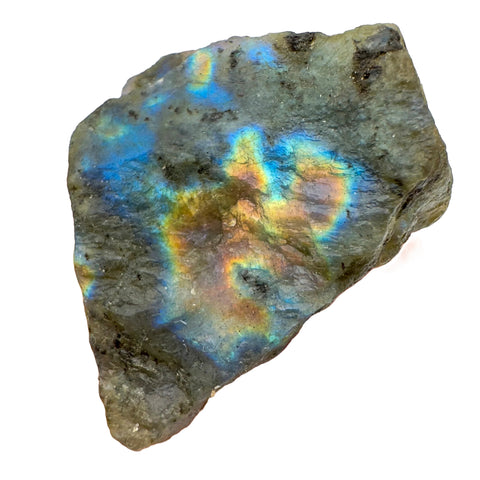
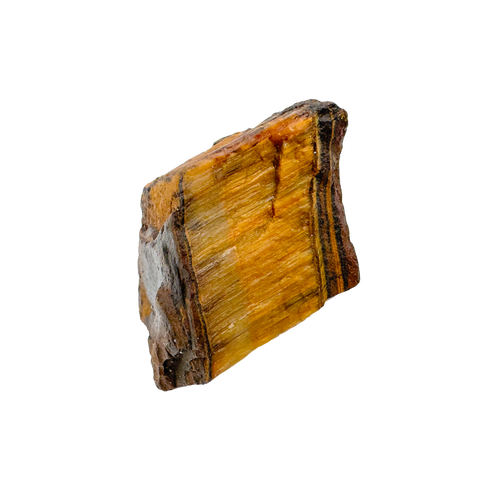
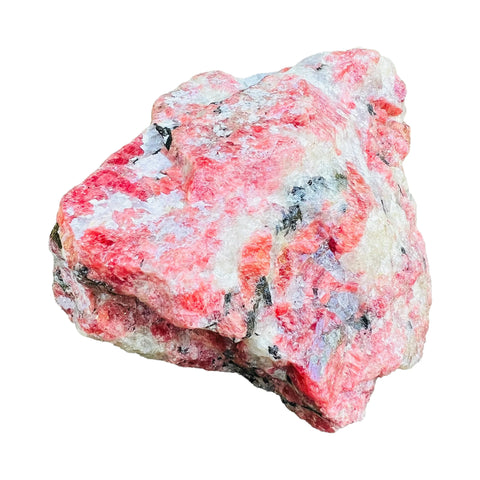
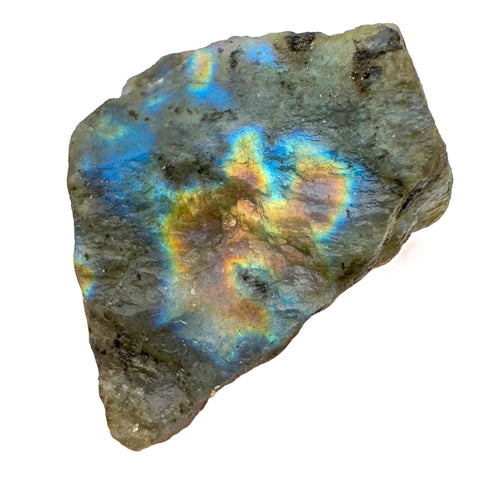
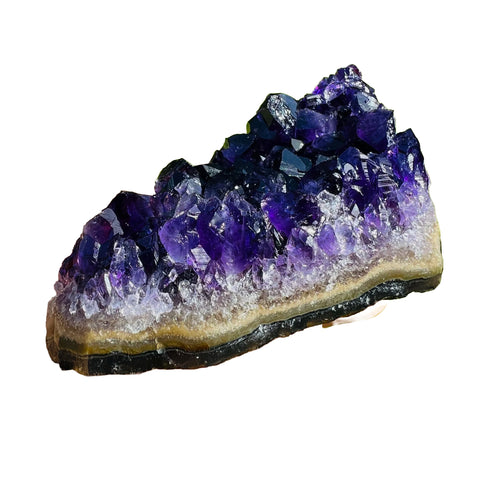



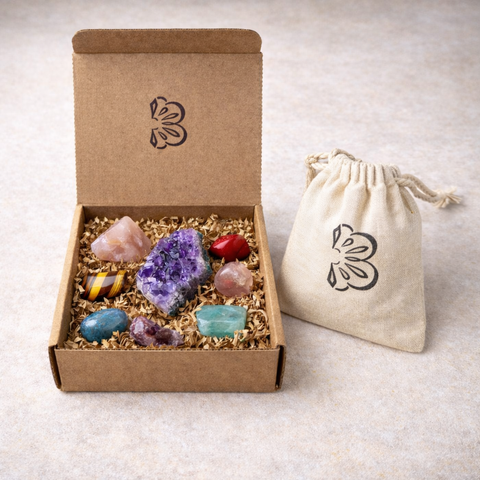
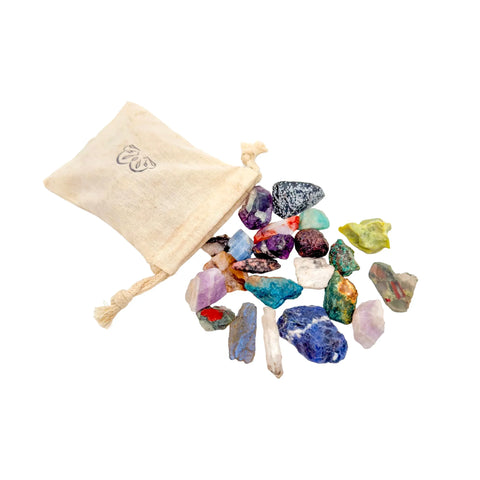
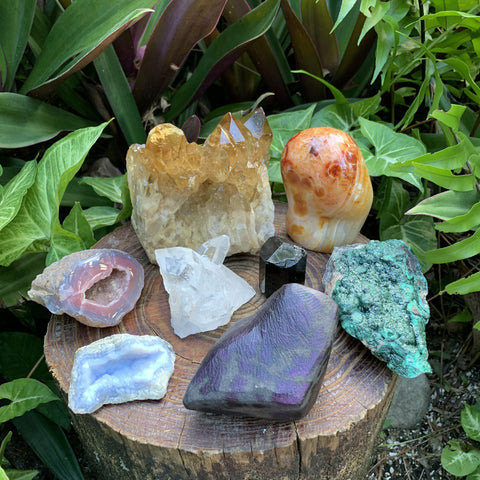
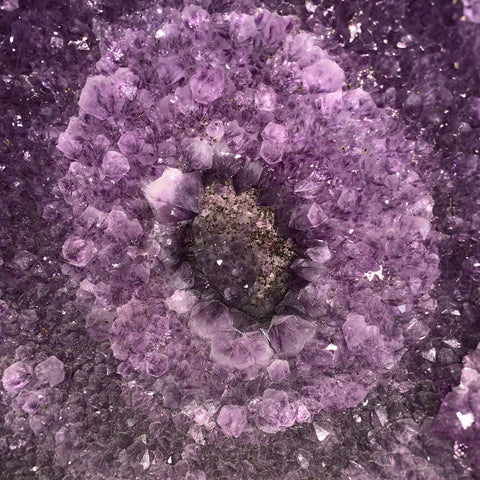
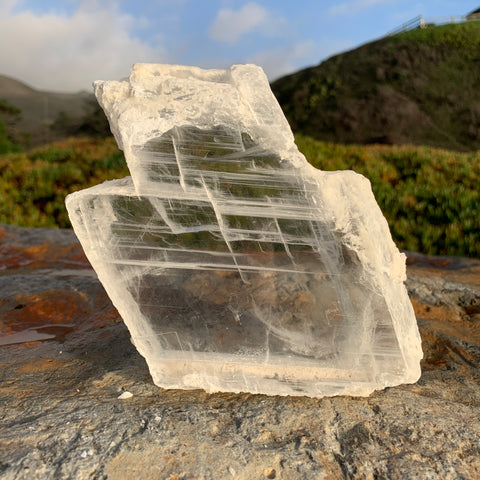
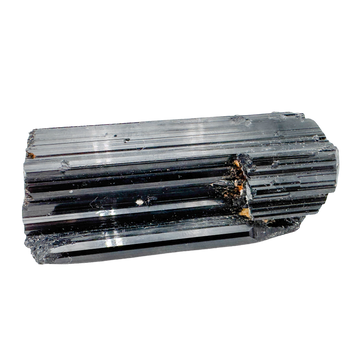
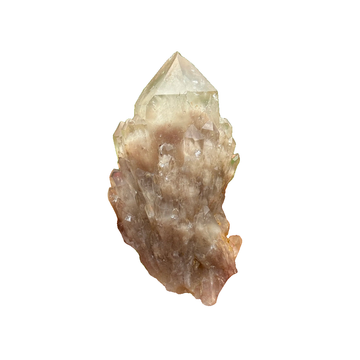
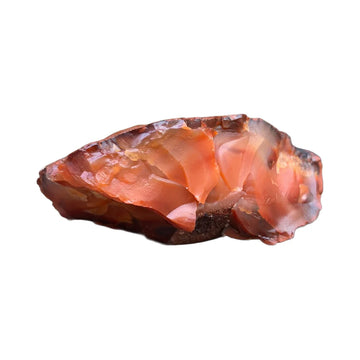
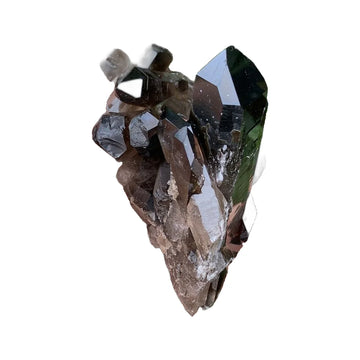
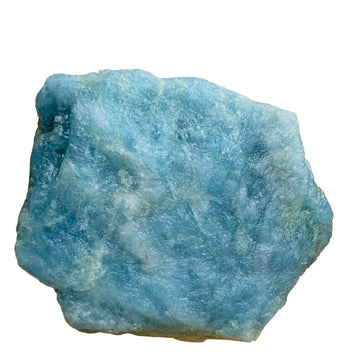
 Raw Stones
180 pieces
Raw Stones
180 pieces
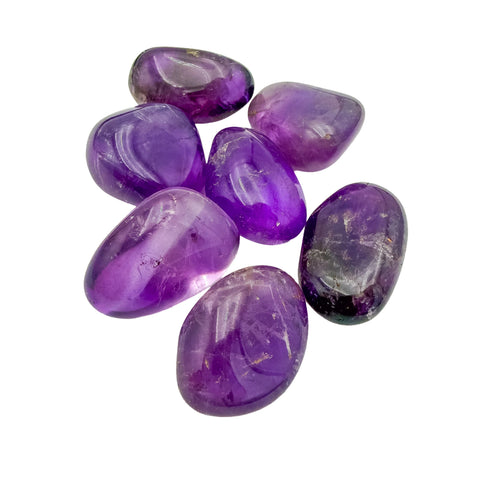
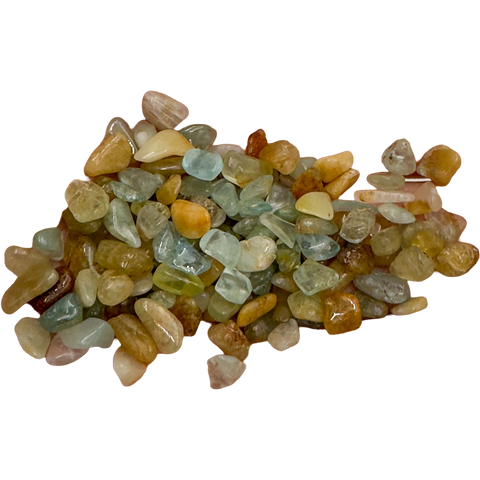
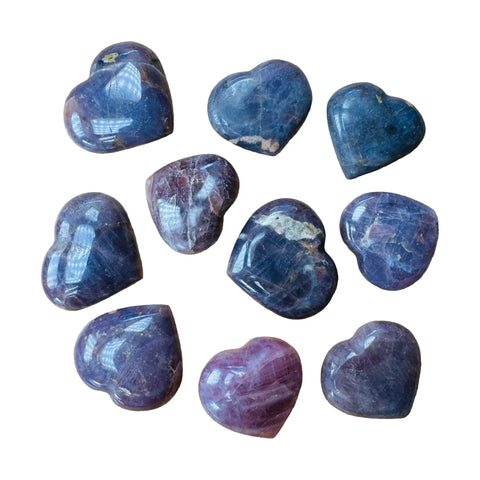
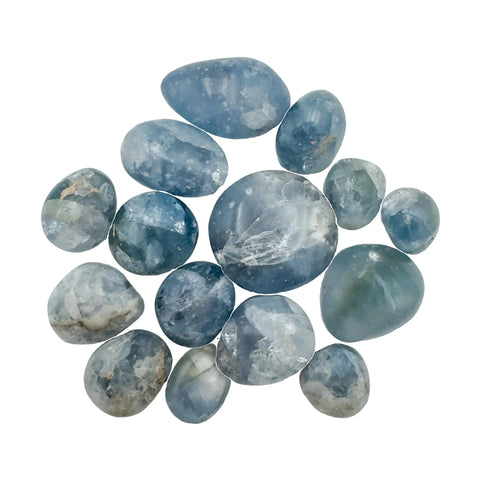
 Tumbled Stones
162 pieces
Tumbled Stones
162 pieces
 Palm Stones
26 pieces
Palm Stones
26 pieces
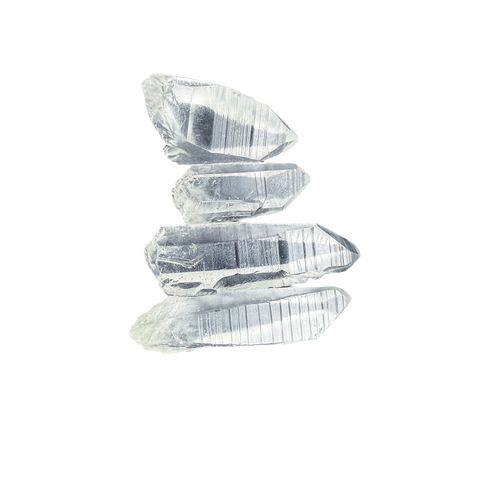
 Crystal Points
23 pieces
Crystal Points
23 pieces
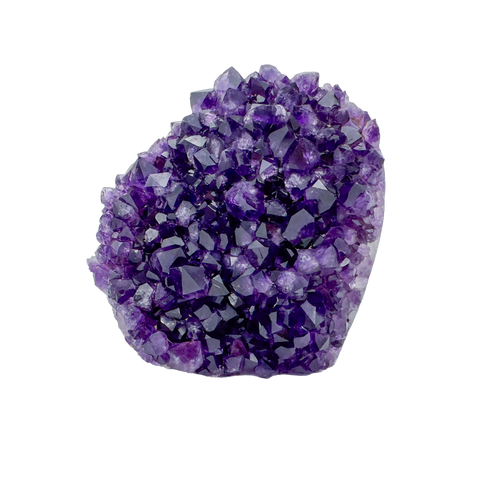
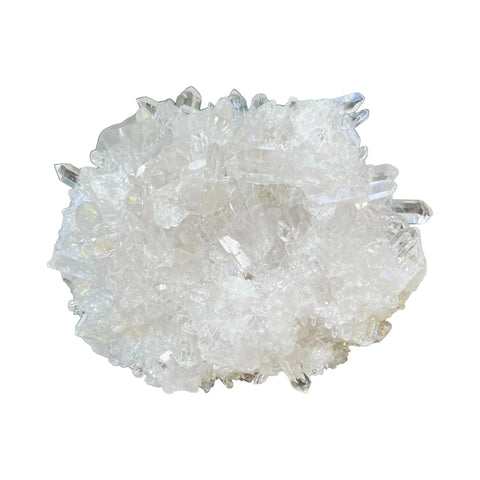
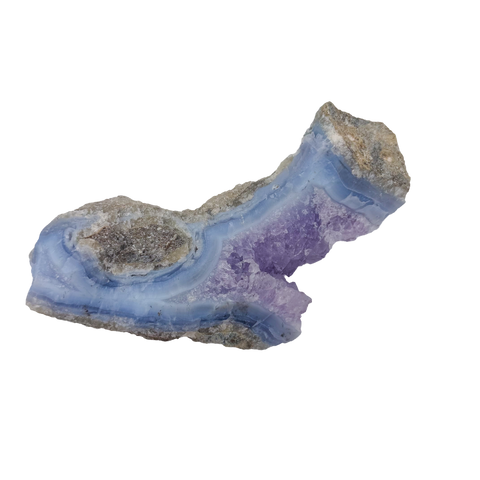
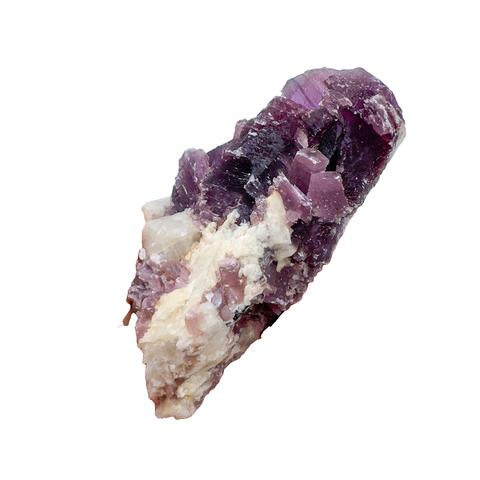
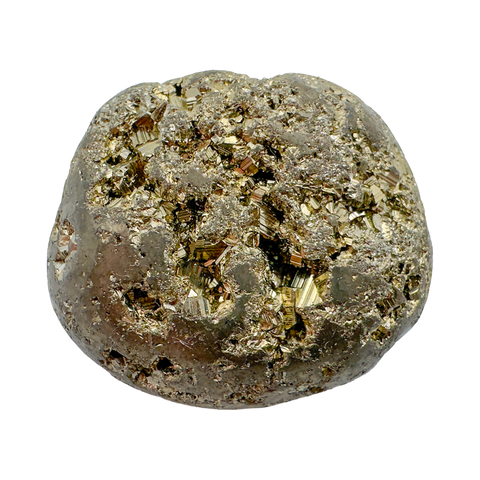
 Clusters & Geodes
112 pieces
Clusters & Geodes
112 pieces
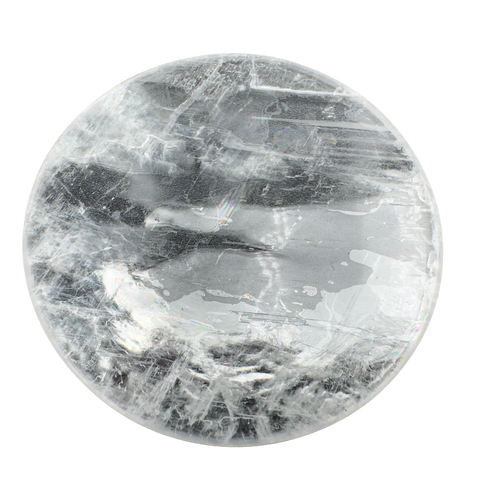
 Polished & Decor
155 pieces
Polished & Decor
155 pieces
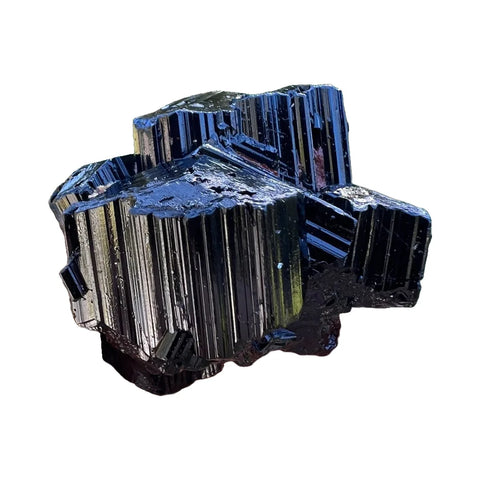
 Mineral Specimens
269 collector pieces
Mineral Specimens
269 collector pieces
 Crystal Chips
21 pieces
Browse everything
Every collection, one page.
View All Collections →
Crystal Chips
21 pieces
Browse everything
Every collection, one page.
View All Collections →


 Aries
Mar 21 – Apr 19
Carnelian
›
Aries
Mar 21 – Apr 19
Carnelian
›
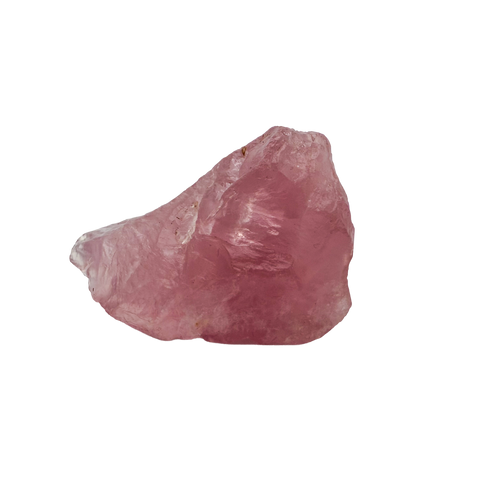
 Taurus
Apr 20 – May 20
Rose Quartz
›
Taurus
Apr 20 – May 20
Rose Quartz
›
 Gemini
May 21 – Jun 20
Agate
›
Gemini
May 21 – Jun 20
Agate
›
 Cancer
Jun 21 – Jul 22
Moonstone
›
Cancer
Jun 21 – Jul 22
Moonstone
›
 Leo
Jul 23 – Aug 22
Citrine
›
Leo
Jul 23 – Aug 22
Citrine
›
 Virgo
Aug 23 – Sep 22
Amazonite
›
Virgo
Aug 23 – Sep 22
Amazonite
›
 Libra
Sep 23 – Oct 22
Blue Lace Agate
›
Libra
Sep 23 – Oct 22
Blue Lace Agate
›
 Scorpio
Oct 23 – Nov 21
Obsidian
›
Scorpio
Oct 23 – Nov 21
Obsidian
›
 Sagittarius
Nov 22 – Dec 21
Sodalite
›
Sagittarius
Nov 22 – Dec 21
Sodalite
›
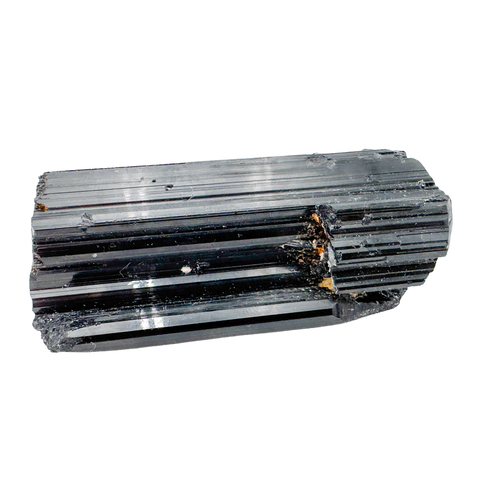
 Capricorn
Dec 22 – Jan 19
Black Tourmaline
›
Capricorn
Dec 22 – Jan 19
Black Tourmaline
›
 Aquarius
Jan 20 – Feb 18
Amethyst
›
Aquarius
Jan 20 – Feb 18
Amethyst
›
 Pisces
Feb 19 – Mar 20
Aquamarine
›
Gifting?
A birthday stone is the safe bet.
Read the zodiac guide →
Pisces
Feb 19 – Mar 20
Aquamarine
›
Gifting?
A birthday stone is the safe bet.
Read the zodiac guide →


Bytownite
Bytownite is a calcium-rich plagioclase feldspar, usually cut as a clear, honey-gold gem. You will almost always see it sold as golden labradorite, which is where the confusion starts. The two names describe neighboring points on the same mineral series, and the truth sits somewhere in between.
The geology.
Feldspars are not a single mineral but a family, and the plagioclase branch runs as a continuous series from sodium-rich albite to calcium-rich anorthite. Bytownite occupies the calcium-rich end, defined by a composition between roughly 70 and 90 percent anorthite. Labradorite sits just beside it, slightly more sodium-rich.
Because the series is continuous, the boundary between labradorite and bytownite is a matter of degree, not a sharp line. Much of the transparent golden gem material on the market straddles that boundary, which is why the same stone can honestly be called golden labradorite by one seller and bytownite by another.
Gem bytownite is typically pale straw to rich golden yellow, sometimes nearly colorless, and prized when clean and transparent. It has a hardness around 6 to 6.5 on the Mohs scale, a triclinic crystal system, and the flat cleavage planes common to all feldspars.
The origins.
The gemmy golden material most collectors know comes largely from Mexico, especially Chihuahua, and from Oregon in the United States, where it overlaps with the sunstone feldspar deposits. Other plagioclase localities around the world produce bytownite-range material as well.
The name has a Canadian origin. Bytownite was described in the nineteenth century from material near Bytown, the former name of Ottawa, Ontario. Curiously, the original rock from that locality was fine-grained and not the clean gem feldspar collectors picture today, which is part of why the golden labradorite label stuck so firmly in the trade.
Traditional associations.
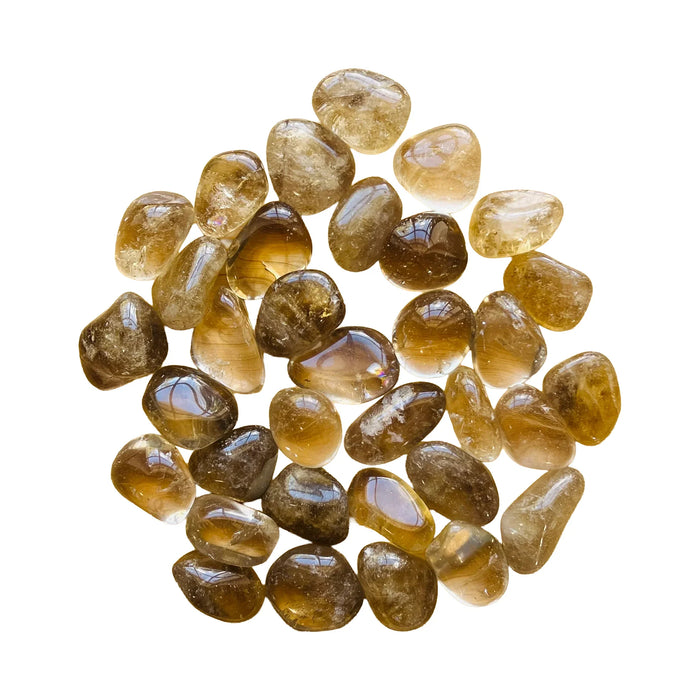
Bytownite, or golden labradorite, is associated in crystal practice with warmth, confidence, and personal will, in keeping with its sunny color. Many people work with it for motivation and a sense of clarity, and it is often grouped with other golden stones used to support the solar plexus.
As a transparent feldspar it also carries labradorite's reputation for insight and imagination, giving it a blend of grounding warmth and mental clarity in traditional descriptions. These associations are cultural rather than clinically established.
Spotting the real thing.
The main authentication question with bytownite is honest naming, not fakery. Ask whether golden labradorite on a label is being used as a marketing term for bytownite-range feldspar. Both names are legitimate, and neither is a mark against the stone, but knowing the mineral helps you compare pieces and prices fairly.
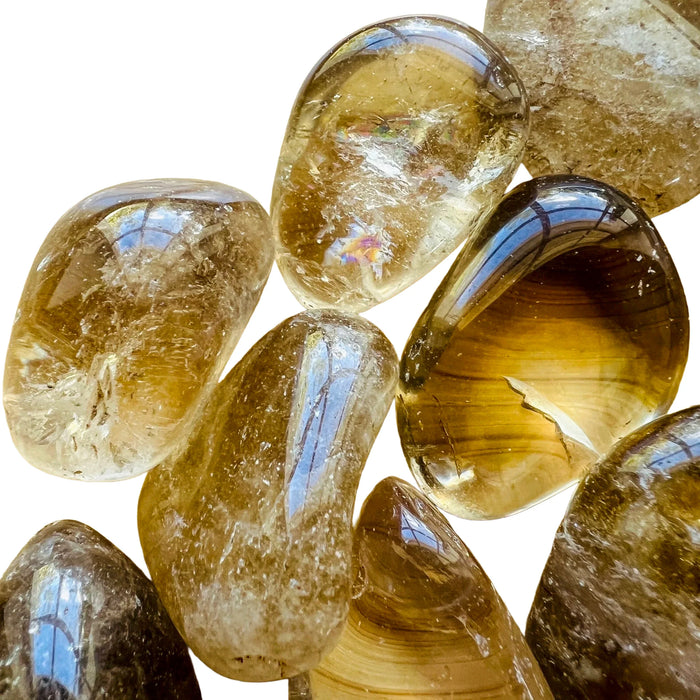
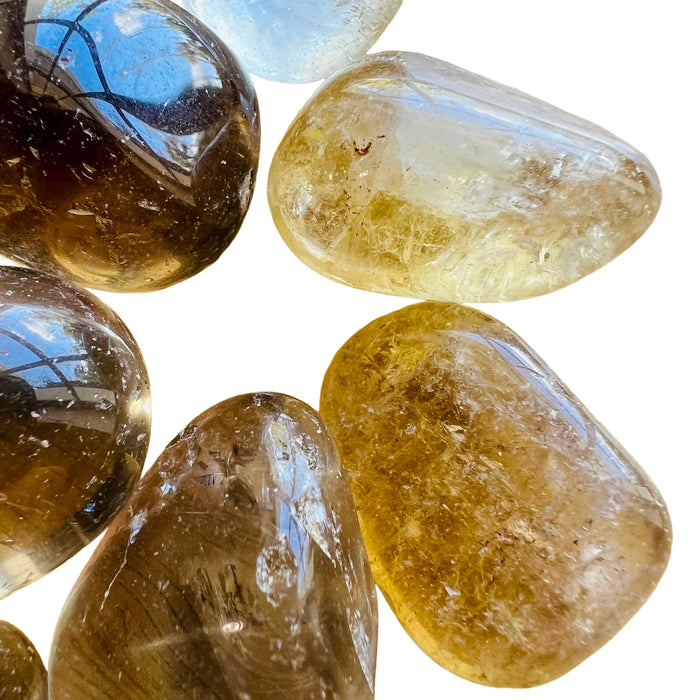
Genuine gem bytownite is transparent, warm gold, and often shows small internal inclusions or a subtle sheen. Faceted pieces can have real fire and clarity. Watch for glass imitations, which may look too flawless and can contain gas bubbles visible under magnification.
Some golden feldspar also shows a faint schiller or aventurescence from tiny inclusions. That is natural. A strong, even metallic glitter throughout, by contrast, points toward manufactured goldstone glass, which is a different material entirely.
Care & handling.
At about 6 to 6.5 on the Mohs scale with distinct cleavage, bytownite deserves gentle handling, especially in rings. Avoid knocks and store it separately from harder gems. Clean with warm soapy water and a soft brush or cloth.
Skip ultrasonic cleaners and harsh chemicals, which can exploit the cleavage or dull the surface. Bytownite is stable in ordinary light and will not fade, so simple, careful cleaning keeps its golden clarity.
Pairs well with.
A deeper look.
Extended geology, sourcing, authentication, history, and varieties, for when the quick guide isn't quite enough.
The plagioclase series explained
Plagioclase feldspar is a solid-solution series, meaning sodium and calcium atoms substitute freely for one another in the crystal structure. Mineralogists divide the series into named segments by their anorthite (calcium) content: albite, oligoclase, andesine, labradorite, bytownite, and anorthite. Bytownite is defined as roughly 70 to 90 percent anorthite. Because the composition changes gradually, two adjacent members like labradorite and bytownite blend into one another, which is the root of the naming overlap.
Why it is called golden labradorite
The gem trade overwhelmingly markets transparent golden plagioclase as golden labradorite, even when its composition places it in the bytownite range. Part of the reason is familiarity, since labradorite is a household name among stone lovers while bytownite is not. Part is genuine chemistry, since a good deal of the gem material really does sit near the labradorite and bytownite boundary. Neither label is dishonest, but bytownite is the more precise term for the calcium-rich, golden faceting rough.
A name from old Ottawa
Bytownite was named in the 1830s for Bytown, the settlement that later became Ottawa, Canada, where the mineral was described. In a twist familiar to mineralogists, later study suggested the original Bytown material was not typical of the clean gem feldspar the name now conjures, but the name endured. Today the golden gem material comes mainly from Mexico and the United States rather than Canada.
Bytownite and sunstone
In Oregon, the same broad feldspar deposits that yield copper-bearing sunstone also produce clear and golden plagioclase in the labradorite to bytownite range. This is why golden labradorite, bytownite, and Oregon sunstone are often discussed together. They are close relatives on the plagioclase series, distinguished mainly by color, inclusions, and, in sunstone's case, the copper that produces its glitter and red and green tints.
Buying and value
Gem bytownite is valued for clarity and depth of golden color. Clean, transparent, richly colored faceted stones are the most sought after, while pale or included material is more modest. Because the stone has cleavage and moderate hardness, it is more of a collector and display gem than a hard-wearing ring stone. Sourcing is generally straightforward, with Mexican and Oregon material the most common in the trade.
An education-first guide.
We don't currently carry bytownite, so there's nothing to sell you here. This guide exists because the more you understand a stone, the better every decision you make about it becomes, wherever you buy it. Explore the rest of our crystal guides for stones we do source, each with full origin and treatment notes.
Explore the Crystal GuideLove Bytownite? Meet Citrine.
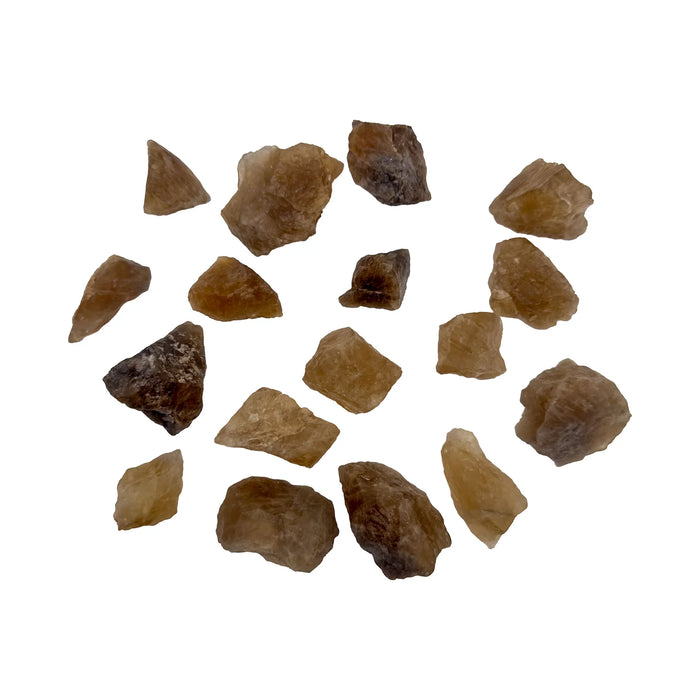
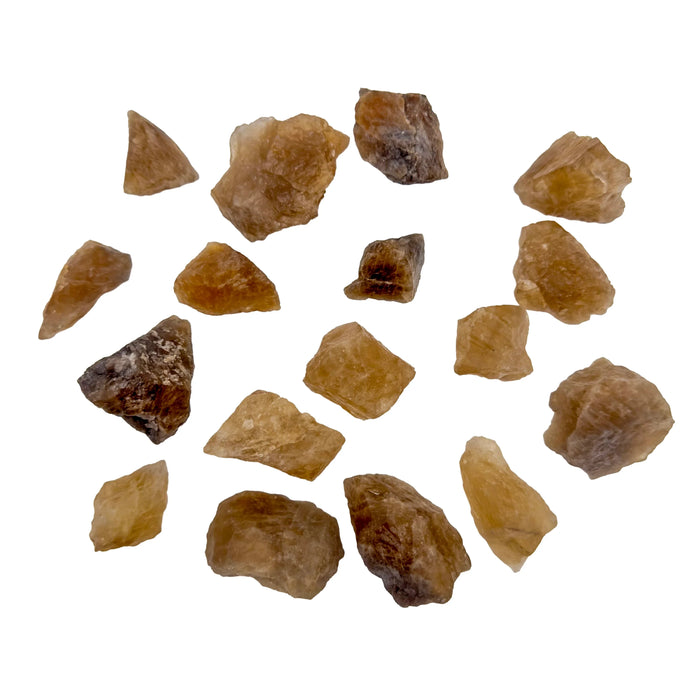
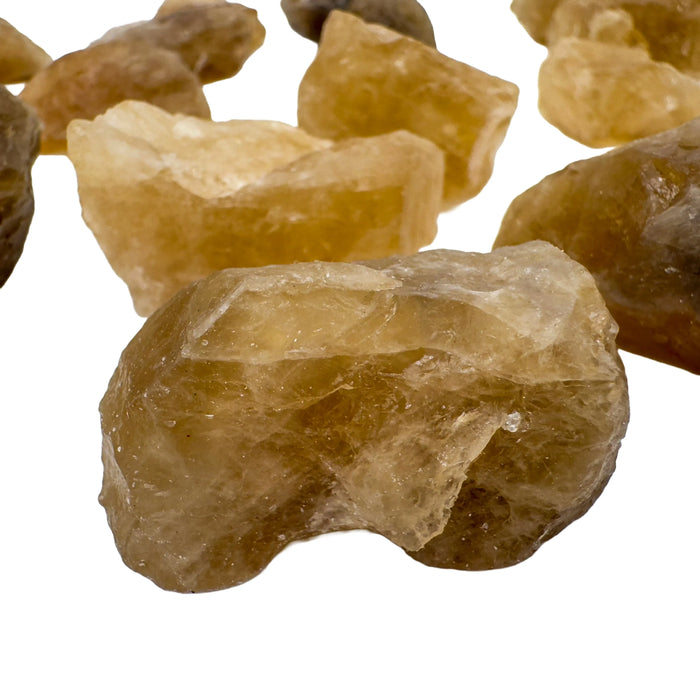
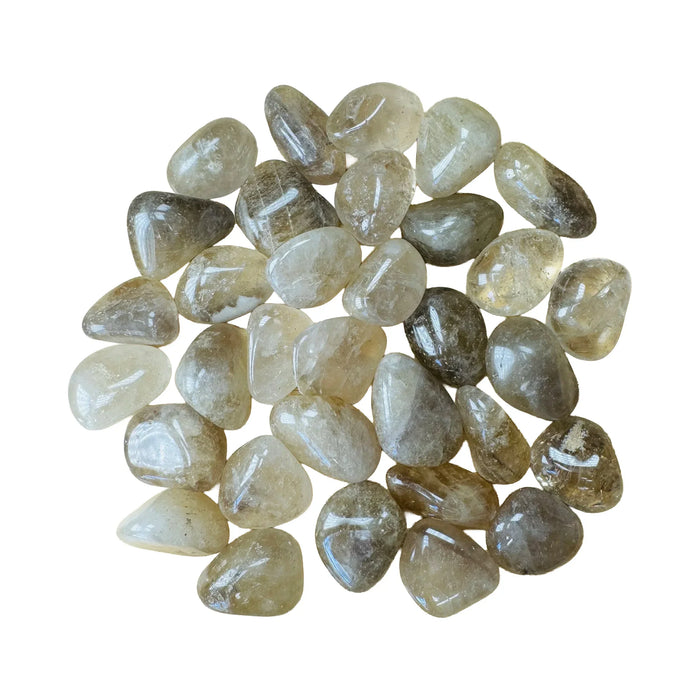
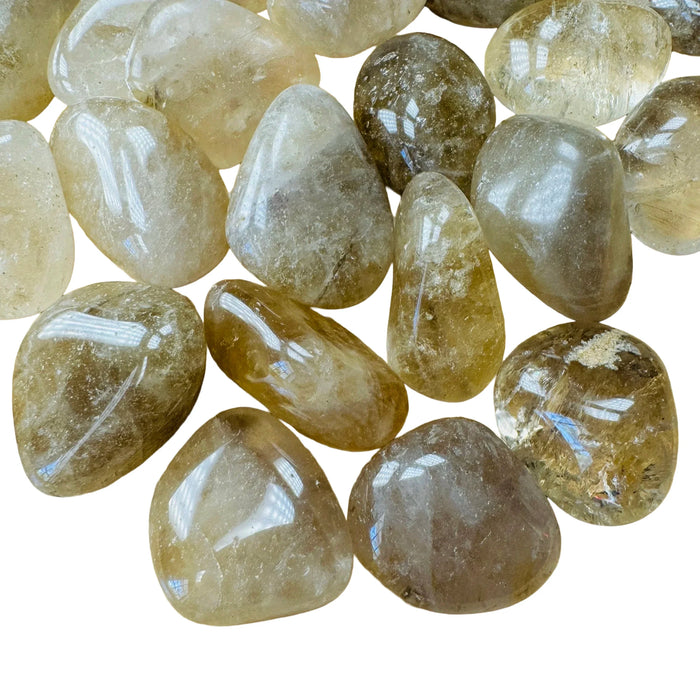
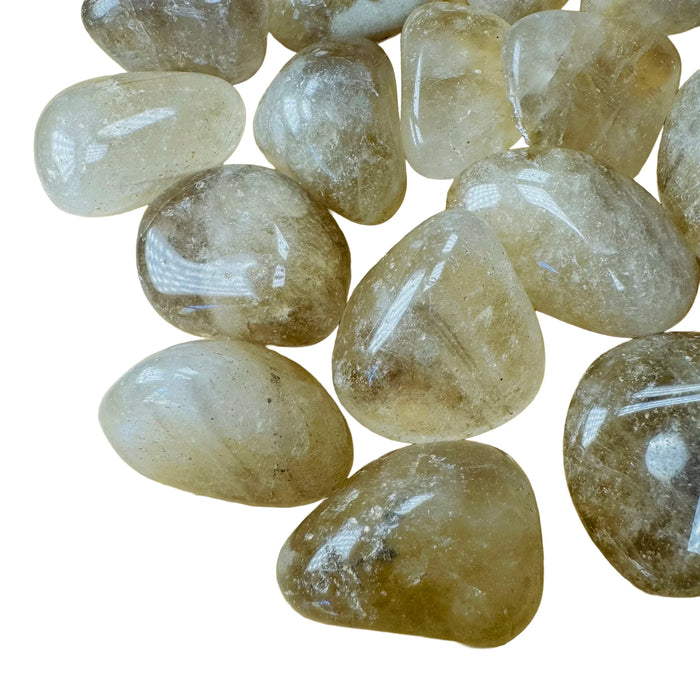
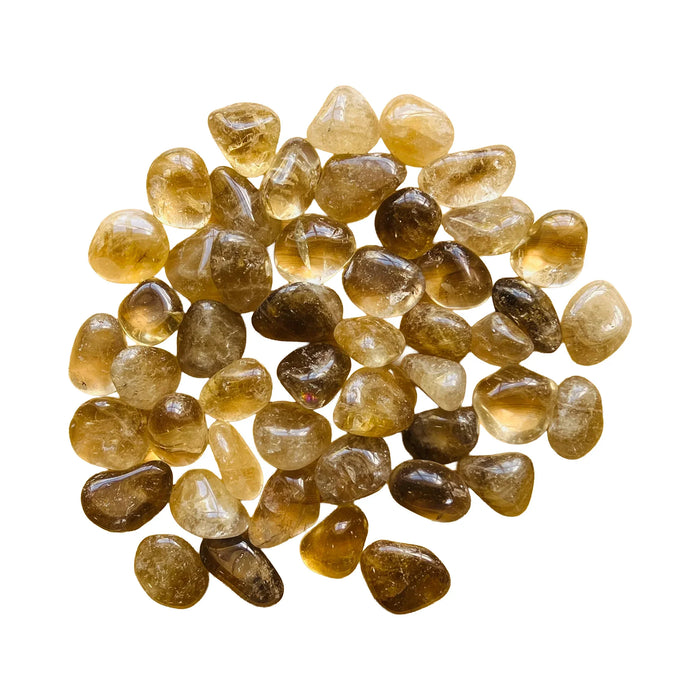
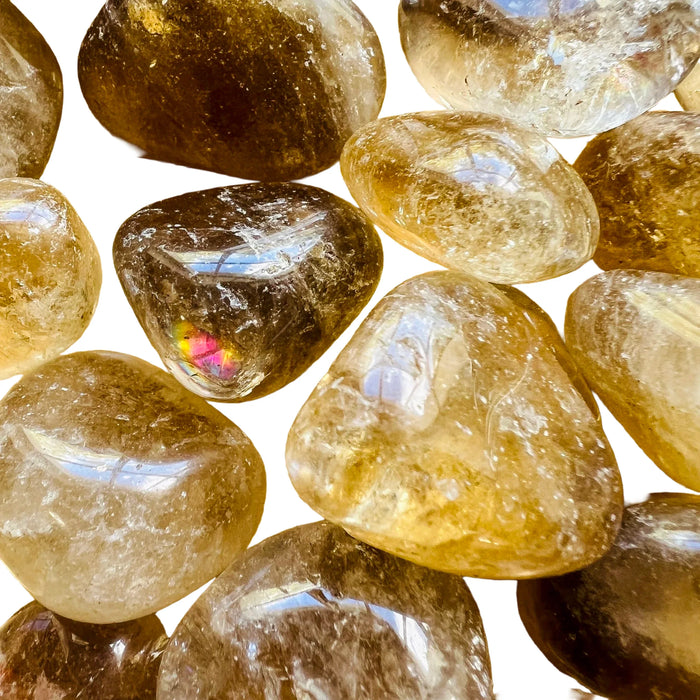
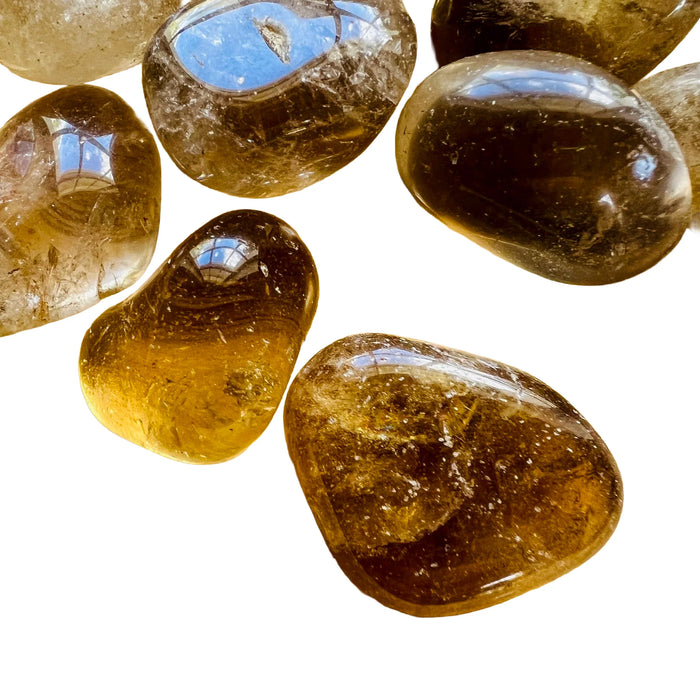
Bytownite is not something we carry. Citrine is the closest match in color, and every piece passes our sourcing standards: origin named, treatments disclosed.
- 4.9 out of 5from 1,000+ reviews
- Ships within 72 hoursMonday to Friday, tracked
- 90 days to return itif you do not love it
- Free US shipping over $99$8.99 flat rate under