


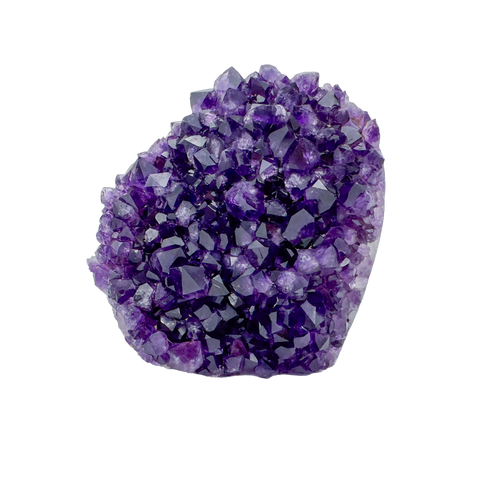
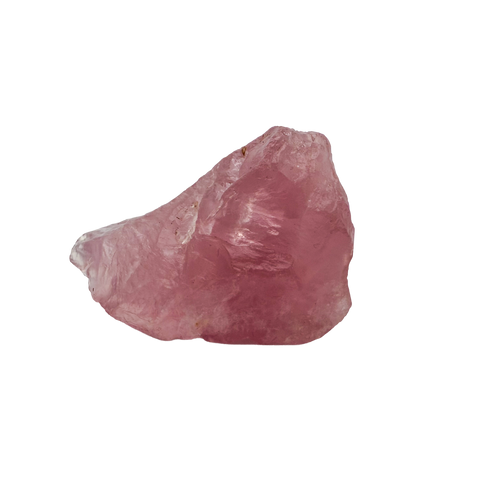
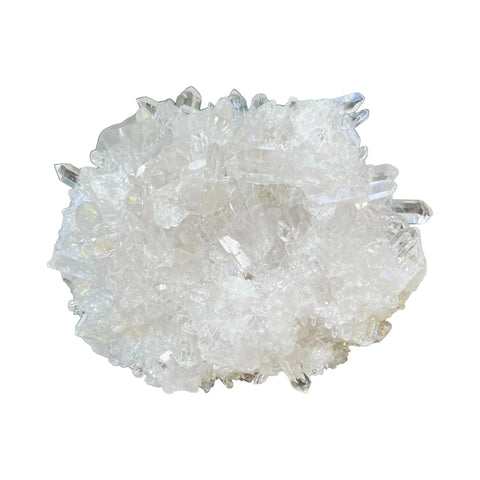
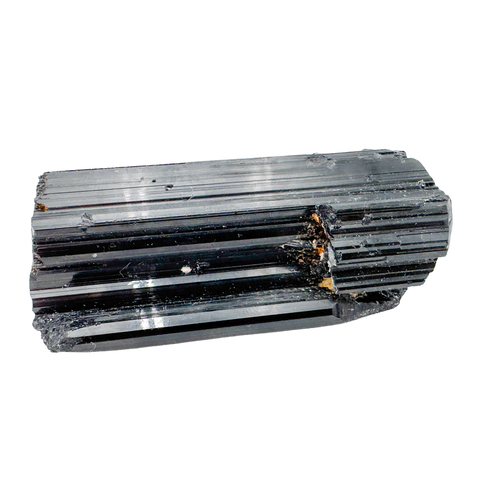
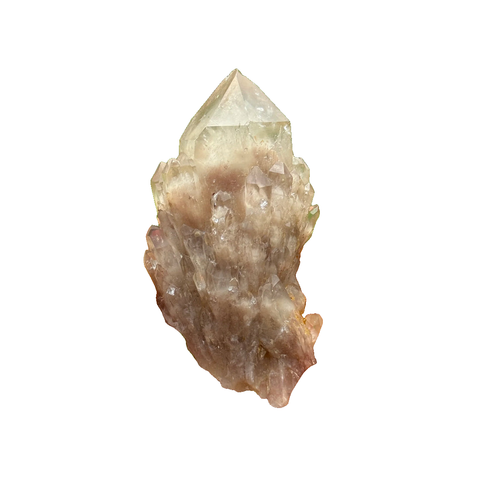
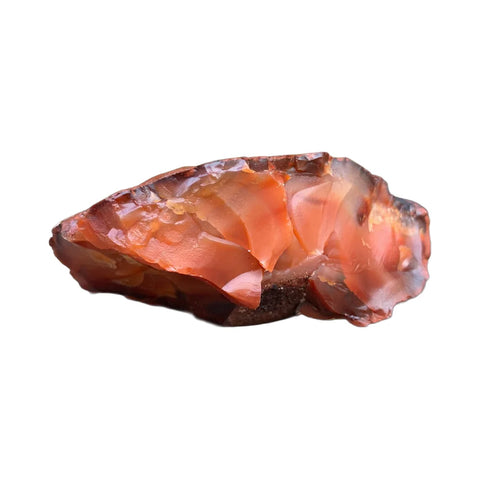
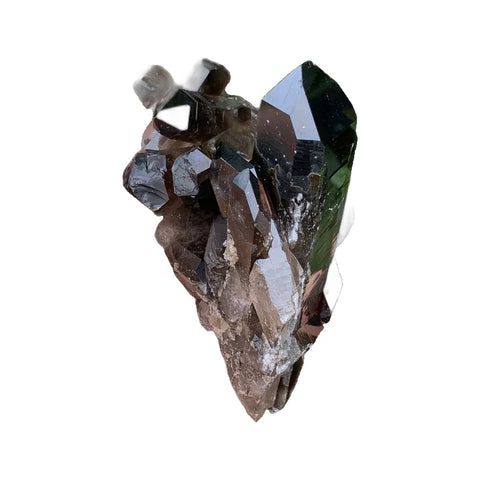
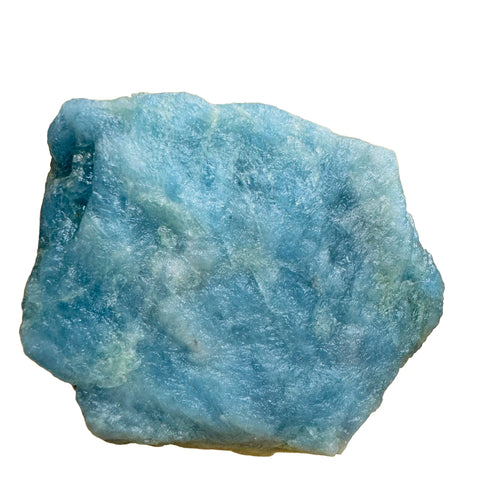
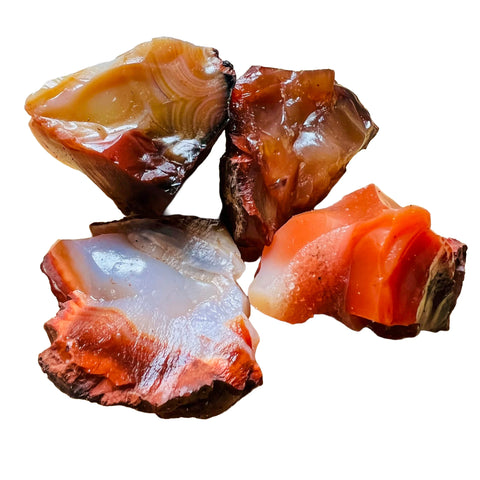


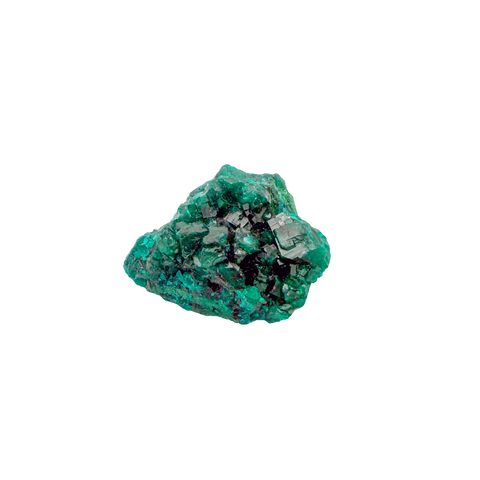
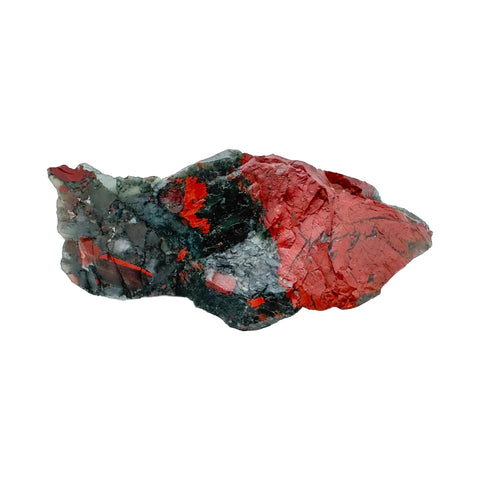
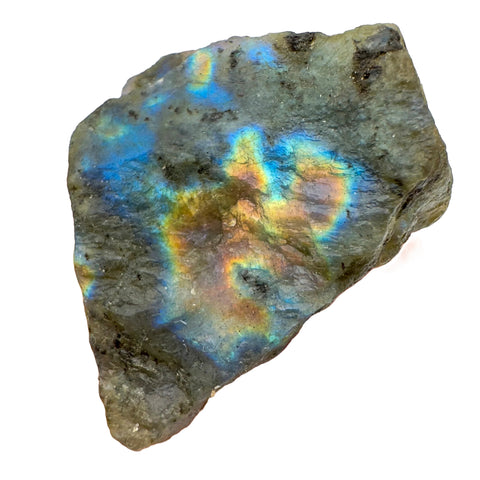
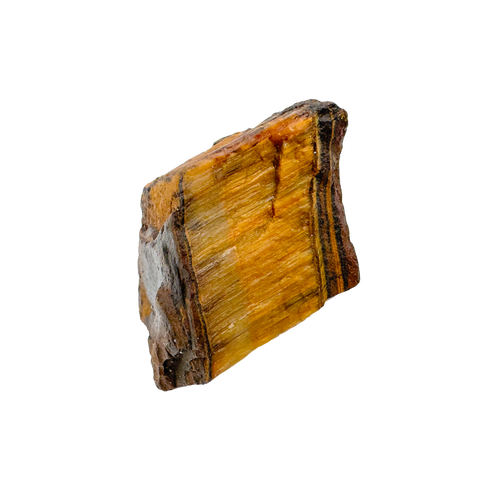
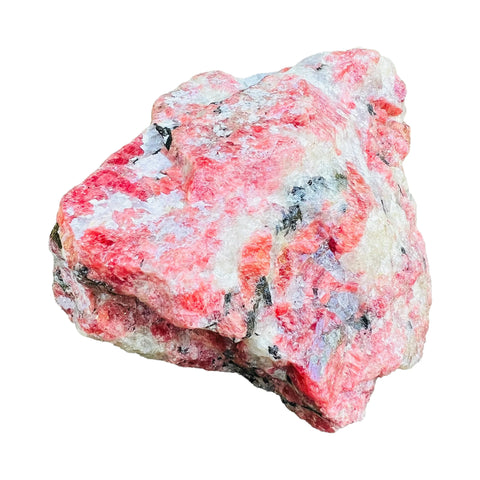
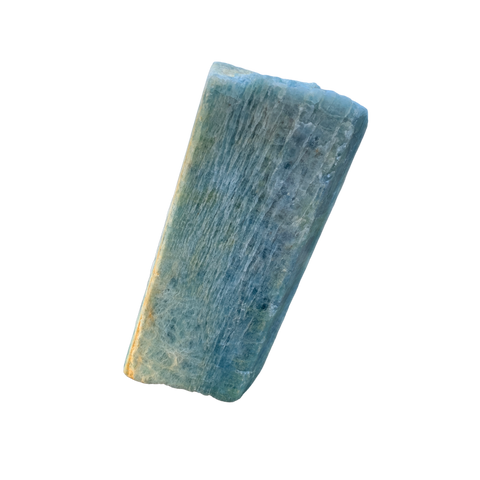
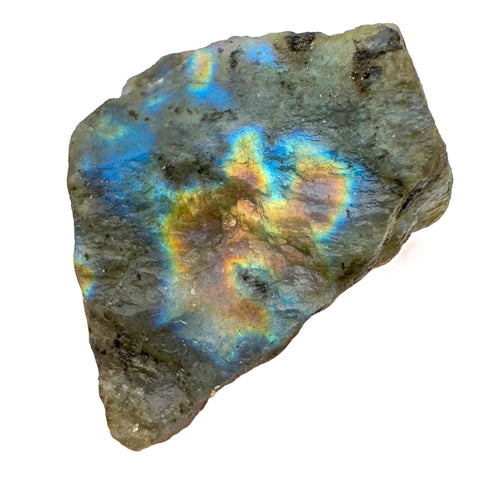
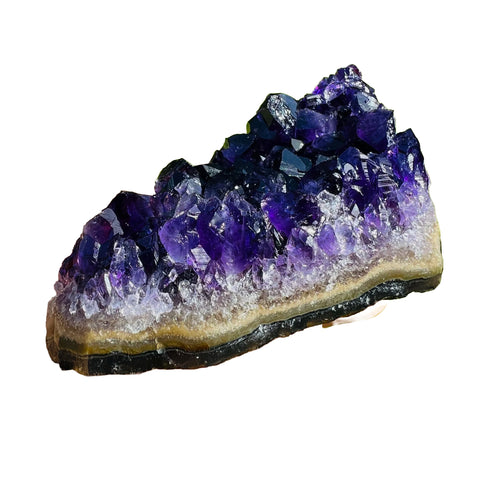



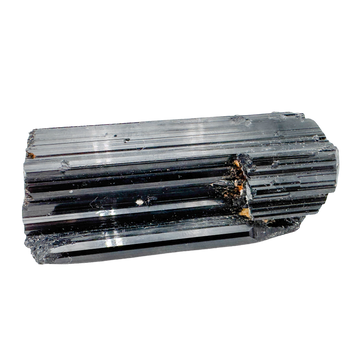
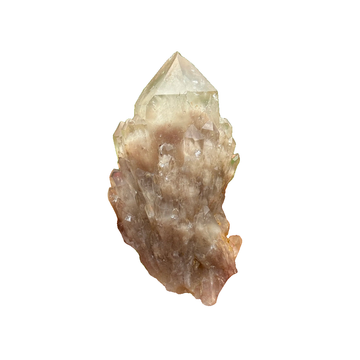
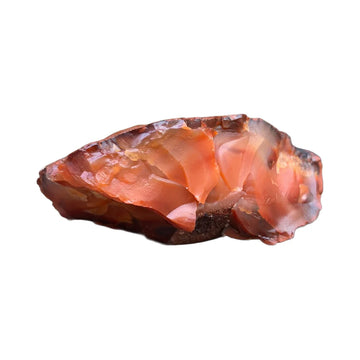
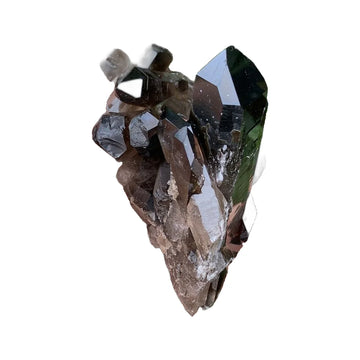
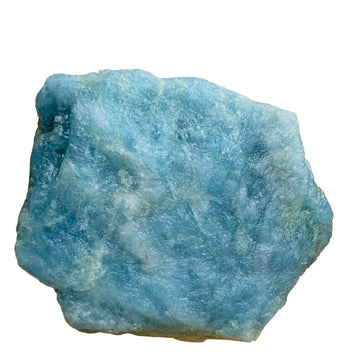
 Raw Stones
179 pieces
Raw Stones
179 pieces
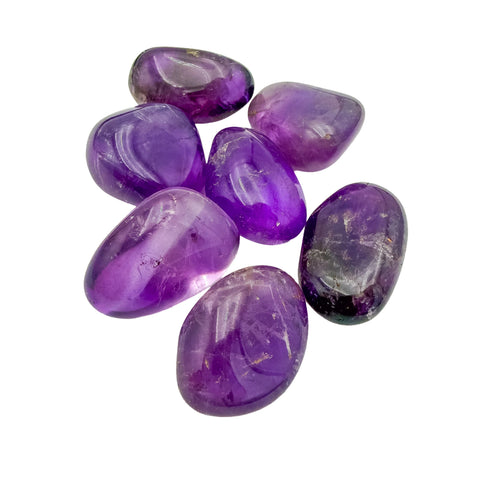
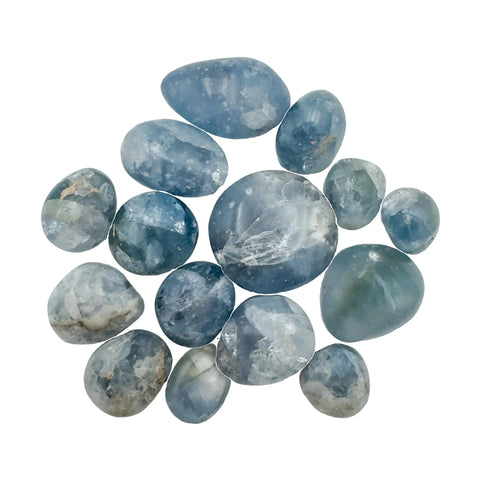
 Tumbled Stones
162 pieces
Tumbled Stones
162 pieces
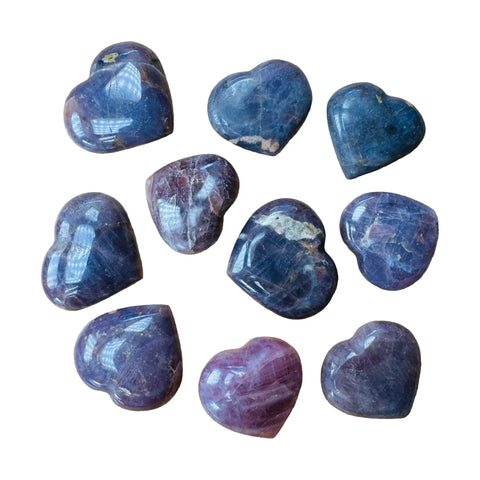
 Palm Stones
25 pieces
Palm Stones
25 pieces
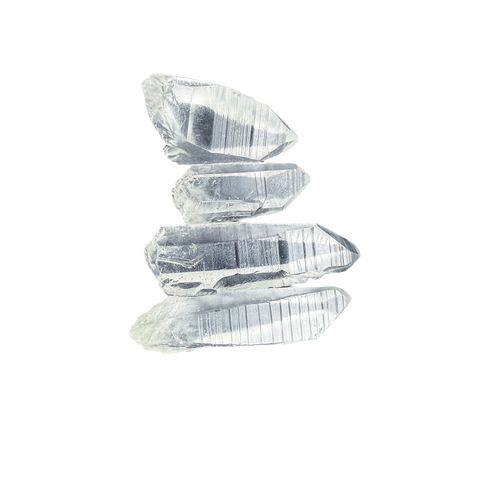
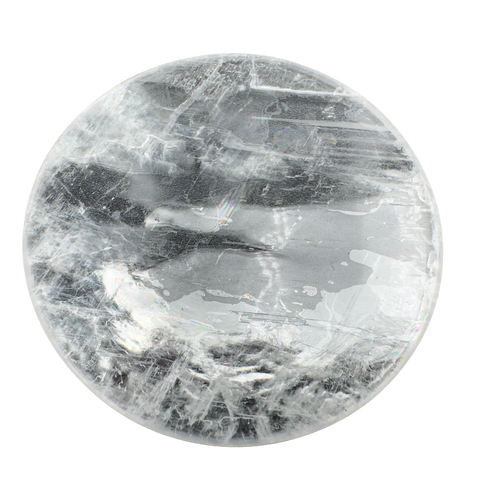
 Crystal Points
23 pieces
Crystal Points
23 pieces
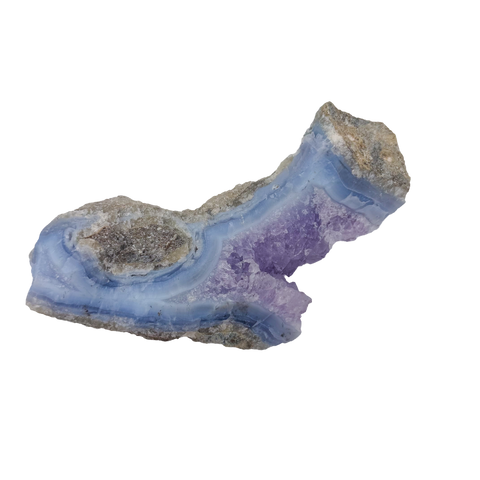
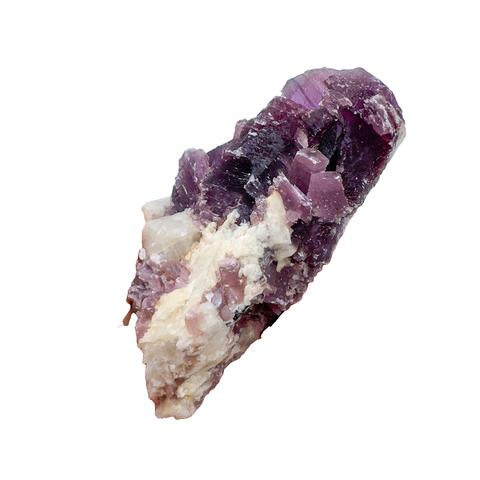
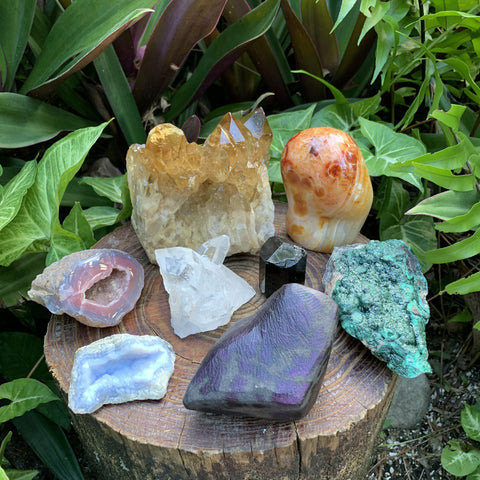
 Clusters & Geodes
104 pieces
Clusters & Geodes
104 pieces
 Polished & Decor
148 pieces
Polished & Decor
148 pieces
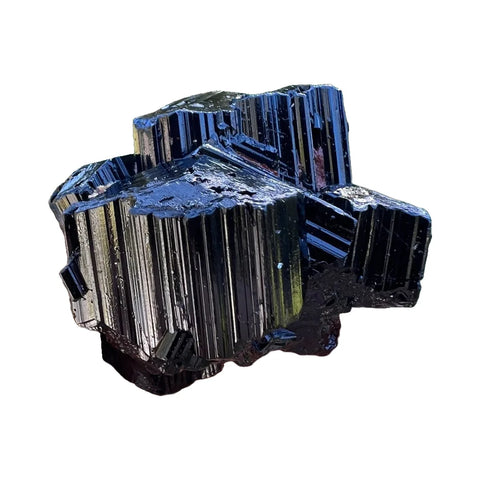
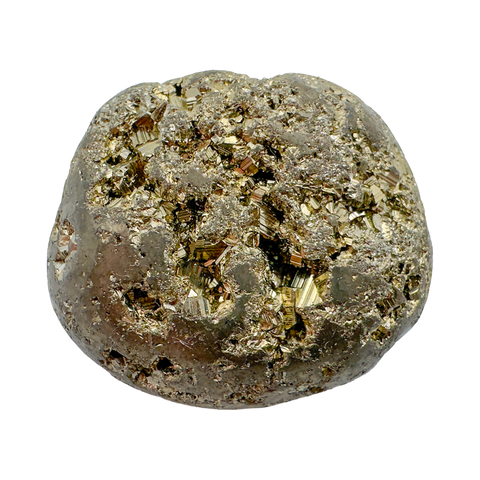
 Mineral Specimens
259 collector pieces
Mineral Specimens
259 collector pieces
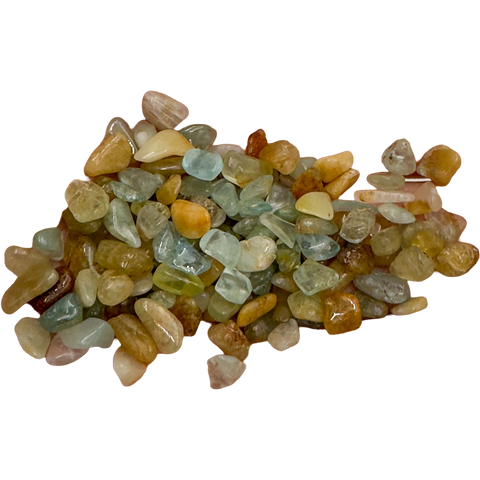
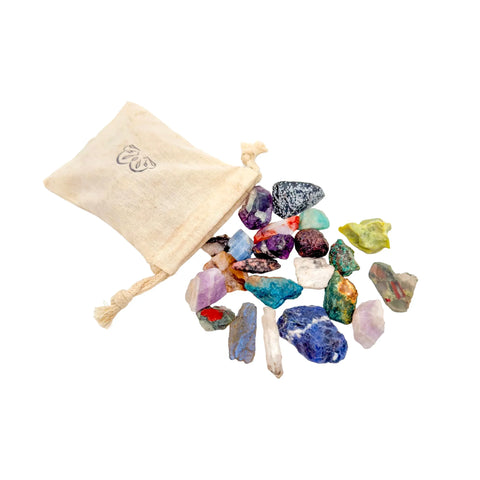
 Crystal Chips
21 pieces
Browse everything
Every collection, one page.
View All Collections →
Crystal Chips
21 pieces
Browse everything
Every collection, one page.
View All Collections →


 Aries
Mar 21 – Apr 19
Carnelian
›
Aries
Mar 21 – Apr 19
Carnelian
›
 Taurus
Apr 20 – May 20
Rose Quartz
›
Taurus
Apr 20 – May 20
Rose Quartz
›
 Gemini
May 21 – Jun 20
Agate
›
Gemini
May 21 – Jun 20
Agate
›
 Cancer
Jun 21 – Jul 22
Moonstone
›
Cancer
Jun 21 – Jul 22
Moonstone
›
 Leo
Jul 23 – Aug 22
Citrine
›
Leo
Jul 23 – Aug 22
Citrine
›
 Virgo
Aug 23 – Sep 22
Amazonite
›
Virgo
Aug 23 – Sep 22
Amazonite
›
 Libra
Sep 23 – Oct 22
Blue Lace Agate
›
Libra
Sep 23 – Oct 22
Blue Lace Agate
›
 Scorpio
Oct 23 – Nov 21
Obsidian
›
Scorpio
Oct 23 – Nov 21
Obsidian
›
 Sagittarius
Nov 22 – Dec 21
Sodalite
›
Sagittarius
Nov 22 – Dec 21
Sodalite
›
 Capricorn
Dec 22 – Jan 19
Black Tourmaline
›
Capricorn
Dec 22 – Jan 19
Black Tourmaline
›
 Aquarius
Jan 20 – Feb 18
Amethyst
›
Aquarius
Jan 20 – Feb 18
Amethyst
›
 Pisces
Feb 19 – Mar 20
Aquamarine
›
Gifting?
A birthday stone is the safe bet.
Read the zodiac guide →
Pisces
Feb 19 – Mar 20
Aquamarine
›
Gifting?
A birthday stone is the safe bet.
Read the zodiac guide →

Stibnite
Stibnite is the main ore of antimony, famous for dramatic sprays of long, steel-gray metallic blades. Its crystals can be so sharp and lustrous they look almost engineered. It is soft, heavy, and mildly toxic, so most people keep it as a specimen rather than a stone to carry.
The geology.
Stibnite is antimony sulfide, Sb2S3, an orthorhombic sulfide mineral and the most important ore of antimony. It forms slender to stout prismatic crystals, often deeply striated along their length and gathered in radiating or bundled sprays with a bright metallic silver-gray luster that can tarnish to a duller or bluish tone.
It is soft, at about 2 on the Mohs scale, with one perfect cleavage and a specific gravity near 4.6. The bladed crystals sometimes bend or curve from twinning, a distinctive trait. Stibnite forms in low-temperature hydrothermal veins and hot-spring deposits, commonly with quartz, calcite, cinnabar, and other sulfides.
The origins.
The now-exhausted Ichinokawa mine on Shikoku Island, Japan, set the standard, producing giant lustrous crystals treasured in museums worldwide. China holds the largest antimony resources, and the Xikuangshan district in Hunan is a leading modern source of both ore and fine crystal groups.
Romania's mines at Baia Sprie and Herja have yielded classic European specimens, and localities in Germany, Slovakia, France, Bolivia, and the western United States contribute as well. The most prized specimens combine long, undamaged blades with sharp terminations and a bright, untarnished surface.
Traditional associations.
In modern metaphysical practice, many people associate stibnite with grounding, protection, and a sense of clear boundaries, drawing on its metallic sheen and its roots deep in the earth. It is sometimes described as a stone for focus and for shielding one's energy.
Because it is soft and contains antimony, stibnite is usually worked with as a specimen kept in a space rather than carried or worn. These associations are traditional and personal rather than medical. It is most often linked with the Root chakra and the element of Earth.
Spotting the real thing.
Genuine stibnite shows long, striated metallic blades with a bright silver-gray sheen, one direction of easy cleavage, and real weight for its size. The crystals are soft enough to scratch with a fingernail or coin and often show slight bending or curvature from twinning.
Confusion is usually with other gray metallic minerals rather than fakes. It can resemble bismuthinite, or gray blades of other sulfosalts, and lower-value pieces are sometimes sold with damaged or reglued blades. Check terminations and the join points, since fine intact sprays are far more valuable than repaired ones.
Care & handling.
Handle stibnite as a delicate, mildly toxic specimen. The blades are soft and snap easily, so hold clusters by the matrix and keep them where they will not be knocked. Antimony is toxic, so wash your hands after handling, avoid creating or breathing any dust, and do not make elixirs or leave it in drinking water.
Keep it dry and out of strong, prolonged light and humidity, which can dull the metallic surface over time. Store it away from harder minerals to protect the fragile crystals, and keep it out of reach of children and pets. A stable shelf or display case suits it best.
Pairs well with.
A deeper look.
Extended geology, sourcing, authentication, history, and varieties, for when the quick guide isn't quite enough.
Extended geology
Stibnite's structure is built from ribbons of linked antimony and sulfur atoms, which is why it grows as long, striated prisms and cleaves so readily in one direction. Crystals range from slender needles to massive blades, occasionally reaching remarkable lengths, and often form radiating sprays or dense bundles. The bright metallic luster is characteristic when fresh.
It crystallizes at low temperatures from hydrothermal fluids, filling veins and cavities alongside quartz, calcite, barite, cinnabar, realgar, orpiment, and gold. Over time exposed surfaces can tarnish or alter to yellowish antimony oxides such as stibiconite. Its specific gravity near 4.6 and softness of 2 help separate it from harder, denser look-alikes.
Extended sourcing
The Ichinokawa mine in Ehime Prefecture, Japan, is the historic benchmark, famous for enormous lustrous blades collected in the nineteenth and early twentieth centuries and now held in major museums. Although long exhausted, its specimens define what great stibnite looks like.
China dominates modern supply, with the Xikuangshan mine in Hunan among the largest antimony deposits in the world and a source of striking crystal groups. Romania's Baia Sprie and Herja, along with occurrences in Slovakia, Germany, Bolivia, Peru, and Nevada, provide additional classic and contemporary specimens.
Authentication and warning signs
The reliable identifiers are habit, hardness, cleavage, and weight. Look for striated, bladed, silver-gray crystals with a metallic luster, one perfect cleavage, a hardness around 2, and a specific gravity noticeably higher than common rock. A gray to black streak and, in some pieces, gentle curvature of the blades confirm it.
Because intact sprays command a premium, examine specimens for broken or repaired blades and for glue at the base. Distinguish stibnite from similar gray metallic minerals like bismuthinite and various sulfosalts, which may need a specialist to separate with certainty. No color enhancement is standard, so honesty here is mostly about condition and repair.
History and folklore
The name stibnite comes from stibium, the Latin for antimony, and the mineral has been used since antiquity. Ground stibnite served as kohl, a dark eye cosmetic, in the ancient Near East and Egypt, and antimony drawn from it was used in early medicine and metallurgy. Those cosmetic and medicinal uses were abandoned as antimony's toxicity became understood. Today stibnite remains the primary ore of antimony, a metalloid used in flame retardants, alloys, and electronics.
Varieties and forms
Bladed crystal sprays: the classic radiating clusters of long striated blades, the most collectible form.
Massive stibnite: granular to fibrous gray ore, the common industrial form.
Included quartz: clear quartz with needle-like stibnite inclusions, occasionally cut for collectors.
Tarnished and altered pieces: specimens with bluish iridescence or yellow oxide coatings from surface alteration.
What it costs in the market
Small massive pieces and modest clusters are inexpensive, while large, undamaged crystal sprays with bright luster and sharp terminations, especially fine Chinese groups or historic Japanese material, can reach hundreds or thousands of dollars. Condition matters enormously, since broken or repaired blades sharply reduce value. Locality, size, luster, and the integrity of the terminations set the price.
An education-first guide.
We don't currently carry stibnite, so there's nothing to sell you here. This guide exists because the more you understand a stone, the better every decision you make about it becomes, wherever you buy it. Explore the rest of our crystal guides for stones we do source, each with full origin and treatment notes.
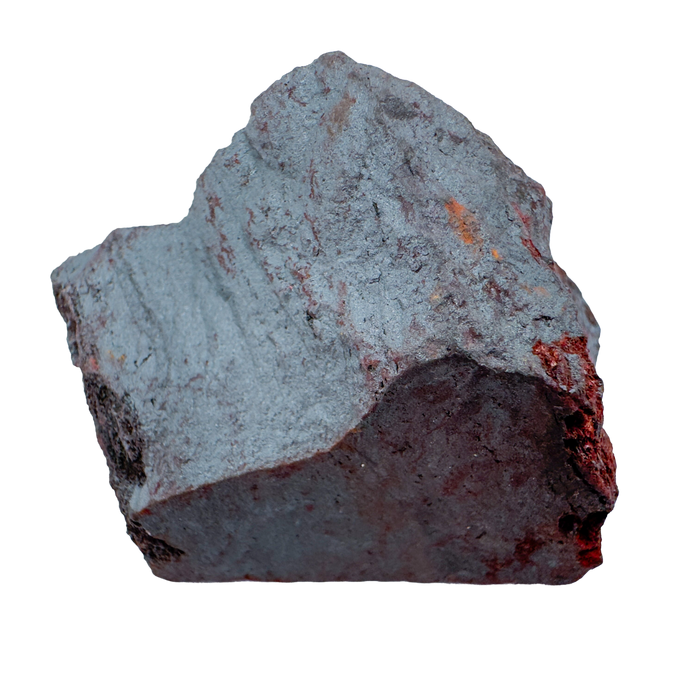
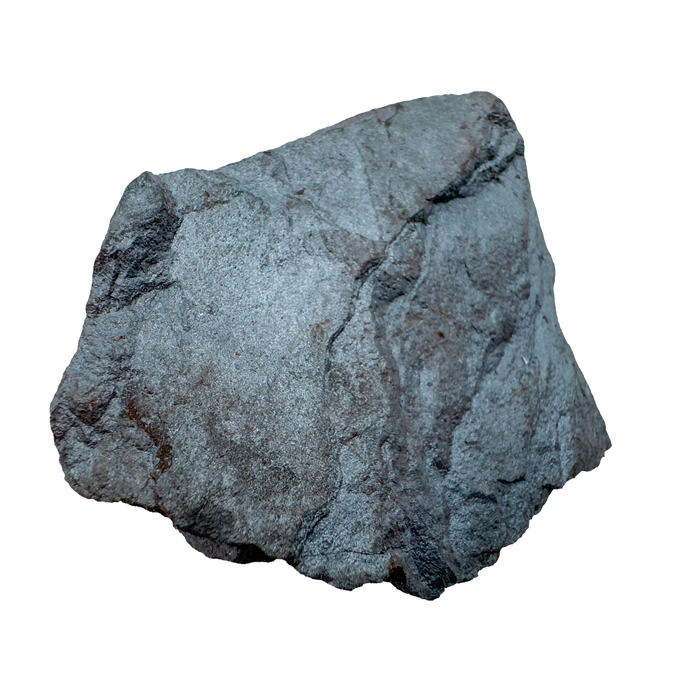
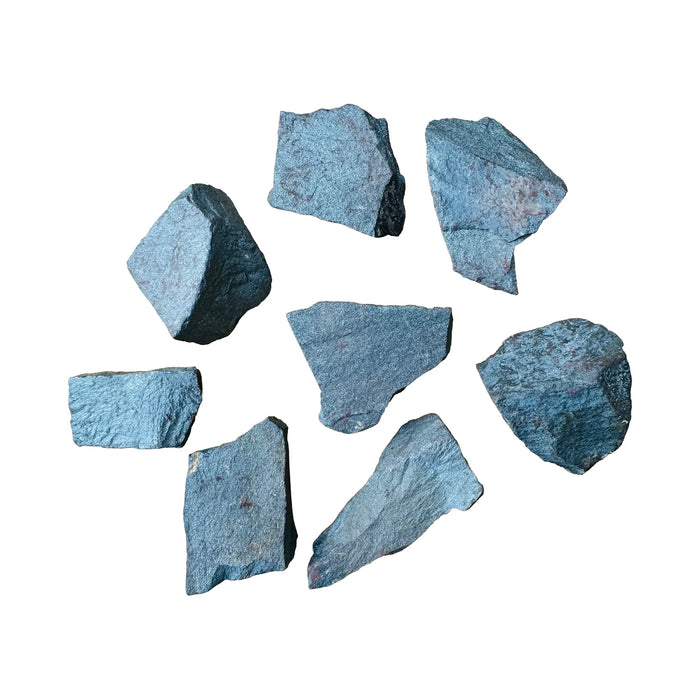
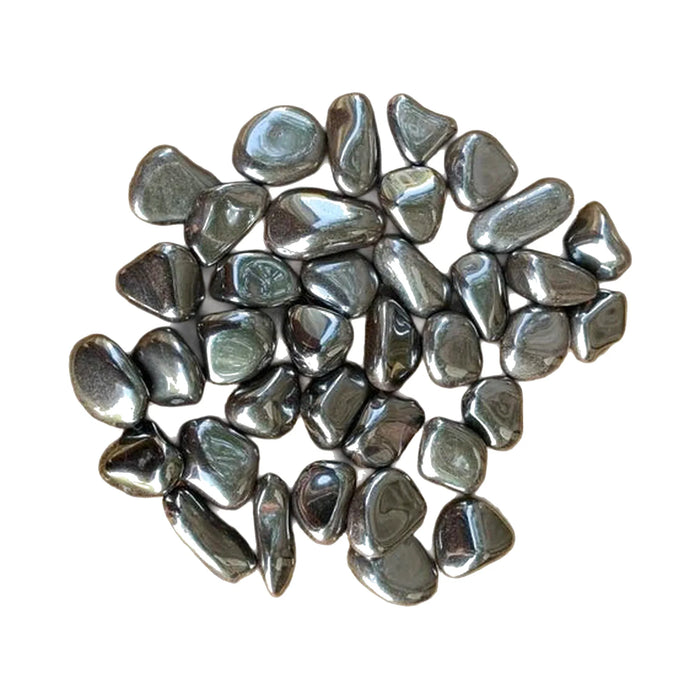
Explore the Crystal GuideThe closest match we carry: Hematite.
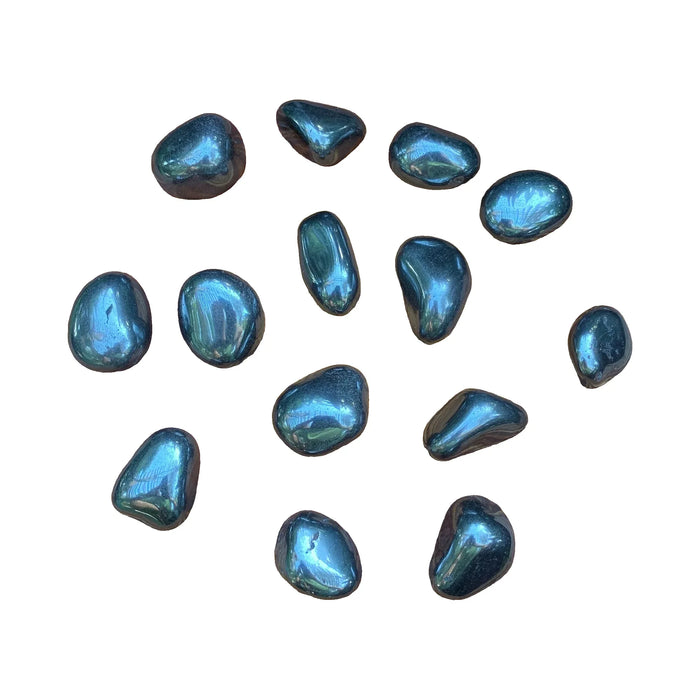
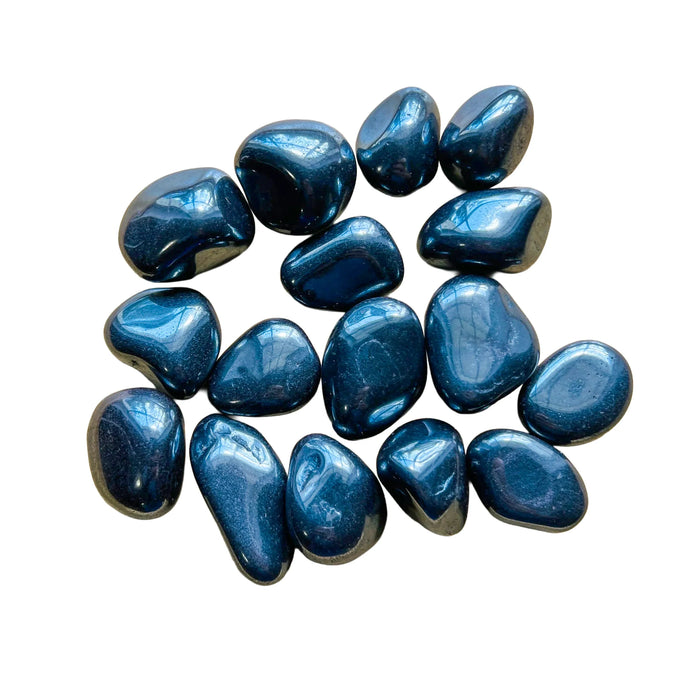
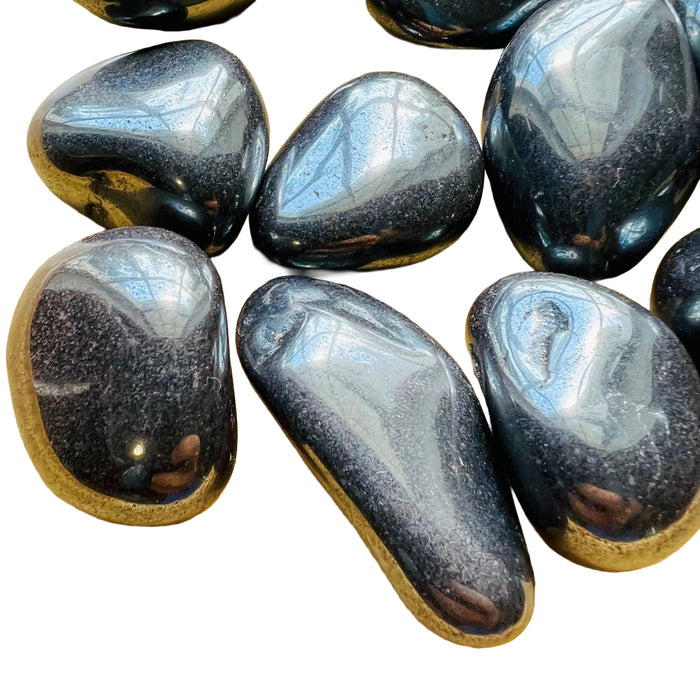
Stibnite is not something we carry. Hematite is the closest match in our collection, and every piece passes our sourcing standards: origin named, treatments disclosed.
- from 1,000+ reviews
- Ships within 72 hoursMonday to Friday, tracked
- 90 days to return itif you do not love it
- Free US shipping over $99$8.99 flat rate under
The Slow Note
New stones go to the list first.
No forwarding, no selling. Unsubscribe in one click. Privacy