


 Agatefor stress relief
 Amazonitefor stress relief
 Aquamarinefor serenity
 Aventurinefor luck
 Bloodstonefor energy
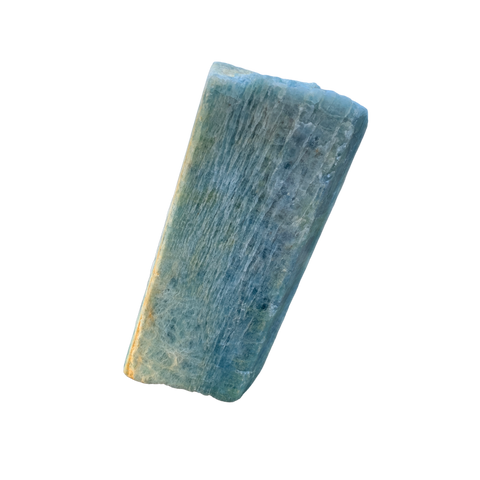
 Blue Kyanitefor confidence
 Blue Lace Agatefor stress relief
 Chrysocollafor emotional healing
 Fluoritefor focus
 Garnetfor energy
 Lepidolitefor stress relief
 Malachitefor emotional healing
 Moonstonefor grounding
 Obsidianfor protection
 Ocean Jasperfor emotional healing
 Red Jasperfor grounding
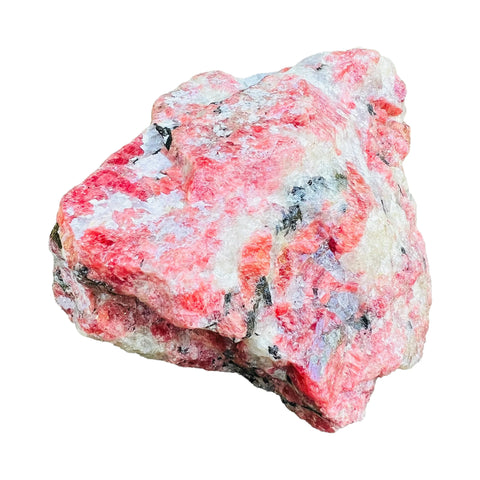
 Rhodonitefor emotional healing
 Selenitefor cleansing
 Sodalitefor focus
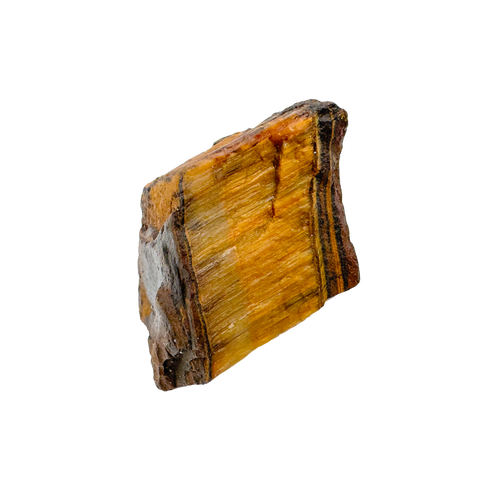
 Tiger Eyefor confidence
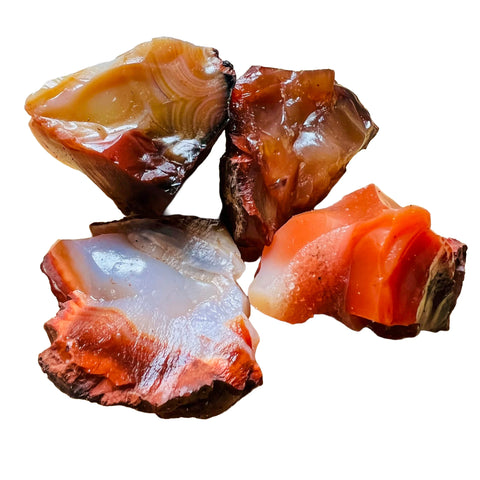
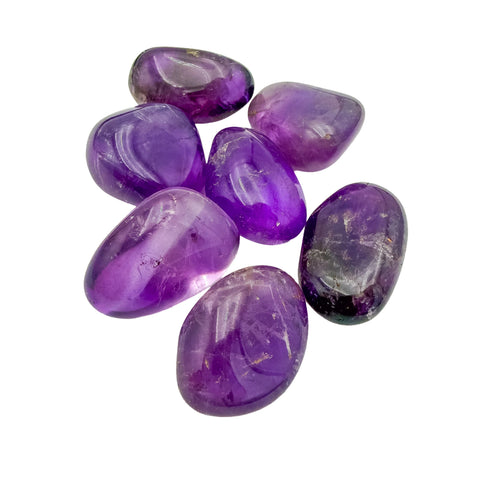

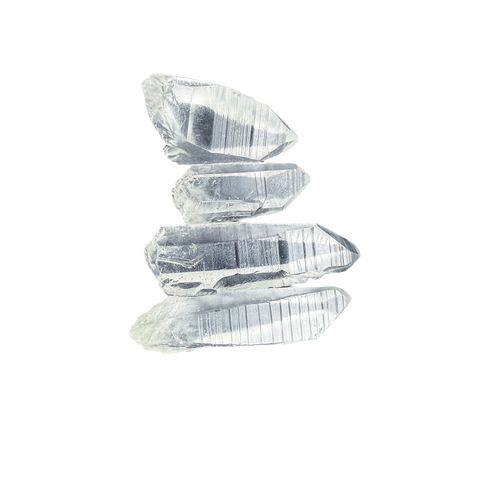
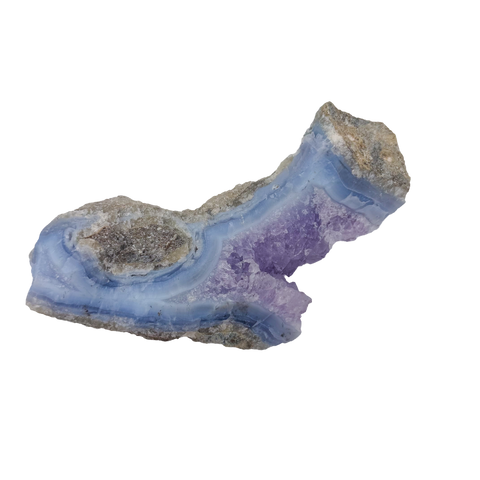

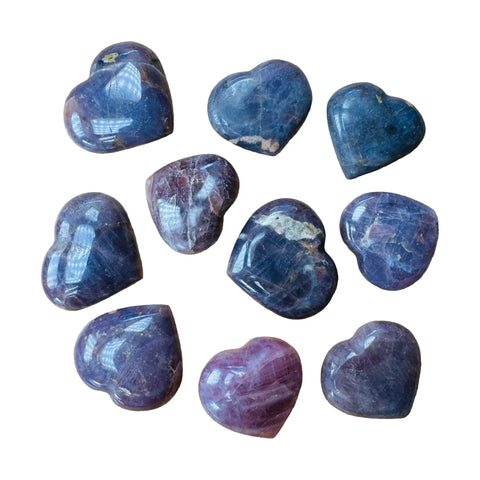
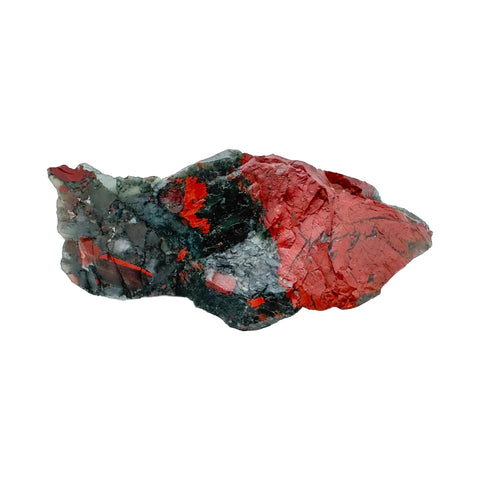
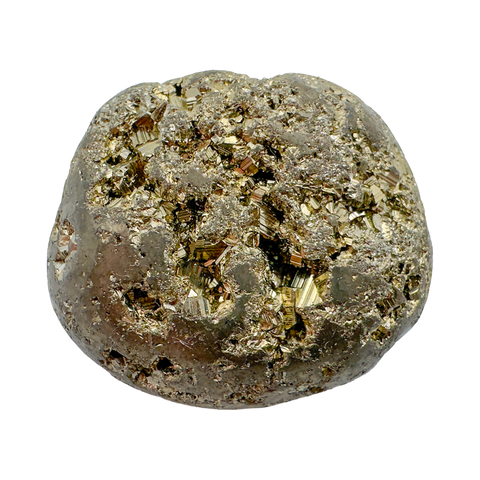
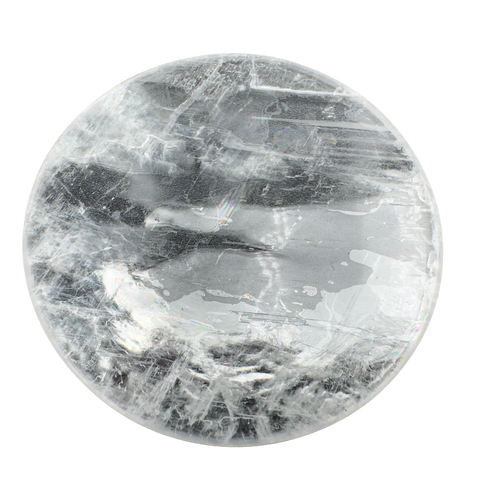


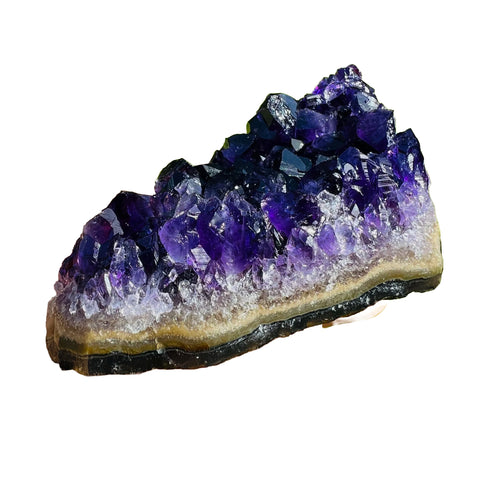





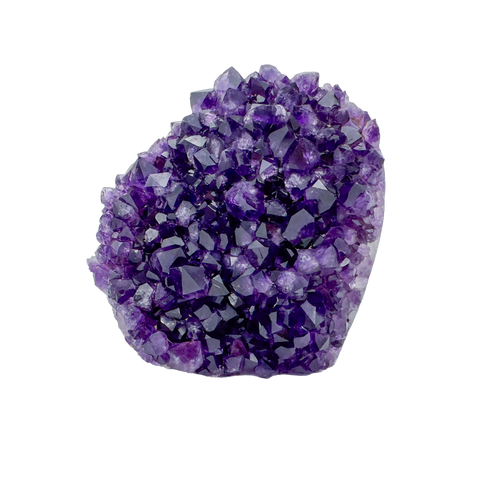
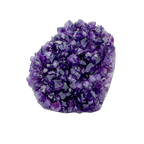 Amethyst
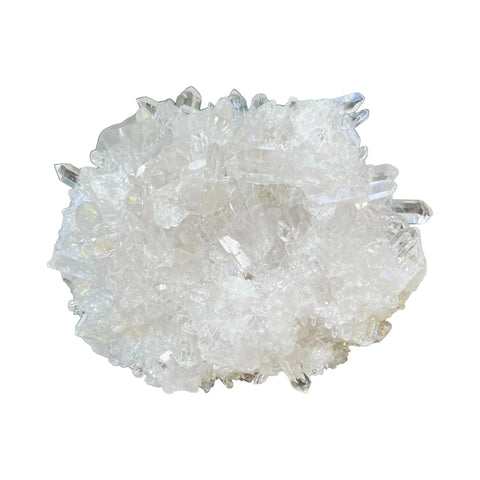
 Clear Quartz
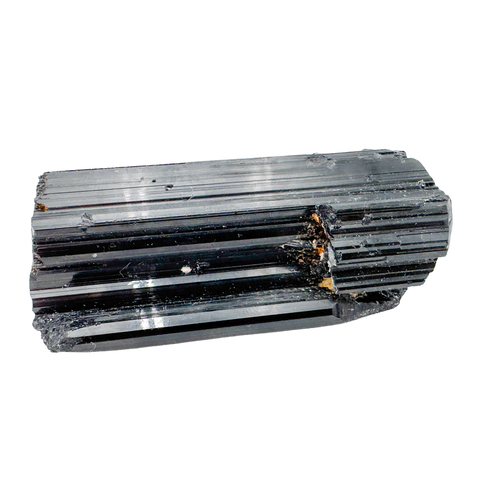
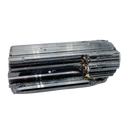 Black Tourmaline
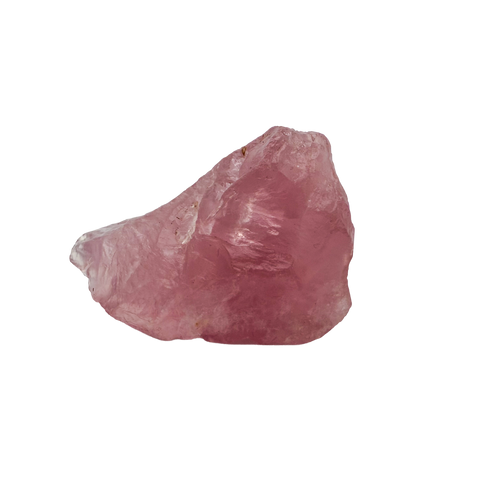
 Rose Quartz
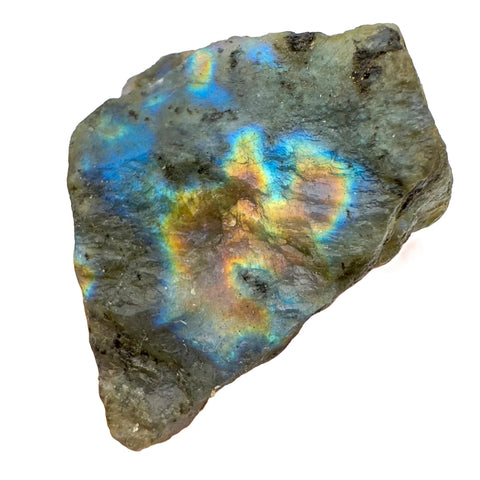
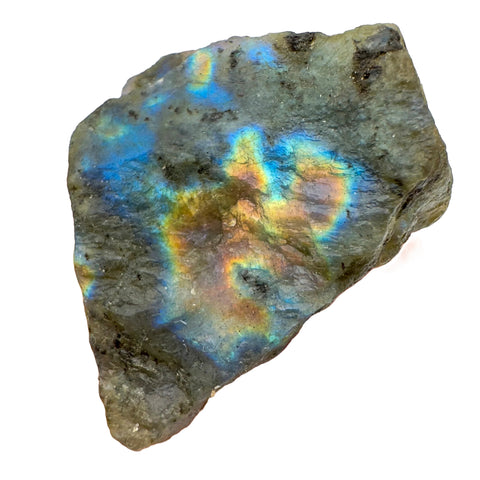
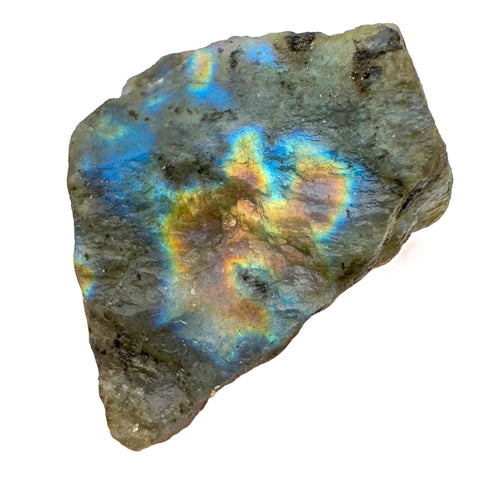
 Labradorite
 Natural Citrine
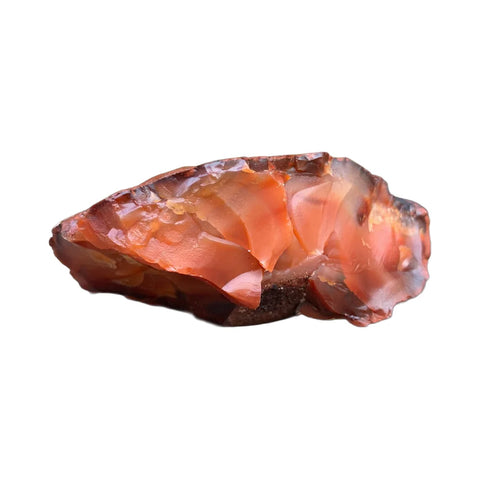
 Carnelian
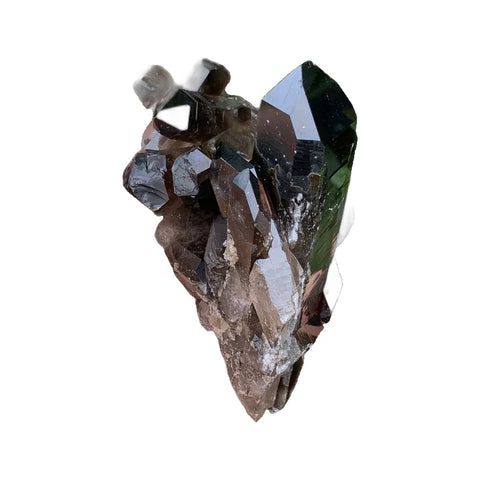
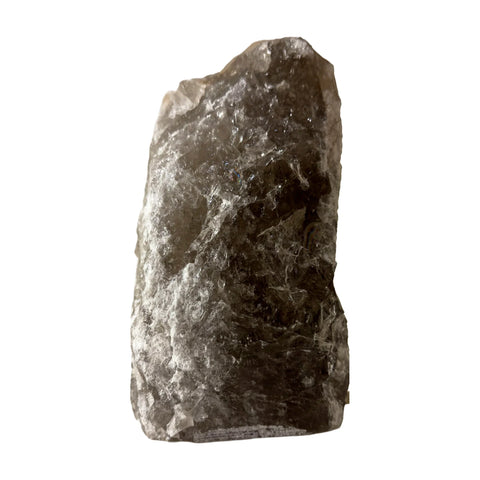
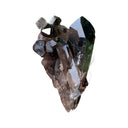 Smoky Quartz
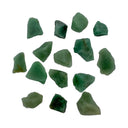 Aventurine
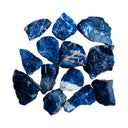 Sodalite
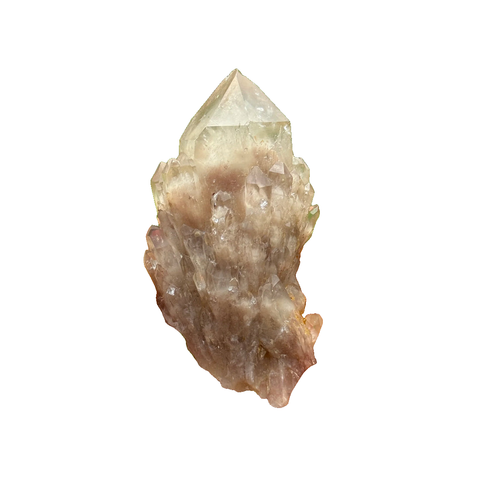
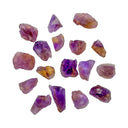 Ametrine
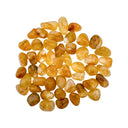 Golden Healer
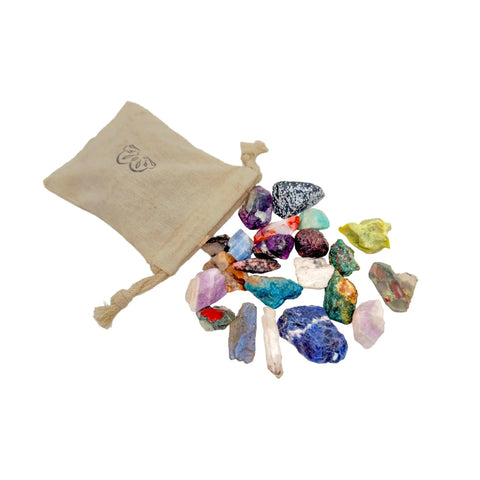
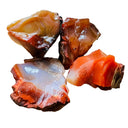 Raw Stones
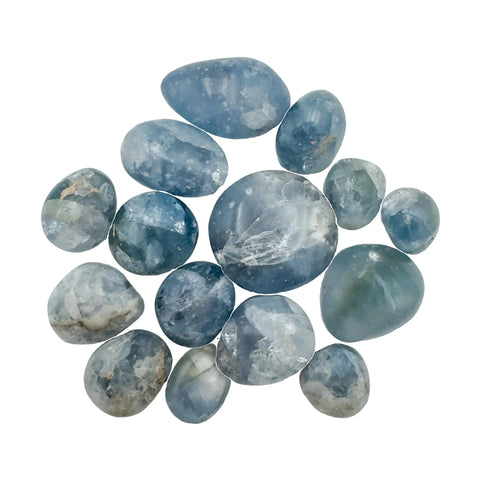
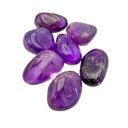 Tumbled Stones
 Palm Stones
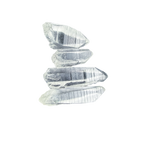 Crystal Points
 Clusters & Geodes
 Polished & Decor
 Mineral Specimens
 Crystal Chips
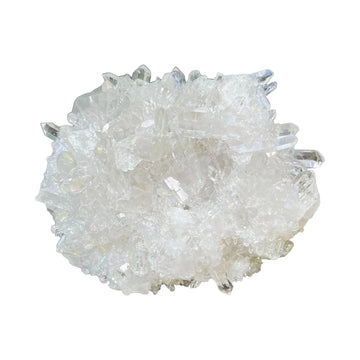
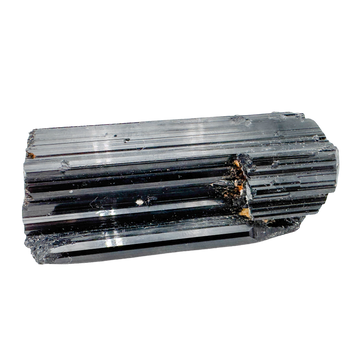
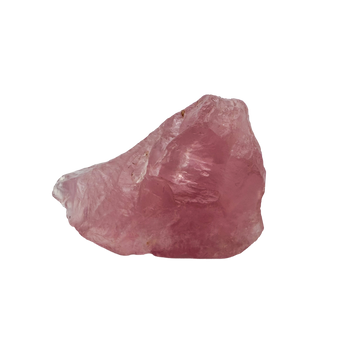
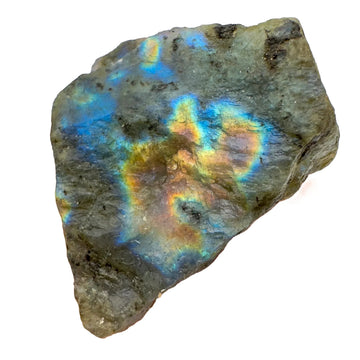
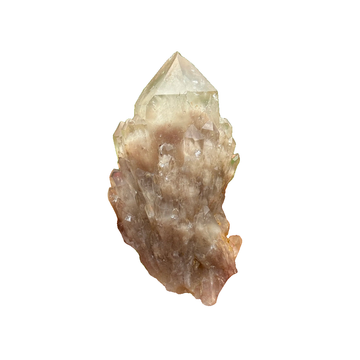
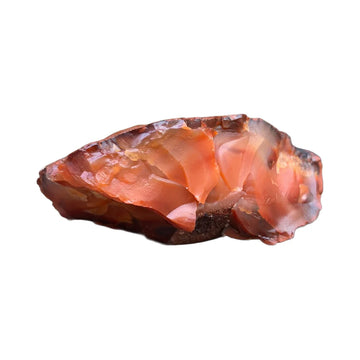
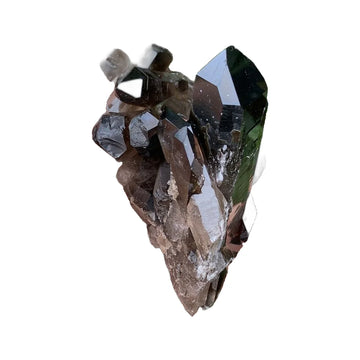
 Raw Stones
179 to choose from
Raw Stones
179 to choose from
 Tumbled Stones
162 to choose from
Tumbled Stones
162 to choose from
 Palm Stones
25 to choose from
Palm Stones
25 to choose from
 Crystal Points
23 to choose from
Crystal Points
23 to choose from
 Clusters & Geodes
101 to choose from
Clusters & Geodes
101 to choose from
 Polished & Decor
148 to choose from
Polished & Decor
148 to choose from
 Mineral Specimens
254 to choose from
Mineral Specimens
254 to choose from
 Crystal Chips
21 to choose from
Crystal Chips
21 to choose from


 AngolaAquamarine
›
AngolaAquamarine
›
 BotswanaCarnelian, Tree Agate
›
BotswanaCarnelian, Tree Agate
›
 DR CongoMalachite, Natural Citrine
›
DR CongoMalachite, Natural Citrine
›
 EswatiniBloodstone
›
EswatiniBloodstone
›
 MadagascarLabradorite, Clear Quartz
›
MadagascarLabradorite, Clear Quartz
›
 MalawiBlue Lace Agate, Garnet
›
MalawiBlue Lace Agate, Garnet
›
 MozambiqueAmazonite
›
MozambiqueAmazonite
›
 NamibiaSodalite, Blue Lace Agate
›
NamibiaSodalite, Blue Lace Agate
›
 Republic of the CongoDioptase
›
Republic of the CongoDioptase
›
 South AfricaTiger Eye, Unakite
›
South AfricaTiger Eye, Unakite
›
 ZambiaChevron Amethyst
›
ZambiaChevron Amethyst
›
 ZimbabweEmerald, Rhodonite
›
ZimbabweEmerald, Rhodonite
›
 ArgentinaBlack Obsidian, Rhodochrosite
›
ArgentinaBlack Obsidian, Rhodochrosite
›
 BoliviaAmetrine
›
BoliviaAmetrine
›
 BrazilAmethyst, Clear Quartz
›
BrazilAmethyst, Clear Quartz
›
 PeruSerpentine, Jade
›
PeruSerpentine, Jade
›
 UruguayAmethyst
›
UruguayAmethyst
›
 Dominican RepublicLarimar
›
Dominican RepublicLarimar
›
 MexicoRainbow Obsidian, Crazy Lace Agate
›
MexicoRainbow Obsidian, Crazy Lace Agate
›
 United StatesSelenite, Peridot
›
United StatesSelenite, Peridot
›
 ChinaFluorite
›
ChinaFluorite
›
 RussiaShungite
›
RussiaShungite
›
 AustraliaMookaite
›
AustraliaMookaite
›
 Where our crystals come from
See where we source →
Where our crystals come from
See where we source →


 Aries
Mar 21 to Apr 19
Carnelian
›
Aries
Mar 21 to Apr 19
Carnelian
›
 Taurus
Apr 20 to May 20
Rose Quartz
›
Taurus
Apr 20 to May 20
Rose Quartz
›
 Gemini
May 21 to Jun 20
Agate
›
Gemini
May 21 to Jun 20
Agate
›
 Cancer
Jun 21 to Jul 22
Moonstone
›
Cancer
Jun 21 to Jul 22
Moonstone
›
 Leo
Jul 23 to Aug 22
Citrine
›
Leo
Jul 23 to Aug 22
Citrine
›
 Virgo
Aug 23 to Sep 22
Amazonite
›
Virgo
Aug 23 to Sep 22
Amazonite
›
 Libra
Sep 23 to Oct 22
Blue Lace Agate
›
Libra
Sep 23 to Oct 22
Blue Lace Agate
›
 Scorpio
Oct 23 to Nov 21
Obsidian
›
Scorpio
Oct 23 to Nov 21
Obsidian
›
 Sagittarius
Nov 22 to Dec 21
Sodalite
›
Sagittarius
Nov 22 to Dec 21
Sodalite
›
 Capricorn
Dec 22 to Jan 19
Black Tourmaline
›
Capricorn
Dec 22 to Jan 19
Black Tourmaline
›
 Aquarius
Jan 20 to Feb 18
Amethyst
›
Aquarius
Jan 20 to Feb 18
Amethyst
›
 Pisces
Feb 19 to Mar 20
Aquamarine
›
Gifting?
A birthday stone is the safe bet.
Read the zodiac guide →
Pisces
Feb 19 to Mar 20
Aquamarine
›
Gifting?
A birthday stone is the safe bet.
Read the zodiac guide →


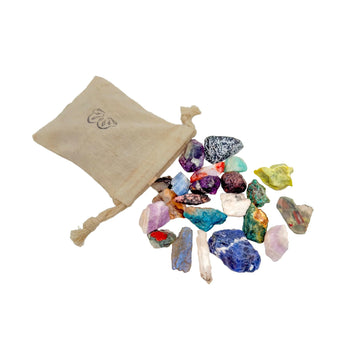
Staurolite
Staurolite is an iron aluminum silicate famous for one striking habit: it grows twinned crystals that meet at right angles or at sixty degrees, forming a natural cross. Those crosses gave it the folk name fairy stone, and a place in legend long before anyone knew the mineralogy behind them.
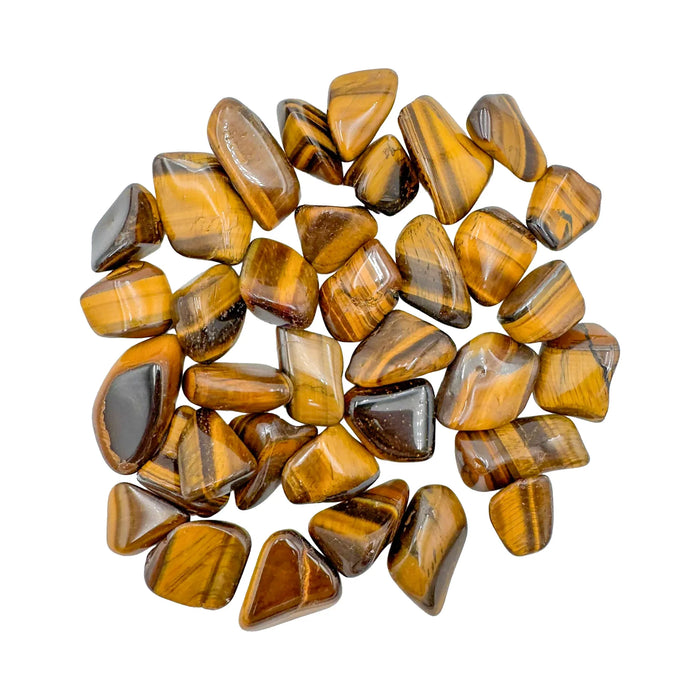
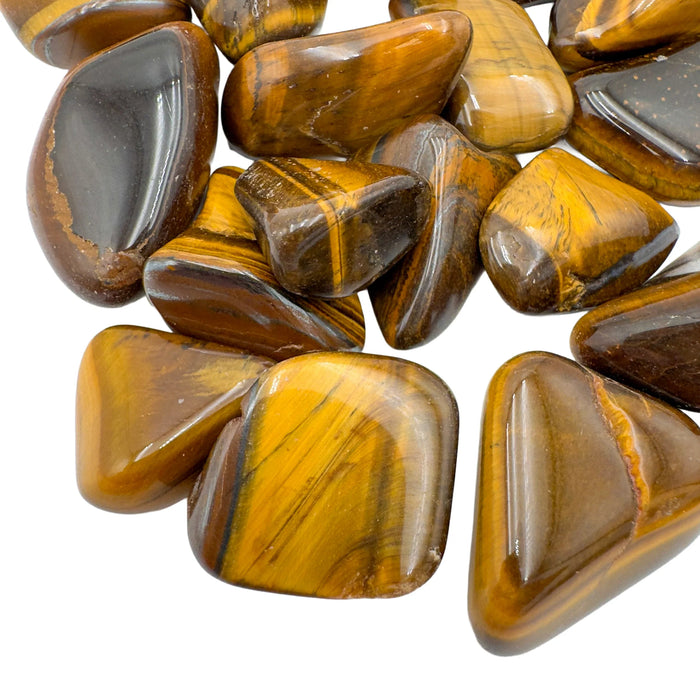
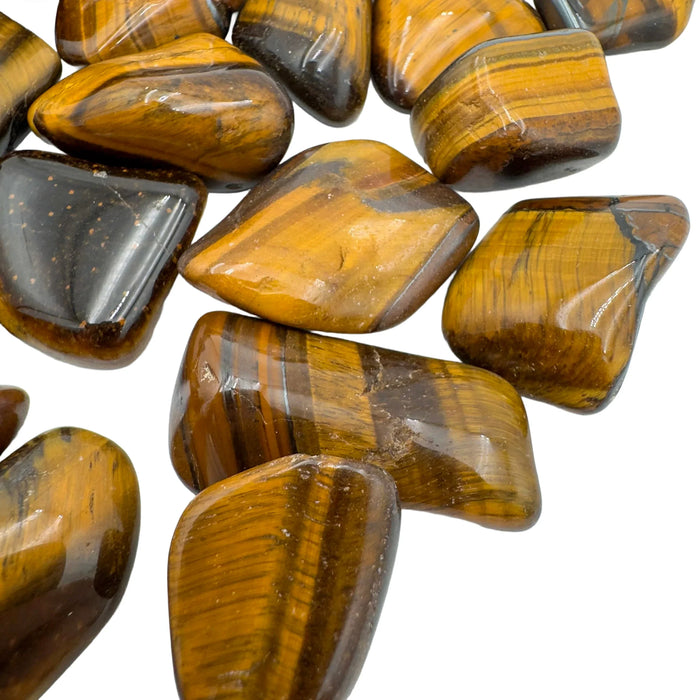
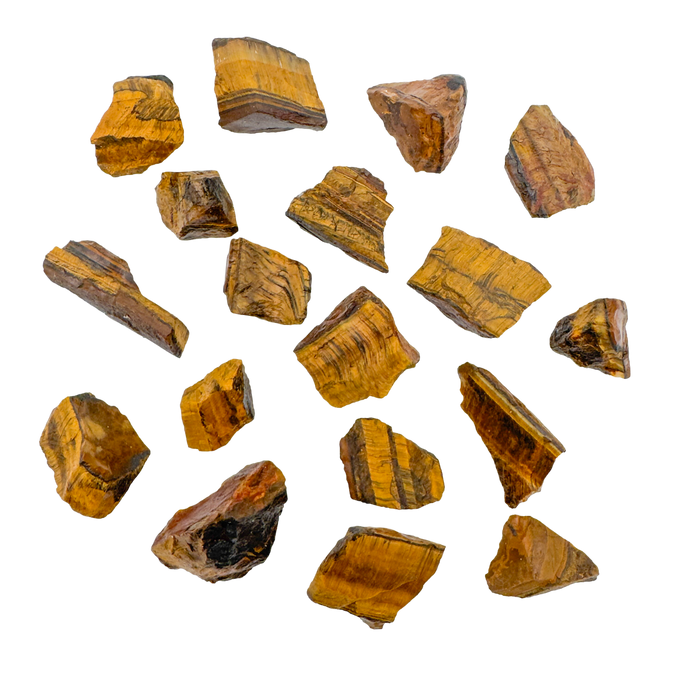
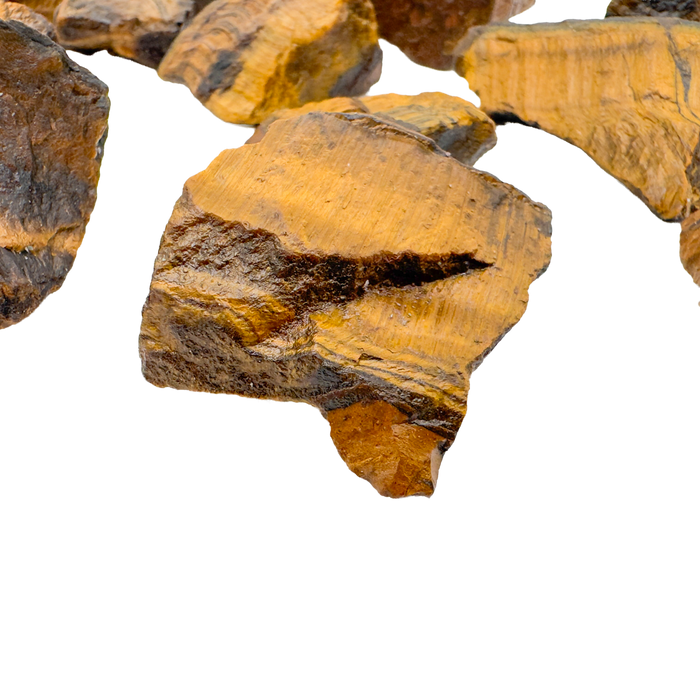
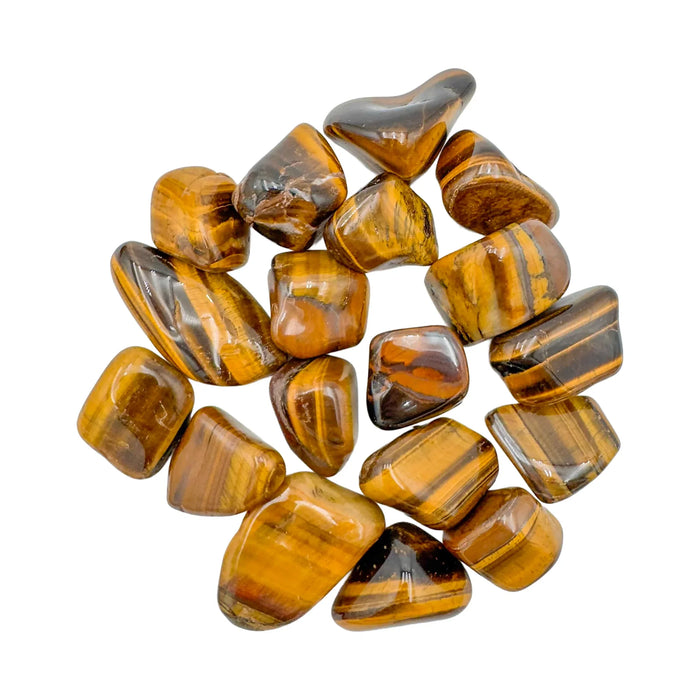
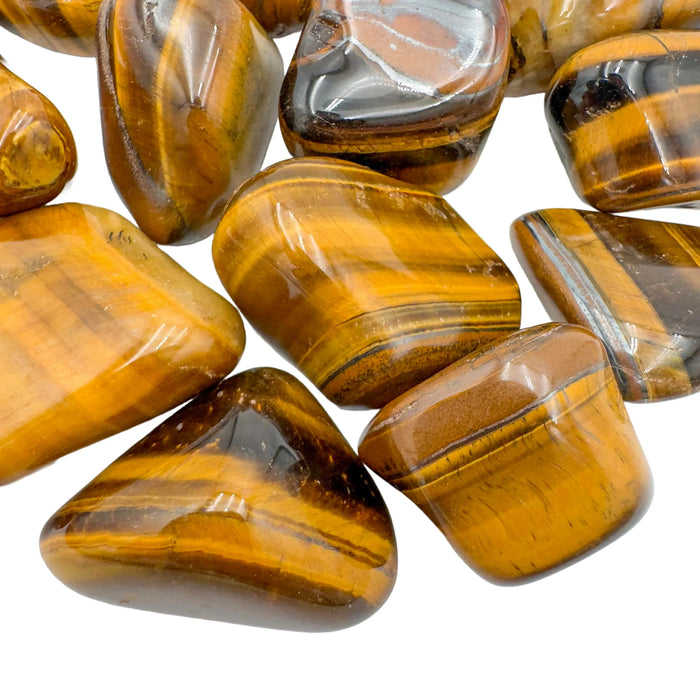
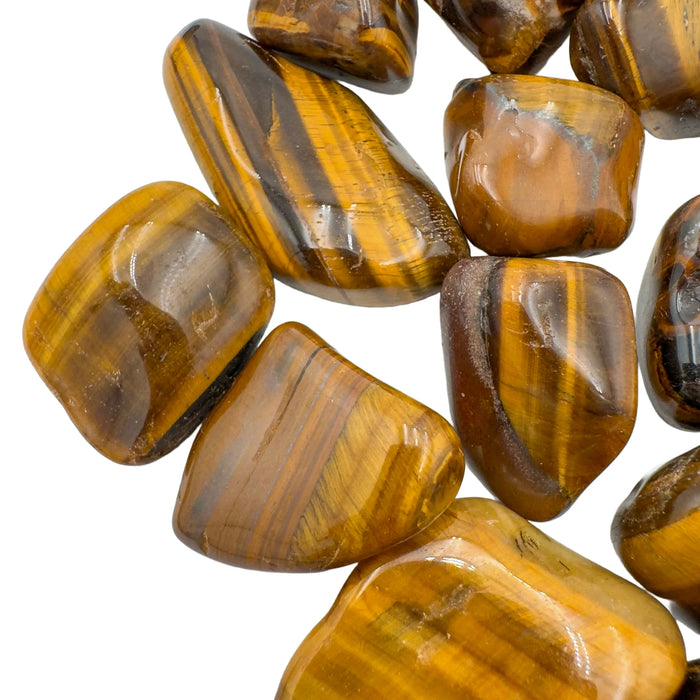
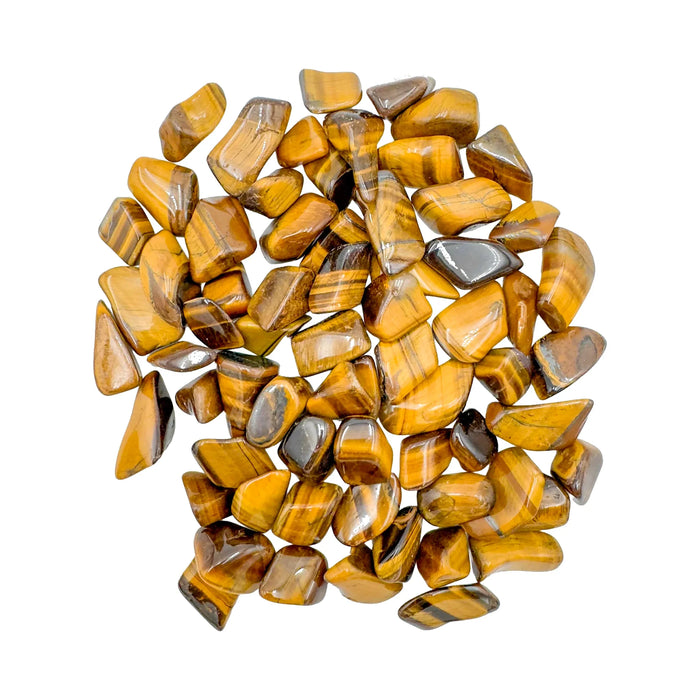
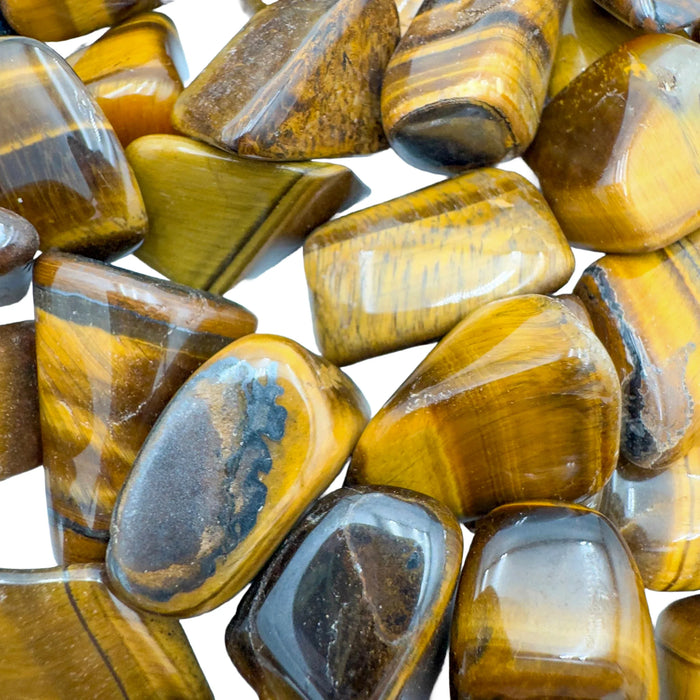
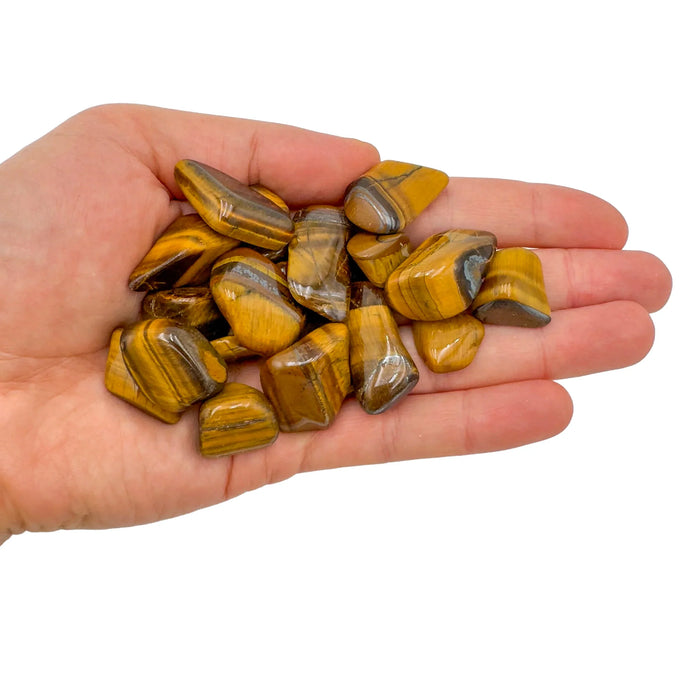
Love Staurolite? Meet Tiger Eye.
Staurolite is not something we carry. Tiger Eye is the closest match in color, and every product page names its origin and grade.

- from 1,000+ reviews
- Ships within 72 hoursMonday to Friday, tracked
- 90 days to return itif you do not love it
- Free US shipping over $99$8.99 flat rate under
The geology.
Staurolite is an iron-rich aluminum silicate that forms during regional metamorphism, when older rocks are cooked and squeezed deep in the crust. It grows as stubby prismatic crystals in schists and gneisses, often alongside garnet and kyanite, which are companions in the same medium-grade metamorphic conditions.
Its name comes from the Greek stauros, meaning cross, and points to its most famous feature. Staurolite frequently forms twins, where two crystals interpenetrate. When they cross at about ninety degrees they make a near-perfect right-angle cross, and when they meet at about sixty degrees they make an X-shaped cross.
It is a hard, dense mineral, rating roughly 7 to 7.5 on the Mohs scale with a high specific gravity of about 3.7 to 3.8. Colors run from reddish brown to dark brown and brownish black, and crystals are usually opaque with a dull to resinous surface.
The origins.
In the United States, staurolite is closely associated with the Appalachian Mountains, especially Georgia and Virginia, where cross-shaped crystals weather out of the schist. Georgia has named it the official state mineral, and Fairy Stone State Park in Virginia takes its name from the crosses found there. Fine crystals also come from Russia, Switzerland, Brazil, France, and Scotland.
Staurolite is collected mainly as natural crystals and crosses rather than cut as a faceted gem, since most material is opaque. Weathered single and twinned crystals are gathered directly from soil and stream gravels in productive areas, which is part of the appeal for collectors and rockhounds.
Traditional associations.
The cross shape gave staurolite deep folk significance. A well-known Virginia legend holds that fairies wept at the news of the crucifixion and their tears fell as tiny stone crosses, which is the source of the names fairy stone and fairy tears. The crosses have been carried for protection and good fortune for generations.
In modern crystal practice, many people work with staurolite for grounding and a sense of connection to the earth and to older traditions. As with all such uses, these are cultural and spiritual associations rather than proven effects.
Spotting the real thing.
A real staurolite cross is a twinned crystal, so it shows the texture and imperfection of natural growth. Look for a dull to slightly resinous surface, a hardness that resists scratching, and a cross that is part of the crystal's structure rather than a shape cut into it. The two arms should have the blocky, prismatic form of the mineral.
Genuine crosses are rarely perfectly symmetrical. Arms often differ in length and thickness, and the intersection may be a little irregular. A flawless, identical, glossy cross, especially a very cheap one, may be molded resin or carved stone made to imitate the natural form.
Weathered surfaces, adhering matrix, and a noticeable heft for the size, from staurolite's high density, are all reassuring signs. When in doubt, ask whether a piece is a natural twinned crystal or a shaped souvenir.
Care & handling.
Staurolite is hard and durable at 7 to 7.5 on the Mohs scale, so it stands up well to handling. Natural crystals need little more than an occasional rinse and a soft brush to remove dust or loose soil.
Because specimens often keep some natural matrix, avoid aggressive scrubbing that could break away the cross arms. It is stable in light and water, so gentle cleaning is all it needs.
Pairs well with.
A deeper look.
Extended geology, sourcing, authentication, history, and varieties, for when the quick guide isn't quite enough.
How the cross forms
Staurolite's cross is the result of crystal twinning, where two crystals grow together in a fixed geometric relationship. In staurolite this happens in two common ways. A twin at close to ninety degrees produces a right-angle cross, while a twin at around sixty degrees produces an X-shaped cross. Both are natural, and both arise from the mineral's internal structure guiding how the second crystal attaches to the first. The right-angle crosses are the rarest and most prized.
Fairy stones and folklore
Few minerals carry as much legend as staurolite. In the Blue Ridge Mountains of Virginia, the story goes that woodland fairies wept when they heard of the crucifixion, and their tears turned to stone crosses on the ground. These fairy stones were carried as amulets against illness, accident, and misfortune. The folklore predates any scientific understanding of twinning, which makes the natural cross feel all the more remarkable.
A companion to garnet and kyanite
Staurolite is an index mineral, meaning its presence tells geologists something specific about a rock. It forms at medium grades of regional metamorphism, in the same window that produces garnet and kyanite in aluminum-rich schists. Geologists map staurolite zones to trace how hot and deep a region's rocks once were. So a fairy cross is not just a curiosity, it is a small record of mountain-building pressures and temperatures.
Spotting fakes and shaped pieces
Because the cross is so appealing, imitations exist. Some souvenir crosses are carved from softer stone or cast in resin, and some real staurolite is trimmed and polished to exaggerate a cross that nature only partly made. None of this makes a piece worthless, but it should be disclosed. A natural, untouched twin has uneven arms, a matte or resinous surface, and the weight you expect from a dense mineral. Ask sellers to describe exactly what you are buying.
Collecting staurolite
Staurolite is collected chiefly as natural single crystals and crosses rather than as cut gems, since most material is opaque and dark. Value depends on the completeness and symmetry of the cross, the sharpness of the crystal faces, and the locality. Right-angle crosses and well-formed twins from famous areas such as the Appalachians or Russia are the most sought after. Many pieces are still gathered by hand from weathered soil and stream gravels.
An education-first guide.
We don't currently carry staurolite, so there's nothing to sell you here. This guide exists because the more you understand a stone, the better every decision you make about it becomes, wherever you buy it. Explore the rest of our crystal guides for stones we do source, each with full origin and treatment notes.
Explore the Crystal GuideGrounded Connections
New stones go to the list first.
No forwarding, no selling. Unsubscribe in one click. Privacy