


 Agatefor stress relief
 Amazonitefor stress relief
 Aquamarinefor serenity
 Aventurinefor luck
 Bloodstonefor energy
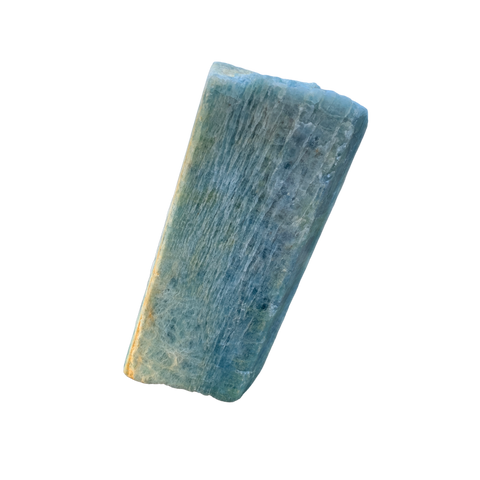
 Blue Kyanitefor confidence
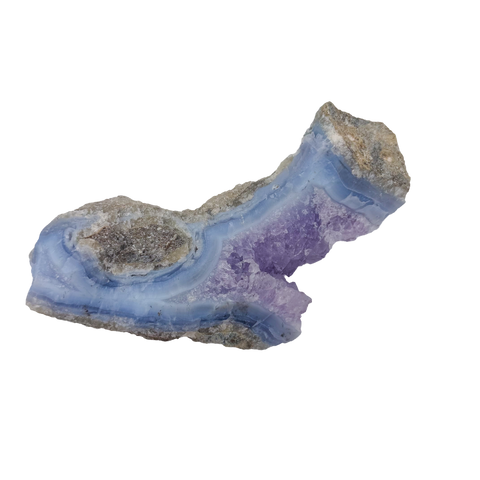
 Blue Lace Agatefor stress relief
 Chrysocollafor emotional healing
 Fluoritefor focus
 Garnetfor energy
 Lepidolitefor stress relief
 Malachitefor emotional healing
 Moonstonefor grounding
 Obsidianfor protection
 Ocean Jasperfor emotional healing
 Red Jasperfor grounding
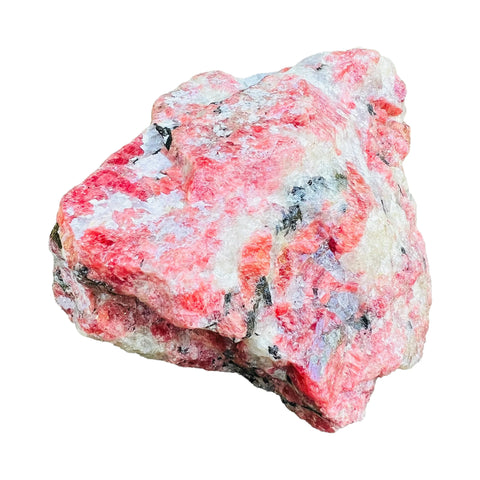
 Rhodonitefor emotional healing
 Selenitefor cleansing
 Sodalitefor focus
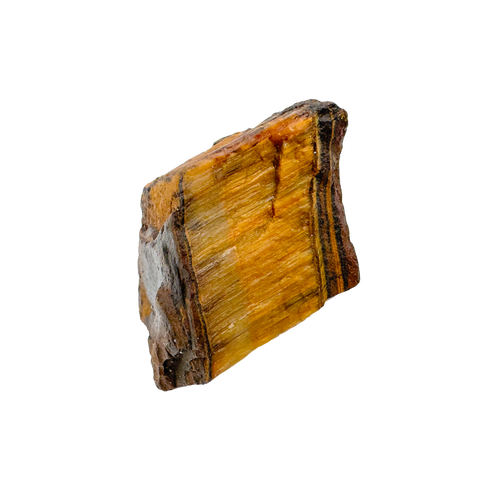
 Tiger Eyefor confidence
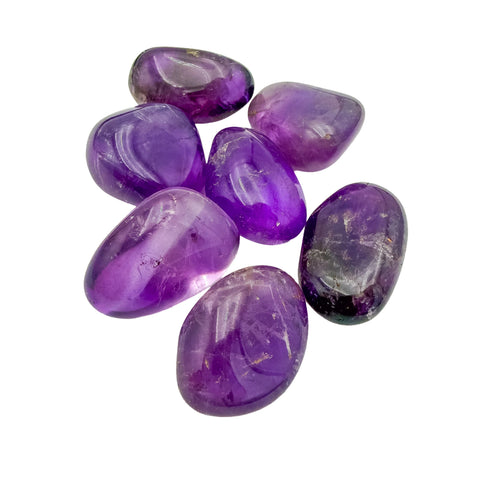


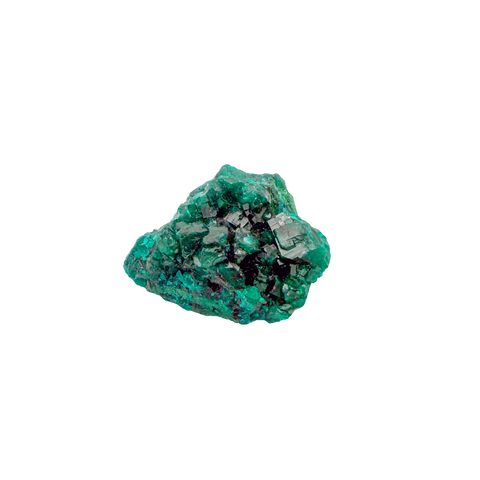
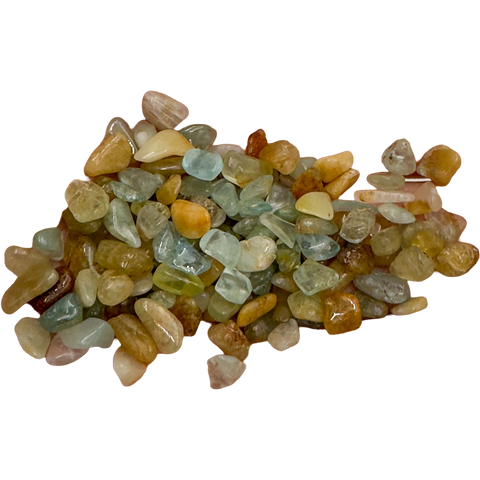
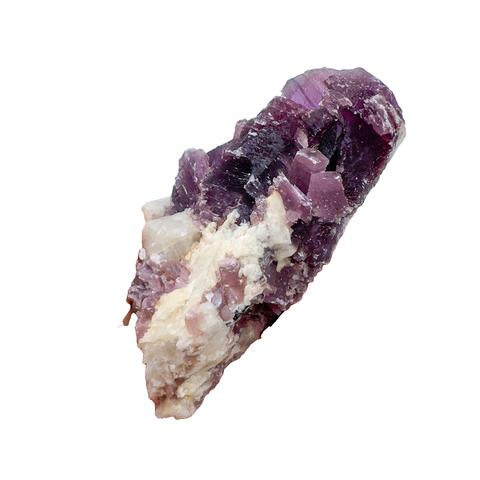
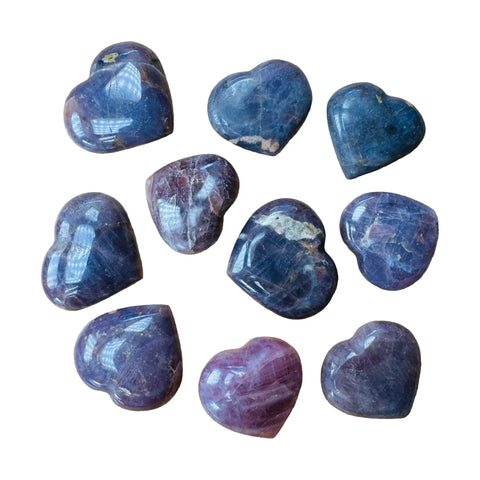
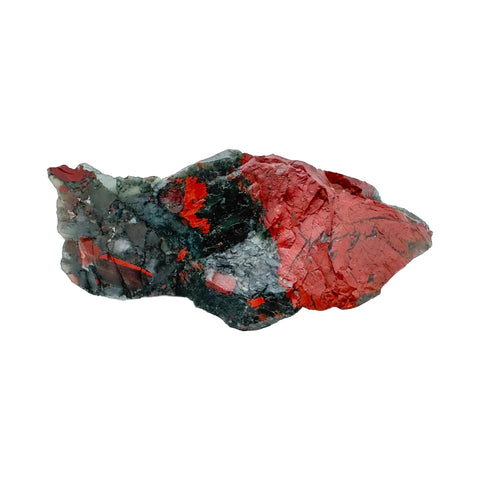
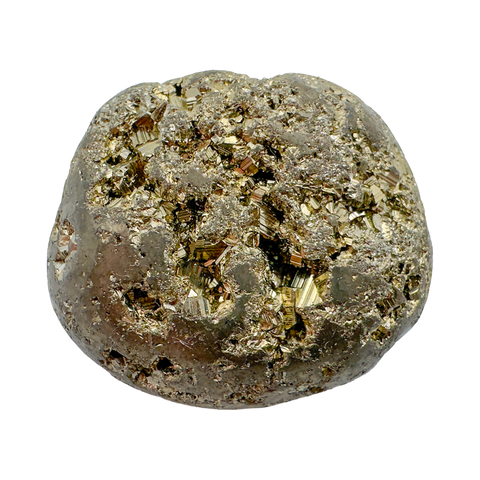
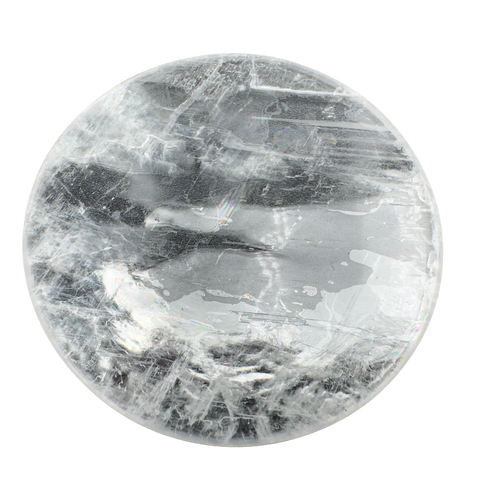


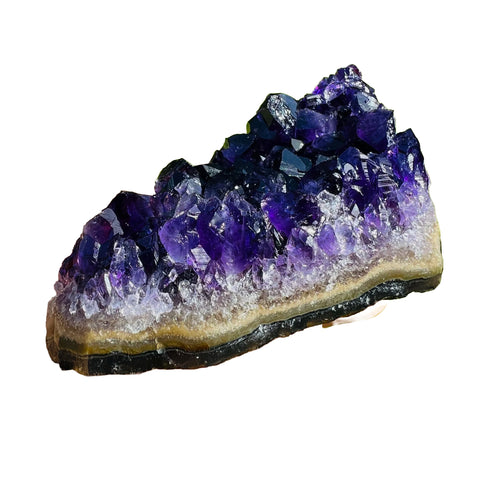





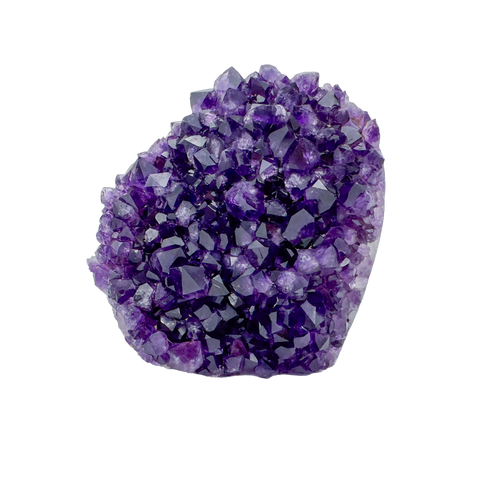
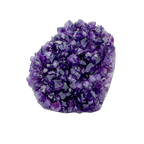 Amethyst
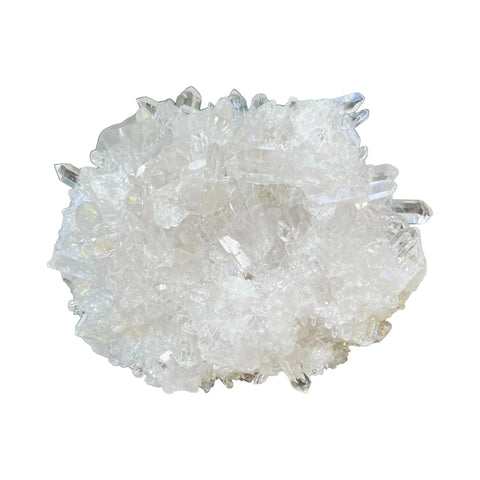
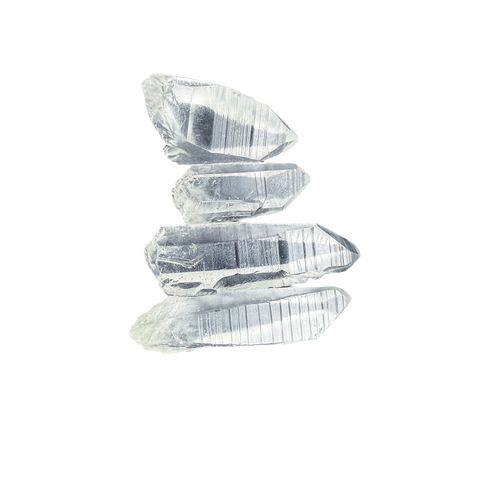
 Clear Quartz
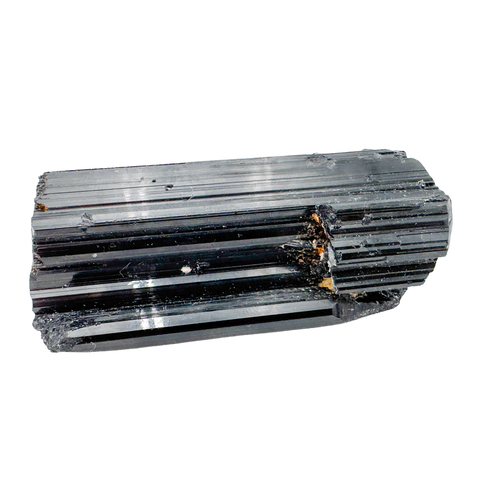
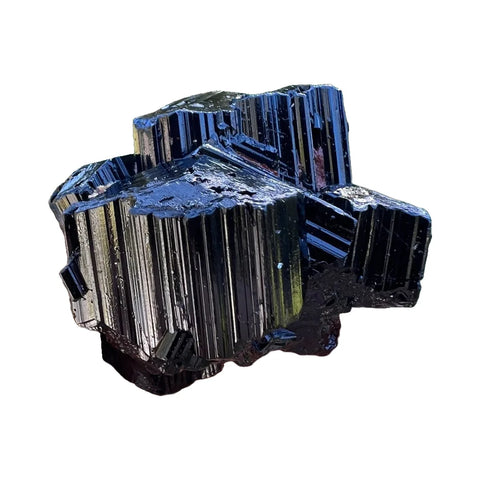
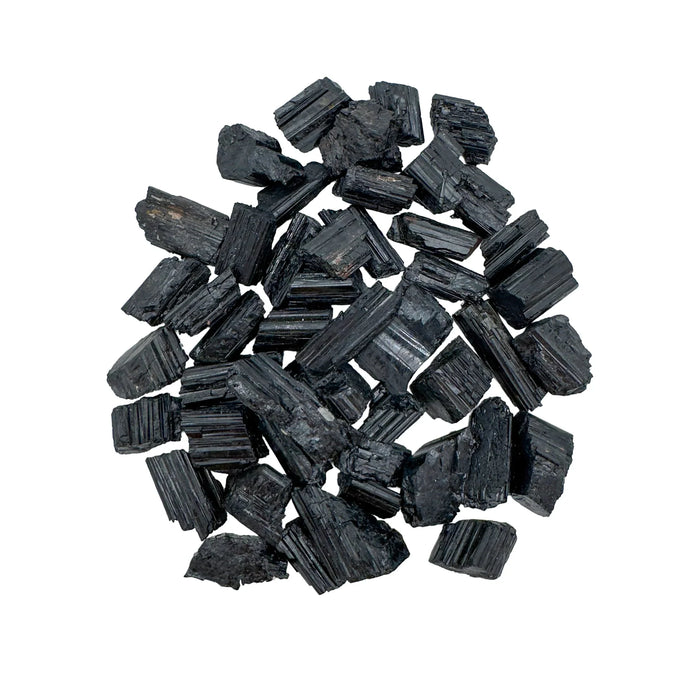
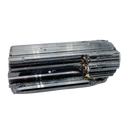 Black Tourmaline
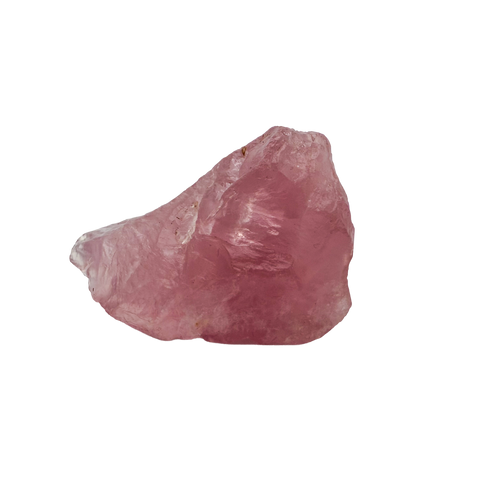
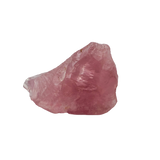 Rose Quartz
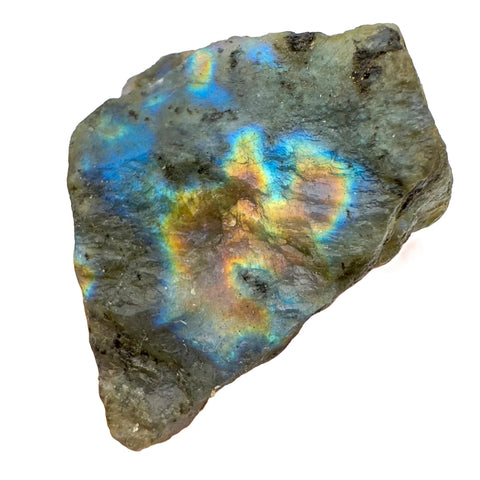
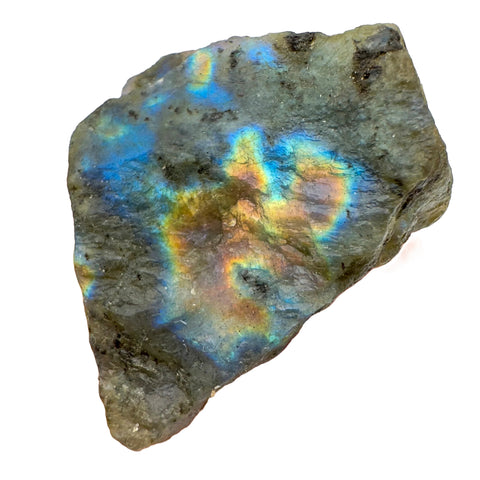
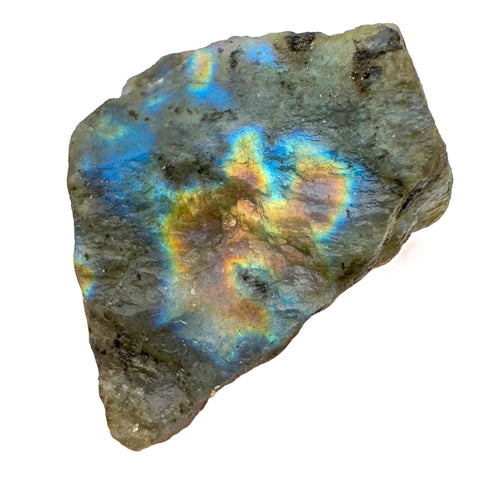
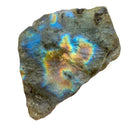 Labradorite
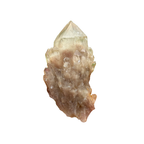 Natural Citrine
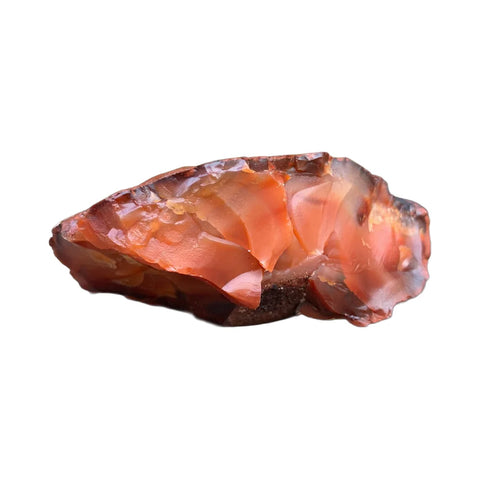
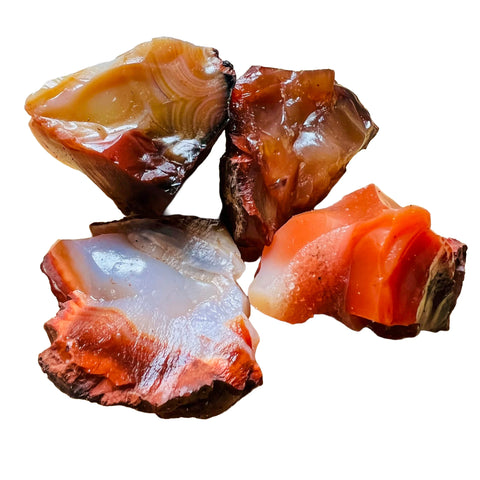
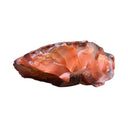 Carnelian
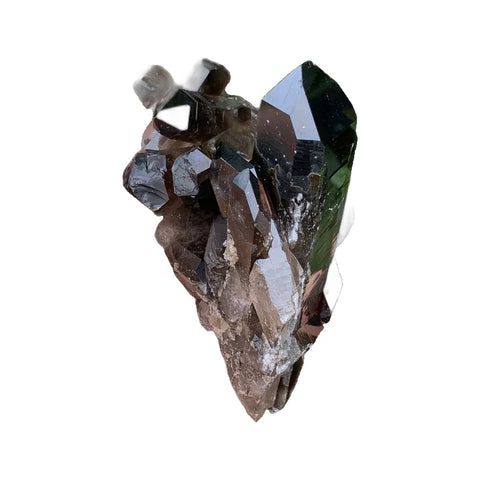
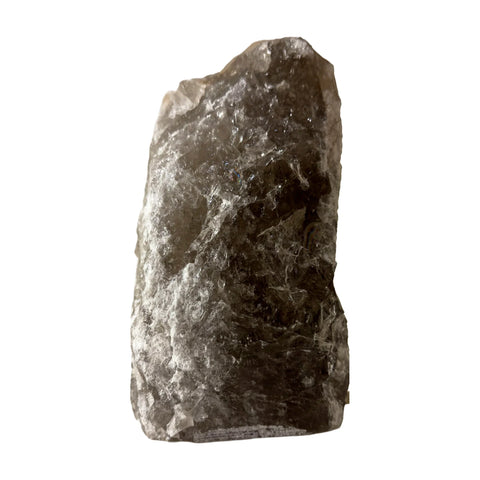
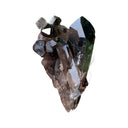 Smoky Quartz
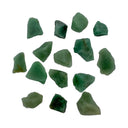 Aventurine
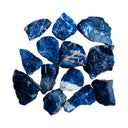 Sodalite
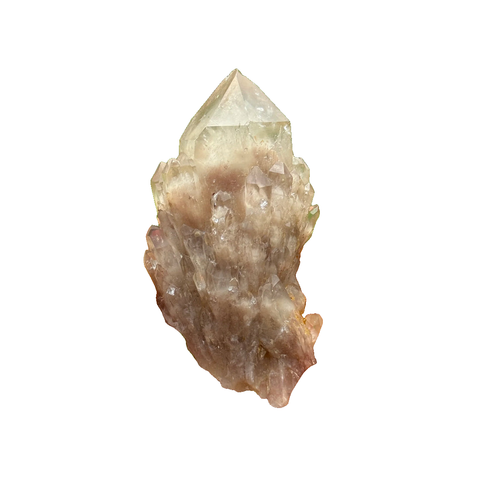
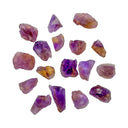 Ametrine
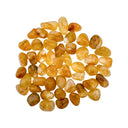 Golden Healer
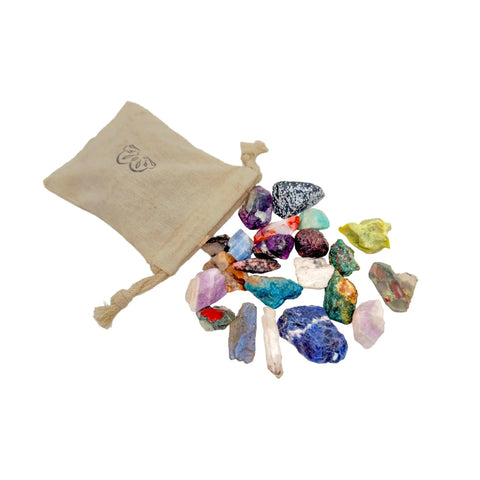
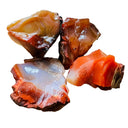 Raw Stones
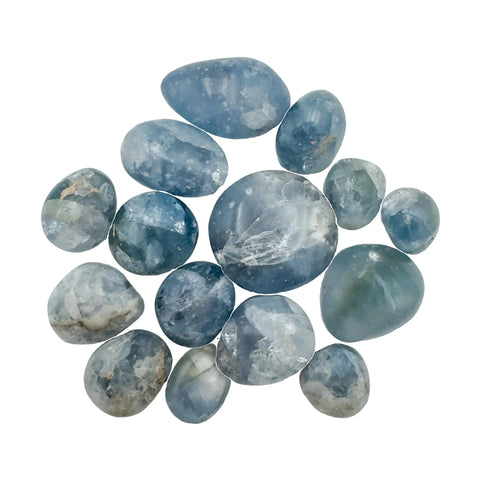
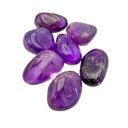 Tumbled Stones
 Palm Stones
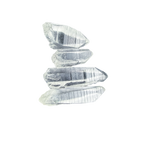 Crystal Points
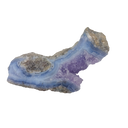 Clusters & Geodes
 Polished & Decor
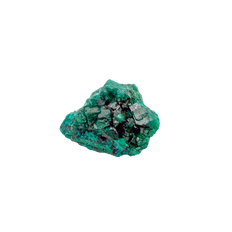 Mineral Specimens
 Crystal Chips
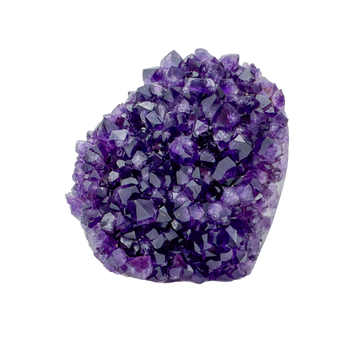
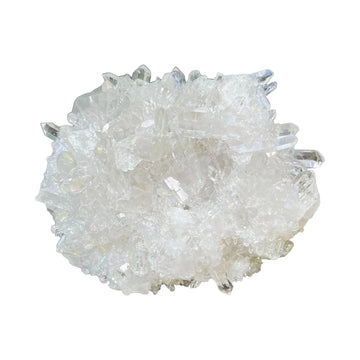
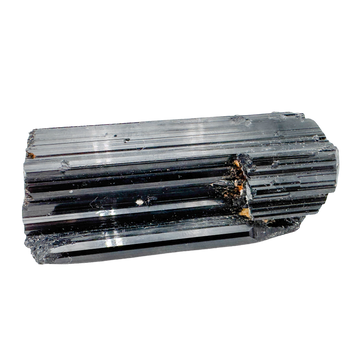
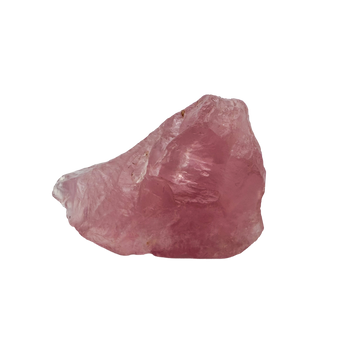
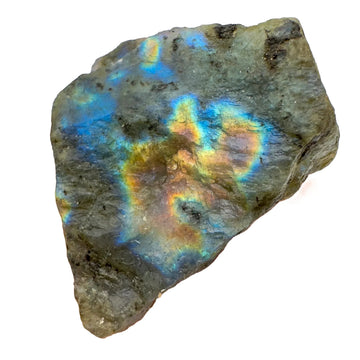
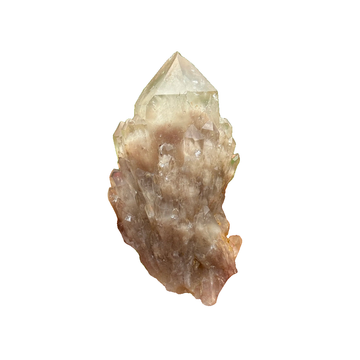
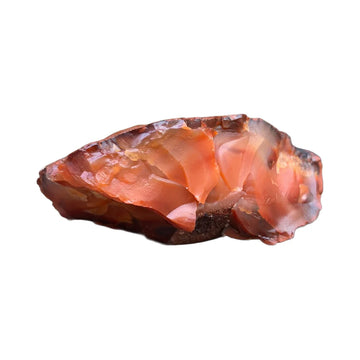
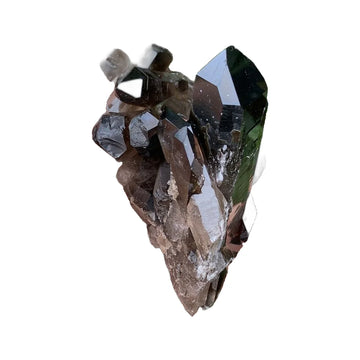
 Raw Stones
179 to choose from
Raw Stones
179 to choose from
 Tumbled Stones
162 to choose from
Tumbled Stones
162 to choose from
 Palm Stones
25 to choose from
Palm Stones
25 to choose from
 Crystal Points
23 to choose from
Crystal Points
23 to choose from
 Clusters & Geodes
98 to choose from
Clusters & Geodes
98 to choose from
 Polished & Decor
147 to choose from
Polished & Decor
147 to choose from
 Mineral Specimens
248 to choose from
Mineral Specimens
248 to choose from
 Crystal Chips
21 to choose from
Crystal Chips
21 to choose from


 AngolaAquamarine
›
AngolaAquamarine
›
 BotswanaCarnelian, Tree Agate
›
BotswanaCarnelian, Tree Agate
›
 DR CongoMalachite, Natural Citrine
›
DR CongoMalachite, Natural Citrine
›
 EswatiniBloodstone
›
EswatiniBloodstone
›
 MadagascarLabradorite, Clear Quartz
›
MadagascarLabradorite, Clear Quartz
›
 MalawiBlue Lace Agate, Garnet
›
MalawiBlue Lace Agate, Garnet
›
 MozambiqueAmazonite
›
MozambiqueAmazonite
›
 NamibiaSodalite, Blue Lace Agate
›
NamibiaSodalite, Blue Lace Agate
›
 Republic of the CongoDioptase
›
Republic of the CongoDioptase
›
 South AfricaTiger Eye, Unakite
›
South AfricaTiger Eye, Unakite
›
 ZambiaChevron Amethyst
›
ZambiaChevron Amethyst
›
 ZimbabweEmerald, Rhodonite
›
ZimbabweEmerald, Rhodonite
›
 ArgentinaBlack Obsidian, Rhodochrosite
›
ArgentinaBlack Obsidian, Rhodochrosite
›
 BoliviaAmetrine
›
BoliviaAmetrine
›
 BrazilAmethyst, Clear Quartz
›
BrazilAmethyst, Clear Quartz
›
 PeruSerpentine, Jade
›
PeruSerpentine, Jade
›
 UruguayAmethyst
›
UruguayAmethyst
›
 Dominican RepublicLarimar
›
Dominican RepublicLarimar
›
 MexicoRainbow Obsidian, Crazy Lace Agate
›
MexicoRainbow Obsidian, Crazy Lace Agate
›
 United StatesSelenite, Peridot
›
United StatesSelenite, Peridot
›
 ChinaFluorite
›
ChinaFluorite
›
 RussiaShungite
›
RussiaShungite
›
 AustraliaMookaite
›
AustraliaMookaite
›
 Where our crystals come from
See where we source →
Where our crystals come from
See where we source →


 Aries
Mar 21 to Apr 19
Carnelian
›
Aries
Mar 21 to Apr 19
Carnelian
›
 Taurus
Apr 20 to May 20
Rose Quartz
›
Taurus
Apr 20 to May 20
Rose Quartz
›
 Gemini
May 21 to Jun 20
Agate
›
Gemini
May 21 to Jun 20
Agate
›
 Cancer
Jun 21 to Jul 22
Moonstone
›
Cancer
Jun 21 to Jul 22
Moonstone
›
 Leo
Jul 23 to Aug 22
Citrine
›
Leo
Jul 23 to Aug 22
Citrine
›
 Virgo
Aug 23 to Sep 22
Amazonite
›
Virgo
Aug 23 to Sep 22
Amazonite
›
 Libra
Sep 23 to Oct 22
Blue Lace Agate
›
Libra
Sep 23 to Oct 22
Blue Lace Agate
›
 Scorpio
Oct 23 to Nov 21
Obsidian
›
Scorpio
Oct 23 to Nov 21
Obsidian
›
 Sagittarius
Nov 22 to Dec 21
Sodalite
›
Sagittarius
Nov 22 to Dec 21
Sodalite
›
 Capricorn
Dec 22 to Jan 19
Black Tourmaline
›
Capricorn
Dec 22 to Jan 19
Black Tourmaline
›
 Aquarius
Jan 20 to Feb 18
Amethyst
›
Aquarius
Jan 20 to Feb 18
Amethyst
›
 Pisces
Feb 19 to Mar 20
Aquamarine
›
Gifting?
A birthday stone is the safe bet.
Read the zodiac guide →
Pisces
Feb 19 to Mar 20
Aquamarine
›
Gifting?
A birthday stone is the safe bet.
Read the zodiac guide →


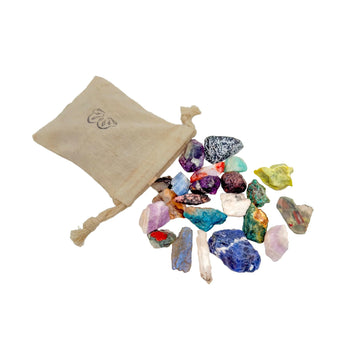
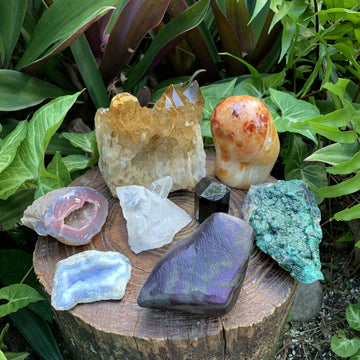
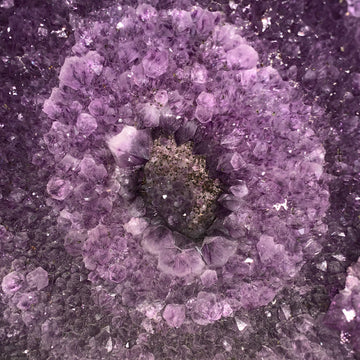
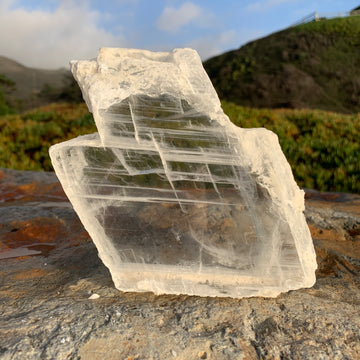
Spinel
For centuries some of the most famous rubies in the world were not rubies at all. They were spinel. The Black Prince's Ruby in the British Crown Jewels is a red spinel, and so is the Timur Ruby. Spinel is its own mineral, hard, brilliant, and often completely untreated, which is rare and refreshing in the colored stone world.
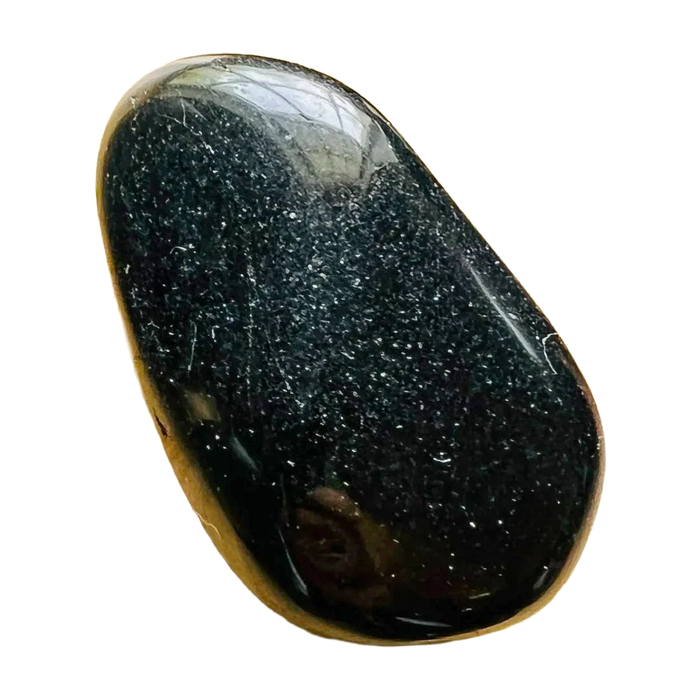
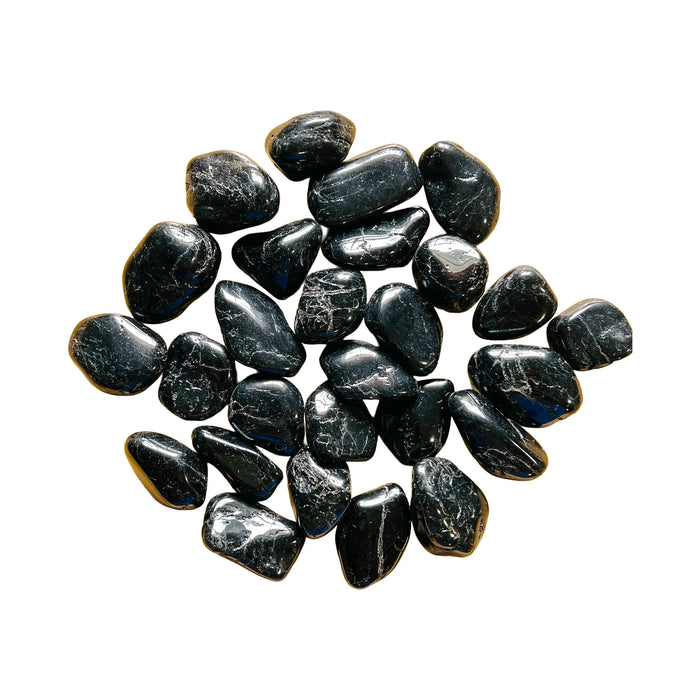
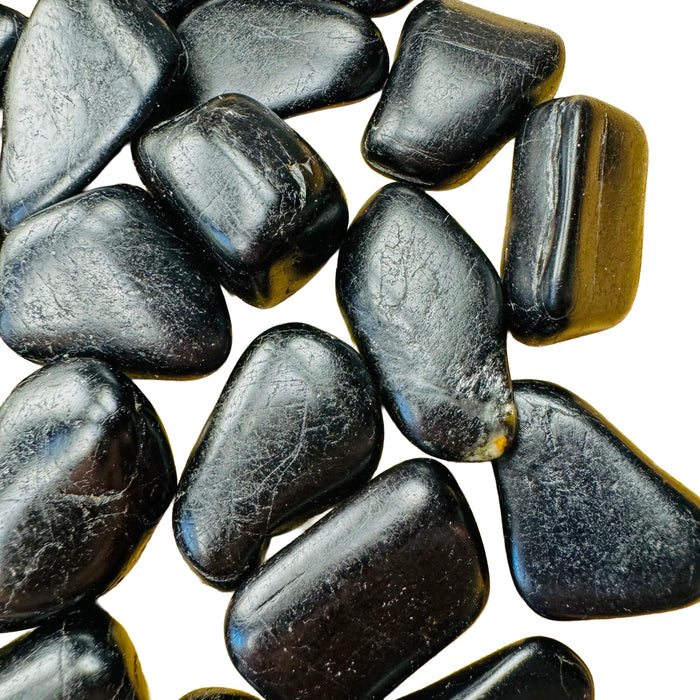
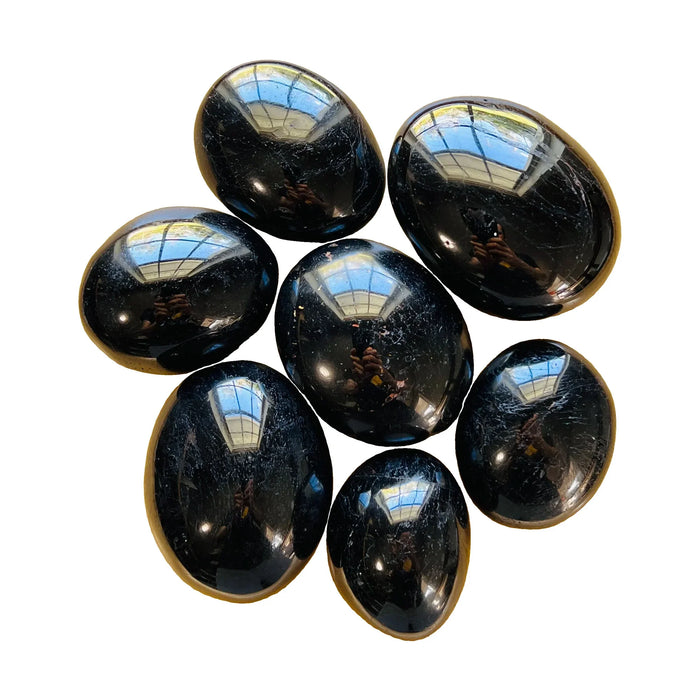
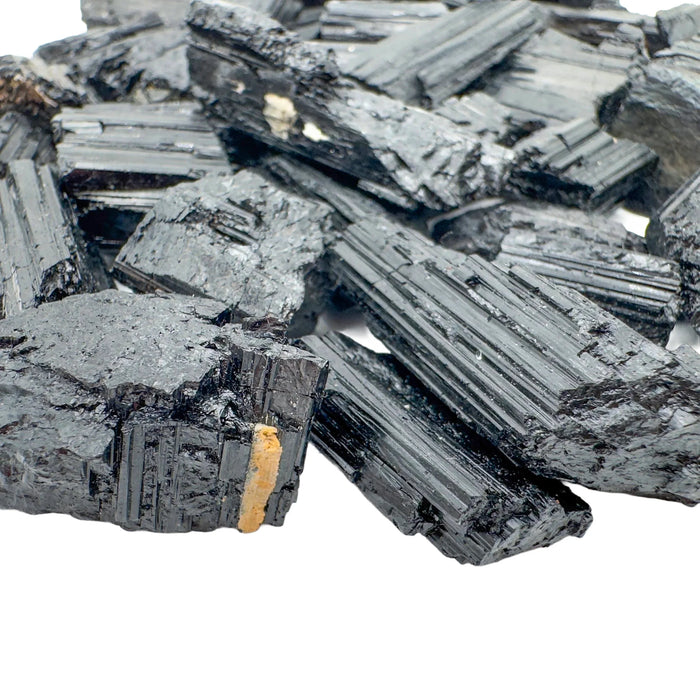
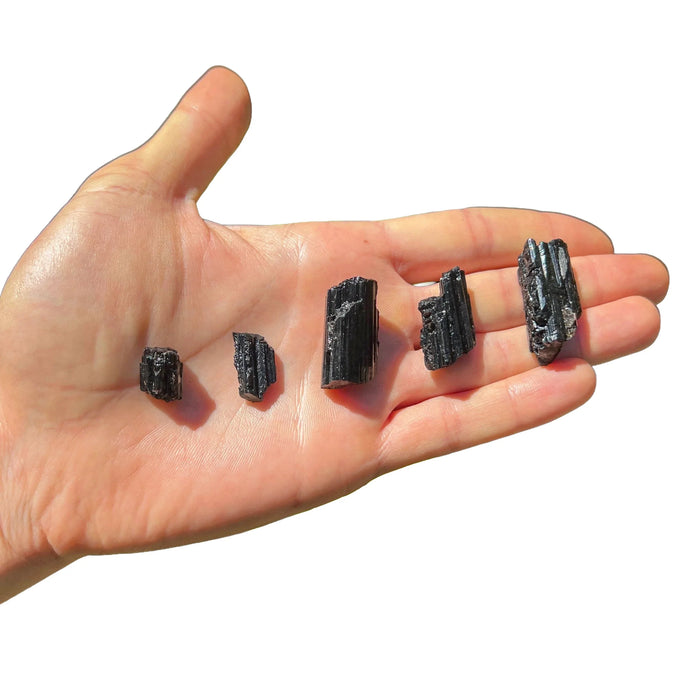
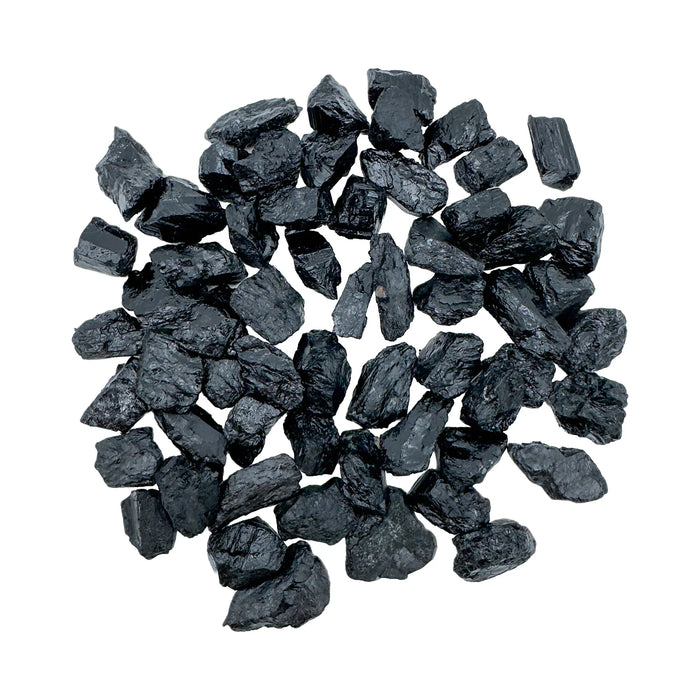
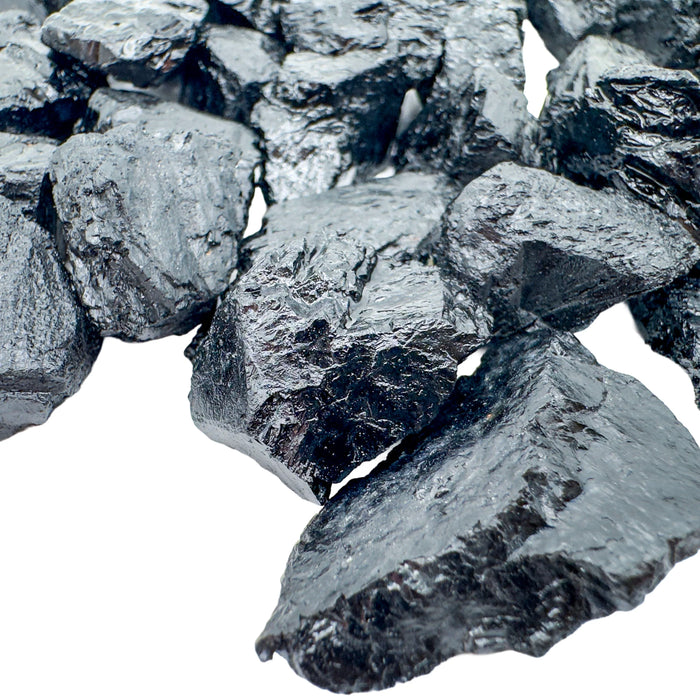
Love Spinel? Meet Black Tourmaline.
Spinel is not something we carry. Black Tourmaline is the closest match in color, and every product page names its origin and grade.

- from 1,000+ reviews
- Ships within 72 hoursMonday to Friday, tracked
- 90 days to return itif you do not love it
- Free US shipping over $99$8.99 flat rate under
The geology.
Spinel is magnesium aluminum oxide, formula MgAl2O4, and it crystallizes in the cubic system, often as clean, well-formed octahedra that look like two pyramids joined at the base. It rates 8 on the Mohs scale, has no cleavage, and a specific gravity around 3.5 to 4.1. Pure spinel is colorless, and trace elements paint it: chromium for red and pink, iron for blue and violet, and cobalt for the most vivid blues.
It typically forms in marble, the metamorphosed remains of limestone, and it often grows in the same deposits as ruby, which is exactly why the two were confused for so long. Unlike ruby, spinel is singly refractive, a quiet optical difference that, along with its octahedral habit, helps tell them apart.
The origins.
Myanmar, especially the Mogok region, has produced superb red and pink spinel for centuries. The old balas rubies of legend came from Kuh-i-Lal in the Badakhshan mountains of present-day Tajikistan and Afghanistan, and Sri Lanka's gem gravels have long yielded spinel in many colors.
Modern sources brought new stars. Mahenge in Tanzania, found in significant quantity around 2007, produces an electric hot pink to red that reset expectations for the stone. Vietnam's Luc Yen district and the gravels of Ilakaka in Madagascar add to a healthy global supply across the color range.
Traditional associations.
Spinel carries associations with energy, encouragement, and renewal, a stone many people reach for when they want to feel revitalized and steady. Red spinel in particular is tied to vitality and confidence, echoing its fiery color.
It is most often linked to the Root chakra for the reds, with other colors carrying their own gentle associations, and the element of fire. In 2016 spinel was added as a modern August birthstone, sharing the month with peridot and sardonyx.
Spotting the real thing.
Spinel is singly refractive and grows as octahedra, while ruby is doubly refractive and forms hexagonal crystals, the optical and crystal-shape differences that finally separated the two in the gem world. At 8 on the Mohs scale with no cleavage and good brilliance, natural spinel often contains tiny octahedral crystals or other inclusions of natural growth.
The main thing to catch is synthetic spinel, grown by flame fusion since the early 1900s and very common in cheap jewelry. Synthetics tend to be too clean, sometimes show curved growth striae, and appear in colors nature rarely makes, such as a bright aqua. For a valuable stone, a lab confirms natural versus synthetic.
Care & handling.
Spinel is a pleasure to own. At 8 on the Mohs scale with no cleavage, it handles daily wear well and is generally safe to clean with warm soapy water and a soft brush, and usually with ultrasonic cleaners too, since most spinel is untreated.
Its color is stable in light, so there is no fading to worry about. Store it apart from diamonds and other harder stones, and away from softer stones it could scratch, and it will stay bright for a very long time.
Pairs well with.
A deeper look.
Extended geology, sourcing, authentication, history, and varieties, for when the quick guide isn't quite enough.
Extended geology
Spinel is the namesake of a whole group of oxide minerals that share a cubic structure. Gem spinel is magnesium aluminum oxide, colored by trace chromium for reds and pinks, iron for blues, violets, and grays, and cobalt for the rare, intensely saturated blue. Its octahedral crystals and singly refractive nature are diagnostic, and at Mohs 8 with no cleavage it is both hard and tough, a combination that suits everyday jewelry.
Extended sourcing
Mogok in Myanmar is the historic home of fine red and pink spinel, formed in marble alongside ruby. The Kuh-i-Lal mines of Tajikistan and Afghanistan supplied the famous balas rubies of medieval treasuries. Sri Lanka offers a wide palette from gem gravels. The Mahenge find in Tanzania around 2007 brought vivid neon pinks and reds, and Vietnam and Madagascar round out today's supply.
Treatment and synthetics
Most natural spinel is sold untreated, a real advantage over routinely heated ruby and sapphire, though some heating to improve color does occur and should be disclosed. The larger issue is synthetic spinel, produced by the flame-fusion process since the early twentieth century and widespread in mass-market birthstone jewelry and simulant stones. Distinguishing natural from synthetic is the core authentication task.
Authentication in depth
Because spinel and ruby once looked identical to the eye, gemology leaned on optics: spinel is singly refractive with one refractive index, ruby is doubly refractive. Spinel's octahedral crystal habit, specific gravity, and inclusion scenes also help. Garnet, another red look-alike, differs in density and inclusions. A laboratory readily separates natural spinel from synthetic spinel and from other red and pink stones.
History and famous stones
The word balas ruby, an old name for red spinel, traces to Badakhshan, the region of the Kuh-i-Lal mines. The Black Prince's Ruby and the Timur Ruby in the British Crown Jewels are both spinels, celebrated as rubies for centuries before mineralogy could tell the difference. That history is why spinel is often called the great impostor, a title it wears with pride.
Varieties and market
Spinel spans vivid red, hot Mahenge pink, cobalt blue, lavender, gray, and black, with star spinel showing asterism. Fine red and cobalt blue stones command the highest prices, and appreciation has grown as buyers learn that spinel is hard, brilliant, and usually untreated. Grays, blacks, and pale stones remain accessible, making spinel a stone with options at many levels.
An education-first guide.
We made this guide to explain what spinel is, why famous rubies turned out to be spinel, and why most of it is untreated, so every decision you make about it is a better one, wherever you buy. Explore the rest of our crystal guides for more stones, each with full origin and treatment notes.
Explore the Crystal GuideGrounded Connections
New stones go to the list first.
No forwarding, no selling. Unsubscribe in one click. Privacy