


 Agatefor stress relief
 Amazonitefor stress relief
 Aquamarinefor serenity
 Aventurinefor luck
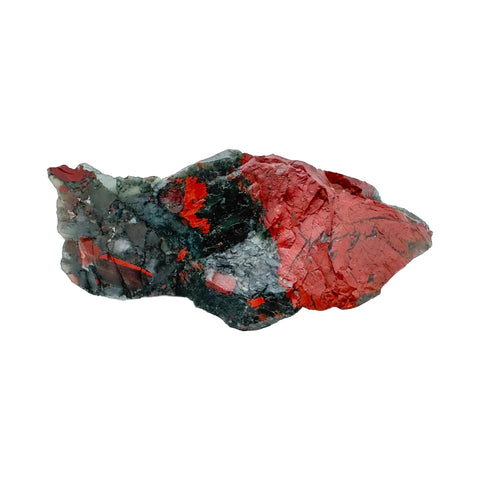
 Bloodstonefor energy
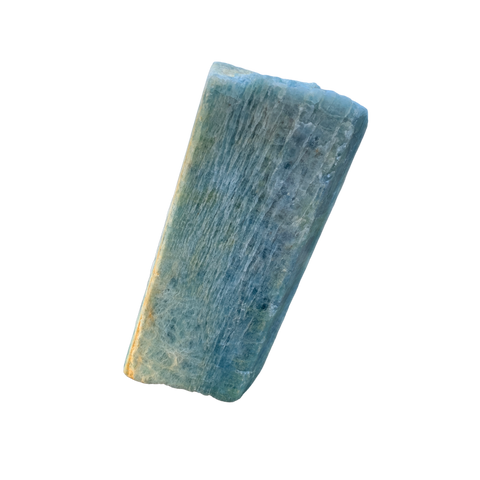
 Blue Kyanitefor confidence
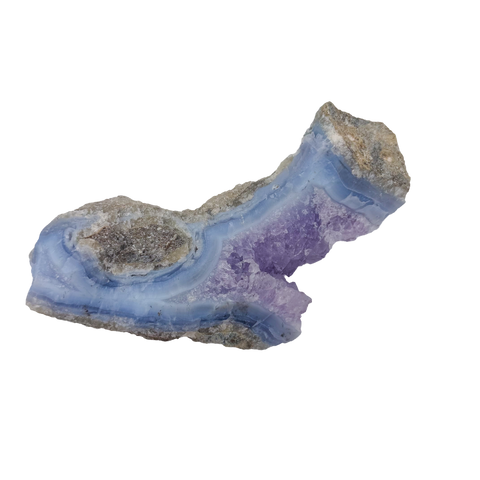
 Blue Lace Agatefor stress relief
 Chrysocollafor emotional healing
 Fluoritefor focus
 Garnetfor energy
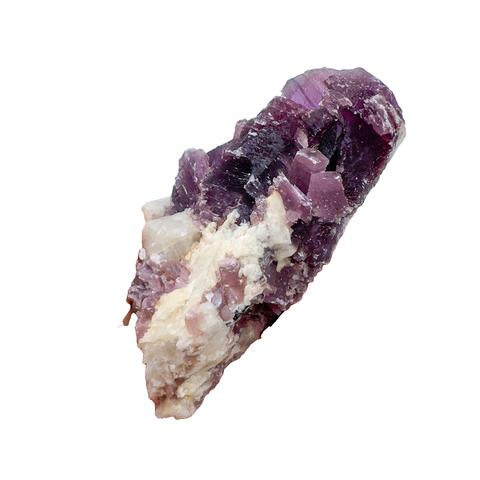
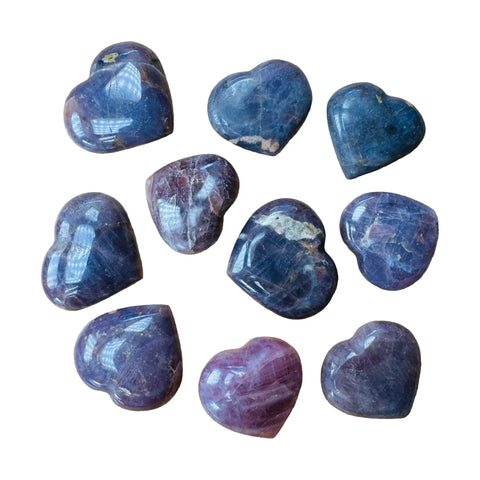
 Lepidolitefor stress relief
 Malachitefor emotional healing
 Moonstonefor grounding
 Obsidianfor protection
 Ocean Jasperfor emotional healing
 Red Jasperfor grounding
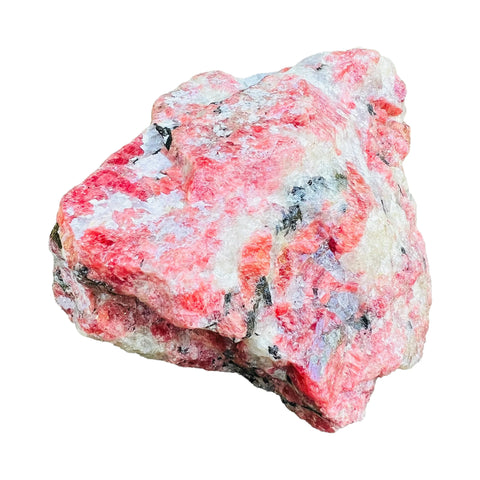
 Rhodonitefor emotional healing
 Selenitefor cleansing
 Sodalitefor focus
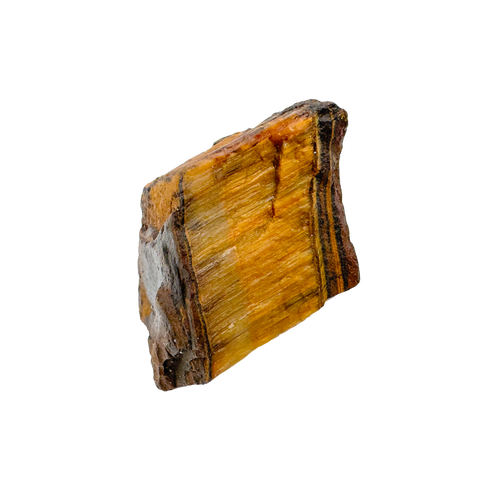
 Tiger Eyefor confidence
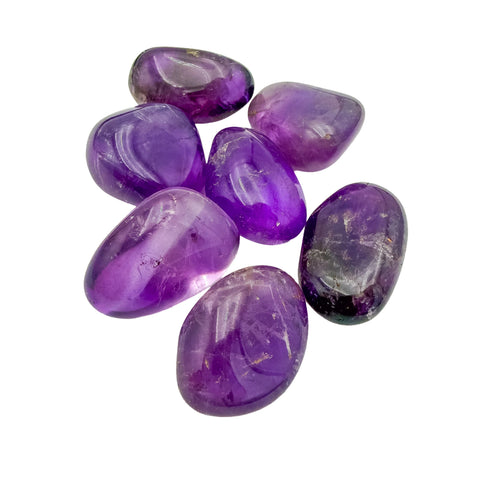




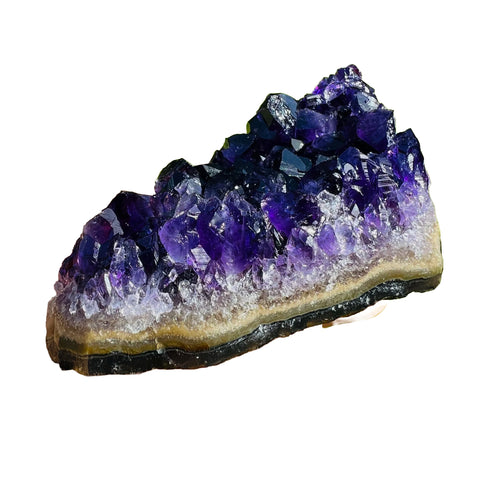





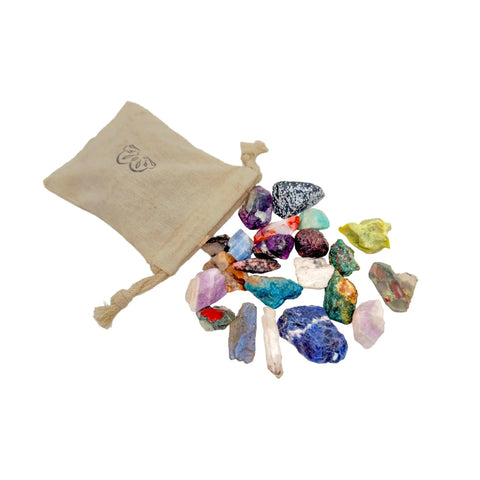
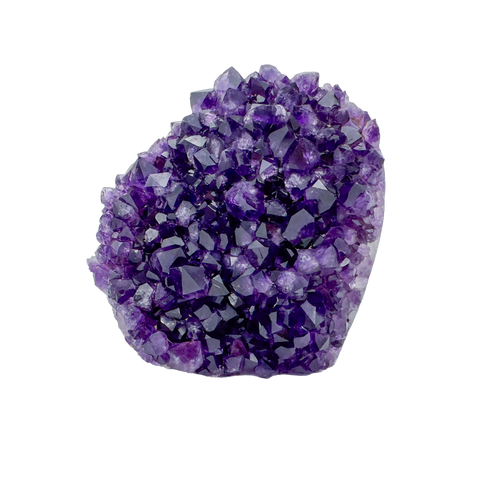
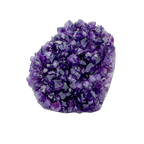 Amethyst
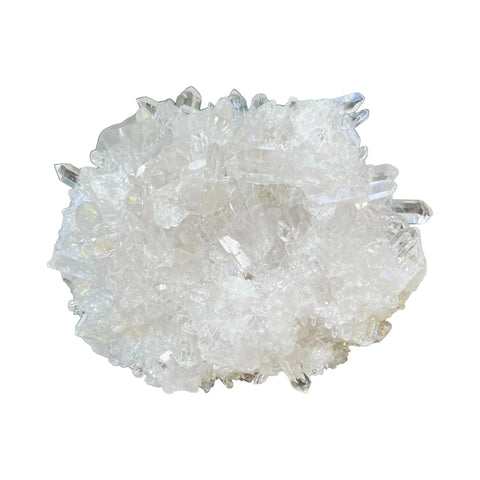
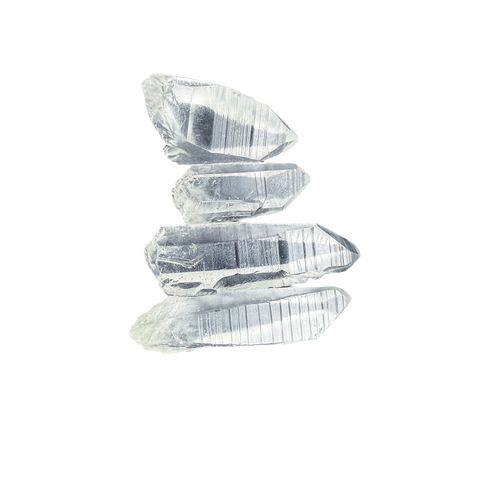
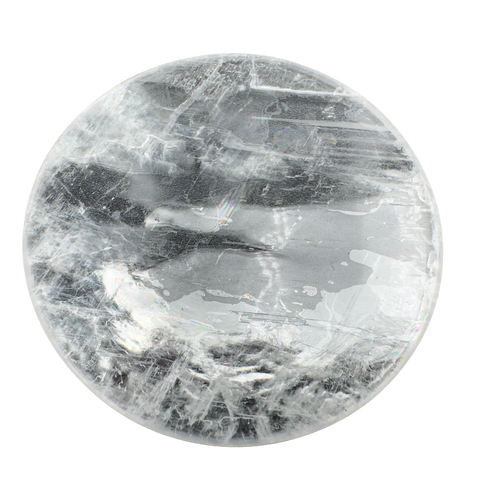
 Clear Quartz
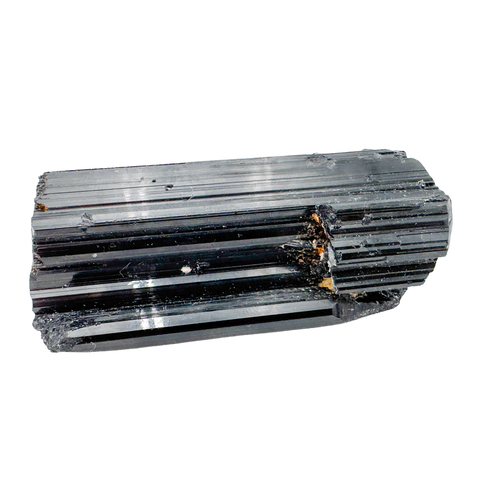
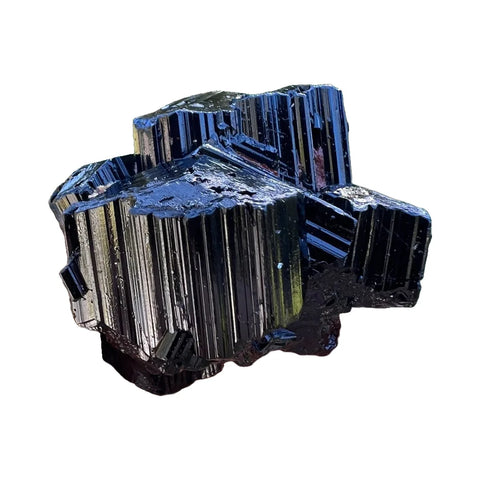
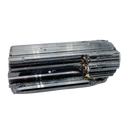 Black Tourmaline
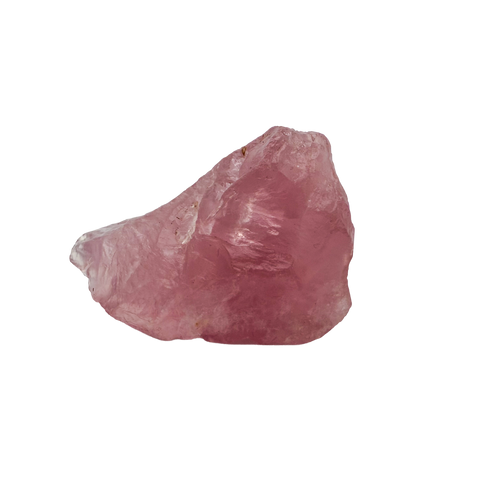
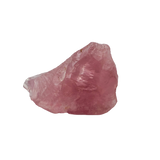 Rose Quartz
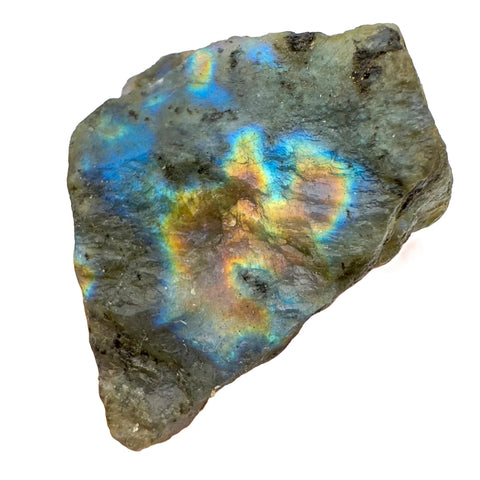
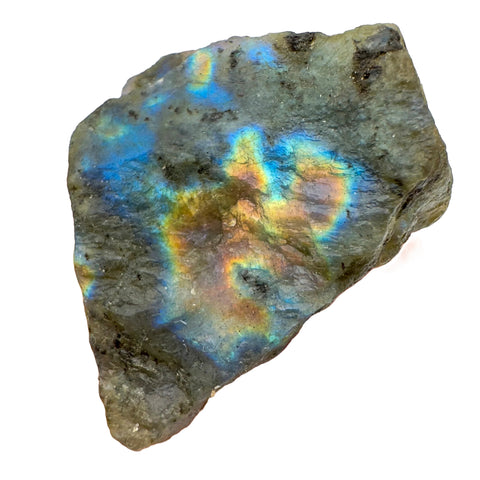
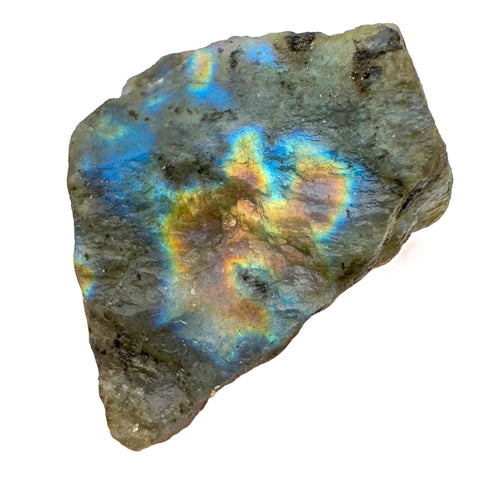
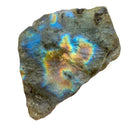 Labradorite
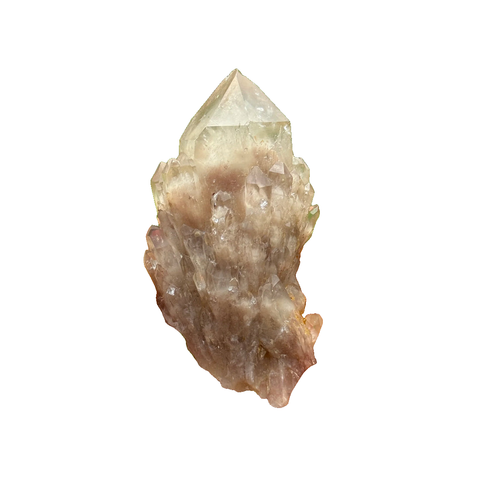
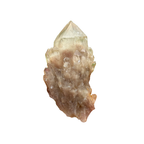 Natural Citrine
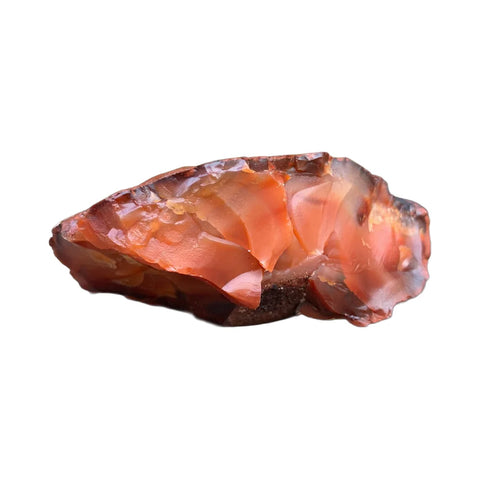
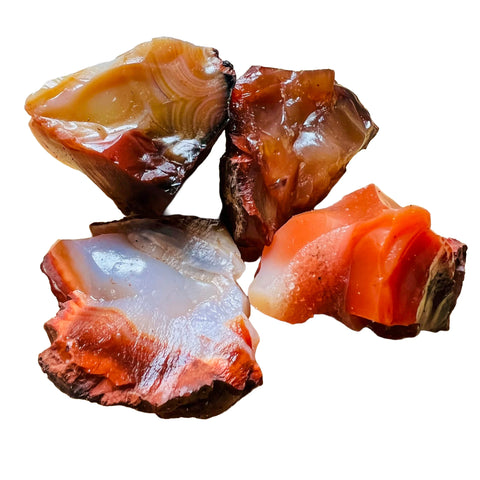
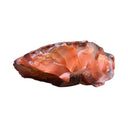 Carnelian
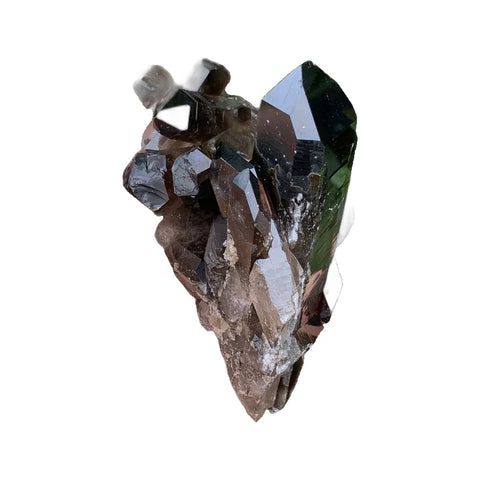
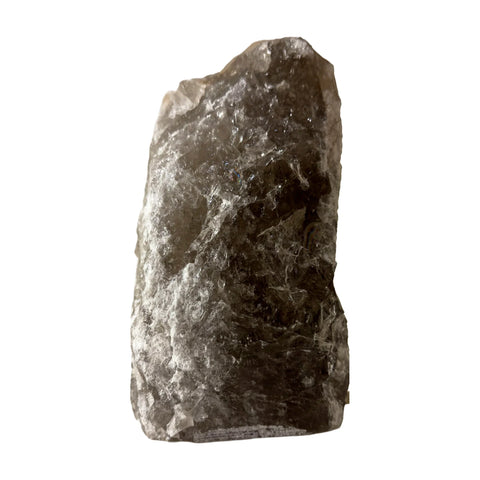
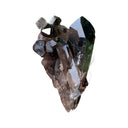 Smoky Quartz
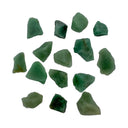 Aventurine
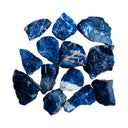 Sodalite
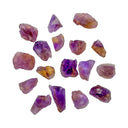 Ametrine
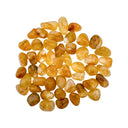 Golden Healer
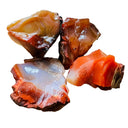 Raw Stones
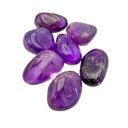 Tumbled Stones
 Palm Stones
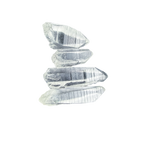 Crystal Points
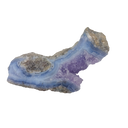 Clusters & Geodes
 Polished & Decor
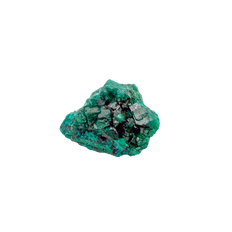 Mineral Specimens
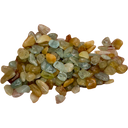 Crystal Chips
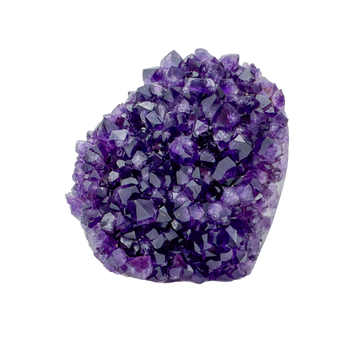
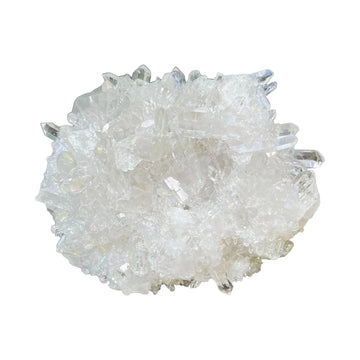
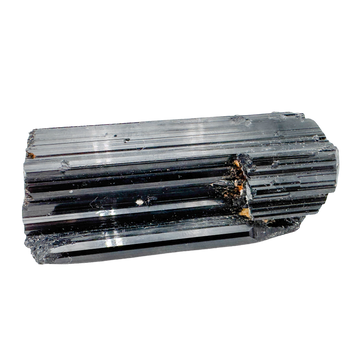
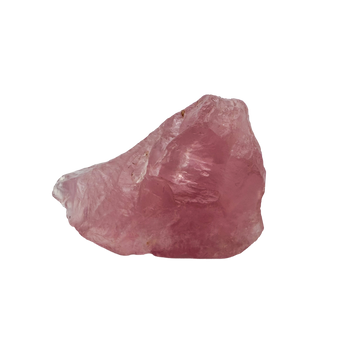
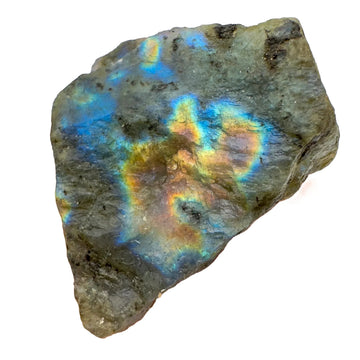
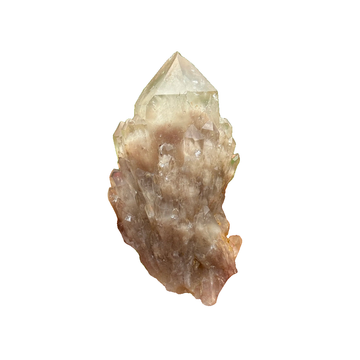
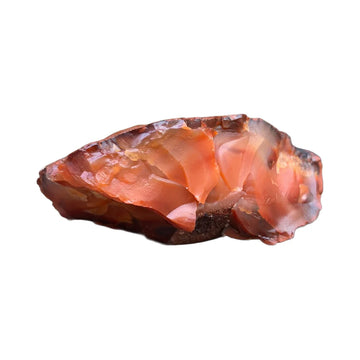
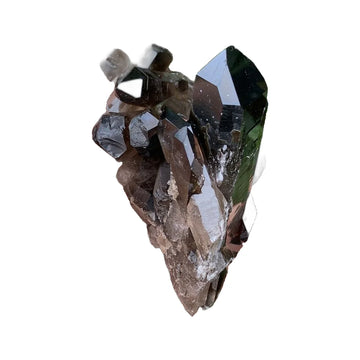
 Raw Stones
179 to choose from
Raw Stones
179 to choose from
 Tumbled Stones
162 to choose from
Tumbled Stones
162 to choose from
 Palm Stones
25 to choose from
Palm Stones
25 to choose from
 Crystal Points
23 to choose from
Crystal Points
23 to choose from
 Clusters & Geodes
103 to choose from
Clusters & Geodes
103 to choose from
 Polished & Decor
148 to choose from
Polished & Decor
148 to choose from
 Mineral Specimens
254 to choose from
Mineral Specimens
254 to choose from
 Crystal Chips
21 to choose from
Crystal Chips
21 to choose from


 AngolaAquamarine
›
AngolaAquamarine
›
 BotswanaCarnelian, Tree Agate
›
BotswanaCarnelian, Tree Agate
›
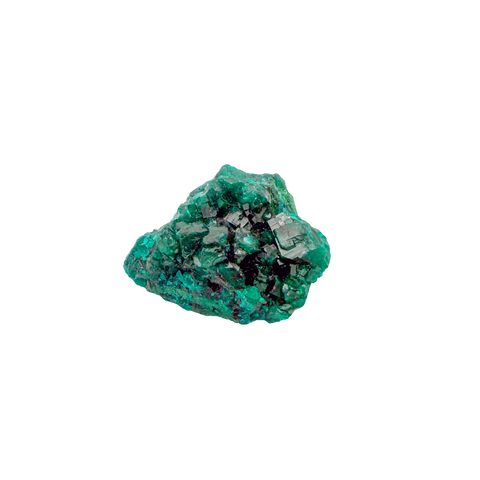
 DR CongoMalachite, Natural Citrine
›
DR CongoMalachite, Natural Citrine
›
 EswatiniBloodstone
›
EswatiniBloodstone
›
 MadagascarLabradorite, Clear Quartz
›
MadagascarLabradorite, Clear Quartz
›
 MalawiBlue Lace Agate, Garnet
›
MalawiBlue Lace Agate, Garnet
›
 MozambiqueAmazonite
›
MozambiqueAmazonite
›
 NamibiaSodalite, Blue Lace Agate
›
NamibiaSodalite, Blue Lace Agate
›
 Republic of the CongoDioptase
›
Republic of the CongoDioptase
›
 South AfricaTiger Eye, Unakite
›
South AfricaTiger Eye, Unakite
›
 ZambiaChevron Amethyst
›
ZambiaChevron Amethyst
›
 ZimbabweEmerald, Rhodonite
›
ZimbabweEmerald, Rhodonite
›
 ArgentinaBlack Obsidian, Rhodochrosite
›
ArgentinaBlack Obsidian, Rhodochrosite
›
 BoliviaAmetrine
›
BoliviaAmetrine
›
 BrazilAmethyst, Clear Quartz
›
BrazilAmethyst, Clear Quartz
›
 PeruSerpentine, Jade
›
PeruSerpentine, Jade
›
 UruguayAmethyst
›
UruguayAmethyst
›
 Dominican RepublicLarimar
›
Dominican RepublicLarimar
›
 MexicoRainbow Obsidian, Crazy Lace Agate
›
MexicoRainbow Obsidian, Crazy Lace Agate
›
 United StatesSelenite, Peridot
›
United StatesSelenite, Peridot
›
 ChinaFluorite
›
ChinaFluorite
›
 RussiaShungite
›
RussiaShungite
›
 AustraliaMookaite
›
AustraliaMookaite
›
 Where our crystals come from
See where we source →
Where our crystals come from
See where we source →


 Aries
Mar 21 to Apr 19
Carnelian
›
Aries
Mar 21 to Apr 19
Carnelian
›
 Taurus
Apr 20 to May 20
Rose Quartz
›
Taurus
Apr 20 to May 20
Rose Quartz
›
 Gemini
May 21 to Jun 20
Agate
›
Gemini
May 21 to Jun 20
Agate
›
 Cancer
Jun 21 to Jul 22
Moonstone
›
Cancer
Jun 21 to Jul 22
Moonstone
›
 Leo
Jul 23 to Aug 22
Citrine
›
Leo
Jul 23 to Aug 22
Citrine
›
 Virgo
Aug 23 to Sep 22
Amazonite
›
Virgo
Aug 23 to Sep 22
Amazonite
›
 Libra
Sep 23 to Oct 22
Blue Lace Agate
›
Libra
Sep 23 to Oct 22
Blue Lace Agate
›
 Scorpio
Oct 23 to Nov 21
Obsidian
›
Scorpio
Oct 23 to Nov 21
Obsidian
›
 Sagittarius
Nov 22 to Dec 21
Sodalite
›
Sagittarius
Nov 22 to Dec 21
Sodalite
›
 Capricorn
Dec 22 to Jan 19
Black Tourmaline
›
Capricorn
Dec 22 to Jan 19
Black Tourmaline
›
 Aquarius
Jan 20 to Feb 18
Amethyst
›
Aquarius
Jan 20 to Feb 18
Amethyst
›
 Pisces
Feb 19 to Mar 20
Aquamarine
›
Gifting?
A birthday stone is the safe bet.
Read the zodiac guide →
Pisces
Feb 19 to Mar 20
Aquamarine
›
Gifting?
A birthday stone is the safe bet.
Read the zodiac guide →


Rainbow Moonstone
Rainbow moonstone is the translucent white stone that throws a drifting blue or multicolored sheen as you turn it. Despite the name, it is not classic moonstone at all. It is white labradorite, a member of the plagioclase feldspar family, and the rainbow flash is light scattering inside the crystal rather than any color in the stone itself.
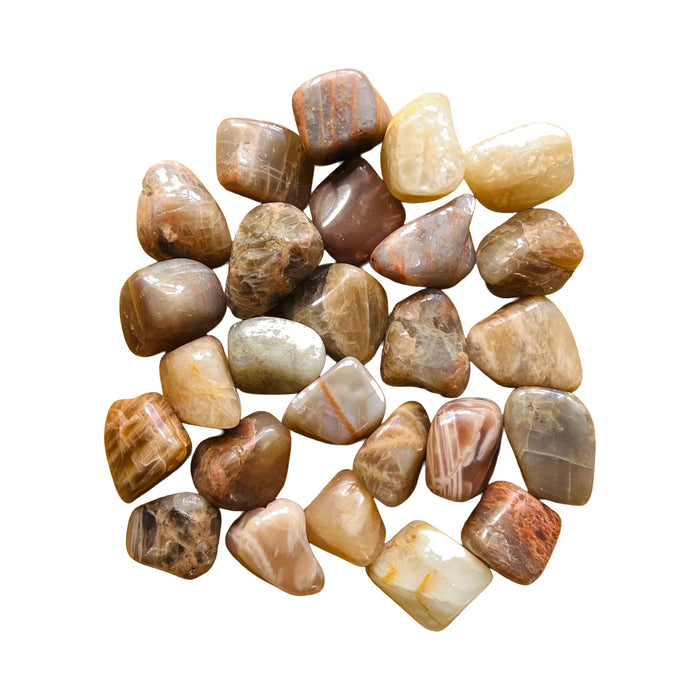
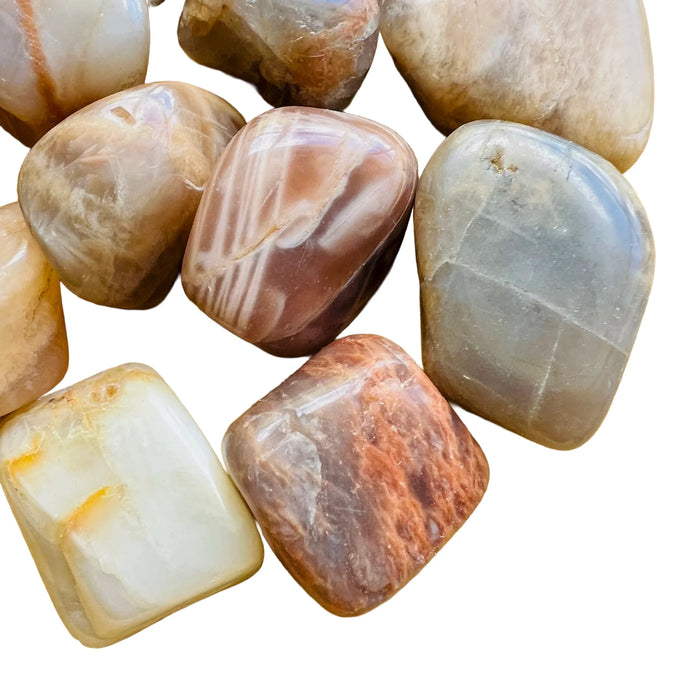
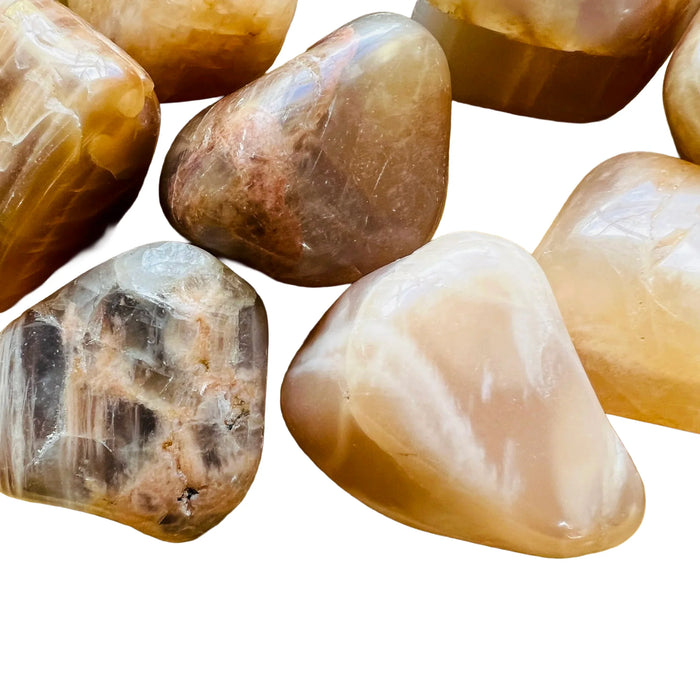
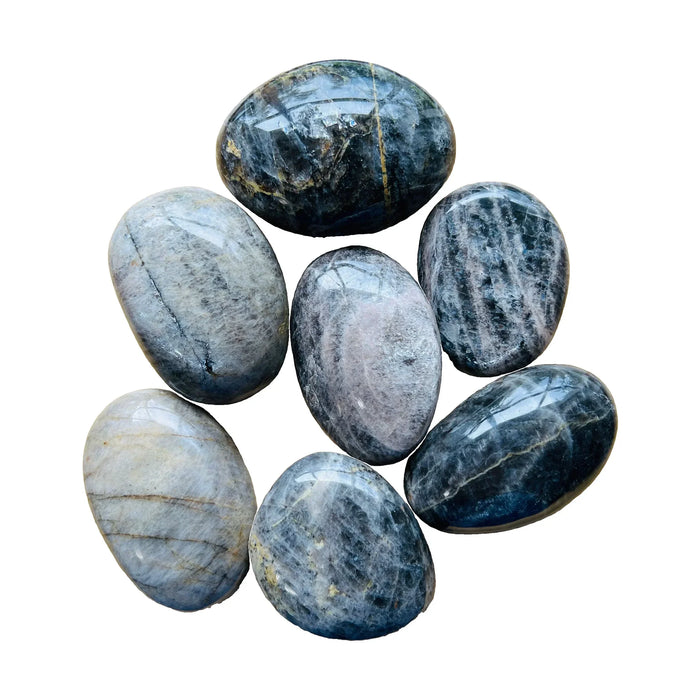
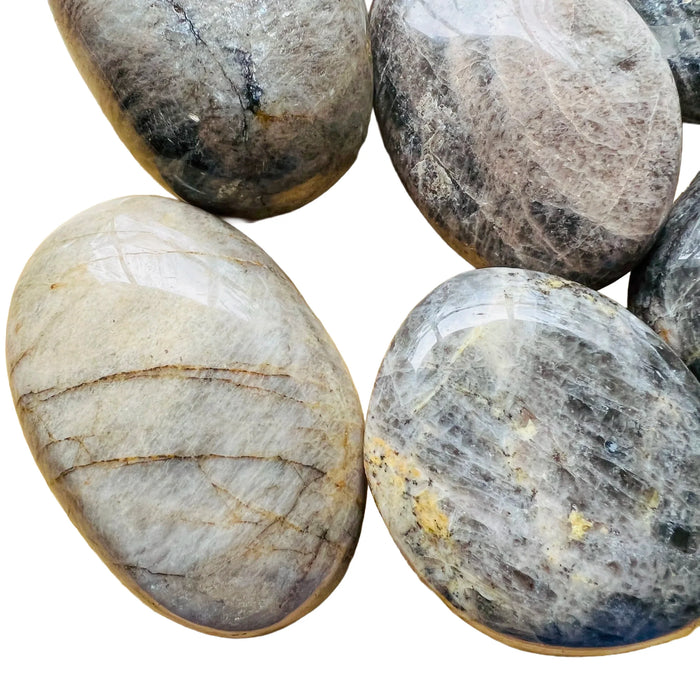
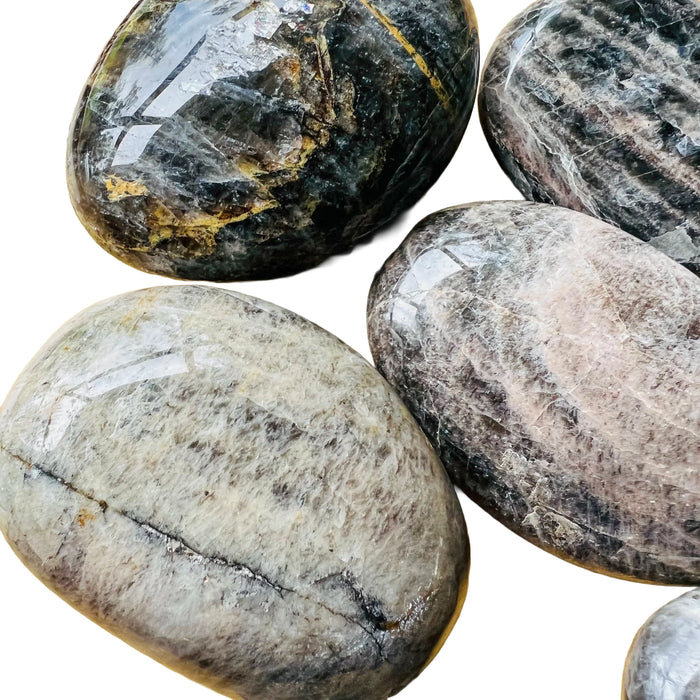
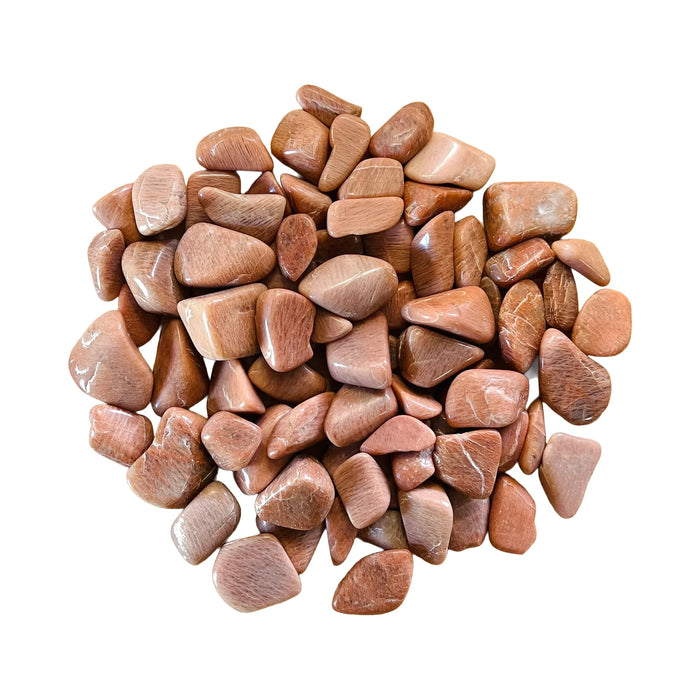
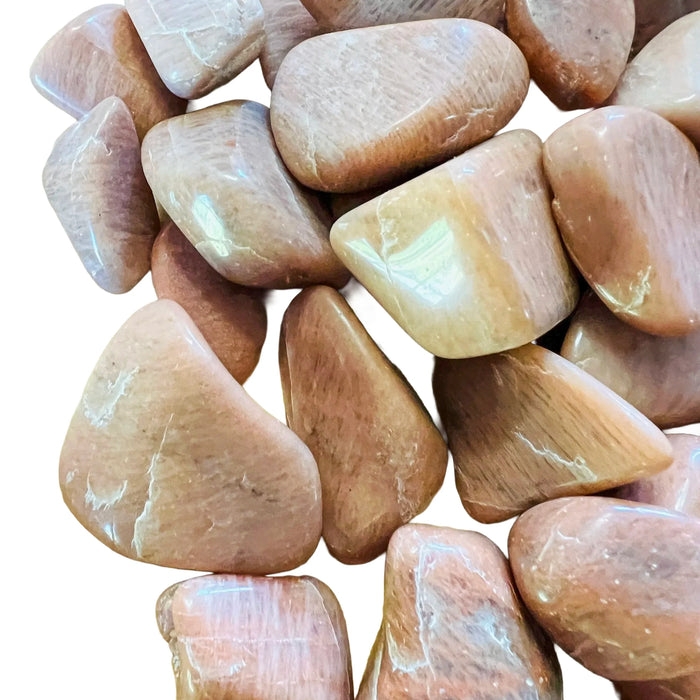
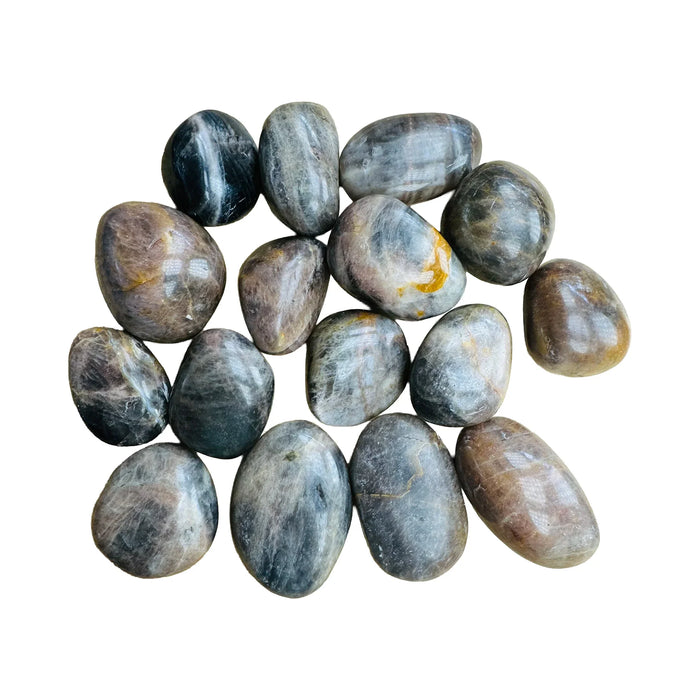
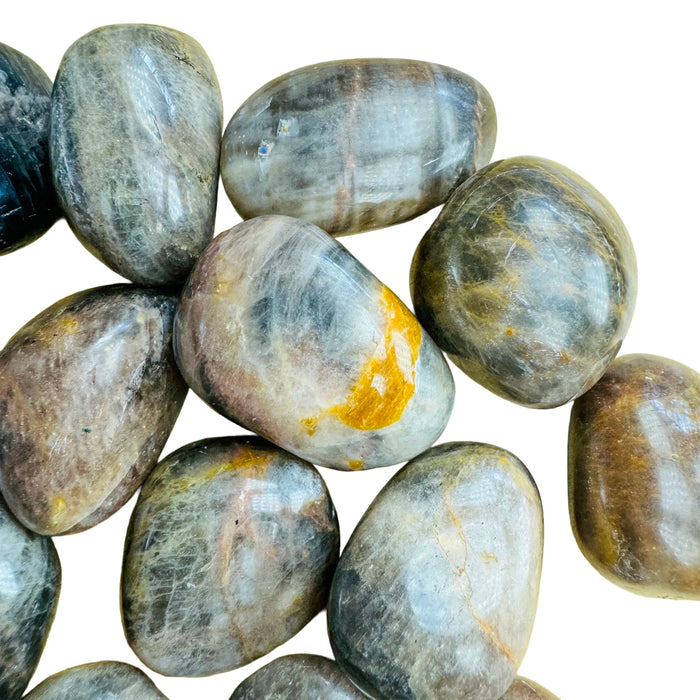
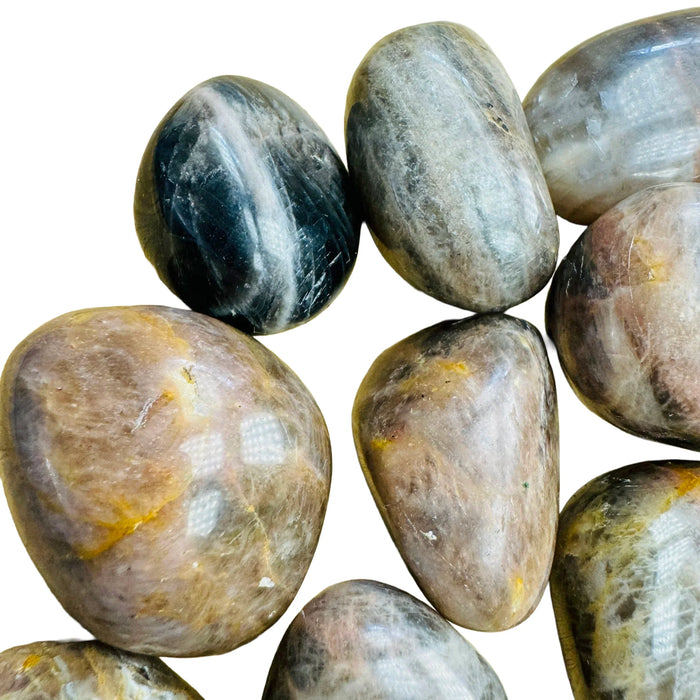
The closest match we carry: Moonstone.
Rainbow Moonstone is not something we carry. Moonstone is the closest match in our collection, and every product page names its origin and grade.

- from 1,000+ reviews
- Ships within 72 hoursMonday to Friday, tracked
- 90 days to return itif you do not love it
- Free US shipping over $99$8.99 flat rate under
The geology.
Rainbow moonstone is white labradorite, a plagioclase feldspar built from a sodium-calcium aluminosilicate. That makes it a close cousin of gray labradorite and a different mineral from classic moonstone, which is orthoclase, a potassium feldspar. The trade groups them together because they share that floating glow, but mineralogically they are not the same stone.
The sheen, called adularescence or labradorescence, is an optical effect. Microscopic alternating layers inside the feldspar scatter and interfere with light, sending back blue and sometimes a fuller rainbow that appears to hover beneath the surface and shift as the stone moves. The body itself is colorless to milky white and translucent, which is what lets that inner light read so clearly. Hardness is 6 to 6.5, with the two cleavage directions typical of feldspar.
The origins.
India is the leading source of the flashy rainbow material, supplying much of the translucent white labradorite cut into cabochons, beads, and freeforms. Sri Lanka, long famous for fine classic moonstone, also produces rainbow-sheen feldspar, and Madagascar is a major modern source of bright, strongly flashing pieces.
Smaller quantities come from Tanzania and elsewhere. Origin influences the look more in degree than in kind: the best stones from any of these sources combine a clean, water-clear body with a strong blue or multicolor flash, while lower grades are cloudier or show only a weak glow.
Traditional associations.
Moonstone of every kind carries lunar associations across many cultures, tied to the moon's cycles, intuition, and new beginnings. Rainbow moonstone inherits that reputation and adds the appeal of its full-spectrum flash, which many people read as light moving through darkness.
People often work with rainbow moonstone for intuition, emotional calm, and fresh starts, and associate it with the Crown and Third Eye, the element of Water, and the sign Cancer. A common practice is to keep a piece close during times of change or to wear it as a quietly luminous everyday stone.
Spotting the real thing.
The honest starting point is the name. Rainbow moonstone is white labradorite, so a knowledgeable seller will not pretend it is the rarer orthoclase moonstone. Real material shows a sheen that travels and changes as you tilt it, set in a translucent body, and often carries fine black needle-like inclusions of other minerals, which are a good sign of natural feldspar.
The usual imitation is opalite, a manufactured glass with a milky body and a bluish to orange glow that stays too uniform and does not drift the way crystal schiller does. Solid bodies with perfectly even color and no depth suggest glass. Ask whether a piece is natural white labradorite, and treat a flawless, bargain-priced rainbow glow with healthy skepticism.
Care & handling.
At 6 to 6.5 on the Mohs scale, rainbow moonstone is durable enough for jewelry but has feldspar cleavage, so a sharp knock on the wrong plane can split it. Protect ring and bracelet settings from impact, and store it apart from harder stones. A brief rinse in warm water with a soft cloth keeps it clean.
Skip ultrasonic and steam cleaners, which can find that cleavage, and avoid harsh chemicals and abrasives. The stone is stable in normal light, but as with most gems, store it out of prolonged harsh heat. Gentle handling preserves both the polish and the depth of the flash.
Pairs well with.
A deeper look.
Extended geology, sourcing, authentication, history, and varieties, for when the quick guide isn't quite enough.
Extended geology
Plagioclase feldspars form a continuous series between albite, the sodium end, and anorthite, the calcium end. Labradorite sits in the calcium-rich middle of that range. Rainbow moonstone is a near-colorless, highly transparent labradorite, in contrast to the dark gray labradorite known for its peacock flash. Specific gravity is around 2.68 to 2.72, with two good cleavage directions meeting near a right angle.
The optical sheen comes from lamellar intergrowths, extremely thin alternating layers that formed as the feldspar cooled and unmixed. Light entering the stone reflects off these layers and interferes, producing the blue or rainbow adularescence. Because the effect depends on internal structure rather than pigment, the way a stone is oriented during cutting strongly affects how much flash the finished piece shows.
Extended sourcing
India supplies a large share of commercial rainbow moonstone, valued for translucent bodies with strong blue flash. Madagascar produces especially vivid, full-rainbow material that has become popular in recent years. Sri Lanka, historically the source of the finest blue-sheen classic moonstone, also yields rainbow-flash feldspar, and Tanzania contributes additional supply.
Cutters orient each piece to catch the schiller, since the same rough can look plain or spectacular depending on the angle of the lamellae to the polished face. This is why two stones of similar size and clarity can differ widely in price: one was cut to release the flash, and the other was not.
Authentication and warning signs
Three honest distinctions matter. First, rainbow moonstone versus classic moonstone: the rainbow material is plagioclase (white labradorite), while classic adularescent moonstone is orthoclase, a separate feldspar usually showing a softer blue or white glow. Second, natural feldspar versus opalite, a man-made glass that mimics the glow but stays milky and even. Third, strong sheen versus weak.
Tells for the genuine stone include a flash that shifts with angle, a translucent rather than opaque body, and occasional natural inclusions such as black needles or fine internal cracks. Manufactured glass tends to be flawless, uniformly milky, and oddly consistent in its color play. A seller who correctly calls the stone white labradorite is usually one worth trusting.
History and folklore
Moonstone has been associated with the moon since antiquity, valued in ancient India and Rome and revived strongly during the Art Nouveau period, when designers prized its dreamy glow. Classic moonstone is a recognized June birthstone, and the lunar symbolism carries across the whole moonstone group.
Rainbow moonstone itself is a more modern trade name, popularized as transparent flashing labradorite reached wider markets. The label stuck because the stone behaves, visually and symbolically, like a more colorful moonstone, even though mineralogy places it with labradorite. Knowing that history helps explain why the same glow appears under two different mineral names.
Varieties and trade names
Within the moonstone group you will meet several looks: rainbow moonstone (flashing white labradorite), classic white or blue moonstone (orthoclase, with a soft floating sheen), and peach, gray, and green moonstones. Some stones are cut as cabochons to show a cat's eye or a four-rayed star when inclusions align.
The key practical division is plagioclase versus orthoclase. Rainbow moonstone belongs to the plagioclase, labradorite side, which is why its flash often runs to fuller color. Classic Sri Lankan and Indian blue moonstone belongs to the orthoclase side and tends toward a cooler, more silvery adularescence. Both are genuine, just different feldspars.
What it costs in the market
Value in rainbow moonstone tracks the flash above all. Stones with a clean, water-clear body and a strong, mobile blue or full-rainbow sheen sit at the top, while cloudy bodies or weak, patchy glow sell for much less. Larger cabochons that hold the sheen across the whole face also command more.
Because the look depends so much on cutting orientation and on the strength of the internal structure, the honest variables that set price are clarity of the body, intensity and color range of the sheen, size, and the quality of the cut. Treatment is rarely a factor, which keeps the focus on natural optical quality.
An education-first guide.
We don't currently carry rainbow moonstone, so there's nothing to sell you here. This guide exists because the more you understand a stone, the better every decision you make about it becomes, wherever you buy it. Explore the rest of our crystal guides for stones we do source, each with full origin and treatment notes.
Explore the Crystal GuideGrounded Connections
New stones go to the list first.
No forwarding, no selling. Unsubscribe in one click. Privacy