


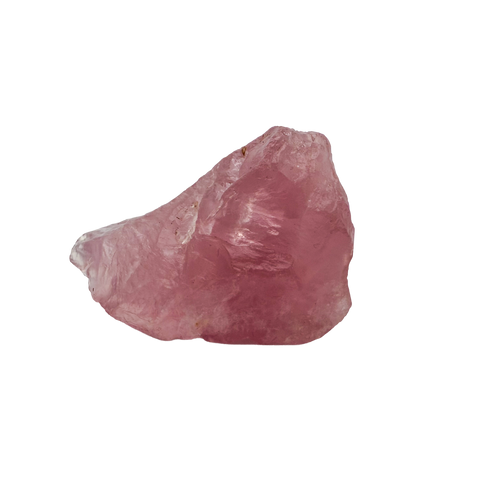
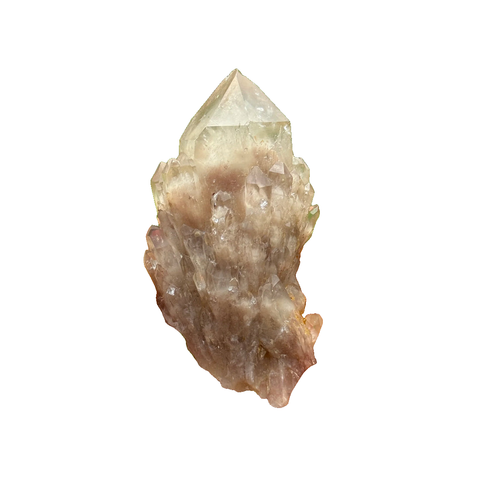
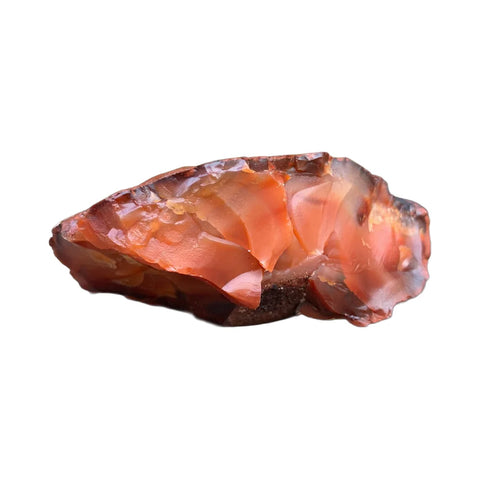
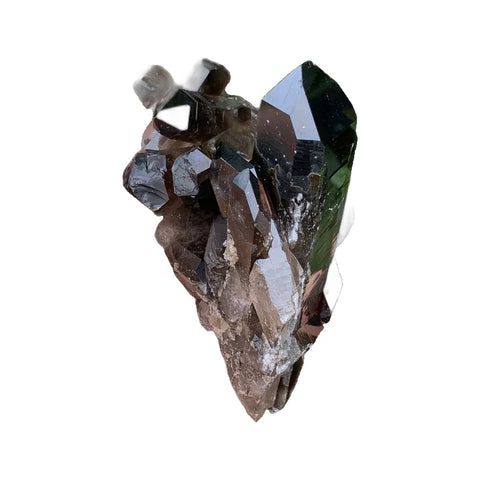
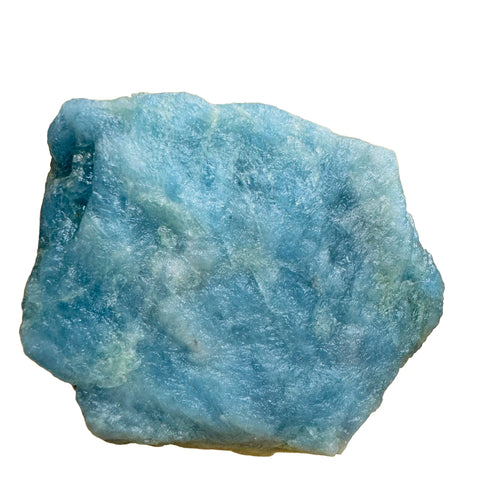
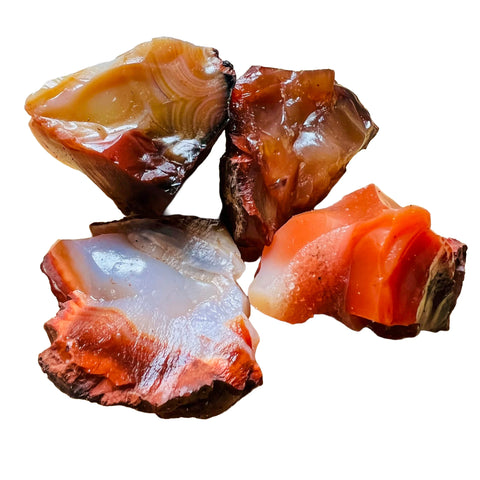


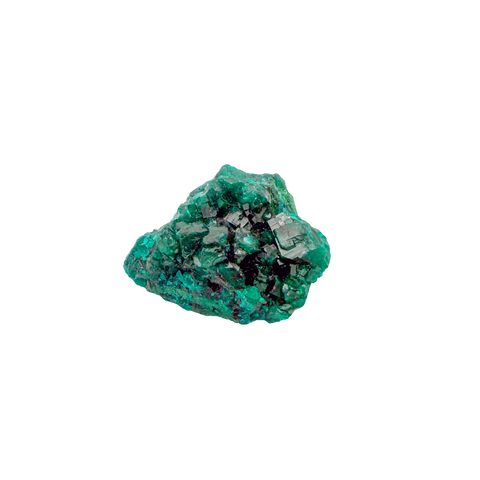
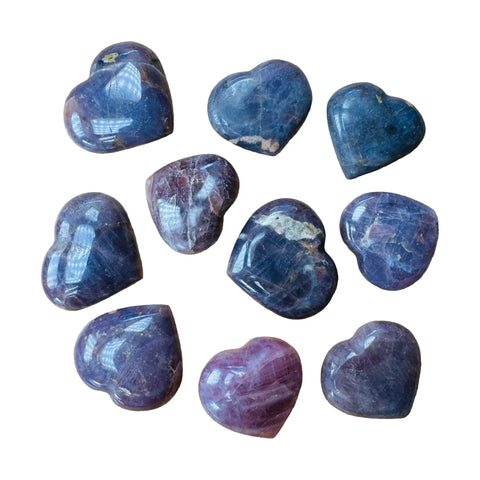
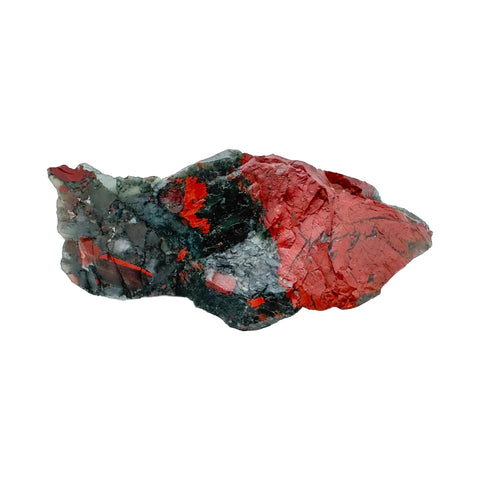
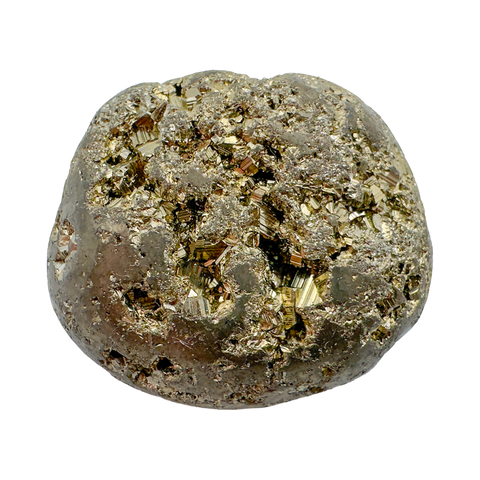
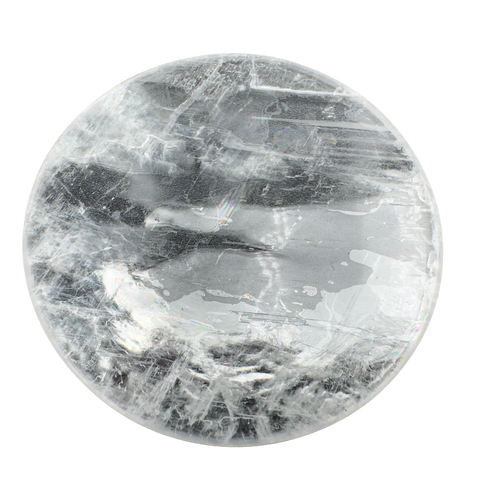
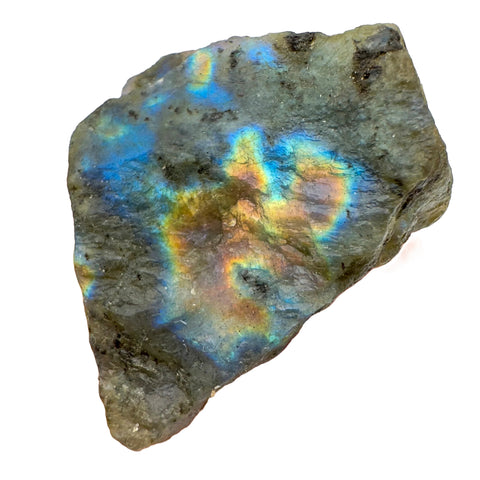
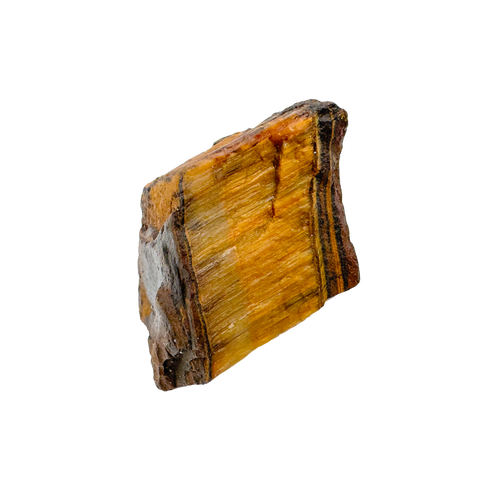
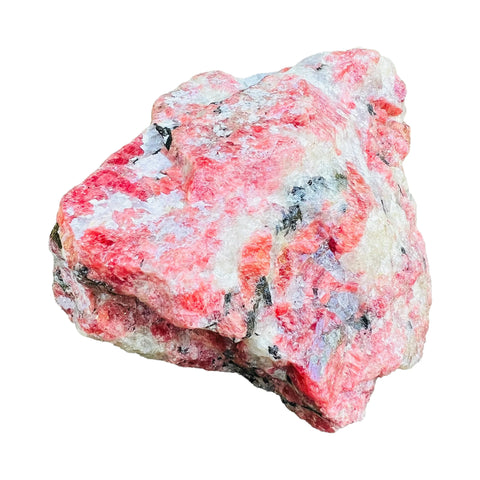
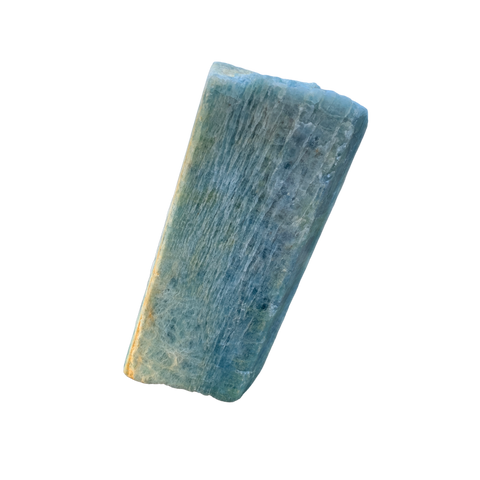
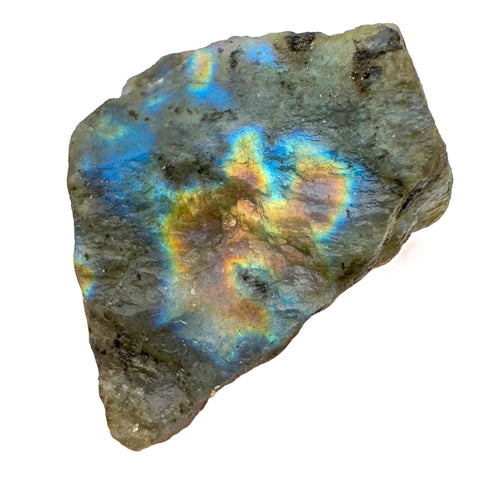
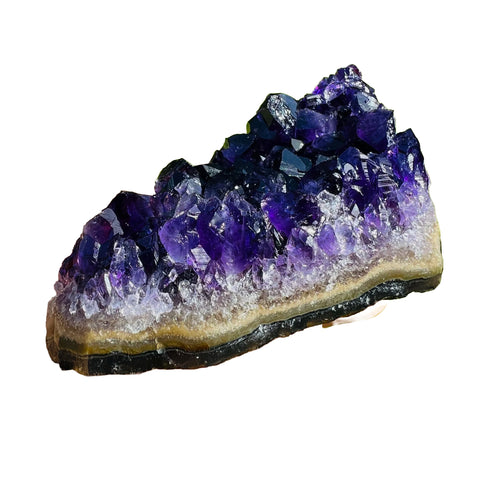



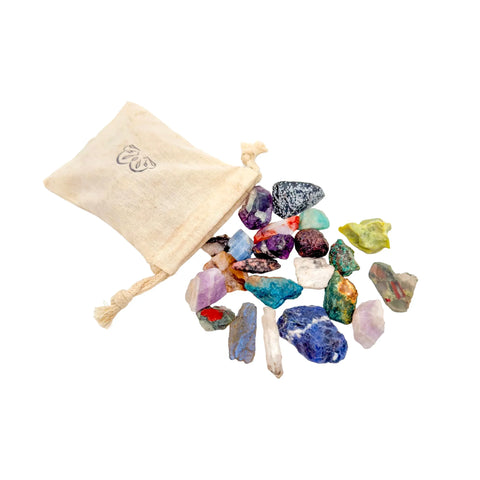
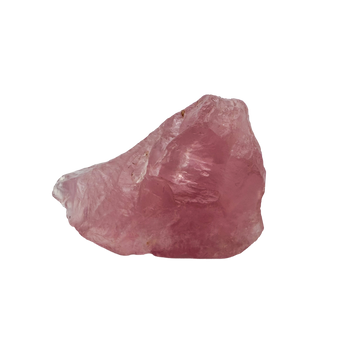
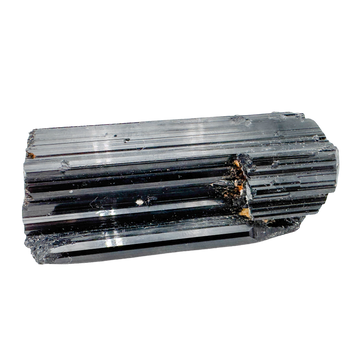
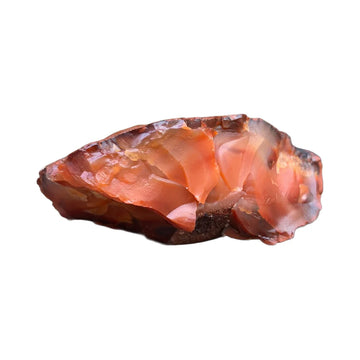
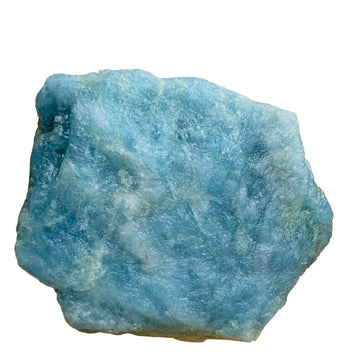
 Raw Stones
179 pieces
Raw Stones
179 pieces
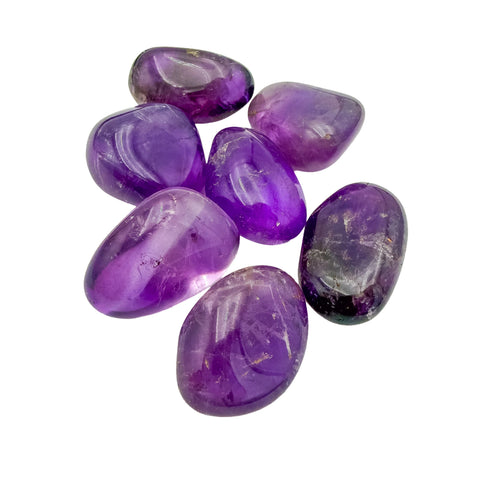
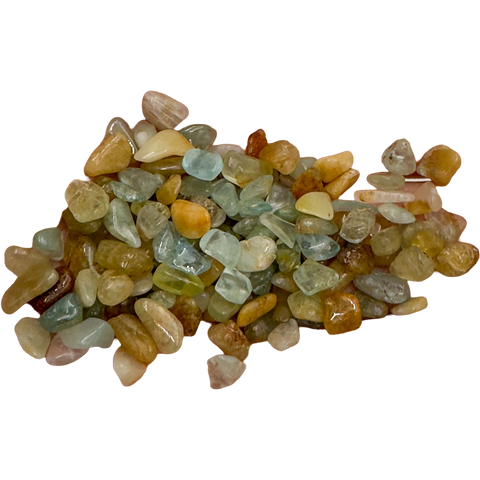
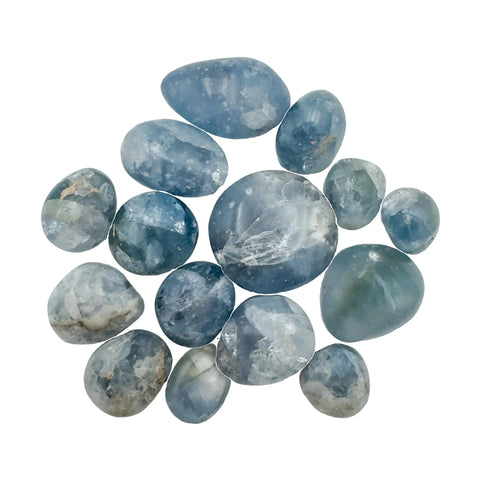
 Tumbled Stones
162 pieces
Tumbled Stones
162 pieces
 Palm Stones
25 pieces
Palm Stones
25 pieces
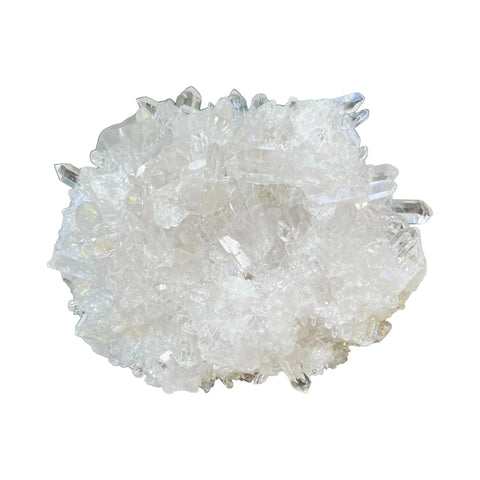
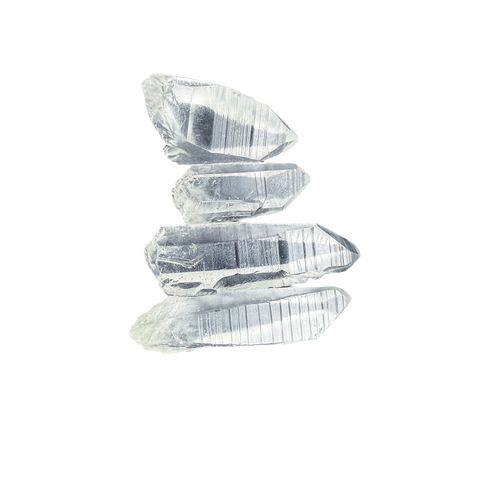
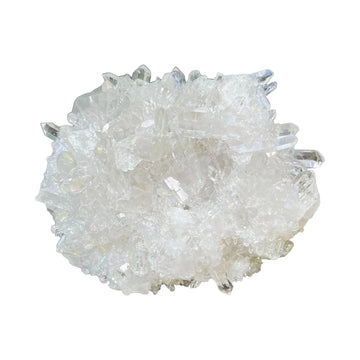
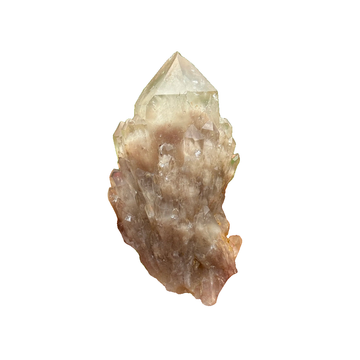
 Crystal Points
23 pieces
Crystal Points
23 pieces
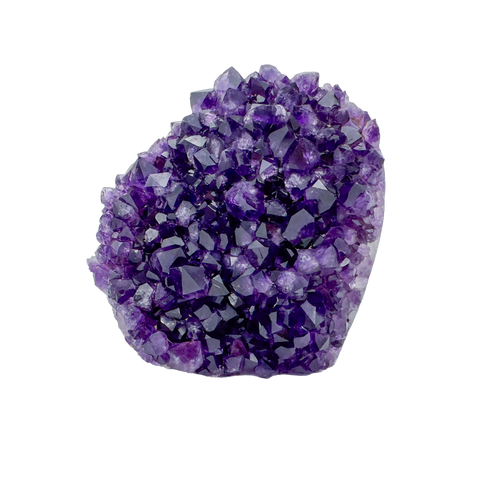
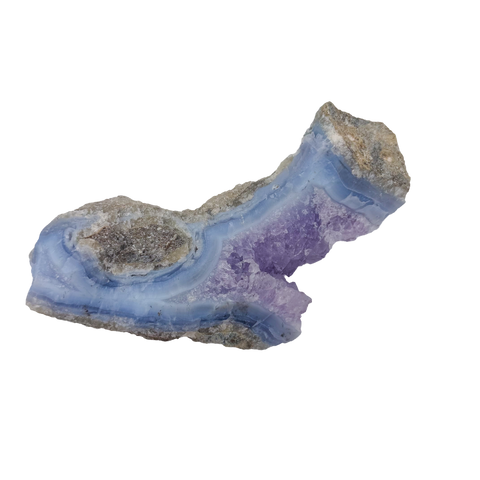
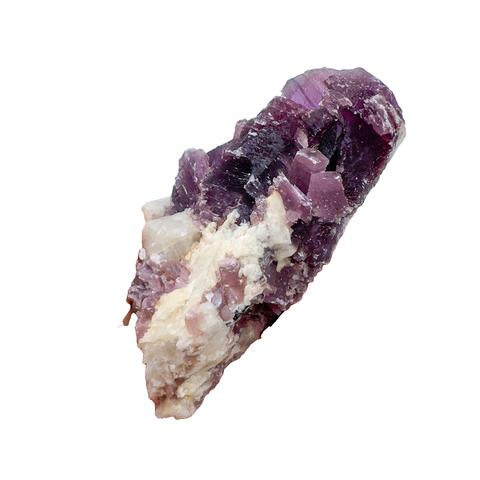
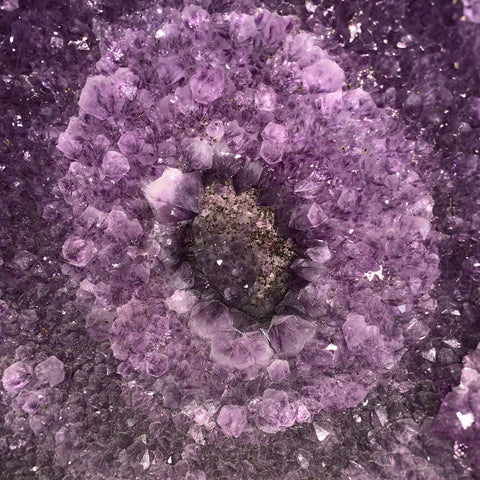
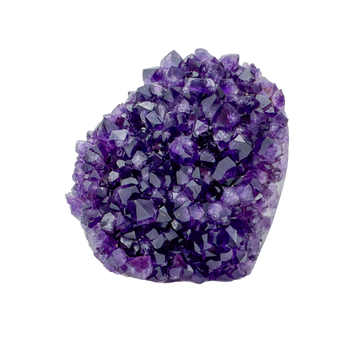
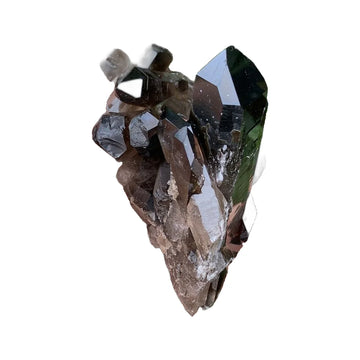
 Clusters & Geodes
104 pieces
Clusters & Geodes
104 pieces
 Polished & Decor
148 pieces
Polished & Decor
148 pieces
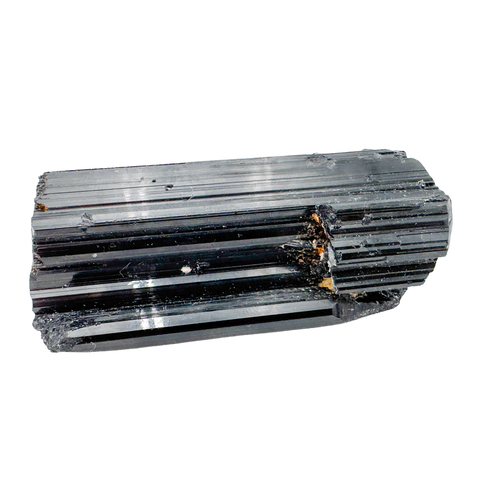
 Mineral Specimens
259 collector pieces
Mineral Specimens
259 collector pieces
 Crystal Chips
21 pieces
Browse everything
Every collection, one page.
View All Collections →
Crystal Chips
21 pieces
Browse everything
Every collection, one page.
View All Collections →


 Aries
Mar 21 – Apr 19
Carnelian
›
Aries
Mar 21 – Apr 19
Carnelian
›
 Taurus
Apr 20 – May 20
Rose Quartz
›
Taurus
Apr 20 – May 20
Rose Quartz
›
 Gemini
May 21 – Jun 20
Agate
›
Gemini
May 21 – Jun 20
Agate
›
 Cancer
Jun 21 – Jul 22
Moonstone
›
Cancer
Jun 21 – Jul 22
Moonstone
›
 Leo
Jul 23 – Aug 22
Citrine
›
Leo
Jul 23 – Aug 22
Citrine
›
 Virgo
Aug 23 – Sep 22
Amazonite
›
Virgo
Aug 23 – Sep 22
Amazonite
›
 Libra
Sep 23 – Oct 22
Blue Lace Agate
›
Libra
Sep 23 – Oct 22
Blue Lace Agate
›
 Scorpio
Oct 23 – Nov 21
Obsidian
›
Scorpio
Oct 23 – Nov 21
Obsidian
›
 Sagittarius
Nov 22 – Dec 21
Sodalite
›
Sagittarius
Nov 22 – Dec 21
Sodalite
›
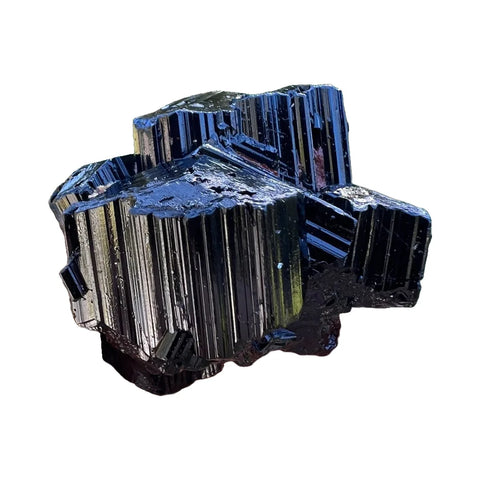
 Capricorn
Dec 22 – Jan 19
Black Tourmaline
›
Capricorn
Dec 22 – Jan 19
Black Tourmaline
›
 Aquarius
Jan 20 – Feb 18
Amethyst
›
Aquarius
Jan 20 – Feb 18
Amethyst
›
 Pisces
Feb 19 – Mar 20
Aquamarine
›
Gifting?
A birthday stone is the safe bet.
Read the zodiac guide →
Pisces
Feb 19 – Mar 20
Aquamarine
›
Gifting?
A birthday stone is the safe bet.
Read the zodiac guide →

Desert Rose
A desert rose is a rosette of bladed crystals that grows in dry, sandy ground as mineral-rich water slowly evaporates. Most are gypsum, some are barite, and the sand caught between the blades gives each one its sandy tan color and petal-like shape. People reach for it around clarity, focus, and quietly letting go of old patterns.
The geology.
Desert rose is a crystal habit, a shape rather than a single mineral. Two minerals form it: gypsum (hydrated calcium sulfate, CaSO4 with water) and barite (barium sulfate, BaSO4). As shallow, mineral-rich water evaporates in sandy desert basins, blades of crystal grow outward and trap grains of sand as they go, building the familiar flower form. The gypsum version is by far the most common one sold in shops.
The two are easy to tell apart by feel. Gypsum is very soft, about 2 on the Mohs scale, light in the hand, and monoclinic in structure. Barite is harder, about 3 to 3.5, and noticeably heavy for its size because of its barium content, with an orthorhombic structure. Both carry the same trapped sand, and both are fragile, with thin petals that chip if handled roughly.
The origins.
Desert roses form wherever a dry climate, sandy ground, and sulfate-rich water meet. Major sources include Mexico, Morocco, and the Sahara region across Algeria and Tunisia, along with Australia, Spain, and the United States. Oklahoma is well known for its barite roses, the official state rock, found in reddish sandstone.
Origin mostly shows in color and mineral type. Sahara and Moroccan gypsum roses tend toward a warm sandy tan. Oklahoma barite roses carry an iron-red tint from the host sandstone. None of this changes the formation story, since each rose is simply a record of a desert that held water long enough for crystals to bloom.
Traditional associations.
Desert rose has long been seen as a stone of the earth and the patient forces that shape it. Because it forms slowly from water and sand, many people associate it with clearing mental fog, steadying focus, and releasing habits or thought patterns that no longer serve them.
It is often linked to the Root and Crown chakras, the element of Earth, and the signs Taurus and Scorpio. A common practice is to keep one on a desk or nightstand as a quiet reminder of slow, grounded growth. Some traditions hold that each rose carries a guardian spirit of the desert, a piece of folklore rather than a claim.
Spotting the real thing.
A real desert rose shows blades or petals of crystal with grains of sand visibly trapped in the structure, and a soft, matte, sandy surface rather than a glassy polish. Gypsum roses are soft enough to mark with a fingernail, while barite roses feel surprisingly heavy. Both look organic and slightly irregular, never molded or perfectly uniform.
There is little outright faking, since desert roses are inexpensive and abundant. The honest points to watch are which mineral you are buying, gypsum or barite, and condition, since petals chip easily and broken specimens are sometimes glued back together. Ask the seller which mineral it is, and handle a piece gently before you buy.
Care & handling.
This is a stone that asks for a gentle hand. Keep it dry. Gypsum is mildly water soluble, so soaking or even long humidity can soften edges and disturb the trapped sand, and a sustained soak can damage it permanently. Clean it with nothing more than a soft dry brush or a puff of air.
Because gypsum is only about 2 on the Mohs scale, store your desert rose on its own, away from harder stones that will scratch it, and lift it by the base rather than the fragile petals. Keep it out of pockets and bags where it can knock against keys. To reset it energetically, many people use sound, moonlight, or a few hours near selenite rather than water or salt.
Pairs well with.
A deeper look.
Extended geology, sourcing, authentication, history, and varieties, for when the quick guide isn't quite enough.
Extended geology
Desert roses grow in arid basins where groundwater is rich in dissolved sulfate. As that water evaporates near the surface, gypsum or barite crystallizes around loose sand. The crystals grow as flattened blades that fan into rounded, petal-like rosettes, with the sand built into the crystal rather than coating it.
Gypsum roses are hydrated calcium sulfate, hardness about 2, monoclinic. Barite roses are barium sulfate, hardness about 3 to 3.5, with a much higher density, which is why they feel heavy. A locality usually produces one or the other.
Extended sourcing
The Sahara, especially Morocco, Algeria, and Tunisia, supplies large numbers of warm-tan gypsum roses, with Mexico and Australia also significant. In the United States, the red barite roses of central Oklahoma are best known, formed in Permian sandstone and protected as the state rock.
Authentication and what to ask
Genuine desert rose shows visible sand, a soft sandy texture, and irregular growth. The most useful question is which mineral it is: gypsum scratches with a fingernail and feels light, while barite resists the nail and feels heavy. Watch condition too, since thin petals chip and damaged clusters are sometimes glued.
History and folklore
Desert roses have been collected and traded by desert peoples for a very long time as natural curiosities. Folklore in several regions holds that each rose contains a spirit of the desert, a lasting symbol of beauty forming in hard conditions.
What it costs in the market
Small desert roses run from a couple of dollars to around ten, and larger rosettes and small clusters typically fall between ten and forty. Big gypsum clusters and fine red Oklahoma barite roses can reach the hundreds. Value tracks size, sharpness of the blades, color, and whether the cluster is intact.
An education-first guide.
We don't currently carry desert rose, so there's nothing to sell you here. This guide exists because the more you understand a stone, the better every decision you make about it becomes, wherever you buy it. Explore the rest of our crystal guides for stones we do source, each with full origin and treatment notes.
Explore the Crystal GuideLove Desert Rose? Meet Rose Quartz.
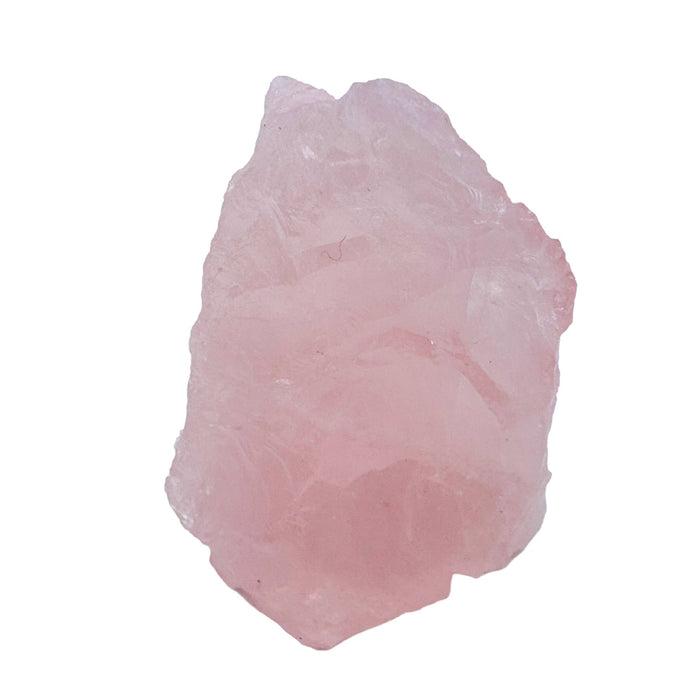
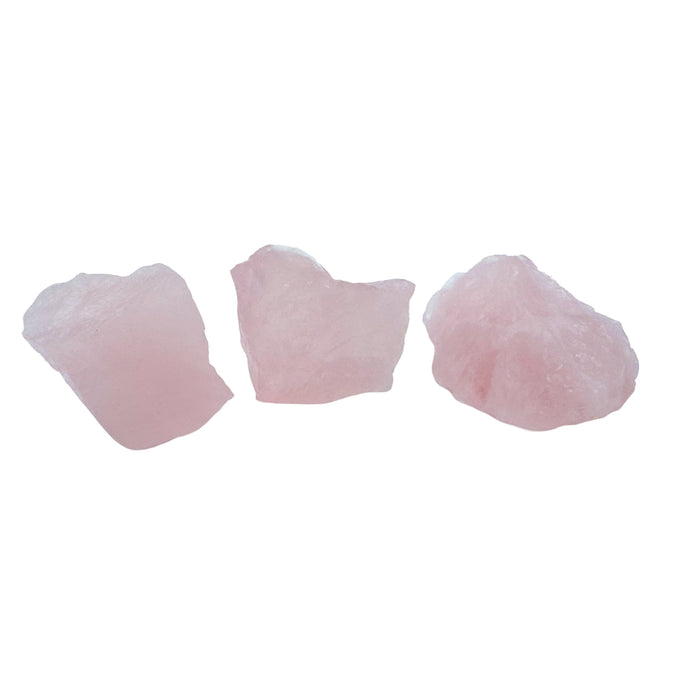
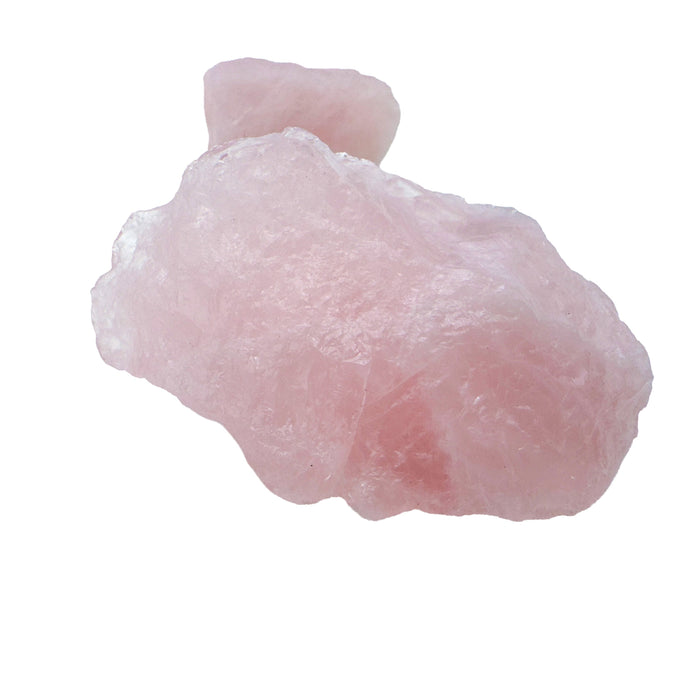
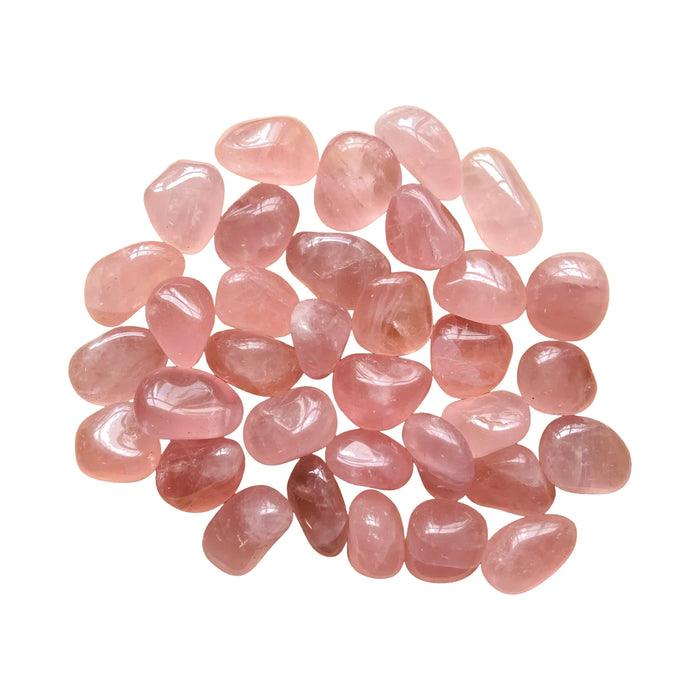
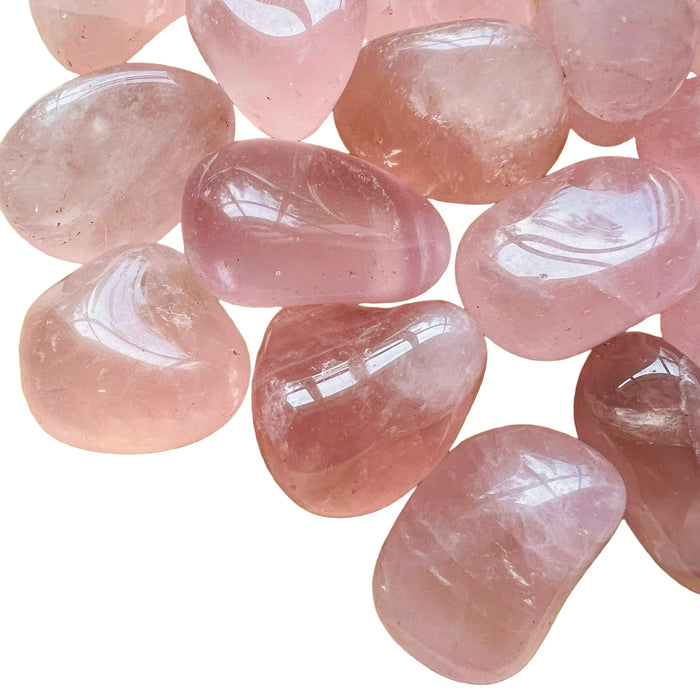
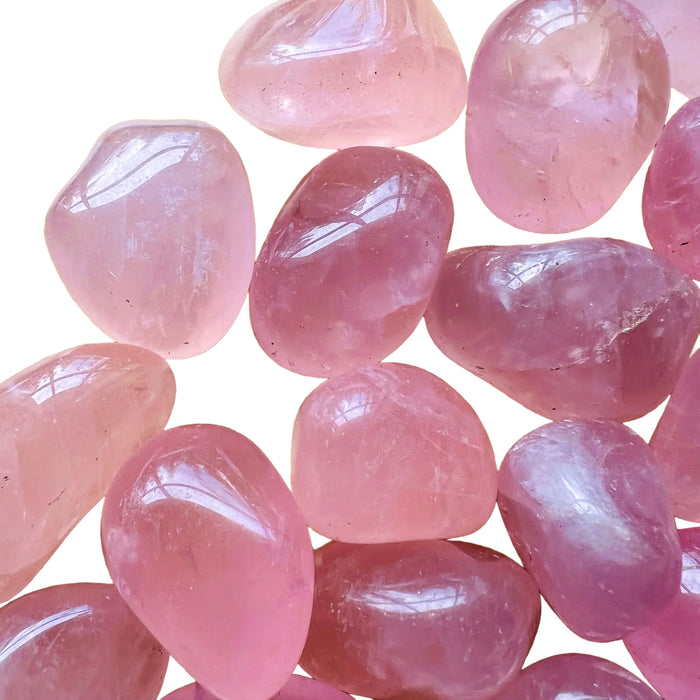
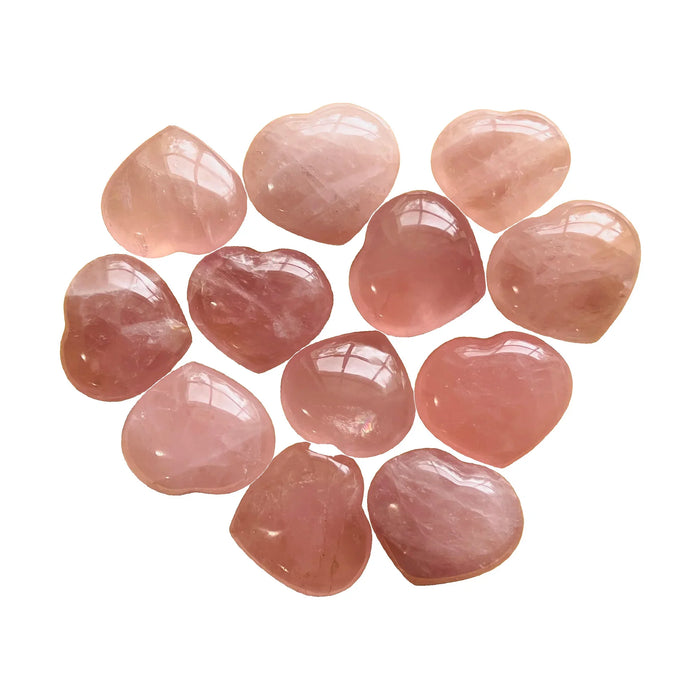
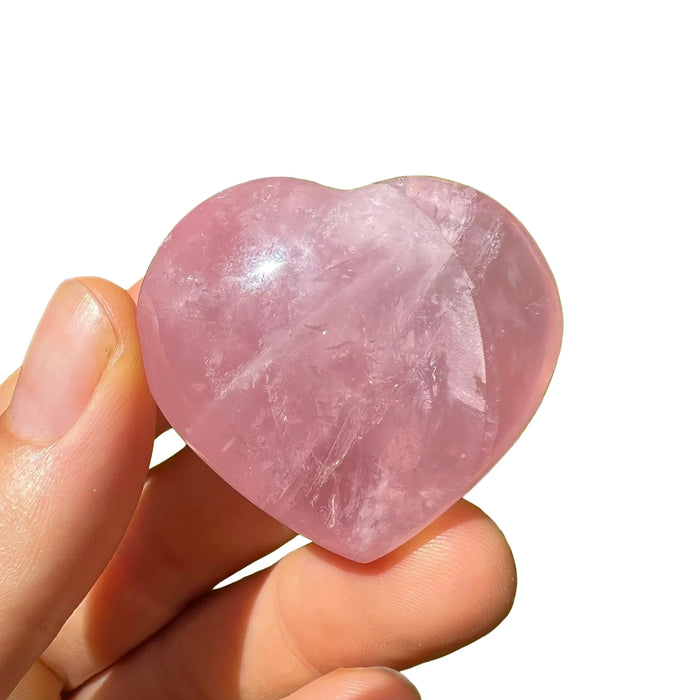
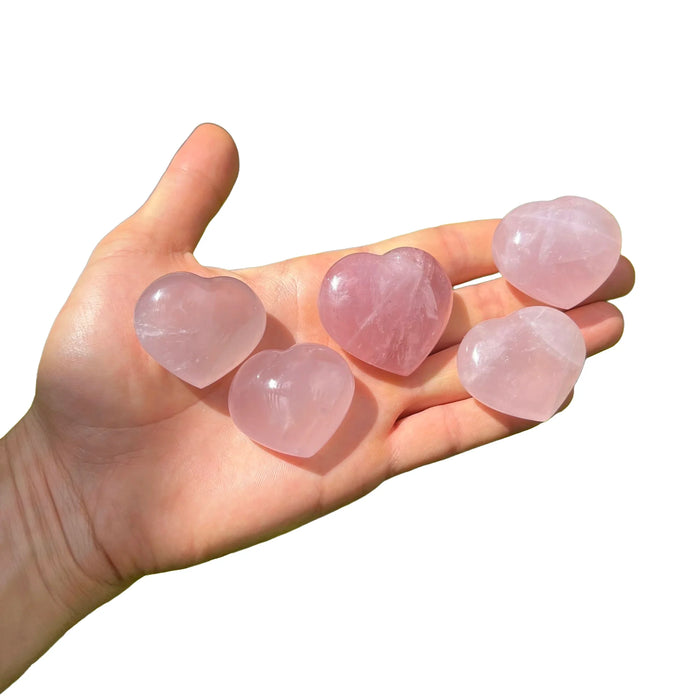
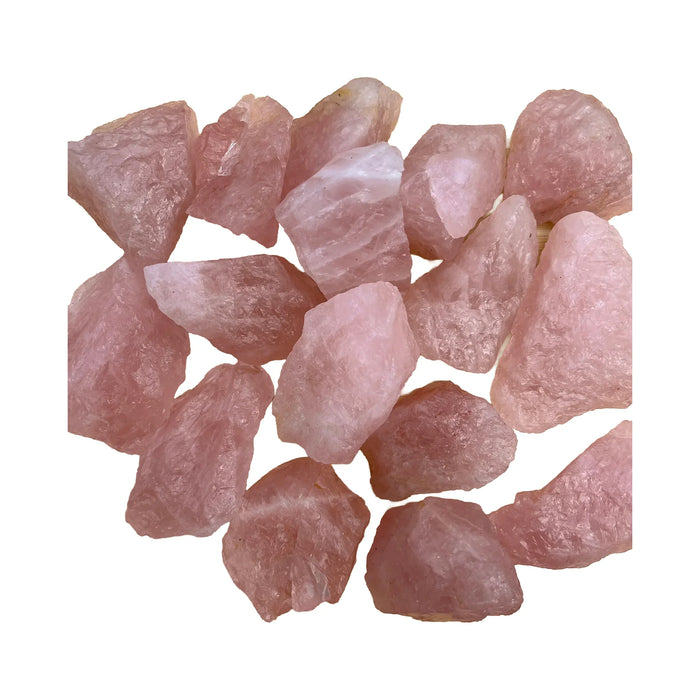
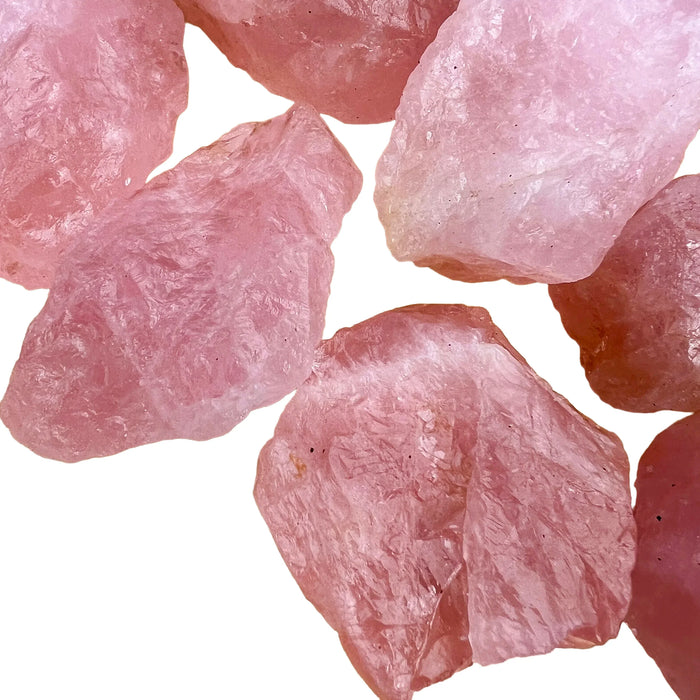
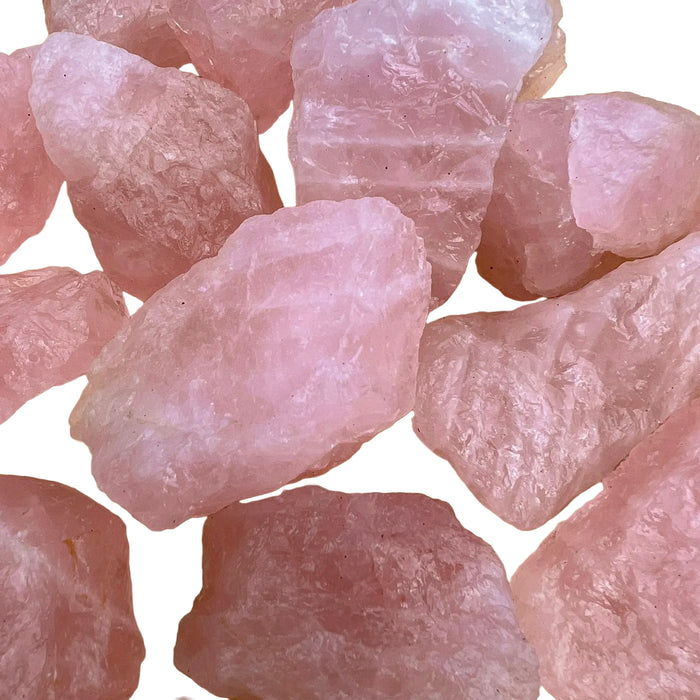
Desert Rose is not something we carry. Rose Quartz is the closest match in color, and every piece passes our sourcing standards: origin named, treatments disclosed.
- from 1,000+ reviews
- Ships within 72 hoursMonday to Friday, tracked
- 90 days to return itif you do not love it
- Free US shipping over $99$8.99 flat rate under
The Slow Note
New stones go to the list first.
No forwarding, no selling. Unsubscribe in one click. Privacy