


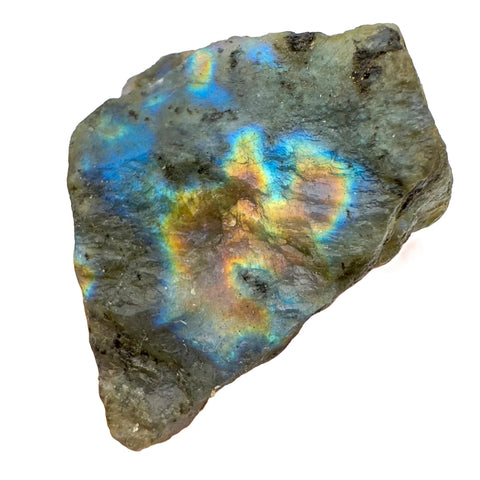
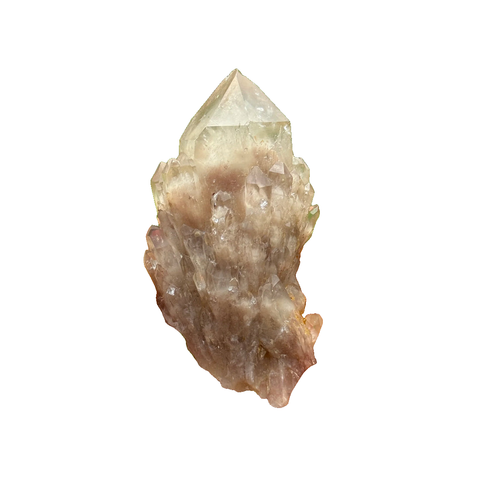
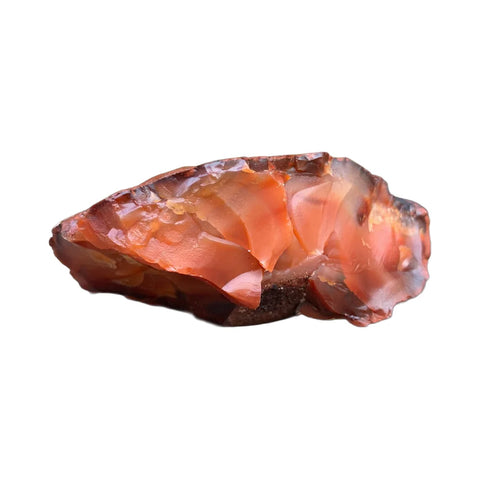
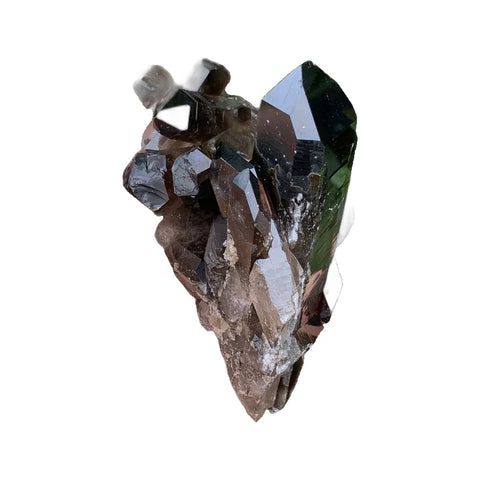
 Agatefor stress relief
 Amazonitefor stress relief
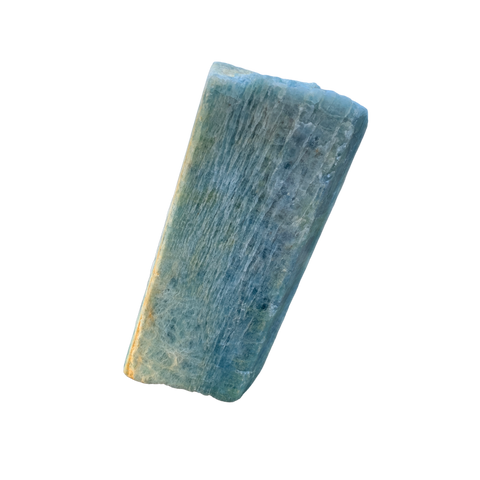
 Aquamarinefor serenity
 Aventurinefor luck
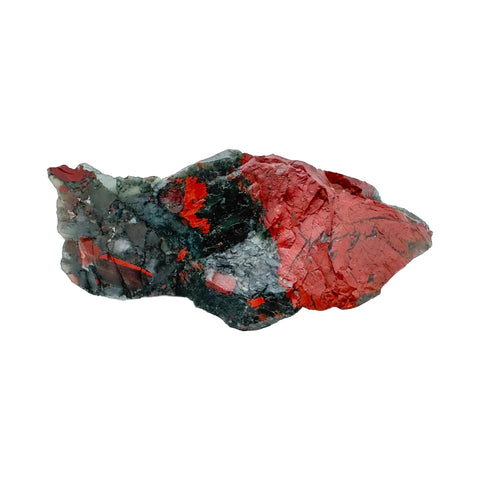
 Bloodstonefor energy
 Blue Kyanitefor confidence
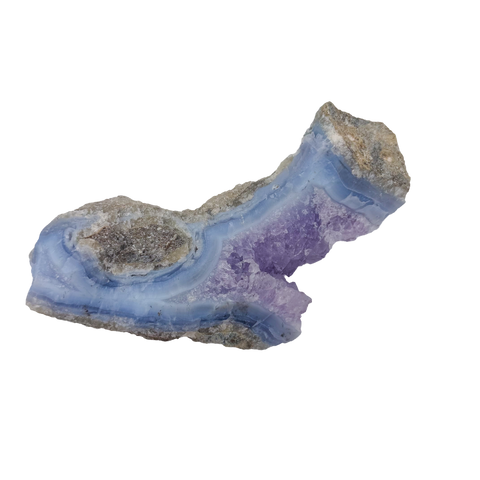
 Blue Lace Agatefor stress relief
 Chrysocollafor emotional healing
 Fluoritefor focus
 Garnetfor energy
 Lepidolitefor stress relief
 Malachitefor emotional healing
 Moonstonefor grounding
 Obsidianfor protection
 Ocean Jasperfor emotional healing
 Red Jasperfor grounding
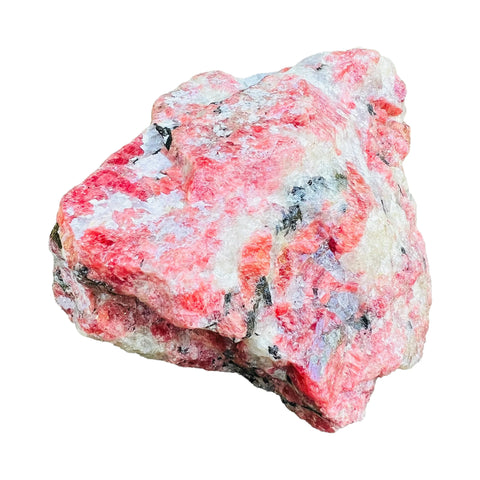
 Rhodonitefor emotional healing
 Selenitefor cleansing
 Sodalitefor focus
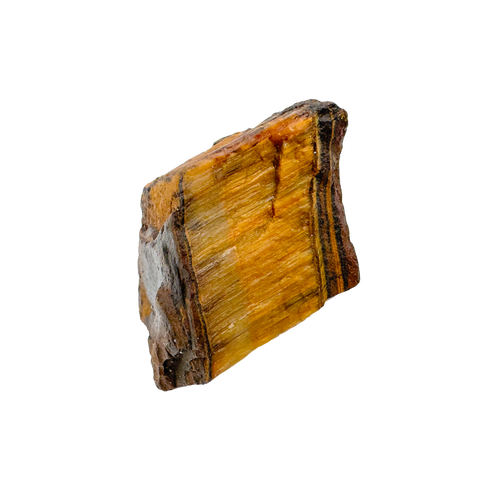
 Tiger Eyefor confidence
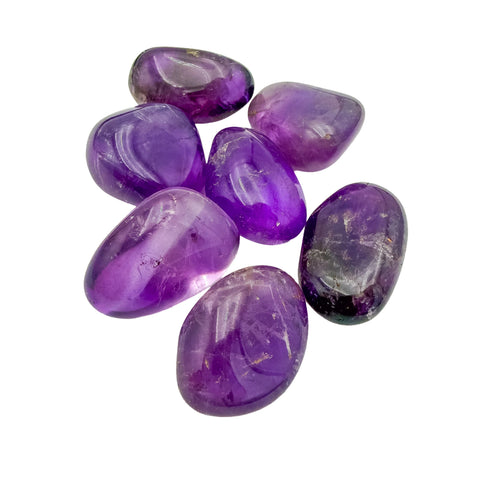


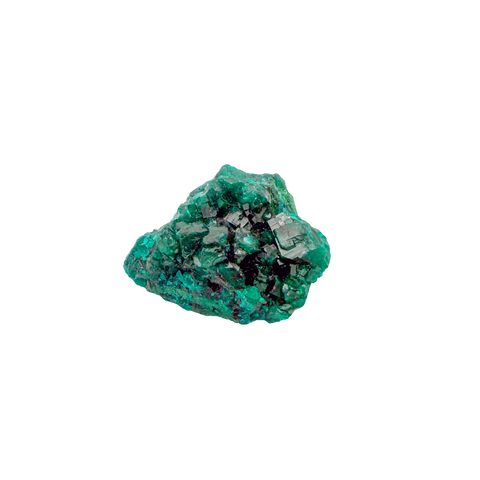
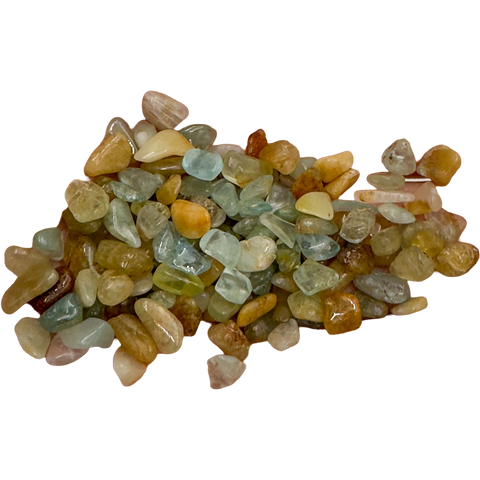
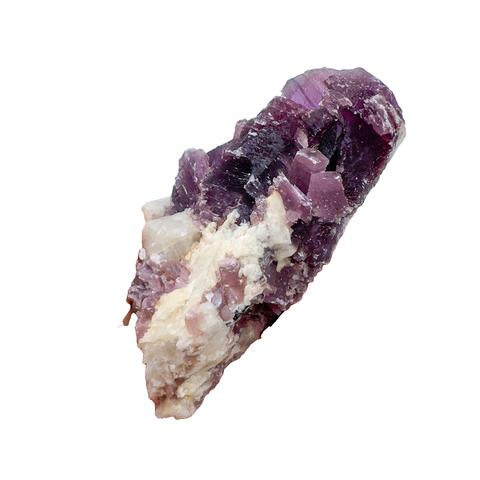
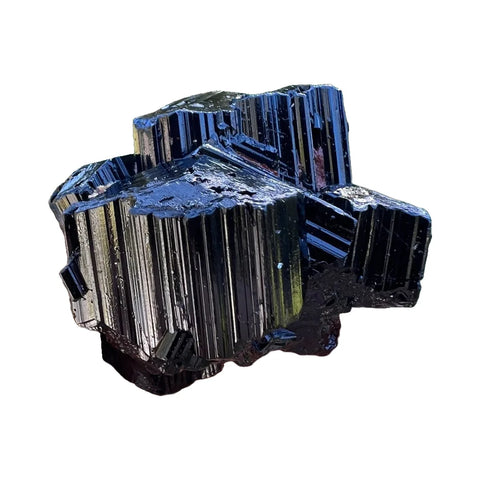
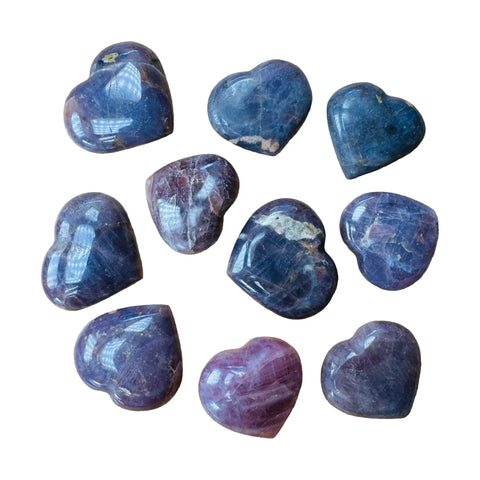
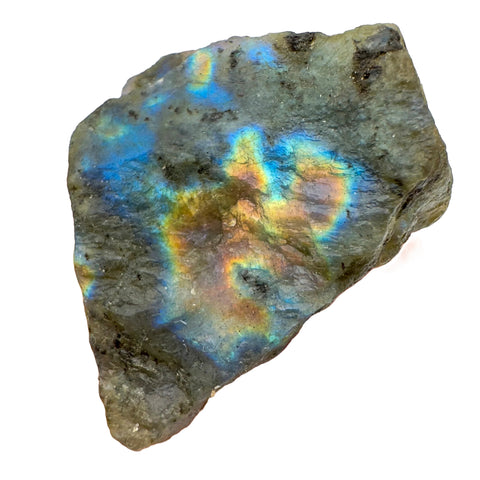


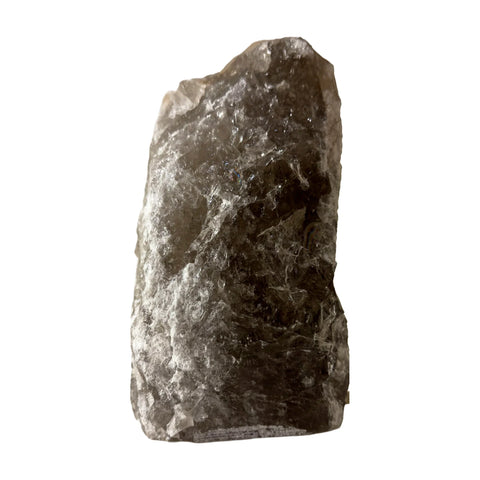
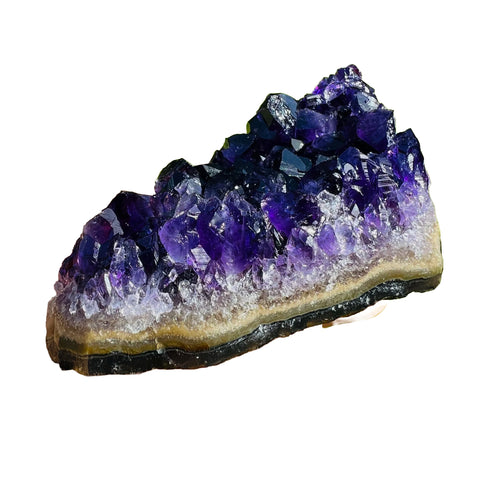





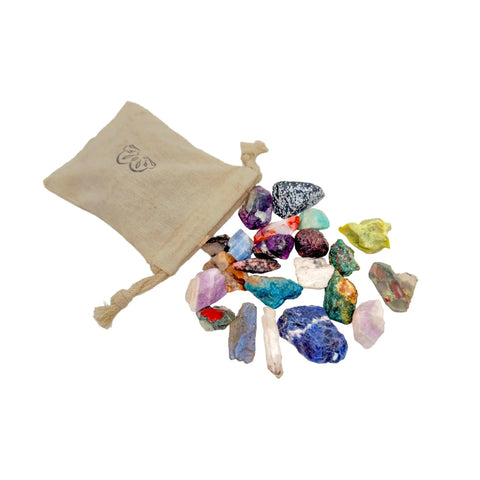
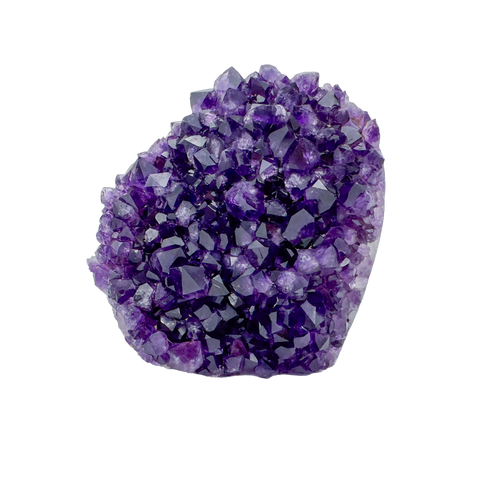
 Amethyst
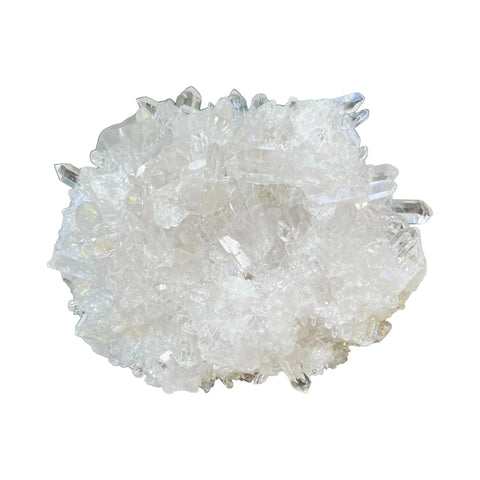
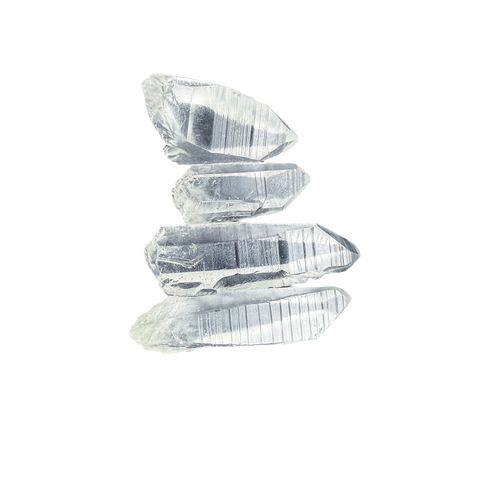
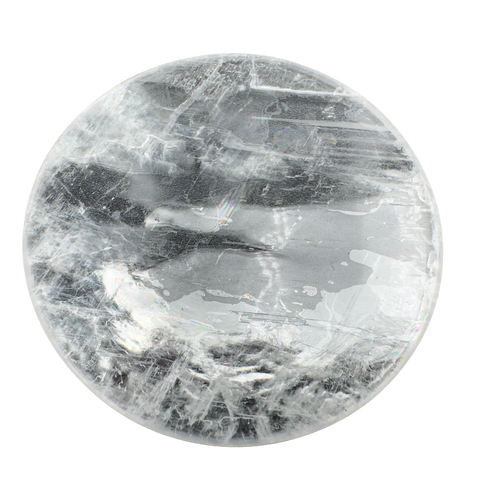
 Clear Quartz
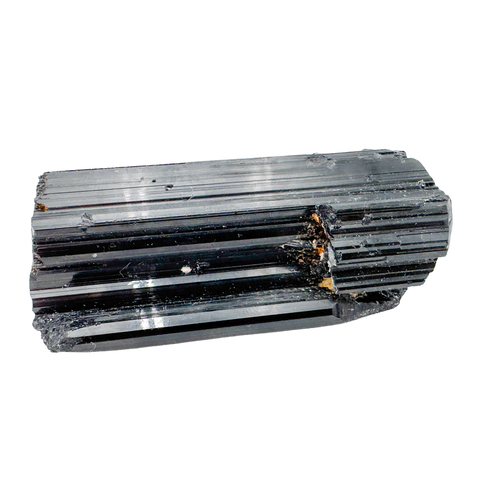
 Black Tourmaline
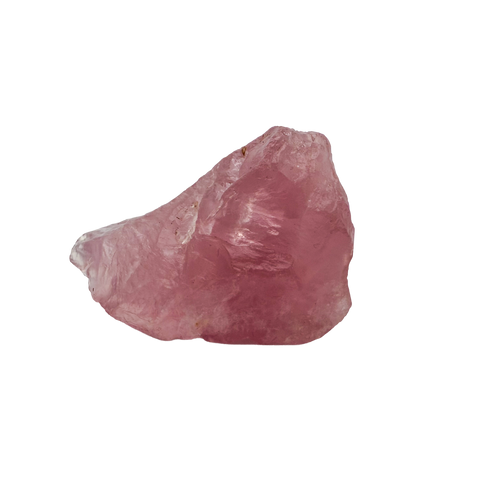
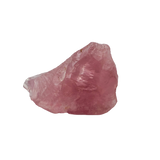 Rose Quartz
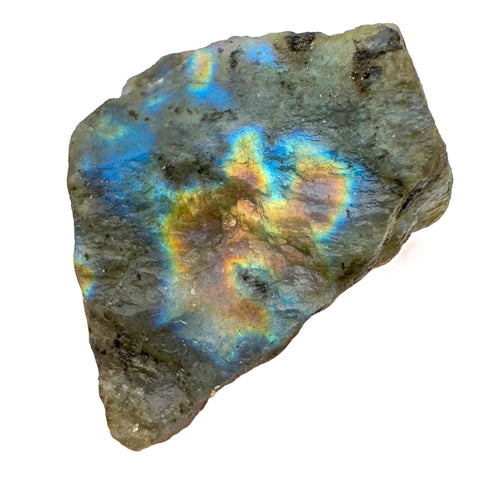
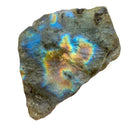 Labradorite
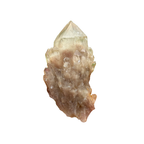 Natural Citrine
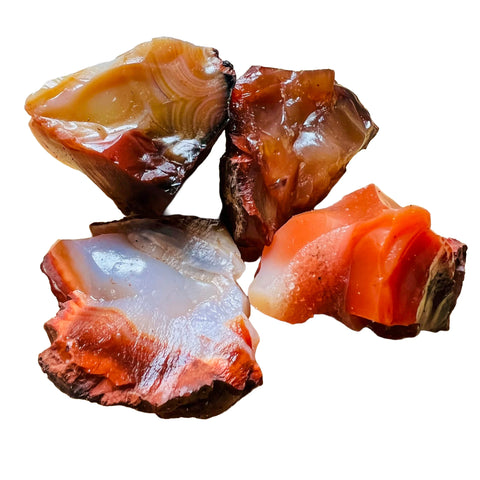
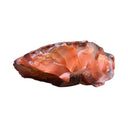 Carnelian
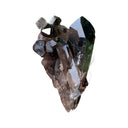 Smoky Quartz
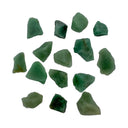 Aventurine
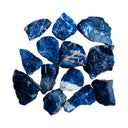 Sodalite
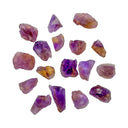 Ametrine
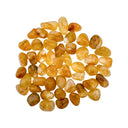 Golden Healer
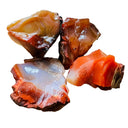 Raw Stones
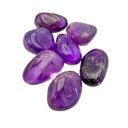 Tumbled Stones
 Palm Stones
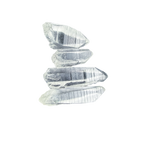 Crystal Points
 Clusters & Geodes
 Polished & Decor
 Mineral Specimens
 Crystal Chips
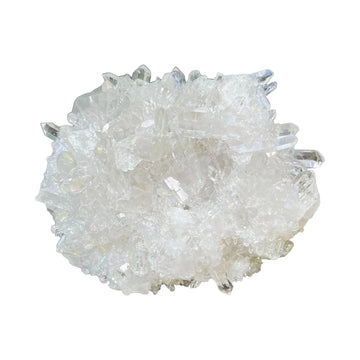
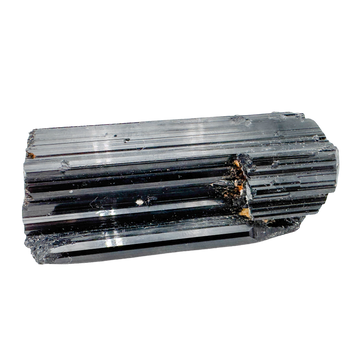
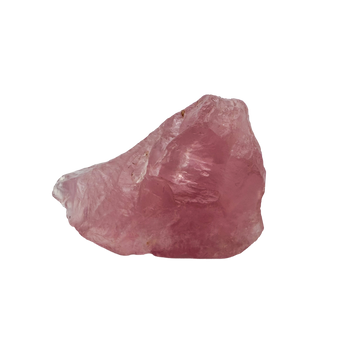
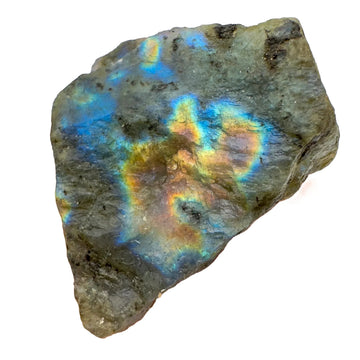
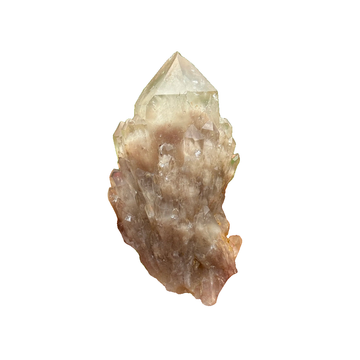
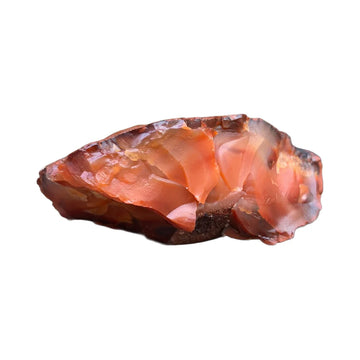
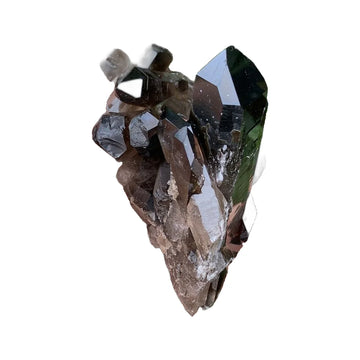
 Raw Stones
179 to choose from
Raw Stones
179 to choose from
 Tumbled Stones
162 to choose from
Tumbled Stones
162 to choose from
 Palm Stones
25 to choose from
Palm Stones
25 to choose from
 Crystal Points
23 to choose from
Crystal Points
23 to choose from
 Clusters & Geodes
98 to choose from
Clusters & Geodes
98 to choose from
 Polished & Decor
147 to choose from
Polished & Decor
147 to choose from
 Mineral Specimens
248 to choose from
Mineral Specimens
248 to choose from
 Crystal Chips
21 to choose from
Crystal Chips
21 to choose from


 AngolaAquamarine
›
AngolaAquamarine
›
 BotswanaCarnelian, Tree Agate
›
BotswanaCarnelian, Tree Agate
›
 DR CongoMalachite, Natural Citrine
›
DR CongoMalachite, Natural Citrine
›
 EswatiniBloodstone
›
EswatiniBloodstone
›
 MadagascarLabradorite, Clear Quartz
›
MadagascarLabradorite, Clear Quartz
›
 MalawiBlue Lace Agate, Garnet
›
MalawiBlue Lace Agate, Garnet
›
 MozambiqueAmazonite
›
MozambiqueAmazonite
›
 NamibiaSodalite, Blue Lace Agate
›
NamibiaSodalite, Blue Lace Agate
›
 Republic of the CongoDioptase
›
Republic of the CongoDioptase
›
 South AfricaTiger Eye, Unakite
›
South AfricaTiger Eye, Unakite
›
 ZambiaChevron Amethyst
›
ZambiaChevron Amethyst
›
 ZimbabweEmerald, Rhodonite
›
ZimbabweEmerald, Rhodonite
›
 ArgentinaBlack Obsidian, Rhodochrosite
›
ArgentinaBlack Obsidian, Rhodochrosite
›
 BoliviaAmetrine
›
BoliviaAmetrine
›
 BrazilAmethyst, Clear Quartz
›
BrazilAmethyst, Clear Quartz
›
 PeruSerpentine, Jade
›
PeruSerpentine, Jade
›
 UruguayAmethyst
›
UruguayAmethyst
›
 Dominican RepublicLarimar
›
Dominican RepublicLarimar
›
 MexicoRainbow Obsidian, Crazy Lace Agate
›
MexicoRainbow Obsidian, Crazy Lace Agate
›
 United StatesSelenite, Peridot
›
United StatesSelenite, Peridot
›
 ChinaFluorite
›
ChinaFluorite
›
 RussiaShungite
›
RussiaShungite
›
 AustraliaMookaite
›
AustraliaMookaite
›
 Where our crystals come from
See where we source →
Where our crystals come from
See where we source →


 Aries
Mar 21 to Apr 19
Carnelian
›
Aries
Mar 21 to Apr 19
Carnelian
›
 Taurus
Apr 20 to May 20
Rose Quartz
›
Taurus
Apr 20 to May 20
Rose Quartz
›
 Gemini
May 21 to Jun 20
Agate
›
Gemini
May 21 to Jun 20
Agate
›
 Cancer
Jun 21 to Jul 22
Moonstone
›
Cancer
Jun 21 to Jul 22
Moonstone
›
 Leo
Jul 23 to Aug 22
Citrine
›
Leo
Jul 23 to Aug 22
Citrine
›
 Virgo
Aug 23 to Sep 22
Amazonite
›
Virgo
Aug 23 to Sep 22
Amazonite
›
 Libra
Sep 23 to Oct 22
Blue Lace Agate
›
Libra
Sep 23 to Oct 22
Blue Lace Agate
›
 Scorpio
Oct 23 to Nov 21
Obsidian
›
Scorpio
Oct 23 to Nov 21
Obsidian
›
 Sagittarius
Nov 22 to Dec 21
Sodalite
›
Sagittarius
Nov 22 to Dec 21
Sodalite
›
 Capricorn
Dec 22 to Jan 19
Black Tourmaline
›
Capricorn
Dec 22 to Jan 19
Black Tourmaline
›
 Aquarius
Jan 20 to Feb 18
Amethyst
›
Aquarius
Jan 20 to Feb 18
Amethyst
›
 Pisces
Feb 19 to Mar 20
Aquamarine
›
Gifting?
A birthday stone is the safe bet.
Read the zodiac guide →
Pisces
Feb 19 to Mar 20
Aquamarine
›
Gifting?
A birthday stone is the safe bet.
Read the zodiac guide →


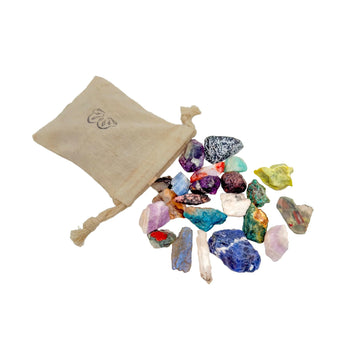

Diopside
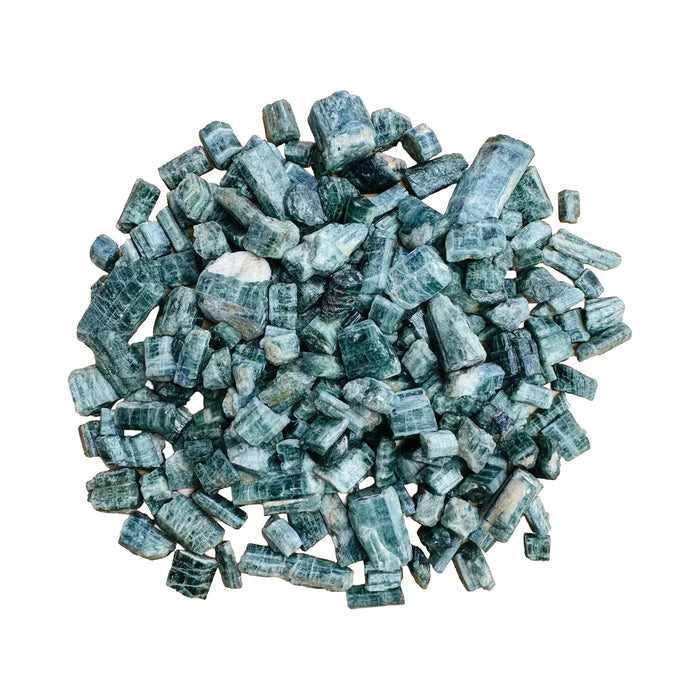
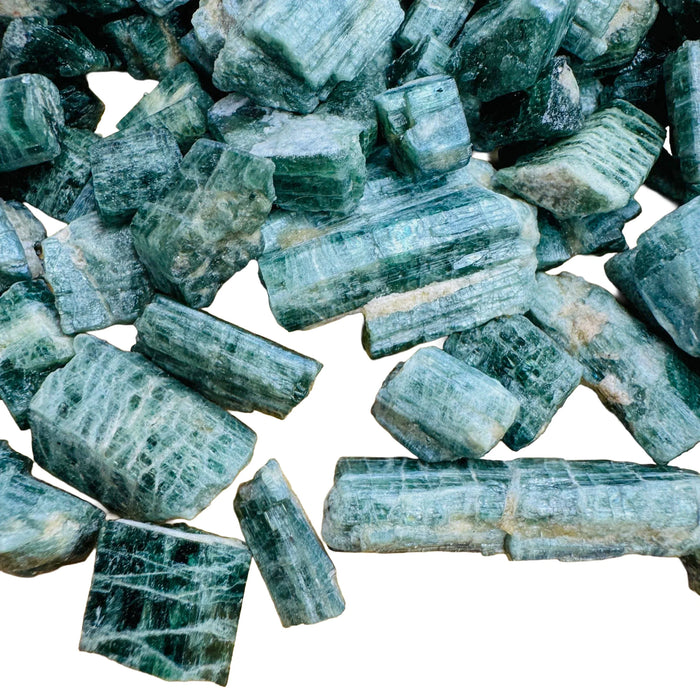
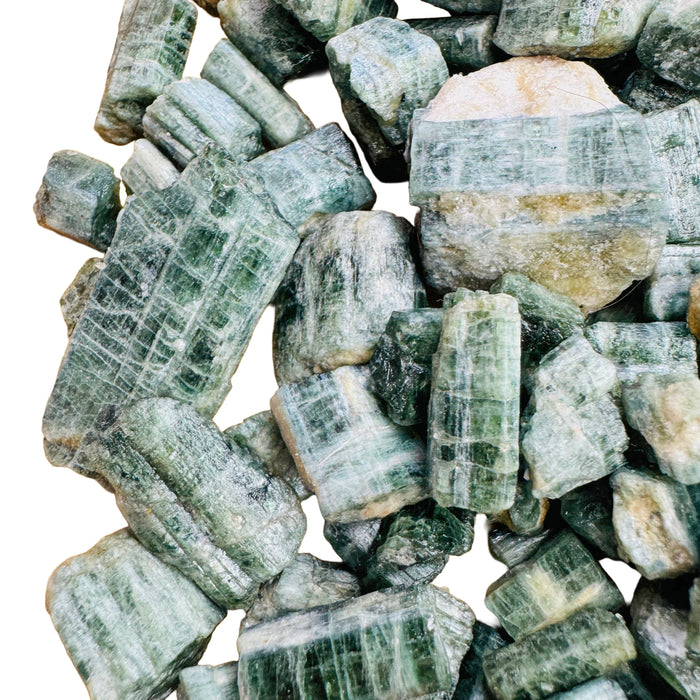
Diopside is a pyroxene group mineral, a calcium magnesium silicate with a green that comes from chromium in the crystal lattice. The vivid, deep emerald forms are called chrome diopside and are one of the few green minerals that need no treatment to reach their color. Many people work with it for heart-centered calm, emotional grounding, and the kind of gentleness that comes from knowing you are held.
Shop diopsideDiopside, in stock now.
From Copperbelt Province, Zambia, ready to ship.
- from 1,000+ reviews
- Ships within 72 hoursMonday to Friday, tracked
- 90 days to return itif you do not love it
- Free US shipping over $99$8.99 flat rate under
The geology.
Diopside is a calcium magnesium silicate belonging to the pyroxene group of minerals, a large family of silicate minerals that form in igneous and metamorphic rocks. The chemical formula is CaMgSi2O6, and the mineral's name comes from Greek words meaning "double appearance" because its prismatic crystals can show two distinct cleavage directions. The vivid green variety is called chrome diopside, colored by chromium atoms that replace some of the magnesium in the crystal structure. This chromium substitution creates an intense, stable emerald green that needs no treatment to achieve.
Diopside rates 5.5 to 6.5 on the Mohs hardness scale, making it moderately durable. Specific gravity ranges from 3.25 to 3.55. The mineral crystallizes in the monoclinic system, forming stubby prismatic crystals with good cleavage along two planes that meet at nearly 90 degrees (a pyroxene characteristic). The luster ranges from greasy to vitreous, and unpolished cleavage surfaces often feel slick to the touch. Chrome diopside is typically cut into faceted stones or polished into raw crystal specimens. Unlike many green stones, its color comes entirely from the mineral composition, not from treatment or enhancement.
The origins.
The diopside we carry comes from the Copperbelt Province of Zambia, where small-scale artisanal mining operations extract chrome diopside crystals from metamorphic rock formations. Zambian diopside is prized for its deep, consistent emerald green color and the quality of its raw crystals. The extraction is hand-sorting and artisanal, with minimal mechanical processing compared to commercial hard-rock mining. The material arrives to us as raw natural crystal, hand-selected and sorted by color grade without any further treatment. This sourcing approach allows us to work directly with producers in the Copperbelt and to know where every piece comes from.
Chrome diopside is also produced commercially in Russia (primarily Siberia), Pakistan, Italy, Canada, and the United States. Russian diopside dominates the global gemstone market and is widely used in jewelry. These sources vary in color intensity, crystal quality, and sourcing practices. We chose Zambia as our primary source because the natural crystal quality is exceptional, the green is vivid without enhancement, and we have the ability to build transparent relationships with the producers. If our Zambian supply were ever to change, we would disclose it directly.
Traditional associations.
Diopside is associated with the Heart chakra and the Earth element. Many people work with it for emotional renewal, deep healing after heartbreak or loss, and the kind of calm that comes from feeling grounded and held. It is often chosen by people who feel stretched thin emotionally or who are working through grief and transition. The green color itself carries meaning for many; green is universally associated with growth, renewal, and the heart's capacity to reconnect with itself. Some people are drawn to diopside when they need permission to rest, to feel soft, or to let their emotional guard down in a safe space.
Diopside is traditionally paired with other heart-centered stones like rose quartz, green aventurine, and rhodonite when the intention is to deepen self-love or to support emotional healing. Unlike prescriptive claims about what a stone will do, we use invitational language here: many people work with diopside for these purposes, and the stone's steady, grounding energy seems to support them in that work. Your own experience matters more than our words.
Spotting the real thing.
Genuine diopside scratches glass but can be scratched by steel, reflecting its 5.5 to 6.5 hardness. The color of chrome diopside is deep emerald green, never uniform or too vivid. Hold a piece up to light and you will see the color is natural and consistent throughout the stone, not a surface coat or dye. Unpolished raw specimens show natural attachment points to matrix, with rough edges and textures that look extracted rather than manufactured. The luster on cleavage surfaces is greasy and distinctive. Real diopside does not fluoresce under ultraviolet light in the way some enhanced green stones do.
Synthetic diopside exists for industrial and gemstone use and tends to have unnaturally even color and unusual clarity. Composites and dyed materials sometimes appear in lower-end markets. These imitations feel different to the touch: synthetic material often feels slicker or more uniform, while natural chrome diopside shows the variation you would expect from a mineral grown over geological time. A simple test: genuine diopside can be scratched by steel (a file or rough steel surface) while harder glass imitations cannot. Natural raw specimens will show realistic weathering and matrix attachment points that no factory process replicates.
Care & handling.
Diopside is moderately durable and can tolerate daily wear better than softer stones like angelite. Mohs 5.5 to 6.5 means the stone is harder than apatite but softer than quartz. Clean it gently with warm water and mild soap, rinse thoroughly, and dry with a soft cloth. Avoid ultrasonic cleaners and steam, which can exploit the cleavage planes and cause the stone to split along its natural planes. Sudden temperature changes should also be avoided. If your diopside is faceted, avoid prolonged direct sunlight, which can fade the color over time, though chrome diopside is generally more sun-stable than lighter green stones.
Store diopside separately from harder stones to prevent chipping at the cleavage edges. Moderate impacts are fine, but dropping a faceted piece onto a hard floor can cause damage. For energetic cleansing, use water, smoke, sound, moonlight, or breath rather than salt, which can be too abrasive. Many people find that diopside responds well to gentle handling and quiet care, an approach that mirrors the emotional healing work people often do with this stone. Its moderate durability makes it suitable for jewelry and daily carry, but treat it with the awareness that all minerals have structural planes and limits.
Pairs well with.
Proof, not promises.
We measure our own sourcing across five dimensions. Supply chain, environmental footprint, artisan support, market integrity, and pricing. The number is honest, not perfect. Where we can do better, we say so.
A deeper look.
Extended geology, sourcing, authentication, history, varieties, and pricing, for when the quick guide isn't quite enough.
Extended geology
Diopside (calcium magnesium silicate, CaMgSi2O6) belongs to the pyroxene group of silicate minerals, a large and important family with more than a hundred recognized species. Pyroxenes form in both igneous rocks (cooled from molten magma) and metamorphic rocks (formed under heat and pressure). Diopside itself forms in metamorphic rocks called skarns, which result from contact metamorphism when hot igneous bodies heat and alter limestone. The chromium that gives chrome diopside its vivid green color enters the crystal structure as a trace element during crystallization, replacing some of the magnesium atoms. The concentration and oxidation state of the chromium determine the exact shade of green, from pale yellowish-green to deep emerald.
The name diopside comes from Greek words meaning "double appearance" (dia = two, and opsis = appearance), referring to the mineral's two prominent cleavage directions. Diopside crystallizes in the monoclinic system, forming stubby to elongated prismatic crystals with good cleavage along two planes that meet at approximately 90 degrees. This pyroxene cleavage is distinctive and differs from amphibole cleavage, which meets at 120 degrees. Hardness of 5.5 to 6.5 places it in a middle range: harder than apatite (5) and feldspar (6 to 6.5), softer than quartz (7). Specific gravity ranges from 3.25 to 3.55, making it noticeably heavy for its size. Luster is vitreous (glassy) to greasy, especially on cleavage surfaces.
Chrome diopside is the variety most valued in the gem and crystal market. The vivid emerald green needs no treatment to reach its color because chromium absorption during formation is sufficient. Other diopside varieties exist: pale green, colorless, brown, or nearly black forms occur when chromium is absent or present in very low concentrations. Some diopside shows a cat's-eye effect when cut en cabochon, a result of aligned needle-like inclusions. Black diopside (sometimes called "black tourmaline-like" diopside) is a darker variety and is sometimes confused with tourmaline or schorl.
Extended sourcing and market context
Chrome diopside is mined commercially in a small number of countries. Russia, particularly Siberia, produces the largest volume of chrome diopside for the global gem and jewelry market. The Russian material is generally of high quality and is widely available at all price points. Pakistan, Italy, Canada, and the United States also produce diopside, though commercial output varies. Zambia's Copperbelt Province is a smaller but growing source of high-quality raw chrome diopside crystals. The Copperbelt was historically known for copper mining, but artisanal diopside extraction has become a sustainable secondary income for small-scale miners and cooperatives in the region.
Our choice of Zambia reflects both the exceptional quality of the crystals and our commitment to sourcing transparency. The ability to work directly with artisanal producers, to know the extraction method, and to build relationships over time aligns with our brand values. If Zambian supply were ever to become inconsistent or if sourcing conditions were to change, we would explore alternatives and disclose any shift openly. We do not commit to any source at the expense of integrity.
Authentication and market imitations
Genuine chrome diopside is stable, untreated, and unmistakable when you know what to look for. Synthetic diopside is produced for industrial use and for jewelry, and it tends to have unusual color uniformity and extreme clarity that natural material rarely shows. Composite materials (for example, thin layers of diopside fused to cheaper base materials) can appear in lower-cost markets. These feel different when handled: the layers separate or feel hollow.
Simple field tests help distinguish real from fake. Genuine diopside scratches glass (mineral hardness 5.5-6.5 is harder than glass at 5.5) and can be scratched by steel (rough steel file or a knife blade). Synthetic glass imitations do not scratch as easily. Natural raw specimens show realistic weathering, matrix attachment, and three-dimensional texture. Synthetic material often looks too perfect, too uniform, too clean. Under magnification, natural chrome diopside shows the crystalline structure and occasional inclusions you would expect from a mineral grown over geological time. Synthetic material shows different optical properties and sometimes shows visible seams or boundaries between layers.
Related minerals and trade distinctions
Diopside belongs to the pyroxene group. Related minerals include augite (iron-bearing pyroxene), hedenbergite (iron-rich diopside), and enstatite (iron-poor magnesium silicate). These are all pyroxenes but have different chemical compositions and colors. Emerald is beryllium aluminum silicate, a completely different mineral, though both emerald and chrome diopside are green and both are valued for their color. Tourmaline is another green silicate but has a different crystal structure (trigonal instead of monoclinic) and different cleavage. Knowing the difference matters for authentication and value assessment.
Pricing reality
Grade A Zambian chrome diopside raw crystals at retail: $8 to $20 for smaller pieces (under 1 inch), $20 to $60 for larger specimens (1 to 3 inches), and $60 to $200+ for exceptional pieces or special forms. Faceted stones command higher prices. Commodity pricing on bulk parcels under $5 per piece usually indicates synthetic, composite, or very low-grade material. True natural chrome diopside does not move at those price points.
Value drivers: color saturation and evenness, size, crystal form, lack of damage, and documented origin. Warning signs: diopside sold without origin, overly uniform color that looks printed, extremely low bulk pricing, and material sold alongside clearly synthetic specimens. Zambian material tends to command a slight premium relative to Russian or other sources because the crystal quality is exceptional and the sourcing story is transparent.
Good sourcing is a practice, not a claim.
Nothing we sell is dyed, stabilized, reconstituted, or color-enhanced without full disclosure. We name our origins where we can. We say so when we cannot. We walk away from material that does not meet our standard, even when it costs us sales.
Bring diopside home.
Raw natural chrome diopside from Copperbelt Province, Zambia. Natural, untreated, hand-selected for rich emerald green and exceptional crystal form. Each piece finished with care, chosen for clarity and the authentic texture that makes each one distinctive.
Shop the diopside collectionGrounded Connections
New stones go to the list first.
No forwarding, no selling. Unsubscribe in one click. Privacy