


 Agatefor stress relief
 Amazonitefor stress relief
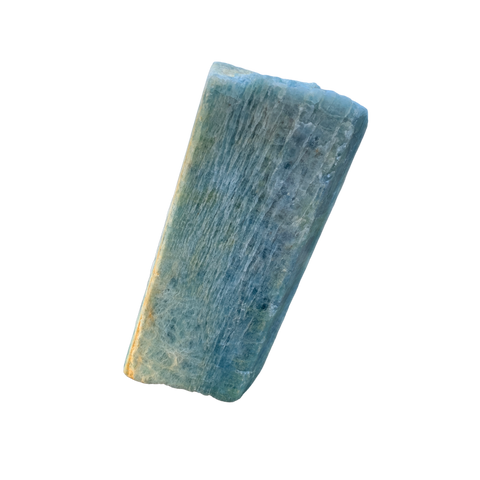
 Aquamarinefor serenity
 Aventurinefor luck
 Bloodstonefor energy
 Blue Kyanitefor confidence
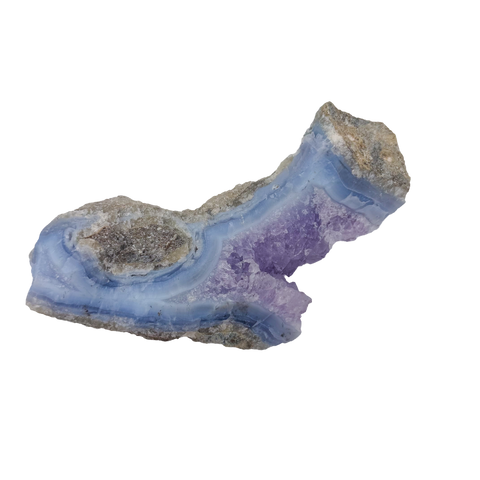
 Blue Lace Agatefor stress relief
 Chrysocollafor emotional healing
 Fluoritefor focus
 Garnetfor energy
 Lepidolitefor stress relief
 Malachitefor emotional healing
 Moonstonefor grounding
 Obsidianfor protection
 Ocean Jasperfor emotional healing
 Red Jasperfor grounding
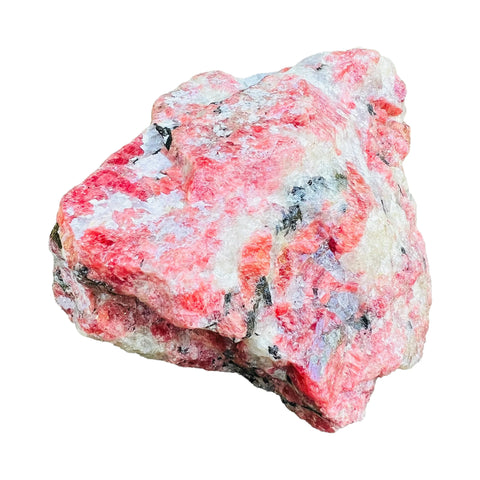
 Rhodonitefor emotional healing
 Selenitefor cleansing
 Sodalitefor focus
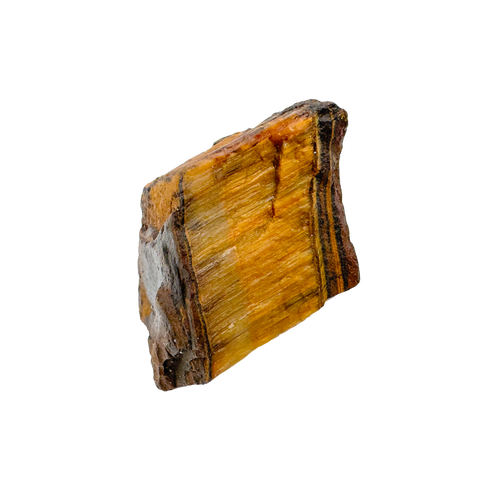
 Tiger Eyefor confidence
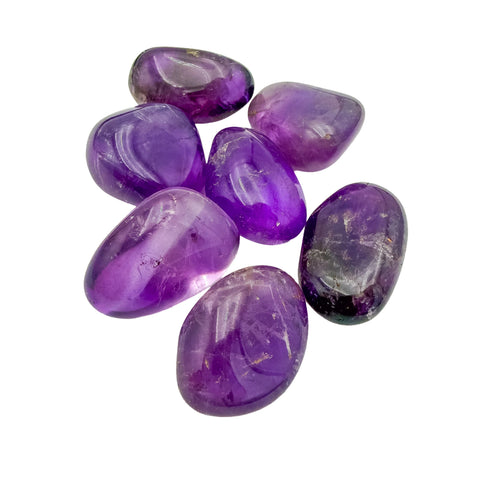


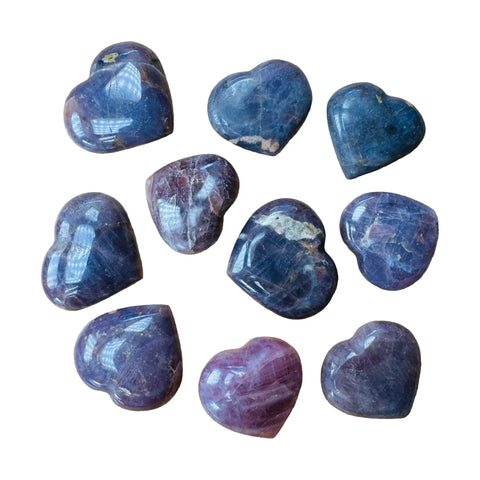
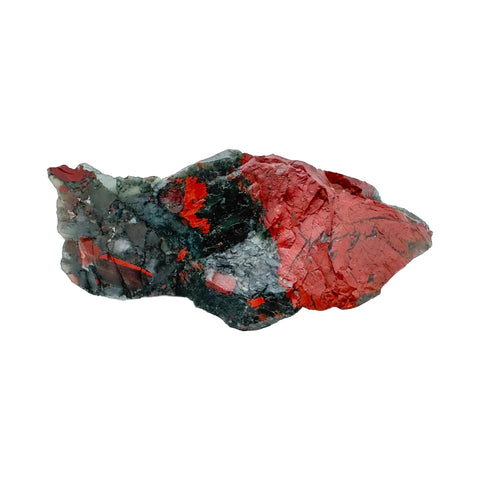
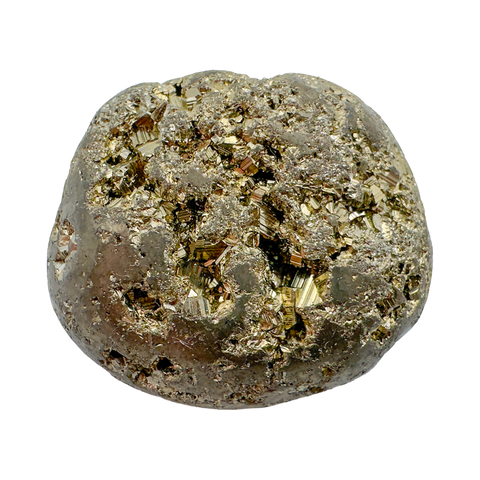
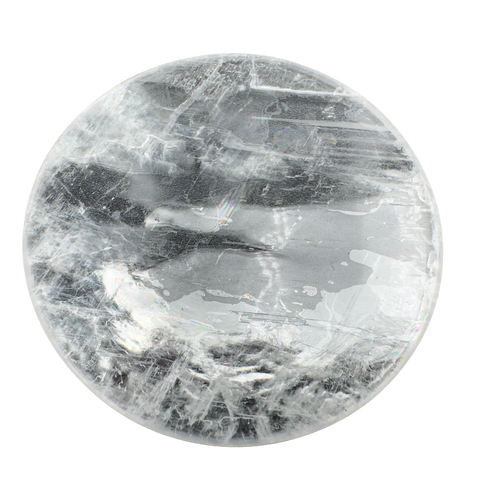


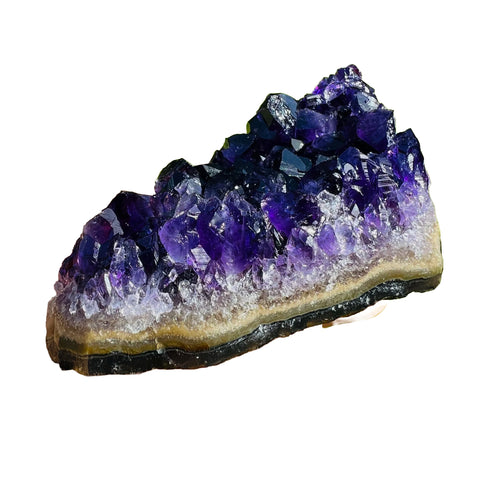





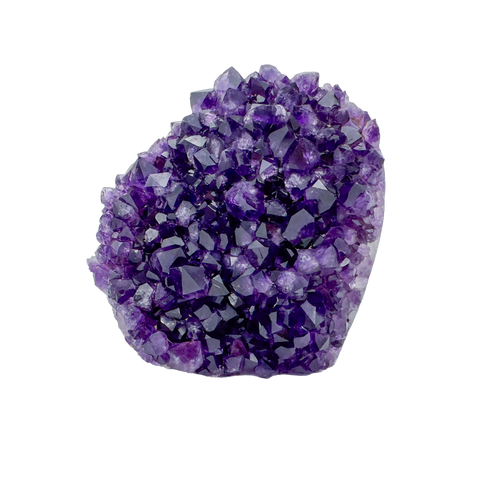
 Amethyst
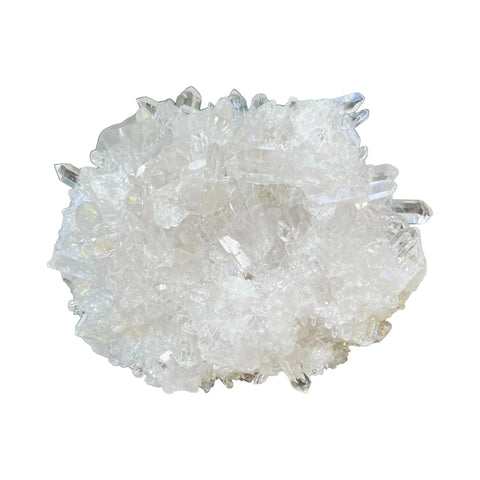
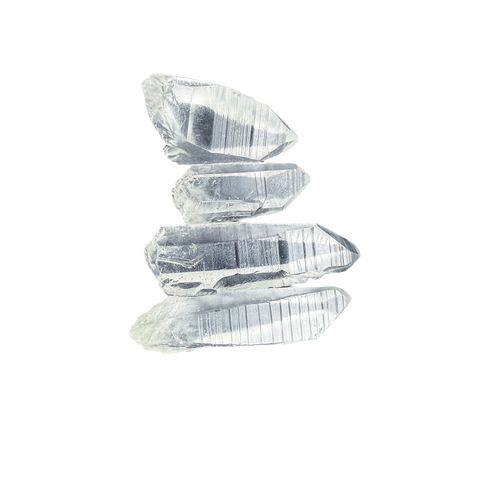
 Clear Quartz
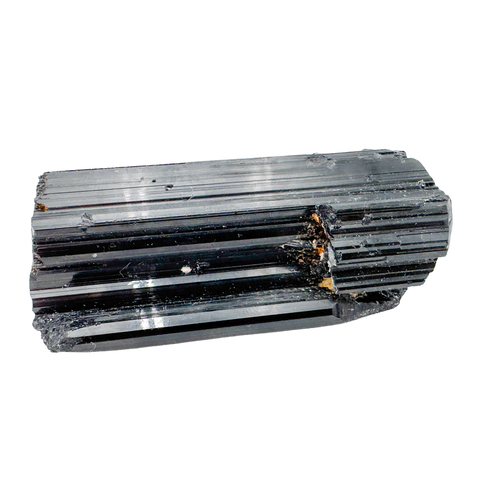
 Black Tourmaline
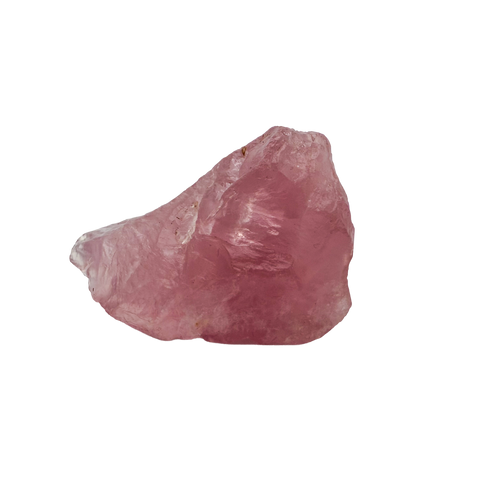
 Rose Quartz
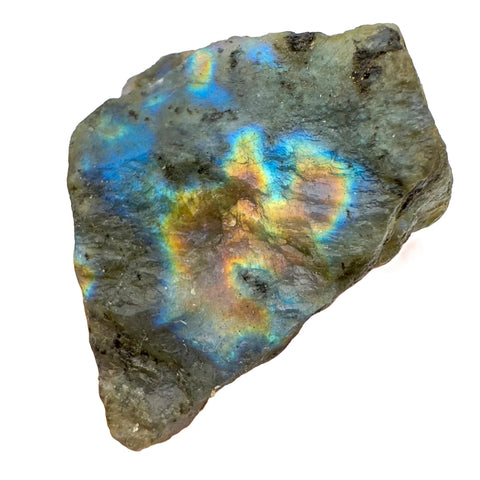
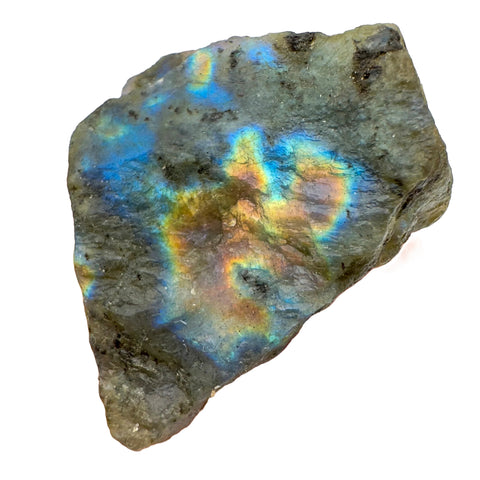
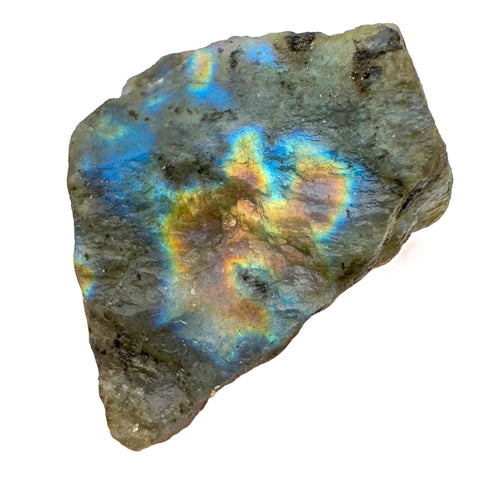
 Labradorite
 Natural Citrine
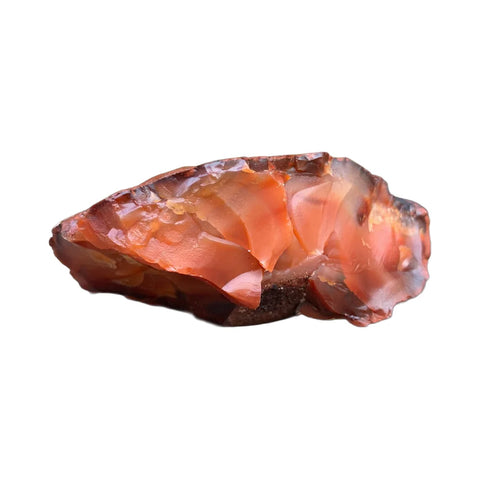
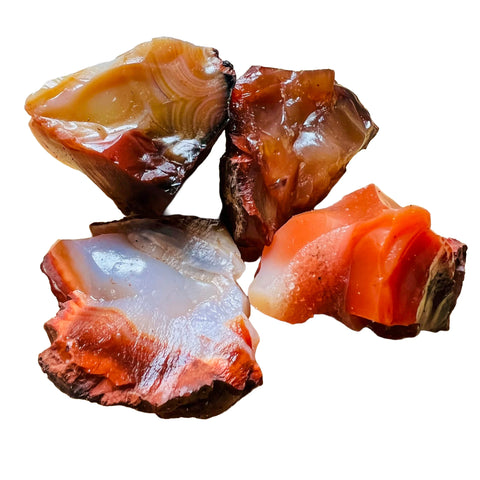
 Carnelian
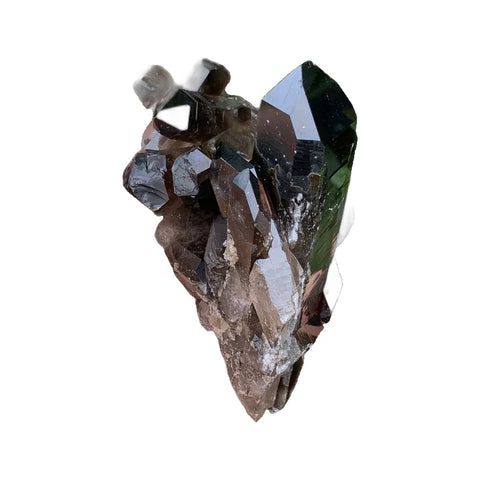
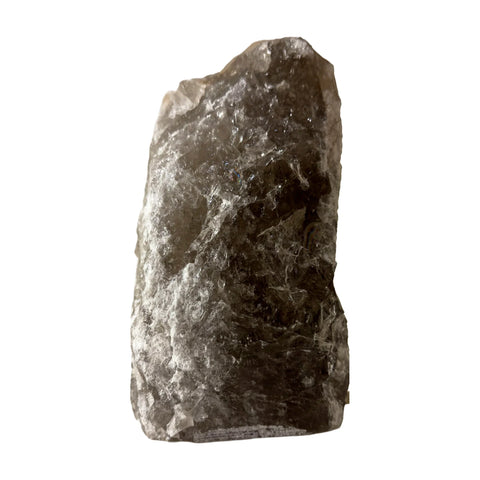
 Smoky Quartz
 Aventurine
 Sodalite
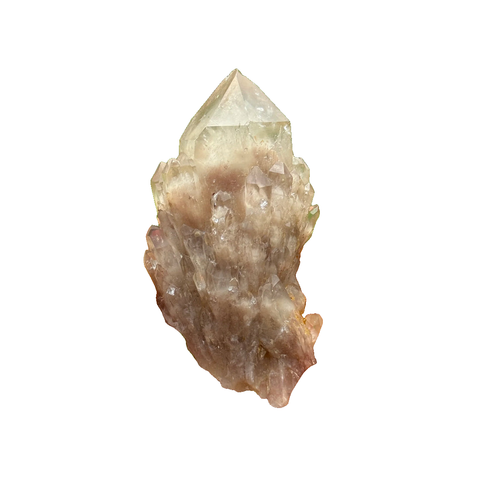
 Ametrine
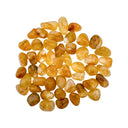 Golden Healer
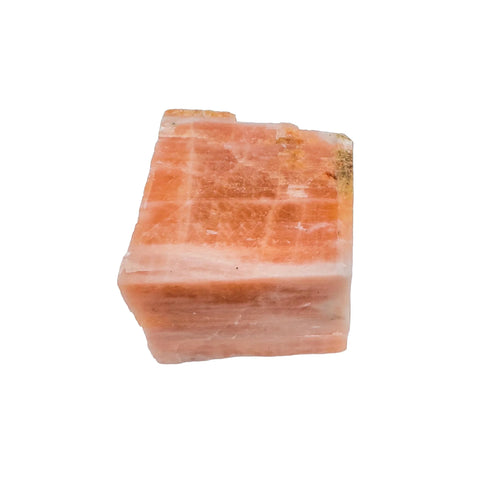
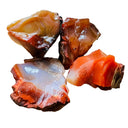 Raw Stones
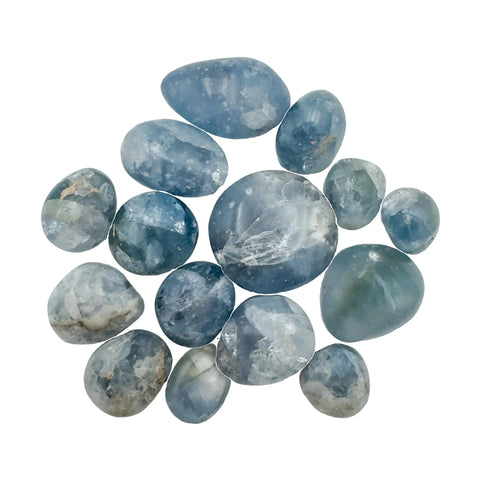
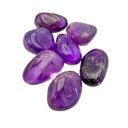 Tumbled Stones
 Palm Stones
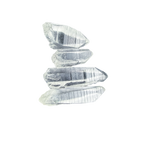 Crystal Points
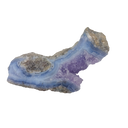 Clusters & Geodes
 Polished & Decor
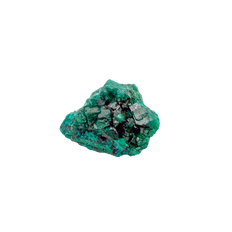 Mineral Specimens
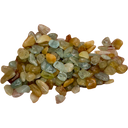 Crystal Chips
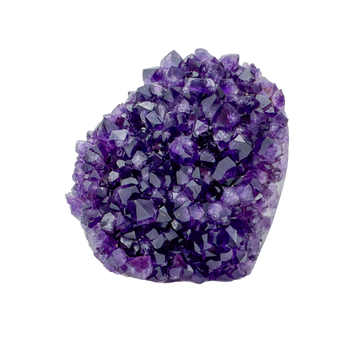
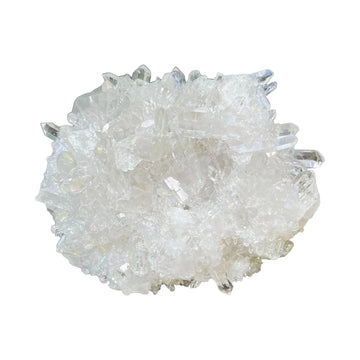
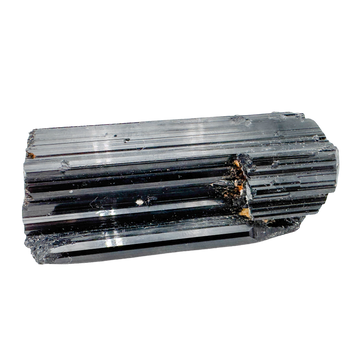
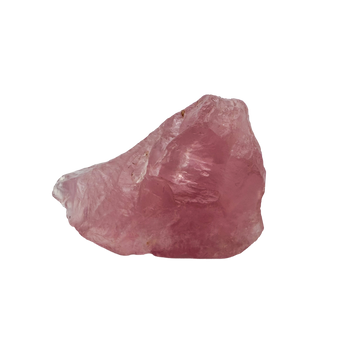
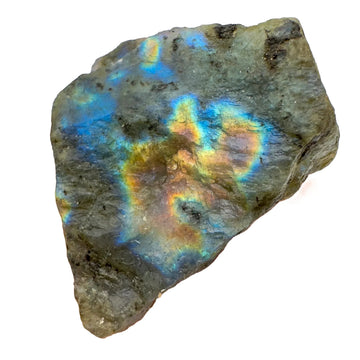
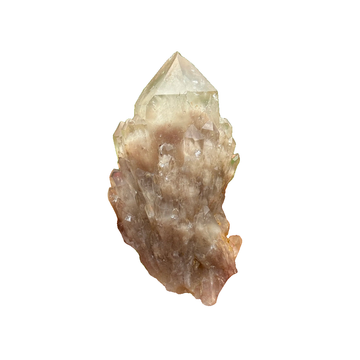
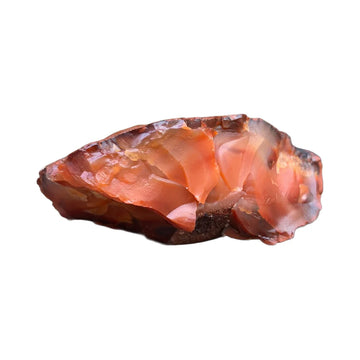
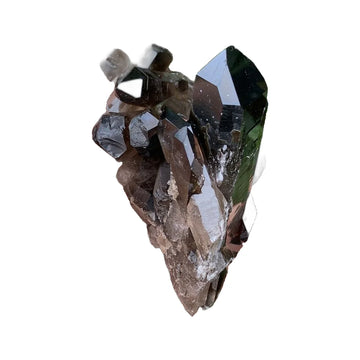
 Raw Stones
179 to choose from
Raw Stones
179 to choose from
 Tumbled Stones
162 to choose from
Tumbled Stones
162 to choose from
 Palm Stones
25 to choose from
Palm Stones
25 to choose from
 Crystal Points
23 to choose from
Crystal Points
23 to choose from
 Clusters & Geodes
101 to choose from
Clusters & Geodes
101 to choose from
 Polished & Decor
148 to choose from
Polished & Decor
148 to choose from
 Mineral Specimens
254 to choose from
Mineral Specimens
254 to choose from
 Crystal Chips
21 to choose from
Crystal Chips
21 to choose from


 AngolaAquamarine
›
AngolaAquamarine
›
 BotswanaCarnelian, Tree Agate
›
BotswanaCarnelian, Tree Agate
›
 DR CongoMalachite, Natural Citrine
›
DR CongoMalachite, Natural Citrine
›
 EswatiniBloodstone
›
EswatiniBloodstone
›
 MadagascarLabradorite, Clear Quartz
›
MadagascarLabradorite, Clear Quartz
›
 MalawiBlue Lace Agate, Garnet
›
MalawiBlue Lace Agate, Garnet
›
 MozambiqueAmazonite
›
MozambiqueAmazonite
›
 NamibiaSodalite, Blue Lace Agate
›
NamibiaSodalite, Blue Lace Agate
›
 Republic of the CongoDioptase
›
Republic of the CongoDioptase
›
 South AfricaTiger Eye, Unakite
›
South AfricaTiger Eye, Unakite
›
 ZambiaChevron Amethyst
›
ZambiaChevron Amethyst
›
 ZimbabweEmerald, Rhodonite
›
ZimbabweEmerald, Rhodonite
›
 ArgentinaBlack Obsidian, Rhodochrosite
›
ArgentinaBlack Obsidian, Rhodochrosite
›
 BoliviaAmetrine
›
BoliviaAmetrine
›
 BrazilAmethyst, Clear Quartz
›
BrazilAmethyst, Clear Quartz
›
 PeruSerpentine, Jade
›
PeruSerpentine, Jade
›
 UruguayAmethyst
›
UruguayAmethyst
›
 Dominican RepublicLarimar
›
Dominican RepublicLarimar
›
 MexicoRainbow Obsidian, Crazy Lace Agate
›
MexicoRainbow Obsidian, Crazy Lace Agate
›
 United StatesSelenite, Peridot
›
United StatesSelenite, Peridot
›
 ChinaFluorite
›
ChinaFluorite
›
 RussiaShungite
›
RussiaShungite
›
 AustraliaMookaite
›
AustraliaMookaite
›
 Where our crystals come from
See where we source →
Where our crystals come from
See where we source →


 Aries
Mar 21 to Apr 19
Carnelian
›
Aries
Mar 21 to Apr 19
Carnelian
›
 Taurus
Apr 20 to May 20
Rose Quartz
›
Taurus
Apr 20 to May 20
Rose Quartz
›
 Gemini
May 21 to Jun 20
Agate
›
Gemini
May 21 to Jun 20
Agate
›
 Cancer
Jun 21 to Jul 22
Moonstone
›
Cancer
Jun 21 to Jul 22
Moonstone
›
 Leo
Jul 23 to Aug 22
Citrine
›
Leo
Jul 23 to Aug 22
Citrine
›
 Virgo
Aug 23 to Sep 22
Amazonite
›
Virgo
Aug 23 to Sep 22
Amazonite
›
 Libra
Sep 23 to Oct 22
Blue Lace Agate
›
Libra
Sep 23 to Oct 22
Blue Lace Agate
›
 Scorpio
Oct 23 to Nov 21
Obsidian
›
Scorpio
Oct 23 to Nov 21
Obsidian
›
 Sagittarius
Nov 22 to Dec 21
Sodalite
›
Sagittarius
Nov 22 to Dec 21
Sodalite
›
 Capricorn
Dec 22 to Jan 19
Black Tourmaline
›
Capricorn
Dec 22 to Jan 19
Black Tourmaline
›
 Aquarius
Jan 20 to Feb 18
Amethyst
›
Aquarius
Jan 20 to Feb 18
Amethyst
›
 Pisces
Feb 19 to Mar 20
Aquamarine
›
Gifting?
A birthday stone is the safe bet.
Read the zodiac guide →
Pisces
Feb 19 to Mar 20
Aquamarine
›
Gifting?
A birthday stone is the safe bet.
Read the zodiac guide →


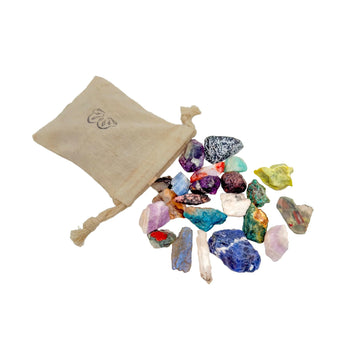
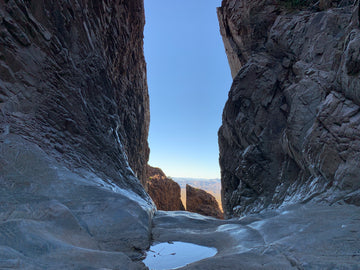

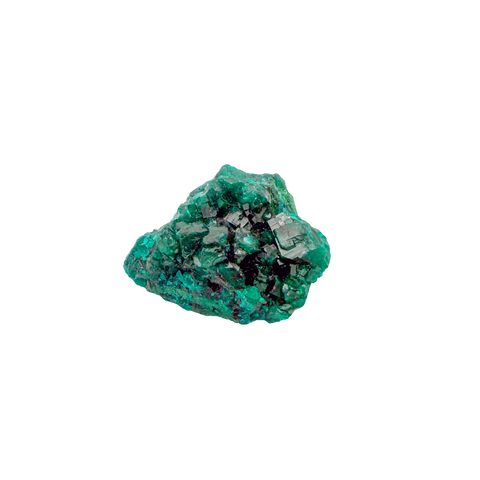
Dioptase
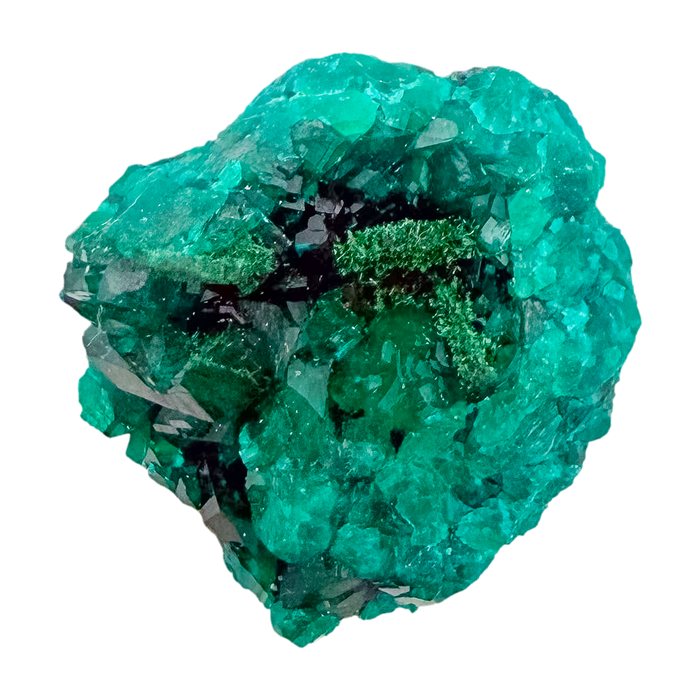
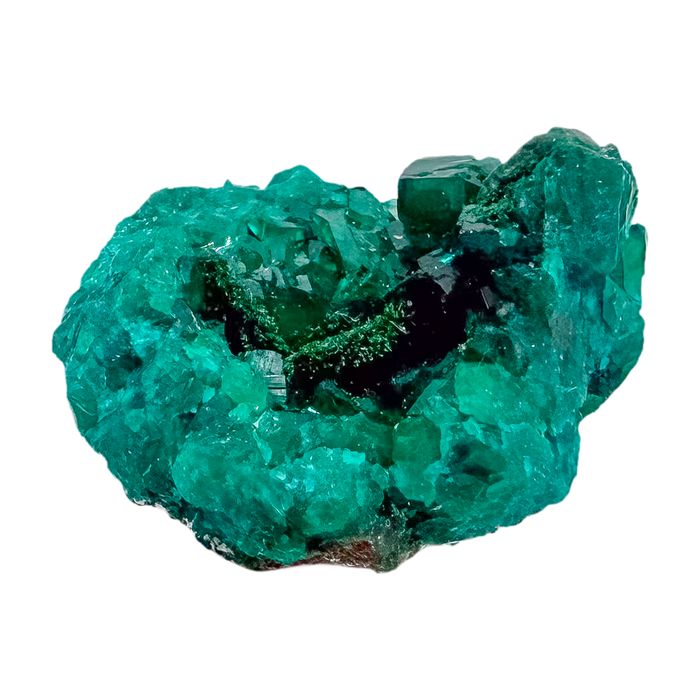
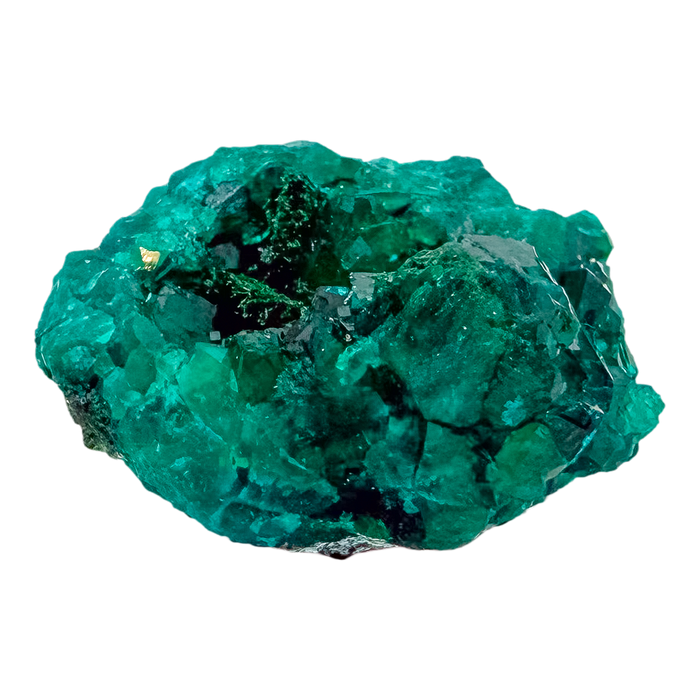
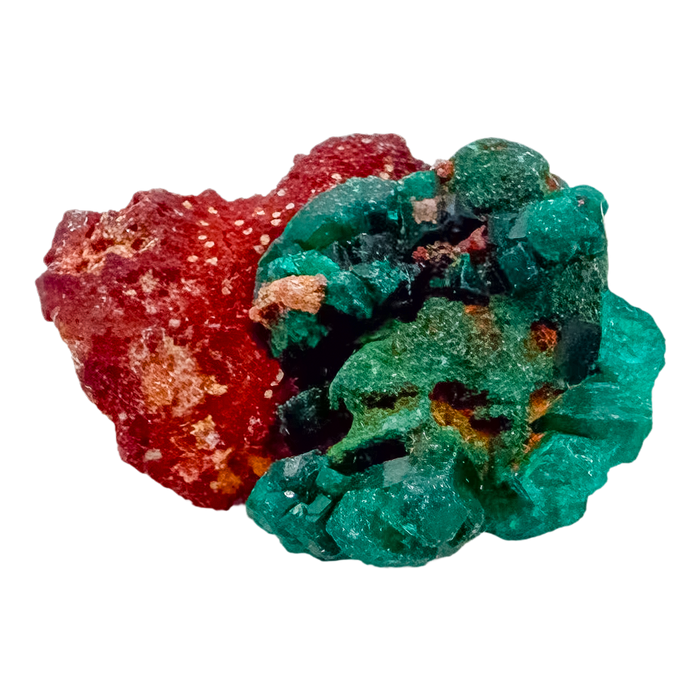
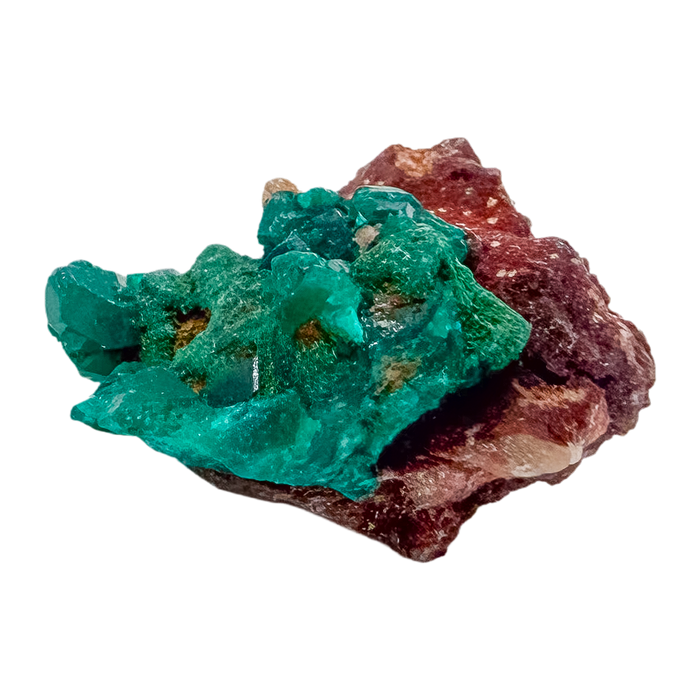
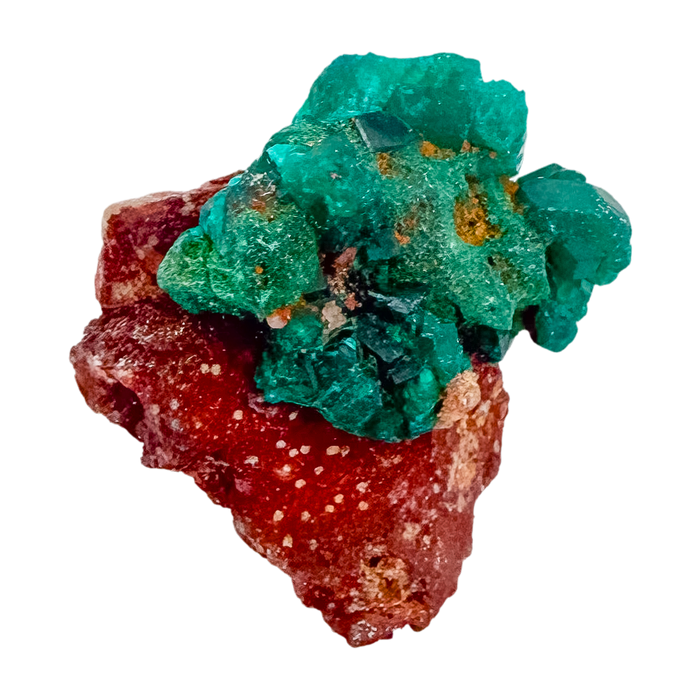
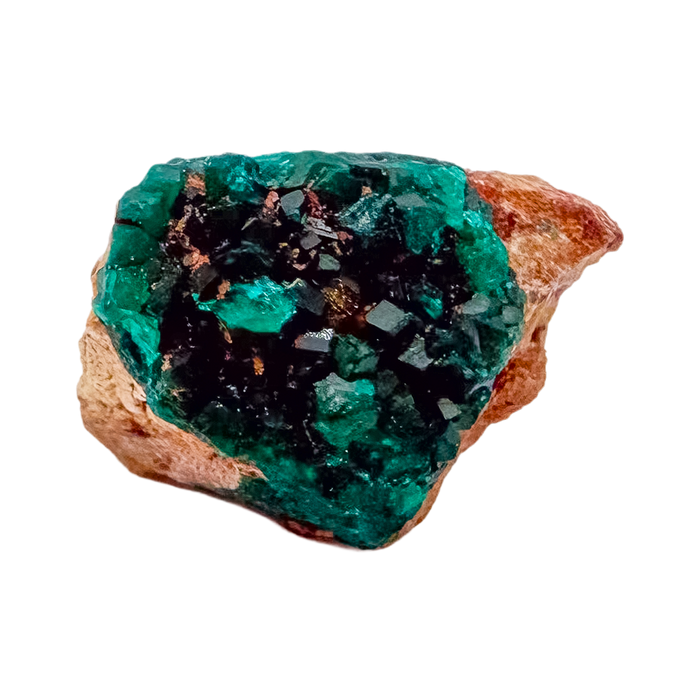
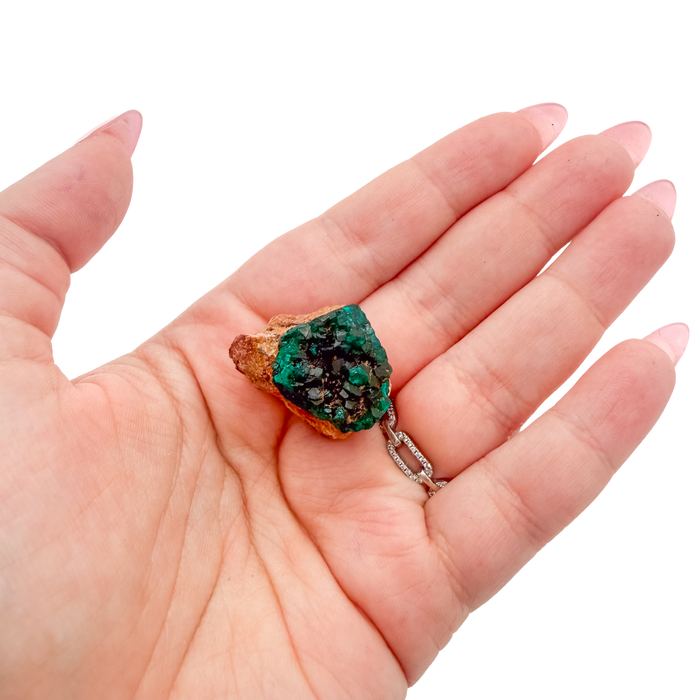
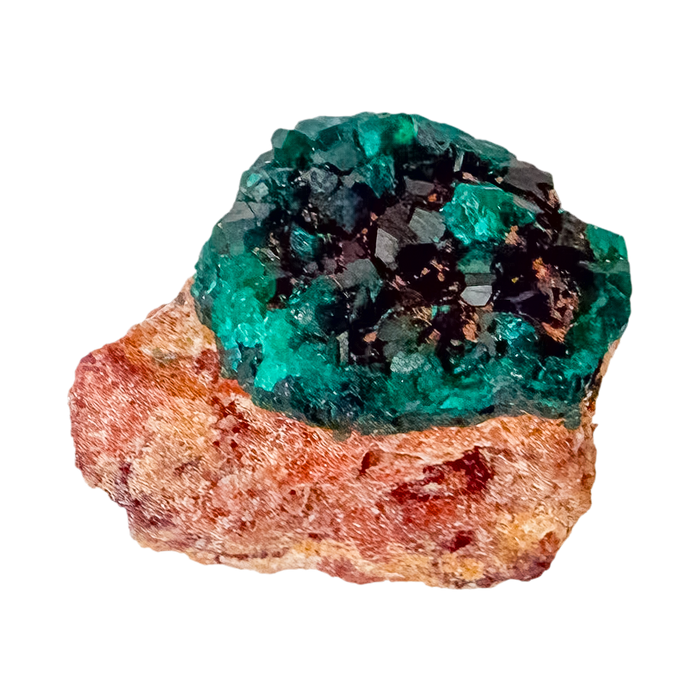
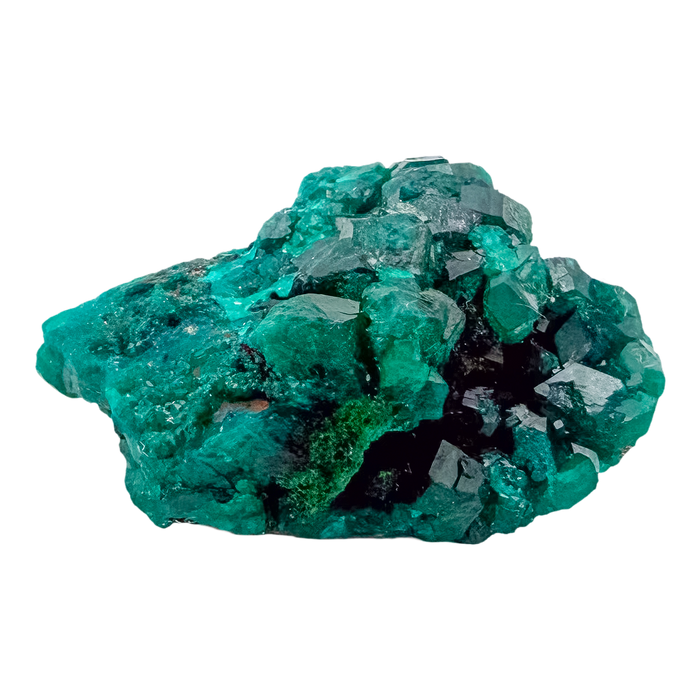
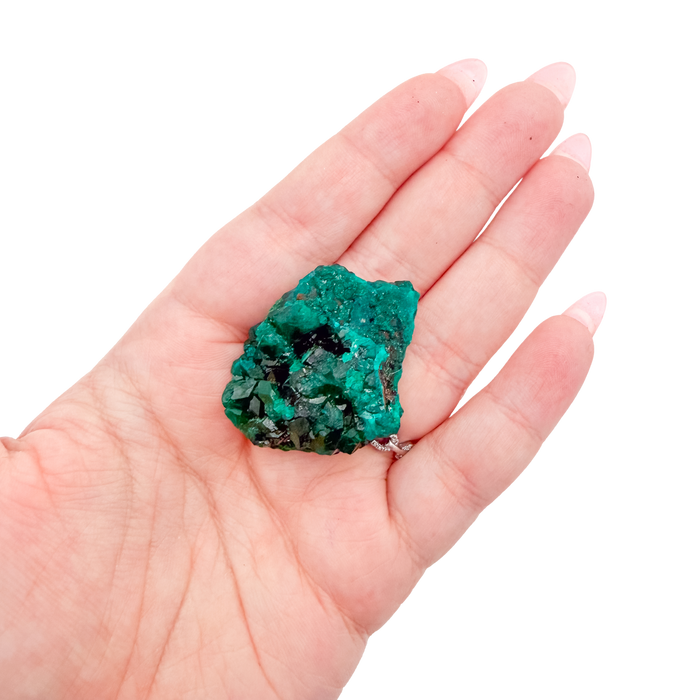
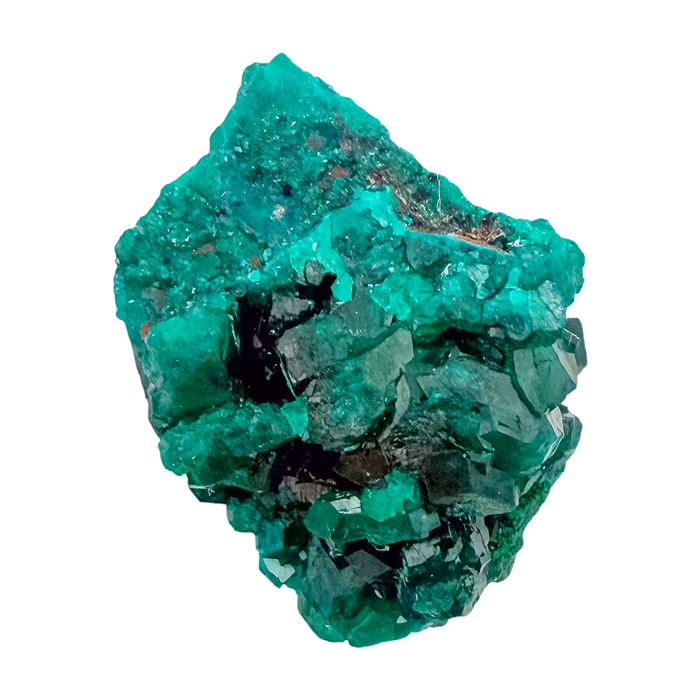
Dioptase is one of the rarest green minerals in the world. Its color comes from copper, and it forms only where copper-rich water runs through rock long enough to leave crystal behind. The best pieces on the market today come from a narrow stretch of mine country in the Republic of the Congo.
Shop dioptaseDioptase, in stock now.
Our most-loved Dioptase pieces, ready to ship.
- from 1,000+ reviews
- Ships within 72 hoursMonday to Friday, tracked
- 90 days to return itif you do not love it
- Free US shipping over $99$8.99 flat rate under
The geology.
Dioptase is a copper silicate, CuSiO₃·H₂O. It crystallizes in the trigonal system and forms short, stubby prisms with a pronounced rhombohedral termination. Hardness sits at 5, similar to apatite, so the mineral bruises easily and chips under a pocket knife. The emerald-to-blue-green color is intrinsic to the crystal lattice. It comes from copper, not from dye, coating, or heat treatment.
Specimens grow in the oxidation zone of copper deposits, where groundwater carrying dissolved copper slowly deposits mineral along rock fractures. The process takes thousands of years, which is part of why dioptase is so rare at specimen size.
The origins.
Most specimens on the market come from the Republic of the Congo. The Mindouli region and mines near Renéville and Kimbédi have been the primary source for over a century. Pieces from this region are prized for deep color and well-formed crystal groups on a matrix of limonite or dolomite.
More rarely, you may find specimens from other locations. Namibia has produced dioptase in smaller quantities, most notably from the historic Tsumeb mine before its closure. Kazakhstan, Arizona, and Iran appear in older collector catalogs but rarely reach current retail. The overwhelming majority of material you will see today is Congolese.
Traditional associations.
Dioptase is often associated with the heart chakra and with emotional renewal. In contemporary practice, people work with it as a stone of forgiveness, release, and depth of feeling. Some traditions connect it with grief work and with resetting the chest area after loss.
These associations come from intention-based practice, not medical claims.
Spotting the real thing.
Color saturation is the first thing to assess. Strong dioptase shows a clear emerald-to-blue-green hue with no muddy or olive undertone. Crystals should have sharp terminations and visible luster on the faces.
Check that crystals sit on natural matrix. Glue repair and crystal transplants are common on lower-grade dealer specimens. A small chip or a loose crystal at the base is normal for a dug piece. A perfectly clean break with adhesive is not.
Hardness of 5 means dioptase scratches and chips easily. Store it away from harder stones, and avoid ultrasonic cleaning.
Care & handling.
Hardness of 5 means dioptase is fragile and chips easily. Store separately from harder stones to avoid scratches. Wipe dust with a soft dry cloth.
Avoid prolonged water exposure, saltwater, ultrasonic or steam cleaners, chemical cleaners, and smoke or soot. For energetic cleansing, use sound, moonlight, or place on selenite. Low-humidity storage is best.
Pairs well with.
Proof, not promises.
We measure our own sourcing across five dimensions. Supply chain, environmental footprint, artisan support, market integrity, and pricing. The number is honest, not perfect. Where we can do better, we say so.
A deeper look.
Extended geology, sourcing, authentication, history, varieties, and pricing, for when the quick guide isn't quite enough.
Extended geology
Dioptase is a cyclosilicate with the formula CuSiO₃·H₂O. It crystallizes in the trigonal system, typically forming short, stubby prismatic crystals with rhombohedral terminations. Specific gravity runs 3.28 to 3.35. Mohs hardness is 5, closer to apatite than to the quartz or emerald it is often compared to. Cleavage is perfect in three directions, which is a large part of why dioptase chips so easily. Refractive indices are 1.644 to 1.710 with strong birefringence. Luster is vitreous, fracture is conchoidal to uneven, and streak is pale green.
The color is intrinsic, generated by divalent copper in the crystal lattice. Unlike most copper greens, the hue of dioptase stays saturated at small crystal sizes because the copper is a structural component of the mineral, not an added pigment or surface coating.
Extended sourcing
The Mindouli District in the Republic of the Congo has produced the finest dioptase for over a century. Mines near Renéville and Kimbédi are the primary active sources, with specimens typically appearing as druzy crusts or sharp individual crystals on limonite or dolomite matrix.
The Tsumeb mine in Namibia produced exceptional dioptase from the late nineteenth century until its closure in 1996. Tsumeb pieces are now almost entirely in collector hands and surface only through auction or estate sales. The Altyn-Tyube deposit in Kazakhstan yielded historic specimens that occasionally appear in older cabinets. Minor occurrences in Arizona (the Christmas mine in Gila County) and Iran produce pieces of regional interest but rarely reach commercial volume.
In practical terms, if you are buying dioptase today, the piece is almost certainly Congolese. Fine Tsumeb or Altyn-Tyube material, when it appears, trades at collector prices well above current Congolese retail.
Authentication and warning signs
Dioptase is difficult to imitate convincingly. The combination of emerald-to-blue-green color, trigonal crystal habit, and moderate hardness is distinct, and the price point does not justify the cost of making a convincing glass or plastic fake. Most authentication issues are repair and enhancement rather than outright forgery.
Glue repair, where a detached crystal has been reattached to its original matrix, is a frequent finding on dealer specimens. Crystal transplants, where a crystal from one piece has been affixed to matrix from another, also occur. Examine each crystal base under magnification. Natural attachment shows a clean growth boundary. Repair shows adhesive film, fill material, or a subtle mismatch in matrix color at the join.
Saturation and termination quality drive value. Muddy or olive undertones suggest weathered or lower-grade material. Fractured or etched crystal faces reduce value significantly.
Historical and cultural context
Dioptase was first described to Western mineralogy in the late eighteenth century, from specimens sent to Europe from the Altyn-Tyube deposit in present-day Kazakhstan. The material was initially mistaken for emerald because of its color, and the name dioptase comes from the Greek dia-optasia, meaning to see through, referring to the internal cleavage planes visible within transparent crystals. The mineral has no significant recorded role in pre-industrial jewelry or lapidary traditions, so the modern metaphysical associations are a contemporary development rather than an inherited practice.
Varieties
Dioptase has no named varieties in the collector market. Pieces are graded instead by locality (Mindouli, Tsumeb, Altyn-Tyube), by matrix (limonite, dolomite, or freestanding crystals), and by crystal size, termination quality, and color saturation.
Pricing reality
Small Congolese specimens with a few attached crystals on matrix start at 25 to 60 dollars. Mid-size cabinet specimens with strong color and multiple terminations run 150 to 600 dollars. Large, well-formed Congolese pieces with exceptional color saturation and clean matrix can reach 1,500 dollars or more. Vintage Tsumeb material, when available, typically trades in the 500-to-several-thousand dollar range depending on size and provenance. Faceted dioptase is rare, and the stone's fragility limits its use in wearable jewelry.
Value drivers: color saturation, crystal size and termination quality, matrix aesthetics, and documented locality. Warning signs: unusually low prices for "Tsumeb" material, visible adhesive at crystal bases, and unnaturally uniform color in listing photos.
Good sourcing is a practice, not a claim.
Nothing we sell is heat-treated, dyed, stabilized, or color-enhanced without full disclosure. We name our origins where we can. We say so when we cannot. We walk away from material that does not meet our standard, even when it costs us sales.
Bring dioptase home.
Every piece we carry is photographed individually and listed with its own origin and treatment notes. What you see is what ships.
Shop the dioptase collectionGrounded Connections
New stones go to the list first.
No forwarding, no selling. Unsubscribe in one click. Privacy