


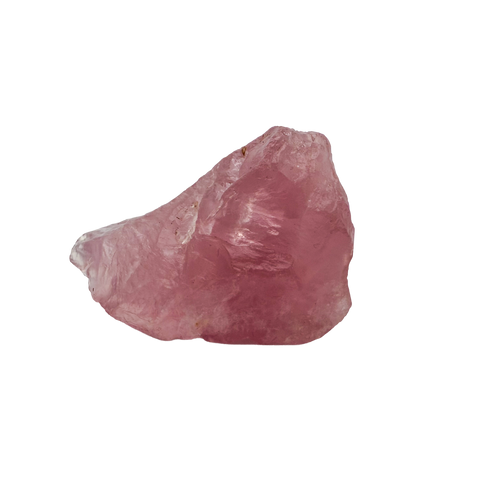
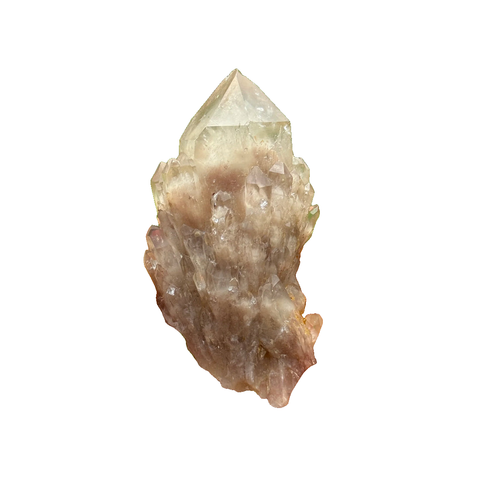
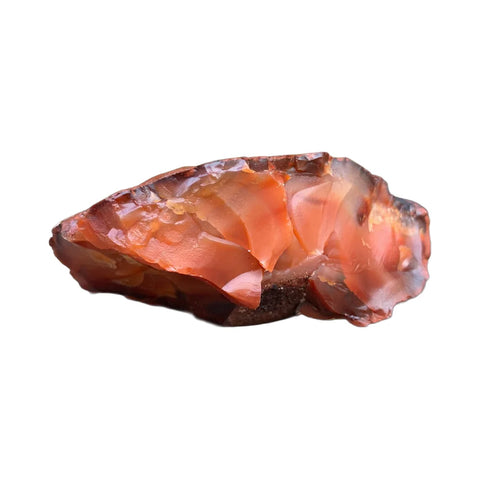
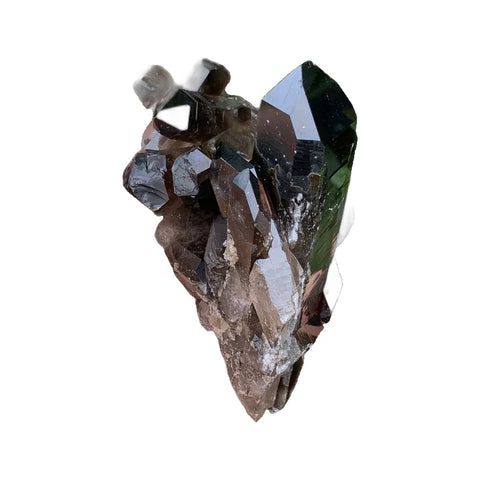
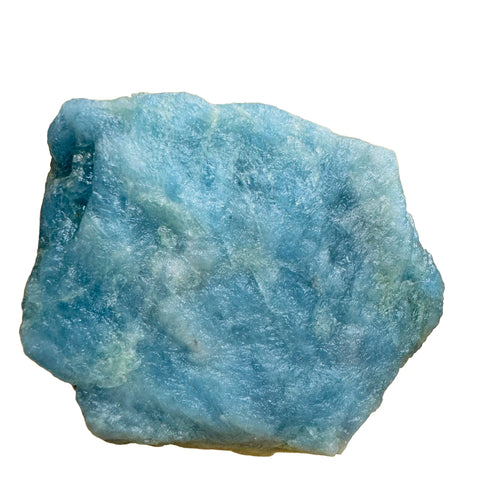
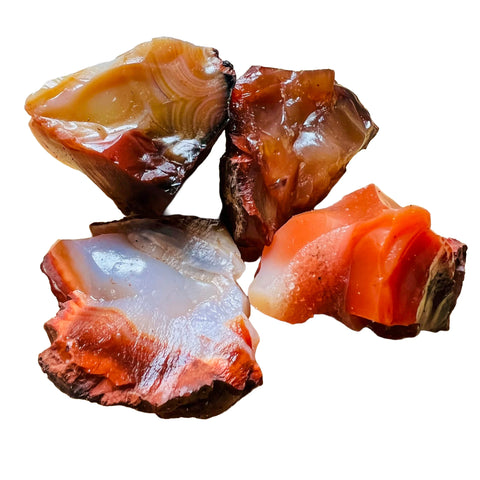


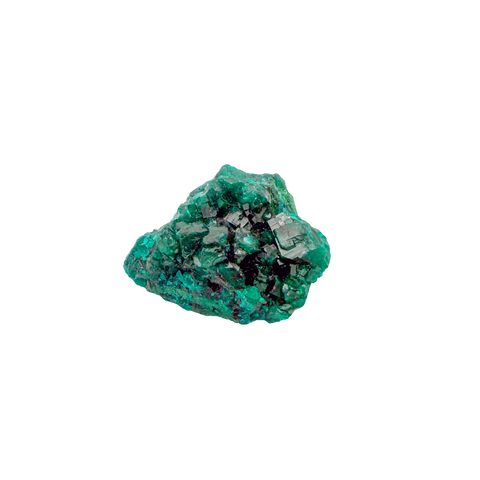
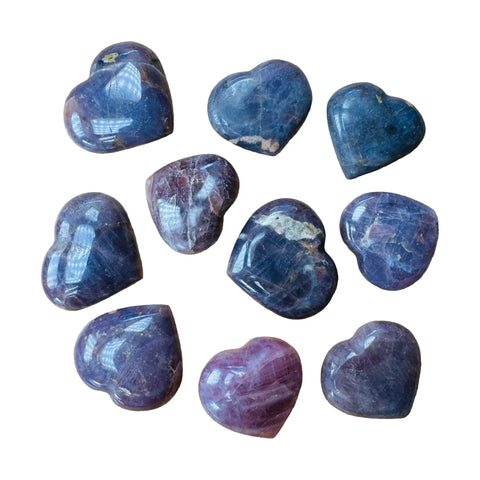
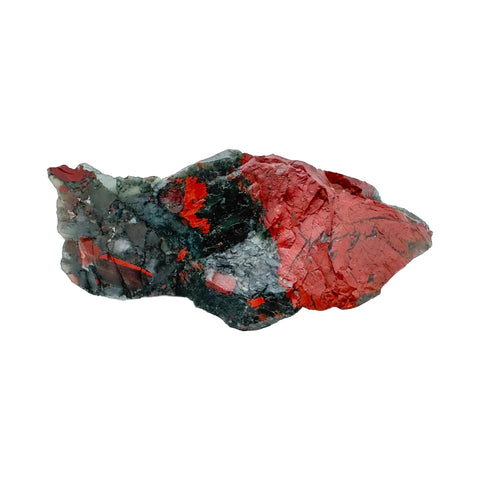
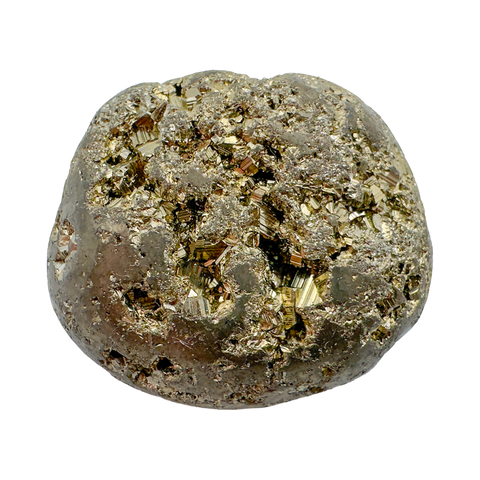
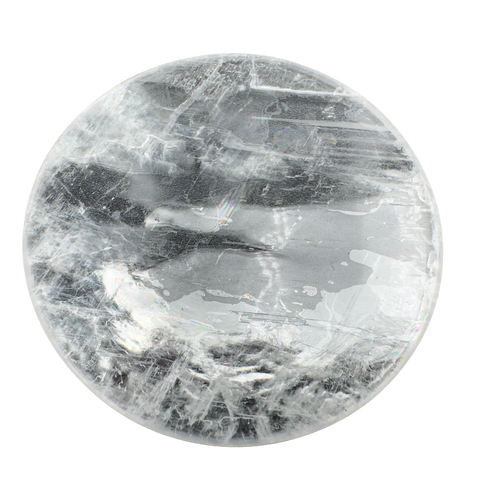
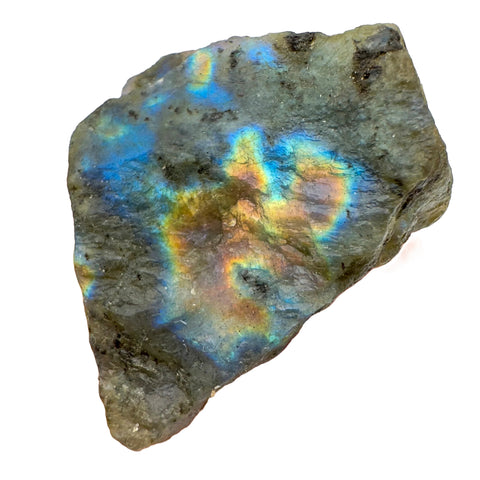
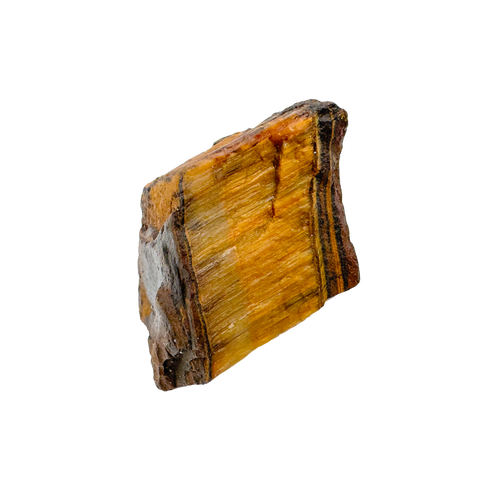
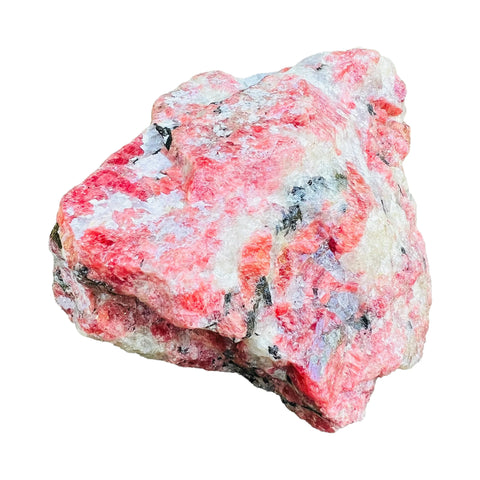
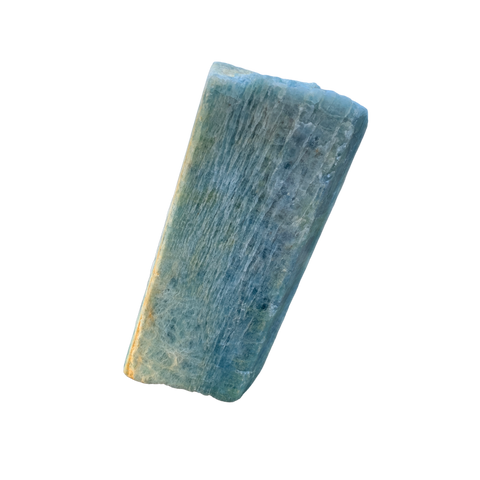
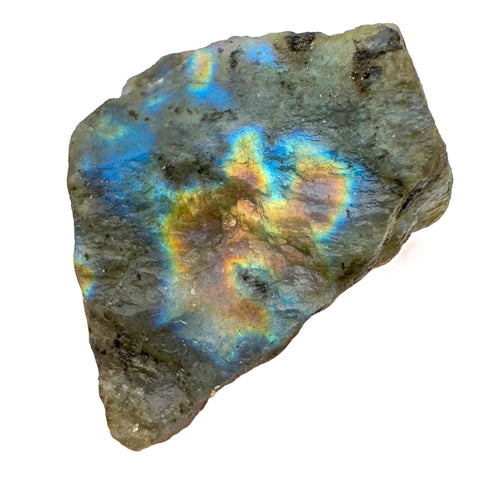
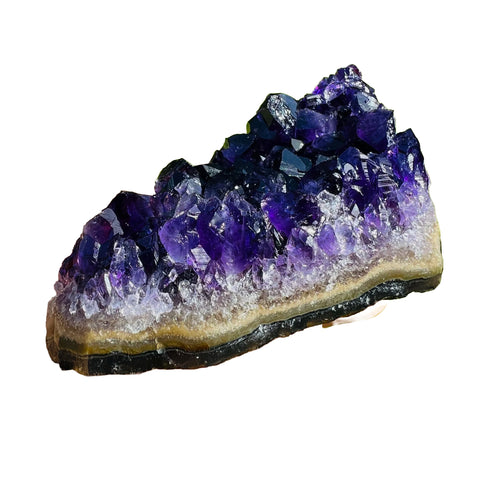



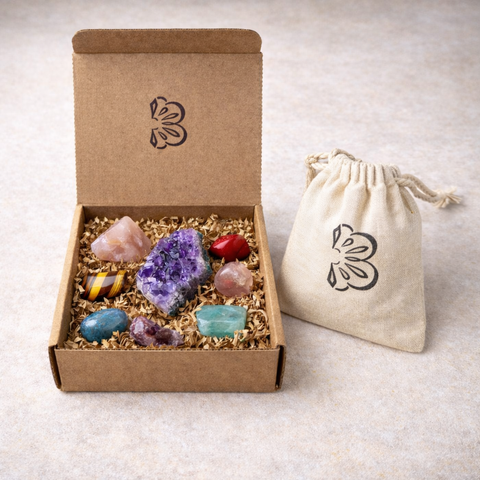
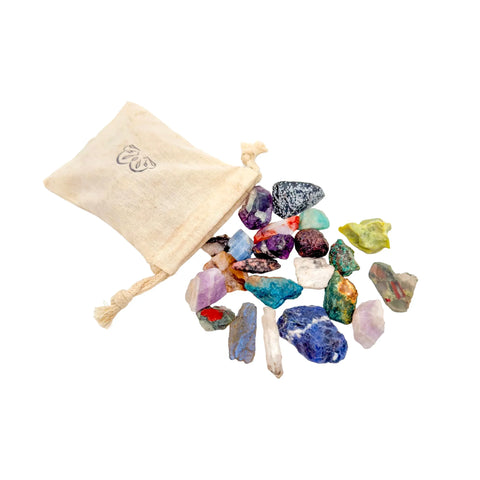
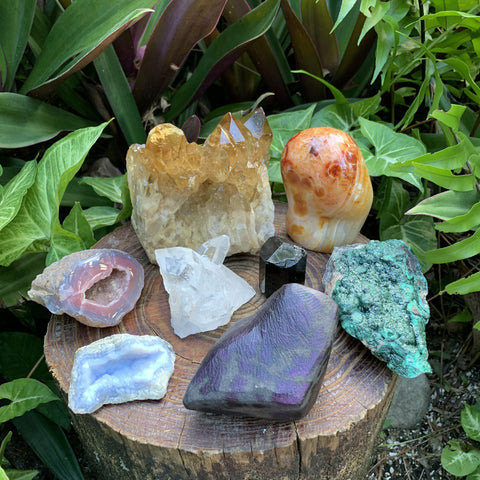
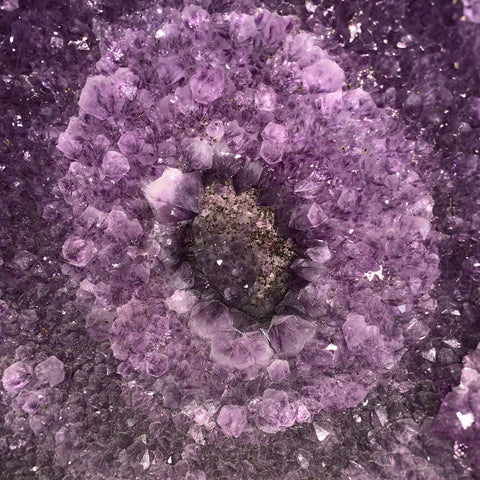
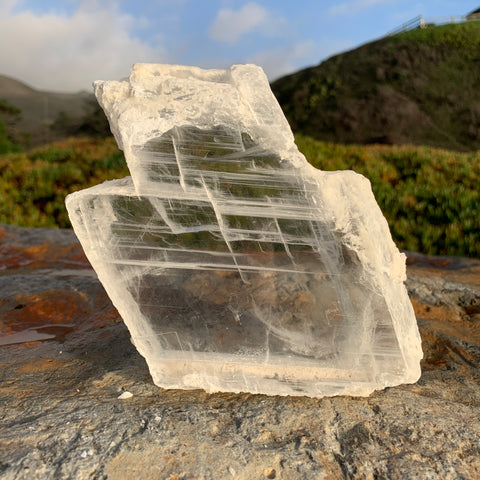

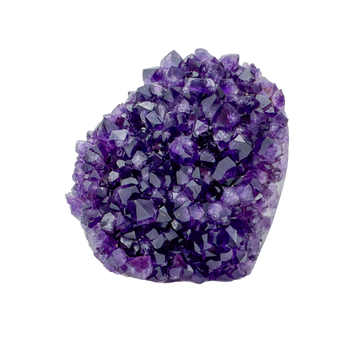
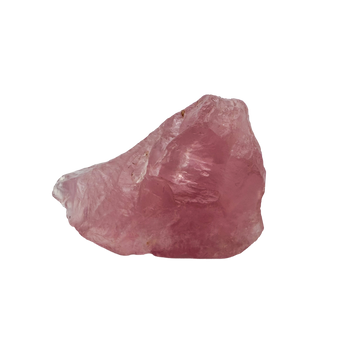
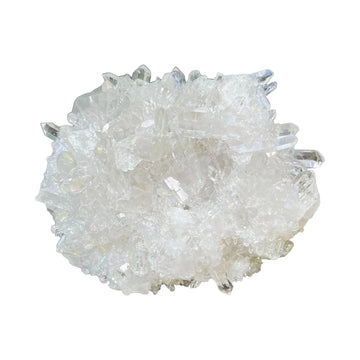
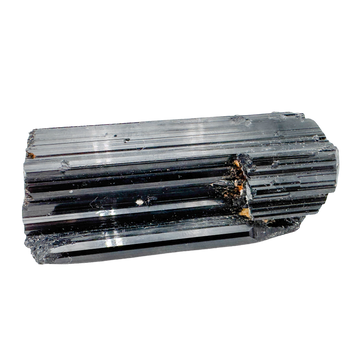
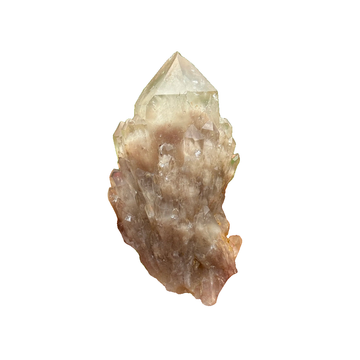
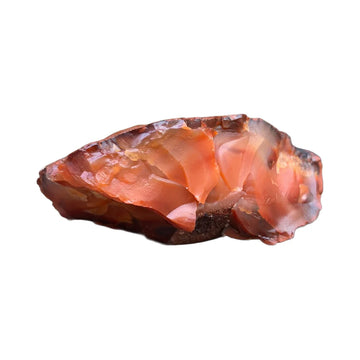
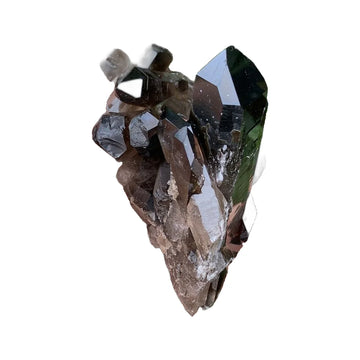
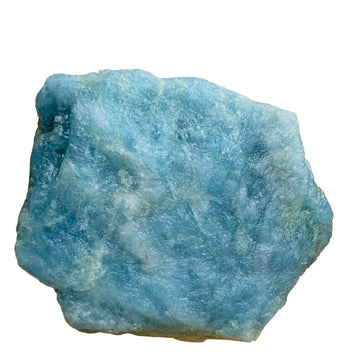
 Raw Stones
179 pieces
Raw Stones
179 pieces
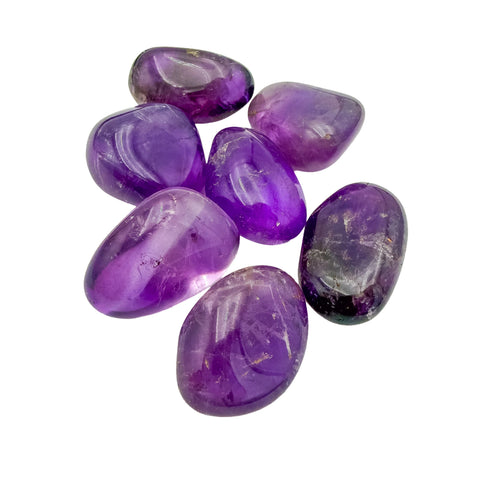
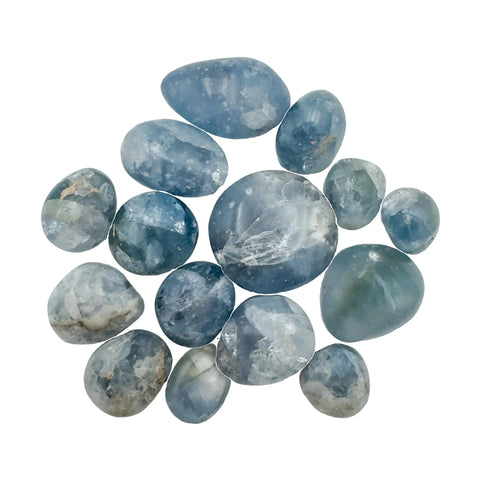
 Tumbled Stones
162 pieces
Tumbled Stones
162 pieces
 Palm Stones
25 pieces
Palm Stones
25 pieces
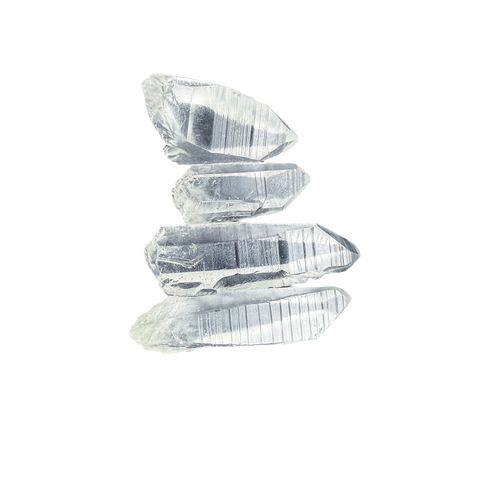
 Crystal Points
23 pieces
Crystal Points
23 pieces
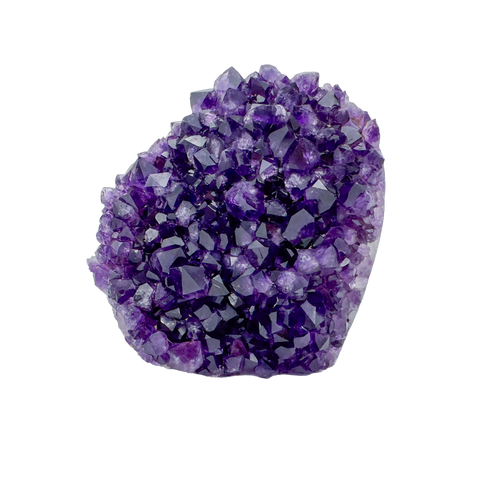
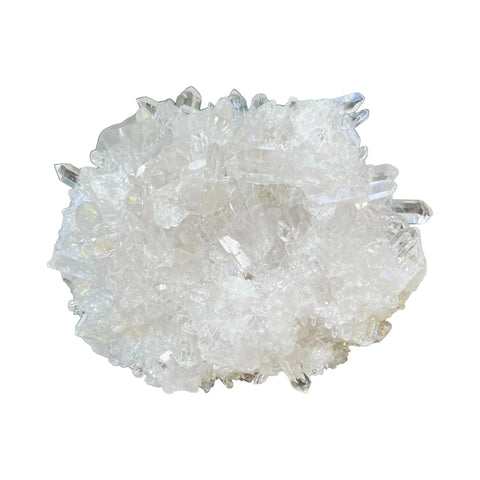
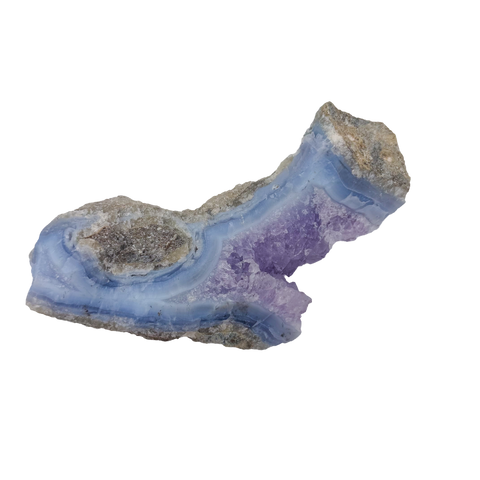
 Clusters & Geodes
104 pieces
Clusters & Geodes
104 pieces
 Polished & Decor
148 pieces
Polished & Decor
148 pieces
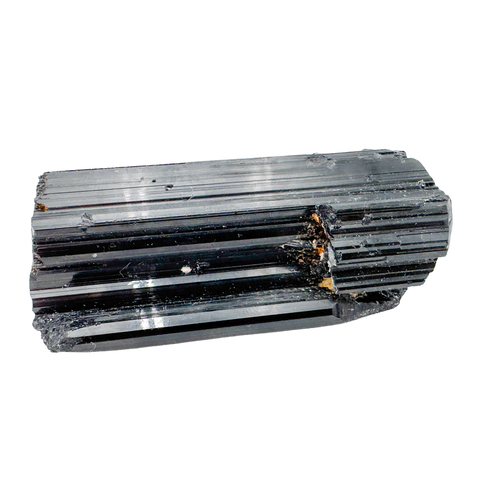
 Mineral Specimens
259 collector pieces
Mineral Specimens
259 collector pieces
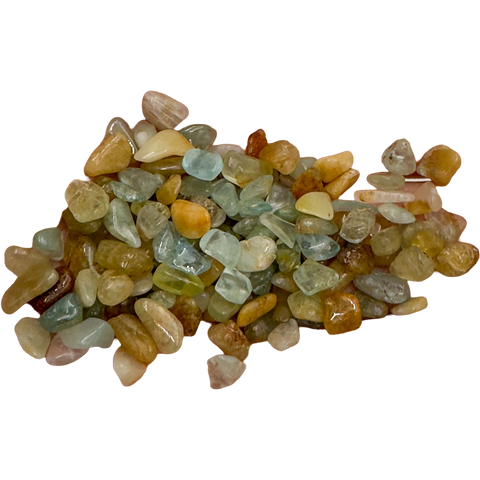
 Crystal Chips
21 pieces
Browse everything
Every collection, one page.
View All Collections →
Crystal Chips
21 pieces
Browse everything
Every collection, one page.
View All Collections →


 Aries
Mar 21 – Apr 19
Carnelian
›
Aries
Mar 21 – Apr 19
Carnelian
›
 Taurus
Apr 20 – May 20
Rose Quartz
›
Taurus
Apr 20 – May 20
Rose Quartz
›
 Gemini
May 21 – Jun 20
Agate
›
Gemini
May 21 – Jun 20
Agate
›
 Cancer
Jun 21 – Jul 22
Moonstone
›
Cancer
Jun 21 – Jul 22
Moonstone
›
 Leo
Jul 23 – Aug 22
Citrine
›
Leo
Jul 23 – Aug 22
Citrine
›
 Virgo
Aug 23 – Sep 22
Amazonite
›
Virgo
Aug 23 – Sep 22
Amazonite
›
 Libra
Sep 23 – Oct 22
Blue Lace Agate
›
Libra
Sep 23 – Oct 22
Blue Lace Agate
›
 Scorpio
Oct 23 – Nov 21
Obsidian
›
Scorpio
Oct 23 – Nov 21
Obsidian
›
 Sagittarius
Nov 22 – Dec 21
Sodalite
›
Sagittarius
Nov 22 – Dec 21
Sodalite
›
 Capricorn
Dec 22 – Jan 19
Black Tourmaline
›
Capricorn
Dec 22 – Jan 19
Black Tourmaline
›
 Aquarius
Jan 20 – Feb 18
Amethyst
›
Aquarius
Jan 20 – Feb 18
Amethyst
›
 Pisces
Feb 19 – Mar 20
Aquamarine
›
Gifting?
A birthday stone is the safe bet.
Read the zodiac guide →
Pisces
Feb 19 – Mar 20
Aquamarine
›
Gifting?
A birthday stone is the safe bet.
Read the zodiac guide →


Bismuth
Bismuth is a chemical element, and the dazzling rainbow staircase crystals sold in shops are almost always lab-grown, not mined. They are made by melting refined bismuth and cooling it slowly, and the rainbow is a thin natural oxide film on the surface. We lead with that because honesty is the whole point of this guide.
The geology.
Bismuth is a chemical element, symbol Bi, a heavy and brittle metal. The eye-catching rainbow crystals with their stair-stepped, geometric shapes are almost always lab-grown rather than mined. They are made by melting refined bismuth and letting it cool slowly, so the metal crystallizes into hollow, terraced hopper crystals.
The rainbow is a surface effect. As the hot metal cools in air, a very thin oxide layer forms on the surface, and that film splits light into shifting colors, the same way oil does on water. Bismuth is soft, around 2 to 2.5 on the Mohs scale, and crystallizes in the trigonal system. Natural native bismuth does exist in the ground, but it is uncommon and looks nothing like the lab-grown rainbows.
The origins.
This is where honesty matters. The colorful bismuth crystals in almost every shop are man-made. Refined bismuth metal, often a byproduct of lead, tin, and copper refining, is melted and recrystallized to grow the iconic hopper shapes. There is no bismuth mine producing these rainbow specimens, they are made in workshops and factories.
Natural native bismuth is a genuine mineral, found in places like Bolivia, Australia, and Germany, but it typically occurs as dull, silvery-pink masses in ore, not as geometric rainbow staircases. So when you see a perfect iridescent bismuth crystal, the accurate description is lab-grown, and a good seller will say so plainly.
Traditional associations.
Because the popular bismuth crystal is a modern lab-grown object, it has no ancient folklore of its own. Its metaphysical associations were adopted recently, drawn to its orderly, geometric form and bright color rather than to any long tradition.
Many people work with bismuth around transformation, focus, and a sense of orderly calm, themes suggested by its precise, stair-stepped structure. It is loosely associated with all of the chakras and the element of Earth, and it is sometimes paired with Aquarius. A common practice is simply to keep a specimen on a desk or shelf as a bright focal point.
Spotting the real thing.
With bismuth, authentication is less about spotting a fake stone and more about honest labeling. A vivid rainbow bismuth crystal with clean geometric terraces is almost certainly lab-grown, and that is completely normal. The thing to confirm is that the seller describes it accurately rather than implying it is a rare natural specimen.
Genuine lab-grown bismuth is real bismuth metal, so it is heavy for its size, soft, and shows true structural terraces with an oxide rainbow that lives on the surface. Painted plastic or resin imitations feel light and warm and lack the crisp metal steps. For natural native bismuth, expect dull silvery-pink masses in matrix, not rainbows.
Care & handling.
Bismuth is soft and brittle at 2 to 2.5 on the Mohs scale, so it is a display piece rather than a jewelry stone. The delicate terraced edges chip easily, so handle specimens gently and set them where they will not be knocked. The thin oxide rainbow can dull if the surface is rubbed or scratched.
Keep bismuth dry and avoid water soaks, salt, and chemicals, which can mark the metal and its colorful film. Dust it with a soft, dry brush. Bismuth is considered one of the least toxic heavy metals and is stable to handle as a solid specimen, but as with any metal piece, keep it away from food and wash your hands after handling.
Pairs well with.
A deeper look.
Extended chemistry, sourcing, honest labeling, history, and varieties, for when the quick guide isn't quite enough.
Extended chemistry and structure
Bismuth is element number 83, a post-transition metal that is heavy, brittle, and silvery with a faint pink cast when fresh. When molten bismuth cools, it crystallizes in the trigonal system and tends to form hopper crystals, where the edges of each layer grow faster than the faces, leaving hollow, stepped terraces that look like tiny geometric staircases.
The rainbow is thin-film interference. A microscopically thin bismuth oxide layer forms as the surface reacts with air, and its thickness determines which colors you see, from gold to blue to violet. Bismuth is soft at 2 to 2.5 on the Mohs scale and unusually low melting for a metal, which is exactly why hobbyists and workshops can grow crystals of it at home.
Extended sourcing
Almost all decorative bismuth is lab-grown from refined bismuth metal. Industrially, bismuth is recovered largely as a byproduct of lead, tin, tungsten, and copper processing, then purified and recrystallized specifically to make the colorful specimens. This is why the material is affordable and consistent rather than rare.
Natural native bismuth is a legitimate mineral and is found at localities in Bolivia, Australia, Germany, Canada, and elsewhere, usually as granular or foliated silvery-pink masses in veins. Collectors do seek natural specimens, but they are a completely different look from the lab-grown rainbows and are far less common in shops.
Honest labeling and warning signs
Because the rainbow crystals are synthetic, the key to buying bismuth well is transparency rather than a fake test. Reputable sellers describe the crystals as lab-grown or synthetic, which is accurate and expected. The warning sign is any seller who presents them as rare natural mined crystals or hides that they are made.
To tell real lab-grown bismuth from a plastic imitation, check the weight and feel: bismuth is dense and cool, with crisp metallic terraces, while resin copies are light, warm, and lack sharp structure. For natural native bismuth, look for dull silvery-pink metal in matrix rather than a geometric rainbow.
History
Bismuth has been known since at least the fifteenth century, though it was long confused with lead and tin. It was recognized as a distinct element in the eighteenth century. The colorful lab-grown hopper crystals, by contrast, are a modern phenomenon tied to hobby metallurgy and decorative mineral sales, not to any historical tradition.
Bismuth compounds also have everyday uses, from certain stomach remedies to low-melting alloys, which speaks to how workable and low-toxicity the metal is. None of that history involves the rainbow crystal as a natural talisman, which is a recent decorative creation.
Varieties and forms
Lab-grown rainbow hopper crystals: the familiar geometric specimens, sold loose or on stands.
Cast bismuth shapes: melted and poured into molds such as pyramids or geometric forms, sometimes recrystallized for color.
Natural native bismuth: genuine mineral specimens, silvery-pink and massive, collected for mineralogical interest.
What it costs in the market
Lab-grown bismuth is inexpensive, with small specimens costing very little and larger, more colorful, well-formed crystals costing more. Natural native bismuth mineral specimens can be pricier for collectors because they are less common. Value in the decorative material comes from size, the crispness of the terraces, and the vividness of the oxide rainbow.
An education-first guide.
We don't currently carry bismuth, so there's nothing to sell you here. This guide exists because the more you understand a material, the better every decision you make about it becomes, wherever you buy it. Explore the rest of our crystal guides for stones we do source, each with full origin and treatment notes.
Explore the Crystal GuideThe closest match we carry: Hematite.
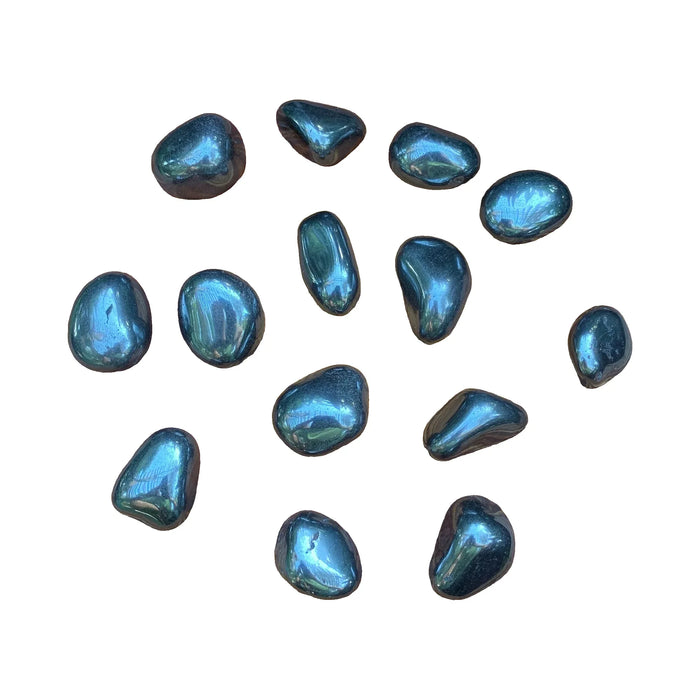
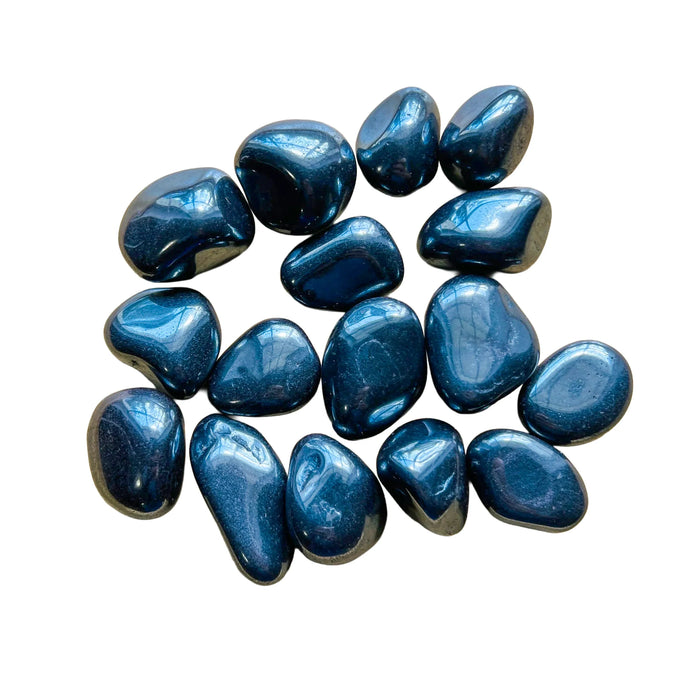
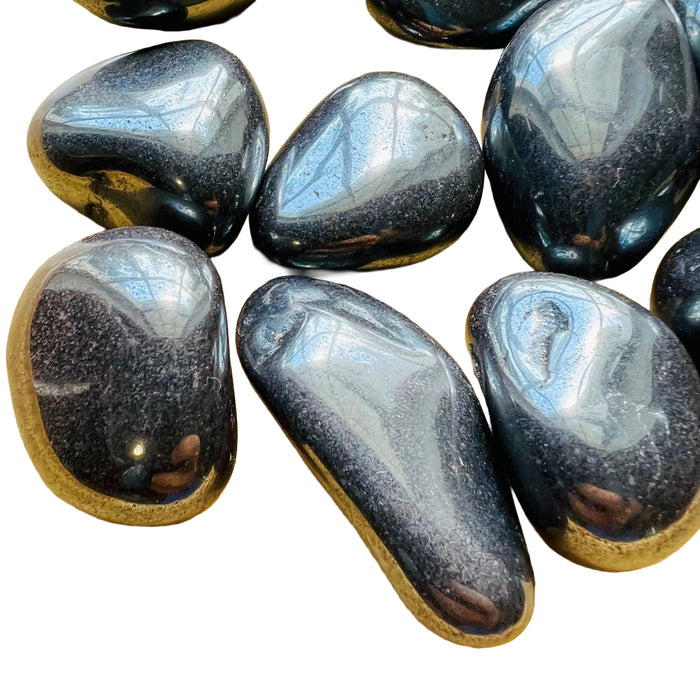
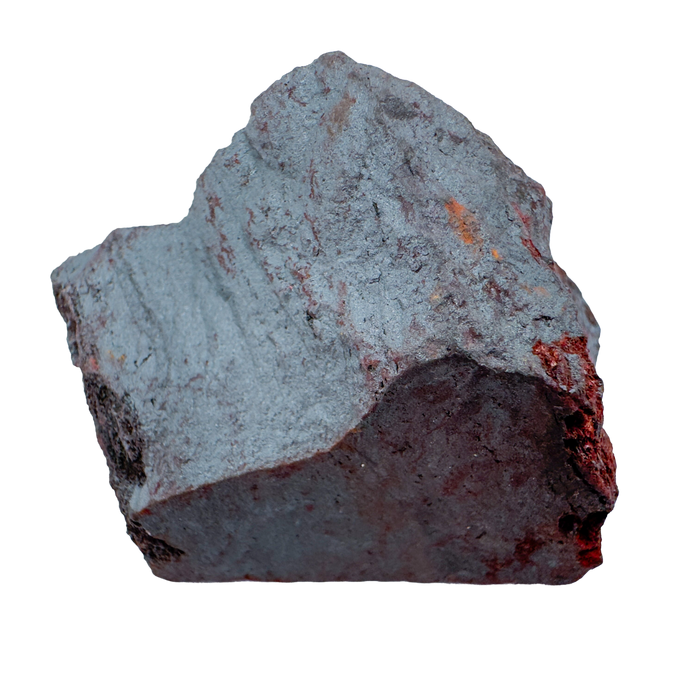
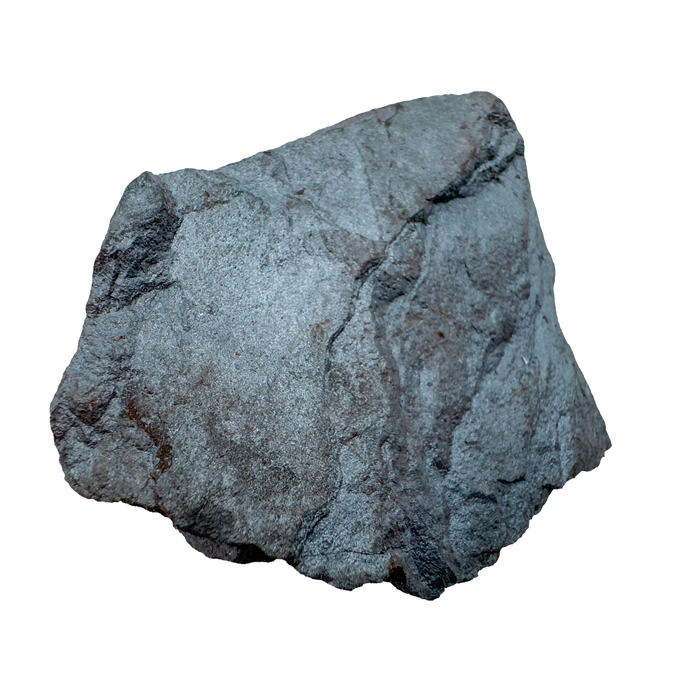
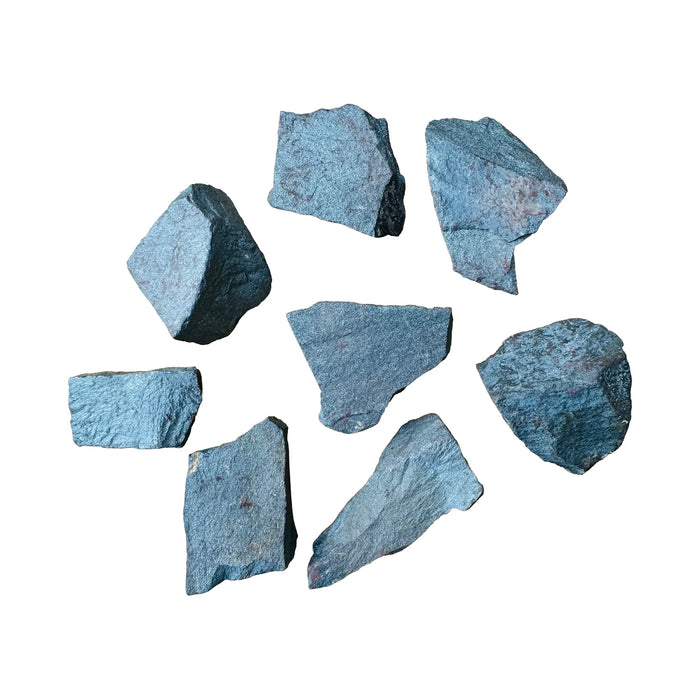
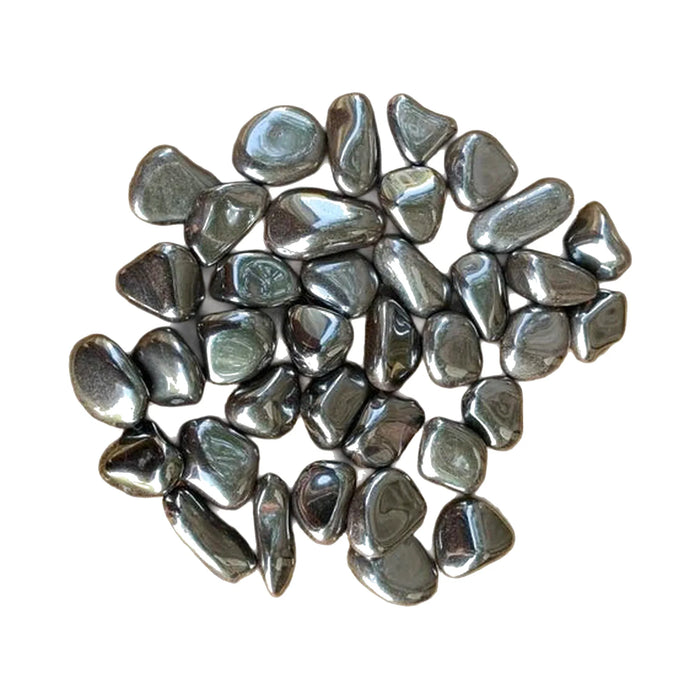
Bismuth is not something we carry. Hematite is the closest match in our collection, and every piece passes our sourcing standards: origin named, treatments disclosed.
- from 1,000+ reviews
- Ships within 72 hoursMonday to Friday, tracked
- 90 days to return itif you do not love it
- Free US shipping over $99$8.99 flat rate under
The Slow Note
New stones go to the list first.
No forwarding, no selling. Unsubscribe in one click. Privacy