


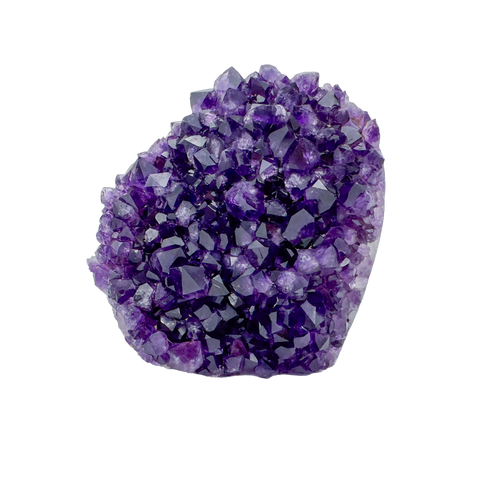
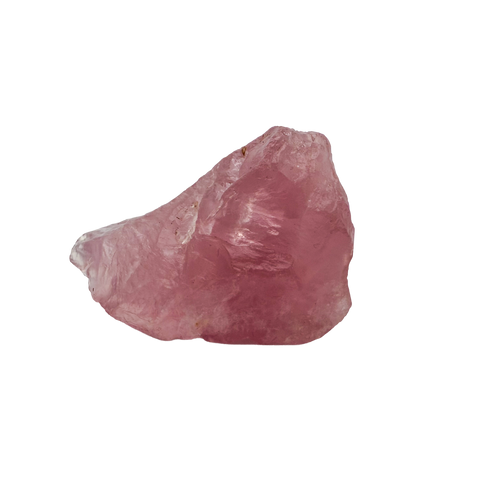
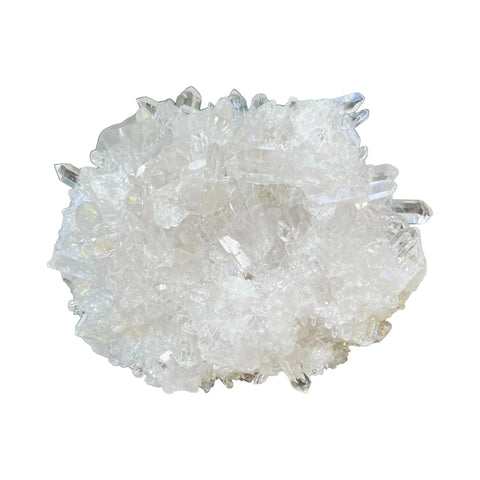
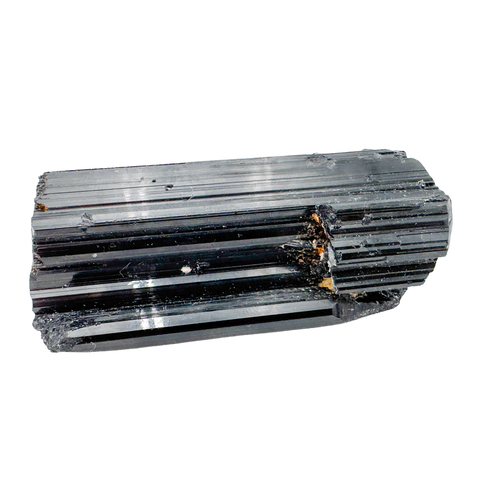
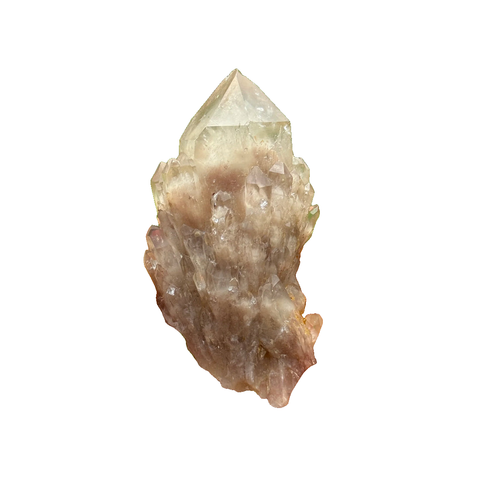
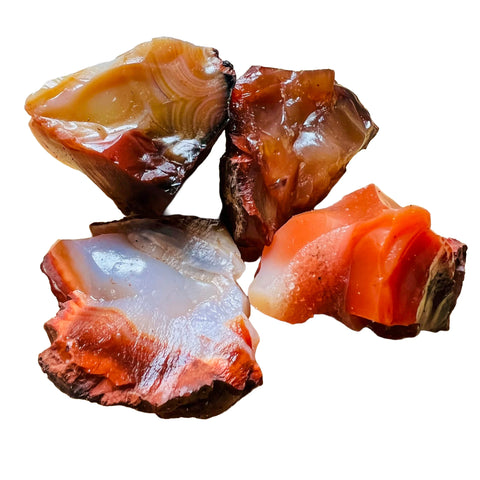


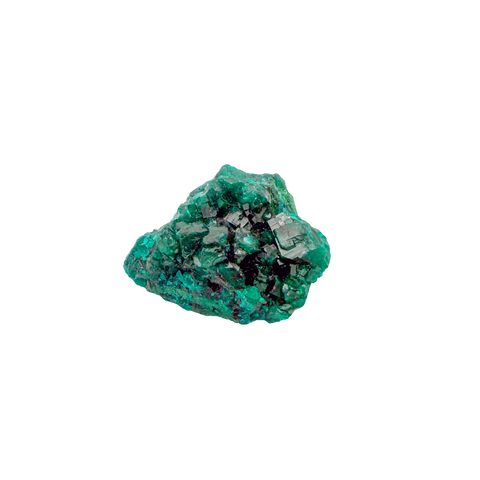
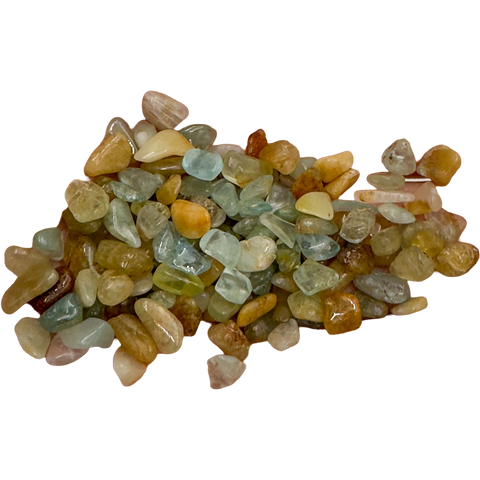
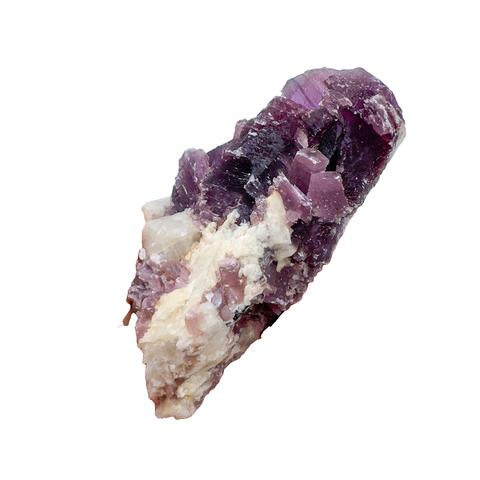
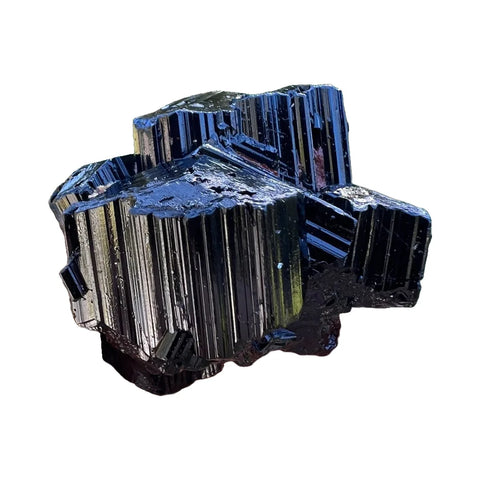
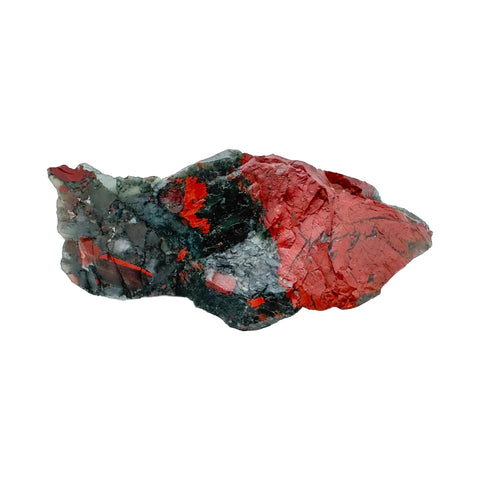
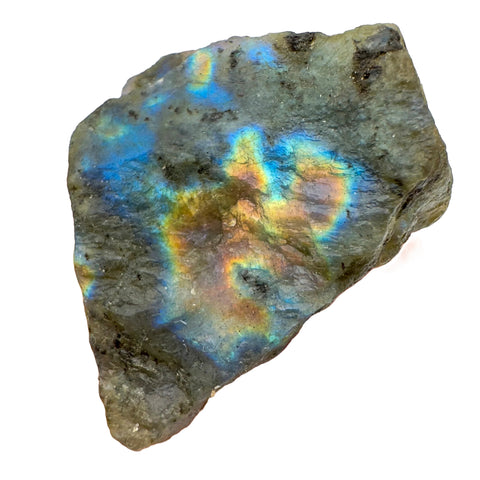
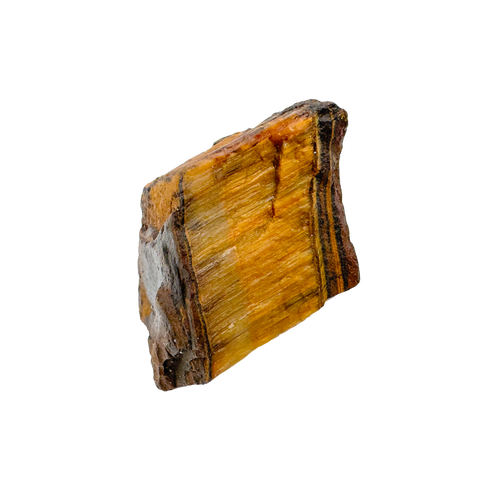
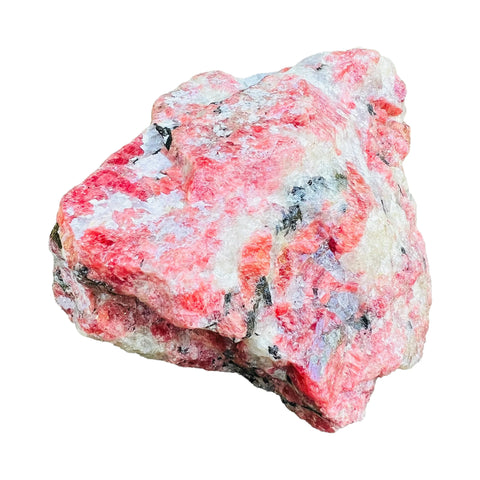
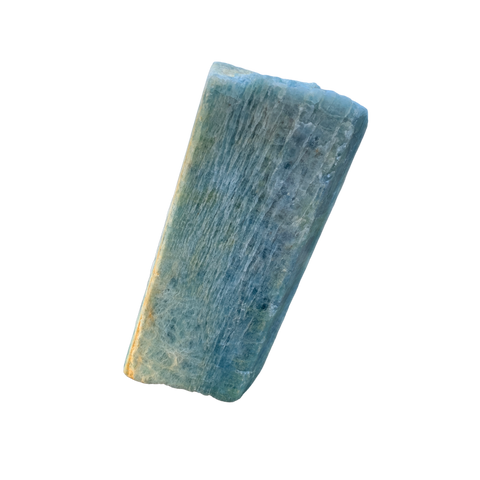
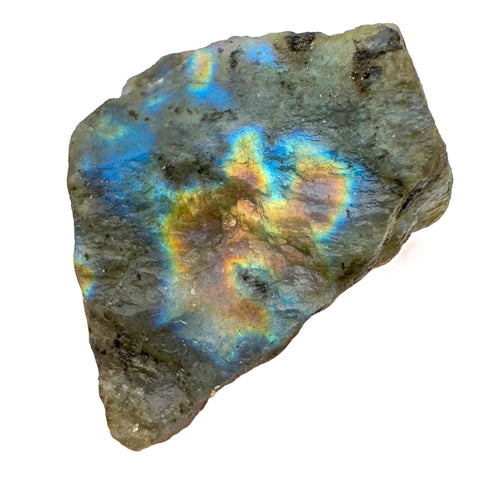
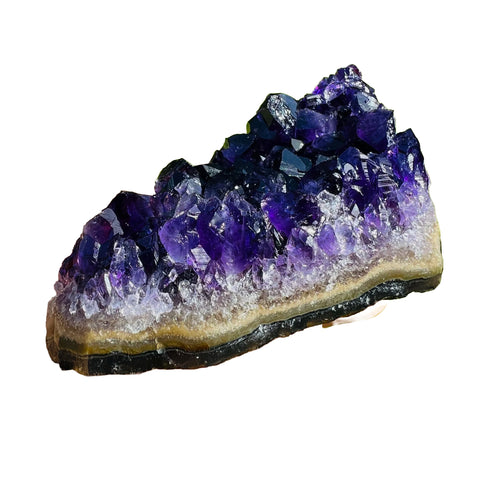



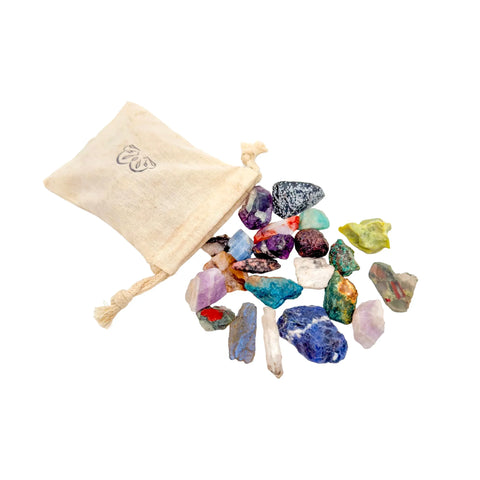
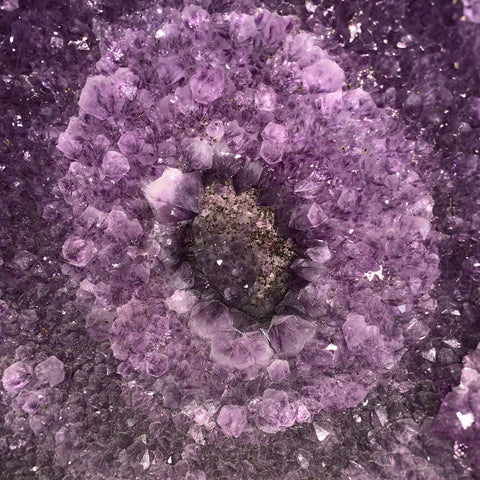
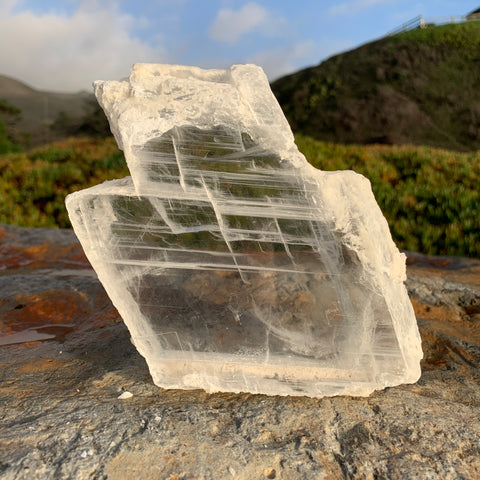
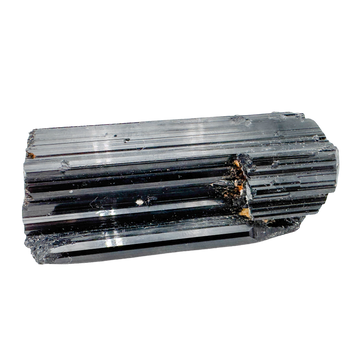
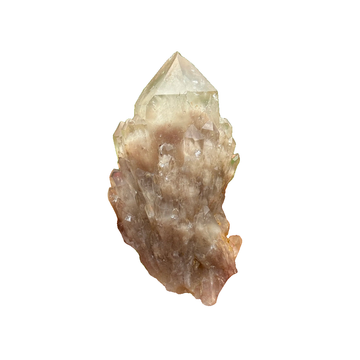
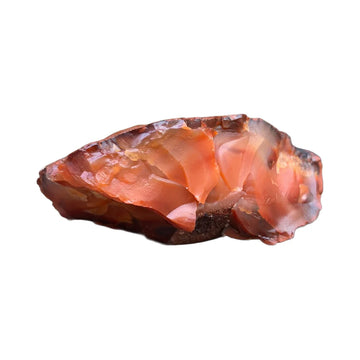
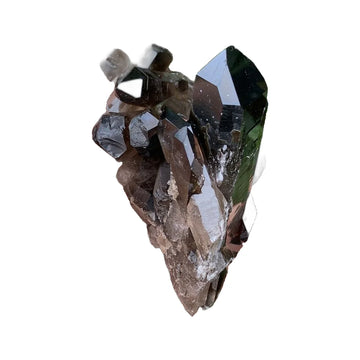
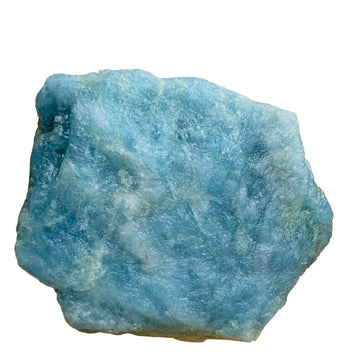
 Raw Stones
179 pieces
Raw Stones
179 pieces
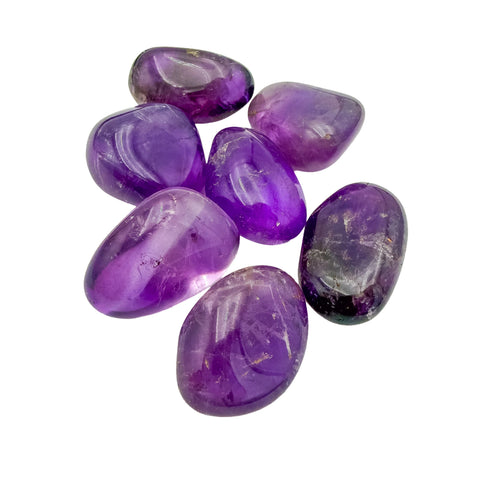
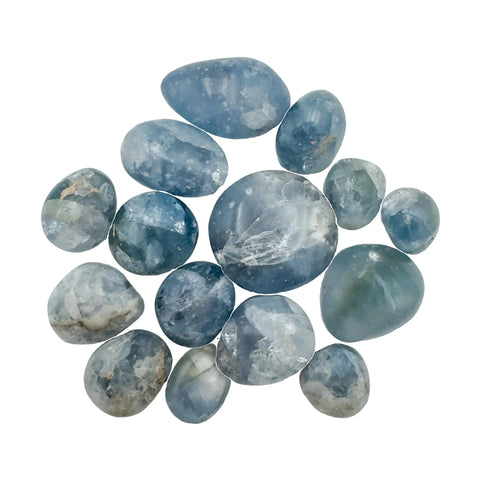
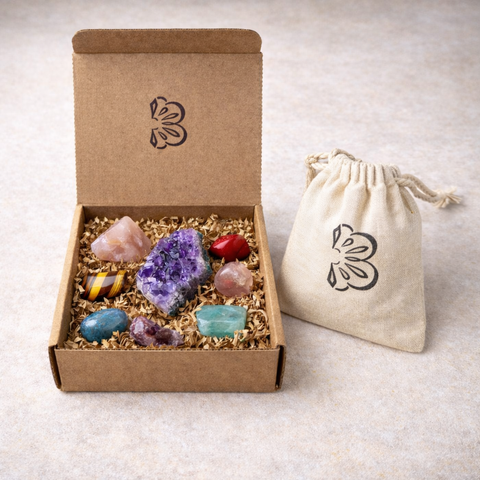
 Tumbled Stones
162 pieces
Tumbled Stones
162 pieces
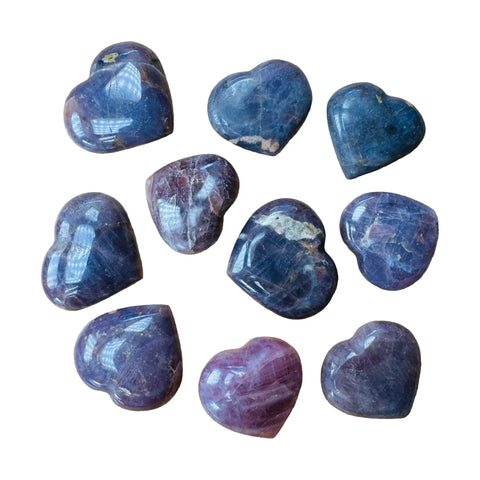
 Palm Stones
25 pieces
Palm Stones
25 pieces
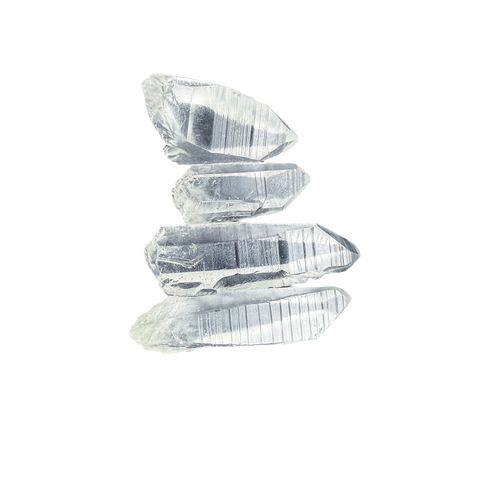
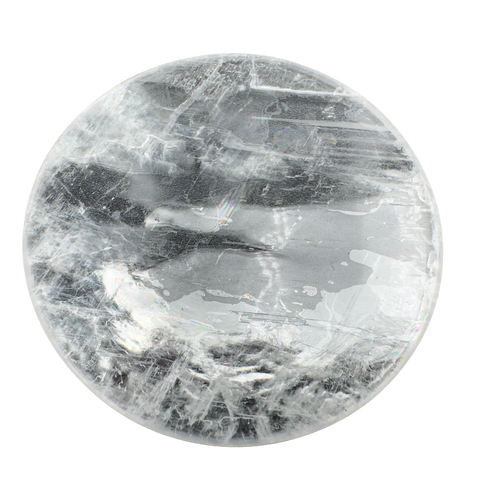
 Crystal Points
23 pieces
Crystal Points
23 pieces
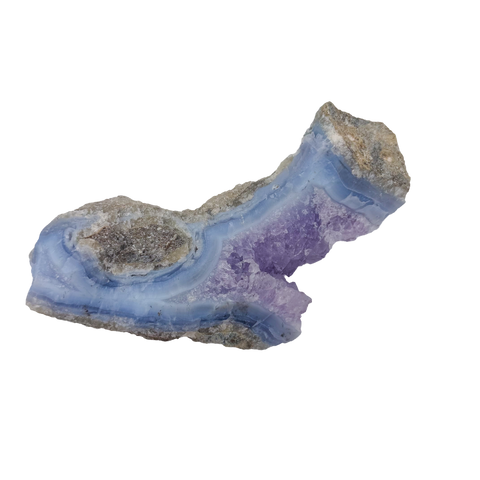
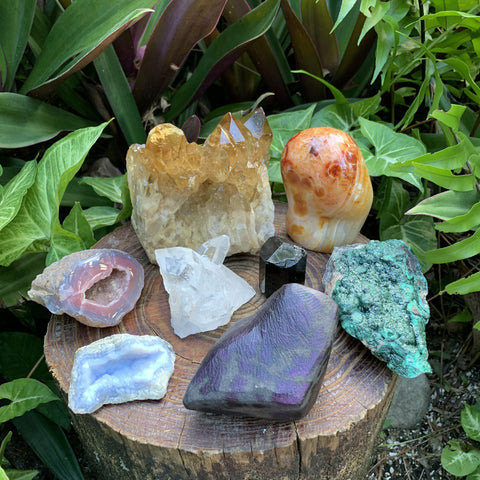
 Clusters & Geodes
104 pieces
Clusters & Geodes
104 pieces
 Polished & Decor
148 pieces
Polished & Decor
148 pieces
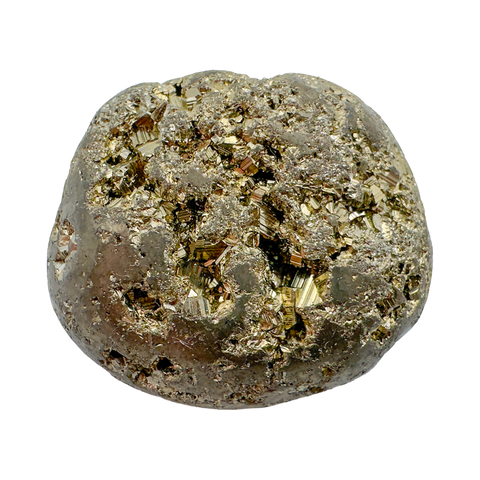
 Mineral Specimens
259 collector pieces
Mineral Specimens
259 collector pieces
 Crystal Chips
21 pieces
Browse everything
Every collection, one page.
View All Collections →
Crystal Chips
21 pieces
Browse everything
Every collection, one page.
View All Collections →


 Aries
Mar 21 – Apr 19
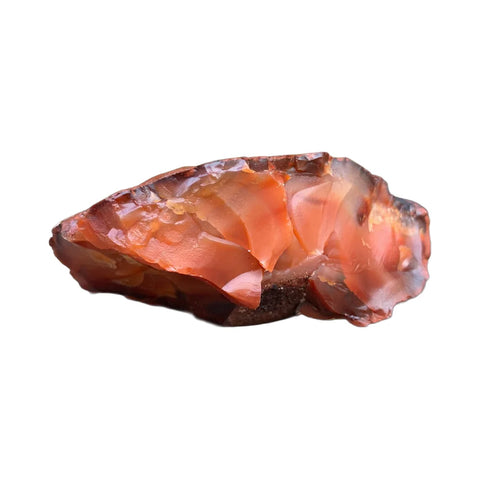
Carnelian
›
Aries
Mar 21 – Apr 19
Carnelian
›
 Taurus
Apr 20 – May 20
Rose Quartz
›
Taurus
Apr 20 – May 20
Rose Quartz
›
 Gemini
May 21 – Jun 20
Agate
›
Gemini
May 21 – Jun 20
Agate
›
 Cancer
Jun 21 – Jul 22
Moonstone
›
Cancer
Jun 21 – Jul 22
Moonstone
›
 Leo
Jul 23 – Aug 22
Citrine
›
Leo
Jul 23 – Aug 22
Citrine
›
 Virgo
Aug 23 – Sep 22
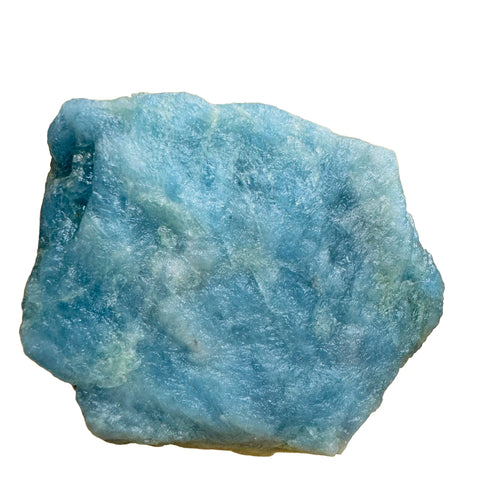
Amazonite
›
Virgo
Aug 23 – Sep 22
Amazonite
›
 Libra
Sep 23 – Oct 22
Blue Lace Agate
›
Libra
Sep 23 – Oct 22
Blue Lace Agate
›
 Scorpio
Oct 23 – Nov 21
Obsidian
›
Scorpio
Oct 23 – Nov 21
Obsidian
›
 Sagittarius
Nov 22 – Dec 21
Sodalite
›
Sagittarius
Nov 22 – Dec 21
Sodalite
›
 Capricorn
Dec 22 – Jan 19
Black Tourmaline
›
Capricorn
Dec 22 – Jan 19
Black Tourmaline
›
 Aquarius
Jan 20 – Feb 18
Amethyst
›
Aquarius
Jan 20 – Feb 18
Amethyst
›
 Pisces
Feb 19 – Mar 20
Aquamarine
›
Gifting?
A birthday stone is the safe bet.
Read the zodiac guide →
Pisces
Feb 19 – Mar 20
Aquamarine
›
Gifting?
A birthday stone is the safe bet.
Read the zodiac guide →




Goldstone
Goldstone is one of the prettiest things in the case that nature had nothing to do with. It is glass, made with copper, engineered to sparkle. It was perfected by Venetian glassmakers centuries ago and is still sold today, sometimes honestly and sometimes as if it were a natural stone. Knowing that it is glass is the whole point.
The geology.
Goldstone is not a mineral at all, so it has no true geology. It is a manufactured glass with tiny metallic crystals suspended inside. Classic brown to gold goldstone is silica glass melted with copper in a low-oxygen, reducing atmosphere, so that as the melt cools, microscopic octahedral copper crystals form and grow throughout it. Those flat little crystals catch the light and produce the dense, even glitter the material is known for.
Because it is glass, goldstone is amorphous, meaning it has no orderly crystal structure, and it breaks with the smooth, curved conchoidal fracture typical of glass. It is fairly soft, around 5 to 5.5 on the Mohs scale. Blue and green goldstone use a glass colored with cobalt or manganese, with other metallic inclusions added for the same sparkling effect.
The origins.
Goldstone's origin is a workshop, not a mine. The material was perfected by the Miotti family of Venetian glassmakers in the seventeenth century, with Vincenzo Miotti often credited, and the recipe was kept a closely guarded secret. After the family stopped making it, the formula was eventually shared and the tradition revived. It is also known as aventurine glass, from the Italian avventurina, meaning by chance.
Today goldstone is produced in glassworks rather than tied to any single country, and it is sold worldwide as beads, tumbles, and carvings. Watch for names like gold sandstone, blue sunstone, or stellaria, which are sometimes used to make a manufactured glass sound like a natural gem.
Traditional associations.
Goldstone is associated in modern practice with ambition, drive, and a kind of steady vitality, often kept by people who want to carry a bit of determination through the day. Its warm sparkle gives it an upbeat, encouraging feel.
Because it is a recent material rather than an ancient one, its associations are modern. Brown and gold goldstone is usually tied to the Sacral chakra and ambition, while blue goldstone is linked to calm and to the higher, throat and third-eye themes of its color.
Spotting the real thing.
The giveaway is the sparkle itself. Goldstone's glitter is dense, uniform, and made of identically shaped flat flecks, far more regular than any natural shimmer. Look for the glassy, curved conchoidal chips, the occasional trapped bubble, and sometimes a faint mold seam, all signs of a manufactured material.
Natural stones that shimmer, such as sunstone and aventurine, have irregular, sparser, and more random glints, because their inclusions grew by chance. If a sparkly orange-brown or starry-blue stone looks too perfect and too evenly studded with light, it is glass. That is not a flaw, it is simply what goldstone is.
Care & handling.
As a glass around 5 to 5.5 on the Mohs scale, goldstone scratches more easily than quartz, so clean it gently with a soft, damp cloth and avoid abrasives and harsh chemicals. Keep it away from grit that can dull the polish.
Because glass chips with a conchoidal fracture, avoid hard knocks and sudden heat, which can crack it. Store goldstone apart from harder stones, and handle beaded pieces with a little care, and the sparkle will stay bright for years.
Pairs well with.
A deeper look.
Extended geology, sourcing, authentication, history, and varieties, for when the quick guide isn't quite enough.
What it actually is
Goldstone is a glass, an amorphous solid with no crystal structure, made by suspending tiny metallic crystals in a silica melt. In the classic brown and gold version, copper is melted into the glass in a reducing, low-oxygen atmosphere, and as the melt cools slowly, microscopic octahedral copper crystals grow throughout it. Those flat crystals reflect light to create the aventurescence, the dense glittering shimmer that defines the material. It sits around 5 to 5.5 on the Mohs scale and fractures conchoidally like other glass.
History and the Venetian secret
Goldstone was perfected by the Miotti family of Murano and Venice in the seventeenth century, with Vincenzo Miotti frequently named, and the recipe was held as a guarded family secret. The Italian name avventurina, meaning by chance, reflects a legend about an accidental spill of copper filings into molten glass. After the family ceased production, the formula was eventually divulged, allowing the craft to be revived and spread.
The honesty story
The main thing to understand about goldstone is that it is manufactured, not mined, so there is no natural deposit and no real geology behind it. Problems arise only when it is sold under names like gold sandstone, blue sunstone, or stellaria that imply a natural origin, or when it is priced as if it were a rare gem. Enjoyed openly as a beautiful historic glass, it is a charming material with nothing to hide.
Goldstone versus natural sparkle
Natural sunstone and aventurine show aventurescence too, but their glints are irregular, sparser, and randomly oriented because the reflective inclusions grew naturally. Goldstone's sparkle is uniform, dense, and made of identically shaped flecks, the signature of a controlled manufacturing process. Trapped bubbles, conchoidal chips, and occasional mold seams further mark it as glass rather than stone.
Varieties
The original and most common goldstone is the warm copper brown and gold. Blue goldstone uses a cobalt-colored glass with metallic inclusions for a starry, deep-night look, and green and purple versions exist as well. All share the same basic idea, a colored glass body packed with tiny reflective crystals, with the coloring agent and inclusion metal changing the final look.
Uses and market
Goldstone is widely cut into beads, cabochons, spheres, and small carvings, prized for an even, jewel-like sparkle that natural stones rarely match. Its value comes from craftsmanship and appearance rather than rarity, so it is inexpensive and consistent. That consistency is part of the appeal for jewelry makers, as long as it is described honestly as a glass.
An education-first guide.
We made this guide to be clear that goldstone is a man-made glass, not a natural stone, and to explain how its copper sparkle is made, so every decision you make about it is a better one, wherever you buy. Explore the rest of our crystal guides for stones formed in the earth, each with full origin and treatment notes.
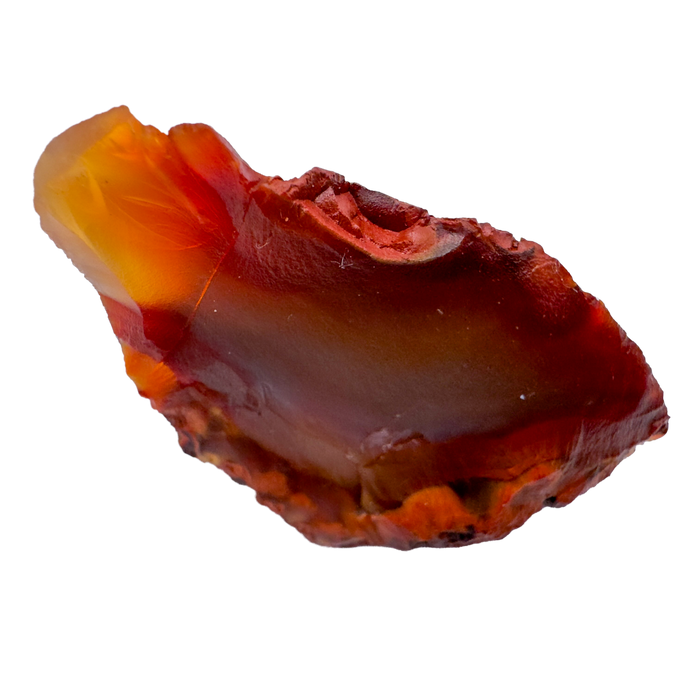
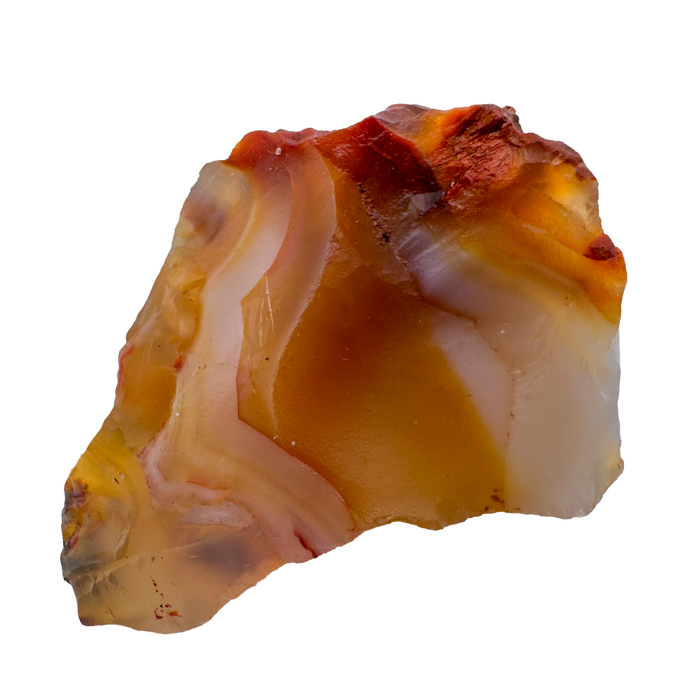
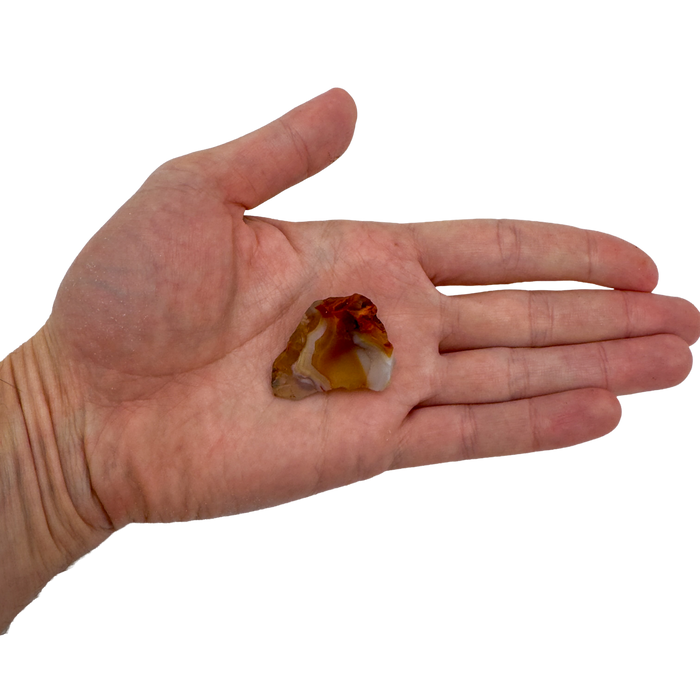
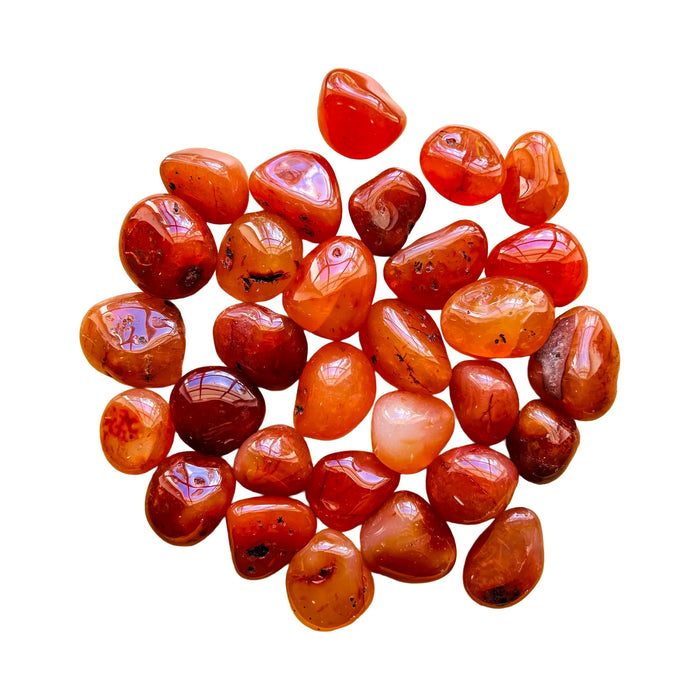
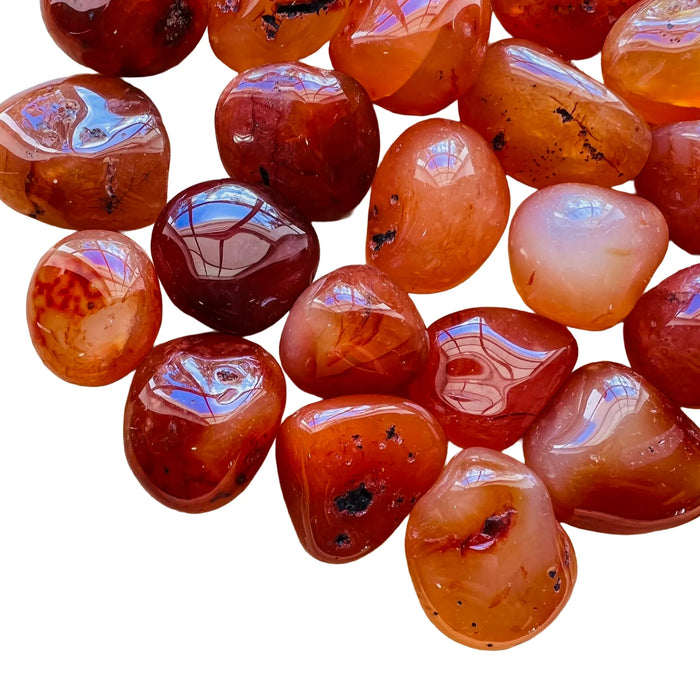
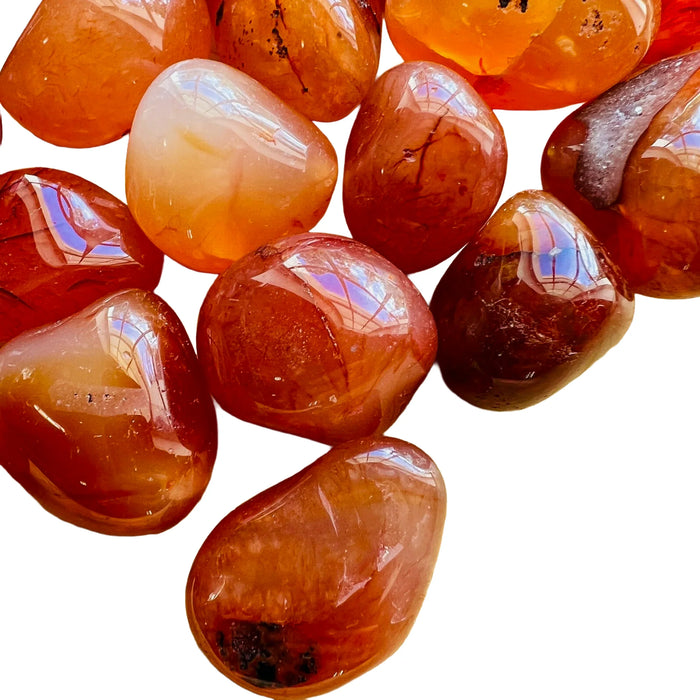
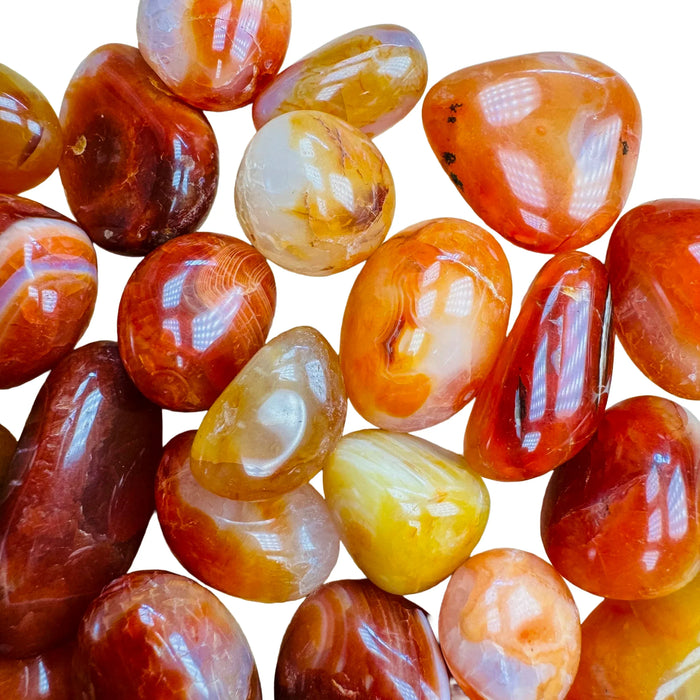
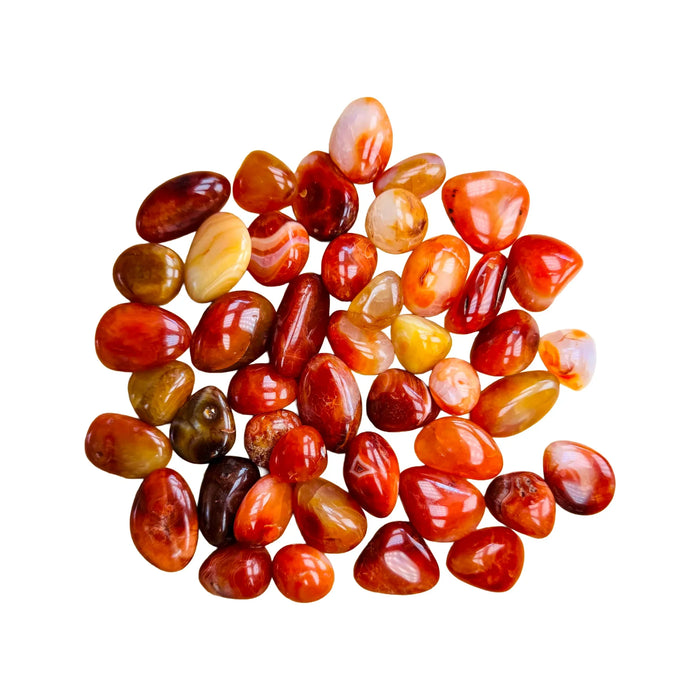
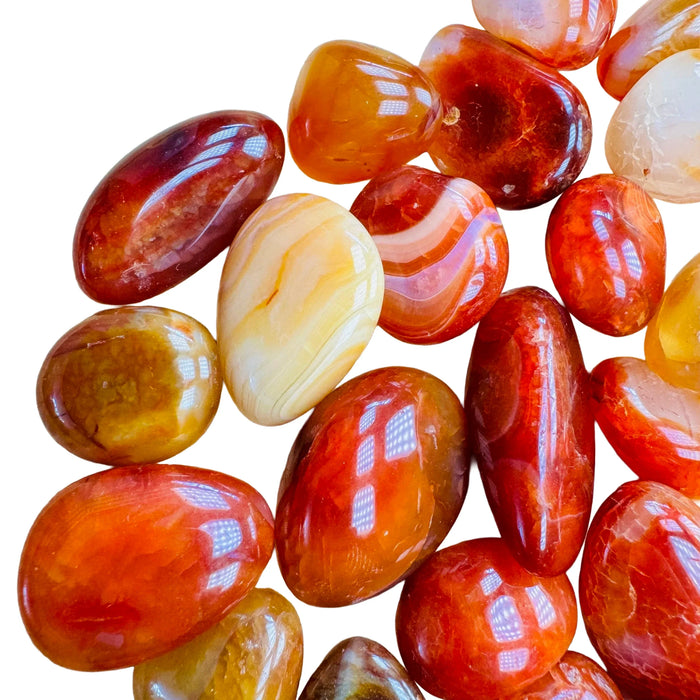
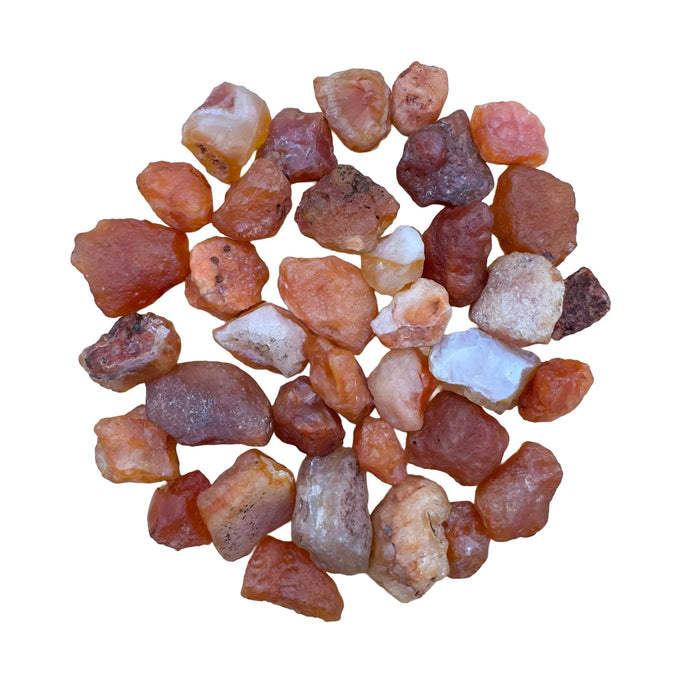
Explore the Crystal GuideThe closest match we carry: Carnelian.
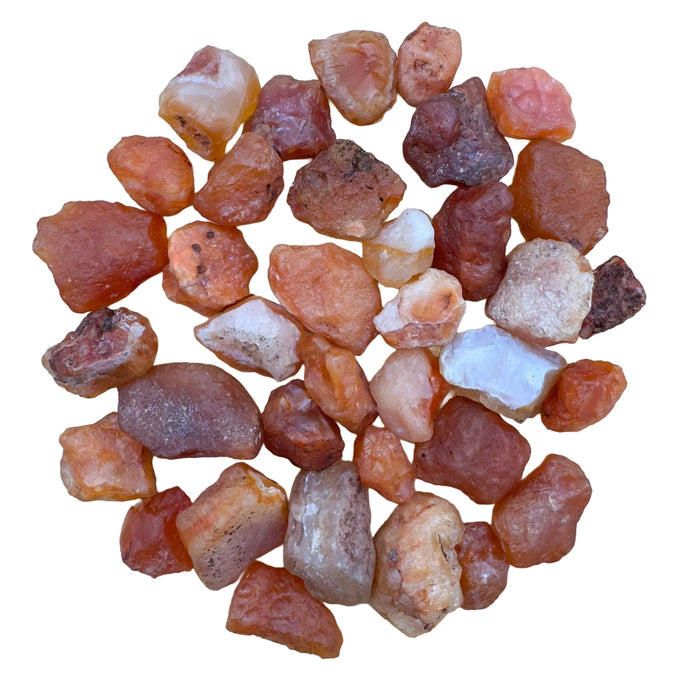
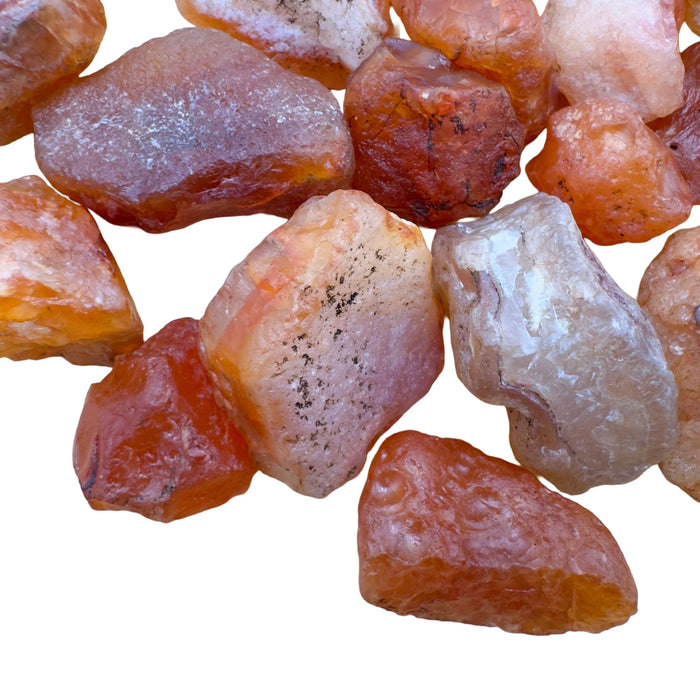
Goldstone is not something we carry. Carnelian is the closest match in our collection, and every piece passes our sourcing standards: origin named, treatments disclosed.
- from 1,000+ reviews
- Ships within 72 hoursMonday to Friday, tracked
- 90 days to return itif you do not love it
- Free US shipping over $99$8.99 flat rate under
The Slow Note
New stones go to the list first.
No forwarding, no selling. Unsubscribe in one click. Privacy