


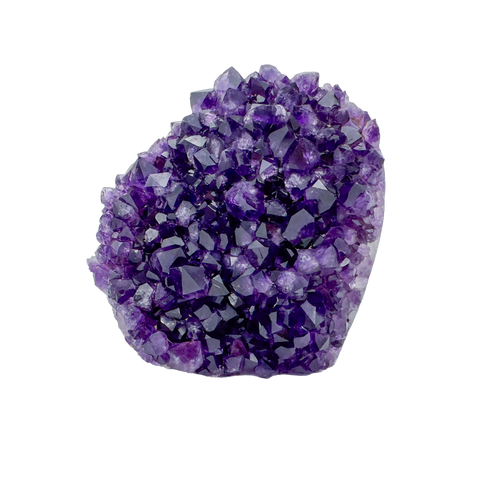
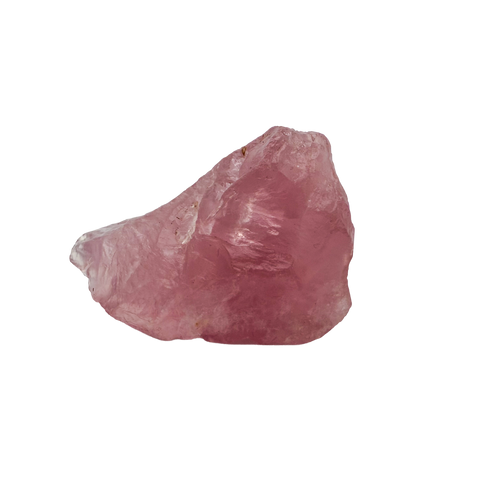
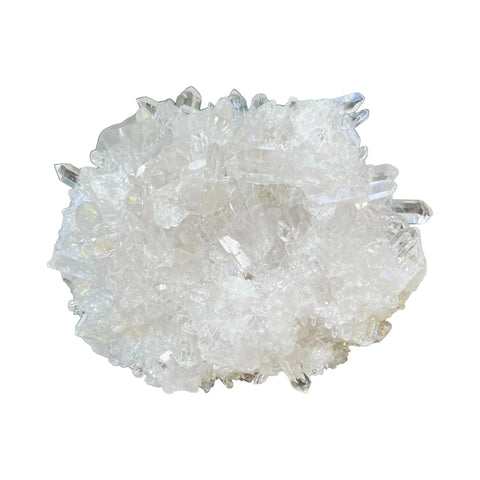
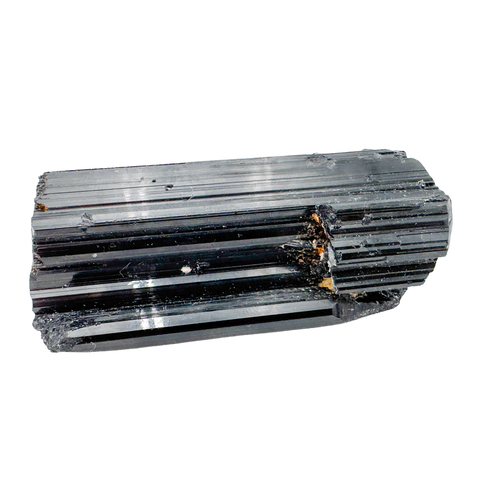
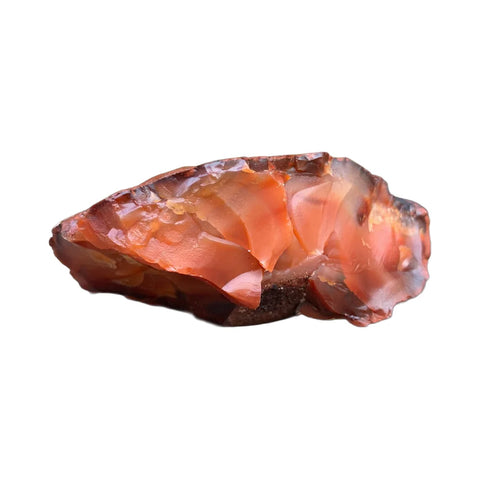
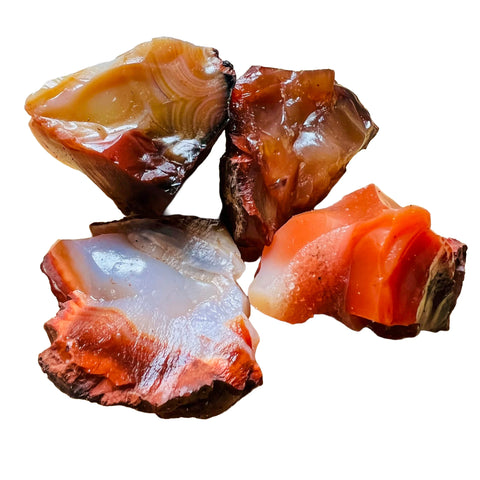


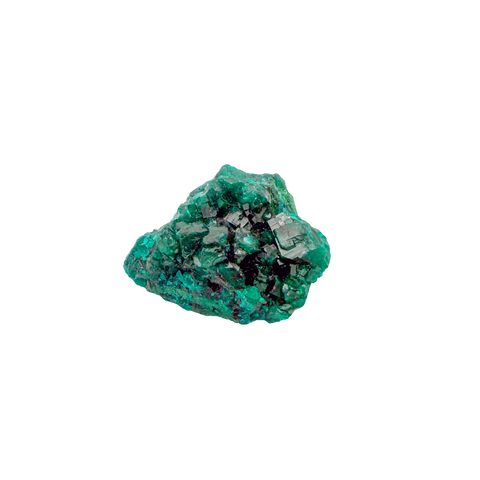
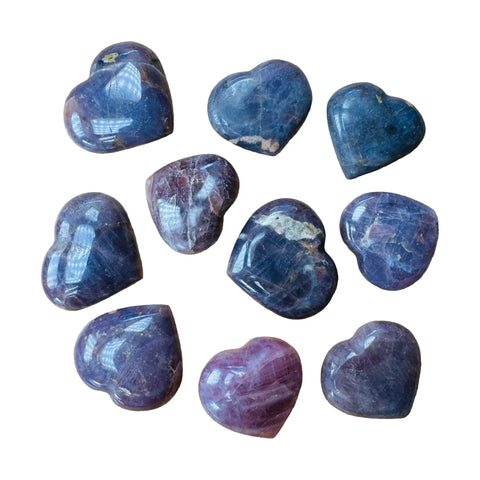
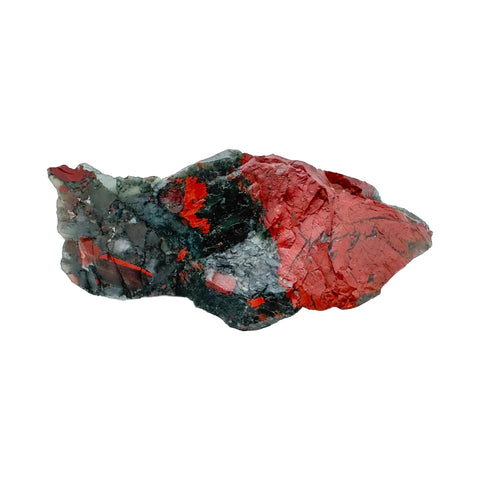
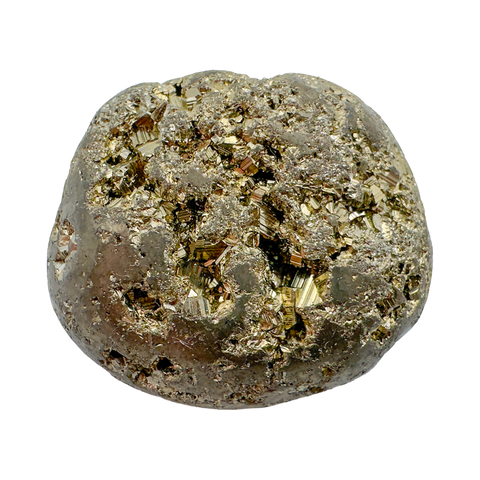
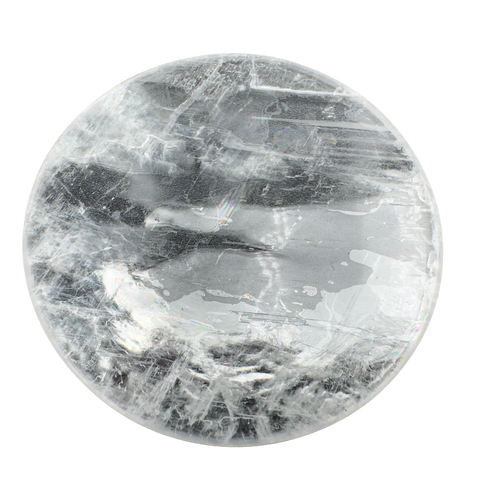
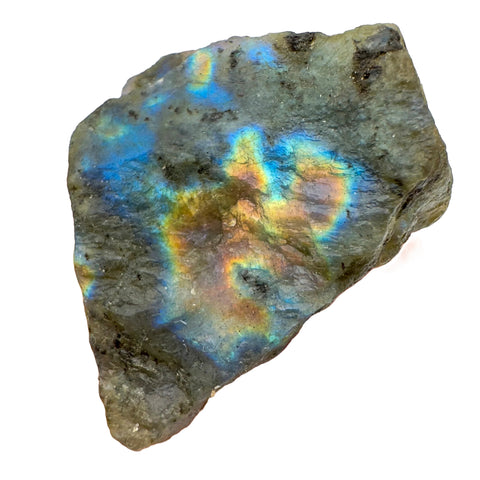
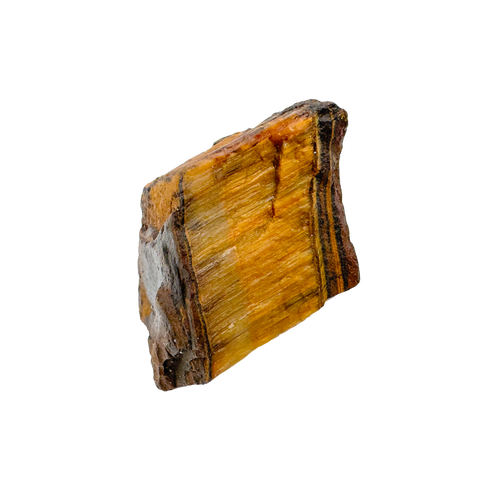
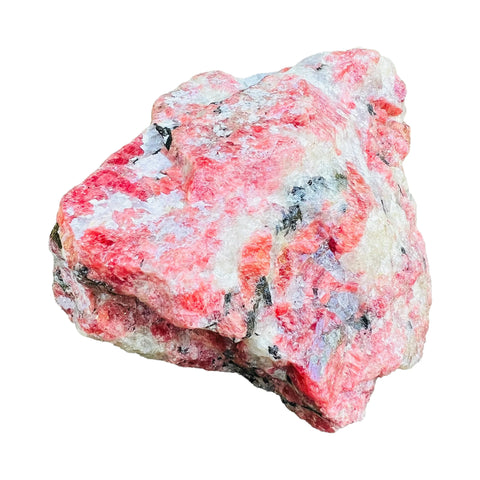
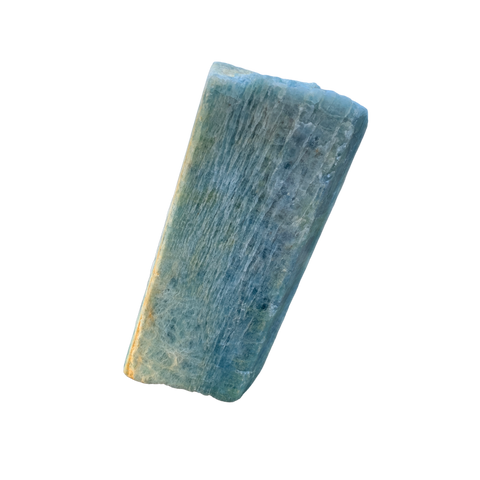
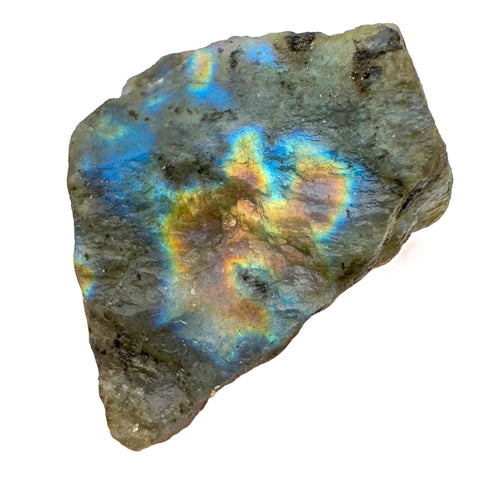



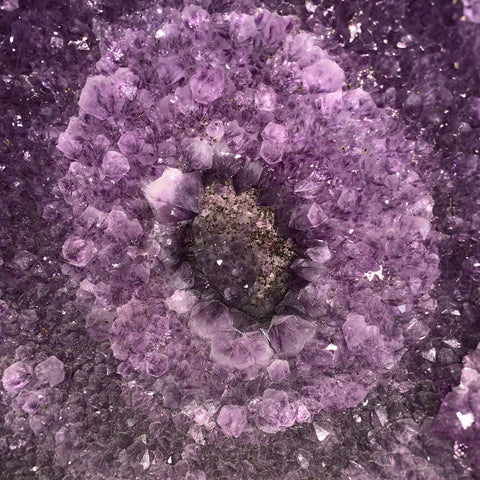
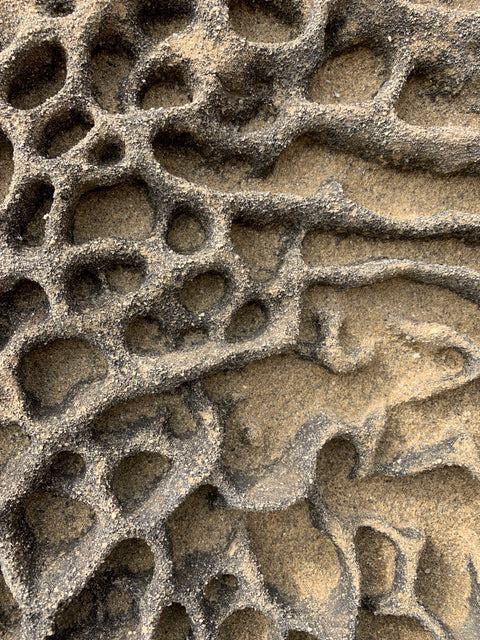
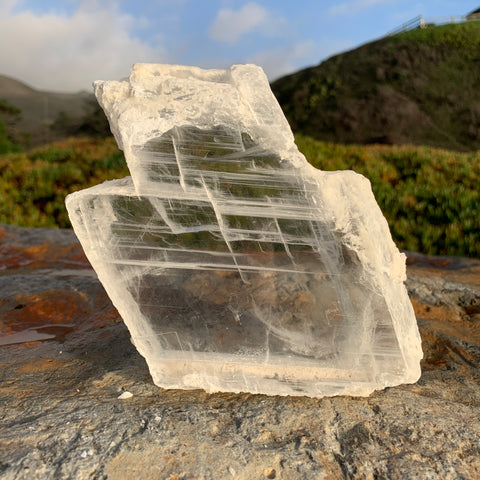





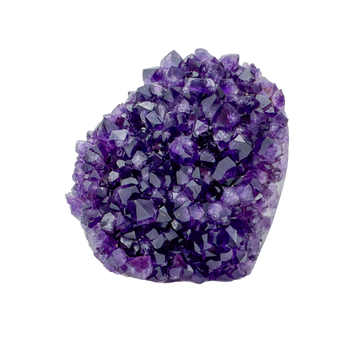
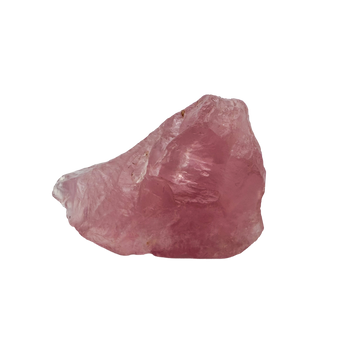
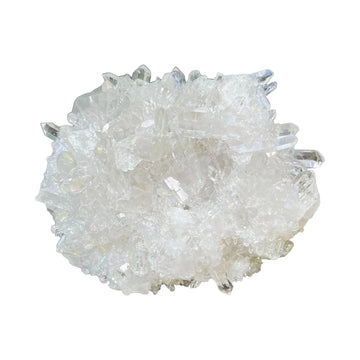
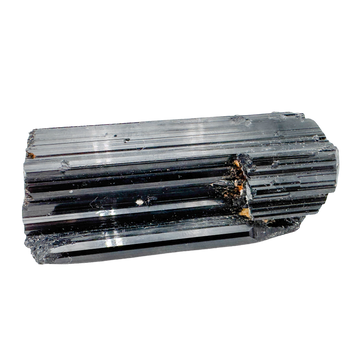
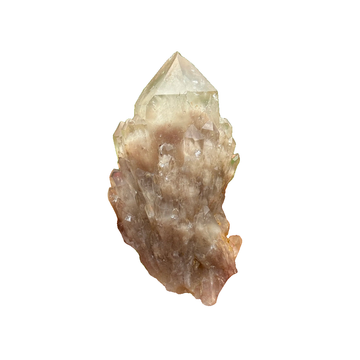
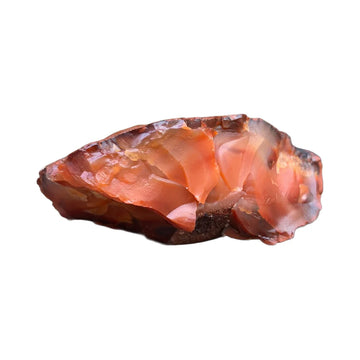
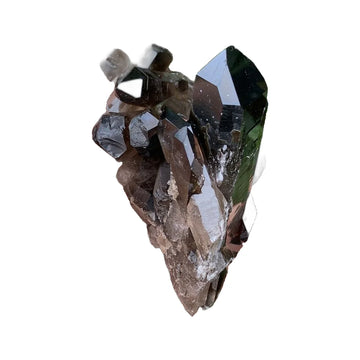
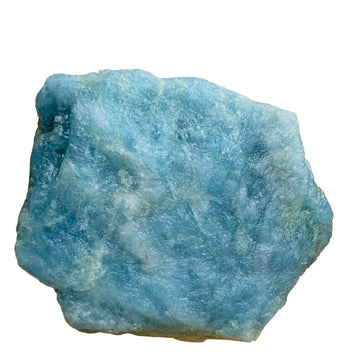
 Raw Stones
179 pieces
Raw Stones
179 pieces
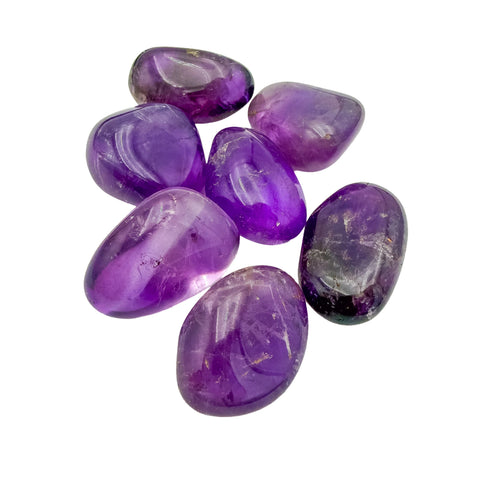
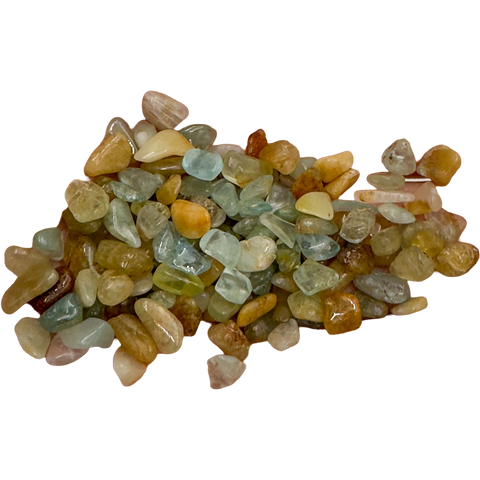
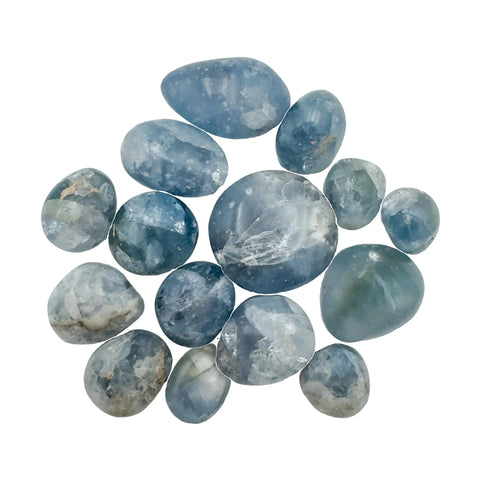
 Tumbled Stones
162 pieces
Tumbled Stones
162 pieces
 Palm Stones
25 pieces
Palm Stones
25 pieces
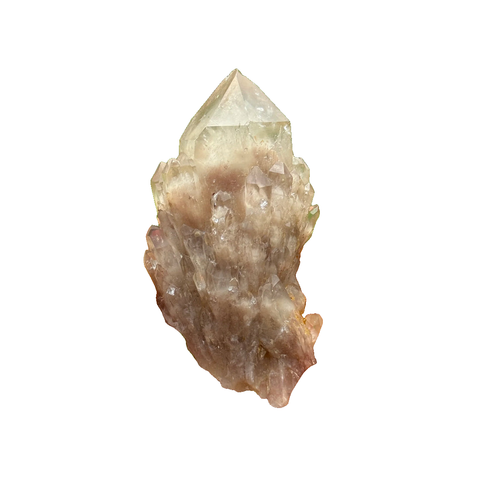
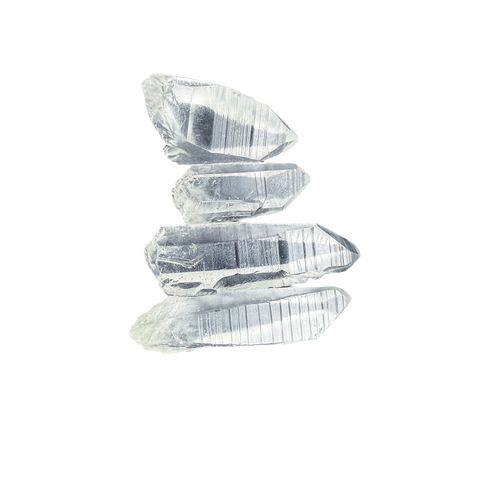
 Crystal Points
23 pieces
Crystal Points
23 pieces
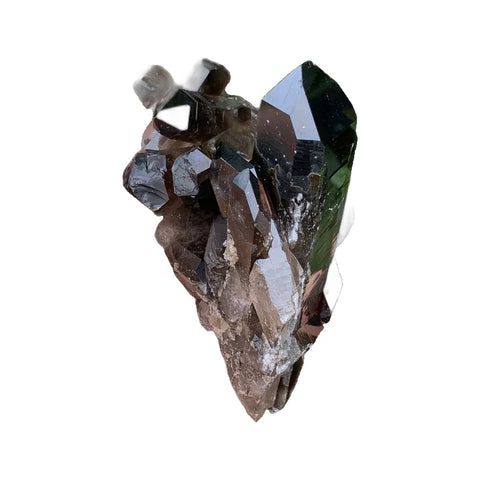
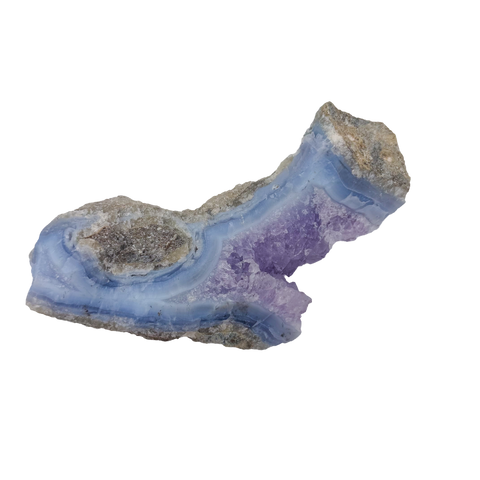
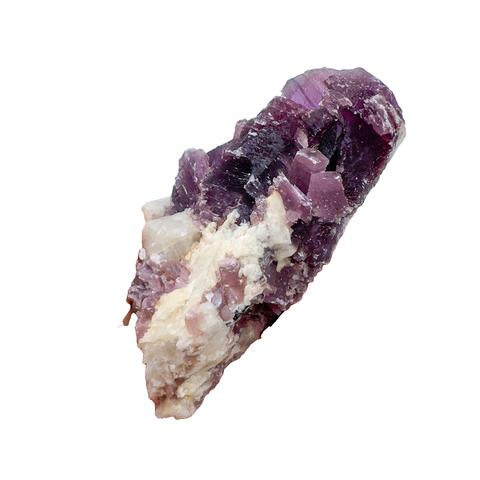
 Clusters & Geodes
104 pieces
Clusters & Geodes
104 pieces
 Polished & Decor
148 pieces
Polished & Decor
148 pieces
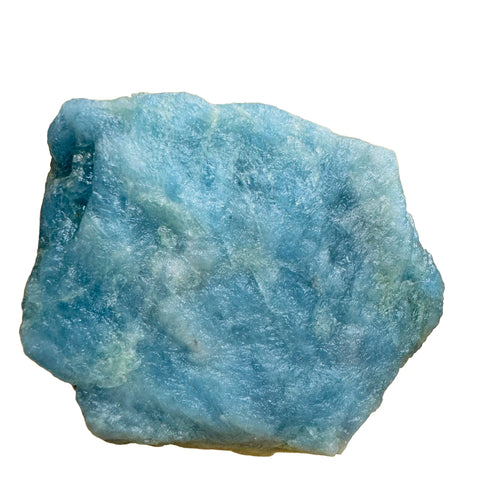
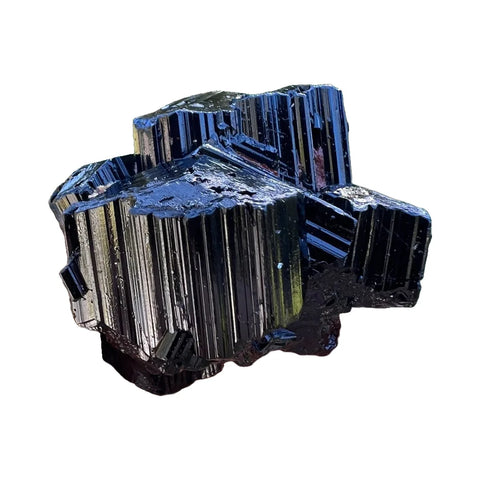
 Mineral Specimens
259 collector pieces
Mineral Specimens
259 collector pieces
 Crystal Chips
21 pieces
Browse everything
Every collection, one page.
View All Collections →
Crystal Chips
21 pieces
Browse everything
Every collection, one page.
View All Collections →


 Aries
Mar 21 – Apr 19
Carnelian
›
Aries
Mar 21 – Apr 19
Carnelian
›
 Taurus
Apr 20 – May 20
Rose Quartz
›
Taurus
Apr 20 – May 20
Rose Quartz
›
 Gemini
May 21 – Jun 20
Agate
›
Gemini
May 21 – Jun 20
Agate
›
 Cancer
Jun 21 – Jul 22
Moonstone
›
Cancer
Jun 21 – Jul 22
Moonstone
›
 Leo
Jul 23 – Aug 22
Citrine
›
Leo
Jul 23 – Aug 22
Citrine
›
 Virgo
Aug 23 – Sep 22
Amazonite
›
Virgo
Aug 23 – Sep 22
Amazonite
›
 Libra
Sep 23 – Oct 22
Blue Lace Agate
›
Libra
Sep 23 – Oct 22
Blue Lace Agate
›
 Scorpio
Oct 23 – Nov 21
Obsidian
›
Scorpio
Oct 23 – Nov 21
Obsidian
›
 Sagittarius
Nov 22 – Dec 21
Sodalite
›
Sagittarius
Nov 22 – Dec 21
Sodalite
›
 Capricorn
Dec 22 – Jan 19
Black Tourmaline
›
Capricorn
Dec 22 – Jan 19
Black Tourmaline
›
 Aquarius
Jan 20 – Feb 18
Amethyst
›
Aquarius
Jan 20 – Feb 18
Amethyst
›
 Pisces
Feb 19 – Mar 20
Aquamarine
›
Gifting?
A birthday stone is the safe bet.
Read the zodiac guide →
Pisces
Feb 19 – Mar 20
Aquamarine
›
Gifting?
A birthday stone is the safe bet.
Read the zodiac guide →







Opalite
Most opalite is not a stone at all. It is man-made opalescent glass, prized for a soft blue-and-honey glow that shifts with the light. We think the glow is lovely. We also think you deserve to know exactly what you are holding, so here is the honest version.
The geology.
Opalite is a manufactured glass, an amorphous silica-based material engineered to mimic the glow of natural opal. It has no crystal structure and no geological origin. The dreamy color play comes from the optics of the glass itself, where fine particles scatter light and throw a milky blue in reflected light and a warm honey tone when light passes through.
That light trick is the Tyndall effect, the same scattering that makes the sky read blue. Opalite typically sits around 5.5 to 6 on the Mohs scale, similar to other glass, with a smooth conchoidal fracture and a glassy luster. Because it is made rather than grown, pieces are remarkably clean and uniform, which is itself one of the clearest tells.
The origins.
Opalite has no mine and no country of origin in the usual sense. It is produced in glass workshops and factories, then tumbled, carved, and beaded the same way natural stones are. Much of the material on the market is made in Asia and finished into cabochons, spheres, points, and jewelry.
The naming is where buyers get lost. The word opalite has been borrowed for several unrelated things, including some natural common opal and even certain treated stones. In metaphysical shops, though, opalite almost always means the man-made glass, often dressed up with trade names like sea opal or opal moonstone.
Traditional associations.
Even knowing it is glass, many people enjoy working with opalite, and the trade has built up a gentle set of associations around it. It is most often linked to calm, clear communication, and easing into change, which is why it tends to get grouped with soft blue stones.
Common associations place opalite with the Third Eye and Crown, the element of Water, and the sign Cancer. People keep it for meditation, journaling, or simply as a beautiful object on a shelf. Working with a man-made piece is a personal choice, and an honest one as long as you know what it is.
Spotting the real thing.
Telling opalite from natural opal is usually easy once you know the look. Opalite glass is unusually clean and consistent, with an even milky body and a single smooth blue-to-honey shift. Natural opal shows true play-of-color, flashes of distinct spectral hues that move and break up across the stone, which glass does not reproduce.
Look for trapped round bubbles inside the body, a classic sign of glass, and for a glow that reads blue in reflected light but honey when backlit. None of this makes opalite bad. It just makes it glass. The real test is the seller. An honest shop will call it man-made opalescent glass without being asked.
Care & handling.
Opalite is easy to live with. At roughly 5.5 to 6 on the Mohs scale it holds up to normal handling, though like all glass it can chip on a hard knock and scratch against harder stones, so store it on its own. A wipe with warm water and a soft cloth is all it needs.
Keep it away from sudden temperature swings, which can stress glass, and skip harsh chemicals and abrasive cleaners. Its color will not fade in light because it is built into the material. To reset it energetically, many people use sound, moonlight, or a rest on a selenite plate.
Pairs well with.
A deeper look.
Extended geology, sourcing, authentication, history, and varieties, for when the quick guide isn't quite enough.
What opalite actually is
Opalite belongs to a family of art glasses sometimes called opaline glass, made by adding small amounts of light-scattering material to a silica melt. The result is a translucent body that scatters short blue wavelengths in reflected light and transmits warmer tones, giving the gentle internal glow. It is the same physics behind some vintage milk glass and modern decorative glass. There is no mineral content list to give, because it is an engineered material rather than a natural rock, and its makeup varies by manufacturer.
How it reaches the market
Because opalite is produced rather than mined, supply is steady and inexpensive, and it is shaped into the same forms as natural stones, towers, spheres, palm stones, and strands of beads. This is exactly why honest labeling matters. The material is cheap to make, so when it is presented as a scarce natural gem the markup can be steep. We would rather you buy it knowing it is glass and loving it for what it is.
Authentication and warning signs
The tells are consistency, bubbles, and the blue-to-honey shift. Natural opal has genuine play-of-color and natural inclusions, while opalite glass is clean, even, and optically simple. Be cautious of names like sea opal, opal moonstone, or opalite quartz used to imply a natural origin. A quick question to any seller settles it, is this man-made glass or a natural stone. The answer tells you most of what you need to know about the shop.
History and the name
Opalite as a manufactured opal-glow glass rose with the New Age and crystal markets of the late twentieth century, though opaline art glass is far older. The name has always been slippery, applied at various times to common opal, to certain treated stones, and most commonly to the glass. None of these share a single definition, which is why a careful buyer leans on the seller to specify the material rather than trusting the word alone.
Varieties and trade names
Standard opalite is the blue-and-honey glass. You will also meet purple, pink, green, and other tinted versions, all man-made. Trade names to recognize include sea opal, opal moonstone, and sometimes opalite quartz. Each is a marketing label, not a mineral species. Where a natural common opal is genuinely meant, a good seller will say common opal or name the locality instead of leaning on the word opalite.
What it costs in the market
Opalite is inexpensive, which fits a manufactured material. Tumbled pieces and small beads usually run a few dollars, towers and spheres a bit more by size. The pricing problem appears only when glass is dressed as a rare natural opal and sold accordingly. Knowing the material is glass keeps your expectations, and your budget, honest.
An education-first guide.
We built this guide so the next time you see opalite, you will know it is man-made glass and can decide with open eyes. Clear labeling is the heart of how we think about every stone, the ones we carry and the ones we do not. Explore the rest of our crystal guides for natural stones with full origin and treatment notes.
Explore the Crystal GuideThe closest match we carry: Opal.
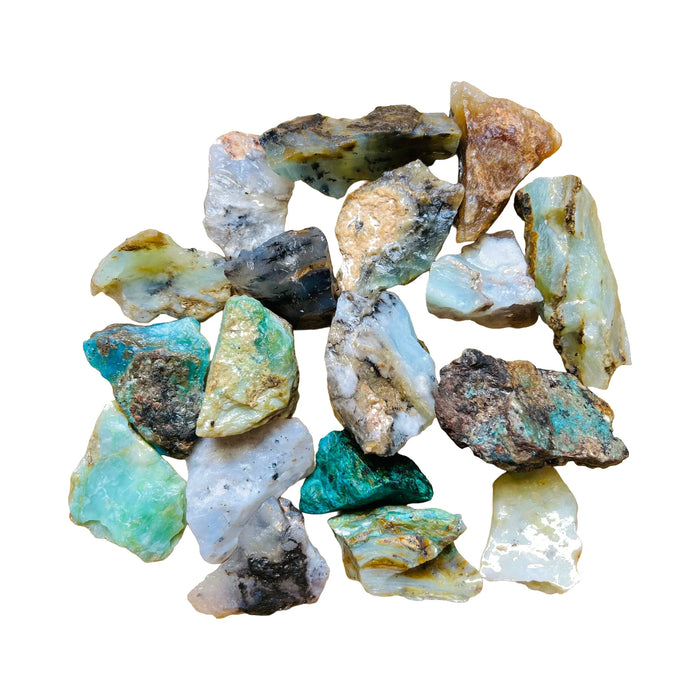
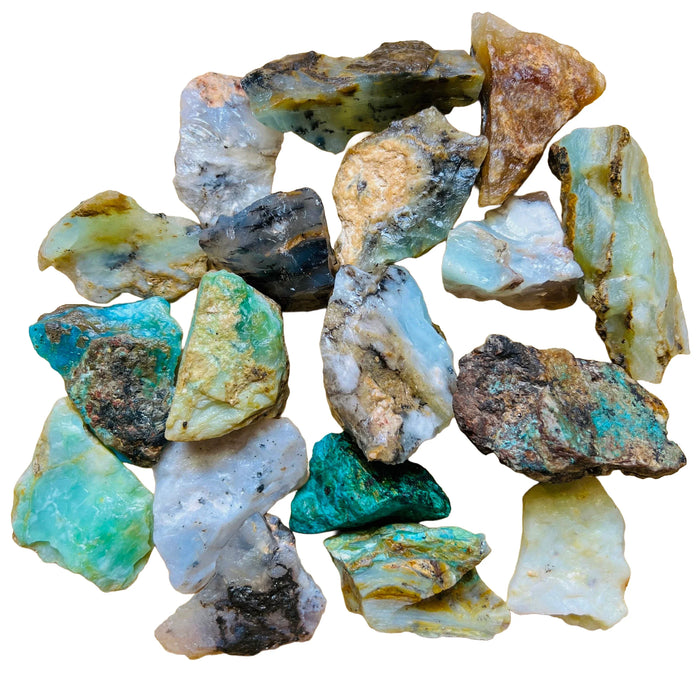
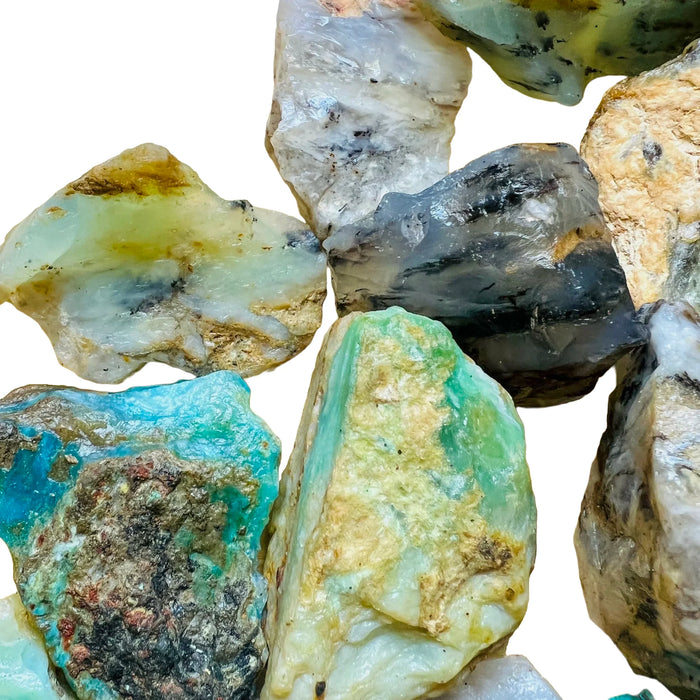
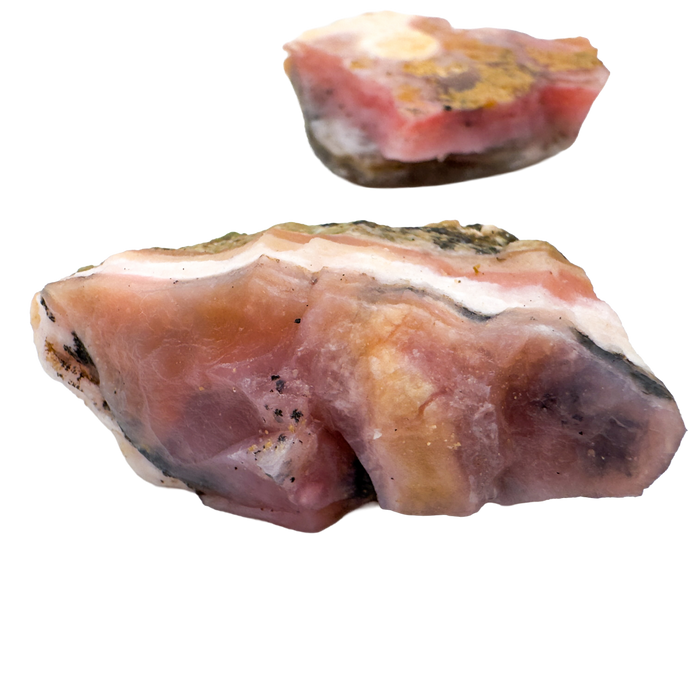
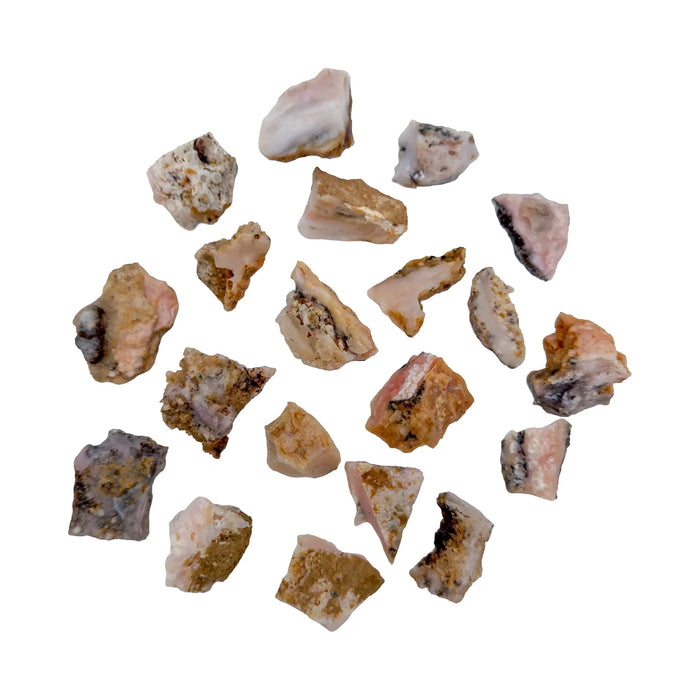
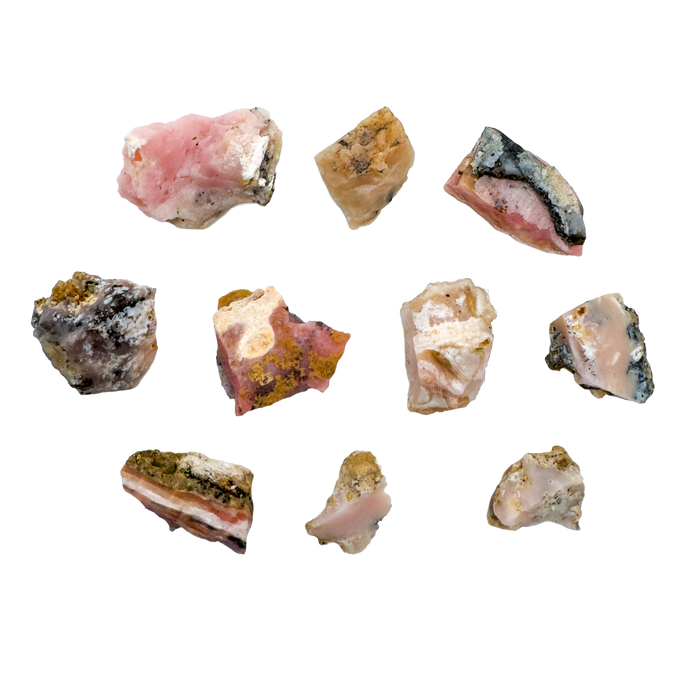
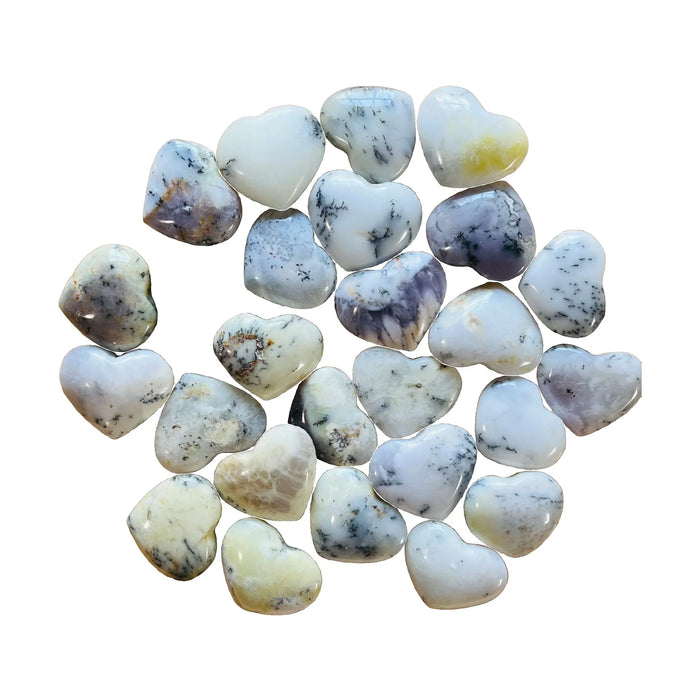
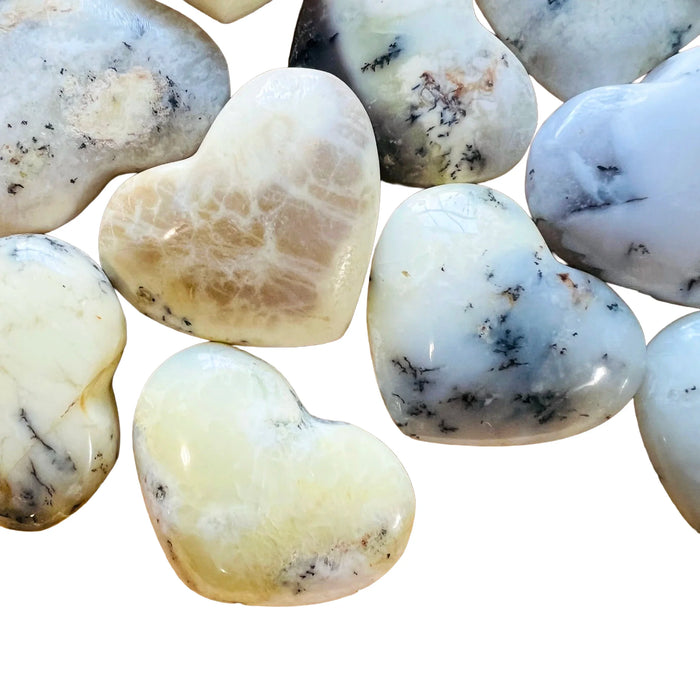
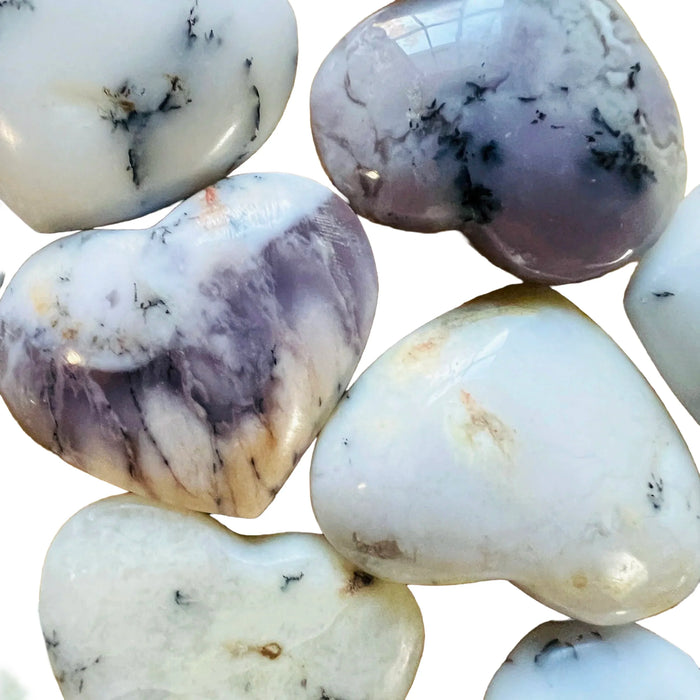
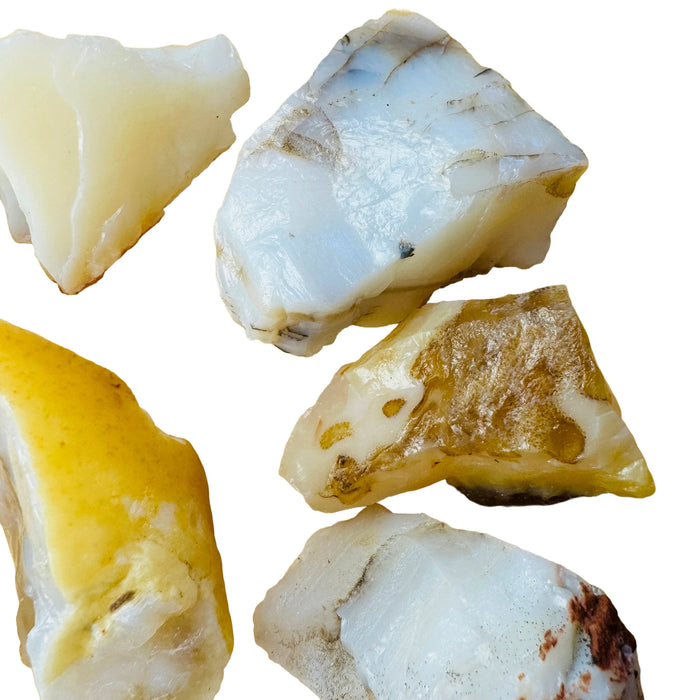
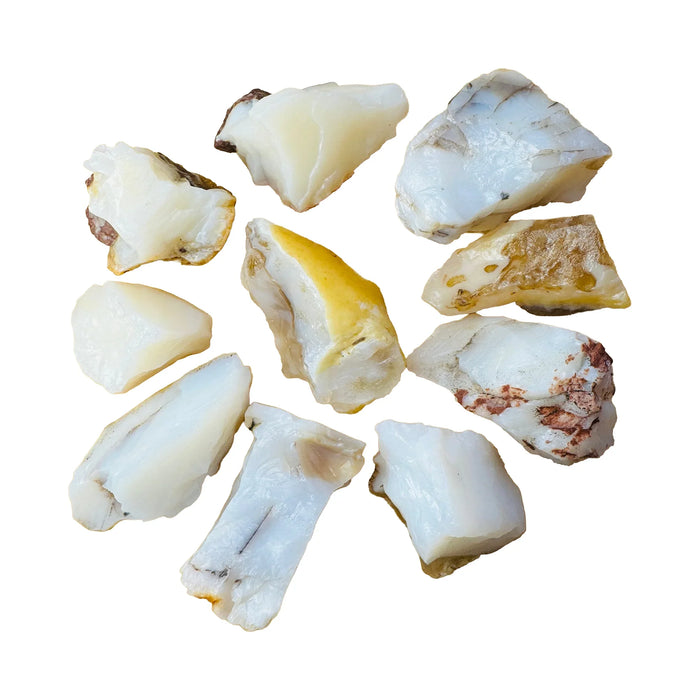
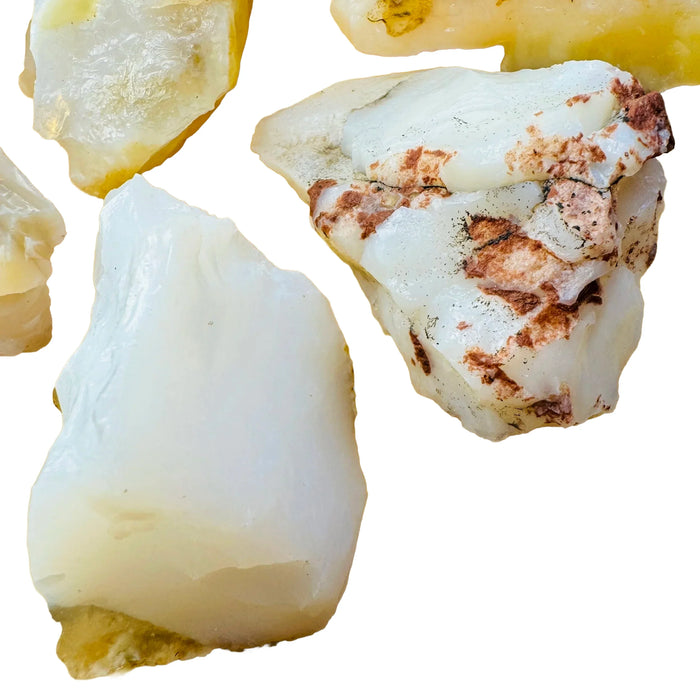
Opalite is not something we carry. Opal is the closest match in our collection, and every piece passes our sourcing standards: origin named, treatments disclosed.
- from 1,000+ reviews
- Ships within 72 hoursMonday to Friday, tracked
- 90 days to return itif you do not love it
- Free US shipping over $99$8.99 flat rate under
The Slow Note
New stones go to the list first.
No forwarding, no selling. Unsubscribe in one click. Privacy