


 Agatefor stress relief
 Amazonitefor stress relief
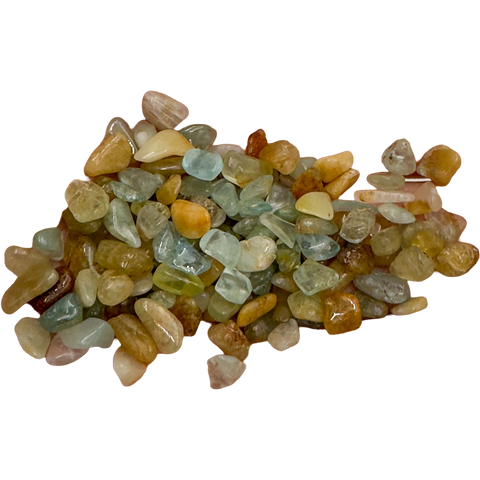
 Aquamarinefor serenity
 Aventurinefor luck
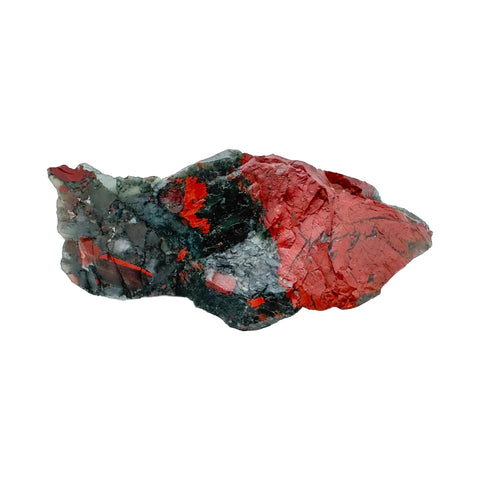
 Bloodstonefor energy
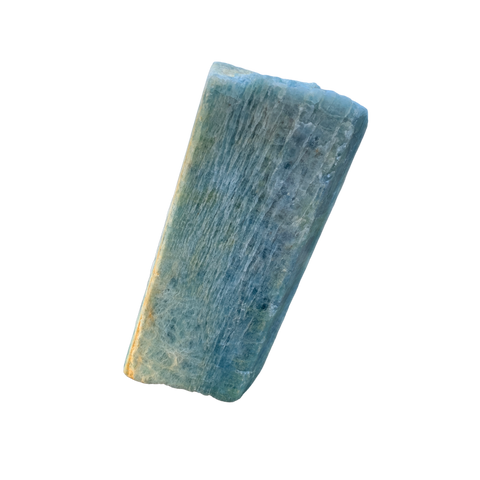
 Blue Kyanitefor confidence
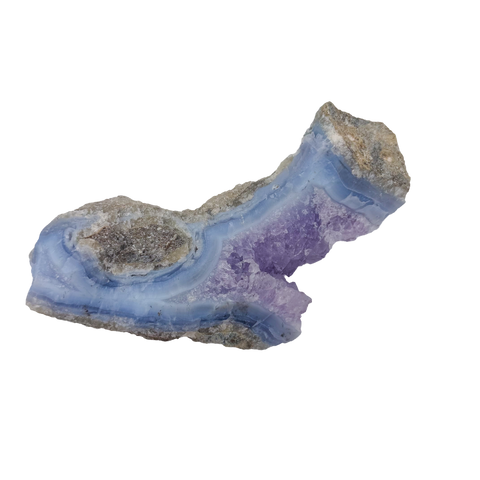
 Blue Lace Agatefor stress relief
 Chrysocollafor emotional healing
 Fluoritefor focus
 Garnetfor energy
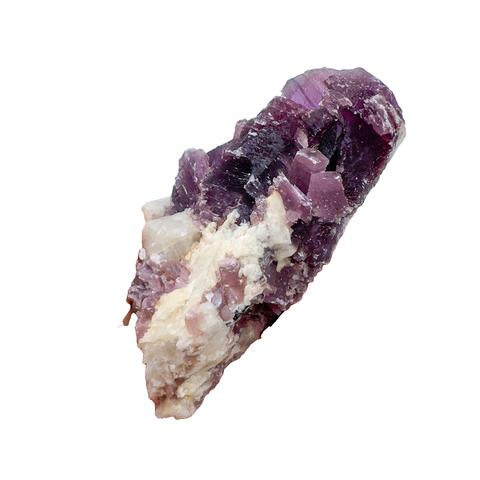
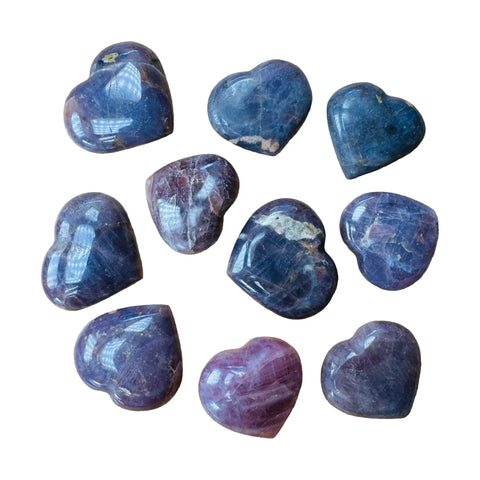
 Lepidolitefor stress relief
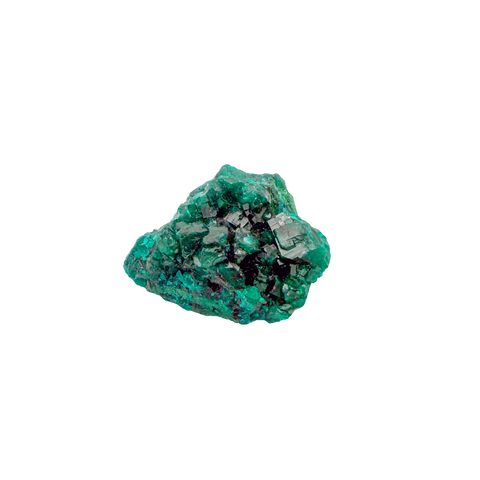
 Malachitefor emotional healing
 Moonstonefor grounding
 Obsidianfor protection
 Ocean Jasperfor emotional healing
 Red Jasperfor grounding
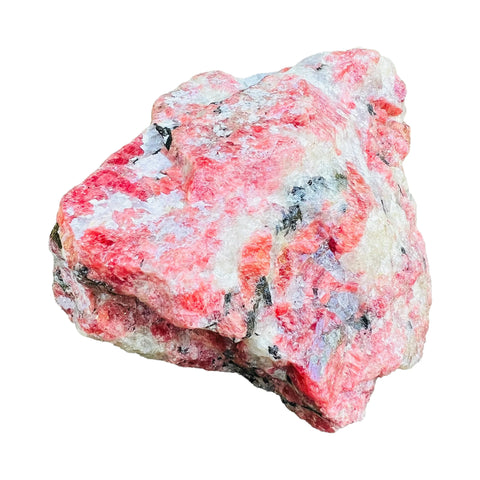
 Rhodonitefor emotional healing
 Selenitefor cleansing
 Sodalitefor focus
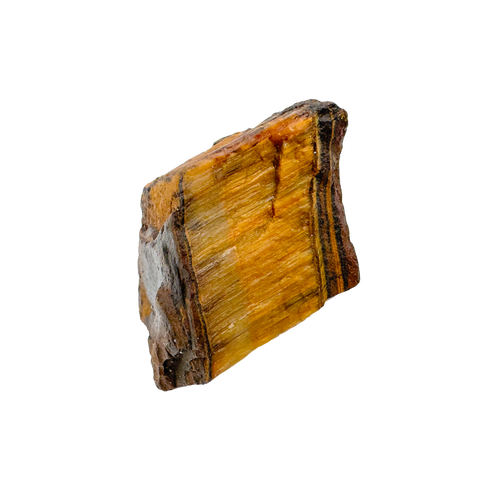
 Tiger Eyefor confidence
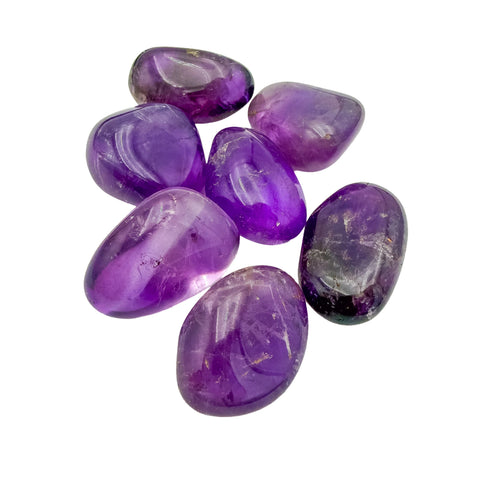




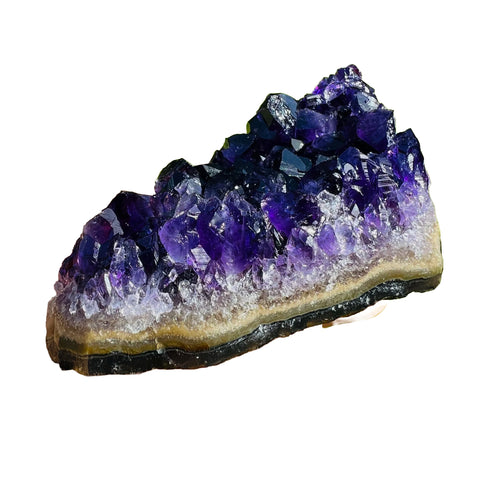





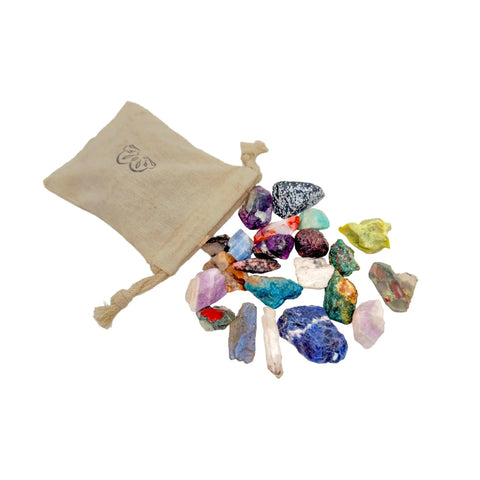

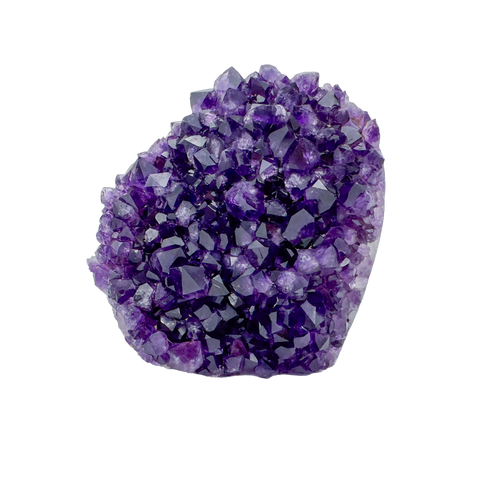
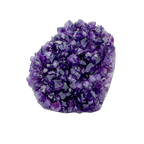 Amethyst
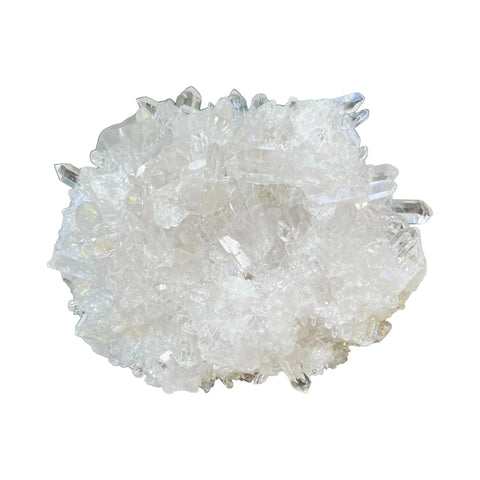
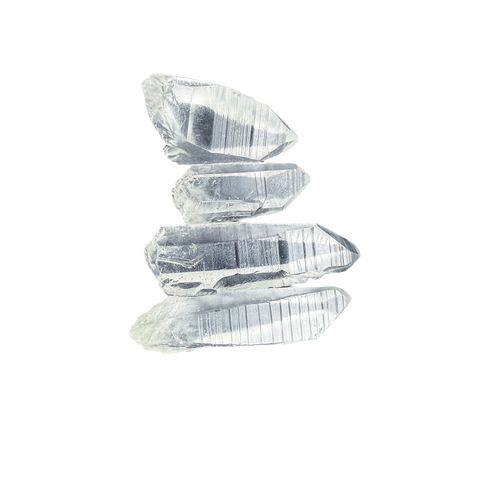
 Clear Quartz
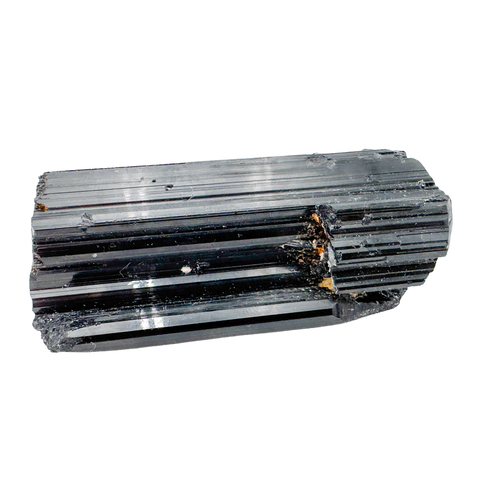
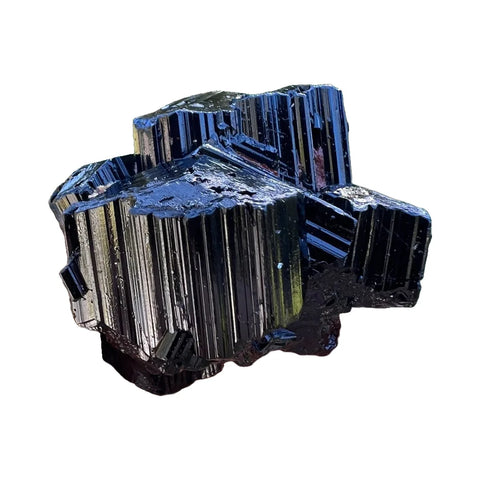
 Black Tourmaline
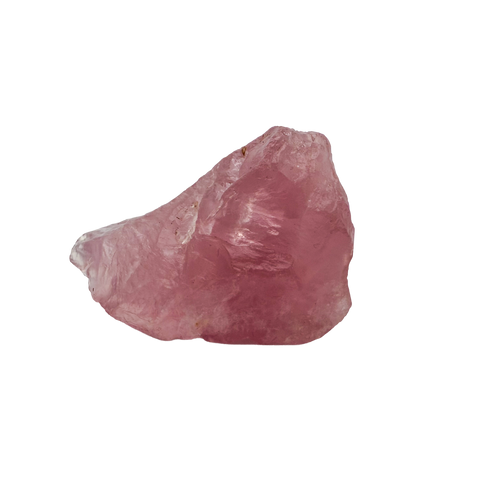
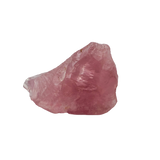 Rose Quartz
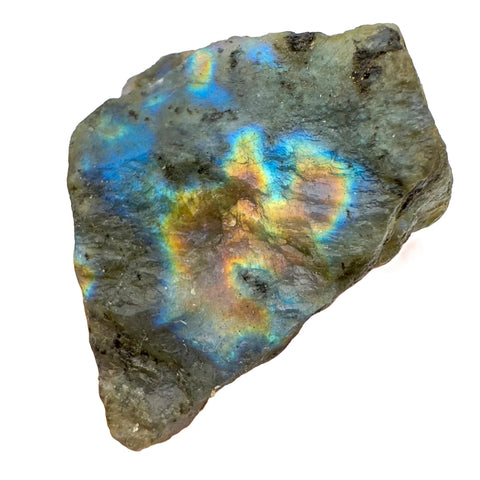
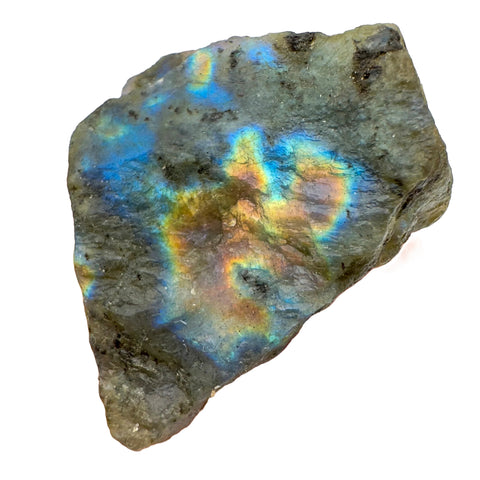
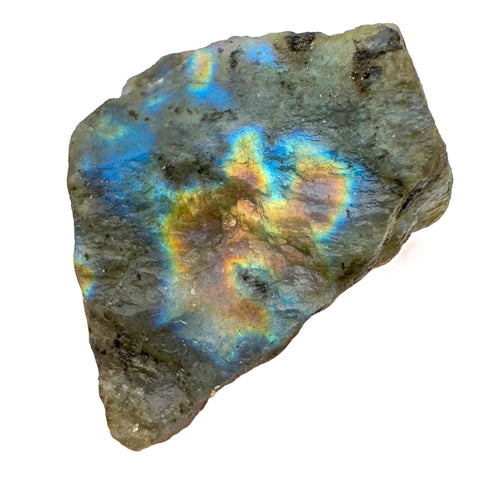
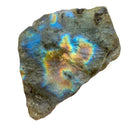 Labradorite
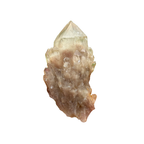 Natural Citrine
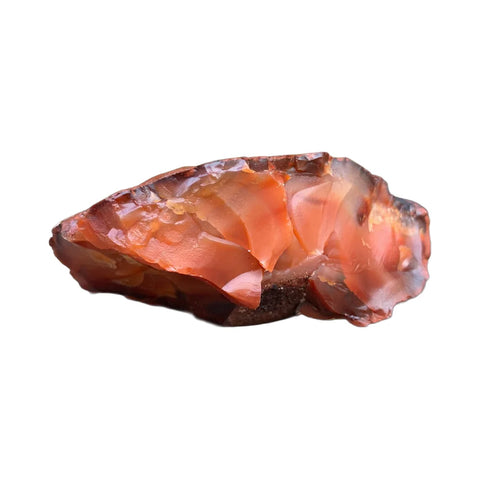
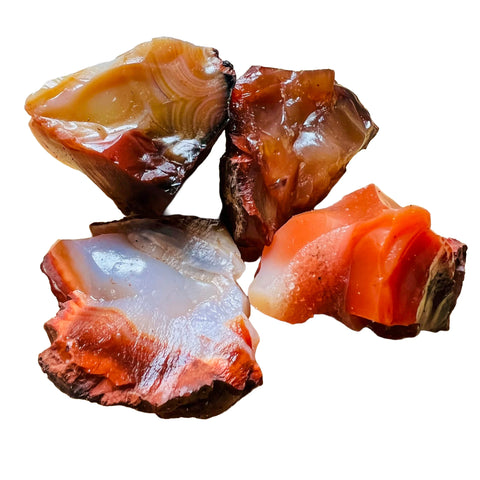
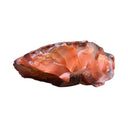 Carnelian
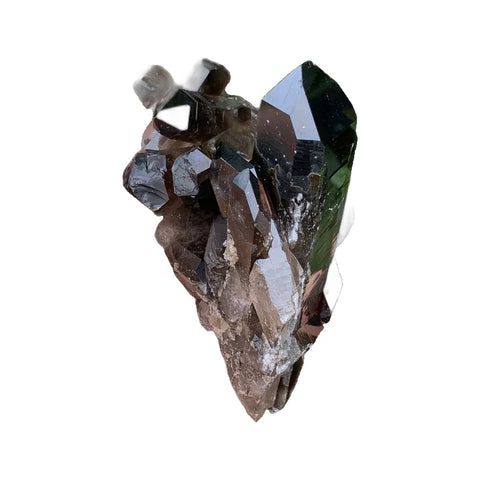
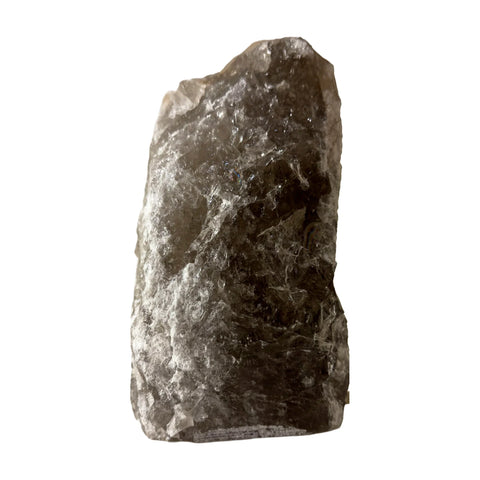
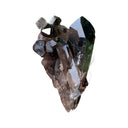 Smoky Quartz
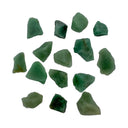 Aventurine
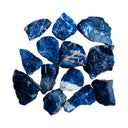 Sodalite
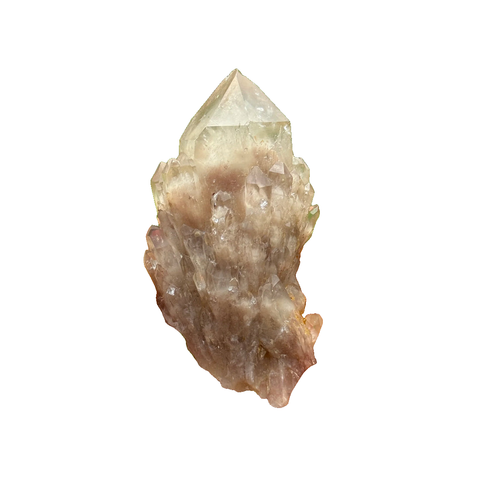
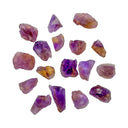 Ametrine
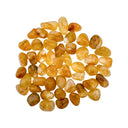 Golden Healer
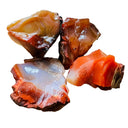 Raw Stones
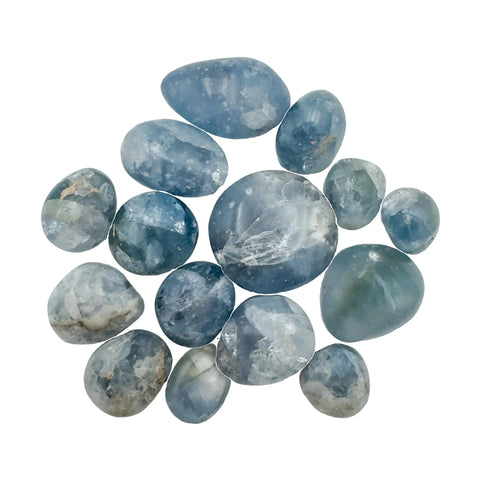
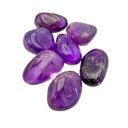 Tumbled Stones
 Palm Stones
 Crystal Points
 Clusters & Geodes
 Polished & Decor
 Mineral Specimens
 Crystal Chips
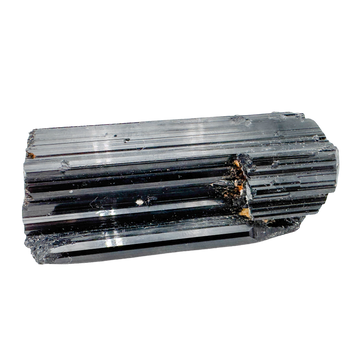
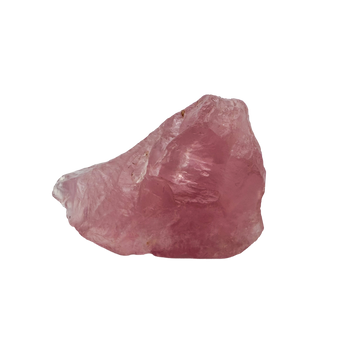
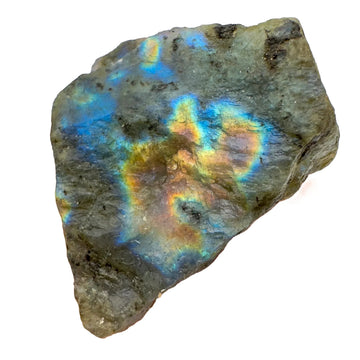
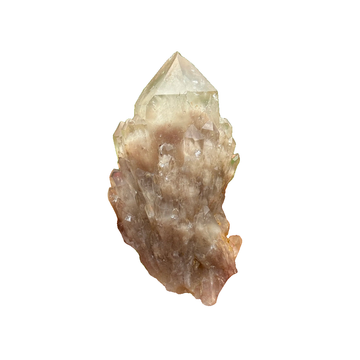
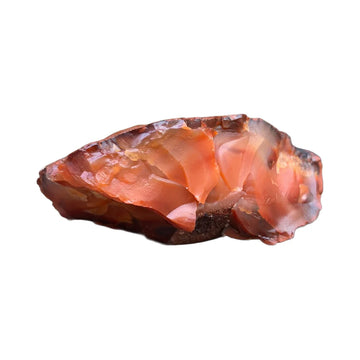
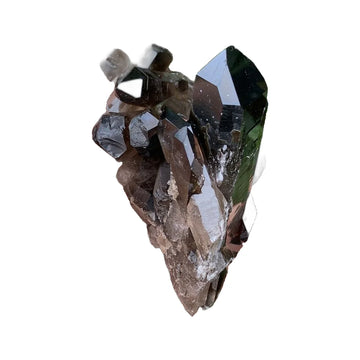
 Raw Stones
179 to choose from
Raw Stones
179 to choose from
 Tumbled Stones
162 to choose from
Tumbled Stones
162 to choose from
 Palm Stones
25 to choose from
Palm Stones
25 to choose from
 Crystal Points
23 to choose from
Crystal Points
23 to choose from
 Clusters & Geodes
98 to choose from
Clusters & Geodes
98 to choose from
 Polished & Decor
147 to choose from
Polished & Decor
147 to choose from
 Mineral Specimens
248 to choose from
Mineral Specimens
248 to choose from
 Crystal Chips
21 to choose from
Crystal Chips
21 to choose from


 AngolaAquamarine
›
AngolaAquamarine
›
 BotswanaCarnelian, Tree Agate
›
BotswanaCarnelian, Tree Agate
›
 DR CongoMalachite, Natural Citrine
›
DR CongoMalachite, Natural Citrine
›
 EswatiniBloodstone
›
EswatiniBloodstone
›
 MadagascarLabradorite, Clear Quartz
›
MadagascarLabradorite, Clear Quartz
›
 MalawiBlue Lace Agate, Garnet
›
MalawiBlue Lace Agate, Garnet
›
 MozambiqueAmazonite
›
MozambiqueAmazonite
›
 NamibiaSodalite, Blue Lace Agate
›
NamibiaSodalite, Blue Lace Agate
›
 Republic of the CongoDioptase
›
Republic of the CongoDioptase
›
 South AfricaTiger Eye, Unakite
›
South AfricaTiger Eye, Unakite
›
 ZambiaChevron Amethyst
›
ZambiaChevron Amethyst
›
 ZimbabweEmerald, Rhodonite
›
ZimbabweEmerald, Rhodonite
›
 ArgentinaBlack Obsidian, Rhodochrosite
›
ArgentinaBlack Obsidian, Rhodochrosite
›
 BoliviaAmetrine
›
BoliviaAmetrine
›
 BrazilAmethyst, Clear Quartz
›
BrazilAmethyst, Clear Quartz
›
 PeruSerpentine, Jade
›
PeruSerpentine, Jade
›
 UruguayAmethyst
›
UruguayAmethyst
›
 Dominican RepublicLarimar
›
Dominican RepublicLarimar
›
 MexicoRainbow Obsidian, Crazy Lace Agate
›
MexicoRainbow Obsidian, Crazy Lace Agate
›
 United StatesSelenite, Peridot
›
United StatesSelenite, Peridot
›
 ChinaFluorite
›
ChinaFluorite
›
 RussiaShungite
›
RussiaShungite
›
 AustraliaMookaite
›
AustraliaMookaite
›
 Where our crystals come from
See where we source →
Where our crystals come from
See where we source →


 Aries
Mar 21 to Apr 19
Carnelian
›
Aries
Mar 21 to Apr 19
Carnelian
›
 Taurus
Apr 20 to May 20
Rose Quartz
›
Taurus
Apr 20 to May 20
Rose Quartz
›
 Gemini
May 21 to Jun 20
Agate
›
Gemini
May 21 to Jun 20
Agate
›
 Cancer
Jun 21 to Jul 22
Moonstone
›
Cancer
Jun 21 to Jul 22
Moonstone
›
 Leo
Jul 23 to Aug 22
Citrine
›
Leo
Jul 23 to Aug 22
Citrine
›
 Virgo
Aug 23 to Sep 22
Amazonite
›
Virgo
Aug 23 to Sep 22
Amazonite
›
 Libra
Sep 23 to Oct 22
Blue Lace Agate
›
Libra
Sep 23 to Oct 22
Blue Lace Agate
›
 Scorpio
Oct 23 to Nov 21
Obsidian
›
Scorpio
Oct 23 to Nov 21
Obsidian
›
 Sagittarius
Nov 22 to Dec 21
Sodalite
›
Sagittarius
Nov 22 to Dec 21
Sodalite
›
 Capricorn
Dec 22 to Jan 19
Black Tourmaline
›
Capricorn
Dec 22 to Jan 19
Black Tourmaline
›
 Aquarius
Jan 20 to Feb 18
Amethyst
›
Aquarius
Jan 20 to Feb 18
Amethyst
›
 Pisces
Feb 19 to Mar 20
Aquamarine
›
Gifting?
A birthday stone is the safe bet.
Read the zodiac guide →
Pisces
Feb 19 to Mar 20
Aquamarine
›
Gifting?
A birthday stone is the safe bet.
Read the zodiac guide →




Kunzite
Kunzite is the pink to lilac variety of spodumene, a lithium mineral, colored by a touch of manganese. It is known for soft, romantic color, strong pleochroism, and a quirk worth knowing: bright sunlight can fade it over time, which is why it is sometimes called an evening stone. It was first found in California in 1902 and named for the gemologist George Kunz.
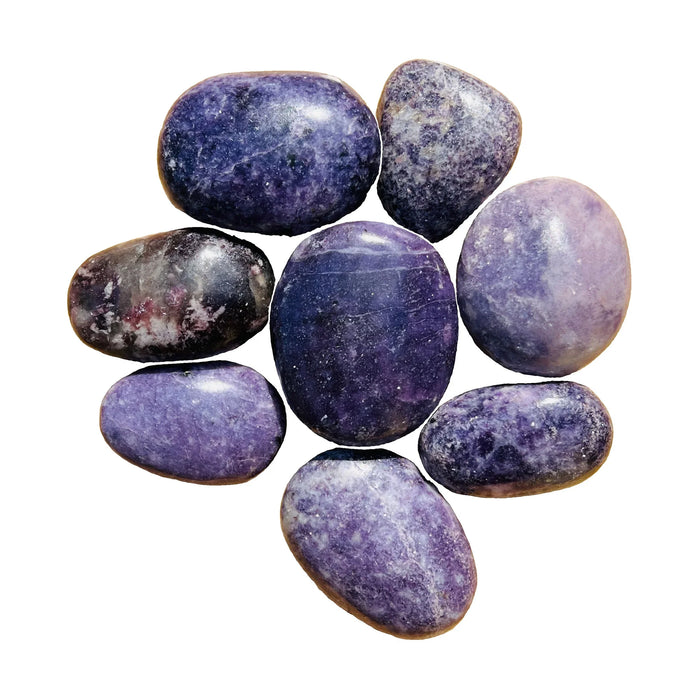
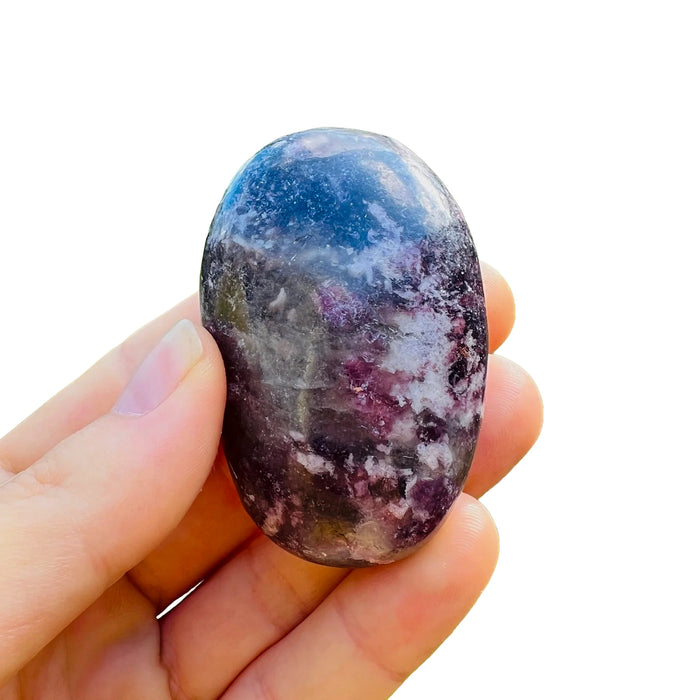
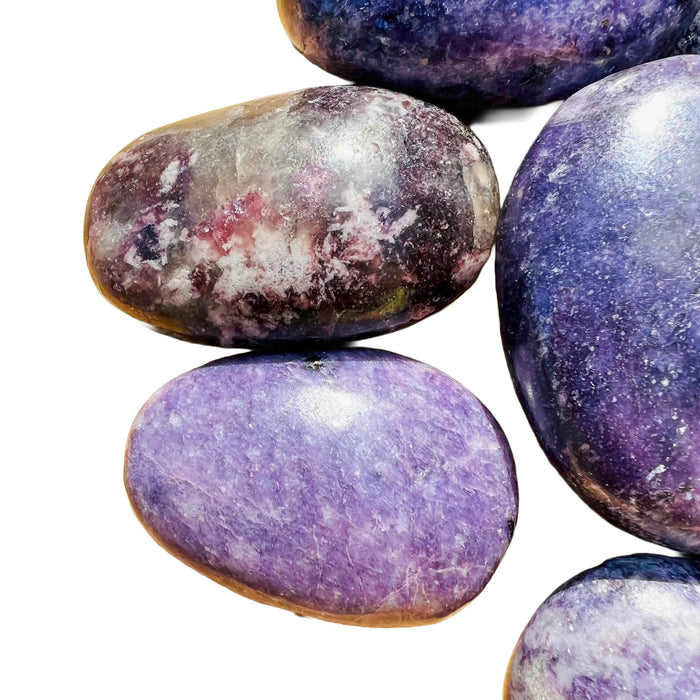
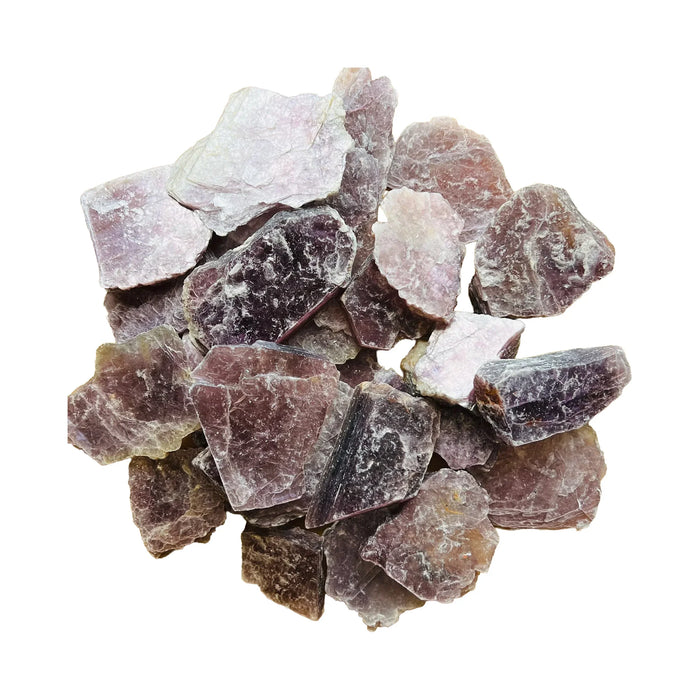
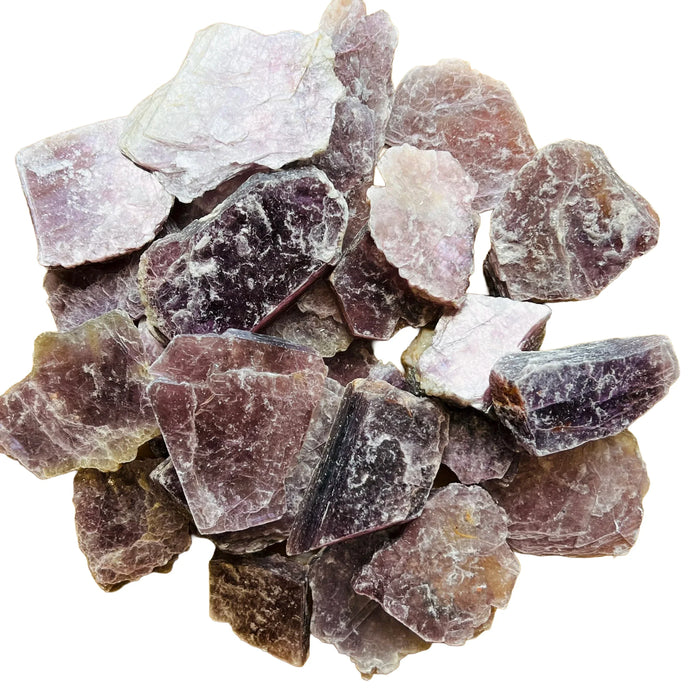
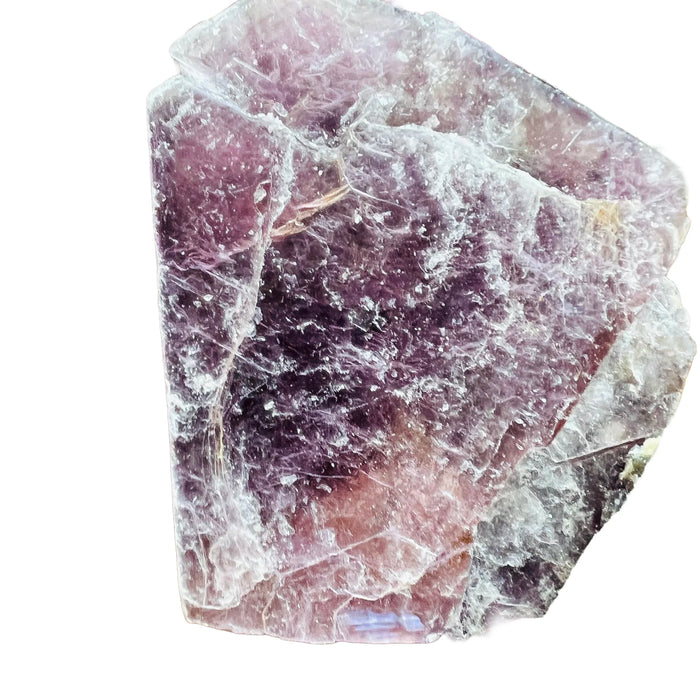
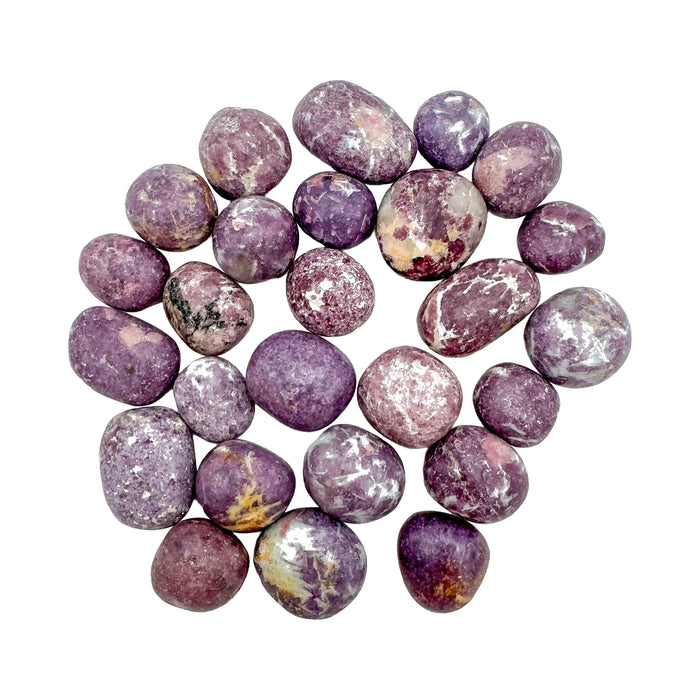
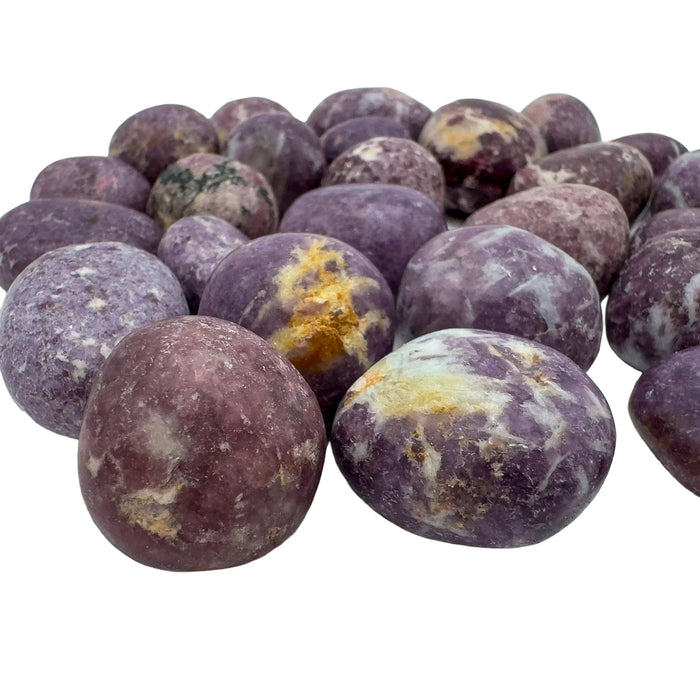
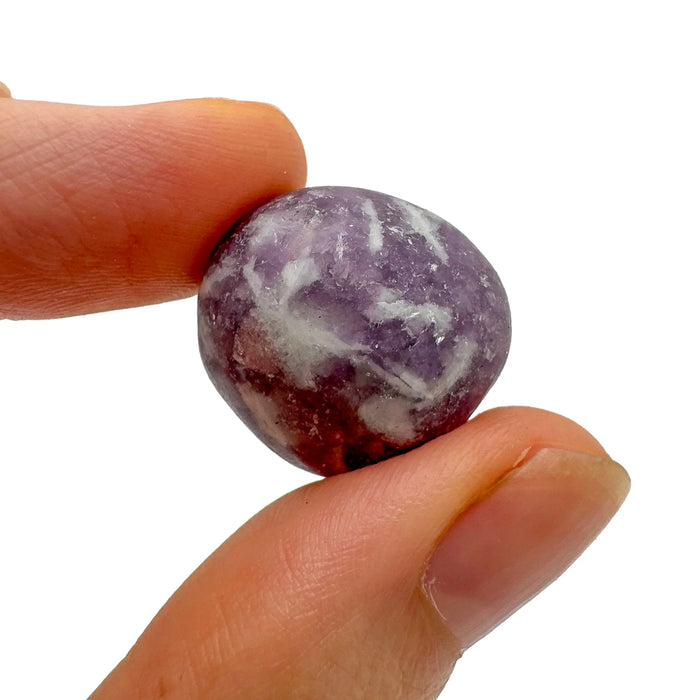
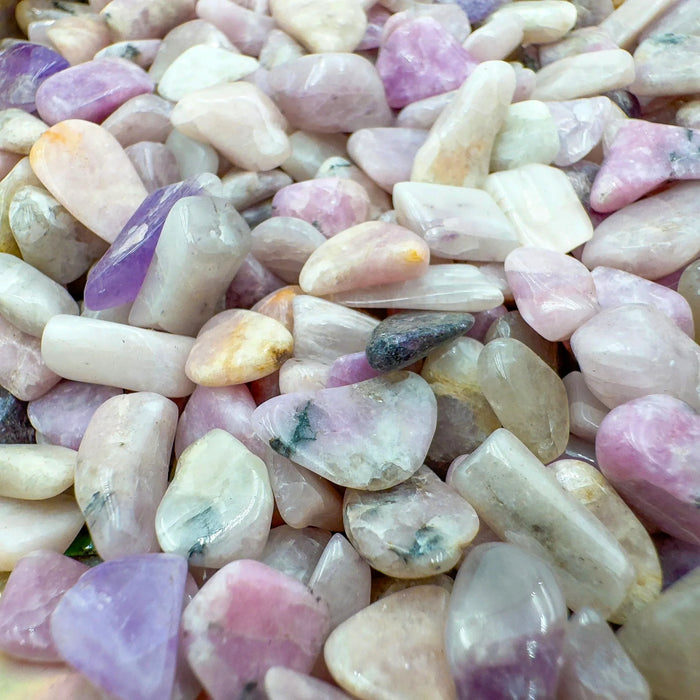
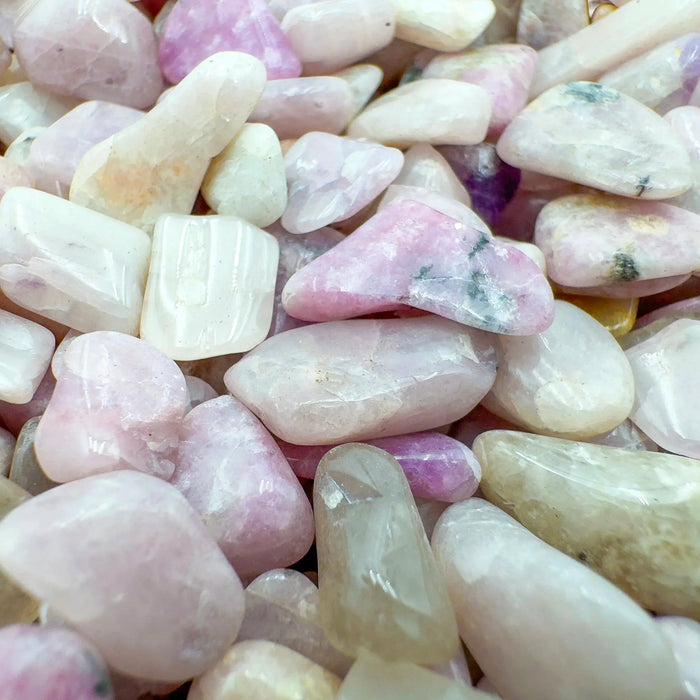
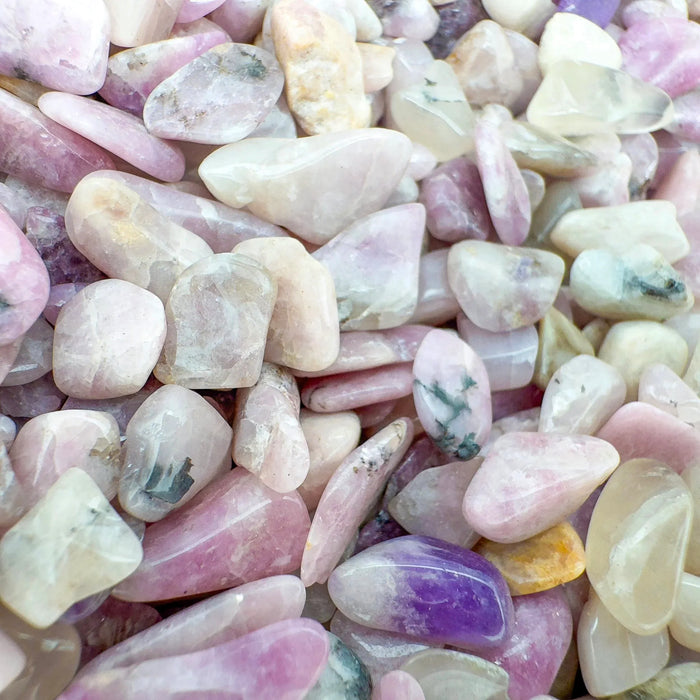
Love Kunzite? Meet Lepidolite.
Kunzite is not something we carry. Lepidolite is the closest match in color, and every product page names its origin and grade.
- from 1,000+ reviews
- Ships within 72 hoursMonday to Friday, tracked
- 90 days to return itif you do not love it
- Free US shipping over $99$8.99 flat rate under
The geology.
Kunzite is gem spodumene, a lithium aluminum silicate with the formula LiAlSi2O6, and its pink to violet color comes from trace manganese. It crystallizes in the monoclinic system, often as long, flattened, vertically striated prisms, and rates 6.5 to 7 on the Mohs scale. Like tanzanite, it is pleochroic, showing colorless, pink, and violet along its different axes, which is why fine stones are cut to face up in the richest color.
Its defining challenge is cleavage. Spodumene has perfect cleavage in two directions, which makes kunzite notoriously difficult to cut, since a wrong move can split the crystal. The same mineral gives us green hiddenite and colorless or yellowish spodumene, and large gem crystals grow in granitic pegmatites.
The origins.
Kunzite was first identified in 1902 in the Pala district of San Diego County, California, and the pegmatites of Southern California are part of its story. The mineralogist George Frederick Kunz, who worked for Tiffany and Co., described it, and the stone was named in his honor.
Today most gem kunzite comes from the pegmatites of Afghanistan and Pakistan, with important production from Brazil, particularly Minas Gerais, and from Madagascar. These are the same kinds of deposits that yield tourmaline and morganite, which is why those stones often appear together.
Traditional associations.
Kunzite is a heart-centered stone in tradition, associated with tenderness, gentle emotional openness, and calm. Its soft pink color and quiet glow have made it a favorite for people drawn to a more soothing, compassionate energy.
It is most often linked to the Heart chakra and the element of water, and many people pair it with the idea of self-kindness. As a modern gem it carries newer associations rather than ancient folklore, with Leo, Scorpio, and Taurus among its zodiac ties.
Spotting the real thing.
Genuine kunzite shows clear pleochroism, so tilt it and look for the shift between near-colorless, pink, and violet. It has a glassy luster and visible cleavage planes, and it is lighter in feel than denser pink stones. Pink glass lacks the pleochroism and may trap bubbles, while morganite and pink topaz can be told apart by density and optical properties.
Ask whether a vivid stone has been irradiated, since unusually deep color for kunzite can be enhanced and may fade. Because the color story is about stability rather than fakery, the most useful questions are about treatment and how the stone has been stored and displayed.
Care & handling.
Kunzite needs a gentle hand. Its perfect cleavage and sensitivity to vibration and heat mean ultrasonic and steam cleaners are a real risk, so clean it only with warm soapy water and a soft cloth, and avoid sharp knocks.
Keep it out of prolonged bright light to preserve the color, which is the practical meaning of its evening-stone nickname. It is better suited to earrings, pendants, and occasional wear than to a daily sunlit ring, and protective settings help. Store it on its own, away from light and harder stones.
Pairs well with.
A deeper look.
Extended geology, sourcing, authentication, history, and varieties, for when the quick guide isn't quite enough.
Extended geology
Spodumene is both a lithium ore and a gem mineral, and kunzite is its pink to violet variety, colored by manganese. It crystallizes in the monoclinic system as striated prisms and shows strong pleochroism, colorless to pink to violet, along its axes. The defining trait is two directions of perfect cleavage, which makes the rough fragile to cut despite a respectable Mohs hardness of 6.5 to 7. Its glassy luster and modest density round out the picture.
Extended sourcing
The first kunzite came from the Pala pegmatites of San Diego County, California, in 1902, and the region remains historically important. Today the main gem sources are the pegmatite belts of Afghanistan and Pakistan, which produce large, clean crystals, along with Brazil and Madagascar. These lithium-rich pegmatites also yield tourmaline, morganite, and aquamarine, so kunzite often shares a mine with familiar gems.
Color and light sensitivity
Kunzite's manganese color can be on the pale side, and some stones are irradiated to intensify the pink or violet. The important honest note is that kunzite color, natural or enhanced, can fade with long exposure to strong light, which is why it is nicknamed the evening stone. Storing and wearing it away from prolonged sun helps preserve the hue, and a very saturated stone deserves a question about treatment.
Authentication and warning signs
Pleochroism is the friendliest test, since genuine kunzite shifts color as you rotate it. Its cleavage planes, glassy luster, and lighter heft separate it from denser pink stones, while pink glass shows no pleochroism and may contain bubbles. Morganite, the pink beryl, and pink topaz are the main natural look-alikes, distinguished by density and refractive properties, which a lab can confirm.
History and naming
Kunzite was described in 1902 from California material and named for George Frederick Kunz, the noted American mineralogist and Tiffany and Co. gem expert. Its discovery added a graceful new pink gem to the early twentieth century market. The related green variety of spodumene, hiddenite, was named for another figure from the same era of American mineral discovery.
Varieties and market
Spodumene gems include pink to violet kunzite, green hiddenite, and colorless to pale yellow stones sometimes called triphane. Kunzite is often affordable for its size because large clean crystals are available, with value driven by depth of color and the strength of its pleochroic pink. The fading caveat means buyers reasonably favor stones with stable, well-disclosed color.
An education-first guide.
We made this guide to explain what kunzite is, why its color can fade in sunlight, and how its cleavage shapes the way it is cut and worn, so every decision you make about it is a better one, wherever you buy. Explore the rest of our crystal guides for more stones, each with full origin and treatment notes.
Explore the Crystal GuideGrounded Connections
New stones go to the list first.
No forwarding, no selling. Unsubscribe in one click. Privacy