


 Agatefor stress relief
 Amazonitefor stress relief
 Aquamarinefor serenity
 Aventurinefor luck
 Bloodstonefor energy
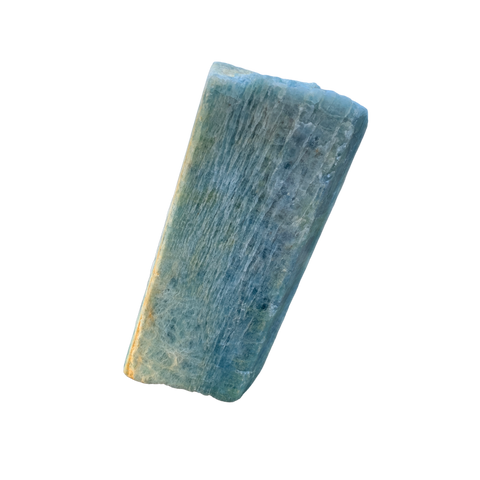
 Blue Kyanitefor confidence
 Blue Lace Agatefor stress relief
 Chrysocollafor emotional healing
 Fluoritefor focus
 Garnetfor energy
 Lepidolitefor stress relief
 Malachitefor emotional healing
 Moonstonefor grounding
 Obsidianfor protection
 Ocean Jasperfor emotional healing
 Red Jasperfor grounding
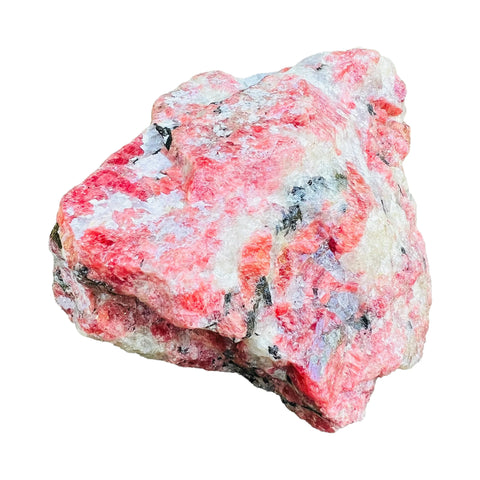
 Rhodonitefor emotional healing
 Selenitefor cleansing
 Sodalitefor focus
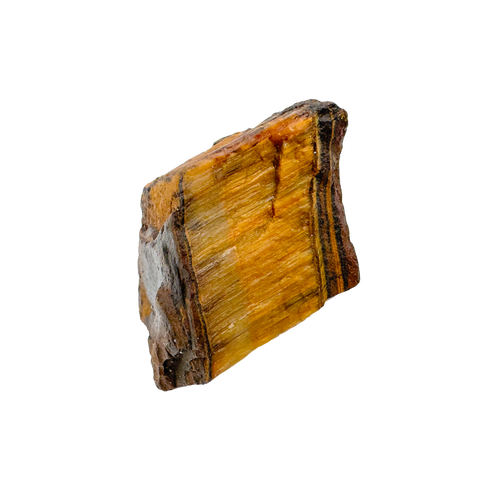
 Tiger Eyefor confidence


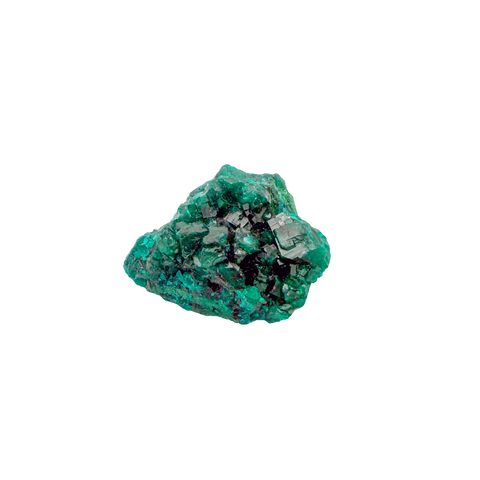
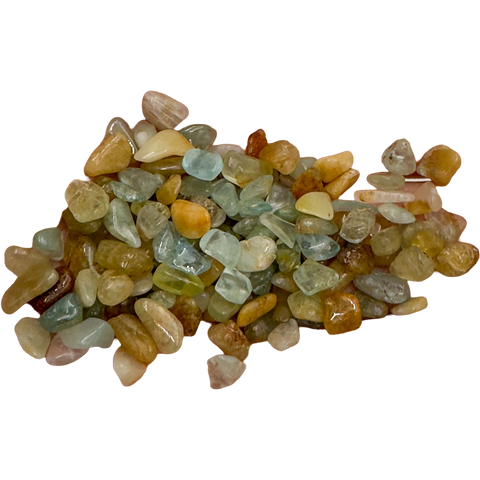
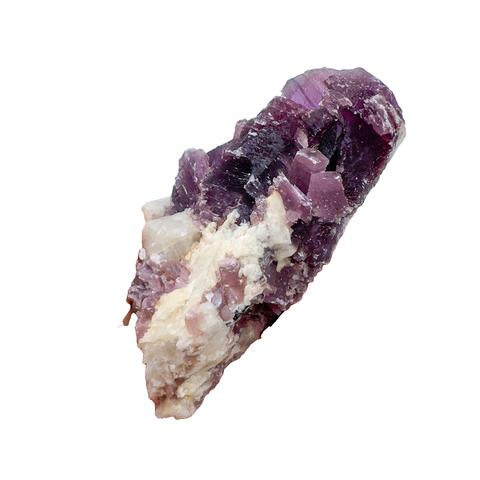
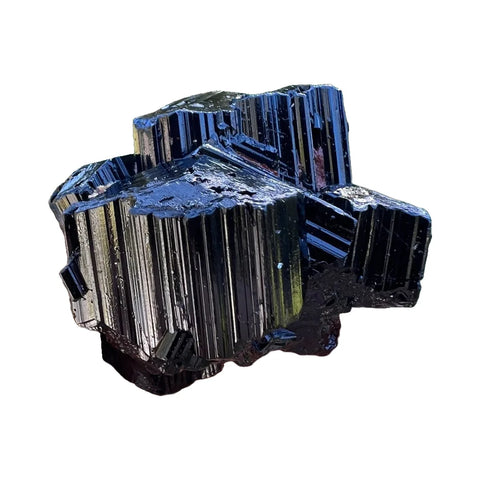
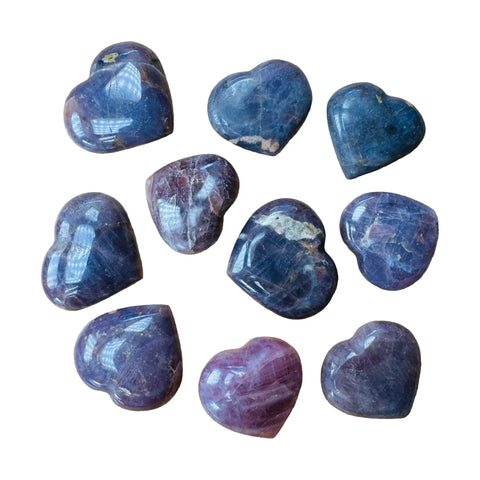
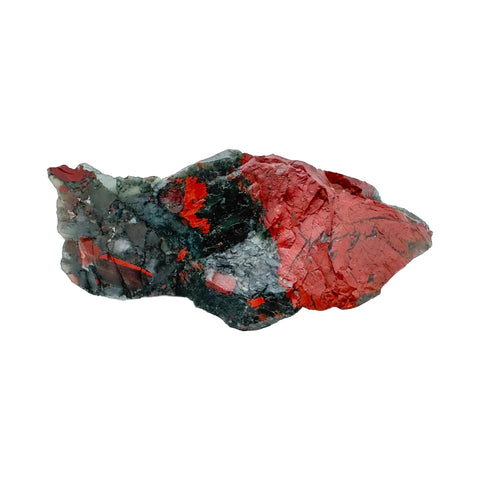
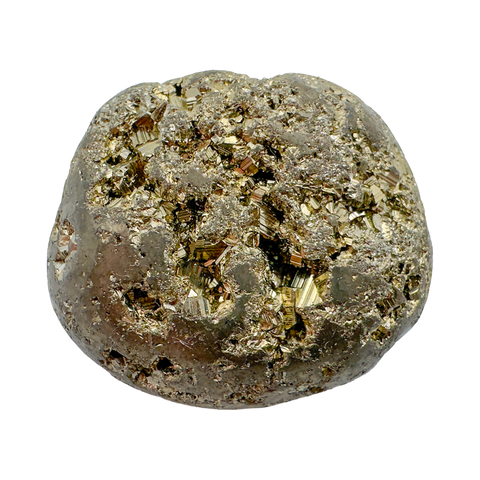
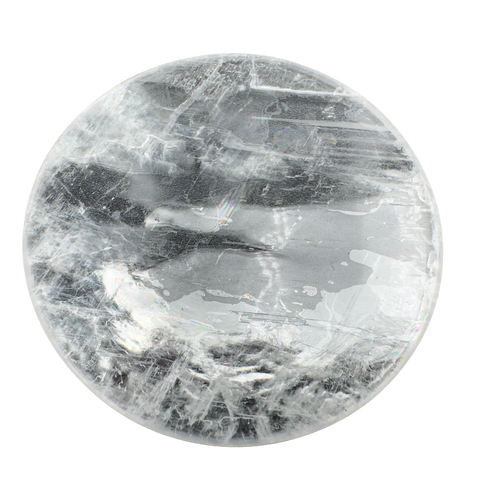


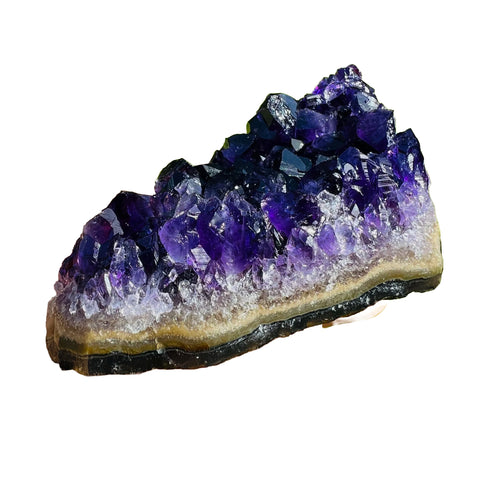





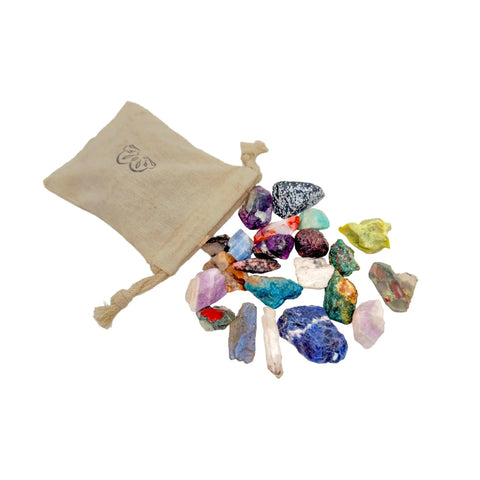
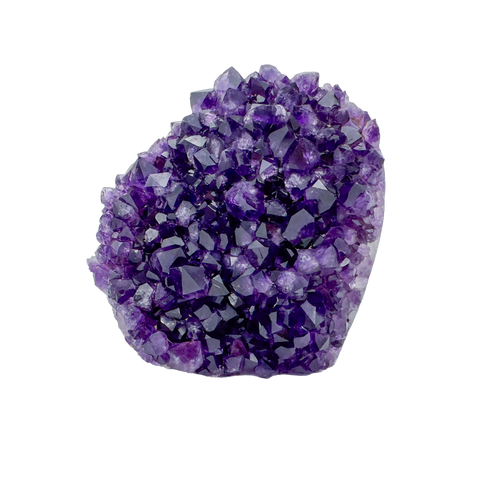
 Amethyst
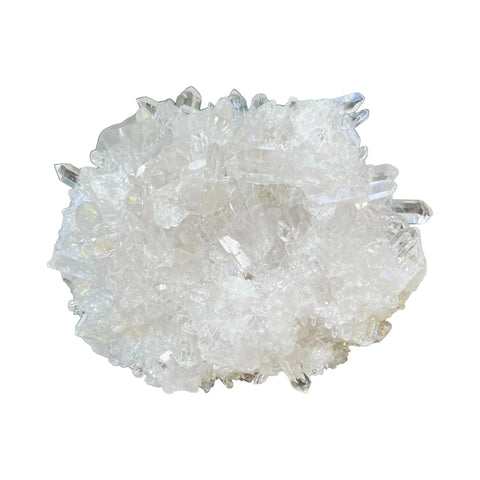
 Clear Quartz
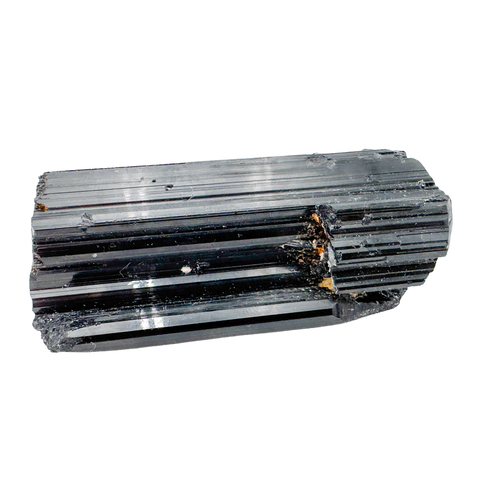
 Black Tourmaline
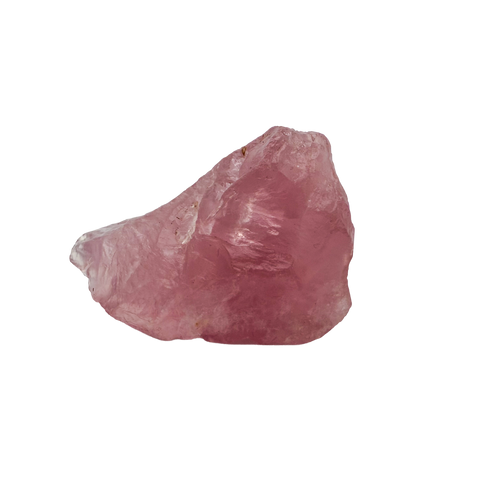
 Rose Quartz
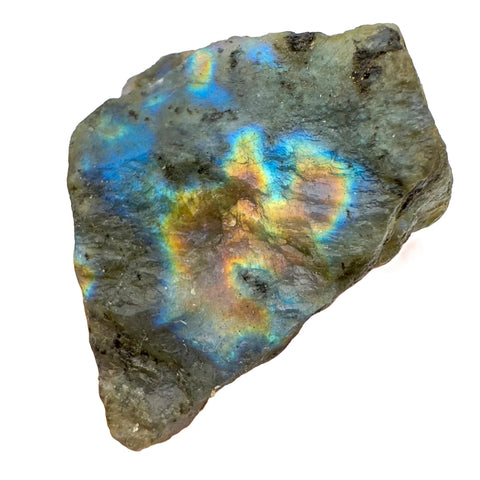
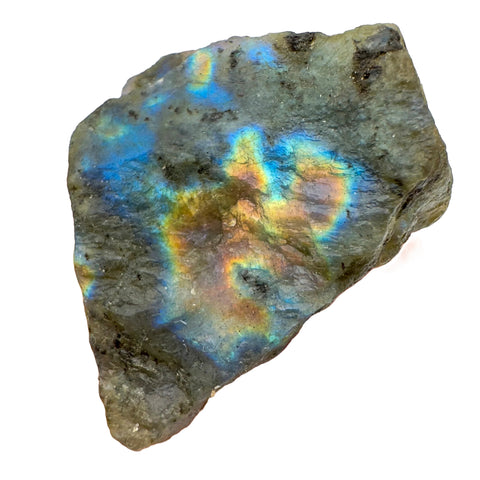
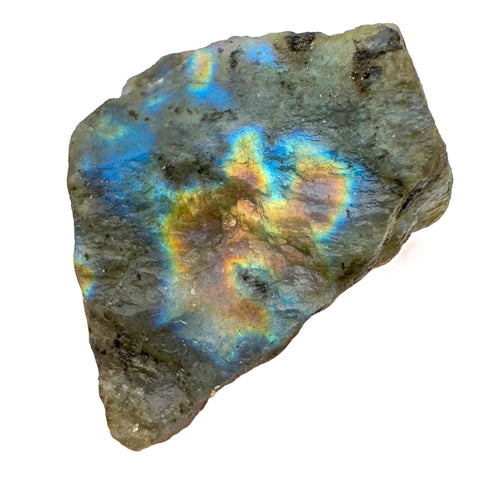
 Labradorite
 Natural Citrine
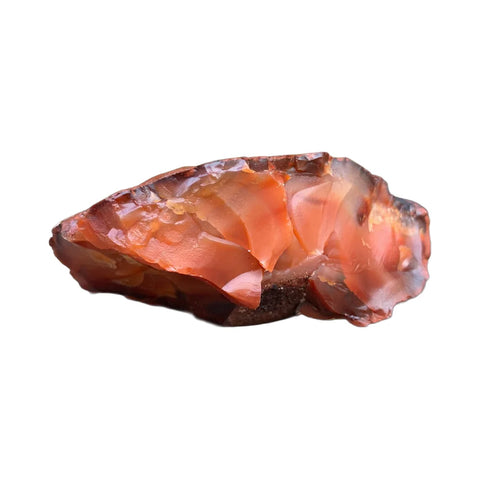
 Carnelian
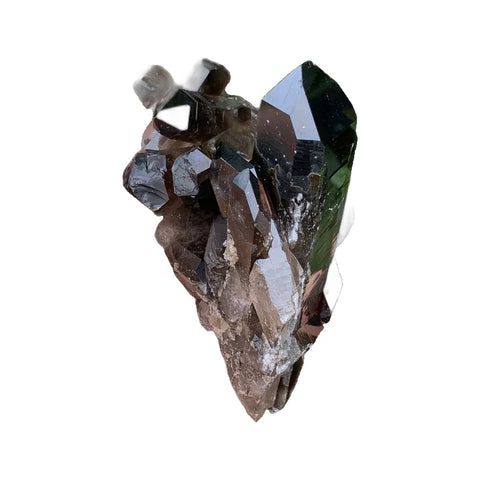
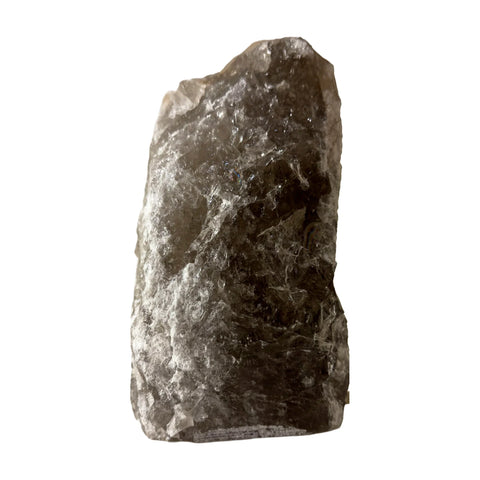
 Smoky Quartz
 Aventurine
 Sodalite
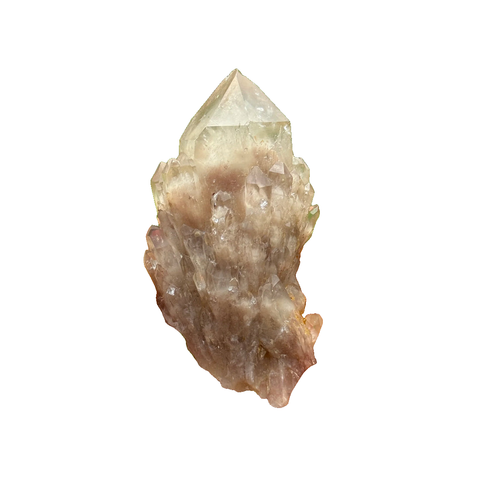
 Ametrine
 Golden Healer
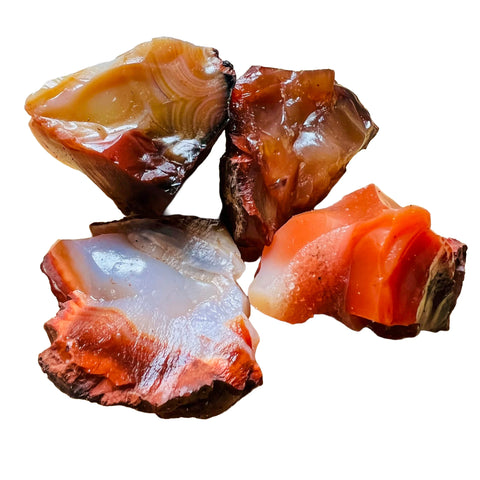
 Raw Stones
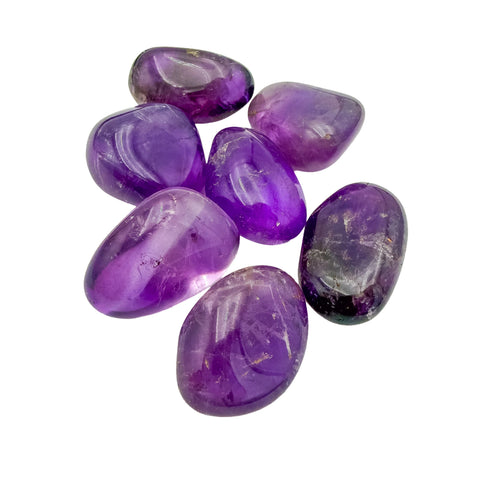
 Tumbled Stones
 Palm Stones
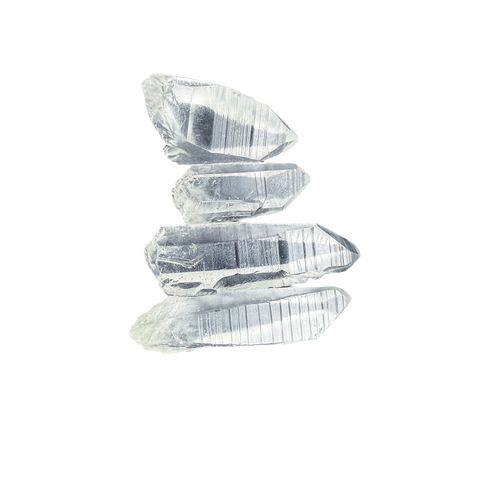
 Crystal Points
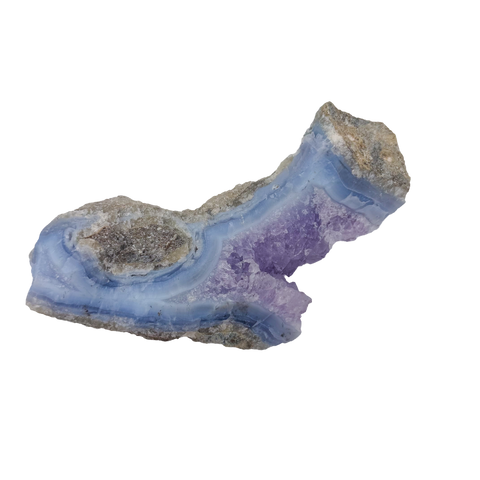
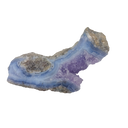 Clusters & Geodes
 Polished & Decor
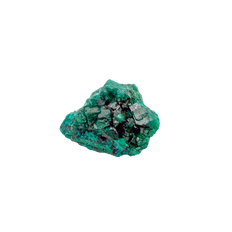 Mineral Specimens
 Crystal Chips
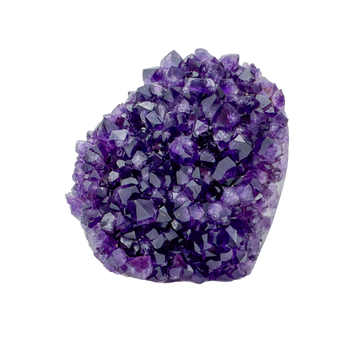
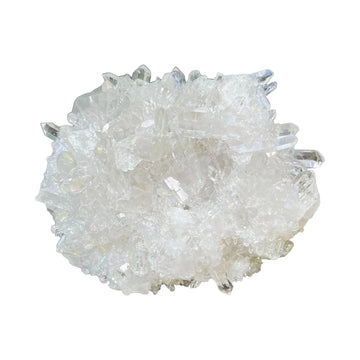
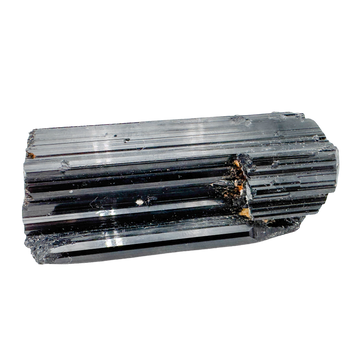
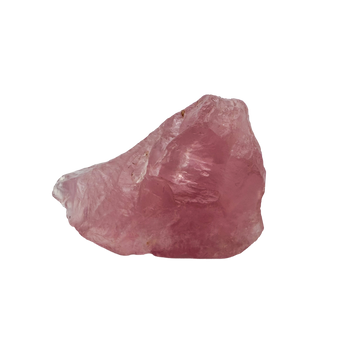
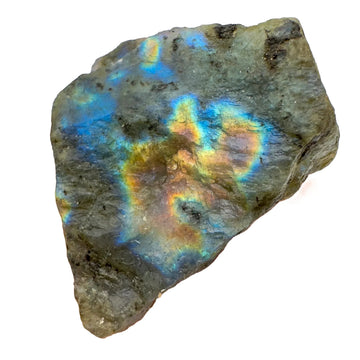
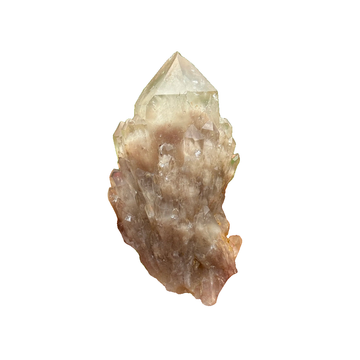
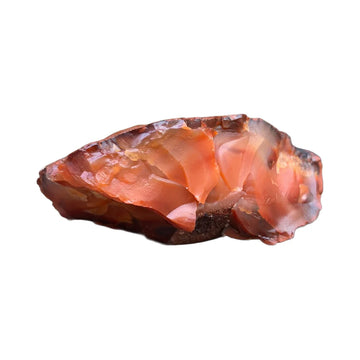
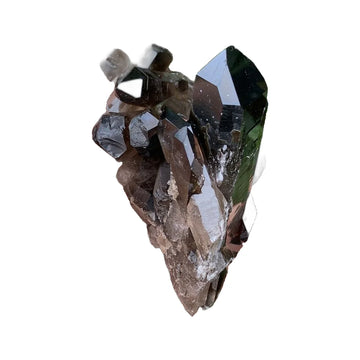
 Raw Stones
179 to choose from
Raw Stones
179 to choose from
 Tumbled Stones
162 to choose from
Tumbled Stones
162 to choose from
 Palm Stones
25 to choose from
Palm Stones
25 to choose from
 Crystal Points
23 to choose from
Crystal Points
23 to choose from
 Clusters & Geodes
103 to choose from
Clusters & Geodes
103 to choose from
 Polished & Decor
148 to choose from
Polished & Decor
148 to choose from
 Mineral Specimens
254 to choose from
Mineral Specimens
254 to choose from
 Crystal Chips
21 to choose from
Crystal Chips
21 to choose from


 AngolaAquamarine
›
AngolaAquamarine
›
 BotswanaCarnelian, Tree Agate
›
BotswanaCarnelian, Tree Agate
›
 DR CongoMalachite, Natural Citrine
›
DR CongoMalachite, Natural Citrine
›
 EswatiniBloodstone
›
EswatiniBloodstone
›
 MadagascarLabradorite, Clear Quartz
›
MadagascarLabradorite, Clear Quartz
›
 MalawiBlue Lace Agate, Garnet
›
MalawiBlue Lace Agate, Garnet
›
 MozambiqueAmazonite
›
MozambiqueAmazonite
›
 NamibiaSodalite, Blue Lace Agate
›
NamibiaSodalite, Blue Lace Agate
›
 Republic of the CongoDioptase
›
Republic of the CongoDioptase
›
 South AfricaTiger Eye, Unakite
›
South AfricaTiger Eye, Unakite
›
 ZambiaChevron Amethyst
›
ZambiaChevron Amethyst
›
 ZimbabweEmerald, Rhodonite
›
ZimbabweEmerald, Rhodonite
›
 ArgentinaBlack Obsidian, Rhodochrosite
›
ArgentinaBlack Obsidian, Rhodochrosite
›
 BoliviaAmetrine
›
BoliviaAmetrine
›
 BrazilAmethyst, Clear Quartz
›
BrazilAmethyst, Clear Quartz
›
 PeruSerpentine, Jade
›
PeruSerpentine, Jade
›
 UruguayAmethyst
›
UruguayAmethyst
›
 Dominican RepublicLarimar
›
Dominican RepublicLarimar
›
 MexicoRainbow Obsidian, Crazy Lace Agate
›
MexicoRainbow Obsidian, Crazy Lace Agate
›
 United StatesSelenite, Peridot
›
United StatesSelenite, Peridot
›
 ChinaFluorite
›
ChinaFluorite
›
 RussiaShungite
›
RussiaShungite
›
 AustraliaMookaite
›
AustraliaMookaite
›
 Where our crystals come from
See where we source →
Where our crystals come from
See where we source →


 Aries
Mar 21 to Apr 19
Carnelian
›
Aries
Mar 21 to Apr 19
Carnelian
›
 Taurus
Apr 20 to May 20
Rose Quartz
›
Taurus
Apr 20 to May 20
Rose Quartz
›
 Gemini
May 21 to Jun 20
Agate
›
Gemini
May 21 to Jun 20
Agate
›
 Cancer
Jun 21 to Jul 22
Moonstone
›
Cancer
Jun 21 to Jul 22
Moonstone
›
 Leo
Jul 23 to Aug 22
Citrine
›
Leo
Jul 23 to Aug 22
Citrine
›
 Virgo
Aug 23 to Sep 22
Amazonite
›
Virgo
Aug 23 to Sep 22
Amazonite
›
 Libra
Sep 23 to Oct 22
Blue Lace Agate
›
Libra
Sep 23 to Oct 22
Blue Lace Agate
›
 Scorpio
Oct 23 to Nov 21
Obsidian
›
Scorpio
Oct 23 to Nov 21
Obsidian
›
 Sagittarius
Nov 22 to Dec 21
Sodalite
›
Sagittarius
Nov 22 to Dec 21
Sodalite
›
 Capricorn
Dec 22 to Jan 19
Black Tourmaline
›
Capricorn
Dec 22 to Jan 19
Black Tourmaline
›
 Aquarius
Jan 20 to Feb 18
Amethyst
›
Aquarius
Jan 20 to Feb 18
Amethyst
›
 Pisces
Feb 19 to Mar 20
Aquamarine
›
Gifting?
A birthday stone is the safe bet.
Read the zodiac guide →
Pisces
Feb 19 to Mar 20
Aquamarine
›
Gifting?
A birthday stone is the safe bet.
Read the zodiac guide →


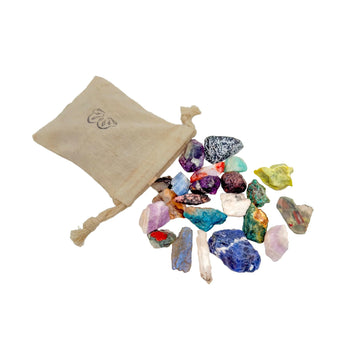
Kambaba Jasper
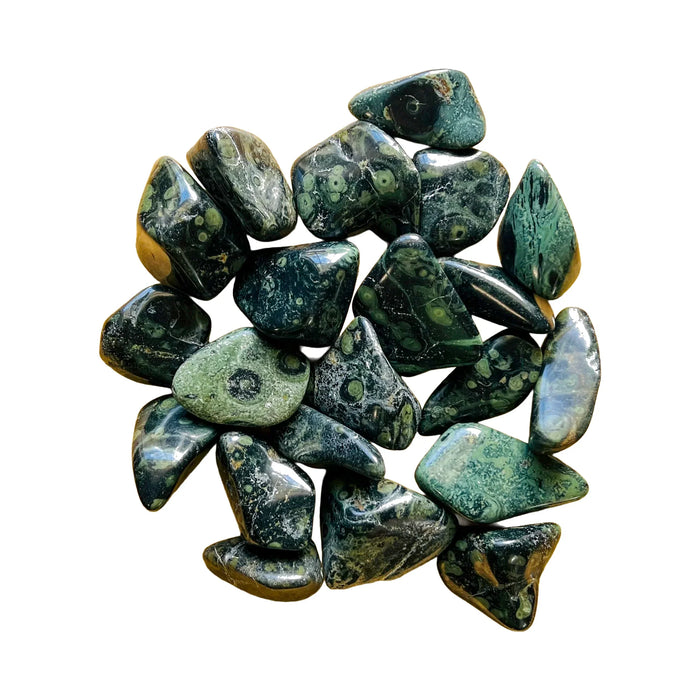
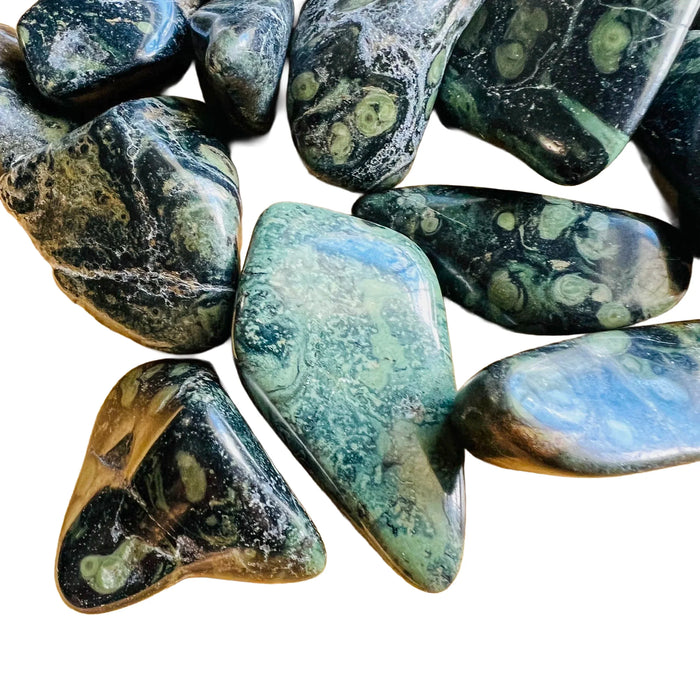
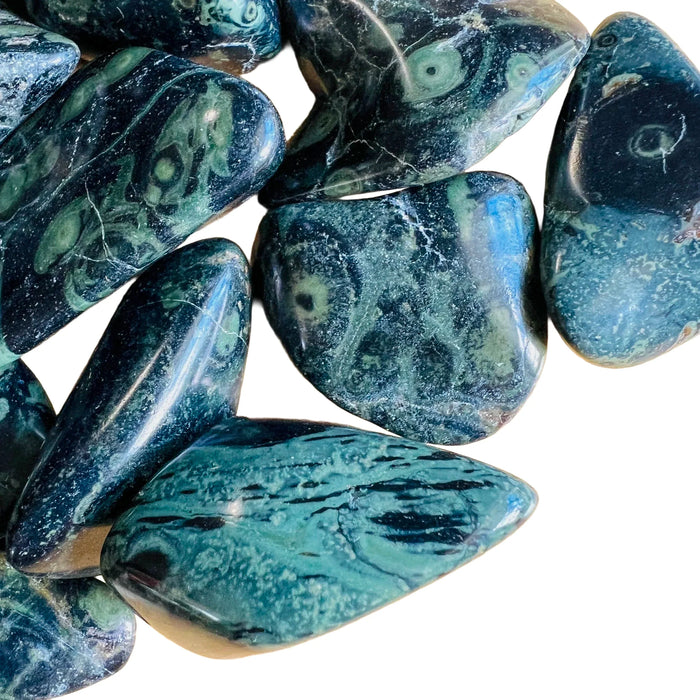
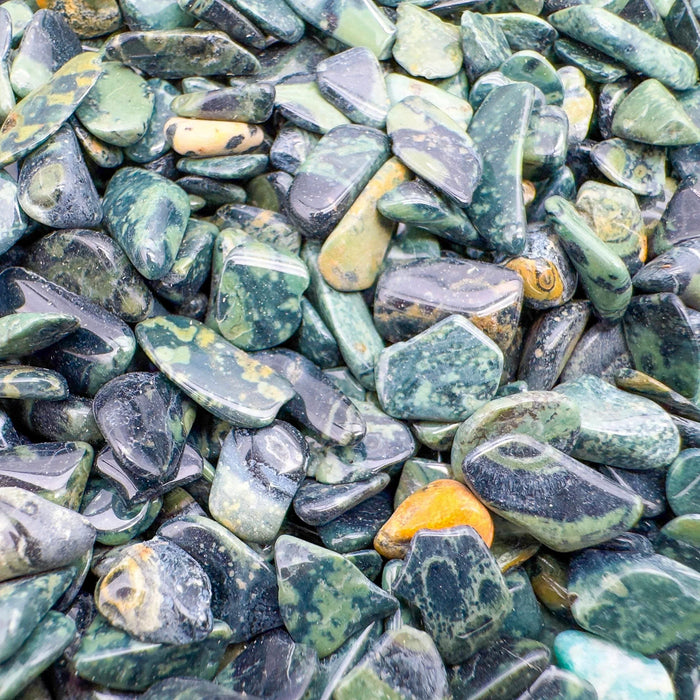
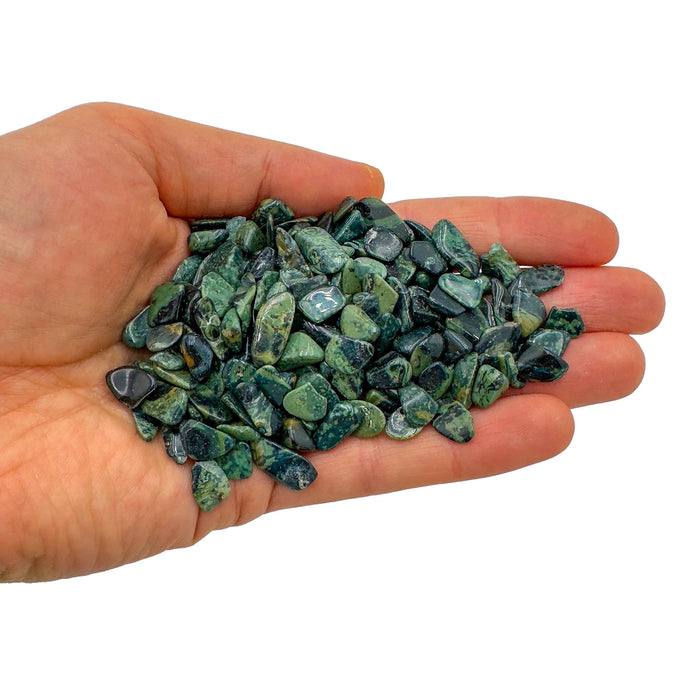
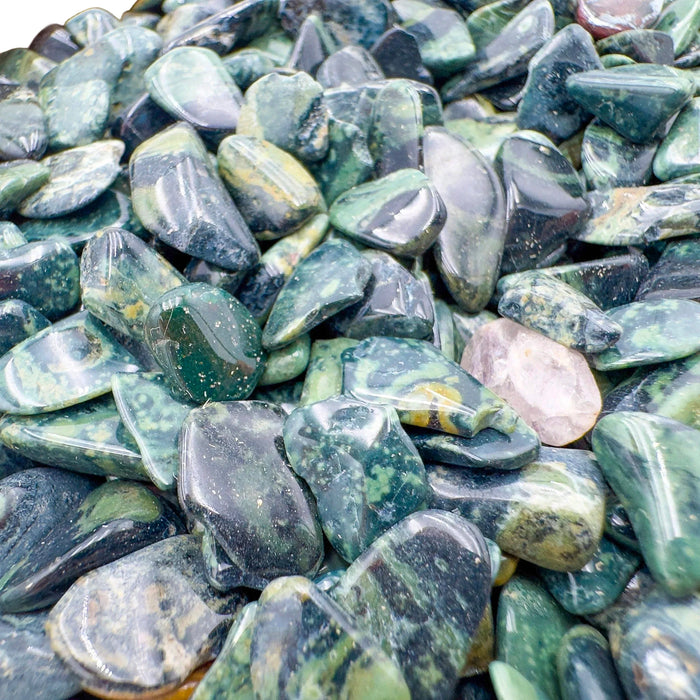
Kambaba Jasper is a trade name for a green and black orbicular volcanic rock from Madagascar. It is not a true jasper but a rhyolite, and its patterns are ancient and distinctive. Many people work with it for grounding, emotional patience, and connection to deep time. The stone is durable, takes a high polish, and feels solid in hand.
Shop kambaba jasperKambaba Jasper, in stock now.
Our most-loved Kambaba Jasper pieces, ready to ship.
- from 1,000+ reviews
- Ships within 72 hoursMonday to Friday, tracked
- 90 days to return itif you do not love it
- Free US shipping over $99$8.99 flat rate under
The geology.
Kambaba Jasper is a trade name for an orbicular volcanic rock from Madagascar, not a true jasper in mineralogical terms. Jasper is microcrystalline quartz, while Kambaba is a rhyolite, a silica-rich volcanic rock that forms from ancient lava flows. The distinctive green and black orbicular patterns are one of its defining features. The dark round patches are believed to be orbicular mineral inclusions formed during the rock's volcanic crystallization, and the traditional market name references possible fossilized stromatolites, though modern study suggests these are more likely pure volcanic textures.
Hardness runs 6.5 to 7 on the Mohs scale, derived from the quartz and feldspar content in the rhyolite matrix. This makes Kambaba much more durable than softer stones like angelite or selenite. The rock is opaque and does not fluoresce under ultraviolet light. It takes a high polish and is easily worked, which is why it appears in the market primarily as tumbled stones, chips, and raw specimens. The stone's visual appeal lies entirely in its natural orbicular patterns, so minimal processing is needed to make it saleable. Bongolava, Madagascar is effectively the only commercial source of this specific material in the current gem market.
The origins.
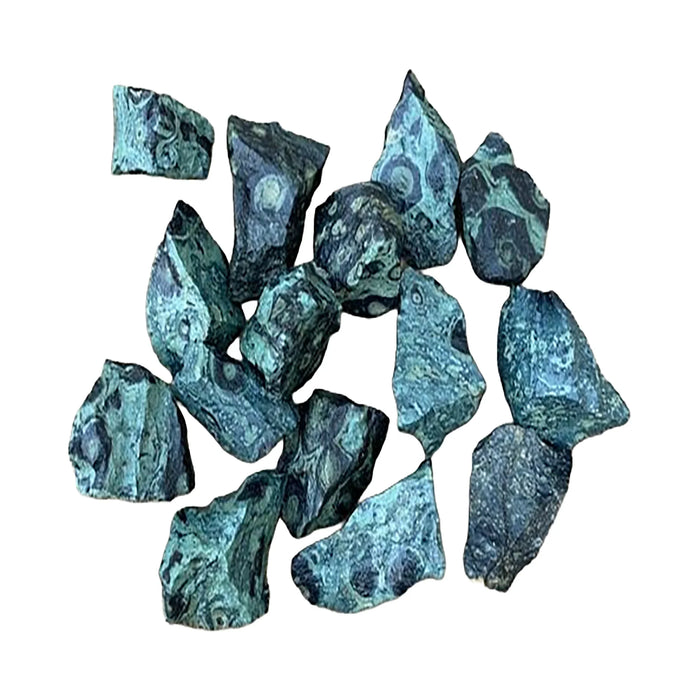
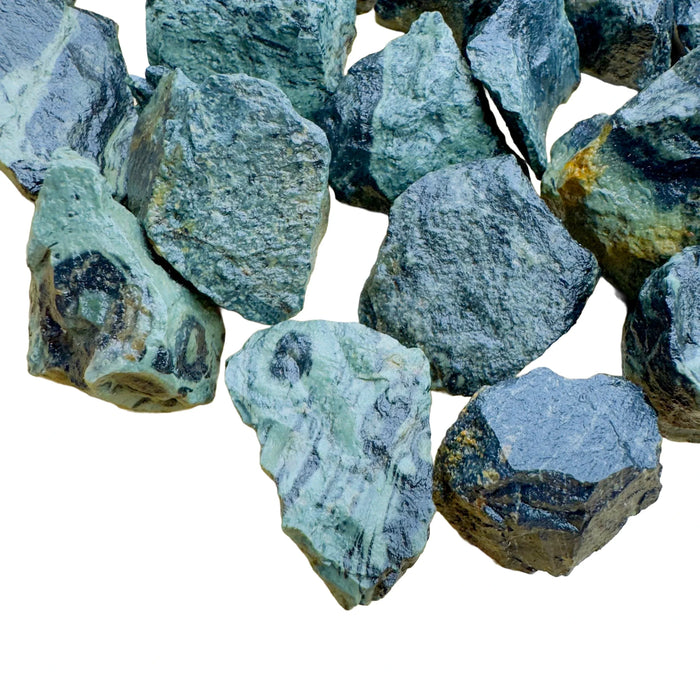
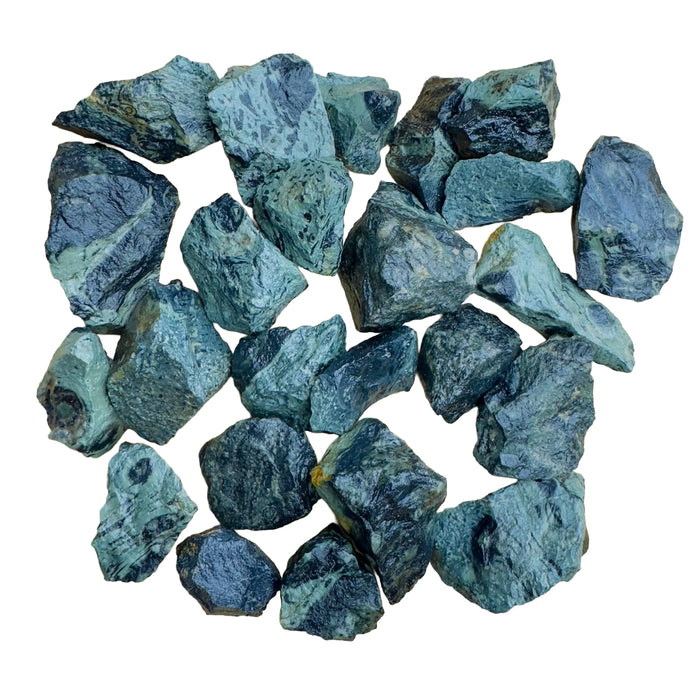
The Kambaba Jasper we carry comes from the Bongolava region of Madagascar, where artisanal surface quarrying extracts the rhyolite from ancient volcanic formations. The material is hand-sorted directly at the source and polished using traditional techniques. We receive tumbled stones in Grade AA, crystal chips, and occasional raw specimens. The work is small-scale and labor-intensive, which reflects in both the price and the quality of finish we receive.
Bongolava is effectively the only commercial source of this material on the current market. Other regions of Madagascar have deposits, but Bongolava remains the primary producer for both local and international crystal markets. We are committed to this region as our exclusive source. All material is natural, untreated volcanic rhyolite with no dye, resin, or enhancement. We disclose openly that Kambaba is not a true jasper, to build knowledge rather than preserve a trade name at the expense of accuracy.
Traditional associations.
Kambaba Jasper carries a modern trade name with roots in traditional rhyolite and jasper associations. The name itself draws from the Bongolava region of Madagascar and became established in Western crystal markets in the late twentieth century as sourcing from Madagascar expanded. The older jasper traditions speak to grounding and stability, and those associations migrate to Kambaba because of the shared name and similar tactile qualities. It is not ancient in origin as a trade material, but many people find the ancient patterns in the stone itself meaningful for grounding work.
In modern crystal practice, Kambaba is most often associated with the Heart and Root chakras, the element Earth, and intentions around emotional patience, stress relief, and connection to deep time. The orbicular patterns invite contemplation of ancient processes and unhurried change. Many people work with it alongside green stones like moss agate and aventurine when the intention involves calm, grounding, and steady emotional healing rather than rapid transformation. The stone's density and durability make it practical for daily carry or altar work.
Spotting the real thing.
Genuine Kambaba Jasper shows a bright to olive green base with distinct black or dark-green orbicular patches arranged irregularly across the stone's surface. Real Kambaba has Mohs 6.5 to 7, which means it scratches glass easily and cannot be scratched by steel. The pattern variation is organic and uneven. Each tumbled stone shows different density and arrangement of orbs. Orbicular size ranges from small (thumbnail) to medium (quarter-sized) within a single piece, and this natural variation is a sign of authenticity.
Imitations and dyed material show uniform or too-regular pattern density across the stone surface, as if printed or painted. Dyed material may transfer color to hands or cloth, especially when wet. True Kambaba does not. The stone's weight and density should feel substantial for its size. Very light material may indicate resin infill or a softer substitute. Distinguish Kambaba from Ocean Jasper (which has more varied colors, often red or white, and chalcedony spherulites rather than true orbicular patches). Always verify origin in the Bongolava region or another Madagascar location. Kambaba sold without origin disclosure warrants caution.
Care & handling.
Kambaba Jasper is relatively care-free compared to softer stones. Mohs 6.5 to 7 makes it durable for daily handling and carry. Clean with water and mild soap, rinse thoroughly, and air dry. Avoid ultrasonic cleaners and steam cleaners, which can damage the stone's surface over time. Avoid prolonged direct sunlight in a window, as the rock may experience slight color shift with extended UV exposure. Store separately from softer stones, because Kambaba's hardness means it can easily scratch them.
Handling is straightforward. The stone tolerates pocket carry, altar work, and regular hand holding without special precaution. For energetic cleansing, use water, smoke, sound, moonlight, or breath. Kambaba responds well to cleansing that honors the Earth element and ancient time associations. The stone's durability is part of its character, and many people appreciate that solidity as a metaphor for grounding and emotional steadiness.
Pairs well with.
Proof, not promises.
We measure our own sourcing across five dimensions. Supply chain, environmental footprint, artisan support, market integrity, and pricing. The number is honest, not perfect. Where we can do better, we say so.
A deeper look.
Extended geology, sourcing, authentication, history, varieties, and pricing, for when the quick guide isn't quite enough.
Extended geology
Kambaba Jasper is a trade name for an orbicular volcanic rhyolite from Madagascar. It is not a true jasper (microcrystalline quartz) but a silica-rich volcanic rock formed from ancient lava flows that crystallized slowly, allowing mineral inclusions to develop orbicular patterns. The primary mineral composition includes quartz, feldspar, and trace iron oxides that create the dark green and black coloration. Hardness of 6.5 to 7 comes from the quartz and feldspar content. The rock is opaque and microcrystalline in texture, making it ideal for polishing to a high shine without losing the orbicular pattern detail.
The orbicular patterns are the defining feature. Traditional market language describes them as fossilized stromatolites, ancient cyanobacterial mats, but modern mineralogical study suggests the patterns are more likely pure orbicular volcanic textures formed during crystallization rather than true fossils. The effect is visually similar, and the geologic age of the rock itself is ancient, which satisfies the metaphorical association with deep time that draws people to the stone. Some Kambaba shows larger orbs (up to 1 cm), while other pieces display fine, intricate patterns with tiny orbs throughout. This natural variation is part of the stone's charm and is never reproduced in treated material.
Bongolava, Madagascar is the primary commercial source. The rhyolite deposits sit in a region with a long history of small-scale mineral extraction. The rock is soft enough to hand-polish and durable enough to hold detail, which makes it ideal for the tumbled and carved forms that reach the crystal market. Raw chunks are also available and are sometimes kept in their natural state rather than polished.
Extended sourcing
The Kambaba we source comes exclusively from Bongolava, Madagascar. The quarrying is artisanal, with material extracted through surface working rather than deep mining. Hand-sorting happens at the source, and traditional polishing techniques are applied to tumbled and finished pieces. We work directly with the quarrying teams and have ongoing communication about each batch, including stone grades, sizes, and finish details. This direct partnership means we can trace each shipment to the specific operations and craftspeople involved.
Bongolava is effectively the only commercial source of this material in the current market. Other regions of Madagascar have rhyolite deposits, but they do not produce the same quality or consistency of orbicular pattern. This geographic monopoly is a supply-chain resilience risk we acknowledge. If our Bongolava supply were interrupted, we would pause Kambaba offerings rather than source from a different region and misrepresent the origin. This commitment to honesty over availability is part of our practice.
Authentication and market imitations
Genuine Kambaba is green and black with irregular orbicular patterns and high-quality surface polish. The stone is hard enough to scratch glass (Mohs 6.5 to 7) and dense enough to feel substantial. Dyed glass or painted resin imitations are softer, feel lighter, and show uniform or too-regular patterns that look printed rather than grown. These imitations may transfer dye to hands or wet cloth, a clear marker of treatment.
The most common market issue is naming confusion rather than treatment fraud. Kambaba is called Crocodile Jasper by some suppliers, which emphasizes the dark-on-green scaly appearance but misleads about the material's true identity. Ocean Jasper is sometimes confused with Kambaba, but Ocean Jasper shows more varied colors (often red, white, or yellow mixed with green) and has chalcedony spherulites rather than true volcanic orbs. Origin verification is important: genuine Kambaba should trace to Bongolava or another Madagascar location. Material sold without origin disclosure or described vaguely as "African jasper" is a risk.
Historical and cultural context
Kambaba Jasper emerged as a trade name in the late twentieth century as the crystal market expanded and Madagascar became a major source region for mineral exports. The name itself derives from the Bongolava region. It carries no ancient tradition or historical use; the associations with grounding and deep time are modern market interpretations drawn from the stone's appearance and the rhyolite and jasper traditions that influenced early crystal work. The name "Crocodile Jasper" references the scaly appearance of the orbicular pattern but remains a modern trade name rather than a historical term.
Unlike stones with deep cultural or archaeological significance, Kambaba's narrative is entirely contemporary. The market discovered it, named it, and assigned it roles in crystal work that resonate with people who are drawn to its visual qualities and weight. This is not a weakness but a reality worth acknowledging. The stone's value lies in its beauty, durability, and the meaning people find in contemplating ancient volcanic patterns.
Related minerals and trade distinctions
Kambaba is a rhyolite, not a jasper. True jasper is microcrystalline quartz, while Kambaba is a volcanic rock with quartz as one component but not the primary mineral. The trade name persists because of market convention, but this guide uses the correct mineralogical description to build knowledge. Ocean Jasper is a different stone entirely, a silica-rich rock with chalcedony spherulites and more varied colors. Both are beautiful and durable, but they are not interchangeable. Petrified wood carries a similar ancient-time association and pairs well with Kambaba, though Petrified Wood is fossilized plant matter, not volcanic rock.
Pricing reality
Grade AA tumbled Kambaba Jasper: $4 to $14 per piece at retail for small to medium tumbled stones. Crystal chips: $2 to $6 per collection. Raw specimens and larger pieces: $8 to $30+ depending on size and pattern quality. Specialty cuts or carvings can reach $50 to $100+. Value drivers include orbicular pattern density and clarity, size, finish quality, color saturation, and absence of visible damage. Higher prices within the range reflect larger stones, exceptional pattern work, or more intricate polishing.
Kambaba below $2 per piece is almost always dyed glass or synthetic material. True Kambaba does not reach those price points because the hand-sorting and traditional polishing require labor intensity that commodity pricing cannot cover. Price variation by source is minor within Madagascar, but direct-sourced material from Bongolava tends to command a slight premium due to partnership transparency and consistent quality. When comparing prices, verify origin (Bongolava) and confirm that the seller is disclosing the stone's true mineralogical identity.
Good sourcing is a practice, not a claim.
Nothing we sell is dyed, stabilized, reconstituted, or color-enhanced without full disclosure. We name our origins where we can. We say so when we cannot. We walk away from material that does not meet our standard, even when it costs us sales.
Bring Kambaba Jasper home.
Tumbled Grade AA stones, crystal chips, and raw specimens from Bongolava, Madagascar. Natural, untreated rhyolite with hand-sorted orbicular patterns and traditional polish. Each piece finished with care to honor the stone's natural patterns and chosen for pattern clarity and visual depth.
Shop the Kambaba Jasper collectionGrounded Connections
New stones go to the list first.
No forwarding, no selling. Unsubscribe in one click. Privacy