


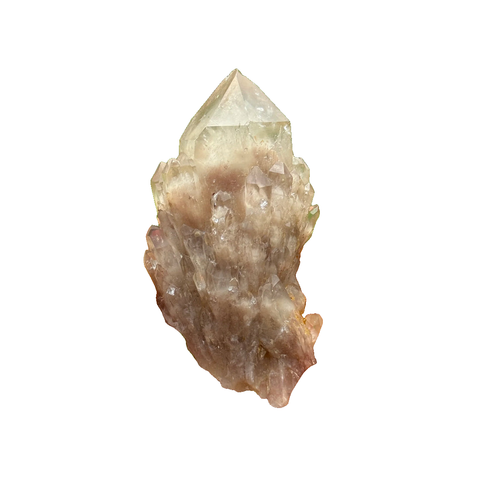
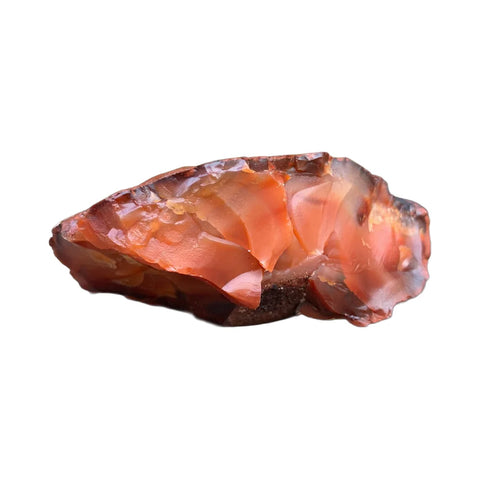
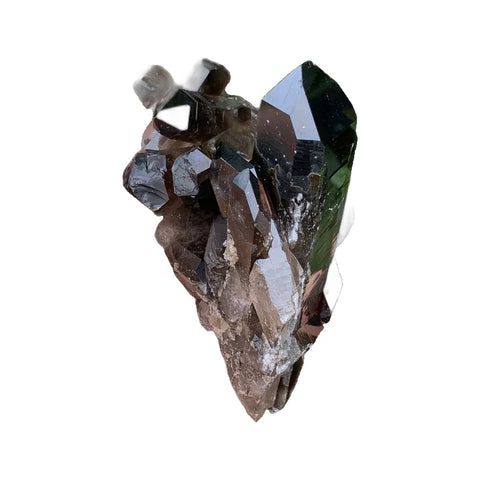
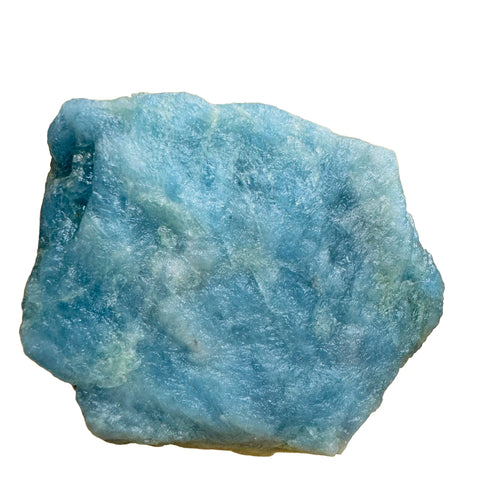
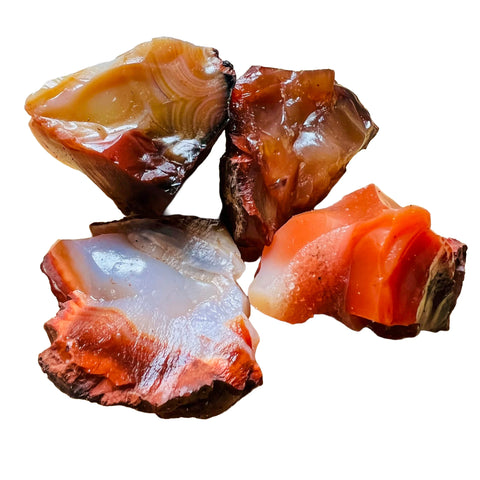


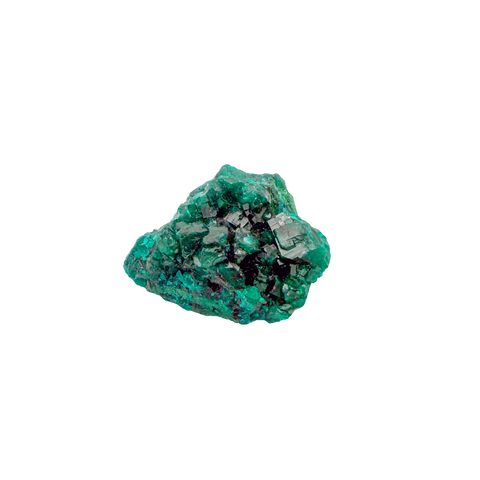
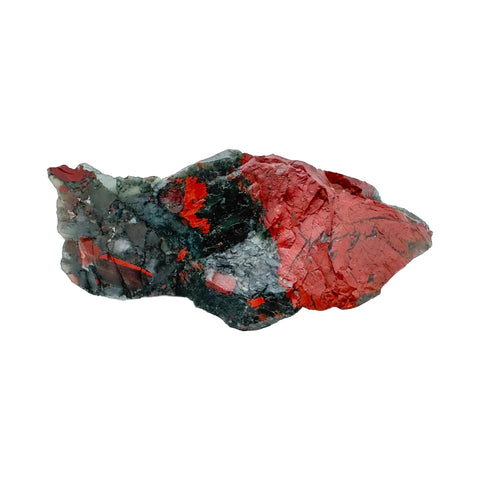
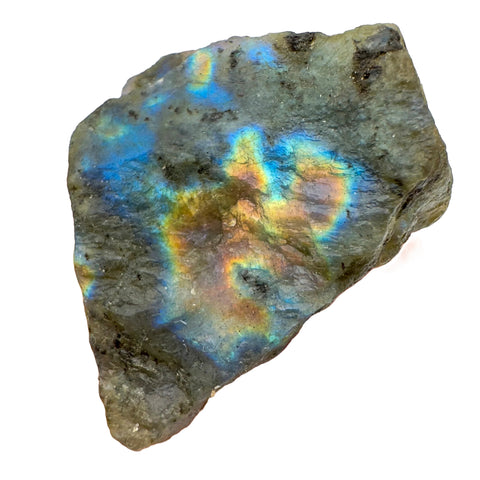
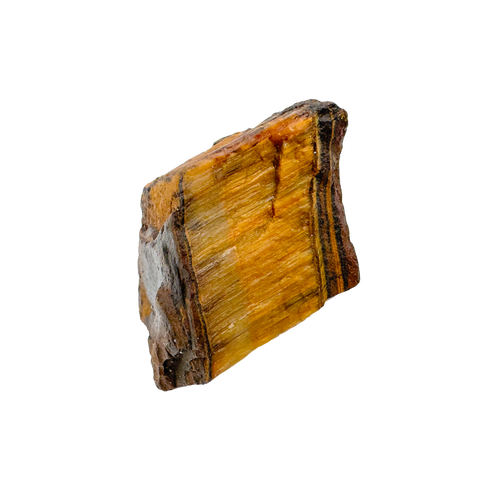
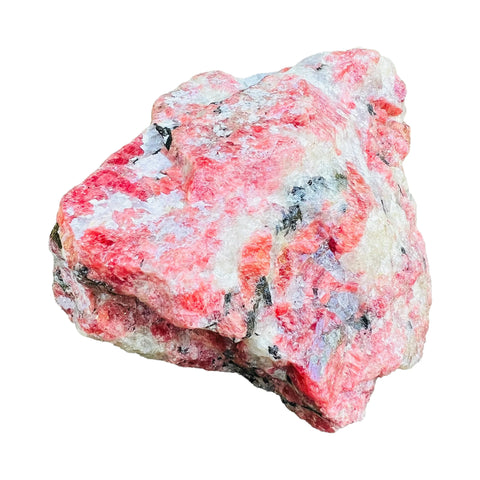
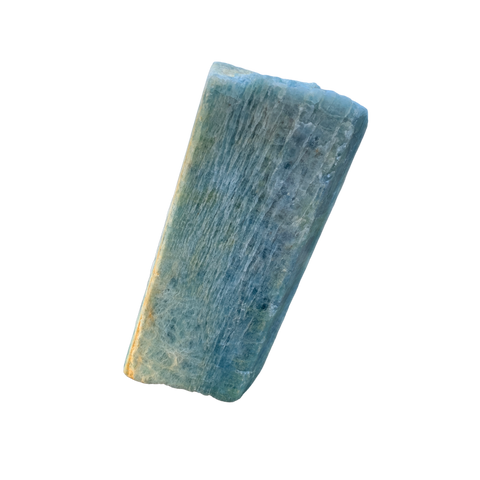
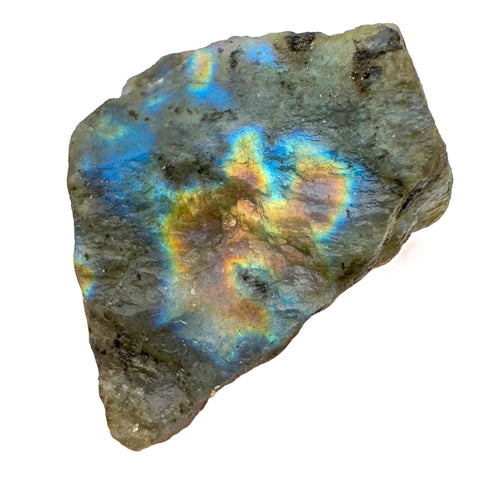
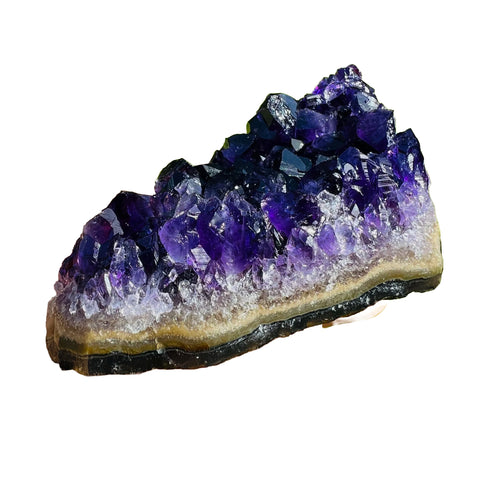



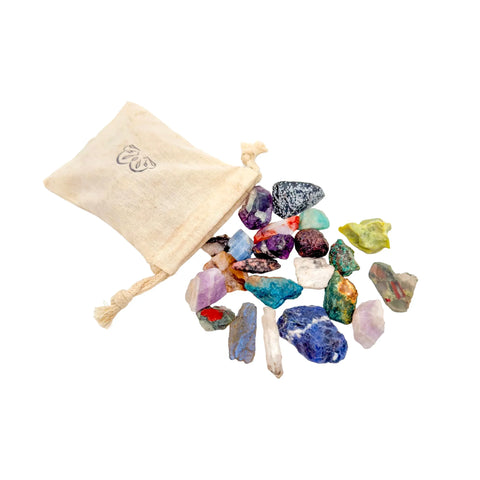
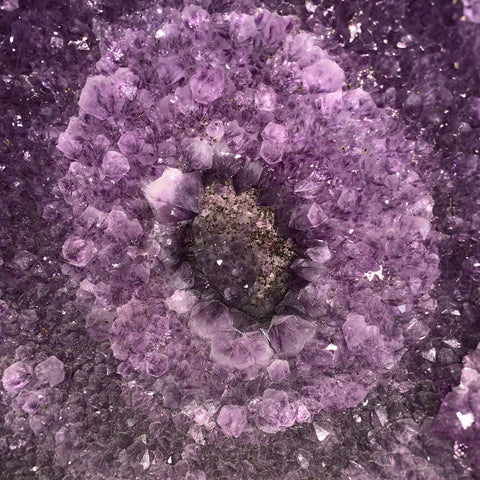
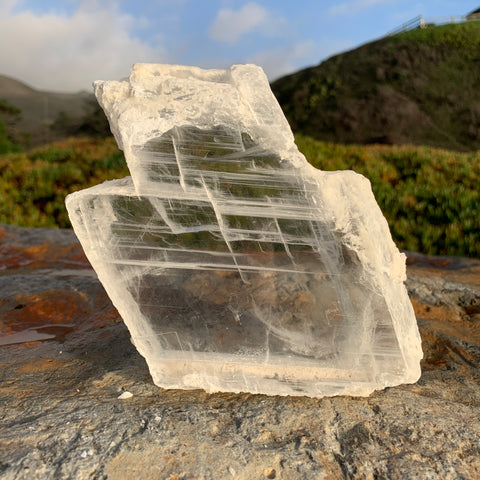
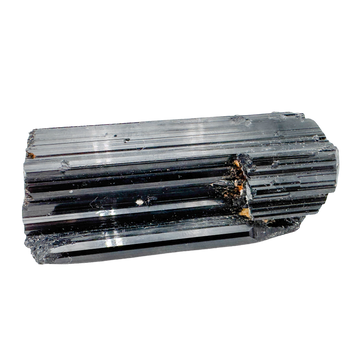
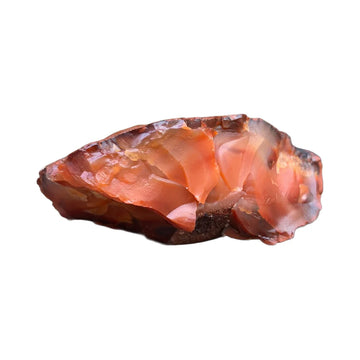
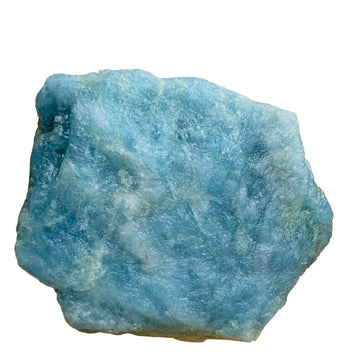
 Raw Stones
180 pieces
Raw Stones
180 pieces
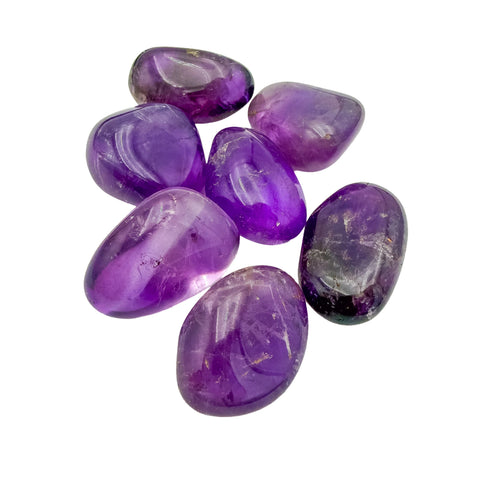
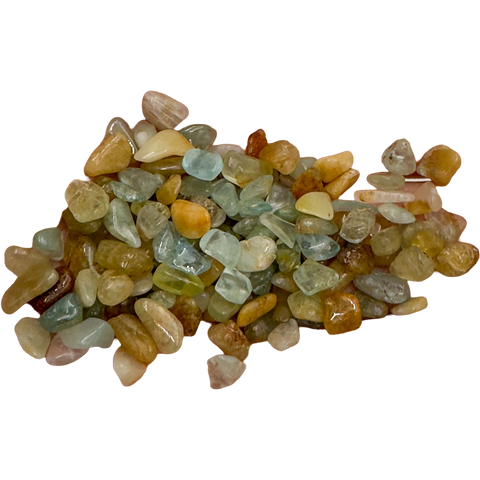
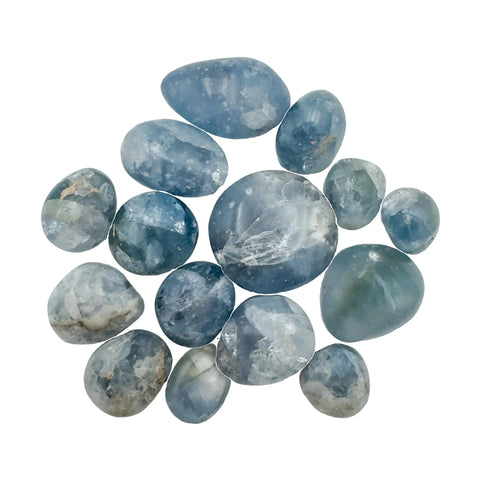
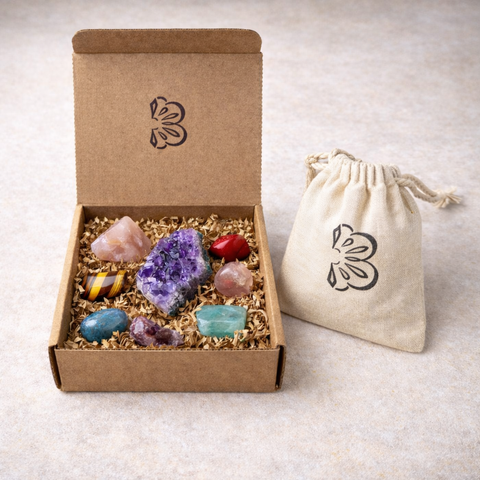
 Tumbled Stones
162 pieces
Tumbled Stones
162 pieces
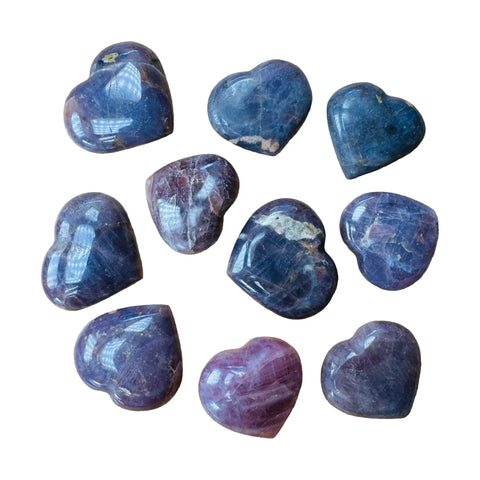
 Palm Stones
26 pieces
Palm Stones
26 pieces
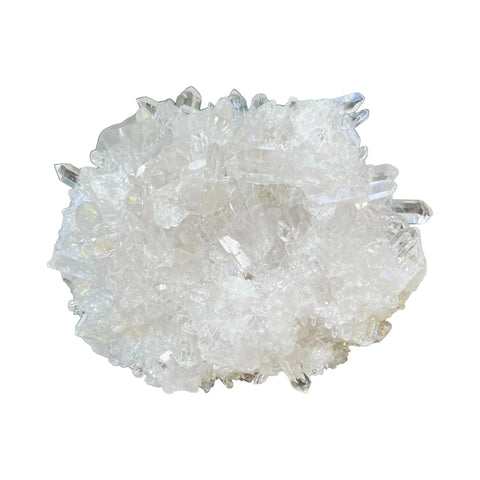
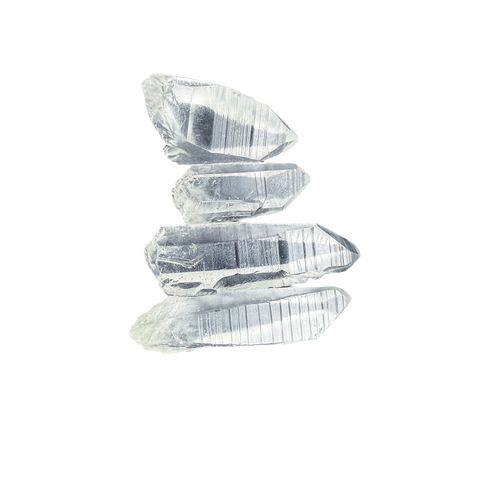
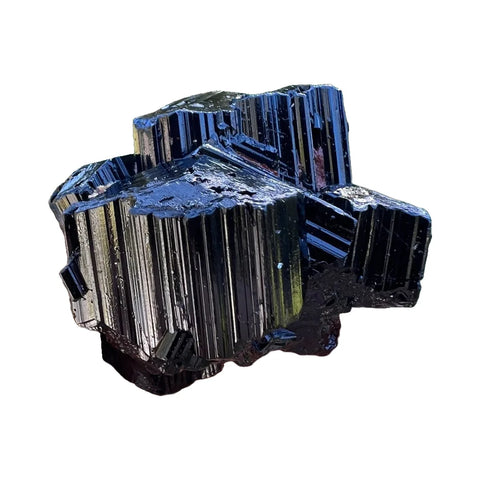
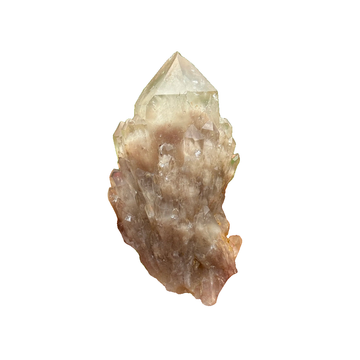
 Crystal Points
23 pieces
Crystal Points
23 pieces
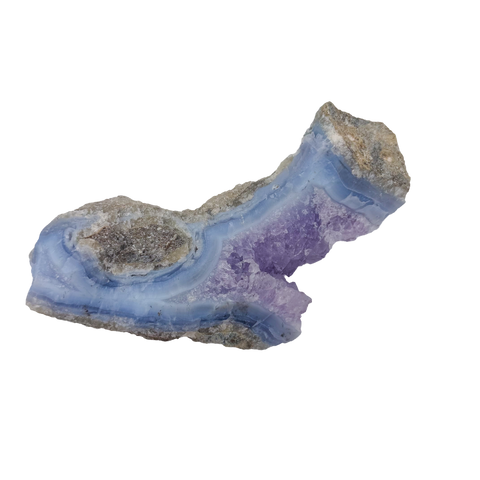
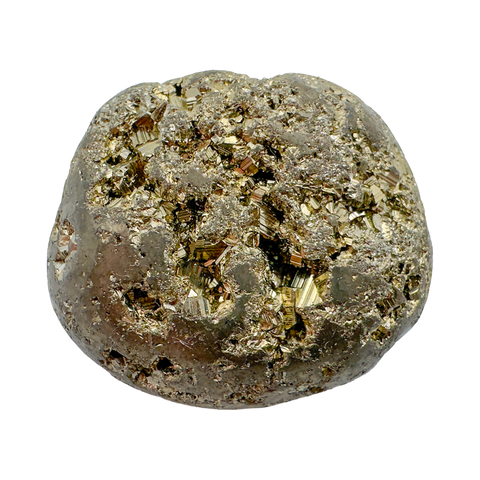
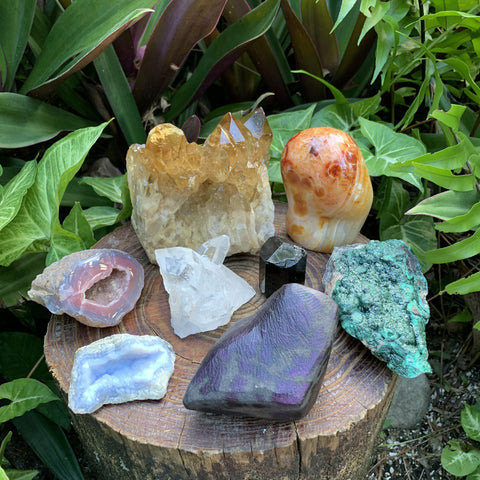
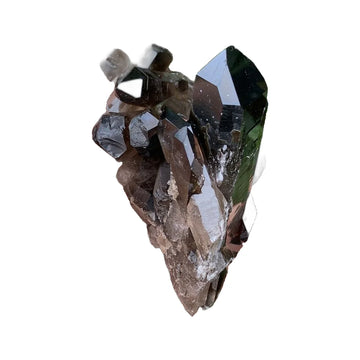
 Clusters & Geodes
112 pieces
Clusters & Geodes
112 pieces
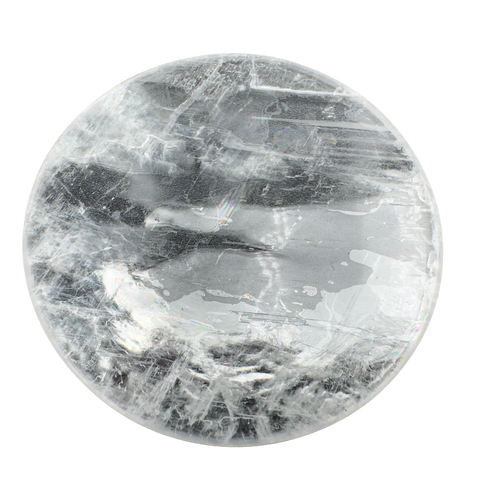
 Polished & Decor
155 pieces
Polished & Decor
155 pieces
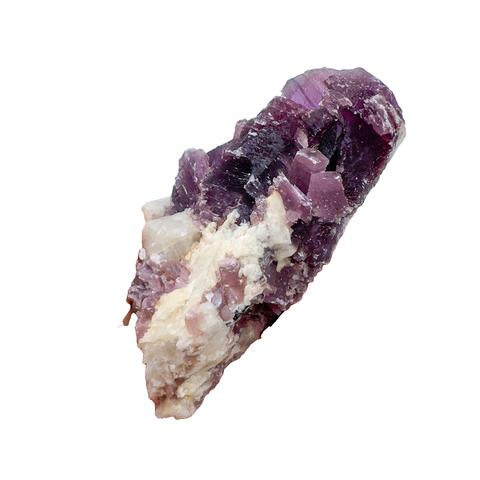
 Mineral Specimens
269 collector pieces
Mineral Specimens
269 collector pieces
 Crystal Chips
21 pieces
Browse everything
Every collection, one page.
View All Collections →
Crystal Chips
21 pieces
Browse everything
Every collection, one page.
View All Collections →


 Aries
Mar 21 – Apr 19
Carnelian
›
Aries
Mar 21 – Apr 19
Carnelian
›
 Taurus
Apr 20 – May 20
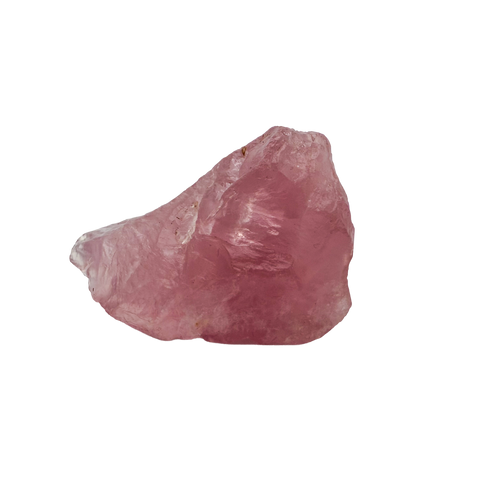
Rose Quartz
›
Taurus
Apr 20 – May 20
Rose Quartz
›
 Gemini
May 21 – Jun 20
Agate
›
Gemini
May 21 – Jun 20
Agate
›
 Cancer
Jun 21 – Jul 22
Moonstone
›
Cancer
Jun 21 – Jul 22
Moonstone
›
 Leo
Jul 23 – Aug 22
Citrine
›
Leo
Jul 23 – Aug 22
Citrine
›
 Virgo
Aug 23 – Sep 22
Amazonite
›
Virgo
Aug 23 – Sep 22
Amazonite
›
 Libra
Sep 23 – Oct 22
Blue Lace Agate
›
Libra
Sep 23 – Oct 22
Blue Lace Agate
›
 Scorpio
Oct 23 – Nov 21
Obsidian
›
Scorpio
Oct 23 – Nov 21
Obsidian
›
 Sagittarius
Nov 22 – Dec 21
Sodalite
›
Sagittarius
Nov 22 – Dec 21
Sodalite
›
 Capricorn
Dec 22 – Jan 19
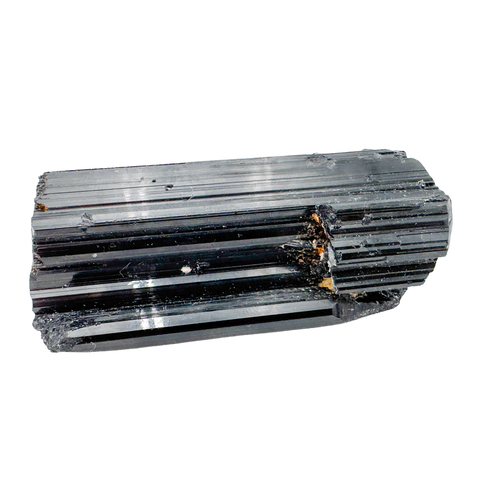
Black Tourmaline
›
Capricorn
Dec 22 – Jan 19
Black Tourmaline
›
 Aquarius
Jan 20 – Feb 18
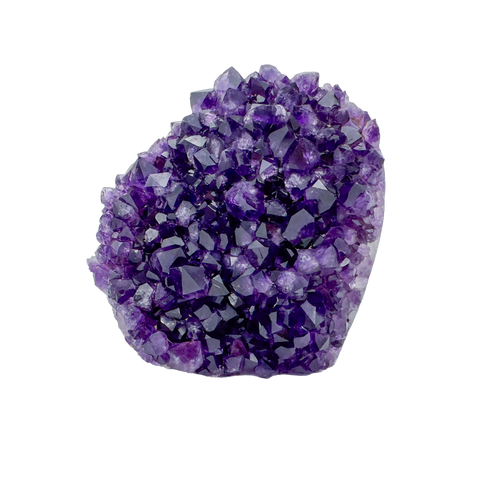
Amethyst
›
Aquarius
Jan 20 – Feb 18
Amethyst
›
 Pisces
Feb 19 – Mar 20
Aquamarine
›
Gifting?
A birthday stone is the safe bet.
Read the zodiac guide →
Pisces
Feb 19 – Mar 20
Aquamarine
›
Gifting?
A birthday stone is the safe bet.
Read the zodiac guide →

Jasper
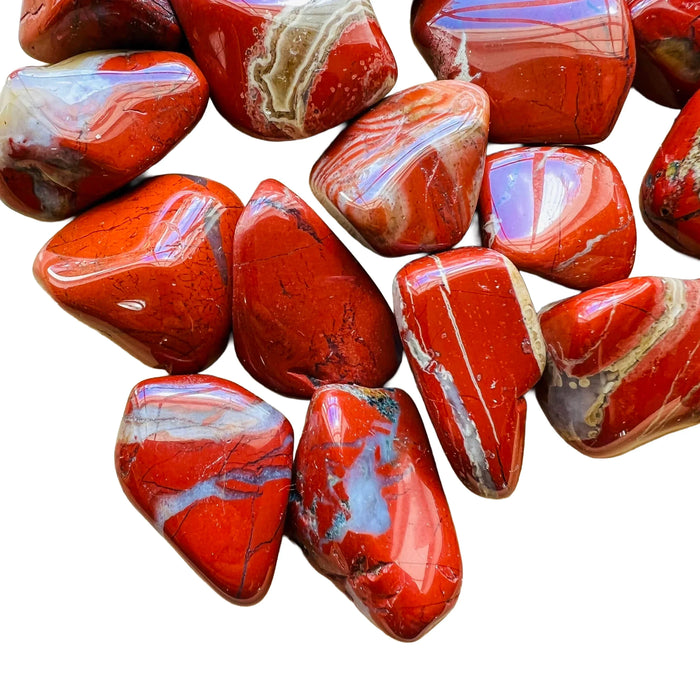
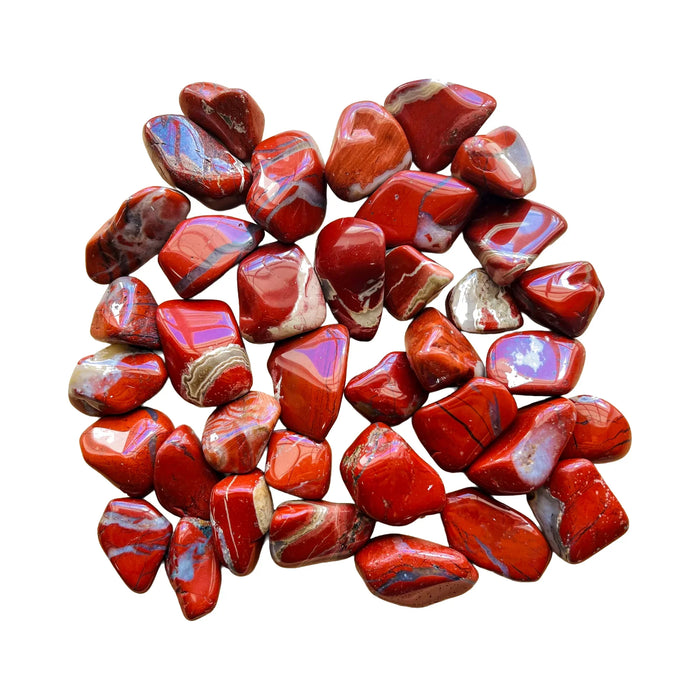
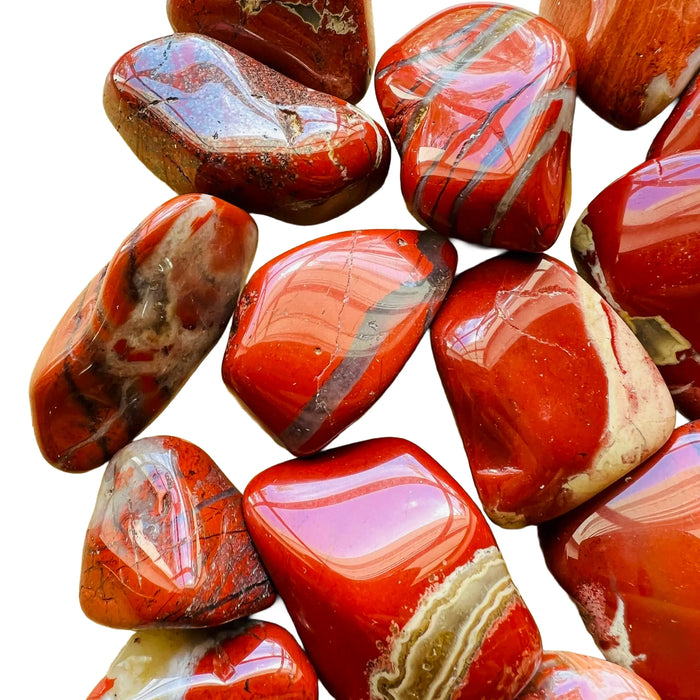
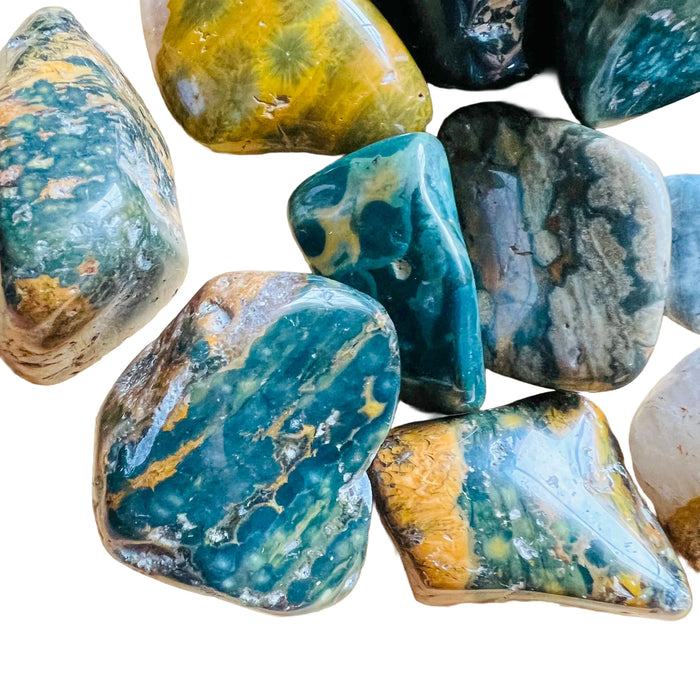
Jasper is a broad mineralogical family covering opaque varieties of microcrystalline quartz colored by mineral impurities. The family includes Red Jasper, Yellow Jasper, Ocean Jasper, Mookaite, Picture Jasper, Kambaba Jasper, Leopard Skin Jasper, and dozens of trade-named regional varieties. Because the category is defined by opacity and color-from-impurities rather than a specific single source or structure, Jasper pieces vary enormously in appearance depending on origin. Traditionally associated with grounding, protection, and the steady earthy presence that shows up across most world traditions.
Shop jasperThe geology.
Jasper is a variety of microcrystalline quartz (SiO₂) distinguished from chalcedony by its opacity and from chert by its decorative patterning and color. The mineral family forms through silicification of various host materials (sediments, volcanic ash, organic matter, iron oxide precipitates) where the fine grain size of the quartz crystals and the presence of mineral impurities determine the final appearance. Classic jasper shows opaque body with color from iron oxides (reds, yellows, browns), manganese (pinks, purples), chromium (greens), or organic carbon (blacks).
Hardness runs 6.5 to 7 on the Mohs scale, standard for the quartz family. Specific gravity 2.58 to 2.91 depending on inclusion content. Crystal system trigonal (like all quartz). No cleavage, conchoidal fracture, vitreous-to-waxy luster after polishing. The diversity within the jasper family is enormous: each named variety (Picture Jasper, Ocean Jasper, Kambaba, Mookaite, and so on) reflects a specific source, formation history, and pattern style. Some jaspers are technically fossils (Kambaba, Petrified Wood), others are silicified volcanic ash, and others are chemical precipitates.
The origins.
Jasper is found on every continent, and different named varieties come from specific localities that define each type. South Africa produces large quantities of Red Jasper from the Northern Cape region. Madagascar supplies Ocean Jasper (coastal deposits in the Analalava region), Kambaba (silicified stromatolite), and various banded jaspers. Australia produces Mookaite (single-source Western Australian) and Picture Jasper varieties. Brazil contributes Red Jasper, Rainforest Jasper, and others. Mexico produces Biggs and Bruneau-style picture jaspers.
The United States is notable for named regional varieties: Oregon produces Biggs Jasper, Willow Creek Jasper, and Blue Mountain Jasper; Idaho contributes Bruneau Jasper; Arizona produces Apache Gold and other varieties. Namibia, Zimbabwe, Russia, India, and Indonesia each contribute regional varieties. When you see Jasper unqualified, it's typically Red Jasper from African sources, but specific variety names point to specific localities.
Traditional associations.
Jasper has one of the longest documented human-use histories of any mineral family. Ancient Egyptians carved it into amulets, ceremonial objects, and scarabs. Greek and Roman traditions used Jasper for signet rings and protective charms. Indigenous North American cultures have long traditions of Jasper use for tools, decorative objects, and ritual practice. Jasper appears in the Hebrew Bible as one of the stones in the breastplate of the high priest and in the foundations of the New Jerusalem in Revelation.
Contemporary practice typically frames Jasper broadly as a grounding, protective, nurturing stone family. Specific varieties carry their own working associations: Red Jasper for vitality and root work, Yellow Jasper for solar plexus and confidence, Ocean Jasper for joy and community, Kambaba for ancient wisdom, Picture Jasper for Earth connection, Mookaite for present-moment grounding. The family is typically associated with the Root, Sacral, and Solar Plexus chakras, the element of Earth, and variable astrological signs by variety.
Spotting the real thing.
Real Jasper shows opaque body with pattern or color from natural mineral inclusions, microcrystalline texture under magnification, and standard quartz-family hardness. Hardness 6.5 to 7 will scratch glass easily. The specific authentication approach varies by variety: see individual Jasper variety guides (Red Jasper, Ocean Jasper, Kambaba, Mookaite, and so on) for detailed tests.
Warning signs across the Jasper family include dyed chalcedony with color pooling in fractures, polymer or ceramic composite imitations lacking proper hardness, painted patterns on supposed Picture Jasper varieties, and generic jasper origin claims for pieces sold under specific locality trade names. Reputable sellers distinguish variety, document origin, and disclose any treatments.
Care & handling.
Water safe for cleaning across most Jasper varieties. Warm water and a soft brush or cloth work well for standard cleaning. Ultrasonic and steam cleaning are acceptable for most varieties but avoid them on pieces with visible fractures. Stable under sunlight and normal temperature variation.
Cleanse energetically with smoke, sound, moonlight, sunlight, or by placing on selenite overnight. At Mohs 6.5 to 7, most Jasper handles daily wear and jewelry use well. Store separately from softer stones to avoid scratching them, or from much harder stones (diamond, sapphire, topaz) to preserve polish.
Pairs well with.
Proof, not promises.
We measure our own sourcing across five dimensions. Supply chain, environmental footprint, artisan support, market integrity, and pricing. The number is honest, not perfect. Where we can do better, we say so.
A deeper look.
Extended geology, sourcing, authentication, history, varieties, and pricing, for when the quick guide isn't quite enough.
Extended geology
Jasper forms through silicification of various host materials (sedimentary mudstones, volcanic ash layers, organic remains, or chemical precipitates), where silica-rich fluids replace the original material while preserving its internal structure. The fine grain size of the resulting microcrystalline quartz, combined with the specific mineral impurities present during silicification, determines the final color and pattern. Iron oxides produce reds, yellows, and browns; manganese oxides produce pinks and purples; chromium produces greens; organic carbon produces blacks.
Specific gravity 2.58 to 2.91 depending on inclusion density. Mohs hardness 6.5 to 7. Luster vitreous to waxy after polishing. No cleavage, conchoidal fracture. Jasper differs from chalcedony mainly in opacity (jasper is opaque, chalcedony translucent) and from chert in ornamental pattern (chert is typically dull gray). The family boundaries are somewhat fluid, with named varieties often sitting on the edge of these definitions.
Extended sourcing
Global sourcing for the Jasper family reflects the widespread formation conditions that produce silicified material: basically any place with significant silica-rich hydrothermal fluid history and the right source rocks. South Africa (Northern Cape Red Jasper), Madagascar (Ocean Jasper, Kambaba, banded jaspers), Australia (Mookaite, Picture Jasper), Brazil (Red Jasper, Rainforest Jasper), and the western United States (Oregon, Idaho, Arizona) produce the largest commercial volumes.
Named regional varieties include: Biggs Jasper (Oregon), Bruneau Jasper (Idaho), Willow Creek Jasper (Idaho), Royal Imperial Jasper (Mexico), Rainforest Jasper (Australia, also called Rhyolite), Polychrome Jasper (Madagascar), and many others. Each variety has specific collector value and market dynamics. Picture Jasper varieties from Oregon and Mexico are particularly prized for landscape-like scenic patterns. Understanding the jasper family requires treating each variety as a distinct category with its own sourcing story.
Authentication and warning signs
Genuine Jasper shows opaque body with natural pattern or color from mineral inclusions, microcrystalline quartz texture under 10x magnification, and hardness 6.5 to 7 scratching glass. Specific gravity 2.58 to 2.91. Polish takes a vitreous-to-waxy luster.
Warning signs: dyed pale chalcedony with color pooling in fractures (common for generic trade-named jaspers), painted or printed patterns on ceramic or polymer imitations, missing specific variety or origin documentation, and suspiciously uniform patterns suggesting manufactured rather than natural material. Each jasper variety has specific authentication tests; consult the individual variety guide for details on any specific stone.
Historical and cultural context
Jasper appears in the documented material culture of nearly every world region going back to the Paleolithic. Ancient Egyptian Red Jasper scarabs date from 3000 BCE onward. Greek and Roman signet rings, seals, and amulets frequently used Jasper varieties. The Hebrew Bible and Christian New Testament both reference Jasper in ceremonial contexts (the high priest's breastplate and the foundations of the New Jerusalem). Indigenous cultures across the Americas, Africa, Asia, and Australia have long traditions of Jasper use.
In contemporary Western metaphysical culture, each Jasper variety has acquired its own set of working associations built on the broader family themes of grounding, protection, and Earth connection. The specificity of variety matters in practice: Red Jasper's vitality emphasis, Ocean Jasper's joy associations, Kambaba's ancient wisdom, and Picture Jasper's landscape connection each draw on the stone's visual and sourcing signatures. The family as a whole sits firmly in the broad category of Earth-element grounding stones.
Varieties and trade names
Red Jasper: classic iron-rich red variety, the default when Jasper is unqualified.
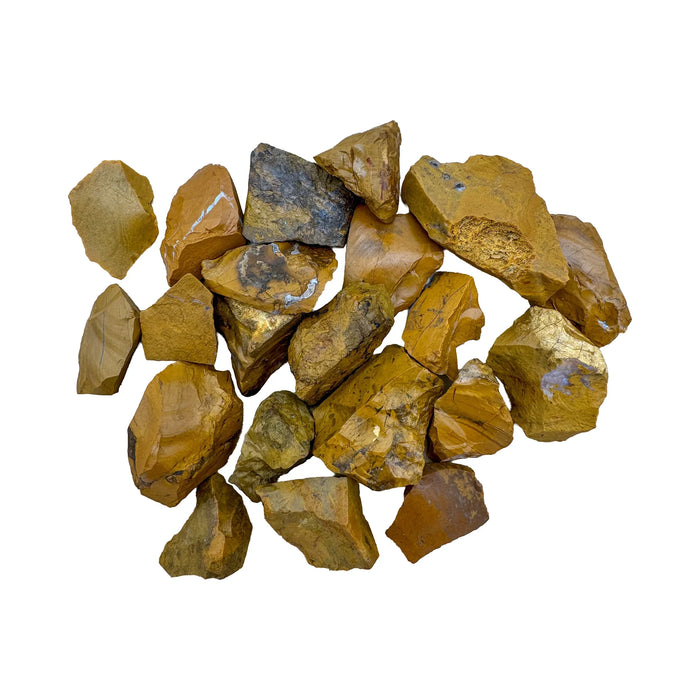
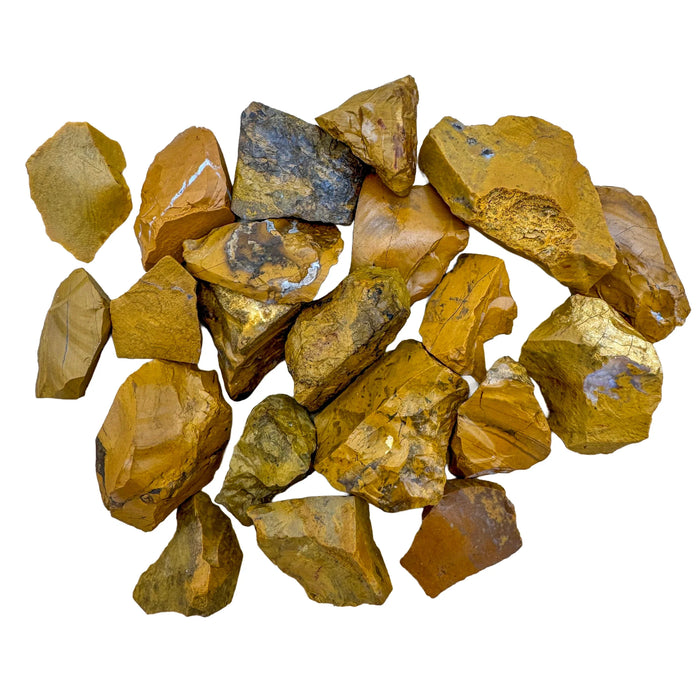
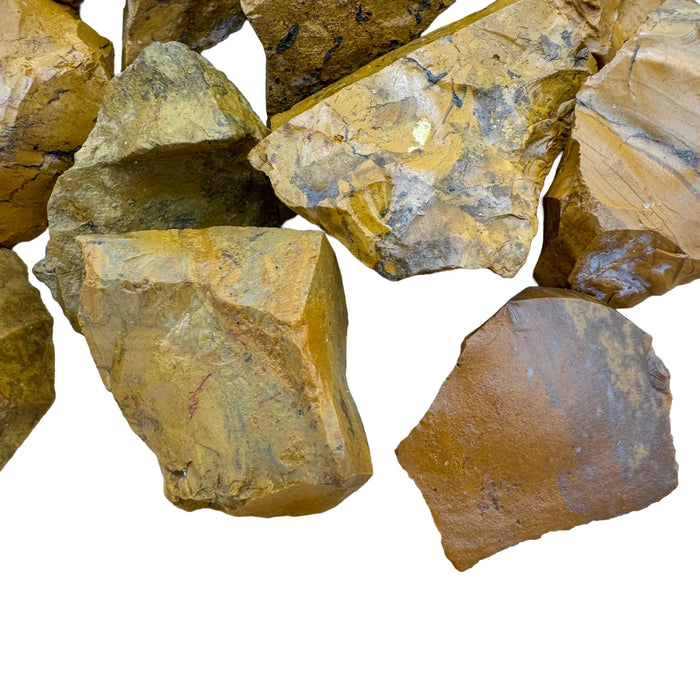
Yellow Jasper: iron-hydroxide yellow variety, often with earthy tones.
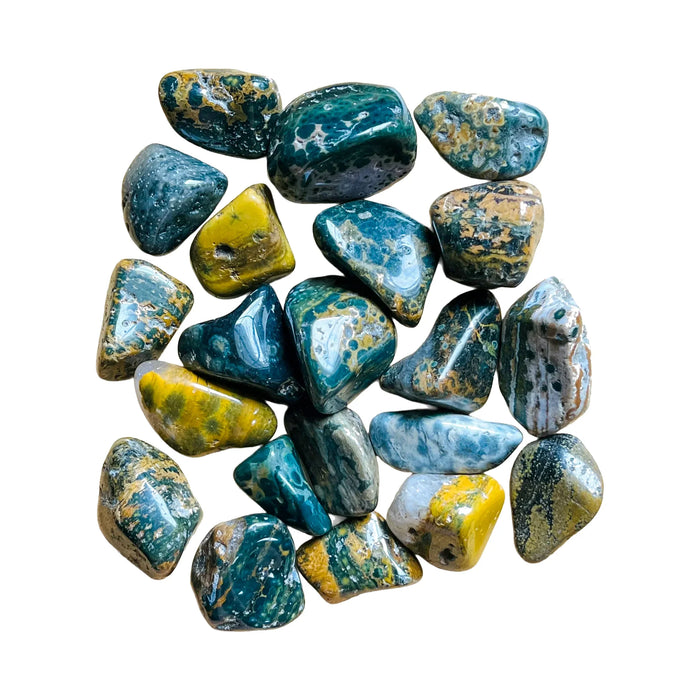
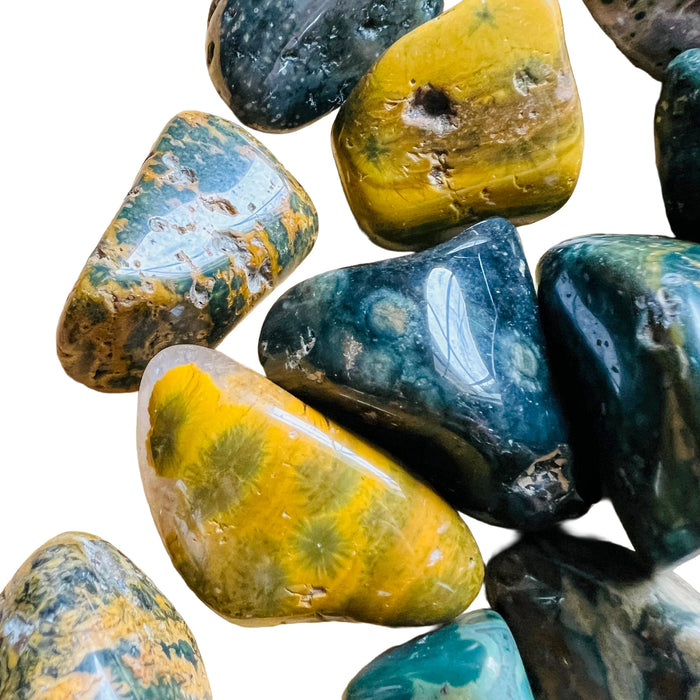
Ocean Jasper: Madagascan variety with orb-and-vein patterns.
Mookaite Jasper: single-source Western Australian variety.
Kambaba Jasper: silicified stromatolite from Madagascar.
Picture Jasper: scenic landscape-pattern varieties (Biggs, Bruneau, and others).
Leopard Skin Jasper: spotted variety from Mexico and elsewhere.
Dalmatian Jasper: white with black spots (actually a feldspar family stone, commonly mislabeled).
Rainforest Jasper: Australian green-red patterned variety, also called Rhyolite.
Polychrome Jasper: Malagasy multi-color variety.
Royal Imperial Jasper: prized Mexican variety with intricate patterns.
Pricing reality
Generic tumbled Red Jasper: 1 to 5 dollars per piece. Mid-quality variety tumbles (Ocean Jasper, Kambaba, Mookaite): 3 to 15 dollars per piece. Polished palm stones and freeforms: 10 to 100 dollars depending on variety. Specimen-grade Picture Jasper, Ocean Jasper, Biggs, and Royal Imperial: 40 to 600 dollars for mid-sized pieces. Museum-grade specimen slabs and carved pieces: 200 to several thousand dollars depending on variety rarity and pattern quality.
Value drivers vary dramatically by variety: orb pattern for Ocean Jasper, scenic landscape quality for Picture Jasper, stromatolite column clarity for Kambaba, color palette for Mookaite. Warning signs: generic jasper labeling at premium prices for supposedly specific varieties, dyed chalcedony, and missing variety-specific origin data.
Good sourcing is a practice, not a claim.
Nothing we sell is generic dyed chalcedony sold as a specific Jasper variety. We source each variety from its documented source country, label pieces with their specific type, and walk away from material that doesn't match the trade name claims, even when it costs us sales.
Bring jasper home.
Every piece we carry is photographed individually and listed with its own origin and treatment notes. What you see is what ships.
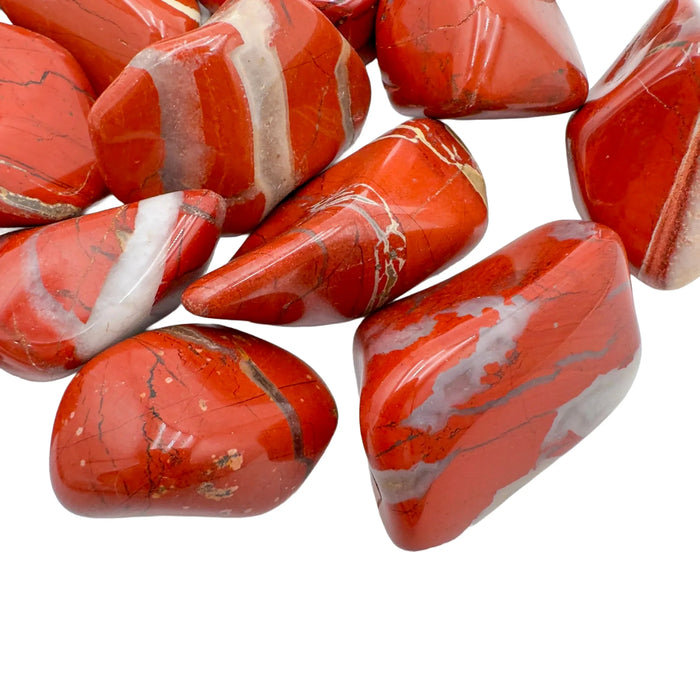
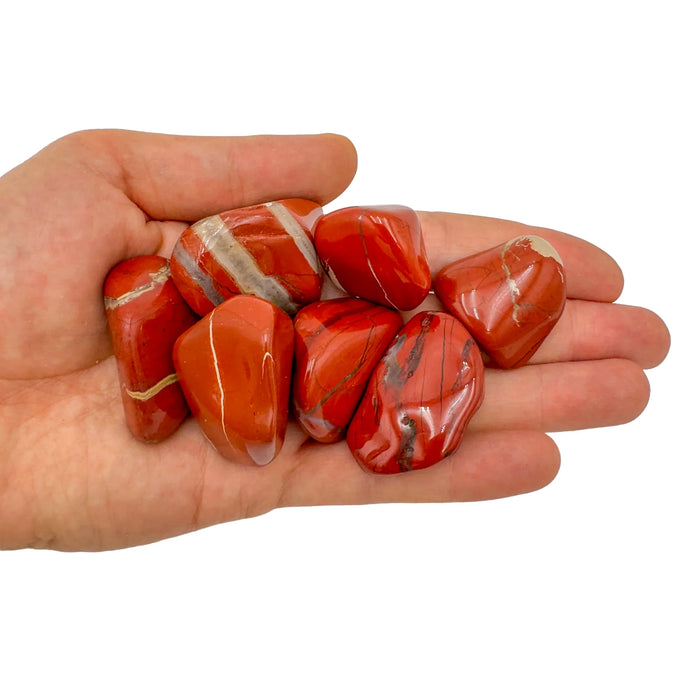
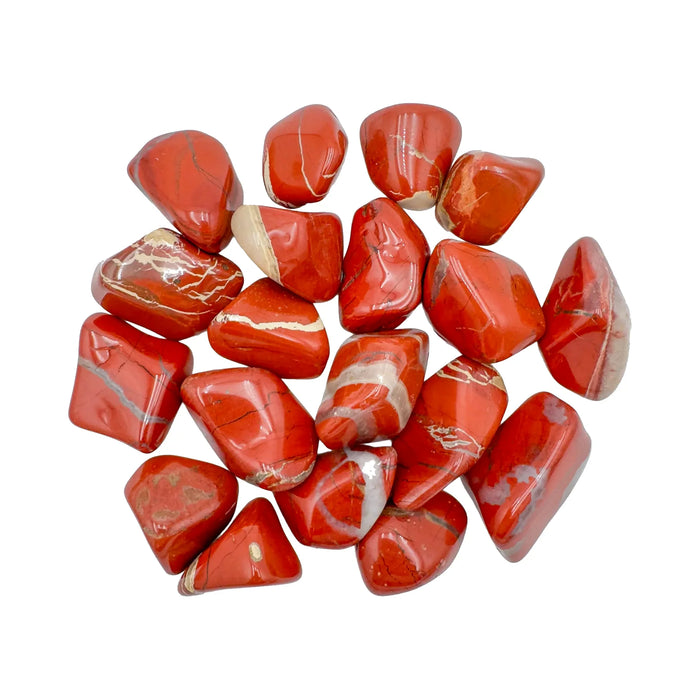
Shop the jasper collectionJasper, in stock now.
Our most-loved Jasper pieces, ready to ship.
- 4.9 out of 5from 1,000+ reviews
- Ships within 72 hoursMonday to Friday, tracked
- 90 days to return itif you do not love it
- Free US shipping over $99$8.99 flat rate under