


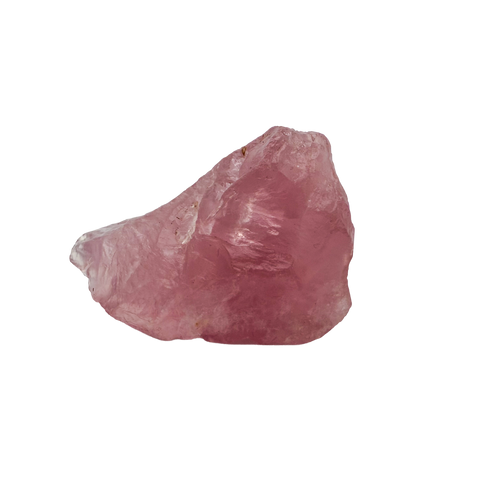
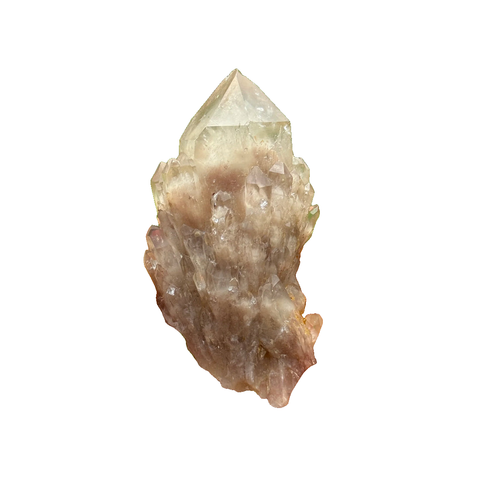
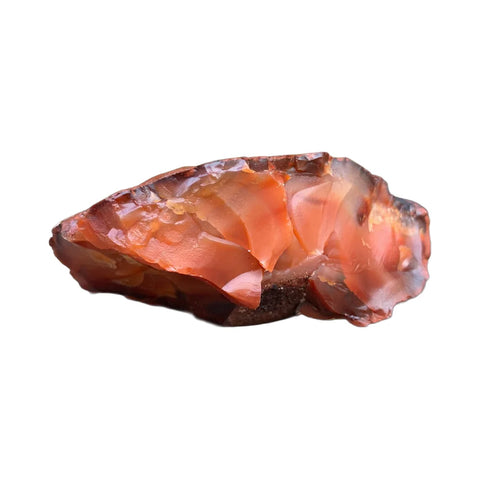
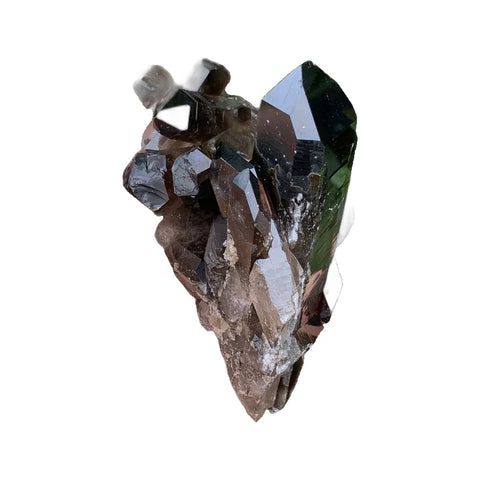
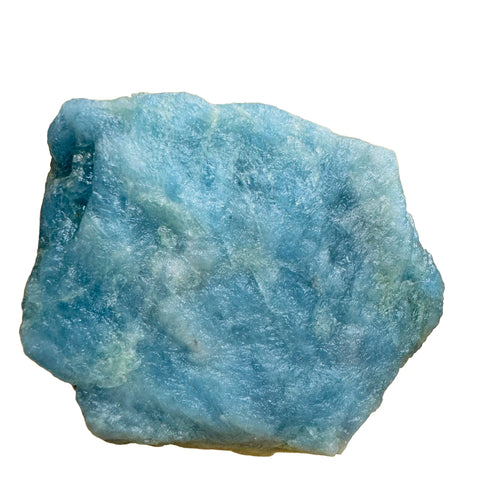
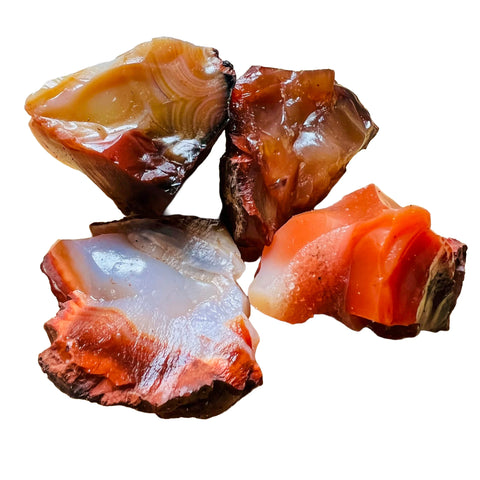


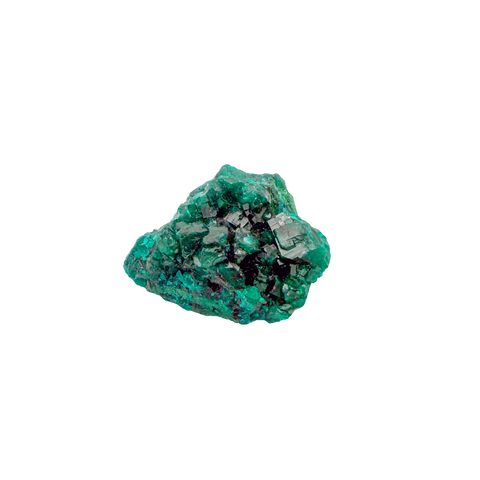
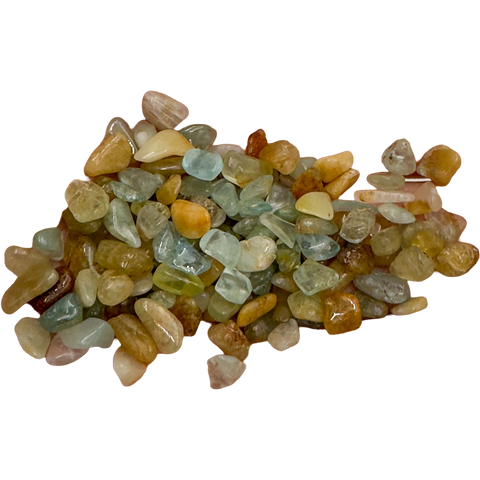
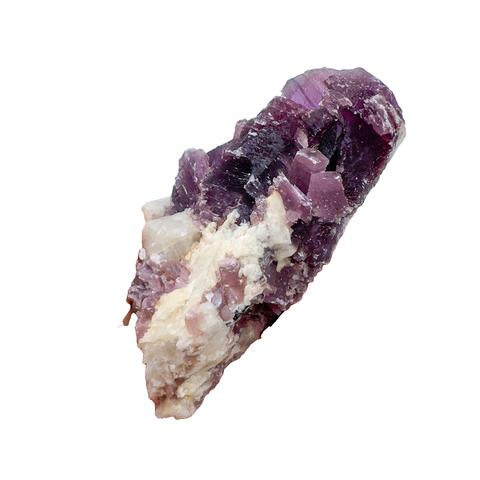
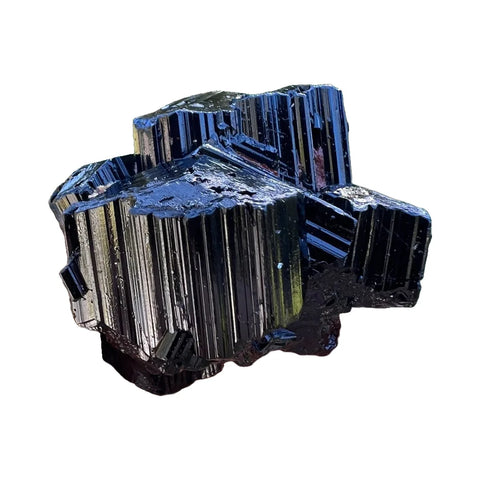
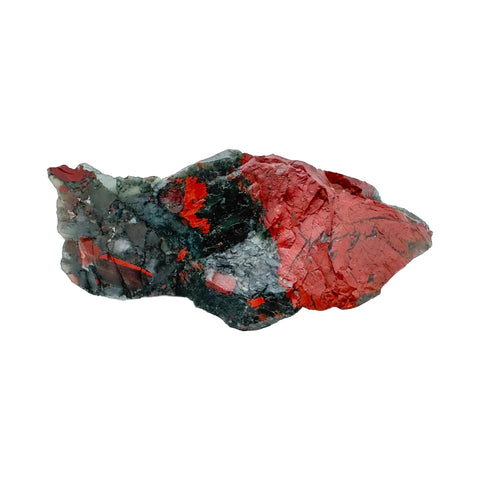
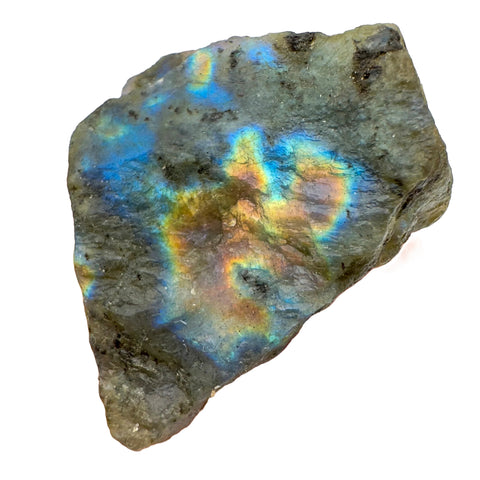
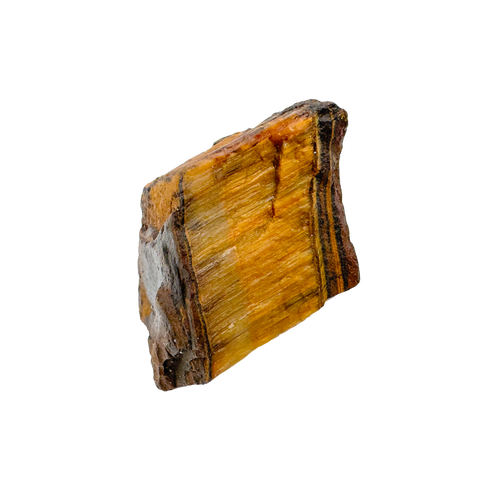
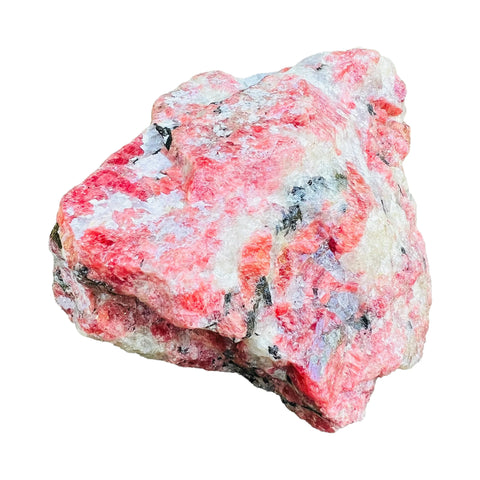
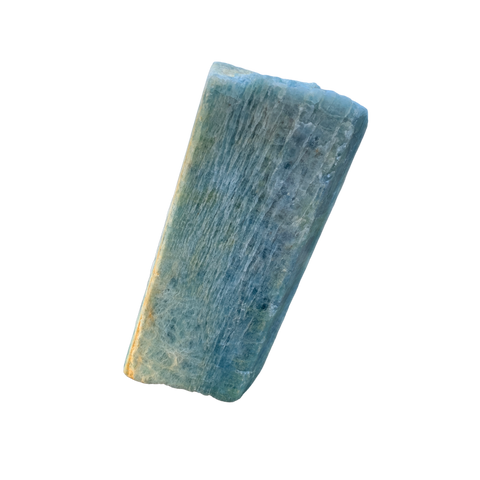
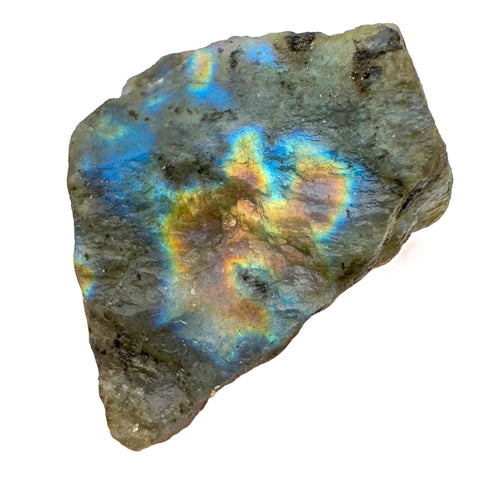
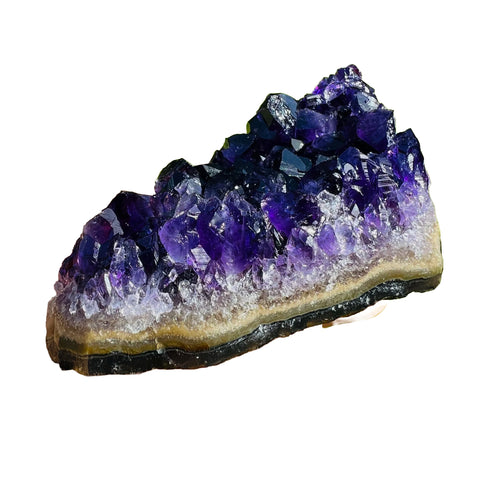



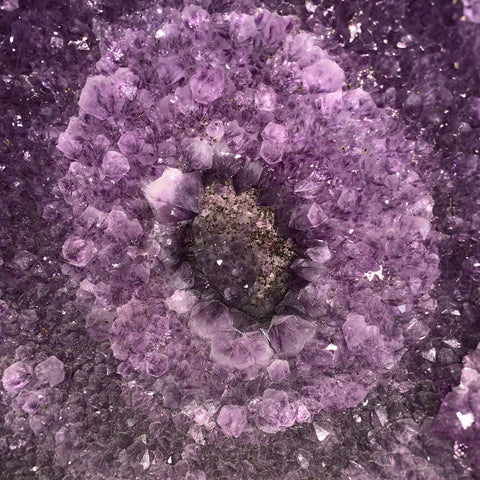
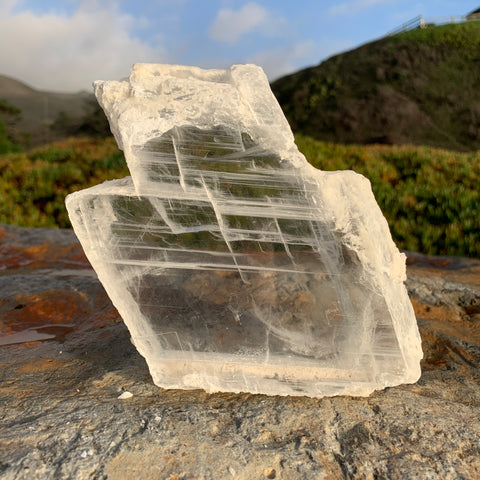
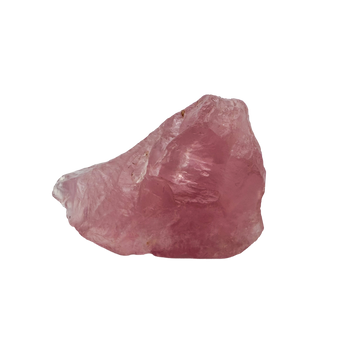
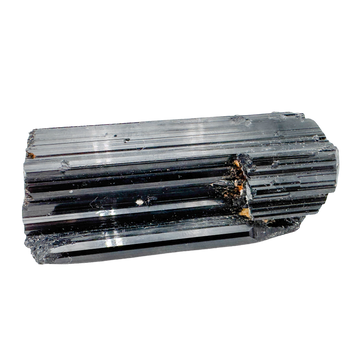
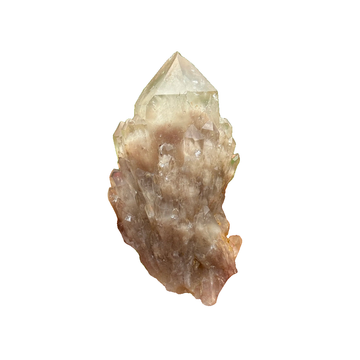
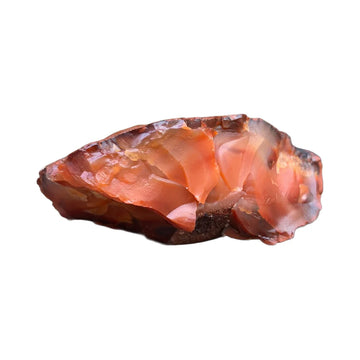
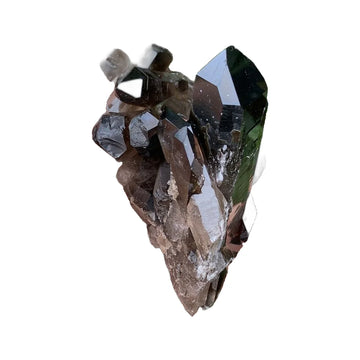
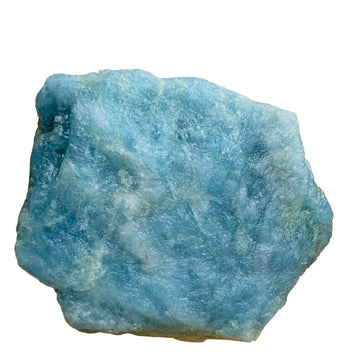
 Raw Stones
179 pieces
Raw Stones
179 pieces
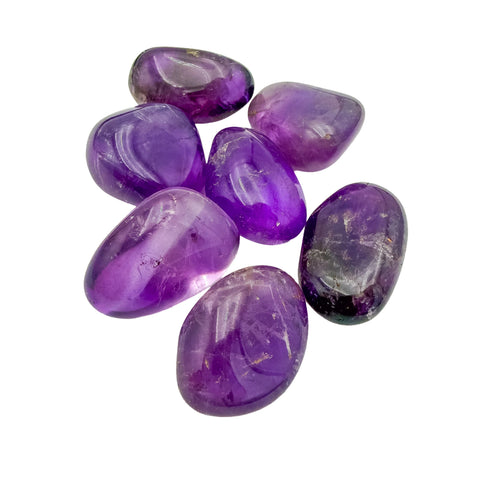
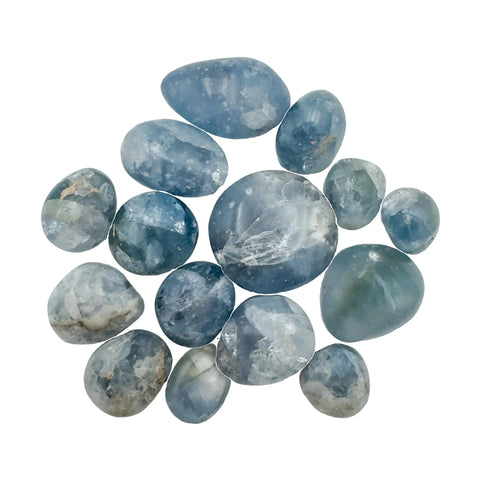
 Tumbled Stones
162 pieces
Tumbled Stones
162 pieces
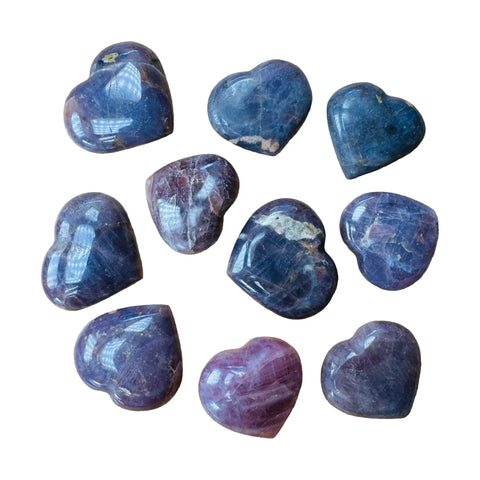
 Palm Stones
25 pieces
Palm Stones
25 pieces
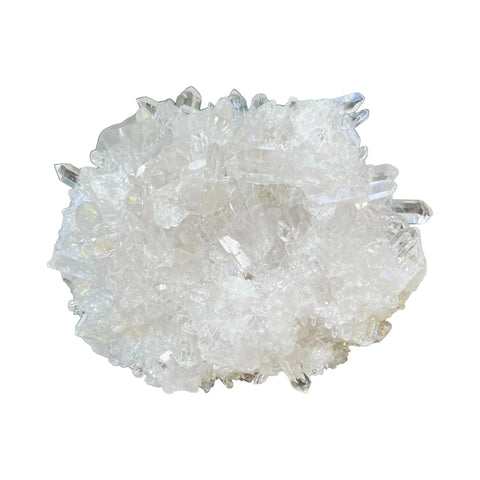
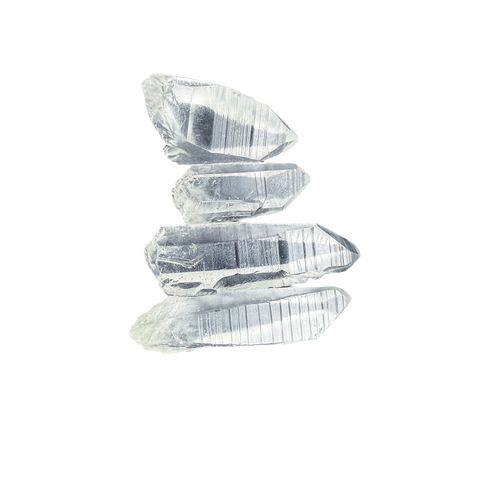
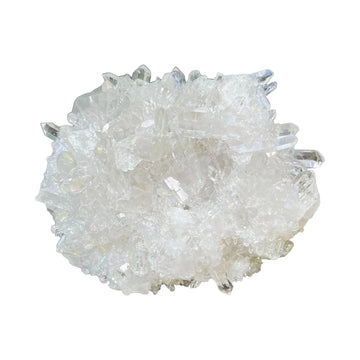
 Crystal Points
23 pieces
Crystal Points
23 pieces
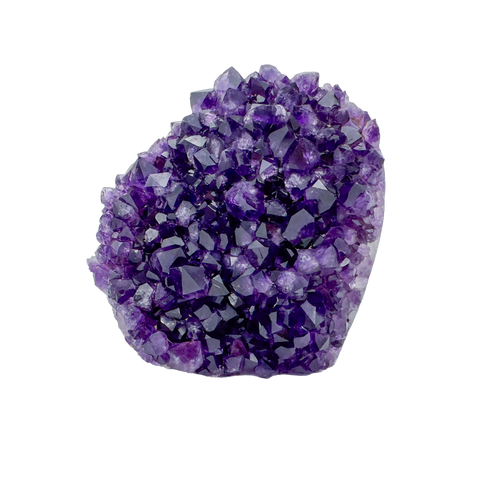
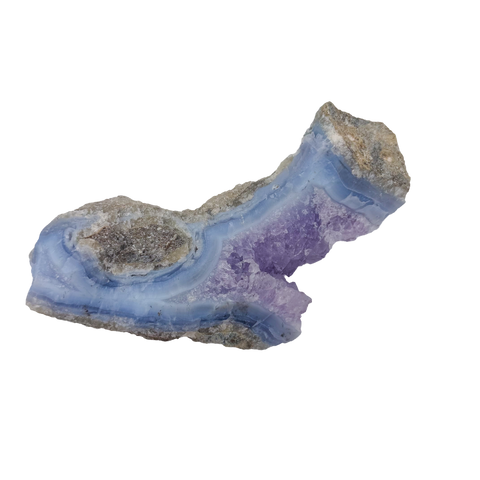
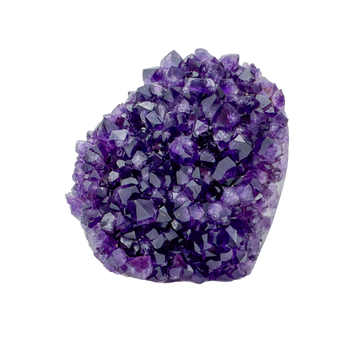
 Clusters & Geodes
104 pieces
Clusters & Geodes
104 pieces
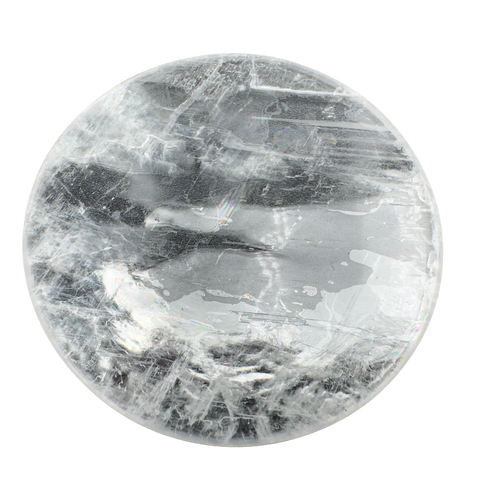
 Polished & Decor
148 pieces
Polished & Decor
148 pieces
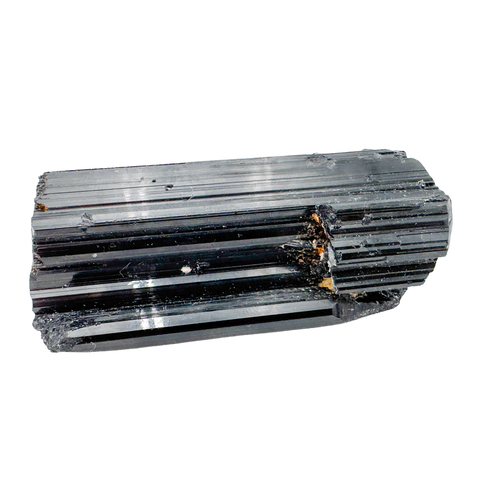
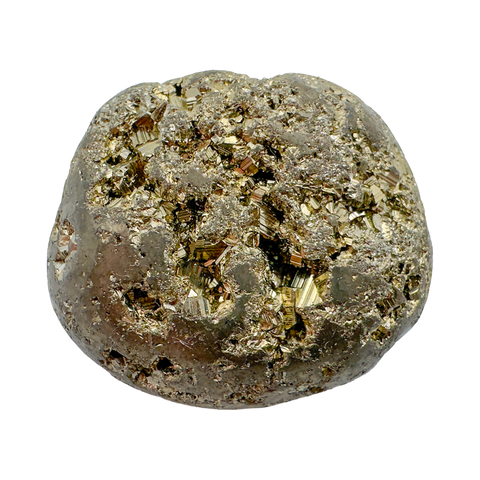
 Mineral Specimens
259 collector pieces
Mineral Specimens
259 collector pieces
 Crystal Chips
21 pieces
Browse everything
Every collection, one page.
View All Collections →
Crystal Chips
21 pieces
Browse everything
Every collection, one page.
View All Collections →


 Aries
Mar 21 – Apr 19
Carnelian
›
Aries
Mar 21 – Apr 19
Carnelian
›
 Taurus
Apr 20 – May 20
Rose Quartz
›
Taurus
Apr 20 – May 20
Rose Quartz
›
 Gemini
May 21 – Jun 20
Agate
›
Gemini
May 21 – Jun 20
Agate
›
 Cancer
Jun 21 – Jul 22
Moonstone
›
Cancer
Jun 21 – Jul 22
Moonstone
›
 Leo
Jul 23 – Aug 22
Citrine
›
Leo
Jul 23 – Aug 22
Citrine
›
 Virgo
Aug 23 – Sep 22
Amazonite
›
Virgo
Aug 23 – Sep 22
Amazonite
›
 Libra
Sep 23 – Oct 22
Blue Lace Agate
›
Libra
Sep 23 – Oct 22
Blue Lace Agate
›
 Scorpio
Oct 23 – Nov 21
Obsidian
›
Scorpio
Oct 23 – Nov 21
Obsidian
›
 Sagittarius
Nov 22 – Dec 21
Sodalite
›
Sagittarius
Nov 22 – Dec 21
Sodalite
›
 Capricorn
Dec 22 – Jan 19
Black Tourmaline
›
Capricorn
Dec 22 – Jan 19
Black Tourmaline
›
 Aquarius
Jan 20 – Feb 18
Amethyst
›
Aquarius
Jan 20 – Feb 18
Amethyst
›
 Pisces
Feb 19 – Mar 20
Aquamarine
›
Gifting?
A birthday stone is the safe bet.
Read the zodiac guide →
Pisces
Feb 19 – Mar 20
Aquamarine
›
Gifting?
A birthday stone is the safe bet.
Read the zodiac guide →

Green Calcite
Green calcite is a soft carbonate mineral in mellow shades of mint to sea green. It is one of the more affordable green stones, valued for its glassy translucence and calm color. Many people keep it near for a sense of ease, emotional balance, and a fresh start.
The geology.
Green calcite is a variety of calcite, the most common natural form of calcium carbonate, with the formula CaCO3. Its green color is generally attributed to trace mineral content within the crystal rather than the calcite itself, giving shades that run from pale mint to a deeper sea green.
Calcite sits at just 3 on the Mohs scale, so it is genuinely soft, about as scratchable as a copper coin. It shows the perfect rhombohedral cleavage typical of the mineral, breaking into neat angled fragments, with a vitreous to slightly waxy luster and a translucent to nearly opaque body.
The origins.
Mexico is the main commercial source of green calcite, supplying most of the tumbled pieces, raw chunks, and carvings on the market. Brazil is the other significant producer, and calcite in general is one of the most widespread minerals on Earth, found on every continent.
Because it is soft and abundant, green calcite is usually sold as an inexpensive stone, which is worth remembering when you shop. Fair pricing and a seller who can name the origin are good signs you are getting natural material rather than a dyed substitute.
Traditional associations.
Green is the color of the heart and of growing things, and green calcite carries that association closely. Many people work with it for emotional balance, releasing old stress, and a gentle sense of renewal, the feeling of clearing space and starting fresh.
It is most often linked with the Heart chakra, the element of Water, and the sign Cancer. A common practice is to keep a piece on a desk or bedside as a quiet reminder to slow down, or to hold it during a reset after a hard stretch.
Spotting the real thing.
Real green calcite is soft and will not scratch glass, a quick tell against harder green stones like aventurine or fluorite that get sold nearby. A drop of vinegar will fizz on calcite because it is a carbonate, though that test leaves a mark, so it is better kept for rough pieces than polished ones.
The color of natural green calcite is soft and a little uneven, with a glassy translucence. Be cautious of pieces that are vivid, saturated, and perfectly uniform, which can point to dye. Asking whether the color is natural is a fair question with any inexpensive green stone.
Care & handling.
Green calcite needs a gentle hand. At 3 on the Mohs scale it scratches easily, so keep it away from harder stones and store it on its own. It is sensitive to water and especially to anything acidic, both of which can etch or dull the surface, so clean it only with a dry or barely damp soft cloth.
Keep it out of long sunlight, which can fade some calcite over time, and skip salt, vinegar, and chemical cleaners entirely. To reset it energetically, many people prefer dry methods like sound, moonlight, or a rest on a selenite plate rather than water.
Pairs well with.
A deeper look.
Extended geology, sourcing, authentication, history, and varieties, for when the quick guide isn't quite enough.
Extended geology
Calcite is one of the most abundant minerals in the Earth's crust and the primary component of limestone and marble. It crystallizes in the trigonal system and is known among mineralogists for its perfect rhombohedral cleavage and its strong reaction to dilute acid. Specific gravity is about 2.71, hardness 3, luster vitreous. Green calcite owes its color to trace inclusions rather than to a single defining chromophore, so tone varies from stone to stone.
Extended sourcing
Mexico dominates the supply of green calcite sold for tumbling, spheres, and carvings, with Brazil a strong second. Calcite as a species occurs worldwide, so material also appears from the United States, China, and many other localities. Because the mineral is common and soft, most green calcite is affordable, and price is driven more by size, clarity, and carving quality than by rarity.
Authentication and warning signs
Green calcite is soft enough that it will not scratch glass, which separates it quickly from harder green stones like aventurine, fluorite, or serpentine that are sometimes shelved beside it. As a carbonate it fizzes in weak acid, a definitive test on rough material. The main concern in the market is dye. Natural green calcite is soft and slightly uneven in tone with a glassy body, while dyed pieces tend to read as bright, flat, and uniform. When in doubt, ask whether the color is natural.
History and folklore
Calcite takes its name from the Latin calx, meaning lime, the same root behind chalk and calcium. People have used calcite-rich limestone and marble for building and sculpture for thousands of years, from Roman architecture to Renaissance statuary. Green calcite as a tumbled collector and decor stone is a more modern part of the trade, valued for its soft color and low cost.
Varieties and trade names
Green calcite: the familiar mint to sea green material, usually from Mexico.
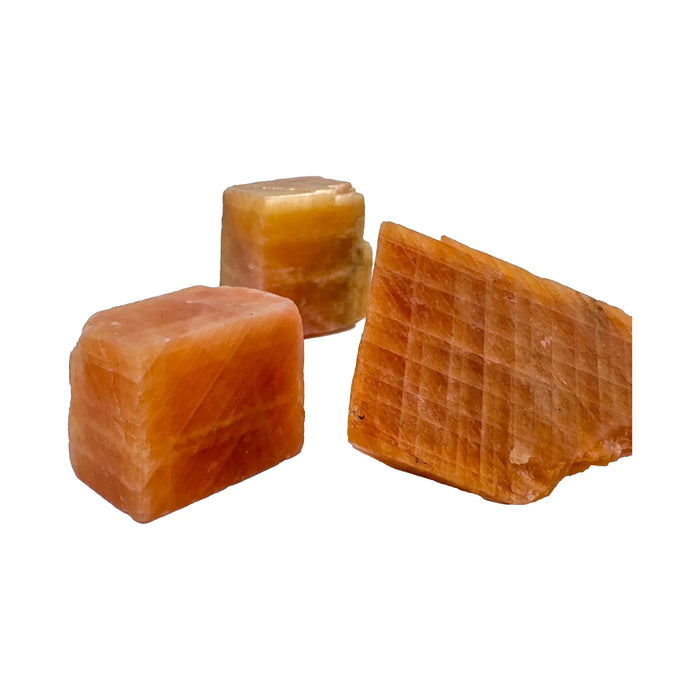
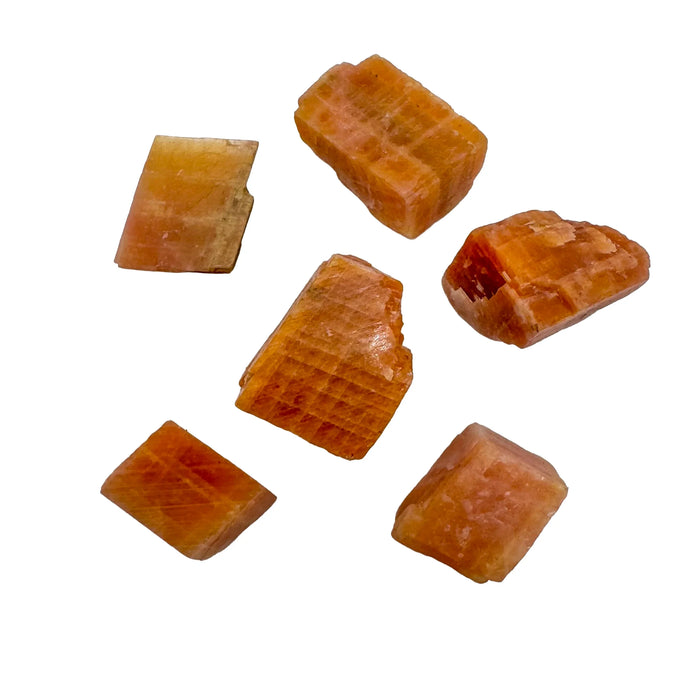
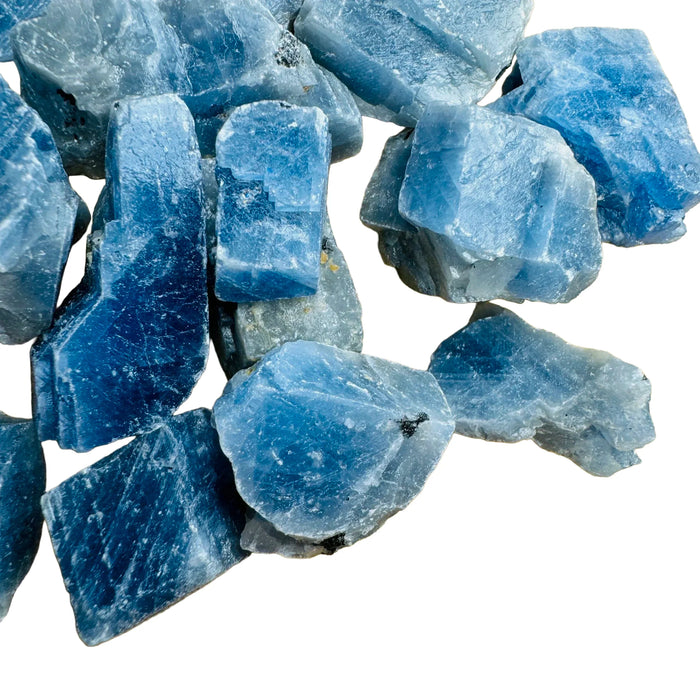
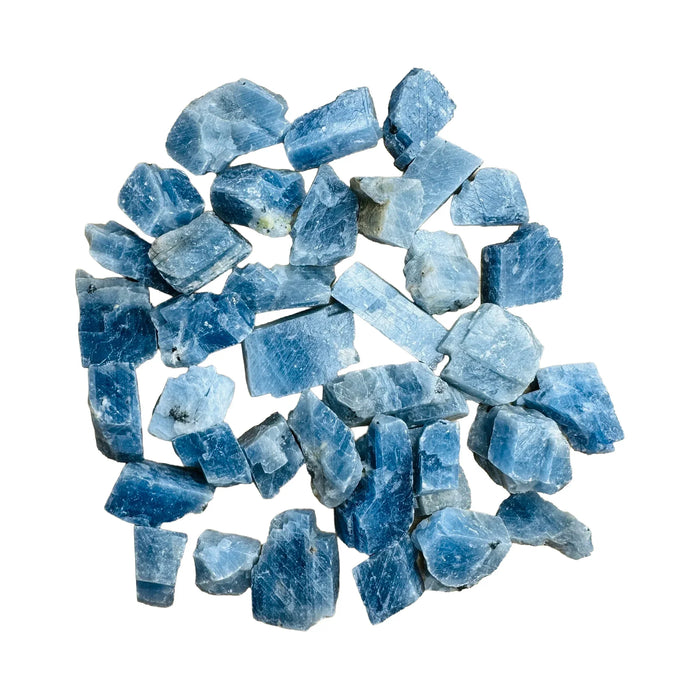
Other calcite colors, each sold under its own name, include orange calcite, honey or golden calcite, blue calcite, pink or mangano calcite, and clear optical calcite, all the same mineral in different trace colorings.
Calcite is easy to confuse by sight with softer look-alikes, so hardness and the acid reaction are the reliable separators.
What it costs in the market
Tumbled green calcite: roughly 1 to 5 dollars per piece. Raw chunks and small palm stones: around 5 to 20 dollars. Spheres, towers, and carvings: 15 to 80 dollars and up depending on size and finish. Because the mineral is common, value comes down to color, translucence, and the quality of the cut rather than scarcity.
An education-first guide.
We don't currently carry green calcite, so there's nothing to sell you here. This guide exists because the more you understand a stone, the better every decision you make about it becomes, wherever you buy it. Explore the rest of our crystal guides for stones we do source, each with full origin and treatment notes.
Explore the Crystal GuideThe closest match we carry: Calcite.
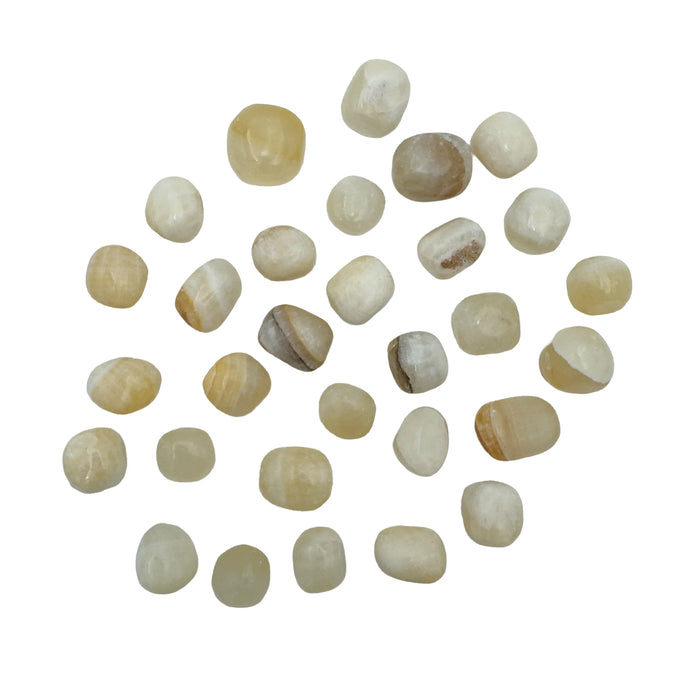
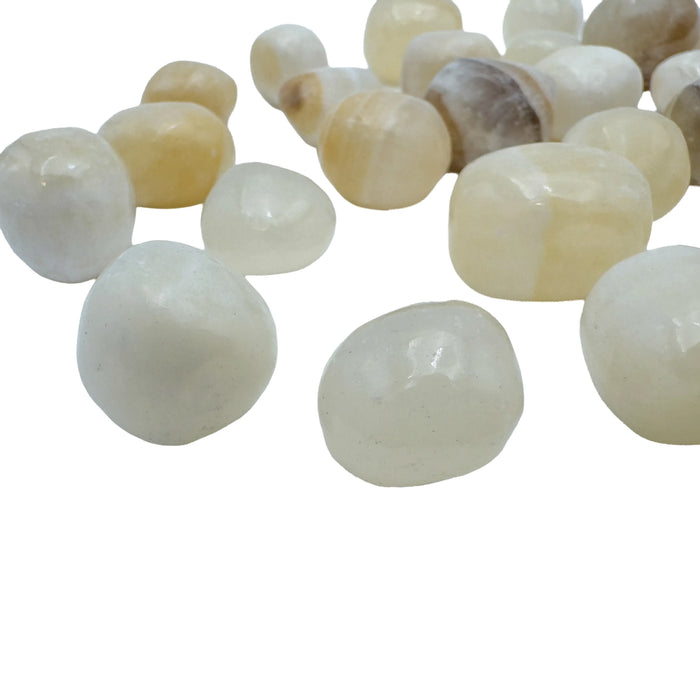
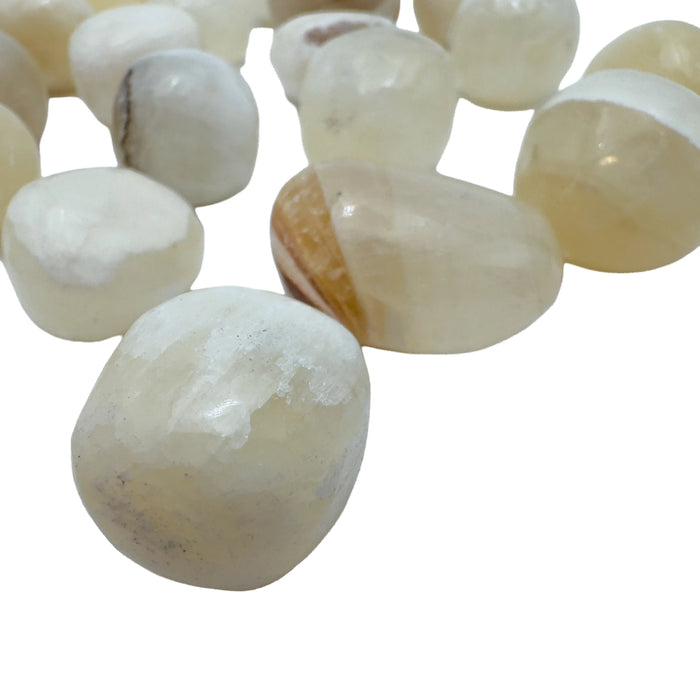
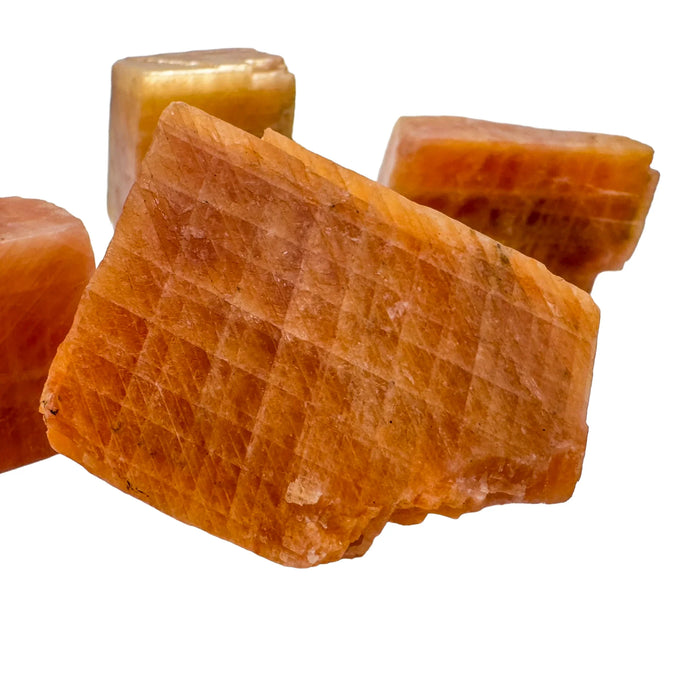
Green Calcite is not something we carry. Calcite is the closest match in our collection, and every piece passes our sourcing standards: origin named, treatments disclosed.
- from 1,000+ reviews
- Ships within 72 hoursMonday to Friday, tracked
- 90 days to return itif you do not love it
- Free US shipping over $99$8.99 flat rate under
The Slow Note
New stones go to the list first.
No forwarding, no selling. Unsubscribe in one click. Privacy