


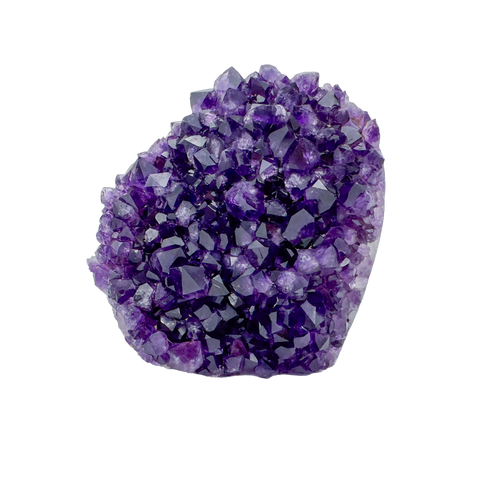
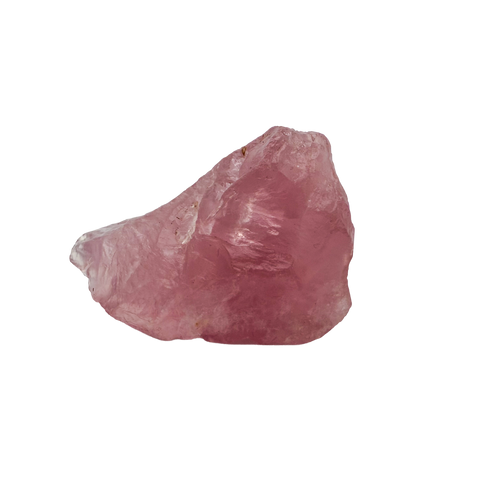
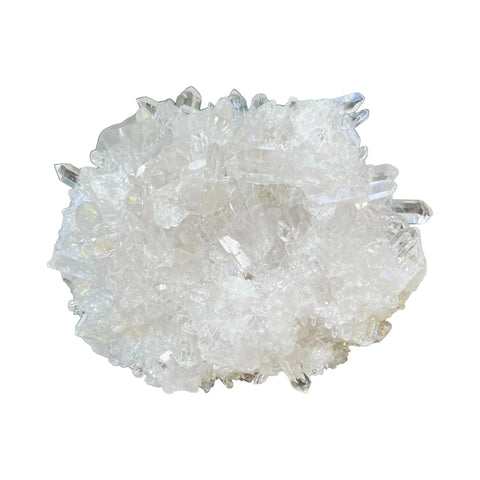
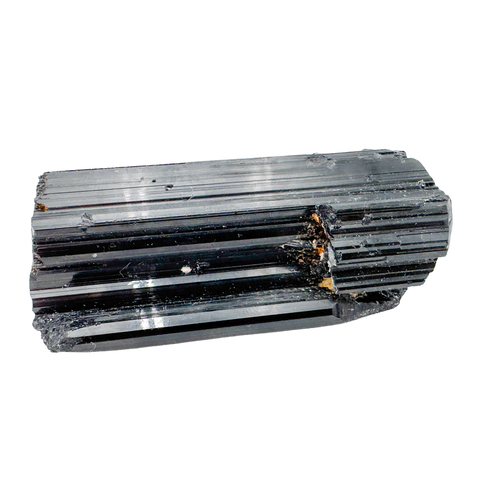
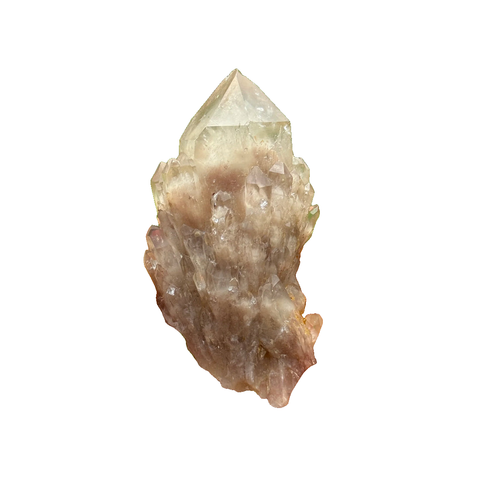
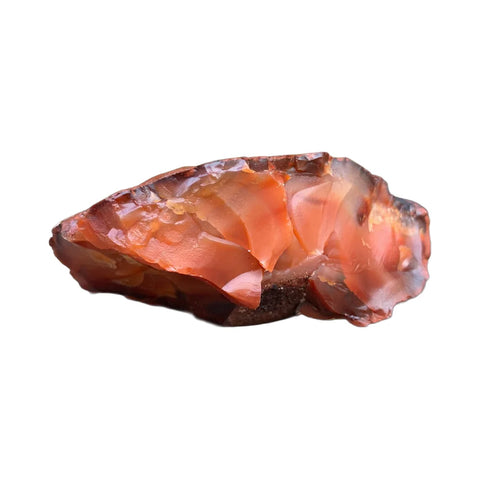
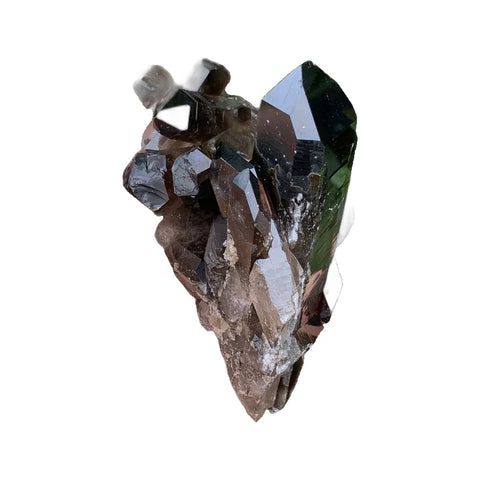
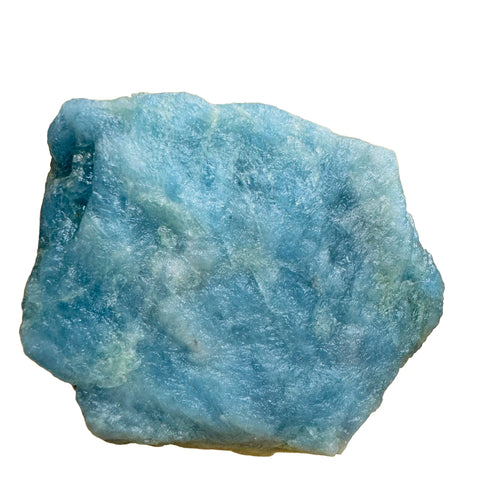
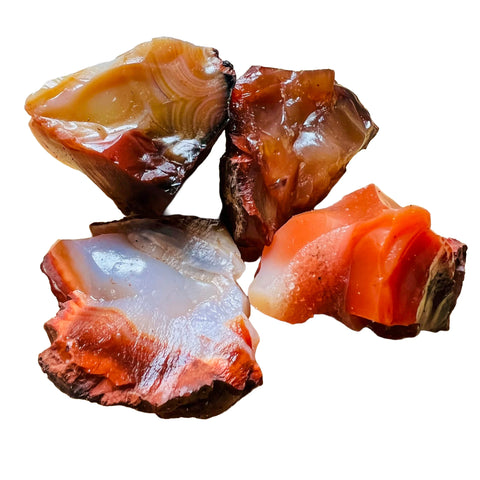


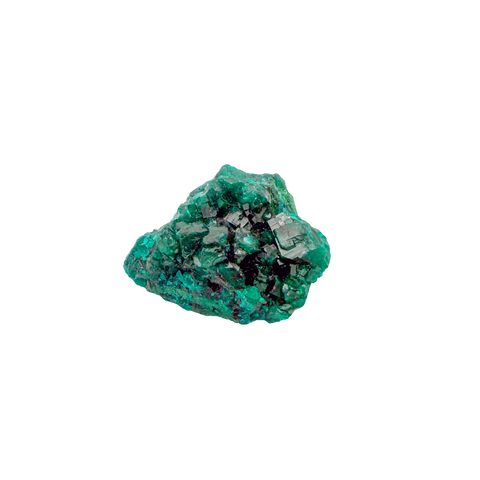
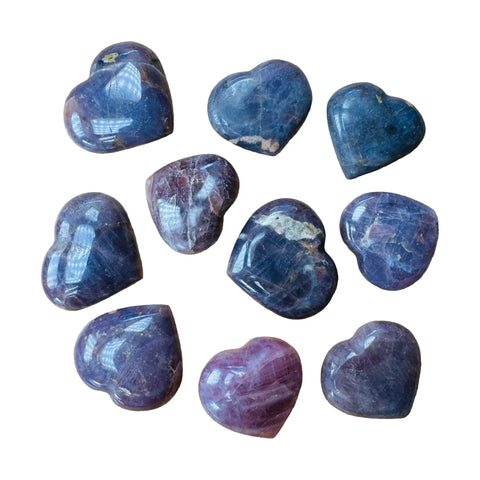
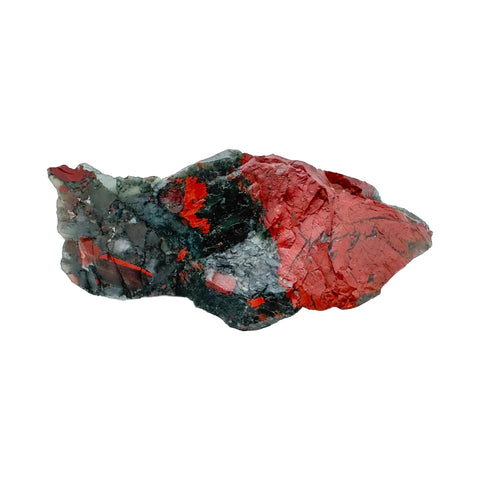
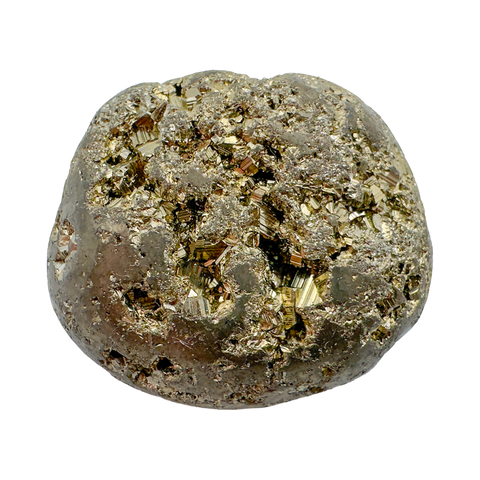
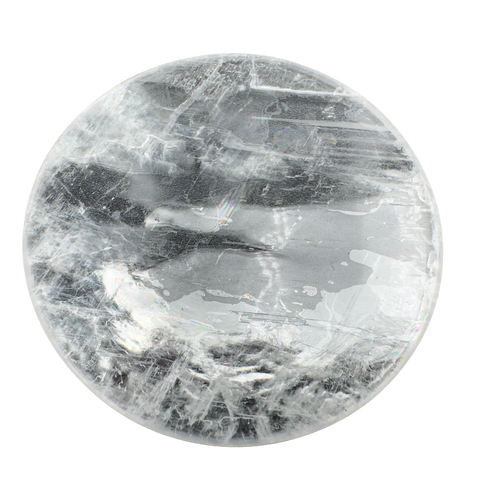
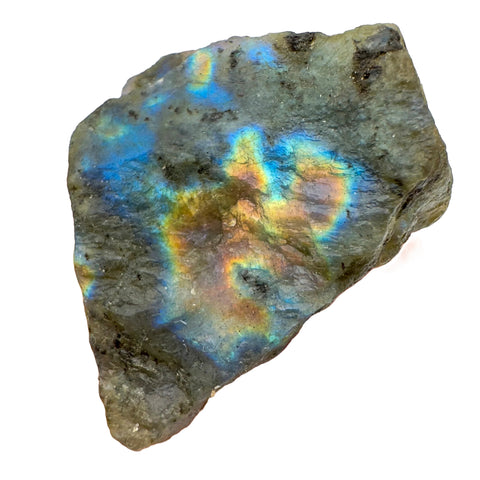
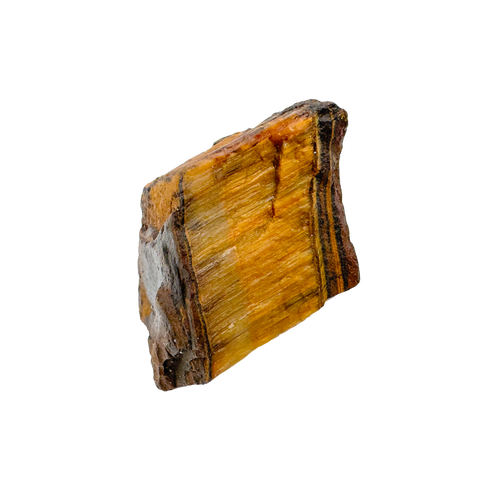
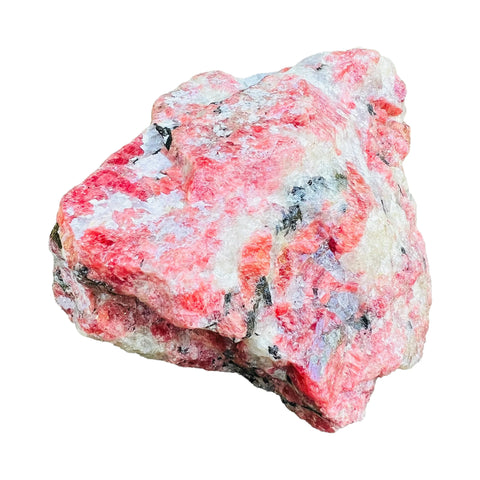
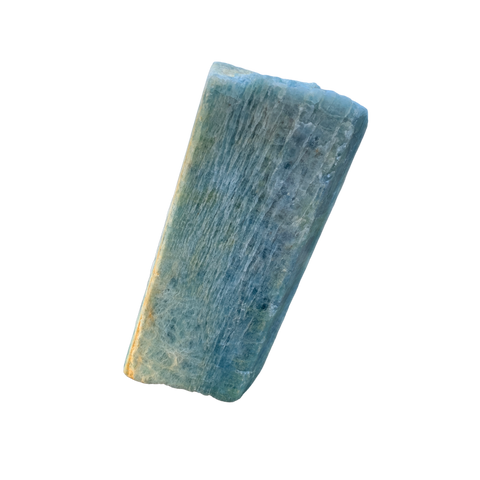
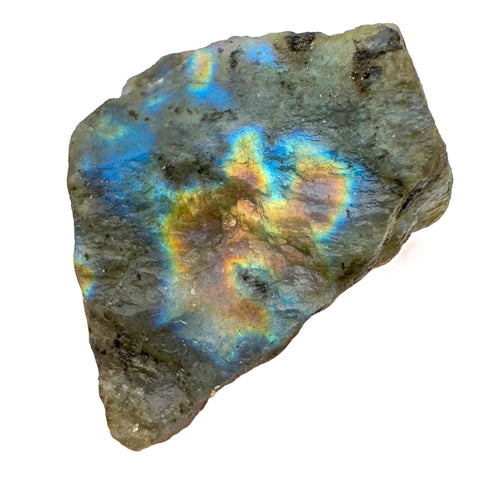
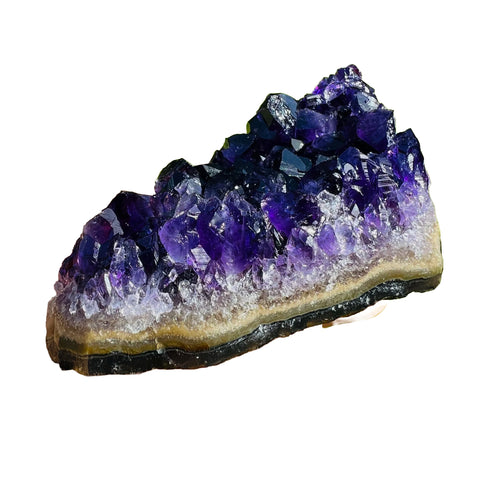



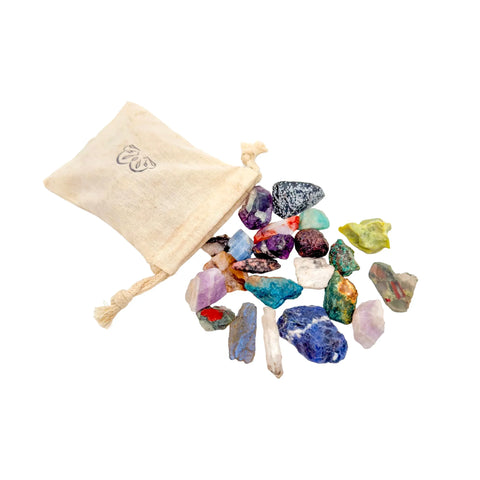

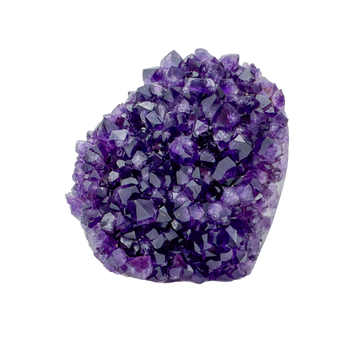
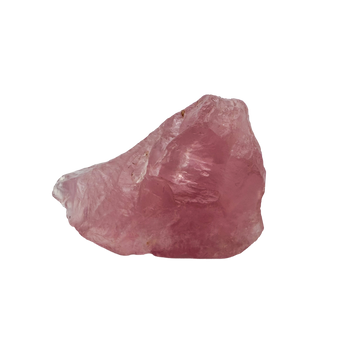
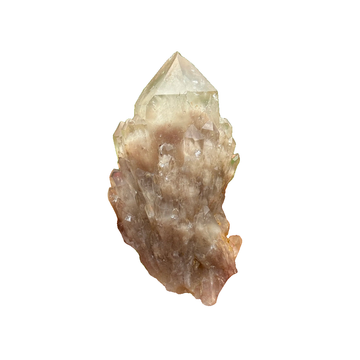
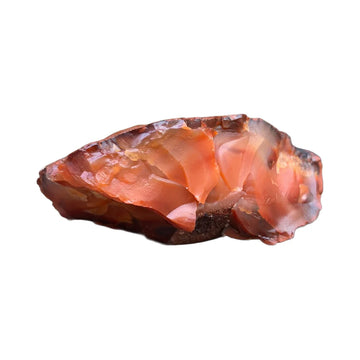
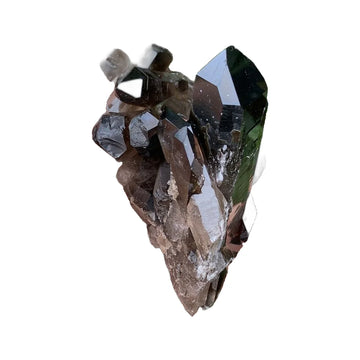
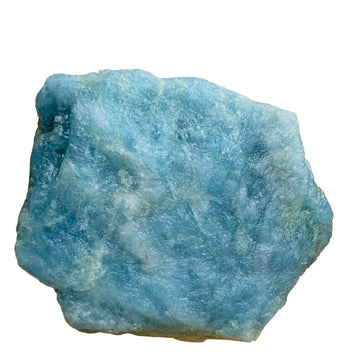
 Raw Stones
180 pieces
Raw Stones
180 pieces
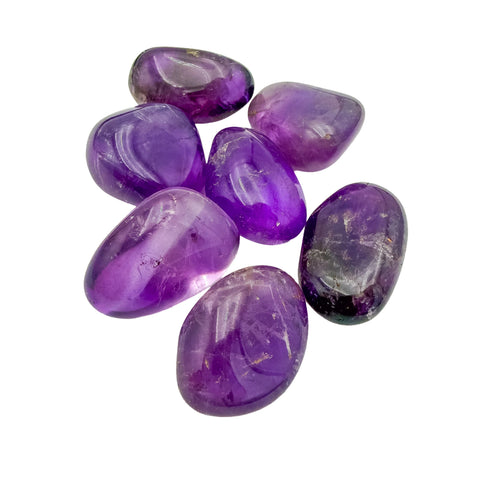
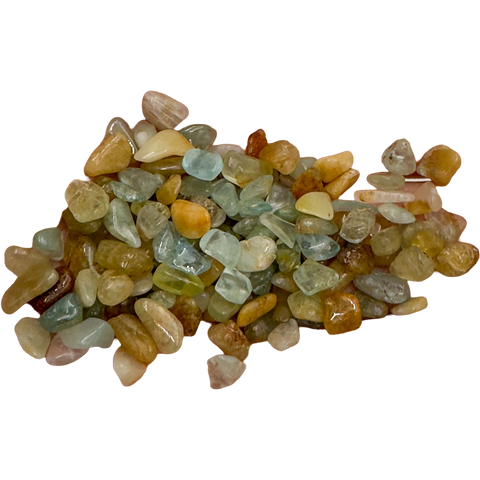
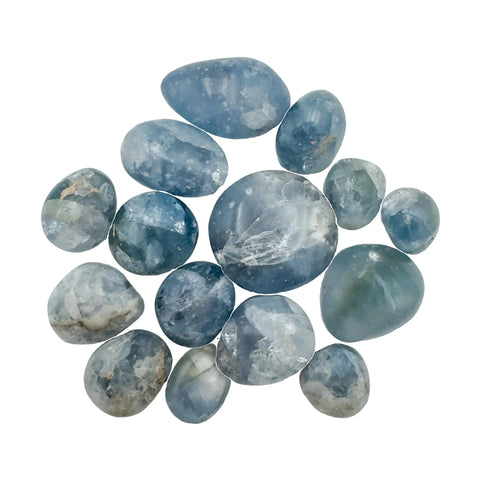
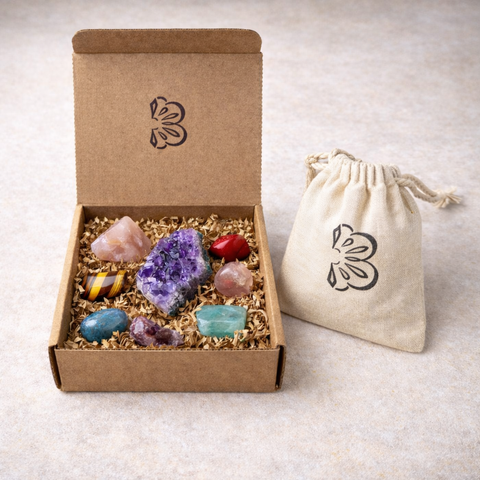
 Tumbled Stones
162 pieces
Tumbled Stones
162 pieces
 Palm Stones
26 pieces
Palm Stones
26 pieces
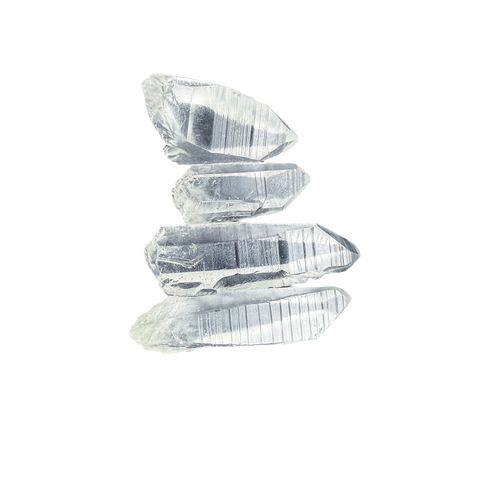
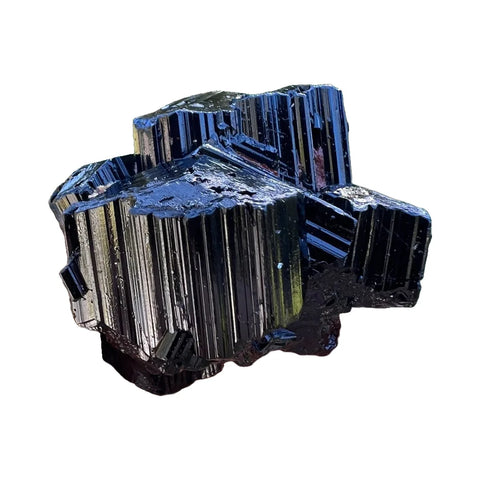
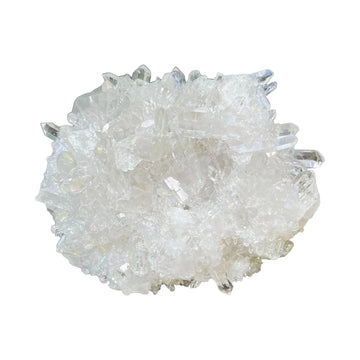
 Crystal Points
23 pieces
Crystal Points
23 pieces
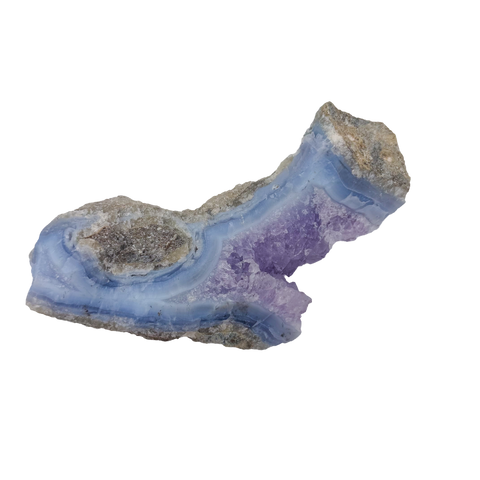
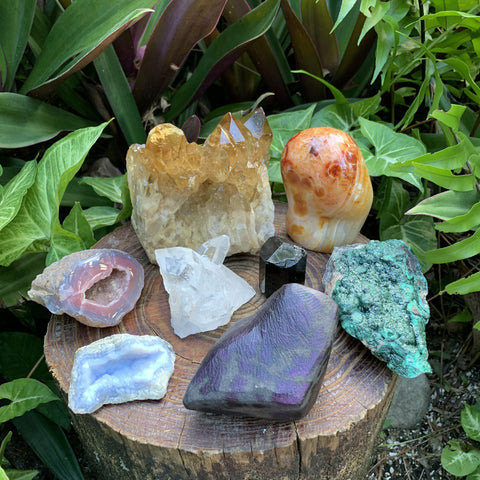
 Clusters & Geodes
112 pieces
Clusters & Geodes
112 pieces
 Polished & Decor
155 pieces
Polished & Decor
155 pieces
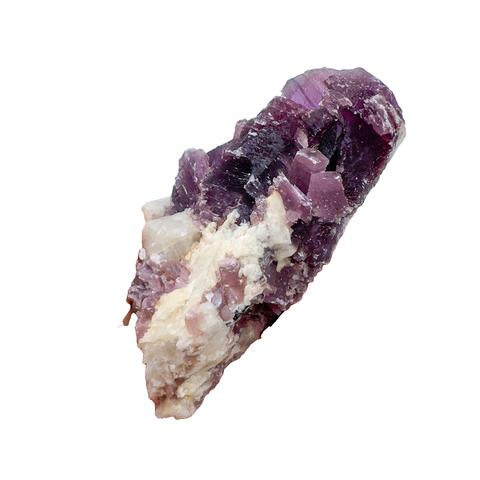
 Mineral Specimens
269 collector pieces
Mineral Specimens
269 collector pieces
 Crystal Chips
21 pieces
Browse everything
Every collection, one page.
View All Collections →
Crystal Chips
21 pieces
Browse everything
Every collection, one page.
View All Collections →


 Aries
Mar 21 – Apr 19
Carnelian
›
Aries
Mar 21 – Apr 19
Carnelian
›
 Taurus
Apr 20 – May 20
Rose Quartz
›
Taurus
Apr 20 – May 20
Rose Quartz
›
 Gemini
May 21 – Jun 20
Agate
›
Gemini
May 21 – Jun 20
Agate
›
 Cancer
Jun 21 – Jul 22
Moonstone
›
Cancer
Jun 21 – Jul 22
Moonstone
›
 Leo
Jul 23 – Aug 22
Citrine
›
Leo
Jul 23 – Aug 22
Citrine
›
 Virgo
Aug 23 – Sep 22
Amazonite
›
Virgo
Aug 23 – Sep 22
Amazonite
›
 Libra
Sep 23 – Oct 22
Blue Lace Agate
›
Libra
Sep 23 – Oct 22
Blue Lace Agate
›
 Scorpio
Oct 23 – Nov 21
Obsidian
›
Scorpio
Oct 23 – Nov 21
Obsidian
›
 Sagittarius
Nov 22 – Dec 21
Sodalite
›
Sagittarius
Nov 22 – Dec 21
Sodalite
›
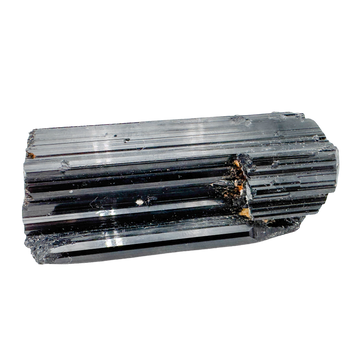
 Capricorn
Dec 22 – Jan 19
Black Tourmaline
›
Capricorn
Dec 22 – Jan 19
Black Tourmaline
›
 Aquarius
Jan 20 – Feb 18
Amethyst
›
Aquarius
Jan 20 – Feb 18
Amethyst
›
 Pisces
Feb 19 – Mar 20
Aquamarine
›
Gifting?
A birthday stone is the safe bet.
Read the zodiac guide →
Pisces
Feb 19 – Mar 20
Aquamarine
›
Gifting?
A birthday stone is the safe bet.
Read the zodiac guide →


Green Kyanite
Green kyanite is a green variety of kyanite, a bladed aluminum silicate colored by chromium. Its most unusual trait is a hardness that changes with direction. Many people work with it for heart-centered truth, alignment, and a steady, uncluttered calm.
The geology.
Green kyanite is a green variety of kyanite, an aluminum silicate with the formula Al2SiO5. It shares that formula with two other minerals, andalusite and sillimanite, which form from the same chemistry under different pressure and temperature. Kyanite is the high-pressure form, and it typically grows as flat, bladed crystals in metamorphic rocks such as schist, gneiss, and quartzite.
Its most famous property is anisotropic hardness. A kyanite blade is about 4.5 to 5 on the Mohs scale measured along its length, but 6.5 to 7 measured across it, which is why the mineral was once called disthene, meaning two strengths. The green color comes from trace chromium, and in some material vanadium or iron, the same kind of chromium coloring that lends emerald its green.
The origins.
Green kyanite is found in several metamorphic terrains. Brazil is an important commercial source, and a green variety reported from Odisha in eastern India brought more of it to the market after its discovery there. In the United States, green kyanite occurs in quartzite in the southern Appalachians, with Avery County in North Carolina among the noted localities.
Kyanite in general is widespread, appearing in the Alps, the Himalaya, parts of Africa, and many other high-grade metamorphic belts. Green material is less common than the classic blue, so named-origin blades and clean crystals command more interest among collectors.
Traditional associations.
Kyanite carries a distinctive reputation in modern practice. It is one of the stones people describe as not holding onto stagnant energy, so it is often said not to need cleansing the way other stones do. That idea of a self-clearing, always-open channel shapes how people work with the whole kyanite family.
Green kyanite specifically is linked to the Heart chakra and to truth spoken from the heart. Many people reach for it for alignment, honest communication, and a calm, uncluttered mind. It is commonly associated with the element of Air and the signs Taurus and Libra. A frequent practice is to hold a blade during quiet reflection or journaling.
Spotting the real thing.
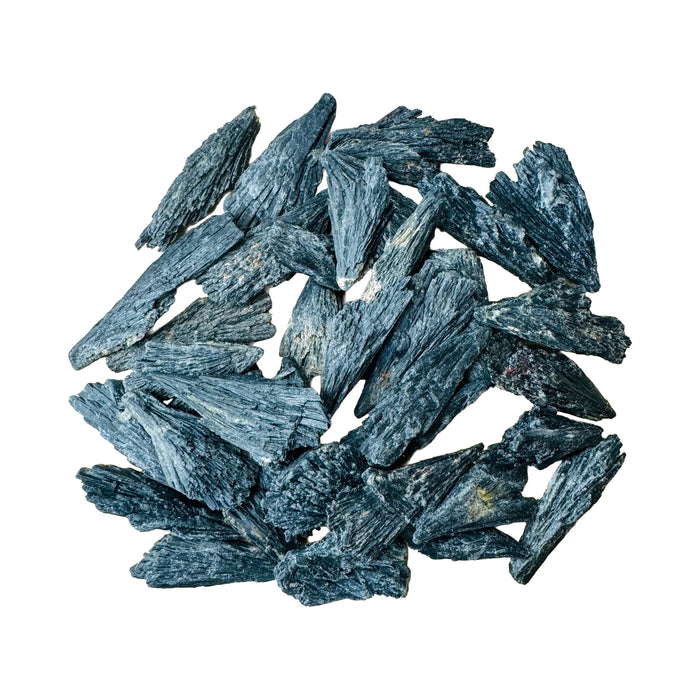
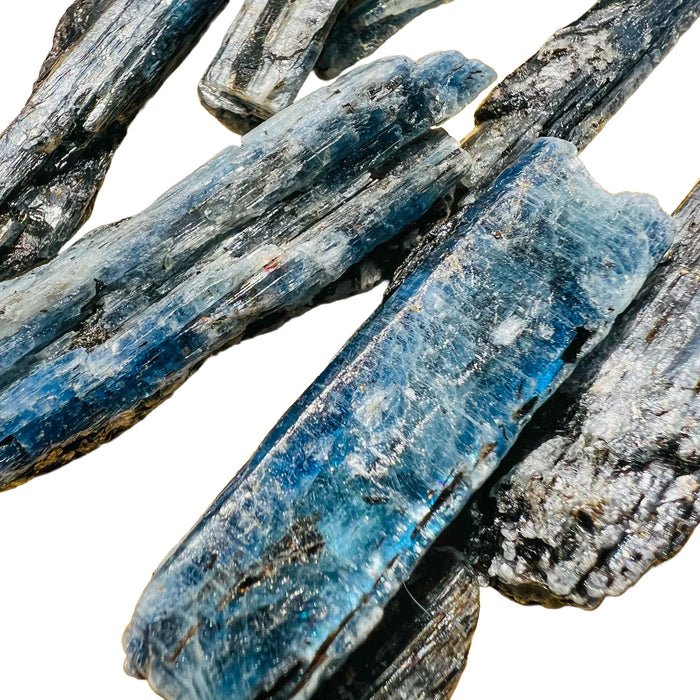
Real green kyanite shows flat, bladed crystals, often in fans or splays, with a pearly to vitreous luster and clear lengthwise striations along the blades. Because kyanite has perfect cleavage in one direction, blades can be split thin, and the surface often shows a subtle sheen that shifts as you tilt it.
The honest point to check is color. Natural chromium green is usually a slightly cool, uneven green that varies within a blade. Uniform, saturated color that pools in cracks or looks painted onto the surface can indicate dye. Some sellers also label blue-green blades as green, so ask for the true body color and whether it has been treated.
Care & handling.
Green kyanite needs a gentle hand. Its lengthwise hardness is only about 4.5 to 5, and its perfect cleavage means a blade can split or flake if flexed or knocked. Handle and store it carefully, keep it away from harder stones, and treat raw blades as fragile. It works better in pendants and pocket pieces than in rings.
A brief rinse and a soft dry cloth are enough. Avoid long soaks, ultrasonic cleaners, and harsh chemicals, which can work into the cleavage planes. In keeping with its reputation, many people find green kyanite does not need heavy cleansing, and simply keep it dusted and dry.
Pairs well with.
A deeper look.
Extended geology, sourcing, authentication, history, and varieties, for when the quick guide isn't quite enough.
Extended geology
Kyanite is one of three aluminosilicate polymorphs that share the formula Al2SiO5, the others being andalusite and sillimanite. Which one forms depends on pressure and temperature, and geologists use the trio as index minerals to read the conditions a rock experienced. Kyanite marks high pressure, and it is common in aluminum-rich metamorphic rocks such as mica schist and gneiss.
The green color is attributed to trace chromium, and in some deposits vanadium or iron. Specific gravity is about 3.5 to 3.7, and the mineral is triclinic, growing as elongated blades with one perfect cleavage. That combination of directional hardness and easy cleavage makes kyanite unmistakable once you have handled it.
Extended sourcing
Brazil is a leading commercial source of green kyanite, and a green variety from Odisha in eastern India added supply after it was reported there. In the United States, quartzite in the southern Appalachians, including Avery County in North Carolina, yields green blades. Kyanite as a species is mined in many countries for both specimens and industrial use.
Beyond gem and specimen material, kyanite is an important industrial mineral, used to make refractory ceramics and heat-resistant products because it expands and converts to mullite when fired. Most industrial kyanite is a different grade from the clean green blades sold to collectors.
Authentication and warning signs
Genuine green kyanite is identified by its bladed habit, directional hardness, perfect cleavage, and pearly sheen. If you can carefully test hardness, a blade resists scratching across its width far better than along its length, a behavior few other green stones share.
The color question is the honest one. Ask whether the green is natural chromium color or the result of dye, since blue and pale kyanite are sometimes dyed. Watch for color concentrated in fractures, an overly even and vivid tone, or a green that rubs differently from the body of the stone.
History and folklore
The name kyanite comes from the Greek kyanos, meaning deep blue, after the classic blue material. An older name, disthene, referred to its two different hardnesses. For most of its history kyanite was valued as a mineralogical curiosity and an industrial raw material rather than a mainstream gem.
In modern crystal practice, kyanite gained a strong following for the idea that it does not accumulate negative energy and therefore does not require cleansing. Green kyanite extends that reputation toward the heart, honesty, and clear communication.
Varieties and trade names
Blue kyanite is the classic and most abundant color. Green kyanite is colored by chromium and is less common. Black kyanite usually appears as fanned blades and is often sold for grounding. Orange kyanite, colored by manganese, comes mainly from Tanzania. Indigo and teal blades also appear. All are the same species, differing in trace coloring.
What it costs in the market
Green kyanite is moderately priced and depends heavily on quality. Rough blades and small fans often run a few dollars to the low tens, cleaner specimen pieces and larger fans reach into the tens of dollars, and rare, richly colored gem-grade material sells for more. Untreated natural color, blade clarity, and size drive value.
An education-first guide.
We don't currently carry green kyanite, so there's nothing to sell you here. This guide exists because the more you understand a stone, the better every decision you make about it becomes, wherever you buy it. Explore the rest of our crystal guides for stones we do source, each with full origin and treatment notes.
Explore the Crystal GuideThe closest match we carry: Kyanite.
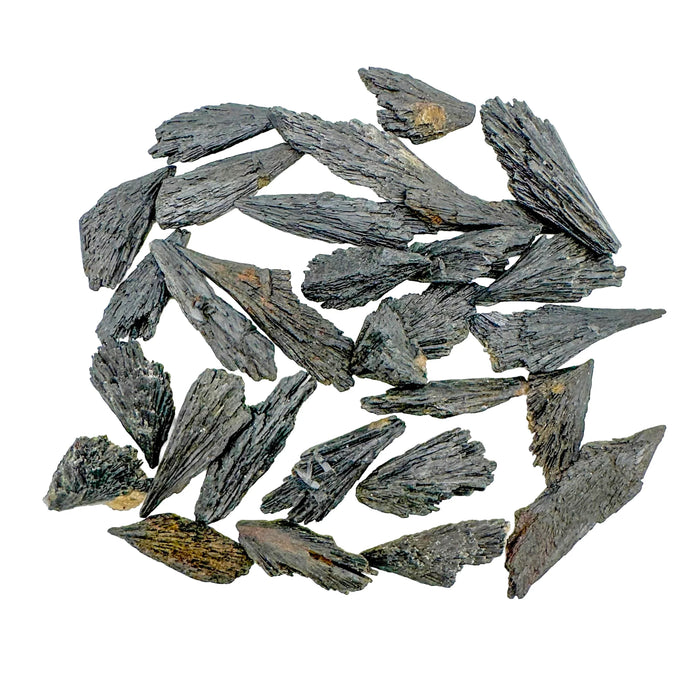
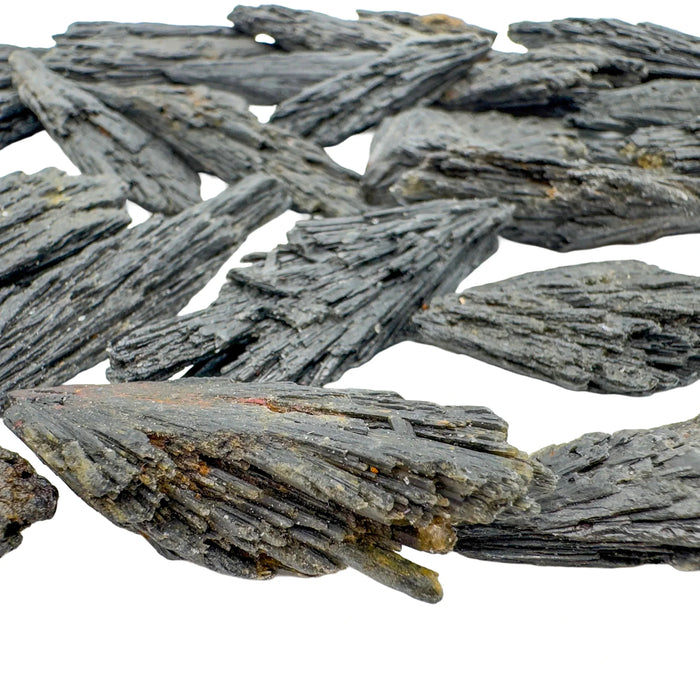
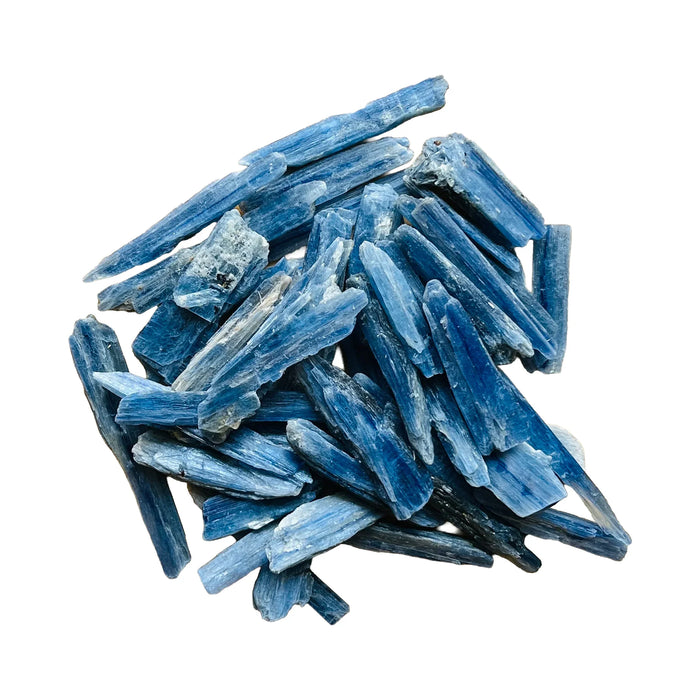
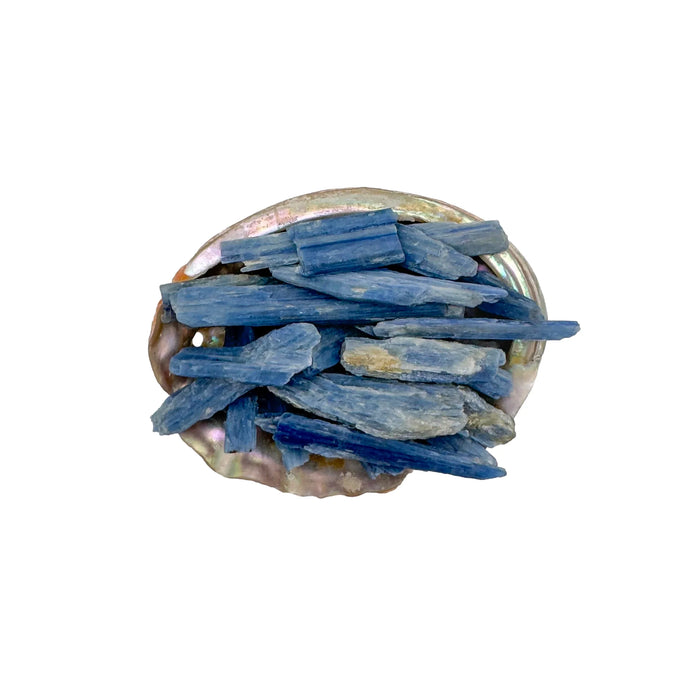
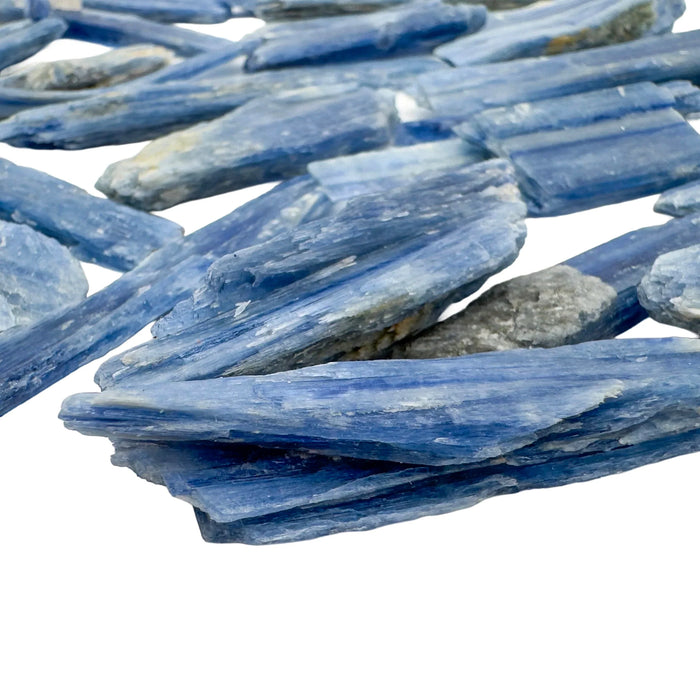
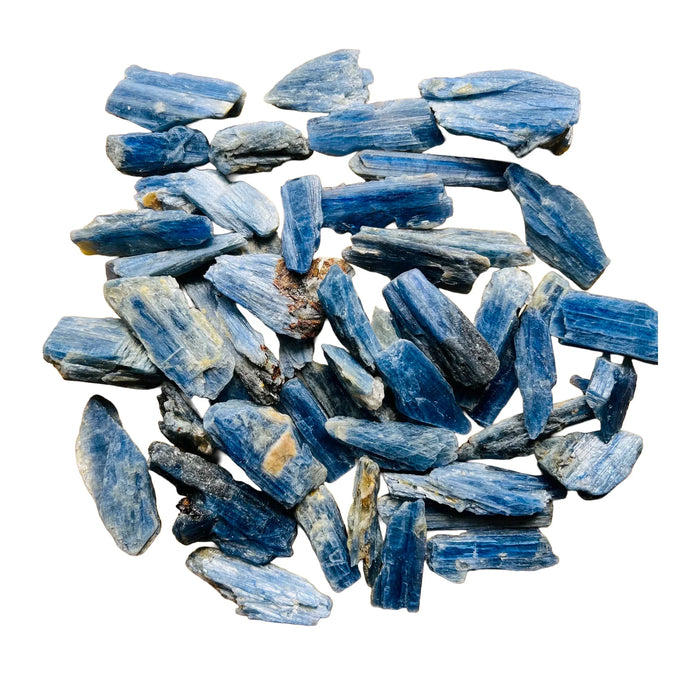
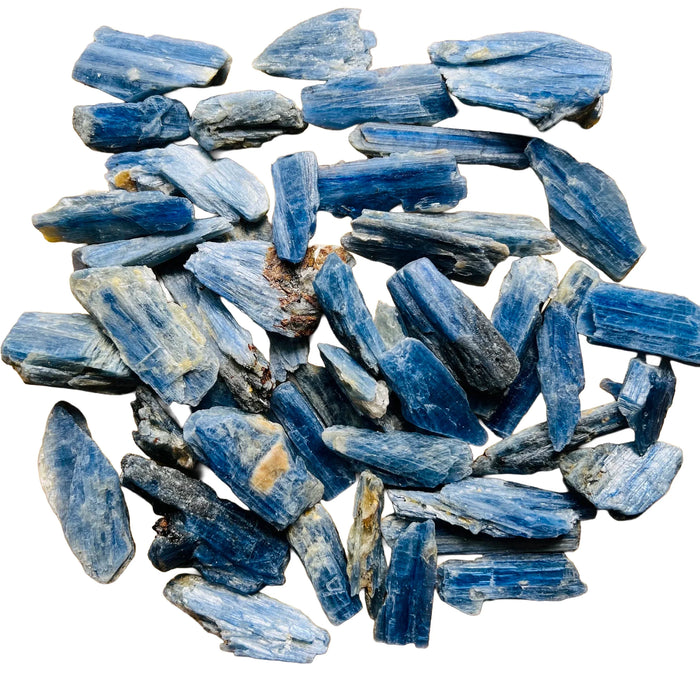
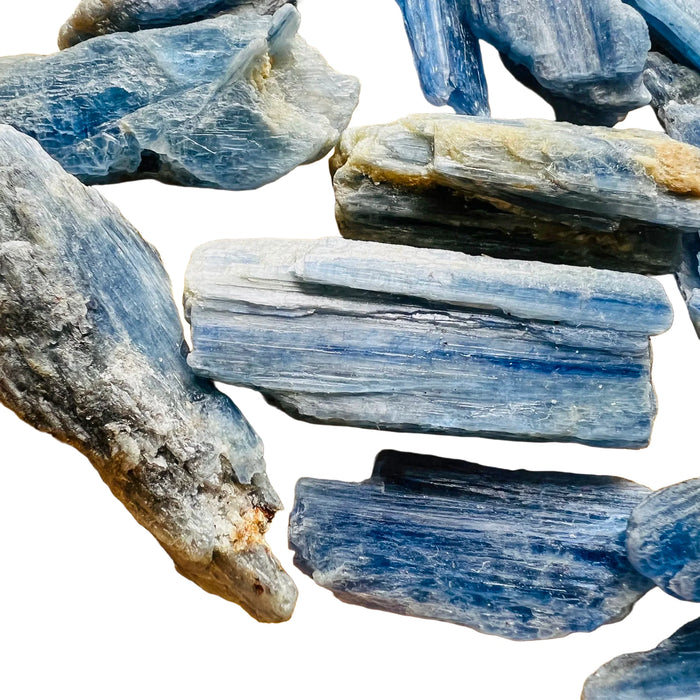
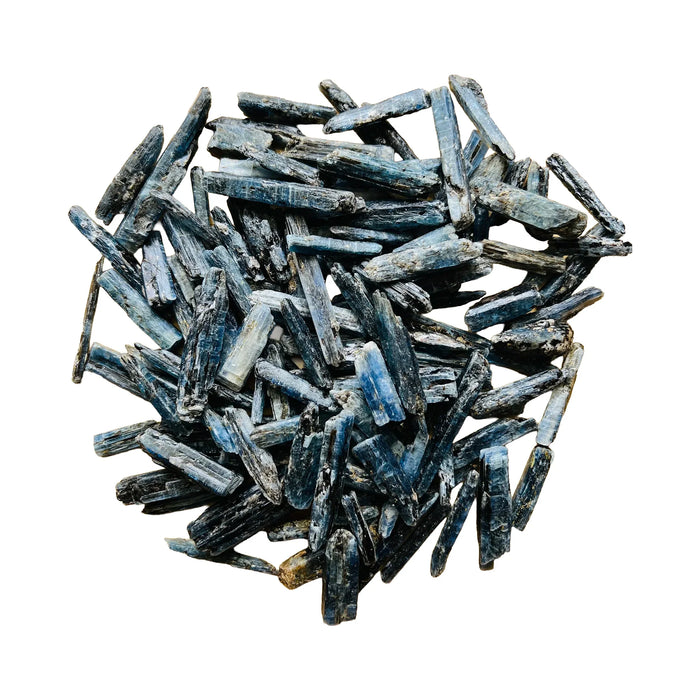
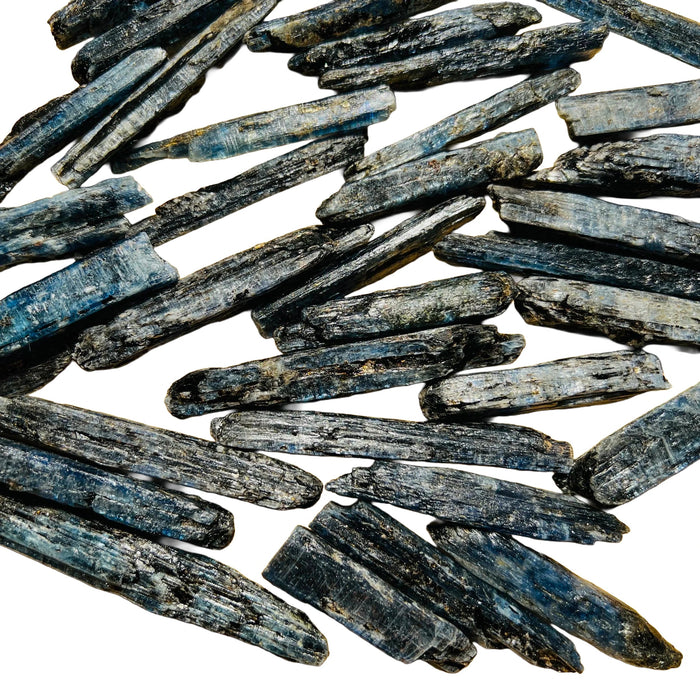
Green Kyanite is not something we carry. Kyanite is the closest match in our collection, and every piece passes our sourcing standards: origin named, treatments disclosed.
- 4.9 out of 5from 1,000+ reviews
- Ships within 72 hoursMonday to Friday, tracked
- 90 days to return itif you do not love it
- Free US shipping over $99$8.99 flat rate under