


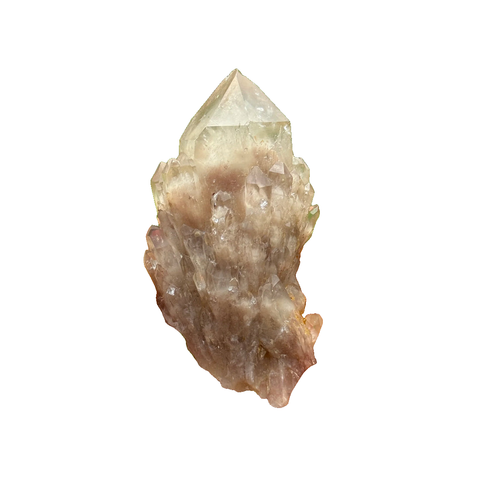
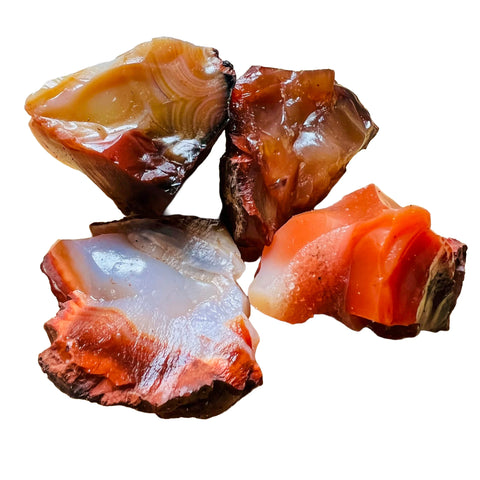


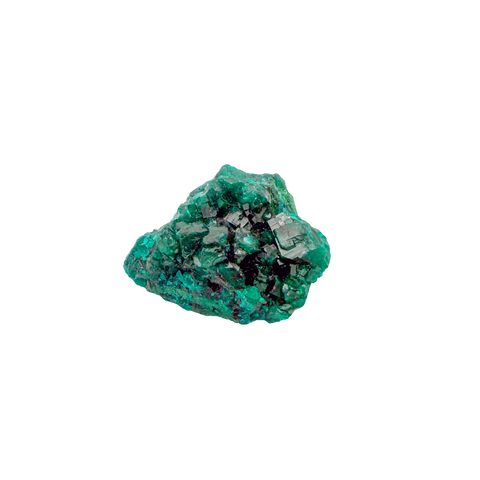
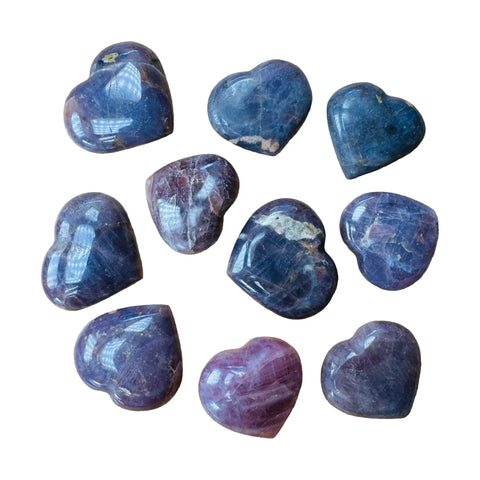
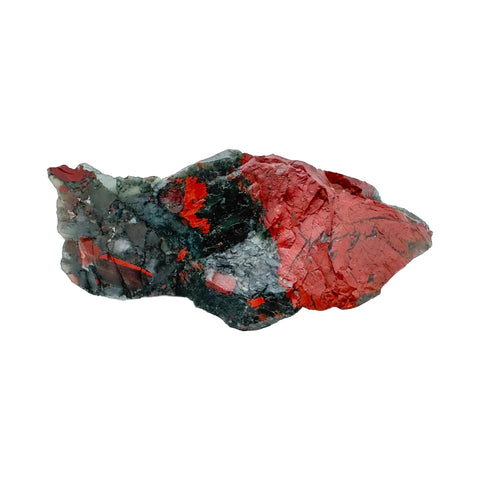
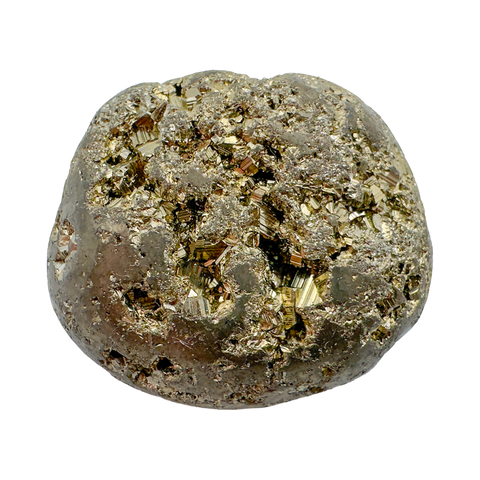
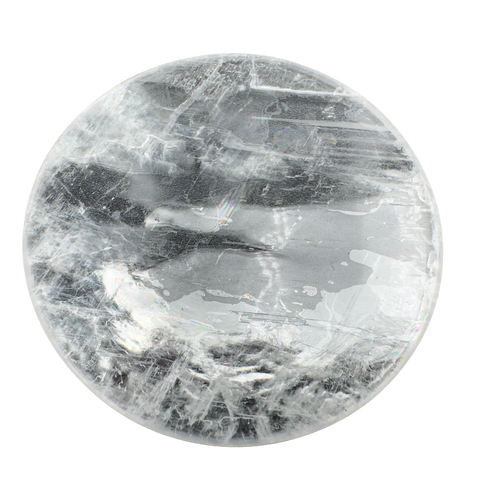
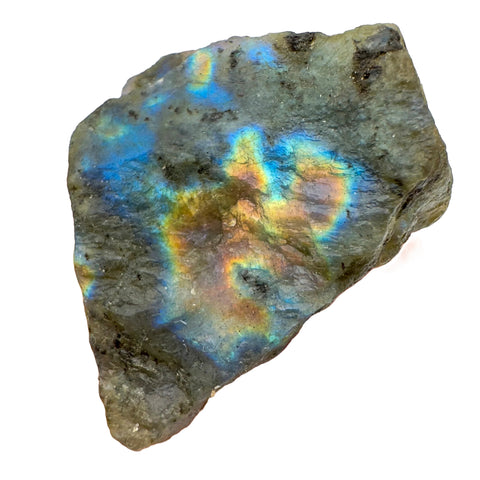
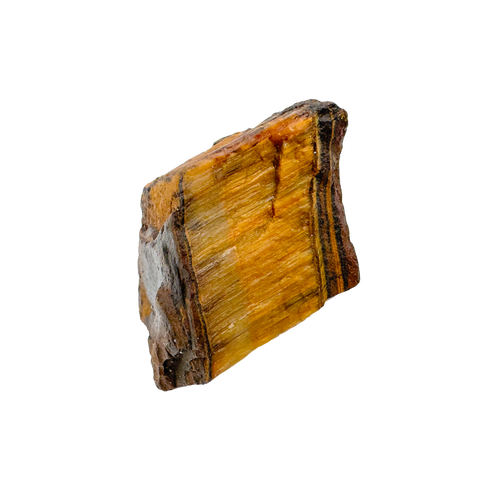
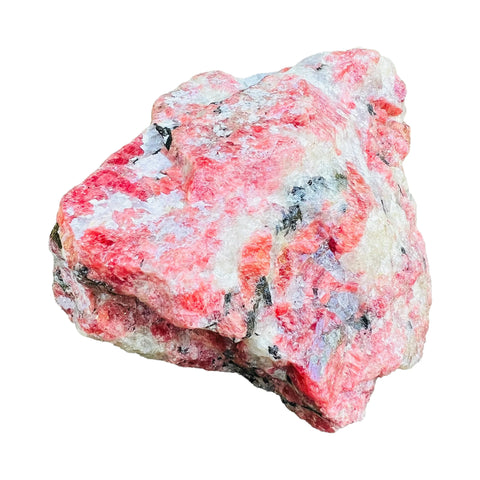
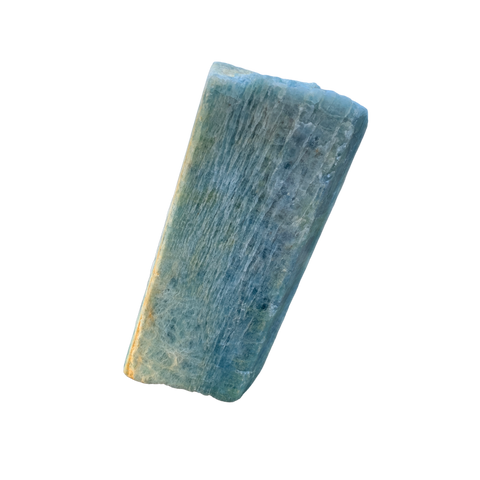
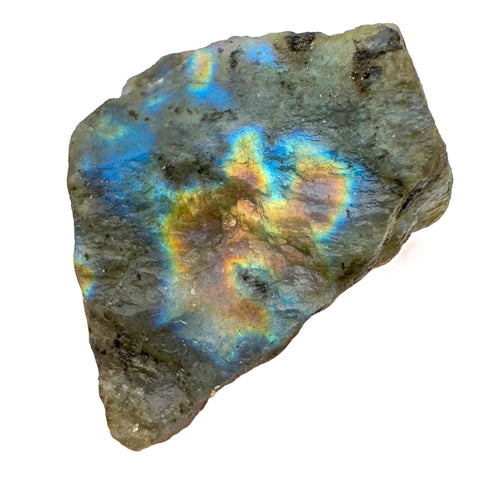



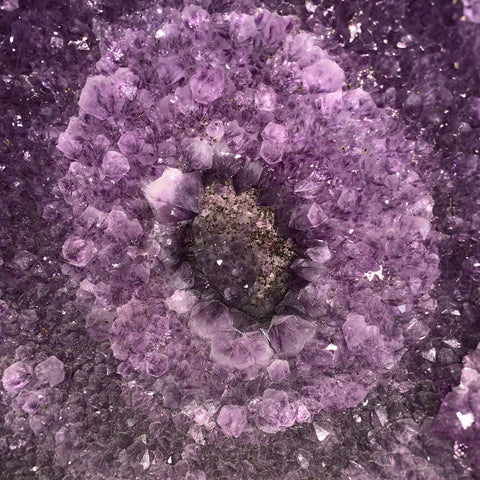
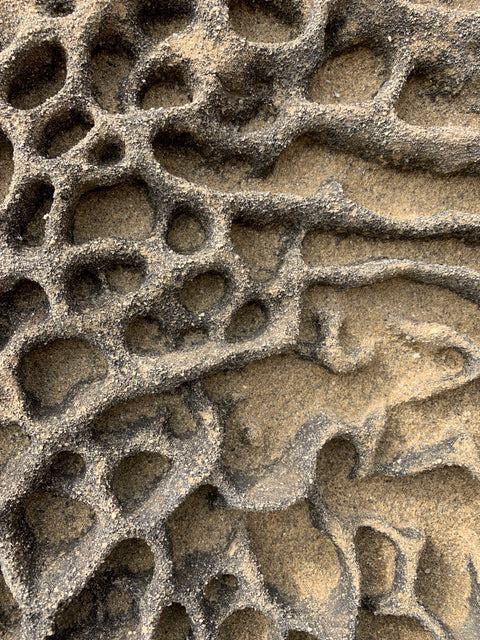
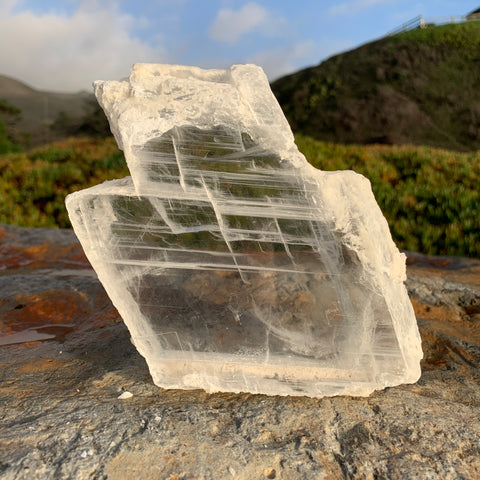
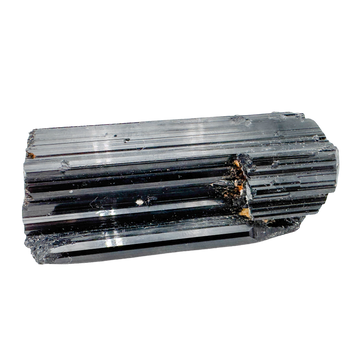
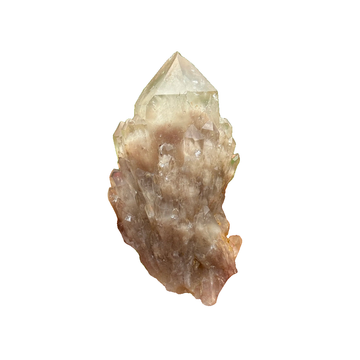
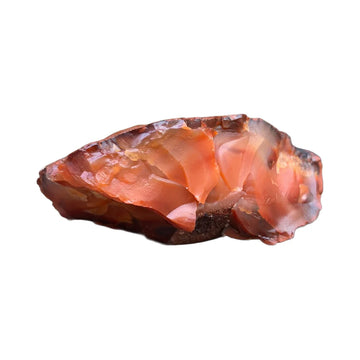
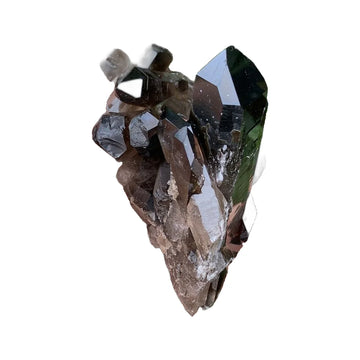
 Raw Stones
179 pieces
Raw Stones
179 pieces
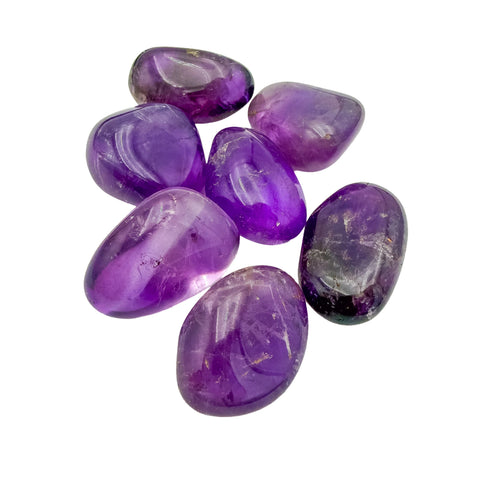
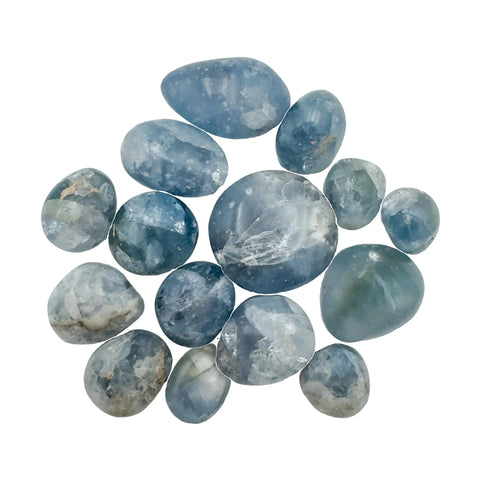
 Tumbled Stones
162 pieces
Tumbled Stones
162 pieces
 Palm Stones
25 pieces
Palm Stones
25 pieces
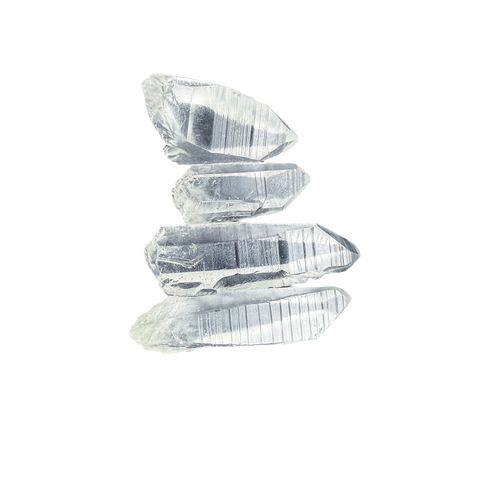
 Crystal Points
23 pieces
Crystal Points
23 pieces
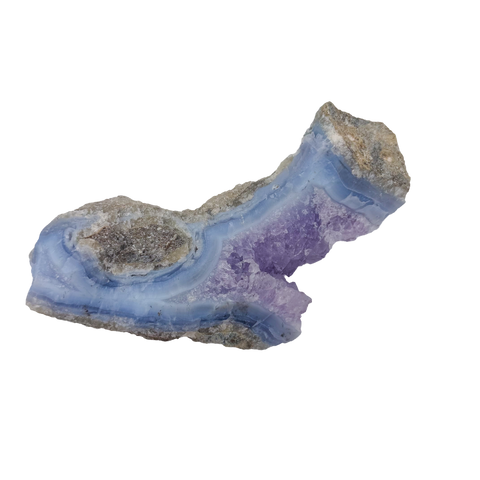
 Clusters & Geodes
104 pieces
Clusters & Geodes
104 pieces
 Polished & Decor
148 pieces
Polished & Decor
148 pieces
 Mineral Specimens
259 collector pieces
Mineral Specimens
259 collector pieces
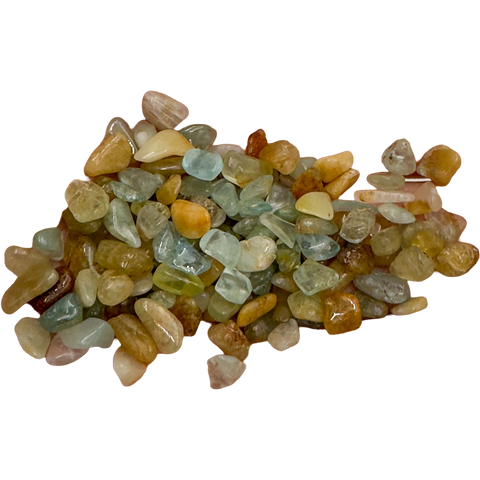
 Crystal Chips
21 pieces
Browse everything
Every collection, one page.
View All Collections →
Crystal Chips
21 pieces
Browse everything
Every collection, one page.
View All Collections →


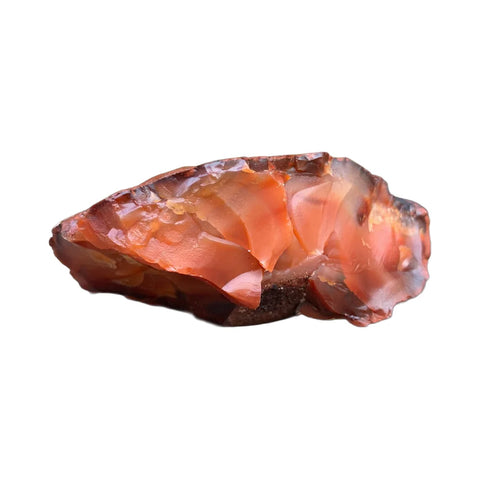
 Aries
Mar 21 – Apr 19
Carnelian
›
Aries
Mar 21 – Apr 19
Carnelian
›
 Taurus
Apr 20 – May 20
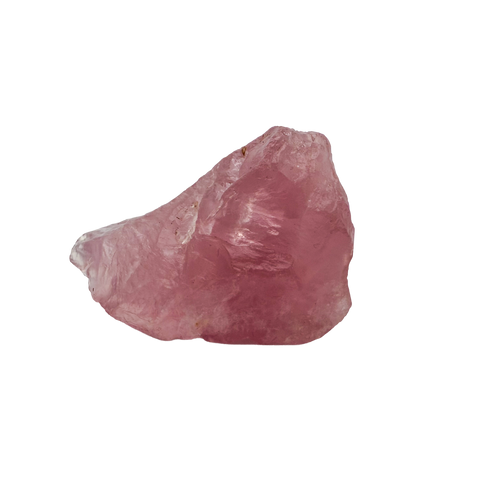
Rose Quartz
›
Taurus
Apr 20 – May 20
Rose Quartz
›
 Gemini
May 21 – Jun 20
Agate
›
Gemini
May 21 – Jun 20
Agate
›
 Cancer
Jun 21 – Jul 22
Moonstone
›
Cancer
Jun 21 – Jul 22
Moonstone
›
 Leo
Jul 23 – Aug 22
Citrine
›
Leo
Jul 23 – Aug 22
Citrine
›
 Virgo
Aug 23 – Sep 22
Amazonite
›
Virgo
Aug 23 – Sep 22
Amazonite
›
 Libra
Sep 23 – Oct 22
Blue Lace Agate
›
Libra
Sep 23 – Oct 22
Blue Lace Agate
›
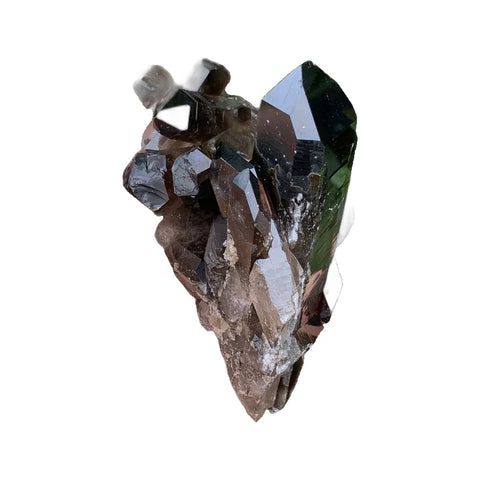
 Scorpio
Oct 23 – Nov 21
Obsidian
›
Scorpio
Oct 23 – Nov 21
Obsidian
›
 Sagittarius
Nov 22 – Dec 21
Sodalite
›
Sagittarius
Nov 22 – Dec 21
Sodalite
›
 Capricorn
Dec 22 – Jan 19
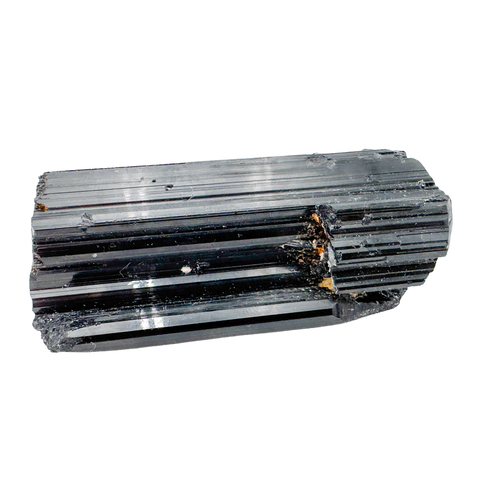
Black Tourmaline
›
Capricorn
Dec 22 – Jan 19
Black Tourmaline
›
 Aquarius
Jan 20 – Feb 18
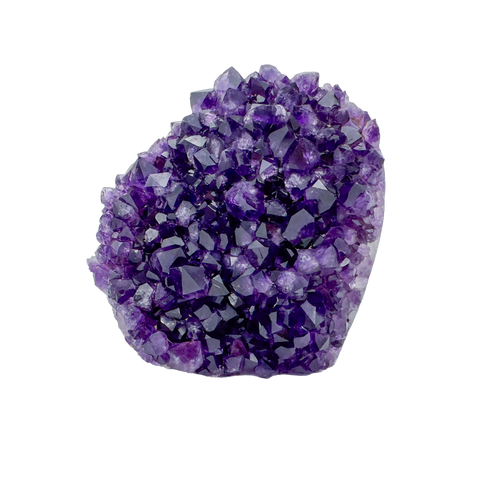
Amethyst
›
Aquarius
Jan 20 – Feb 18
Amethyst
›
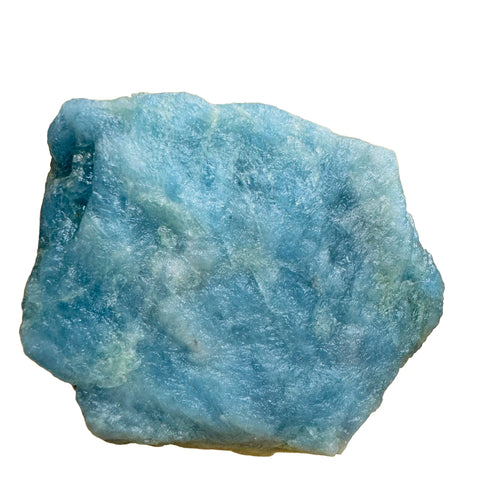
 Pisces
Feb 19 – Mar 20
Aquamarine
›
Gifting?
A birthday stone is the safe bet.
Read the zodiac guide →
Pisces
Feb 19 – Mar 20
Aquamarine
›
Gifting?
A birthday stone is the safe bet.
Read the zodiac guide →

Grape Agate
Grape agate is a cluster of tiny purple or blue-green spheres that really does look like a bunch of grapes. It is a recent Indonesian find, and despite the name it is not a true agate at all. The bobbly shape and gentle color are its whole charm.
The geology.
Grape agate is a botryoidal form of quartz, meaning it grew as masses of small rounded spheres rather than in flat bands or points. Most pieces are purple, from soft lilac to deep violet, with prized examples in teal and blue-green. The color in the purple material comes from the same kind of trace chemistry that tints amethyst.
Despite the trade name, it is not a true agate, because agate is defined by concentric banding and grape agate has none. It is often called chalcedony, though many specimens show tiny visible crystals on the surface, which points to a coarser quartz structure than classic chalcedony. Hardness sits at 6.5 to 7, typical for the quartz family.
The origins.
Grape agate comes from one main place, the Mamuju area of West Sulawesi in Indonesia. The first pieces turned up around 2014, reportedly along a beach south of Mamuju city, and the better purple and blue-green material was found inland near Takandeang soon after. By 2016 it had entered the global market and quickly became a collector favorite.
Because the source is narrow and the spheres are fragile, good clusters are not endlessly abundant. Indonesia remains essentially the only commercial origin, so a seller who names West Sulawesi is describing the genuine article rather than a generic agate.
Traditional associations.
Grape agate is a modern discovery, so its associations come from the contemporary crystal world rather than old tradition. Its soft purple has drawn the same themes people bring to amethyst, calm focus, intuition, and a settled mind.
It is usually linked with the Third Eye and Crown, the element of Water, and the sign Pisces. Many people keep a small cluster as a meditation piece or a desk object, drawn as much to the unusual bubbly texture as to any single intention.
Spotting the real thing.
Genuine grape agate is unmistakable in form, dozens of small rounded spheres packed into a druzy cluster, usually purple, sometimes teal. Under a loupe you can often see tiny sparkling crystal faces on the spheres. The color should vary naturally across the piece, lighter and darker in patches, never a flat painted-on tone.
Two cautions. First, color, be wary of unnaturally intense or perfectly even purple, which can signal dye. Second, the name, since grape agate is a marketing term, sellers sometimes apply it loosely. Ask for the West Sulawesi origin and look for that natural, slightly uneven violet.
Care & handling.
Grape agate is reasonably hard at 6.5 to 7, but the spheres are delicate and can snap off, so handle clusters gently and store them where they will not knock against other pieces. A soft brush or a quick rinse with warm water keeps the druzy surface clean.
It is stable in light and will not fade, and it does not need salt or long soaks. Avoid harsh chemicals and ultrasonic cleaners, which can loosen the small spheres. Many people reset it with sound, moonlight, or a rest on a selenite plate rather than water.
Pairs well with.
A deeper look.
Extended geology, sourcing, authentication, history, and varieties, for when the quick guide isn't quite enough.
Extended geology
Grape agate forms as botryoidal quartz, where silica precipitated in rounded, grape-like masses inside volcanic host rock rather than in the banded layers that define agate. The purple color in much of the material is comparable to amethyst, tied to trace iron and natural irradiation, while the sought-after teal and blue-green pieces owe their hue to a different trace chemistry. Many specimens show small drusy crystal terminations on the spheres, which is why mineralogists often describe it as a coarse or macrocrystalline quartz rather than a true cryptocrystalline chalcedony. Hardness is 6.5 to 7, with the conchoidal fracture of the quartz family.
Extended sourcing
The commercial source is the Mamuju Regency of West Sulawesi, Indonesia. Early finds around 2014 came from beach material near Pantai Ngalo south of Mamuju, with brighter, less weathered purple and blue-green stones later recovered inland near Takandeang in the Tapalang district. The material entered the world market by 2016. Because production is concentrated in this one region and the clusters are fragile, supply of fine pieces is limited, and West Sulawesi remains the defining locality.
Authentication and warning signs
Look for a true botryoidal cluster of small spheres with natural, slightly uneven purple or teal color and tiny sparkling crystal faces. The warning signs are dye, suggested by overly saturated or perfectly uniform color, and loose use of the name on unrelated banded agates or chalcedony. Since grape agate is a trade term, the most reliable checks are the bubbly cluster form and a stated West Sulawesi origin.
History and folklore
Grape agate has no ancient lore because it was only discovered in the 2010s. Its reputation is entirely modern, built within the collector and crystal communities that embraced its unusual shape and gentle color. Associations with intuition and calm are borrowed from amethyst and other purple quartz, so any claim of deep historical tradition for grape agate specifically would be inaccurate.
Varieties and trade names
The common material is purple, ranging from pale lilac to rich violet. The premium variety is teal to blue-green, which is rarer and pricier. You will also see the names grape chalcedony and grape amethyst for the same material, all referring to the botryoidal Indonesian quartz. None of these is a true agate, and the green-blue and purple can sometimes appear together on one cluster.
What it costs in the market
Price depends on color, sphere size and definition, cluster size, and condition, since broken spheres lower value. Common purple clusters are moderately priced, while large, intact pieces with deep color or the rarer teal tone command a clear premium. Because the spheres are easily damaged, undamaged display clusters are valued well above broken or partial pieces.
An education-first guide.
We wrote this guide so the name does not confuse you. Grape agate is a recent Indonesian quartz that is neither an agate nor a classic chalcedony, and knowing that sharpens how you judge color and price. Explore our other crystal guides for stones with full origin and treatment notes.
Explore the Crystal GuideThe closest match we carry: Amethyst.
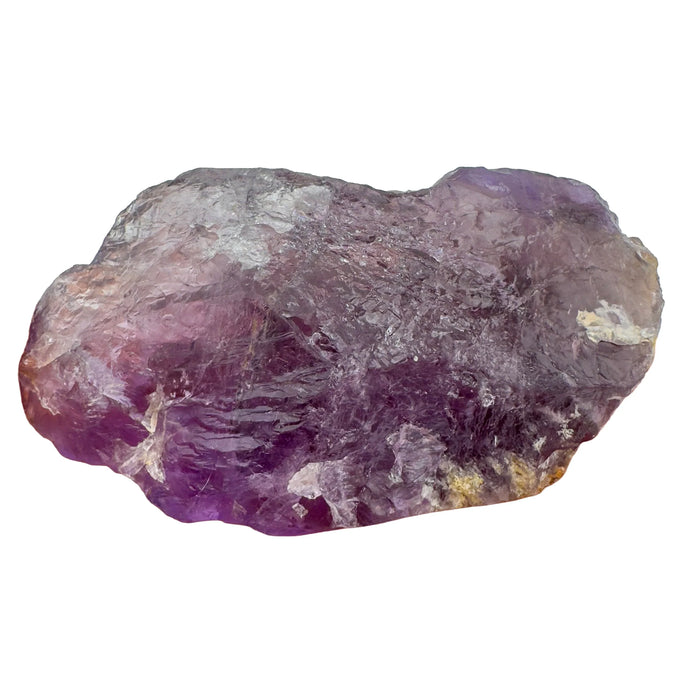
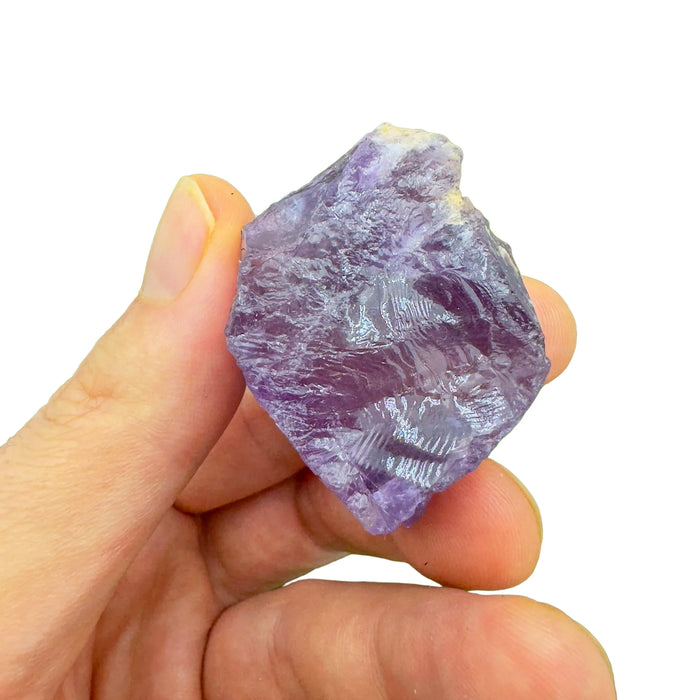
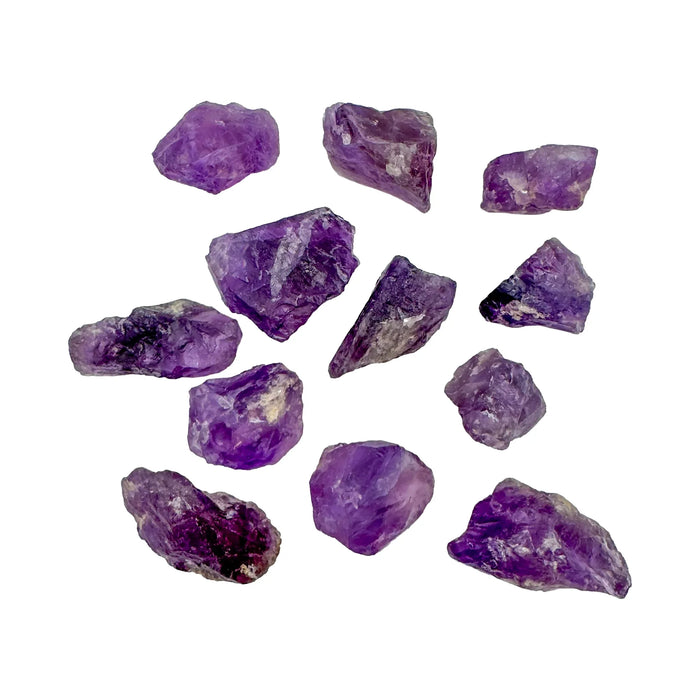
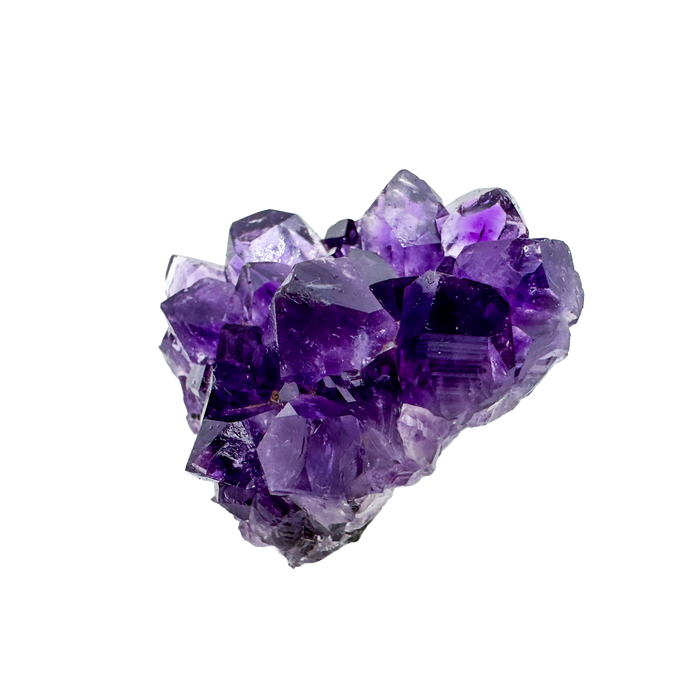
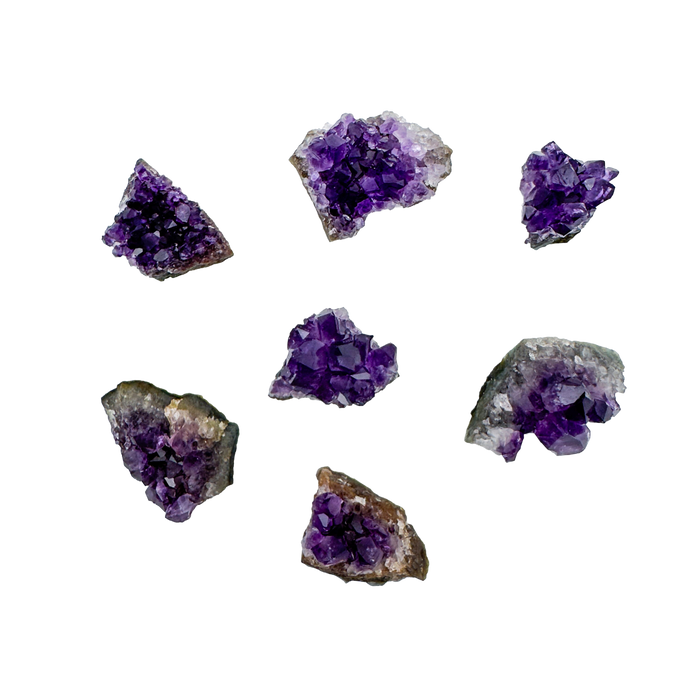
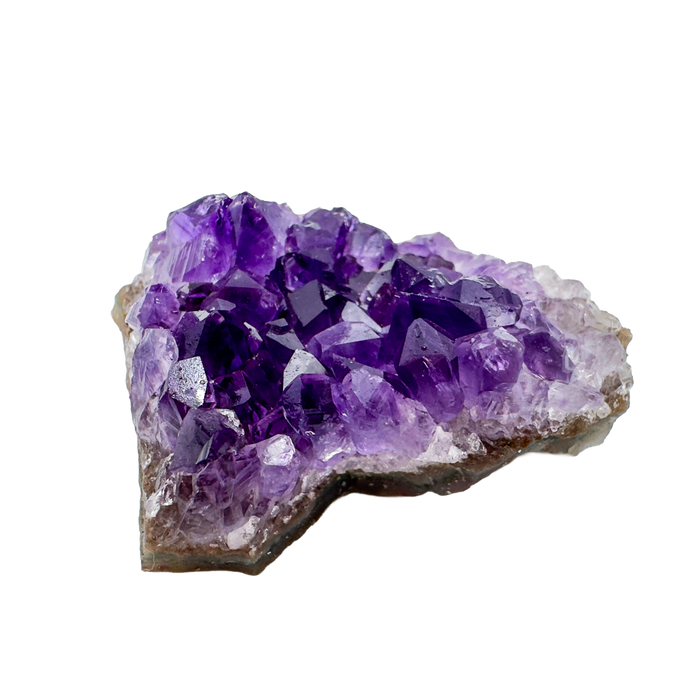
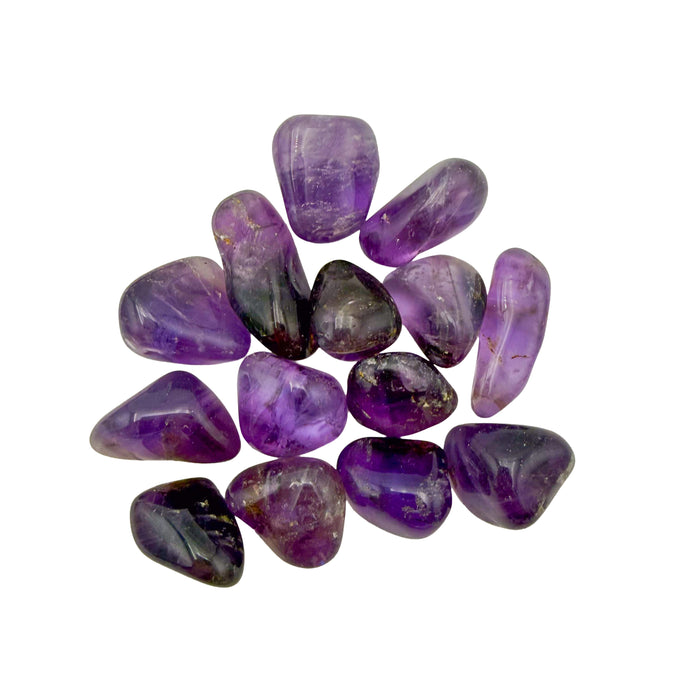
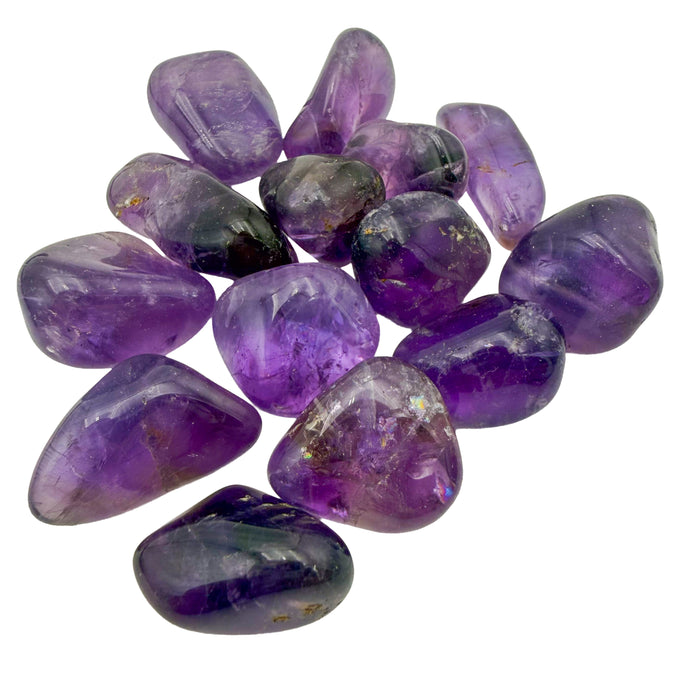
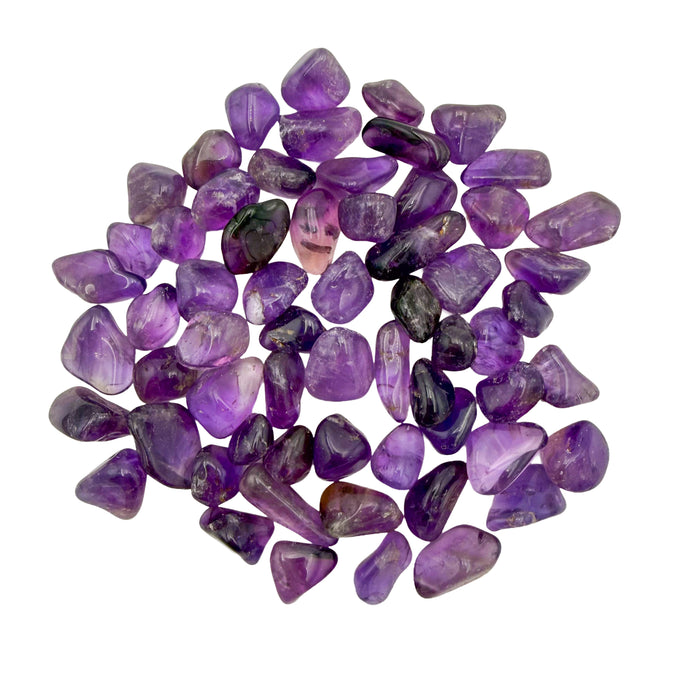
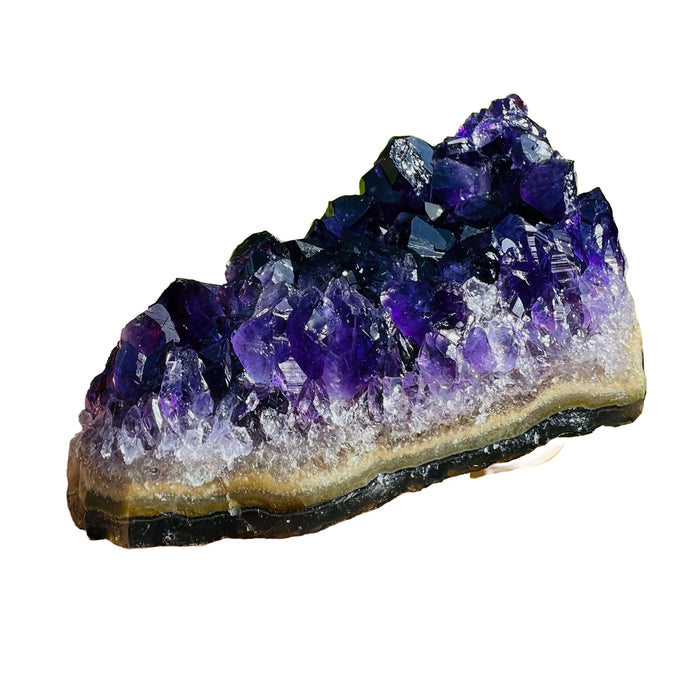
Grape Agate is not something we carry. Amethyst is the closest match in our collection, and every piece passes our sourcing standards: origin named, treatments disclosed.


- from 1,000+ reviews
- Ships within 72 hoursMonday to Friday, tracked
- 90 days to return itif you do not love it
- Free US shipping over $99$8.99 flat rate under
The Slow Note
New stones go to the list first.
No forwarding, no selling. Unsubscribe in one click. Privacy