


 Agatefor stress relief
 Amazonitefor stress relief
 Aquamarinefor serenity
 Aventurinefor luck
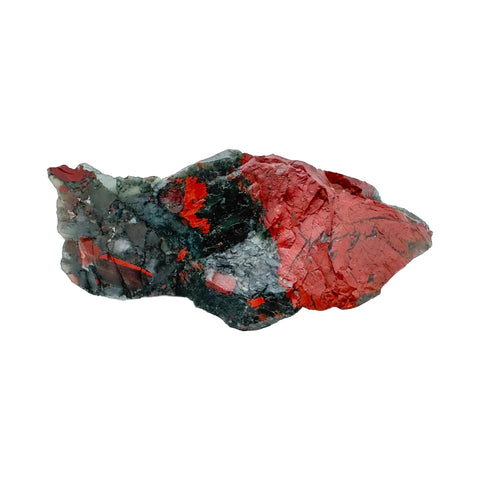
 Bloodstonefor energy
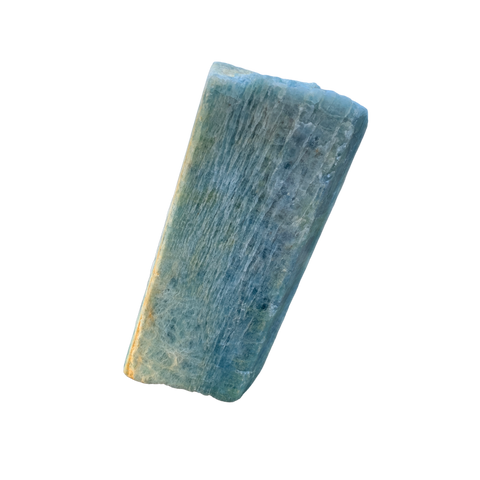
 Blue Kyanitefor confidence
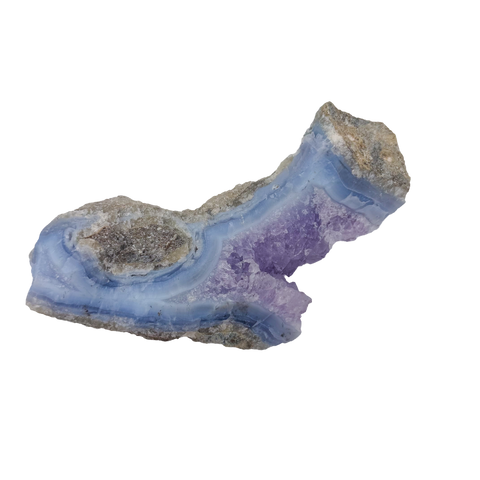
 Blue Lace Agatefor stress relief
 Chrysocollafor emotional healing
 Fluoritefor focus
 Garnetfor energy
 Lepidolitefor stress relief
 Malachitefor emotional healing
 Moonstonefor grounding
 Obsidianfor protection
 Ocean Jasperfor emotional healing
 Red Jasperfor grounding
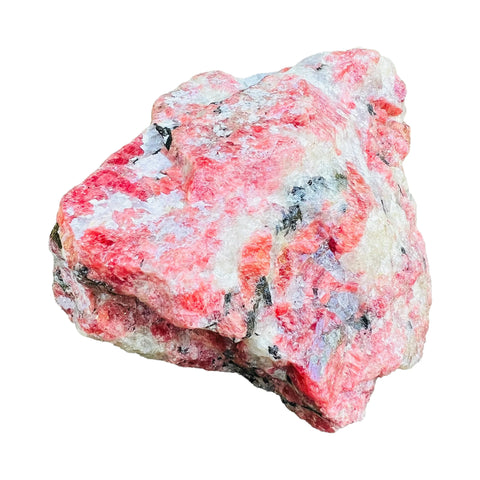
 Rhodonitefor emotional healing
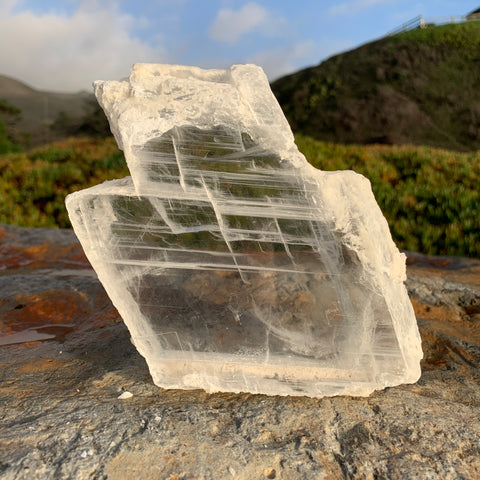
 Selenitefor cleansing
 Sodalitefor focus
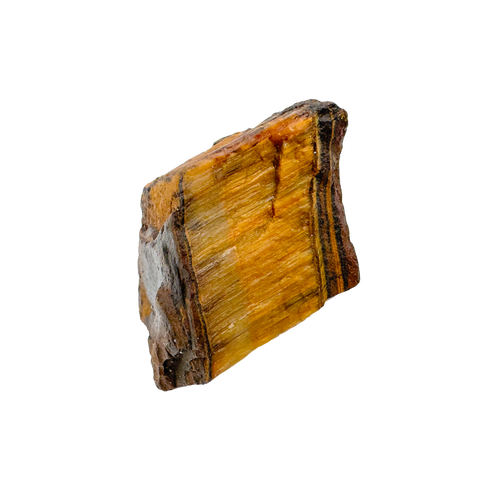
 Tiger Eyefor confidence
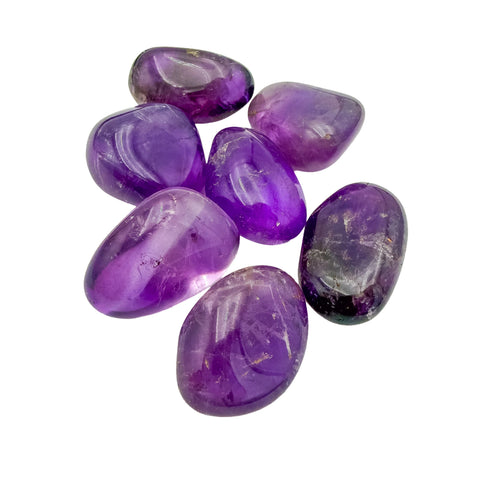


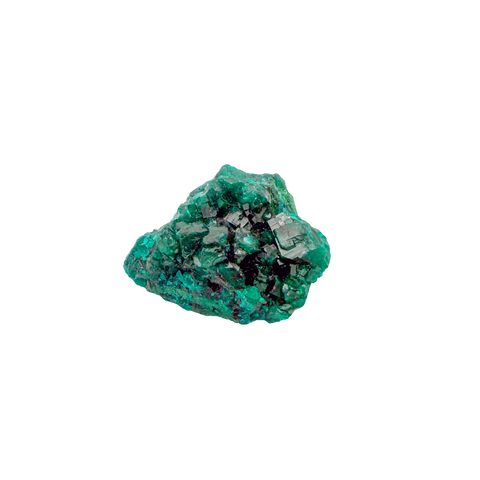
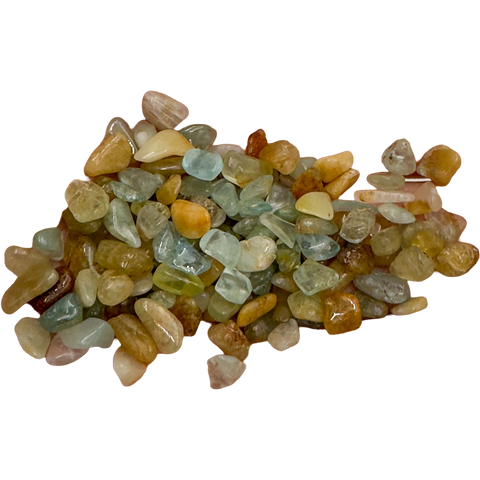
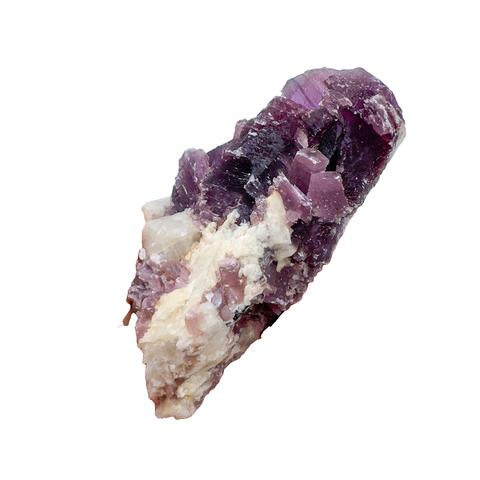
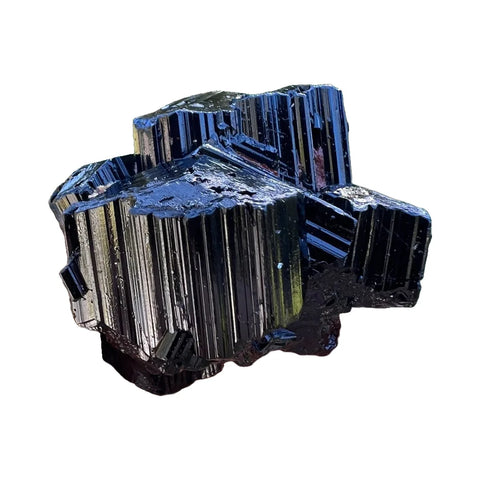
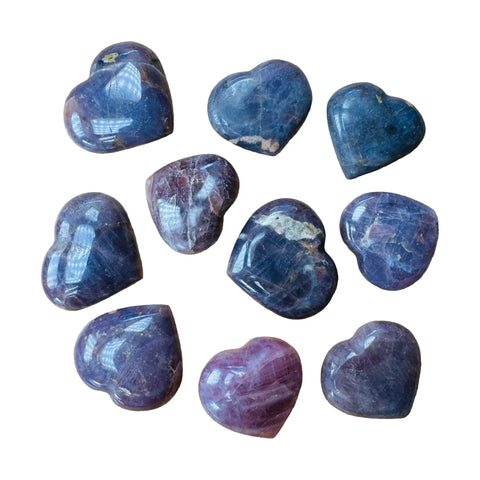
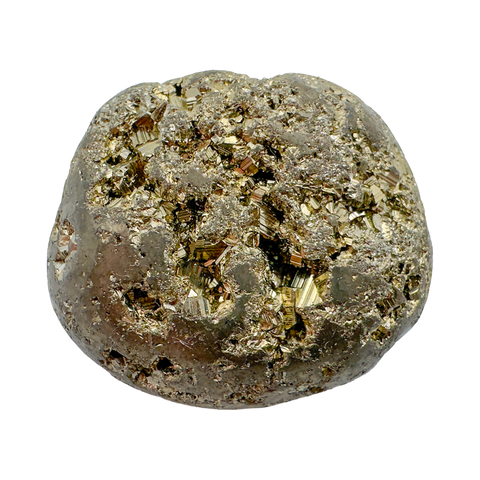


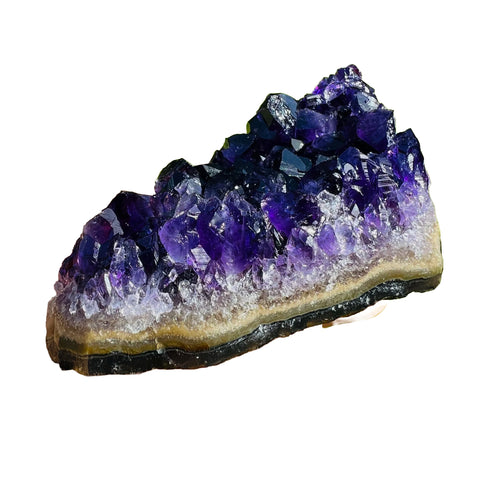





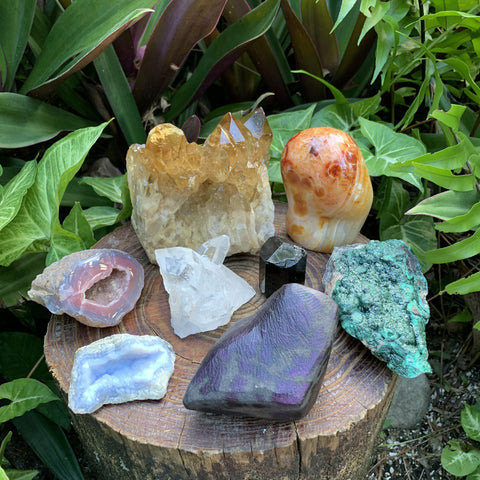
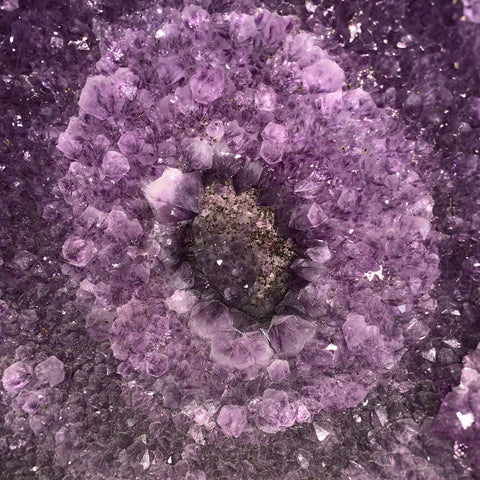
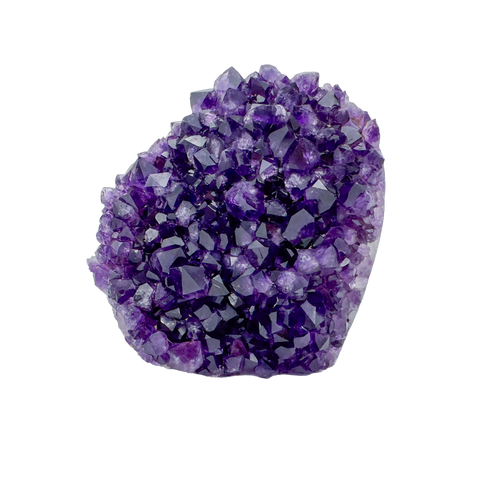
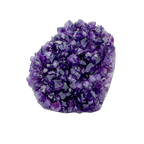 Amethyst
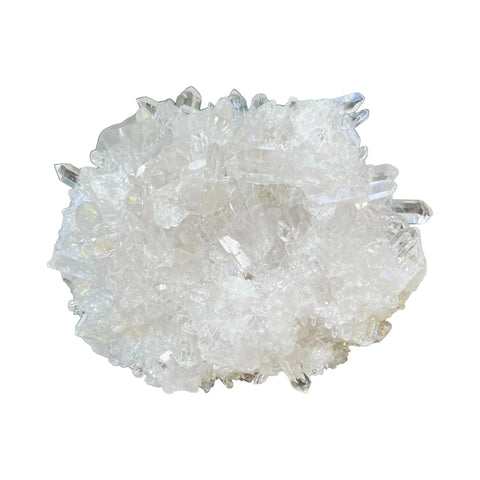
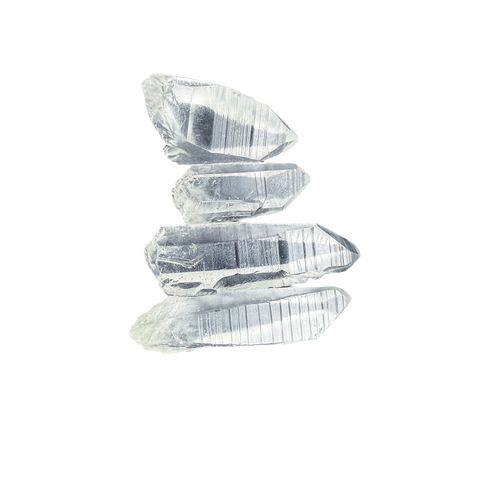
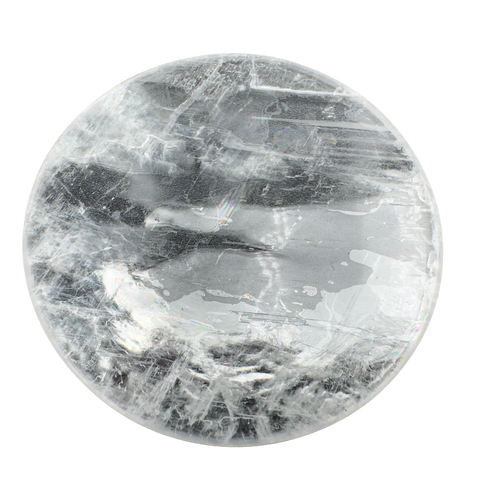
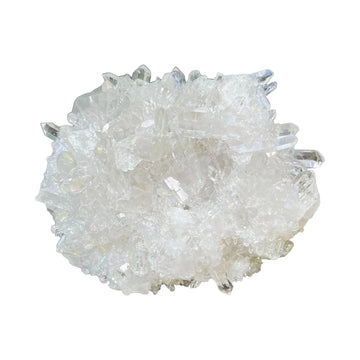
 Clear Quartz
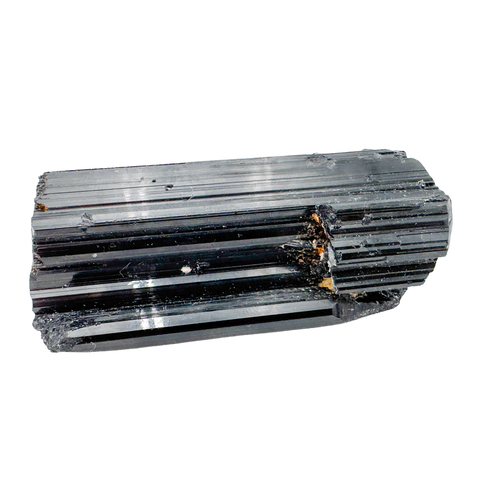
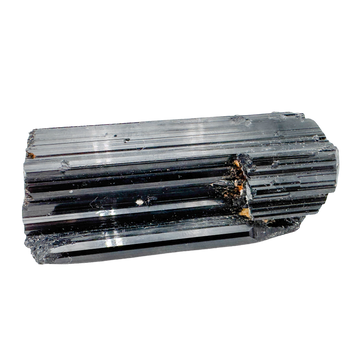
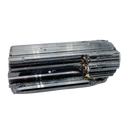 Black Tourmaline
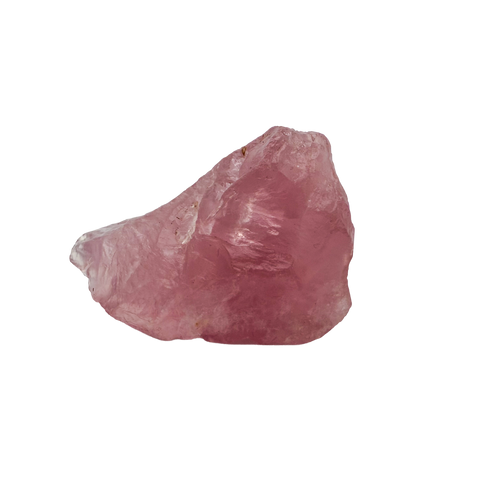
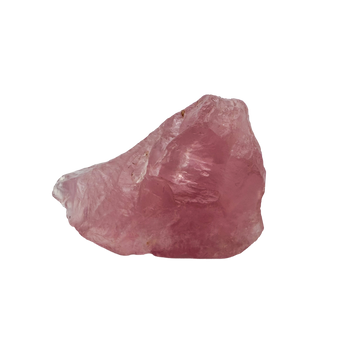
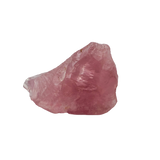 Rose Quartz
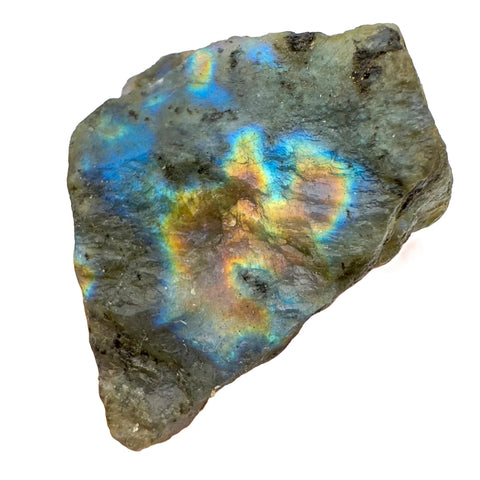
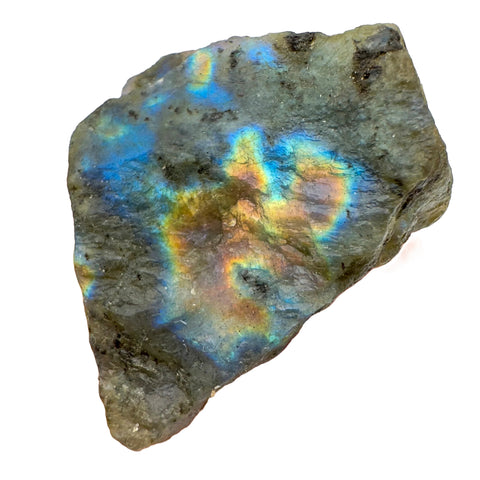
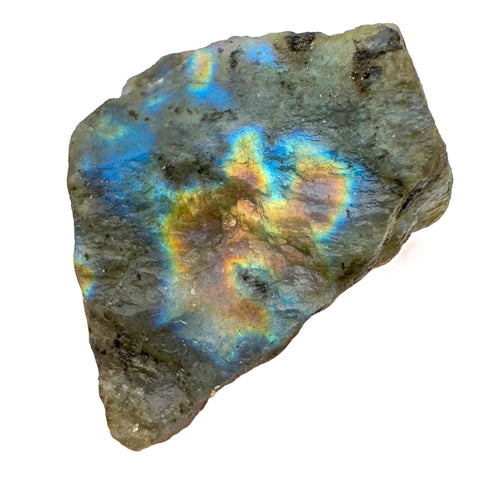
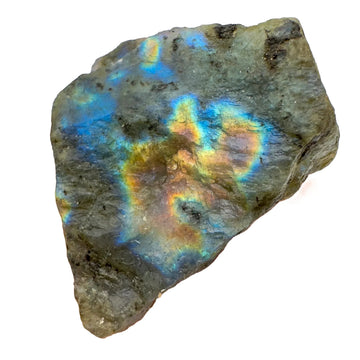
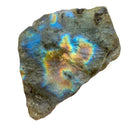 Labradorite
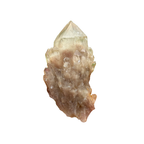 Natural Citrine
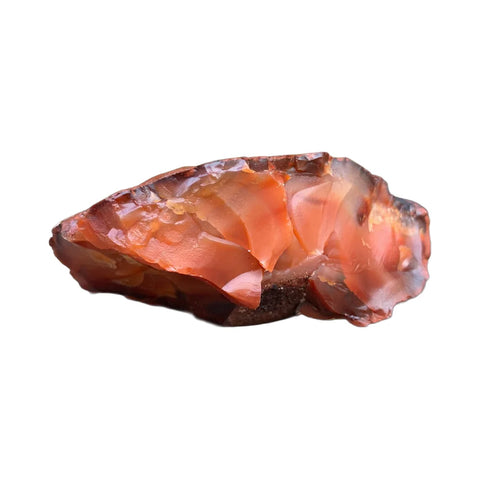
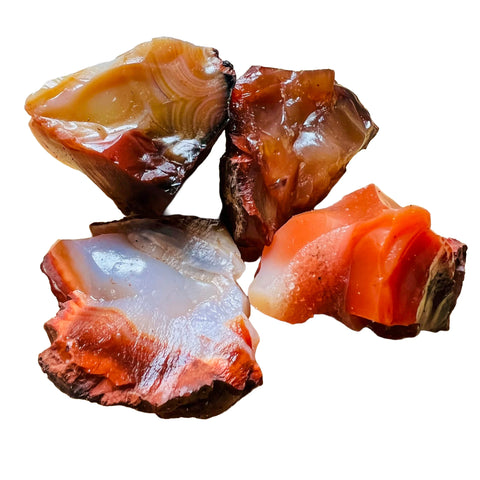
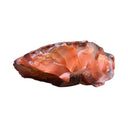 Carnelian
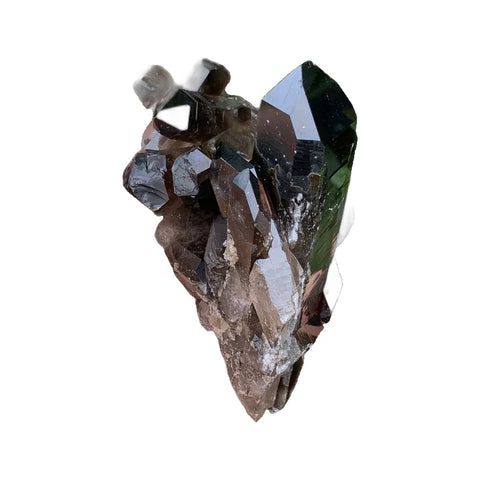
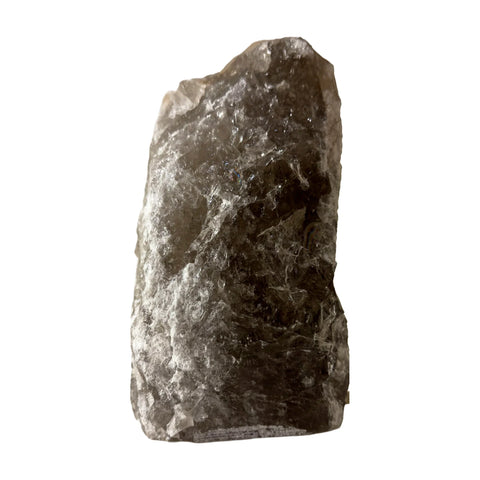
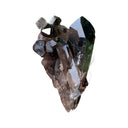 Smoky Quartz
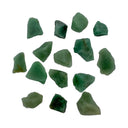 Aventurine
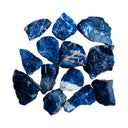 Sodalite
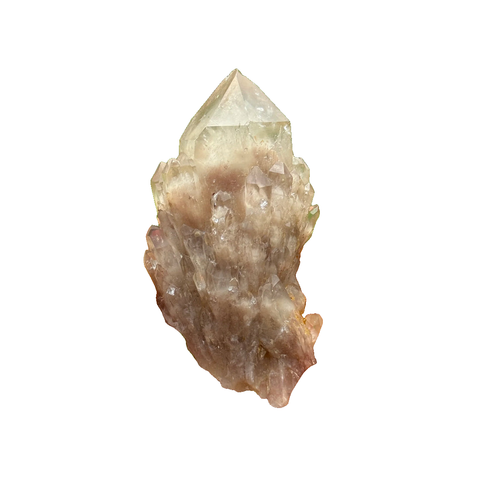
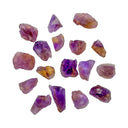 Ametrine
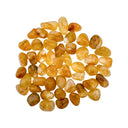 Golden Healer
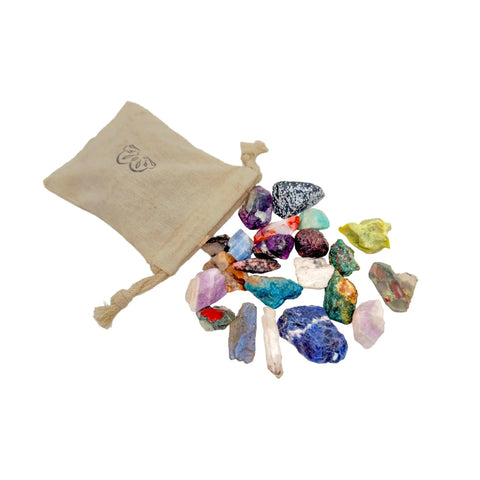
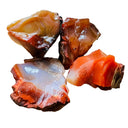 Raw Stones
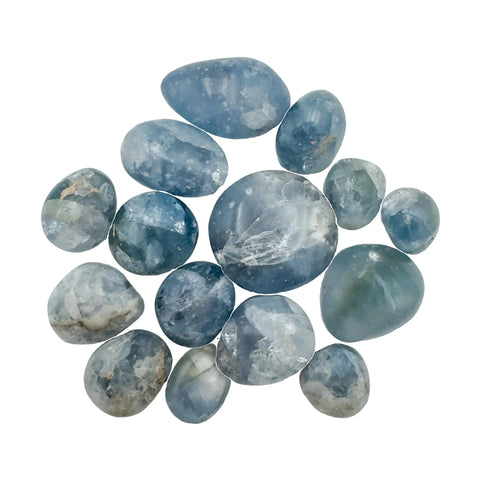
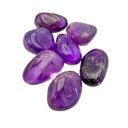 Tumbled Stones
 Palm Stones
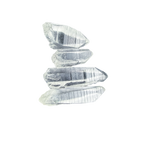 Crystal Points
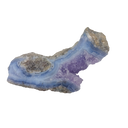 Clusters & Geodes
 Polished & Decor
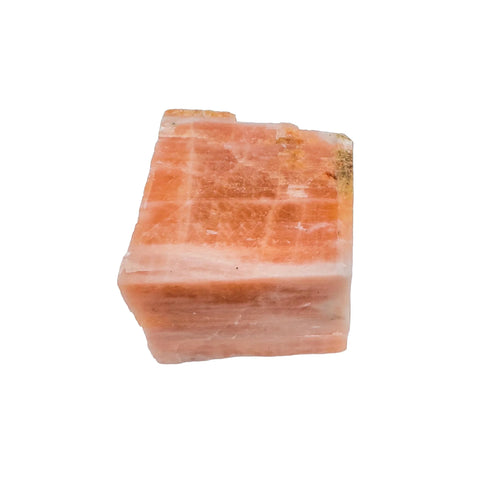
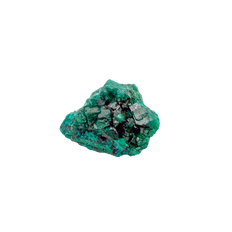 Mineral Specimens
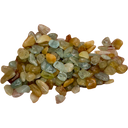 Crystal Chips
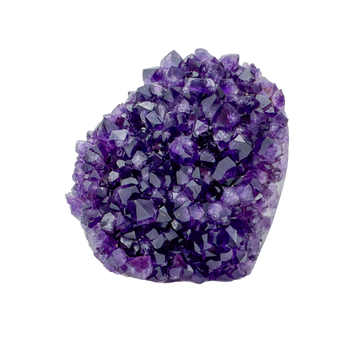
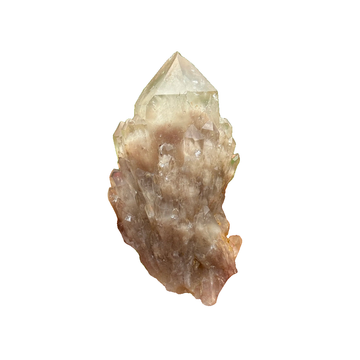
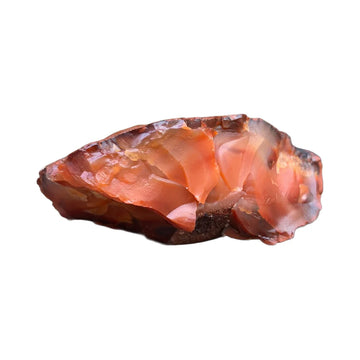
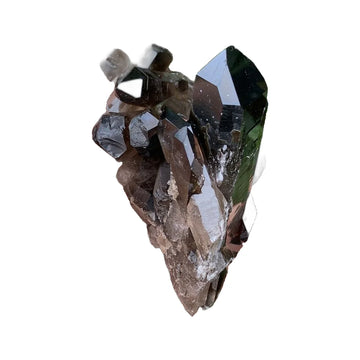
 Raw Stones
179 to choose from
Raw Stones
179 to choose from
 Tumbled Stones
162 to choose from
Tumbled Stones
162 to choose from
 Palm Stones
25 to choose from
Palm Stones
25 to choose from
 Crystal Points
23 to choose from
Crystal Points
23 to choose from
 Clusters & Geodes
101 to choose from
Clusters & Geodes
101 to choose from
 Polished & Decor
148 to choose from
Polished & Decor
148 to choose from
 Mineral Specimens
254 to choose from
Mineral Specimens
254 to choose from
 Crystal Chips
21 to choose from
Crystal Chips
21 to choose from


 AngolaAquamarine
›
AngolaAquamarine
›
 BotswanaCarnelian, Tree Agate
›
BotswanaCarnelian, Tree Agate
›
 DR CongoMalachite, Natural Citrine
›
DR CongoMalachite, Natural Citrine
›
 EswatiniBloodstone
›
EswatiniBloodstone
›
 MadagascarLabradorite, Clear Quartz
›
MadagascarLabradorite, Clear Quartz
›
 MalawiBlue Lace Agate, Garnet
›
MalawiBlue Lace Agate, Garnet
›
 MozambiqueAmazonite
›
MozambiqueAmazonite
›
 NamibiaSodalite, Blue Lace Agate
›
NamibiaSodalite, Blue Lace Agate
›
 Republic of the CongoDioptase
›
Republic of the CongoDioptase
›
 South AfricaTiger Eye, Unakite
›
South AfricaTiger Eye, Unakite
›
 ZambiaChevron Amethyst
›
ZambiaChevron Amethyst
›
 ZimbabweEmerald, Rhodonite
›
ZimbabweEmerald, Rhodonite
›
 ArgentinaBlack Obsidian, Rhodochrosite
›
ArgentinaBlack Obsidian, Rhodochrosite
›
 BoliviaAmetrine
›
BoliviaAmetrine
›
 BrazilAmethyst, Clear Quartz
›
BrazilAmethyst, Clear Quartz
›
 PeruSerpentine, Jade
›
PeruSerpentine, Jade
›
 UruguayAmethyst
›
UruguayAmethyst
›
 Dominican RepublicLarimar
›
Dominican RepublicLarimar
›
 MexicoRainbow Obsidian, Crazy Lace Agate
›
MexicoRainbow Obsidian, Crazy Lace Agate
›
 United StatesSelenite, Peridot
›
United StatesSelenite, Peridot
›
 ChinaFluorite
›
ChinaFluorite
›
 RussiaShungite
›
RussiaShungite
›
 AustraliaMookaite
›
AustraliaMookaite
›
 Where our crystals come from
See where we source →
Where our crystals come from
See where we source →


 Aries
Mar 21 to Apr 19
Carnelian
›
Aries
Mar 21 to Apr 19
Carnelian
›
 Taurus
Apr 20 to May 20
Rose Quartz
›
Taurus
Apr 20 to May 20
Rose Quartz
›
 Gemini
May 21 to Jun 20
Agate
›
Gemini
May 21 to Jun 20
Agate
›
 Cancer
Jun 21 to Jul 22
Moonstone
›
Cancer
Jun 21 to Jul 22
Moonstone
›
 Leo
Jul 23 to Aug 22
Citrine
›
Leo
Jul 23 to Aug 22
Citrine
›
 Virgo
Aug 23 to Sep 22
Amazonite
›
Virgo
Aug 23 to Sep 22
Amazonite
›
 Libra
Sep 23 to Oct 22
Blue Lace Agate
›
Libra
Sep 23 to Oct 22
Blue Lace Agate
›
 Scorpio
Oct 23 to Nov 21
Obsidian
›
Scorpio
Oct 23 to Nov 21
Obsidian
›
 Sagittarius
Nov 22 to Dec 21
Sodalite
›
Sagittarius
Nov 22 to Dec 21
Sodalite
›
 Capricorn
Dec 22 to Jan 19
Black Tourmaline
›
Capricorn
Dec 22 to Jan 19
Black Tourmaline
›
 Aquarius
Jan 20 to Feb 18
Amethyst
›
Aquarius
Jan 20 to Feb 18
Amethyst
›
 Pisces
Feb 19 to Mar 20
Aquamarine
›
Gifting?
A birthday stone is the safe bet.
Read the zodiac guide →
Pisces
Feb 19 to Mar 20
Aquamarine
›
Gifting?
A birthday stone is the safe bet.
Read the zodiac guide →


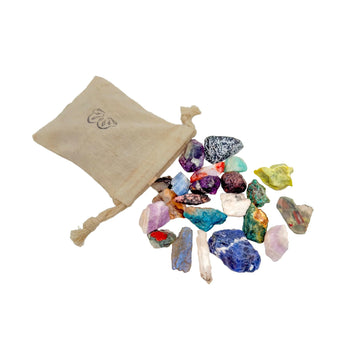
Orca Agate
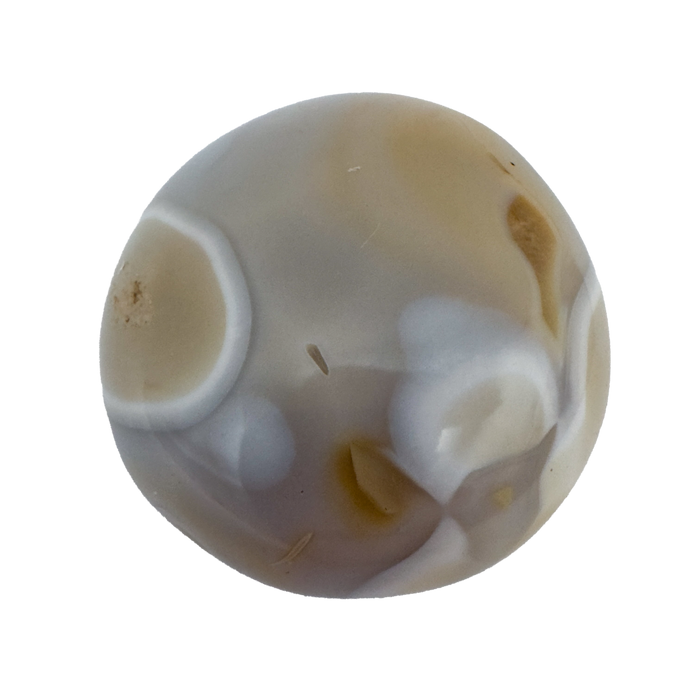
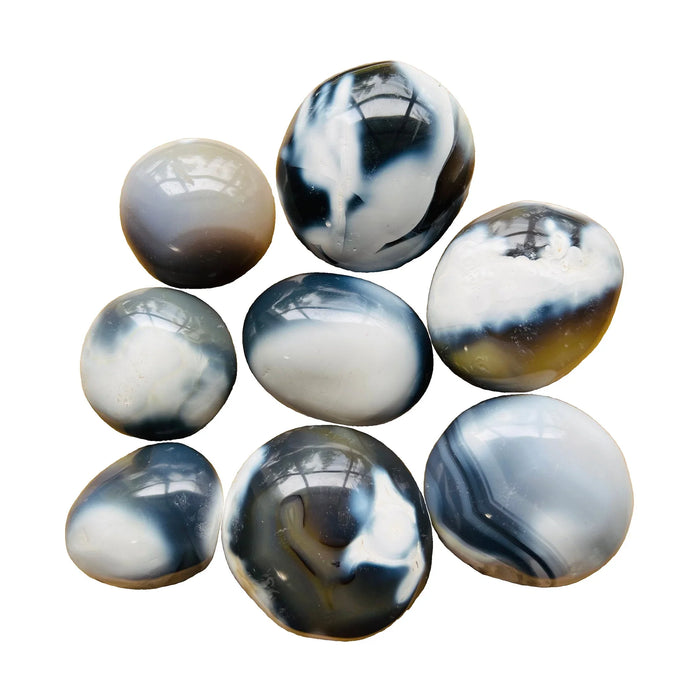
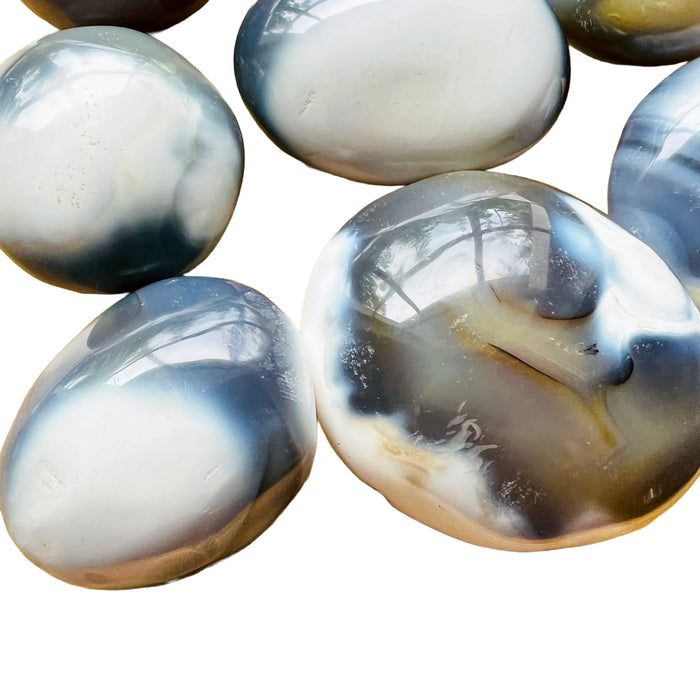
Orca Agate is a recently-named chalcedony variety from Madagascar with dramatic black-and-white banded patterns that resemble the markings of an orca whale. The banding comes from alternating layers of iron-rich and iron-poor silica during formation. Traditionally associated with emotional depth, calm observation, and the quiet strength of someone watching before they act.
Shop orca agateOrca Agate, in stock now.
From Sofia, Madagascar, ready to ship.
- from 1,000+ reviews
- Ships within 72 hoursMonday to Friday, tracked
- 90 days to return itif you do not love it
- Free US shipping over $99$8.99 flat rate under
The geology.
Orca Agate is a variety of chalcedony, microcrystalline quartz (SiO₂) with grains too fine to resolve without magnification. The distinctive black-and-white banding comes from alternating layers of iron-rich and iron-poor silica that formed during slow crystallization in volcanic host rock cavities. Unlike dendritic or moss agates, Orca Agate's banding is parallel and sedimentary-looking, with dramatic contrast between dark manganese-iron bands and pale silica bands.
Hardness runs 6.5 to 7 on the Mohs scale, durable enough for daily-wear jewelry. No cleavage, conchoidal fracture, vitreous-to-waxy luster. The material is a relatively recent entrant to the commercial market, named for its resemblance to orca whale markings. Each piece is unique because the banding pattern is genuinely variable, with some specimens showing clean parallel stripes and others showing more chaotic flow patterns.
The origins.
Orca Agate is essentially Madagascan in commercial terms. The primary source is the Madagascan agate deposits, with specific material coming from regions that produce the distinctive black-and-white banding. The stone entered the global crystal market in the 2010s and remains relatively new to most collectors. Minor similar material appears in other agate localities, but Orca Agate as a named variety is Madagascan.
The trade name itself is modern, built on the visual resemblance to orca whale coloration. Different batches from the Madagascan source show subtle variation in band thickness, sharpness, and contrast. Specimen-grade pieces with particularly dramatic parallel banding command higher prices than tumbled material.
Traditional associations.
Orca Agate has no deep traditional history because it's a recently-named variety that entered the global market in the last decade. The name and metaphysical associations are modern, built on the visual resemblance to orca whales and the cetacean qualities the marine mammal evokes in contemporary culture: deep water, calm observation, family bonds, and watchful patience.
Many people work with Orca Agate for emotional depth, quiet observation before action, and the contained strength of someone who watches before they speak. It's most commonly associated with the Heart and Crown chakras, the element of Water, and the zodiac sign Pisces. Contemporary practice often pairs it with other cetacean-associated stones or with Moonstone for water-element work.
Spotting the real thing.
Real Orca Agate shows natural black-and-white banding with organic variation across a single piece. The bands have subtle texture and irregularity; perfectly uniform parallel lines suggest dye or imitation. Under magnification, the microcrystalline structure of chalcedony is visible. Hardness 6.5 to 7 will scratch glass easily.
The pattern is distinctive enough that fakes are uncommon. Occasional painted or surface-treated stones exist at the very bottom of the market; the paint or coating can be scratched off, and the pattern fails to extend into the stone on any broken edge. Reputable sellers confirm Madagascan origin.
Care & handling.
Water safe for normal cleaning with warm water and a soft cloth. Handles saltwater rinses and brief ultrasonic cleaning. Stable under sunlight.
Cleanse energetically with moonlight, sound, smoke, salt water, or by placing on selenite overnight. At 6.5 to 7 on the Mohs scale, handles daily wear well in jewelry. Store separately from harder stones to preserve polish.
Pairs well with.
Proof, not promises.
We measure our own sourcing across five dimensions. Supply chain, environmental footprint, artisan support, market integrity, and pricing. The number is honest, not perfect. Where we can do better, we say so.
A deeper look.
Extended geology, sourcing, authentication, history, varieties, and pricing, for when the quick guide isn't quite enough.
Extended geology
Orca Agate is a chalcedony variety, microcrystalline quartz (SiO₂) with characteristic banded patterns formed by alternating iron-rich and iron-poor silica layers during slow crystallization. The Madagascan geological setting (volcanic host rock with iron-bearing groundwater) produces the distinctive high-contrast black-and-white banding that gives the stone its trade name.
Specific gravity 2.58 to 2.64. Mohs hardness 6.5 to 7. Luster vitreous to waxy. No cleavage; conchoidal fracture. Formation involved long-period crystallization in cavities, with successive pulses of mineral-rich fluid depositing alternating iron-rich (dark) and iron-poor (pale) layers.
Extended sourcing
Madagascar's agate deposits produce Orca Agate as a relatively recent commercial variety. The material has been in global circulation since the 2010s, following the broader commercial expansion of Malagasy mineral exports. Specific mining areas within Madagascar produce different pattern characteristics, with some yielding sharp parallel banding and others producing more chaotic flow patterns.
The stone is essentially single-source in commercial terms; similar banded agate from other localities is not typically sold under the Orca Agate trade name. This geographic specificity means provenance is straightforward: Madagascan material is the genuine article.
Authentication and warning signs
Real Orca Agate shows natural banding with organic variation in band thickness and pattern. Under magnification, the microcrystalline chalcedony texture is visible, and the bands extend into the stone in three dimensions. Hardness 6.5 to 7 scratches glass.
Painted or surface-treated imitations show flat two-dimensional patterns that don't extend into the stone on broken edges. Dye pooling in fractures would suggest color enhancement. Most genuine Orca Agate is honestly labeled; the main concern is generic banded agate from other sources being sold under the specific Orca Agate name.
Historical and cultural context
Orca Agate has no pre-modern tradition because it was only named as a distinct variety in the twenty-first century. The name and associations are contemporary, built on the visual resemblance to orca whale markings and the symbolic qualities modern culture attaches to the marine mammal: deep water, calm observation, family bonds.
The stone represents a trend in the modern crystal market toward naming varieties after visual resemblances to animals or natural patterns (Ocean Jasper, Dragon Stone, Tiger's Eye, Snakeskin Agate, etc.). Contemporary metaphysical practice assigns working associations to these stones based on the qualities of what they resemble rather than through documented historical tradition.
Varieties and trade names
Orca Agate: the Madagascan black-and-white banded variety.
Banded Agate: broader category that includes Orca Agate and many other banded varieties.
Zebra Agate: sometimes used as alternate name for sharply banded Madagascan chalcedony.
Pricing reality
Tumbled Orca Agate: 2 to 8 dollars per piece. Small polished pieces and palm stones: 10 to 40 dollars. Larger polished slabs and freeforms: 25 to 120 dollars depending on pattern quality and size. Specimen-grade pieces with exceptional banding: 50 to 250 dollars.
Value drivers: pattern clarity and contrast, size, clean polish, and documented Madagascan origin. Warning signs: generic banded agate sold as Orca Agate without specific source detail, painted imitations, or pieces without origin information at premium pricing.
Good sourcing is a practice, not a claim.
Nothing we sell is painted or dyed material sold as natural Orca Agate. We source from Madagascar with documented origin and walk away from material that doesn't meet our standard, even when it costs us sales.
Bring orca-agate home.
Every piece we carry is photographed individually and listed with its own origin and treatment notes. What you see is what ships.
Shop the orca-agate collectionGrounded Connections
New stones go to the list first.
No forwarding, no selling. Unsubscribe in one click. Privacy