


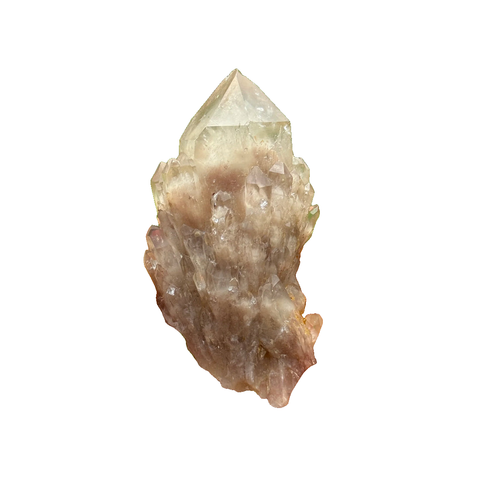
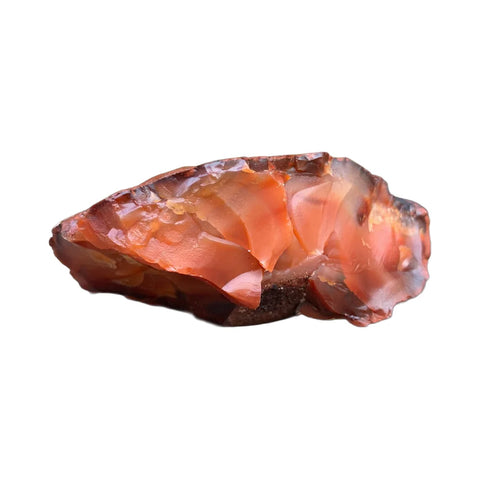
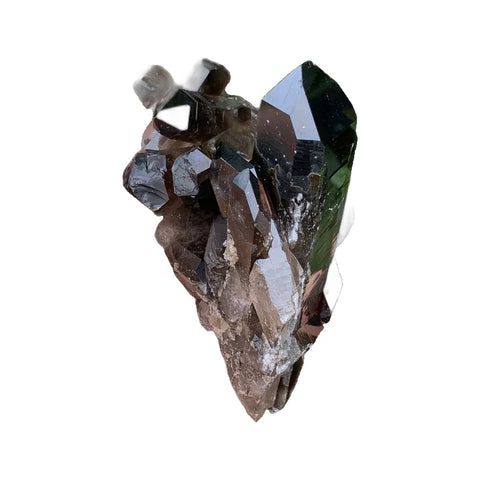
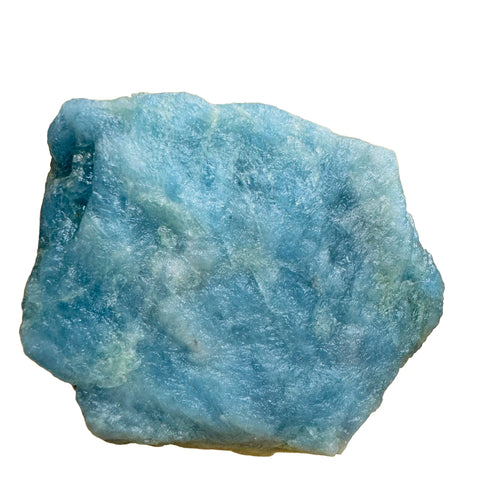
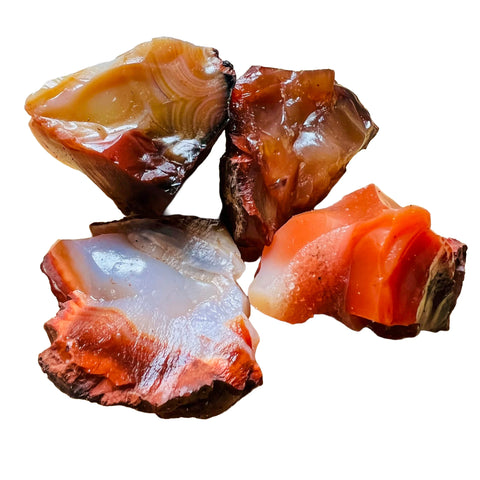


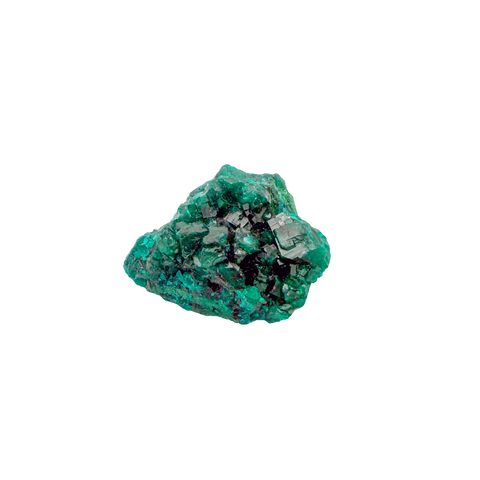
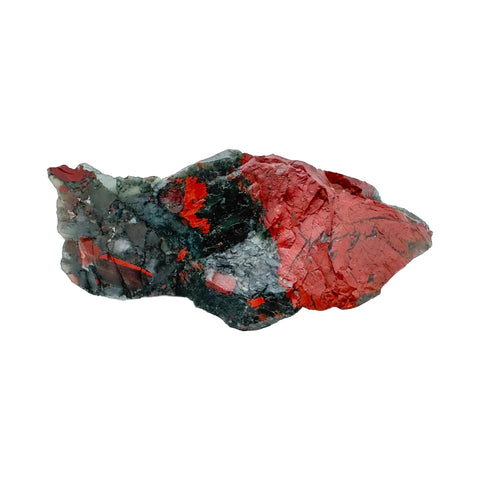
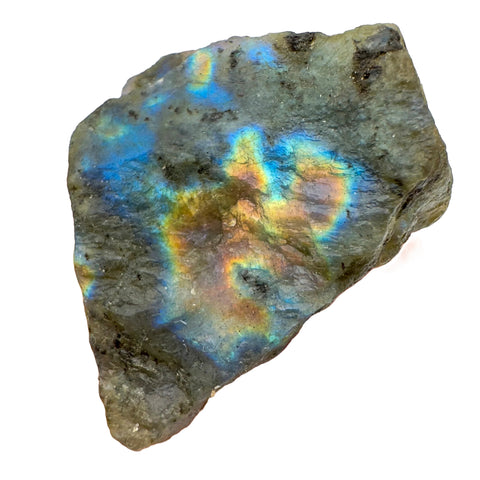
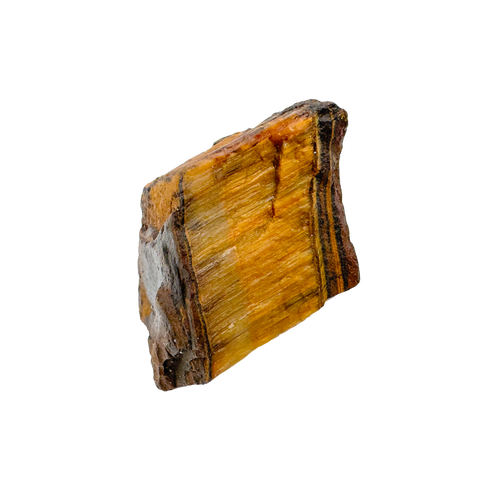
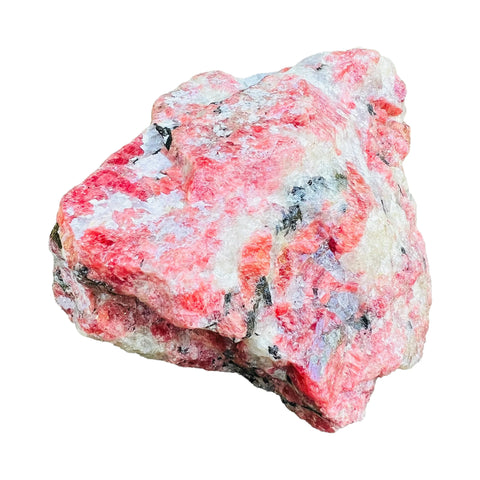
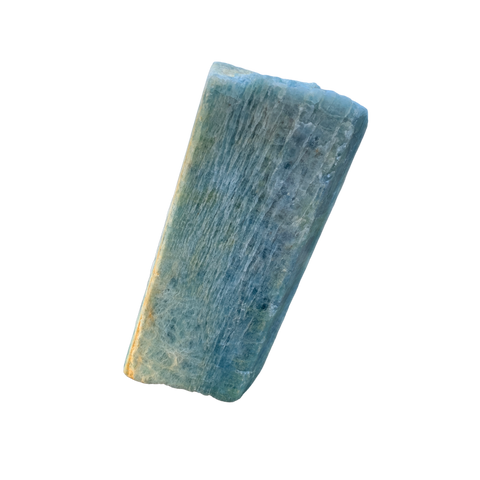
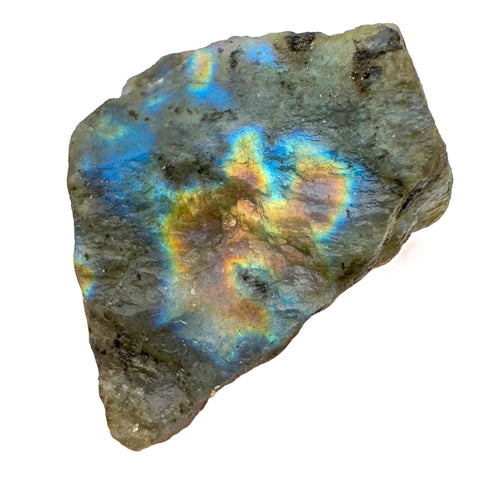



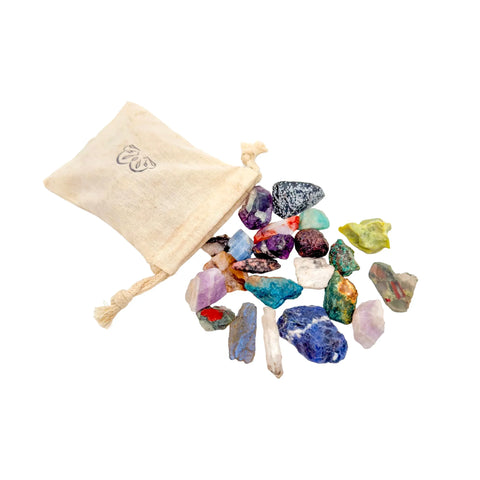

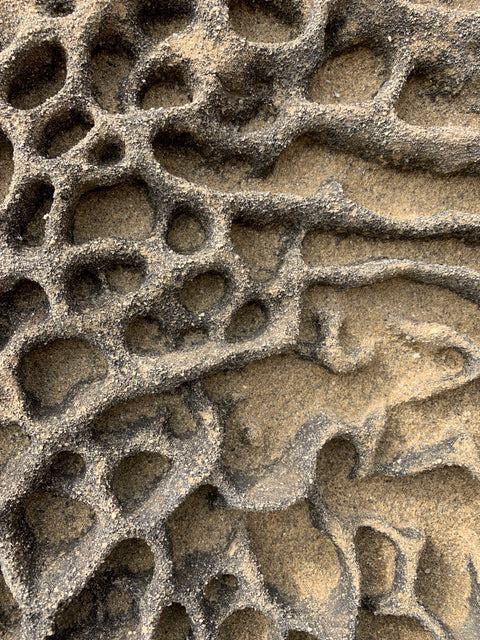







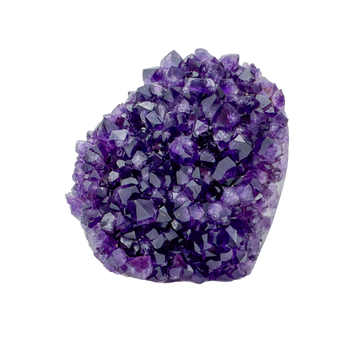
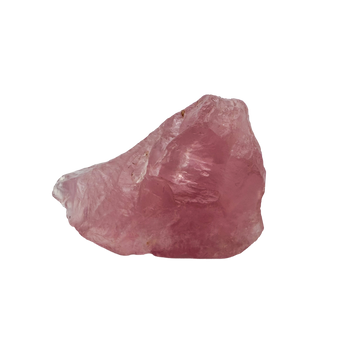
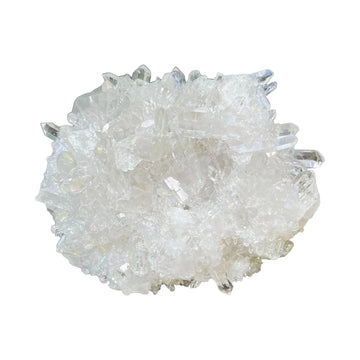
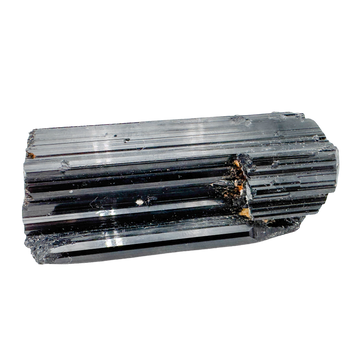
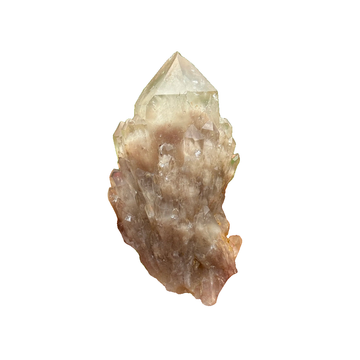
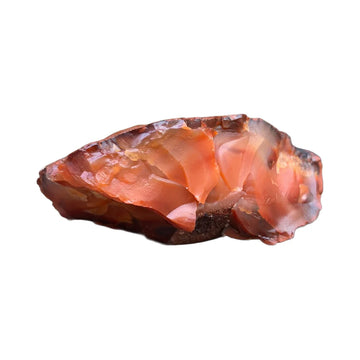
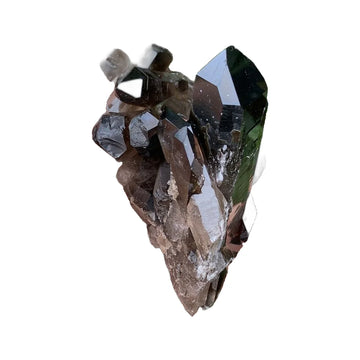
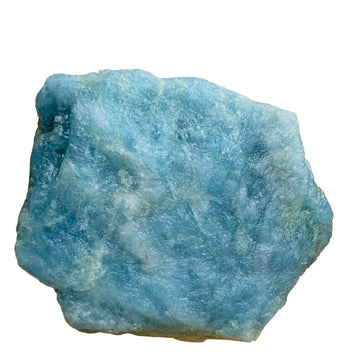
 Raw Stones
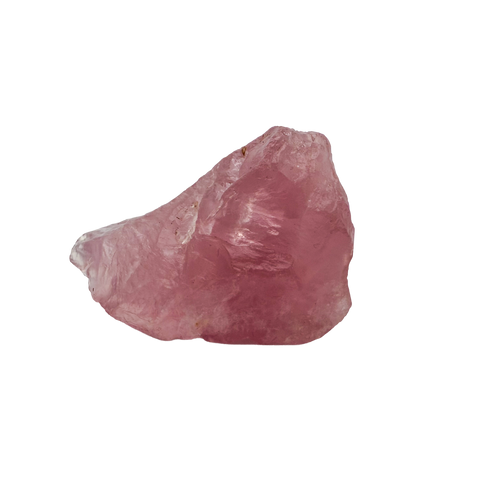
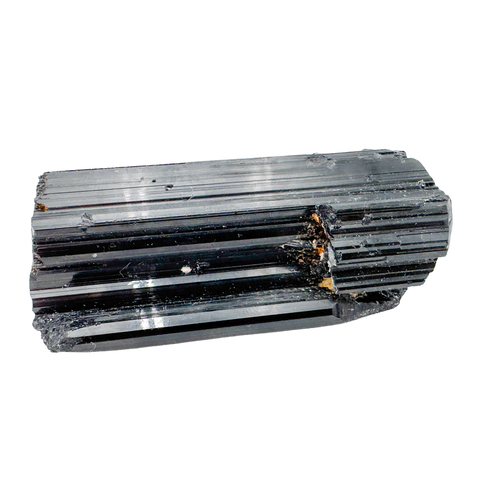
179 pieces
Raw Stones
179 pieces
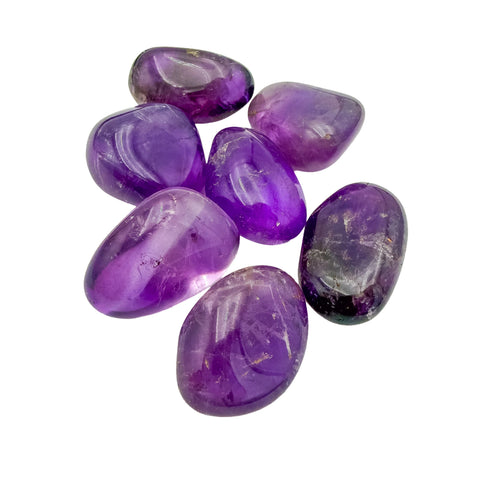
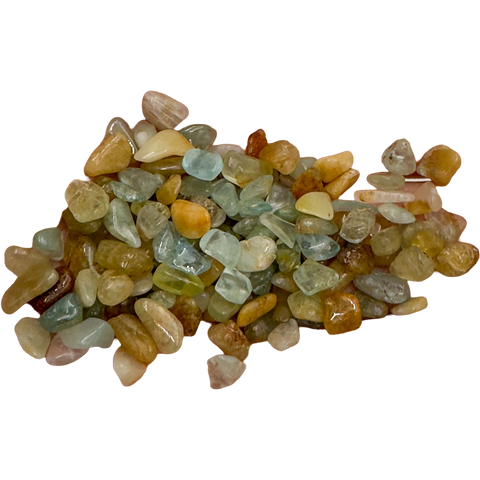
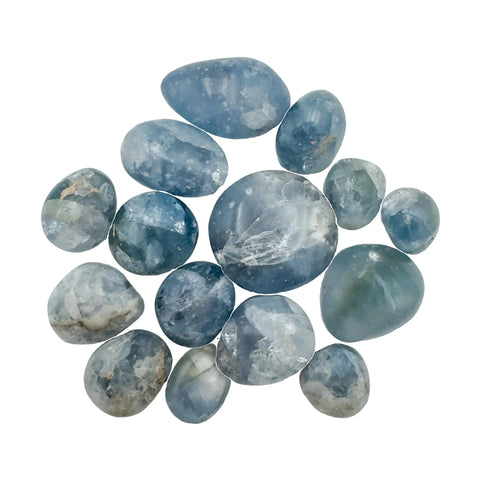
 Tumbled Stones
162 pieces
Tumbled Stones
162 pieces
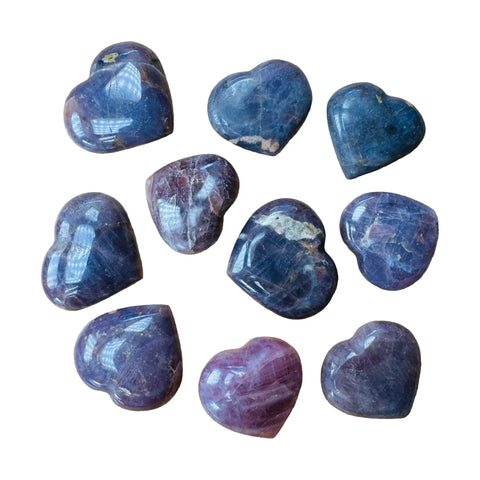
 Palm Stones
25 pieces
Palm Stones
25 pieces
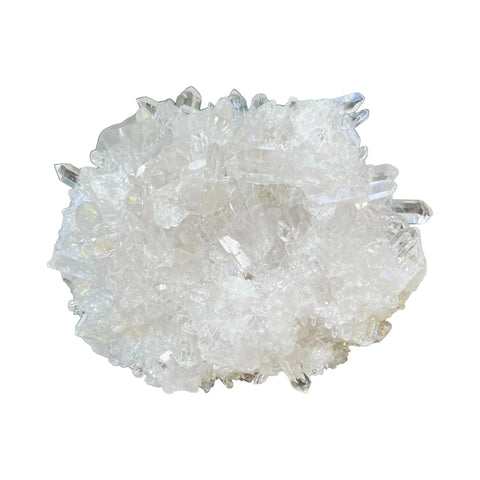
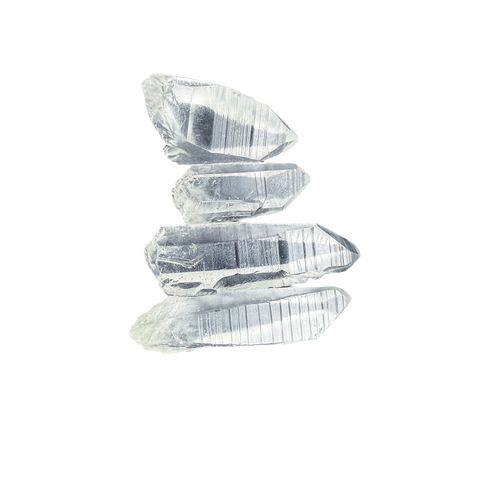
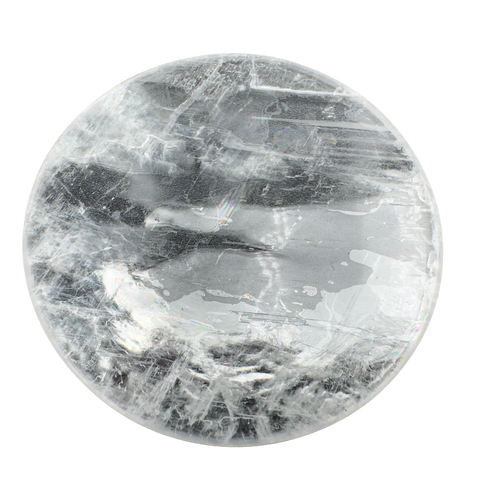
 Crystal Points
23 pieces
Crystal Points
23 pieces
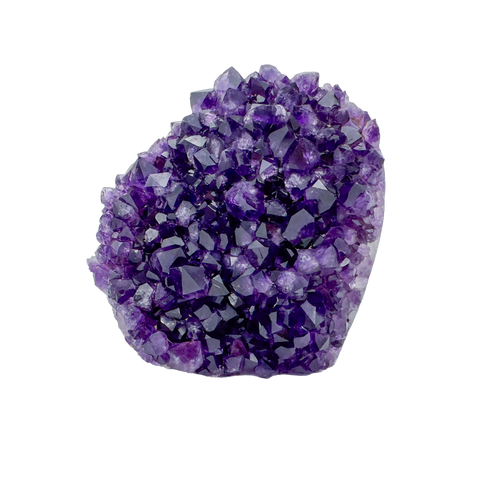
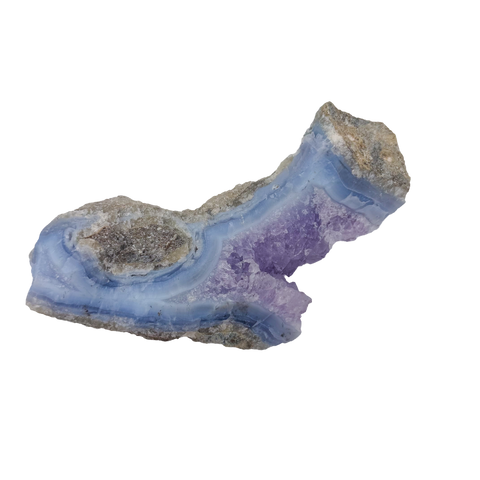
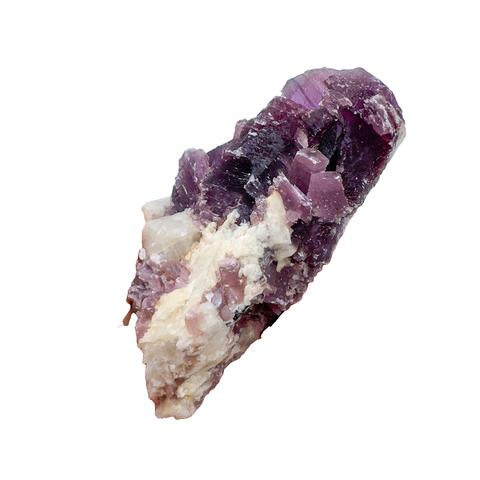
 Clusters & Geodes
104 pieces
Clusters & Geodes
104 pieces
 Polished & Decor
148 pieces
Polished & Decor
148 pieces
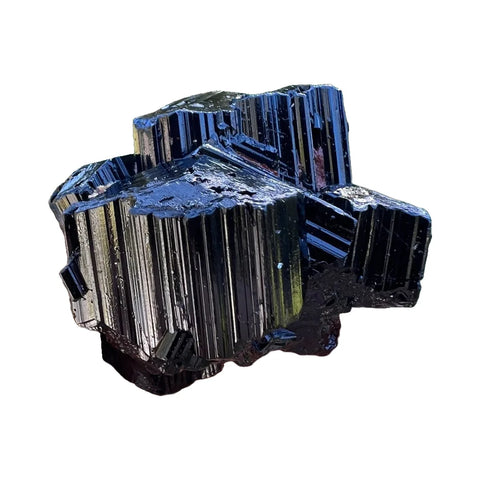
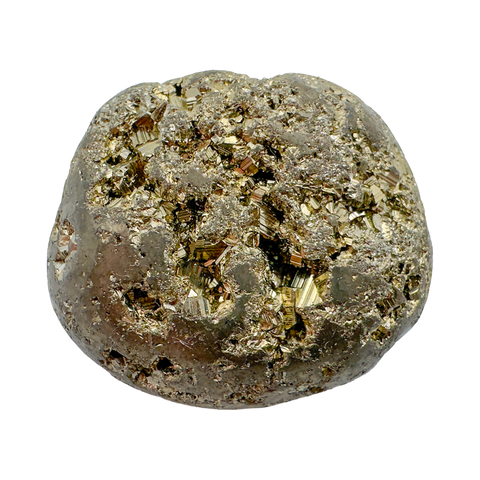
 Mineral Specimens
259 collector pieces
Mineral Specimens
259 collector pieces
 Crystal Chips
21 pieces
Browse everything
Every collection, one page.
View All Collections →
Crystal Chips
21 pieces
Browse everything
Every collection, one page.
View All Collections →


 Aries
Mar 21 – Apr 19
Carnelian
›
Aries
Mar 21 – Apr 19
Carnelian
›
 Taurus
Apr 20 – May 20
Rose Quartz
›
Taurus
Apr 20 – May 20
Rose Quartz
›
 Gemini
May 21 – Jun 20
Agate
›
Gemini
May 21 – Jun 20
Agate
›
 Cancer
Jun 21 – Jul 22
Moonstone
›
Cancer
Jun 21 – Jul 22
Moonstone
›
 Leo
Jul 23 – Aug 22
Citrine
›
Leo
Jul 23 – Aug 22
Citrine
›
 Virgo
Aug 23 – Sep 22
Amazonite
›
Virgo
Aug 23 – Sep 22
Amazonite
›
 Libra
Sep 23 – Oct 22
Blue Lace Agate
›
Libra
Sep 23 – Oct 22
Blue Lace Agate
›
 Scorpio
Oct 23 – Nov 21
Obsidian
›
Scorpio
Oct 23 – Nov 21
Obsidian
›
 Sagittarius
Nov 22 – Dec 21
Sodalite
›
Sagittarius
Nov 22 – Dec 21
Sodalite
›
 Capricorn
Dec 22 – Jan 19
Black Tourmaline
›
Capricorn
Dec 22 – Jan 19
Black Tourmaline
›
 Aquarius
Jan 20 – Feb 18
Amethyst
›
Aquarius
Jan 20 – Feb 18
Amethyst
›
 Pisces
Feb 19 – Mar 20
Aquamarine
›
Gifting?
A birthday stone is the safe bet.
Read the zodiac guide →
Pisces
Feb 19 – Mar 20
Aquamarine
›
Gifting?
A birthday stone is the safe bet.
Read the zodiac guide →


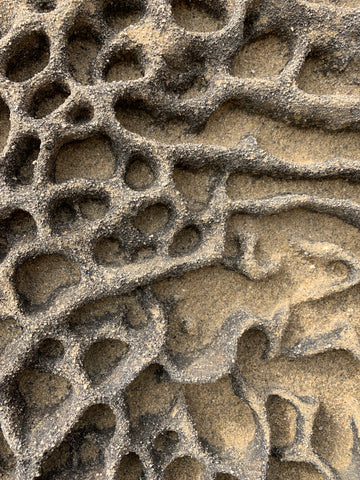







Red Tiger Eye
Red tiger eye is the warm, brick-red member of the tiger's eye family. Here is the honest part. Most red tiger eye on the market is ordinary golden tiger's eye that has been gently heated, which shifts its iron content from brown to red. It is a stable, widely accepted enhancement, and it deserves a clear mention rather than a quiet one.
The geology.
Like all tiger's eye, red tiger eye is fibrous quartz, SiO2, that formed with the remains of crocidolite fibers, giving it both hardness and the moving band of light called chatoyancy. Its color comes from iron oxides distributed through the stone. In golden tiger's eye those oxides are brown and yellow, and in red tiger eye they have shifted toward red hematite.
That shift can happen in two ways. A small amount of red tiger eye occurs naturally, where the iron oxidized to red in the ground. Far more of it is created by gentle heating, which drives the same chemical change that turns brown iron oxides red, much like the way heat reddens other iron-bearing stones. The hardness stays at 7 and the chatoyant sheen remains, only the color changes.
The origins.
The raw material comes mainly from South Africa, from the same Northern Cape tiger's eye deposits that supply the golden and blue varieties. The reddening, when it is done by people, is typically carried out after mining, so the country of origin describes where the tiger's eye formed, not where it gained its red color.
Red tiger eye reaches buyers as tumbled stones, beads, cabochons, and spheres, cut to bring out the chatoyant band. Because the treatment is inexpensive and stable, red tiger eye is affordable and widely available, sitting alongside golden and blue tiger's eye in most collections.
Traditional associations.
Red tiger eye carries the grounded, watchful reputation of the whole tiger's eye family, warmed by the fire of its red color. Many people work with it for motivation, drive, and a steadying kind of energy, reaching for it when they want to move from hesitation to action.
It is most often linked to the Root and Sacral chakras, the element of Fire, and the sign Leo. A common practice is to carry a piece during a push toward a goal or a workout. As always, these are traditional associations rather than guaranteed effects.
Spotting the real thing.
Genuine red tiger eye, whether natural or heat-treated, shows the fibrous structure and moving chatoyant band of the tiger's eye family, in a red to reddish-brown body. The heat treatment does not change those tells, so the real question is not whether it is tiger's eye, but whether the color is natural or enhanced.
Watch for dyed stones and cheap glass sold as red tiger eye, which lack the fine fibrous sheen and often show flat, painted-looking color. A natural, even chatoyant band in a warm red points to genuine tiger's eye. Since most red material is heat-treated, an honest seller will say so, and will charge more for the scarcer naturally red pieces.
Care & handling.
At 7 on the Mohs scale, red tiger eye is durable and fine for everyday jewelry, including rings, and it is safe for a quick rinse in warm water with a soft cloth. The heat treatment is stable, so normal wear and cleaning will not undo the color.
Avoid ultrasonic cleaners, strong acids, and sudden extreme heat, and store the stone away from harder gems to protect its polish. As with all tiger's eye, finished polished pieces are safe to handle, but raw crocidolite-bearing material should not be cut or ground without proper dust precautions. Reset it energetically with sound, smoke, or moonlight.
Pairs well with.
A deeper look.
Extended geology, sourcing, authentication, history, and varieties, for when the quick guide isn't quite enough.
Extended geology
Red tiger eye shares the structure of all tiger's eye, an intergrowth of quartz and crocidolite fibers that yields a hard, chatoyant stone. The color of the tiger's eye family is controlled by iron.
Extended sourcing
The tiger's eye that becomes red material comes chiefly from the banded ironstone deposits of the Northern Cape in South Africa, with additional supply from Western Australia. The heating that produces the red color is a post-mining step, often carried out simply and at modest temperatures.
Authentication and warning signs
The honest issues here are disclosure and imitation. Almost all red tiger eye is heat-treated, an accepted enhancement, so the fair expectation is that a red piece has been heated unless a seller specifically documents natural color.
History and folklore
Tiger's eye has been prized since antiquity as a protective, all-seeing stone, and the red variety is a later addition tied to the lapidary discovery that heat could shift its color.
Varieties and trade names
Heat-treated red tiger eye: the common brick-red material, golden tiger's eye reddened by gentle heating.
Natural red tiger eye: scarcer stone that reddened in the ground, usually priced higher.
Golden tiger's eye and blue hawk's eye: the untreated relatives from the same deposits.
What it costs in the market
Red tiger eye is inexpensive because its raw material is common and the reddening treatment is cheap and stable. Tumbled pieces and beads cost very little, while cabochons and spheres with a strong, even chatoyant band cost a bit more, rising with size and the quality of the sheen.
An education-first guide.
We don't currently carry red tiger eye, so there's nothing to sell you here. This guide exists because the more you understand a stone, the better every decision you make about it becomes, wherever you buy it. Explore the rest of our crystal guides for stones we do source, each with full origin and treatment notes.
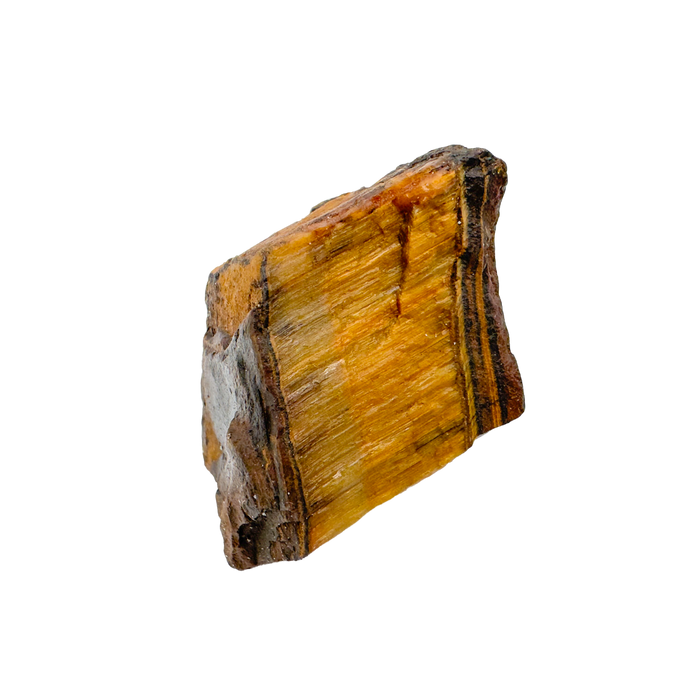
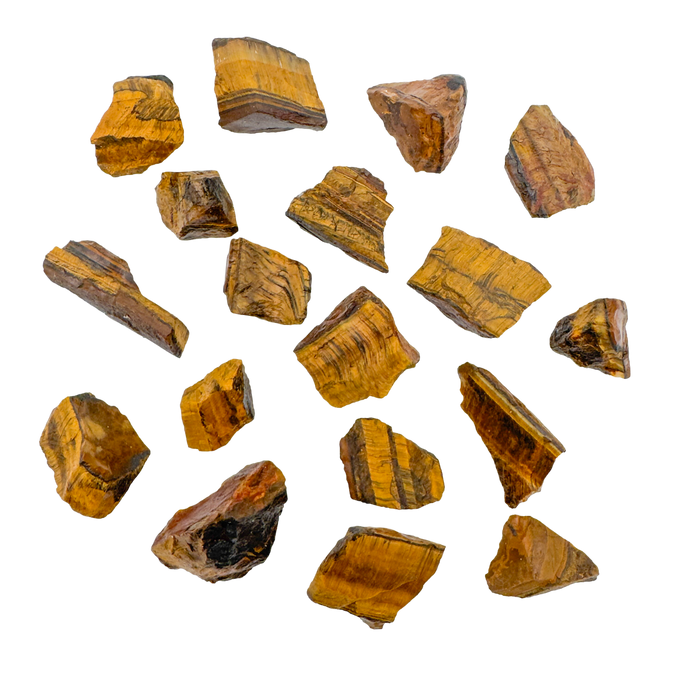
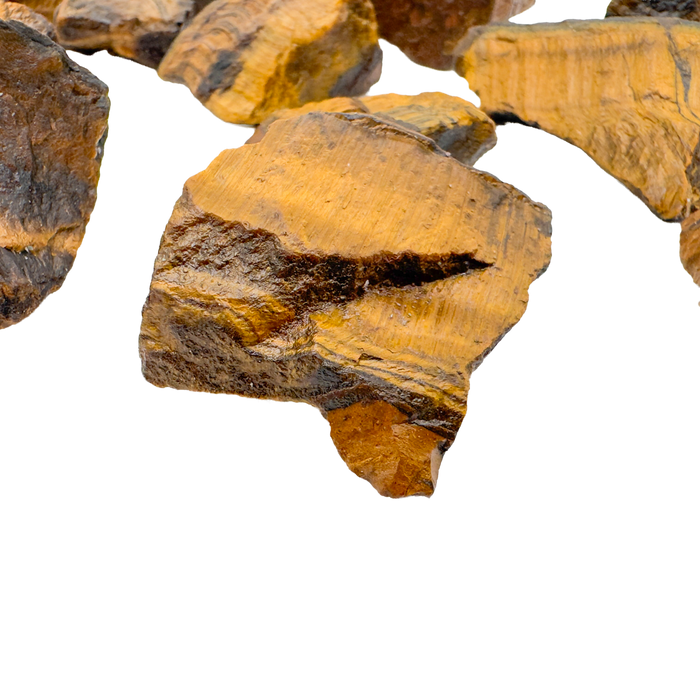
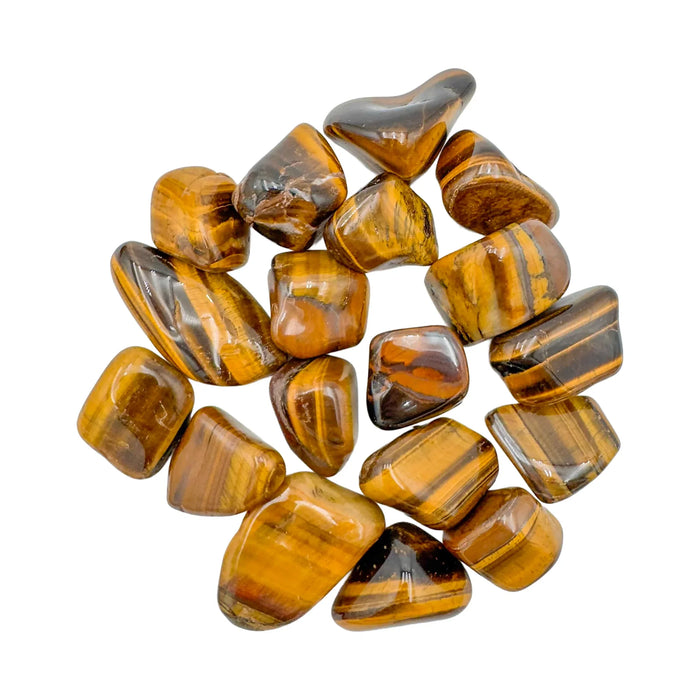
Explore the Crystal GuideThe closest match we carry: Tiger Eye.
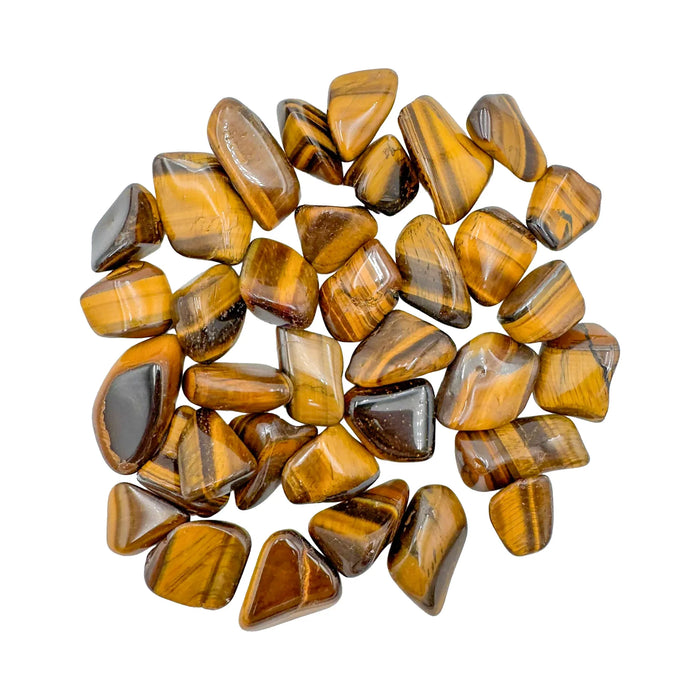
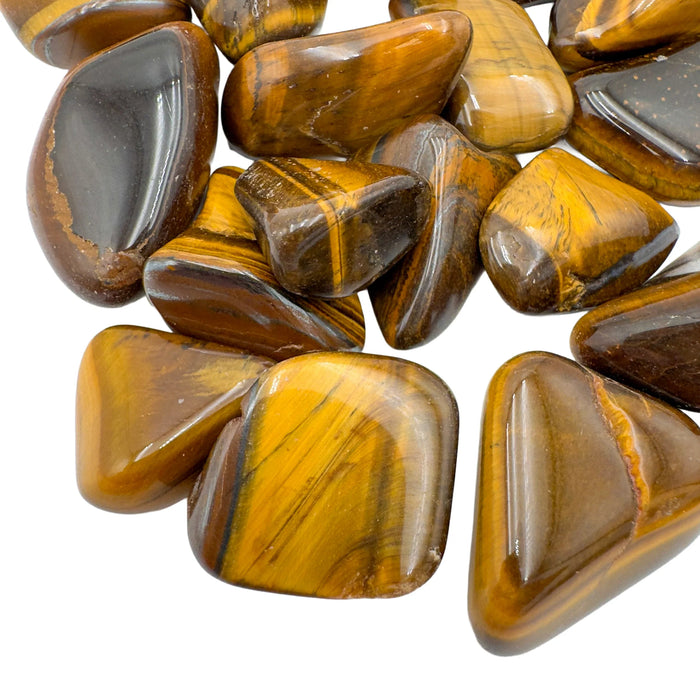
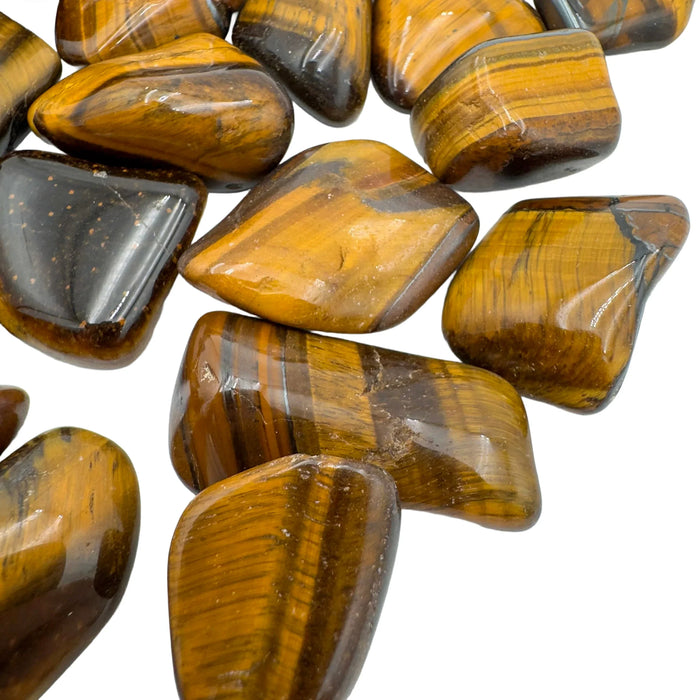
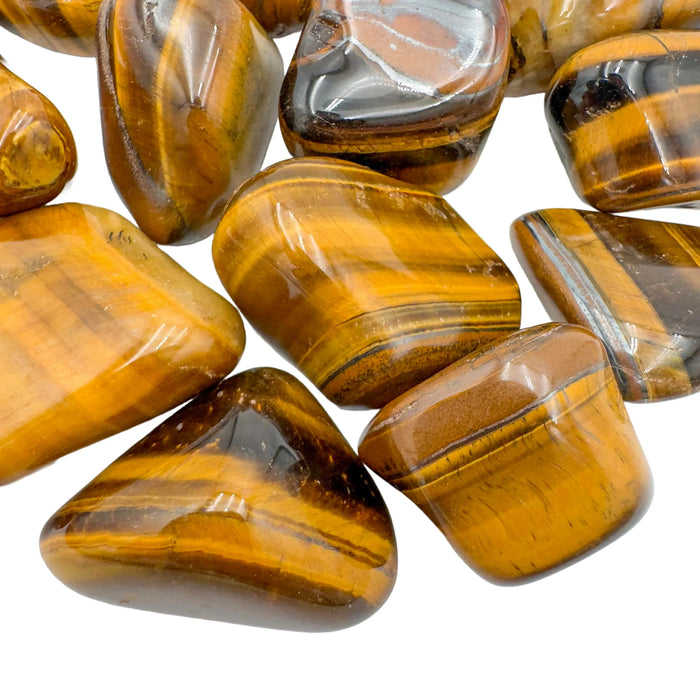
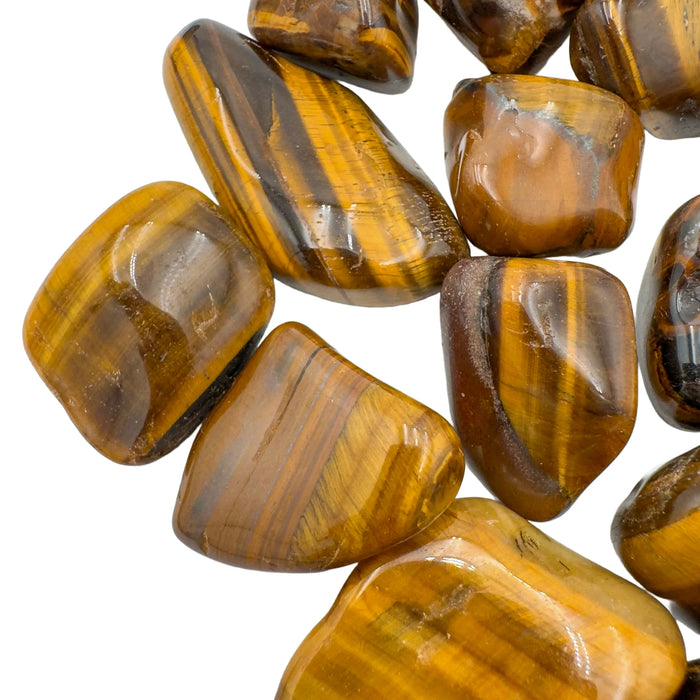
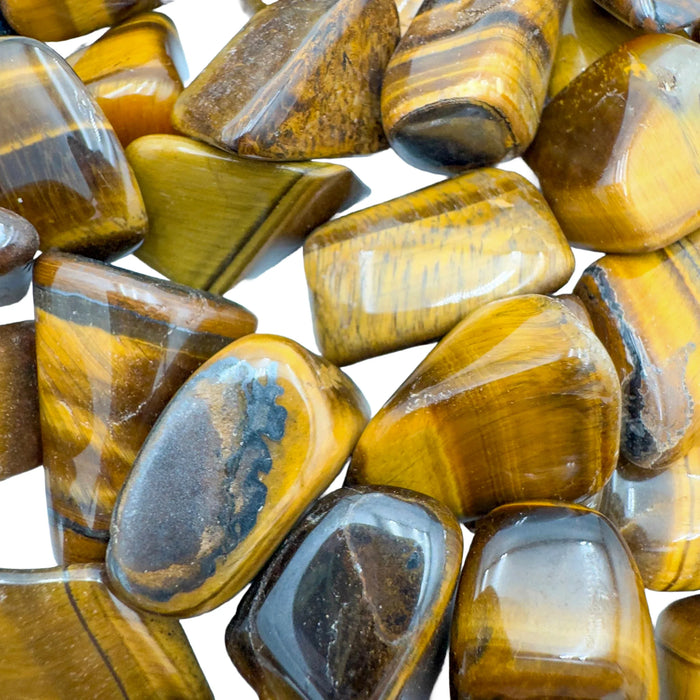
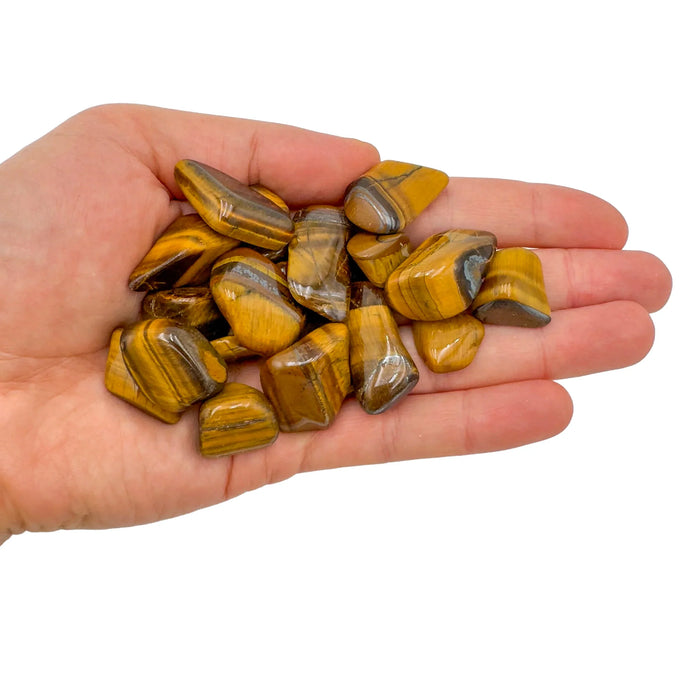
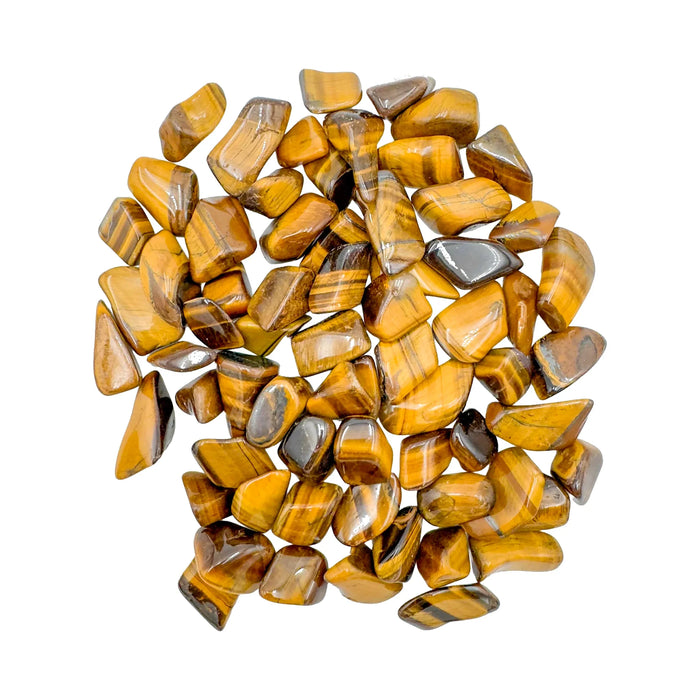
Red Tiger Eye is not something we carry. Tiger Eye is the closest match in our collection, and every piece passes our sourcing standards: origin named, treatments disclosed.
- from 1,000+ reviews
- Ships within 72 hoursMonday to Friday, tracked
- 90 days to return itif you do not love it
- Free US shipping over $99$8.99 flat rate under
The Slow Note
New stones go to the list first.
No forwarding, no selling. Unsubscribe in one click. Privacy