


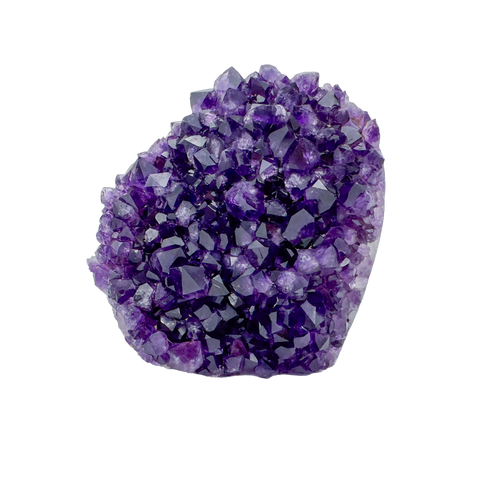
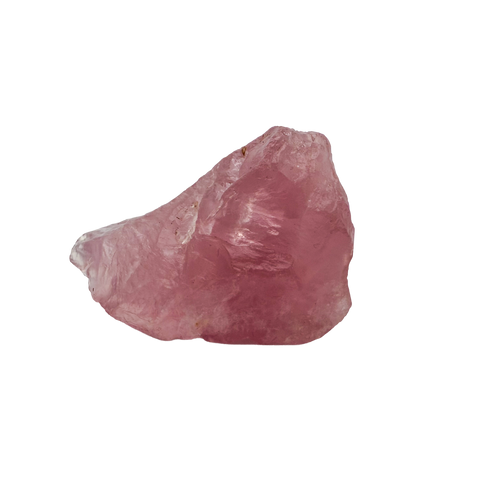
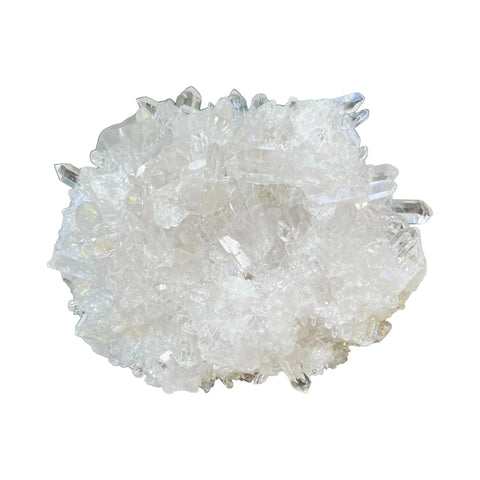
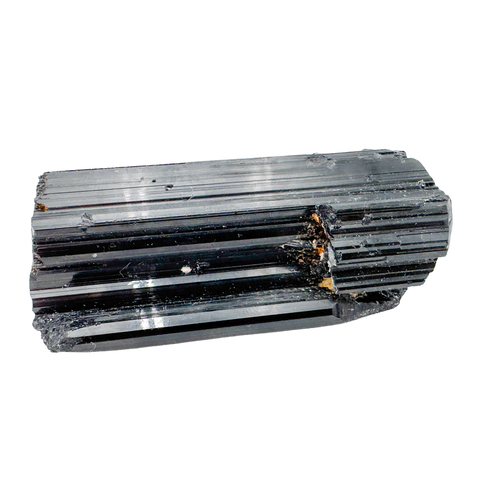
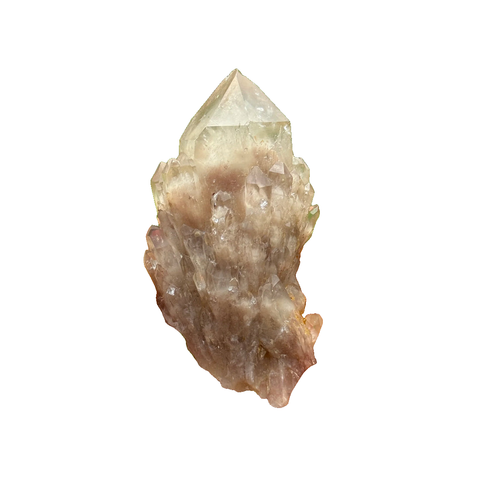
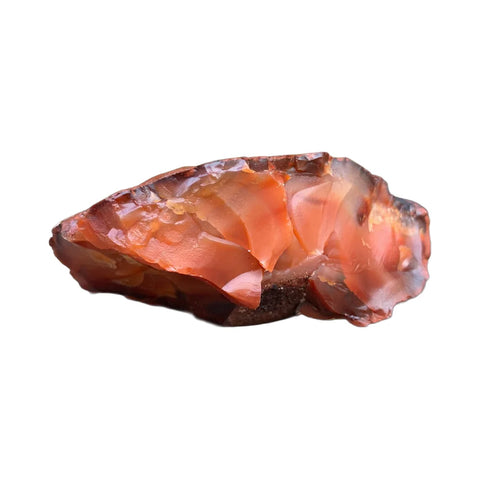
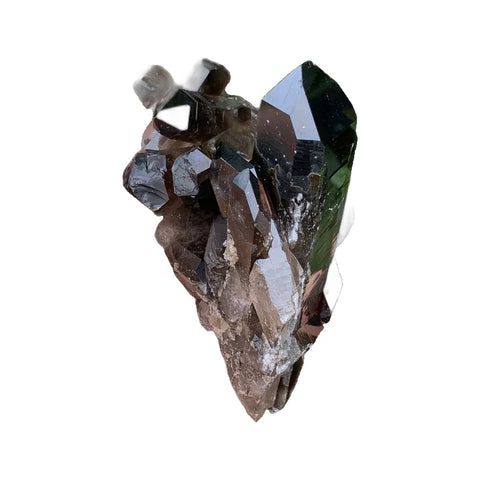
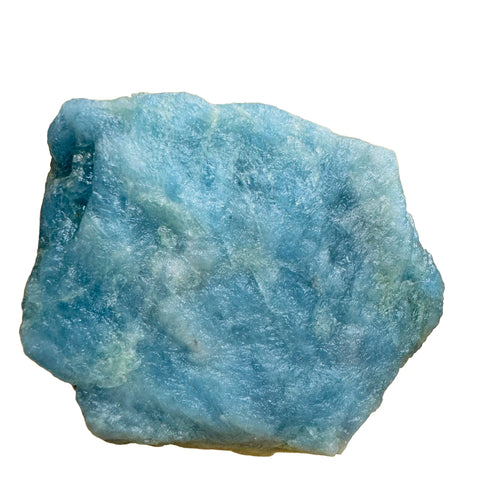
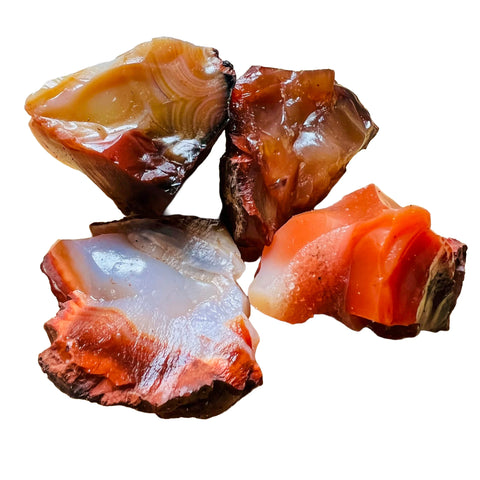


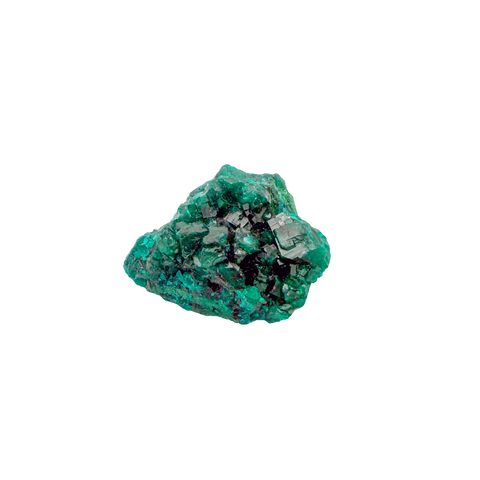
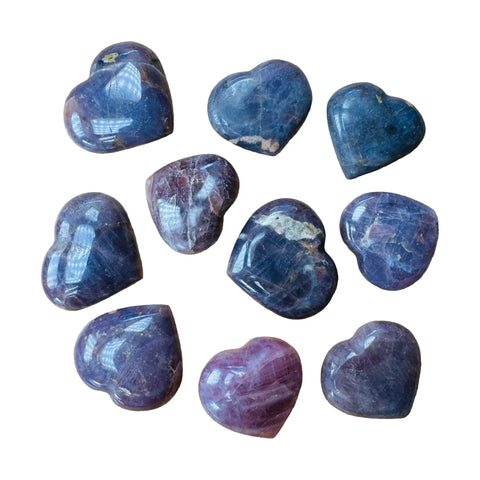
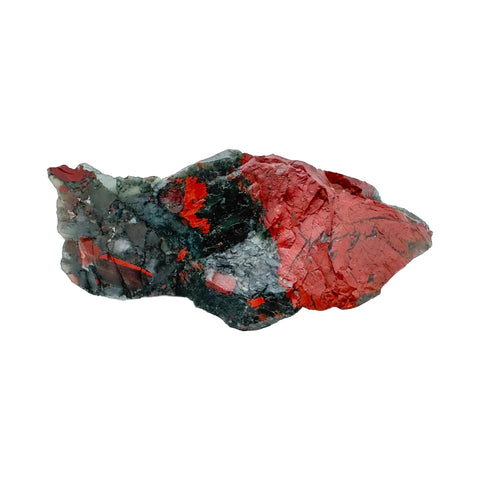
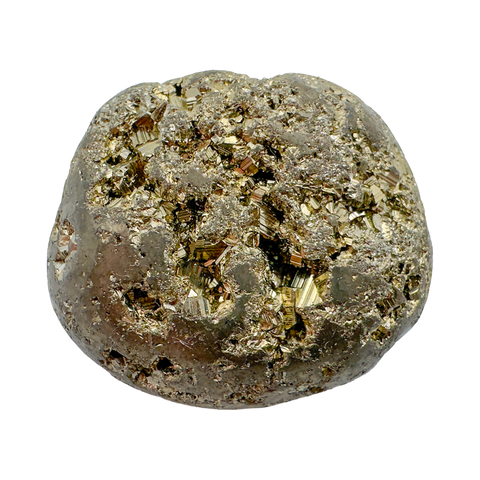
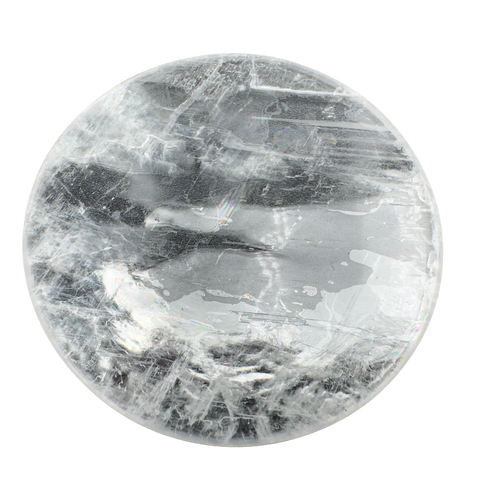
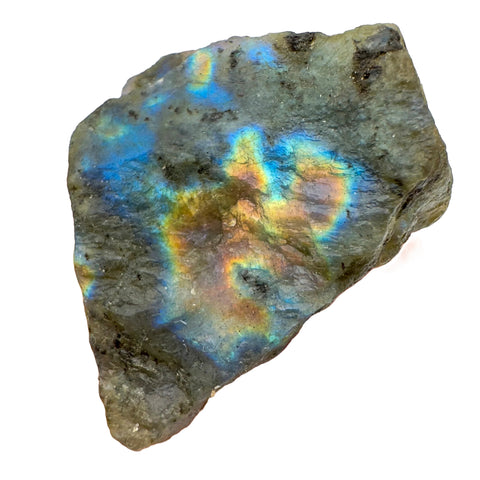
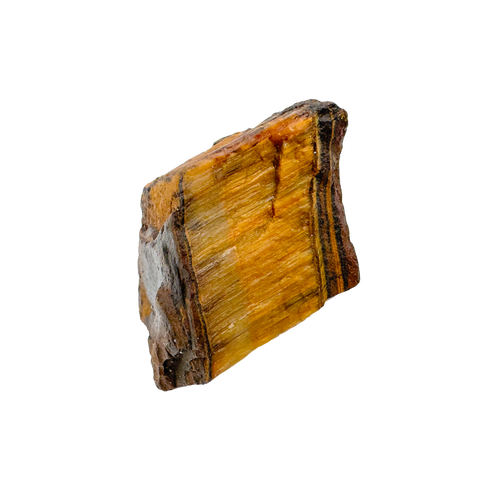
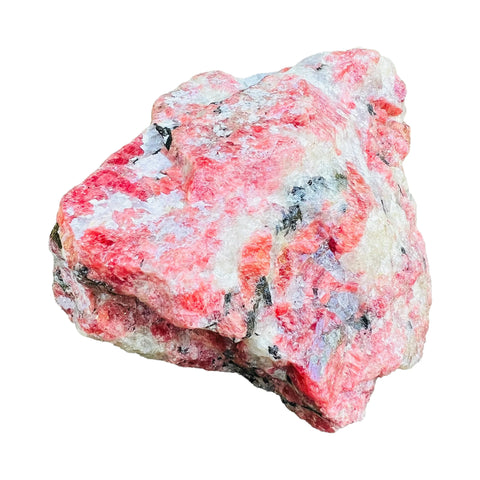
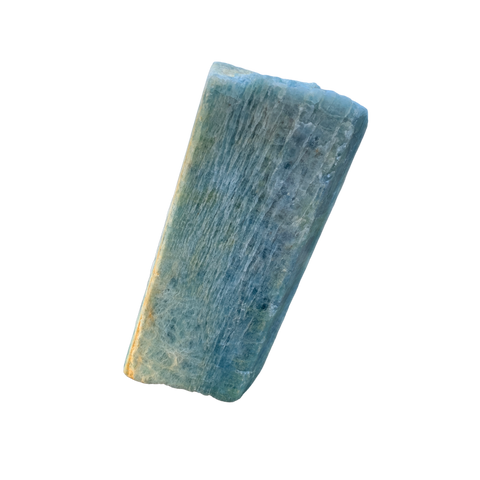
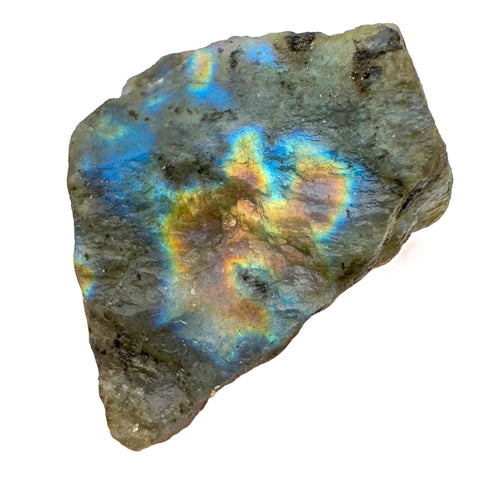
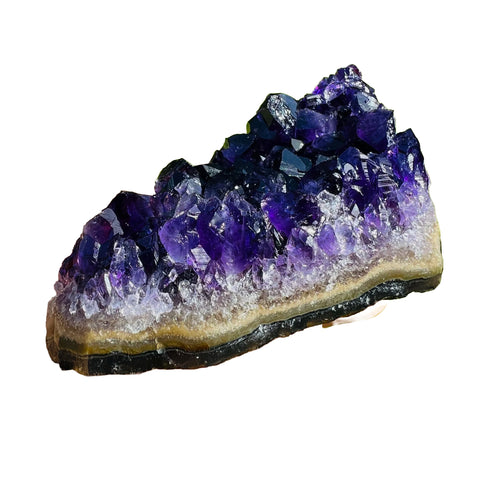



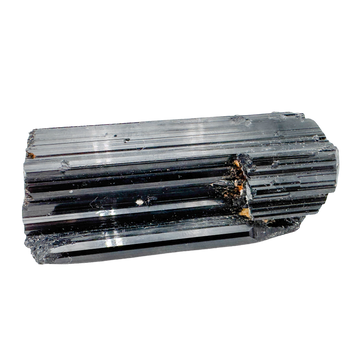
 Raw Stones
179 pieces
Raw Stones
179 pieces
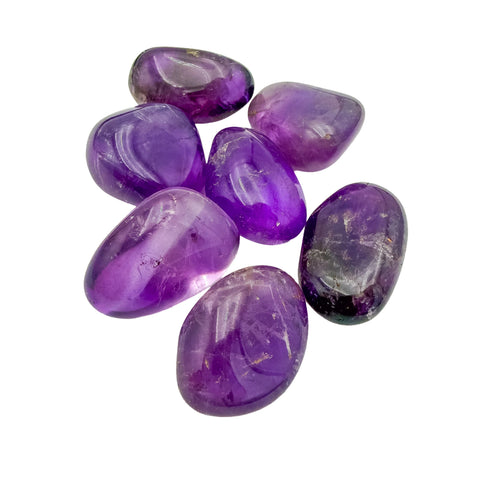
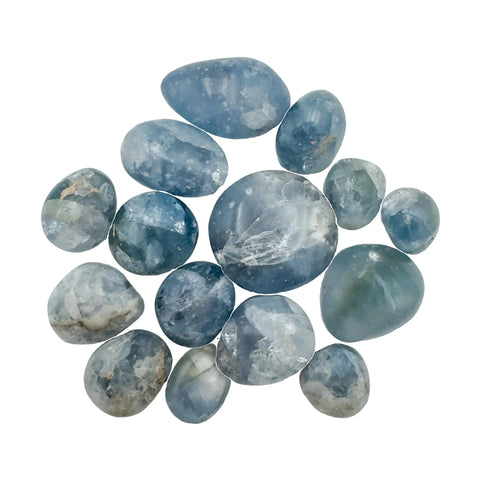
 Tumbled Stones
162 pieces
Tumbled Stones
162 pieces
 Palm Stones
25 pieces
Palm Stones
25 pieces
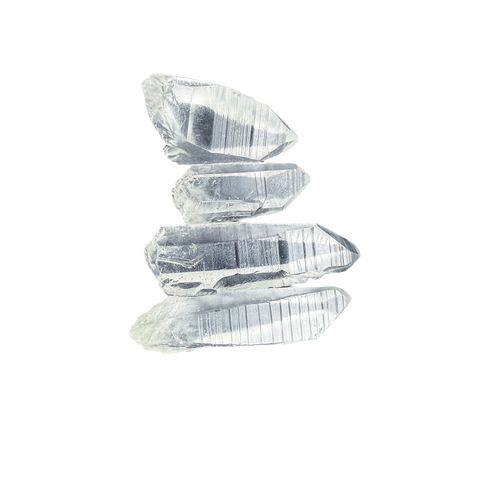
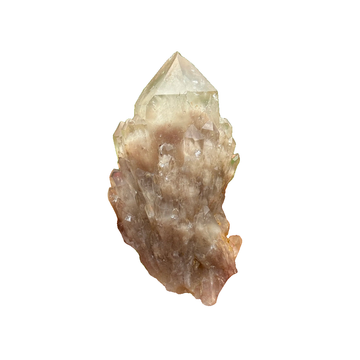
 Crystal Points
23 pieces
Crystal Points
23 pieces
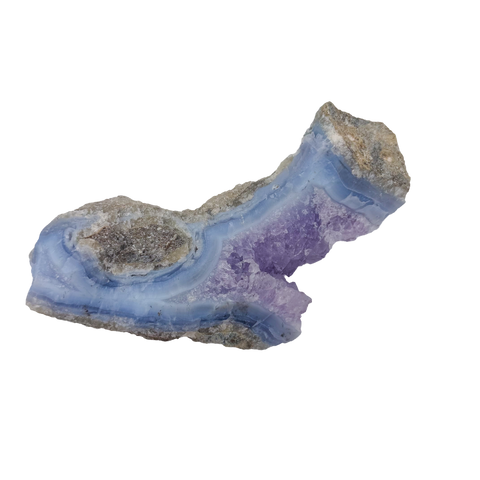
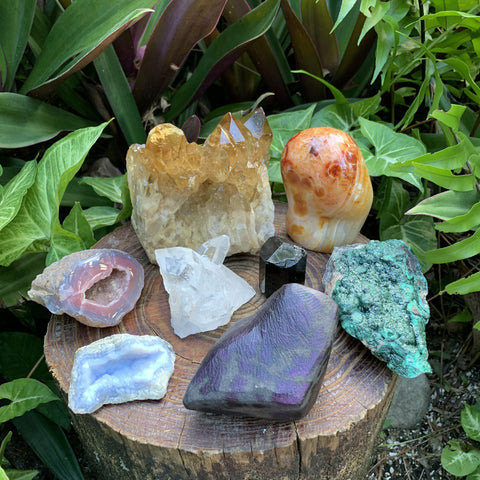
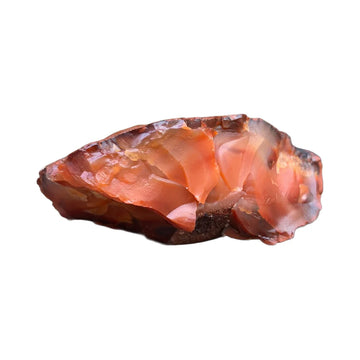
 Clusters & Geodes
104 pieces
Clusters & Geodes
104 pieces
 Polished & Decor
148 pieces
Polished & Decor
148 pieces
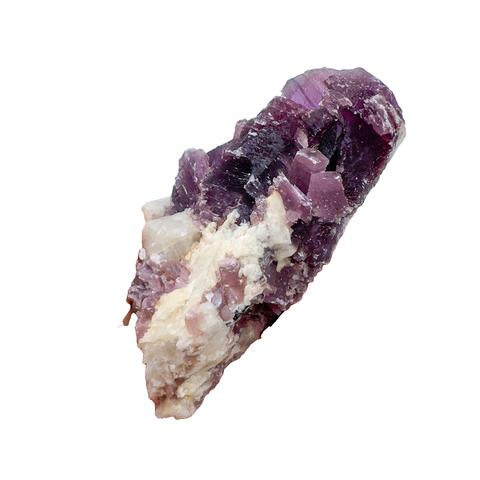
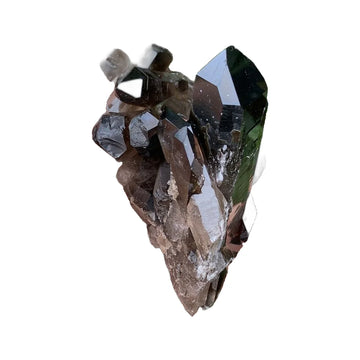
 Mineral Specimens
259 collector pieces
Mineral Specimens
259 collector pieces
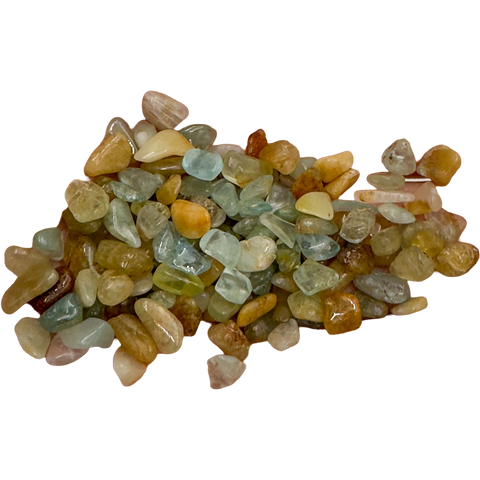
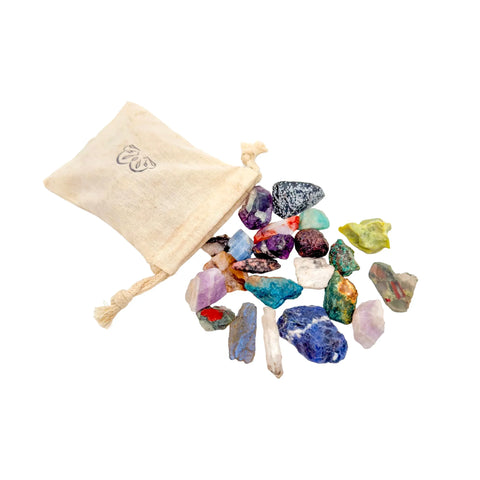
 Crystal Chips
21 pieces
Browse everything
Every collection, one page.
View All Collections →
Crystal Chips
21 pieces
Browse everything
Every collection, one page.
View All Collections →


 Aries
Mar 21 – Apr 19
Carnelian
›
Aries
Mar 21 – Apr 19
Carnelian
›
 Taurus
Apr 20 – May 20
Rose Quartz
›
Taurus
Apr 20 – May 20
Rose Quartz
›
 Gemini
May 21 – Jun 20
Agate
›
Gemini
May 21 – Jun 20
Agate
›
 Cancer
Jun 21 – Jul 22
Moonstone
›
Cancer
Jun 21 – Jul 22
Moonstone
›
 Leo
Jul 23 – Aug 22
Citrine
›
Leo
Jul 23 – Aug 22
Citrine
›
 Virgo
Aug 23 – Sep 22
Amazonite
›
Virgo
Aug 23 – Sep 22
Amazonite
›
 Libra
Sep 23 – Oct 22
Blue Lace Agate
›
Libra
Sep 23 – Oct 22
Blue Lace Agate
›
 Scorpio
Oct 23 – Nov 21
Obsidian
›
Scorpio
Oct 23 – Nov 21
Obsidian
›
 Sagittarius
Nov 22 – Dec 21
Sodalite
›
Sagittarius
Nov 22 – Dec 21
Sodalite
›
 Capricorn
Dec 22 – Jan 19
Black Tourmaline
›
Capricorn
Dec 22 – Jan 19
Black Tourmaline
›
 Aquarius
Jan 20 – Feb 18
Amethyst
›
Aquarius
Jan 20 – Feb 18
Amethyst
›
 Pisces
Feb 19 – Mar 20
Aquamarine
›
Gifting?
A birthday stone is the safe bet.
Read the zodiac guide →
Pisces
Feb 19 – Mar 20
Aquamarine
›
Gifting?
A birthday stone is the safe bet.
Read the zodiac guide →

Aegirine
Aegirine is a sodium iron silicate, a dark green to black pyroxene that grows as long, striated, sharply pointed prisms in alkaline igneous rocks. Named after Aegir, the Norse god of the sea, it often crystallizes alongside smoky quartz and feldspar. Many people work with it for protection, energy clearing, and holding steady boundaries.
The geology.
Aegirine is a sodium iron silicate, formula NaFe3+Si2O6, and a member of the pyroxene group of chain silicates, specifically the clinopyroxenes. The iron it carries is in the ferric, or fully oxidized, state, which gives the mineral its dark green to black color and its place among the sodium-rich pyroxenes.
It crystallizes in alkaline igneous rocks, forming long, slender, monoclinic prisms with lengthwise striations and steeply pointed ends. Hardness is 5 to 6 on the Mohs scale, firmer than most of the collector minerals in this library, with a glassy luster and colors from deep green through greenish black to black. An older name, acmite, refers to the pointed crystal form and is still used for the fibrous green variety.
The origins.
Mount Malosa in Malawi is a modern star locality, source of superb black aegirine crystals often intergrown with smoky quartz, feldspar, and other minerals in striking cabinet pieces. The Kola Peninsula in Russia and Mont Saint-Hilaire in Canada are two more of the world's great sources.
The mineral was first described from the Langesundsfjord area of Norway, and it also comes from the Ilímaussaq complex in Greenland, from Magnet Cove in Arkansas, and from other alkaline igneous provinces. These unusual, sodium-rich rock types are where aegirine belongs.
Traditional associations.
Aegirine takes its name from Aegir, the Norse god of the sea, a nod to its first description in Norway, though it carries little genuine ancient folklore. Its metaphysical reputation is modern, built around its dark color and needle-sharp crystals, and it has become popular as a stone of protection and grounding.
In practice many people work with aegirine for clearing unwanted energy, reinforcing personal boundaries, and returning to a grounded center, and it is often paired with other dark, protective stones. It is usually linked to the Root chakra and the element of Earth. At 5 to 6 on the Mohs scale it is durable enough to keep close, though its sharp points call for a little care.
Spotting the real thing.
Real aegirine shows long, slender, deeply striated prisms in dark green to black, with sharply pointed or chisel-like terminations and a glassy shine along the crystal faces. In combination specimens it forms bold black sprays against pale feldspar or smoky quartz, a look that is hard to fake convincingly.
Because aegirine is a natural, moderately priced specimen mineral, outright fakery is uncommon. The realistic points are naming and mixing. Acmite is the same species under an older name, so do not pay a premium for one over the other. In combination pieces, a good seller names each mineral present rather than lumping everything under a single label.
Care & handling.
Aegirine is reasonably durable. At 5 to 6 on the Mohs scale it resists everyday scratches better than most of the softer collector minerals, so it holds up well as a handled specimen or a rough crystal kept close. Its main vulnerability is its sharp, slender points, which can chip if knocked, so store it where the terminations are protected.
For cleaning, a quick rinse in cool water with a soft cloth is fine, followed by thorough drying, though long soaks are unnecessary. Keep it away from harder stones that could scratch its faces, and there is no need for harsh chemicals. It is stable in light and will not fade. To reset it energetically, many people use running water, sound, or a night beside selenite.
Pairs well with.
A deeper look.
Extended geology, sourcing, authentication, history, and varieties, for when the quick guide isn't quite enough.
Extended geology
Aegirine is the sodium iron end-member of the clinopyroxene group, NaFe3+Si2O6, built on the single-chain silicate structure that defines pyroxenes. Its iron is ferric rather than ferrous, and there is a compositional range toward aegirine-augite as calcium, magnesium, and other elements enter the structure. This chemistry ties aegirine to sodium-rich, silica-poor magmas rather than ordinary granites or basalts.
Crystals are monoclinic, typically long and prismatic with strong lengthwise striations and steep, pointed terminations, sometimes fibrous or in radiating groups. Hardness is 5 to 6, specific gravity around 3.5 to 3.6, luster vitreous, cleavage good in two directions meeting at close to right angles, and color deep green, greenish black, or black. It forms in nepheline syenites, alkaline pegmatites, phonolites, and related rocks.
Extended sourcing
Mount Malosa, in the Zomba district of Malawi, is a leading modern source, famous for lustrous black aegirine crystals in aesthetic combinations with smoky quartz, microcline feldspar, and rarer species. These cabinet pieces have made Malawian aegirine widely recognized among collectors.
Other classic sources include the Kola Peninsula of Russia, the mineral-rich Mont Saint-Hilaire complex in Quebec, Canada, the Langesundsfjord area of southern Norway where the species was first described, the Ilímaussaq complex in Greenland, and Magnet Cove in Arkansas. All share the same alkaline igneous setting. Value tracks crystal size, luster, sharpness, and the quality of any associated minerals.
Authentication and warning signs
The dependable signs are long, striated, dark prisms with pointed terminations, a glassy luster, and moderate hardness, often in combination with smoky quartz and feldspar. Aegirine is distinctive enough, and affordable enough, that deliberate faking is rare.
The honest points are naming and labeling. Acmite is simply an older name for the same species, most often applied to fibrous green material, so it should not carry a premium. On combination specimens, look for a seller who identifies each mineral present, and be mildly cautious of ordinary dark rock sold as fine aegirine without clear crystal form.
History and folklore
Aegirine was first described in 1821 from southern Norway and named after Aegir, the Norse god of the sea, a fitting nod to its Scandinavian origin. Its alternative name, acmite, comes from the Greek word for point, describing the sharp crystal terminations, and predates or parallels the aegirine name in the literature.
Despite the mythological name, aegirine has no genuine ancient talismanic tradition. Its reputation as a protective, energy-clearing stone is a modern development of the crystal community, built on its dark color and spiky form rather than on inherited folklore.
Varieties and trade names
Black aegirine: the common and most recognizable form, long dark prisms, superb from Mount Malosa.
Acmite: an older name for aegirine, often used for the fibrous, greener variety.
Aegirine-augite: an intermediate composition between aegirine and augite, transitional in color and chemistry.
Combination specimens: aegirine with smoky quartz, feldspar, and other minerals, prized as aesthetic cabinet pieces.
What it costs in the market
Single aegirine crystals and small clusters: roughly 10 to 50 dollars. Attractive combination specimens with smoky quartz and feldspar: 40 to 250 dollars. Large, lustrous Mount Malosa cabinet pieces with multiple sharp crystals and fine associations: several hundred dollars and up. Crystal quality, luster, size, and the beauty of the associated minerals drive the value.
An education-first guide.
We don't currently carry aegirine, so there's nothing to sell you here. This guide exists because the more you understand a stone, the better every decision you make about it becomes, wherever you buy it. Explore the rest of our crystal guides for stones we do source, each with full origin and treatment notes.
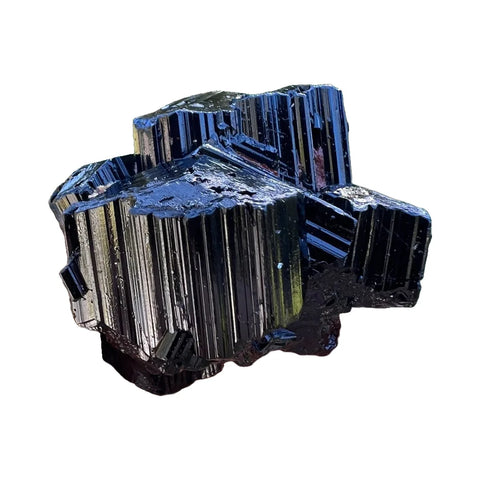
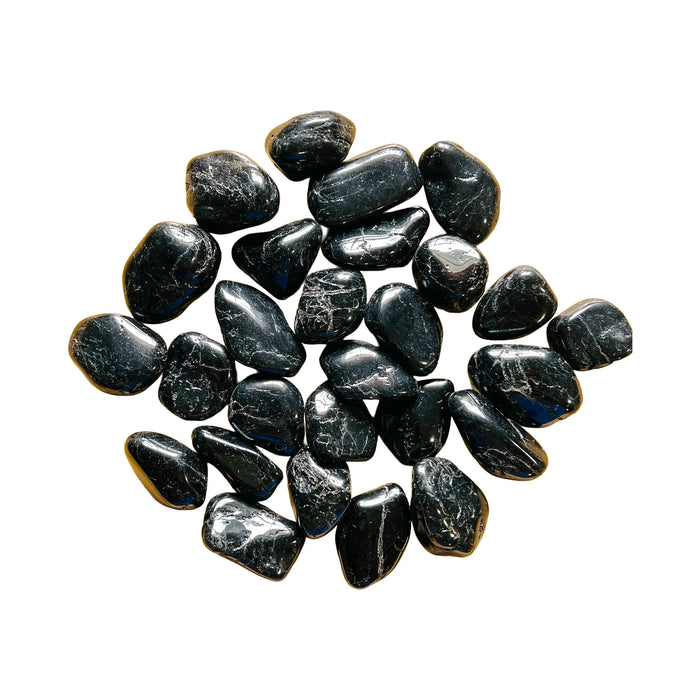
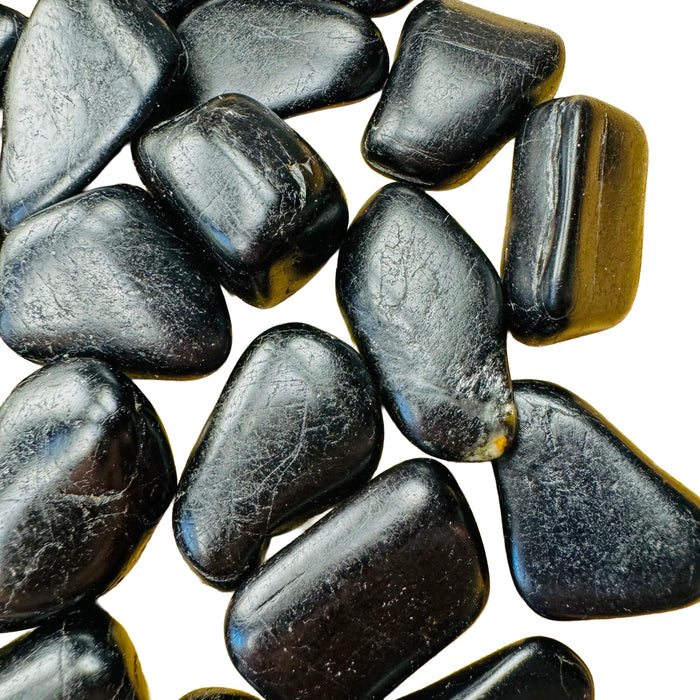
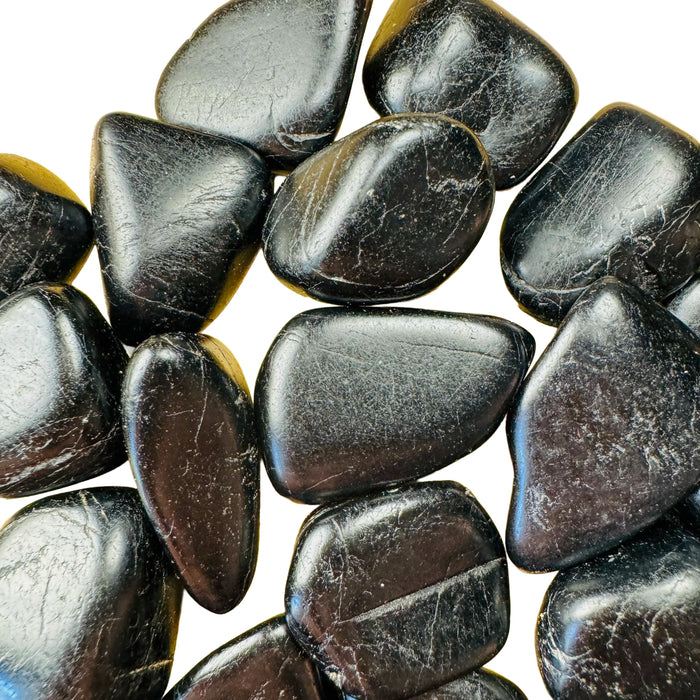
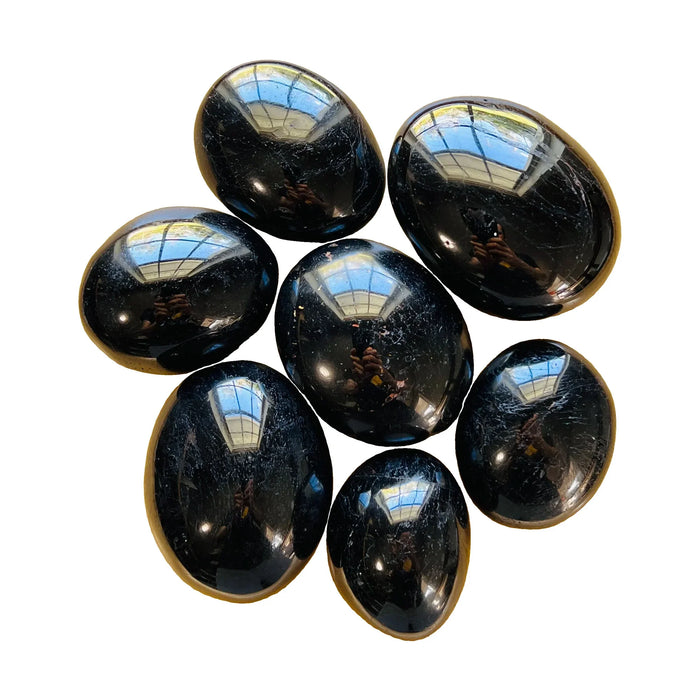
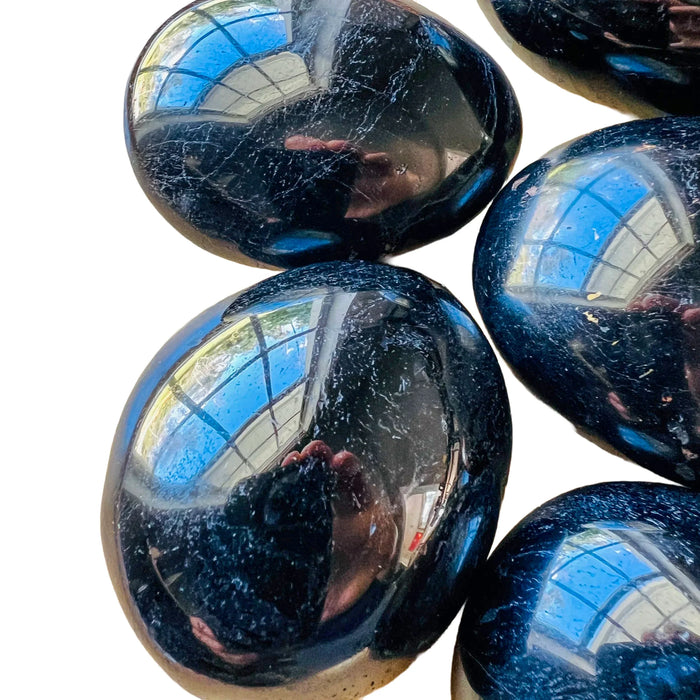
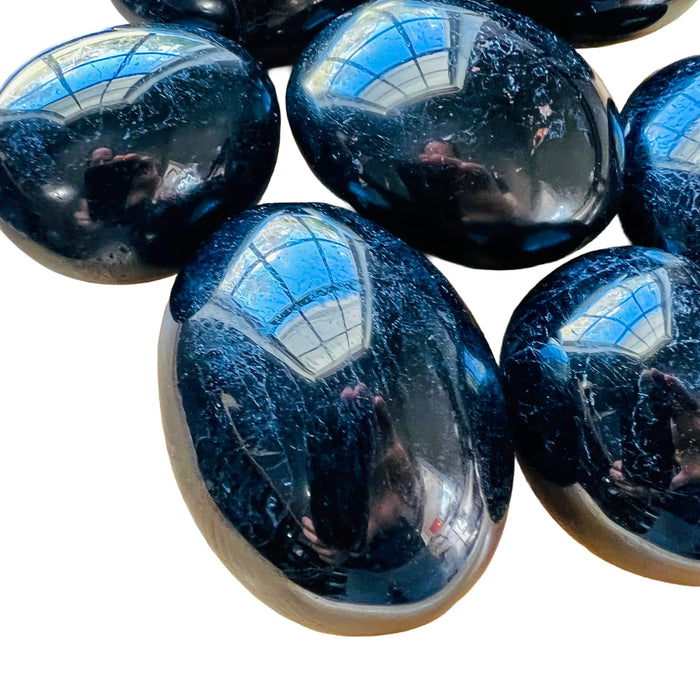
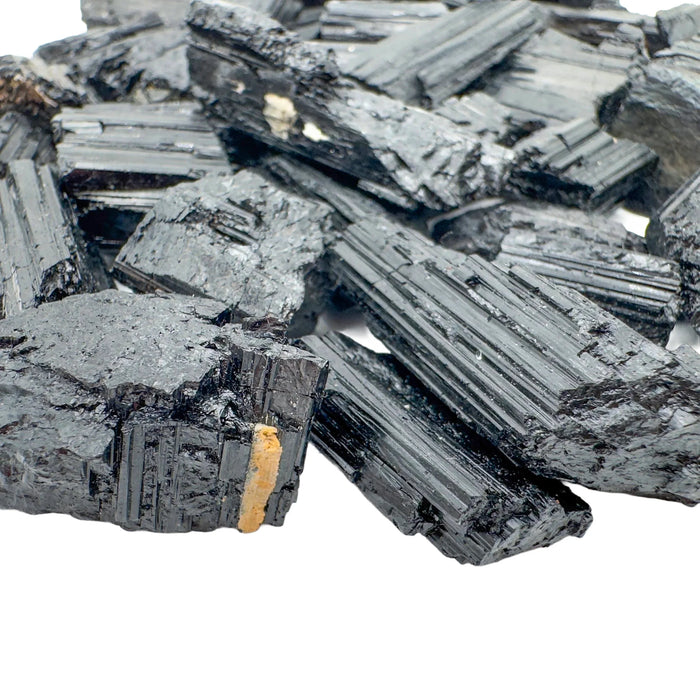
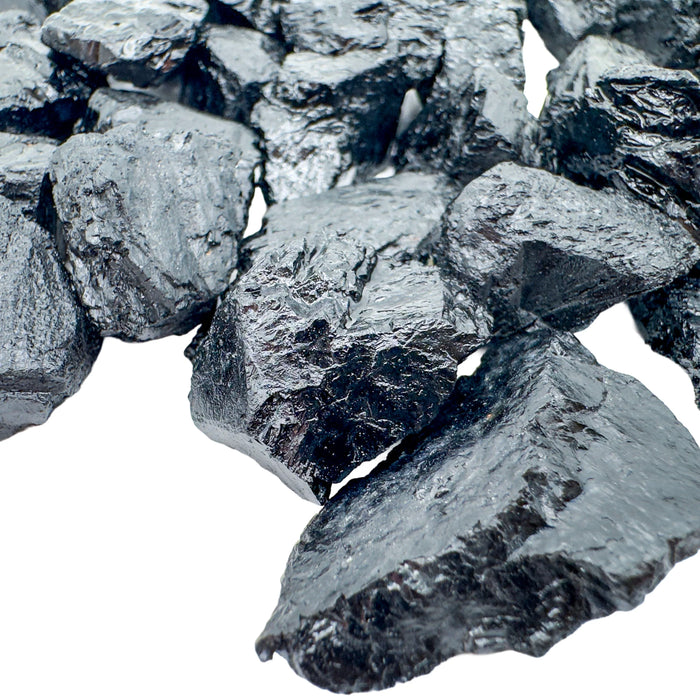
Explore the Crystal GuideThe closest match we carry: Black Tourmaline.
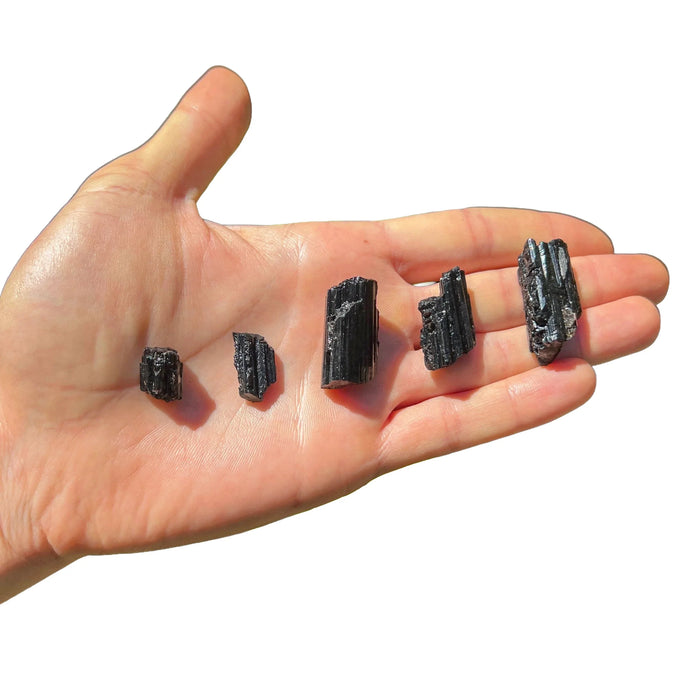
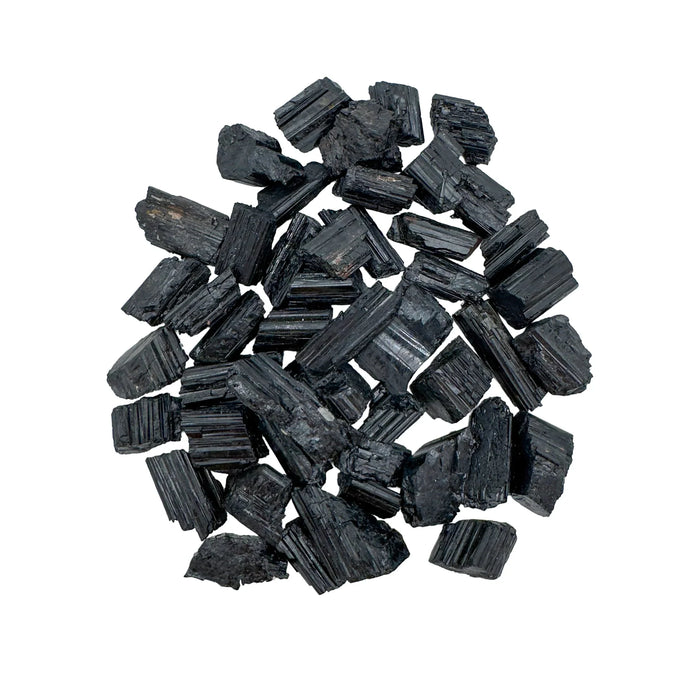
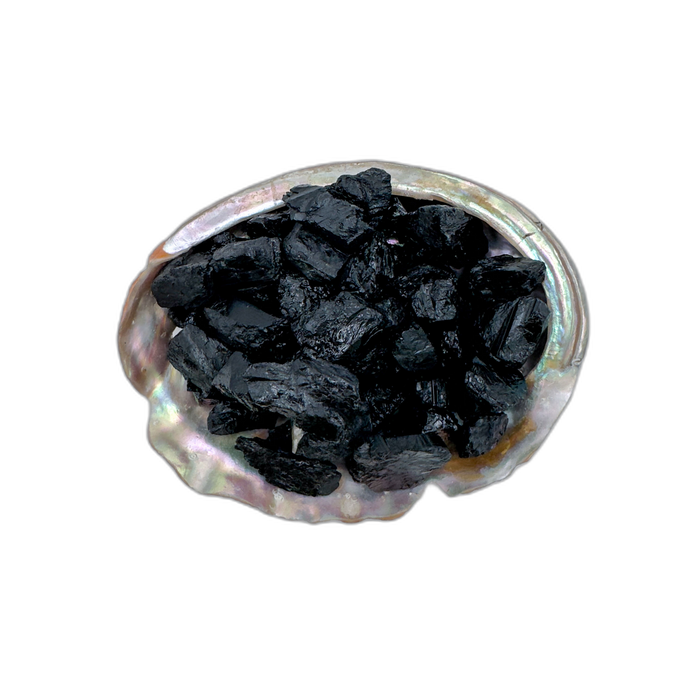
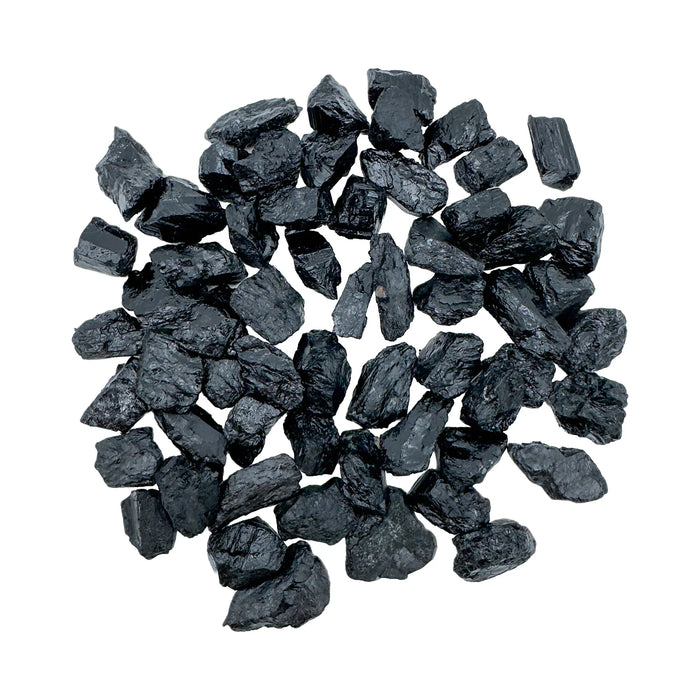
Aegirine is not something we carry. Black Tourmaline is the closest match in our collection, and every piece passes our sourcing standards: origin named, treatments disclosed.
- from 1,000+ reviews
- Ships within 72 hoursMonday to Friday, tracked
- 90 days to return itif you do not love it
- Free US shipping over $99$8.99 flat rate under
The Slow Note
New stones go to the list first.
No forwarding, no selling. Unsubscribe in one click. Privacy