


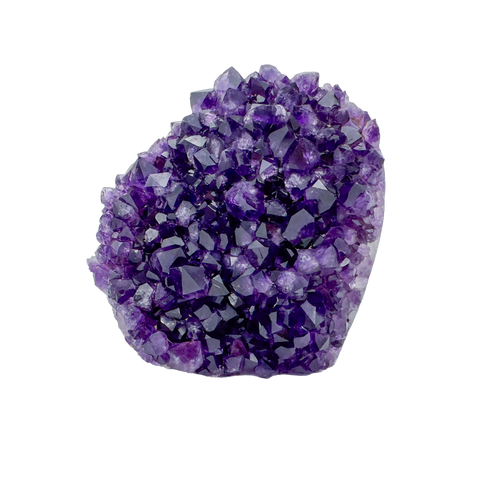
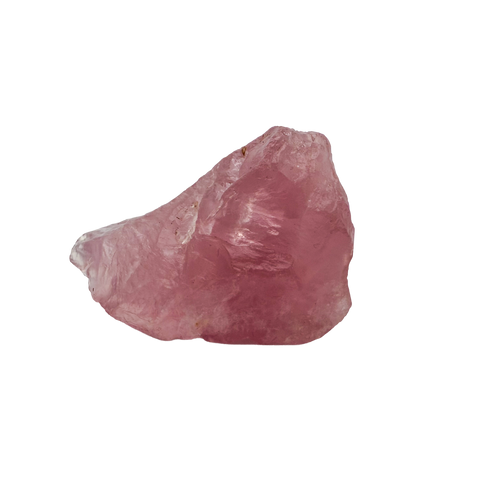
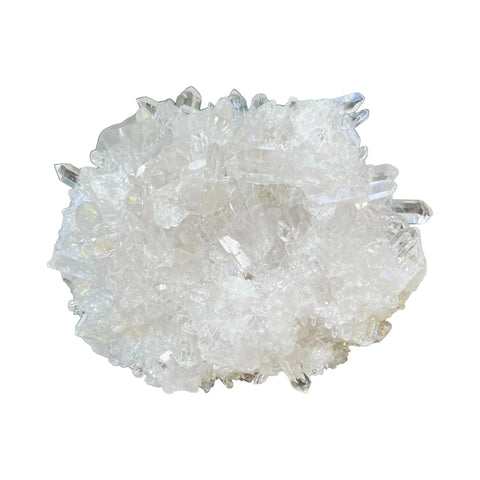
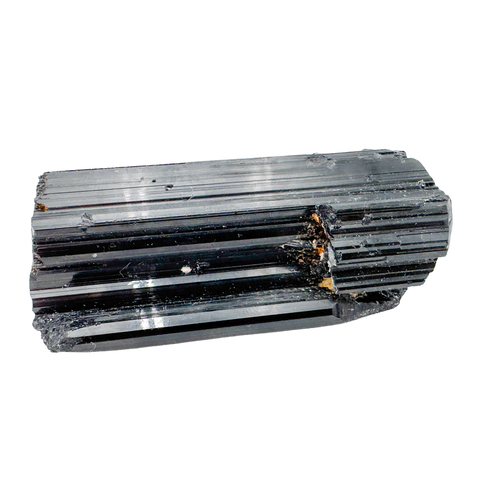
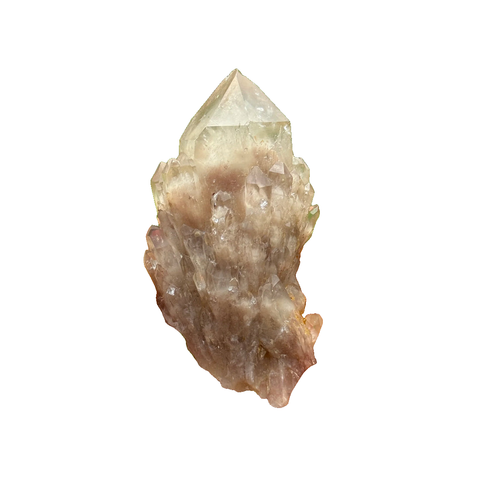
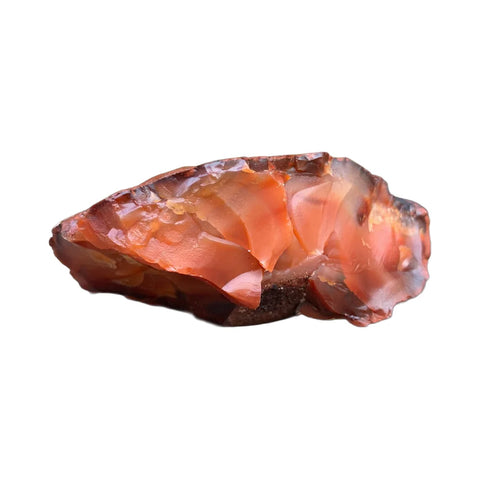
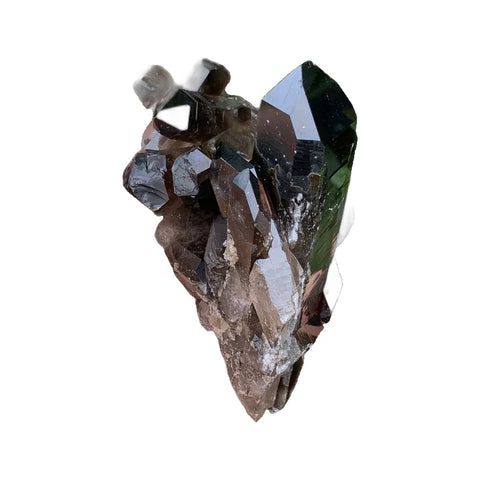
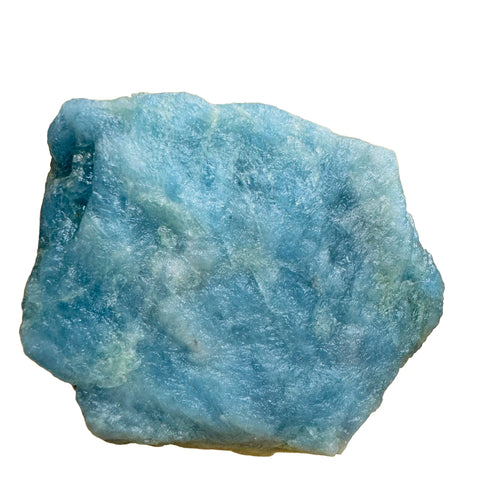
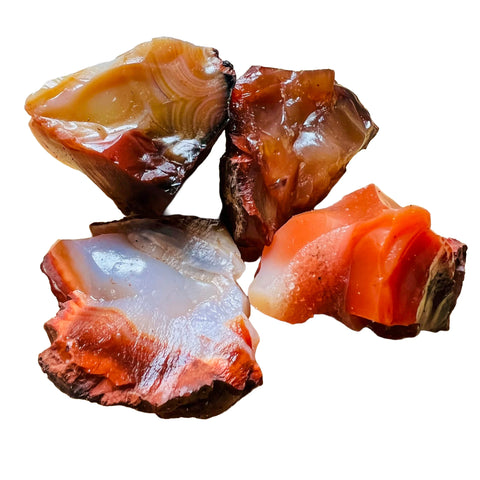


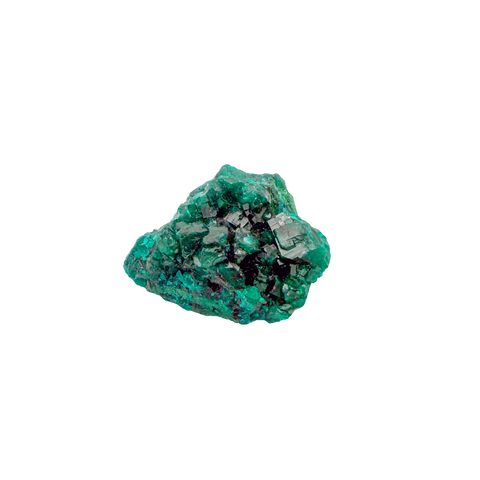
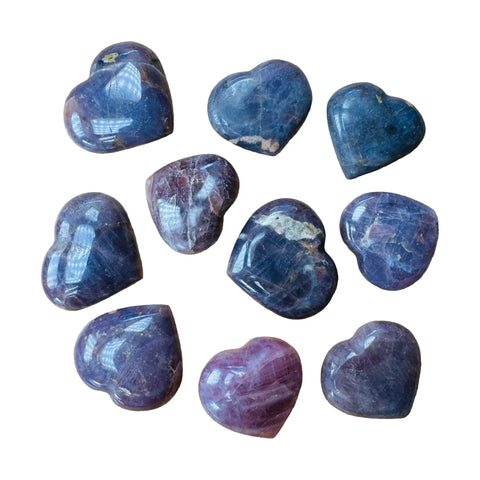
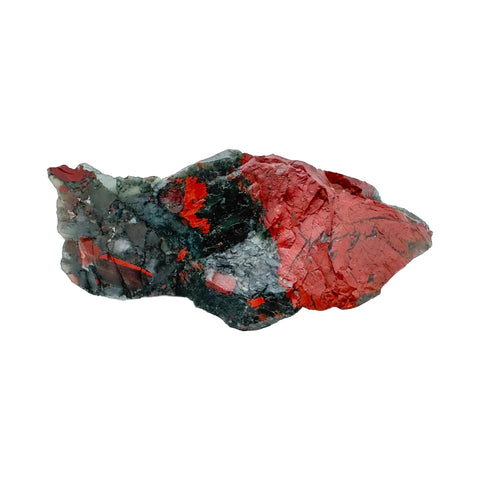
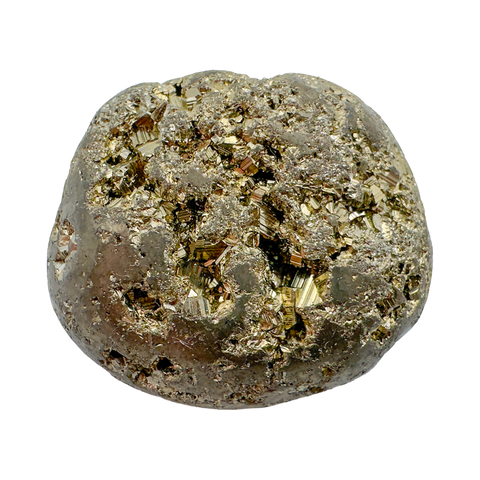
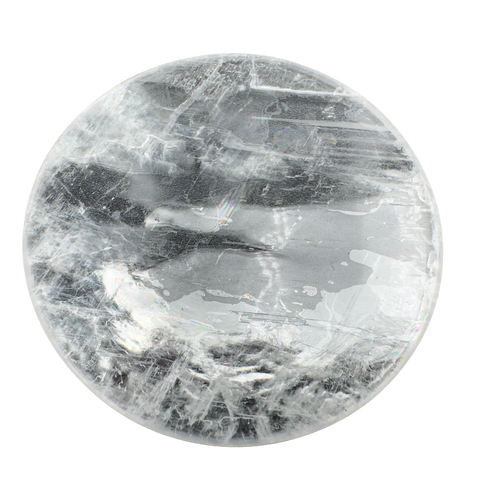
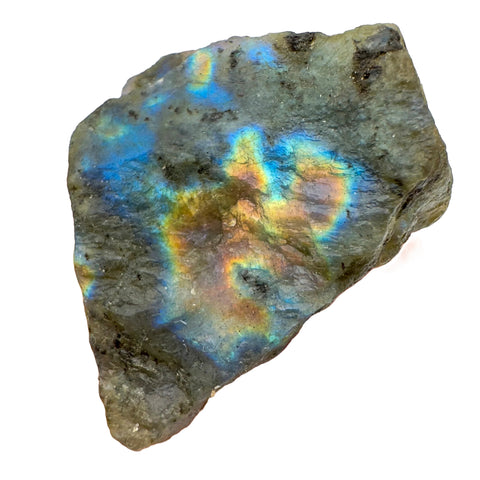
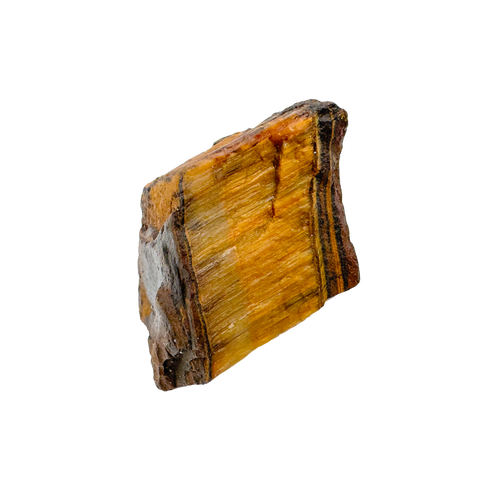
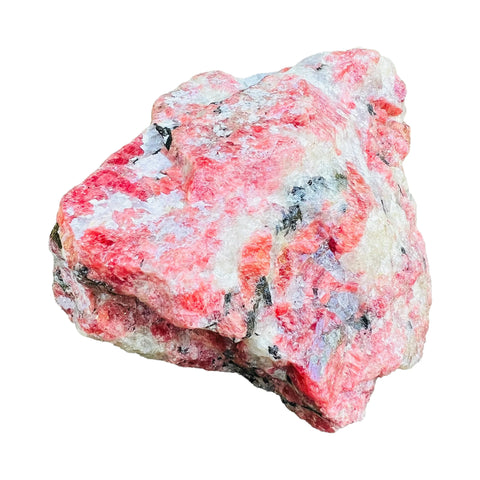
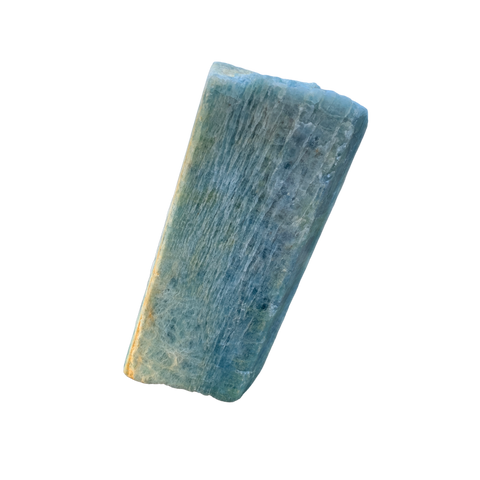
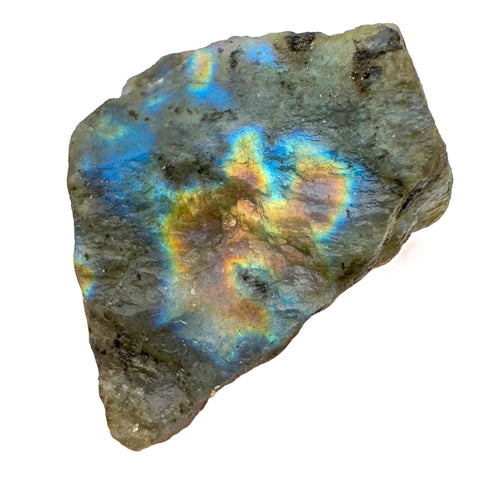
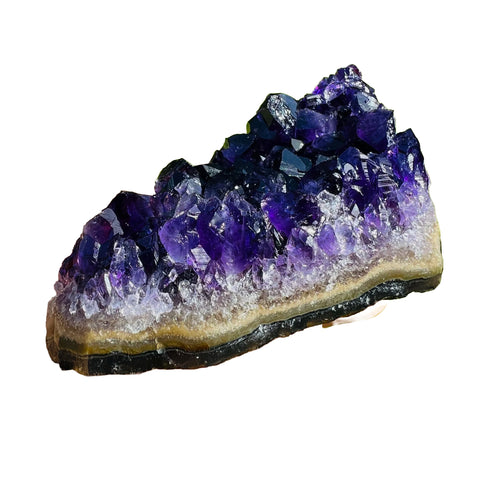



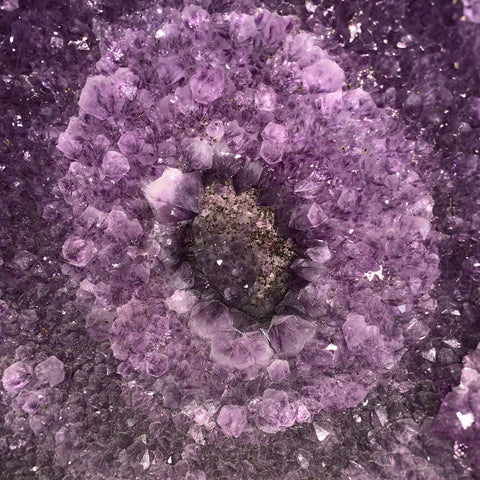
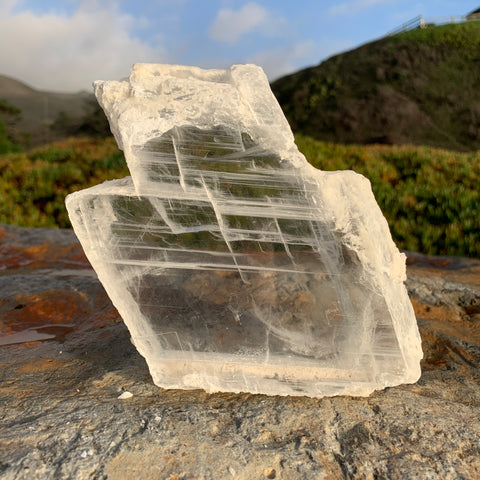
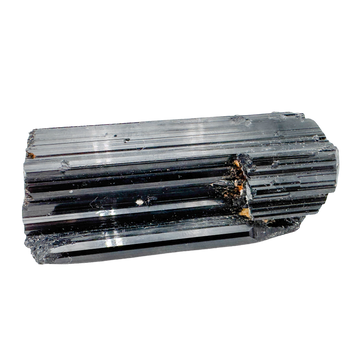
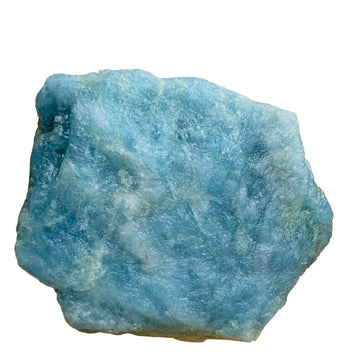
 Raw Stones
179 pieces
Raw Stones
179 pieces
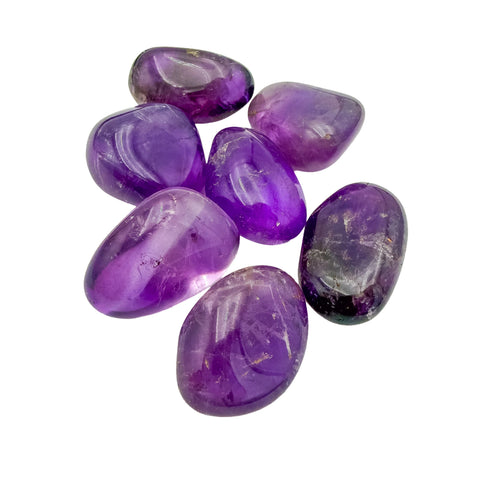
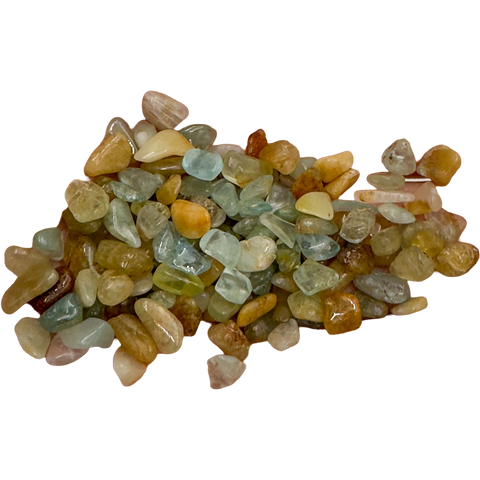
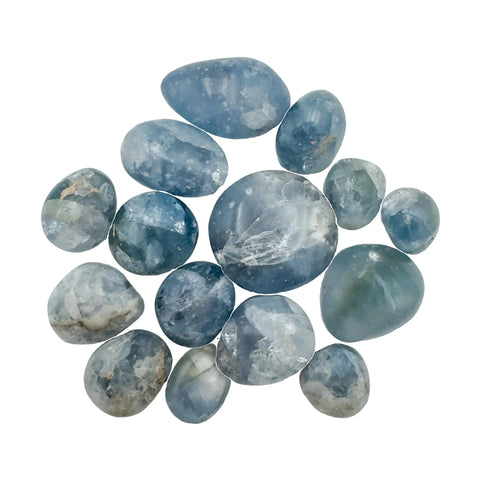
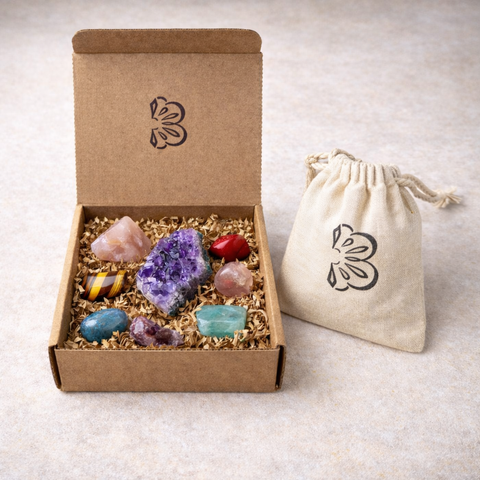
 Tumbled Stones
162 pieces
Tumbled Stones
162 pieces
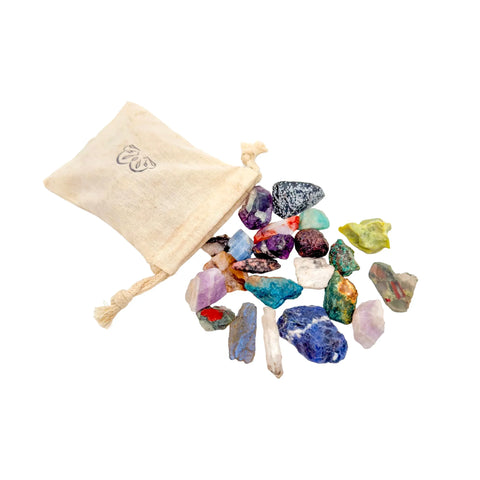
 Palm Stones
25 pieces
Palm Stones
25 pieces
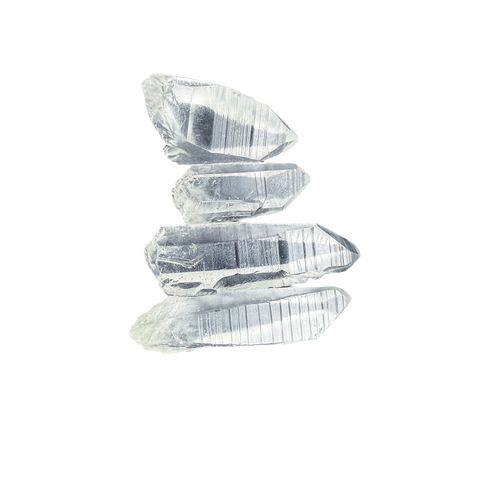
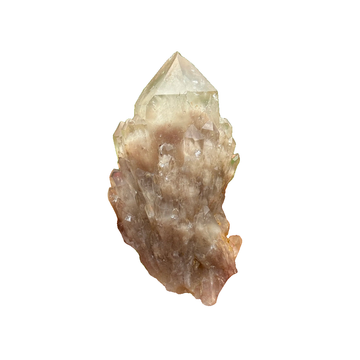
 Crystal Points
23 pieces
Crystal Points
23 pieces
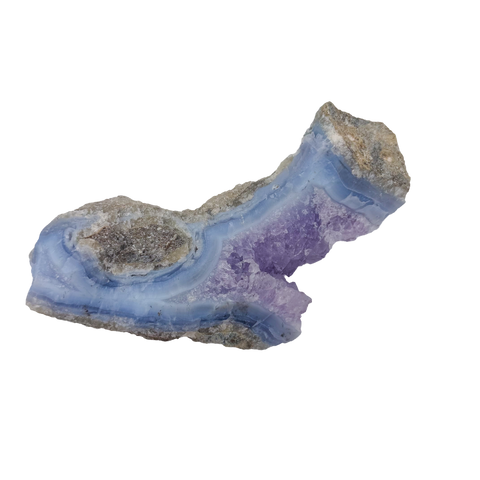
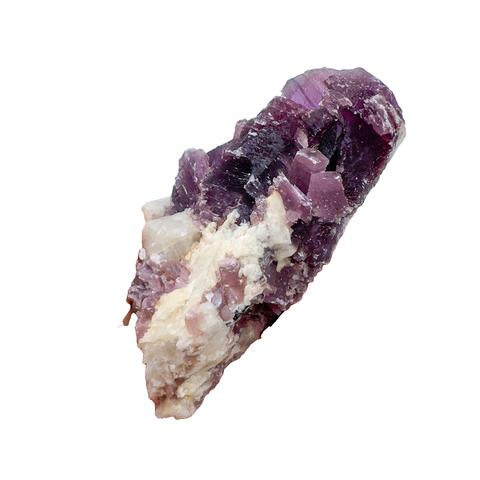
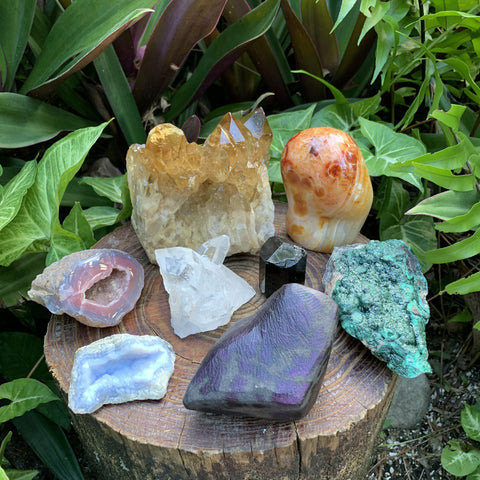
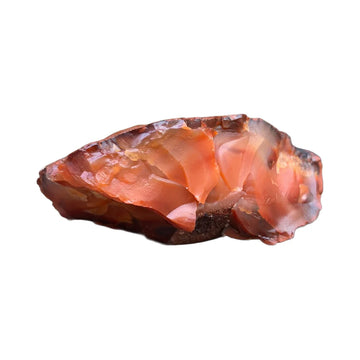
 Clusters & Geodes
104 pieces
Clusters & Geodes
104 pieces
 Polished & Decor
148 pieces
Polished & Decor
148 pieces
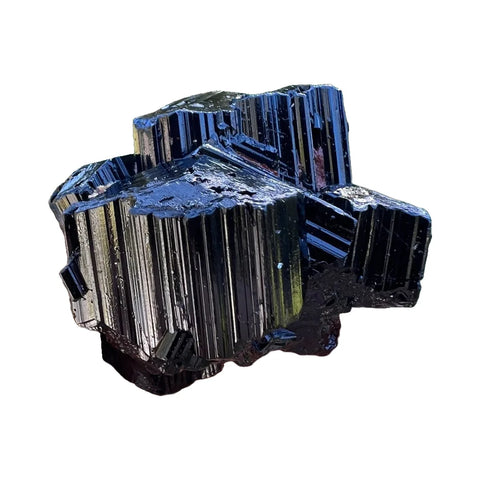
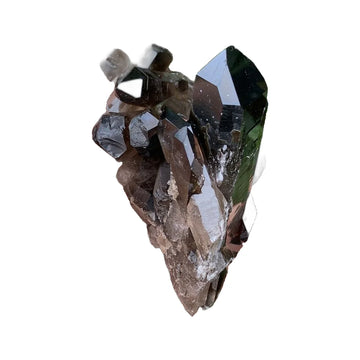
 Mineral Specimens
259 collector pieces
Mineral Specimens
259 collector pieces
 Crystal Chips
21 pieces
Browse everything
Every collection, one page.
View All Collections →
Crystal Chips
21 pieces
Browse everything
Every collection, one page.
View All Collections →


 Aries
Mar 21 – Apr 19
Carnelian
›
Aries
Mar 21 – Apr 19
Carnelian
›
 Taurus
Apr 20 – May 20
Rose Quartz
›
Taurus
Apr 20 – May 20
Rose Quartz
›
 Gemini
May 21 – Jun 20
Agate
›
Gemini
May 21 – Jun 20
Agate
›
 Cancer
Jun 21 – Jul 22
Moonstone
›
Cancer
Jun 21 – Jul 22
Moonstone
›
 Leo
Jul 23 – Aug 22
Citrine
›
Leo
Jul 23 – Aug 22
Citrine
›
 Virgo
Aug 23 – Sep 22
Amazonite
›
Virgo
Aug 23 – Sep 22
Amazonite
›
 Libra
Sep 23 – Oct 22
Blue Lace Agate
›
Libra
Sep 23 – Oct 22
Blue Lace Agate
›
 Scorpio
Oct 23 – Nov 21
Obsidian
›
Scorpio
Oct 23 – Nov 21
Obsidian
›
 Sagittarius
Nov 22 – Dec 21
Sodalite
›
Sagittarius
Nov 22 – Dec 21
Sodalite
›
 Capricorn
Dec 22 – Jan 19
Black Tourmaline
›
Capricorn
Dec 22 – Jan 19
Black Tourmaline
›
 Aquarius
Jan 20 – Feb 18
Amethyst
›
Aquarius
Jan 20 – Feb 18
Amethyst
›
 Pisces
Feb 19 – Mar 20
Aquamarine
›
Gifting?
A birthday stone is the safe bet.
Read the zodiac guide →
Pisces
Feb 19 – Mar 20
Aquamarine
›
Gifting?
A birthday stone is the safe bet.
Read the zodiac guide →

Adamite
Adamite is a zinc arsenate that grows as small, wedge-shaped crystals in bright yellow to lemon-green, famous among collectors for glowing an intense green under ultraviolet light. It forms in the weathered, oxidized zones of zinc and arsenic ore bodies. Because it contains arsenic, it is a specimen to admire on a shelf and handle with simple, sensible care.
The geology.
Adamite is a zinc arsenate hydroxide, formula Zn2(AsO4)(OH), and a secondary mineral, meaning it forms later, as existing ore weathers rather than crystallizing from fresh magma or hot veins. It appears in the oxidized upper zones of zinc deposits where arsenic is also present, often growing on a rusty brown iron oxide called limonite.
Crystals are orthorhombic and typically form small, wedge-shaped or fan-shaped clusters with a glassy shine. Hardness is 3.5 on the Mohs scale, soft, with good cleavage. The classic color is a warm yellow to honey, while copper in the structure shifts it toward vivid green, known as cuprian adamite, and cobalt can push it pink to violet. Many specimens glow a bright green under ultraviolet light, one of the mineral's signatures.
The origins.
Mexico is the classic source. The Ojuela Mine at Mapimí in Durango has produced the specimens most collectors picture, yellow to green crystals perched on velvety brown limonite, and it remains one of the world's great localities for the species.
Beyond Mexico, fine adamite comes from the ancient Lavrion mining district in Greece, from Tsumeb in Namibia, and from Chile, with further occurrences in the United States and Iran. Copper-rich green material and rare cobalt-bearing pink pieces are especially sought after, since most adamite arrives in the softer yellows.
Traditional associations.
Adamite carries no ancient folklore, since it was only described in the nineteenth century and reached people mainly as a specimen mineral. In modern crystal practice its sunny yellow-green color has earned it associations with joy, optimism, and creative energy, and many people keep a piece simply for the lift its color and glow bring to a space.
It is most often linked to the Solar Plexus and Heart chakras and the element of Earth. Because it is soft and contains arsenic, it is worked with as a display piece and in indirect ways, set on a desk or altar rather than carried against the skin or placed in water.
Spotting the real thing.
Real adamite shows small, glassy, wedge-shaped crystals clustered on matrix, usually the brown limonite it grows on, with color in the yellow to green range and often a slightly druzy, sparkling surface. A shortwave ultraviolet lamp is the collector's quick check, since most adamite fluoresces a bright, unmistakable green.
Because adamite is a specimen mineral rather than a cut gem, the market issues are labeling rather than glass fakes. Watch for related look-alikes such as legrandite and other zinc arsenates that share the same mines, and for pieces sold with no locality at all. A dealer who names the mine, ideally Ojuela for the classic material, is a good sign.
Care & handling.
Adamite is both soft and arsenic-bearing, so it asks for calm, sensible handling. As a mineral that contains arsenic, the simple rules are these: wash your hands after handling it, do not lick, taste, or ingest it, avoid breathing in any dust if a piece chips, and keep it away from children and pets. Displayed on a shelf and left alone, a specimen is not a hazard.
For cleaning, keep it dry. At 3.5 on the Mohs scale it scratches easily, and as a soft arsenic-bearing mineral it should not be soaked, so never use water or saltwater. Dust it gently with a soft, dry brush, and wash your hands afterward. Store it in its own spot away from harder stones, out of strong direct sun. To reset it energetically, many people use sound, smoke, or moonlight rather than water.
Pairs well with.
A deeper look.
Extended geology, sourcing, authentication, history, and varieties, for when the quick guide isn't quite enough.
Extended geology
Adamite is a zinc arsenate hydroxide, Zn2(AsO4)(OH), and a member of the olivenite group, sharing its structure with copper arsenates and phosphates. It is a secondary mineral of the oxidized zone, forming where zinc-bearing ore, often sphalerite, weathers in the presence of arsenic and reprecipitates near the surface. That is why it so often sits on limonite, itself a weathering product of iron minerals.
Crystals are orthorhombic, commonly wedge-shaped, bladed, or gathered into rounded, fan-like aggregates and drusy crusts. Hardness is 3.5, specific gravity around 4.3 to 4.5, luster vitreous, and cleavage good in one direction. Composition varies: copper substituting for zinc gives cuprian adamite its green, while cobalt yields rarer rose and violet forms.
Extended sourcing
The Ojuela Mine at Mapimí, Durango, Mexico, is the world's benchmark locality, source of the classic yellow and green crystals on brown matrix that most collectors know. Its combination of abundant material and vivid color set the standard for the species.
The historic Lavrion district in Greece, mined since antiquity for silver and lead, produces fine adamite, as does Tsumeb in Namibia, a locality famous for oxidized-zone minerals. Chile, Iran, and scattered localities in the United States contribute as well. Value tracks color, with cuprian green and cobaltian pink above the common yellows, along with crystal size, luster, and matrix.
Authentication and warning signs
Genuine adamite reads as small, glassy, wedge-shaped crystals or drusy crusts on brown iron oxide, in yellows and greens, with strong green fluorescence under shortwave ultraviolet light. That glow is a helpful confirmation few imitations reproduce.
The realistic cautions are naming rather than counterfeiting. Adamite shares its mines with legrandite, olivenite, and other arsenates that can resemble it, so accurate species labeling matters, and a stated locality adds confidence. As a soft, arsenic-bearing specimen it is never legitimately sold as a durable ring stone, so treat any such offer with suspicion.
History and folklore
Adamite was first described in 1866 and named after the French mineralogist Gilbert-Joseph Adam, who supplied the original specimens. It has always been a scientist's and collector's mineral rather than a folk talisman, valued for its crystal form, color range, and fluorescence.
Its metaphysical associations are entirely modern, tied to its sunny color and adopted by the contemporary crystal community. There is no ancient lore, no ceremonial history, and no traditional talismanic use to draw on, which is worth stating plainly rather than inventing.
Varieties and trade names
Yellow to honey adamite: the common form, colored by iron, the base of the species.
Cuprian, or green, adamite: copper-bearing, in yellow-green to rich green, among the most collected.
Cobaltian adamite: rare rose to violet material colored by cobalt, highly sought.
Adamite is generally sold under its own name by locality, without the invented trade names attached to more commercial stones.
What it costs in the market
Small adamite specimens and thumbnails: roughly 10 to 40 dollars. Attractive cabinet pieces with good yellow or green crystals on matrix: 40 to 200 dollars. Fine cuprian green or rare cobaltian pink specimens with strong color and form: several hundred dollars and up. Fluorescence, color, crystal quality, and named locality, especially Ojuela, drive the price.
An education-first guide.
We don't currently carry adamite, so there's nothing to sell you here. This guide exists because the more you understand a stone, the better every decision you make about it becomes, wherever you buy it. Explore the rest of our crystal guides for stones we do source, each with full origin and treatment notes.
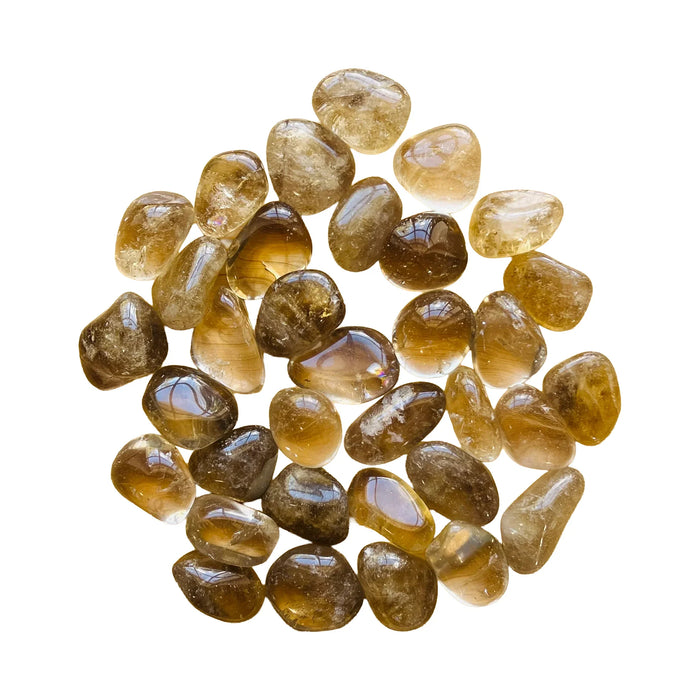
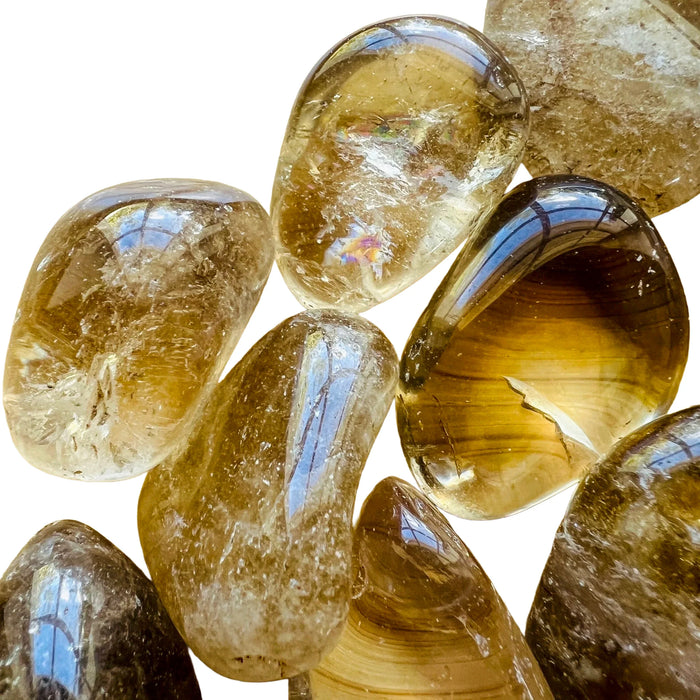
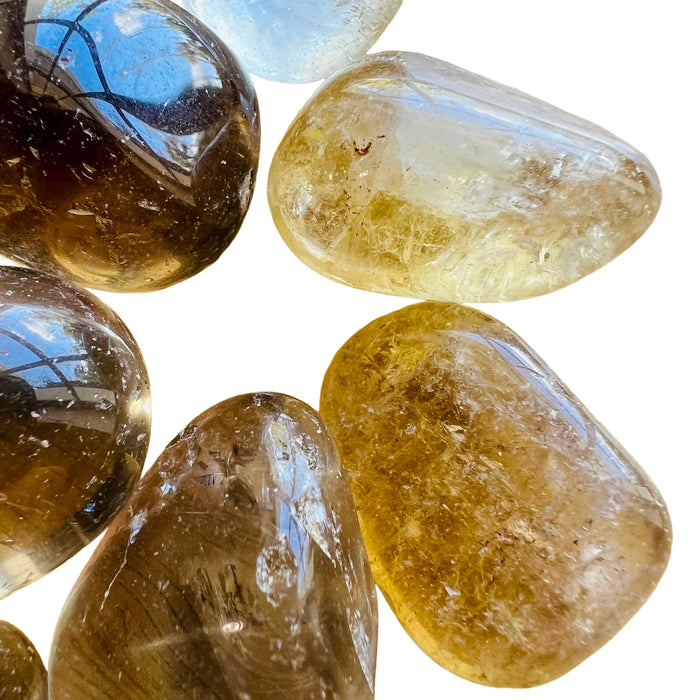
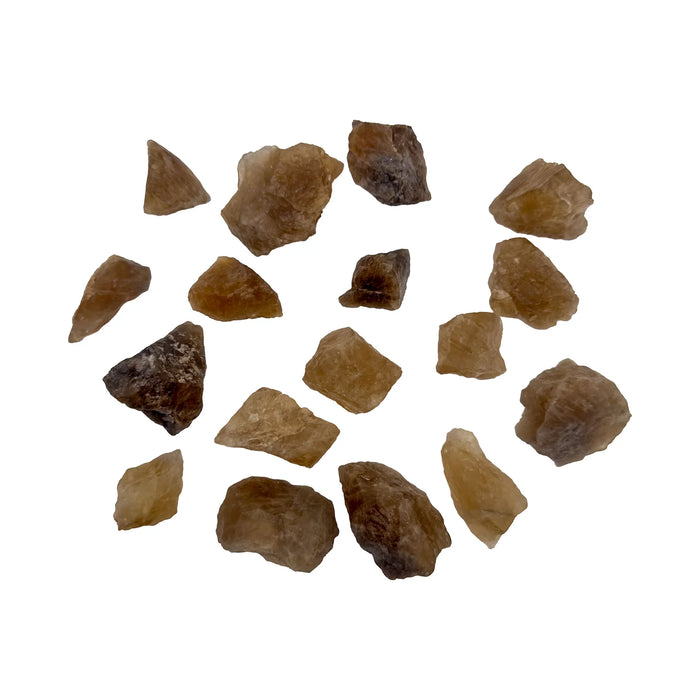
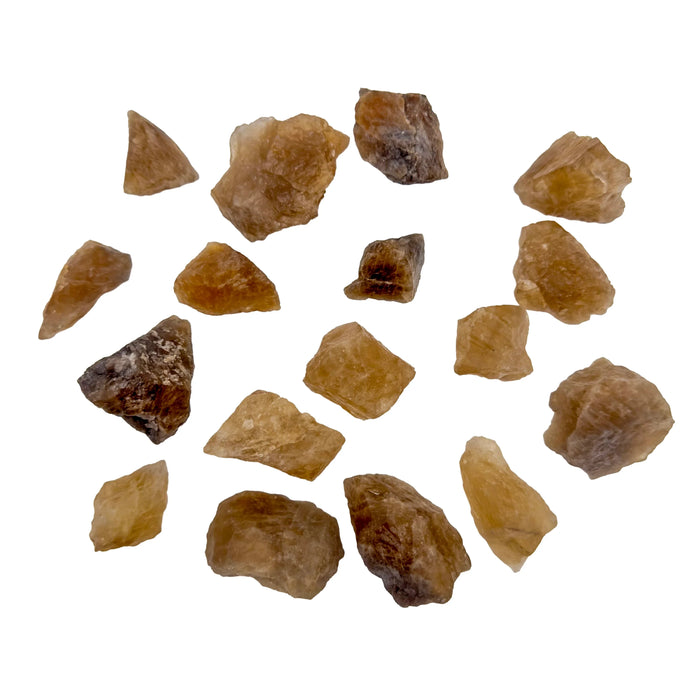
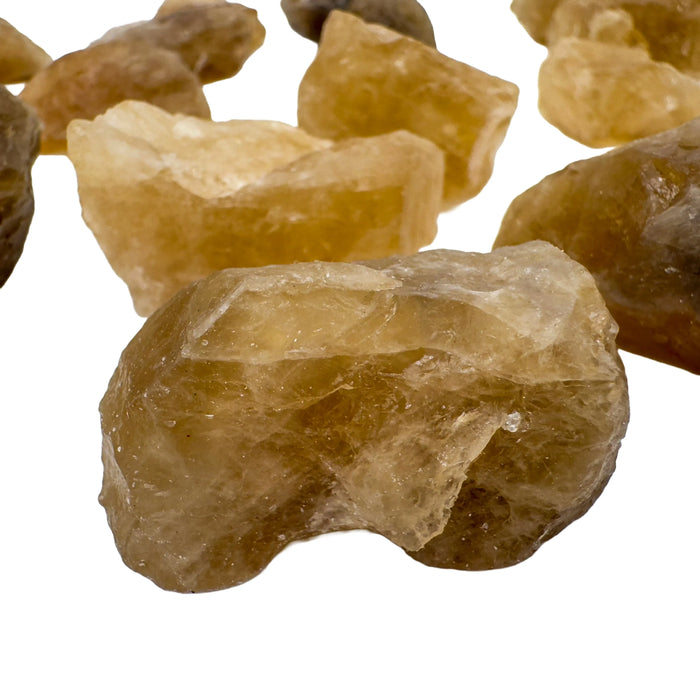
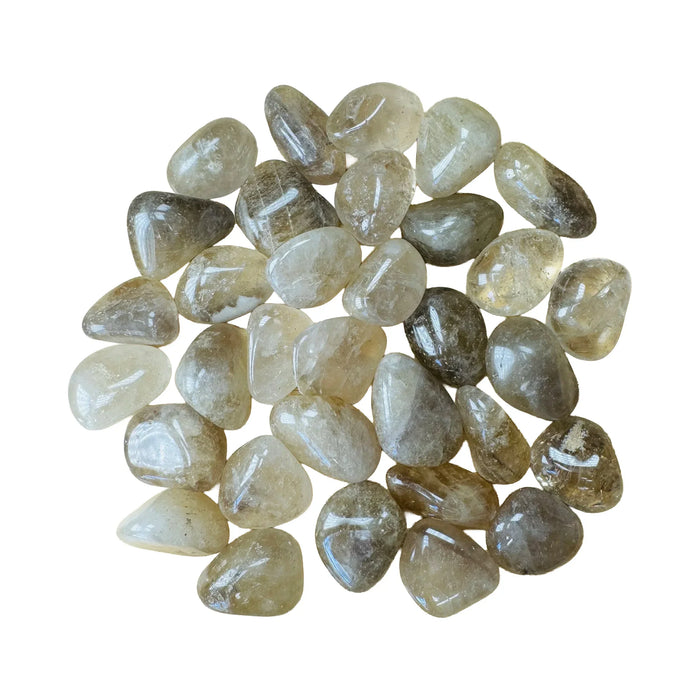
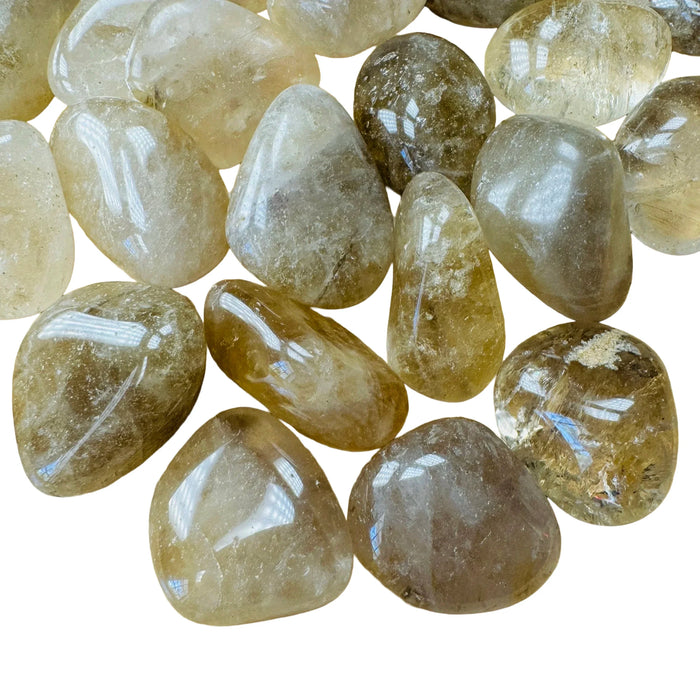
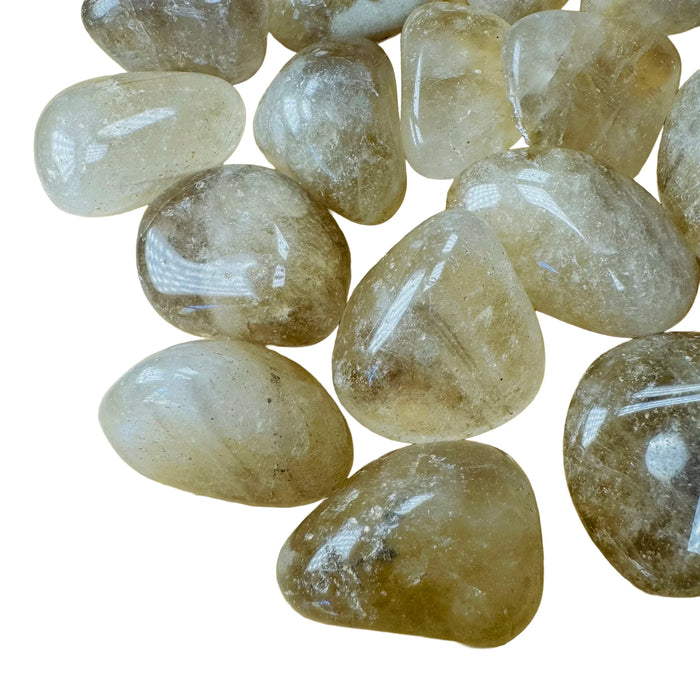
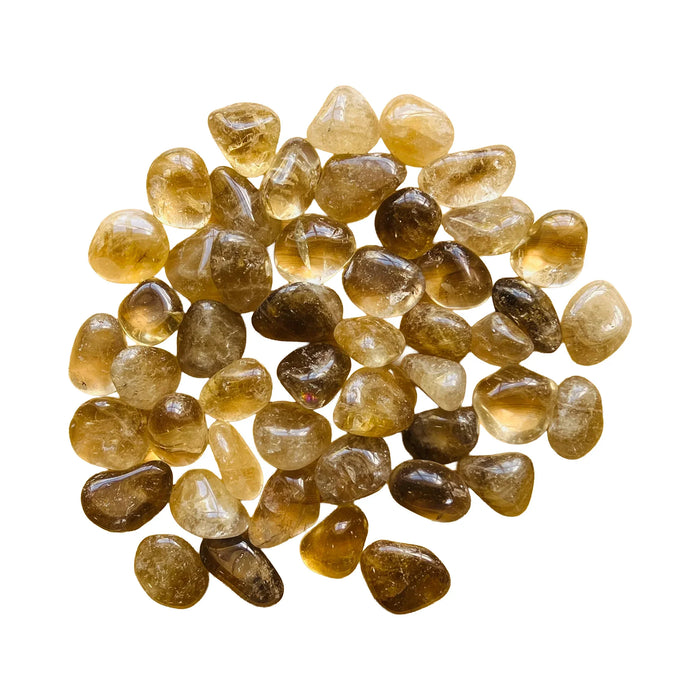
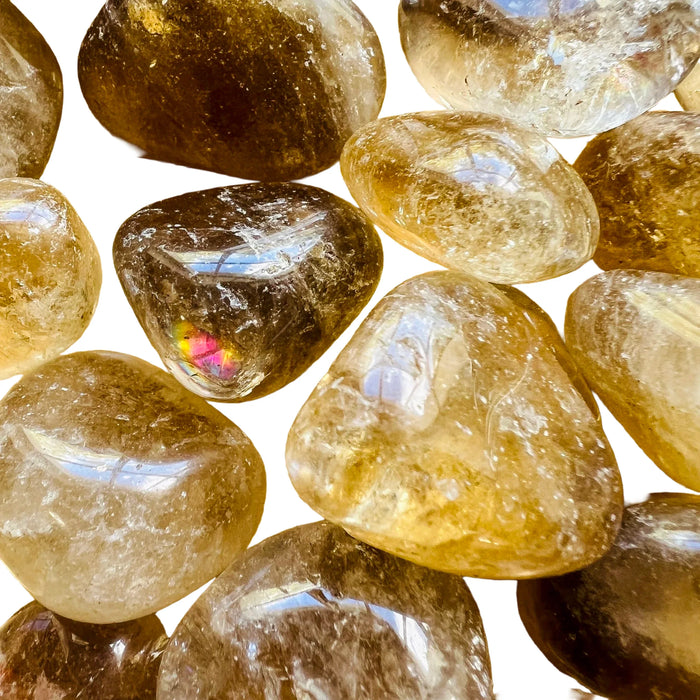
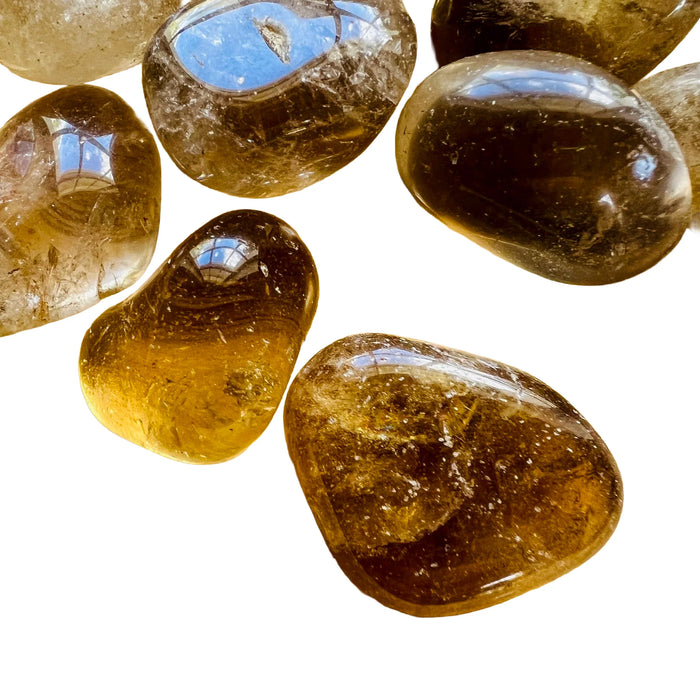
Explore the Crystal GuideThe closest match we carry: Citrine.
Adamite is not something we carry. Citrine is the closest match in our collection, and every piece passes our sourcing standards: origin named, treatments disclosed.
- from 1,000+ reviews
- Ships within 72 hoursMonday to Friday, tracked
- 90 days to return itif you do not love it
- Free US shipping over $99$8.99 flat rate under
The Slow Note
New stones go to the list first.
No forwarding, no selling. Unsubscribe in one click. Privacy