


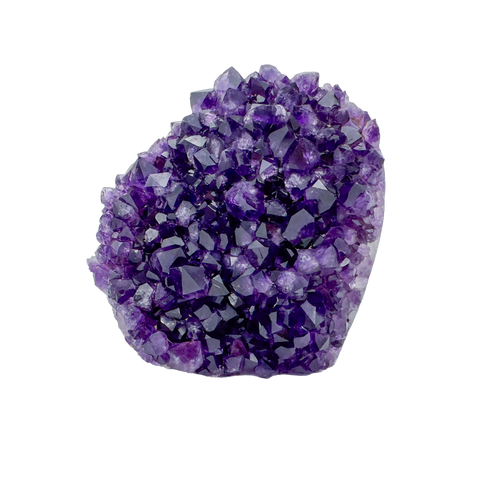
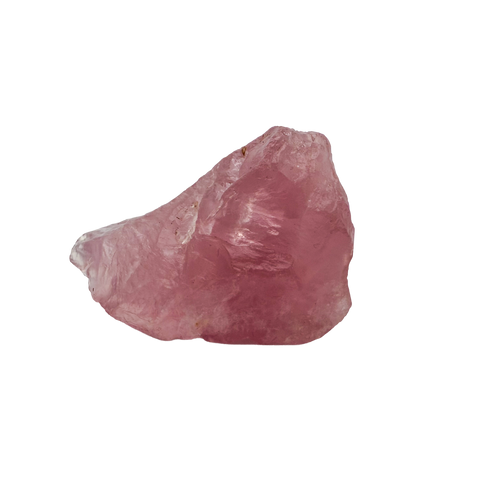
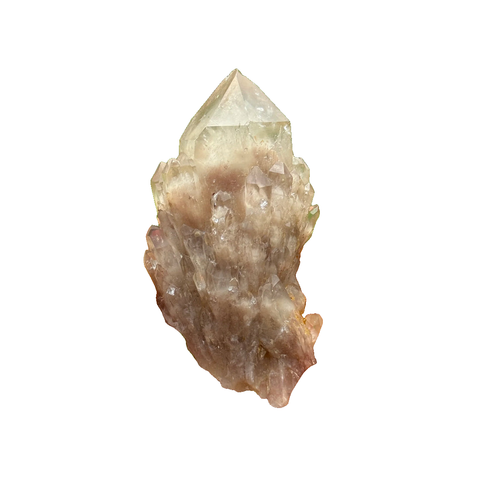
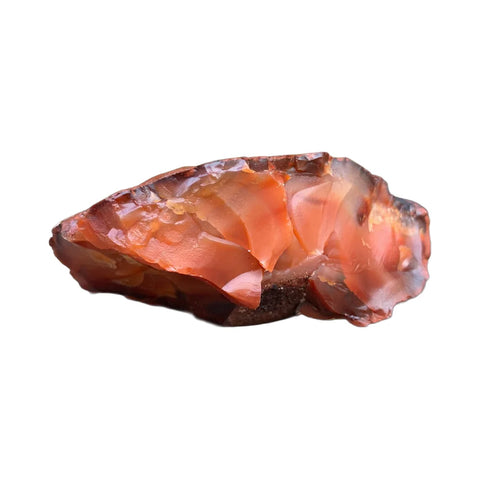
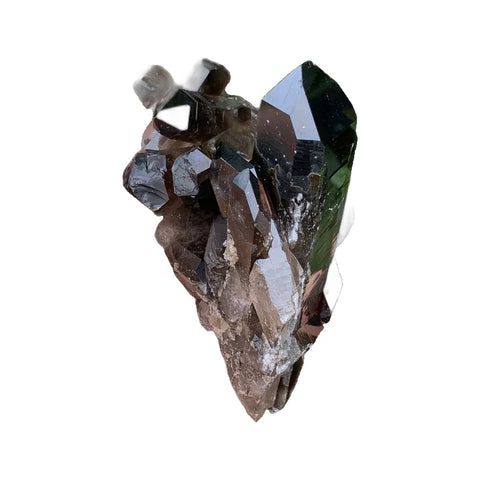
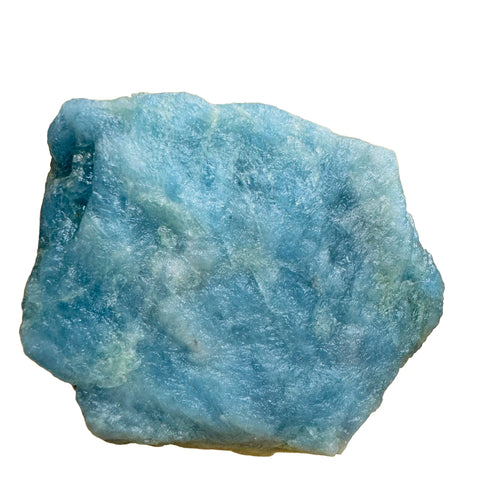
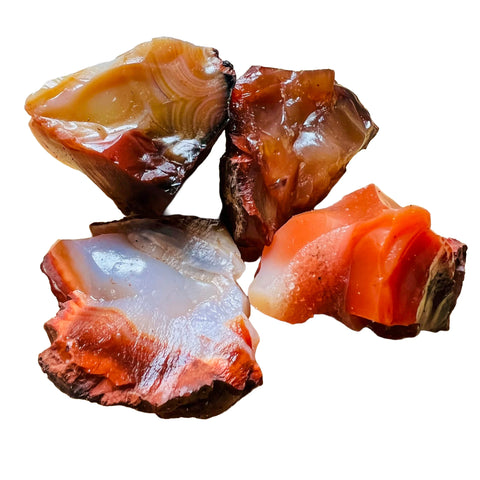


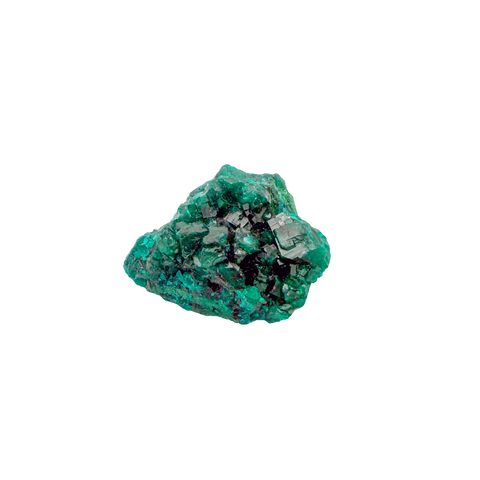
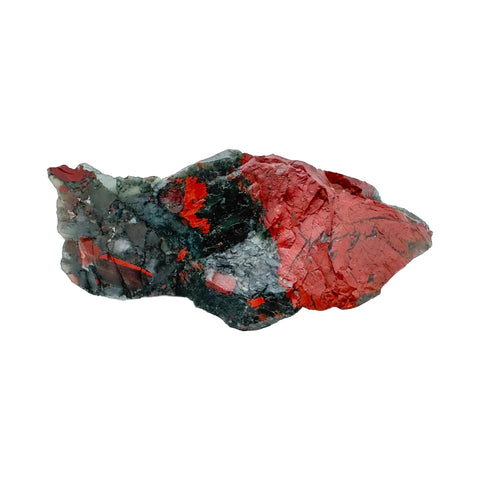
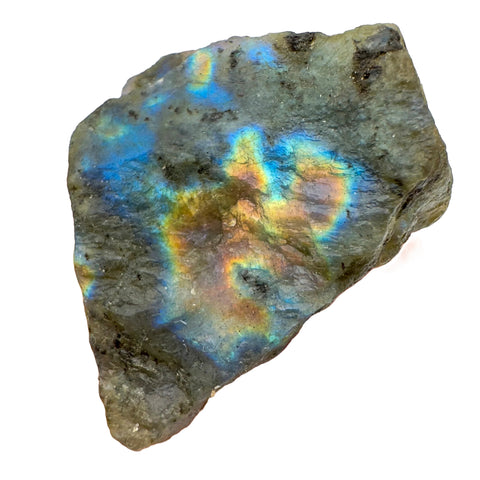
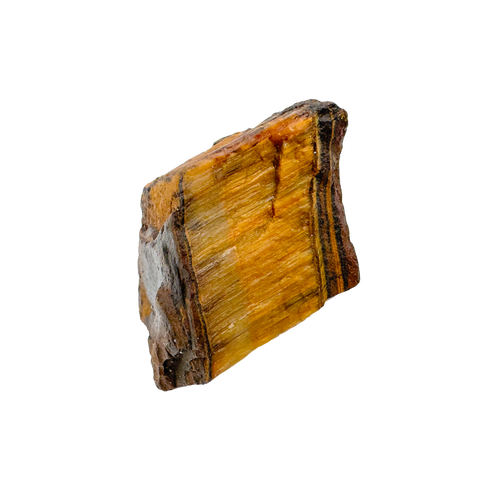
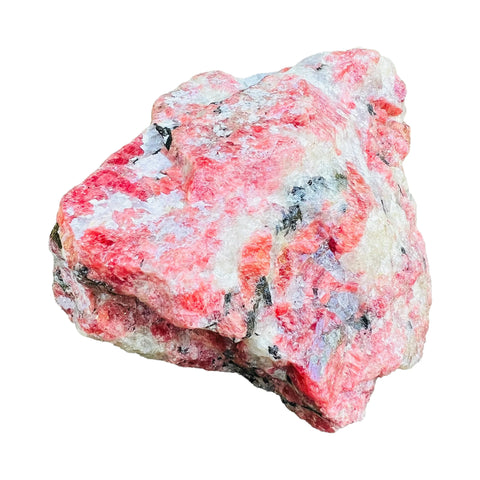
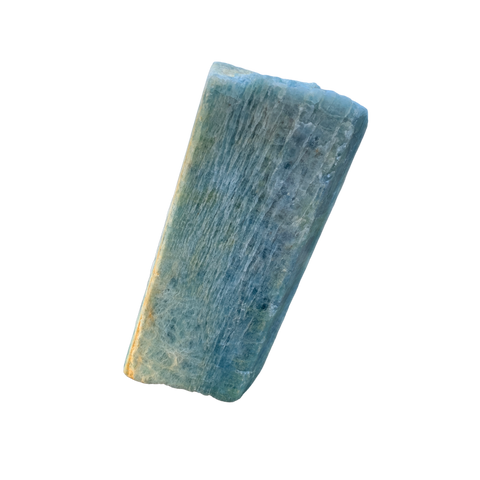
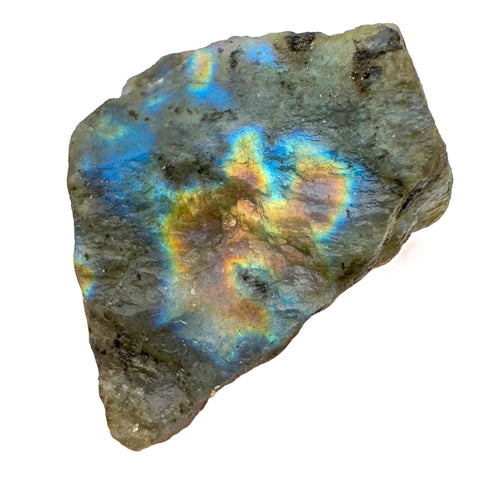
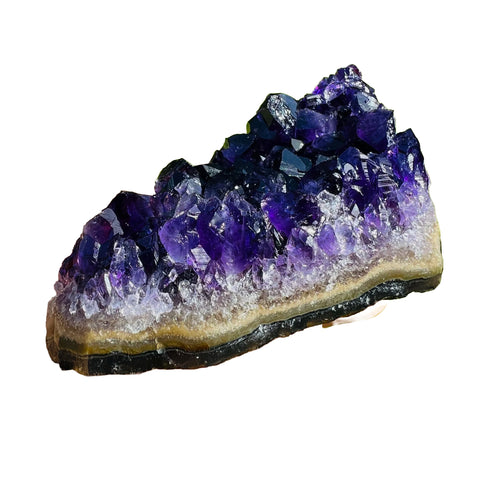



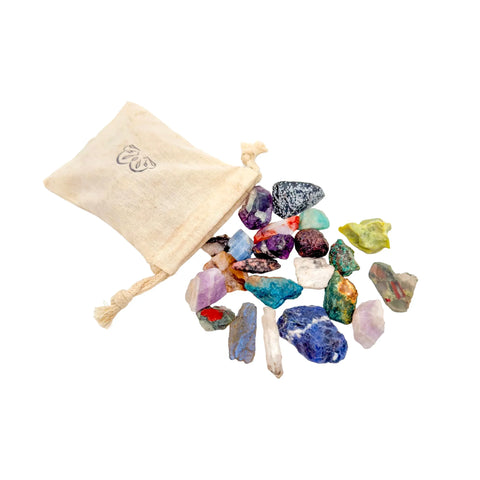
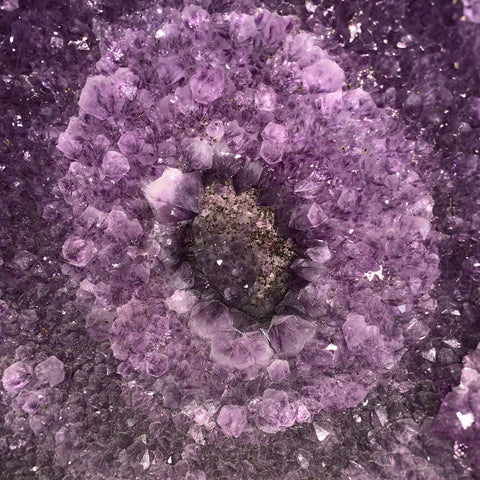
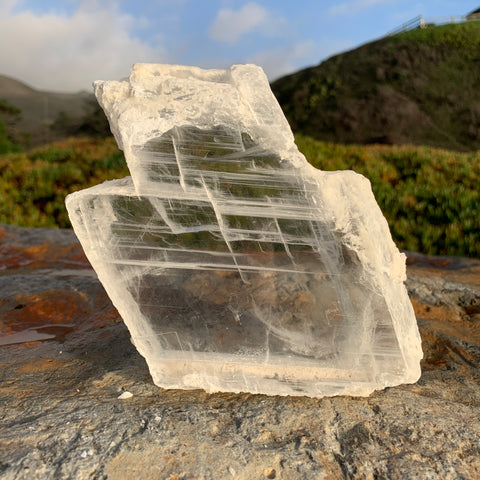
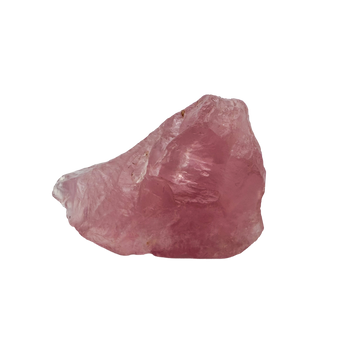
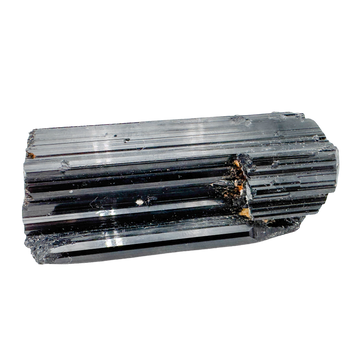
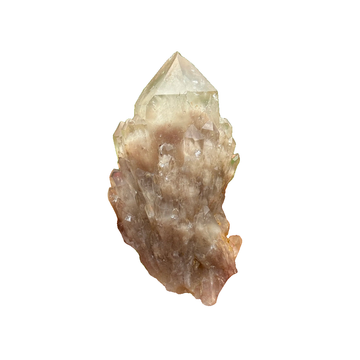
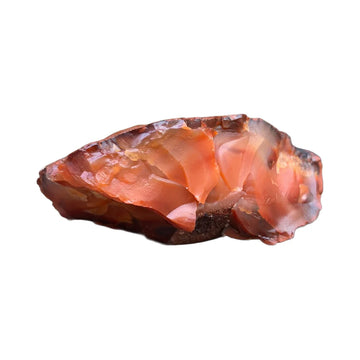
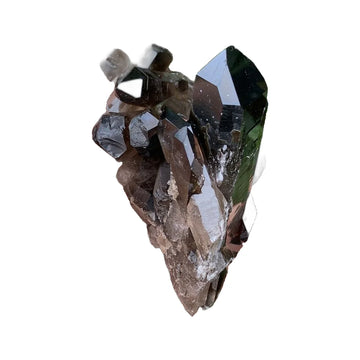
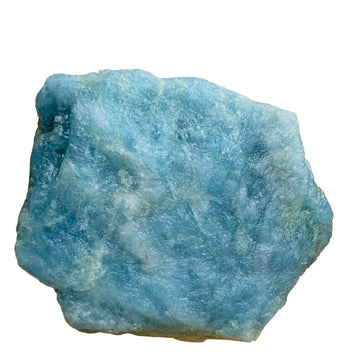
 Raw Stones
179 pieces
Raw Stones
179 pieces
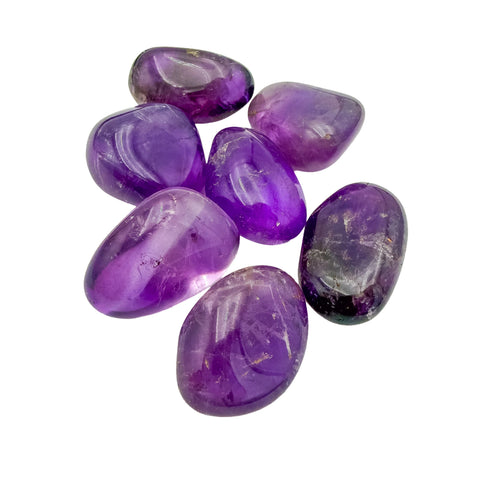
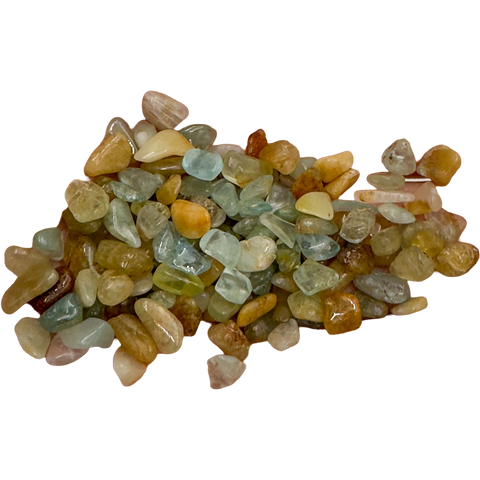
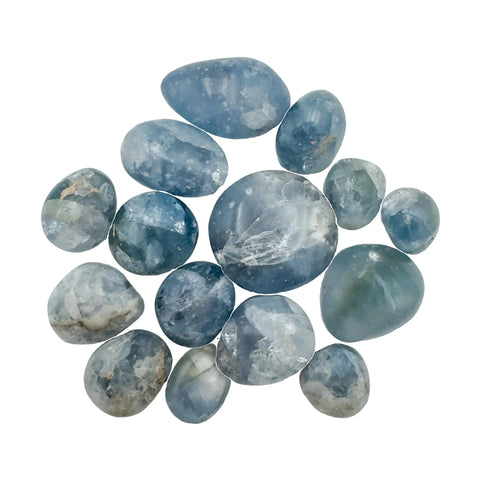
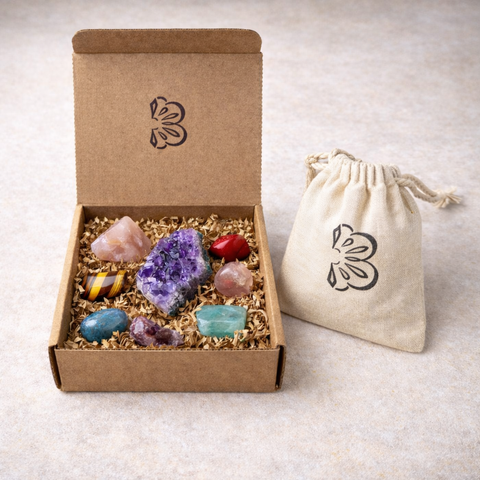
 Tumbled Stones
162 pieces
Tumbled Stones
162 pieces
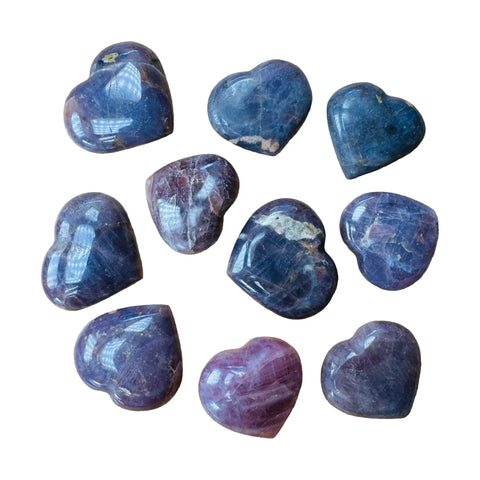
 Palm Stones
25 pieces
Palm Stones
25 pieces
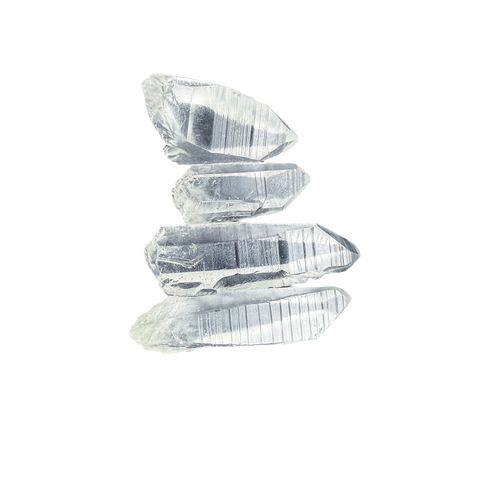
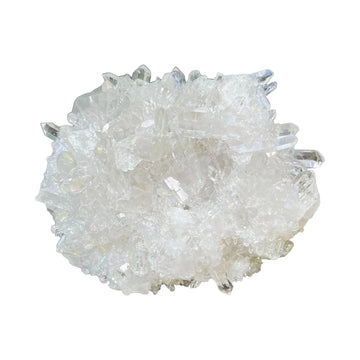
 Crystal Points
23 pieces
Crystal Points
23 pieces
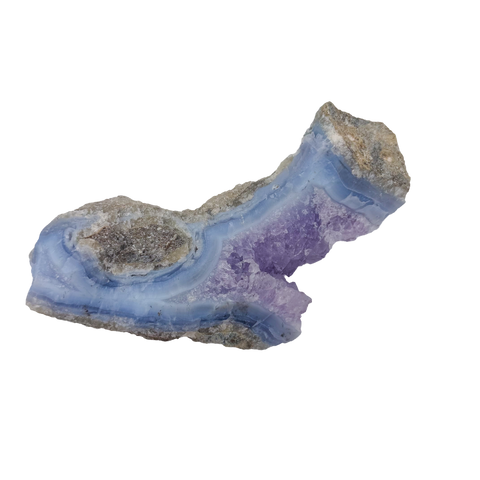
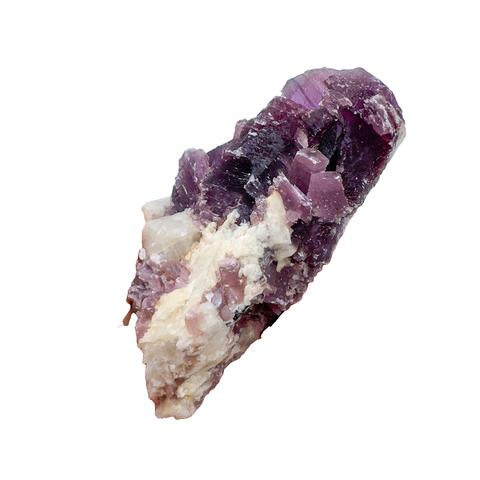
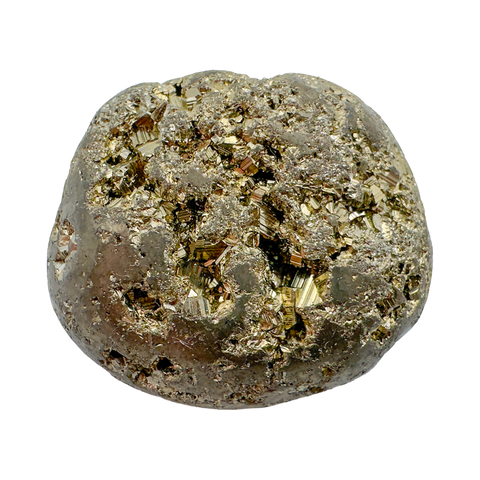
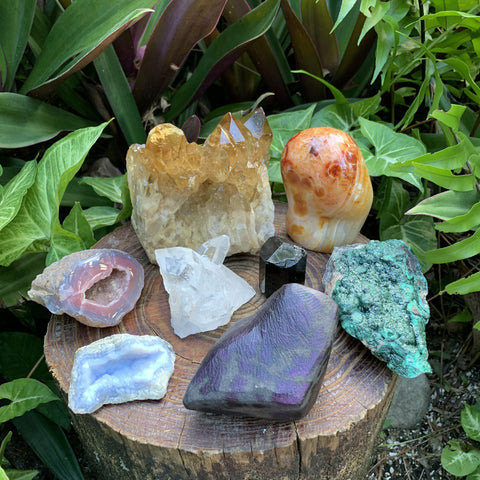
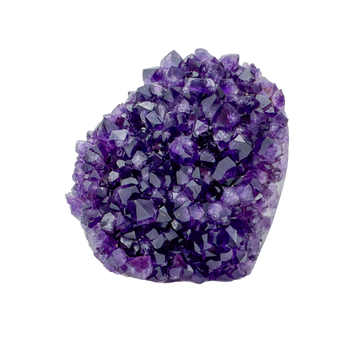
 Clusters & Geodes
104 pieces
Clusters & Geodes
104 pieces
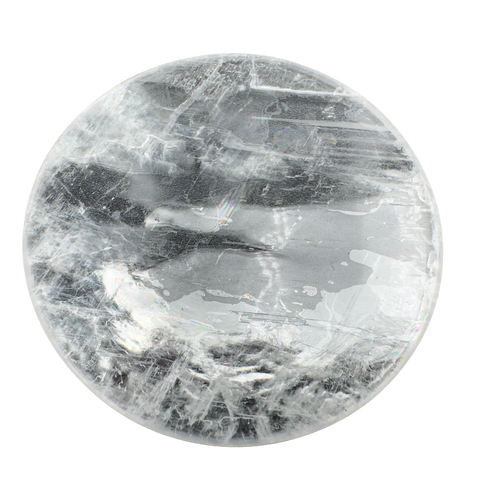
 Polished & Decor
148 pieces
Polished & Decor
148 pieces
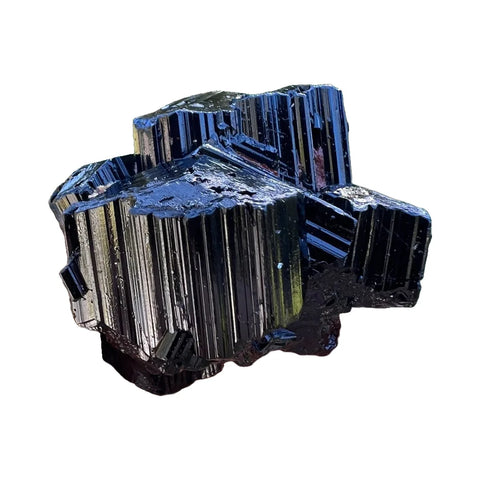
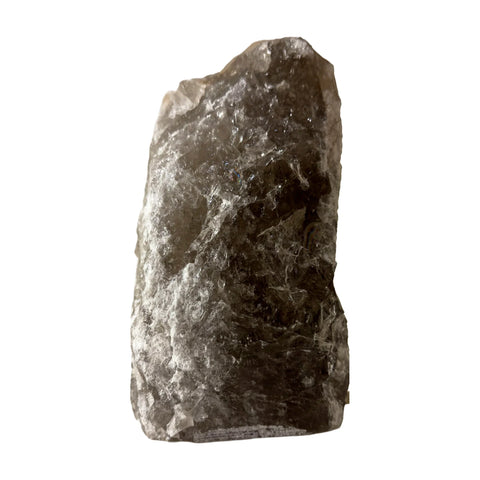
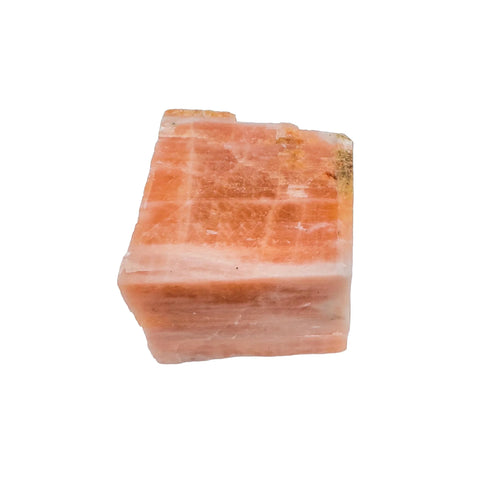
 Mineral Specimens
259 collector pieces
Mineral Specimens
259 collector pieces
 Crystal Chips
21 pieces
Browse everything
Every collection, one page.
View All Collections →
Crystal Chips
21 pieces
Browse everything
Every collection, one page.
View All Collections →


 Aries
Mar 21 – Apr 19
Carnelian
›
Aries
Mar 21 – Apr 19
Carnelian
›
 Taurus
Apr 20 – May 20
Rose Quartz
›
Taurus
Apr 20 – May 20
Rose Quartz
›
 Gemini
May 21 – Jun 20
Agate
›
Gemini
May 21 – Jun 20
Agate
›
 Cancer
Jun 21 – Jul 22
Moonstone
›
Cancer
Jun 21 – Jul 22
Moonstone
›
 Leo
Jul 23 – Aug 22
Citrine
›
Leo
Jul 23 – Aug 22
Citrine
›
 Virgo
Aug 23 – Sep 22
Amazonite
›
Virgo
Aug 23 – Sep 22
Amazonite
›
 Libra
Sep 23 – Oct 22
Blue Lace Agate
›
Libra
Sep 23 – Oct 22
Blue Lace Agate
›
 Scorpio
Oct 23 – Nov 21
Obsidian
›
Scorpio
Oct 23 – Nov 21
Obsidian
›
 Sagittarius
Nov 22 – Dec 21
Sodalite
›
Sagittarius
Nov 22 – Dec 21
Sodalite
›
 Capricorn
Dec 22 – Jan 19
Black Tourmaline
›
Capricorn
Dec 22 – Jan 19
Black Tourmaline
›
 Aquarius
Jan 20 – Feb 18
Amethyst
›
Aquarius
Jan 20 – Feb 18
Amethyst
›
 Pisces
Feb 19 – Mar 20
Aquamarine
›
Gifting?
A birthday stone is the safe bet.
Read the zodiac guide →
Pisces
Feb 19 – Mar 20
Aquamarine
›
Gifting?
A birthday stone is the safe bet.
Read the zodiac guide →

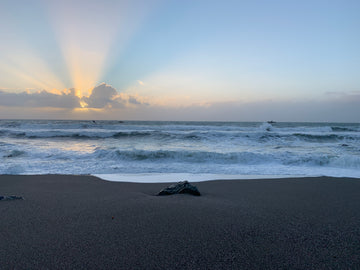
Hemimorphite
Hemimorphite is a hydrated zinc silicate famous for its glowing blue and blue-green botryoidal crusts, most of them from China. Its name comes from its lopsided crystals, whose two ends differ in shape. Many people work with it for communication, ease, and an uplifted mood.
The geology.
Hemimorphite is a hydrated zinc silicate with the formula Zn4Si2O7(OH)2 followed by water, crystallizing in the orthorhombic system. Its name refers to a rare habit called hemimorphism, where a single crystal has two differently shaped ends because it lacks a center of symmetry. More often it grows as botryoidal, grape-like crusts, radiating sprays, and bladed clusters.
The prized blue and blue-green colors come from traces of copper, though hemimorphite can also be white, colorless, gray, yellow, or brown. Hardness is modest at about 4.5 to 5, and specific gravity is fairly high for a silicate, around 3.4 to 3.5, because of its zinc content. It forms in the weathered, oxidized upper zones of zinc ore deposits.
The origins.
China has become the defining source of gem-quality blue hemimorphite, especially the sky-blue botryoidal masses that collectors love, with notable material from Yunnan Province localities such as Dulong and Wenshan. Mexico, Namibia, and the United States are other important sources, and historic specimens came from European deposits.
Because hemimorphite forms where zinc ore bodies have been altered near the surface, it usually appears alongside other secondary zinc minerals such as smithsonite and willemite. That shared setting is one reason hemimorphite and smithsonite are sometimes confused, since both can form soft, botryoidal blue-green crusts.
Traditional associations.
Hemimorphite is a fairly modern entry in crystal practice, and its associations lean on its bright, watery blue color. People often describe it as light and uplifting rather than heavy or grounding, a stone for lifting mood and easing communication.
Many people work with it for honest expression, emotional wellbeing, and a sense of openness and good humor. It is most often linked with the Throat chakra, and sometimes the Heart, along with the element of Water and the sign Libra. A common practice is to keep a piece nearby during conversations or creative work.
Spotting the real thing.
Genuine blue hemimorphite usually appears as botryoidal crusts or radiating sprays with a glassy to pearly luster and a soft, luminous blue that often shades toward blue-green. Under close light the surface shows rounded, bubbly forms or fine bladed crystals rather than a flat, painted color.
The most common look-alike is smithsonite, which shares the same deposits and colors but is a zinc carbonate rather than a silicate. Distinguishing the two by eye is hard, so origin and dealer knowledge matter. Watch also for dyed or backed pale material and for man-made blue stones, and ask whether a piece is natural, and whether it is hemimorphite or smithsonite.
Care & handling.
Hemimorphite needs gentle handling. At about 4.5 to 5 on the Mohs scale it scratches easily, and it can be brittle, so it suits pendants, display specimens, and protected settings more than rings that take knocks. Clean it briefly with a soft, barely damp cloth rather than soaking it.
Because it is a hydrated mineral that holds water in its structure, it is wise to keep water contact short and to avoid prolonged soaking, heat, and harsh or acidic cleaners. Store it away from harder stones. To reset it energetically, many people prefer dry methods such as smoke, sound, or a night on a selenite plate.
Pairs well with.
A deeper look.
Extended geology, sourcing, authentication, history, and varieties, for when the quick guide isn't quite enough.
Extended geology
Hemimorphite is a sorosilicate of zinc, Zn4Si2O7(OH)2 with an additional water molecule, and it crystallizes in the orthorhombic system. It is one of the classic examples of a hemimorphic mineral, meaning its crystals can terminate differently at each end because the structure lacks a center of symmetry. This property also gives it interesting pyroelectric and piezoelectric behavior.
Its hardness of about 4.5 to 5 and specific gravity of about 3.4 to 3.5 reflect its zinc content. The blue and blue-green colors are attributed to copper. Historically, hemimorphite and smithsonite were both grouped under the old miners' term calamine, an important zinc ore, before chemistry separated the silicate from the carbonate.
Extended sourcing
Modern gem-grade blue hemimorphite is strongly associated with China, particularly Yunnan Province, where localities such as Dulong and Wenshan have produced vivid sky-blue botryoidal masses. Mexico, Namibia, and the United States are significant sources as well, and older specimens came from European deposits in Italy and elsewhere.
The mineral forms in the oxidized zones of zinc ore bodies, where original sulfides weather in the presence of silica-bearing water. That environment places it alongside smithsonite, willemite, and other secondary zinc minerals, which is why fine specimens are often prized by mineral collectors as much as by crystal enthusiasts.
Authentication and warning signs
Look for botryoidal or bladed forms, a luminous copper-blue color, and a glassy to pearly luster. Because hemimorphite is relatively soft, it can be scratched with a knife, unlike many harder blue stones. In hand specimens it often lines cavities as rounded crusts or delicate crystal sprays.
The key uncertainty is telling hemimorphite from smithsonite, since they occur together and look alike. Reliable identification may require testing, so trustworthy sourcing matters. Also be cautious of dyed or stabilized pale material, and of blue man-made stones marketed under vague names.
History and folklore
For centuries, hemimorphite was lumped together with smithsonite under the name calamine and mined chiefly as an ore of zinc. Only in the nineteenth century did mineralogists clearly separate the zinc silicate from the zinc carbonate and give hemimorphite its modern name, which describes its lopsided crystals.
As a result, hemimorphite has little ancient gemstone folklore of its own. Its role in crystal practice is recent and rests largely on the appeal of its bright blue color, which people associate with clear, uplifting communication.
Varieties and trade names
Blue and blue-green botryoidal hemimorphite from China is the most sought-after form. Colorless to white bladed hemimorphite occurs widely and is popular with mineral collectors. Yellow, gray, and brown material also exists. The old term calamine once covered both hemimorphite and smithsonite together, so historic labels can be ambiguous.
What it costs in the market
Hemimorphite ranges from affordable to collector-priced. Small tumbled pieces and slices of blue material often cost in the low tens of dollars, quality botryoidal specimens with strong sky-blue color reach higher, and large, richly colored display pieces command the most. Color intensity, form, and specimen size are the main value drivers.
An education-first guide.
We don't currently carry hemimorphite, so there's nothing to sell you here. This guide exists because the more you understand a stone, the better every decision you make about it becomes, wherever you buy it. Explore the rest of our crystal guides for stones we do source, each with full origin and treatment notes.
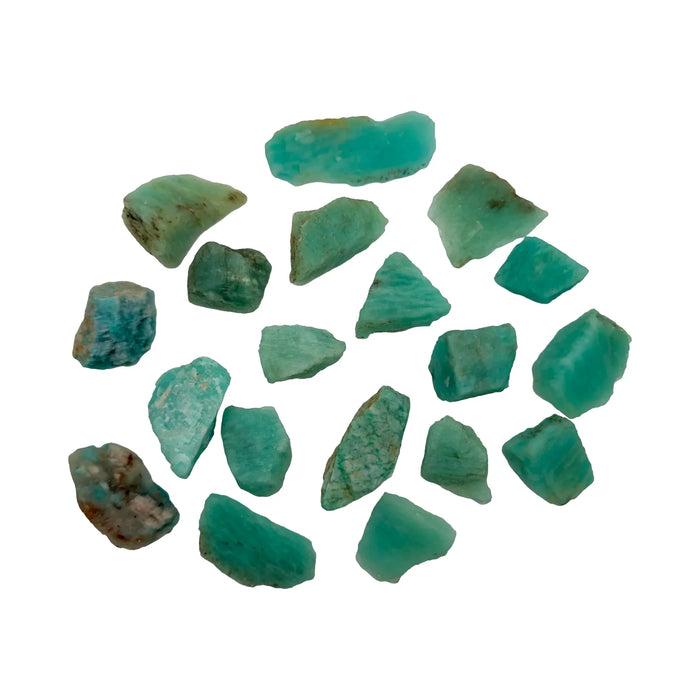
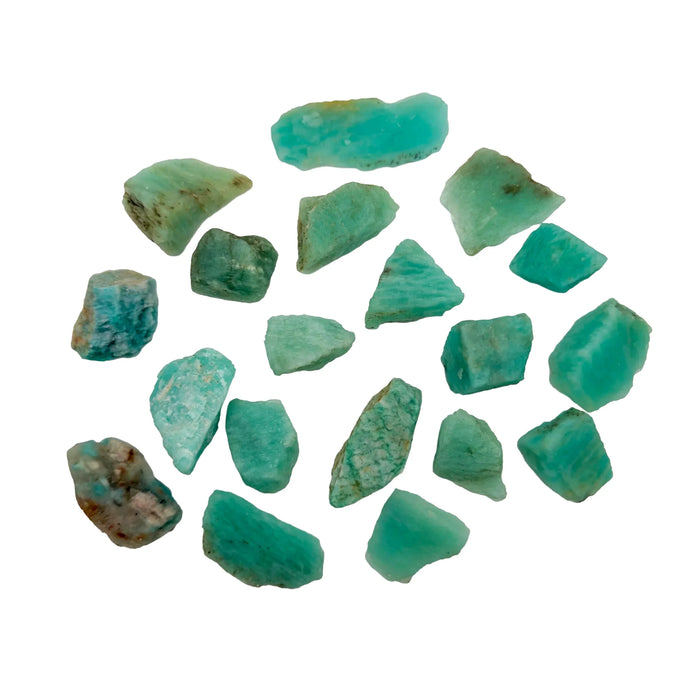
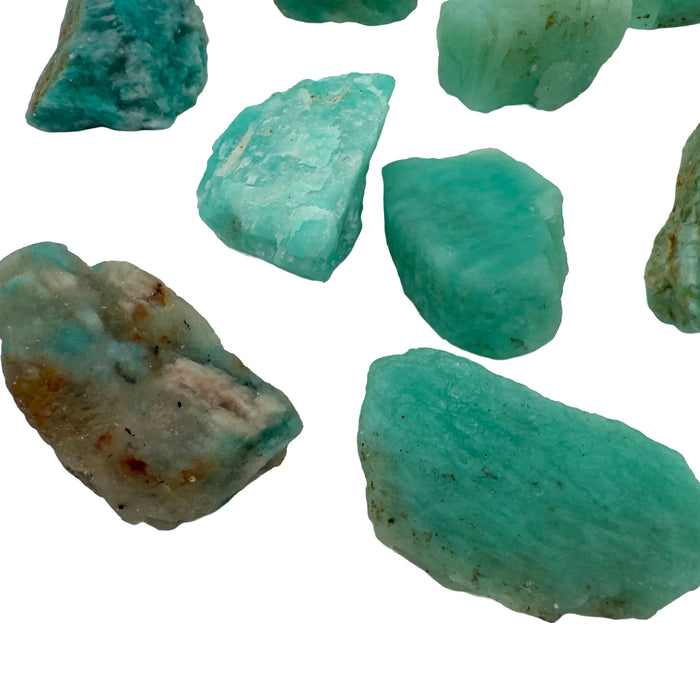
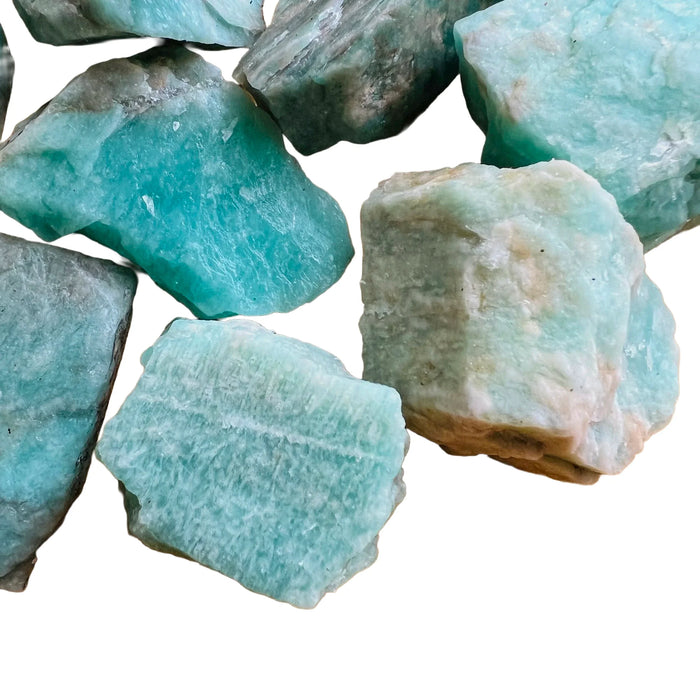
Explore the Crystal GuideLove Hemimorphite? Meet Amazonite.
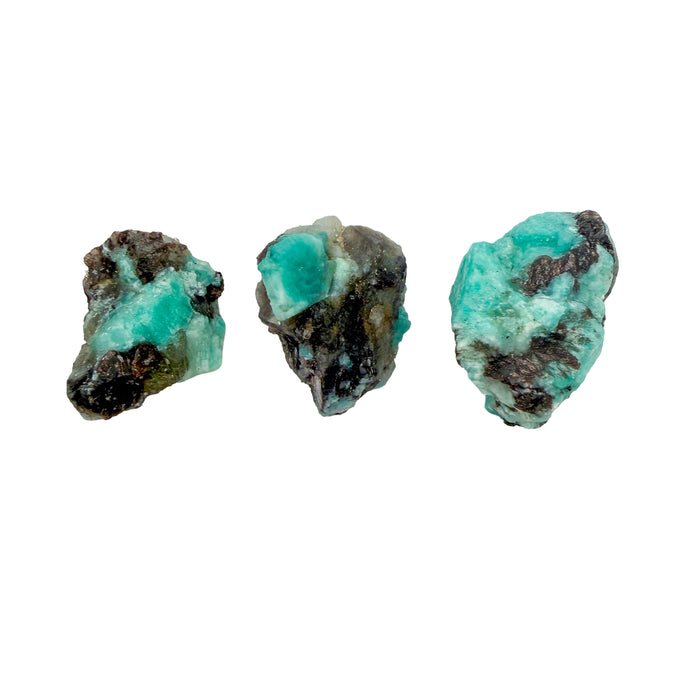
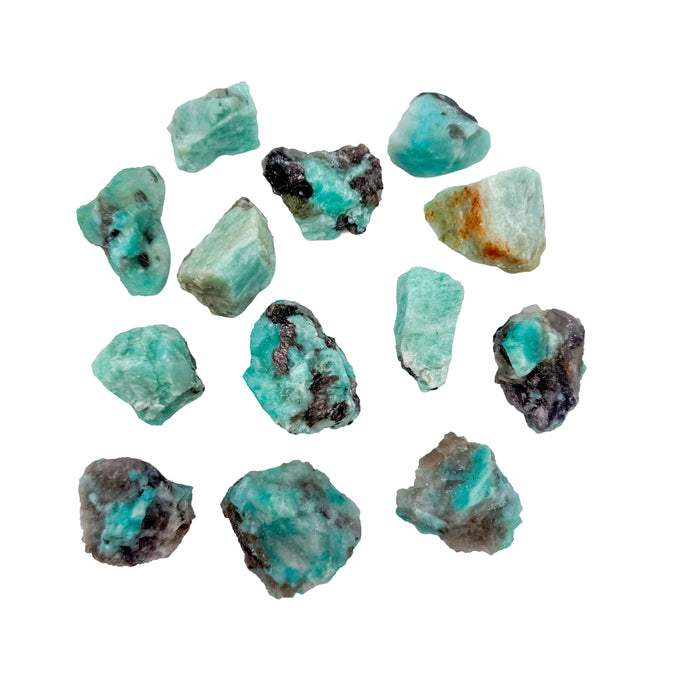
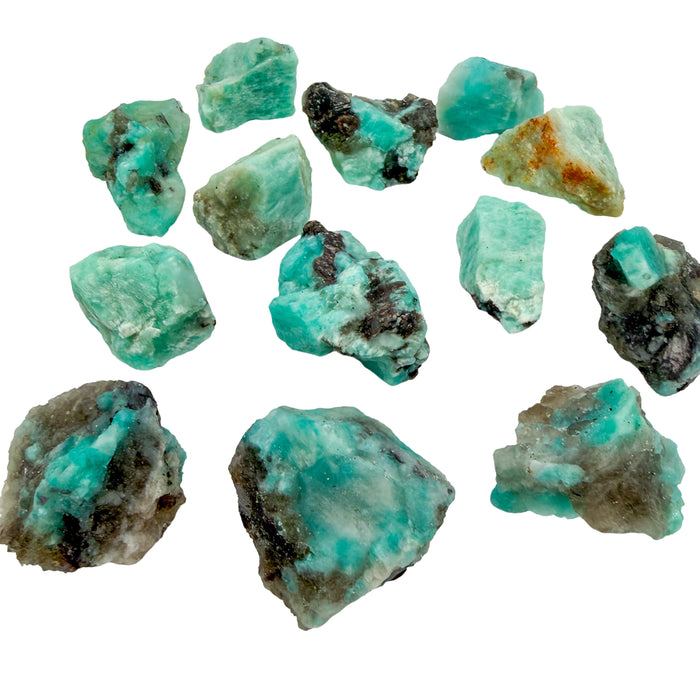
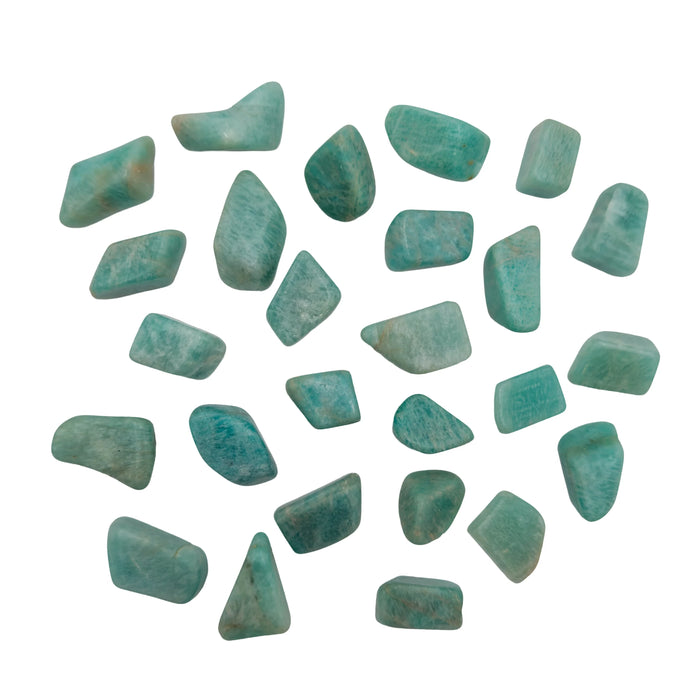
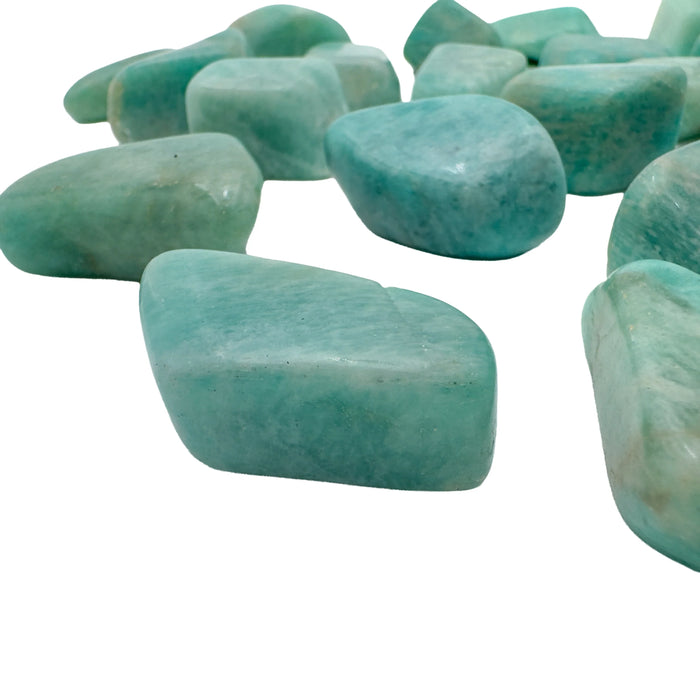
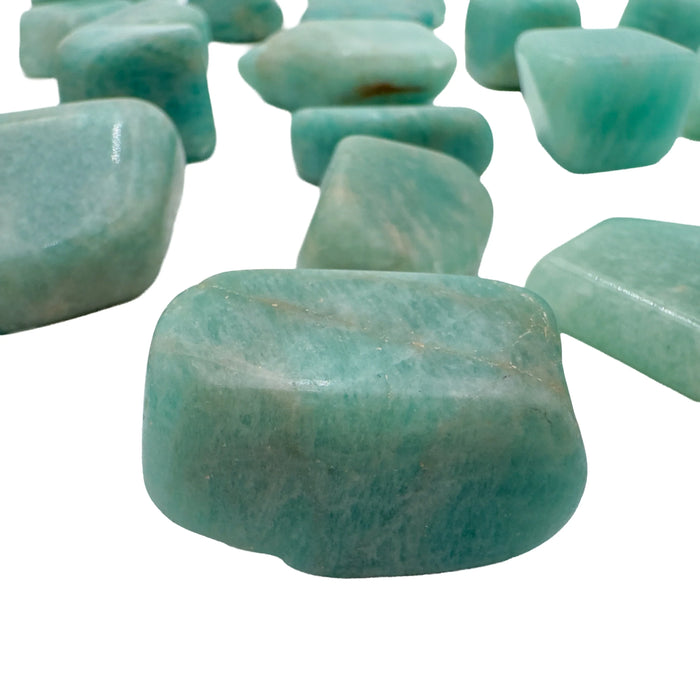
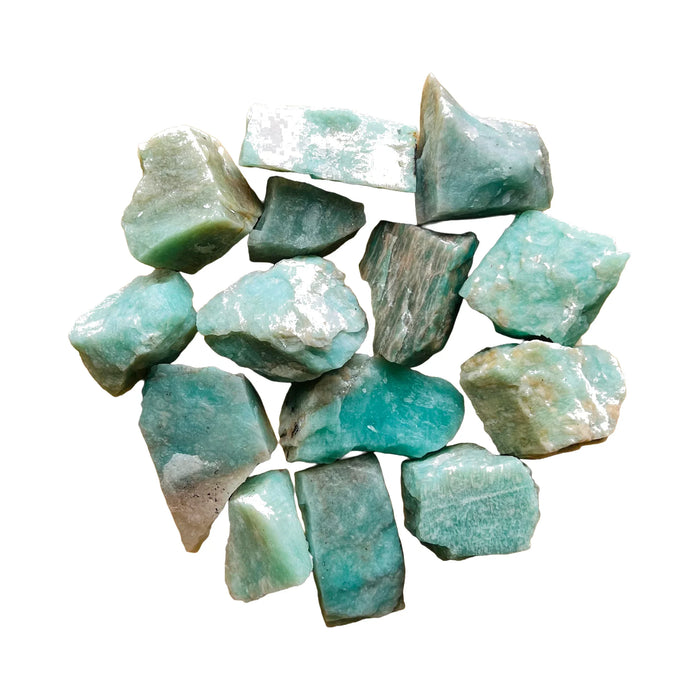
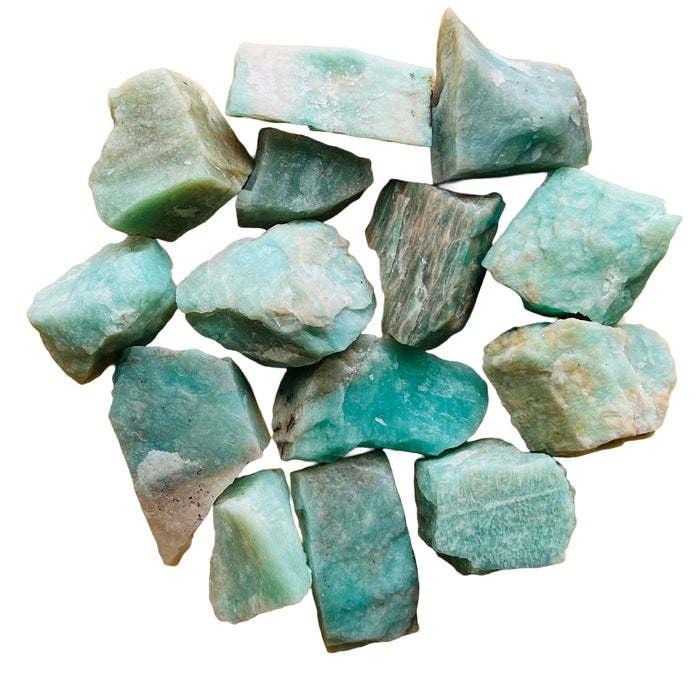
Hemimorphite is not something we carry. Amazonite is the closest match in color, and every piece passes our sourcing standards: origin named, treatments disclosed.
- from 1,000+ reviews
- Ships within 72 hoursMonday to Friday, tracked
- 90 days to return itif you do not love it
- Free US shipping over $99$8.99 flat rate under
The Slow Note
New stones go to the list first.
No forwarding, no selling. Unsubscribe in one click. Privacy