


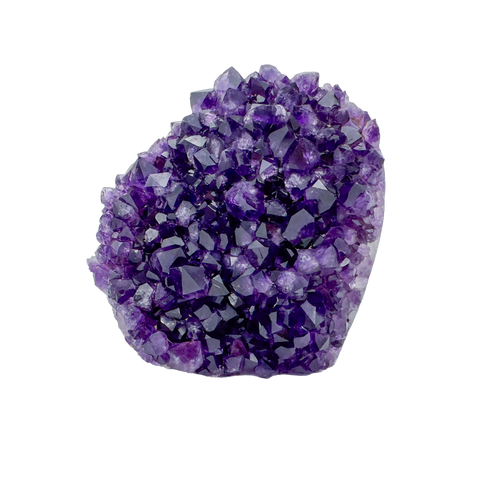
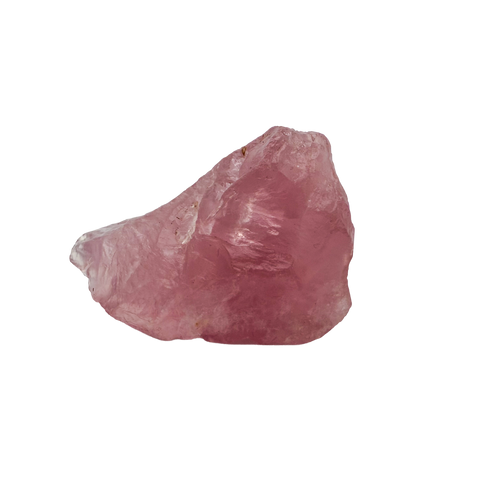
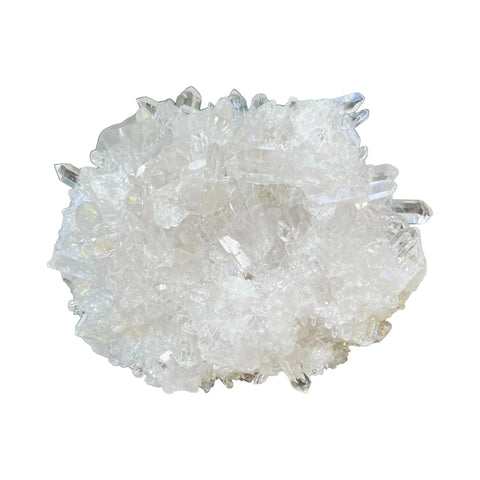
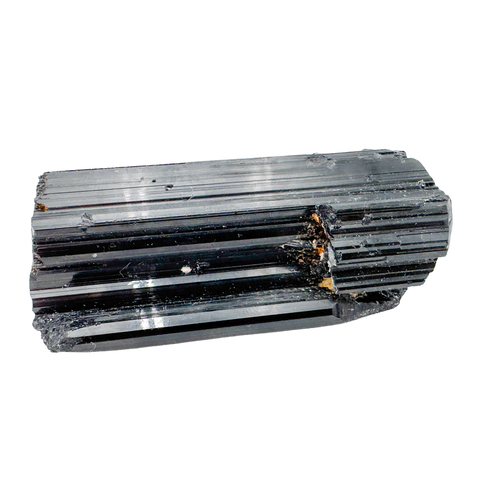
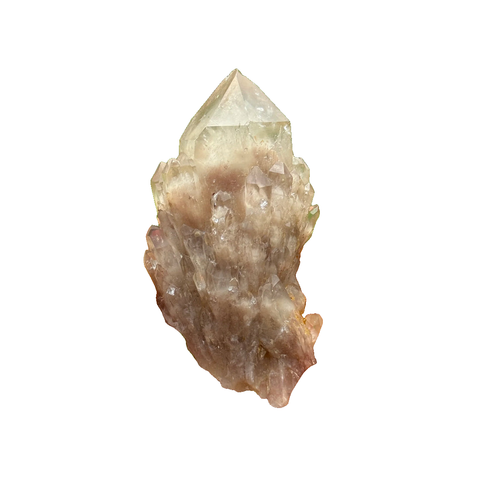
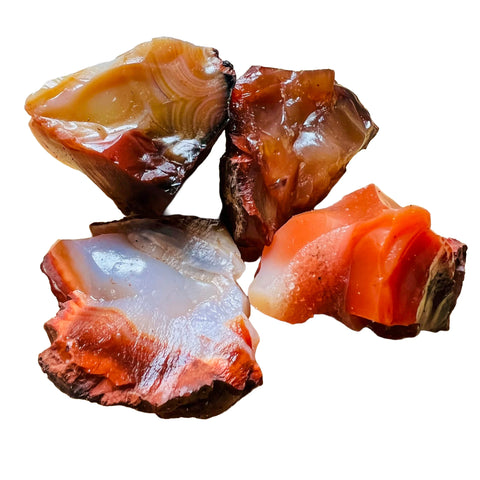


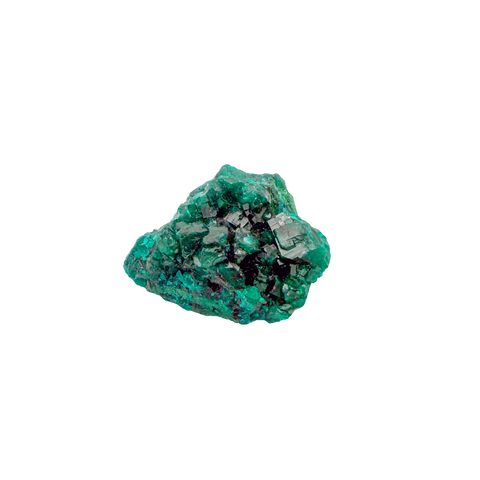
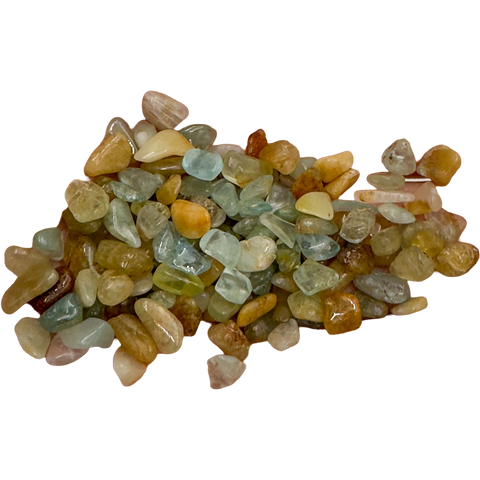
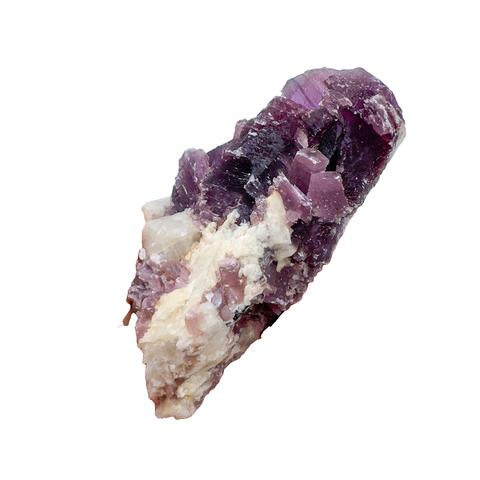
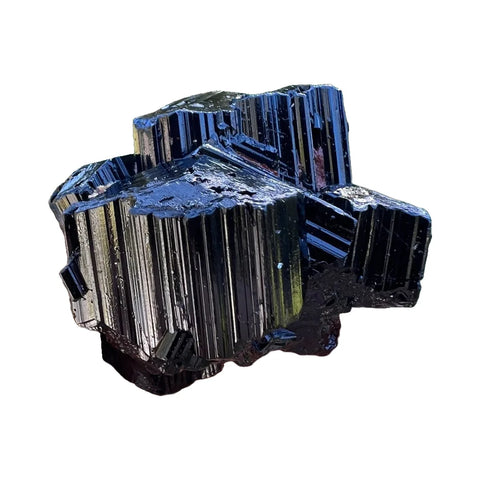
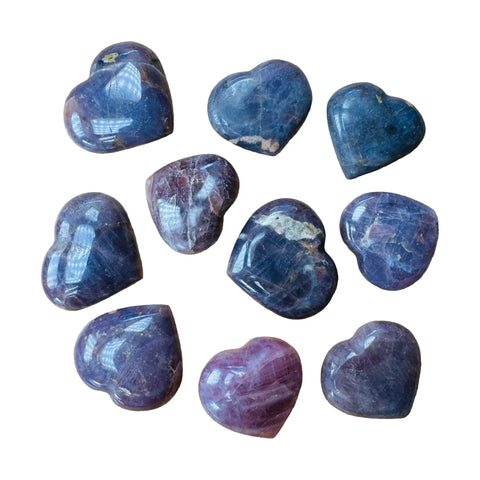
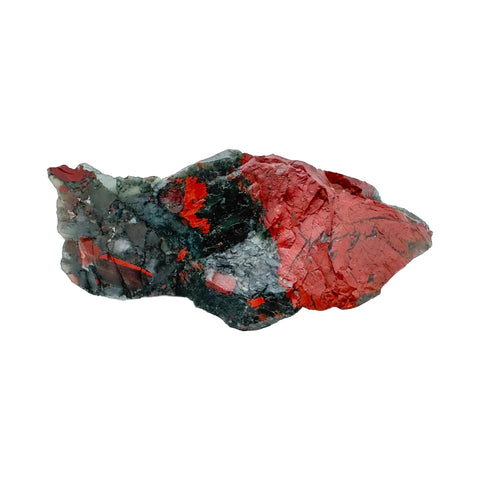
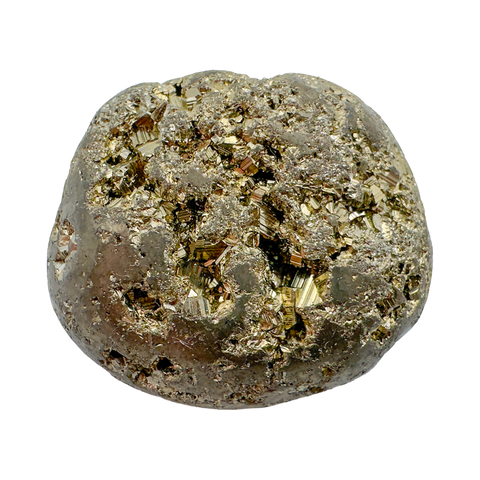
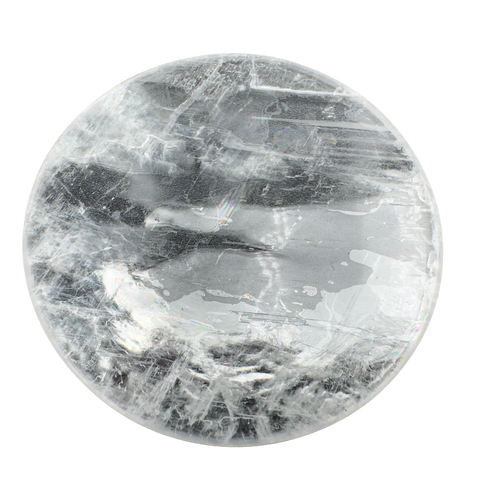
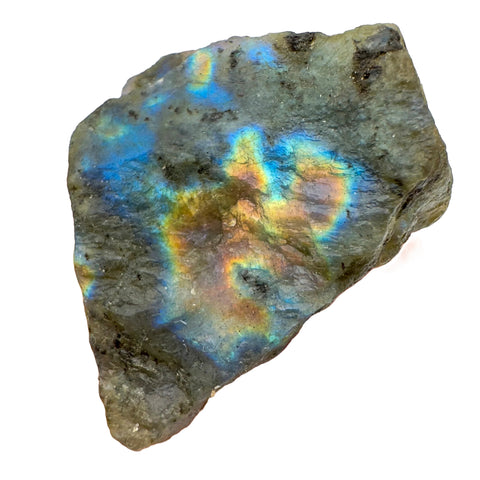
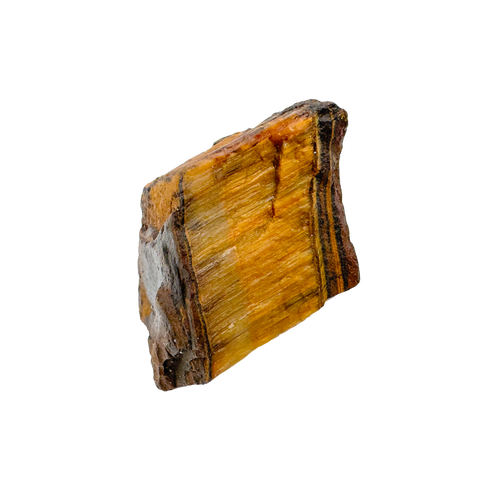
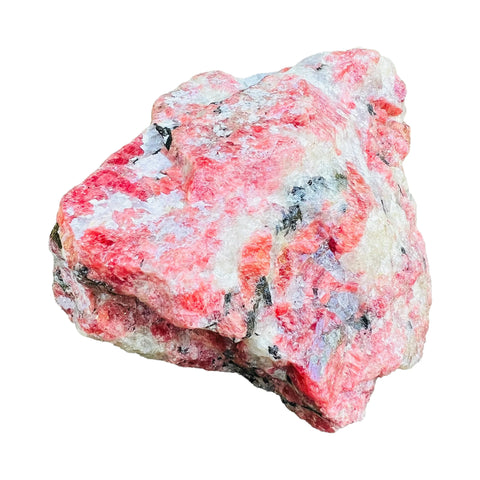
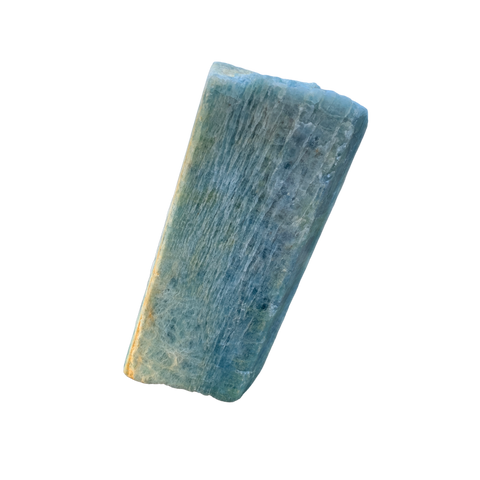
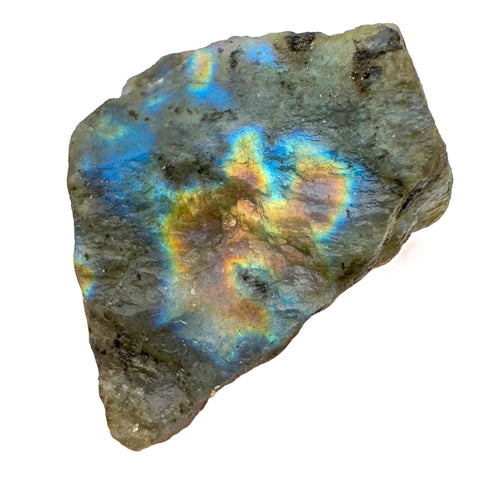
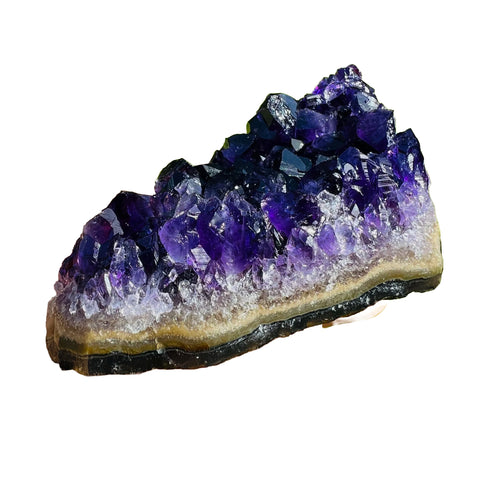



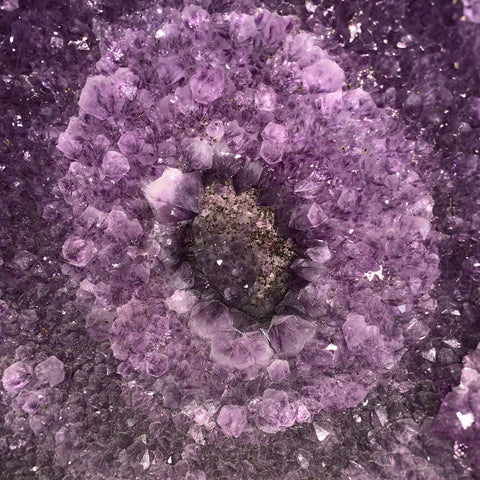
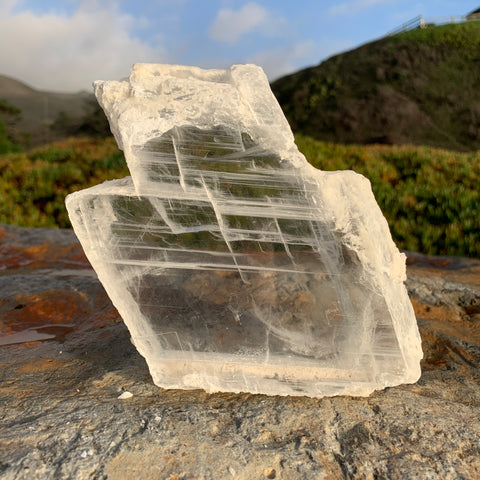
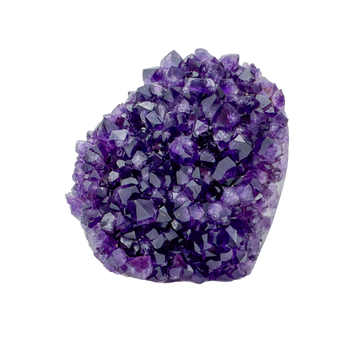
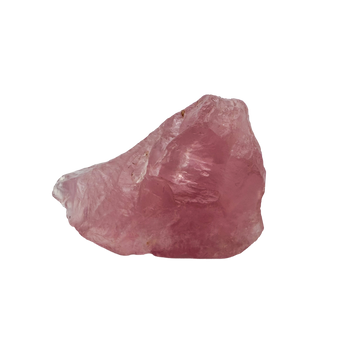
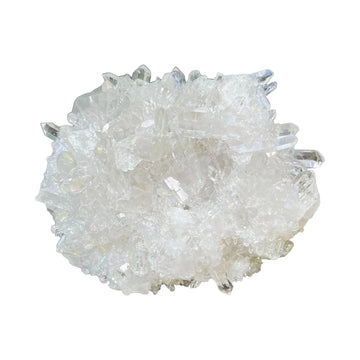
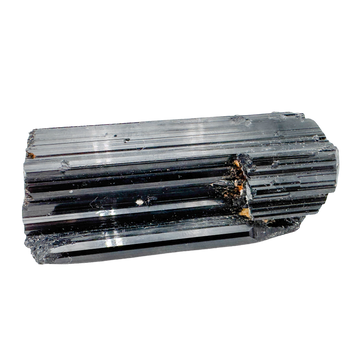
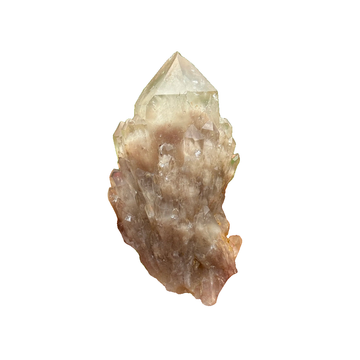
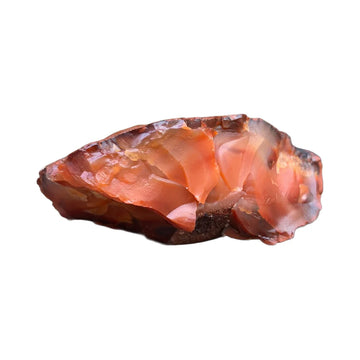
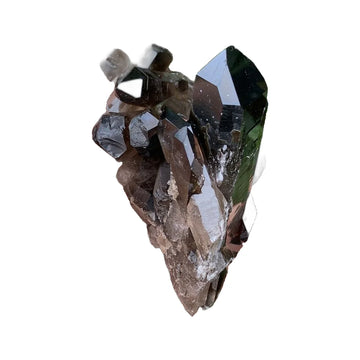
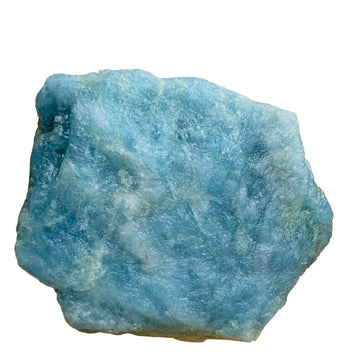
 Raw Stones
179 pieces
Raw Stones
179 pieces
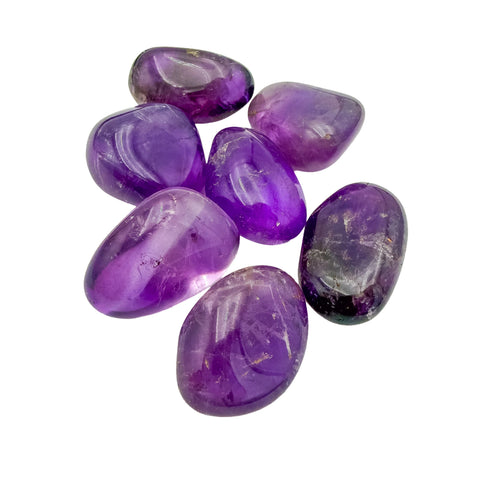
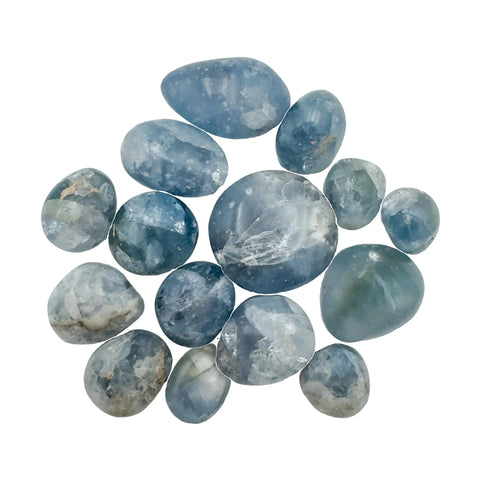
 Tumbled Stones
162 pieces
Tumbled Stones
162 pieces
 Palm Stones
25 pieces
Palm Stones
25 pieces
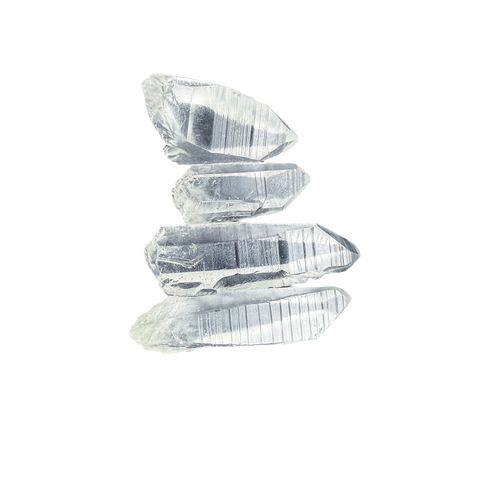
 Crystal Points
23 pieces
Crystal Points
23 pieces
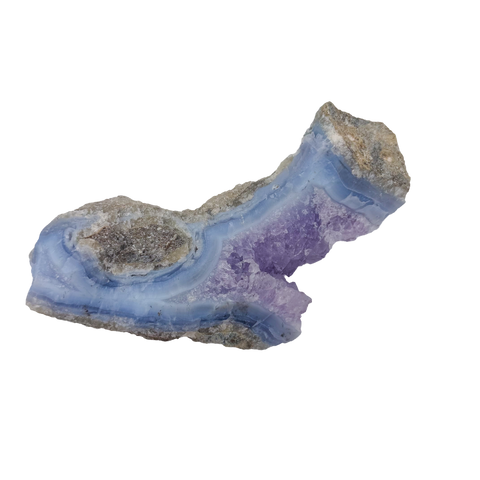
 Clusters & Geodes
104 pieces
Clusters & Geodes
104 pieces
 Polished & Decor
148 pieces
Polished & Decor
148 pieces
 Mineral Specimens
259 collector pieces
Mineral Specimens
259 collector pieces
 Crystal Chips
21 pieces
Browse everything
Every collection, one page.
View All Collections →
Crystal Chips
21 pieces
Browse everything
Every collection, one page.
View All Collections →


 Aries
Mar 21 – Apr 19
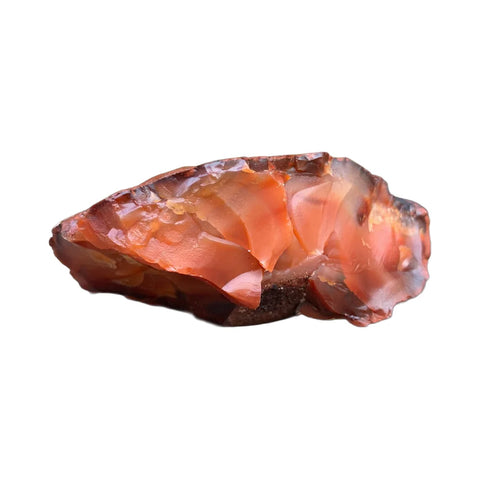
Carnelian
›
Aries
Mar 21 – Apr 19
Carnelian
›
 Taurus
Apr 20 – May 20
Rose Quartz
›
Taurus
Apr 20 – May 20
Rose Quartz
›
 Gemini
May 21 – Jun 20
Agate
›
Gemini
May 21 – Jun 20
Agate
›
 Cancer
Jun 21 – Jul 22
Moonstone
›
Cancer
Jun 21 – Jul 22
Moonstone
›
 Leo
Jul 23 – Aug 22
Citrine
›
Leo
Jul 23 – Aug 22
Citrine
›
 Virgo
Aug 23 – Sep 22
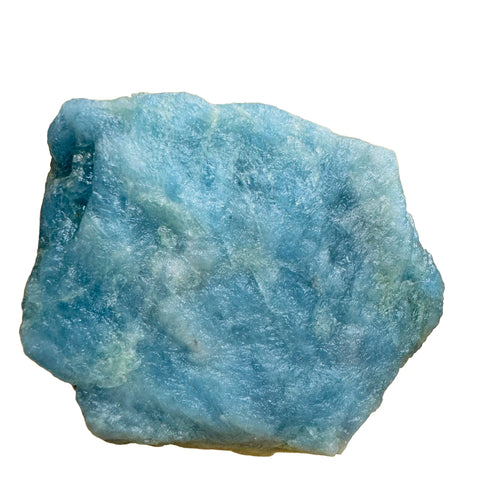
Amazonite
›
Virgo
Aug 23 – Sep 22
Amazonite
›
 Libra
Sep 23 – Oct 22
Blue Lace Agate
›
Libra
Sep 23 – Oct 22
Blue Lace Agate
›
 Scorpio
Oct 23 – Nov 21
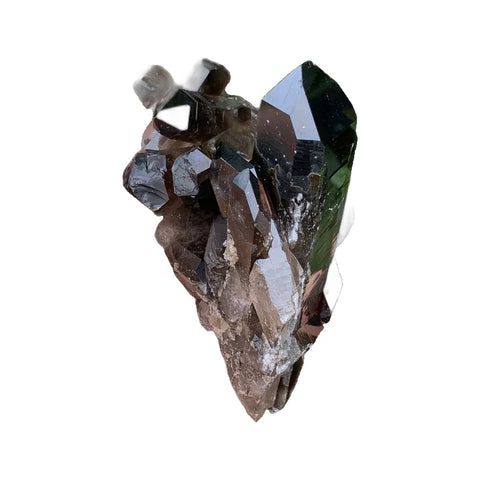
Obsidian
›
Scorpio
Oct 23 – Nov 21
Obsidian
›
 Sagittarius
Nov 22 – Dec 21
Sodalite
›
Sagittarius
Nov 22 – Dec 21
Sodalite
›
 Capricorn
Dec 22 – Jan 19
Black Tourmaline
›
Capricorn
Dec 22 – Jan 19
Black Tourmaline
›
 Aquarius
Jan 20 – Feb 18
Amethyst
›
Aquarius
Jan 20 – Feb 18
Amethyst
›
 Pisces
Feb 19 – Mar 20
Aquamarine
›
Gifting?
A birthday stone is the safe bet.
Read the zodiac guide →
Pisces
Feb 19 – Mar 20
Aquamarine
›
Gifting?
A birthday stone is the safe bet.
Read the zodiac guide →

Smithsonite
Smithsonite is a zinc carbonate best known for its soft, botryoidal masses in blue-green, pink, yellow, and lavender. Named after the founder of the Smithsonian, it has a gentle, satiny glow. Many people work with it for comfort, calm, and kindness toward themselves and others.
The geology.
Smithsonite is the mineral form of zinc carbonate, ZnCO3, a member of the calcite group that crystallizes in the trigonal system. Well-formed crystals are rare. Far more often it grows as botryoidal, grape-like masses and crusts with a smooth, almost soap-like surface and a satiny to pearly luster that gives it a soft glow.
Its colors come from trace elements. Copper produces the famous blue and green, cadmium can bring yellow, cobalt or manganese give pink and lavender, and iron adds brown. Smithsonite is soft, about 4 to 4.5 on the Mohs scale, and comparatively heavy, with a specific gravity around 4.4 to 4.5 because of its zinc content, so a piece feels dense for its size.
The origins.
The Kelly Mine at Magdalena in New Mexico is the classic source of gorgeous blue-green botryoidal smithsonite, and remains a benchmark for the material. Tsumeb in Namibia is another world-renowned locality, producing vividly colored crystals, some tinted by cobalt into exotic hues. Mexico is a major source as well.
Historic and collector material also comes from Greece, notably the ancient Lavrion district, from Sardinia in Italy, and from Broken Hill in Australia, among others. Because smithsonite forms where zinc ore bodies have weathered near the surface, it commonly occurs with hemimorphite and other secondary zinc minerals.
Traditional associations.
Smithsonite is a gentle presence in crystal practice, and its associations follow its soft colors and satiny look. People frequently describe it as comforting and soothing, a stone for easing stress and treating yourself with more patience.
Many people work with it for calm, emotional comfort, kindness, and reassurance during difficult stretches. Different colors are linked with different chakras, with blue toward the Throat and pink and green toward the Heart. It is often connected with the element of Water and the signs Virgo and Pisces, and a common practice is to keep a piece close as a quiet, steadying companion.
Spotting the real thing.
Genuine smithsonite usually shows botryoidal or crusted forms with a distinctive satiny to pearly glow and soft pastel color. It feels noticeably heavy for its size because of its zinc content, and it is soft enough to be scratched with a knife, which helps separate it from harder look-alikes.
The main challenge is telling smithsonite from hemimorphite, since the two form together and share colors and shapes. A carbonate, smithsonite will react with a drop of acid, while the silicate hemimorphite will not, though such testing should be left to those who know how. For most buyers, origin and a knowledgeable seller are the honest safeguards. Ask which species a piece is, and where it is from.
Care & handling.
Smithsonite calls for careful handling. At about 4 to 4.5 on the Mohs scale it scratches easily, and as a carbonate it is sensitive to acids, so it is better kept as a display specimen or in protected jewelry than in rings and bracelets that take wear. Dust it with a soft, dry brush or a barely damp cloth.
Keep water contact brief and avoid vinegar, citrus, and other acids, which will etch the surface, along with harsh cleaners, heat, and ultrasonic machines. Store it apart from harder stones so it does not get scratched. To reset it energetically, many people use dry methods such as smoke, sound, or a night on a selenite plate.
Pairs well with.
A deeper look.
Extended geology, sourcing, authentication, history, and varieties, for when the quick guide isn't quite enough.
Extended geology
Smithsonite is zinc carbonate, ZnCO3, and belongs to the calcite group, sharing that group's trigonal structure and its reactivity with acids. Distinct rhombohedral crystals are uncommon. The usual habit is botryoidal, reniform, or crusted masses, sometimes with a fine drusy surface, and it can also be stalactitic or earthy.
Trace elements drive its colors, copper for blue and green, cadmium for yellow, cobalt and manganese for pink and lavender, iron for brown. Its specific gravity of about 4.4 to 4.5 is high, so pieces feel heavy, and its hardness of about 4 to 4.5 keeps it firmly in the soft range. It forms as a secondary mineral in the oxidized zones of zinc deposits.
Extended sourcing
The Kelly Mine near Magdalena, New Mexico, is the classic locality for blue-green botryoidal smithsonite, a benchmark that collectors still measure other material against. Tsumeb in Namibia is celebrated for vivid, sometimes cobalt-tinted specimens, and Mexico is a major producer. The ancient Lavrion district in Greece, Sardinia in Italy, and Broken Hill in Australia are further notable sources.
Historically, smithsonite was an important ore of zinc, mined under the old miners' term calamine along with hemimorphite. Today its finest material is valued for specimens and lapidary work rather than as ore, and named localities such as Kelly Mine and Tsumeb carry a premium.
Authentication and warning signs
Smithsonite is recognized by its botryoidal habit, satiny glow, soft pastel colors, and surprising heft. Being a carbonate, it reacts with acid, and being soft, it scratches with a steel blade. These traits separate it from harder stones but not easily from hemimorphite, its frequent companion.
Because smithsonite and hemimorphite occur together and look alike, careful identification matters, and reliable sourcing is the practical answer for most buyers. Also be aware that softer material is sometimes stabilized, and that the name should specify smithsonite rather than a vague blue-green label.
History and folklore
Smithsonite is named after James Smithson, the English chemist and mineralogist whose bequest founded the Smithsonian Institution in the United States. Before the mineral was distinguished by chemistry, it was mined for centuries as part of calamine, a key source of the zinc used to make brass.
As a named mineral species, smithsonite is relatively modern, and it has little ancient gem folklore. Its role in crystal practice rests on the gentle, comforting quality people associate with its soft colors and satiny surface.
Varieties and trade names
Blue-green smithsonite, colored by copper, is the most iconic, with Kelly Mine material as the standard. Pink and lavender smithsonite is colored by cobalt or manganese. Yellow smithsonite owes its color to cadmium, and brown to iron. The historic term calamine once covered smithsonite and hemimorphite together, so old labels can be unclear.
What it costs in the market
Smithsonite spans affordable to serious collector prices. Small tumbled or rough pieces can be inexpensive, attractive botryoidal specimens with good color run into the tens and hundreds of dollars, and fine, richly colored pieces from famous localities such as the Kelly Mine or Tsumeb command premium prices. Color, locality, and specimen quality drive value.
An education-first guide.
We don't currently carry smithsonite, so there's nothing to sell you here. This guide exists because the more you understand a stone, the better every decision you make about it becomes, wherever you buy it. Explore the rest of our crystal guides for stones we do source, each with full origin and treatment notes.
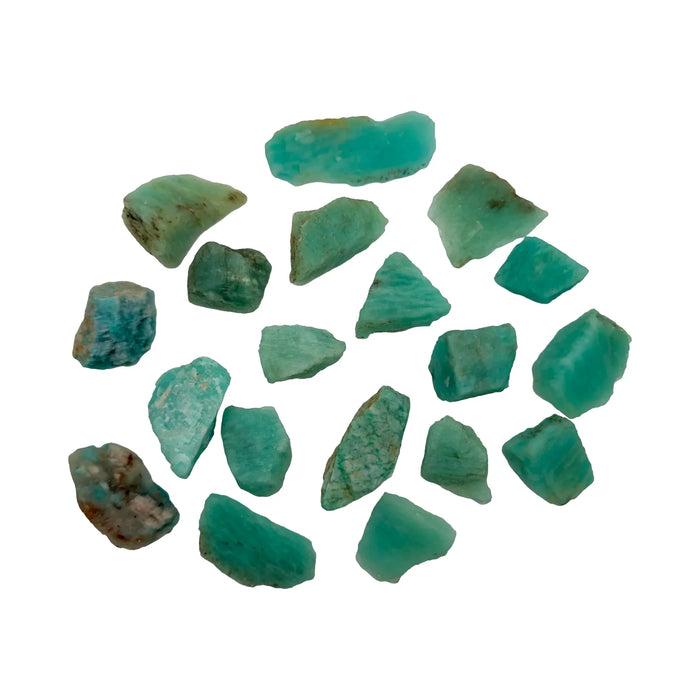
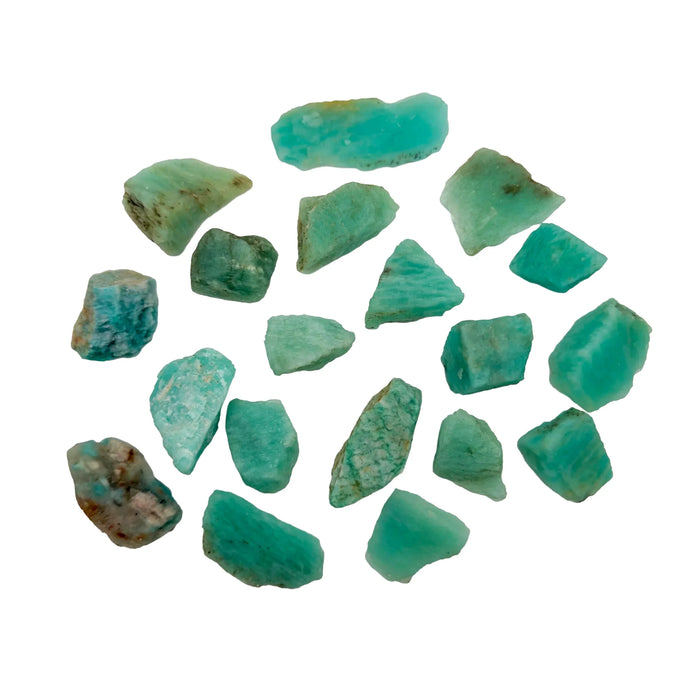
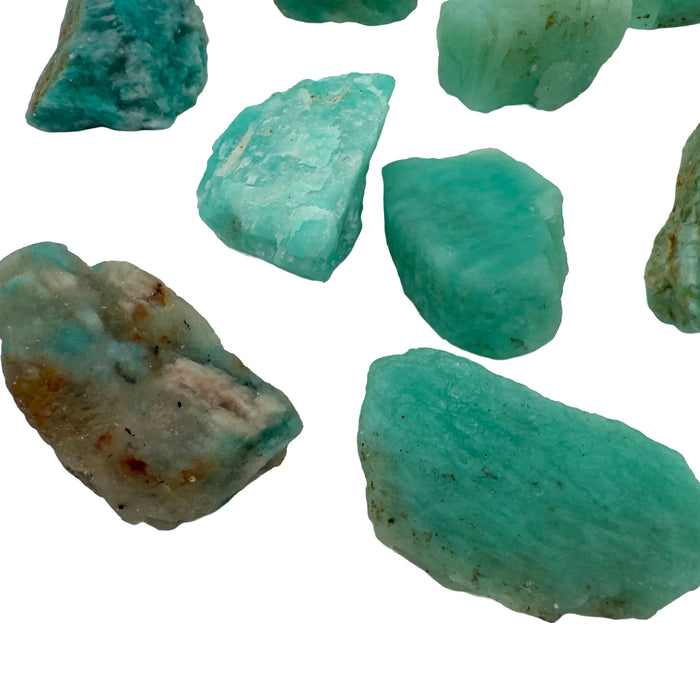
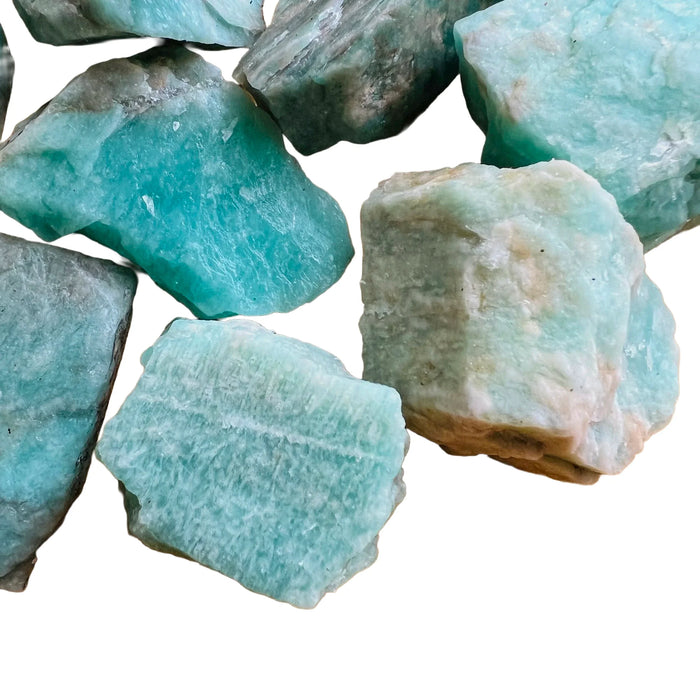
Explore the Crystal GuideLove Smithsonite? Meet Amazonite.
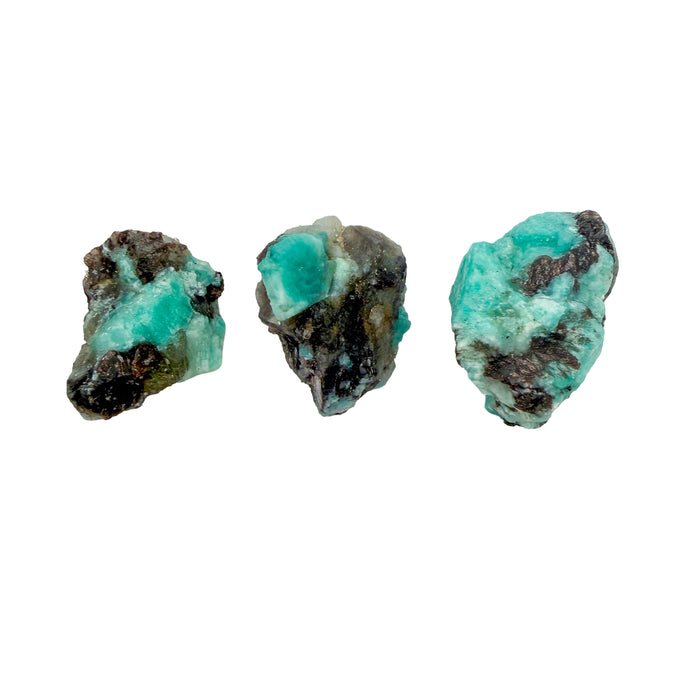
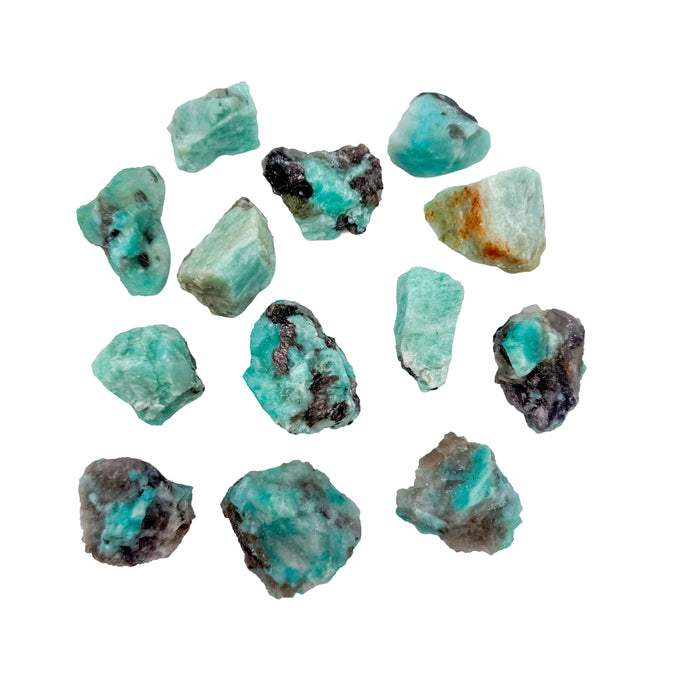
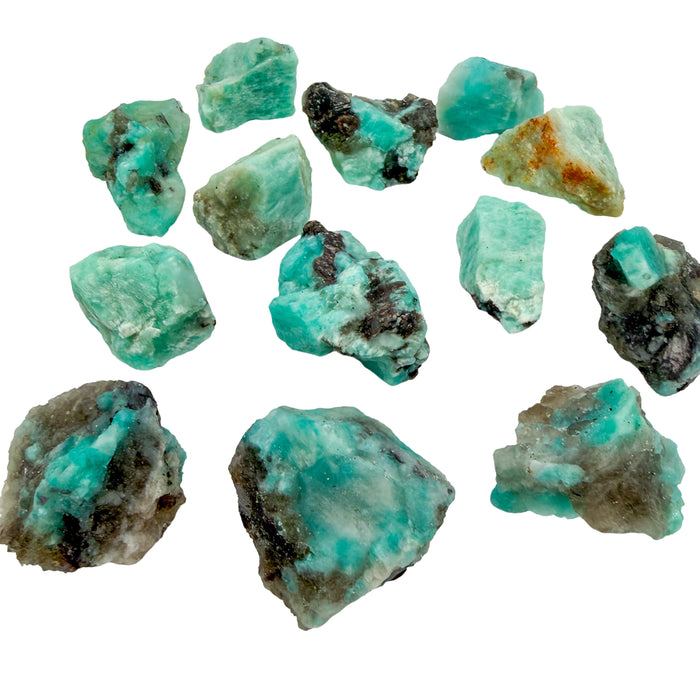
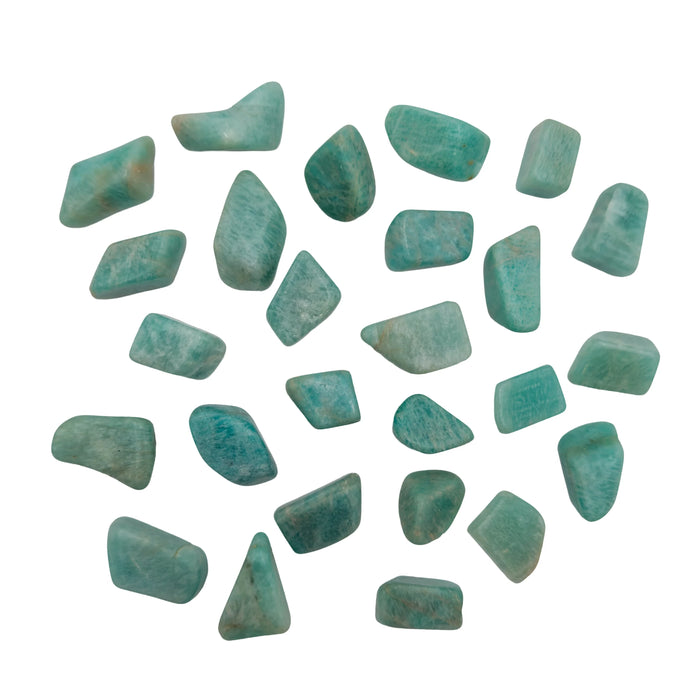
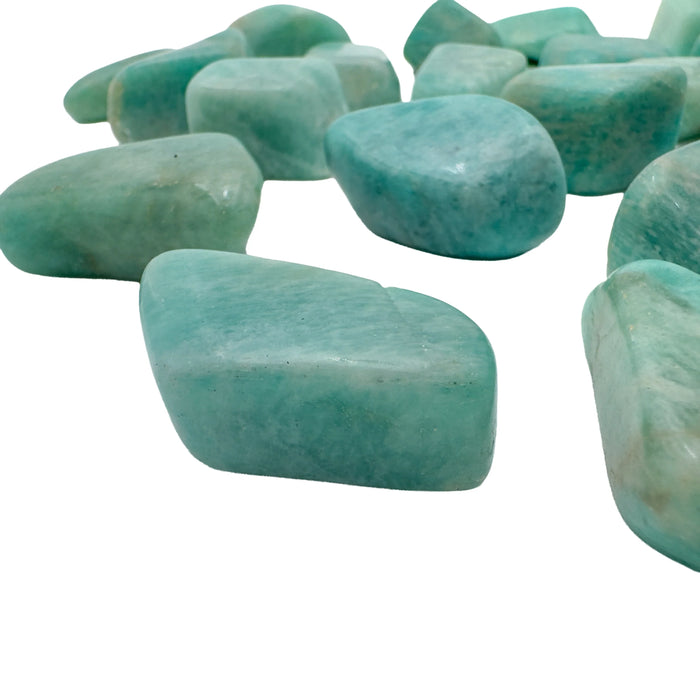
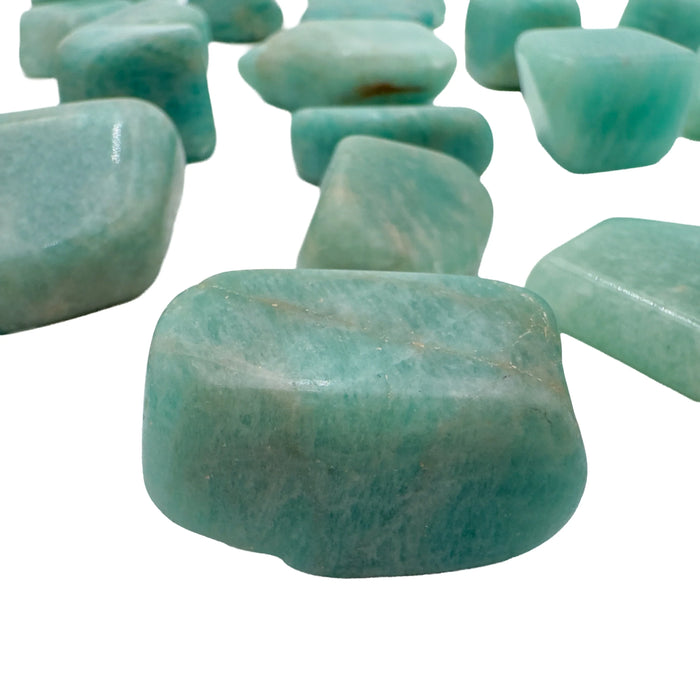
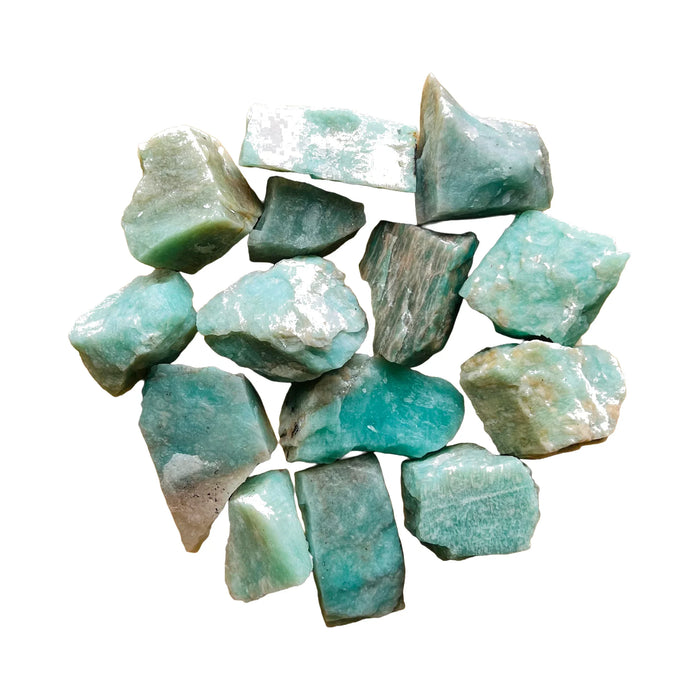
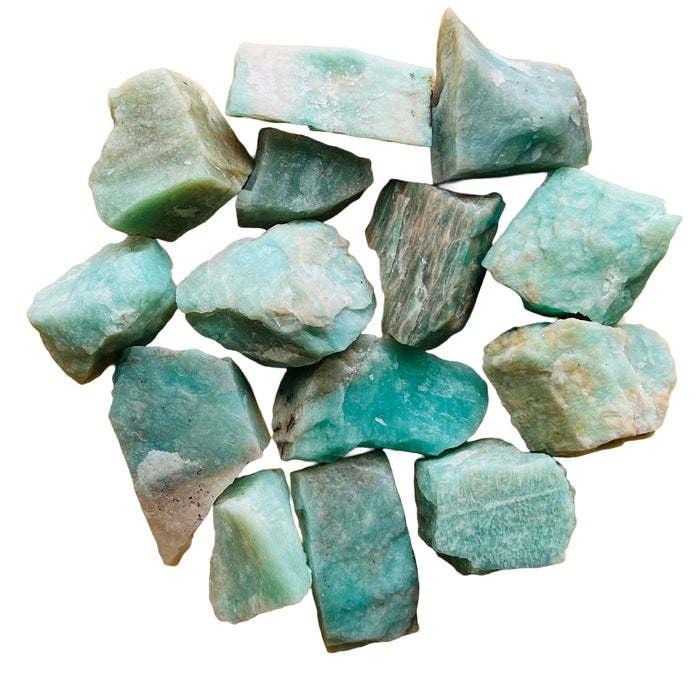
Smithsonite is not something we carry. Amazonite is the closest match in color, and every piece passes our sourcing standards: origin named, treatments disclosed.
- from 1,000+ reviews
- Ships within 72 hoursMonday to Friday, tracked
- 90 days to return itif you do not love it
- Free US shipping over $99$8.99 flat rate under
The Slow Note
New stones go to the list first.
No forwarding, no selling. Unsubscribe in one click. Privacy