




















































 Raw Stones
179 pieces
Raw Stones
179 pieces
 Tumbled Stones
162 pieces
Tumbled Stones
162 pieces
 Palm Stones
25 pieces
Palm Stones
25 pieces
 Crystal Points
23 pieces
Crystal Points
23 pieces
 Clusters & Geodes
104 pieces
Clusters & Geodes
104 pieces
 Polished & Decor
148 pieces
Polished & Decor
148 pieces
 Mineral Specimens
259 collector pieces
Mineral Specimens
259 collector pieces
 Crystal Chips
21 pieces
Browse everything
Every collection, one page.
View All Collections →
Crystal Chips
21 pieces
Browse everything
Every collection, one page.
View All Collections →


 Aries
Mar 21 – Apr 19
Carnelian
›
Aries
Mar 21 – Apr 19
Carnelian
›
 Taurus
Apr 20 – May 20
Rose Quartz
›
Taurus
Apr 20 – May 20
Rose Quartz
›
 Gemini
May 21 – Jun 20
Agate
›
Gemini
May 21 – Jun 20
Agate
›
 Cancer
Jun 21 – Jul 22
Moonstone
›
Cancer
Jun 21 – Jul 22
Moonstone
›
 Leo
Jul 23 – Aug 22
Citrine
›
Leo
Jul 23 – Aug 22
Citrine
›
 Virgo
Aug 23 – Sep 22
Amazonite
›
Virgo
Aug 23 – Sep 22
Amazonite
›
 Libra
Sep 23 – Oct 22
Blue Lace Agate
›
Libra
Sep 23 – Oct 22
Blue Lace Agate
›
 Scorpio
Oct 23 – Nov 21
Obsidian
›
Scorpio
Oct 23 – Nov 21
Obsidian
›
 Sagittarius
Nov 22 – Dec 21
Sodalite
›
Sagittarius
Nov 22 – Dec 21
Sodalite
›
 Capricorn
Dec 22 – Jan 19
Black Tourmaline
›
Capricorn
Dec 22 – Jan 19
Black Tourmaline
›
 Aquarius
Jan 20 – Feb 18
Amethyst
›
Aquarius
Jan 20 – Feb 18
Amethyst
›
 Pisces
Feb 19 – Mar 20
Aquamarine
›
Gifting?
A birthday stone is the safe bet.
Read the zodiac guide →
Pisces
Feb 19 – Mar 20
Aquamarine
›
Gifting?
A birthday stone is the safe bet.
Read the zodiac guide →











Zebra Jasper
Zebra jasper is a bold black and white banded stone, sometimes green or brown and white, named for its stripes. It is a popular, affordable grounding stone, though the name hides some useful detail, since zebra jasper is a trade label rather than a single strict mineral.
The geology.
Most zebra jasper is a quartz-based rock, an opaque chalcedony or quartzite streaked with darker minerals. The pale stripes are typically quartz, while the dark bands come from iron oxides and other minerals threaded through the stone. Despite the name, it is not a classic jasper in the strict mineralogical sense, a common situation with striped trade stones.
When it is quartz-rich it sits around 6.5 to 7 on the Mohs scale and wears well. The word zebra also gets attached to a few different striped rocks, so the exact makeup can vary from one source to another, which is worth knowing when you buy.
The origins.
Zebra jasper is offered from several worldwide localities rather than one signature mine, and because it is a trade name for striped black and white material, different batches can come from different places and differ a little in look and makeup.
This is the honest heart of the stone. Zebra jasper is a market label, not a single defined species, so the most useful thing a seller can tell you is what the material actually is and where it is from, rather than leaning on the name alone.
Traditional associations.
With its balance of dark and light, zebra jasper is associated in tradition with grounding, balance, and holding steady between extremes. Many people work with it for motivation to get moving on practical goals, and for a calm, even footing.
It is most often linked with the Root chakra, the element of Earth, and the sign Aries. A common practice is to keep a piece in a pocket or on a desk as a plain, grounding reminder during a busy or scattered stretch.
Spotting the real thing.
Quartz-based zebra jasper is hard and opaque, scratches glass, and shows crisp natural banding in black and white with a little irregularity. Because the name is loose, the more useful check is identity, so ask whether a piece is a quartz jasper or a softer carbonate, since both are sold as zebra stone.
A quick separation: quartz zebra jasper will scratch glass and will not fizz in weak acid, while a carbonate marble version is softer and will react to acid. Neither is wrong to own, but they are different materials, and a good seller will know which one a piece is.
Care & handling.
Quartz-based zebra jasper is durable and simple to care for. At 6.5 to 7 on the Mohs scale it handles daily wear and a quick rinse with warm water and a soft cloth, and it is stable in sunlight. If your piece is a softer carbonate type, treat it more gently and keep it away from water and acids.
For the common quartz version, avoid harsh chemicals and long salt soaks, which it does not need, and store it apart from softer stones. To reset it energetically, many people use moonlight, sound, or a night on a selenite plate.
Pairs well with.
A deeper look.
Extended geology, sourcing, authentication, history, and varieties, for when the quick guide isn't quite enough.
Extended geology
Strict mineralogy reserves the word jasper for opaque iron-bearing silica, and much so-called zebra jasper is better described as a banded quartz rock or quartzite, with pale quartz layers and dark bands of iron oxide and other minerals. Some black and white striped material sold under zebra names is instead a carbonate marble, which is softer. Quartz-based pieces run 6.5 to 7 on the Mohs scale with a conchoidal to uneven fracture, while carbonate pieces are nearer 3 to 4. This range is exactly why identity matters more than the label.
Extended sourcing
Zebra jasper is a trade name applied to striped black and white stone from more than one part of the world, so it does not have a single defining locality the way a stone like Blue John or Larimar does. Material is cut and tumbled in large volumes for the affordable end of the market. Because provenance is loose, buyers are best served by asking what a given batch actually is rather than assuming a fixed source.
Authentication and warning signs
Two simple tests sort out most zebra stones. Hardness: a quartz jasper scratches glass and resists a steel point, while a carbonate marble is soft enough to scratch. Acid: a carbonate fizzes in weak acid, silica does not. Beyond that, natural banding is slightly irregular and sits within the stone. Because the name covers several materials, the honest question is simply what am I holding, and a knowledgeable seller can answer it.
History and folklore
Striped stones have been admired and named after animals across many cultures, and zebra jasper is a modern commercial example, brought to market for its clean graphic look and low cost. The name is descriptive rather than geological, part of a long tradition of trade names that prize appearance over precise species. Understanding that is the key to buying it with clear eyes.
Varieties and trade names
Zebra jasper: the common black and white quartz banded stone.
Zebra marble or zebra onyx: softer carbonate look-alikes sold under similar names.
Zebra rock from Australia is a separate stone entirely, a fine reddish-brown and cream siltstone from the Kimberley region, not a black and white jasper.
Picasso jasper and dalmatian stone are sometimes confused with zebra jasper but are distinct.
What it costs in the market
Zebra jasper is an inexpensive stone. Tumbled pieces: roughly 1 to 5 dollars. Beads, cabochons, and small carvings: 5 to 30 dollars depending on size and finish. Because it is common and its makeup varies, value rests on the boldness of the striping and the quality of the cut rather than on rarity.
An education-first guide.
We don't currently carry zebra jasper, so there's nothing to sell you here. This guide exists because the more you understand a stone, the better every decision you make about it becomes, wherever you buy it. Explore the rest of our crystal guides for stones we do source, each with full origin and treatment notes.
Explore the Crystal GuideThe closest match we carry: Jasper.
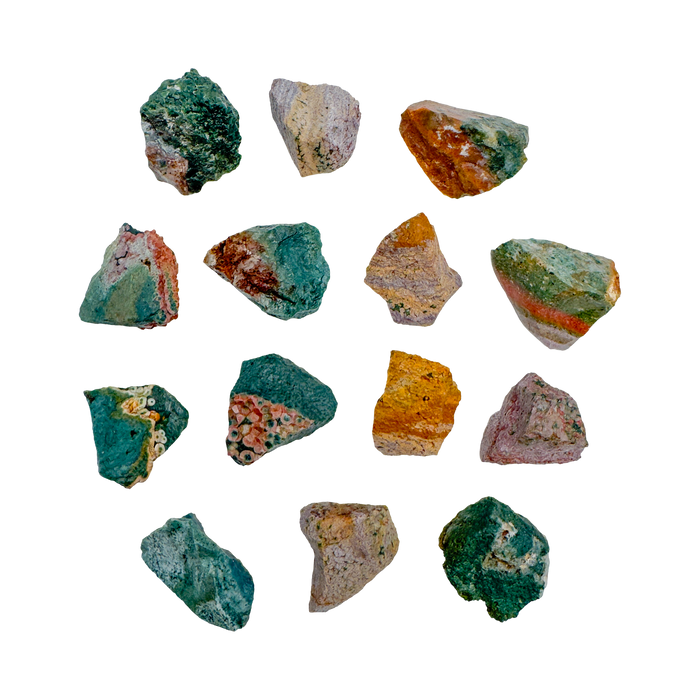
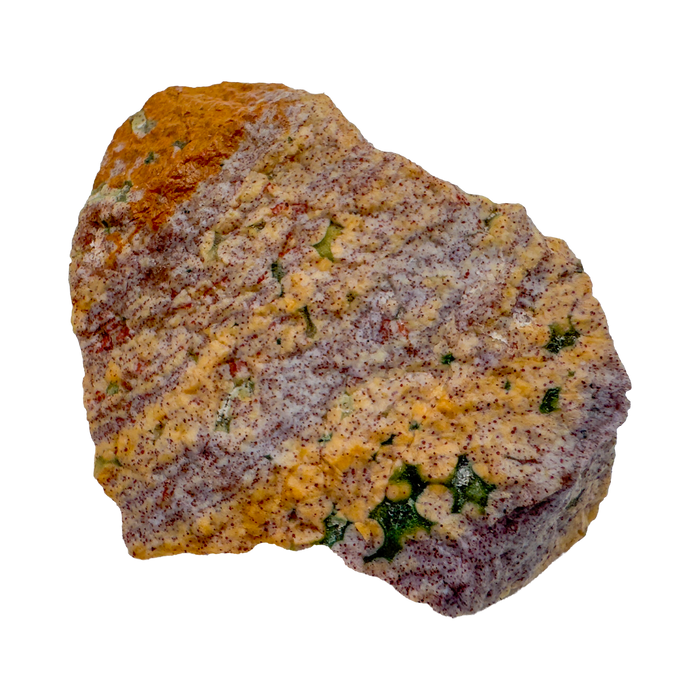
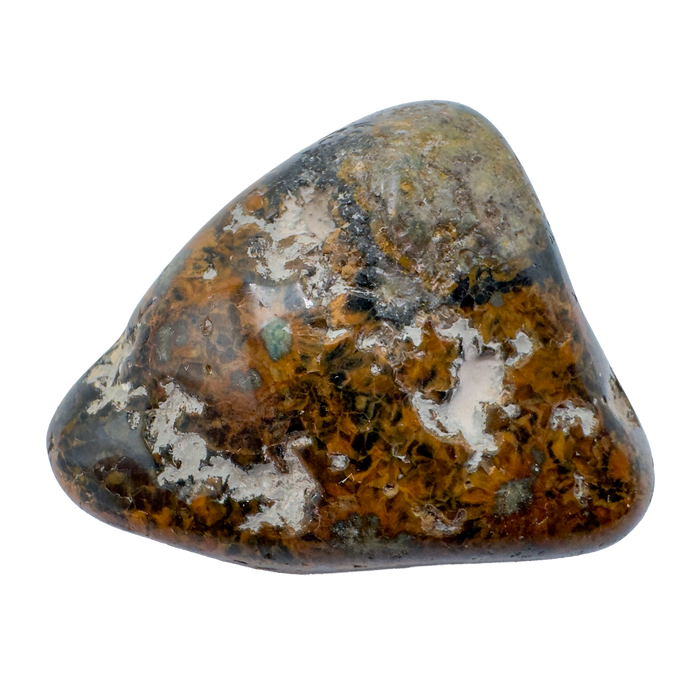
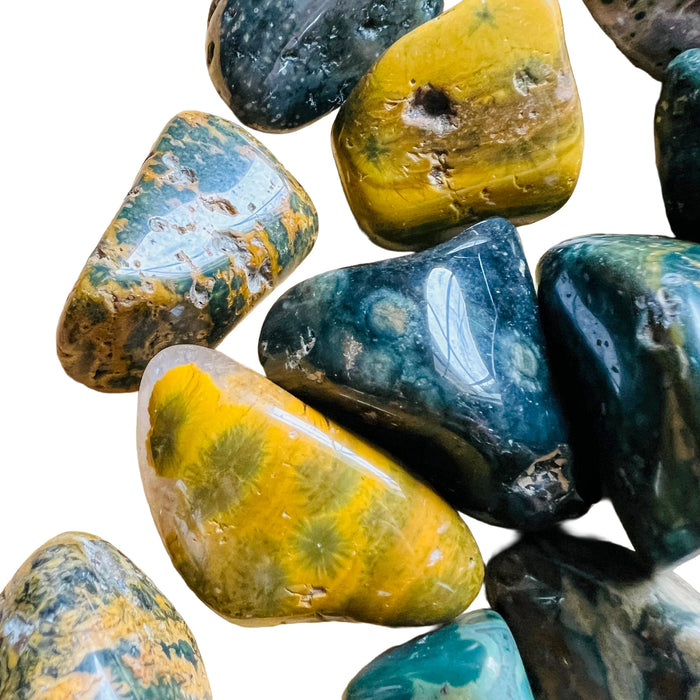
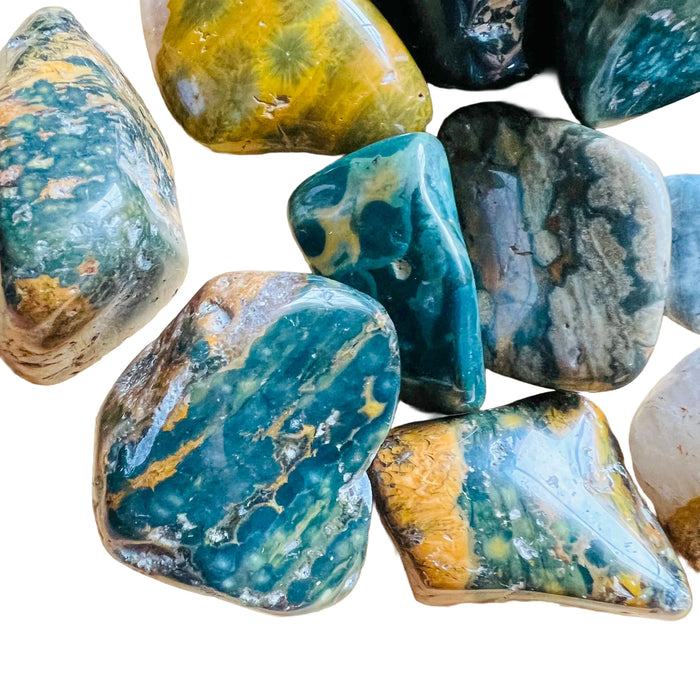
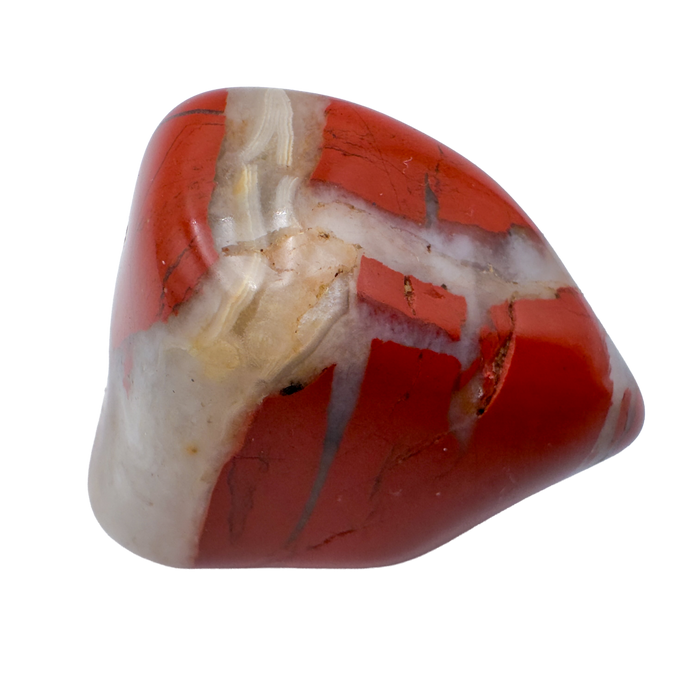
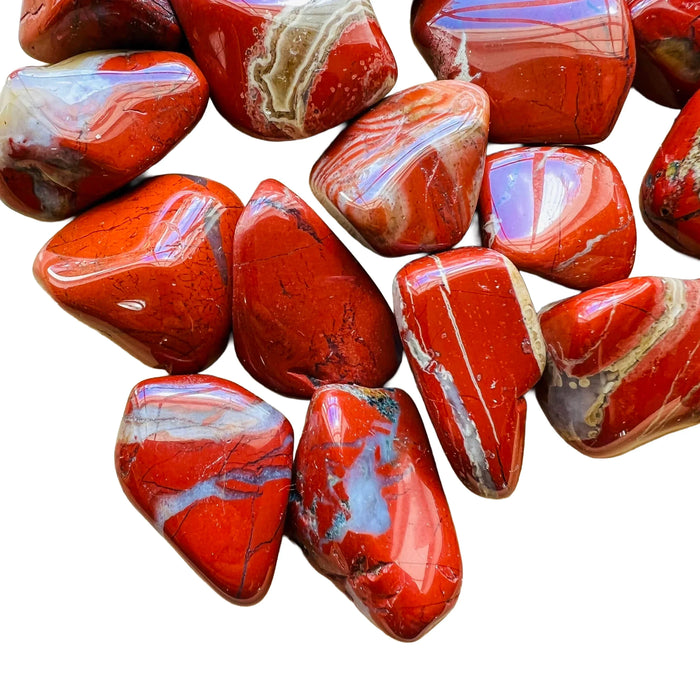
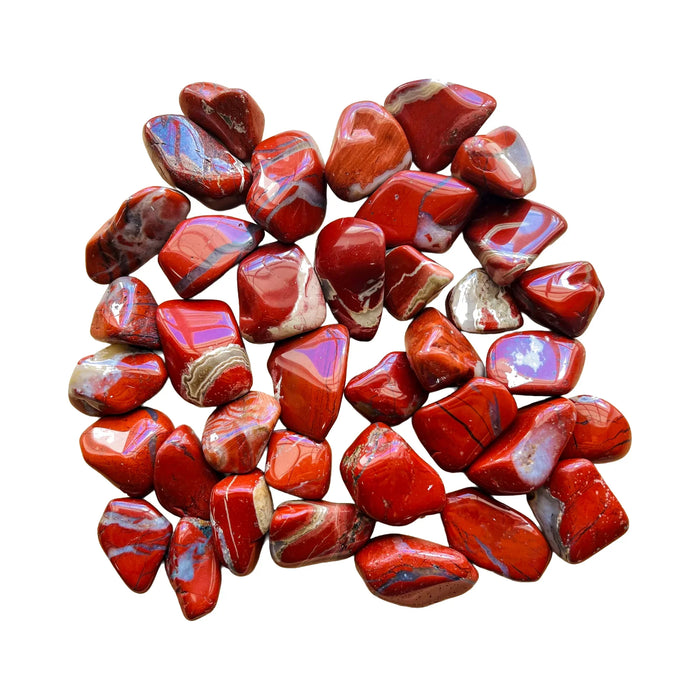
Zebra Jasper is not something we carry. Jasper is the closest match in our collection, and every piece passes our sourcing standards: origin named, treatments disclosed.
- from 1,000+ reviews
- Ships within 72 hoursMonday to Friday, tracked
- 90 days to return itif you do not love it
- Free US shipping over $99$8.99 flat rate under
The Slow Note
New stones go to the list first.
No forwarding, no selling. Unsubscribe in one click. Privacy