









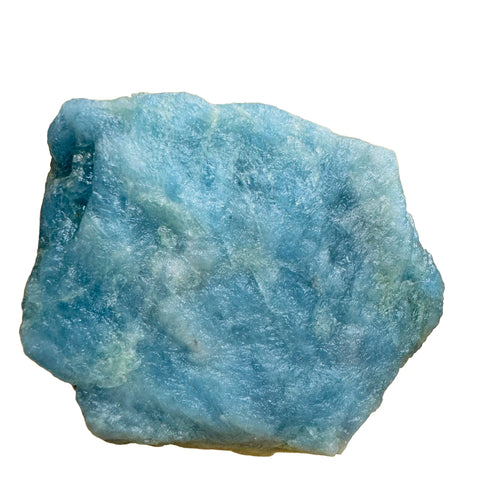











































 Raw Stones
179 pieces
Raw Stones
179 pieces
 Tumbled Stones
162 pieces
Tumbled Stones
162 pieces
 Palm Stones
25 pieces
Palm Stones
25 pieces
 Crystal Points
23 pieces
Crystal Points
23 pieces
 Clusters & Geodes
104 pieces
Clusters & Geodes
104 pieces
 Polished & Decor
148 pieces
Polished & Decor
148 pieces
 Mineral Specimens
259 collector pieces
Mineral Specimens
259 collector pieces
 Crystal Chips
21 pieces
Browse everything
Every collection, one page.
View All Collections →
Crystal Chips
21 pieces
Browse everything
Every collection, one page.
View All Collections →


 Aries
Mar 21 – Apr 19
Carnelian
›
Aries
Mar 21 – Apr 19
Carnelian
›
 Taurus
Apr 20 – May 20
Rose Quartz
›
Taurus
Apr 20 – May 20
Rose Quartz
›
 Gemini
May 21 – Jun 20
Agate
›
Gemini
May 21 – Jun 20
Agate
›
 Cancer
Jun 21 – Jul 22
Moonstone
›
Cancer
Jun 21 – Jul 22
Moonstone
›
 Leo
Jul 23 – Aug 22
Citrine
›
Leo
Jul 23 – Aug 22
Citrine
›
 Virgo
Aug 23 – Sep 22
Amazonite
›
Virgo
Aug 23 – Sep 22
Amazonite
›
 Libra
Sep 23 – Oct 22
Blue Lace Agate
›
Libra
Sep 23 – Oct 22
Blue Lace Agate
›
 Scorpio
Oct 23 – Nov 21
Obsidian
›
Scorpio
Oct 23 – Nov 21
Obsidian
›
 Sagittarius
Nov 22 – Dec 21
Sodalite
›
Sagittarius
Nov 22 – Dec 21
Sodalite
›
 Capricorn
Dec 22 – Jan 19
Black Tourmaline
›
Capricorn
Dec 22 – Jan 19
Black Tourmaline
›
 Aquarius
Jan 20 – Feb 18
Amethyst
›
Aquarius
Jan 20 – Feb 18
Amethyst
›
 Pisces
Feb 19 – Mar 20
Aquamarine
›
Gifting?
A birthday stone is the safe bet.
Read the zodiac guide →
Pisces
Feb 19 – Mar 20
Aquamarine
›
Gifting?
A birthday stone is the safe bet.
Read the zodiac guide →











Dalmatian Stone
Dalmatian stone is the spotted, dog-like rock you have seen in beginner sets, and a lot of what people are told about it is a little off. It is not a jasper. The black spots are not black tourmaline. It is actually a speckled igneous rock from Mexico, and the real story is more interesting than the marketing.
The geology.
Despite the common name Dalmatian jasper, this is not a jasper at all. Jasper is a chalcedony, a form of quartz, while Dalmatian stone is a fine-grained igneous rock made of several minerals. Its pale body is mostly feldspar and quartz, and the look that gives it the name is the scatter of dark spots across a cream to off-white background.
The spots are the real surprise. They were long sold as black tourmaline, but laboratory study, including work published by the Gemological Institute of America, identified most of them as arfvedsonite, a dark amphibole mineral. So Dalmatian stone is an aggregate rock, with a hardness in the rough range of 6 to 7 depending on which minerals you test, not a single crystal of anything.
The origins.
Dalmatian stone is produced in Chihuahua, Mexico, which is the main commercial source for the cream and black spotted material sold worldwide. From there it is cut, tumbled, and beaded for the global market.
The name is about looks, not geology. It is sold almost everywhere as Dalmatian jasper because the spots recall a Dalmatian dog, even though the rock is a feldspar-rich igneous stone rather than a quartz. Knowing the source and the real composition helps separate the marketing from the mineralogy.
Traditional associations.
Dalmatian stone has a playful, grounding reputation. Many people work with it for a lighter mood, for staying present, and for easing the kind of overthinking that gets in the way of simple enjoyment. Its friendly, spotted look is part of the appeal.
It is most often linked to the Root chakra and the element of earth, and it is a popular first stone for beginners and a common choice for children's collections because it is durable, inexpensive, and easy to like.
Spotting the real thing.
Dalmatian stone is inexpensive and rarely worth faking, so the goal is to know what you are actually buying: a feldspar-rich igneous rock whose black spots are usually arfvedsonite rather than tourmaline. An honest seller will not insist the spots are black tourmaline once the laboratory work is known.
The one thing to watch is dyeing. Some material is dyed to deepen the contrast, so suspiciously uniform, jet-black spots on a very bright white base can be enhanced. A discreet check with a cotton swab and a little acetone in an inconspicuous spot can reveal loose dye, and natural material tends to look a touch softer and more varied.
Care & handling.
As an aggregate rock around 6 to 7 on the Mohs scale, Dalmatian stone is durable enough for tumbling, beads, and everyday jewelry. Clean it with warm soapy water and a soft cloth, and avoid harsh chemicals, especially if a piece may be dyed.
Natural material is stable in light, while dyed material can fade or bleed, so keep questionable pieces away from prolonged sun and solvents. Store it normally, and a simple wipe is usually all it needs to look its best.
Pairs well with.
A deeper look.
Extended geology, sourcing, authentication, history, and varieties, for when the quick guide isn't quite enough.
Extended geology
Dalmatian stone is best described as a fine-grained, feldspar-rich igneous rock, sometimes characterized in studies as a peralkaline microgranite or aplite. Its light matrix is dominated by feldspar, often a mesoperthite, along with quartz. The dark spots are mainly arfvedsonite, a sodium-rich amphibole, identified by its characteristic pleochroic colors under the microscope. Because it is an aggregate of minerals, its properties vary slightly from piece to piece rather than matching a single species.
The jasper misnomer
The trade name Dalmatian jasper is a marketing label, not a mineral identity. True jasper is an opaque, fine-grained chalcedony, a member of the quartz family, whereas Dalmatian stone is an igneous rock built from feldspar, quartz, and amphibole. Calling it jasper sets the wrong expectation about what it is and how it formed, which is why a more accurate name is simply Dalmatian stone.
Tourmaline versus arfvedsonite
For years the black spots were described as black tourmaline, an appealing claim because tourmaline carries protective associations. Gemological study, including analysis published by the Gemological Institute of America, found that the spots are typically arfvedsonite, an amphibole, not tourmaline. This is a clear example of why testing matters, since two black minerals can look alike to the eye but differ entirely in identity.
Sourcing and dyeing
The commercial material comes from Chihuahua, Mexico, and is cut and tumbled for the global market. Some stone is dyed to deepen the black of the spots or whiten the base for stronger contrast, so unusually crisp, uniform spotting can indicate enhancement. A quiet acetone swab test in a hidden area can reveal added dye, and disclosure of any treatment is the honest standard.
History and use
Dalmatian stone became popular as an affordable, cheerful tumbled stone and beading material, widely used in beginner sets and children's jewelry. Its appeal is visual and tactile rather than rooted in deep historical lore, since it entered the market relatively recently compared with classic gems. The friendly spotted pattern keeps it a steady seller in craft and metaphysical shops alike.
Varieties and market
Most variation in Dalmatian stone comes down to spot density and contrast, from lightly freckled to heavily spotted. Occasional pieces include other dark minerals, and dyed material appears alongside natural stone. It is one of the most affordable decorative stones, valued for looks and durability rather than rarity, which keeps it accessible for jewelry, carving, and tumbling.
An education-first guide.
We made this guide to set the record straight on Dalmatian stone, why it is not a jasper and why its spots are arfvedsonite rather than black tourmaline, so every decision you make about it is a better one, wherever you buy. Explore the rest of our crystal guides for more stones, each with full origin and treatment notes.
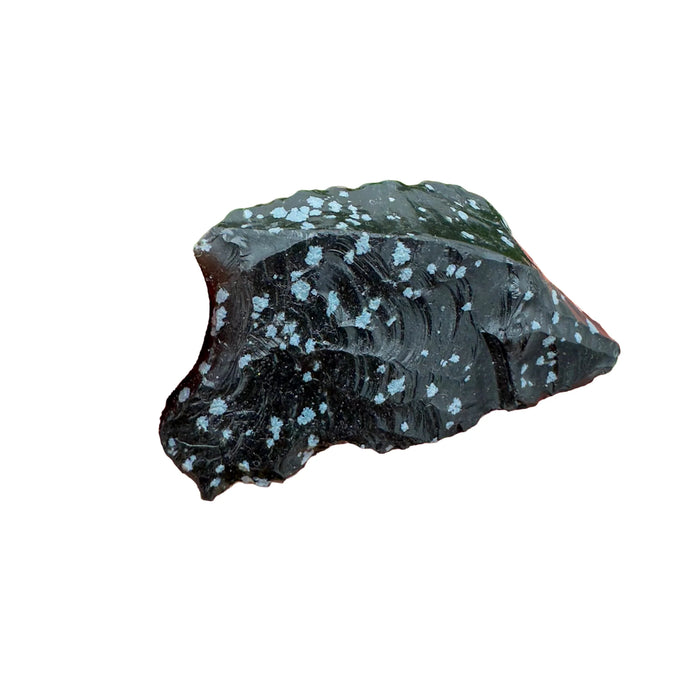
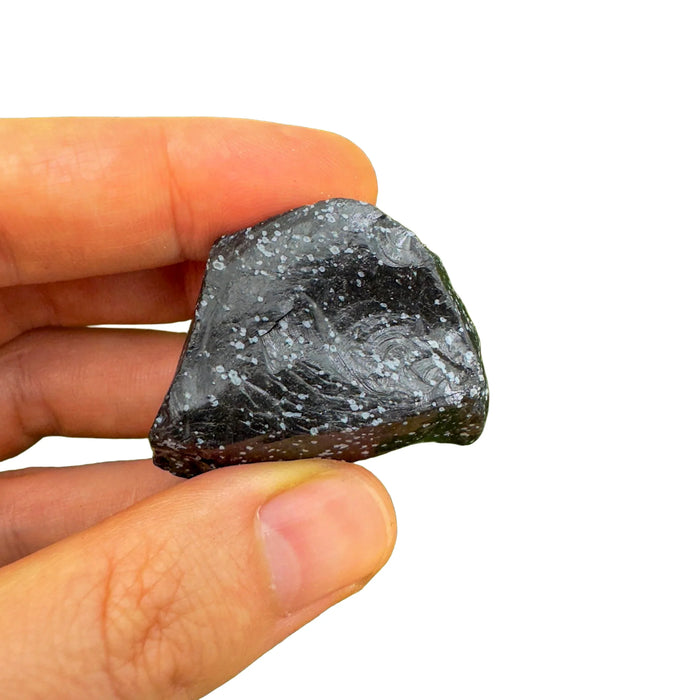
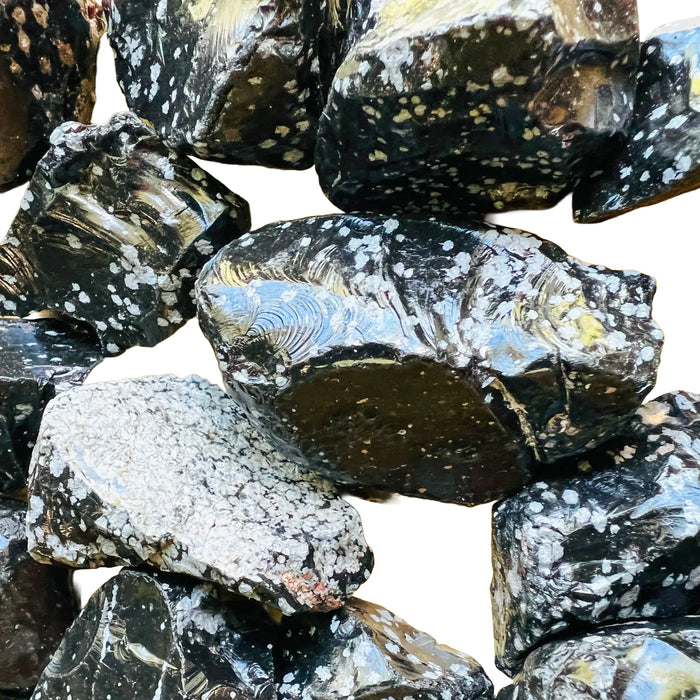
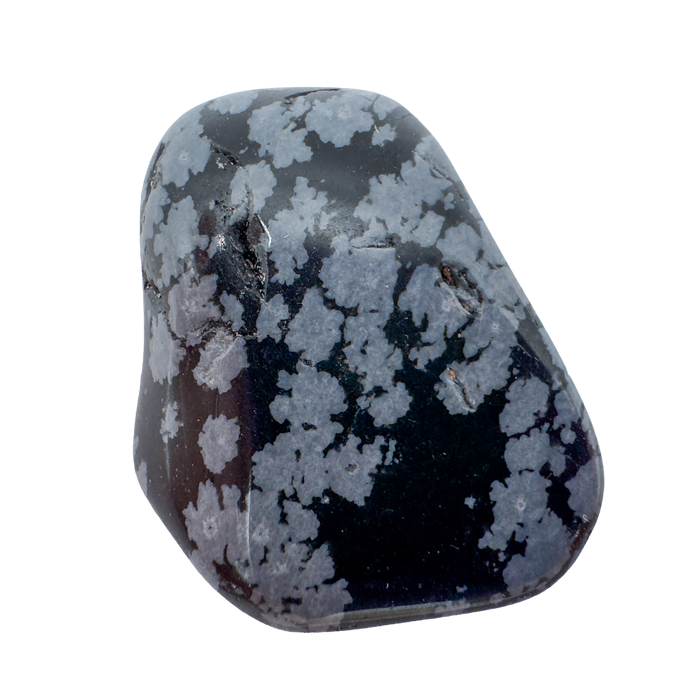
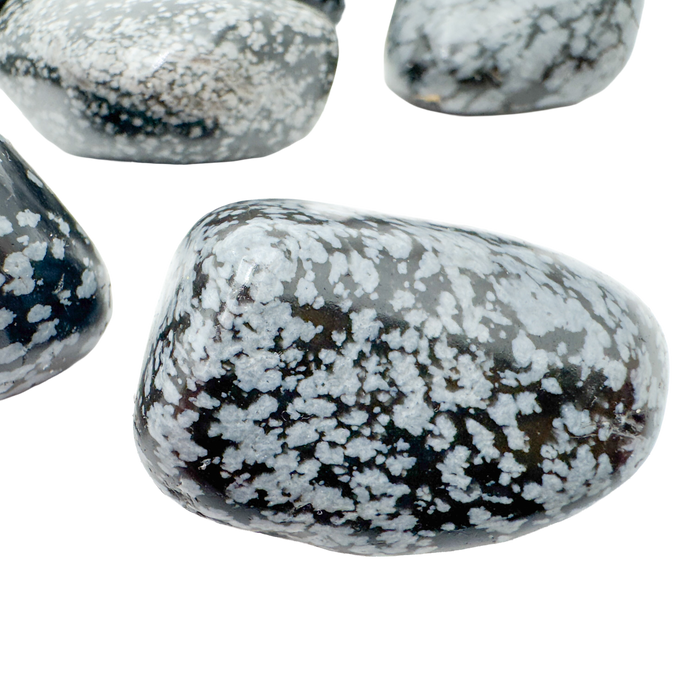
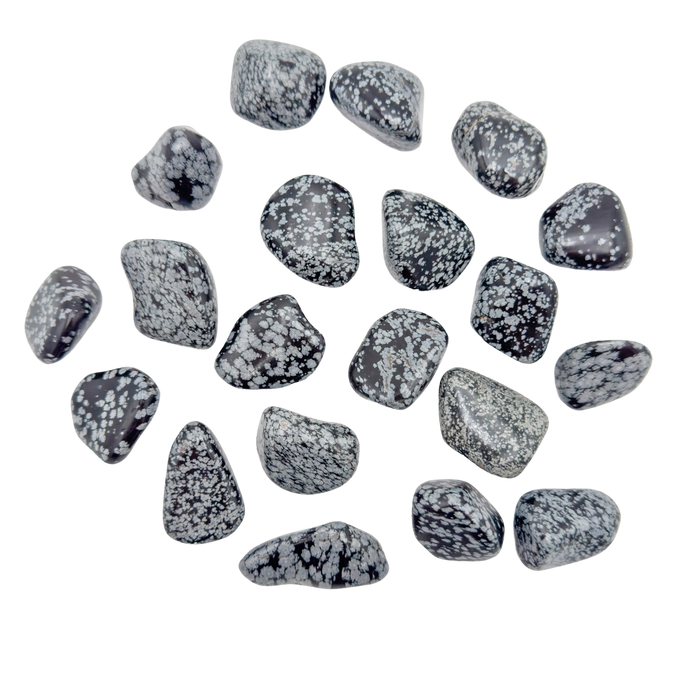
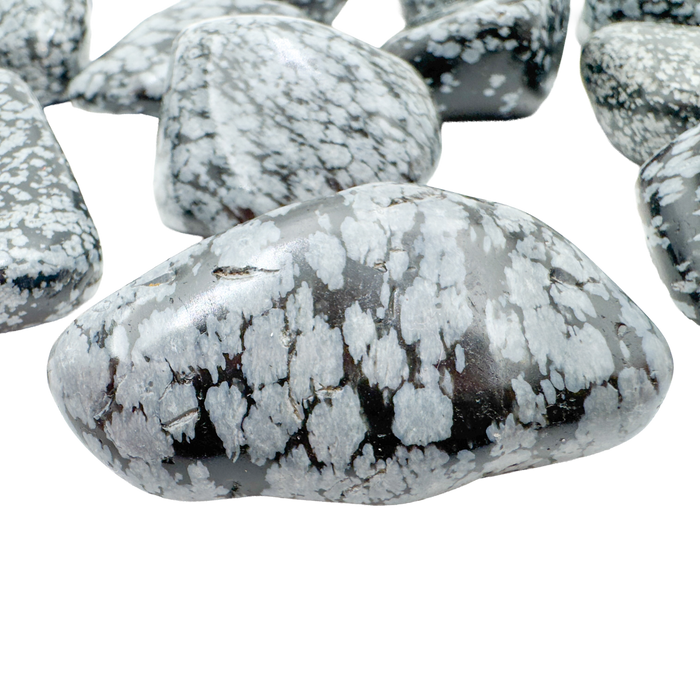
Explore the Crystal GuideThe closest match we carry: Snowflake Obsidian.
Dalmatian Stone is not something we carry. Snowflake Obsidian is the closest match in our collection, and every piece passes our sourcing standards: origin named, treatments disclosed.
- from 1,000+ reviews
- Ships within 72 hoursMonday to Friday, tracked
- 90 days to return itif you do not love it
- Free US shipping over $99$8.99 flat rate under
The Slow Note
New stones go to the list first.
No forwarding, no selling. Unsubscribe in one click. Privacy