


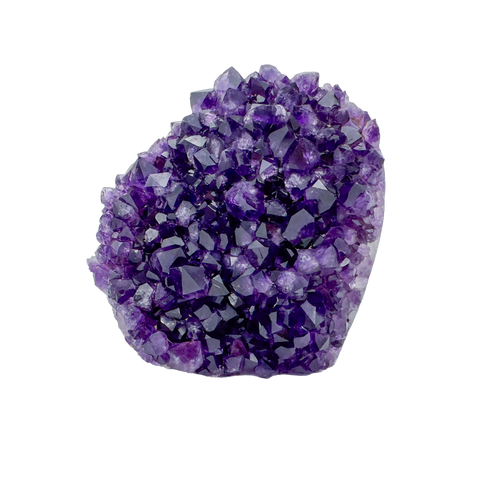
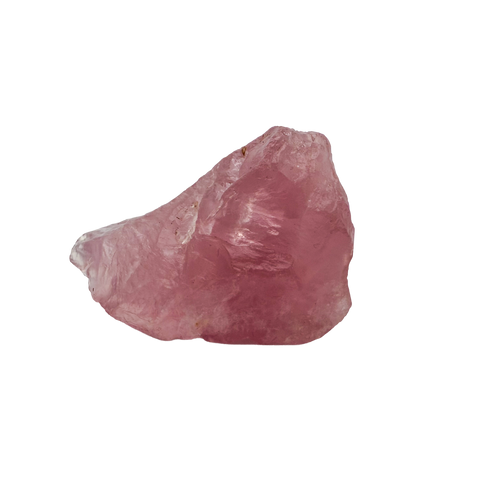
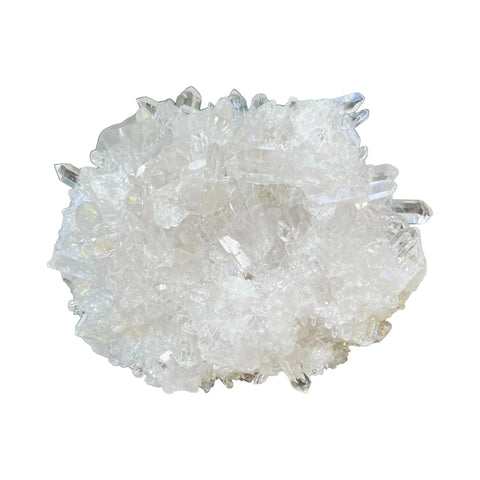
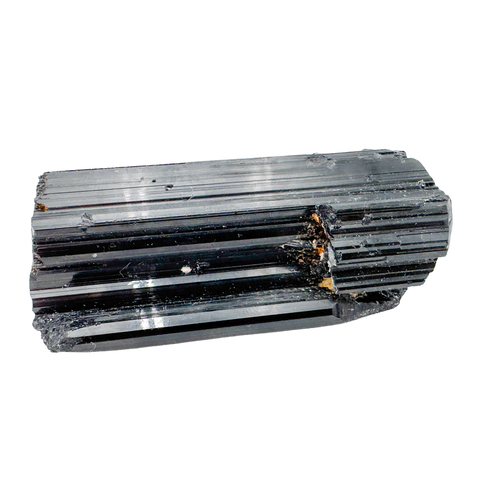
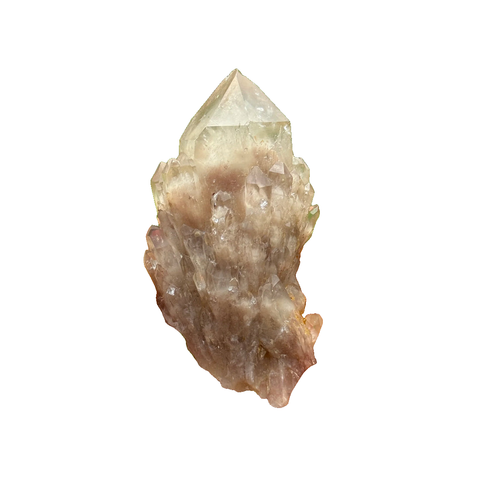
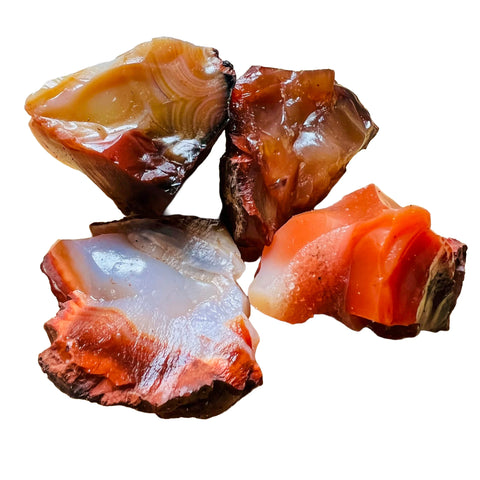


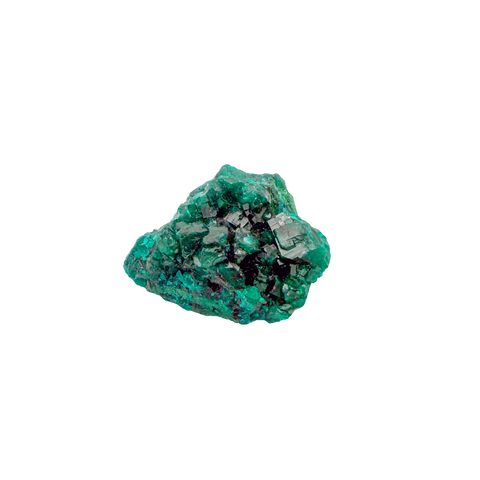
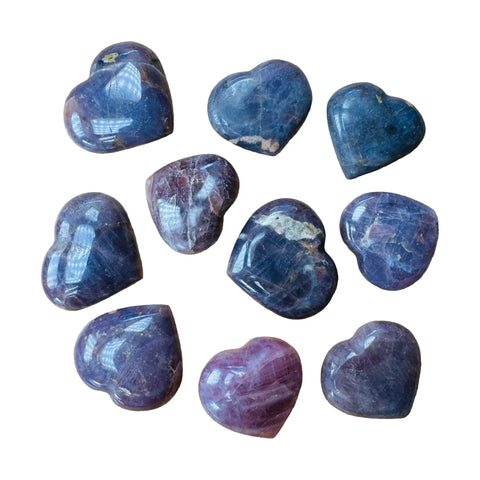
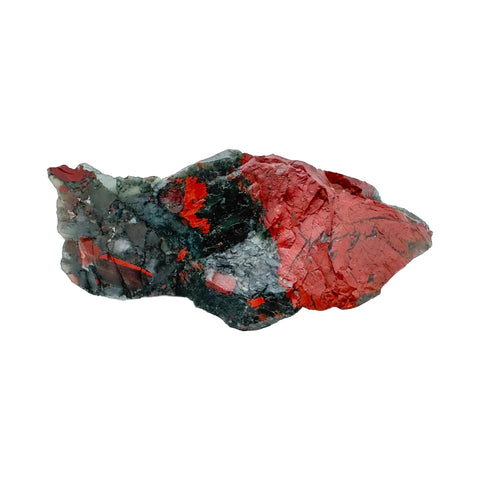
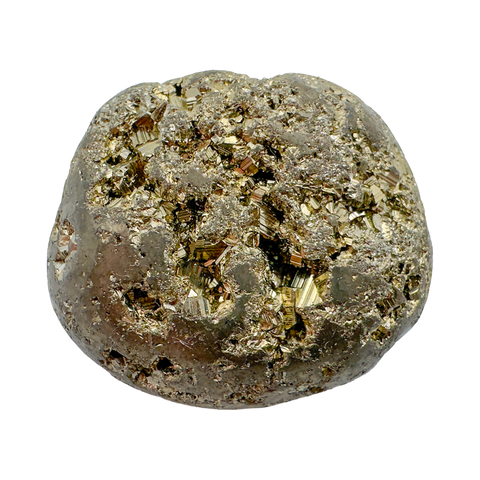
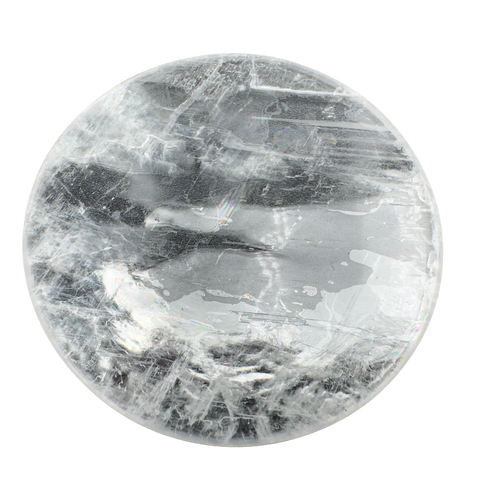
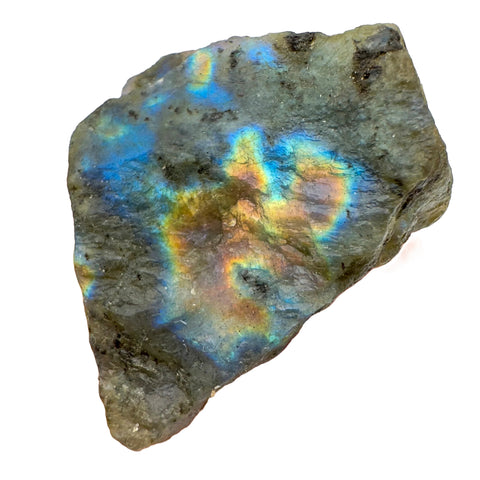
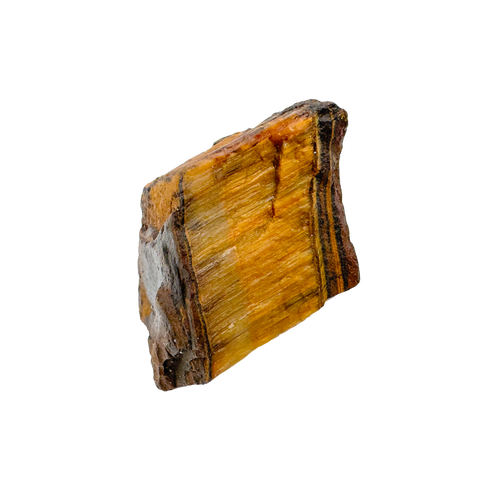
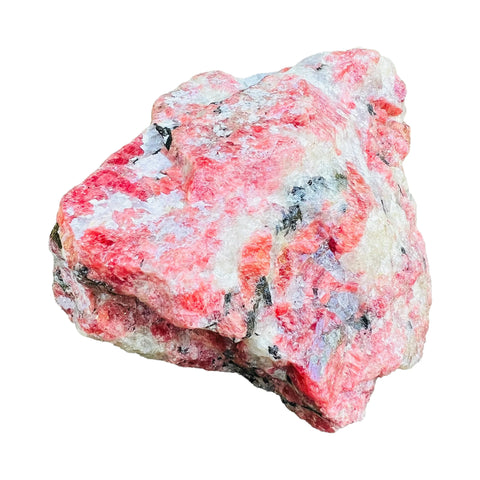
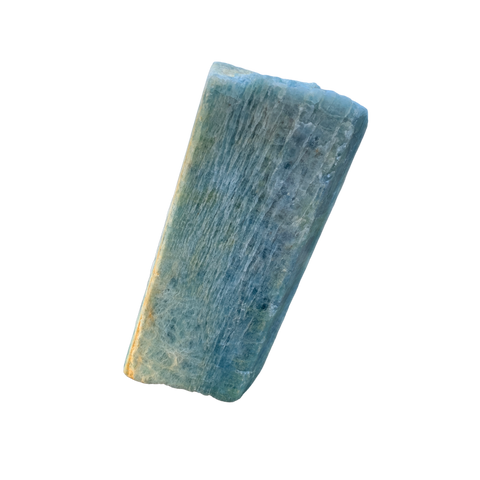
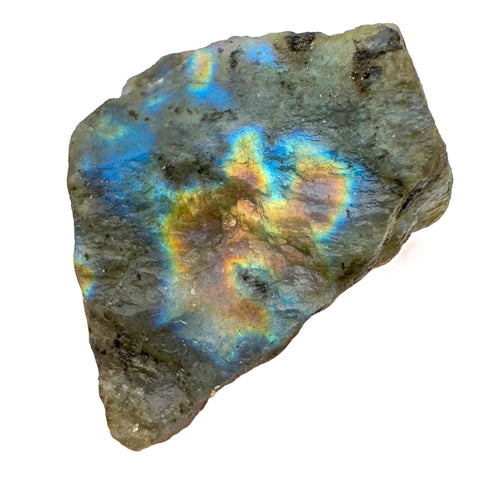
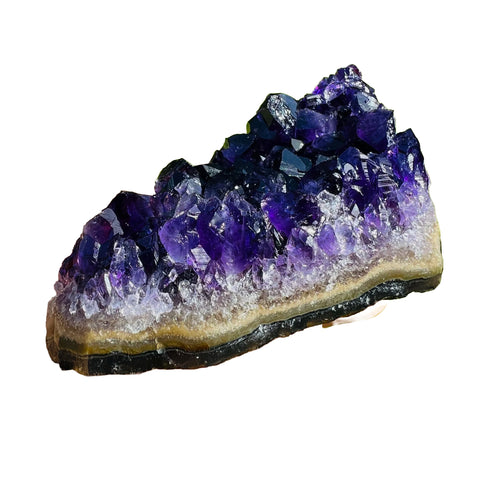



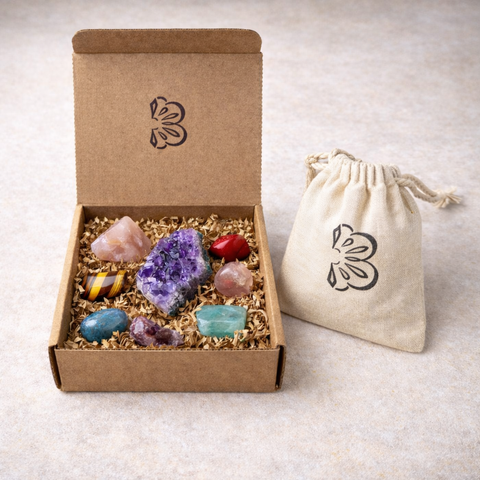
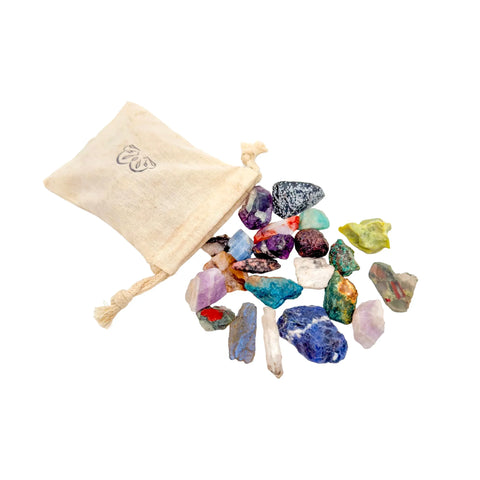
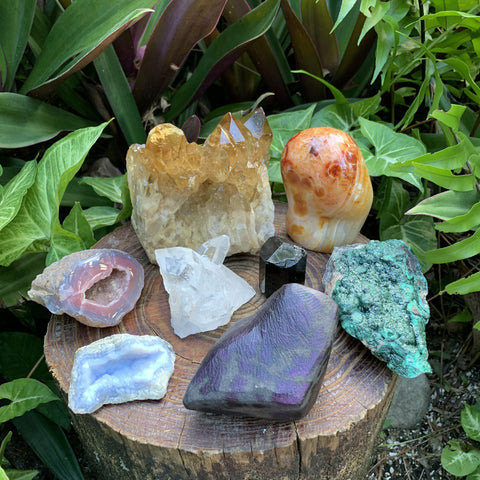
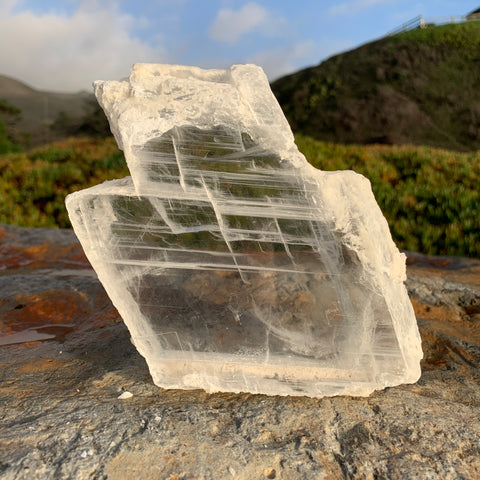
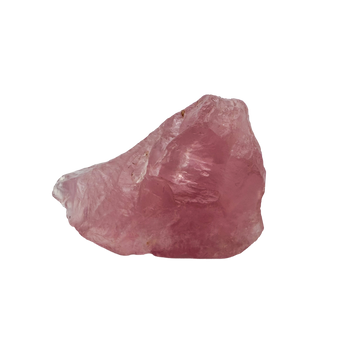
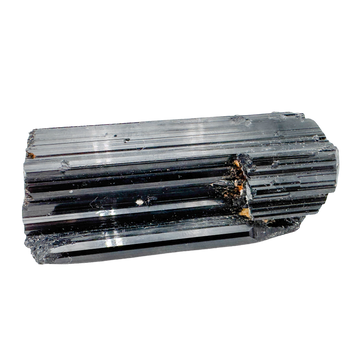
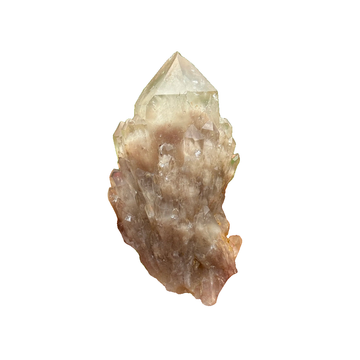
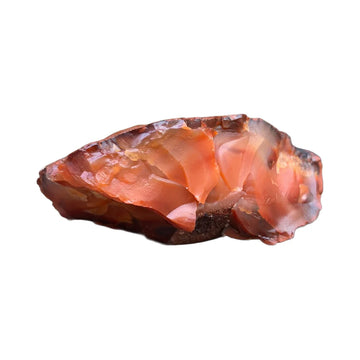
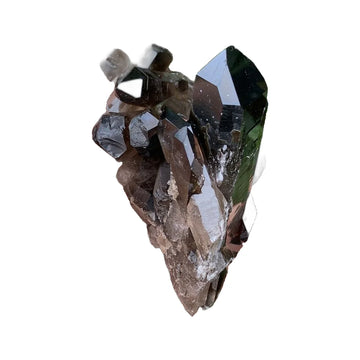
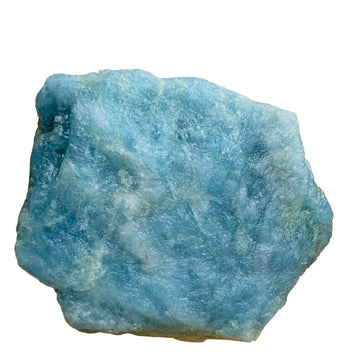
 Raw Stones
179 pieces
Raw Stones
179 pieces
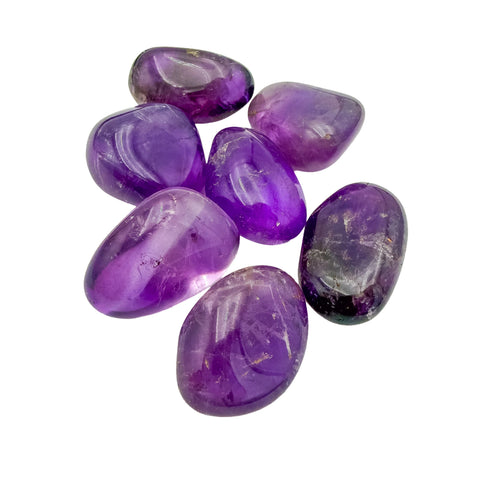
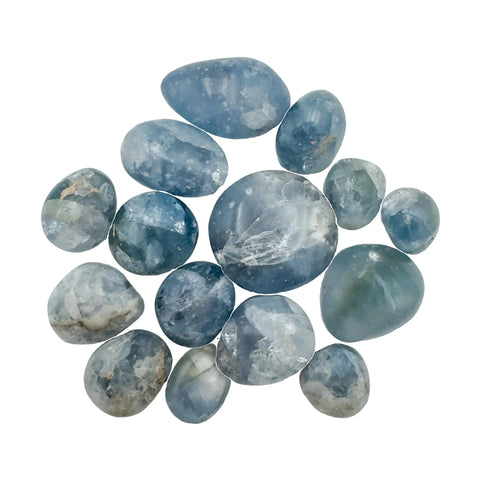
 Tumbled Stones
162 pieces
Tumbled Stones
162 pieces
 Palm Stones
25 pieces
Palm Stones
25 pieces
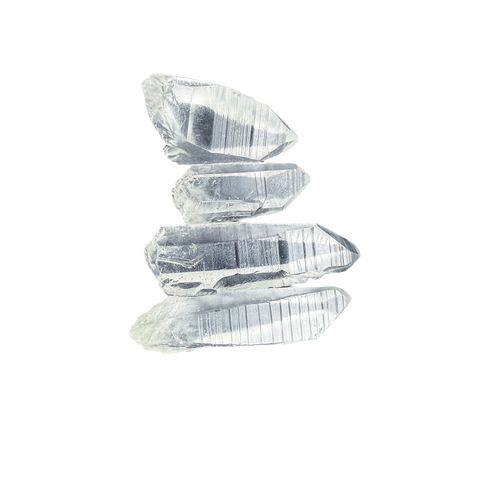
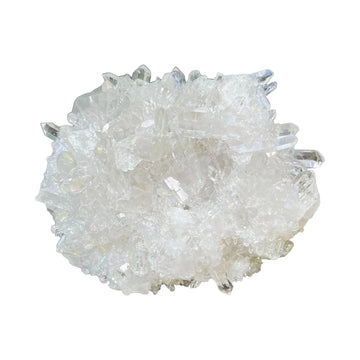
 Crystal Points
23 pieces
Crystal Points
23 pieces
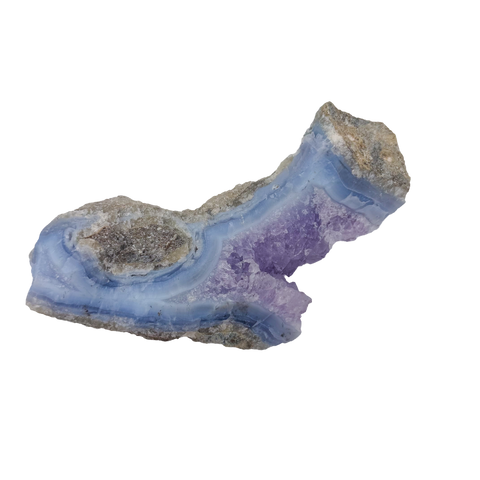
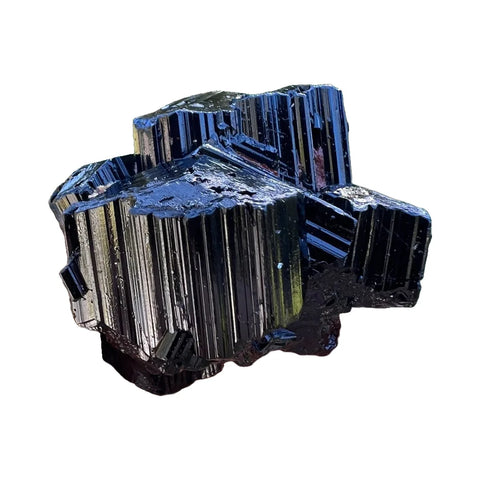
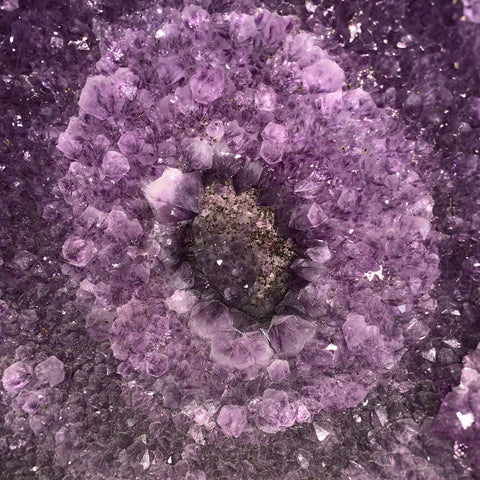
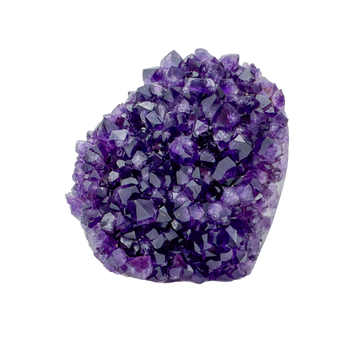
 Clusters & Geodes
104 pieces
Clusters & Geodes
104 pieces
 Polished & Decor
148 pieces
Polished & Decor
148 pieces
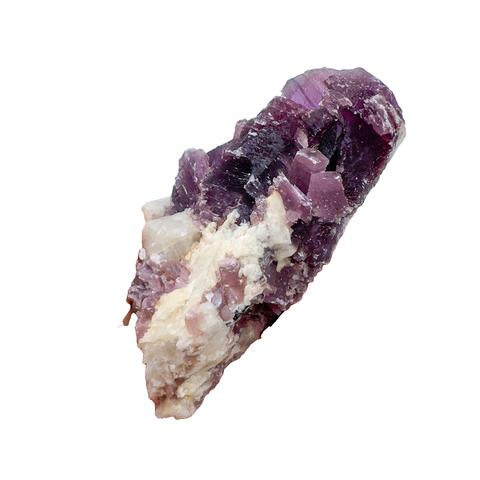
 Mineral Specimens
259 collector pieces
Mineral Specimens
259 collector pieces
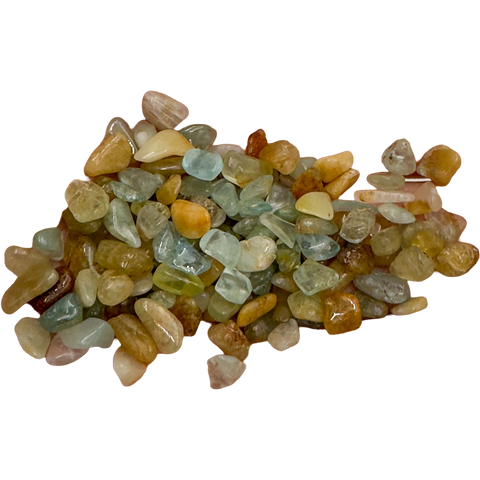
 Crystal Chips
21 pieces
Browse everything
Every collection, one page.
View All Collections →
Crystal Chips
21 pieces
Browse everything
Every collection, one page.
View All Collections →


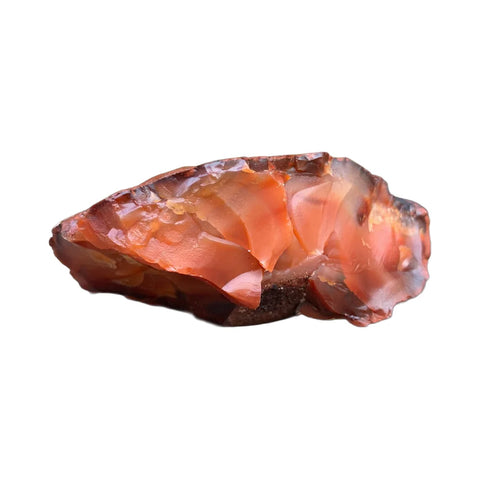
 Aries
Mar 21 – Apr 19
Carnelian
›
Aries
Mar 21 – Apr 19
Carnelian
›
 Taurus
Apr 20 – May 20
Rose Quartz
›
Taurus
Apr 20 – May 20
Rose Quartz
›
 Gemini
May 21 – Jun 20
Agate
›
Gemini
May 21 – Jun 20
Agate
›
 Cancer
Jun 21 – Jul 22
Moonstone
›
Cancer
Jun 21 – Jul 22
Moonstone
›
 Leo
Jul 23 – Aug 22
Citrine
›
Leo
Jul 23 – Aug 22
Citrine
›
 Virgo
Aug 23 – Sep 22
Amazonite
›
Virgo
Aug 23 – Sep 22
Amazonite
›
 Libra
Sep 23 – Oct 22
Blue Lace Agate
›
Libra
Sep 23 – Oct 22
Blue Lace Agate
›
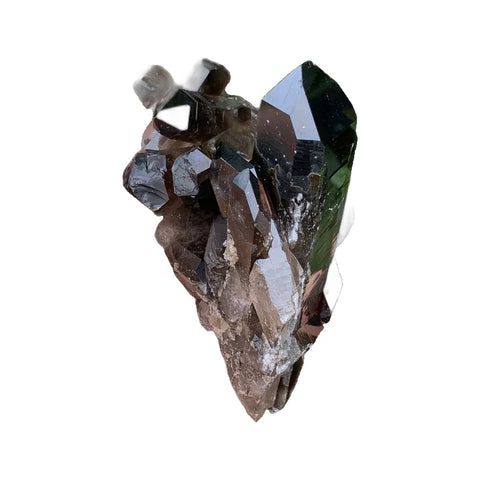
 Scorpio
Oct 23 – Nov 21
Obsidian
›
Scorpio
Oct 23 – Nov 21
Obsidian
›
 Sagittarius
Nov 22 – Dec 21
Sodalite
›
Sagittarius
Nov 22 – Dec 21
Sodalite
›
 Capricorn
Dec 22 – Jan 19
Black Tourmaline
›
Capricorn
Dec 22 – Jan 19
Black Tourmaline
›
 Aquarius
Jan 20 – Feb 18
Amethyst
›
Aquarius
Jan 20 – Feb 18
Amethyst
›
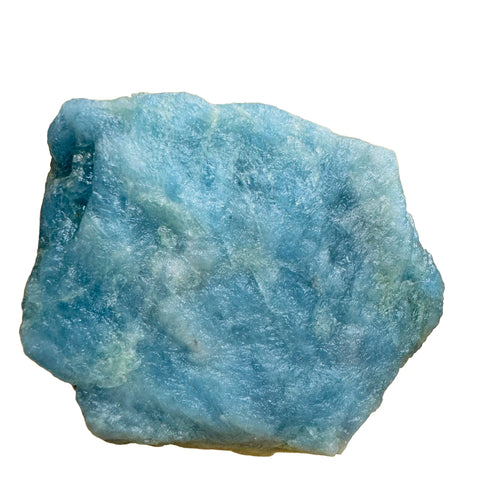
 Pisces
Feb 19 – Mar 20
Aquamarine
›
Gifting?
A birthday stone is the safe bet.
Read the zodiac guide →
Pisces
Feb 19 – Mar 20
Aquamarine
›
Gifting?
A birthday stone is the safe bet.
Read the zodiac guide →

Astrophyllite
Astrophyllite is named for its habit of growing in golden, bronze blades that fan out like a starburst, usually across a dark rock. It is a complex silicate rich in iron, titanium, potassium, and sodium, soft and micaceous rather than gem-hard. Collectors and lapidaries value it for those radiating metallic sprays, which are often cut in matrix as cabochons.
The geology.
Astrophyllite is a complex silicate of potassium, sodium, iron, and titanium, with hydroxyl and fluorine, and it lends its name to a whole group of closely related minerals. It crystallizes in the triclinic system as bladed to platy crystals with a bronze, gold, or coppery color and a metallic to pearly luster. The crystals characteristically radiate outward in star-like or fan-shaped sprays.
It is soft, at about 3 to 4 on the Mohs scale, and micaceous, splitting into thin flakes along one direction. Because of this softness it is more a specimen and cabochon material than a durable gem. The contrast between its warm metallic blades and the dark host rock is what gives cut astrophyllite its striking appearance.
The origins.
The Kola Peninsula of Russia, home to the Khibiny and Lovozero massifs, is one of the great sources of astrophyllite, producing fine bronze sprays in alkaline igneous rock. These localities have supplied many of the specimens prized by collectors.
The mineral was first recognized in Norway, on Laven Island in the Langesundsfjord, a classic alkaline locality. Astrophyllite also occurs in Greenland, in the United States at the Pikes Peak region of Colorado, in Quebec at Mont Saint-Hilaire, and at other alkaline complexes around the world. Material cut for jewelry often comes from deposits where the golden blades sit in an attractive dark matrix.
Traditional associations.
Astrophyllite's star-like form has inspired modern associations with self-knowledge, insight, and inner light. Many people describe it as a stone for reflection, for seeing patterns in one's life, and for a sense of connection between the personal and the cosmic.
Its radiating shape leads some to link it with expansion and awareness. These associations are traditional and personal rather than medical claims. Astrophyllite is most often linked with the higher chakras and the element of Storm, and is sometimes associated with Scorpio.
Spotting the real thing.
Astrophyllite is recognized by its radiating, bladed golden to bronze crystals set in a dark host rock, its softness of 3 to 4, and its micaceous, foliated character. The star-like sprays are the signature, and the metallic luster catches light as the specimen is turned. On cabochons, the fan of blades against dark matrix is unmistakable to most eyes.
The subtleties are naming and look-alikes. Astrophyllite is a group of related minerals, so a piece may technically be a close relative rather than astrophyllite in the strict sense, something only testing can resolve. Other golden micaceous minerals can also resemble it. For most buyers the appearance is enough, but precise species names should be treated with a little caution unless verified.
Care & handling.
Astrophyllite is soft and micaceous at 3 to 4, so it needs gentle care. Keep specimens and cabochons away from harder stones that would scratch them, avoid knocks that could cleave the blades, and skip ultrasonic cleaners. Wipe cabochons with a soft, slightly damp cloth and dry them, rather than soaking loose specimens.
In jewelry, astrophyllite is best set in protected styles and worn gently, since it will not withstand the wear a hard gem shrugs off. Store pieces separately in soft pouches or trays. With mindful handling that respects its softness, astrophyllite keeps its golden shine and crisp starburst pattern.
Pairs well with.
A deeper look.
Extended geology, sourcing, authentication, history, and varieties, for when the quick guide isn't quite enough.
Extended geology
Astrophyllite gives its name to a mineral group whose members share a layered structure of iron and titanium bound with silicate sheets and large potassium and sodium ions. This layering is why the crystals grow as blades and split into thin flakes, and why the group includes several chemically distinct species that look much alike. Its warm metallic color comes from its high iron and titanium content.
It forms in alkaline igneous rocks, especially nepheline syenites and their pegmatites, where sodium and potassium are abundant and silica is comparatively low. In these rocks astrophyllite crystallizes alongside minerals such as aegirine, feldspar, and nepheline, often as golden sprays scattered through a dark matrix. Those alkaline complexes are relatively uncommon, which limits where astrophyllite is found.
Extended sourcing
The Kola Peninsula of Russia, with the Khibiny and Lovozero alkaline massifs, is among the foremost sources, famous for well-formed bronze sprays. Norway's Langesundsfjord district, including Laven Island where the mineral was first described, is the classic type region and a touchstone for the species.
Astrophyllite is also found in Greenland's alkaline provinces, in the Pikes Peak area of Colorado, at Mont Saint-Hilaire in Quebec, and in other alkaline complexes worldwide. Much of the material cut into cabochons for jewelry comes from deposits where golden astrophyllite blades stand out sharply against a dark, contrasting host rock, which makes for appealing finished pieces.
Authentication and warning signs
Identification rests on the radiating bladed habit, the golden-bronze metallic color, the softness of 3 to 4, and the foliated, micaceous cleavage, usually within a dark matrix. This combination is distinctive enough that recognizing astrophyllite as a group is straightforward for a collector. Association with alkaline rock minerals like aegirine supports the identification.
The finer point is species and substitution. Because astrophyllite heads a group of similar minerals, a specimen may be a related species rather than true astrophyllite, and only laboratory analysis can be sure. Other soft golden minerals occasionally stand in for it as well. Honest labeling treats broad astrophyllite-group identity as reliable while reserving exact species claims for tested material.
History and folklore
Astrophyllite was first described in the mid-nineteenth century from Norway, and its name comes from the Greek words for star and leaf, capturing both its radiating form and its leafy, micaceous cleavage. It has always been more a mineralogist's and collector's mineral than a commercial gem, since it is too soft for hard wear. Interest in it has grown with the popularity of matrix cabochons, where the golden starbursts show to great effect. As understanding of mineral chemistry advanced, astrophyllite was recognized as the namesake of a group of related species, a reminder that a familiar name can cover several distinct minerals.
Group and related minerals
Astrophyllite in matrix: golden radiating blades in dark rock, the form most often cut as cabochons.
Sprays and rosettes: fan-shaped or star-like crystal groups prized as specimens.
Astrophyllite-group species: several closely related minerals that resemble astrophyllite and need testing to separate.
Associated minerals: aegirine, feldspar, and nepheline that often share the same alkaline host rock.
What it costs in the market
Astrophyllite is priced as a collector and lapidary material. Small specimens and simple cabochons are affordable, while large, well-formed sprays with bright golden blades and strong contrast against dark matrix bring higher prices. Quality of the starburst pattern, color, and the appeal of the matrix drive value more than size alone. Because the softness limits its use, it stays a specialty rather than a mainstream jewelry stone.
An education-first guide.
We don't currently carry astrophyllite, so there's nothing to sell you here. This guide exists because the more you understand a stone, the better every decision you make about it becomes, wherever you buy it. Explore the rest of our crystal guides for stones we do source, each with full origin and treatment notes.
Explore the Crystal GuideLove Astrophyllite? Meet Tiger Eye.
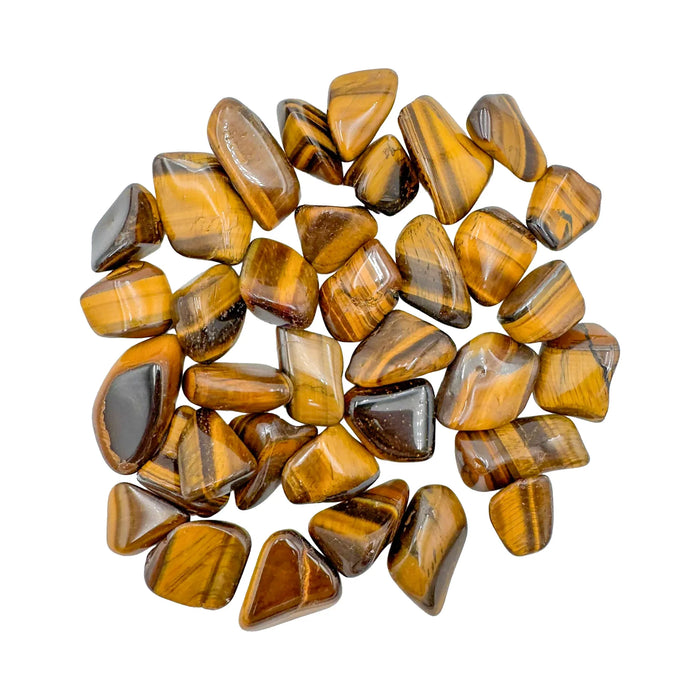
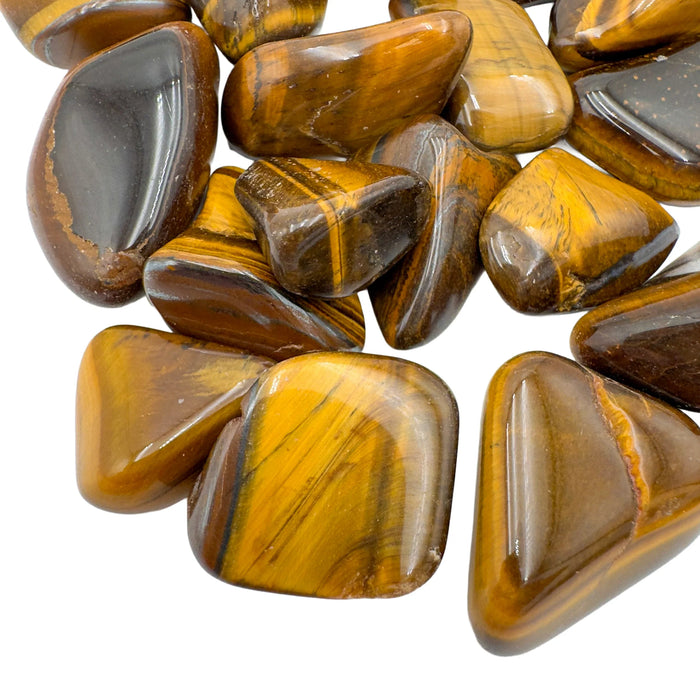
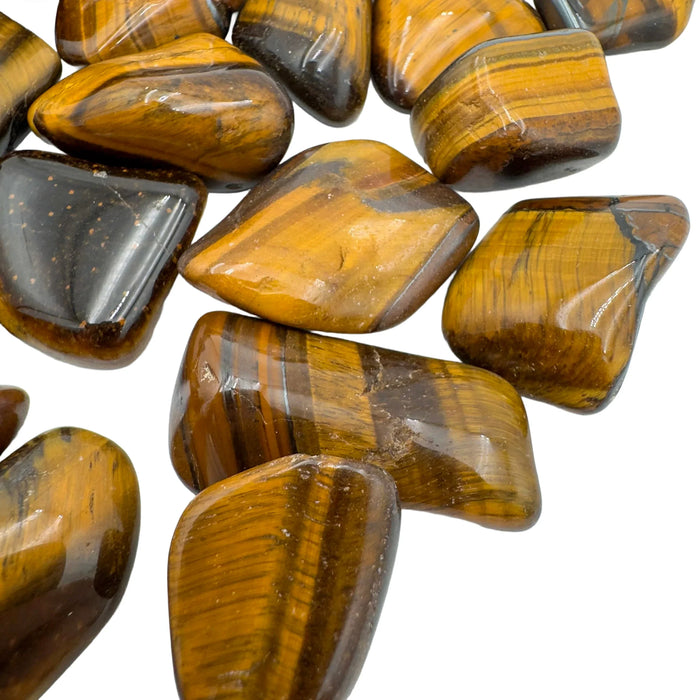
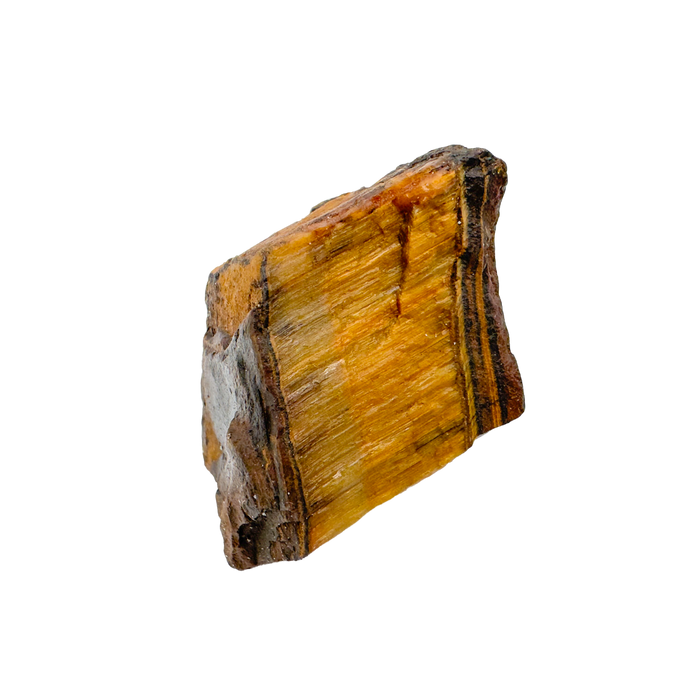
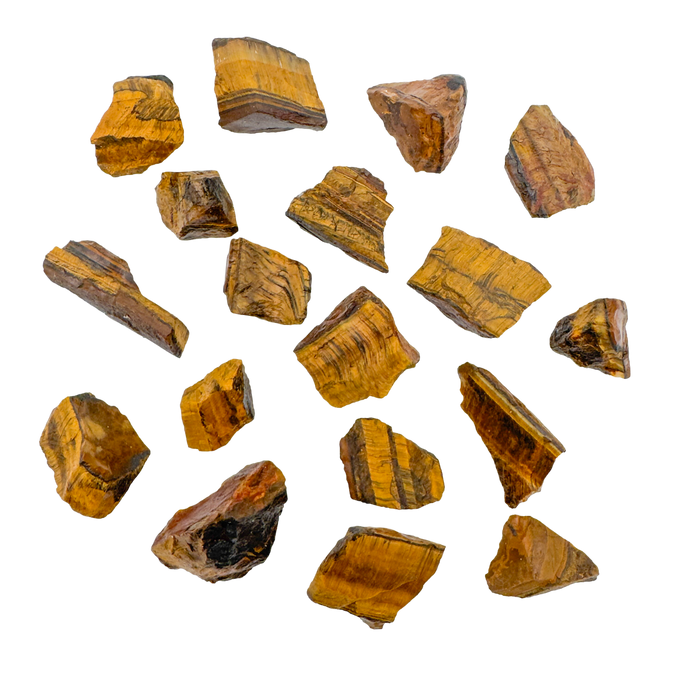
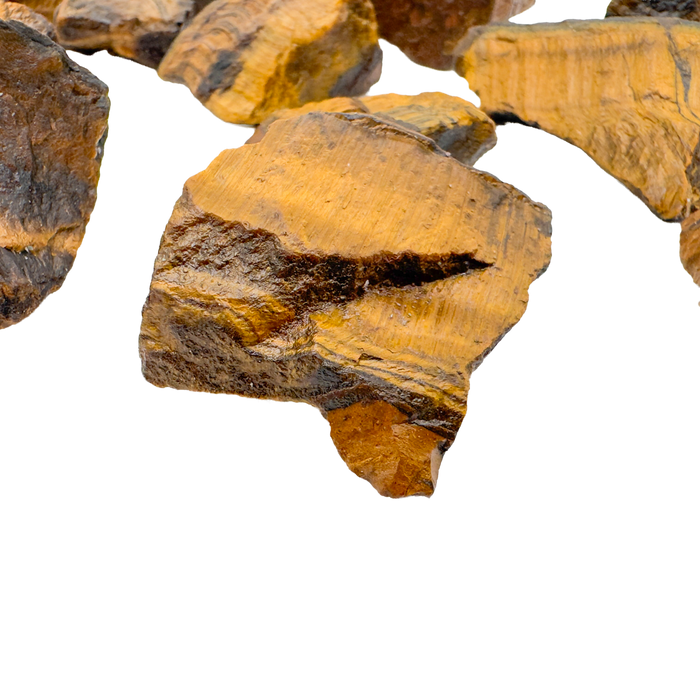
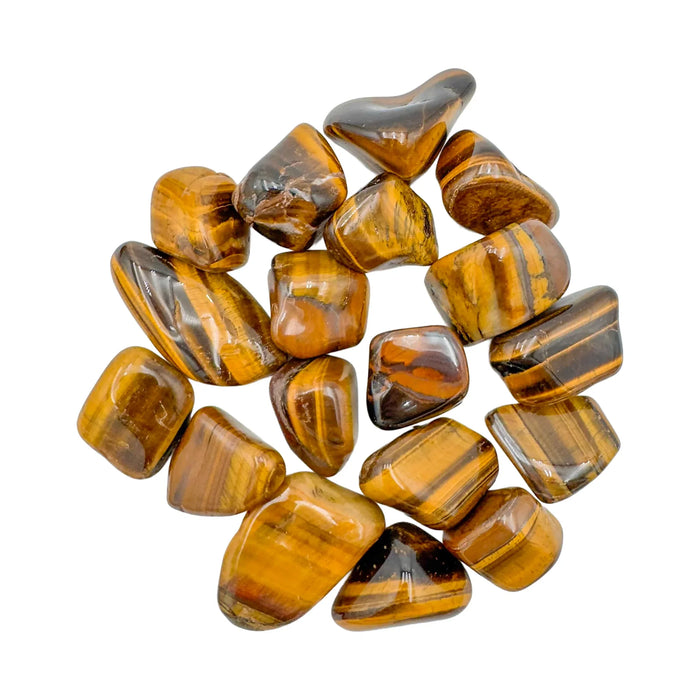
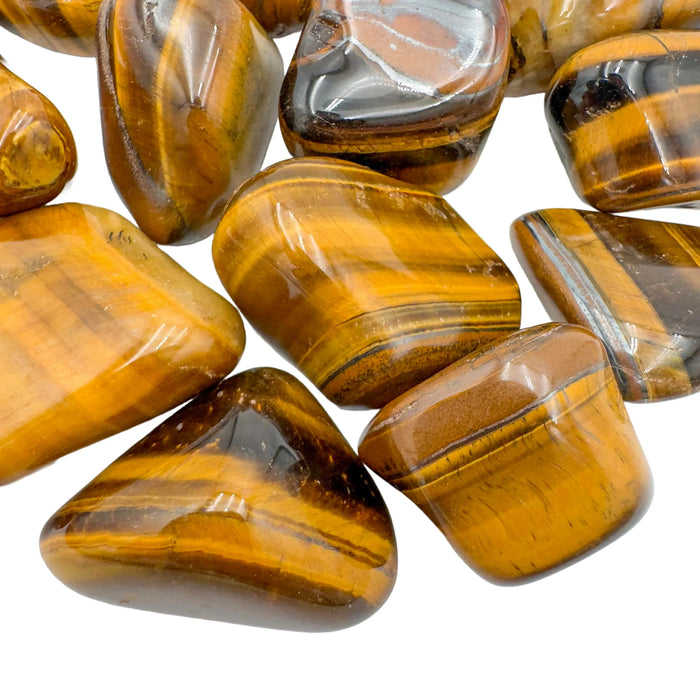
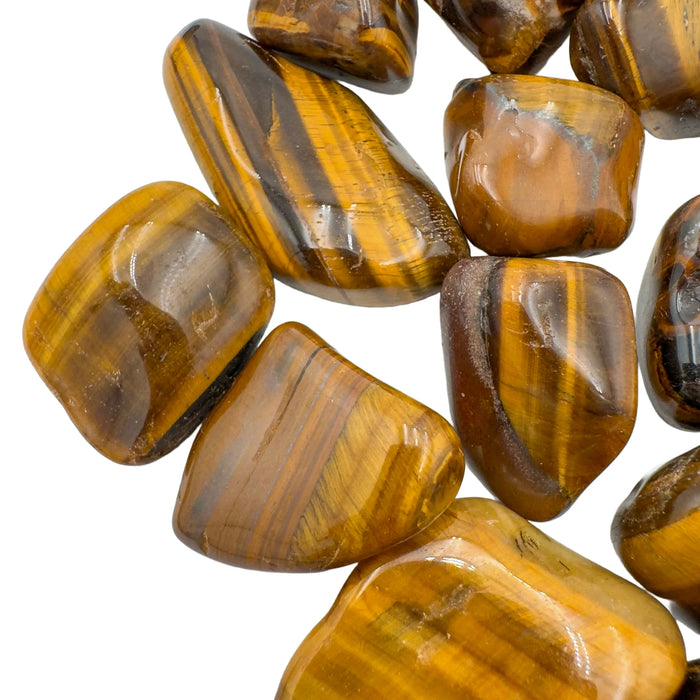
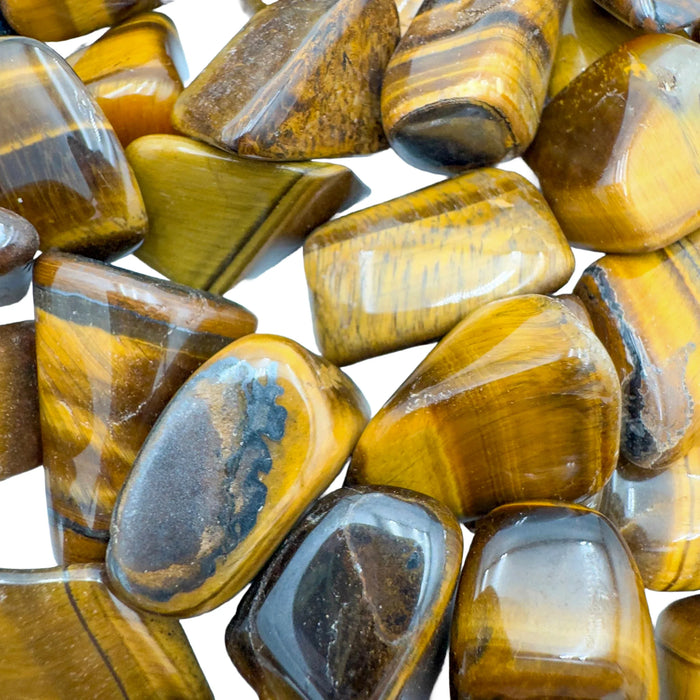
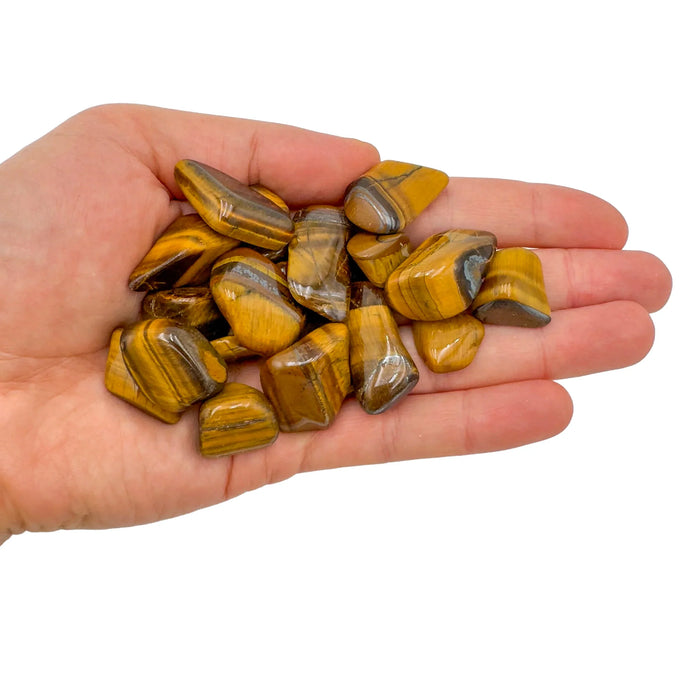
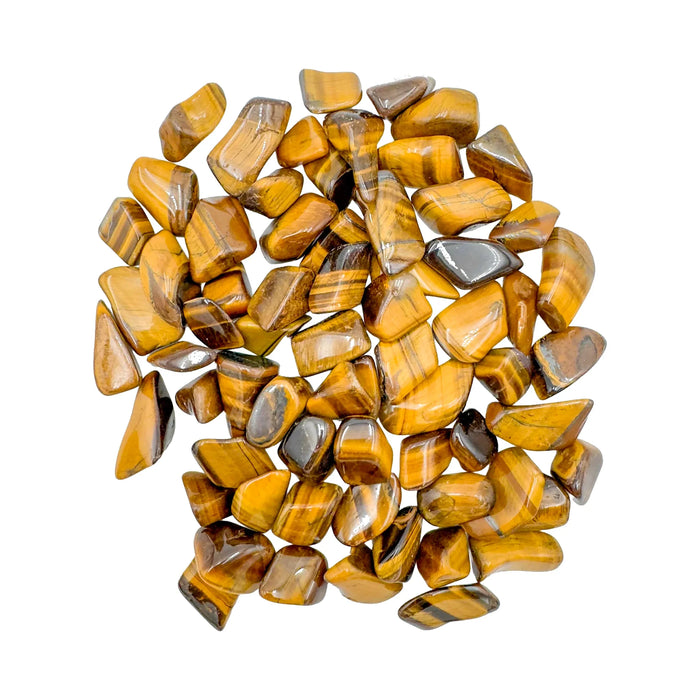
Astrophyllite is not something we carry. Tiger Eye is the closest match in color, and every piece passes our sourcing standards: origin named, treatments disclosed.
- from 1,000+ reviews
- Ships within 72 hoursMonday to Friday, tracked
- 90 days to return itif you do not love it
- Free US shipping over $99$8.99 flat rate under
The Slow Note
New stones go to the list first.
No forwarding, no selling. Unsubscribe in one click. Privacy