


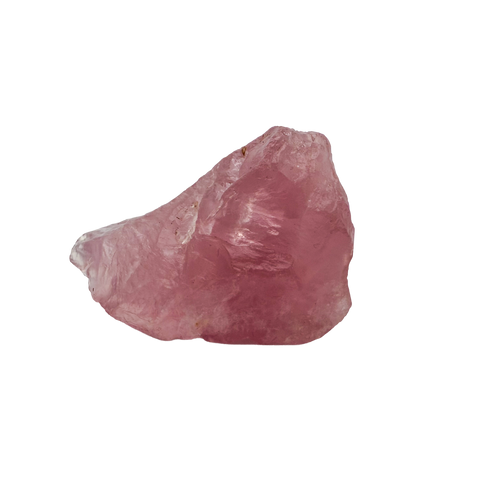
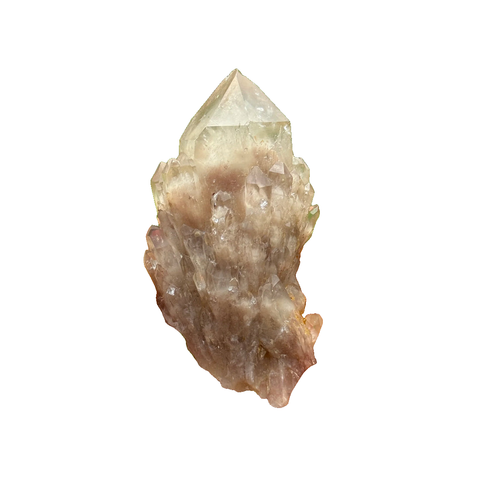
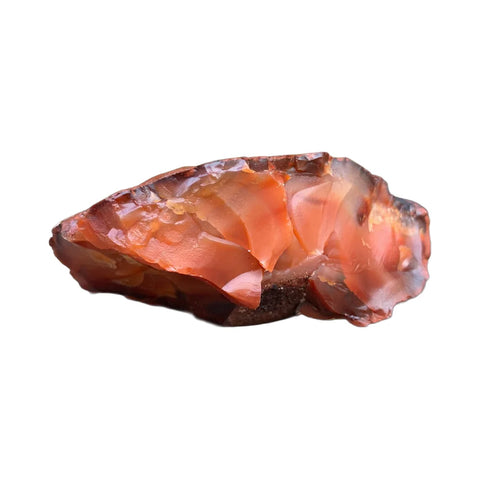
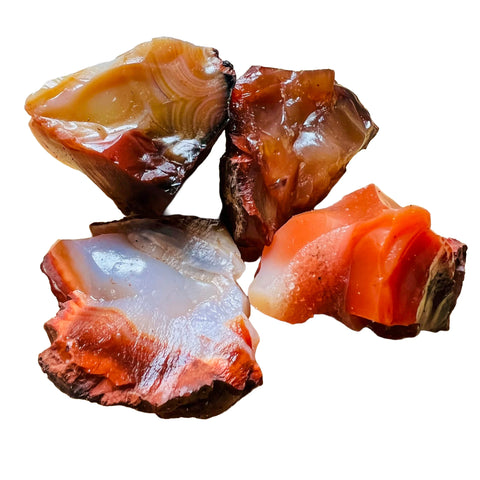


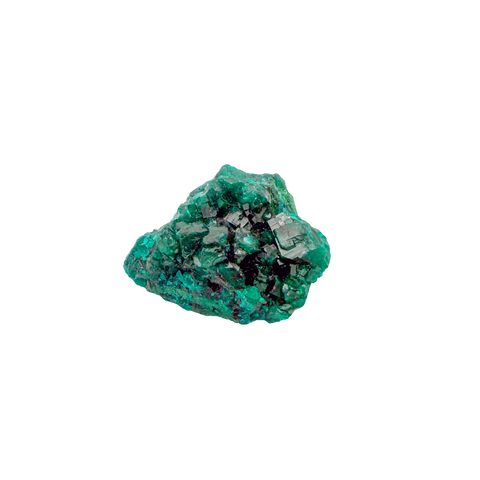
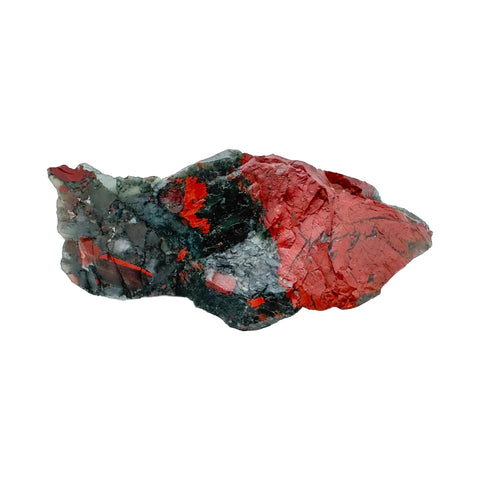
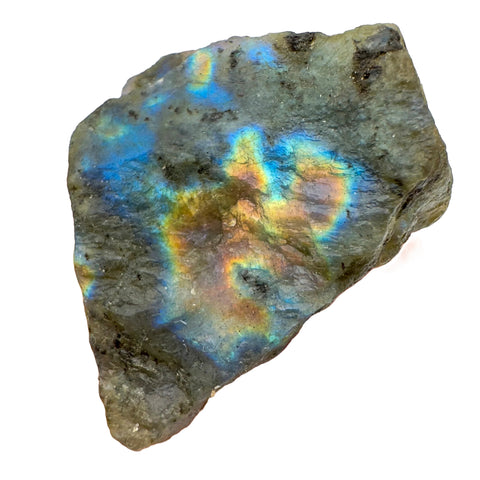
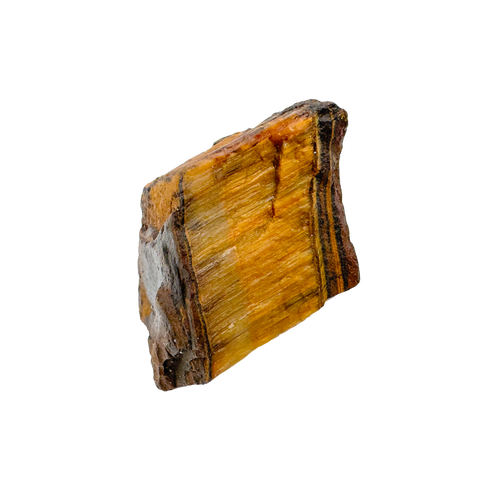
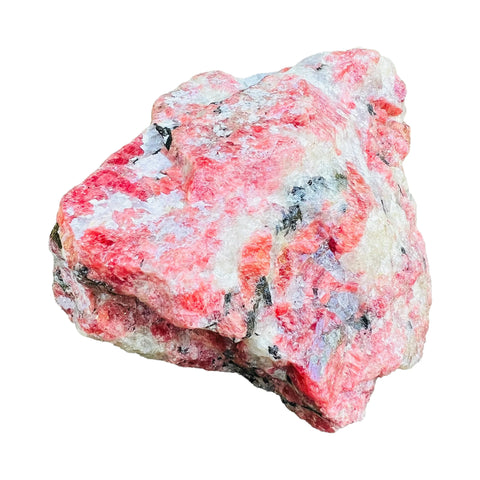
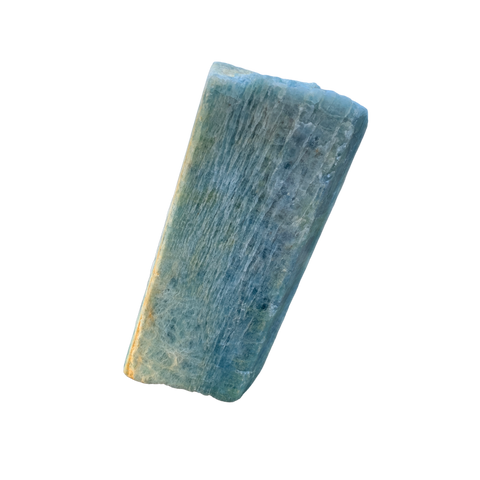
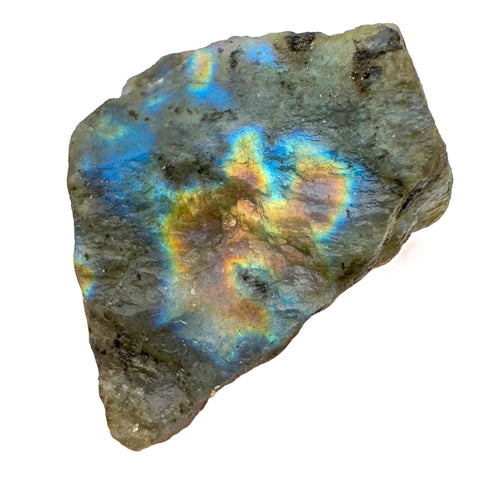
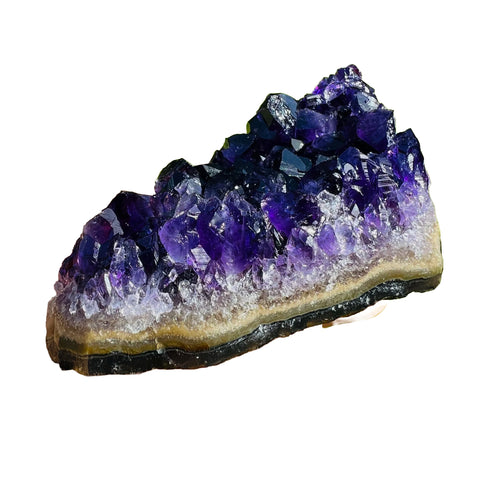



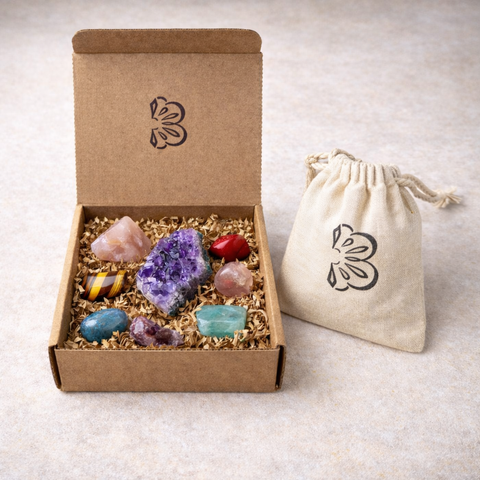
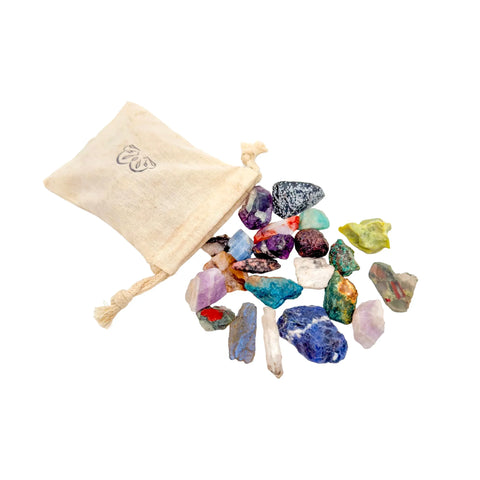
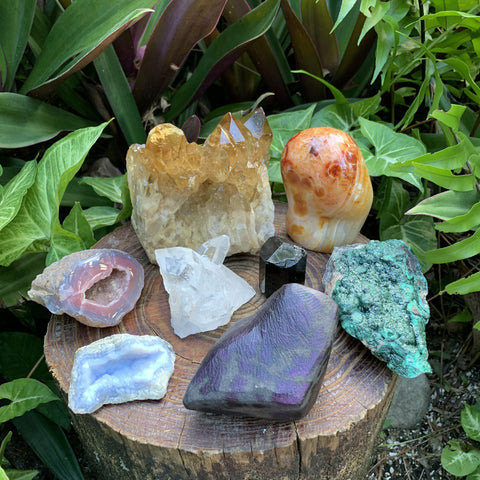
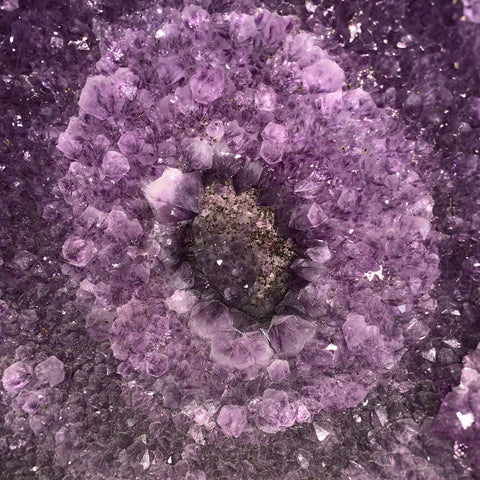


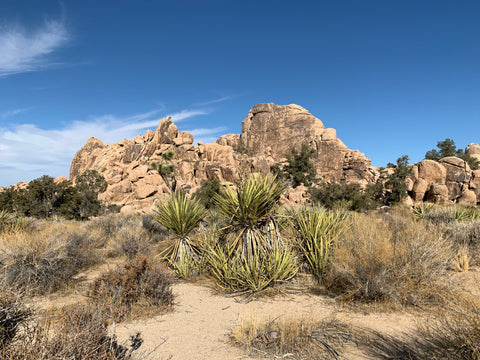
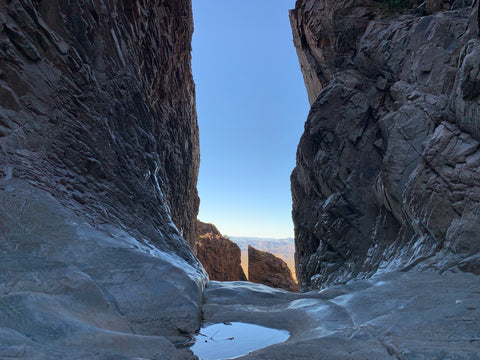

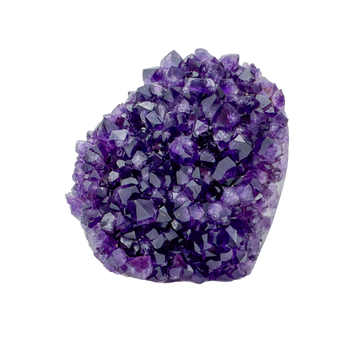
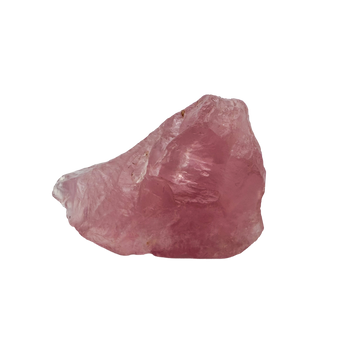
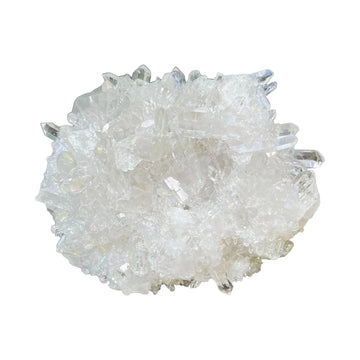
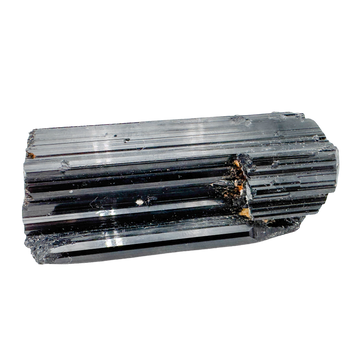
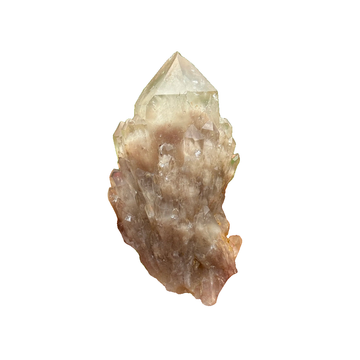
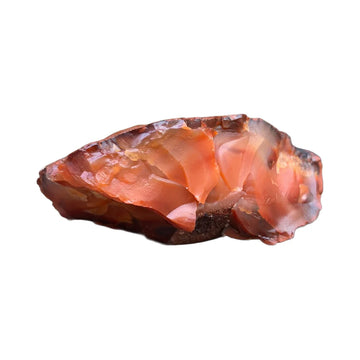
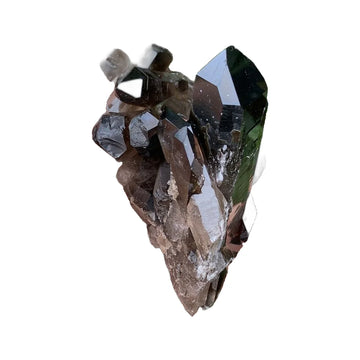
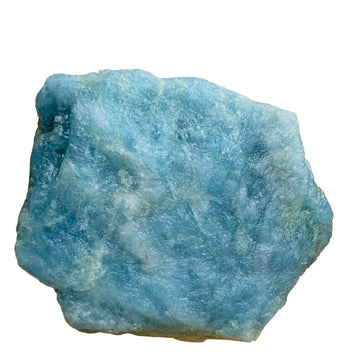
 Raw Stones
180 pieces
Raw Stones
180 pieces
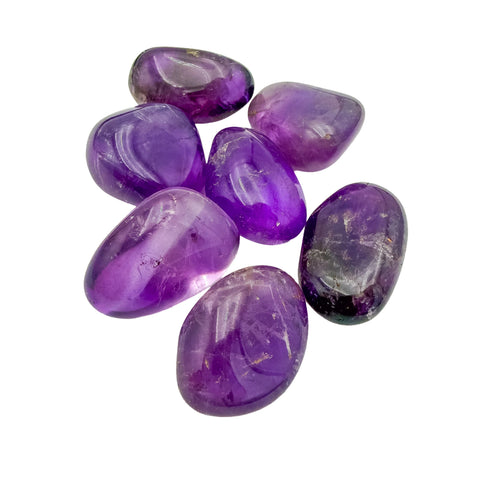
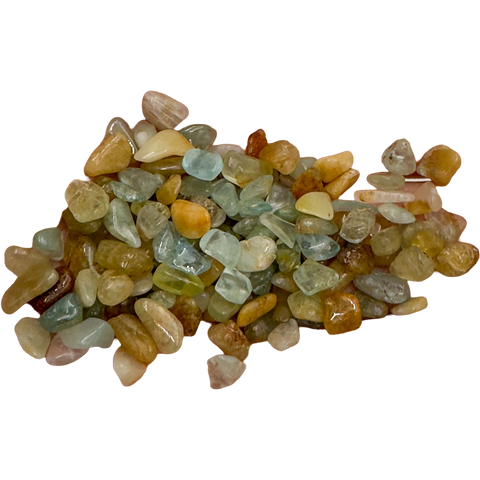
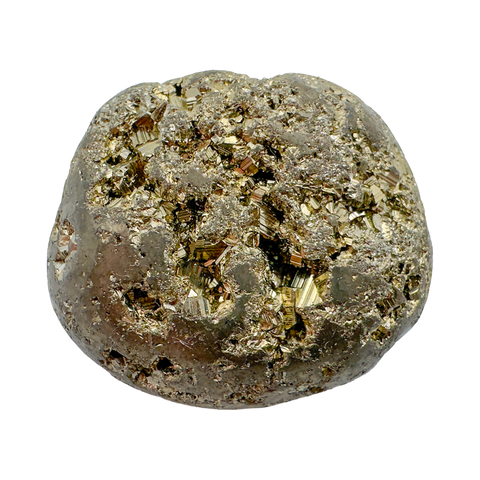
 Tumbled Stones
162 pieces
Tumbled Stones
162 pieces
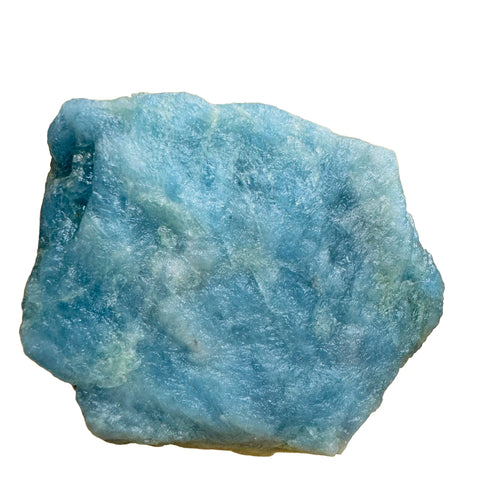
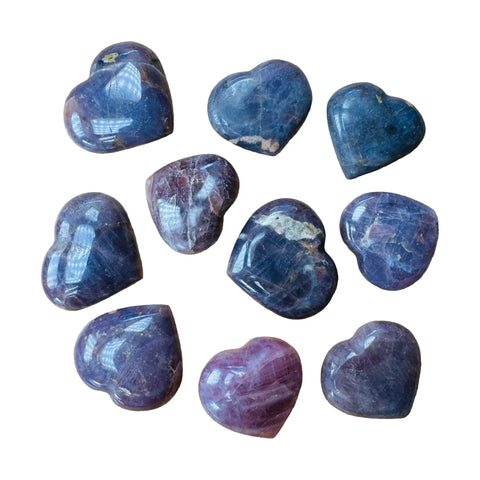
 Palm Stones
26 pieces
Palm Stones
26 pieces
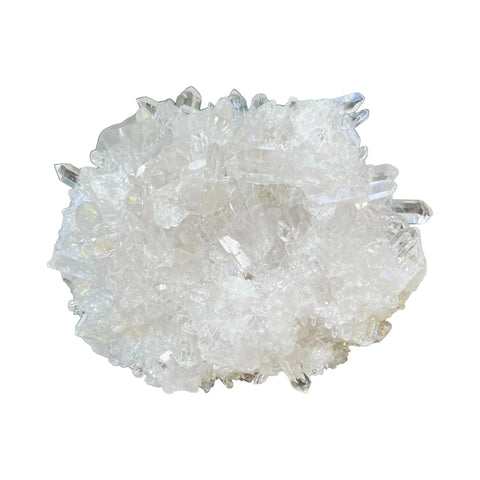
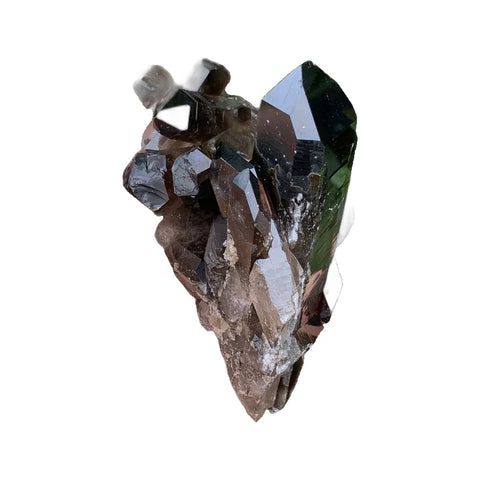
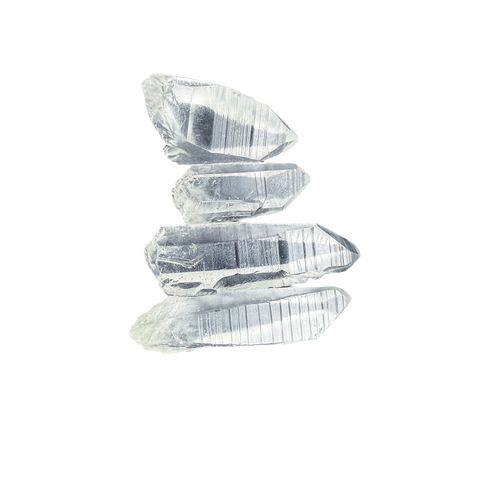
 Crystal Points
23 pieces
Crystal Points
23 pieces
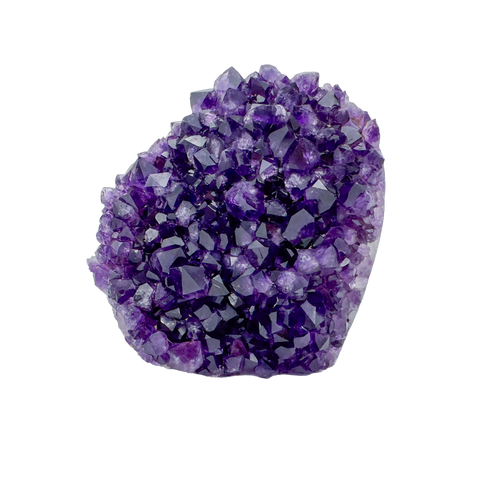
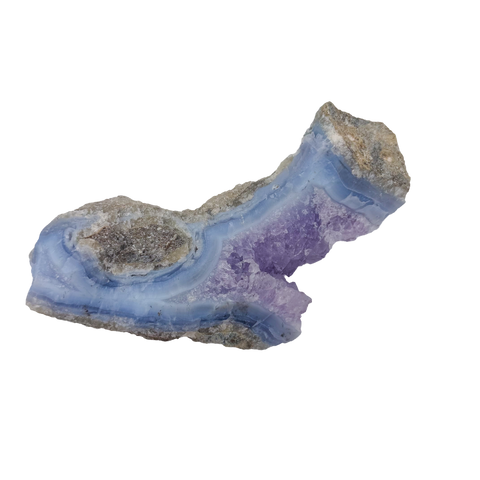
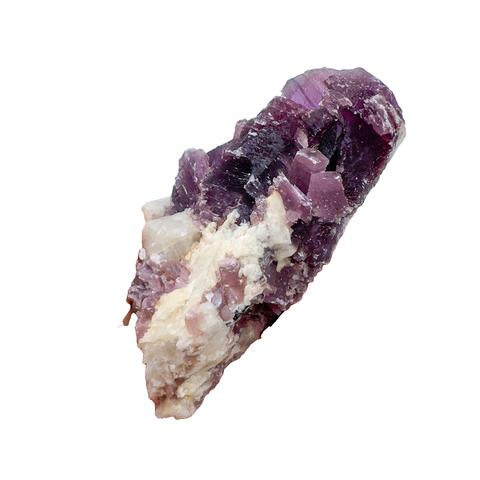
 Clusters & Geodes
112 pieces
Clusters & Geodes
112 pieces
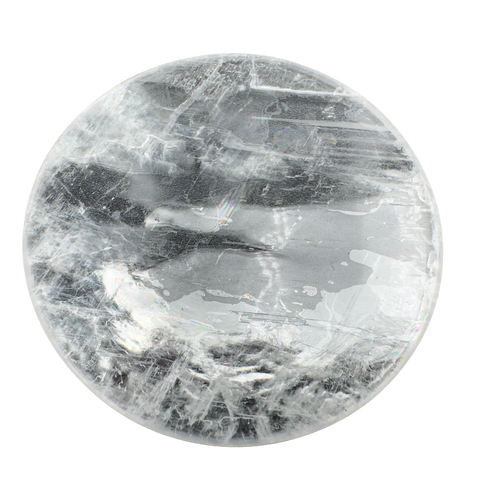
 Polished & Decor
155 pieces
Polished & Decor
155 pieces
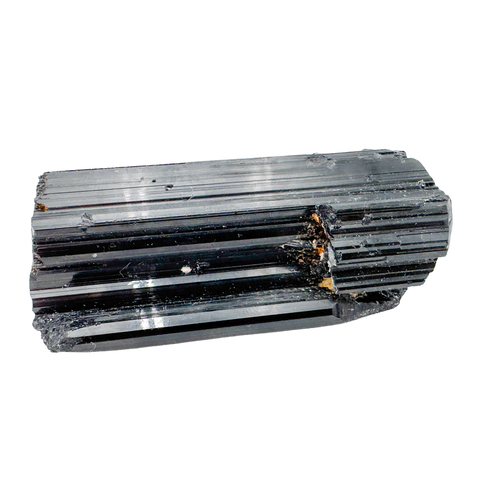
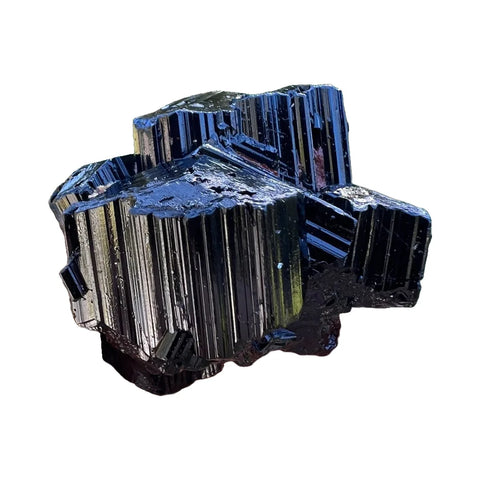
 Mineral Specimens
269 collector pieces
Mineral Specimens
269 collector pieces
 Crystal Chips
21 pieces
Browse everything
Every collection, one page.
View All Collections →
Crystal Chips
21 pieces
Browse everything
Every collection, one page.
View All Collections →


 Aries
Mar 21 – Apr 19
Carnelian
›
Aries
Mar 21 – Apr 19
Carnelian
›
 Taurus
Apr 20 – May 20
Rose Quartz
›
Taurus
Apr 20 – May 20
Rose Quartz
›
 Gemini
May 21 – Jun 20
Agate
›
Gemini
May 21 – Jun 20
Agate
›
 Cancer
Jun 21 – Jul 22
Moonstone
›
Cancer
Jun 21 – Jul 22
Moonstone
›
 Leo
Jul 23 – Aug 22
Citrine
›
Leo
Jul 23 – Aug 22
Citrine
›
 Virgo
Aug 23 – Sep 22
Amazonite
›
Virgo
Aug 23 – Sep 22
Amazonite
›
 Libra
Sep 23 – Oct 22
Blue Lace Agate
›
Libra
Sep 23 – Oct 22
Blue Lace Agate
›
 Scorpio
Oct 23 – Nov 21
Obsidian
›
Scorpio
Oct 23 – Nov 21
Obsidian
›
 Sagittarius
Nov 22 – Dec 21
Sodalite
›
Sagittarius
Nov 22 – Dec 21
Sodalite
›
 Capricorn
Dec 22 – Jan 19
Black Tourmaline
›
Capricorn
Dec 22 – Jan 19
Black Tourmaline
›
 Aquarius
Jan 20 – Feb 18
Amethyst
›
Aquarius
Jan 20 – Feb 18
Amethyst
›
 Pisces
Feb 19 – Mar 20
Aquamarine
›
Gifting?
A birthday stone is the safe bet.
Read the zodiac guide →
Pisces
Feb 19 – Mar 20
Aquamarine
›
Gifting?
A birthday stone is the safe bet.
Read the zodiac guide →




Nuummite
Nuummite is one of the oldest decorative stones on Earth, a dark metamorphic rock that flashes with gold, copper, and sometimes blue and green when it catches the light. Those flashes come from light bouncing off microscopic layers of two amphibole minerals. Named after Nuuk in Greenland, it has a quiet, ancient feel that many people associate with grounding and inner strength.
The geology.
Nuummite is not a single mineral but a rock, an intergrowth of two closely related amphibole minerals, anthophyllite and gedrite. As these two separated into fine alternating layers deep in the Earth, they formed lamellae thin enough to interfere with light, which is what produces the metallic gold-to-copper flash on a polished surface. The same physics underlies the play of color in labradorite, just in different minerals.
The base color is black to dark gray, opaque, with hardness around 5.5 to 6 on the Mohs scale. Pyrite, pyrrhotite, and chalcopyrite often appear as small shimmering specks within it. Genuine nuummite is extremely old, formed in Archean rocks on the order of three billion years in age, which is part of its appeal as an ancient stone.
The origins.
The original and classic source is Greenland, where nuummite was first noted near Nuuk in 1810 and from which it takes its name. Greenlandic material, from the region around Nuuk, is regarded as the benchmark for fine gold and multicolor flash. It is mined in small quantities in a remote setting, which keeps good pieces relatively scarce.
A second source in Mauritania produces similar iridescent amphibole material, which is also sold as nuummite. This is the honest naming point: most stones on the market are either Greenlandic or Mauritanian, and the two are hard to tell apart by eye. Unrelated stones such as the trade-named mystic merlinite are sometimes confused with it. A good seller will name the country of origin.
Traditional associations.
Nuummite is often called a sorcerer's stone or a stone of ancient power, leaning on its great age and its dark, fiery look. Many people work with it for grounding, protection, willpower, and a feeling of quiet inner authority, treating it as a stone for steady, deep work rather than light or airy intentions.
It is usually linked to the Root, Solar Plexus, and Third Eye chakras, the element of Earth, and the signs Sagittarius and Scorpio. A common practice is to carry a polished piece as a personal touchstone or keep it close during focused, long-term projects.
Spotting the real thing.
Real nuummite is a dark, opaque rock whose flash appears as fine streaks and patches of gold, copper, and occasionally blue or green that shift as you tilt it. The iridescence sits in narrow bands following the mineral layering, and the surface often shows a slightly fibrous or streaky texture rather than broad sheets of color.
Because nuummite is not cheap, lower-grade amphibole and other dark flashy stones are sometimes sold under the name. The most useful questions are about origin and labeling, whether it is Greenlandic or Mauritanian and whether it is actually nuummite rather than a different trade-named stone. Glass and resin imitations look too uniform and lack the narrow, directional banding of the real rock.
Care & handling.
Nuummite is reasonably durable but not as hard as quartz. At 5.5 to 6 on the Mohs scale it suits pendants, pocket stones, and earrings better than rings, which take more abrasion. Clean it with a soft cloth and a little warm water, and dry it promptly.
Avoid long water soaks, harsh chemicals, and hard knocks, since the stone can chip and the polish can dull. Store it away from harder stones such as quartz and topaz. To reset it energetically, many people use sound, moonlight, or a few hours near selenite rather than salt or prolonged water.
Pairs well with.
A deeper look.
Extended geology, sourcing, authentication, history, and varieties, for when the quick guide isn't quite enough.
Extended geology
Nuummite is a metamorphic rock made of two amphibole minerals, anthophyllite and gedrite, that grew together and then separated into fine alternating lamellae. Those layers are thin enough to interfere with light, so polished surfaces flash gold, copper, and sometimes blue and green as the angle changes. This is structural color, the same kind of light interference that gives labradorite its play of color, produced here by amphiboles rather than feldspar.
The body is black to dark gray and opaque, hardness about 5.5 to 6, with common accessory minerals like pyrite and pyrrhotite adding metallic glints. The rock is Archean, formed roughly three billion years ago.
Extended sourcing
Greenland is the type locality and classic source, with material from the area around Nuuk giving the stone its name, first recorded by the mineralogist K. L. Giesecke in 1810. Greenlandic nuummite is prized for strong, multicolor flash and is mined in small amounts in a remote place. A separate source in Mauritania yields similar amphibole material that is also sold as nuummite.
Authentication and warning signs
Genuine nuummite shows narrow, directional bands of gold-to-copper flash following the mineral layering, set in a dark, slightly fibrous body. The most useful questions concern origin, Greenland or Mauritania, and naming, since unrelated trade-named stones are sometimes confused with it. Overly uniform color or a glassy, bubbly look suggests glass or resin rather than the real rock.
History and folklore
Nuummite has been collected in Greenland for a very long time, and its dramatic flash and great age have earned it a reputation in modern crystal practice as a stone of deep power, sometimes called the sorcerer's stone. The folklore is recent compared with the rock itself, which predates almost everything else on a collector's shelf.
What it costs in the market
Nuummite is a mid-range to premium stone. Small tumbles and cabochons are moderate, while large pieces and fine Greenlandic material with bright, full-spectrum flash command higher prices. Strength and coverage of the iridescence, along with named origin, drive value.
An education-first guide.
We don't currently carry nuummite, so there's nothing to sell you here. This guide exists because the more you understand a stone, the better every decision you make about it becomes, wherever you buy it. Explore the rest of our crystal guides for stones we do source, each with full origin and treatment notes.
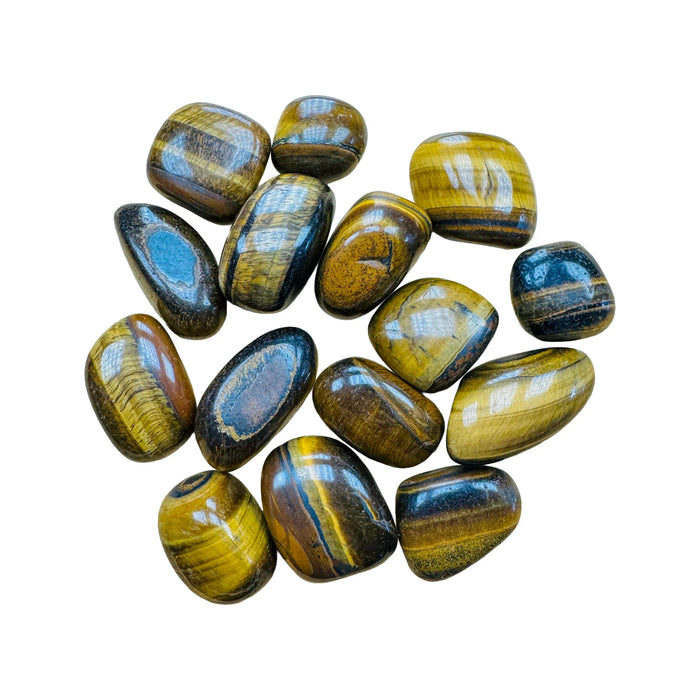
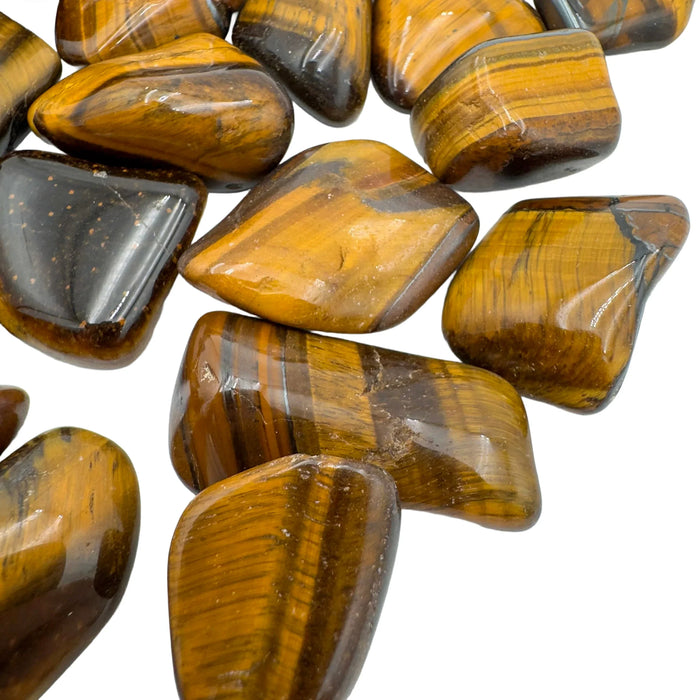
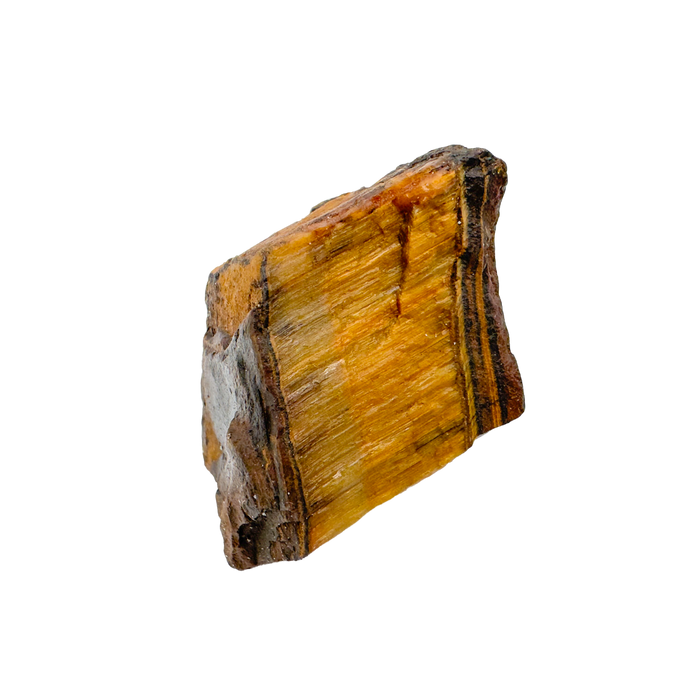
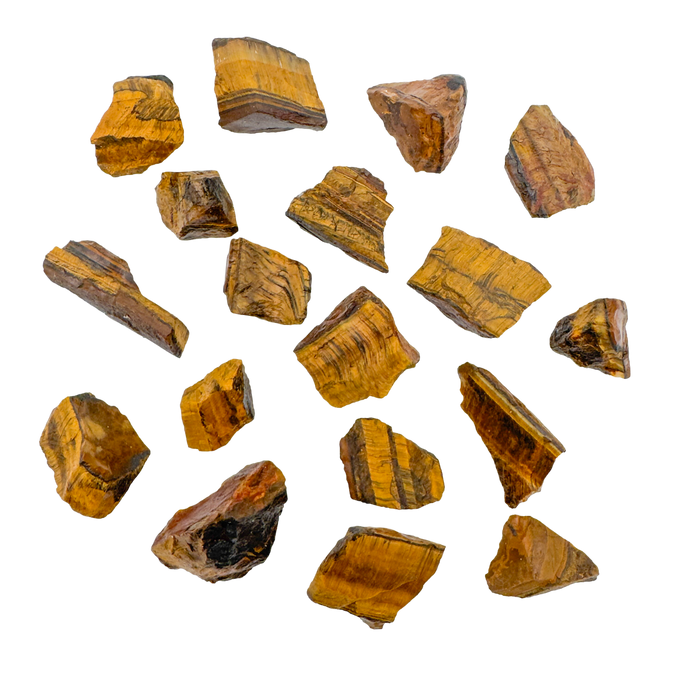
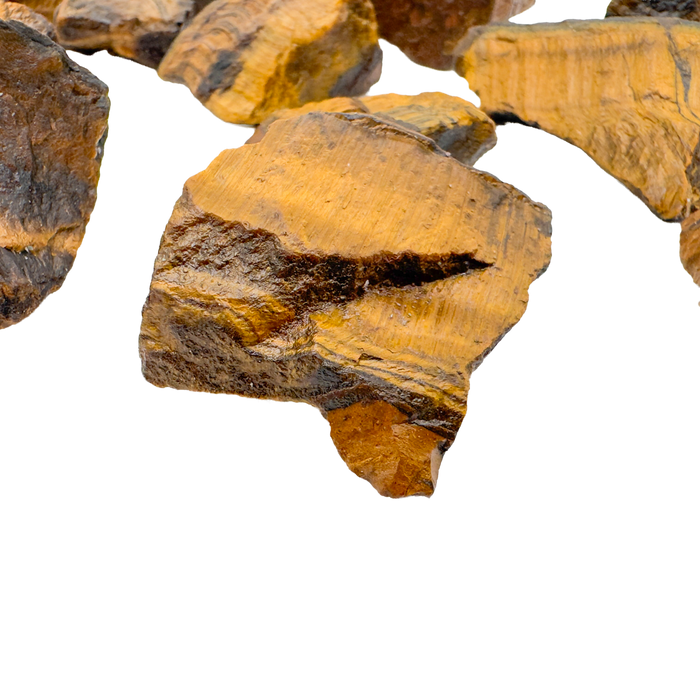
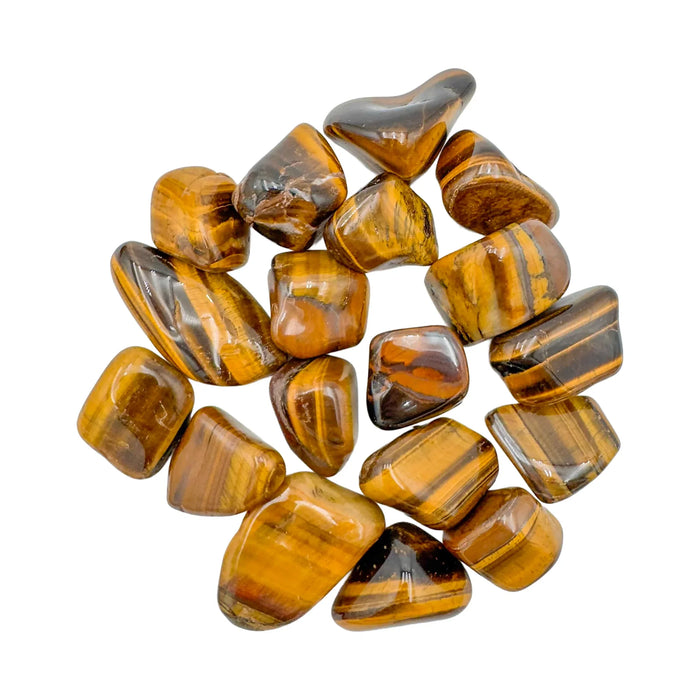
Explore the Crystal GuideLove Nuummite? Meet Tiger Eye.
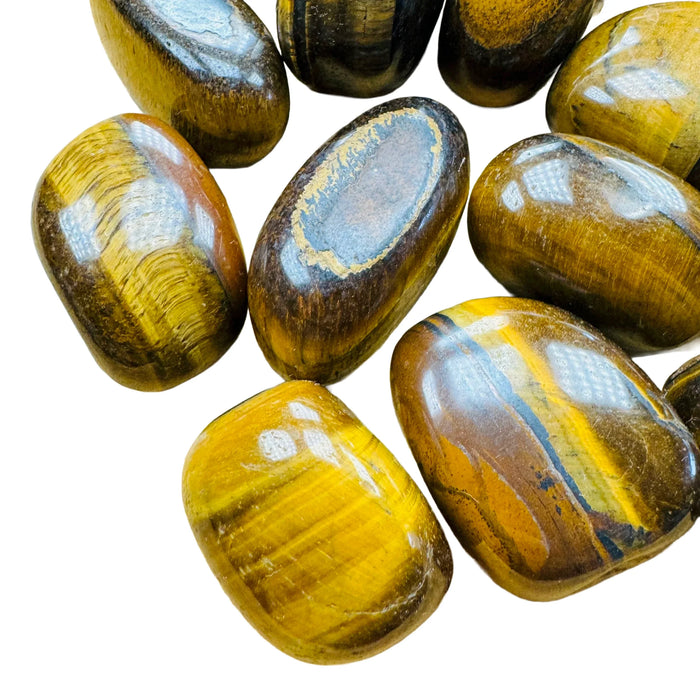
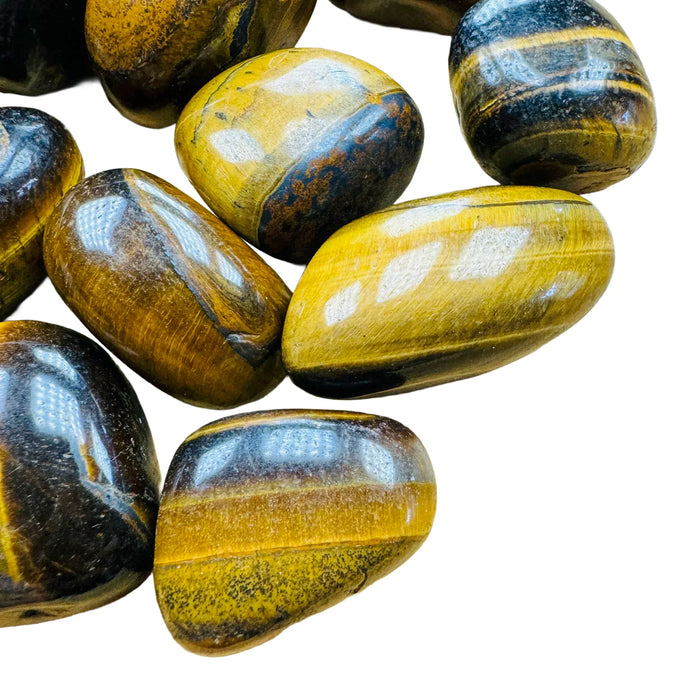
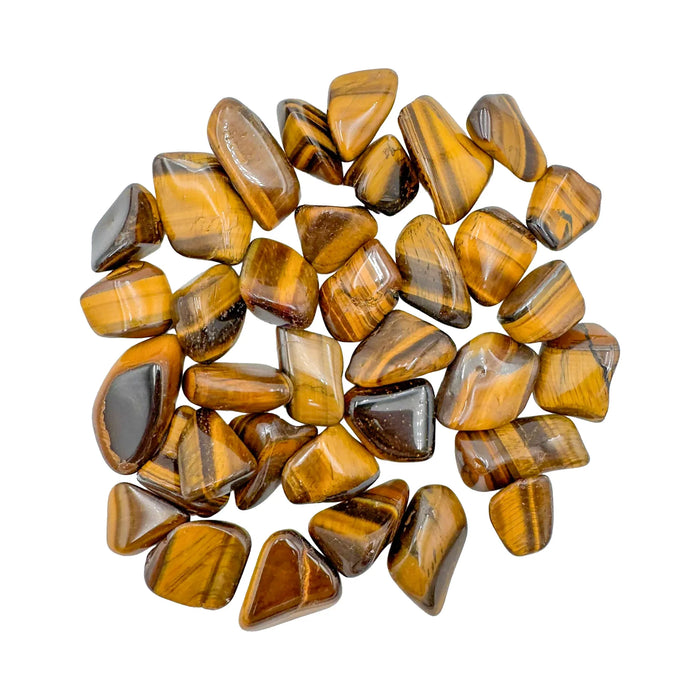
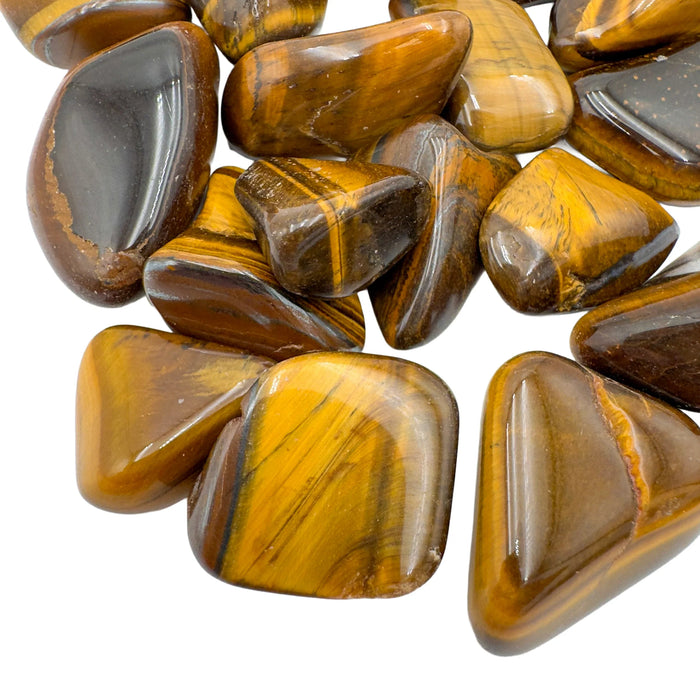
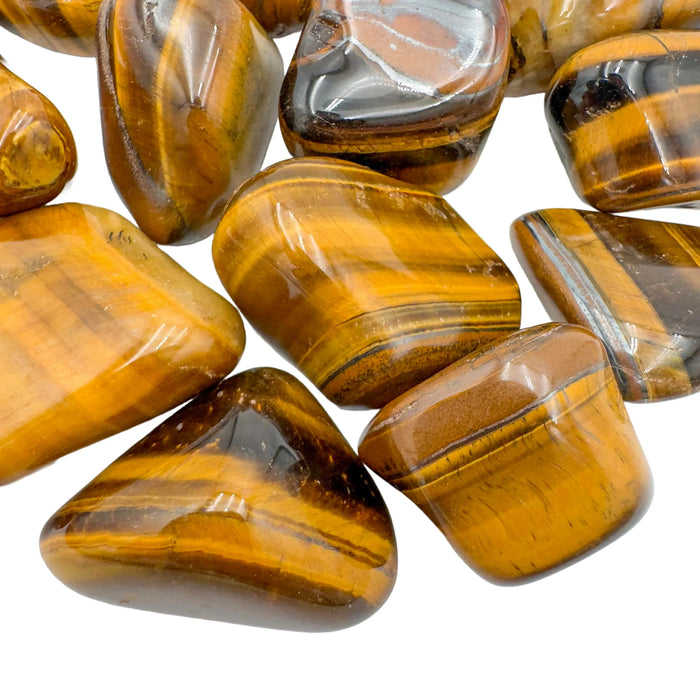
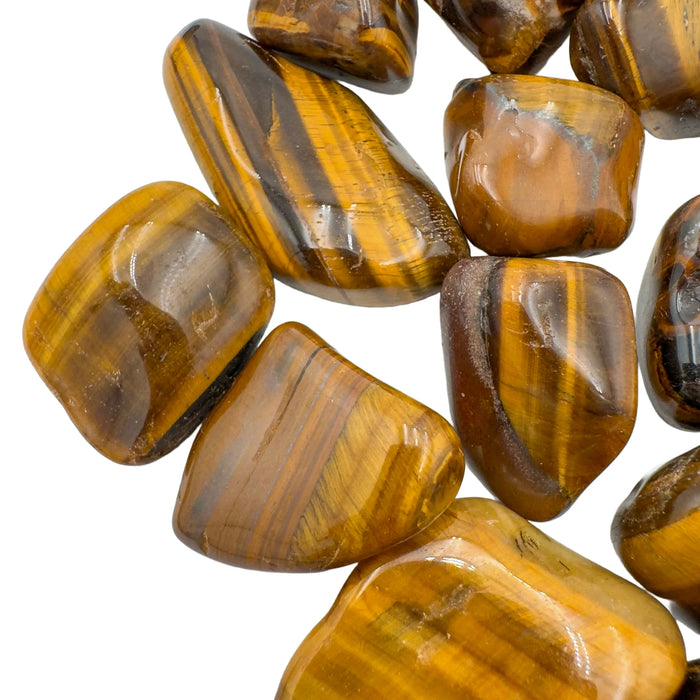
Nuummite is not something we carry. Tiger Eye is the closest match in color, and every piece passes our sourcing standards: origin named, treatments disclosed.
- 4.9 out of 5from 1,000+ reviews
- Ships within 72 hoursMonday to Friday, tracked
- 90 days to return itif you do not love it
- Free US shipping over $99$8.99 flat rate under