


 Agatefor stress relief
 Amazonitefor stress relief
 Aquamarinefor serenity
 Aventurinefor luck
 Bloodstonefor energy
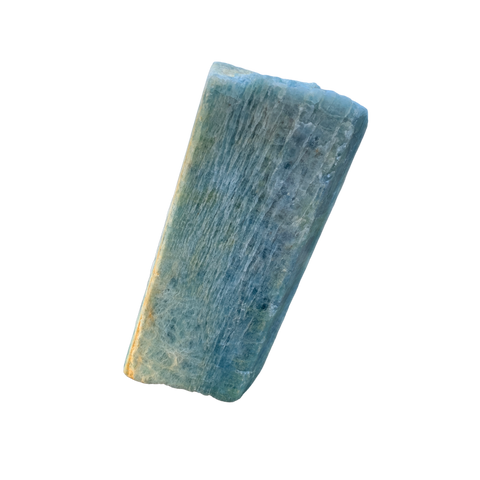
 Blue Kyanitefor confidence
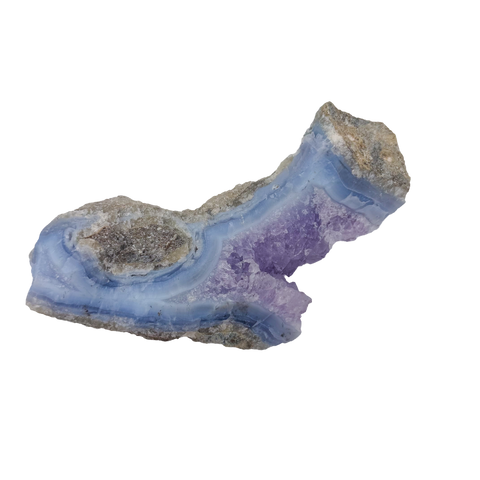
 Blue Lace Agatefor stress relief
 Chrysocollafor emotional healing
 Fluoritefor focus
 Garnetfor energy
 Lepidolitefor stress relief
 Malachitefor emotional healing
 Moonstonefor grounding
 Obsidianfor protection
 Ocean Jasperfor emotional healing
 Red Jasperfor grounding
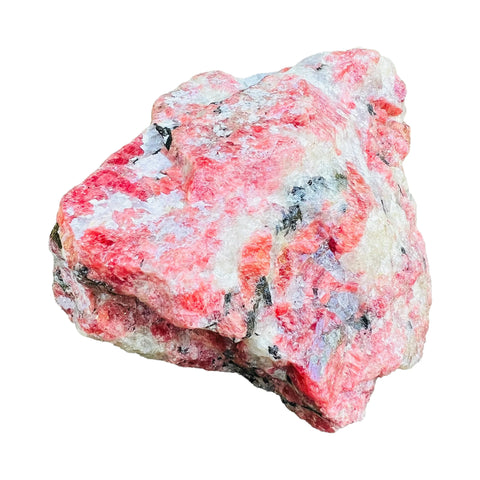
 Rhodonitefor emotional healing
 Selenitefor cleansing
 Sodalitefor focus
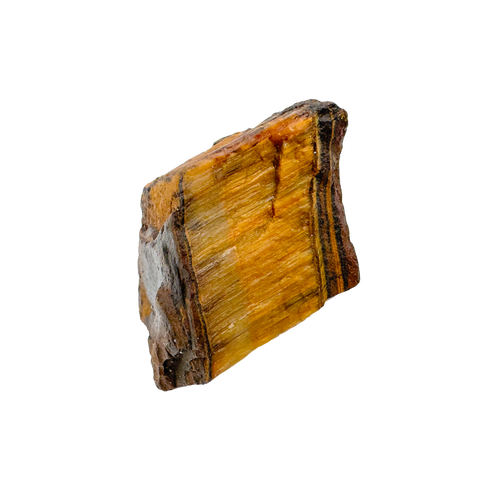
 Tiger Eyefor confidence
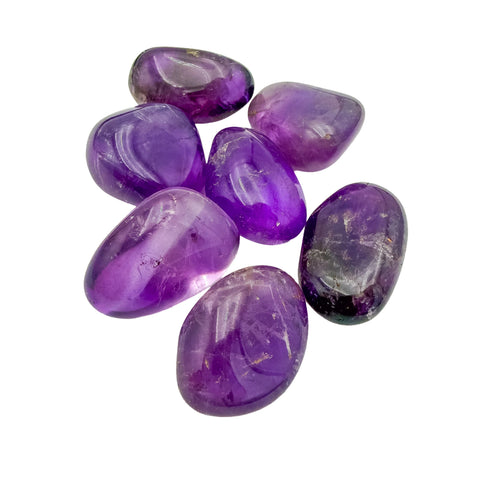


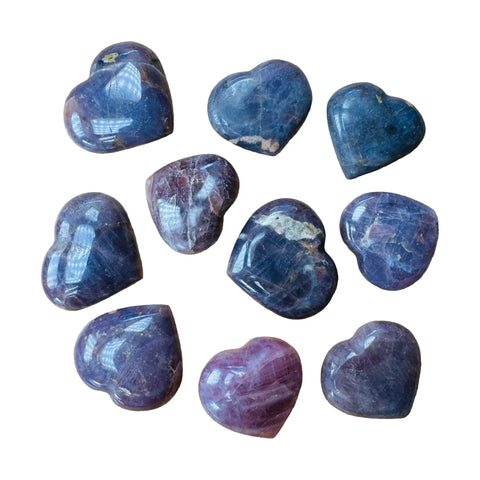
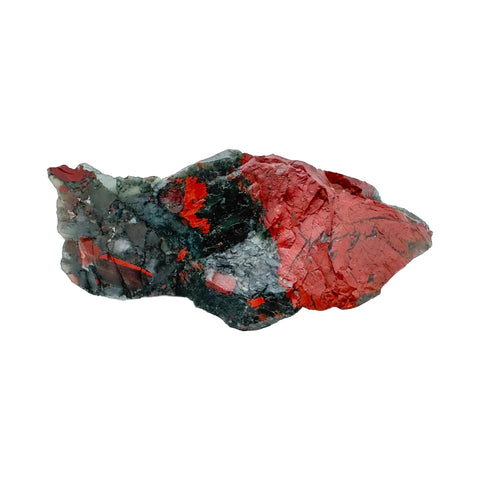
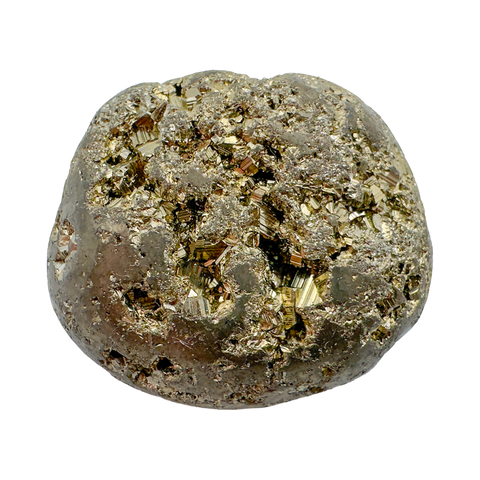
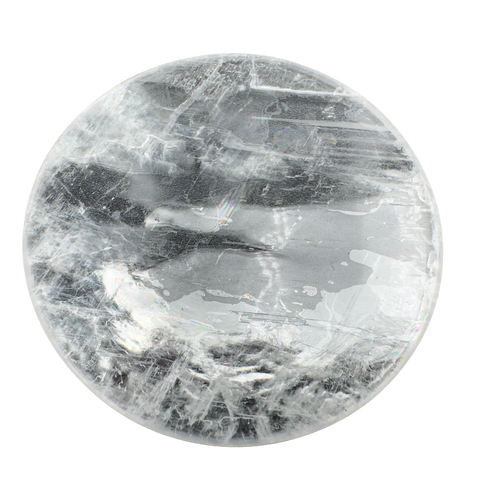


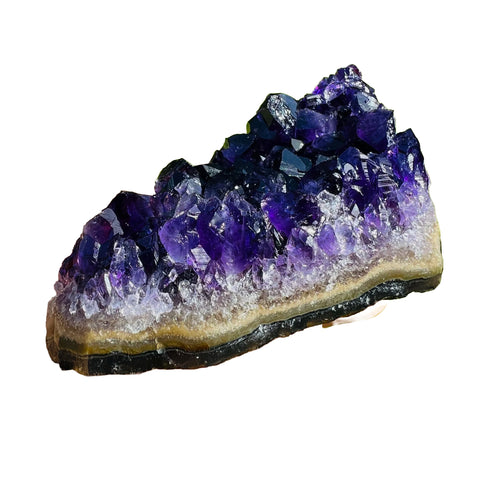






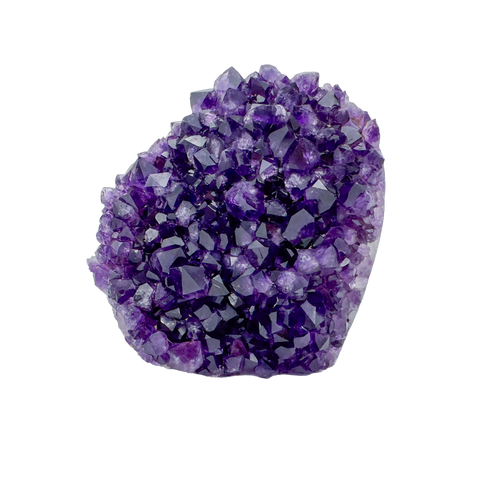
 Amethyst
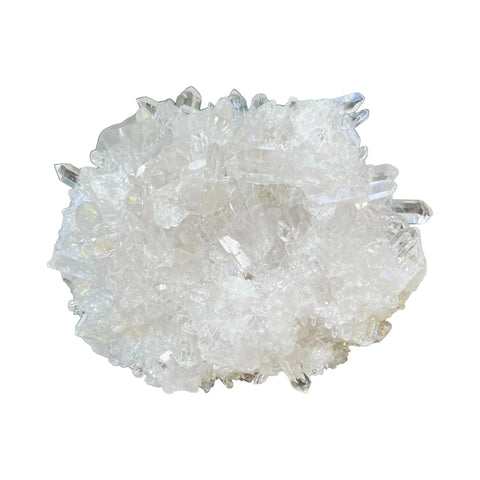
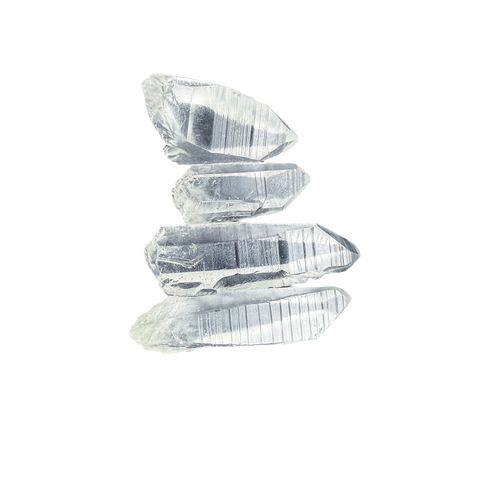
 Clear Quartz
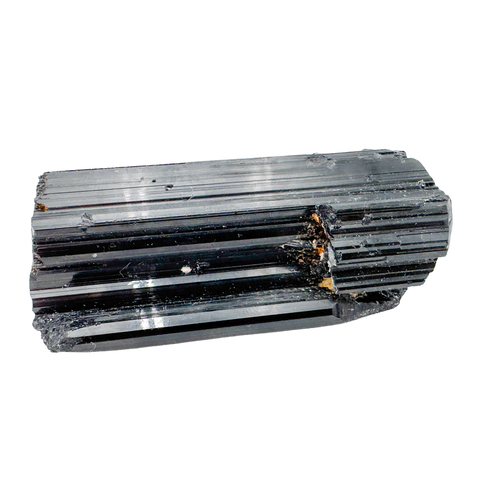
 Black Tourmaline
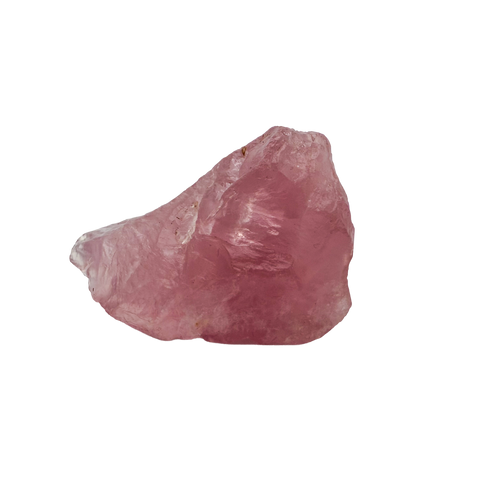
 Rose Quartz
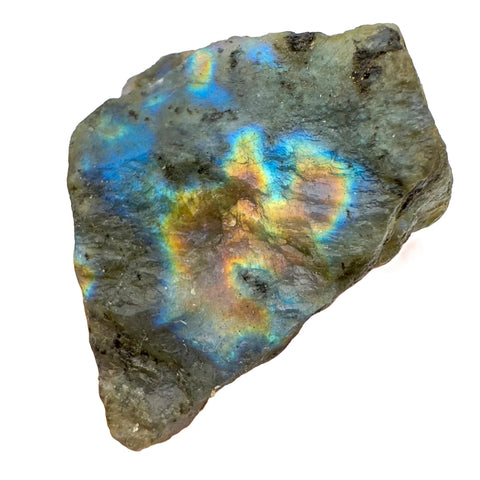
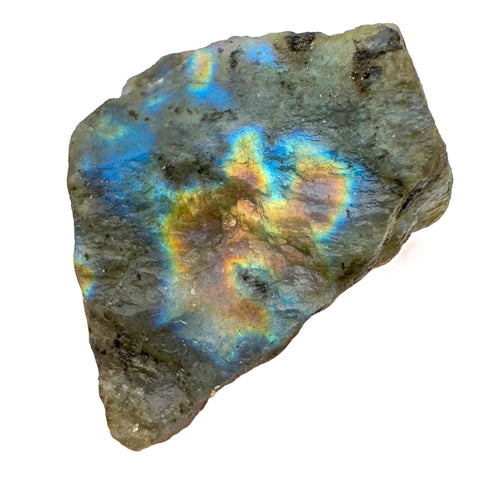
 Labradorite
 Natural Citrine
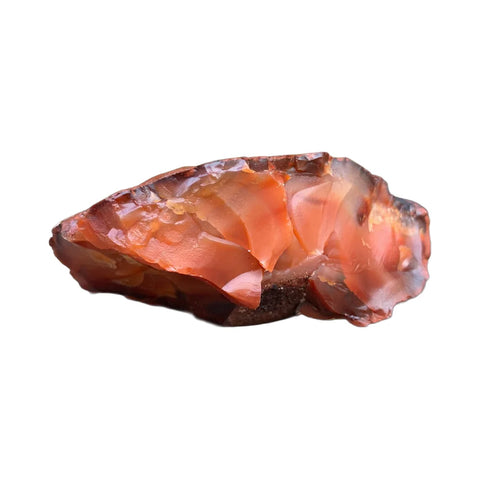
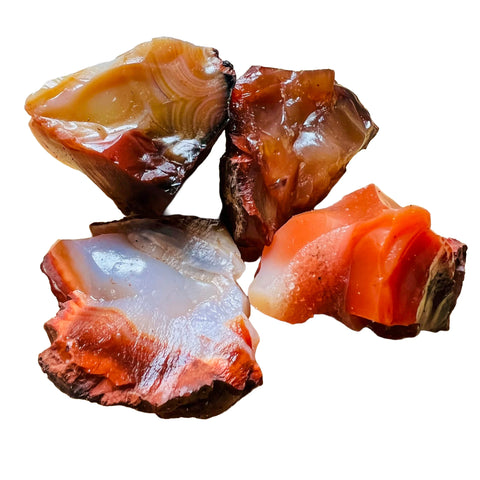
 Carnelian
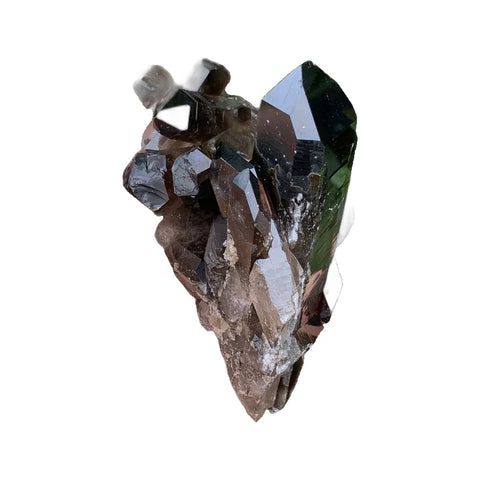
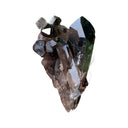 Smoky Quartz
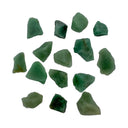 Aventurine
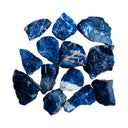 Sodalite
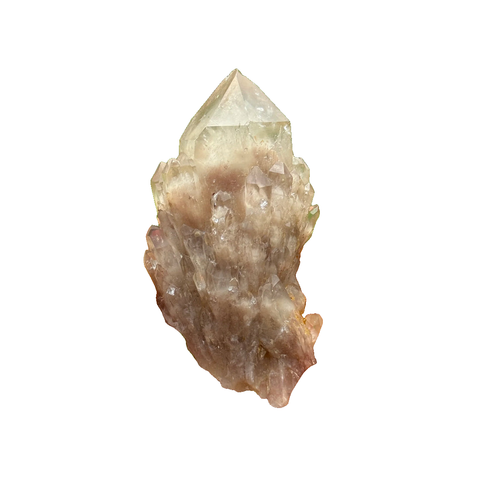
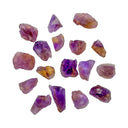 Ametrine
 Golden Healer
 Raw Stones
 Tumbled Stones
 Palm Stones
 Crystal Points
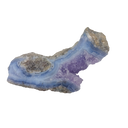 Clusters & Geodes
 Polished & Decor
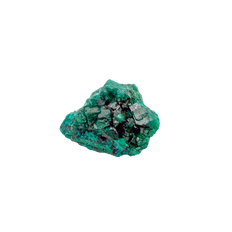 Mineral Specimens
 Crystal Chips
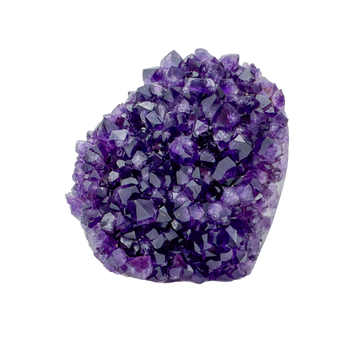
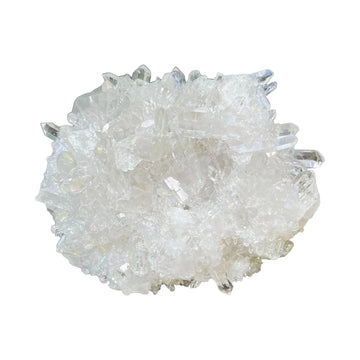
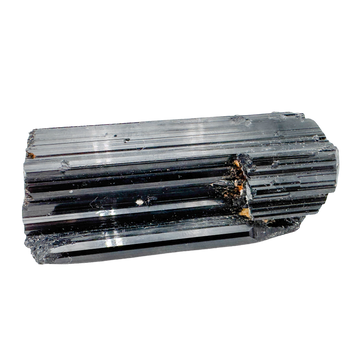
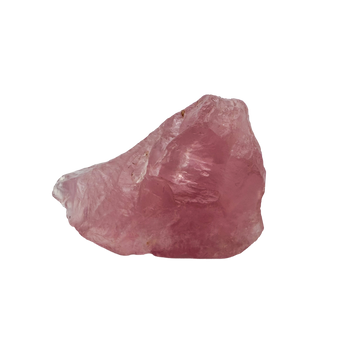
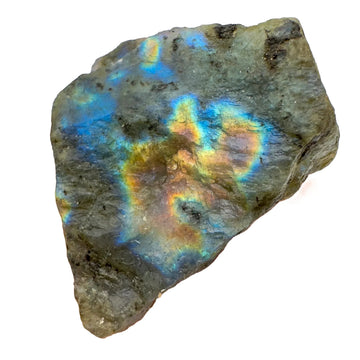
 Raw Stones
179 to choose from
Raw Stones
179 to choose from
 Tumbled Stones
162 to choose from
Tumbled Stones
162 to choose from
 Palm Stones
25 to choose from
Palm Stones
25 to choose from
 Crystal Points
23 to choose from
Crystal Points
23 to choose from
 Clusters & Geodes
96 to choose from
Clusters & Geodes
96 to choose from
 Polished & Decor
146 to choose from
Polished & Decor
146 to choose from
 Mineral Specimens
245 to choose from
Mineral Specimens
245 to choose from
 Crystal Chips
21 to choose from
Crystal Chips
21 to choose from


 AngolaAquamarine
›
AngolaAquamarine
›
 BotswanaCarnelian, Tree Agate
›
BotswanaCarnelian, Tree Agate
›
 DR CongoMalachite, Natural Citrine
›
DR CongoMalachite, Natural Citrine
›
 EswatiniBloodstone
›
EswatiniBloodstone
›
 MadagascarLabradorite, Clear Quartz
›
MadagascarLabradorite, Clear Quartz
›
 MalawiBlue Lace Agate, Garnet
›
MalawiBlue Lace Agate, Garnet
›
 MozambiqueAmazonite
›
MozambiqueAmazonite
›
 NamibiaSodalite, Blue Lace Agate
›
NamibiaSodalite, Blue Lace Agate
›
 Republic of the CongoDioptase
›
Republic of the CongoDioptase
›
 South AfricaTiger Eye, Unakite
›
South AfricaTiger Eye, Unakite
›
 ZambiaChevron Amethyst
›
ZambiaChevron Amethyst
›
 ZimbabweEmerald, Rhodonite
›
ZimbabweEmerald, Rhodonite
›
 ArgentinaBlack Obsidian, Rhodochrosite
›
ArgentinaBlack Obsidian, Rhodochrosite
›
 BoliviaAmetrine
›
BoliviaAmetrine
›
 BrazilAmethyst, Clear Quartz
›
BrazilAmethyst, Clear Quartz
›
 PeruSerpentine, Jade
›
PeruSerpentine, Jade
›
 UruguayAmethyst
›
UruguayAmethyst
›
 Dominican RepublicLarimar
›
Dominican RepublicLarimar
›
 MexicoRainbow Obsidian, Crazy Lace Agate
›
MexicoRainbow Obsidian, Crazy Lace Agate
›
 United StatesSelenite, Peridot
›
United StatesSelenite, Peridot
›
 ChinaFluorite
›
ChinaFluorite
›
 RussiaShungite
›
RussiaShungite
›
 AustraliaMookaite
›
AustraliaMookaite
›
 Where our crystals come from
See where we source →
Where our crystals come from
See where we source →


 Aquarius
Jan 20 to Feb 18
Amethyst
›
Aquarius
Jan 20 to Feb 18
Amethyst
›
 Pisces
Feb 19 to Mar 20
Aquamarine
›
Pisces
Feb 19 to Mar 20
Aquamarine
›
 Aries
Mar 21 to Apr 19
Carnelian
›
Aries
Mar 21 to Apr 19
Carnelian
›
 Taurus
Apr 20 to May 20
Rose Quartz
›
Taurus
Apr 20 to May 20
Rose Quartz
›
 Gemini
May 21 to Jun 20
Agate
›
Gemini
May 21 to Jun 20
Agate
›
 Cancer
Jun 21 to Jul 22
Moonstone
›
Cancer
Jun 21 to Jul 22
Moonstone
›
 Leo
Jul 23 to Aug 22
Citrine
›
Leo
Jul 23 to Aug 22
Citrine
›
 Virgo
Aug 23 to Sep 22
Amazonite
›
Virgo
Aug 23 to Sep 22
Amazonite
›
 Libra
Sep 23 to Oct 22
Blue Lace Agate
›
Libra
Sep 23 to Oct 22
Blue Lace Agate
›
 Scorpio
Oct 23 to Nov 21
Obsidian
›
Scorpio
Oct 23 to Nov 21
Obsidian
›
 Sagittarius
Nov 22 to Dec 21
Sodalite
›
Sagittarius
Nov 22 to Dec 21
Sodalite
›
 Capricorn
Dec 22 to Jan 19
Black Tourmaline
›
Gifting?
A birthday stone is the safe bet.
Read the zodiac guide →
Capricorn
Dec 22 to Jan 19
Black Tourmaline
›
Gifting?
A birthday stone is the safe bet.
Read the zodiac guide →


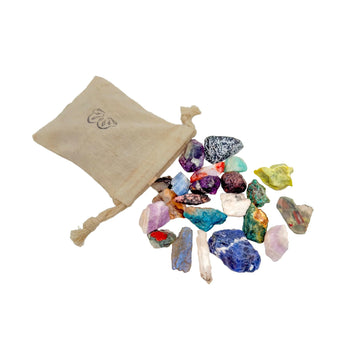
Nontronite
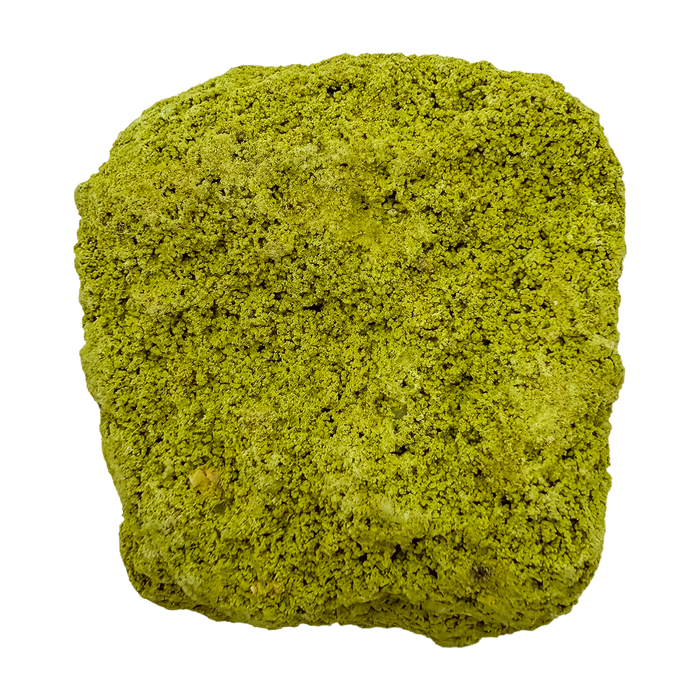
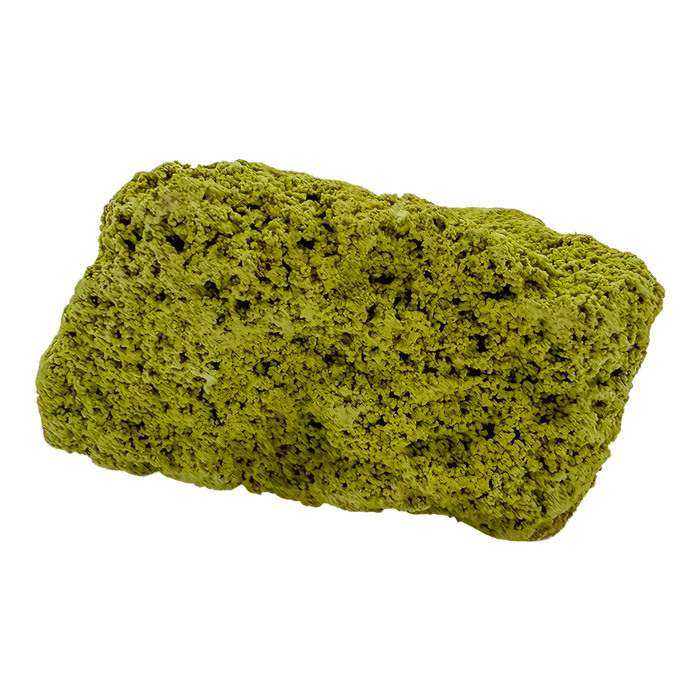
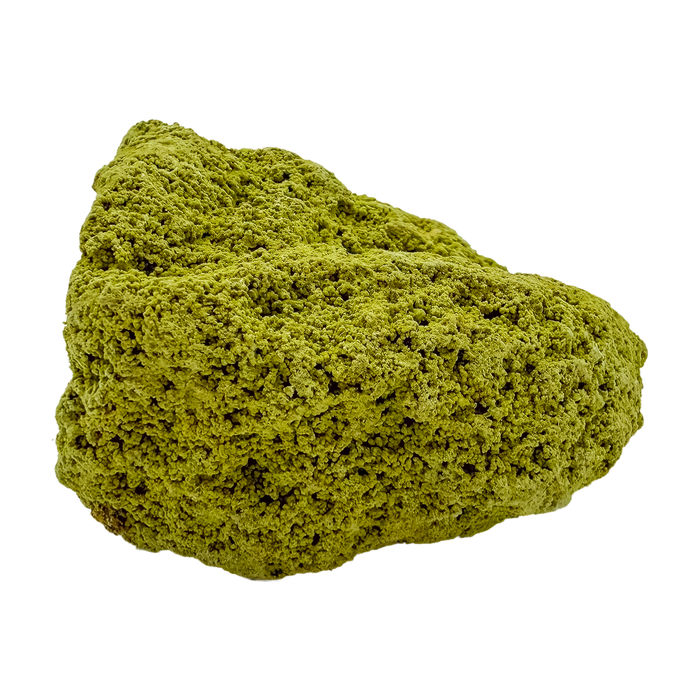
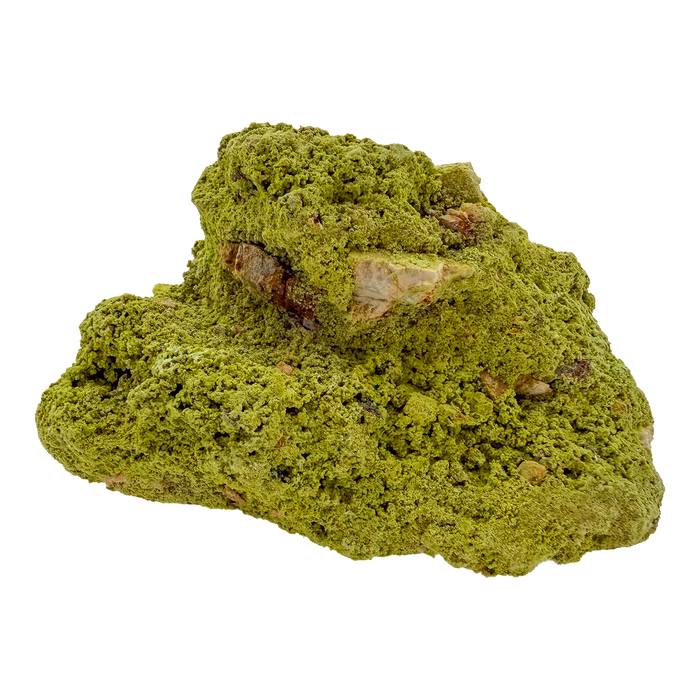
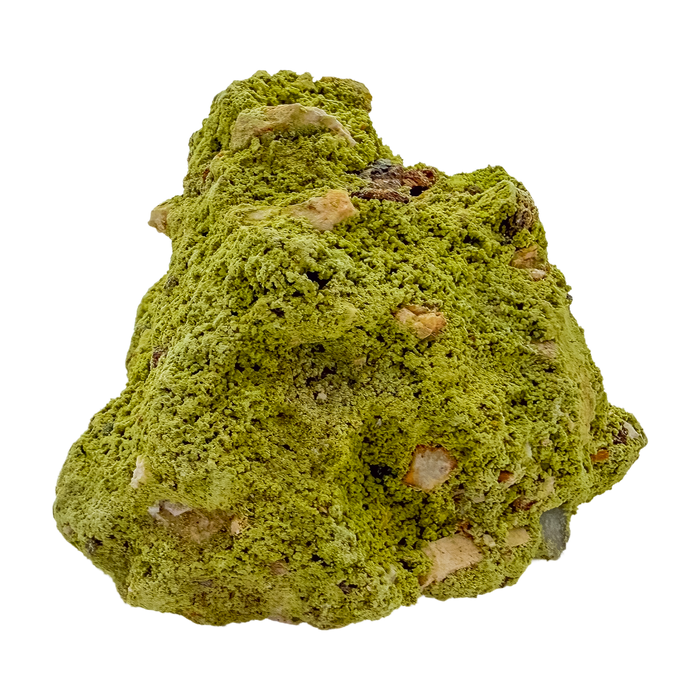
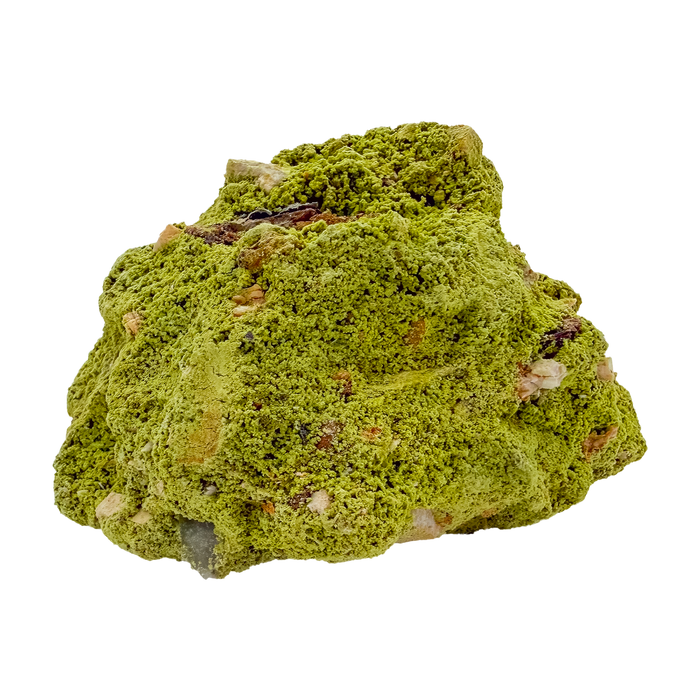
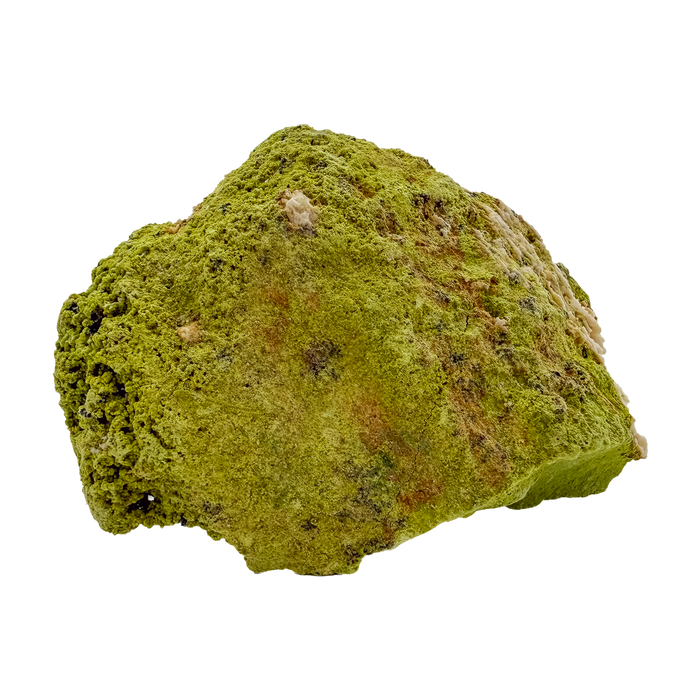
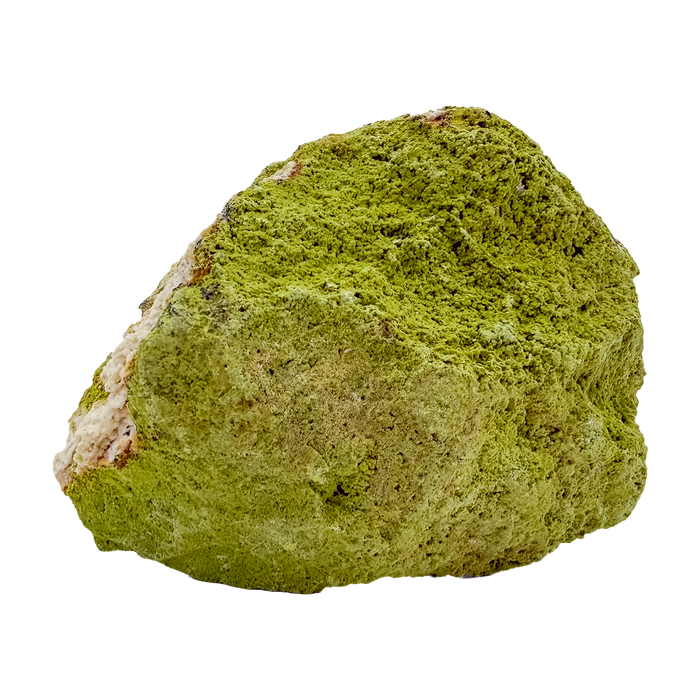
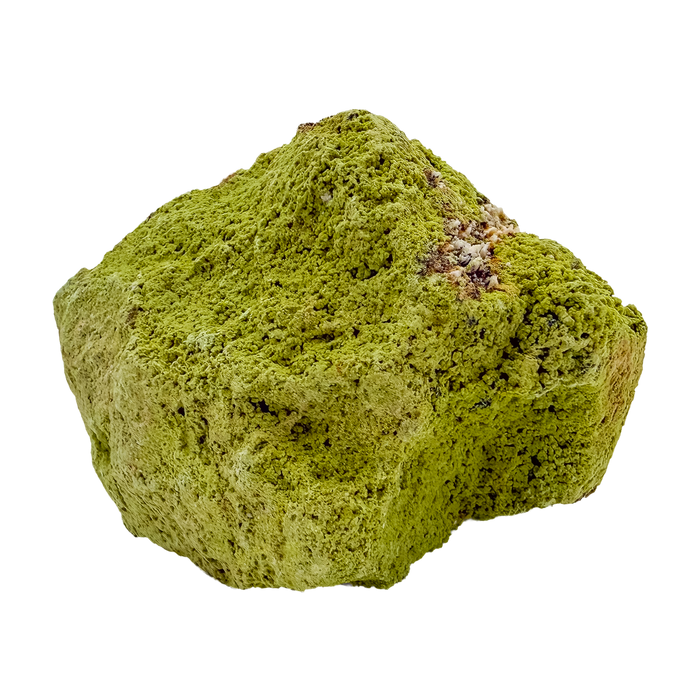
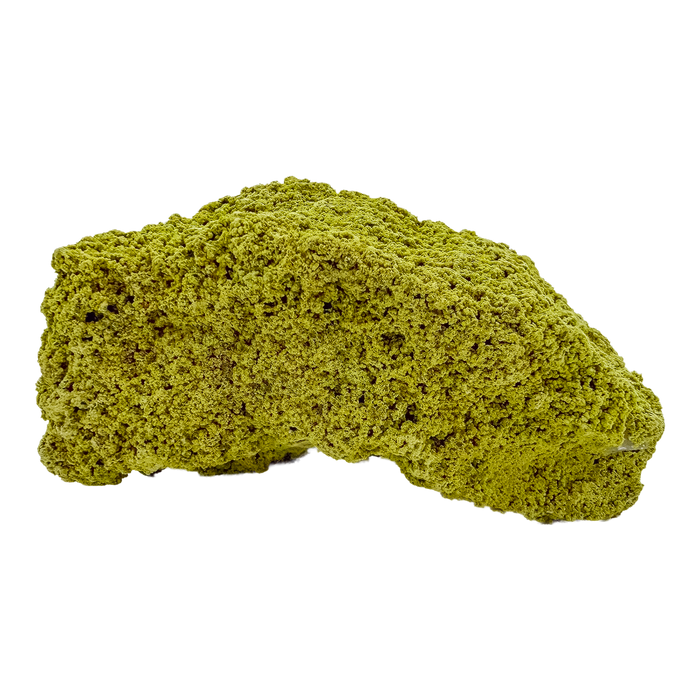
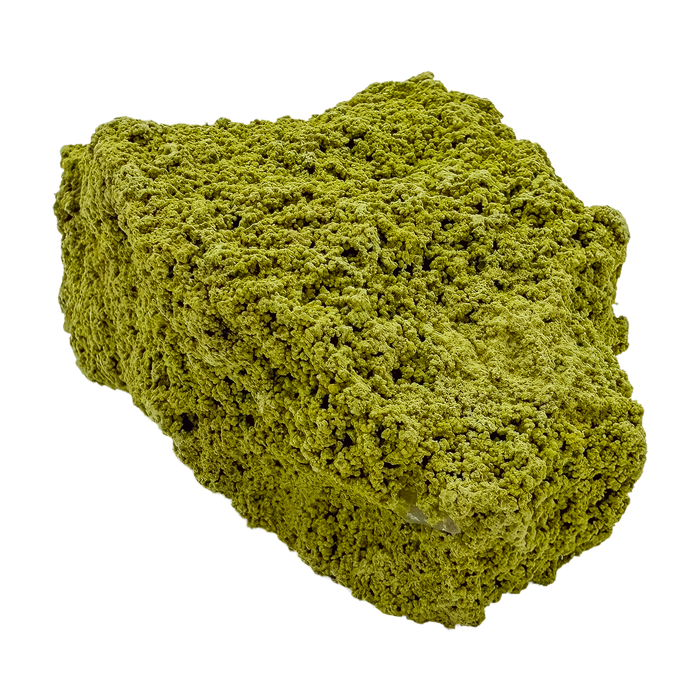
Nontronite is an iron-rich smectite clay, soft, yellow-green, and named for Nontron in southwestern France where it was first described in 1827. It forms through the weathering of iron-bearing volcanic and metamorphic rocks, and the working tradition around it is quiet and small. Specimens are uncommon in retail, prized by collectors for their mineralogical curiosity, and held by practitioners for their grounded, restorative feel.
Shop nontroniteNontronite, in stock now.
Our most-loved Nontronite pieces, ready to ship.
- from 1,000+ reviews
- Ships within 72 hoursMonday to Friday, tracked
- 90 days to return itif you do not love it
- Free US shipping over $99$8.99 flat rate under
The geology.
Nontronite is an iron-rich member of the smectite clay group, a phyllosilicate mineral with the simplified formula (Na,Ca)₀.₃Fe₂³⁺(Si,Al)₄O₁₀(OH)₂·nH₂O. It is the iron-dominant cousin of montmorillonite, the more familiar bentonite-forming smectite. Color runs from soft yellow through olive to grass-green, and the specific shade depends on the oxidation state and concentration of ferric iron within the silicate sheet structure.
Hardness is just 1.5 to 2 on the Mohs scale, which is what makes nontronite distinctive in the hand: it feels soft and earthy, often with a chalky or waxy surface. It crystallizes in the monoclinic system, almost always as fine aggregates rather than visible crystals. Specific gravity is around 2.3, lighter than quartz. The luster is earthy to waxy, the streak yellow-green to olive, and basal cleavage is perfect. It is, geologically, a clay first and a collector mineral second.
The origins.
Nontronite was first described in 1827 from the village of Nontron in the Dordogne region of southwestern France, and the name has carried that locality through almost two hundred years of mineralogy. Classic specimens still come from France, with later finds reported from Australia (Western Australia and South Australia), the United States (Colorado, Washington, California), Morocco, India, and Russia, among others. The mineral is widely distributed but rarely produced as collector-quality specimen material.
Our current stock comes from Minas Gerais, Brazil, an unusual provenance for the species and one that produces the soft yellow-green tones our specimens carry. These are small, specimen-grade pieces rather than the industrial clay you find in mineral supply, and they are uncommon enough in retail that we treat each piece as a discrete specimen with its own photograph and notes.
Traditional associations.
Nontronite does not carry the long shared working tradition that older heart and root stones do, in part because it was only described as a distinct mineral in the early nineteenth century and in part because it has stayed in the quiet corner of crystal practice rather than the mainstream. What tradition exists treats it as a gentle restorative stone, used for grounding, softening tension, and finding emotional balance during long slow seasons.
It is most often associated with the Heart and Root chakras together, the element of Earth, and the zodiac signs Virgo and Taurus. Practitioners reach for nontronite in meditation and altar work rather than daily carry, partly because of its softness and partly because its quiet feel suits stillness more than movement. Useful as a small companion for journaling, gentle grief work, and any practice that wants a steady earth-toned presence on the table.
Spotting the real thing.
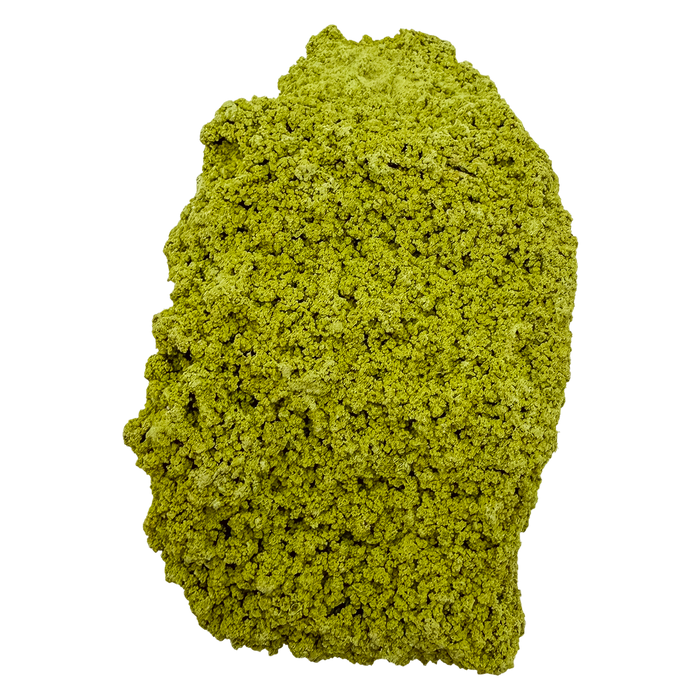
Real nontronite feels like clay. The softness (Mohs 1.5 to 2) is the fastest tell: a fingernail will scratch it, where a harder mineral imitation will not. Color should vary subtly across a single specimen, from softer yellow zones through olive into greener pockets, reflecting the natural variation in iron oxidation across the clay. Surface should be earthy or slightly waxy, not glassy or plasticky.
Market risks are limited because the consumer market is small. The two to watch for are dyed clay (often a green-tinted bentonite sold under the nontronite name, with too-saturated color and uniform body) and synthetic green clays used in costume jewelry. The classical localities (France, Australia, USA) are well-documented, and a reputable seller will name the country at minimum. Brazilian specimen-grade material is less common in older references but is real and increasingly available; we name the locality (Minas Gerais) on our specimens.
Care & handling.
Nontronite is fragile. The single most important care rule is to keep water away from it. Smectite clays swell when wet and can break apart, lose color, or develop irreversible surface damage. Display only, no rinsing, no soaking, no salt-water cleansing. A soft dry cloth or a brush is enough for dust, and the piece should sit somewhere it does not get jostled because the soft body will scratch against harder stones in storage.
For cleansing, choose dry methods: sound (bells, bowls), smoke (incense, herbs in a separate vessel), moonlight on a dry surface, or time on a selenite plate. Avoid direct sunlight for long stretches because UV can slowly alter the iron chemistry and shift the color toward muddier tones. Store separately from quartz, agates, and other harder stones; a small box or a velvet bag is ideal.
Pairs well with.
Proof, not promises.
We measure our own sourcing across five dimensions. Supply chain, environmental footprint, artisan support, market integrity, and pricing. The number is honest, not perfect. Where we can do better, we say so.
A deeper look.
Extended geology, sourcing, authentication, history, varieties, and pricing, for when the quick guide isn't quite enough.
Extended geology
Nontronite is the iron-dominant end member of the dioctahedral smectite clay group, with the structural formula (Na,Ca)₀.₃Fe₂³⁺(Si,Al)₄O₁₀(OH)₂·nH₂O. It forms through the chemical weathering and hydrothermal alteration of iron-rich primary minerals (basalt, peridotite, banded iron formations, and sulfide-bearing rocks), and is also found as authigenic clay in deep-sea sediments and submarine hydrothermal vent deposits. The mineral was used in the long-running NASA Mars Exploration program as one of the diagnostic clays whose presence on the Martian surface indicates past liquid-water activity.
The 2:1 phyllosilicate sheet structure consists of an octahedral iron-bearing layer sandwiched between two tetrahedral silica layers, with hydrated interlayer cations (sodium, calcium) holding successive sheets together. This is the same architecture as montmorillonite, the more familiar bentonite clay; the difference is the dominance of Fe³⁺ rather than Al³⁺ in the octahedral position. Monoclinic crystal system. Mohs hardness 1.5 to 2. Specific gravity around 2.3. Perfect basal cleavage. Yellow-green to olive streak. Earthy to waxy luster.
Extended sourcing
The type locality is Nontron in the Dordogne, France, where the mineral was described and named by Pierre Berthier in 1827. Other classical localities include several deposits in Australia (Western Australia and South Australia), the United States (Riverside County, California; Washington; Colorado), Morocco (the Anti-Atlas), India (the Deccan Traps), and Russia.
The Brazilian specimens we currently carry come from Minas Gerais, where weathered iron-rich rocks have produced small pockets of specimen-quality material. Brazilian nontronite is less documented than the European and Australian classical material, but real and increasingly available in the small-specimen trade. Our pieces are sourced through a long-running supplier relationship and named at the regional level on each product page.
Authentication and warning signs
Hardness 1.5 to 2 is the fastest field check. A fingernail will mark real nontronite; an unscratched green stone in this color range is almost certainly something else (probably serpentine, prehnite, or dyed clay). Color should vary across a single specimen rather than read uniformly. The body should feel earthy, slightly waxy, or chalky on the surface, not glassy.
The two market risks are dyed bentonite (uniform saturated green, too-perfect color, often presented in slabs or polished cabochons) and synthetic green clay in costume jewelry. Both are uncommon in the small-specimen trade. Reputable sellers will name the locality, even if only at country level, and disclose any surface treatment (lacquering, oiling, or stabilization). Our specimens are sold untreated and the locality is Minas Gerais, Brazil.
Historical and cultural context
Pierre Berthier, the French chemist who first described nontronite in 1827, named the mineral for the village of Nontron in the Dordogne where the type specimens were collected. The Nontron region had been worked for iron and clay for centuries before Berthier's analysis, with documented use going back to Gallo-Roman times. The mineral has primarily lived a quiet scientific life since then rather than entering wide cultural circulation.
Nontronite has been studied extensively in the late twentieth and twenty-first centuries for its role in early Earth chemistry (its presence in submarine hydrothermal systems is one of several lines of evidence in origin-of-life research) and as an analog mineral on Mars. The mineral identified on the Martian surface by the Mars Reconnaissance Orbiter in iron-rich altered terrain is broadly classified as nontronite. The crystal-practice tradition around nontronite is small but real, developed mostly in the last few decades as the mineral has become more available in the specimen trade.
Varieties and trade names
Nontronite: the iron-dominant smectite, classic yellow-green color.
Chloropal: an older name for yellow-green nontronite, now largely obsolete.
Pinguite: another historical synonym, occasionally still in literature.
Green earth: a broad pigment trade name that can refer to nontronite, celadonite, or glauconite depending on source; not species-specific.
Pricing reality
Specimen-grade nontronite: 18 to 80 dollars for a small individually-photographed piece. Display specimens (well-formed, intact, locality-documented): 40 to 200 dollars. Large or exceptional pieces with strong color and clean preservation: 100 to 500 dollars and up, with documented French type-locality material at the top of the range.
Value drivers: locality documentation (named-mine pieces carry a premium), color saturation, condition of the soft body (intact corners, no surface damage), and size. Warning signs: uniformly bright green that reads dyed, no locality offered, or pieces sold by the pound rather than as individual specimens (which usually indicates industrial-clay grade rather than collector material).
Good sourcing is a practice, not a claim.
Nothing we sell is dyed clay or synthetic green silicate sold as nontronite. We name our origins where we can. We say so when we cannot. We walk away from material that doesn't meet our standard, even when it costs us sales.
Bring nontronite home.
Collector pieces are photographed individually, and you receive the exact piece shown. Batch stones are sold by the piece or by the pound from the lot pictured, with the same origin and treatment notes on every product page.
Shop the nontronite collectionGrounded Connections
New Nontronite pieces go to the list first.
No forwarding, no selling. Unsubscribe in one click. Privacy