


 Agatefor stress relief
 Amazonitefor stress relief
 Aquamarinefor serenity
 Aventurinefor luck
 Bloodstonefor energy
 Blue Kyanitefor confidence
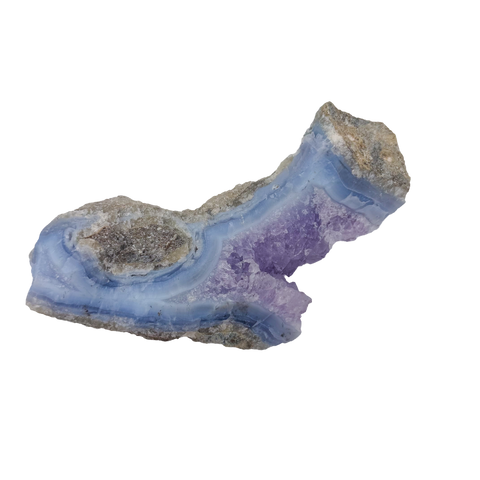
 Blue Lace Agatefor stress relief
 Chrysocollafor emotional healing
 Fluoritefor focus
 Garnetfor energy
 Lepidolitefor stress relief
 Malachitefor emotional healing
 Moonstonefor grounding
 Obsidianfor protection
 Ocean Jasperfor emotional healing
 Red Jasperfor grounding
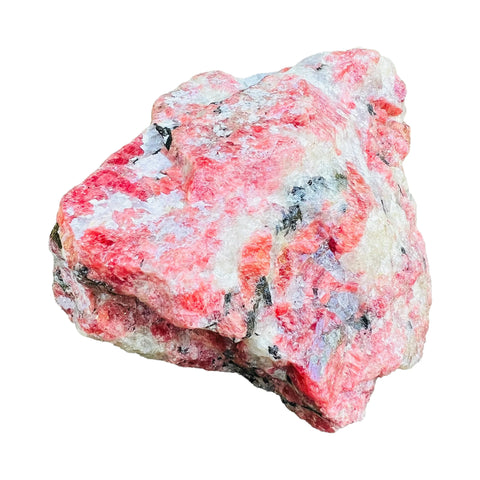
 Rhodonitefor emotional healing
 Selenitefor cleansing
 Sodalitefor focus
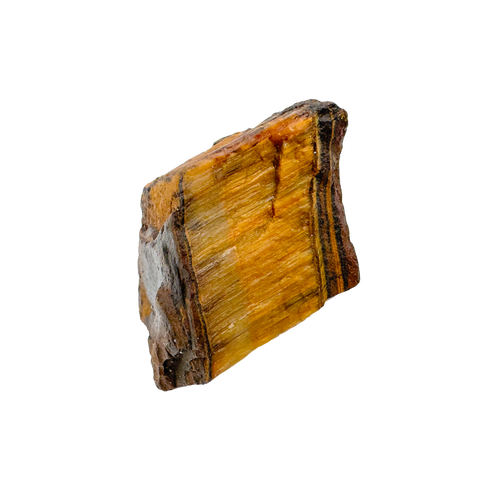
 Tiger Eyefor confidence
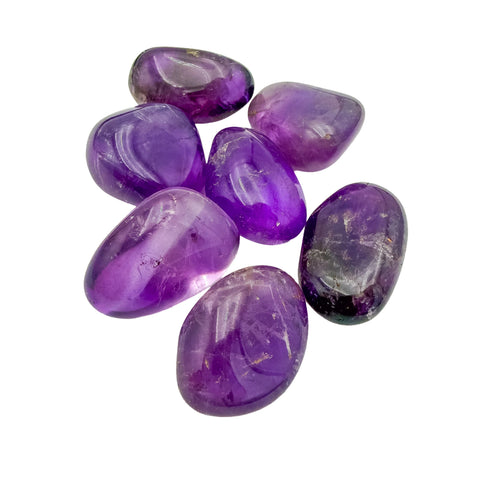


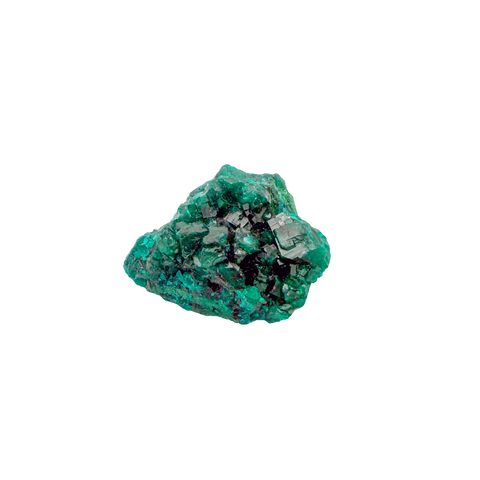
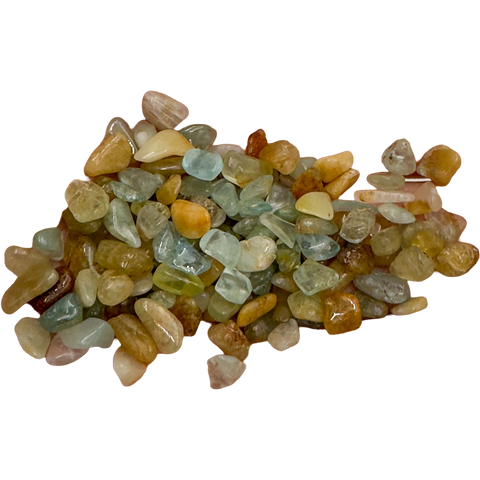
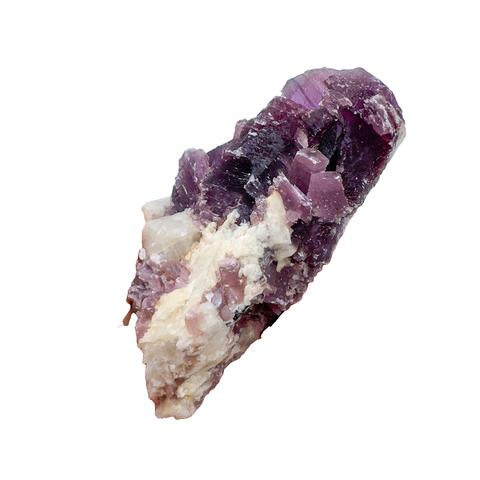
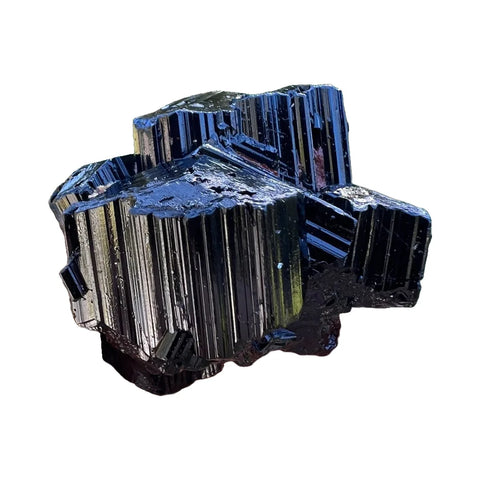
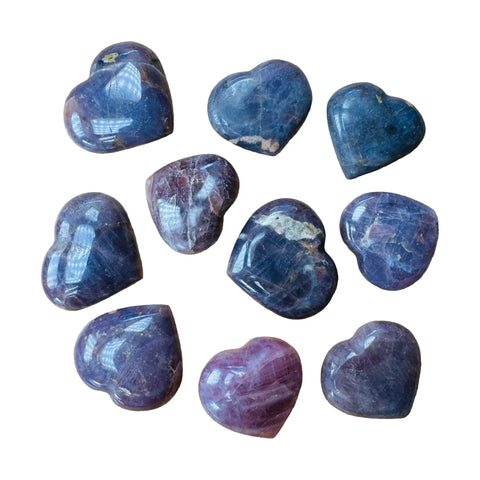
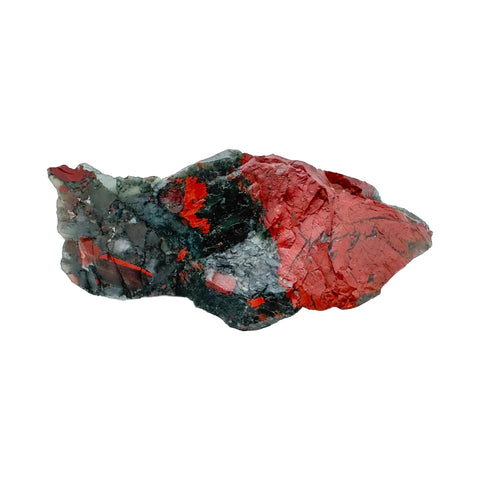
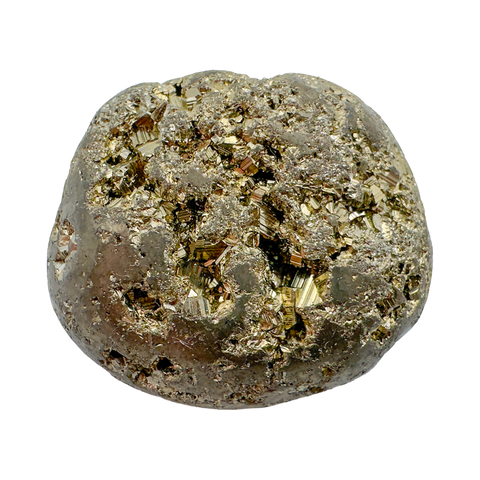
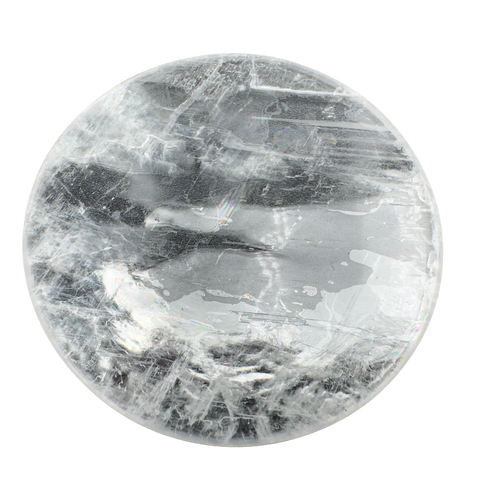


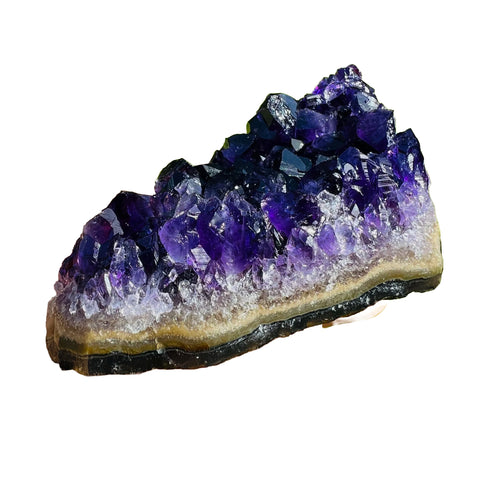





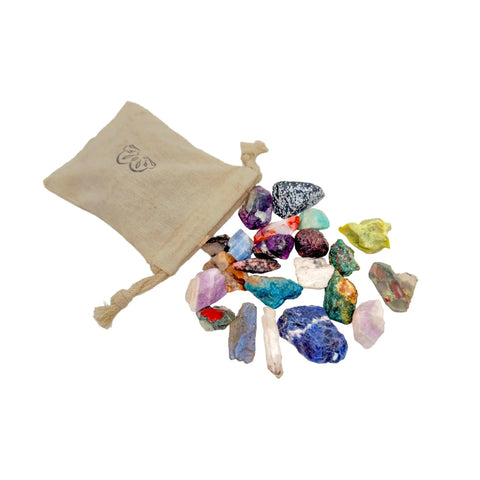
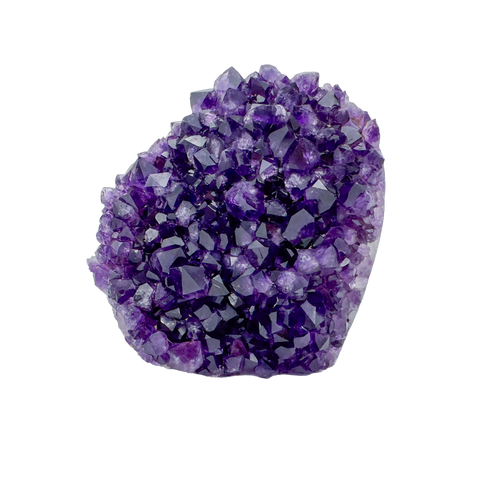
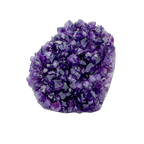 Amethyst
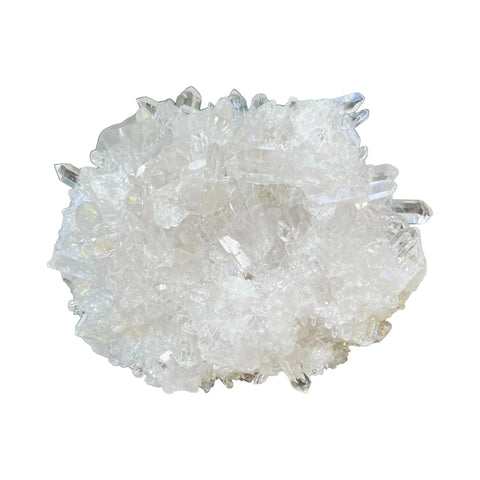
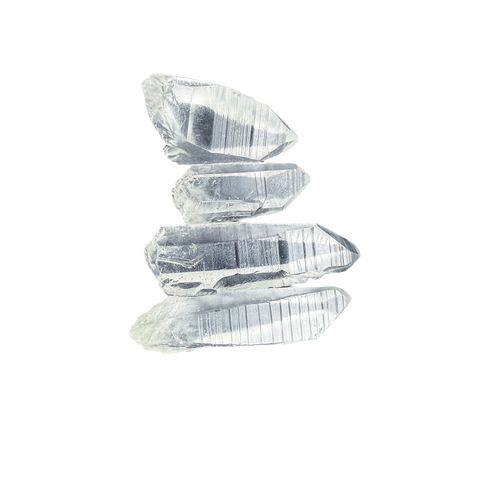
 Clear Quartz
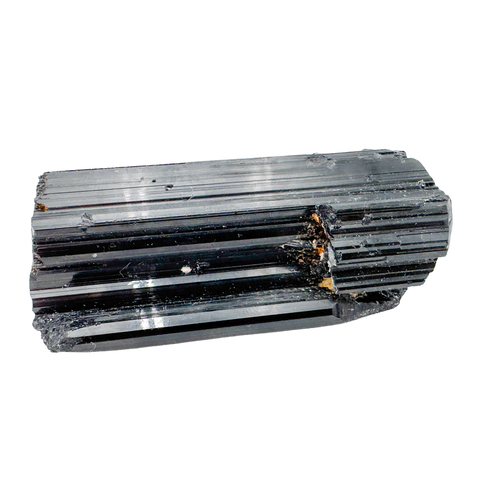
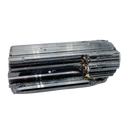 Black Tourmaline
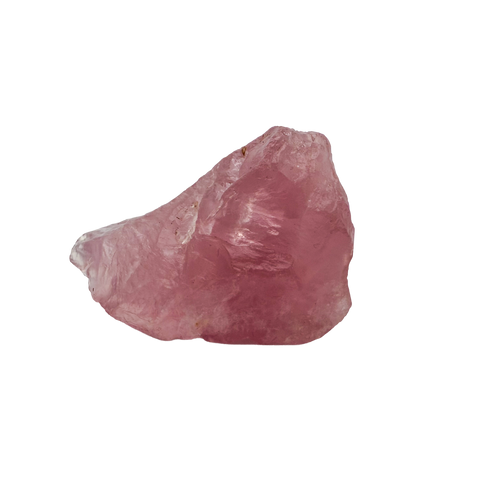
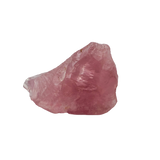 Rose Quartz
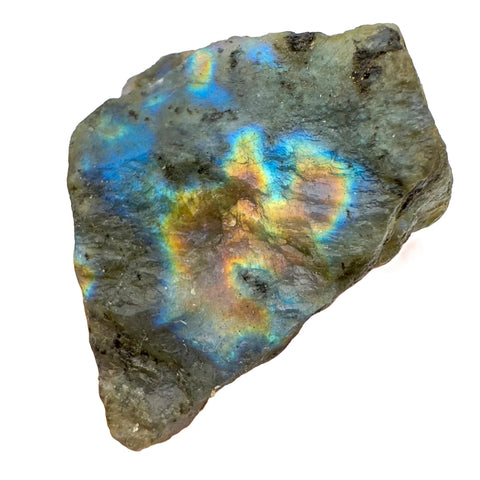
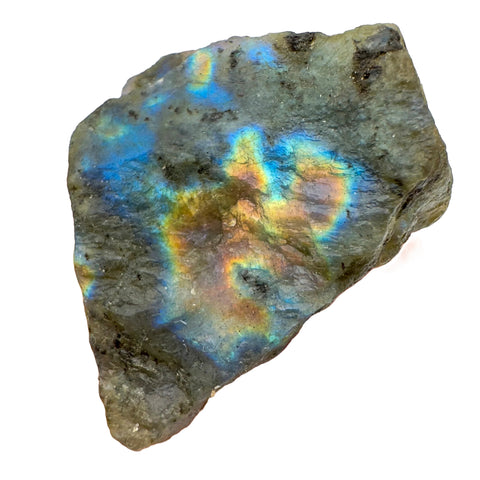
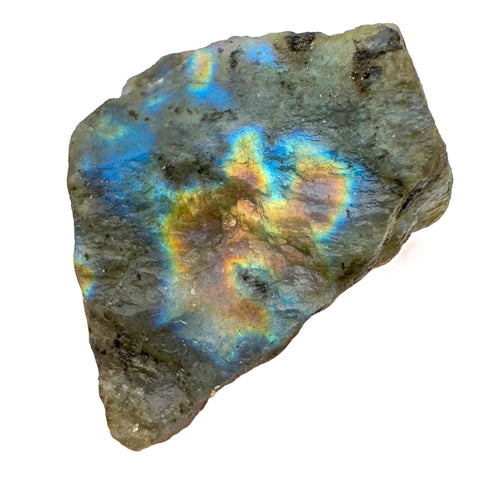
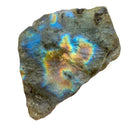 Labradorite
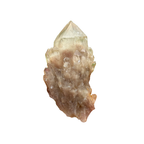 Natural Citrine
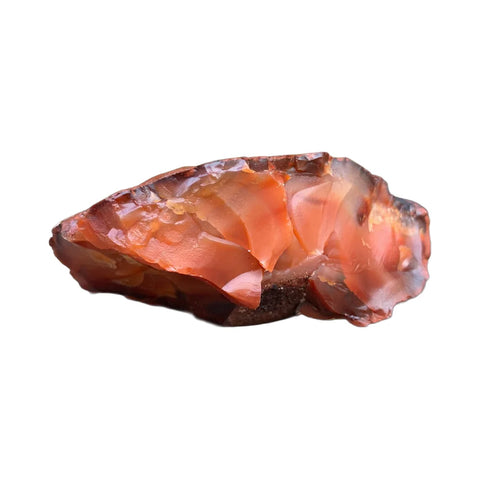
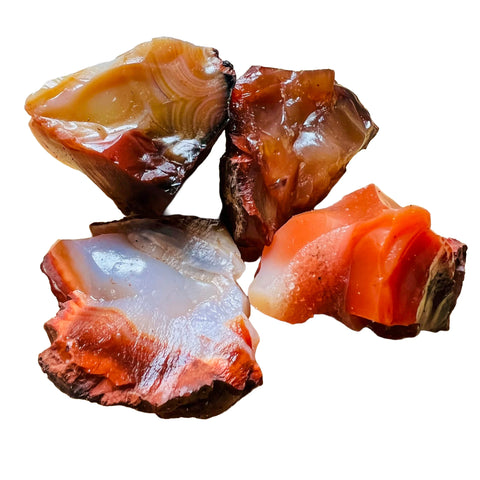
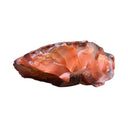 Carnelian
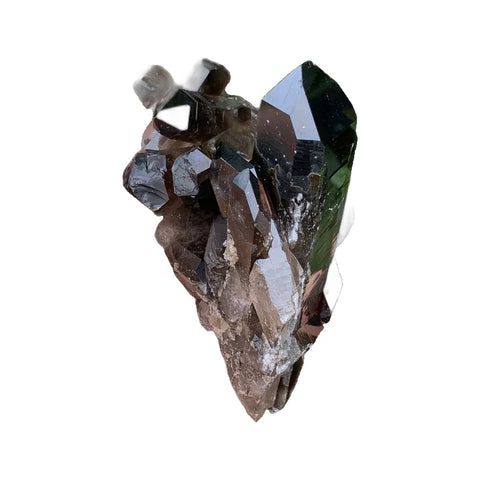
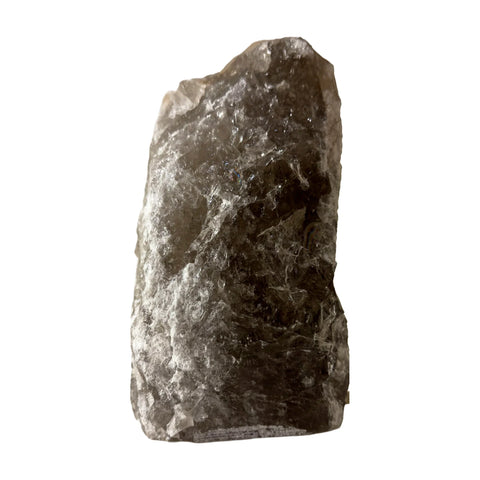
 Smoky Quartz
 Aventurine
 Sodalite
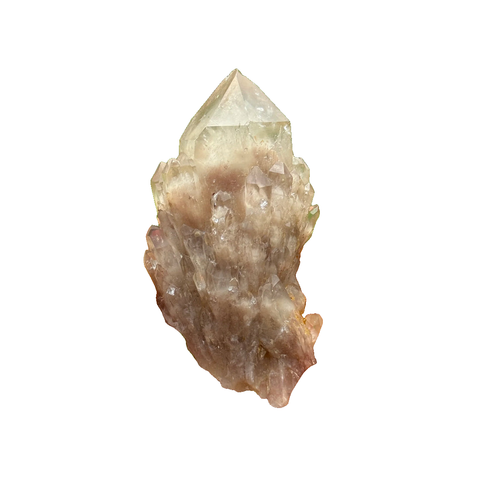
 Ametrine
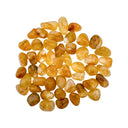 Golden Healer
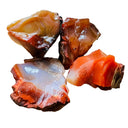 Raw Stones
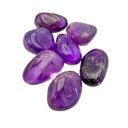 Tumbled Stones
 Palm Stones
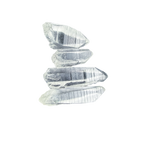 Crystal Points
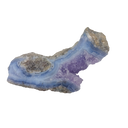 Clusters & Geodes
 Polished & Decor
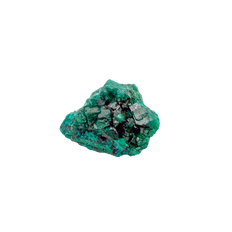 Mineral Specimens
 Crystal Chips
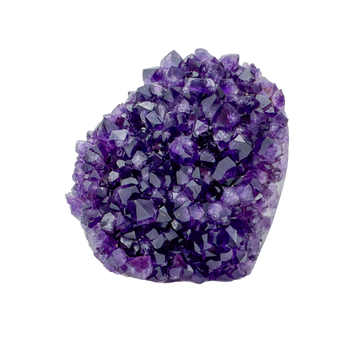
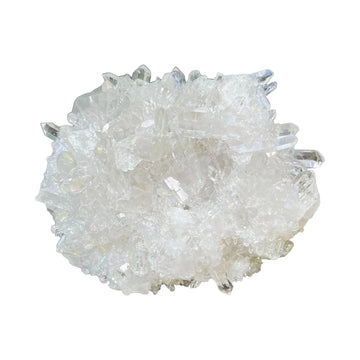
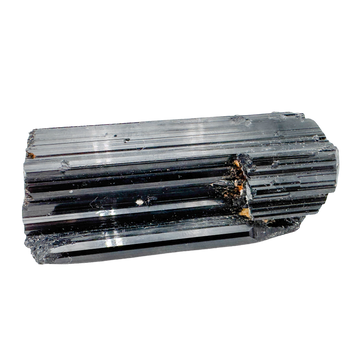
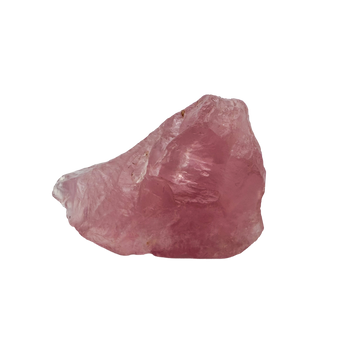
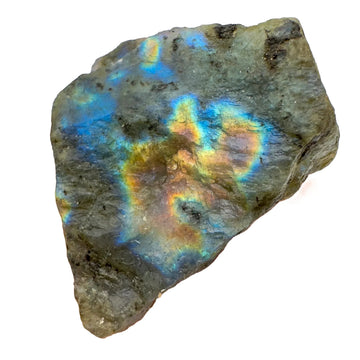
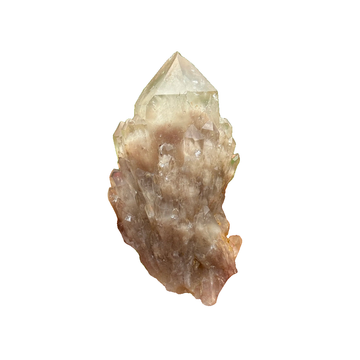
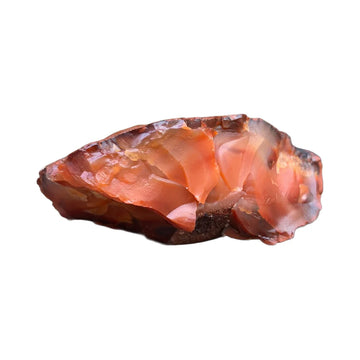
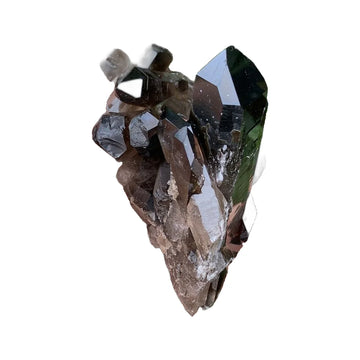
 Raw Stones
179 to choose from
Raw Stones
179 to choose from
 Tumbled Stones
162 to choose from
Tumbled Stones
162 to choose from
 Palm Stones
25 to choose from
Palm Stones
25 to choose from
 Crystal Points
23 to choose from
Crystal Points
23 to choose from
 Clusters & Geodes
101 to choose from
Clusters & Geodes
101 to choose from
 Polished & Decor
148 to choose from
Polished & Decor
148 to choose from
 Mineral Specimens
254 to choose from
Mineral Specimens
254 to choose from
 Crystal Chips
21 to choose from
Crystal Chips
21 to choose from


 AngolaAquamarine
›
AngolaAquamarine
›
 BotswanaCarnelian, Tree Agate
›
BotswanaCarnelian, Tree Agate
›
 DR CongoMalachite, Natural Citrine
›
DR CongoMalachite, Natural Citrine
›
 EswatiniBloodstone
›
EswatiniBloodstone
›
 MadagascarLabradorite, Clear Quartz
›
MadagascarLabradorite, Clear Quartz
›
 MalawiBlue Lace Agate, Garnet
›
MalawiBlue Lace Agate, Garnet
›
 MozambiqueAmazonite
›
MozambiqueAmazonite
›
 NamibiaSodalite, Blue Lace Agate
›
NamibiaSodalite, Blue Lace Agate
›
 Republic of the CongoDioptase
›
Republic of the CongoDioptase
›
 South AfricaTiger Eye, Unakite
›
South AfricaTiger Eye, Unakite
›
 ZambiaChevron Amethyst
›
ZambiaChevron Amethyst
›
 ZimbabweEmerald, Rhodonite
›
ZimbabweEmerald, Rhodonite
›
 ArgentinaBlack Obsidian, Rhodochrosite
›
ArgentinaBlack Obsidian, Rhodochrosite
›
 BoliviaAmetrine
›
BoliviaAmetrine
›
 BrazilAmethyst, Clear Quartz
›
BrazilAmethyst, Clear Quartz
›
 PeruSerpentine, Jade
›
PeruSerpentine, Jade
›
 UruguayAmethyst
›
UruguayAmethyst
›
 Dominican RepublicLarimar
›
Dominican RepublicLarimar
›
 MexicoRainbow Obsidian, Crazy Lace Agate
›
MexicoRainbow Obsidian, Crazy Lace Agate
›
 United StatesSelenite, Peridot
›
United StatesSelenite, Peridot
›
 ChinaFluorite
›
ChinaFluorite
›
 RussiaShungite
›
RussiaShungite
›
 AustraliaMookaite
›
AustraliaMookaite
›
 Where our crystals come from
See where we source →
Where our crystals come from
See where we source →


 Aries
Mar 21 to Apr 19
Carnelian
›
Aries
Mar 21 to Apr 19
Carnelian
›
 Taurus
Apr 20 to May 20
Rose Quartz
›
Taurus
Apr 20 to May 20
Rose Quartz
›
 Gemini
May 21 to Jun 20
Agate
›
Gemini
May 21 to Jun 20
Agate
›
 Cancer
Jun 21 to Jul 22
Moonstone
›
Cancer
Jun 21 to Jul 22
Moonstone
›
 Leo
Jul 23 to Aug 22
Citrine
›
Leo
Jul 23 to Aug 22
Citrine
›
 Virgo
Aug 23 to Sep 22
Amazonite
›
Virgo
Aug 23 to Sep 22
Amazonite
›
 Libra
Sep 23 to Oct 22
Blue Lace Agate
›
Libra
Sep 23 to Oct 22
Blue Lace Agate
›
 Scorpio
Oct 23 to Nov 21
Obsidian
›
Scorpio
Oct 23 to Nov 21
Obsidian
›
 Sagittarius
Nov 22 to Dec 21
Sodalite
›
Sagittarius
Nov 22 to Dec 21
Sodalite
›
 Capricorn
Dec 22 to Jan 19
Black Tourmaline
›
Capricorn
Dec 22 to Jan 19
Black Tourmaline
›
 Aquarius
Jan 20 to Feb 18
Amethyst
›
Aquarius
Jan 20 to Feb 18
Amethyst
›
 Pisces
Feb 19 to Mar 20
Aquamarine
›
Gifting?
A birthday stone is the safe bet.
Read the zodiac guide →
Pisces
Feb 19 to Mar 20
Aquamarine
›
Gifting?
A birthday stone is the safe bet.
Read the zodiac guide →


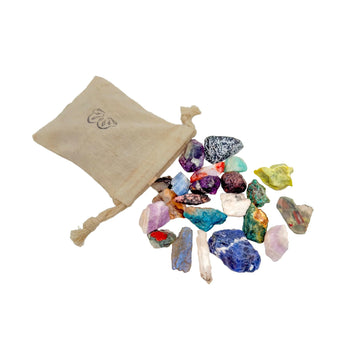
Bronzite
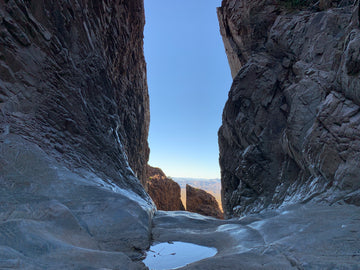
Bronzite is an iron-bearing member of the pyroxene family, an orthopyroxene closely related to enstatite. Its calling card is a soft, bronze-colored metallic sheen that plays across brown, tan, and greenish surfaces when the stone is polished. People reach for it as a steady, grounding stone with a warm, earthy character.
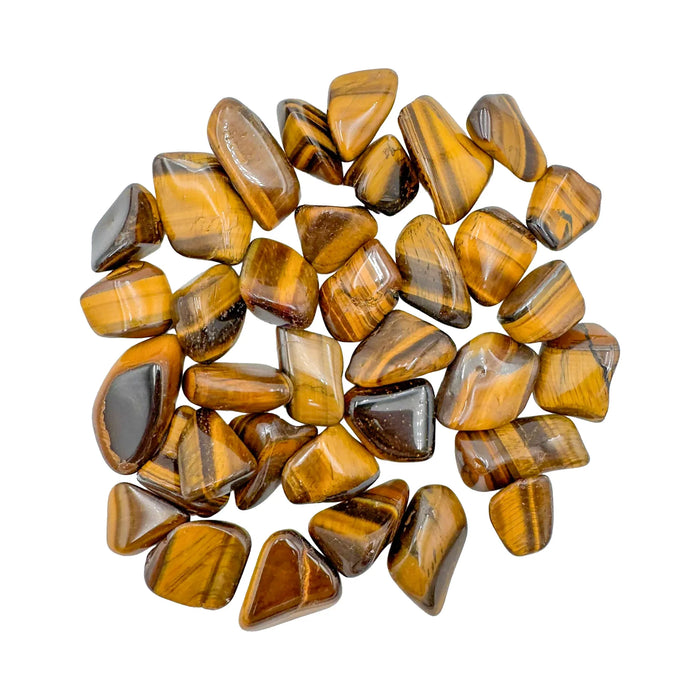
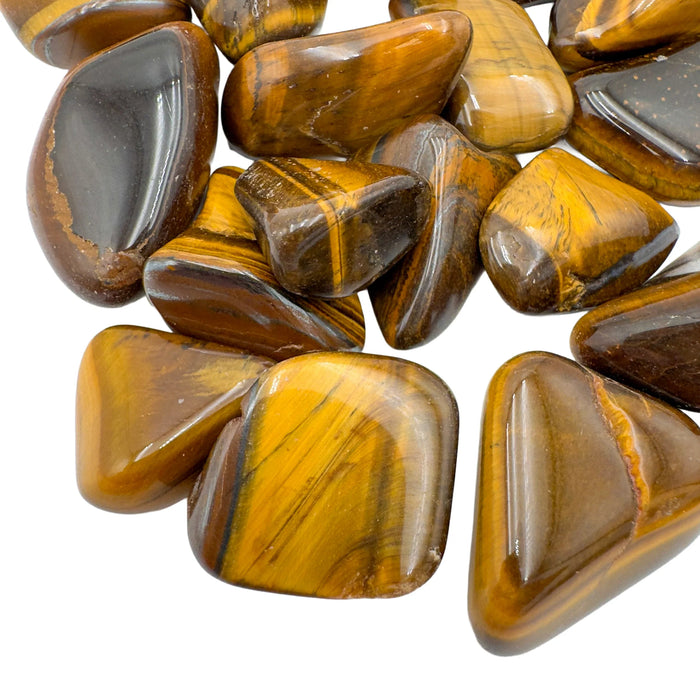
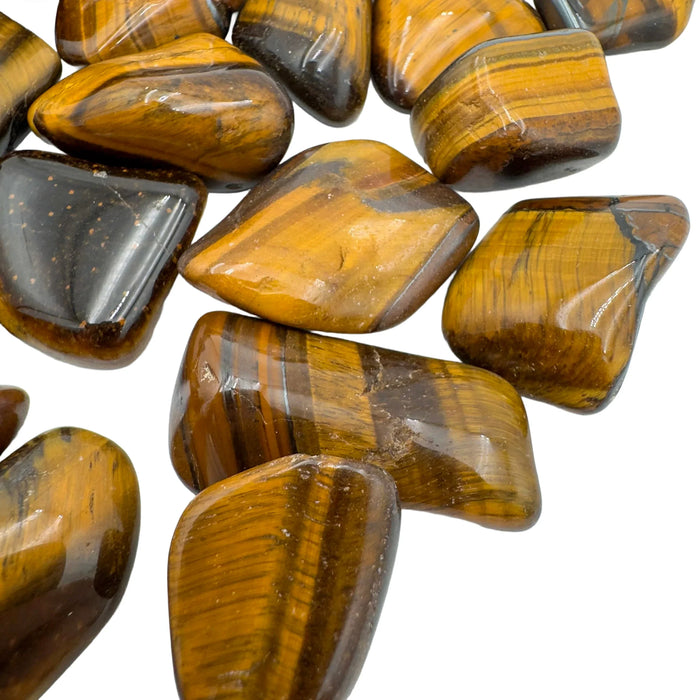
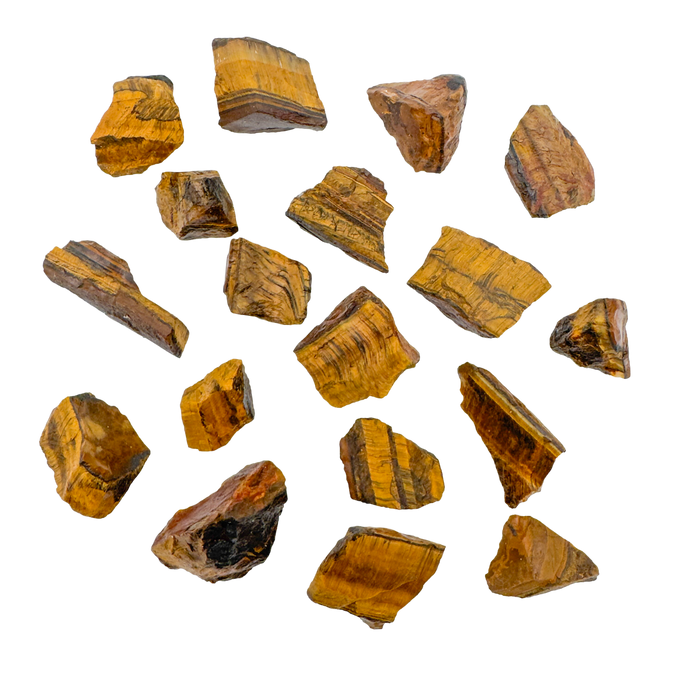
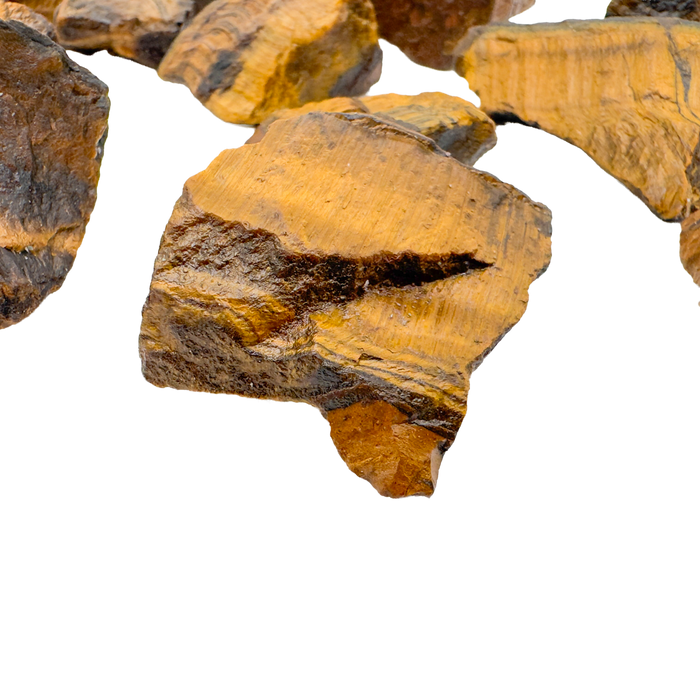
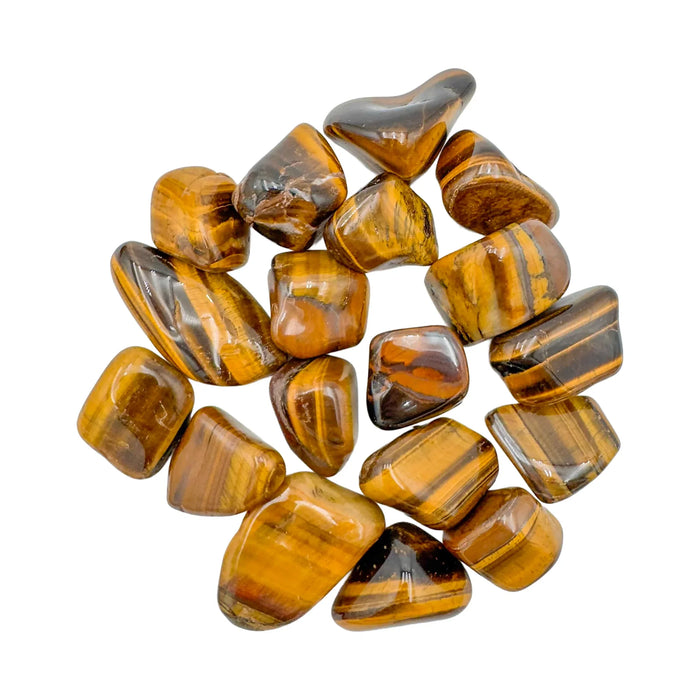
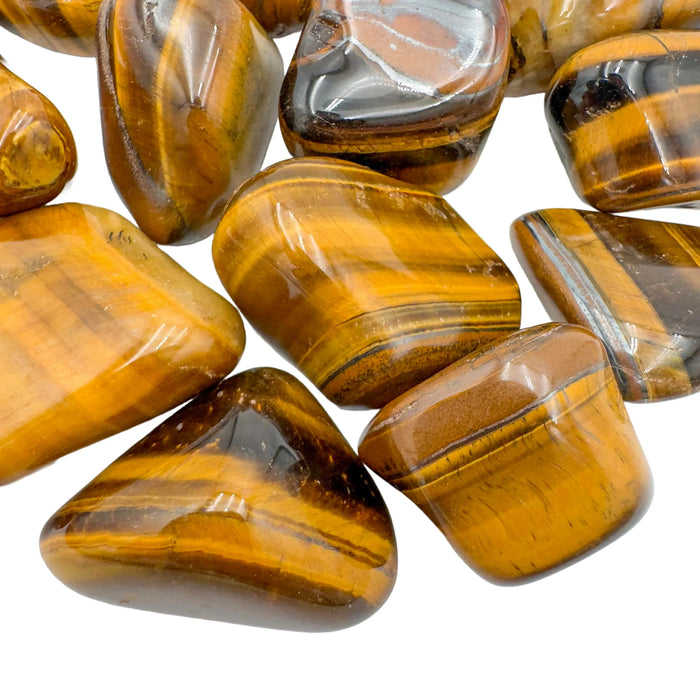
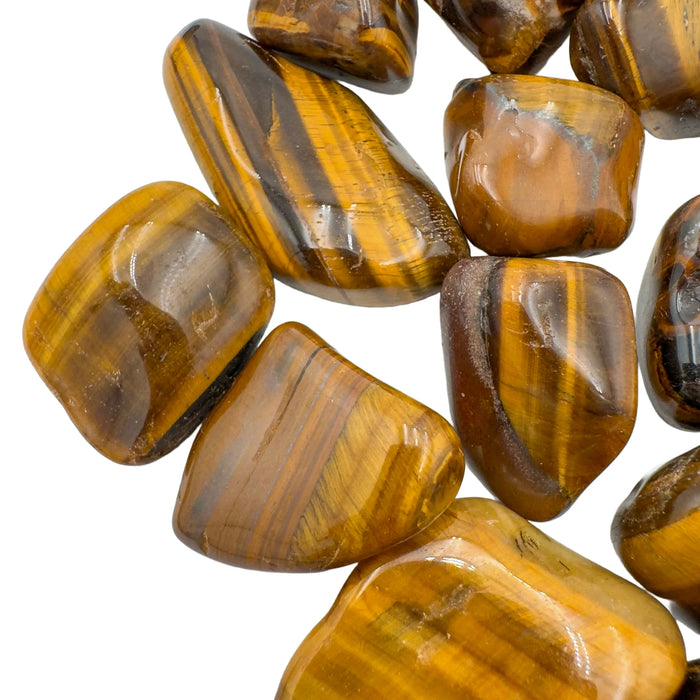
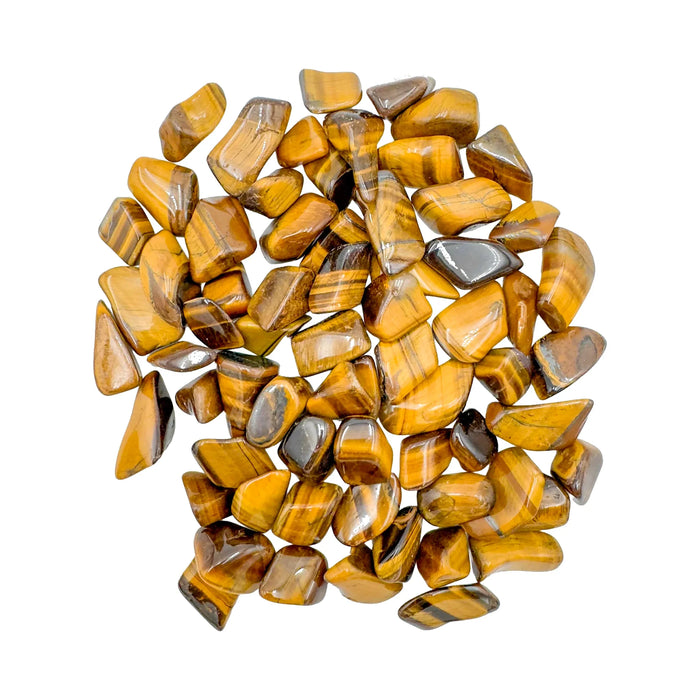
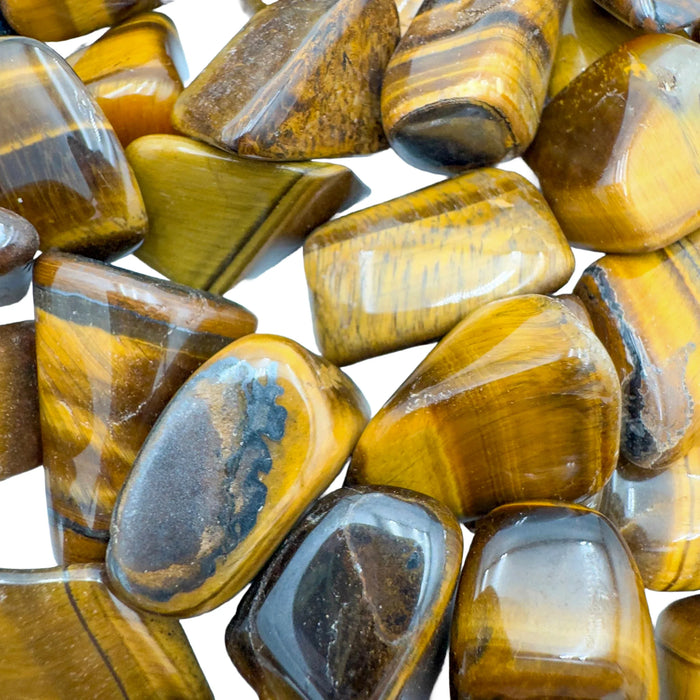
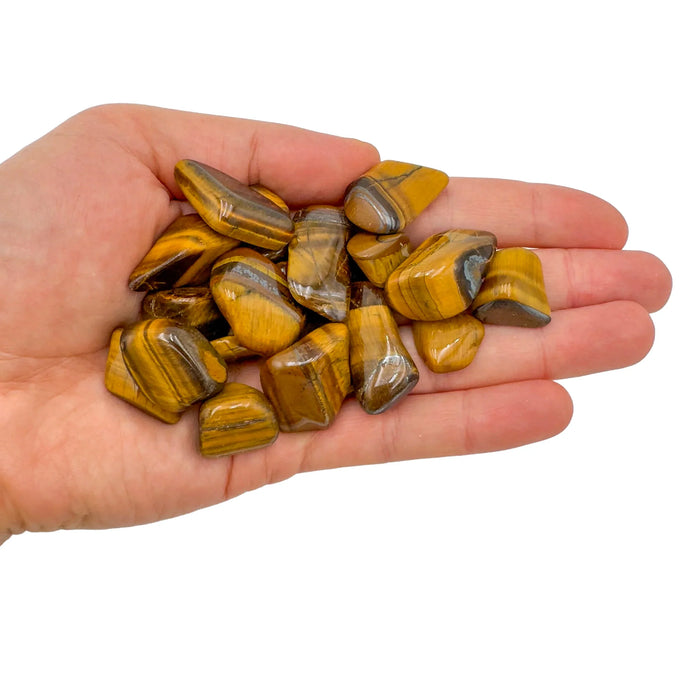
Love Bronzite? Meet Tiger Eye.
Bronzite is not something we carry. Tiger Eye is the closest match in color, and every product page names its origin and grade.

- from 1,000+ reviews
- Ships within 72 hoursMonday to Friday, tracked
- 90 days to return itif you do not love it
- Free US shipping over $99$8.99 flat rate under
The geology.
Bronzite is a magnesium iron silicate, with the general formula (Mg,Fe)SiO3, and it sits in the orthopyroxene branch of the pyroxene group. Mineralogists treat it not as a separate species but as an iron-rich variety of enstatite, one that has partly altered so that its cleavage surfaces catch the light with a bronze-like, sub-metallic glow. That schiller is where the name comes from.
It crystallizes in the orthorhombic system and typically appears as compact masses in dark igneous and metamorphic rocks rather than as clean crystals. Hardness runs about 5.5 to 6 on the Mohs scale, and the color ranges from coffee brown to greenish brown, warmed by the fibrous, chatoyant sheen. As iron content increases, orthopyroxenes shade toward the darker mineral hypersthene.
The origins.
Bronzite occurs in many parts of the world. Historic specimens come from Austria and Greenland, and today Brazil, South Africa, India, Sri Lanka, and the United States all supply material for cutting and carving. Much commercial bronzite is cut into cabochons, beads, spheres, and tumbled pieces that show off the shimmer.
It often forms in the same magnesium-rich rocks as other pyroxenes and is sometimes found alongside minerals like black tourmaline in mixed specimens. Because it takes a good polish and is reasonably hard, bronzite is a practical, affordable stone for everyday jewelry and pocket pieces.
Traditional associations.
Bronzite has a modern reputation as a grounding and protective stone, sometimes called a stone of courtesy or focus. Many people work with it to feel more centered and decisive, and to steady themselves during restless or scattered stretches.
It is most often linked to the Root chakra, the element of Earth, and the zodiac sign Leo, and it is frequently paired with black tourmaline for grounding. A common practice is to carry a tumbled piece as a pocket anchor. These are traditional associations rather than guarantees.
Spotting the real thing.
Genuine bronzite shows a warm brown to greenish-brown body with a fine, fibrous bronze shimmer that shifts as you tilt it. The sheen is subtle and directional, quite different from added glitter or a painted-on metallic finish. Under a loupe you can often see the parallel structure that produces the glow.
Bronzite is closely related to hypersthene, and the two are sometimes sold interchangeably, which is a naming rather than an honesty problem. Be more cautious with stones marketed as a mix, such as bronzite with black tourmaline, where quality varies. Ask for the mineral name, and remember that a true bronze schiller comes from the stone itself, not from a treatment.
Care & handling.
At 5.5 to 6 on the Mohs scale, bronzite is durable enough for pendants, earrings, and beads, though rings see enough wear that a protected setting is wise. It is fine for a quick rinse in warm water with a soft cloth, but it should not be soaked for long or cleaned with harsh chemicals.
Store it away from harder stones to protect the polish and the sheen. Keep it out of prolonged high heat, which pyroxenes do not love, and avoid ultrasonic cleaners. To reset it energetically, many people use smoke, sound, or a rest on a selenite plate rather than water or salt.
Pairs well with.
A deeper look.
Extended geology, sourcing, authentication, history, and varieties, for when the quick guide isn't quite enough.
Extended geology
Orthopyroxenes form a solid solution series between magnesium-rich enstatite and iron-rich ferrosilite, and their composition is written in terms of those end members, for example En80Fs20.
Extended sourcing
Bronzite is a rock-forming mineral found in gabbros, norites, pyroxenites, and some metamorphic rocks, so it is geographically widespread.
Authentication and warning signs
The main authentication task is telling bronzite from its neighbors rather than spotting fakes. Hypersthene is darker and more iron-rich but can show a similar sheen, and the two names are often swapped.
History and folklore
The name bronzite dates to the early nineteenth century and simply describes the bronze-like luster of the mineral. It has no deep body of ancient folklore of its own, since it was recognized relatively late as a distinct variety of enstatite.
Varieties and trade names
Classic bronzite: brown to greenish-brown orthopyroxene with a bronze schiller, cut as cabochons and beads.
Bronzite with black tourmaline: mixed rock combining bronzite and tourmaline, sold for its contrast.
Hypersthene: a darker, more iron-rich orthopyroxene relative, sometimes labeled bronzite.
What it costs in the market
Bronzite is an affordable stone. Tumbled pieces typically run from about 2 to 8 dollars, and cabochons, beads, and small spheres remain modestly priced, rising with size, polish, and the strength of the schiller.
An education-first guide.
We don't currently carry bronzite, so there's nothing to sell you here. This guide exists because the more you understand a stone, the better every decision you make about it becomes, wherever you buy it. Explore the rest of our crystal guides for stones we do source, each with full origin and treatment notes.
Explore the Crystal GuideGrounded Connections
New stones go to the list first.
No forwarding, no selling. Unsubscribe in one click. Privacy