


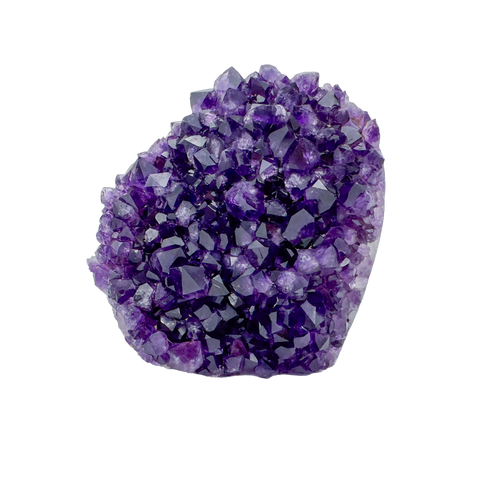
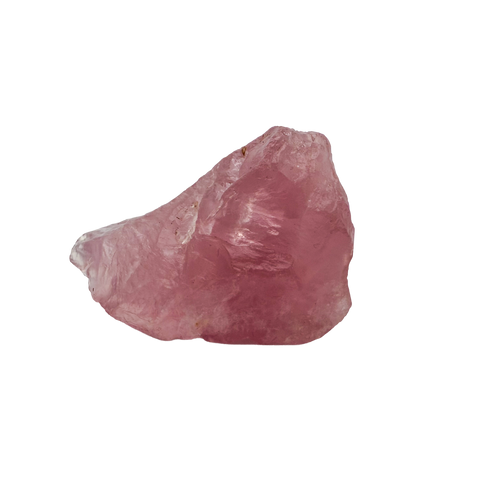
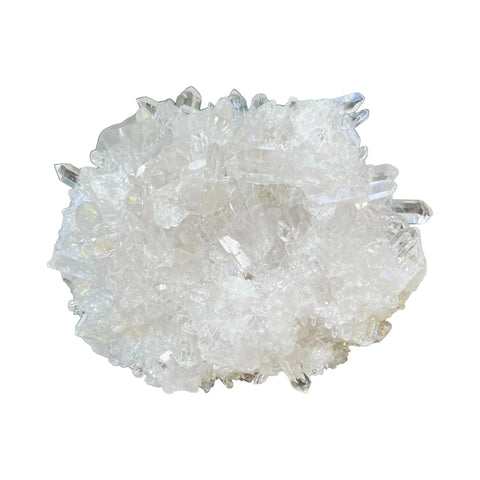
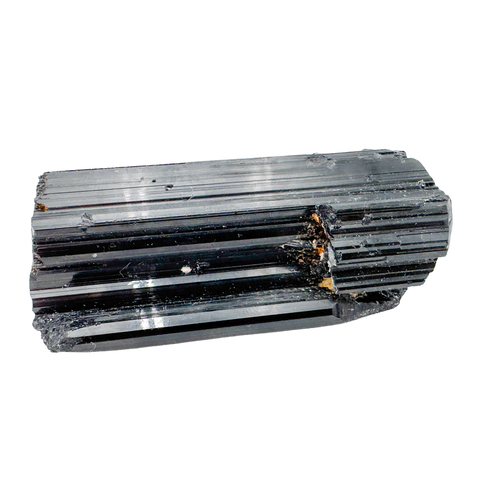
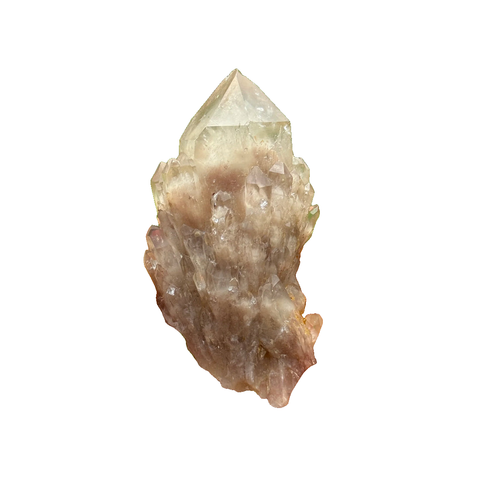
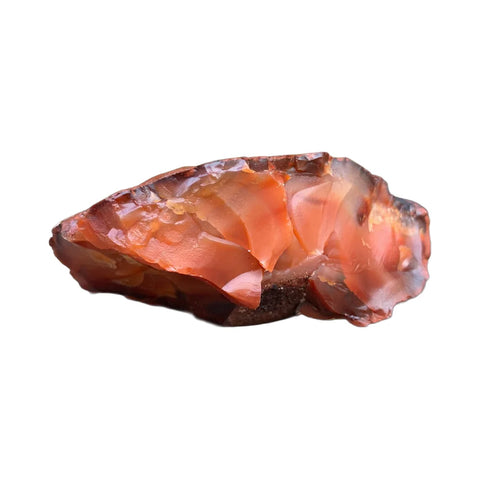
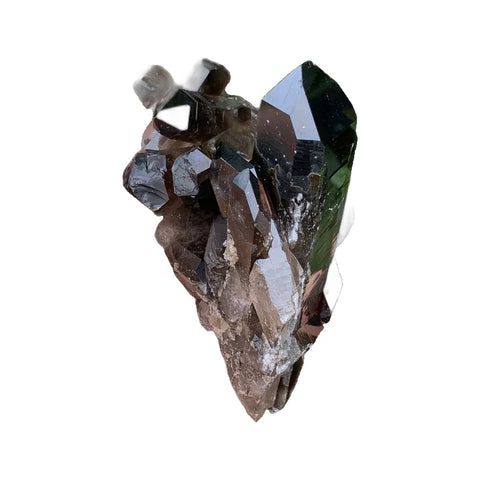
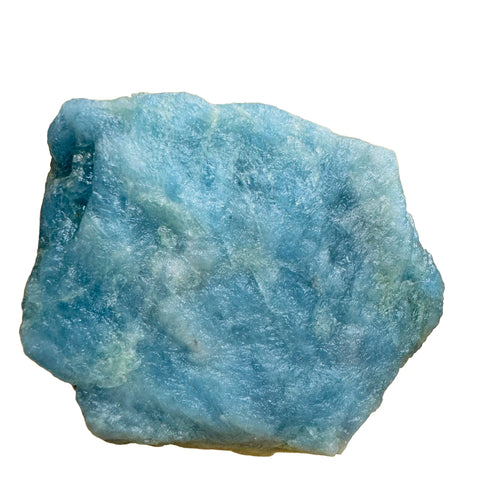
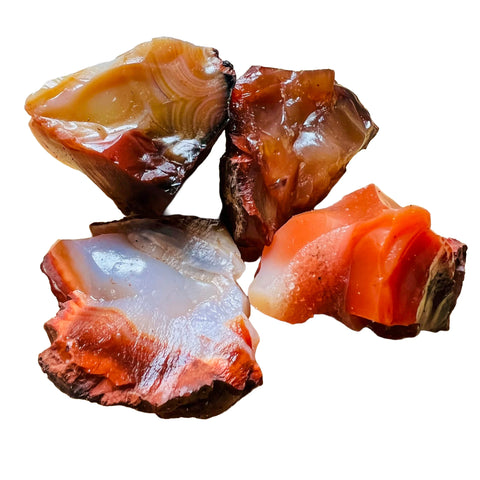


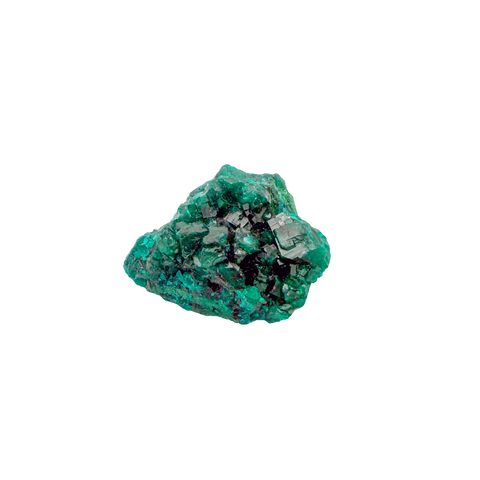
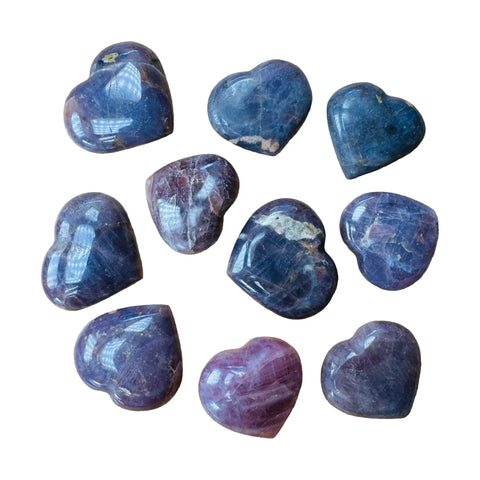
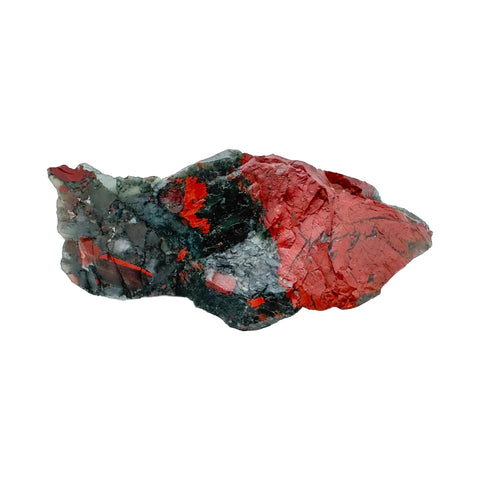
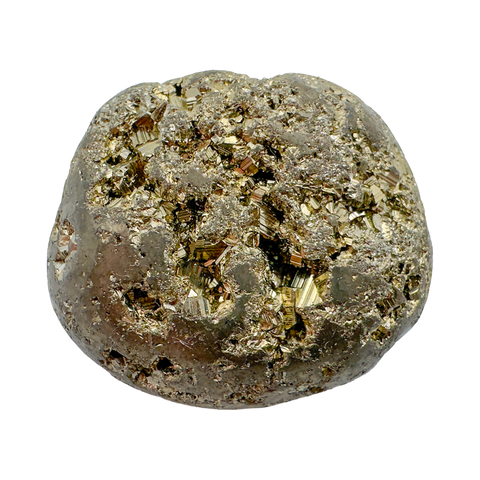
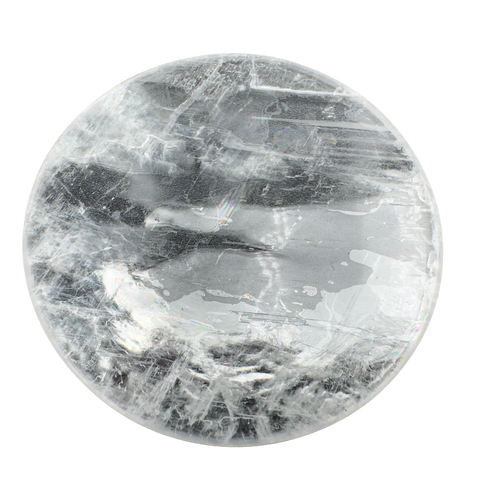
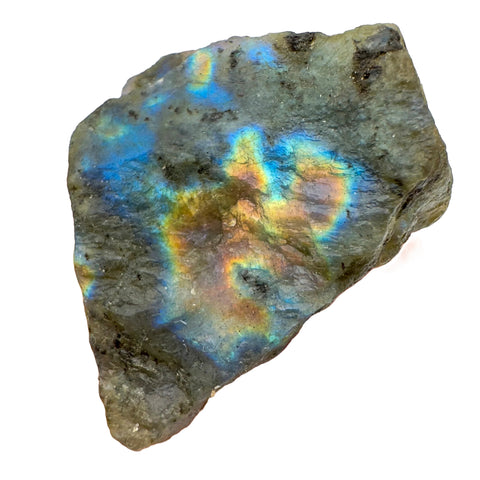
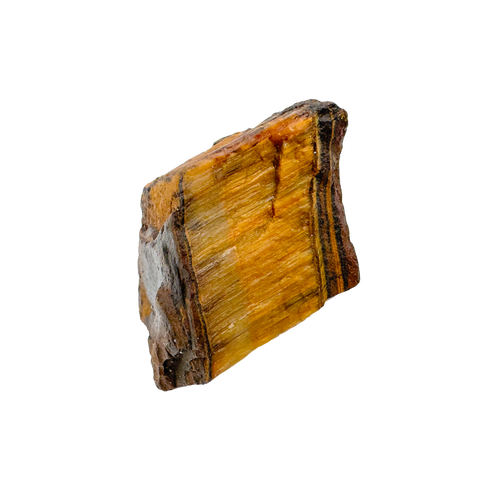
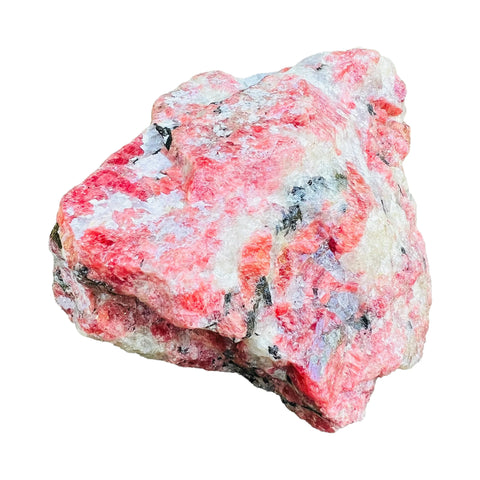
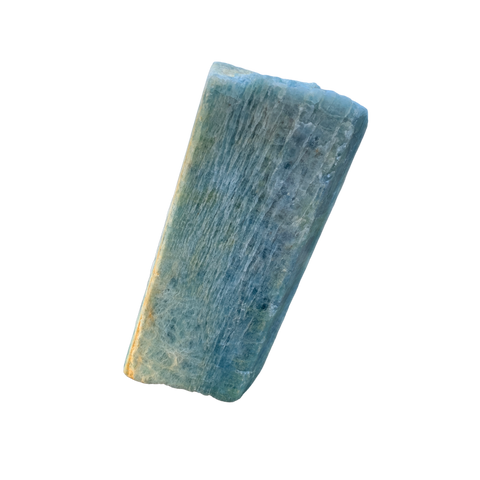
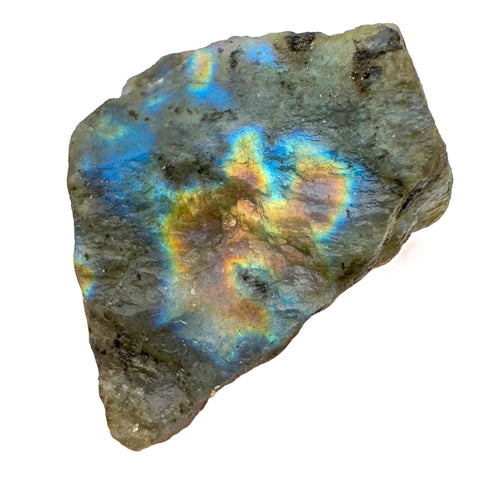
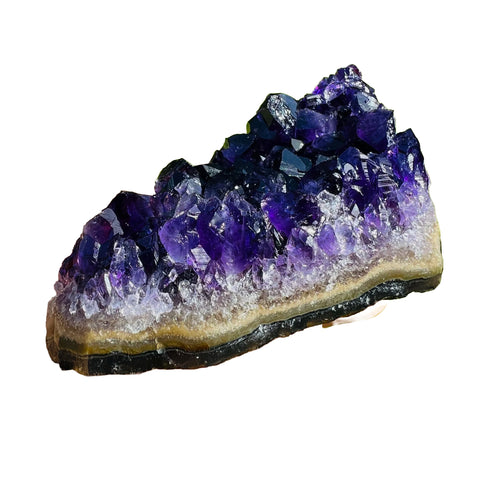



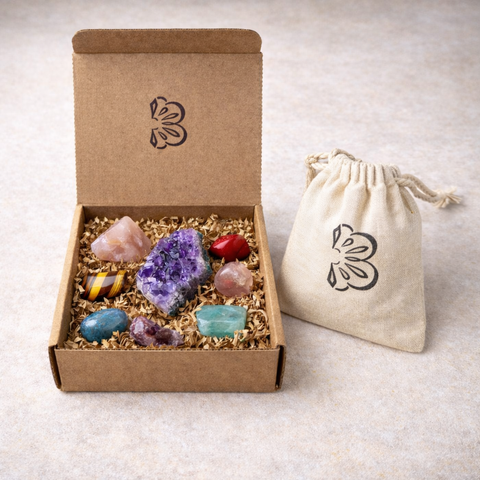
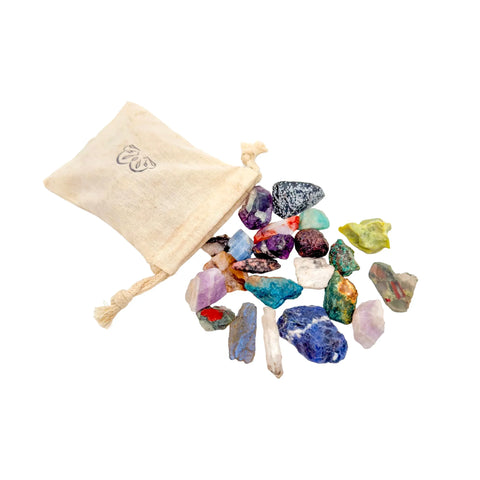
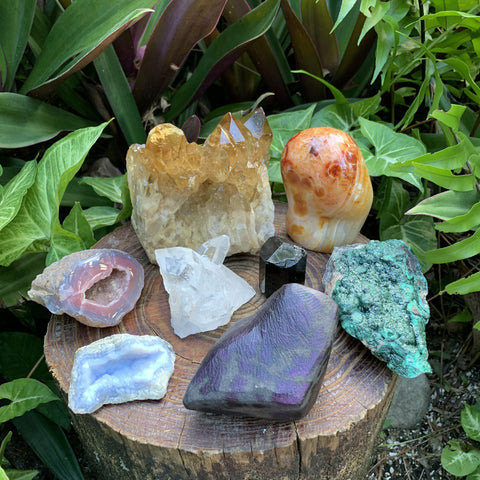
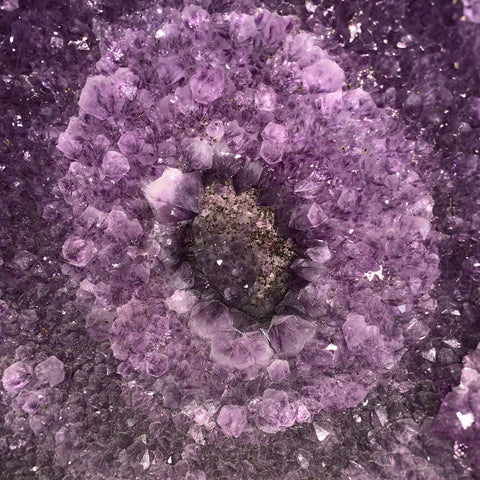
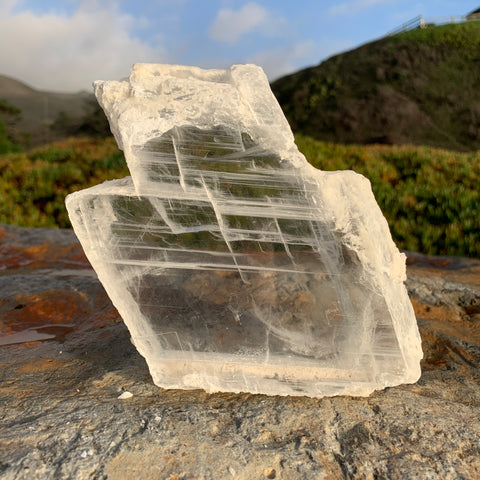
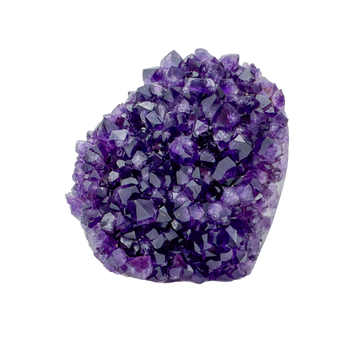
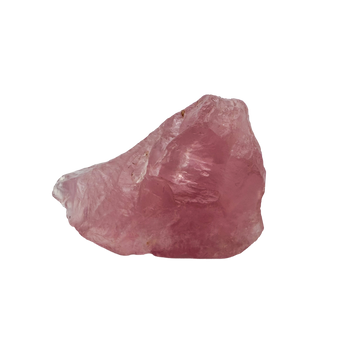
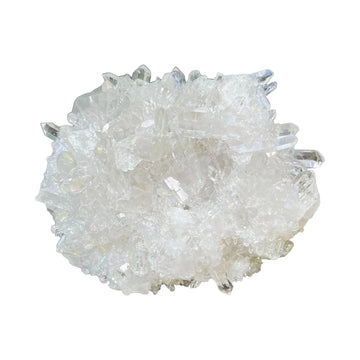
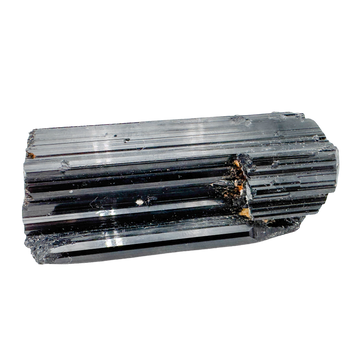
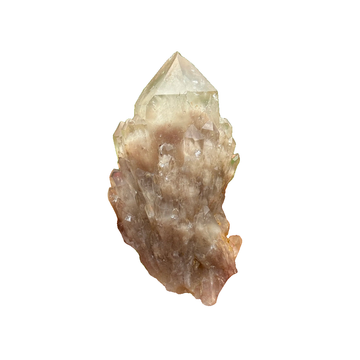
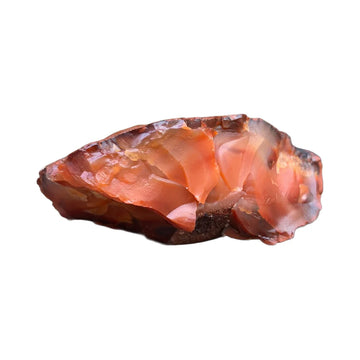
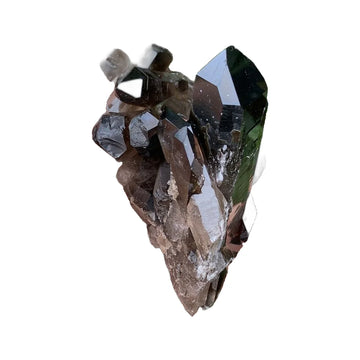
 Raw Stones
179 pieces
Raw Stones
179 pieces
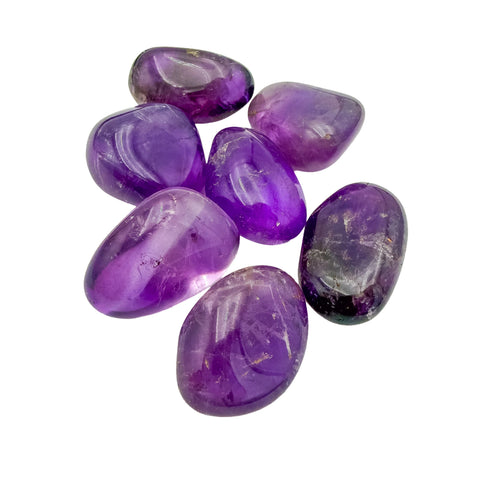
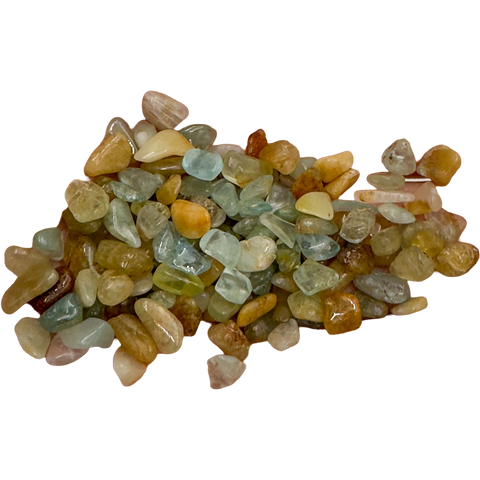
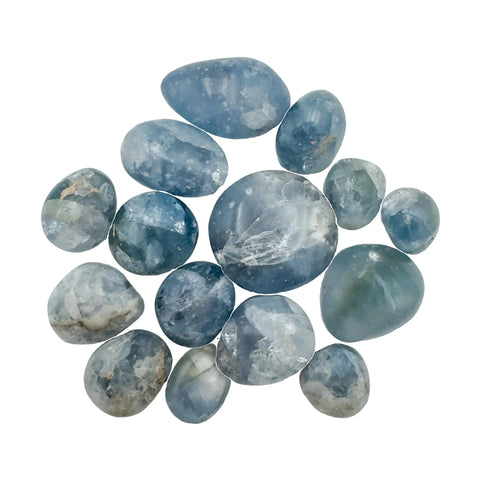
 Tumbled Stones
162 pieces
Tumbled Stones
162 pieces
 Palm Stones
25 pieces
Palm Stones
25 pieces
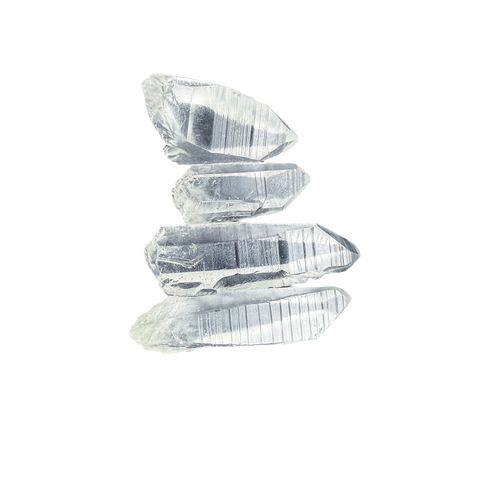
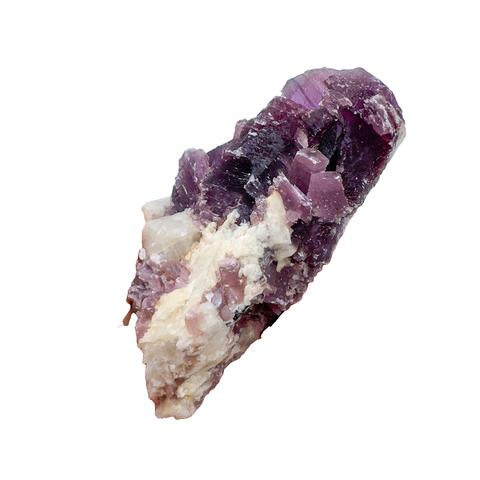
 Crystal Points
23 pieces
Crystal Points
23 pieces
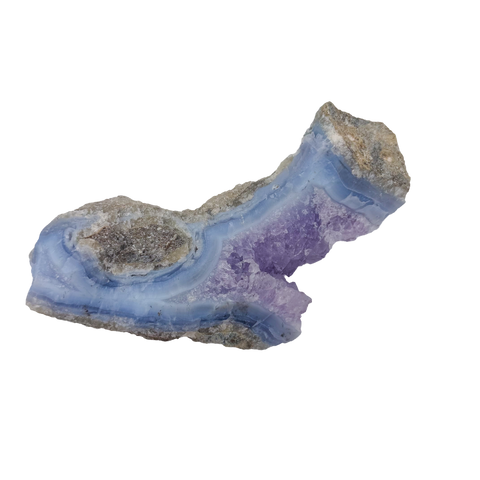
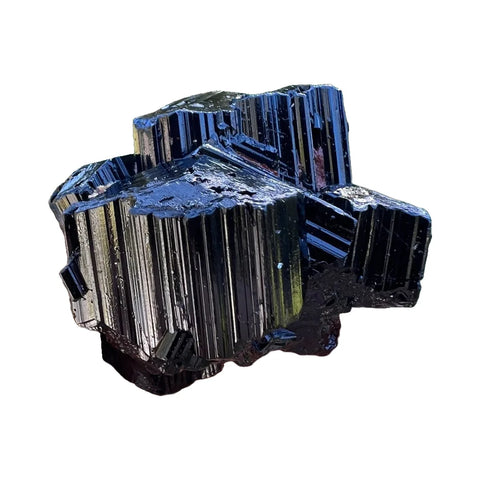
 Clusters & Geodes
104 pieces
Clusters & Geodes
104 pieces
 Polished & Decor
148 pieces
Polished & Decor
148 pieces
 Mineral Specimens
259 collector pieces
Mineral Specimens
259 collector pieces
 Crystal Chips
21 pieces
Browse everything
Every collection, one page.
View All Collections →
Crystal Chips
21 pieces
Browse everything
Every collection, one page.
View All Collections →


 Aries
Mar 21 – Apr 19
Carnelian
›
Aries
Mar 21 – Apr 19
Carnelian
›
 Taurus
Apr 20 – May 20
Rose Quartz
›
Taurus
Apr 20 – May 20
Rose Quartz
›
 Gemini
May 21 – Jun 20
Agate
›
Gemini
May 21 – Jun 20
Agate
›
 Cancer
Jun 21 – Jul 22
Moonstone
›
Cancer
Jun 21 – Jul 22
Moonstone
›
 Leo
Jul 23 – Aug 22
Citrine
›
Leo
Jul 23 – Aug 22
Citrine
›
 Virgo
Aug 23 – Sep 22
Amazonite
›
Virgo
Aug 23 – Sep 22
Amazonite
›
 Libra
Sep 23 – Oct 22
Blue Lace Agate
›
Libra
Sep 23 – Oct 22
Blue Lace Agate
›
 Scorpio
Oct 23 – Nov 21
Obsidian
›
Scorpio
Oct 23 – Nov 21
Obsidian
›
 Sagittarius
Nov 22 – Dec 21
Sodalite
›
Sagittarius
Nov 22 – Dec 21
Sodalite
›
 Capricorn
Dec 22 – Jan 19
Black Tourmaline
›
Capricorn
Dec 22 – Jan 19
Black Tourmaline
›
 Aquarius
Jan 20 – Feb 18
Amethyst
›
Aquarius
Jan 20 – Feb 18
Amethyst
›
 Pisces
Feb 19 – Mar 20
Aquamarine
›
Gifting?
A birthday stone is the safe bet.
Read the zodiac guide →
Pisces
Feb 19 – Mar 20
Aquamarine
›
Gifting?
A birthday stone is the safe bet.
Read the zodiac guide →

Auralite-23
Auralite-23 is an amethyst-based quartz from a single mine north of Thunder Bay, Ontario, that grew with a striking mix of red and metallic inclusions. The 23 in its name comes from a marketing claim about the number of minerals it can contain. The material is genuine and very old, but the precise count is best read as a sales figure rather than a guarantee.
The geology.
Auralite-23 is quartz (silicon dioxide, SiO2), usually amethyst, that crystallized alongside a range of other minerals in the ancient rock of the Canadian Shield. Inclusions reported in the material include hematite, lepidocrocite, cacoxenite, titanite, and magnetite, among others, which give the stone its smoky-red coloring and metallic flecks. Hardness is 7 on the Mohs scale, with the trigonal structure of all quartz.
Two honest points matter. The 23 refers to a list of minerals identified across the whole deposit, not a count present in every piece, and most individual stones hold somewhere between three and eleven. And the often-quoted age, on the order of 1.2 billion years or more, refers to the ancient rock of the region. The stone is real and ancient, but the number is a trade-name flourish.
The origins.
Auralite-23 comes from one source, a mine in the boreal forest north of Lake Superior, near Thunder Bay, Ontario, Canada. It entered the market relatively recently, within roughly the last two decades, and sells quickly because of its single-source story and unusual coloring. There is no other commercial deposit.
That single origin is part of the honesty story. Because the name is trademarked and tied to one Canadian mine, material that is not from that source is not truly Auralite-23, even when it looks similar. Related Thunder Bay amethyst with red hematite caps, sometimes called red-cap amethyst, is a close cousin. A careful seller will be clear about which they are offering.
Traditional associations.
Auralite-23 is marketed as one of the oldest crystals available and is treated by many as a powerful meditation and dream stone. People work with it for deep stillness, intuition, and a sense of connection to something ancient, leaning on its amethyst base and its many inclusions.
It is usually linked to the Crown and Third Eye chakras, the element of Storm, and no single zodiac sign. A common practice is to hold a piece during meditation or keep it near the bed. As with Super Seven, much of its appeal comes from combining several minerals in one stone.
Spotting the real thing.
Genuine Auralite-23 looks like a deep, slightly smoky amethyst with reddish hematite or lepidocrocite caps and zones, often in darker, less showy tones than gem amethyst. The inclusions are irregular and natural, and points frequently have a reddish or gray skin rather than clean, bright purple faces.
The honest cautions are about the name. Be wary of any piece advertised as containing all 23 minerals, since that count is a deposit-wide list, not a per-stone fact. Ordinary amethyst is sometimes relabeled as Auralite-23 to lift the price. Ask whether a piece actually comes from the Thunder Bay source, and read the 23 and the billion-year age as marketing context.
Care & handling.
Auralite-23 is durable quartz. At 7 on the Mohs scale it handles normal display and gentle cleaning with warm water and a soft cloth. Like other amethyst, its purple can fade under long, intense sun, so keep it out of direct windows for the long term.
Avoid harsh chemicals, ultrasonic cleaners, and sudden temperature swings, and store it apart from harder stones. To reset it energetically, many people use moonlight, sound, or time on a selenite plate rather than salt water.
Pairs well with.
A deeper look.
Extended geology, sourcing, authentication, history, and varieties, for when the quick guide isn't quite enough.
Extended geology
Auralite-23 is an amethyst-dominant quartz that formed in the ancient rock north of Lake Superior, part of the Canadian Shield. As it crystallized it incorporated a range of inclusions, commonly reported to include hematite, lepidocrocite, cacoxenite, titanite, and magnetite, which produce reddish caps, smoky tones, and small metallic flecks. Hardness is 7, trigonal, glassy.
The inclusions are uneven, so any single piece shows only some of the minerals attributed to the deposit. On average a stone holds roughly three to eleven of them, not all 23.
The name and the claims
The 23 in Auralite-23 refers to the number of minerals that have been identified across material from the mine, not the count inside any given crystal. The stone is also marketed as extremely old, with ages quoted around 1.2 to 1.5 billion years, figures that describe the host rock of the region. Both are real-world facts stretched into a marketing headline. Honest sellers present the 23 and the age as background, not as a per-stone guarantee.
Extended sourcing
The only source is a single mine in the boreal forest near Thunder Bay, Ontario, Canada. The material reached the market within roughly the last two decades. Closely related local stone, Thunder Bay amethyst with red hematite caps sometimes sold as red-cap amethyst, is a near cousin rather than the same trademarked product.
Authentication and warning signs
Look for darker, smoky amethyst with natural red caps and zones rather than bright gem-purple. Be cautious of plain amethyst relabeled as Auralite-23, and of any claim that a single piece contains all 23 minerals. The most useful question is whether the stone genuinely comes from the Thunder Bay source.
What it costs in the market
Auralite-23 sells above ordinary amethyst because of its single-source story and marketing. Small tumbles and points are moderate, while larger pieces with clear red caps and rich inclusions cost more. As with other trade-name quartz, much of the price reflects the name, so judge the actual stone.
An education-first guide.
We don't currently carry Auralite-23, so there's nothing to sell you here. This guide exists because the more you understand a stone, the better every decision you make about it becomes, wherever you buy it. Explore the rest of our crystal guides for stones we do source, each with full origin and treatment notes.
Explore the Crystal GuideThe closest match we carry: Amethyst.
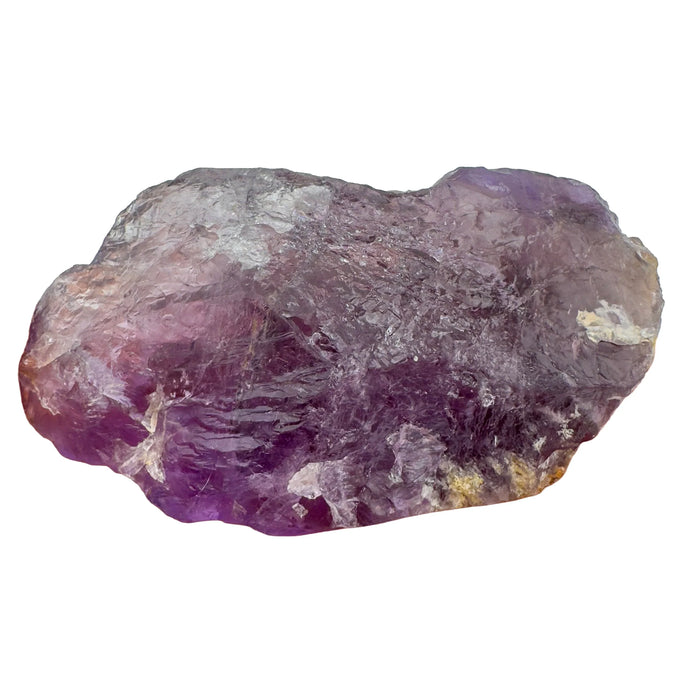
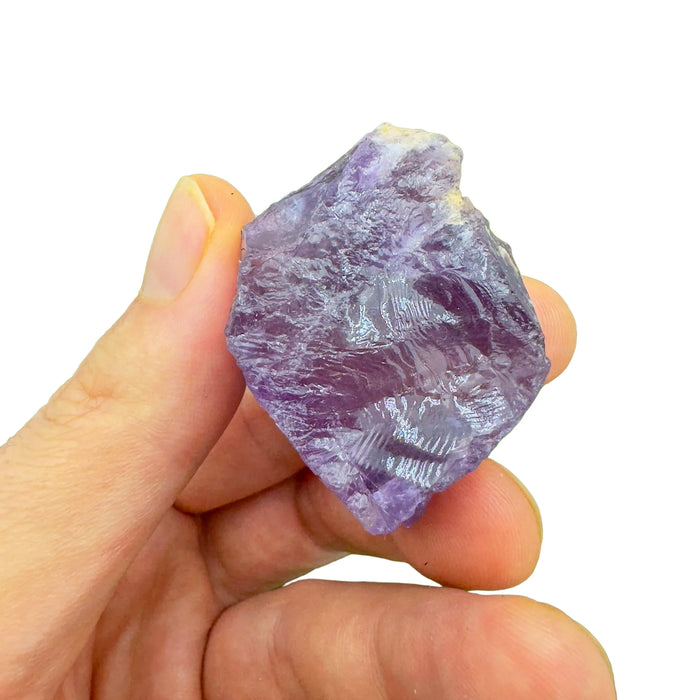
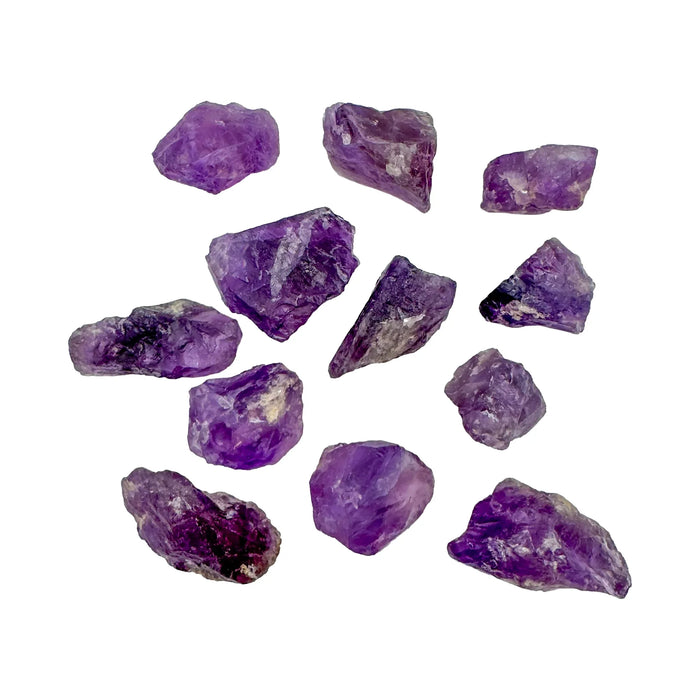
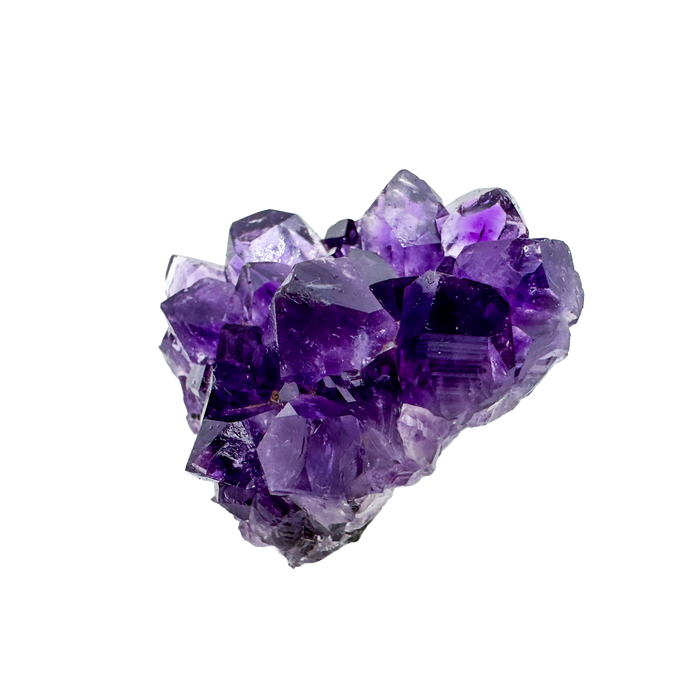
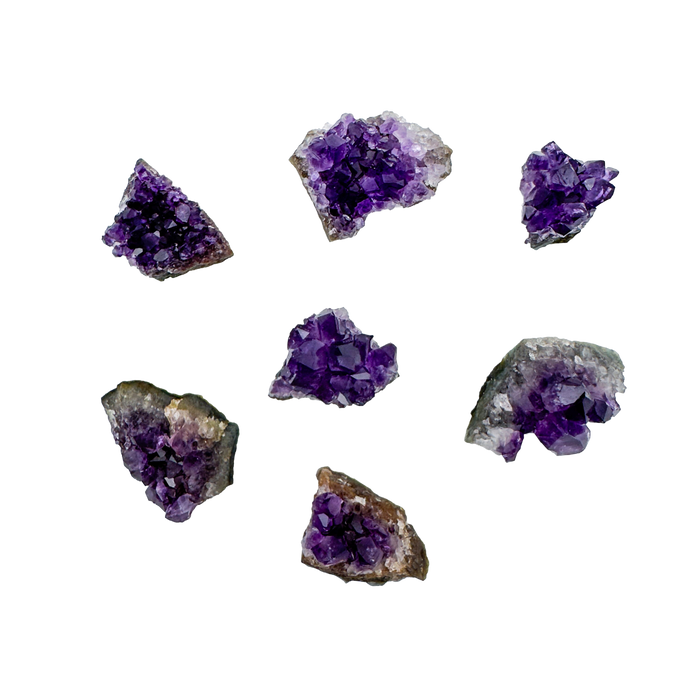
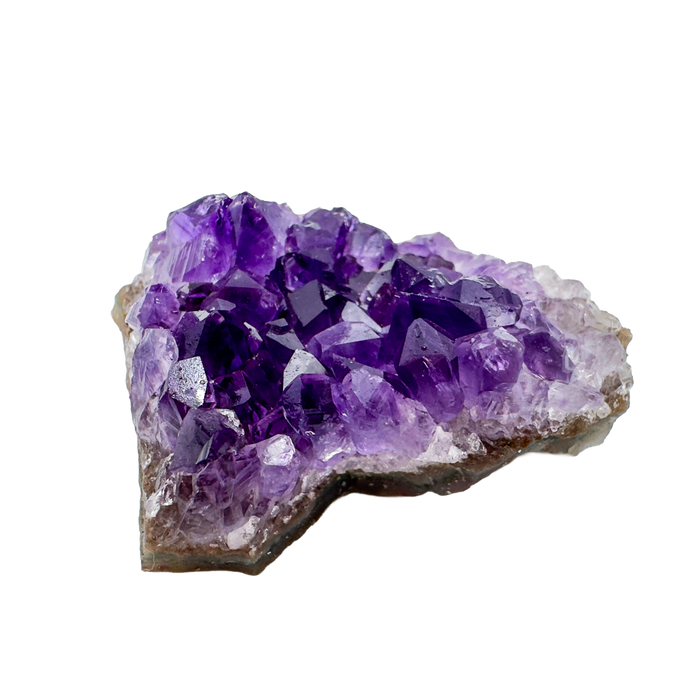
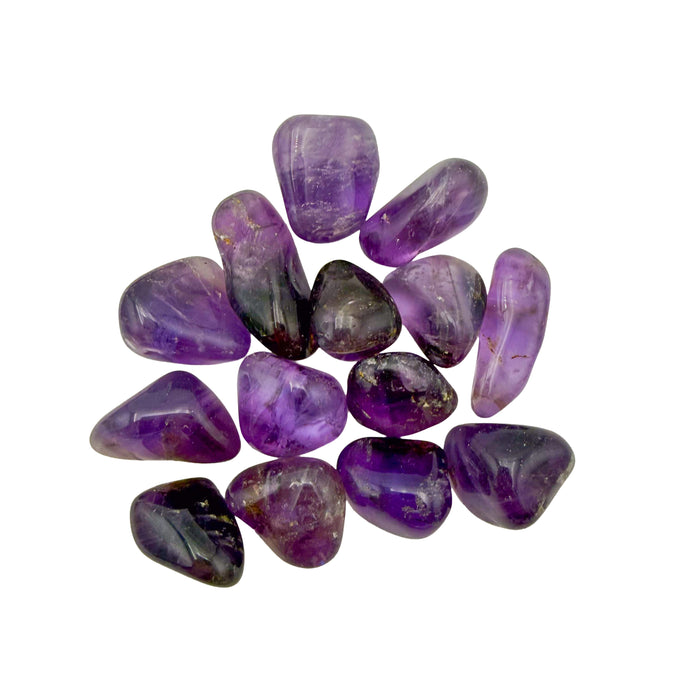
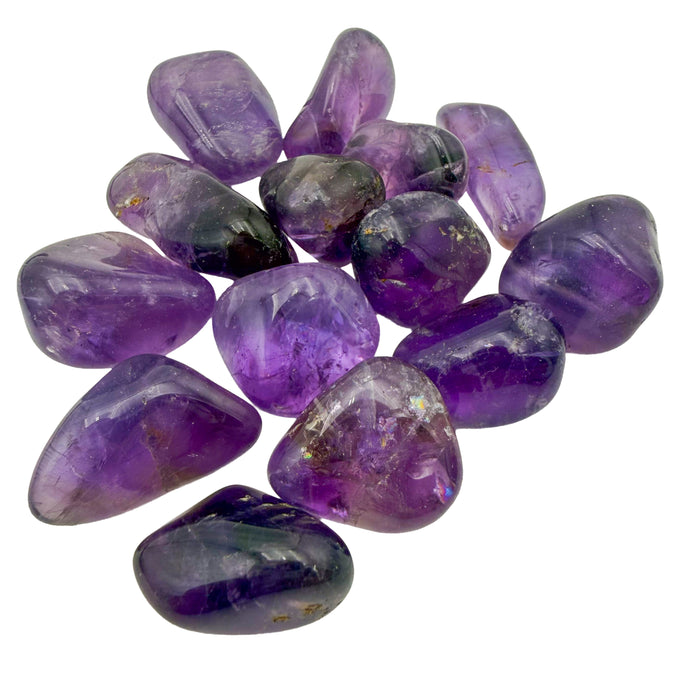
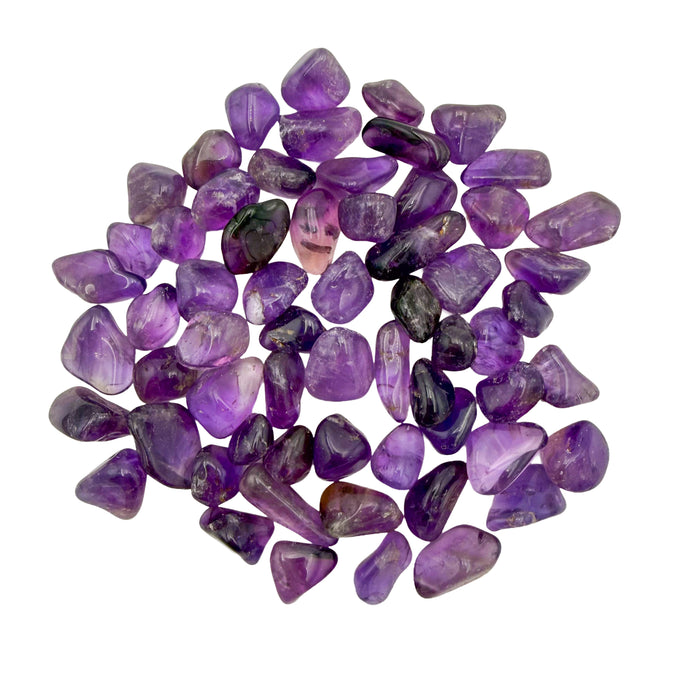
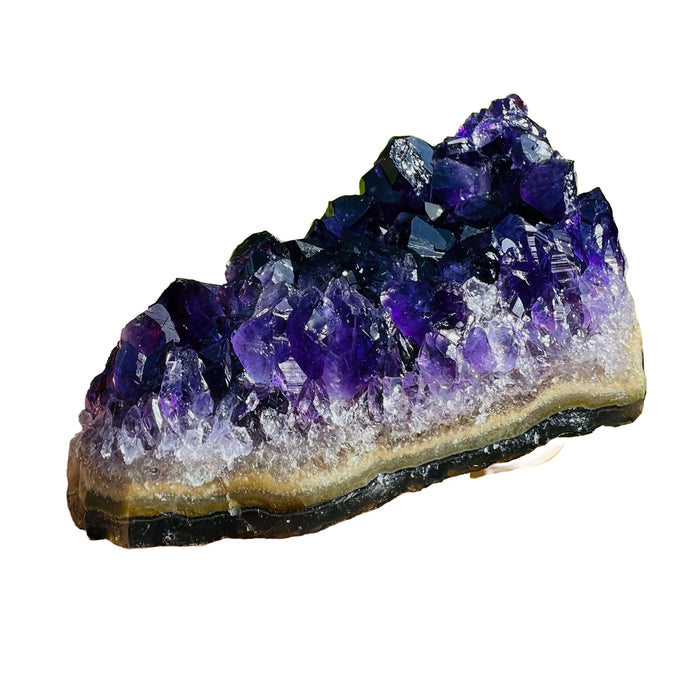
Auralite-23 is not something we carry. Amethyst is the closest match in our collection, and every piece passes our sourcing standards: origin named, treatments disclosed.


- from 1,000+ reviews
- Ships within 72 hoursMonday to Friday, tracked
- 90 days to return itif you do not love it
- Free US shipping over $99$8.99 flat rate under
The Slow Note
New stones go to the list first.
No forwarding, no selling. Unsubscribe in one click. Privacy