


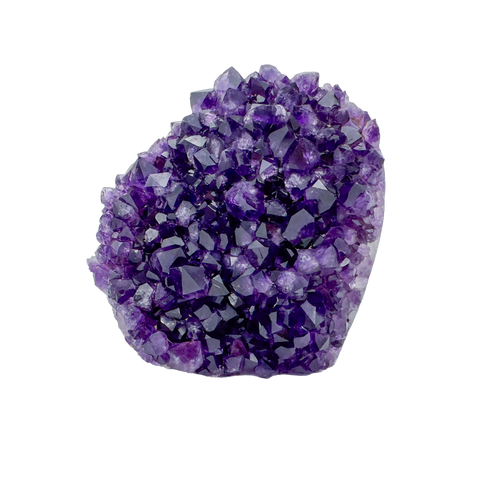
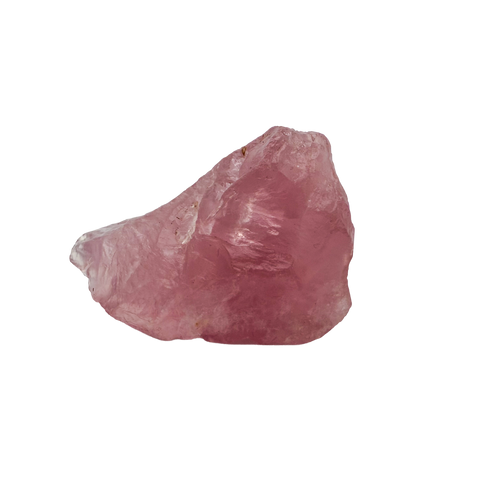
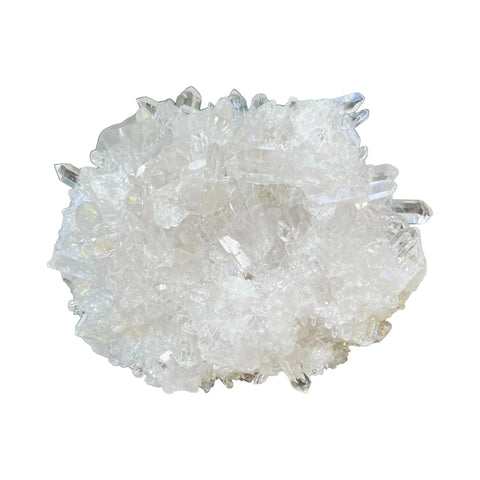
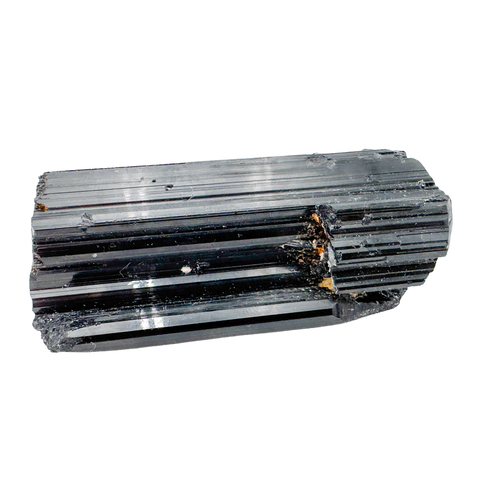
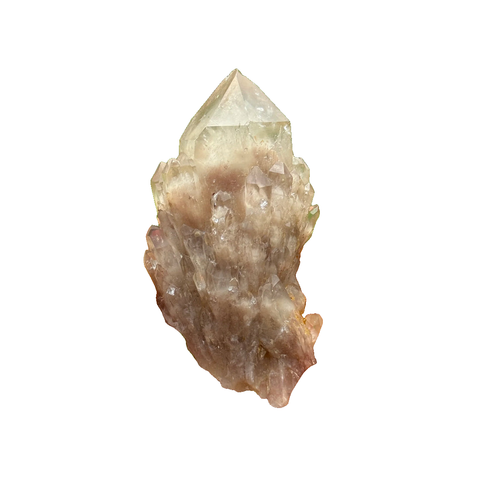
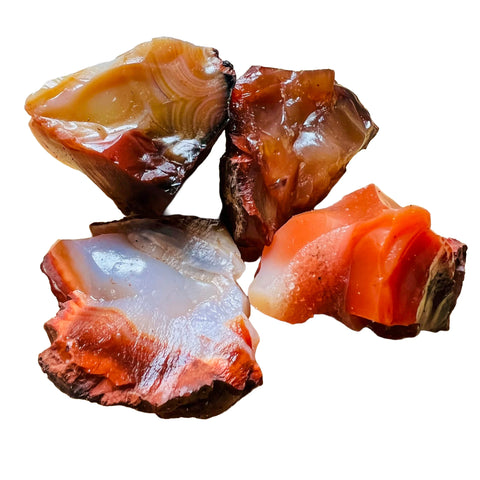


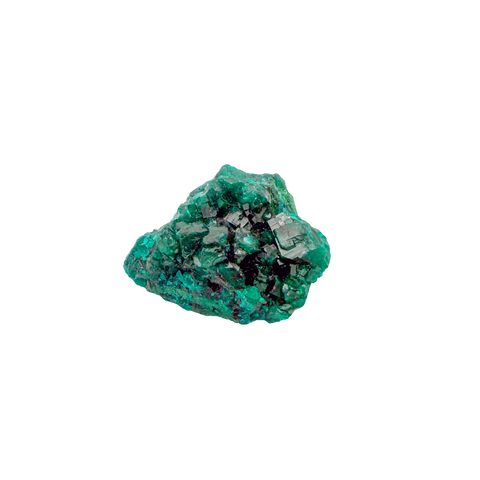
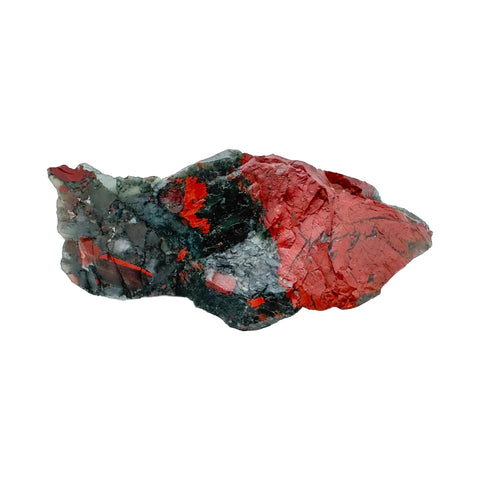
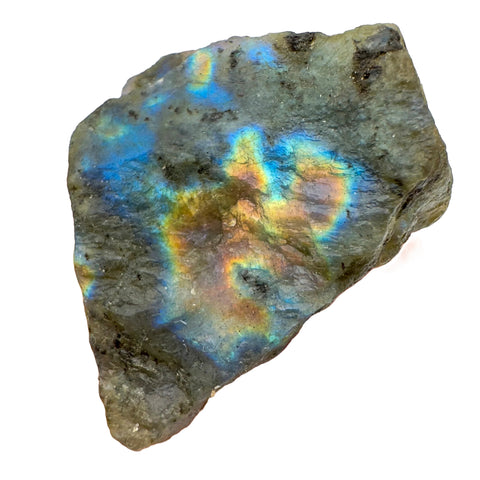
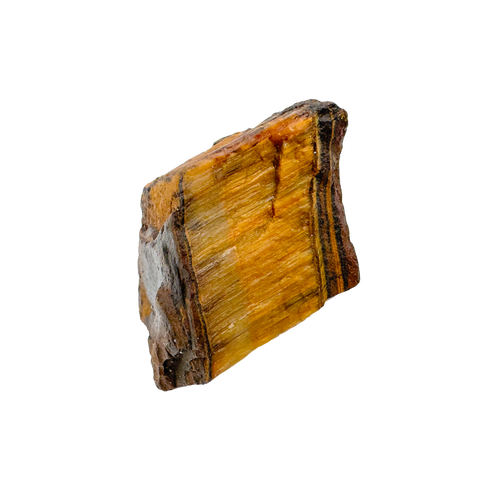
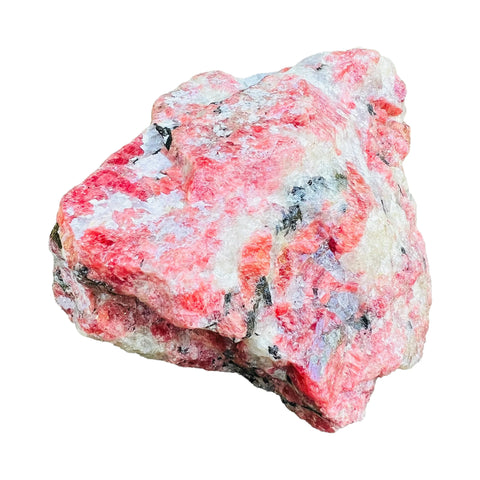
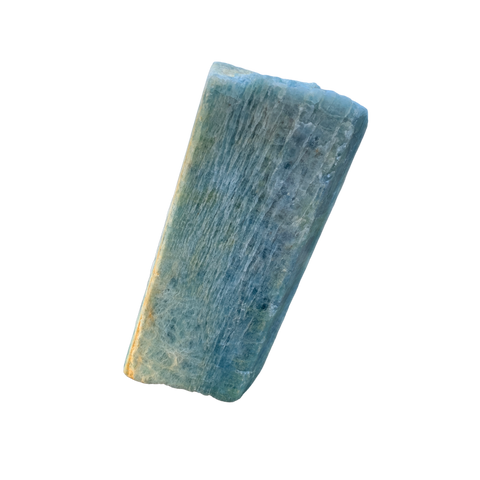
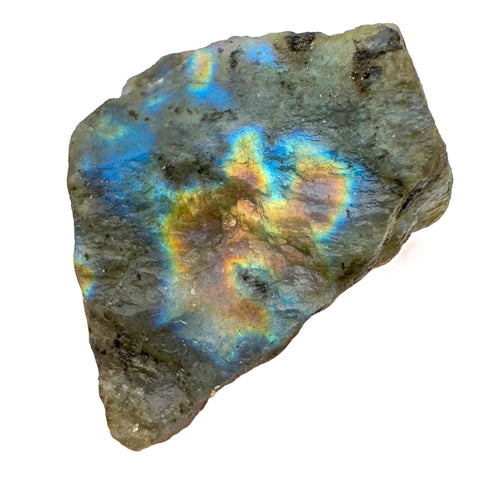
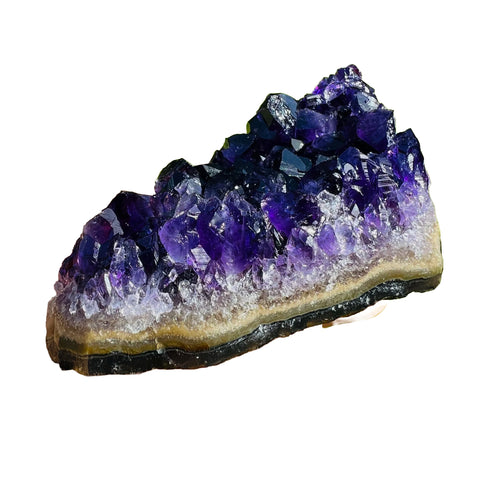



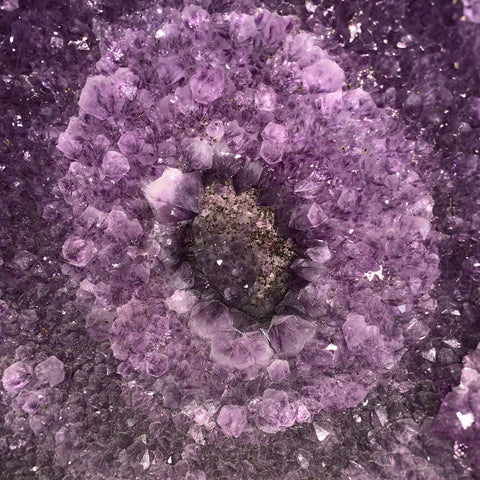
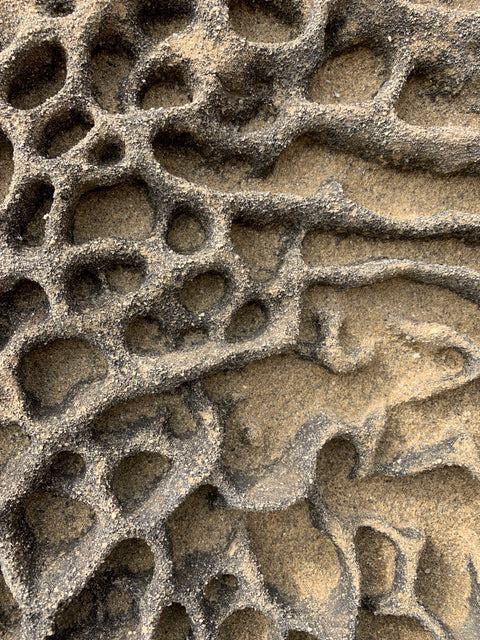
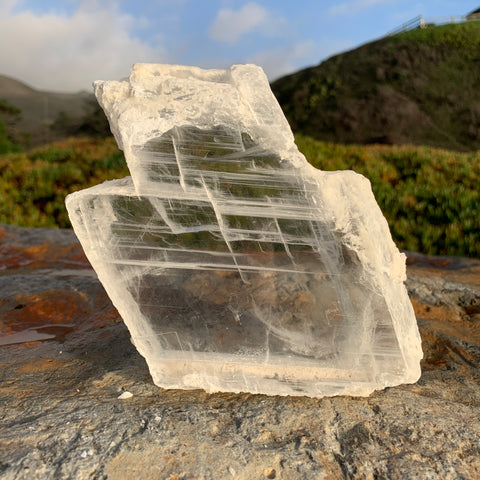
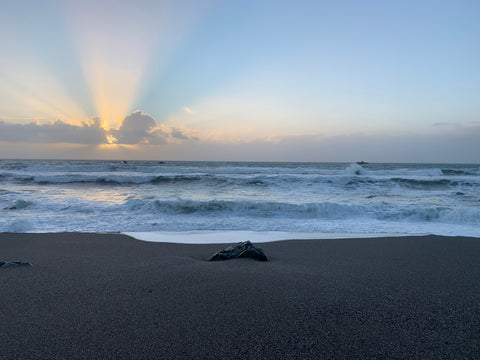
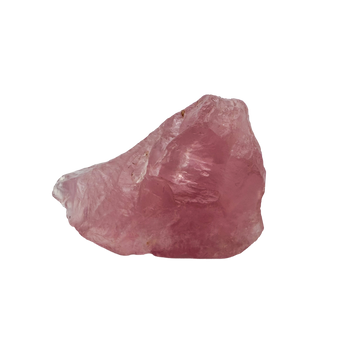
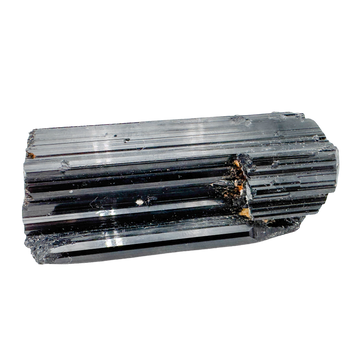
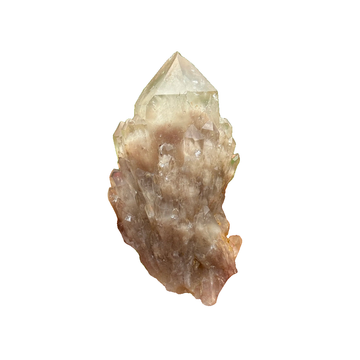
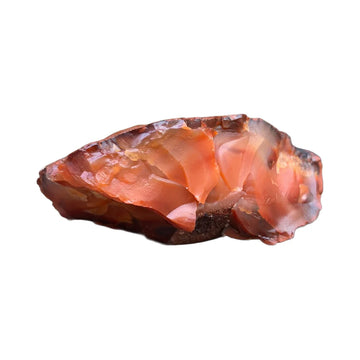
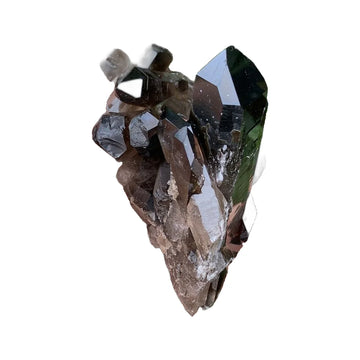
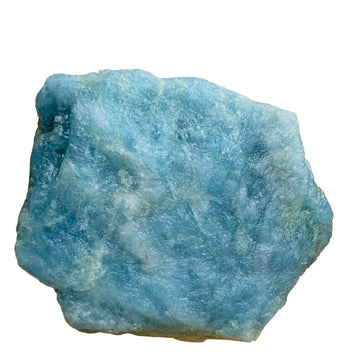
 Raw Stones
179 pieces
Raw Stones
179 pieces
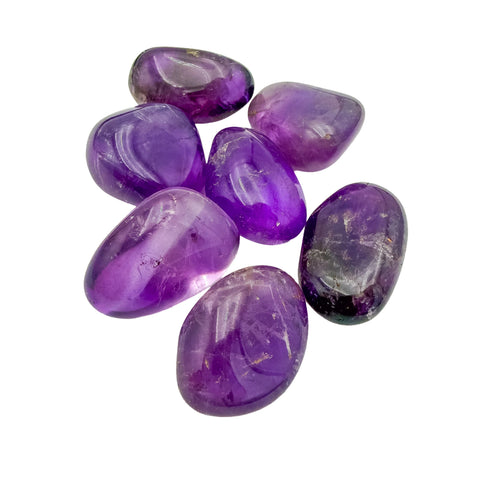
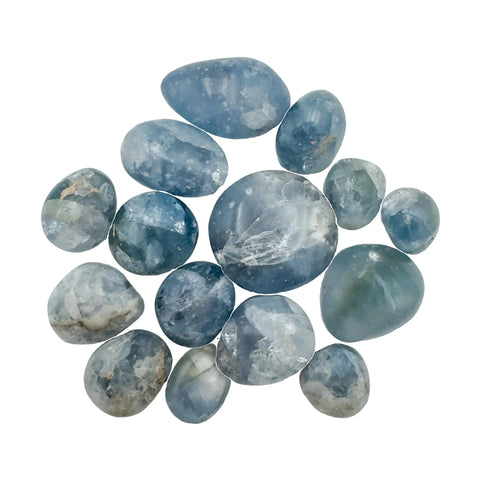
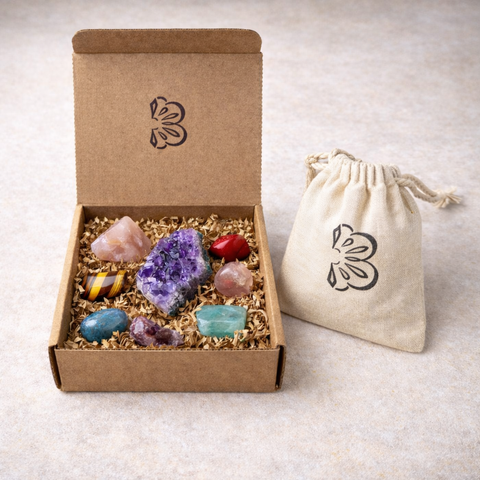
 Tumbled Stones
162 pieces
Tumbled Stones
162 pieces
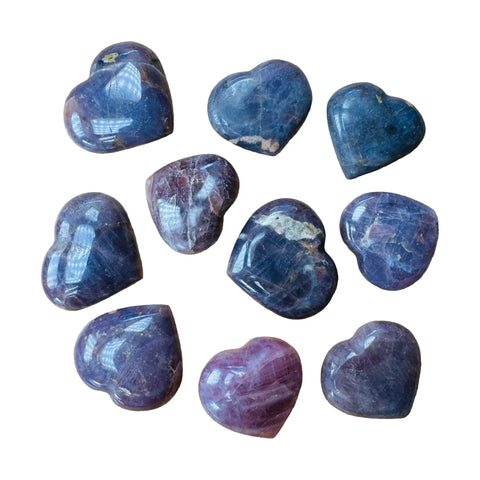
 Palm Stones
25 pieces
Palm Stones
25 pieces
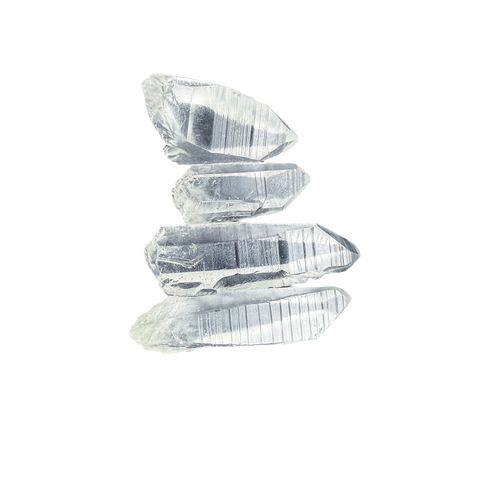
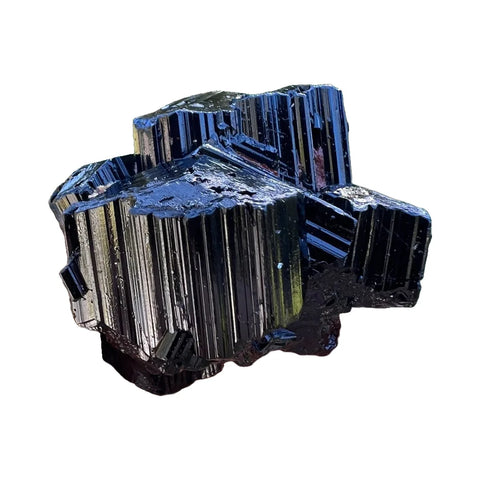
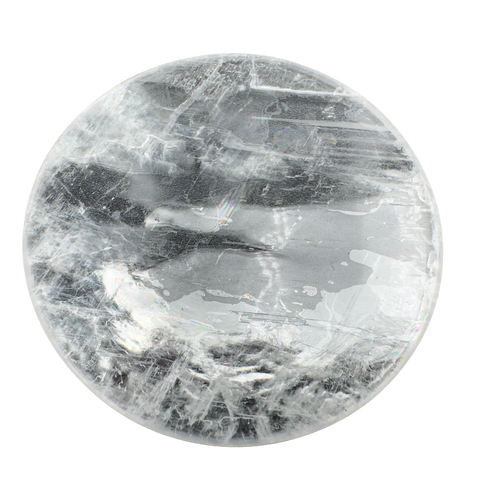
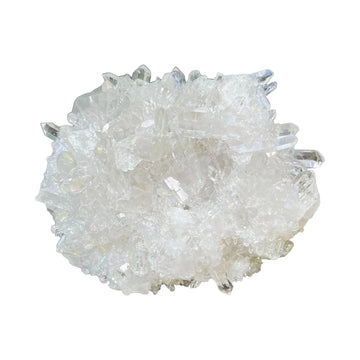
 Crystal Points
23 pieces
Crystal Points
23 pieces
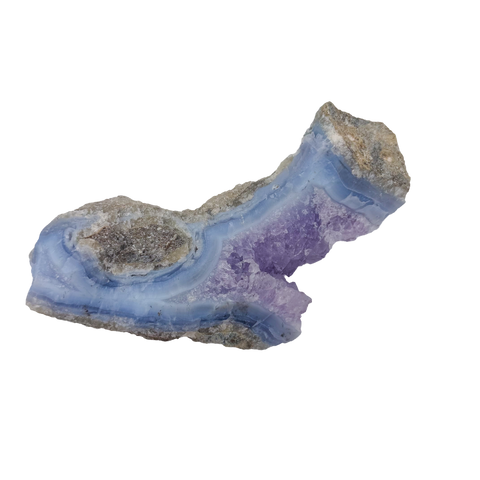
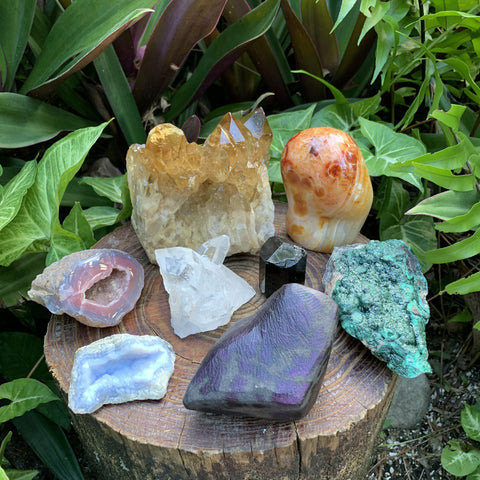
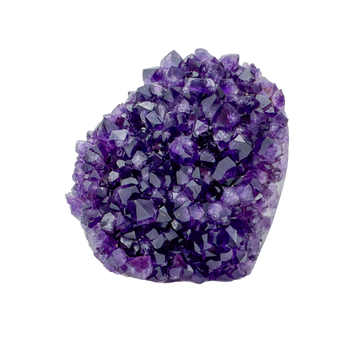
 Clusters & Geodes
104 pieces
Clusters & Geodes
104 pieces
 Polished & Decor
148 pieces
Polished & Decor
148 pieces
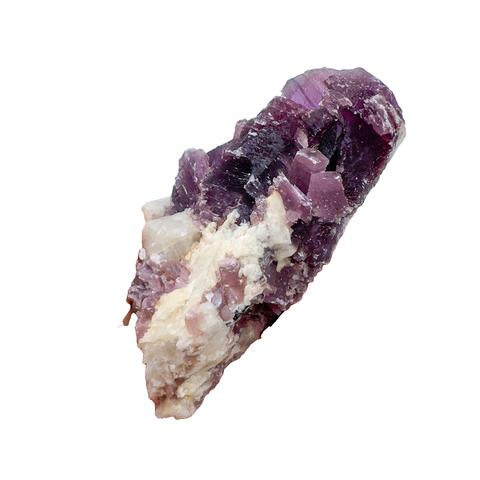
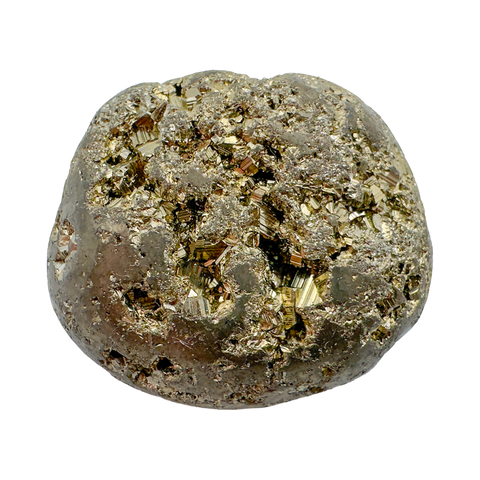
 Mineral Specimens
259 collector pieces
Mineral Specimens
259 collector pieces
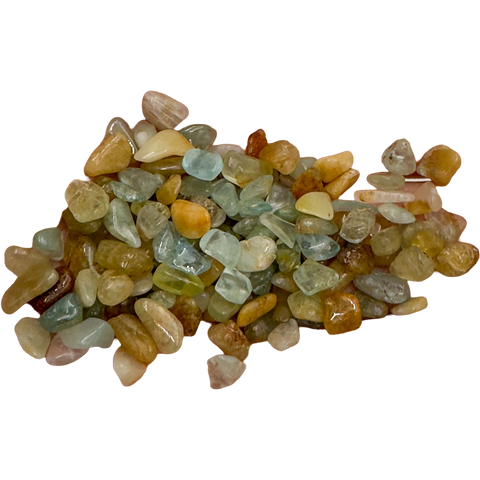
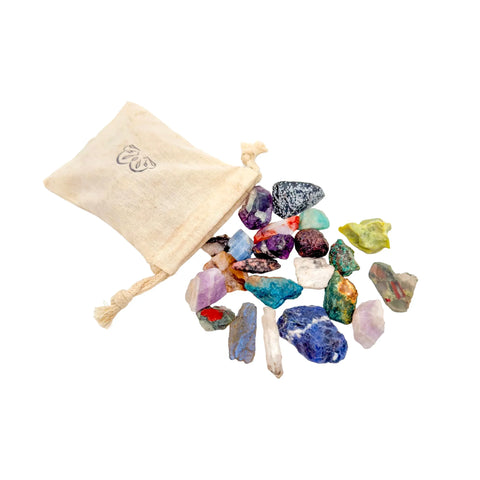
 Crystal Chips
21 pieces
Browse everything
Every collection, one page.
View All Collections →
Crystal Chips
21 pieces
Browse everything
Every collection, one page.
View All Collections →


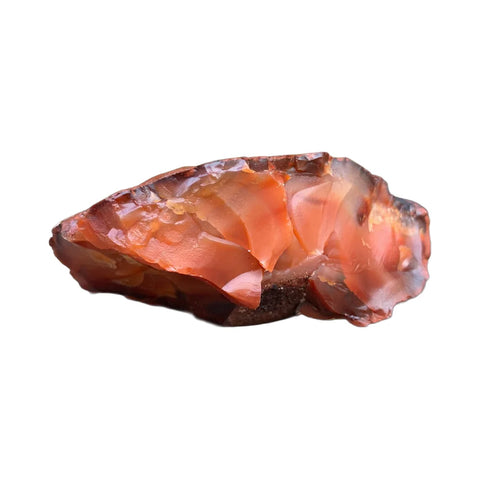
 Aries
Mar 21 – Apr 19
Carnelian
›
Aries
Mar 21 – Apr 19
Carnelian
›
 Taurus
Apr 20 – May 20
Rose Quartz
›
Taurus
Apr 20 – May 20
Rose Quartz
›
 Gemini
May 21 – Jun 20
Agate
›
Gemini
May 21 – Jun 20
Agate
›
 Cancer
Jun 21 – Jul 22
Moonstone
›
Cancer
Jun 21 – Jul 22
Moonstone
›
 Leo
Jul 23 – Aug 22
Citrine
›
Leo
Jul 23 – Aug 22
Citrine
›
 Virgo
Aug 23 – Sep 22
Amazonite
›
Virgo
Aug 23 – Sep 22
Amazonite
›
 Libra
Sep 23 – Oct 22
Blue Lace Agate
›
Libra
Sep 23 – Oct 22
Blue Lace Agate
›
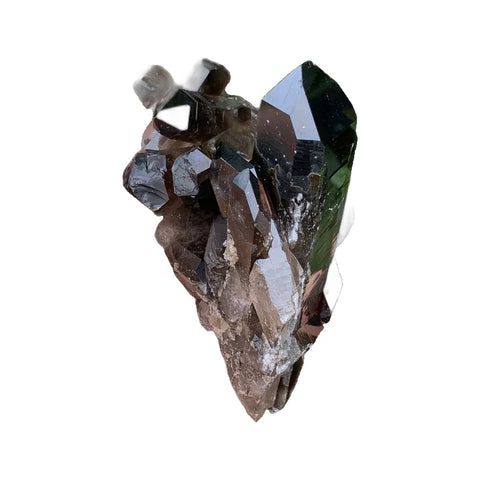
 Scorpio
Oct 23 – Nov 21
Obsidian
›
Scorpio
Oct 23 – Nov 21
Obsidian
›
 Sagittarius
Nov 22 – Dec 21
Sodalite
›
Sagittarius
Nov 22 – Dec 21
Sodalite
›
 Capricorn
Dec 22 – Jan 19
Black Tourmaline
›
Capricorn
Dec 22 – Jan 19
Black Tourmaline
›
 Aquarius
Jan 20 – Feb 18
Amethyst
›
Aquarius
Jan 20 – Feb 18
Amethyst
›
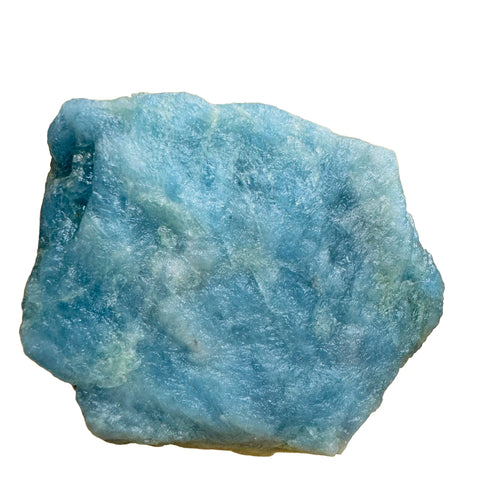
 Pisces
Feb 19 – Mar 20
Aquamarine
›
Gifting?
A birthday stone is the safe bet.
Read the zodiac guide →
Pisces
Feb 19 – Mar 20
Aquamarine
›
Gifting?
A birthday stone is the safe bet.
Read the zodiac guide →

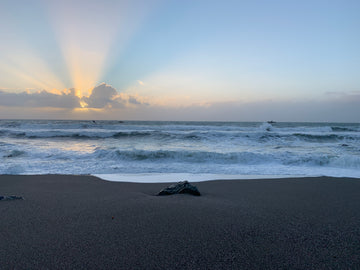
Picture Jasper
Picture jasper is a scenic variety of jasper whose browns, tans, and creams arrange themselves into what look like tiny landscapes, deserts, canyons, and far-off ridgelines caught in the stone. The patterns come from ancient sediment and iron, and no two cut pieces are alike.
The geology.
Picture jasper is jasper, an opaque variety of chalcedony, which is itself a microcrystalline form of quartz (SiO2). It earns its name from scenic patterns that resemble landscapes, formed as fine sediment or volcanic ash was laid down in layers, then hardened as silica-rich water turned it to stone.
The browns, golds, and rusts come from iron oxides, with manganese and clays adding darker lines and shading. At 6.5 to 7 on the Mohs scale it is hard and durable like the rest of the quartz family, taking a smooth polish that brings the scenery into focus.
The origins.
The American Pacific Northwest is the classic home of picture jasper. Oregon produces the famous Biggs jasper, first found near Biggs Junction around 1960, along with Owyhee and Deschutes material, while Bruneau jasper comes from Bruneau Canyon in neighboring Idaho. South Africa is another well-known source of landscape jasper.
Each locality has a signature palette and pattern, and some of the best deposits are now depleted or under claim restrictions, which has made fine older material collectible. A seller who can name the type, such as Biggs or Bruneau, usually knows the stone well.
Traditional associations.
Picture jasper is an earthy, grounding stone in tradition, tied to the land and to a long view of time. Many people work with it for stability, patience, and a steady connection to nature, the same slow, sedimentary calm you can read in its patterns.
It is most often associated with the Root chakra, the element of Earth, and the sign Leo. A common practice is to keep a piece on a desk or in a pocket during a grounding routine, or simply to enjoy it as a small landscape to rest the eyes on.
Spotting the real thing.
Real picture jasper is hard, opaque, and will scratch glass easily, with scenes that show natural depth and irregularity, banding, soft gradients, and dendritic lines that follow the logic of sediment and mineral flow. Tilt it and the patterns stay part of the stone rather than sitting on the surface.
It is a stable, natural material, so the honest questions are about identity and origin rather than fakery. Ask which locality or type a piece is, since the name Picture Jasper covers material from several mines. Printed imitations or painted stones would show flat, surface-only images with no internal structure.
Care & handling.
Picture jasper is easy to live with. At 6.5 to 7 on the Mohs scale it handles daily wear in rings, bracelets, and pendants, and it is water safe for a quick rinse with warm water and a soft cloth. It is stable in sunlight and will not fade.
Avoid harsh chemicals and long saltwater soaks, which are unnecessary for a stone this stable, and store it apart from softer stones so it does not scratch them. To reset it energetically, many people use moonlight, sound, or a night on a selenite plate.
Pairs well with.
A deeper look.
Extended geology, sourcing, authentication, history, and varieties, for when the quick guide isn't quite enough.
Extended geology
Jasper is an opaque, impure variety of silica, usually chalcedony intergrown with quartz and other minerals, with iron the main coloring agent. Picture jasper forms from fine sediment or volcanic ash deposited in still basins, later cemented and hardened as silica-rich groundwater replaced the softer clays. Bands, ribbons, and dendrites of iron and manganese oxide create the scenic effect. Hardness is 6.5 to 7, specific gravity about 2.6, fracture conchoidal to uneven, luster dull to waxy or vitreous when polished.
Extended sourcing
Oregon is the heartland of picture jasper, with Biggs jasper found near Biggs Junction around 1960 after road construction exposed it, plus Owyhee and Deschutes material. Bruneau jasper, prized for crisp canyon scenes and occasional green banding, comes from Bruneau Canyon in Idaho. South Africa produces its own landscape jasper widely sold under the picture jasper name. Several of the finest American deposits are now depleted or restricted, so premium older stock trades at a premium.
Authentication and warning signs
Picture jasper is straightforward to confirm: it is opaque, hard enough to scratch glass, and shows scenery that lives inside the stone with natural depth and irregular structure. The realistic concerns are naming and origin rather than treatment, because the label covers material from many mines with very different looks. Ask for the specific type or locality when it matters to you. Flat, glossy images that sit only on the surface would suggest a printed or painted imitation, which is uncommon in this material.
History and folklore
Jasper has been used by people for tools, seals, and ornament since antiquity, and its name traces through Greek and older languages to a word meaning spotted or speckled stone. Picture jasper specifically became popular with twentieth-century American lapidaries, who prized the scenic Oregon and Idaho material for cabochons and carvings. The appeal of a landscape sealed inside a stone has kept it a favorite ever since.
Varieties and trade names
Biggs jasper: fine brown scenic material from near Biggs, Oregon.
Bruneau jasper: sharp canyon patterns from Bruneau, Idaho, sometimes with green.
Owyhee and Deschutes jaspers: related Oregon scenic types.
Other landscape jaspers, including South African material, are sold broadly as picture jasper. All are the same basic silica rock with different sedimentary patterns.
What it costs in the market
Tumbled picture jasper: roughly 1 to 8 dollars per piece. Cabochons and beads: 5 to 40 dollars depending on the scene. Fine Biggs and Bruneau slabs and cabochons with dramatic, well-composed scenery: 30 to several hundred dollars, more for depleted classic material. Value is driven by the clarity and composition of the picture, and by named origin.
An education-first guide.
We don't currently carry picture jasper, so there's nothing to sell you here. This guide exists because the more you understand a stone, the better every decision you make about it becomes, wherever you buy it. Explore the rest of our crystal guides for stones we do source, each with full origin and treatment notes.
Explore the Crystal GuideThe closest match we carry: Jasper.
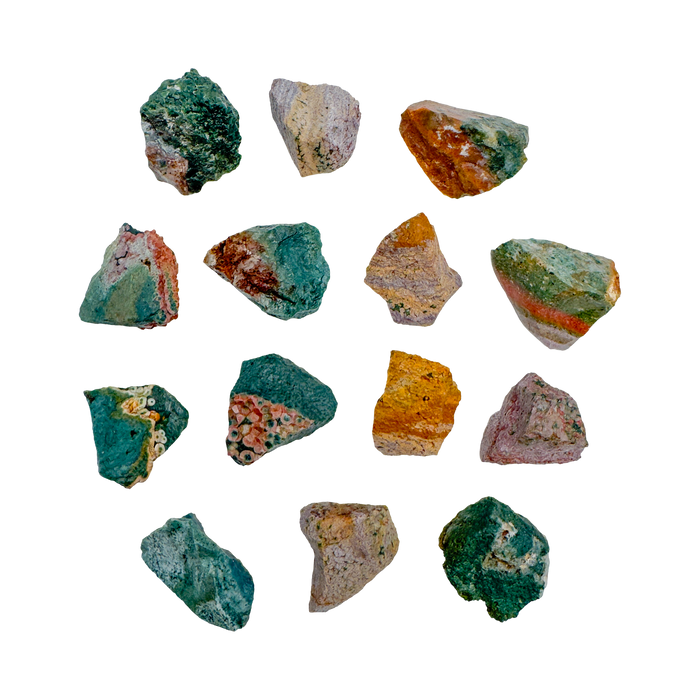
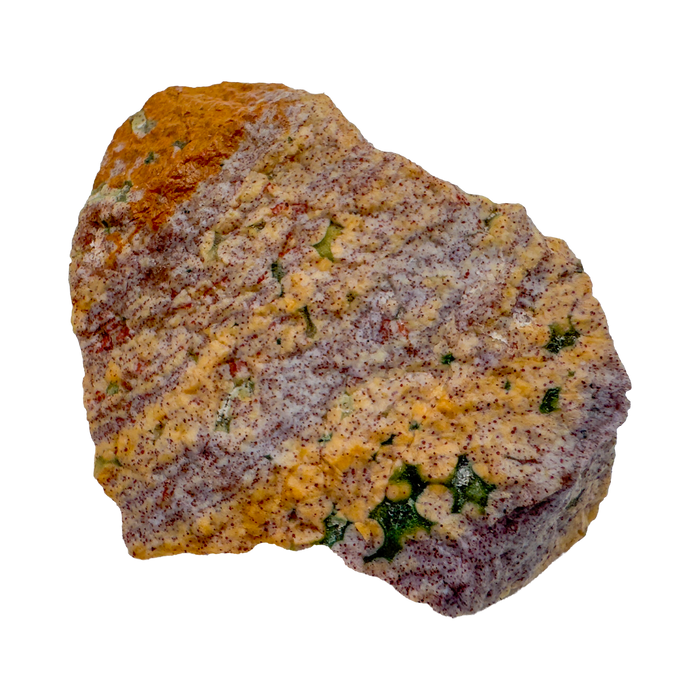
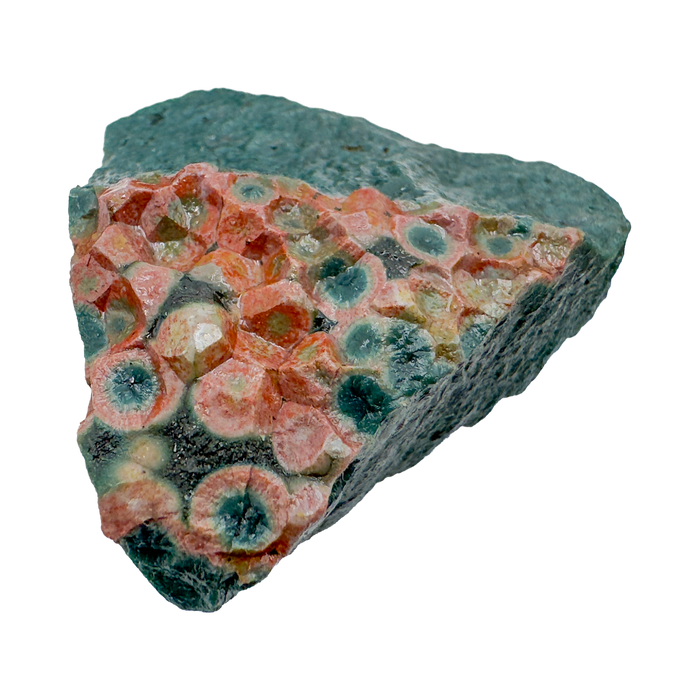
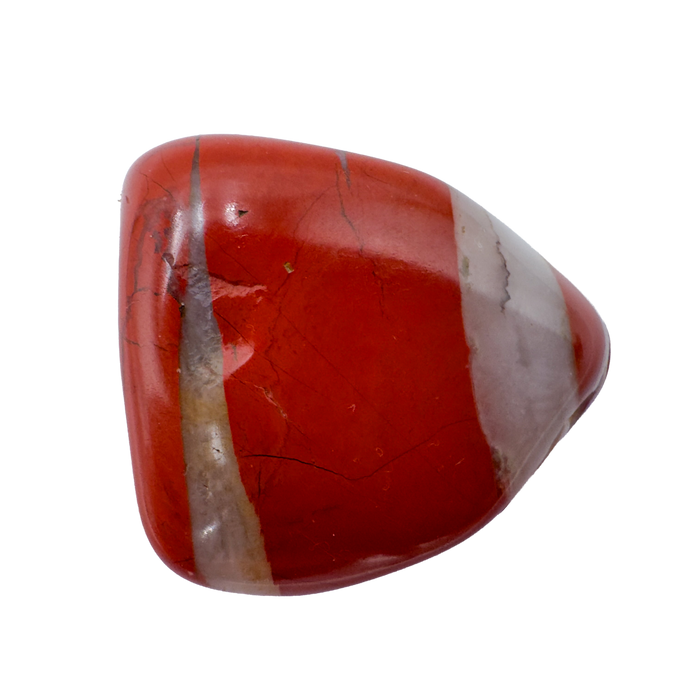
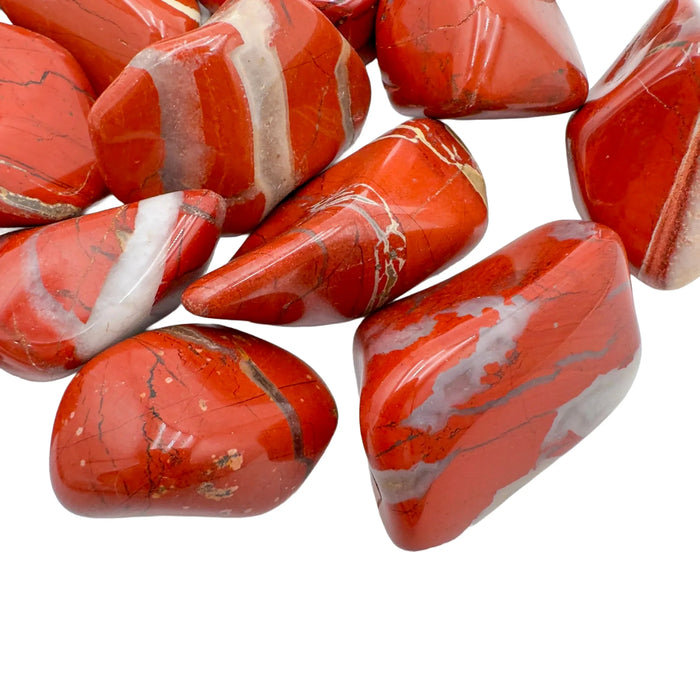
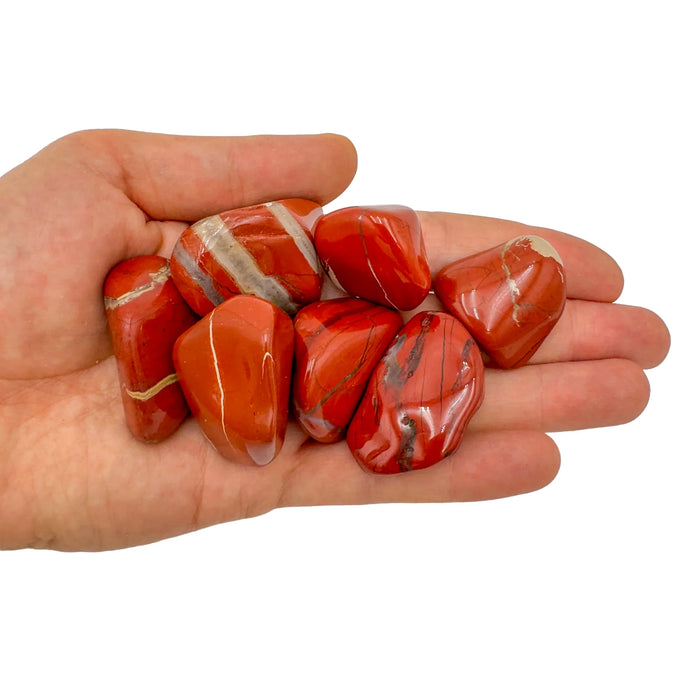
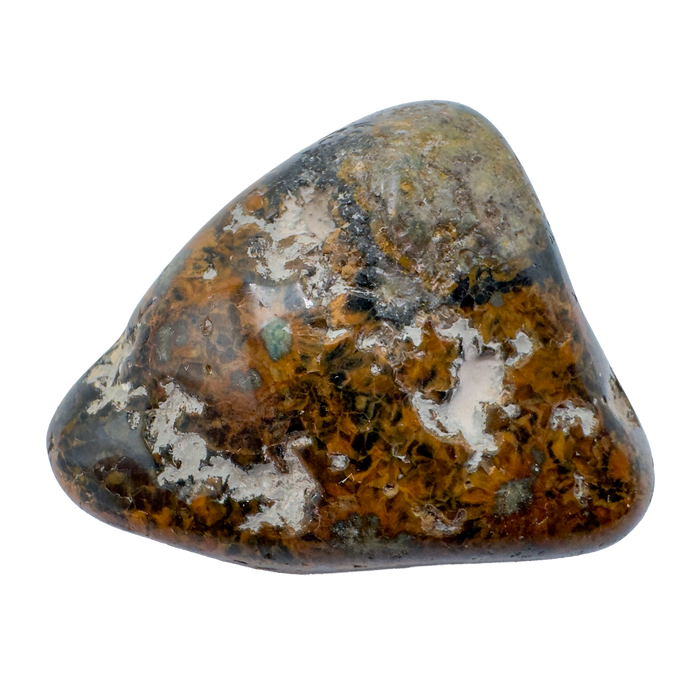
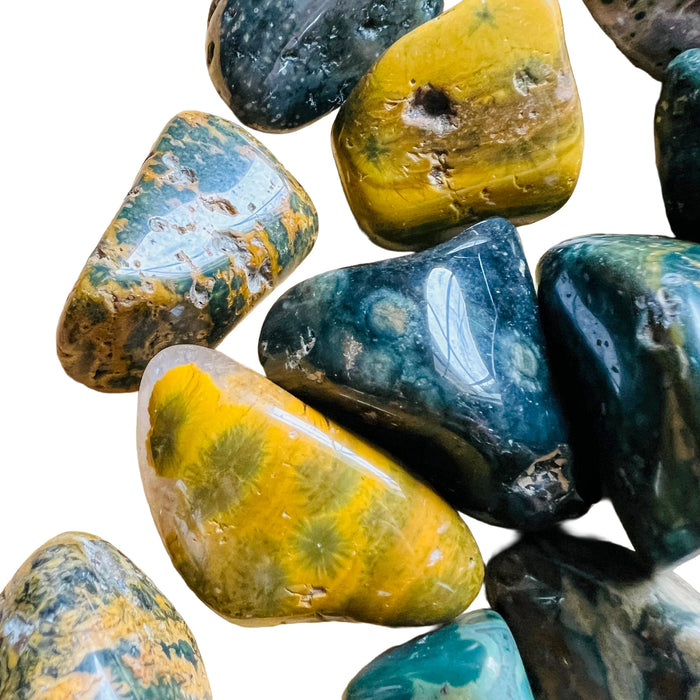
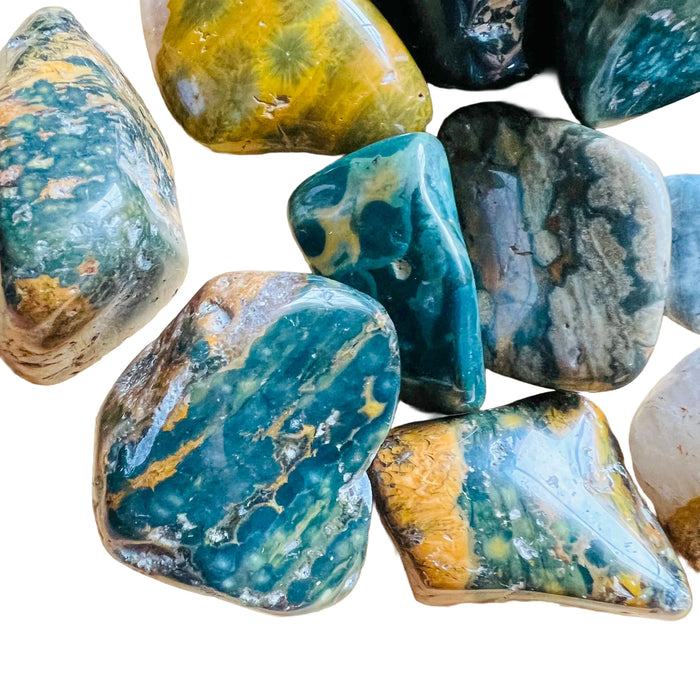
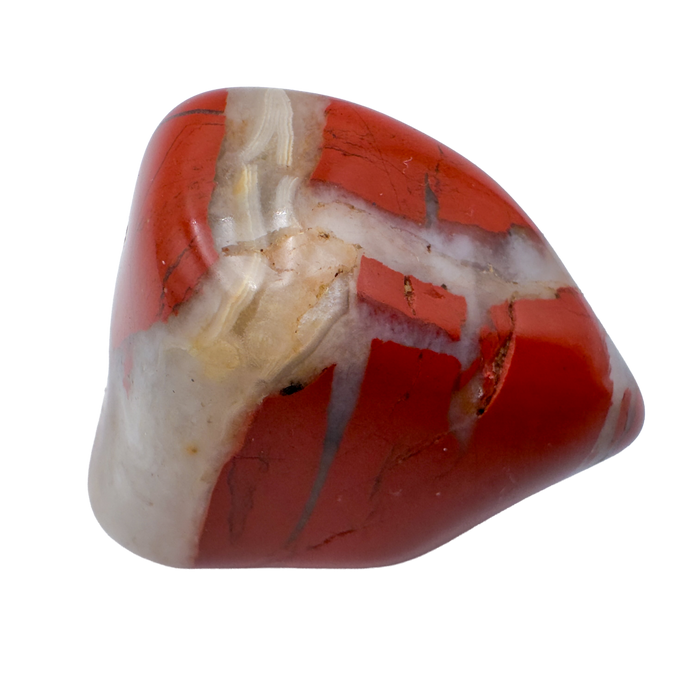
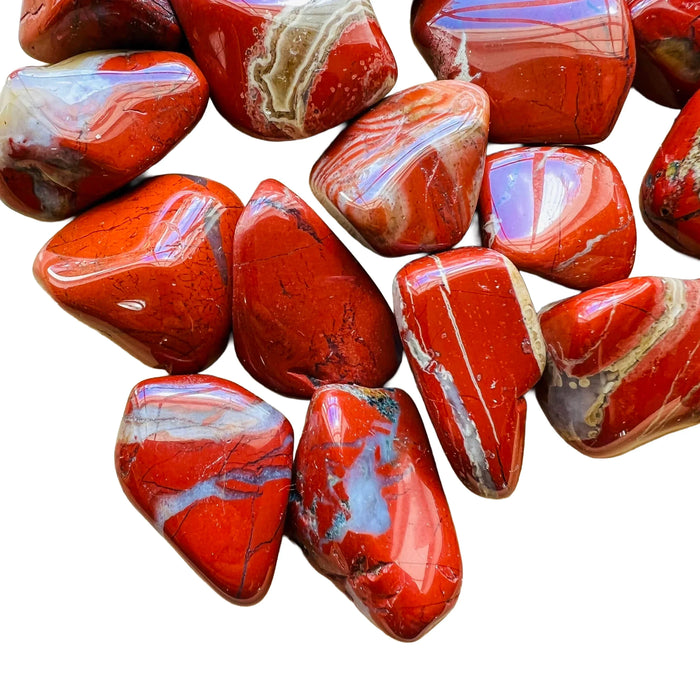
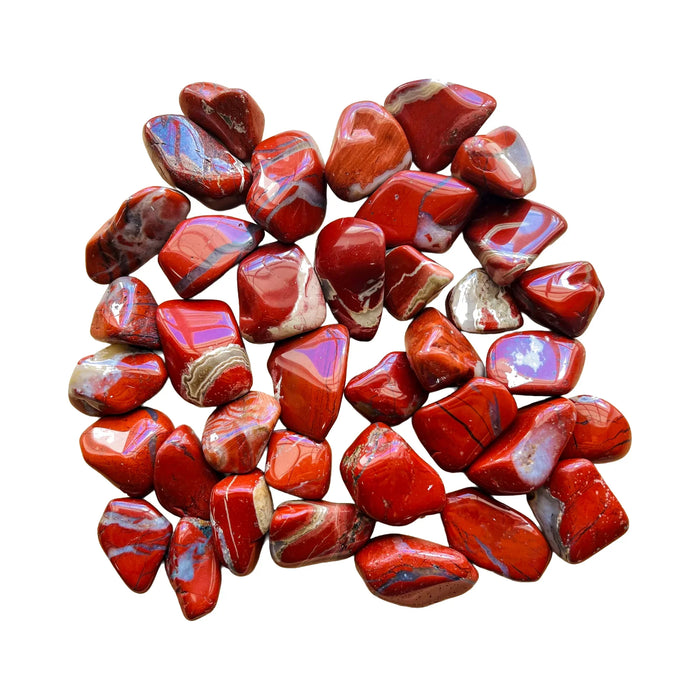
Picture Jasper is not something we carry. Jasper is the closest match in our collection, and every piece passes our sourcing standards: origin named, treatments disclosed.
- from 1,000+ reviews
- Ships within 72 hoursMonday to Friday, tracked
- 90 days to return itif you do not love it
- Free US shipping over $99$8.99 flat rate under
The Slow Note
New stones go to the list first.
No forwarding, no selling. Unsubscribe in one click. Privacy